
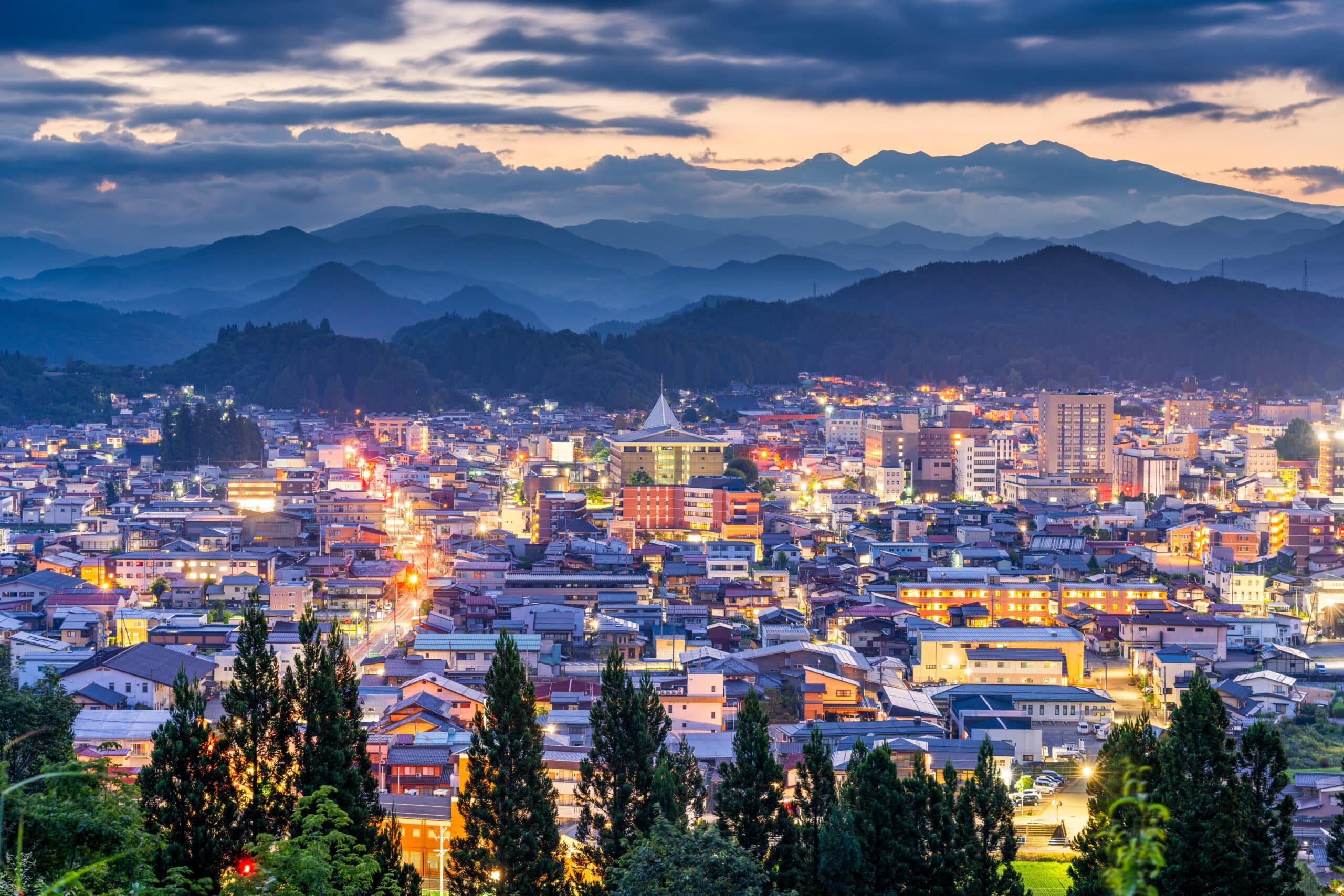
Takayama feels like a quieter, more traditional side of Japan that many travelers imagine before their first trip.
Located in the mountains of Gifu Prefecture, this small historic town is known for its beautifully preserved old streets, wooden merchant houses, morning markets, and relaxed atmosphere. Compared to major cities like Tokyo or Osaka, Takayama moves at a much slower pace—and that’s exactly what makes it special.
Many travelers visit Takayama while traveling between Tokyo, Kyoto, and Kanazawa, but the town is much more than just a stop along the route. From Hida beef restaurants and historic sake breweries to scenic mountain views and nearby onsen towns, Takayama offers one of the most atmospheric travel experiences in Japan.
The town is also one of the best gateways to the Japanese Alps and works perfectly together with destinations like Shirakawa-go, Kamikochi, and Kanazawa.
This Takayama travel guide covers the best things to do, how to get there, where to stay, how much time you need, insider tips, and the best ways to experience the town without rushing through it.
Table of Contents
Quick Overview
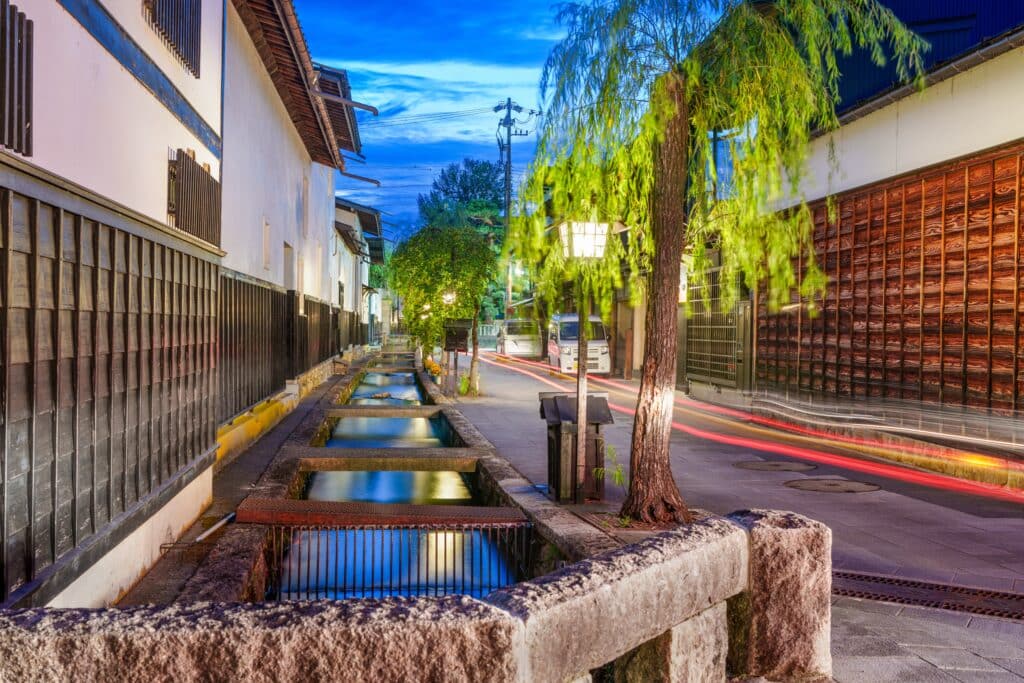
Takayama at a Glance
A traditional mountain town known for preserved Edo-era streets, Hida beef, local markets, and a slower pace of travel in the Japanese Alps.
Gifu Prefecture in the Japanese Alps region of central Japan.
Traditional atmosphere, slow travel, food experiences, and scenic mountain landscapes.
1 full day minimum, though an overnight stay is highly recommended.
Sanmachi Suji Old Town, Hida beef, morning markets, and historic wooden streets.
Autumn for colors, winter for snow scenery, and spring for the Takayama Festival.
Kanazawa, Shirakawa-go, Kamikochi, Kyoto, and the Japanese Alps region.
Is Takayama Worth Visiting?
Is Takayama Worth Visiting?
Yes — especially if you want to experience a quieter and more traditional side of Japan.
While cities like Tokyo and Osaka impress with energy and scale, Takayama offers something completely different: preserved wooden streets, local markets, mountain scenery, and a much slower pace of travel.
The town is compact, easy to explore on foot, and known for its atmosphere rather than a long checklist of attractions. Walking through the old town early in the morning or after most day-trippers leave is often the highlight of visiting.
Takayama is especially worth visiting for travelers interested in traditional architecture, local food culture, scenic train rides, and exploring the Japanese Alps region beyond the major tourist cities.
Why Visit Takayama?
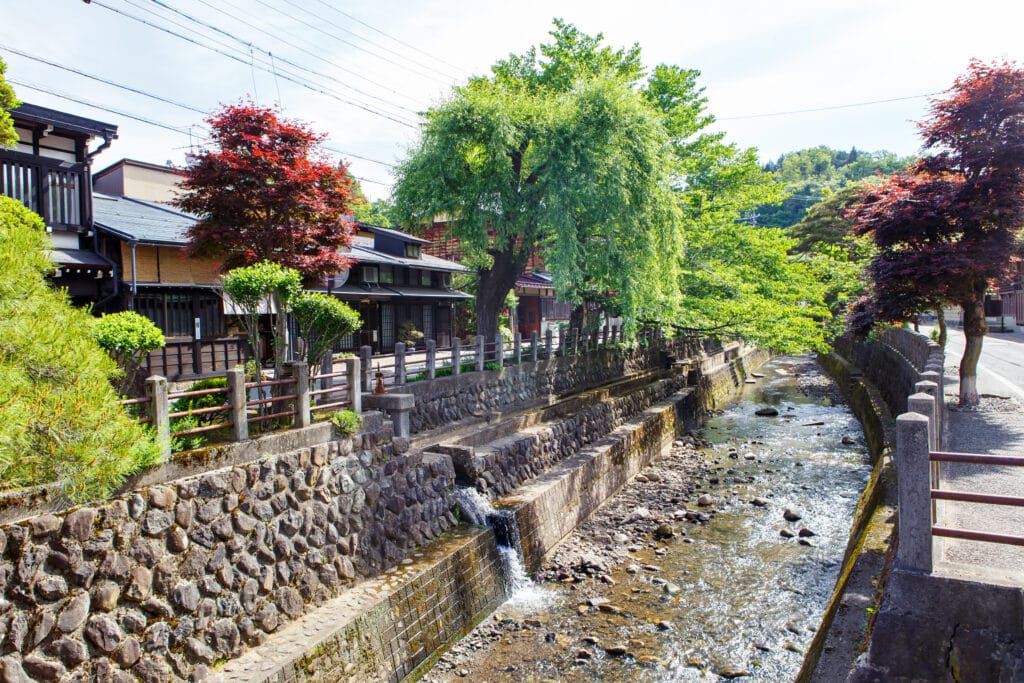
Takayama offers a side of Japan that feels calmer, more traditional, and far removed from the fast pace of the country’s major cities.
Surrounded by the mountains of the Japanese Alps, the town is known for its preserved Edo-period streets, wooden merchant houses, small sake breweries, and local food culture. Compared to destinations like Kyoto, Takayama feels more compact and less overwhelming, making it especially appealing for travelers looking for a slower and more atmospheric experience.
One of the biggest reasons to visit Takayama is the atmosphere itself. The old town area is highly walkable, and much of the experience comes from simply wandering through narrow streets, discovering small shops, trying local snacks, and enjoying the quieter rhythm of daily life.
Takayama is also famous for Hida beef, one of Japan’s best regional beef varieties. From casual street food to traditional restaurants, food is a major part of the experience here.
Another advantage is Takayama’s location. The town works perfectly as a base for exploring the Japanese Alps and nearby destinations like Shirakawa-go, Kamikochi, and Gero Onsen. Many travelers combine Takayama with Kanazawa, Kyoto, or Tokyo as part of a broader Japan itinerary.
While Takayama does attract tourists, it still feels far more relaxed than many of Japan’s larger cultural destinations. Staying overnight especially changes the experience completely, as the streets become much quieter after day-trippers leave.
For travelers searching for traditional scenery, mountain landscapes, slower travel, and local culture, Takayama is one of the most rewarding places to visit in Japan.
Best Things to Do in Takayama
Takayama is less about rushing between major landmarks and more about enjoying the atmosphere of the town itself. From preserved old streets and local markets to mountain scenery and regional food, the experience here feels slower, calmer, and far more traditional than many of Japan’s larger cities.
Sanmachi Suji Old Town
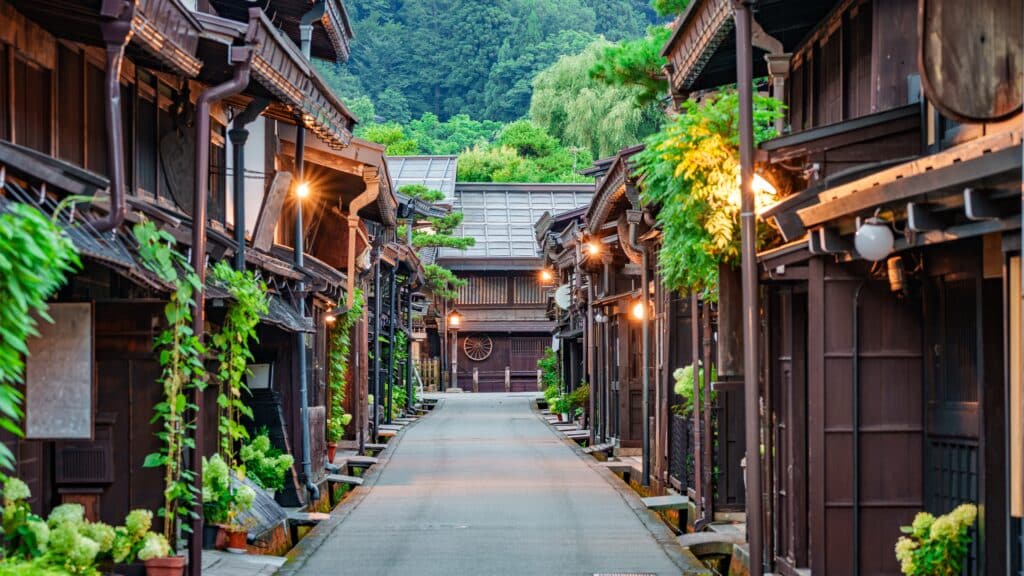
Sanmachi Suji Old Town
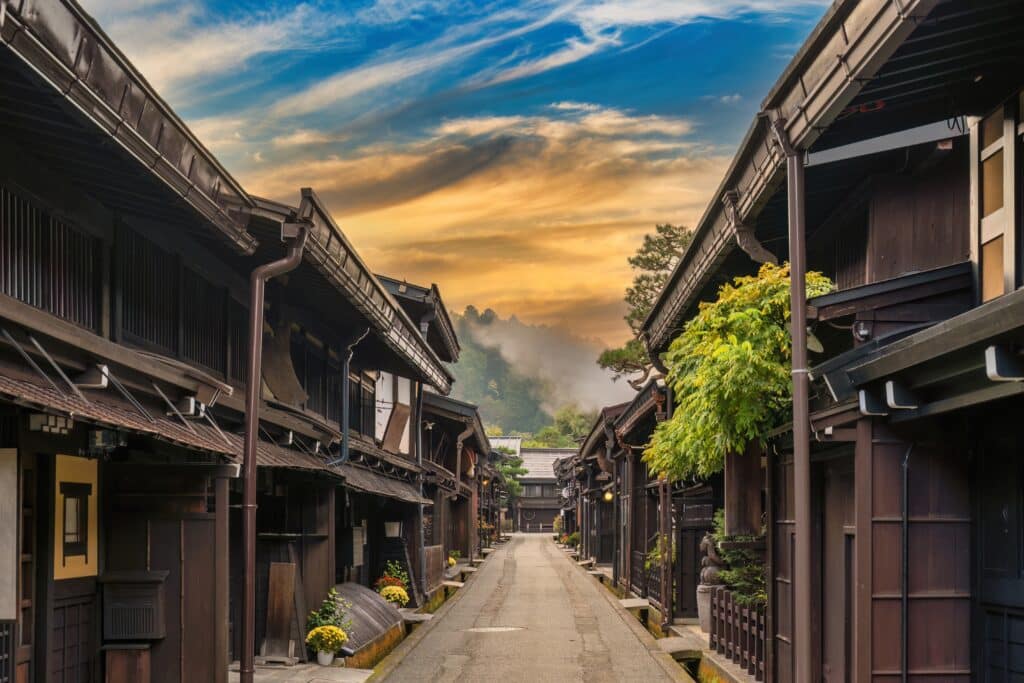
Sanmachi Suji is the historic heart of Takayama and one of the most atmospheric old town areas in Japan. The narrow streets are lined with preserved wooden merchant houses, traditional storefronts, sake breweries, and small local shops that make the town feel far removed from modern Japanese cities.
While this is Takayama’s most famous area, it still feels calmer and more relaxed than many historic districts in Kyoto. Much of the experience comes from simply wandering through the streets, discovering hidden corners, and enjoying the slower pace of the town.
You’ll also find small cafes, local craft shops, sake tastings, and street food stands selling regional specialties like Hida beef skewers.
Miyagawa Morning Market
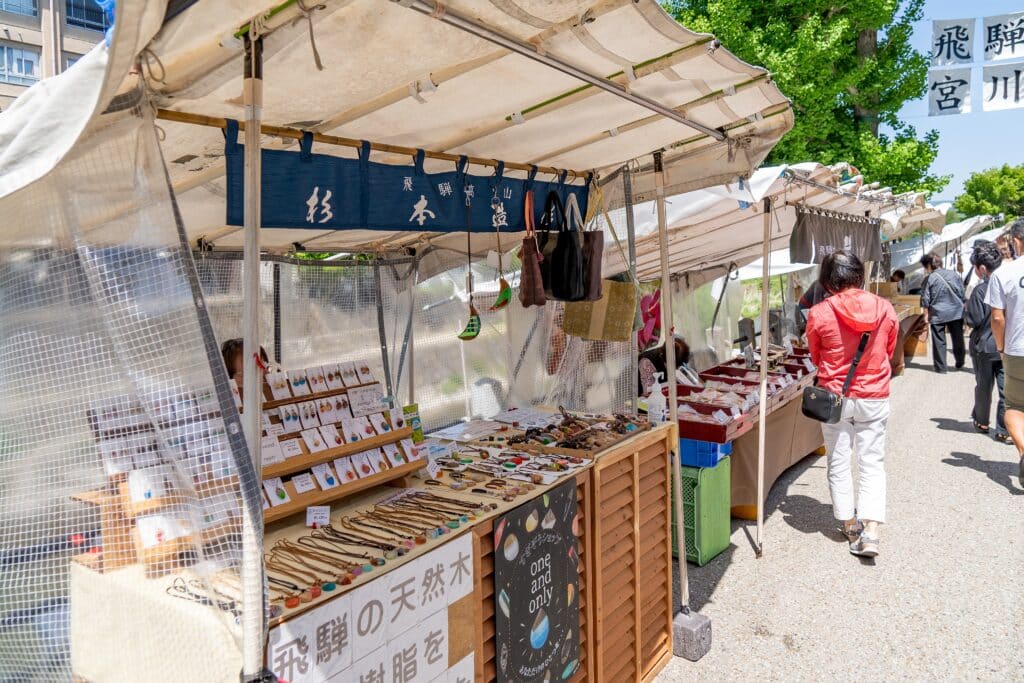
Miyagawa Morning Market
The Miyagawa Morning Market is one of Takayama’s most popular local experiences and a great way to start the day. Located along the river near the old town, the market features small stalls selling fresh produce, local snacks, handmade crafts, pickles, and regional specialties.
Compared to larger markets in Japan, the atmosphere here feels much calmer and more traditional. Many vendors are local families who have been selling products here for generations.
It’s less about shopping and more about experiencing Takayama’s slower daily rhythm while trying local food and chatting with friendly vendors.
Takayama Jinya
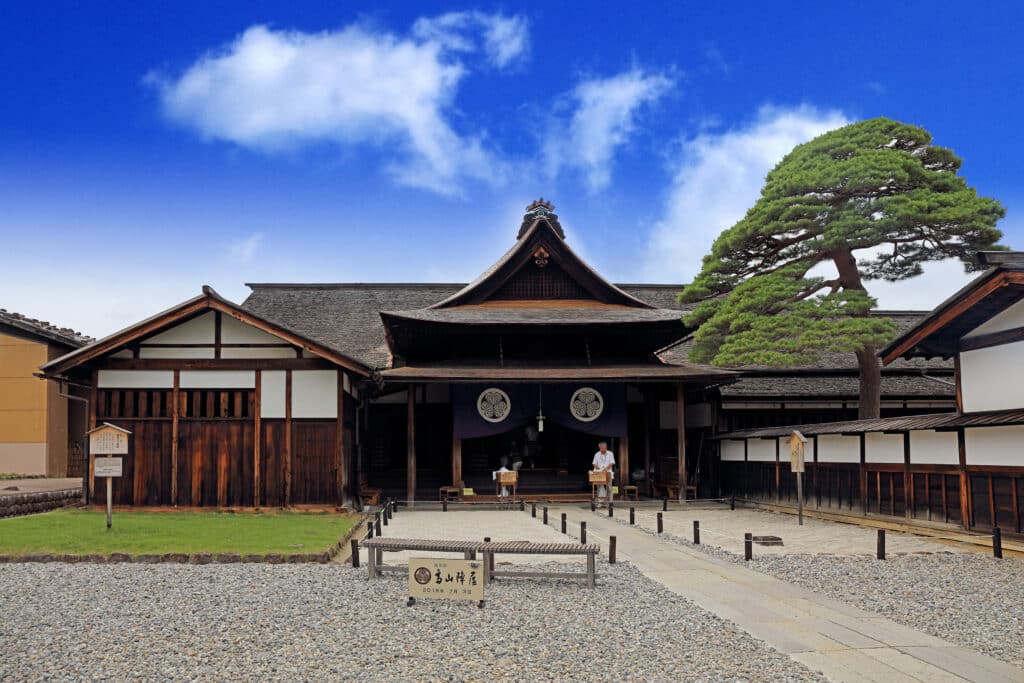
Takayama Jinya
Takayama Jinya is a former government office from the Edo period and one of the town’s most important historic buildings. Unlike castles or temples, it offers a rare look into how regional administration worked during samurai-era Japan.
Inside, you can walk through traditional tatami rooms, meeting spaces, storage areas, and courtyards while learning about local governance and daily life in historic Japan.
The architecture itself is beautifully preserved and feels far more authentic than many reconstructed historical attractions elsewhere in the country.
Hida Folk Village
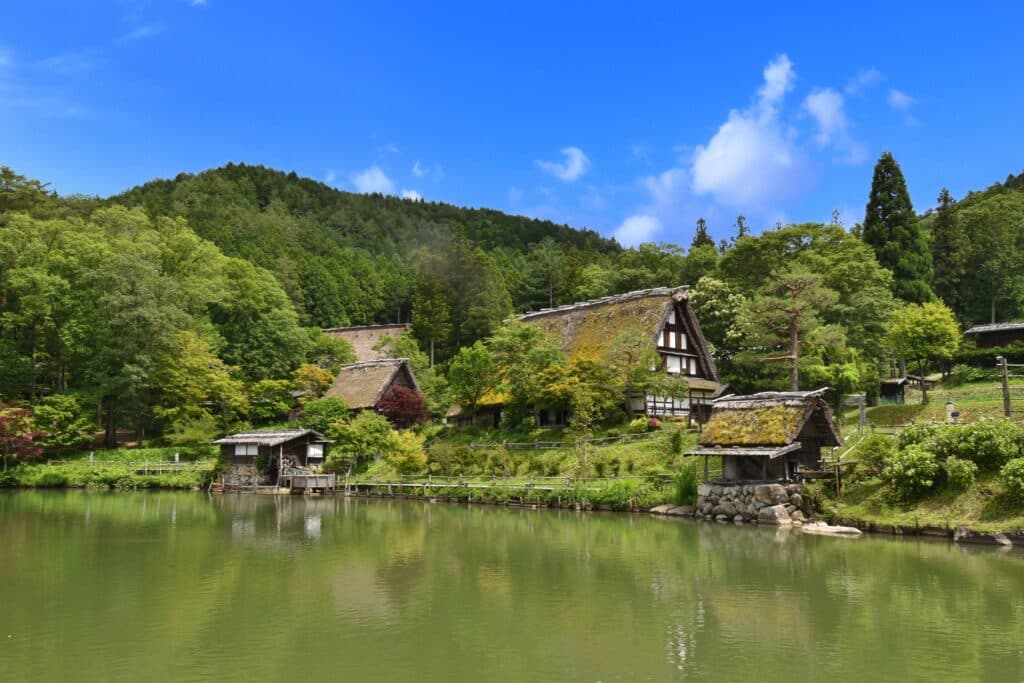
Hida Folk Village
Hida Folk Village is an open-air museum showcasing traditional farmhouses and rural architecture from the Hida region. The village includes dozens of preserved wooden homes relocated from surrounding mountain areas.
Walking through the village feels very different from exploring Takayama’s old town. Here, the atmosphere is quieter, more rural, and surrounded by nature, especially beautiful during autumn and winter.
Several buildings can be entered, allowing visitors to see traditional fireplaces, tools, farming equipment, and local craftsmanship from earlier centuries.
Higashiyama Walking Course
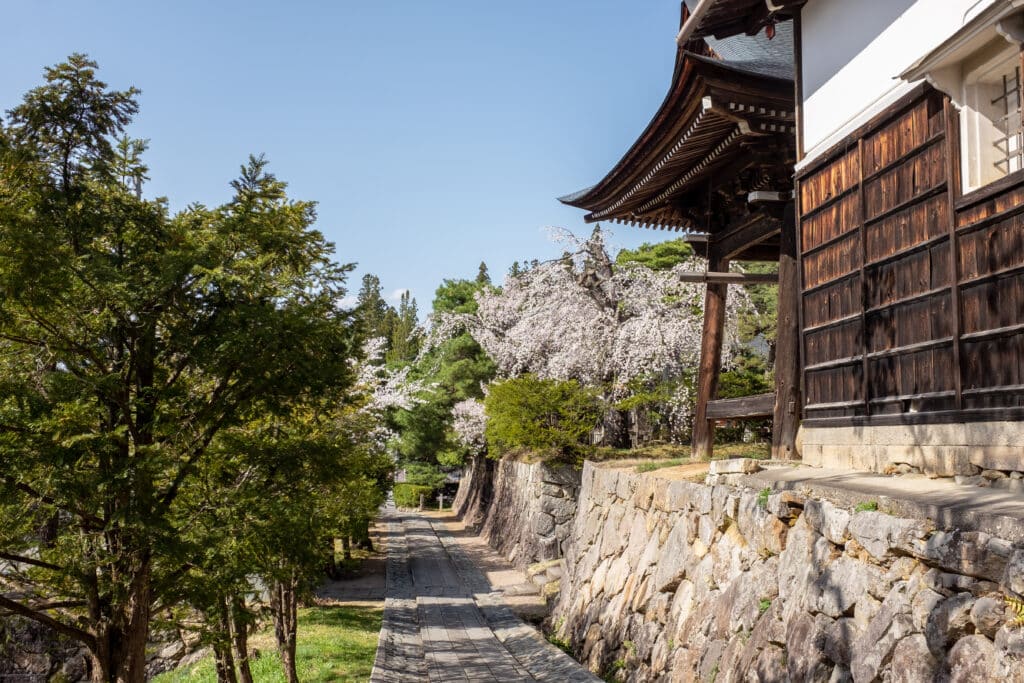
Higashiyama Walking Course
The Higashiyama Walking Course is one of Takayama’s most underrated experiences. This peaceful walking route passes through quiet residential areas, small temples, shrines, forests, and hidden corners away from the busiest tourist streets.
Compared to the old town, the atmosphere here feels much calmer and more local. The route offers a slower side of Takayama that many visitors completely miss.
It’s especially enjoyable during autumn when the surrounding trees begin changing color.
Hida Beef Experience
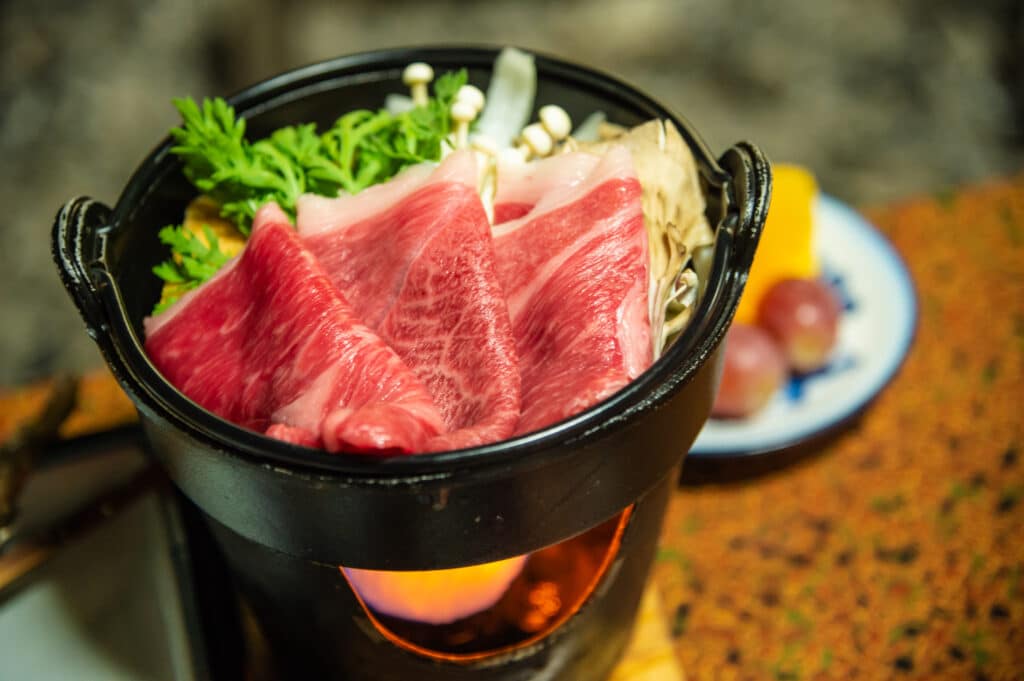
Hida Beef Experience
Takayama is famous for Hida beef, one of Japan’s premium regional beef varieties known for its rich marbling and tender texture. Trying Hida beef is easily one of the highlights of visiting the town.
You’ll find everything from casual street-food skewers and sushi to high-end yakiniku and traditional Japanese dining experiences.
Even travelers who normally avoid expensive meals often consider Hida beef worth the splurge because the quality is exceptionally high.
Sakurayama Hachimangu Shrine
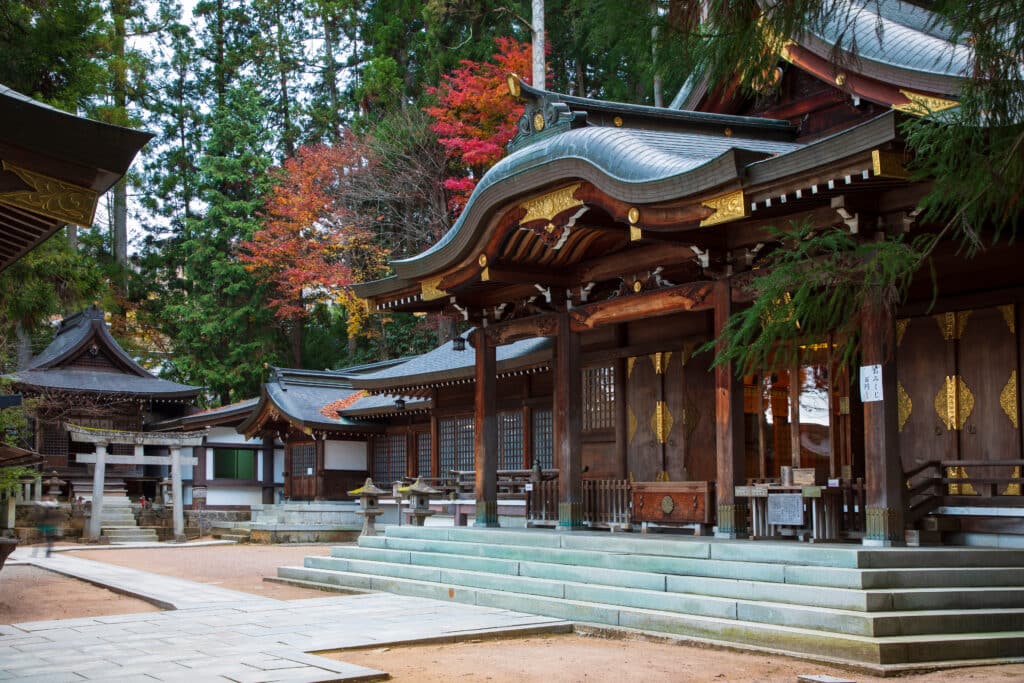
Sakurayama Hachimangu Shrine
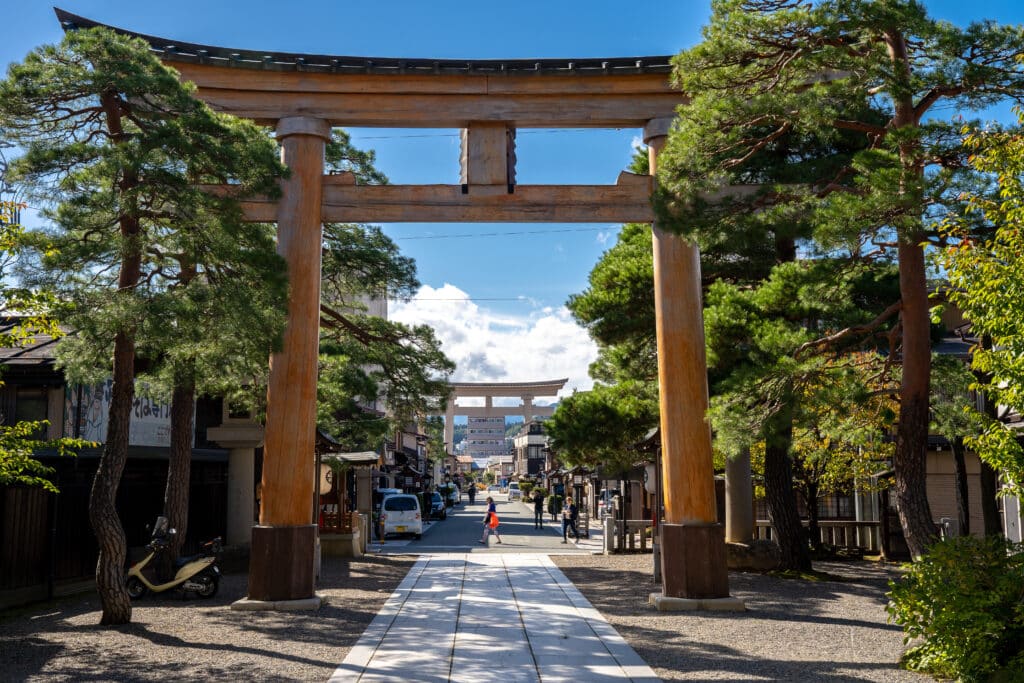
Sakurayama Hachimangu Shrine is one of Takayama’s most important shrines and best known as the main location of the famous Takayama Autumn Festival.
Surrounded by trees and set slightly away from the busiest parts of town, the shrine has a peaceful atmosphere that contrasts nicely with the more crowded old town streets.
Nearby, you can also visit the festival float exhibition hall, where elaborately decorated festival floats are displayed throughout the year.
Nearby Onsen Experience
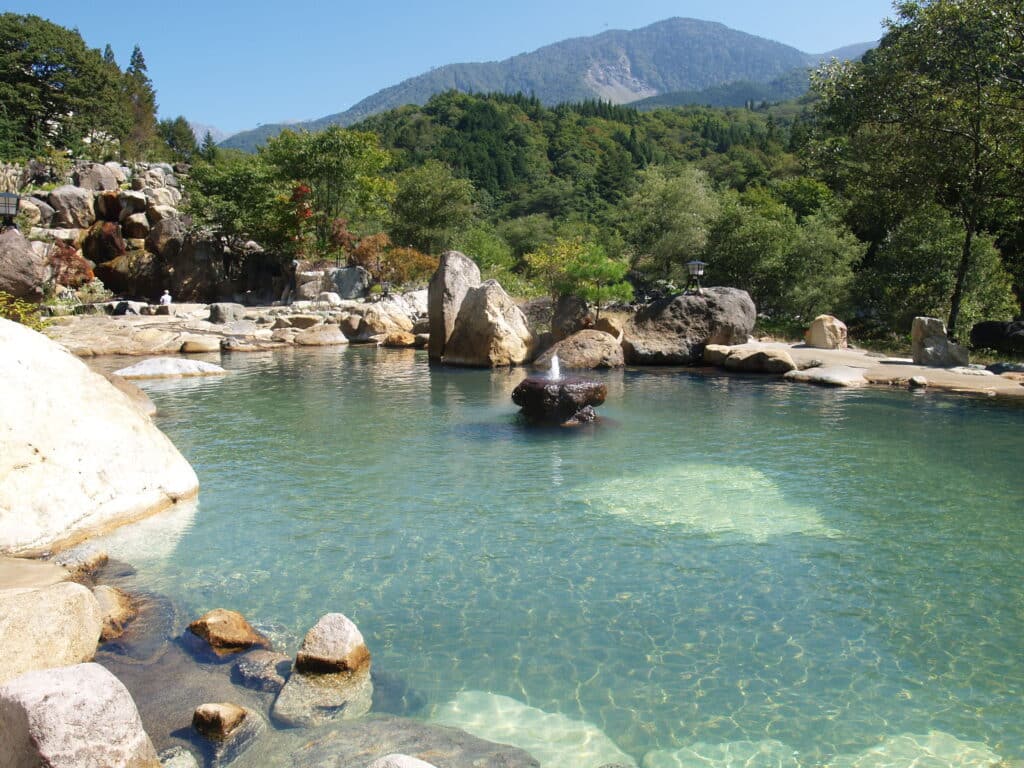
Nearby Onsen Experience
Takayama is surrounded by several excellent onsen towns and hot spring ryokan, making it a perfect destination for slower travel and relaxation in the Japanese Alps.
Nearby places like Okuhida Onsen and Gero Onsen offer scenic outdoor baths, mountain views, and traditional Japanese inns that pair perfectly with Takayama’s historic atmosphere.
Staying at a ryokan with a private or outdoor onsen can easily become one of the most memorable parts of a Japan trip.
Takayama by Travel Style
Takayama appeals to very different types of travelers depending on the season, pace, and kind of experience you’re looking for. While some visitors come for the preserved old town and traditional atmosphere, others visit for food, photography, mountain scenery, or relaxing onsen stays in the Japanese Alps.
The town works especially well for travelers who prefer slower and more atmospheric destinations rather than packed sightseeing schedules. Compared to larger cities, Takayama feels far more relaxed and manageable, making it one of the easiest places in Japan to simply enjoy wandering without a strict itinerary.
Takayama is also one of the best destinations in Japan for combining culture, food, and nature in a single trip. Within a short distance, you can explore historic streets, scenic mountain landscapes, traditional villages, and some of the country’s most relaxing hot spring towns.
If you’re unsure whether Takayama fits your travel style, this quick comparison helps highlight what the town is best known for.
Takayama is one of Japan’s most versatile small-town destinations, offering everything from traditional culture and mountain scenery to local food experiences and relaxing onsen stays.
Best for Traditional Atmosphere
Preserved wooden streets, historic merchant houses, sake breweries, and a slower pace make Takayama feel deeply traditional without the scale of Kyoto.
Best for Food Lovers
Hida beef, local sake, mountain cuisine, and small family-run restaurants make Takayama one of Japan’s best smaller food destinations.
Best for Photography
Early mornings, snowy winters, old wooden streets, riverside markets, and mountain scenery create excellent photography opportunities year-round.
Best for Slow Travel
Takayama is compact, walkable, and easy to enjoy without rushing, making it perfect for travelers looking for a calmer Japan experience.
Best Winter Destination
Snow-covered streets, nearby onsen towns, and cozy mountain scenery make winter one of Takayama’s most atmospheric seasons.
Best Base for Shirakawa-go
Takayama works perfectly as a base for visiting Shirakawa-go and exploring the wider Japanese Alps region.
Takayama vs Kanazawa: Which Should You Choose?
Takayama and Kanazawa are often combined in the same Japan itinerary, but the two destinations offer very different experiences.
Takayama feels smaller, quieter, and far more focused on atmosphere. The town is best known for preserved wooden streets, mountain scenery, local food culture, and slower travel in the Japanese Alps. It works especially well for travelers looking for traditional scenery, relaxing evenings, ryokan stays, and a calmer pace away from Japan’s larger cities.
Kanazawa, on the other hand, feels more urban and cultural. The city is known for Kenroku-en Garden, museums, samurai districts, seafood markets, and a stronger mix of modern city life with traditional culture. Compared to Takayama, Kanazawa offers more variety and more attractions overall.
If your priority is:
– traditional atmosphere and slower travel → choose Takayama
– gardens, museums, and cultural variety → choose Kanazawa
– food and seafood → Kanazawa
– mountain scenery and onsen access → Takayama
– first-time cultural destination → Kanazawa
– relaxing Japanese Alps experience → Takayama
For most travelers, the best option is actually combining both destinations together. The route between Takayama, Shirakawa-go, and Kanazawa is considered one of Japan’s best cultural travel itineraries.
Day Trip or Overnight in Takayama?
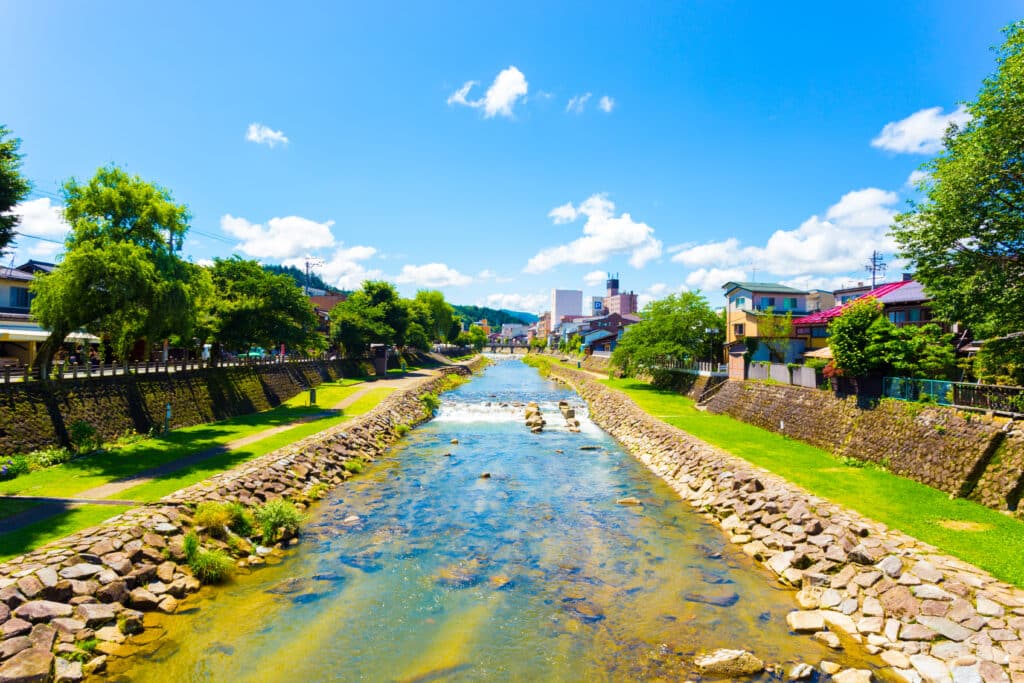
While Takayama can technically be visited as a day trip, staying overnight creates a completely different experience—and for most travelers, it’s the better option.
The town is relatively compact, meaning you can see the main attractions in a single day if you start early. Many visitors combine Takayama with nearby destinations like Shirakawa-go or travel through the area while moving between Tokyo, Kyoto, and Kanazawa.
However, Takayama is not really a destination that works best when rushed.
A large part of the town’s appeal comes from the atmosphere itself: quiet streets in the early morning, traditional buildings after sunset, small restaurants, local sake bars, and the slower pace that disappears during busy midday hours.
Once most day-trippers leave in the late afternoon, Takayama becomes significantly calmer and more enjoyable. Walking through the old town in the evening is often one of the highlights of staying overnight.
An overnight stay also makes it easier to:
– enjoy a proper Hida beef dinner
– stay at a traditional ryokan
– visit nearby onsen towns
– experience the morning markets early
– avoid constantly watching train or bus schedules
If you only have limited time in Japan, a day trip is still possible. But if your itinerary allows it, spending at least one night in Takayama creates a far more memorable and relaxing experience.
Takayama as a Day Trip
- Possible if your schedule is tight
- Enough time for old town highlights
- Works well with Shirakawa-go
- Best for fast-paced itineraries
- Less ideal for onsen or evening atmosphere
Takayama Overnight Stay
- Far more relaxed experience
- Enjoy the town after crowds leave
- Better for food and local atmosphere
- Ideal for ryokan and onsen stays
- Recommended for most travelers
How to Get to Takayama
Despite its mountain location, Takayama is surprisingly easy to reach and fits well into most Japan travel itineraries. The town is commonly visited between Tokyo, Kyoto, Osaka, and Kanazawa, making it a popular stop while exploring central Japan and the Japanese Alps region.
The journey itself is often part of the experience, especially the scenic train ride through forests, rivers, and mountain valleys on the way to Takayama.
From Tokyo
The fastest route from Tokyo is usually:
– Shinkansen to Nagoya
– Limited Express Hida train to Takayama
The total journey takes around 4.5 to 5 hours depending on connections.
Another option is taking the Hokuriku Shinkansen via Toyama, though this route is usually slower and less convenient.
From Kyoto or Osaka
From Kyoto or Osaka, the easiest route is:
– Shinkansen to Nagoya
– Limited Express Hida train to Takayama
Travel time is usually:
– Kyoto → Takayama: around 3.5 hours
– Osaka → Takayama: around 4 hours
From Kanazawa
Takayama is very commonly combined with Kanazawa.
Direct highway buses connect both cities in approximately 2 to 2.5 hours and pass through scenic mountain areas along the way.
This route is especially popular for travelers also visiting Shirakawa-go.
Scenic Train Experience
The Limited Express Hida train between Nagoya and Takayama is considered one of Japan’s most scenic rail journeys outside the major tourist routes.
Large windows, mountain rivers, forests, and rural landscapes make the journey itself part of the Takayama experience.
JR Pass Information
The JR Pass covers:
– Shinkansen between Tokyo/Kyoto/Osaka and Nagoya
– Limited Express Hida trains to Takayama
However, some buses in the region — including many routes to Shirakawa-go — are not fully covered and may require separate reservations or tickets.
Driving in Takayama
Renting a car can work well if you plan to explore the wider Japanese Alps region, especially places like:
– Shirakawa-go
– Kamikochi
– Okuhida
– smaller rural villages
However, a car is not necessary for Takayama itself, since the town center is compact and very walkable.
Best Route from Tokyo
Tokyo → Nagoya by Shinkansen → Limited Express Hida to Takayama.
Best Route from Kyoto
Kyoto → Nagoya → Takayama. Smooth and easy with JR connections.
Best Scenic Journey
The Limited Express Hida train through the Japanese Alps is one of Japan’s most beautiful rail rides.
Best Combination
Combine Takayama with Kanazawa and Shirakawa-go for one of Japan’s best cultural travel routes.
Takayama Travel Map
This interactive Takayama travel map highlights the town’s most important attractions, historic districts, scenic walks, local food spots, nearby onsen towns, and popular day trips in the Japanese Alps region.
Takayama is compact and easy to explore on foot, but this map also helps visualize nearby destinations like Shirakawa-go, Okuhida, and Kanazawa that are commonly combined into the same itinerary.
Best Time to Visit Takayama
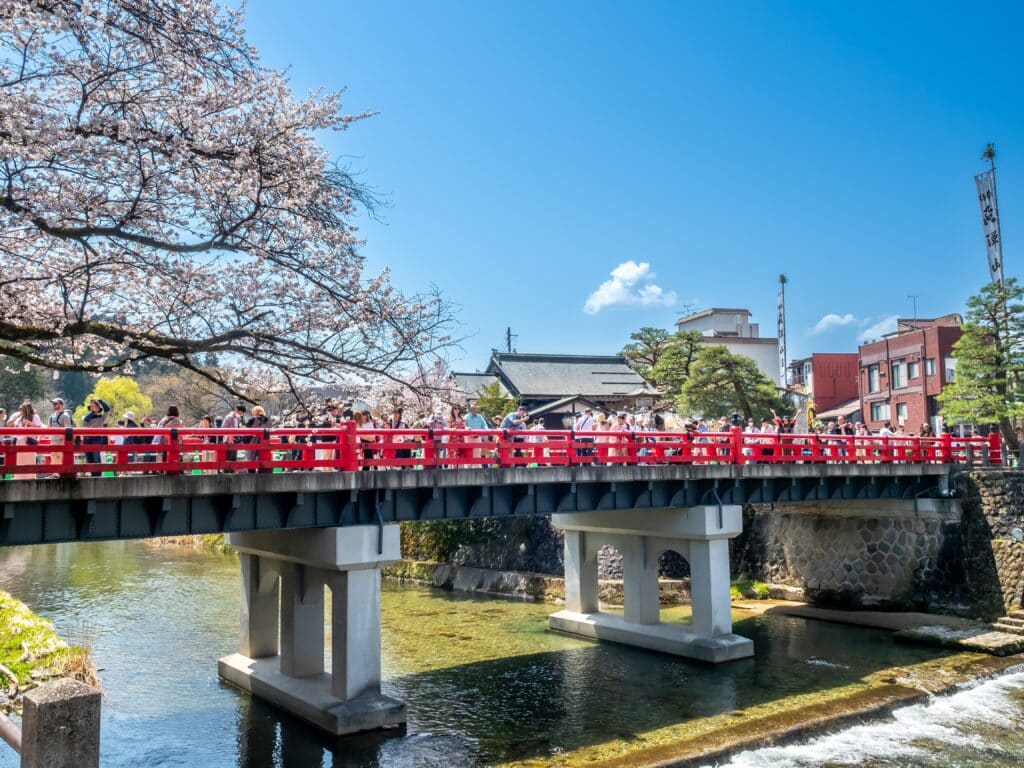
Takayama is a year-round destination, but the experience changes significantly depending on the season. Thanks to its mountain location in the Japanese Alps, the town has cooler temperatures than many other parts of Japan and experiences much stronger seasonal contrasts.
For most travelers, autumn is considered the best overall season thanks to colorful foliage, comfortable temperatures, and especially atmospheric scenery in the old town and surrounding mountains.
Winter is also extremely popular because Takayama becomes one of Japan’s most picturesque snow destinations. The combination of snow-covered wooden streets, warm ryokan stays, and nearby onsen creates a very different atmosphere compared to larger cities.
Spring brings cherry blossoms and the famous Takayama Spring Festival, while summer offers greener mountain landscapes and cooler temperatures compared to Tokyo or Osaka.
The best season ultimately depends on the type of experience you want most.
Spring
Cherry blossoms, fresh mountain scenery, and the famous Takayama Spring Festival create one of the liveliest times of year.
- Best for festivals and traditional atmosphere
- Cool and comfortable temperatures
- Popular during sakura season
Summer
Summer brings greener landscapes and slightly cooler weather than Japan’s larger cities, making Takayama a good warm-weather escape.
- Best for mountain scenery and hiking
- Good base for Kamikochi
- Can still become humid in peak summer
Autumn
Autumn is widely considered the best overall season thanks to colorful foliage, comfortable weather, and extremely photogenic scenery.
- Best overall season
- Excellent for photography
- Very popular from late October to November
Winter
Snow transforms Takayama into one of Japan’s most atmospheric winter destinations, especially when combined with onsen stays.
- Best for snow scenery and ryokan stays
- Excellent winter photography
- Cold temperatures and possible snow delays
Insider Tips for Visiting Takayama
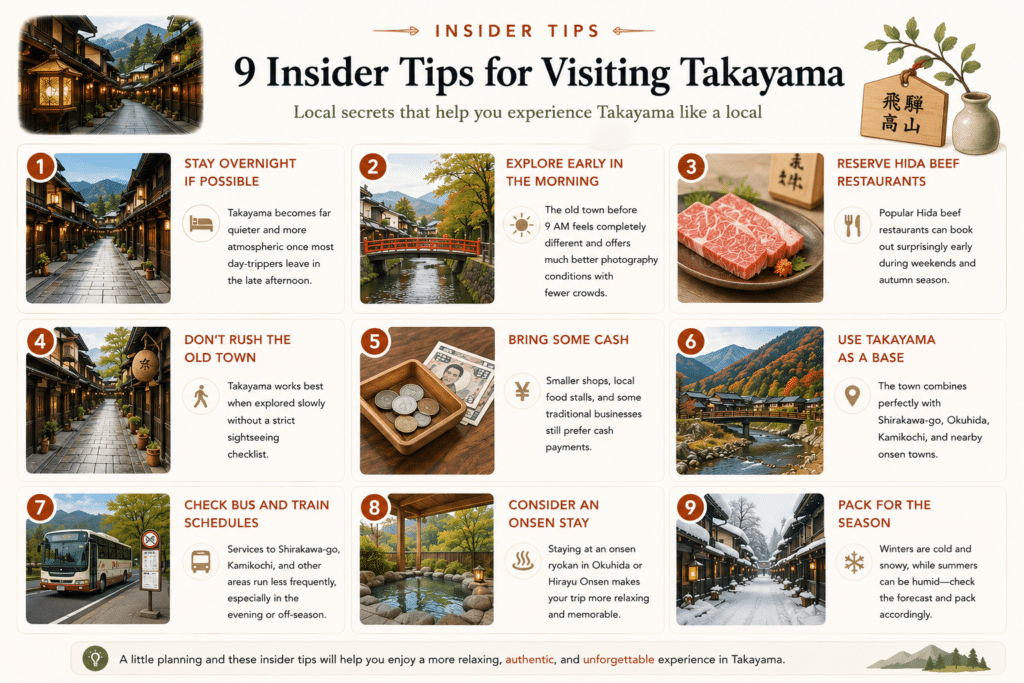
Takayama is relatively easy to explore, but a few small decisions can completely change the experience. Many travelers only visit for a few rushed daytime hours, which means they miss some of the town’s best atmosphere.
The biggest difference usually comes from timing. Early mornings and evenings feel dramatically quieter and more authentic compared to the busy midday period when tour groups arrive.
Because Takayama is smaller and slower paced than cities like Tokyo or Kyoto, it rewards travelers who leave extra room in their schedule rather than trying to rush through attractions.
What to Skip & Common Mistakes in Takayama
Takayama is one of the easiest places in Japan to enjoy slowly, but many travelers still make the mistake of treating it like a quick sightseeing stop between larger destinations.
Because the town is relatively small, rushing through attractions often removes the atmosphere that makes Takayama special in the first place. A few simple adjustments can dramatically improve the experience.
Don’t Visit Only Midday
The old town becomes busiest between late morning and mid-afternoon when most tour groups arrive.
Don’t Treat Takayama as Just a Transit Stop
Many travelers rush through Takayama on the way to Shirakawa-go and barely experience the town itself.
Don’t Skip Hida Beef
Some travelers avoid Hida beef because of the higher prices, but it’s one of the region’s signature experiences.
Don’t Overpack Your Schedule
Takayama works best when you leave room for wandering, cafes, local shops, and quiet streets.
Don’t Ignore Seasonal Weather
Takayama’s mountain climate can change quickly, especially during winter and late autumn.
Don’t Assume Everything Stays Open Late
Takayama becomes quiet relatively early compared to Japan’s larger cities, especially outside peak seasons.
Suggested Takayama Itinerary
Takayama is compact enough to explore without rushing, but the ideal amount of time depends on your travel style and whether you want to combine the town with nearby destinations like Shirakawa-go or an onsen stay.
While some travelers only stop for a few hours, Takayama becomes far more rewarding once you slow down and spend at least one evening in town.
Takayama is compact but full of charm. Choose the itinerary that best fits your travel style and schedule.
Half-Day Takayama
Travelers passing through Takayama while visiting Shirakawa-go or traveling between Kanazawa and Kyoto.
Explore Sanmachi Suji Old Town, visit the morning market, try Hida beef, and walk through the historic center.
1 Full Day in Takayama
Travelers who want to experience Takayama properly without rushing through the town.
Visit the old town, morning market, Takayama Jinya, Higashiyama Walking Course, and enjoy a proper Hida beef dinner.
Overnight + Onsen Stay
Perfect for travelers wanting a slower and more atmospheric Japanese Alps experience.
Combine Takayama with an onsen ryokan stay in Okuhida or nearby hot spring towns for a much more relaxing trip.
Final Thoughts
Takayama is one of those places in Japan that feels memorable not because of huge landmarks or endless attractions, but because of its atmosphere.
The slower pace, preserved wooden streets, mountain scenery, local food culture, and quieter evenings create a side of Japan that feels very different from the country’s larger cities.
While many travelers initially visit Takayama as a stop between Tokyo, Kyoto, or Kanazawa, the town often becomes one of the most relaxing and authentic parts of the trip.
Whether you come for the old town, Hida beef, nearby onsen, or simply the feeling of slowing down for a while, Takayama offers one of the most atmospheric travel experiences in Japan.
FAQ: Visiting Takayama
Is Takayama worth visiting?
Yes — especially for travelers looking for a quieter and more traditional side of Japan. Takayama is known for its preserved old town, mountain atmosphere, Hida beef, and slower pace compared to cities like Tokyo or Osaka.
How many days do you need in Takayama?
Most travelers should spend at least 1 full day in Takayama. However, an overnight stay is highly recommended to experience the town early in the morning and after day-trippers leave.
Can you visit Takayama as a day trip?
Yes, but Takayama works much better as an overnight destination. A day trip allows you to see the main highlights, but staying overnight creates a much calmer and more atmospheric experience.
Is Takayama expensive?
Takayama is generally less expensive than Tokyo or Kyoto, though ryokan stays and Hida beef restaurants can become expensive depending on the level of luxury.
What is Takayama famous for?
Takayama is famous for:
- Sanmachi Suji Old Town
- Hida beef
- traditional wooden streets
- morning markets
- Takayama Festival
- nearby onsen towns
- Japanese Alps scenery
What is the best season to visit Takayama?
Autumn is usually considered the best overall season thanks to colorful foliage and comfortable weather. Winter is also extremely popular for snow scenery and onsen stays.
Is Takayama touristy?
Takayama is popular with international and domestic travelers, but it still feels significantly calmer and less crowded than destinations like Kyoto.
Is Takayama better than Kanazawa?
Both destinations are excellent, but they offer different experiences. Kanazawa feels more urban and cultural with museums and gardens, while Takayama feels smaller, slower, and more focused on traditional atmosphere and mountain scenery.