
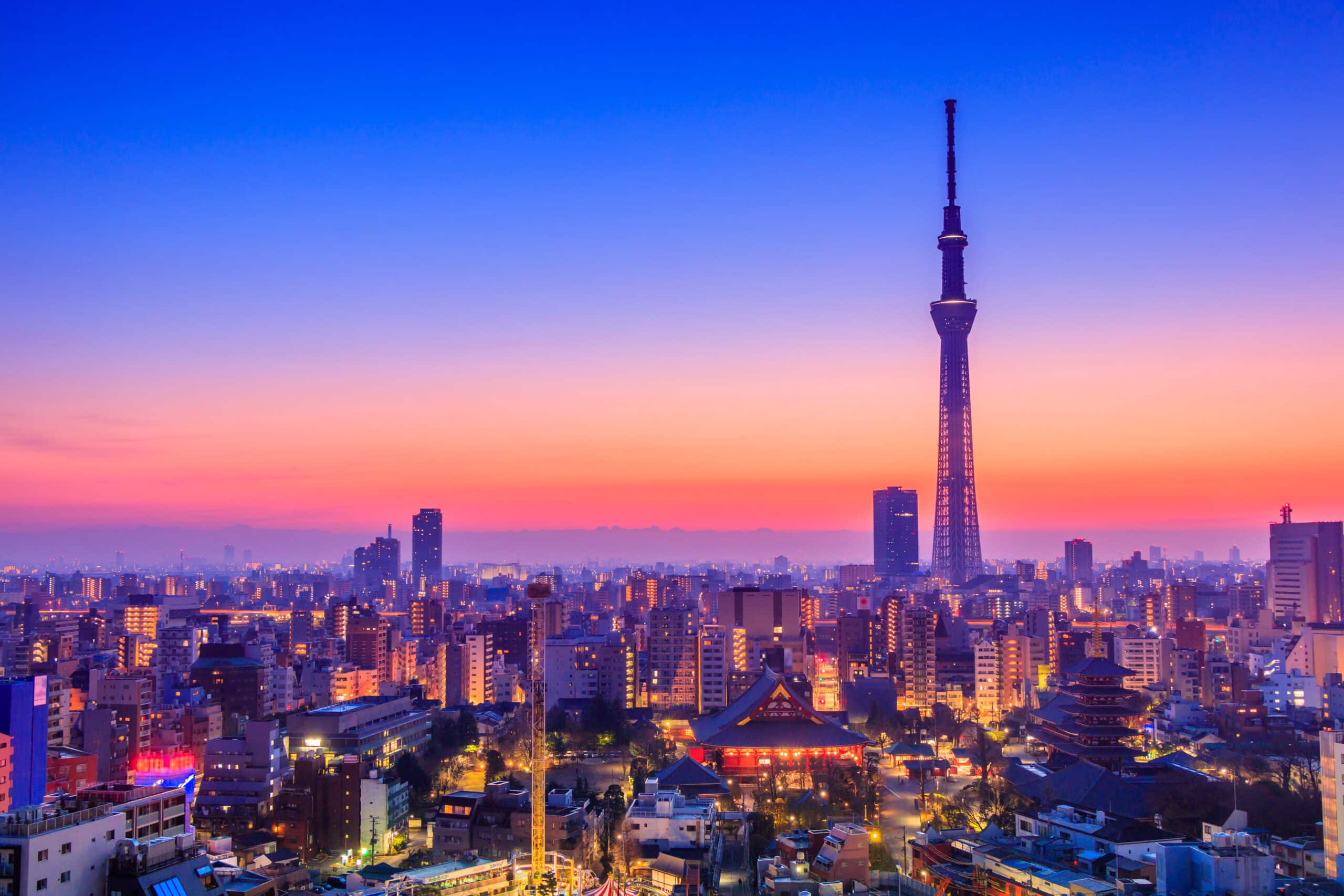
Tokyo is one of the world’s most exciting cities—but planning a trip here isn’t as simple as choosing the most famous attractions. With thousands of restaurants, dozens of fascinating neighborhoods, and countless places competing for your attention, the real challenge is deciding what is actually worth your limited time.
That’s exactly what this Travel Owl guide is designed to help with.
Instead of overwhelming you with endless lists, we’ll help you make smarter travel decisions based on your interests, your schedule, and your travel style. Whether you’re visiting Japan for the first time or returning to discover more, this guide focuses on the experiences that offer the greatest value—not simply the biggest names.
If you are planning your first trip to Japan, this is the place to start.
🦉 Make Smarter Tokyo Travel Decisions
Planning Tokyo can feel overwhelming. By the end of this guide, you’ll have clear answers to the questions that matter most.
🤔 Your Question
How many days should I spend in Tokyo?
✅ You’ll Know
The ideal trip length for your itinerary.
🤔 Your Question
Where should I stay?
✅ You’ll Know
Which neighborhood best matches your travel style.
🤔 Your Question
What is actually worth my time?
✅ You’ll Know
Which attractions deserve a place on your itinerary.
🤔 Your Question
When is the best time to visit?
✅ You’ll Know
Which season best fits your priorities.
🤔 Your Question
How should I plan my days?
✅ You’ll Know
How to build a realistic itinerary without rushing.
🦉 Our Goal
Helping you make smarter travel decisions.
We believe the best trip isn’t the one where you see the most—it’s the one where every day feels well spent.
Table of Contents
Tokyo Travel Essentials
October–November
Haneda (HND)
Tokyo Quick Decision
Is Tokyo Worth Visiting?
Yes—Tokyo is one of the best first destinations in Japan. It combines world-class food, fascinating neighborhoods, outstanding public transport, rich cultural traditions, and some of the safest city travel in the world. For most first-time visitors, spending 3 to 5 days in Tokyo offers the perfect balance between sightseeing and experiencing the city’s unique atmosphere.
Tokyo is especially rewarding for travelers who enjoy exploring vibrant neighborhoods, exceptional food, shopping, museums, and the contrast between historic temples and futuristic cityscapes. If your ideal holiday focuses mainly on beaches, hiking, or quiet nature, you may enjoy spending more time in destinations such as Hakone, the Japanese Alps, or Okinawa.
This guide helps you decide when to visit, how many days to stay, where to base yourself, which neighborhoods deserve your time, and how to build a realistic itinerary—so you can experience the very best of Tokyo without feeling rushed.
Is Tokyo Right for You?
Tokyo isn’t the right destination for everyone—and that’s exactly what makes it so rewarding for the right traveler.
If you enjoy exploring lively neighborhoods, trying exceptional food, discovering different cultures, and experiencing a city that constantly surprises you, Tokyo is one of the most exciting destinations in the world. Every district has its own personality, from the historic streets of Asakusa to the neon lights of Shibuya and the quiet cafés of Daikanyama.
On the other hand, if your ideal holiday is all about beaches, mountain scenery, or slow-paced nature, you’ll probably want to spend less time in Tokyo and more time exploring places like Hakone, the Japanese Alps, or Okinawa.
For most first-time visitors, however, Tokyo offers the perfect introduction to Japan—combining history, modern culture, world-class food, outstanding public transport, and an atmosphere unlike anywhere else.
Who Tokyo Is Best For?
🧳 First-Time Visitors
Tokyo is one of the easiest places to begin your Japan journey thanks to its excellent transport, outstanding safety, and huge variety of experiences.
🍣 Food Lovers
From Michelin-starred restaurants to tiny ramen shops and sushi counters, few cities offer such incredible food at every budget.
🏙 City Explorers
Every neighborhood feels different. Exploring Tokyo is less about famous landmarks and more about discovering unique districts with their own personality.
🛍 Shopping Enthusiasts
Whether you’re looking for luxury boutiques, vintage stores, electronics, or quirky souvenirs, Tokyo offers some of the world’s best shopping districts.
🎌 Culture Seekers
Tokyo combines centuries-old temples and gardens with futuristic architecture, creating one of the world’s most fascinating cultural contrasts.
🌿 Maybe Not Ideal If…
If your dream holiday revolves around beaches, mountain hiking, or quiet countryside, consider balancing your itinerary with destinations like Hakone, the Japanese Alps, or Okinawa.
Travel Owl Verdict
🦉 Travel Owl Priority Optimizer
How we decide which Tokyo experiences deserve your time
Every experience in this guide is evaluated using the Travel Owl Priority Optimizer. The framework helps first-time visitors compare attractions and focus on the experiences that offer the greatest value for their interests and available time.
Our goal: To help you build a better Tokyo itinerary—not to suggest that every traveler should make exactly the same choices.
Should You Include Tokyo in Your Japan Itinerary?
🟢 Absolutely Recommended
Tokyo belongs on every first-time Japan itinerary.
Spend 3–5 days discovering Tokyo’s fascinating mix of ancient temples, futuristic cityscapes, world-class food, peaceful gardens, and endlessly different neighborhoods. Few cities offer such a complete introduction to Japan, making Tokyo the ideal place to begin your journey.
Rather than trying to visit every famous attraction, build your itinerary around experiences that match your interests. After Tokyo, continue to destinations that complement the city—such as Hakone for nature and hot springs, Kyoto for traditional Japan, Kanazawa for culture, or Nikko for history and mountain scenery.
💡 Why We Recommend Tokyo
Tokyo isn’t simply Japan’s largest city—it’s the destination that offers first-time visitors the broadest introduction to everything the country has to offer. From centuries-old temples to futuristic skylines, Michelin-starred restaurants to tiny ramen shops, quiet gardens to bustling nightlife, Tokyo showcases Japan’s remarkable diversity better than anywhere else.
Best Time to Visit Tokyo
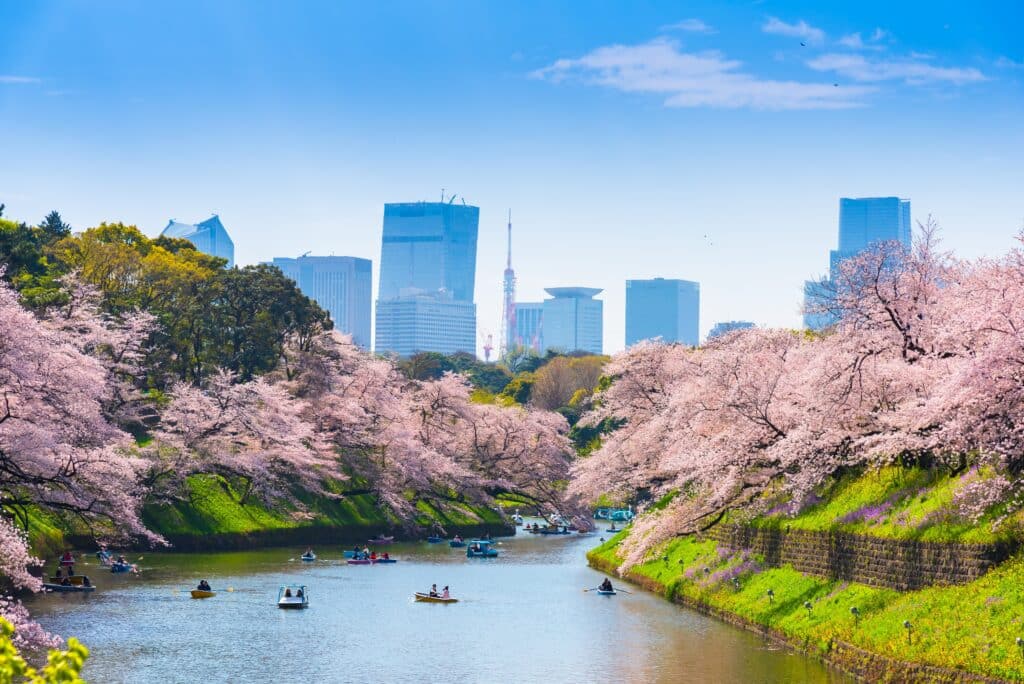
Tokyo is a city for all seasons, but the experience changes dramatically throughout the year. Some travelers come for the famous cherry blossoms, while others prefer the cooler temperatures and colorful parks of autumn. Summer brings spectacular festivals and fireworks but also intense heat and humidity. Winter, often overlooked, offers clear skies, festive illuminations, and noticeably fewer crowds.
There isn’t one perfect season to visit Tokyo—it depends on what kind of trip you want. The guide below will help you choose the season that suits you best.
🌸 Choose Your Season
Each season offers a different Tokyo experience. Use this comparison to find the best match for your travel priorities.
| Season | Months | Best For | What to Expect | Choose It If… |
|---|---|---|---|---|
| 🌸 Spring | March–May | Cherry blossoms, first visits and photography | Mild temperatures, blooming parks and a lively atmosphere, but larger crowds and higher prices. | Seeing Tokyo during its most famous season is your priority. |
| ☀️ Summer | June–August | Festivals, fireworks and nightlife | Energetic evenings and seasonal events, together with intense heat, humidity and rainy periods. | You enjoy cultural events and do not mind hot, humid weather. |
| 🍁 Autumn | September–November | Walking, food and autumn colors | Cooler temperatures, softer light and some of the most comfortable sightseeing conditions of the year. | You want the best balance of weather, scenery and easy exploration. |
| ❄️ Winter | December–February | Fewer crowds, clear skies and illuminations | Colder temperatures and shorter days, but calmer attractions, crisp views and often better hotel value. | You prefer quieter travel and do not mind wearing warmer clothes. |
🦉 Which Season Would We Choose?
If you’re visiting Tokyo for the first time, we recommend October. The weather is usually warm without the intense summer humidity, parks begin to show autumn colours, and walking around the city is especially enjoyable.
If seeing Japan’s famous cherry blossoms is your main priority, plan your trip for late March or early April. Just be prepared for larger crowds and higher accommodation prices during this popular period.
How Many Days in Tokyo?
Tokyo expands to fill the time you give it. You could spend a week here and still discover new neighborhoods, cafés, and experiences. But that doesn’t mean you need a week for a rewarding first visit.
The best trip length depends on your overall Japan itinerary. Use the guide below to find the option that suits your travel style.
🗓 Choose Your Trip Length
Whether Tokyo is your main destination or just one stop on a Japan itinerary, this comparison will help you decide how many days to spend in the city.
| Trip Length | Perfect For | What to Expect | Choose It If… |
|---|---|---|---|
| 2 Days | Short stopovers | Tokyo’s biggest highlights with a fast pace. | You have limited time but want a first impression. |
| 3 Days | Classic first visit | The major neighborhoods, great food, and Tokyo’s highlights. | Your overall Japan trip is around 10 days. |
| 4–5 Days ⭐ | Most travelers | More flexibility, quieter neighborhoods, and time to slow down. | You want the best overall Tokyo experience. |
| 6–7 Days | Slow travel | Hidden neighborhoods plus day trips such as Nikko or Kamakura. | Tokyo is the main focus of your trip. |
🦉 How Many Days Would We Choose?
For most first-time visitors, we recommend spending 4 days in Tokyo. This gives you enough time to experience the city’s famous highlights while also leaving room to discover quieter neighborhoods, local cafés, and the unexpected moments that often become the best memories.
If your overall Japan itinerary is only 7–10 days, 3 days is usually enough. If you have two weeks or more, 4–5 days offers the best balance before continuing to destinations such as Hakone, Kyoto, or Kanazawa.
Where to Stay in Tokyo
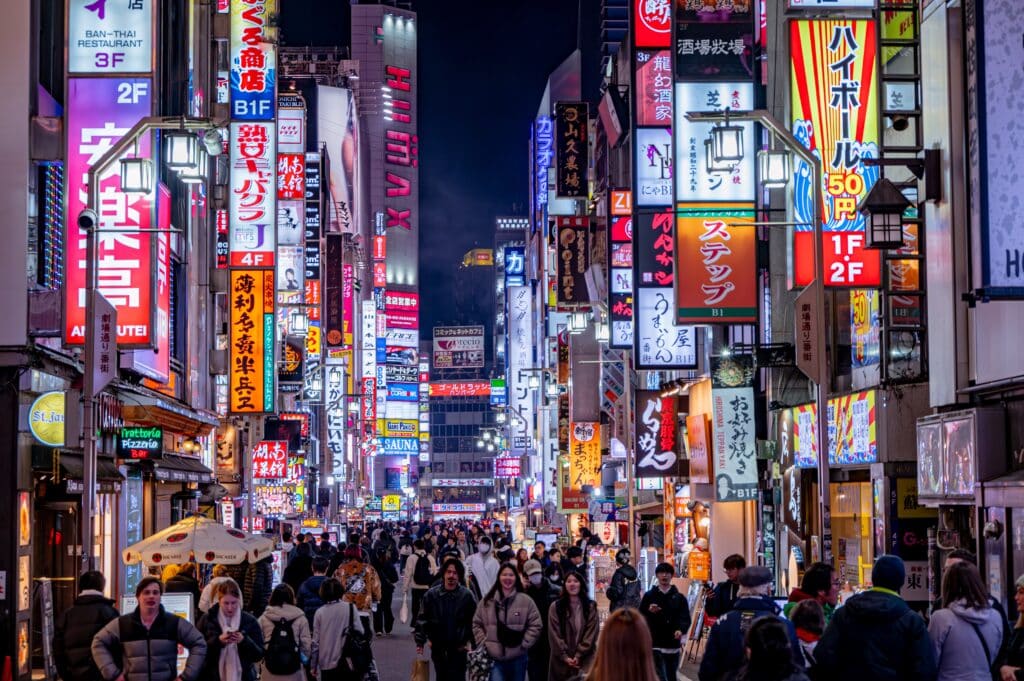
Choosing where to stay in Tokyo is one of the biggest decisions you’ll make before your trip. Unlike many cities, Tokyo doesn’t have one obvious city center. Instead, each neighborhood offers a completely different experience—from the neon lights of Shinjuku to the historic streets of Asakusa.
The good news is that Tokyo’s public transport makes it easy to explore almost anywhere. That means there isn’t a single “best” area—only the area that best matches your travel style.
Use the comparison below to find the Tokyo neighborhood that’s right for you.
🏨 Choose Your Base
Each Tokyo neighborhood has its own atmosphere. Compare the city’s most popular areas and choose the one that fits your travel style best.
| Area | Perfect For | Atmosphere | Price | Choose It If… |
|---|---|---|---|---|
| Shinjuku ⭐ | First-time visitors | Busy, energetic, convenient | $$–$$$ | You want the easiest all-round base. |
| Shibuya | Shopping & nightlife | Modern, lively | $$–$$$ | You love restaurants, nightlife and city energy. |
| Asakusa | Culture & value | Historic, relaxed | $–$$ | You prefer traditional Tokyo and quieter evenings. |
| Ginza | Luxury | Elegant, upscale | $$$–$$$$ | You enjoy premium hotels, shopping and fine dining. |
| Ueno | Budget travelers | Practical, local | $–$$ | You want good value and excellent transport. |
| Tokyo Station / Marunouchi | Convenience | Business-like, central | $$–$$$$ | You’re taking the Shinkansen or have a short itinerary. |
🦉 Where Would We Stay?
For most first-time visitors, Shinjuku is the best all-round choice. It combines outstanding transport links, a huge range of hotels, excellent dining, and easy access to Tokyo’s main attractions. If you’re visiting the city for the first time, it’s the base we recommend most often.
If you prefer a quieter, more traditional atmosphere, choose Asakusa. Travelers looking for shopping, nightlife, and a youthful vibe will feel more at home in Shibuya, while Tokyo Station / Marunouchi is ideal if convenience and Shinkansen access are your top priorities.
Which Tokyo Neighborhoods Are Worth Visiting?
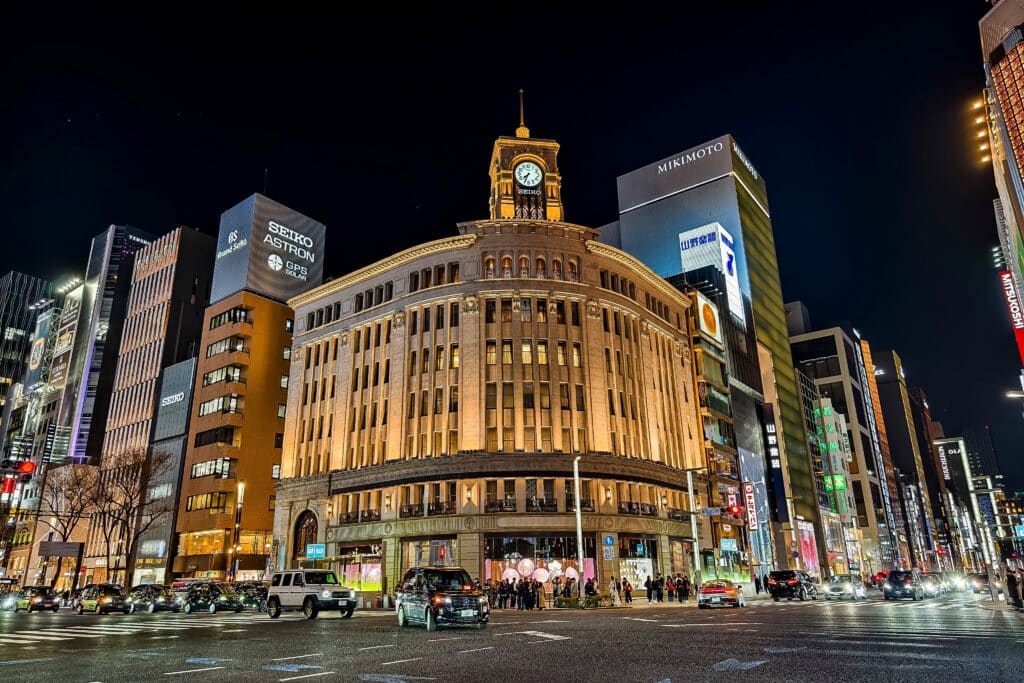
One of the things that makes Tokyo so fascinating is that it doesn’t feel like a single city. Instead, it’s a collection of distinct neighborhoods, each with its own atmosphere, attractions, and pace of life.
You don’t need to visit every district on your first trip. The key is choosing the neighborhoods that match your interests—whether that’s world-famous landmarks, traditional streets, nightlife, shopping, or quieter local experiences.
The guide below compares Tokyo’s most rewarding neighborhoods to help you decide where to spend your time.
Tokyo is best understood through its neighborhoods. This is not a city you cover all at once. It is a city you move through district by district, mood by mood.
Map of Tokyo’s Best Neighborhoods
Tokyo becomes much easier to understand once you can see how its neighborhoods fit together. This map highlights the districts that most first-time visitors choose between, from the energetic streets of Shibuya and Shinjuku to the historic atmosphere of Asakusa and the quieter charm of Yanaka.
Use it to plan your sightseeing and decide which neighborhoods deserve a place on your itinerary.
Tokyo’s most rewarding neighborhoods for first-time visitors.
Planning tip: *Shibuya, Shinjuku, and Asakusa provide the best introduction to Tokyo. Add Harajuku, Ueno, or Yanaka if you have extra time or specific interests.
🌆 Compare Tokyo’s Neighborhoods
Every Tokyo neighborhood offers a different experience. Compare the city’s most popular districts and decide which ones deserve a place on your itinerary.
| Neighborhood | Best Experience | Time Needed | Don’t Miss |
|---|---|---|---|
| Shibuya | Modern Tokyo | Half day | Shibuya Crossing, Shibuya Sky, shopping |
| Shinjuku | Nightlife & city energy | Half to full day | Omoide Yokocho, Kabukicho, Tokyo Metropolitan Government Building |
| Asakusa | Traditional Tokyo | Half day | Sensō-ji Temple, Nakamise Street |
| Harajuku | Fashion & youth culture | 2–4 hours | Takeshita Street, Meiji Jingu |
| Akihabara | Anime & gaming | 2–4 hours | Arcades, anime stores, electronics |
| Ginza | Luxury & dining | 2–3 hours | Department stores, architecture, restaurants |
| Ueno | Museums & local life | Half day | Ueno Park, museums, Ameyoko Market |
| Yanaka | Quiet old Tokyo | 2–3 hours | Yanaka Ginza, temples, traditional streets |
🌆 Shibuya
⏱ Time Needed: Half day
Shibuya is modern Tokyo at its most exciting. It’s where famous landmarks, rooftop viewpoints, shopping streets, and nightlife all come together.
- ✔ Shibuya Crossing
- ✔ Shibuya Sky
- ✔ Shopping & cafés
- ✔ Nightlife
Visit in the late afternoon so you can experience the neighborhood in daylight and again after sunset.
🌃 Shinjuku
⏱ Time Needed: Half to full day
Shinjuku is larger, busier, and more varied than almost anywhere else in Tokyo. Skyscrapers, tiny food alleys, gardens, and nightlife all sit within walking distance.
- ✔ Omoide Yokocho
- ✔ Kabukicho
- ✔ Tokyo Metropolitan Government Building
- ✔ Shinjuku Gyoen
Stay until evening—Shinjuku completely changes character after dark.
⛩️ Asakusa
⏱ Time Needed: Half day
Asakusa offers one of the clearest glimpses of old Tokyo. Around Sensō-ji Temple, you’ll find historic streets, traditional shops, and a slower pace than in the city’s modern districts.
- ✔ Sensō-ji Temple
- ✔ Nakamise Shopping Street
- ✔ Traditional snacks
- ✔ Sumida River walks
Visit early in the morning before the tour groups arrive for a quieter and more atmospheric experience.
👟 Harajuku
⏱ Time Needed: 2–4 hours
Harajuku combines colorful fashion and trend-driven streets with peaceful green spaces. Takeshita Street and Omotesando show two very different sides of the neighborhood.
- ✔ Takeshita Street
- ✔ Meiji Jingu
- ✔ Omotesando
- ✔ Trendy cafés
Combine Harajuku with nearby Shibuya to create an easy and varied sightseeing day.
🎮 Akihabara
⏱ Time Needed: 2–4 hours
Akihabara is Tokyo’s center for anime, manga, gaming, electronics, and collector culture. Even casual visitors may enjoy its distinctive shops and energetic atmosphere.
- ✔ Anime and manga stores
- ✔ Multi-floor arcades
- ✔ Electronics shops
- ✔ Collector stores
Visit later in the day when the illuminated signs give Akihabara its most recognizable atmosphere.
💎 Ginza
⏱ Time Needed: 2–3 hours
Ginza presents Tokyo at its most polished. Luxury boutiques, historic department stores, elegant architecture, and excellent restaurants create a sophisticated city experience.
- ✔ Luxury shopping
- ✔ Historic department stores
- ✔ Fine dining
- ✔ Elegant architecture
Visit around sunset and remain after dark to see Ginza’s buildings and streets beautifully illuminated.
🌳 Ueno
⏱ Time Needed: Half day
Ueno combines major museums, a spacious park, busy market streets, and a more grounded local atmosphere. It is especially rewarding for travelers interested in culture.
- ✔ Ueno Park
- ✔ Tokyo National Museum
- ✔ Ameyoko Market
- ✔ Ueno Zoo
Museum lovers should allow a full day, while other visitors can combine the park and Ameyoko in half a day.
🌿 Yanaka
⏱ Time Needed: 2–3 hours
Yanaka offers a quieter side of Tokyo, with traditional houses, small temples, family-run shops, and relaxed residential streets away from the city’s major crowds.
- ✔ Yanaka Ginza
- ✔ Traditional shopping streets
- ✔ Historic temples
- ✔ Local cafés
Visit on a relaxed afternoon when you want a slower experience after exploring Tokyo’s busier districts.
Best Things to Do in Tokyo
Tokyo is a city of abundance. The challenge is not finding things to do. It is choosing what actually deserves your time.
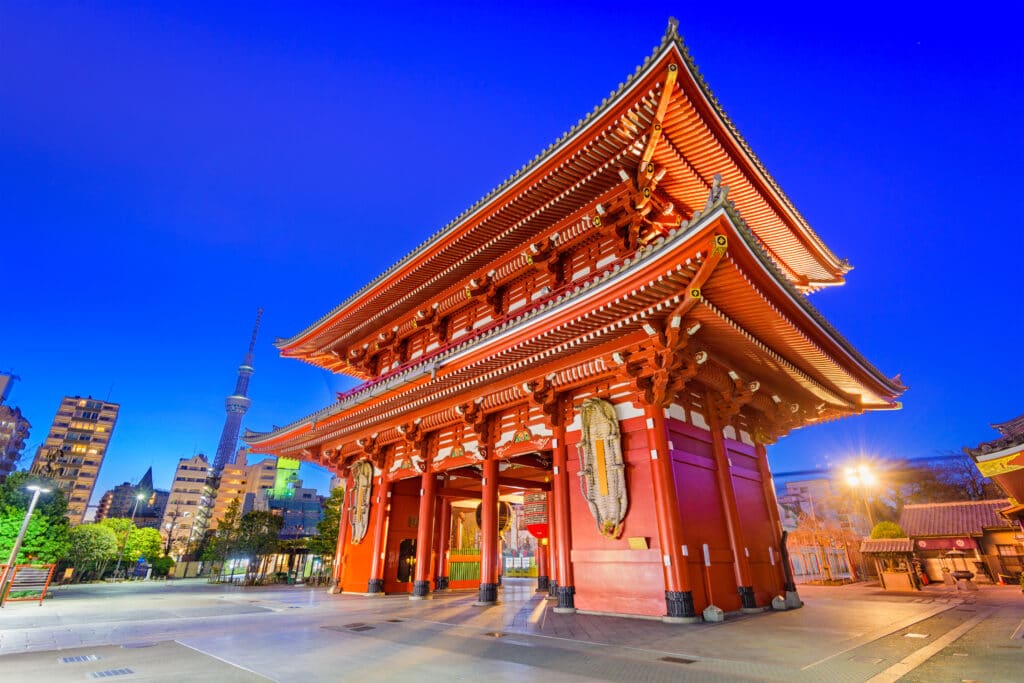
⛩️ Sensō-ji Temple
Best for: First-time visitors, culture lovers, photographers, and anyone wanting to experience traditional Tokyo.
⭐ Why It’s Worth Your Time
Sensō-ji is Tokyo’s oldest and most famous temple, offering one of the city’s strongest connections to its history. Walking through the Kaminarimon Gate and Nakamise Shopping Street before reaching the temple creates an experience that feels distinctly different from Tokyo’s modern districts.
Even if you’re not particularly interested in temples, the atmosphere, architecture, food stalls, and surrounding streets make Asakusa one of the most memorable neighborhoods for first-time visitors.
🎯 Combine It With
Make the most of your visit by exploring Nakamise Shopping Street, enjoying local street food, and walking to the Sumida River. If you have extra time, continue to Tokyo Skytree or take a river cruise toward Hamarikyu Gardens.
👍 Perfect If…
- It’s your first trip to Tokyo.
- You want to experience traditional Japanese culture.
- You enjoy photography and historic architecture.
- You’re looking for an area that’s easy to explore on foot.
🦉 Travel Owl Time Optimizer
If you only have a few days in Tokyo, Sensō-ji should be one of your highest priorities. It combines history, local food, shopping, and authentic atmosphere in a single walkable neighborhood, making it one of the most rewarding experiences for first-time visitors.
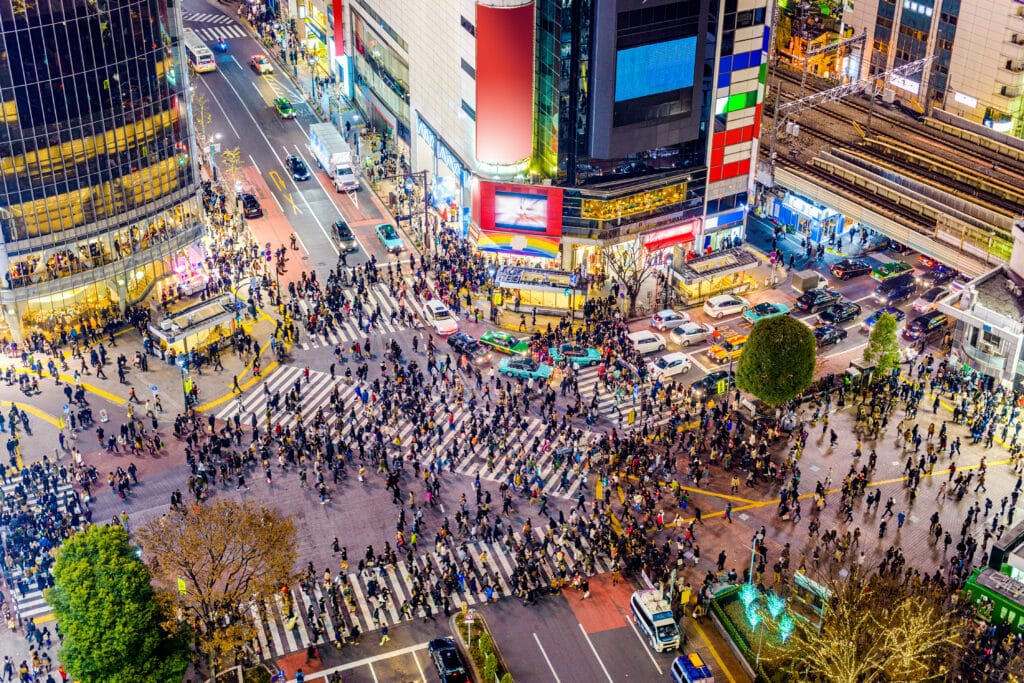
🌆 Experience Shibuya
Best for: First-time visitors, photographers, shoppers, and anyone wanting to experience modern Tokyo.
⭐ Why It’s Worth Your Time
Shibuya is one of the world’s most recognizable city districts. From the famous Shibuya Crossing to rooftop viewpoints and lively shopping streets, it captures the fast-paced energy that many people imagine when they think of Tokyo.
🎯 Combine It With
Visit Hachikō Statue, explore Shibuya Sky, enjoy the cafés, then walk to nearby Harajuku and Meiji Jingu.
👍 Perfect If…
- It’s your first visit to Tokyo.
- You love city views.
- You enjoy shopping and cafés.
- You want Tokyo’s classic skyline experience.
🦉 Travel Owl Time Optimizer
Few places capture modern Tokyo better than Shibuya. If you’re deciding where to spend an afternoon, this should be near the top of your list.
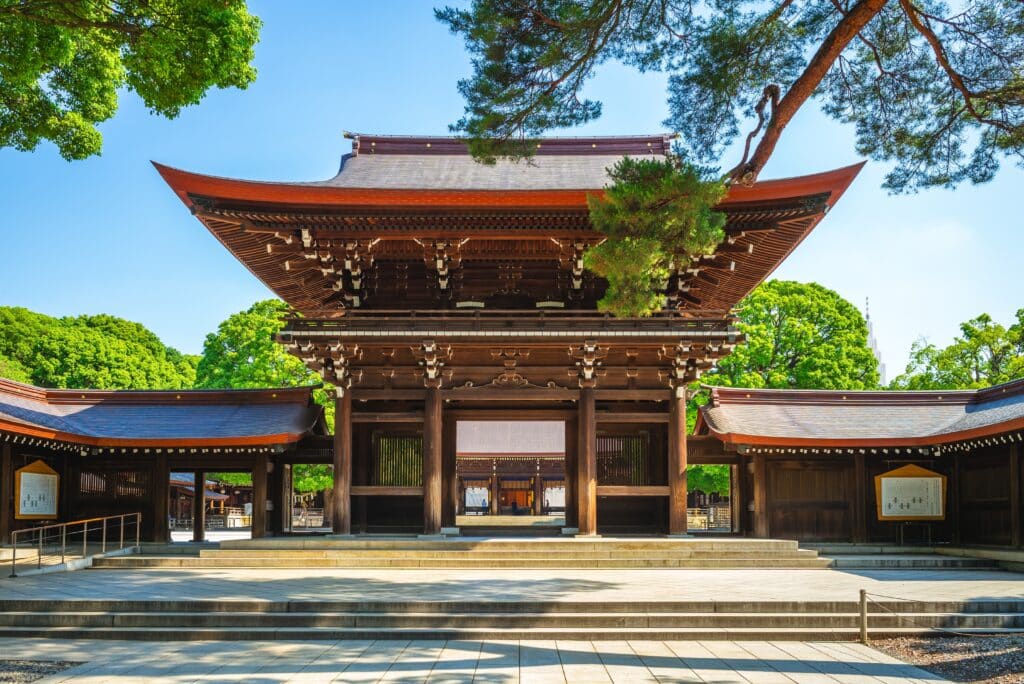
🌳 Visit Meiji Jingu
Best for: Nature lovers, culture enthusiasts, and travelers seeking a peaceful break.
⭐ Why It’s Worth Your Time
Hidden within a forest of more than 100,000 trees, Meiji Jingu feels remarkably calm despite sitting next to Harajuku. It’s one of the best places to experience Tokyo’s spiritual side.
🎯 Combine It With
Visit Meiji Jingu in the morning before exploring Harajuku and ending the day in Shibuya.
👍 Perfect If…
- You enjoy nature.
- You want quieter attractions.
- You appreciate Japanese traditions.
- You need a break from the crowds.
🦉 Travel Owl Time Optimizer
Meiji Jingu balances the energy of Shibuya and Harajuku perfectly, making it one of Tokyo’s smartest additions to a first itinerary.
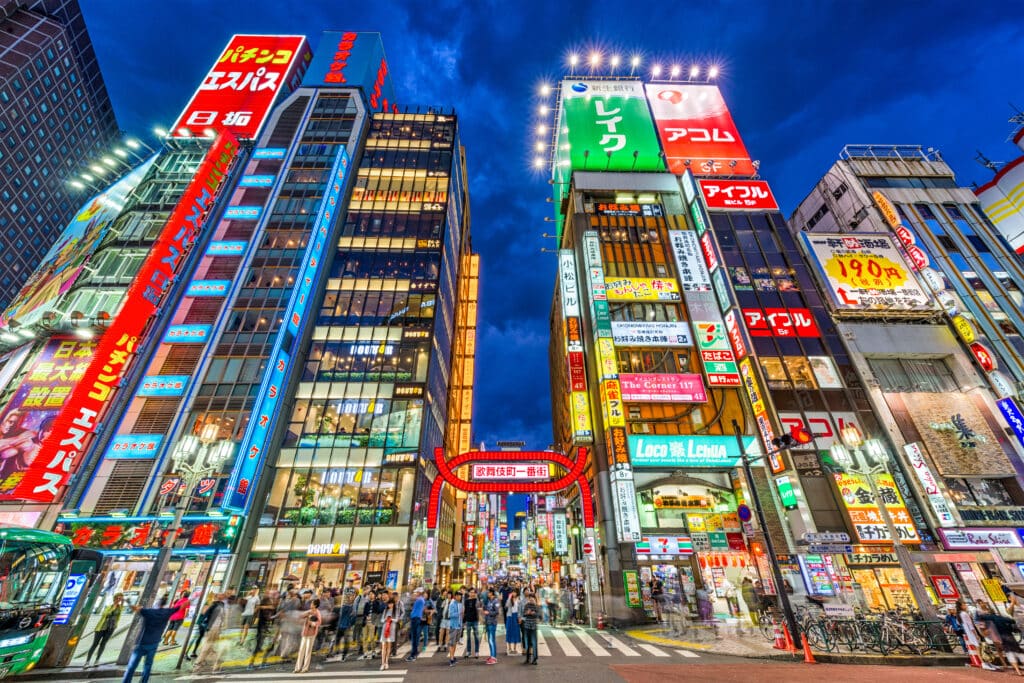
🌃 Wander Through Shinjuku at Night
Best for: Nightlife lovers, photographers, foodies, and first-time visitors.
⭐ Why It’s Worth Your Time
Tokyo transforms after sunset, and nowhere showcases that better than Shinjuku. Neon lights, tiny izakayas, bustling entertainment streets, and panoramic city views combine to create one of the world’s most unforgettable urban experiences.
Even if nightlife isn’t your main interest, simply wandering through the area gives you a completely different perspective on Tokyo than visiting during the day.
🎯 Combine It With
Watch sunset from the Tokyo Metropolitan Government Building, enjoy dinner in Omoide Yokocho, then explore Kabukicho and Golden Gai after dark.
👍 Perfect If…
- You want Tokyo’s famous neon atmosphere.
- You enjoy local restaurants and bars.
- Photography is one of your priorities.
- You like exploring cities after dark.
🦉 Travel Owl Priority Optimizer
Many first-time visitors underestimate how different Tokyo feels after sunset. Spending one evening in Shinjuku is one of the highest-value experiences you can add to your itinerary.
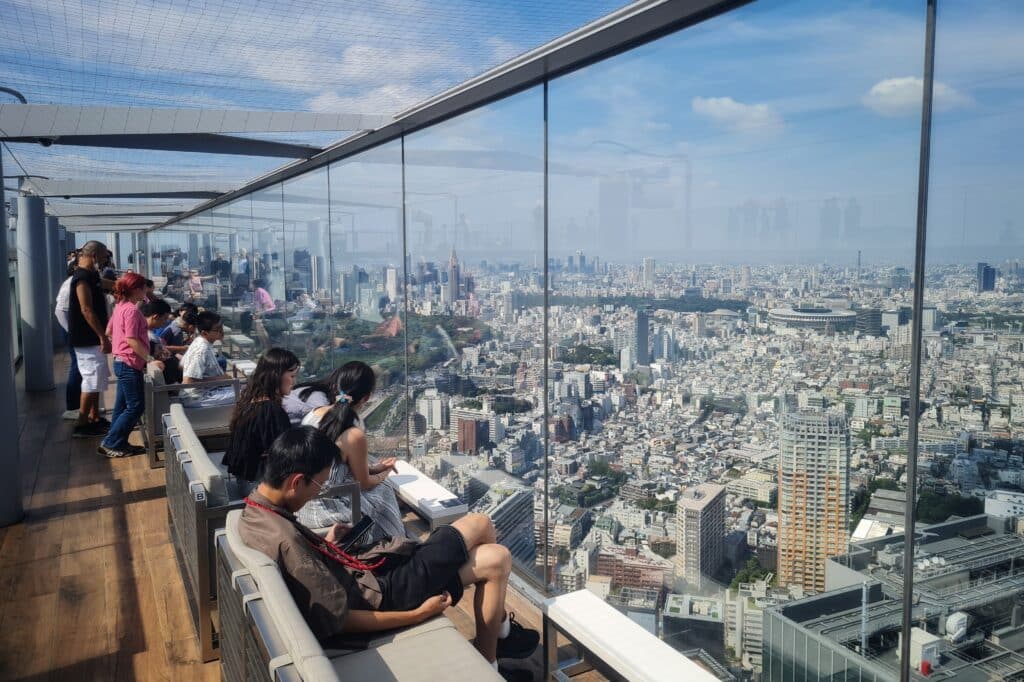
🌇 Go Up a Skyline Viewpoint
Best for: First-time visitors, photographers, and anyone wanting to appreciate Tokyo’s enormous scale.
⭐ Why It’s Worth Your Time
Tokyo stretches as far as the eye can see, and the city’s scale only becomes clear from above. Whether you choose Shibuya Sky or another observation deck, seeing Tokyo from hundreds of metres above street level is an unforgettable experience.
🎯 Combine It With
Visit Shibuya Sky shortly before sunset, then stay to watch the city lights appear before exploring Shibuya in the evening.
👍 Perfect If…
- You enjoy panoramic views.
- You want iconic Tokyo photographs.
- It’s your first visit.
- You’re looking for a memorable sunset experience.
🦉 Travel Owl Priority Optimizer
If you only visit one observation deck in Tokyo, make it Shibuya Sky. The combination of spectacular views and its central location makes it the best overall choice for most first-time visitors.
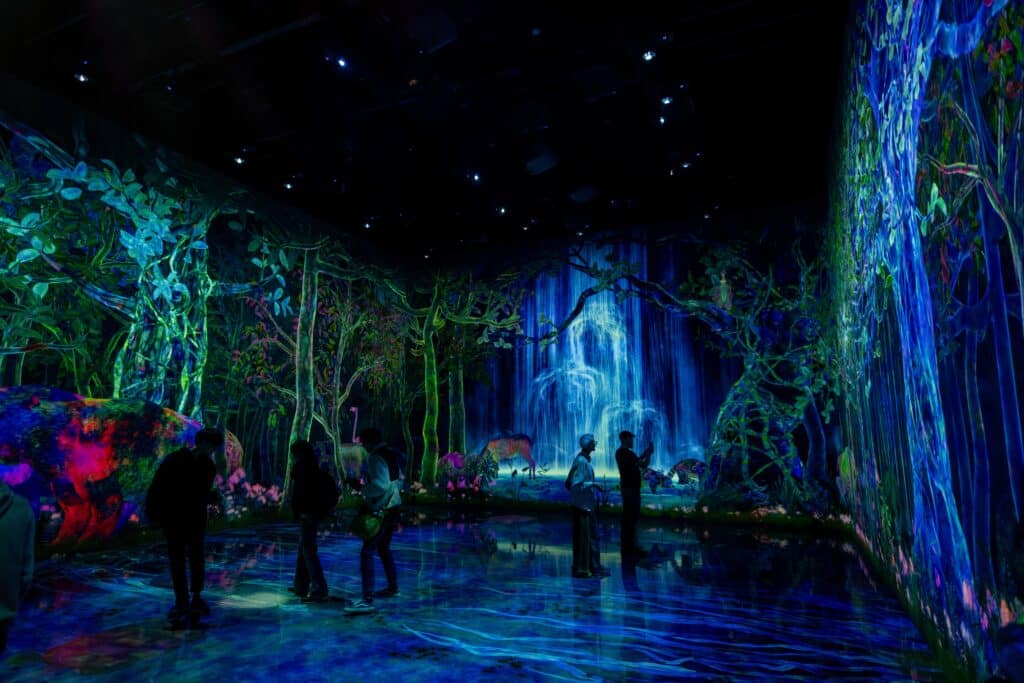
🎨 Visit teamLab Planets
Best for: Art lovers, families, couples, and rainy days.
⭐ Why It’s Worth Your Time
teamLab Planets offers one of Tokyo’s most unique attractions, combining digital art, light, sound, and immersive installations into an experience unlike a traditional museum.
It’s highly memorable, but if your Tokyo itinerary is short, Tokyo’s historic districts, neighborhoods, and food experiences generally deserve priority.
🎯 Combine It With
Pair your visit with Toyosu Market, Odaiba, or a relaxing afternoon along Tokyo Bay.
👍 Perfect If…
- You enjoy interactive museums.
- You’re travelling with children.
- You’ve already covered Tokyo’s classic sights.
- You need an excellent indoor activity.
🦉 Travel Owl Priority Optimizer
teamLab Planets is one of Tokyo’s most original attractions, but it works best as an addition to a well-balanced itinerary rather than a replacement for the city’s iconic neighborhoods and cultural highlights.
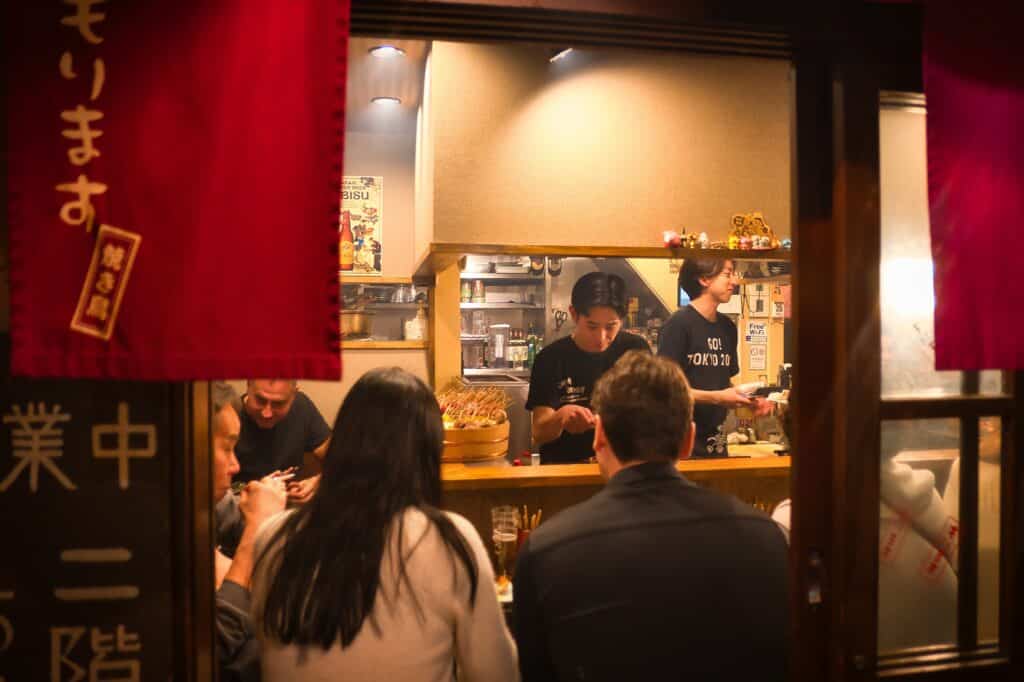
🍣 Explore Tokyo Through Food
Best for: Every visitor, from first-timers to returning travelers.
⭐ Why It’s Worth Your Time
Tokyo is one of the world’s greatest food cities. Whether you’re enjoying a ¥1,000 bowl of ramen, fresh sushi, crispy tempura, or tiny yakitori bars hidden beneath railway tracks, eating is one of the best ways to experience the city.
You don’t need expensive restaurants to eat well. Some of Tokyo’s most memorable meals are found in small family-run eateries and neighbourhood izakayas.
🎯 Combine It With
Plan your meals around your sightseeing. Enjoy street food in Asakusa, ramen in Shibuya, izakayas in Shinjuku, sushi near Toyosu Market, or traditional cafés in Yanaka.
👍 Perfect If…
- You love discovering local food.
- You want authentic travel experiences.
- You enjoy trying regional specialties.
- You prefer memorable experiences over shopping.
🦉 Travel Owl Priority Optimizer
If there’s one experience you should never rush in Tokyo, it’s eating. Building time into your itinerary for spontaneous cafés, ramen shops, sushi counters, and local restaurants often creates the memories people talk about long after their trip ends.

🚶 Explore a Tokyo Neighborhood Without a Plan
Best for: Slow travelers, photographers, repeat visitors, and anyone wanting to experience everyday Tokyo.
⭐ Why It’s Worth Your Time
Some of Tokyo’s most rewarding moments aren’t famous attractions at all. Wandering through quiet streets, discovering neighbourhood cafés, browsing independent shops, and stumbling across small shrines often creates the most authentic memories.
Areas such as Yanaka, Kagurazaka, Daikanyama, Kiyosumi Shirakawa, and Koenji reveal a completely different side of Tokyo from the city’s famous landmarks.
🎯 Combine It With
Leave an afternoon unscheduled. After visiting your main attractions, simply choose a nearby neighbourhood and explore wherever your curiosity takes you.
👍 Perfect If…
- You enjoy slow travel.
- You like discovering hidden cafés.
- You prefer local neighbourhoods over tourist hotspots.
- You’ve already seen Tokyo’s major attractions.
🦉 Travel Owl Priority Optimizer
This isn’t an essential first-day activity—but it may become your favourite memory. Tokyo rewards curiosity, and leaving space for unexpected discoveries often leads to experiences that no guidebook can plan.
Our Perfect First-Time Tokyo Experience Mix
If you only have 3–4 days in Tokyo, don’t try to see everything. Instead, focus on experiences that showcase the city’s different personalities. This balanced mix combines Tokyo’s history, modern skyline, food culture, and vibrant neighborhoods into an itinerary you’ll remember long after your trip.
🏯 Traditional Tokyo
Priority: 🟢 Must Do
Visit Sensō-ji Temple, stroll through Nakamise Street, and experience Tokyo’s historic heart.
🌆 Modern Tokyo
Priority: 🟢 Must Do
Explore Shibuya, cross the world’s busiest intersection, and admire the skyline from above.
🌳 Peaceful Escape
Priority: 🟢 Must Do
Slow down at Meiji Jingu, one of Tokyo’s most beautiful and tranquil shrines.
🌃 Tokyo After Dark
Priority: 🟢 Must Do
Spend an evening exploring Shinjuku for neon lights, food alleys, and unforgettable city energy.
🍣 Food Experience
Priority: 🟢 Must Do
Leave time for ramen, sushi, izakayas, cafés, and spontaneous local discoveries throughout the city.
🌇 Skyline View
Priority: 🟢 Must Do
Finish one afternoon at Shibuya Sky or another observation deck to appreciate Tokyo’s incredible scale.
🎨 Bonus Experience
Priority: 🟡 Worth Your Time
Add teamLab Planets if it matches your interests or if you’re travelling with children.
🚶 Hidden Tokyo
Priority: 🔵 Interest-Based
Keep one afternoon flexible to wander neighborhoods like Yanaka, Kagurazaka, or Daikanyama.
🦉 Travel Owl Final Recommendation
Many first-time visitors try to pack dozens of attractions into a few days and end up rushing from one landmark to the next. We recommend a different approach.
Focus on a handful of outstanding experiences instead of checking off every famous sight. By combining traditional temples, vibrant neighborhoods, unforgettable food, panoramic viewpoints, and a slower afternoon exploring local streets, you’ll experience the many sides of Tokyo—and leave with memories that feel far more personal than simply following a checklist.
What to Eat in Tokyo
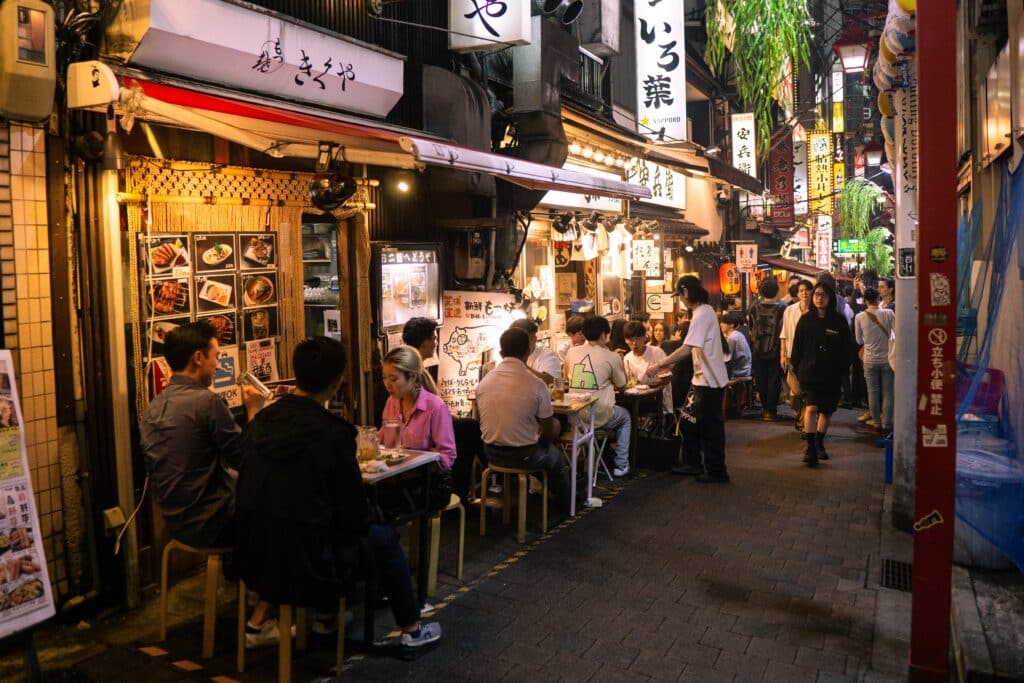
Tokyo is one of the world’s greatest food cities, but what makes it truly special isn’t just the quality of the food—it’s the incredible variety. Whether you’re sitting at a Michelin-starred sushi counter, grabbing a steaming bowl of ramen after midnight, or picking up an onigiri from a convenience store, eating in Tokyo quickly becomes one of the highlights of any Japan trip.
What Food Is Tokyo Known For?
Tokyo is famous for sushi, ramen, tempura, yakitori, tonkatsu, and its vibrant izakaya culture. From affordable noodle shops to Michelin-starred restaurants, the city offers one of the world’s most diverse and exciting food scenes. Excellent meals are available at almost every budget, making food one of the highlights of visiting Tokyo.
If you only have a few days in the city, prioritize fresh sushi, a bowl of ramen, and one evening at a traditional izakaya. These three experiences provide the perfect introduction to Tokyo’s culinary culture. Don’t overlook convenience stores either—snacks from 7-Eleven, Lawson, and FamilyMart have become an iconic part of everyday life in Japan.
This guide helps you discover Tokyo’s signature dishes, where to find them, how much you can expect to spend, and which neighborhoods offer the city’s best dining experiences—so you can enjoy one of the world’s greatest food cities with confidence.
What to Eat in Tokyo: At a Glance
🍱 Tokyo Food at a Glance
Not sure what to try first? These six food experiences offer the best introduction to Tokyo’s world-famous culinary scene.
🍣 Sushi
Best for: Your first meal in Tokyo
Tokyo is one of the best places in the world to enjoy fresh sushi, whether you choose an affordable conveyor-belt restaurant or an unforgettable omakase experience.
Where to try it: Ginza • Tsukiji • Toyosu
🍜 Ramen
Best for: Lunch or late-night comfort food
Every neighborhood has excellent ramen shops serving rich broths and handmade noodles. It’s one of Tokyo’s most iconic everyday meals.
Where to try it: Shinjuku • Shibuya • Ikebukuro
🍤 Tempura
Best for: Traditional Japanese dining
Light, crispy seafood and seasonal vegetables prepared with remarkable precision. Tokyo’s best tempura is far more delicate than many visitors expect.
Where to try it: Asakusa • Ginza
🍢 Yakitori
Best for: Relaxed evenings
Simple grilled chicken skewers paired with cold beer or sake are a classic Tokyo after-work tradition and a perfect introduction to local dining culture.
Where to try it: Shinjuku • Yurakucho
🥩 Tonkatsu
Best for: Japanese comfort food
Perfectly crispy breaded pork cutlets served with rice, cabbage, and miso soup have become one of Tokyo’s most satisfying and popular meals.
Where to try it: Across Tokyo
🏮 Izakaya
Best for: Experiencing local nightlife
An evening in an izakaya is about much more than one dish. Share small plates, try different drinks, and enjoy one of Tokyo’s most authentic dining experiences.
Where to try it: Shinjuku • Ueno • Ebisu
🦉 Travel Owl Food Priorities
If you’re visiting Tokyo for the first time, these are the food experiences we recommend prioritizing. The list balances authenticity, value, uniqueness, and overall experience to help you make the most of your time—and your appetite.
💡 Travel Owl Tip: If you only have time for three food experiences in Tokyo, make them sushi, ramen, and an evening at an izakaya. Together, they provide the best introduction to Tokyo’s culinary culture and showcase the incredible diversity that makes the city one of the world’s greatest food destinations.
Food Experiences You Shouldn’t Miss
Tokyo isn’t just about trying famous dishes. The city’s food culture is built around memorable dining experiences that you’ll remember long after your trip. These are the five experiences we recommend every first-time visitor prioritizes.
🍣 Eat Sushi for Lunch
Best For: First-Time VisitorsLunch is often the best time to enjoy exceptional sushi without paying dinner prices. Many restaurants serve outstanding lunch sets that offer incredible value while maintaining the same high quality.
Whether you choose a small neighborhood sushi bar or a refined restaurant in Ginza, fresh sushi is one of Tokyo’s essential culinary experiences.
Visit Tsukiji, Toyosu, or Ginza around lunchtime for excellent quality and surprisingly good value.
🍜 Enjoy Late-Night Ramen
Best For: Evening DiningAfter exploring Tokyo’s nightlife, few experiences are more satisfying than a steaming bowl of ramen. Many of the city’s best shops stay open well into the night.
Every district has its own favourites, making ramen one of the easiest and most rewarding meals to enjoy during your stay.
Head to Shinjuku, Shibuya, or Ikebukuro after sunset for some of Tokyo’s best ramen.
🏮 Spend an Evening in an Izakaya
Best For: Local AtmosphereAn izakaya is far more than a restaurant. It’s where friends and colleagues gather after work to enjoy drinks and share a variety of small dishes together.
For many visitors, this becomes one of the most authentic cultural experiences in Tokyo.
Explore Omoide Yokocho, Yurakucho, or Ebisu for an unforgettable izakaya evening.
🏪 Try Japanese Convenience Store Food
Best For: Everyday JapanTokyo’s convenience stores are famous for surprisingly fresh, affordable, and delicious food. They are part of everyday life and well worth experiencing.
Onigiri, egg sandwiches, fried chicken, desserts, and seasonal drinks have become favourites among visitors from around the world.
Visit 7-Eleven, Lawson, and FamilyMart during your trip and compare your favourite snacks.
🍡 Explore Tokyo’s Street Food
Best For: Local SnacksBeyond restaurants, Tokyo offers excellent street food and traditional snacks. Sampling different treats while wandering through historic neighbourhoods is a fun way to experience everyday Japanese food culture.
Freshly grilled senbei, taiyaki, dango, melon pan, and croquettes are just a few local favourites worth trying.
Visit Asakusa or Ameyoko Market to enjoy some of Tokyo’s best street snacks.
How to Get Around Tokyo
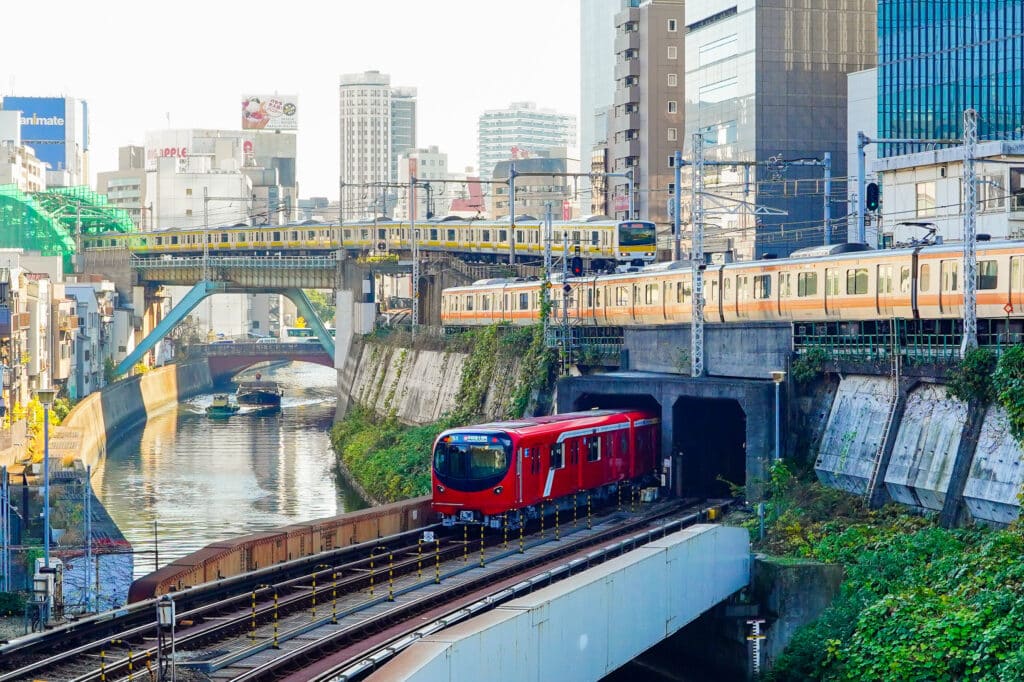
Tokyo’s transport system looks far more intimidating than it feels in practice. Once you begin using it, it becomes one of the easiest parts of the trip.
For most travelers, Tokyo means trains, subways, walking, and the occasional taxi.
How to Get Around Tokyo: Quick Answer
What’s the Best Way to Get Around Tokyo?
The best way to get around Tokyo is by train and subway using a Suica or Pasmo IC card. Although Tokyo’s rail network looks confusing at first, it is one of the world’s most efficient and reliable public transport systems. For most visitors, Google Maps provides everything needed to navigate the city with confidence.
If you’re staying in central Tokyo, you’ll rarely need a taxi. Trains, subways, and short walks connect almost every major attraction quickly and affordably. Expect to walk more than you might think, especially inside larger stations, but clear signage in English makes getting around surprisingly easy.
This guide explains which transport options to use, whether you need a JR Pass, how Suica and Pasmo work, and the easiest ways to travel between Tokyo’s airports and the city centre—helping you explore Tokyo without feeling overwhelmed.
🚇 Tokyo Transport at a Glance
Tokyo’s transport system may look intimidating before you arrive, but these six essentials are all you need to know for a smooth first visit.
🚆 Trains & Subways
Best for: Everyday sightseeing
Tokyo’s extensive rail network connects almost every attraction quickly, safely, and efficiently. For most visitors, trains and subways are all you’ll need.
Good to know: JR, Tokyo Metro, and Toei Subway cover nearly the entire city.
💳 Suica & Pasmo
Best for: Hassle-free travel
Rechargeable IC cards make travelling simple. Just tap in and out without buying individual tickets.
Good to know: They also work in convenience stores, vending machines, and many lockers.
📱 Google Maps
Best for: Navigation
Google Maps provides train platforms, transfer times, fares, and walking directions with remarkable accuracy throughout Tokyo.
Good to know: It’s the only transport app most visitors need.
🚶 Walking
Best for: Exploring neighbourhoods
Although trains cover long distances, you’ll still walk quite a bit between stations, attractions, and inside large railway stations.
Good to know: Comfortable shoes are essential.
🚕 Taxis
Best for: Late nights & luggage
Tokyo taxis are safe, clean, and reliable. While more expensive than trains, they’re useful after the last train or when carrying heavy luggage.
Good to know: Most accept credit cards.
✈️ Airport Transfers
Best for: Arriving in Tokyo
Haneda Airport is closer to central Tokyo, while Narita is farther away but offers excellent train and bus connections.
Good to know: Airport Limousine Buses are a comfortable alternative to trains.
🦉 Travel Owl Transport Priorities
Tokyo has one of the world’s best public transport systems, but different situations call for different options. This quick guide helps you choose the easiest solution throughout your trip.
Don’t try to memorise Tokyo’s railway network before your trip. Download Google Maps, add a Suica or Pasmo card to your phone or wallet, and let the app guide you. Within a day or two, navigating Tokyo usually feels much easier than first-time visitors expect.
Essential Tokyo Transport Tips
🚉 Tokyo’s transport system is remarkably easy once you understand a few simple principles. These practical tips will help you save time, avoid confusion, and travel like a local from your first day.
💳 Get a Suica or Pasmo Card
Best For: Every VisitorA rechargeable IC card is the easiest way to travel around Tokyo. Simply tap in and out at ticket gates instead of buying individual tickets for every journey.
The same card also works in buses, convenience stores, vending machines, coin lockers, and many restaurants.
If possible, add a digital Suica to your smartphone before you arrive for the quickest start to your trip.
📱 Let Google Maps Guide You
Best For: NavigationGoogle Maps shows train departures, transfer stations, platform numbers, fares, and walking directions with impressive accuracy throughout Tokyo.
You don’t need to memorise station names or train lines before travelling.
Follow the exact train suggested by Google Maps instead of trying to choose one yourself.
🚆 Don’t Worry About Train Companies
Best For: First-Time VisitorsTokyo has several railway operators, including JR East, Tokyo Metro, and Toei Subway. Fortunately, you don’t need to understand who runs which line.
Your IC card works across most services, and Google Maps automatically selects the correct route.
Focus on reaching your destination—not on learning every railway company’s network.
🚶 Expect to Walk More Than You Think
Best For: Daily SightseeingAlthough trains cover long distances, you’ll often walk several hundred metres inside major stations and between nearby attractions.
Tokyo is surprisingly walkable, but comfortable shoes quickly become one of your most valuable travel items.
Plan for 10,000–20,000 steps per day, especially if you’re sightseeing from morning until evening.
🚕 Use Taxis Strategically
Best For: ConvenienceTokyo taxis are exceptionally safe and reliable. While they’re more expensive than trains, they can save time when travelling with luggage or after the last train.
Most taxis accept credit cards and can easily be hailed in busy areas.
A short taxi ride can be worthwhile if it saves a long transfer or a late-night walk.
✈️ Haneda or Narita?
Best For: Arrival PlanningHaneda Airport is much closer to central Tokyo and is usually the more convenient choice. Narita is farther away but still offers excellent rail and bus connections.
Both airports are easy to reach, so don’t worry if your flight arrives at Narita.
If prices are similar, choose Haneda. If Narita offers a much cheaper flight, it’s still an excellent option.
✈️ Haneda vs Narita: Which Airport Is Better?
Tokyo has two major international airports, and both are excellent choices. Haneda is significantly closer to the city centre, making it the most convenient option for many travellers. Narita is farther away but remains well connected by fast trains and airport buses.
If flight prices are similar, choose Haneda Airport for the quickest and easiest journey into Tokyo. However, don’t avoid a good deal just because it arrives at Narita—with the Narita Express, Keisei Skyliner, and Airport Limousine Bus, reaching the city is still straightforward and comfortable.
🚉 Common Tokyo Transport Questions
Even after learning the basics, many first-time visitors have the same practical questions about getting around Tokyo. Here are the answers you’ll most likely need before your trip.
Do I Need a JR Pass for Tokyo?
Usually not. If you’re spending your time exploring Tokyo, a nationwide JR Pass rarely offers good value. Most journeys are short and are easily covered using a Suica or Pasmo IC card. Save the JR Pass for longer trips between cities such as Tokyo, Kyoto, Osaka, or Hiroshima.
Can I Use Suica or Pasmo on My Phone?
Yes. Many visitors can add a digital Suica to Apple Wallet before arriving in Japan, making it even easier to travel. Physical Suica and Pasmo cards are also widely available and work exactly the same way.
Is Google Maps Enough for Tokyo?
For most travellers, absolutely. Google Maps provides accurate train routes, transfer stations, platform numbers, journey times, and fares. You don’t need to memorise Tokyo’s railway network before your trip.
Are Tokyo Trains Safe at Night?
Yes. Tokyo’s trains are among the safest in the world and remain busy well into the evening. As in any large city, keep an eye on your belongings, but public transport is generally clean, reliable, and comfortable at all hours.
What Happens If I Miss the Last Train?
Most train and subway services stop shortly after midnight. If you miss the last train, your main options are taking a taxi, waiting until the first morning service, or staying nearby if you’re far from your accommodation. Google Maps clearly shows the last available departures, making it easy to plan ahead.
Tokyo’s transport system may seem intimidating before you arrive, but it’s surprisingly simple once you start using it. A Suica or Pasmo card, Google Maps, and comfortable walking shoes are all most visitors need to explore the city confidently. Don’t worry about learning every train line—the system is designed to make getting around fast, reliable, and stress-free.
Best Day Trips from Tokyo
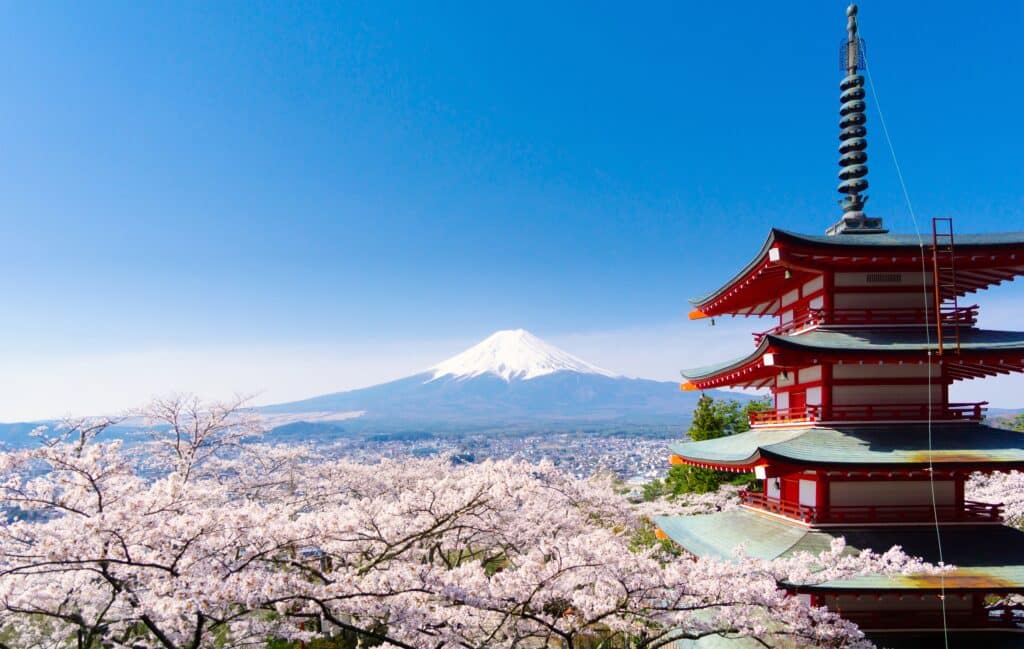
One of Tokyo’s strengths is that it also works beautifully as a base. Leave the city for a day and the contrast can be dramatic.
What’s the Best Day Trip from Tokyo?
The best day trips from Tokyo are Hakone, Kamakura, Nikko, Yokohama, and Kawaguchiko. Each offers a completely different experience—from relaxing hot springs and historic temples to coastal scenery and breathtaking Mount Fuji views. Most destinations can be reached in one to two hours by train.
One of Tokyo’s greatest advantages is that you can explore a very different side of Japan without changing hotels. Whether you’re looking for nature, culture, or a quieter atmosphere, there’s an excellent day trip to match your interests.
This guide compares the most popular destinations, explains who each trip is best for, and helps you choose the perfect escape from the city.
🌸 Tokyo Day Trips at a Glance
Looking for a break from Tokyo’s busy streets? These five destinations are the most rewarding day trips, each offering a different side of Japan within easy reach of the capital.
♨️ Hakone
Best for: Nature & Onsen
Hakone combines mountain scenery, hot springs, scenic ropeways, and views of Mount Fuji on clear days. It’s the perfect escape if you want to relax after Tokyo’s fast pace.
Travel time: About 90 minutes
⛩️ Nikko
Best for: Temples & History
Home to lavish UNESCO World Heritage shrines surrounded by forests, Nikko is ideal for travellers interested in Japanese history, architecture, and beautiful natural scenery.
Travel time: About 2 hours
🌊 Kamakura
Best for: Easy Cultural Escape
With its Great Buddha, temples, hiking trails, and relaxed seaside atmosphere, Kamakura is one of the easiest and most rewarding first day trips from Tokyo.
Travel time: About 1 hour
⚓ Yokohama
Best for: Waterfront City Break
Modern architecture, Minato Mirai, Japan’s largest Chinatown, and beautiful harbour views make Yokohama an effortless change of scenery just outside Tokyo.
Travel time: About 30–40 minutes
🗻 Kawaguchiko
Best for: Mount Fuji Views
If seeing Japan’s most famous mountain is high on your bucket list, Kawaguchiko offers some of the country’s most iconic Fuji viewpoints.
Travel time: About 2 hours
🦉 Travel Owl Day Trip Priorities
Each destination offers something different. Use this quick guide to choose the day trip that best matches your travel style and interests.
If you only have time for one day trip, Hakone offers the best all-round experience. For many first-time visitors, it’s the perfect combination of mountain scenery, hot springs, and classic Japanese landscapes.
Which Tokyo Day Trip Should You Choose?
Each destination offers a completely different experience. Whether you’re dreaming of Mount Fuji, relaxing in hot springs, or exploring historic temples, these day trips are all easy to reach from Tokyo.
♨️ Hakone
Best For: Nature & OnsenHakone is the classic day trip from Tokyo. Ride the famous ropeway, cruise across Lake Ashi, relax in a traditional onsen, and—on clear days—enjoy spectacular views of Mount Fuji.
It offers one of Japan’s best combinations of scenery, culture, and relaxation.
If you’re only taking one day trip from Tokyo, Hakone is our top recommendation.
⛩️ Nikko
Best For: Temples & HistoryNikko is famous for its richly decorated UNESCO World Heritage shrines surrounded by cedar forests and mountain scenery. It’s one of Japan’s most impressive historical destinations.
Visitors interested in architecture, history, and nature will find Nikko incredibly rewarding.
Arrive early to enjoy Toshogu Shrine before the largest tour groups arrive.
🌊 Kamakura
Best For: Easy First Day TripKamakura combines temples, the famous Great Buddha, quiet bamboo groves, hiking trails, and a relaxed seaside atmosphere—all within about an hour of Tokyo.
It’s one of the easiest and most rewarding escapes for first-time visitors.
Combine the Great Buddha with Hase-dera Temple and Komachi Street for a perfect one-day itinerary.
⚓ Yokohama
Best For: Modern WaterfrontOnly around 30 minutes from Tokyo, Yokohama offers beautiful waterfront promenades, futuristic architecture, excellent shopping, and Japan’s largest Chinatown.
It’s ideal if you want a change of scenery without travelling far.
Stay until after sunset when Minato Mirai becomes one of Japan’s most beautiful night skylines.
🗻 Kawaguchiko
Best For: Mount Fuji ViewsIf seeing Mount Fuji is one of your biggest reasons for visiting Japan, Kawaguchiko delivers some of the country’s most iconic landscapes throughout the year.
The combination of lakeside scenery, seasonal flowers, and Fuji creates unforgettable photography opportunities.
Visit early in the morning for the highest chance of clear views before clouds develop.
🗺️ Which Tokyo Day Trip Is Right for You?
Not sure which destination to choose? Here’s our recommendation based on your travel style.
| If You Want… | Our Recommendation |
|---|---|
| The best all-round experience | ♨️ Hakone |
| Japan’s best Mount Fuji views | 🗻 Kawaguchiko |
| Historic temples & culture | ⛩️ Nikko |
| A relaxed first day trip | 🌊 Kamakura |
| A quick change of scenery | ⚓ Yokohama |
If this is your first trip to Japan, we recommend choosing Hakone if you want a balance of nature, culture, and relaxation. If seeing Mount Fuji is your top priority, make **Kawaguchiko** your first choice. With excellent train connections, every destination on this list is an easy and rewarding escape from Tokyo.
Tokyo Itinerary for First-Time Visitors
What’s the Best Tokyo Itinerary for First-Time Visitors?
The best first-time Tokyo itinerary balances traditional districts, modern neighbourhoods, great food, and enough flexibility to explore at your own pace. Instead of trying to visit every famous attraction, group nearby areas together and leave room for unexpected discoveries.
Three days are enough to experience Tokyo’s highlights, while four or five days allow time for a day trip or deeper exploration. The key is not seeing everything—it’s enjoying each neighbourhood without constantly rushing across the city.
This itinerary is designed for first-time visitors and combines Tokyo’s most iconic sights with local experiences and realistic travel times.
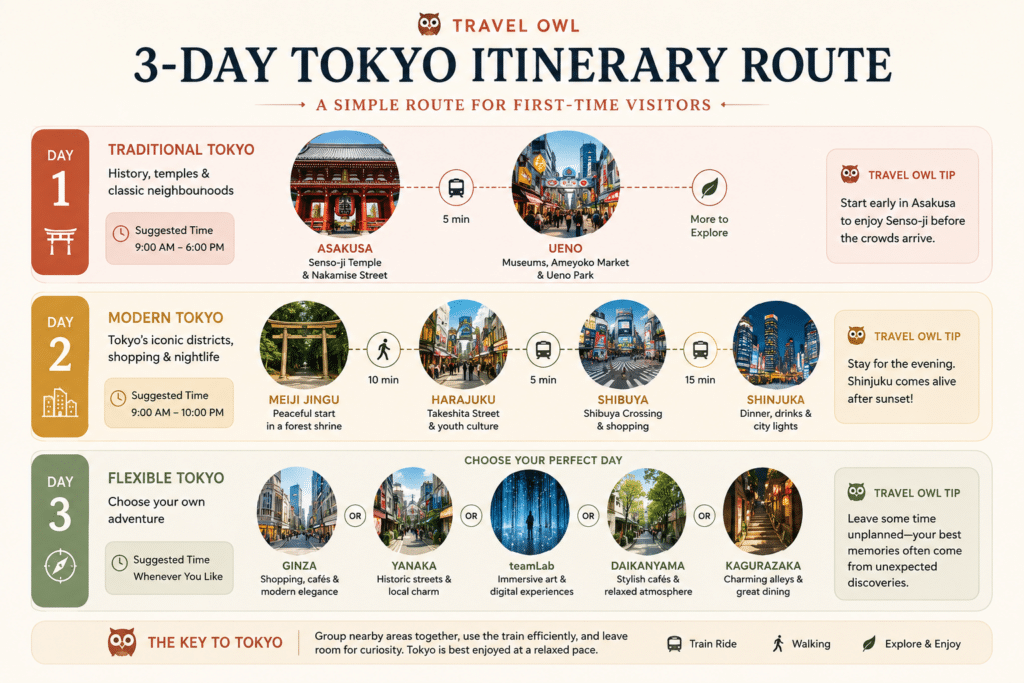
🗓️ 3-Day Tokyo Itinerary at a Glance
This balanced itinerary introduces both traditional and modern Tokyo while leaving enough flexibility to enjoy the city without rushing.
🏮 Day 1 – Traditional Tokyo
Focus: History & Culture
Explore Senso-ji Temple in Asakusa before wandering through Nakamise Street. Later, head to Ueno for museums, Ameyoko Market, or a relaxing walk through Ueno Park.
Main Areas: Asakusa • Ueno
🌆 Day 2 – Modern Tokyo
Focus: Tokyo’s Famous Districts
Start at Meiji Jingu, explore Harajuku and Omotesando, cross Shibuya Crossing, then finish your evening among the lights of Shinjuku.
Main Areas: Harajuku • Shibuya • Shinjuku
🍣 Day 3 – Flexible Tokyo
Focus: Explore Your Interests
Visit teamLab, discover Yanaka or Kagurazaka, enjoy shopping in Ginza, relax in Daikanyama, or simply spend more time in your favourite neighbourhood.
Main Areas: Your Choice
🦉 Travel Owl Itinerary Priorities
The best Tokyo itinerary isn’t about visiting the most places—it’s about balancing experiences. Here’s how we recommend spending your time.
Many first-time visitors try to fit too much into each day. Instead of rushing between attractions, focus on one or two neighbouring districts. You’ll spend less time on trains and more time enjoying Tokyo’s unique atmosphere.
🌸 If You Have 4 or 5 Days in Tokyo
An extra day or two gives you the freedom to experience Tokyo at a slower pace and discover places beyond the city’s biggest attractions.
- 🗻 Take a day trip to Hakone, Kawaguchiko, Nikko, or Kamakura.
- 🍜 Return to your favourite neighbourhood for food, shopping, or nightlife.
- 🎨 Visit museums or immersive experiences such as teamLab.
- 🌿 Explore quieter districts like Yanaka, Kagurazaka, or Daikanyama.
- ☕ Leave one afternoon completely unplanned—you’ll often discover Tokyo’s most memorable moments this way.
If your schedule allows, spend at least four days in Tokyo. The extra time lets you enjoy the city at a relaxed pace and include one unforgettable day trip without feeling rushed.
If you want a simple first-time route through Tokyo, the easiest approach is to divide the city into traditional, modern, and flexible exploration days.
3-Day Tokyo Itinerary
Best for: planning a balanced first-time Tokyo trip
Tokyo Travel Budget
Is Tokyo Expensive?
Tokyo can be expensive, but it is far more flexible than many first-time visitors expect. Accommodation is usually the biggest expense, while food, public transport, and many attractions can be surprisingly affordable. Whether you’re travelling on a budget or looking for luxury, Tokyo offers excellent value at every price level.
Many visitors assume Tokyo is one of the world’s most expensive cities, but that’s only part of the story. You can enjoy outstanding ramen for under €10, visit many top attractions for free, and travel efficiently using inexpensive public transport.
This guide compares typical daily budgets, explains where your money is most likely to go, and shares practical tips to help you make the most of your budget.
💴 Tokyo Travel Budget at a Glance
Tokyo works well for almost every budget. The biggest difference is usually your hotel, while food and transport remain surprisingly affordable across all travel styles.
💰 Budget
Best for: Backpackers & budget-conscious travellers
Stay in hostels or simple business hotels, eat at ramen shops and convenience stores, and use Tokyo’s excellent public transport.
🏨 Mid-Range
Best for: Most first-time visitors
Comfortable hotels, excellent restaurants, paid attractions, and the flexibility to enjoy Tokyo without constantly watching your budget.
✨ Luxury
Best for: Premium experiences
Luxury hotels, Michelin-starred dining, private tours, shopping, and unforgettable high-end experiences throughout the city.
🦉 Travel Owl Budget Priorities
Not every part of your Tokyo trip has the same impact on your budget. Here’s where spending a little more—or saving a little—makes the biggest difference.
For most travellers, the sweet spot is a mid-range budget. You’ll enjoy a comfortable hotel, fantastic food, and plenty of flexibility without Tokyo feeling overly expensive.
Where Does Your Money Go in Tokyo?
💴 Tokyo offers excellent value for almost every travel style. While hotels are usually the biggest expense, many other parts of your trip—such as food and public transport—are more affordable than first-time visitors often expect.
🏨 Accommodation
Usually 40–50% of Your BudgetHotels are typically the largest travel expense in Tokyo. Prices vary significantly depending on the season, neighbourhood, and how far in advance you book.
Business hotels often provide excellent value, while luxury properties rank among the best in the world.
Book your hotel 2–4 months in advance to secure better prices and more choice.
🍣 Food & Drinks
Usually 20–30% of Your BudgetTokyo is one of the few major cities where outstanding meals are available at every price level. From ramen shops to Michelin-starred restaurants, excellent food doesn’t always mean high prices.
Even convenience stores offer surprisingly fresh and tasty meals.
Mix casual local restaurants with one memorable fine-dining experience for the best value.
🚆 Transport
Usually 5–10% of Your BudgetTokyo’s public transport is efficient and reasonably priced. Most visitors spend far less on transport than they initially expect.
Using a Suica or Pasmo card keeps travelling simple and affordable throughout your stay.
Walk whenever practical. Many neighbouring districts are closer together than they appear on the map.
🎟️ Attractions
Usually 10–15% of Your BudgetMany of Tokyo’s most famous attractions—including Meiji Jingu, Senso-ji Temple, and Shibuya Crossing—are completely free to visit.
Paid attractions such as observation decks, museums, and teamLab experiences can be added depending on your interests.
Balance paid attractions with Tokyo’s many free experiences to keep costs under control.
🛍️ Shopping & Extras
Usually 10–20% of Your BudgetSouvenirs, snacks, cafés, claw machines, capsule toys, and convenience store visits may seem inexpensive individually, but they can quickly add up over several days.
Leaving some flexibility in your budget makes these spontaneous purchases much more enjoyable.
Set aside a small daily allowance for unexpected finds—you’ll almost certainly discover something you didn’t plan to buy.
💶 What Does Your Daily Budget Buy You in Tokyo?
Not sure how much money you need? This comparison shows what different daily budgets typically include, helping you choose the travel style that best matches your expectations.
For most first-time visitors, a budget of around €180–250 per day offers the best balance of comfort, location, memorable dining, and sightseeing. You’ll be able to stay in a well-located hotel, enjoy Tokyo’s outstanding food scene, and visit the city’s top attractions without constantly thinking about your budget.
Essential Tokyo Travel Tips
Tokyo is easier than it looks, but a few practical realities make a noticeable difference.
Travel Etiquette
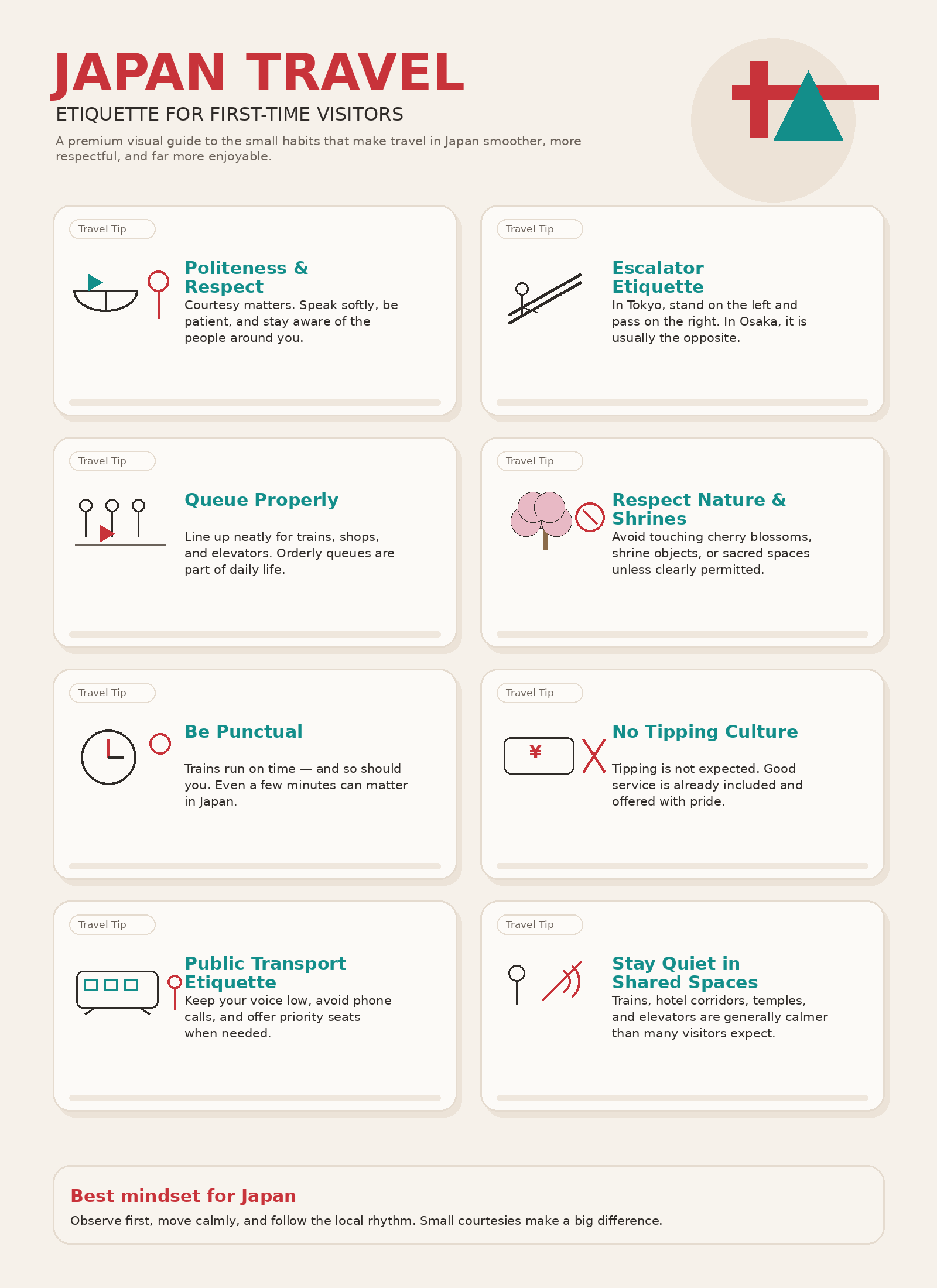
Tokyo Etiquette at a Glance
Tokyo is one of the easiest major cities in the world to travel through, but a few local habits are worth understanding before you arrive. This visual guide covers some of the small etiquette details that make daily travel in Japan feel smoother, calmer, and more respectful.
It is especially useful for first-time visitors who want a quick feel for everyday norms around queues, trains, tipping, punctuality, and shared public spaces.
What Are the Most Important Tokyo Travel Tips?
The best Tokyo travel tips are surprisingly simple: get a Suica or Pasmo card, use Google Maps, wear comfortable shoes, carry a little cash, and avoid trying to see everything in one trip.
Tokyo is one of the easiest cities in the world to explore once you understand a few local customs. You don’t need to speak Japanese, the public transport is exceptionally reliable, and the city is remarkably safe for visitors.
These practical tips will help you avoid common mistakes, save time, and enjoy a smoother first visit to Japan’s capital.
🗼 Tokyo Travel Tips at a Glance
These six simple tips will make your first visit to Tokyo easier, more comfortable, and much less stressful.
💳 Get an IC Card
Best for: Easy transport
Use a Suica or Pasmo card to pay for trains, buses, and even many small purchases without buying individual tickets.
📱 Use Google Maps
Best for: Navigation
Google Maps provides accurate train routes, transfer information, platform numbers, and walking directions throughout Tokyo.
👟 Wear Comfortable Shoes
Best for: Daily sightseeing
You’ll often walk 10,000–20,000 steps a day, including long station corridors and neighbourhood exploration.
💴 Carry Some Cash
Best for: Small purchases
Cards are widely accepted, but some smaller restaurants, temples, and local shops still prefer cash.
🙏 Learn a Few Japanese Words
Best for: Everyday interactions
Simple phrases like “Arigatou” (thank you) and “Sumimasen” (excuse me) are appreciated and often bring a smile.
🧭 Leave Time to Wander
Best for: Authentic experiences
Some of Tokyo’s best cafés, restaurants, and small streets are found when you slow down and explore without a strict schedule.
🦉 Travel Owl Essential Tips
If you remember only a few things before arriving in Tokyo, make them these. They will have the biggest impact on your trip.
Tokyo rewards curious travellers. Plan the highlights, but leave space for quiet side streets, neighbourhood cafés, local restaurants, and unexpected discoveries—you’ll often remember those moments most.
Insider Tips for Visiting Tokyo
Even after planning the major attractions, a few local habits and small decisions can make your trip noticeably smoother. These insider tips will help you save time, avoid common frustrations, and experience Tokyo more like a seasoned traveller.
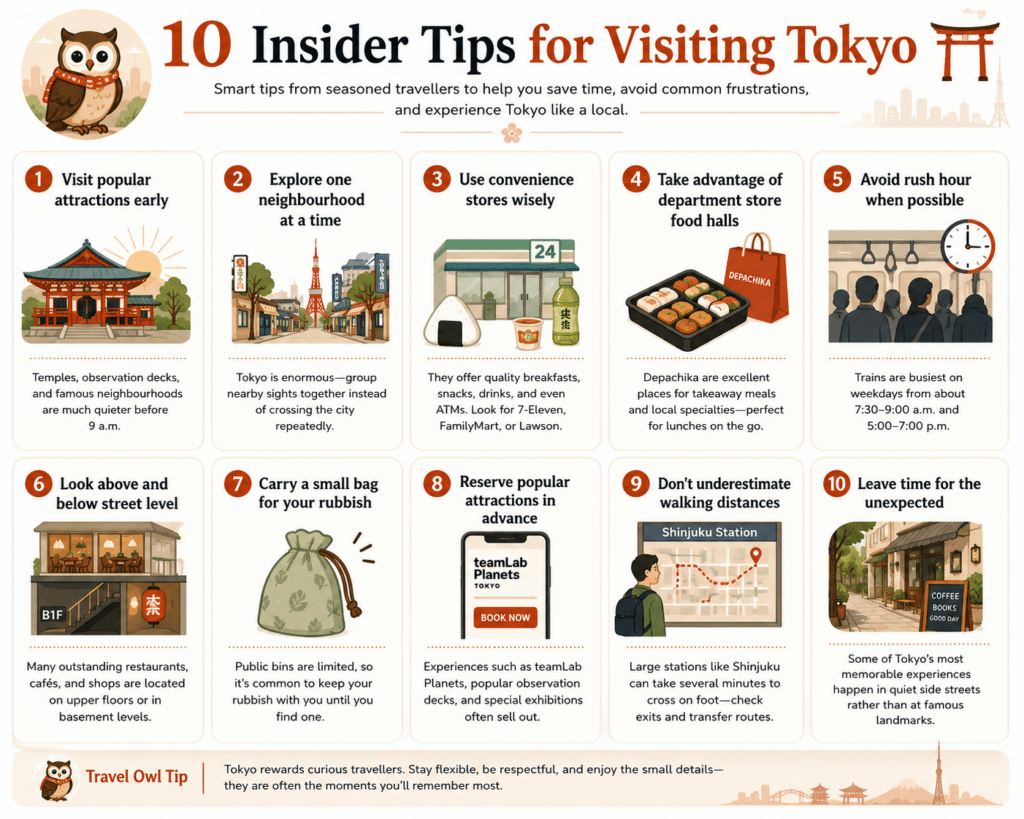
✅ Travel Owl First-Time Visitor Checklist
Before boarding your flight, run through this quick checklist. These simple preparations can save time, reduce stress, and help you enjoy Tokyo from the moment you arrive.
Book Your Hotel Early
Well-located hotels often sell out months in advance, especially during cherry blossom season, autumn, and major holidays.
Set Up a Suica or Pasmo Card
Using an IC card makes travelling on trains, buses, and even paying at many convenience stores quick and effortless.
Install Google Maps
Download Google Maps before your trip for reliable walking directions, train routes, and transfer information.
Pack Comfortable Walking Shoes
Expect to walk between 10,000 and 20,000 steps most sightseeing days, including through large train stations.
Carry Some Cash
Most places accept cards, but smaller restaurants, temples, and local shops may still prefer cash.
Stay Connected
An eSIM or portable Wi-Fi makes navigation, translation, and restaurant searches much easier throughout your trip.
Reserve Popular Attractions
Experiences like teamLab Planets and some observation decks can sell out, so booking ahead is recommended.
Learn a Few Japanese Phrases
Simple words such as Arigatou (thank you) and Sumimasen (excuse me) are always appreciated.
Leave Some Free Time
Don’t fill every hour of your itinerary. Some of Tokyo’s best cafés, neighbourhoods, and local discoveries happen by chance.
Travel with Curiosity
Tokyo isn’t a city to conquer—it’s a city to experience. Slow down, explore side streets, and enjoy the unexpected moments that make every visit unique.
You don’t need to see everything to have an unforgettable trip. Focus on a handful of neighbourhoods each day, embrace Tokyo’s incredible food, efficient transport, and welcoming atmosphere, and leave room for spontaneous discoveries. Those unexpected moments often become the memories you’ll treasure long after your journey ends.
Final Recommendation
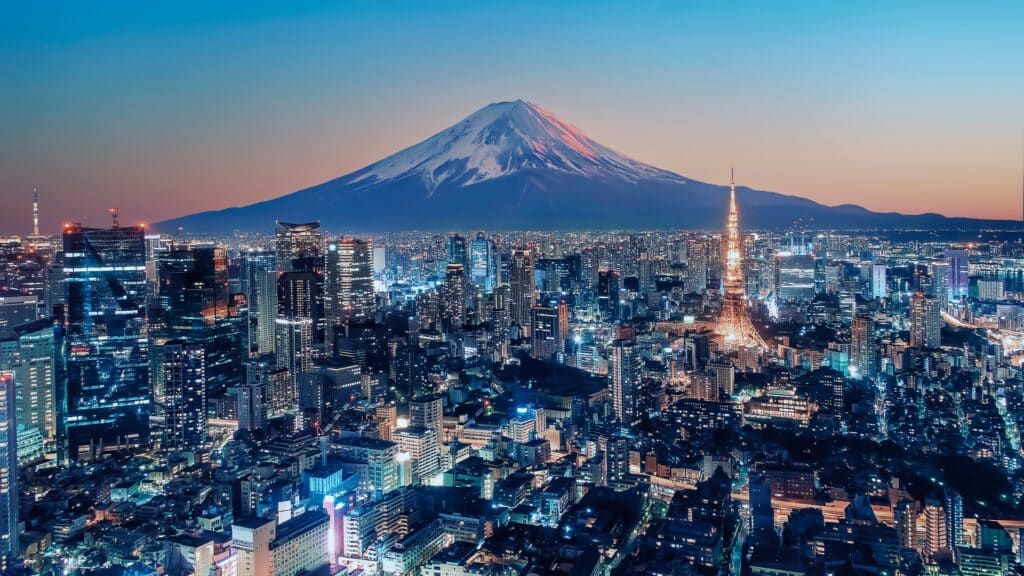
🦉 Is Tokyo Worth Visiting?
Absolutely. Tokyo is one of the world’s most rewarding destinations because it offers far more than famous landmarks. It’s a city where centuries-old temples stand beside futuristic skylines, where tiny ramen shops compete with Michelin-starred restaurants, and where every neighbourhood feels like a different destination.
For first-time visitors, Tokyo is the perfect introduction to Japan. It’s remarkably safe, easy to navigate, and filled with experiences that appeal to every type of traveller—from food lovers and culture enthusiasts to photographers, shoppers, and families.
The biggest mistake isn’t missing one attraction—it’s trying to see everything. Tokyo rewards travellers who slow down, explore one neighbourhood at a time, and leave room for unexpected discoveries. Those quiet cafés, hidden shrines, and local side streets often become the memories that stay with you long after your trip.
🦉 Travel Owl’s Final Advice
If this is your first visit, spend 3–5 days exploring Tokyo without rushing. Choose a few neighbourhoods each day, eat well, walk often, and don’t be afraid to wander away from the busiest tourist streets. Tokyo isn’t a city you finish—it’s a city that keeps giving you reasons to come back.
FAQ about Visiting Tokyo
Planning your first trip to Tokyo? These are the questions travelers ask most often before visiting Japan’s fascinating capital.
Is Tokyo good for first-time visitors?
Absolutely. Although Tokyo is one of the world’s largest cities, it is remarkably organized, safe, and easy to navigate. Clear signage, reliable public transport, and helpful navigation apps make exploring much simpler than many visitors expect.
How many days should I spend in Tokyo?
For most first-time visitors, 3 to 5 days is the ideal amount of time. This allows you to experience Tokyo’s major neighborhoods, enjoy its outstanding food scene, and even include a day trip without feeling rushed.
When is the best time to visit Tokyo?
April, May, October, and November are generally considered the best months thanks to mild temperatures and comfortable sightseeing conditions. Spring brings cherry blossoms, while autumn offers beautiful fall colours throughout the city.
Is Tokyo expensive for tourists?
Tokyo can be expensive, especially for accommodation, but it is far more flexible than its reputation suggests. Excellent food, efficient public transport, and many top attractions are surprisingly affordable, making it possible to travel comfortably on a wide range of budgets.
Which area is best to stay in Tokyo?
For most first-time visitors, Shinjuku, Shibuya, and Asakusa are excellent choices. Each offers convenient transport connections while providing a different experience, from modern city life to traditional Tokyo.
Do I still need cash in Tokyo?
Yes. Credit cards are accepted in most hotels, department stores, and larger restaurants, but carrying some cash is still useful for smaller eateries, temples, local shops, and occasional cash-only businesses.
Is Tokyo easy to get around?
Yes. Tokyo’s train and subway network is one of the most efficient in the world. Using Google Maps together with a Suica or Pasmo IC card makes navigating the city straightforward, even for first-time visitors.
What should first-time visitors not miss in Tokyo?
Senso-ji Temple, Meiji Jingu Shrine, Shibuya Crossing, Shinjuku after dark, and Tokyo’s incredible food scene are among the highlights that belong on almost every first itinerary. Together they showcase the city’s unique blend of tradition and modern life.
Is Tokyo safe for tourists?
Yes. Tokyo is consistently ranked among the safest major cities in the world. Violent crime is extremely rare, public transport is safe even late at night, and solo travelers generally feel comfortable exploring the city. As with any destination, it’s still wise to take normal precautions and keep an eye on your belongings.
What is the biggest mistake first-time visitors make in Tokyo?
Trying to do too much. Tokyo is enormous, and rushing between attractions often becomes exhausting. A better approach is to explore one or two neighborhoods each day, enjoy the local food, and leave time for unexpected discoveries. Those slower moments often become the most memorable part of the trip.
Continue Your Japan Journey
🗾 Where to Go Next
Ready to continue planning your Japan adventure? These Travel Owl guides will help you choose where to stay, build the perfect itinerary, and discover even more unforgettable destinations.
Tokyo is often just the beginning of an unforgettable journey through Japan. Use these guides to build an itinerary that matches your interests, travel pace, and available time—rather than simply trying to see everything.
3 thoughts on “Tokyo Travel Guide”
Comments are closed.