
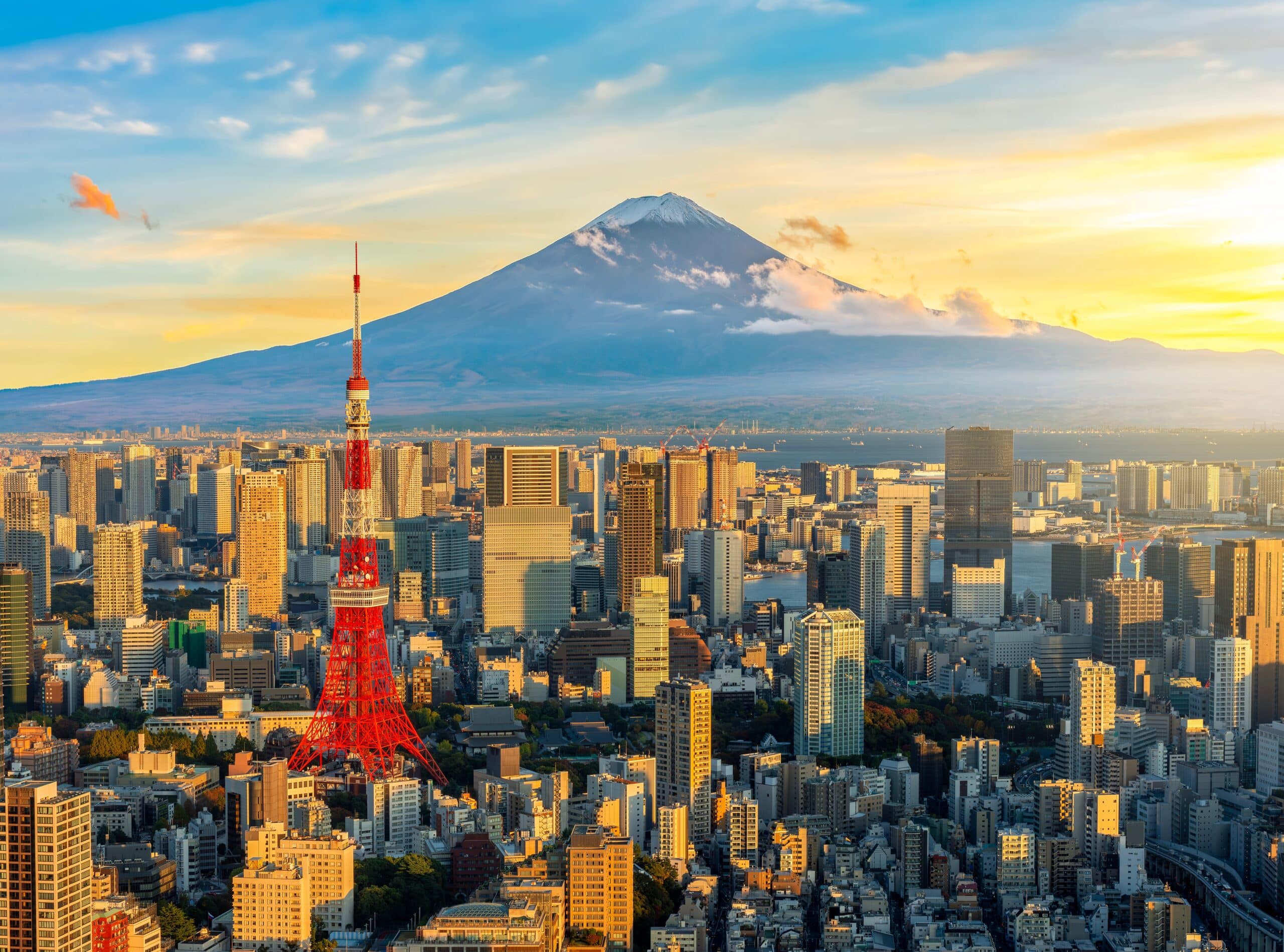
Planning your first trip to Japan? This 10-day Japan itinerary is designed for first-time visitors who want to see the country’s biggest highlights without rushing too much. Over 10 days, you’ll travel from Tokyo to Hakone, Kyoto, and Osaka, with the option to add Nara as a day trip. Along the way, you’ll experience city skylines, famous temples, traditional districts, hot springs, mountain scenery, and some of the best food in Japan. This guide includes a day-by-day itinerary, travel tips, budget advice, and a route map to help you plan your trip.
The best 10-day Japan itinerary for first-time visitors is Tokyo, Hakone, Kyoto, and Osaka. This route combines Japan’s biggest city, a scenic hot spring stop, historic temple districts, and one of the country’s best food cities, all linked by efficient train travel.
Japan Trip Snapshot
10-Day Japan Itinerary at a Glance
A quick overview before diving into the full route
First-time visitors, couples, solo travelers, and classic Japan highlights
Tokyo → Hakone → Kyoto → Osaka
(+ optional Nara)
Big cities, culture, temples, scenic views, food, and efficient train travel
Well-balanced for 10 days without feeling overly rushed
Spring (March–May) and autumn (October–November)
Tokyo (3), Hakone (1), Kyoto (3), Osaka (2)
Table of Contents
Why This 10-Day Japan Itinerary Works So Well
A lot of Japan itineraries either try to fit in too much or stay in too few places. This one works because it gives you enough time to enjoy the essentials without turning your trip into a constant hotel check-in and check-out exercise.
Japan Travel Planning
10-Day Japan Itinerary Overview
A quick day-by-day snapshot of the route
| Day | Destination | Highlights |
|---|---|---|
| 1 | Tokyo | Arrival, Shinjuku, skyline views, first dinner in Japan |
| 2 | Tokyo | Asakusa, Senso-ji, Shibuya, classic Tokyo sights |
| 3 | Tokyo | Meiji Shrine, Harajuku, flexible exploring |
| 4 | Hakone | Onsen, Lake Ashi, ropeway, Mt. Fuji area |
| 5 | Kyoto | Travel day, Gion, old streets, evening stroll |
| 6 | Kyoto | Fushimi Inari, Higashiyama, Kiyomizu-dera area |
| 7 | Kyoto | Arashiyama, bamboo grove, western Kyoto |
| 8 | Osaka | Osaka Castle, Dotonbori, food and nightlife |
| 9 | Osaka / Nara | Free Osaka day or optional Nara day trip |
| 10 | Departure | Fly from Osaka or return to Tokyo |
This route is ideal because:
- Tokyo gives you the energy, skyline, food, and first “wow” moment
- Hakone adds nature, hot springs, and a classic Mt. Fuji-area stop
- Kyoto gives you temples, traditional streets, and old Japan atmosphere
- Osaka brings food, nightlife, and a fun final city base
It is also easy to travel between these places by train, which means you can spend less time figuring out logistics and more time enjoying the trip.
Japan Itinerary Overview (10 Days)
Map of This 10-Day Japan Itinerary
Before getting into the day-by-day plan, here’s a quick look at the route this 10-day Japan itinerary follows through Tokyo, Hakone, Kyoto, and Osaka.
Japan Travel Route
10-Day Japan Itinerary
Tokyo • Hakone • Kyoto • Osaka
Map of a 10-day Japan itinerary covering Tokyo, Hakone, Kyoto, Osaka, and an optional day trip to Nara.
Route Breakdown
How Many Nights in Each Place
A balanced split for first-time visitors
| Destination | Nights | Why It Works |
|---|---|---|
| Tokyo | 3 | Gives you enough time for major highlights, key neighborhoods, and a smoother arrival into Japan. |
| Hakone | 1 | Adds scenic variety, onsen culture, and a break from the big cities. |
| Kyoto | 3 | Allows time for temples, shrines, traditional districts, and a more relaxed cultural pace. |
| Osaka | 2 | Works well as a final base for food, city energy, and an optional Nara day trip. |
Route at a glance
Tokyo → Hakone → Kyoto → Osaka
Best for
- First-time visitors
- Couples
- Solo travelers
- Friends traveling together
Trip style
- Big cities
- Culture and temples
- Scenic views
- Food experiences
- Efficient train travel
Best time to do this itinerary
This route works year-round, but it is especially good in:
- March to May for cherry blossom season
- October to November for autumn colors
- Late November to early December for fewer crowds and crisp weather
Detailed 10-Day Japan Itinerary
Days 1–3: Tokyo
Tokyo is usually the best place to begin a first trip to Japan. It gives you time to adjust to the time zone, get comfortable with the train system, and dive straight into the city’s mix of modern neighborhoods and historic areas.
For a short stay, it is best to base yourself in either Shinjuku, Shibuya, or Asakusa.
Day 1: Arrive in Tokyo + Explore Shinjuku
Your first day in Japan should stay relatively light. Depending on your arrival time, this is the perfect day to ease into the trip rather than trying to force in too many major sights.
If you are staying in Shinjuku, start by walking around the area and getting your first feel for Tokyo. The neighborhood is lively, full of neon, restaurants, department stores, and train connections, so it works very well as a first base.
What to do on Day 1
- Check into your hotel
- Pick up your IC card / eSIM / pocket WiFi if needed
- Explore Shinjuku
- Visit the Tokyo Metropolitan Government Building for a free skyline view
- Have your first Japanese dinner in an izakaya or ramen shop
Why this works
After a long flight, keeping things simple makes a huge difference. You still get your first Tokyo skyline and city atmosphere without exhausting yourself on arrival day.
Where to eat idea
Shinjuku is a great place for:
- ramen
- yakitori
- izakaya-style small plates
Overnight
Tokyo
Day 2: Asakusa, Ueno or Akihabara, and Shibuya
Day 2 is where the trip starts to feel properly “Japan.” This is a great day to combine traditional Tokyo with some of the city’s modern energy.
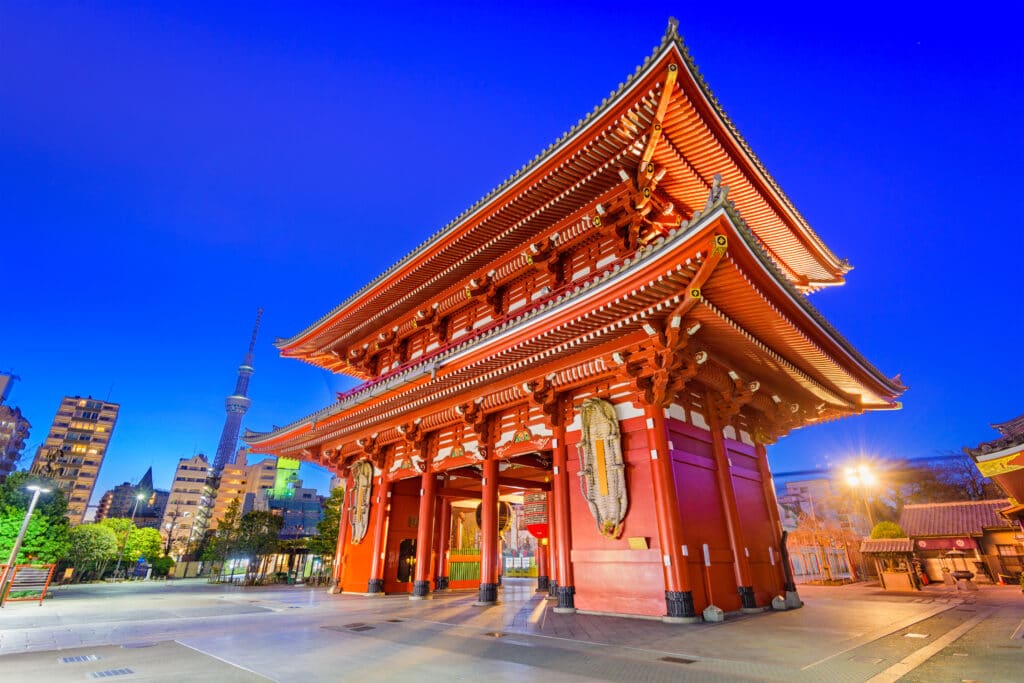
Start in Asakusa, one of the best historic districts in Tokyo. It is home to Senso-ji Temple, Tokyo’s most famous Buddhist temple, and the surrounding streets are a great introduction to old-style shopping lanes and street snacks.
Morning: Asakusa
- Visit Senso-ji Temple
- Walk through Nakamise Street
- Try traditional snacks and souvenirs
- Take photos with the Tokyo Skytree in the background
After Asakusa, you have two good options depending on your interests:
Option A: Ueno
A good choice if you want:
- parks
- museums
- a slightly more relaxed Tokyo atmosphere
Option B: Akihabara
A better choice if you want:
- anime and gaming culture
- electronics
- arcades and themed stores
In the evening, head to Shibuya, one of Tokyo’s most iconic neighborhoods.
Evening: Shibuya
- See Shibuya Crossing
- Visit Hachiko Statue
- Explore the shopping streets
- Have dinner nearby
If you still have energy, this is also a great night to check out Shibuya Sky for one of the best viewpoints in the city.
Overnight
Tokyo
Day 3: Meiji Shrine, Harajuku, and More Tokyo
Your third Tokyo day gives you more flexibility. Rather than trying to “do everything,” this day is best used to mix one or two major sights with time to enjoy the city more casually.
Start at Meiji Shrine, one of Tokyo’s most peaceful and atmospheric places. It is surrounded by a forested park and feels surprisingly calm for such a central location.
Morning
- Visit Meiji Shrine
- Walk through the wooded shrine grounds
- Continue into Harajuku
Harajuku is known for youth fashion, colorful side streets, and quirky shops, but it also blends naturally into the more polished shopping area of Omotesando.
Afternoon options
Choose one based on your interests:
- teamLab Planets if you want an immersive art experience
- Tokyo Tower if you want a classic skyline icon
- Ginza if you want shopping and department stores
- Odaiba if you want a more futuristic waterfront area
Why not over-plan this day
This is a good point in the trip to leave room for wandering, cafés, or revisiting a neighborhood you liked. Tokyo rewards flexibility more than checklist-style sightseeing.
Overnight
Tokyo
Day 4: Hakone Day / Overnight for Onsen and Mt. Fuji Views
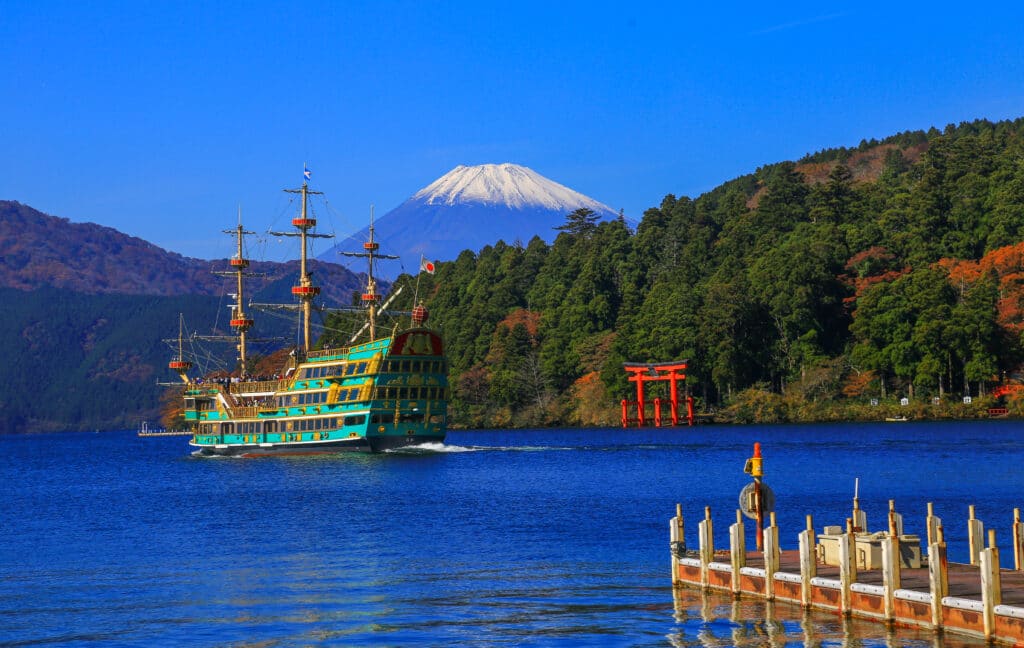
After three days in Tokyo, this is the perfect moment to add something slower and more scenic. Hakone is one of the easiest and most popular escapes from the city, known for hot springs, mountain views, and access to the Mt. Fuji area.
Hakone can be done as a day trip, but if your budget allows, it is much better as an overnight stop. Staying in a ryokan with onsen is one of the most memorable parts of a first Japan trip.
How to get there
Travel from Tokyo to Hakone in the morning by:
- Odakyu Romancecar from Shinjuku, or
- Shinkansen to Odawara, then local transport
What to do in Hakone
The classic route includes:
- Hakone Ropeway
- Owakudani volcanic valley
- Lake Ashi cruise
- Hakone Shrine
- Scenic views of Mt. Fuji (weather permitting)
Why Hakone is worth including
A lot of first-time visitors focus only on the cities. Hakone adds a completely different side of Japan and helps make the itinerary feel more balanced.
Helpful travel tip
If you are staying in a ryokan, this is a great place to experience:
- Japanese-style room
- kaiseki dinner
- onsen bath
Overnight
Hakone
Days 5–7: Kyoto
Kyoto is the cultural heart of Japan and one of the most rewarding places in the country for first-time visitors. It is where you get the temple scenery, lantern-lit lanes, shrines, and traditional architecture that many travelers imagine before they arrive.
Three days is a very good amount of time for Kyoto.
Day 5: Travel to Kyoto + Gion in the Evening
Take the train from Hakone / Odawara to Kyoto in the morning. Once you arrive, check into your hotel and keep the day fairly relaxed.
The best thing to do on your first Kyoto afternoon is simply enjoy the atmosphere.
Afternoon / Evening
Head to:
- Gion
- Higashiyama
- Pontocho Alley (optional for dinner)
This is one of the best areas in Japan for an evening walk. The streets are especially beautiful around sunset, when the wooden facades and lanterns feel at their most atmospheric.
Why this is the best first Kyoto experience
Rather than rushing to a temple after a travel day, this lets you settle into Kyoto at the right pace.
Overnight
Kyoto
Day 6: Fushimi Inari + Higashiyama District
This is one of the strongest sightseeing days of the whole itinerary.
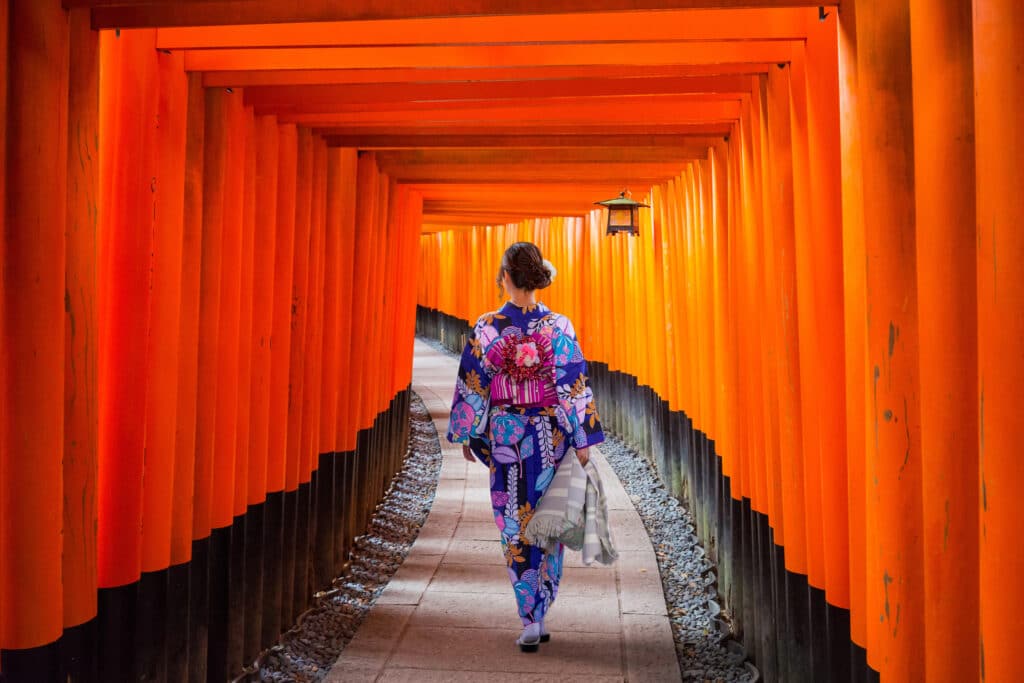
Start early at Fushimi Inari Taisha, one of the most famous shrines in Japan. It is best known for its thousands of bright red torii gates.
Morning: Fushimi Inari
- Arrive early to avoid the biggest crowds
- Walk at least partway up the mountain trail
- Enjoy one of Kyoto’s most iconic sights before it gets busy
After that, head to Kyoto’s eastern district for more classic scenery.
Afternoon: Higashiyama
Explore:
- Kiyomizu-dera
- Sannenzaka
- Ninenzaka
- Traditional old streets and shops
This is one of the most photogenic parts of Kyoto and one of the easiest areas to enjoy without needing a rigid plan.
Optional evening
- Tea house / dessert café
- Kyoto-style dinner
- Return walk through Gion
Overnight
Kyoto
Day 7: Arashiyama + Western Kyoto
For your third Kyoto day, head to Arashiyama, one of the city’s most scenic districts.
Morning: Arashiyama
- Visit the Bamboo Grove
- Walk by the river
- Cross Togetsukyo Bridge
If you want to add a little more activity, you can also visit:
- Iwatayama Monkey Park
- nearby temples and gardens
Important note
The bamboo grove is famous, but it is not a place where you need to spend hours. The wider Arashiyama area is what makes the visit worthwhile.
Afternoon options
You can:
- stay longer in Arashiyama
- return to central Kyoto
- visit Nishiki Market
- have a more relaxed final Kyoto evening
Overnight
Kyoto
Days 8–9: Osaka
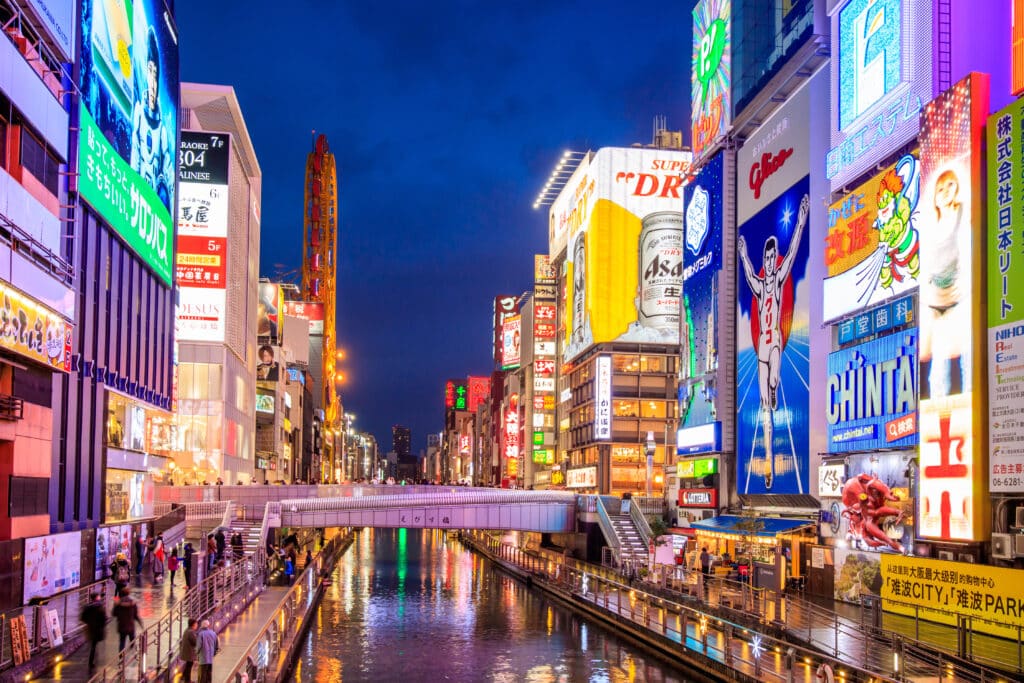
Osaka is a great final city stop because it feels looser, louder, and more food-focused than Kyoto. It also gives your itinerary a fun ending after several days of temples and traditional districts.
The city is especially good for:
- street food
- nightlife
- shopping
- casual city energy
Day 8: Osaka Castle + Dotonbori
Travel from Kyoto to Osaka in the morning. The journey is short and easy, so you can still get a lot out of your first Osaka day.
Morning / Afternoon
Start with:
- Osaka Castle
- Castle grounds and surrounding park
While the castle itself is reconstructed, it is still one of Osaka’s most recognizable landmarks and a worthwhile stop for first-time visitors.
Evening: Dotonbori
This is where Osaka really comes alive.
Spend the evening exploring:
- Dotonbori
- Shinsaibashi
- the canal area
- neon-lit food streets
What to eat in Osaka
This is one of the best places in Japan to try:
- takoyaki
- okonomiyaki
- kushikatsu
- street snacks
Overnight
Osaka
Day 9: Osaka or Day Trip to Nara
You have two very good options for Day 9 depending on what kind of trip you want.
Option A: Stay in Osaka
This is best if you want a more relaxed itinerary.
Good options include:
- Umeda Sky Building
- Shinsekai
- Kuromon Market
- shopping and food-focused exploring
This option works especially well if you enjoy cities, food, and not overloading the final part of the trip.
Option B: Day Trip to Nara
This is one of the best add-ons if you want to include one more classic destination.
Nara is famous for:
- Todai-ji Temple
- giant Buddha statue
- deer in Nara Park
It is a very easy day trip from either Kyoto or Osaka and adds another historic layer to the trip.
Which option should you choose?
- Choose Osaka if you want less rushing
- Choose Nara if you want one more iconic sightseeing day
Overnight
Osaka
Day 10: Departure Day
On your final day, your exact plan depends on your flight.
Many travelers either:
- fly out of Osaka Kansai International Airport (KIX), or
- return to Tokyo for departure
Best strategy
If possible, it is often easiest to book:
- arrival into Tokyo
- departure from Osaka
This saves time and avoids backtracking.
If you have extra time before your flight
Use it for:
- last-minute shopping
- station food halls
- souvenirs
- one final Japanese café or ramen stop
Alternative Versions of This 10-Day Japan Itinerary
Not every traveler wants exactly the same pace, so here are a few smart variations.
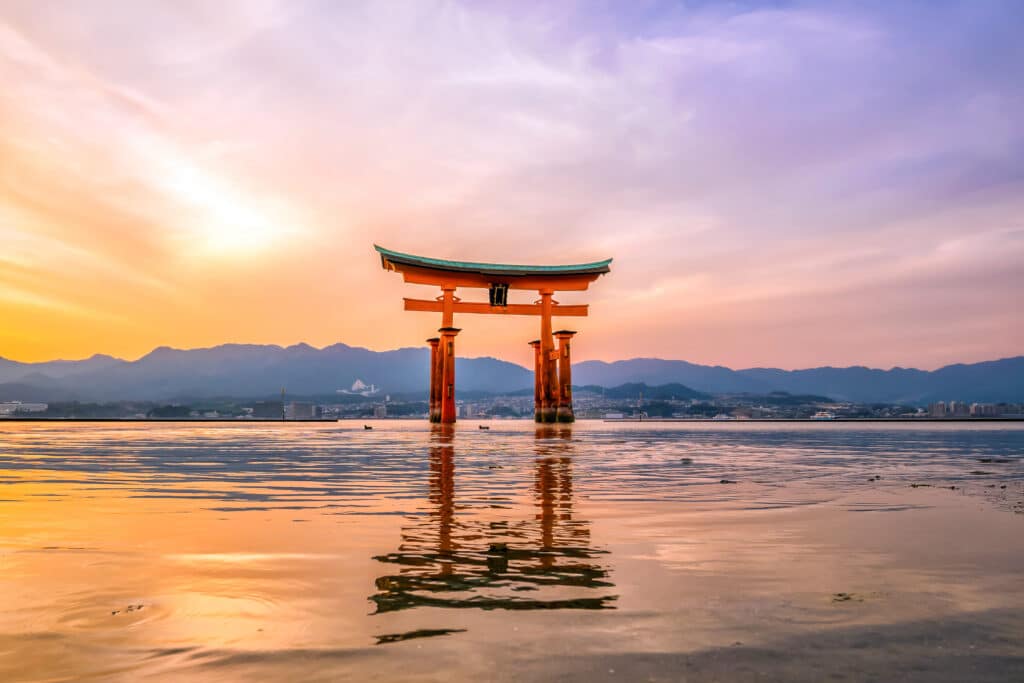
Option 1: Swap Osaka for Hiroshima
If you are more interested in history and fewer big cities, you can replace part of Osaka with:
- Hiroshima
- Miyajima
This makes the trip more ambitious, but still possible.
Option 2: Stay Near Mt. Fuji Instead of Hakone
If your top priority is Fuji views, you could stay around:
- Kawaguchiko
This often gives more direct Mt. Fuji scenery than Hakone, though Hakone is usually easier to combine with this route.
Option 3: Slow It Down
If you prefer a more relaxed pace, you can simply:
- spend 4 nights in Tokyo
- skip Hakone
- spend 3 nights in Kyoto
- spend 2 nights in Osaka
That version is easier and works very well too.
Where to Stay for This Japan Itinerary
Where you stay in each city can make a big difference in how easy and enjoyable this itinerary feels. For first-time visitors, it is usually best to prioritize convenience, walkability, and easy train access rather than choosing the cheapest possible area.
Accommodation Guide
Best Areas to Stay
The most practical bases for this itinerary
| City | Area | Best For |
|---|---|---|
| Tokyo | Shinjuku | First-timers, excellent transport links, nightlife, convenience |
| Tokyo | Shibuya | Atmosphere, shopping, iconic Tokyo energy |
| Tokyo | Asakusa | Traditional feel, quieter evenings, good value stays |
| Kyoto | Gion / Higashiyama | Scenic atmosphere, traditional streets, walking access to major sights |
| Kyoto | Kawaramachi | Restaurants, shopping, transport convenience |
| Osaka | Namba | Food, nightlife, Dotonbori access, strong city atmosphere |
| Osaka | Umeda | Transport, business hotels, easy regional connections |
If you want the easiest version of this trip, my recommendation is to stay in Shinjuku or Shibuya in Tokyo, Gion or Kawaramachi in Kyoto, and Namba in Osaka. Those areas make sightseeing, dining, and transport much simpler for a first visit.
Transportation Tips for This 10-Day Japan Itinerary
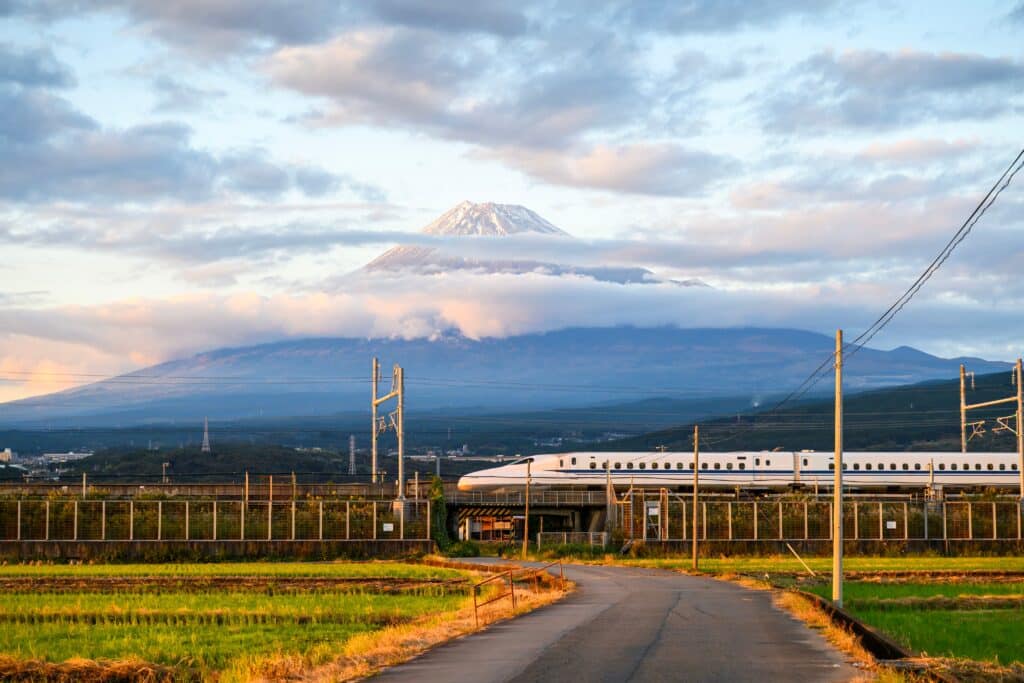
Japan’s transport system is one of the easiest in the world once you understand the basics.
Getting Around Japan
Transport Options at a Glance
The easiest way to understand what you actually need
| Transport Option | Best For | Notes |
|---|---|---|
| Individual Train Tickets | Most first-time visitors | Often the best-value choice for a Tokyo, Hakone, Kyoto, and Osaka route. |
| JR Pass | Longer or more complex trips | Worth comparing, but not automatically the best deal for this itinerary. |
| IC Card | Local city travel | Useful for subways, buses, convenience stores, and simple day-to-day transport. |
| Luggage Forwarding | Easier hotel transfers | Very helpful if you do not want to carry large suitcases on train travel days. |
Do you need a JR Pass in 2026?
For this exact itinerary, a nationwide JR Pass is often not the best value anymore, depending on your exact train choices and whether you are taking extra day trips.
Instead, many travelers are better off buying:
- individual Shinkansen tickets
- local train tickets
- IC card travel
That said, it is still worth comparing prices before you go.
Get an IC Card
An IC card such as:
- Suica
- PASMO
- ICOCA
makes local travel much easier in cities like Tokyo, Kyoto, and Osaka.
You can use it for:
- trains
- subways
- buses
- convenience stores
- vending machines (in many places)
Use Luggage Forwarding
One of the best Japan travel hacks is luggage forwarding.
This allows you to:
- send large suitcases between hotels
- travel lighter on train days
- make city transfers much easier
It is especially useful between:
- Tokyo → Kyoto / Osaka
- Tokyo → Hakone
For many first-time visitors, this is one of the most helpful services in Japan.
How Much Does a 10-Day Japan Trip Cost?
Japan can be done on a wide range of budgets, and for many travelers it is more affordable than expected once the flights are booked. Your biggest cost differences usually come from hotel choices, intercity train tickets, and how often you choose higher-end dining or special experiences.
Budget Planning
Estimated Cost for 10 Days in Japan
Rough price ranges per person, excluding international flights
| Category | Budget | Mid-Range | Higher-End |
|---|---|---|---|
| Hotels | €40–90 / night | €100–220 / night | €250+ / night |
| Food | €20–35 / day | €35–60 / day | €70+ / day |
| Local Transport | €5–10 / day | €8–15 / day | €10–20 / day |
| Intercity Transport | Varies | Varies | Varies |
| Attractions | Low | Moderate | Moderate to high |
| Typical 10-Day Total | From around €1,000–1,400 | About €1,400–3,000 | €3,000+ |
For most travelers, a comfortable mid-range 10-day Japan trip usually falls somewhere around €1,400 to €3,000 per person, excluding international flights. If you include a ryokan stay in Hakone, some shopping, or more premium hotels, your total can rise fairly quickly.
Best Time to Visit Japan for This Itinerary
This itinerary works year-round, but some seasons make the route especially enjoyable. The best time to visit Japan for this trip usually comes down to whether you prioritize cherry blossoms, autumn colors, lower crowds, or more comfortable temperatures.
Seasonal Planning
Best Time to Visit Japan for This Itinerary
A quick seasonal guide for Tokyo, Hakone, Kyoto, and Osaka
| Season | Best For | What to Expect | Good for This Itinerary? |
|---|---|---|---|
| Spring (March–May) |
Cherry blossoms, mild weather, classic first trip | One of the most beautiful and popular times to visit, especially in Tokyo and Kyoto | Excellent |
| Summer (June–August) |
Festivals, lush scenery, lively city atmosphere | Can be hot, humid, and tiring in major cities, especially for full sightseeing days | Good, but warm |
| Autumn (September–November) |
Autumn leaves, comfortable weather, scenic temple visits | One of the best overall seasons for this route, especially for Kyoto and Hakone | Excellent |
| Winter (December–February) |
Fewer crowds, crisp weather, lower hotel prices in some periods | Cooler temperatures, but still very doable and often underrated for city travel | Very good |
For most first-time visitors, spring and autumn are the best times to follow this itinerary. Spring offers cherry blossoms and classic first-trip atmosphere, while autumn usually brings comfortable weather and some of the best scenery in Kyoto and Hakone. If you want fewer crowds and lower prices, winter can also be a very good option.
Essential Japan Travel Tips for First-Time Visitors
A few practical tips can make your trip much smoother.
1. Don’t over-schedule every hour
Japan rewards wandering. Some of your favorite moments will probably come from side streets, random cafés, or places you didn’t plan.
2. Start early for famous sights
For places like:
- Fushimi Inari
- Senso-ji
- Arashiyama Bamboo Grove
early mornings make a huge difference.
3. Convenience stores are genuinely useful
Japanese convenience stores are excellent for:
- breakfast
- snacks
- coffee
- quick meals
- travel essentials
4. Bring comfortable walking shoes
You will walk a lot more than you expect, especially in:
- Tokyo
- Kyoto
- train stations
5. Learn a few simple phrases
You do not need to speak Japanese fluently, but even a few polite basics are appreciated.
Helpful ones:
- Arigatou gozaimasu = thank you
- Sumimasen = excuse me / sorry
- Konnichiwa = hello
FAQ section for SEO
Is 10 days enough for Japan?
Yes, 10 days is enough for a very good first trip to Japan. You can comfortably visit Tokyo, Hakone, Kyoto, and Osaka, and still have time for a day trip like Nara if you plan your route well.
What is the best 10-day Japan itinerary for first-time visitors?
One of the best 10-day Japan itineraries for first-time visitors is Tokyo, Hakone, Kyoto, and Osaka. This route combines modern cities, traditional culture, scenic views, and efficient train travel.
Should I start my Japan trip in Tokyo or Osaka?
Most first-time visitors start in Tokyo because it has more international flight options and works well as an introduction to Japan. A common route is to arrive in Tokyo and depart from Osaka.
Do I need a JR Pass for a 10-day Japan itinerary?
Not always. For many travelers, buying individual train tickets is better value than a nationwide JR Pass, especially if the itinerary is limited to Tokyo, Hakone, Kyoto, and Osaka.
Is Hakone worth including in a 10-day Japan itinerary?
Yes, Hakone is worth including if you want onsen, scenic views, and a break from the bigger cities. It adds variety and makes the itinerary feel more balanced.
How much money do I need for 10 days in Japan?
A realistic mid-range budget for 10 days in Japan is often around €1,400 to €3,000 per person, excluding flights, depending on hotel choices, transport, and dining style.
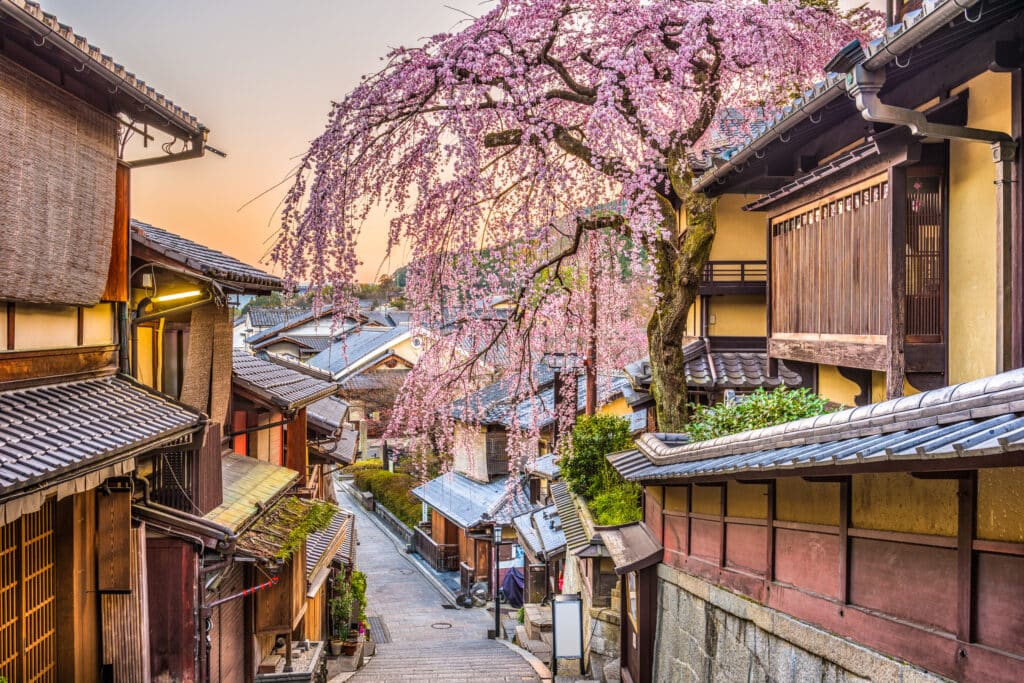
Final Thoughts: Is This the Best First Japan Itinerary?
If it is your first time visiting Japan, this is one of the strongest and most balanced 10-day routes you can choose.
You get:
- the energy of Tokyo
- the scenic break of Hakone
- the culture of Kyoto
- the food and fun of Osaka
It is efficient, realistic, and packed with memorable experiences without becoming too rushed.
If you only have 10 days in Japan, this itinerary gives you an excellent first trip—and a very good reason to come back.