
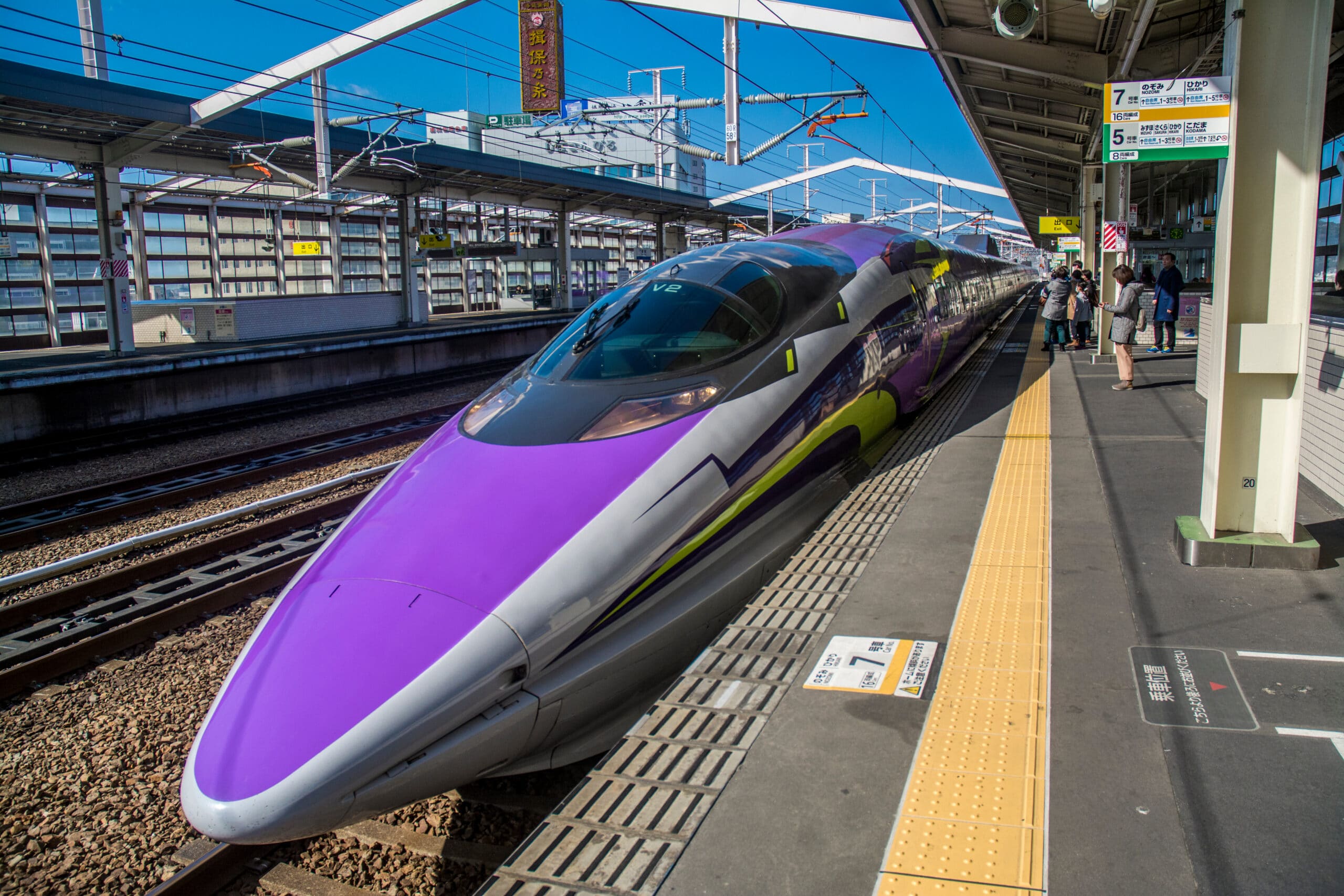
Planning how to travel around Japan can feel more intimidating than planning the trip itself.
Before you even arrive, you’re suddenly comparing the Japan Rail Pass, trying to understand the Shinkansen, wondering whether Suica and Pasmo are the same thing, and asking yourself if you need to reserve train tickets weeks in advance. Add in Tokyo’s massive stations, airport transfers, luggage rules, and regional train lines, and it’s easy to assume that getting around Japan will be complicated.
The reality is much more reassuring.
Japan is one of the easiest countries in the world to travel around independently. Its public transport system is fast, clean, safe, and remarkably reliable, and once you understand the basics, moving between cities and around within them becomes far less confusing than it first appears.
For most first-time visitors, the best way to travel around Japan is simple: take the Shinkansen for long-distance journeys, use local trains and subways in cities, and get an IC card for everyday transport. Depending on your route, buses, domestic flights, taxis, and rental cars can also be useful — but they usually play a smaller role.
In this guide, you’ll learn exactly how to get around Japan, when the JR Pass is worth it, how IC cards work, whether you need to book train tickets in advance, and which transport options make the most sense for different types of trips.
Planning how to travel around Japan can feel more intimidating than planning the trip itself.
The best way to travel around Japan for most first-time visitors is by using the Shinkansen for long distances, local trains and subways in cities, and an IC card for everyday transport. Buses are best for budget travel, flights make sense for very long routes, and rental cars are most useful in rural areas.
Table of Contents
The Best Way to Travel Around Japan for Most Travelers
If you’re visiting Japan for the first time, the simplest answer is this: you’ll probably use a mix of high-speed trains, local public transport, and one rechargeable travel card.
That combination covers almost everything most visitors need.
For long-distance routes between major cities like Tokyo, Kyoto, Osaka, or Hiroshima, the Shinkansen is usually the easiest and most comfortable option. It’s fast, reliable, and much less stressful than flying once you factor in airport transfers, security, and waiting times.
Inside cities, you’ll mostly rely on local trains, subways, and the occasional bus. In places like Tokyo and Osaka, rail transport is usually the quickest way to move around. In Kyoto, buses still play a much bigger role, especially when you’re heading to temple districts and sightseeing areas that aren’t directly connected by train.
For everyday convenience, one of the smartest things you can do is get an IC card early in your trip. Instead of buying individual tickets every time you ride, you can simply tap in and out on most trains, subways, and buses. It’s a small thing, but it makes Japan feel immediately easier.
Taxis, buses, domestic flights, and rental cars can all be useful too — but for most first-time visitors, they’re secondary rather than essential.
Japan Transport Guide
How to Travel Around Japan by Transport Type
Choose the option that best fits your route, budget, and travel style
Best for fast, comfortable travel between major cities like Tokyo, Kyoto, Osaka, and Hiroshima.
Best for daily travel within cities such as Tokyo and Osaka, where rail networks are extensive and efficient.
Best for easy tap-and-go transport on trains, subways, and buses, especially for first-time visitors.
Best for budget travelers who want to save money on intercity routes, even if journeys take longer.
Best for very long distances, including routes to Hokkaido, Kyushu, and Okinawa.
Best for short rides, late-night travel, or airport and hotel transfers when convenience matters most.
Best for rural Japan, scenic regions, and remote areas where public transport is less frequent.
For most first-time visitors, the easiest combination is Shinkansen for long distances, local transit in cities, and an IC card for daily travel.
Japan Transport Overview
Best Ways to Travel Around Japan at a Glance
A simple comparison of the main transport options for first-time visitors
| Transport Type | Best For | Pros | Cons |
|---|---|---|---|
| Shinkansen | Long-distance travel between major cities | Fast, reliable, comfortable | More expensive than buses |
| Local trains & subways | Getting around cities | Frequent, efficient, easy to use | Can be crowded at peak times |
| IC cards | Daily urban transport | Convenient, no need to buy single tickets | Not valid for every train or route |
| Highway buses | Budget intercity travel | Cheap, useful for overnight routes | Slower and less comfortable |
| Domestic flights | Very long distances | Time-saving for routes like Hokkaido or Okinawa | Airport transfers and baggage limits |
| Taxis | Short rides, late nights, luggage-heavy trips | Convenient door-to-door option | Expensive for regular use |
| Rental cars | Rural areas and scenic road trips | Flexible, useful off the main tourist route | Not necessary in major cities |
Is Japan Easy to Travel Around?
Yes — and that surprises a lot of people.
Before their trip, many travelers imagine Japan’s transport system as something highly efficient but also highly confusing. In reality, it’s usually the opposite: it’s efficient in a way that actually makes travel easier once you understand the basics.
One of the biggest reasons is how well connected the country is. Japan’s major cities are linked by an excellent rail network, and even within urban areas, public transport is usually frequent, clean, and dependable. Delays are rare, stations are organized, and route planning is much easier now than it used to be thanks to apps like Google Maps and Japan-specific transit tools.
That doesn’t mean everything feels effortless the moment you arrive. Large stations like Shinjuku or Tokyo Station can absolutely feel overwhelming at first, especially if you’re arriving with luggage or trying to find the correct platform while jet-lagged. But that initial “this looks chaotic” feeling usually fades very quickly once you’ve done a few journeys.
For a classic first-time Japan trip, getting around is generally far easier than people fear — especially if you’re sticking to popular destinations on the main tourist route.
Why Trains Are the Backbone of Travel in Japan
If you only remember one thing from this article, let it be this: Japan is a train-first country for travelers.
For most routes, trains are the easiest, most efficient, and least stressful way to move around. They connect almost every major destination visitors want to see, from huge cities like Tokyo and Osaka to cultural hubs like Kyoto, Nara, Hiroshima, and Kanazawa.
This is also why many first-time visitors don’t need to rent a car at all. Unless your itinerary is focused on the countryside, mountains, or more remote onsen areas, public transport will usually do the job better.
One thing that confuses travelers at first is that “train” in Japan can mean several different things. Not every train works in exactly the same way.
Some are local trains, which stop at every station and are mostly used for shorter city and suburban journeys. Others are rapid or express trains, which skip smaller stops and get you around faster. Then there are limited express trains, which often connect cities or regional destinations and may require an additional surcharge or seat reservation. And above all of these is the Shinkansen, Japan’s famous high-speed bullet train network.
The good news is that you don’t need to memorize every train type before your trip. Once you start using route-planning apps and looking at station signs, the system becomes much more intuitive than it sounds on paper.
How the Shinkansen Actually Works
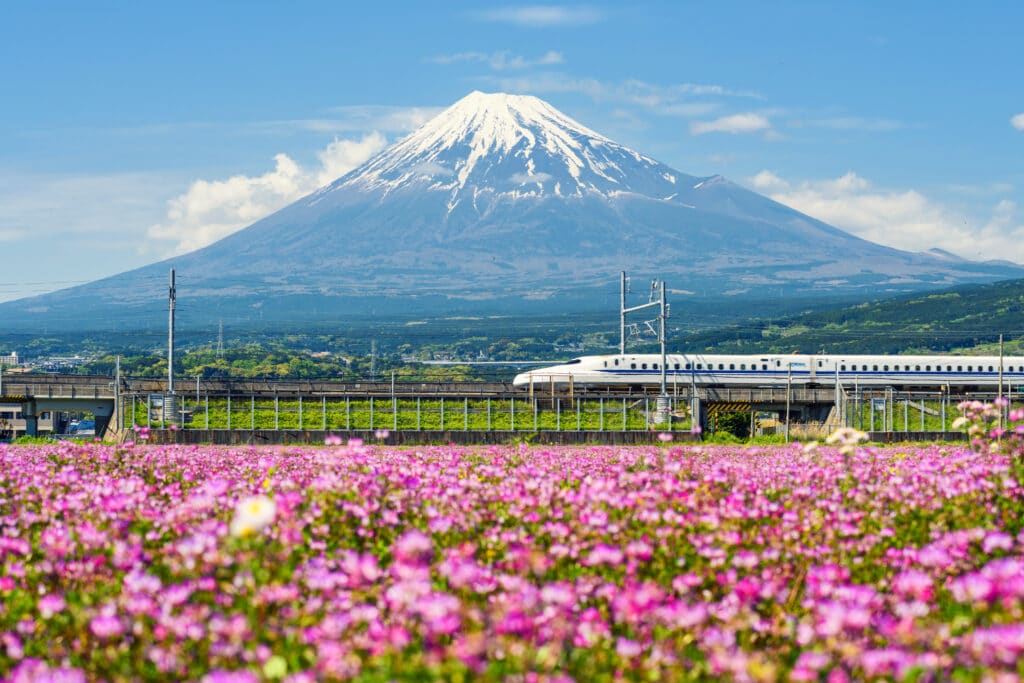
For many travelers, the Shinkansen is one of the highlights of visiting Japan — and not just because it’s fast.
It’s also one of the easiest and most comfortable ways to travel between major cities. Instead of dealing with airport security lines, baggage restrictions, and long transfers, you can usually board in the center of one city and arrive in the center of another in a much more relaxed way.
That’s why routes like Tokyo to Kyoto, Tokyo to Osaka, Tokyo to Hiroshima, or Osaka to Hiroshima are so commonly done by train.
The Shinkansen system itself is straightforward once you’ve used it once. On many routes, you’ll choose between reserved and non-reserved seats. Reserved seats give you a guaranteed seat and are especially useful if you’re traveling during busy seasons, with luggage, or as part of a group. Non-reserved seating gives you more flexibility, but depending on the route and timing, you may need to queue or stand if trains are crowded.
There’s also the Green Car, which is the more spacious premium class. It’s not necessary for most travelers, but it can be worth considering if comfort matters to you on a longer ride.
For first-time visitors, the most important thing to know is simple: if you’re moving between major cities, the Shinkansen is usually the best choice. It’s one of the reasons Japan feels so easy to explore independently.
Do You Need to Book Train Tickets in Advance?
For many routes, you don’t need to book far in advance.
That’s one of the things people often overestimate before their trip. Japan’s train system is built to handle large numbers of travelers, and on many standard routes, you can buy tickets on the day and still travel without much trouble.
That said, there are definitely situations where booking ahead is smart.
If you’re traveling during cherry blossom season, Golden Week, Obon, or New Year, trains can be much busier than usual. The same goes for weekends and peak travel times on very popular routes like Tokyo to Kyoto or Tokyo to Osaka.
Booking ahead also makes sense if:
- you want guaranteed reserved seats
- you’re traveling with large luggage
- you’re traveling as a family or group
- you want less stress on moving days
For a slower-paced trip, flexibility is often fine. But if your itinerary is tight, reserving key long-distance journeys can make your travel days much smoother.
Is the Japan Rail Pass Worth It?
This is one of the biggest Japan travel questions — and the honest answer is:
not always.
For years, the JR Pass was treated as an automatic recommendation for almost every first-time visitor. That’s no longer really true.
The Japan Rail Pass can still be useful, but whether it saves you money depends entirely on your route.
If your trip includes several long-distance train rides in a short period, it can still make sense. For example, a fast-paced itinerary that includes Tokyo, Kyoto, Hiroshima, and Osaka may still justify the cost, depending on your exact plans.
But if you’re traveling more slowly, staying mostly in one region, or only planning one or two major Shinkansen rides, the JR Pass often isn’t the best value anymore. Many travelers now save more by buying individual train tickets instead.
That’s why it’s important not to buy the pass just because it sounds like the “tourist thing to do.” It’s only worth it if your route actually supports it.
For many first-time travelers, especially those doing a more classic Tokyo–Kyoto–Osaka trip, it’s often smarter to compare the cost of individual journeys before deciding.
Planning a classic route? Read our 10-Day Japan Itinerary next.
How IC Cards Make Travel in Japan Much Easier
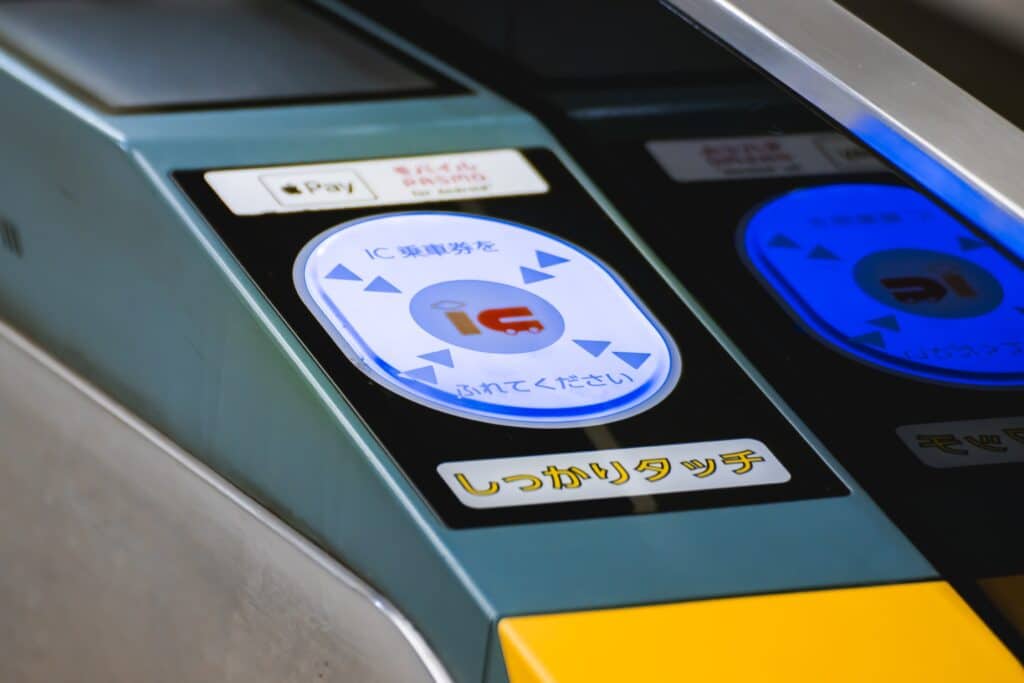
If there’s one thing that will make your daily travel in Japan feel easier almost immediately, it’s this: get an IC card.
An IC card is a rechargeable card you can tap to pay for most local trains, subways, and buses. Instead of standing at ticket machines every time you need to go somewhere, you simply tap in and out.
That might sound like a small convenience, but it makes a huge difference — especially in the first few days of your trip, when everything still feels new.
The most common names you’ll hear are Suica, Pasmo, and ICOCA, but for most travelers, the differences between them matter much less than people think. In practice, they work very similarly and are widely accepted across many parts of Japan.
IC cards are useful for much more than transport too. In many places, you can also use them at convenience stores, vending machines, station lockers, and small everyday purchases.
What they don’t usually replace are long-distance train tickets like most Shinkansen journeys or certain reserved-seat regional trains. So think of your IC card as your everyday city transport tool, not your all-in-one national rail pass.
For most visitors, it’s one of the easiest and most useful things to set up early.
Getting Around Japan’s Major Cities
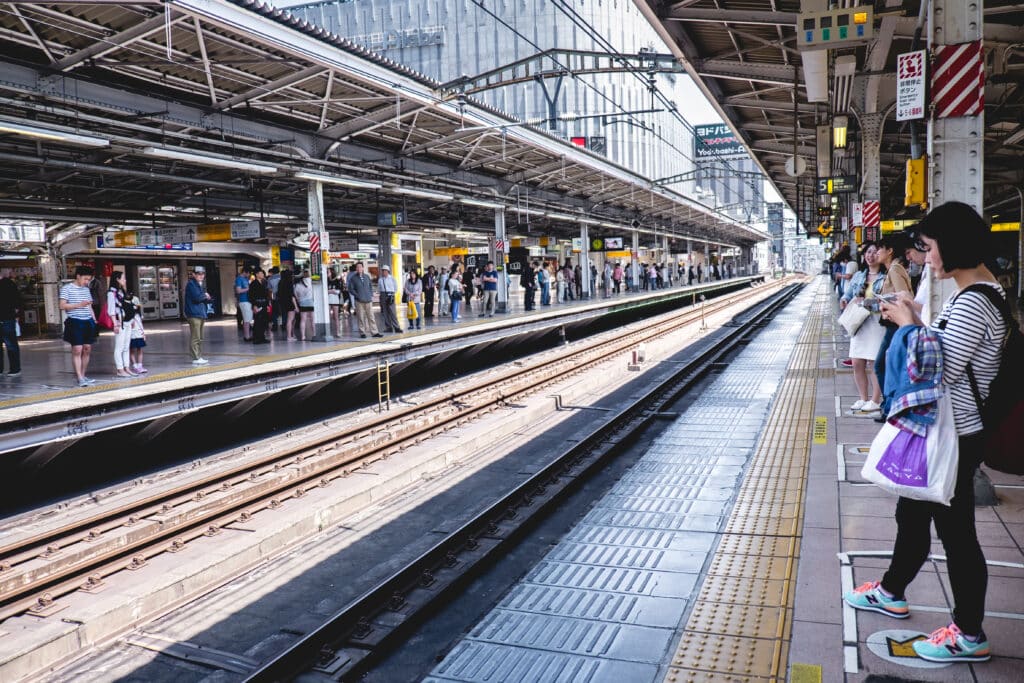
One of the reasons Japan feels so manageable once you arrive is that each major city has its own transport rhythm. Once you understand that, getting around becomes much more intuitive.
Tokyo
Tokyo can look intimidating on a map, but in practice, it’s very manageable because the rail and subway network is so extensive. Most travelers get around almost entirely by train, and once you’ve used it a few times, it starts to feel very logical.
The main thing to remember is that Tokyo is much bigger than it appears when you’re planning your days. Neighborhoods that look “close” on a map are not always easy or pleasant to walk between, so public transport usually saves you a lot of time and energy.
Read our full Tokyo Travel Guide for neighborhood tips and planning advice.
Kyoto
Kyoto works a little differently. Trains are still useful, but buses often matter more here than in Tokyo or Osaka, especially for sightseeing-heavy days. Many of Kyoto’s best-known temples, shrines, and traditional districts are not all directly connected by the most convenient train routes.
That’s why transport in Kyoto can sometimes feel a little slower and more crowded than elsewhere — especially during busy travel seasons.
Osaka
Osaka is one of the easiest cities in Japan to navigate. The subway and JR train network are both very visitor-friendly, and most major neighborhoods are well connected.
Compared with Tokyo, Osaka often feels a little simpler and less overwhelming, especially for first-time visitors.
Smaller cities and regional destinations
In smaller cities, transport is often easier in one sense and less flexible in another. Stations are usually less overwhelming, but trains and buses may run less frequently. In some places, walking is enough. In others, local buses or taxis become much more useful than they would be in bigger cities.
Are Buses in Japan Worth Using?
Buses are not usually the first thing people think of when planning a Japan trip, but they can still be useful in the right situations.
For long-distance travel, highway buses are often the cheapest way to move between cities. They’re especially popular with budget travelers and people trying to save on accommodation by taking overnight routes.
The downside is obvious: they’re much slower and generally less comfortable than the Shinkansen.
Within cities, buses can also be useful — especially in places like Kyoto, where they remain an important part of getting around sightseeing areas. In rural or mountainous regions, buses may sometimes be essential because train coverage becomes much more limited.
So are buses worth using? Yes — but mostly when you’re prioritizing budget or access, not speed or comfort.
Should You Fly Within Japan?
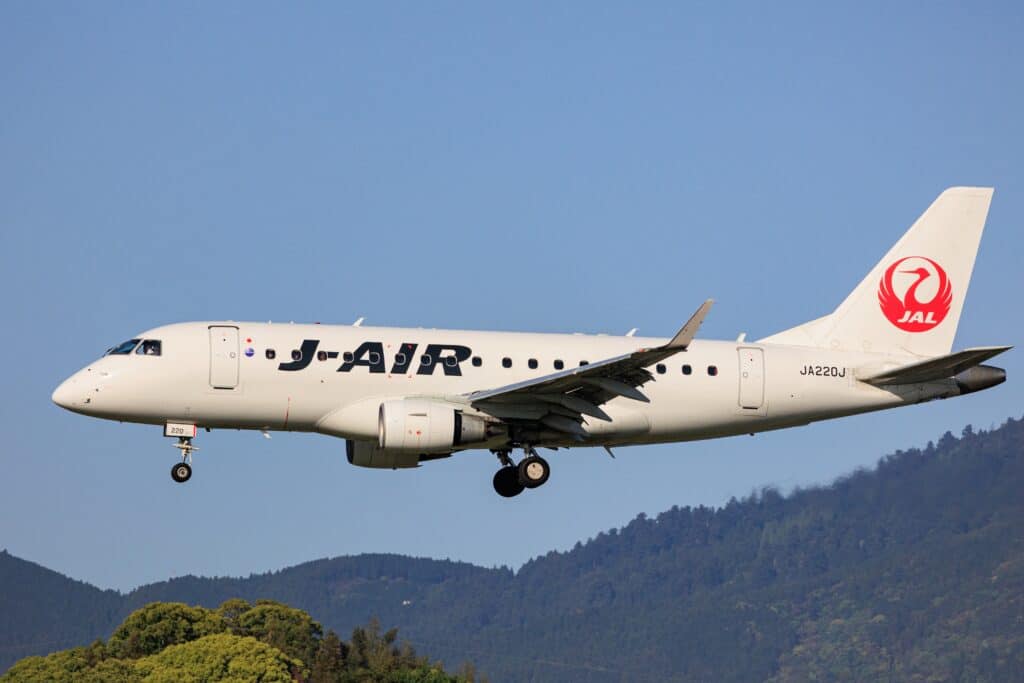
Many first-time visitors assume they’ll use trains for everything, but there are definitely situations where domestic flights make more sense.
Japan is longer than many people expect, and some routes are simply much more practical by air. If you’re traveling between places like Tokyo and Sapporo, Tokyo and Fukuoka, or Osaka and Okinawa, flying can save you a lot of time.
Flights can also sometimes be surprisingly competitive on price, especially if booked in advance or paired with certain airline discounts.
That said, flights come with trade-offs. Once you add in the time needed for airport transfers, check-in, security, and baggage handling, they’re not always as convenient as they first appear. On many classic tourist routes, the Shinkansen still wins because it takes you city center to city center with far less friction.
A good rule of thumb is this: for central Japan, trains usually make more sense; for very long distances, flights become more attractive.
Taxis and Rental Cars: When Do They Make Sense?
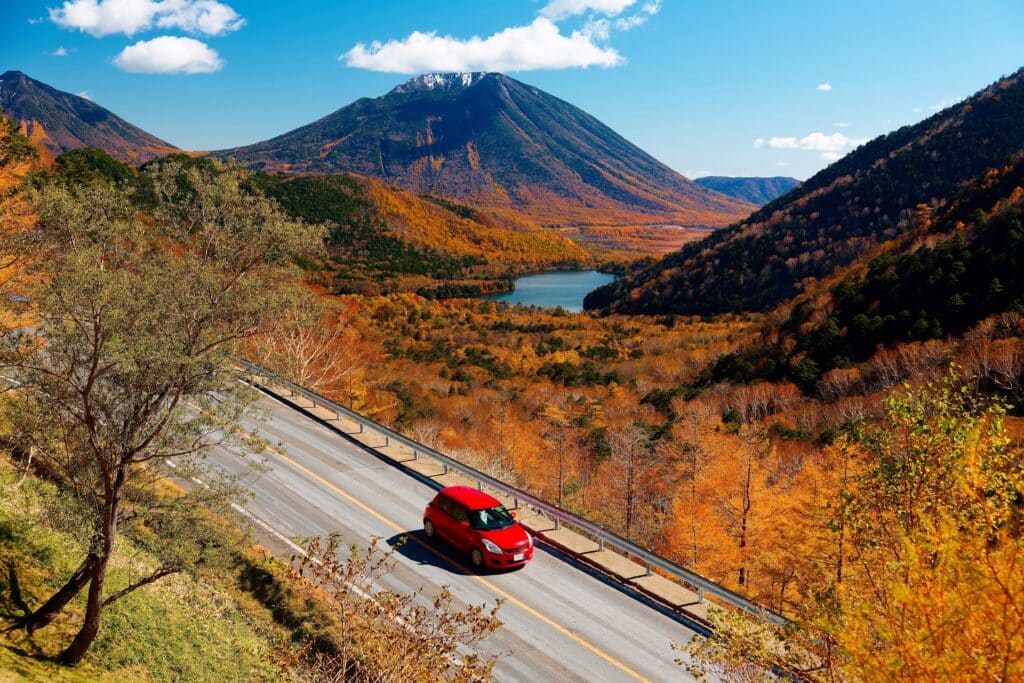
For most trips, you won’t rely heavily on either — but both can still be useful.
Taxis in Japan are safe, clean, and easy to use, but they’re also relatively expensive compared with public transport. That means they’re best thought of as a convenience option rather than a main way to get around.
They make the most sense:
- late at night
- after a long travel day
- when carrying heavy luggage
- for short hops in places like Kyoto
- in smaller towns where transport is limited
Rental cars are a different story. For most first-time visitors sticking to Tokyo, Kyoto, Osaka, and other classic stops, a car is unnecessary and usually more trouble than it’s worth.
But in rural Japan, driving can become much more useful. It makes the most sense in places like:
- Hokkaido
- the Japanese Alps
- remote onsen areas
- parts of Kyushu, Tohoku, or Shikoku
So if your trip is city-heavy, skip the car. If your route is scenic and rural, it may become one of the best decisions you make.
Traveling Around Japan With Luggage
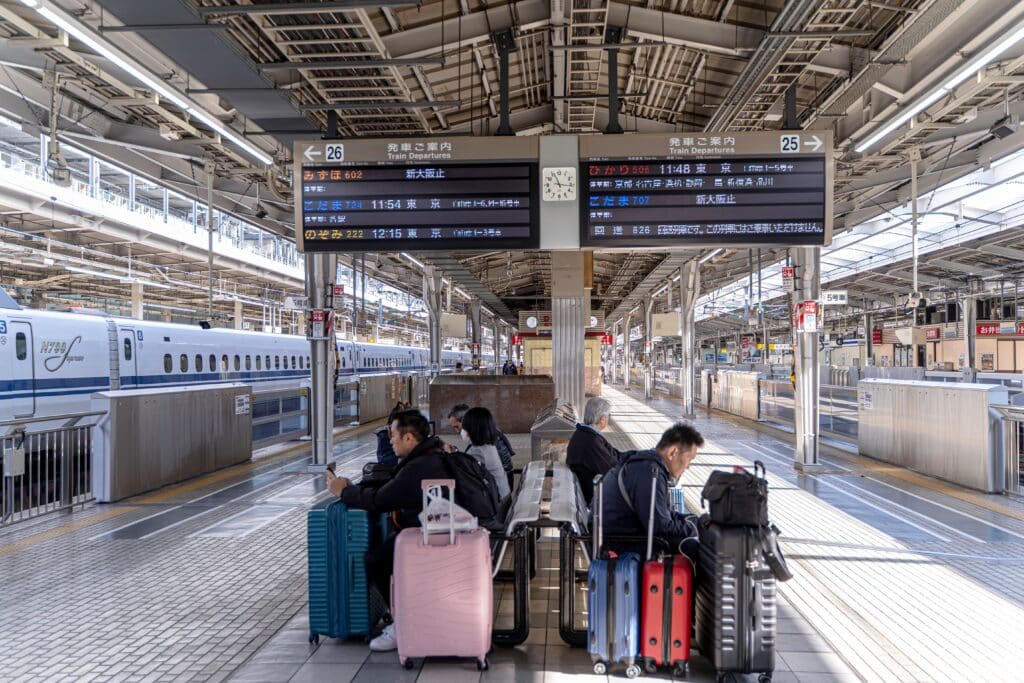
One of the things people often underestimate when planning Japan is how much of a difference luggage can make to the travel experience.
Japan is easy to travel around — but it’s much easier when you’re not dragging oversized suitcases through crowded stations, stairs, and train transfers.
That doesn’t mean you can’t bring larger luggage. Plenty of travelers do. But if you’re moving around often, packing lighter than you think you need will make your trip much smoother.
One of the best travel tips in Japan is to use luggage forwarding services between hotels. Instead of hauling a big suitcase from Tokyo to Kyoto to Osaka, you can often send it ahead and travel with just a smaller overnight or day bag.
This is one of those small things that can make a trip feel dramatically more relaxed.
If you do plan to bring large suitcases on long-distance trains, it’s also worth paying attention to oversized luggage seat reservations where relevant. That’s one of those details that’s easy to overlook when planning, but helpful once you know about it.
If you want Japan to feel easier, one of the simplest strategies is this: pack less and move lighter.
Best Apps for Traveling Around Japan
You don’t need a huge folder of Japan-specific apps before your trip, but having one or two good ones will make things easier.
For most travelers, Google Maps is more than enough for everyday navigation. It’s especially helpful for train routes, transfer timing, walking directions, and knowing which station exit to take.
If you want more transit-specific detail, apps like Japan Travel by NAVITIME can also be helpful, especially if you want route suggestions tailored to trains, passes, and intercity travel.
Translation apps can also be useful in smaller towns or on less tourist-heavy routes, but for the classic Japan itinerary, navigation is usually much less difficult than people expect.
In most cases, the biggest challenge is not “How do I get around Japan?” but simply “How do I stop overthinking it before I arrive?”
Common Mistakes Tourists Make When Traveling Around Japan
Most Japan transport mistakes aren’t serious — they’re just the kind of things that make a trip feel more tiring or more expensive than it needs to be.
One of the most common is buying a JR Pass without checking whether it actually saves money. Another is trying to visit too many places too quickly, which often leads to more time in transit and less time actually enjoying each destination.
Heavy luggage is another classic issue. Japan’s transport system works brilliantly, but it works even better when you’re not carrying too much.
Travelers also often underestimate how long large stations can take to navigate. A train transfer may look short on paper, but if it involves a giant station, platform changes, or finding the right exit, it can take longer than expected.
And finally, many first-time visitors spend too much time worrying about the “perfect” transport setup before they arrive. In reality, Japan becomes much easier once you’re actually there and using it in real life.
The goal is not to plan every transport detail perfectly. It’s to understand enough that you can travel confidently without making the trip harder on yourself.
What’s the Best Way to Travel Around Japan Based on Your Trip Style?
Travel Planning Guide
Best Way to Travel Around Japan Based on Your Trip Style
The best transport setup depends on how fast, flexible, and budget-friendly you want your trip to be
Best setup: Shinkansen + local trains/subways + IC card
Best setup: Highway buses + local trains + fewer Shinkansen rides
Best setup: Reserved train seats + luggage forwarding + occasional taxis
Best setup: Regional trains + fewer city changes + flexible ticket booking
Best setup: Train + rental car combination
Best setup: Shinkansen or domestic flights, depending on distance and region
The best transport setup depends a little on the kind of trip you’re planning.
If you’re a first-time visitor, the easiest combination is usually the classic one: Shinkansen for city-to-city travel, local trains and subways inside cities, and an IC card for daily use.
If you’re traveling on a tight budget, you may end up relying more on highway buses, slower regional trains, and fewer long-distance Shinkansen rides.
If you’re traveling as a family, reserved train seats, lighter packing, and occasional taxis often become much more valuable than they might for solo travelers.
If you’re planning a slower trip, you’ll usually need less transport overall — which often means fewer passes and more flexibility.
And if your route focuses on rural Japan or scenic regions, a train-and-rental-car combination may make much more sense than sticking to rail alone.
There isn’t one “perfect” transport strategy for everyone. The best setup is the one that matches your route, pace, and priorities.
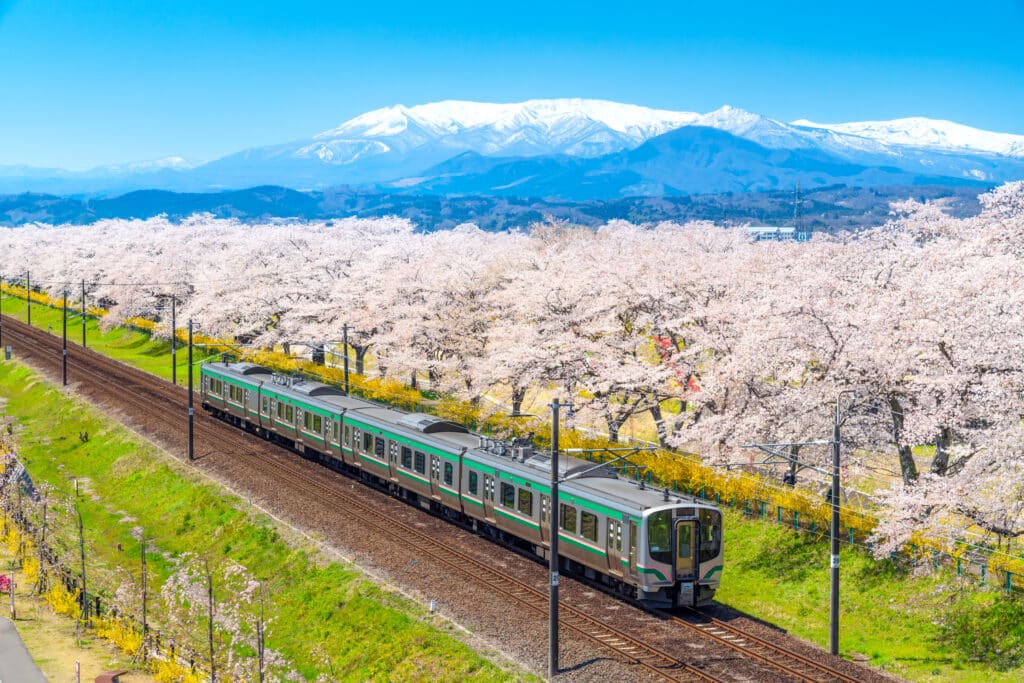
Final Answer: What’s the Best Way to Travel Around Japan?
Japan’s transport system may look overwhelming before your trip, but in practice, it’s one of the things that makes traveling here so rewarding.
For most first-time visitors, the easiest approach is to keep it simple: use the Shinkansen for major city-to-city journeys, rely on local trains and subways inside cities, and get an IC card early so everyday travel feels effortless. Once you understand those basics, the rest becomes much easier to figure out on the go.
You do not need to master every pass, ticket, or train type before you land. You just need a clear plan for the routes you’re actually taking.
If you’re planning your itinerary next, continue with our 10-Day Japan Itinerary, explore the best places to visit in Japan, or read our Tokyo Travel Guide to start building your route city by city.
FAQ: Traveling Around Japan
What is the easiest way to travel around Japan?
For most first-time visitors, the easiest way to travel around Japan is by using the Shinkansen for long-distance routes, local trains and subways in cities, and an IC card for everyday transport.
Is the Japan Rail Pass worth it in 2026?
Not always. The Japan Rail Pass is only worth it if your itinerary includes multiple expensive long-distance train journeys in a short period. For many travelers, buying individual tickets is now better value.
Should I get a Suica or Pasmo card?
Either is fine for most travelers. Suica, Pasmo, and ICOCA work very similarly, and the differences usually don’t matter much for standard tourist travel.
Is it better to fly or take the train in Japan?
For routes between major cities in central Japan, the train is usually easier and more convenient. For very long distances, such as Hokkaido or Okinawa, flying may save time.
Do I need to reserve Shinkansen tickets in advance?
Not always. On many routes, same-day booking is fine. But it’s a good idea to reserve ahead during busy travel seasons, weekends, or if you’re traveling with large luggage.