
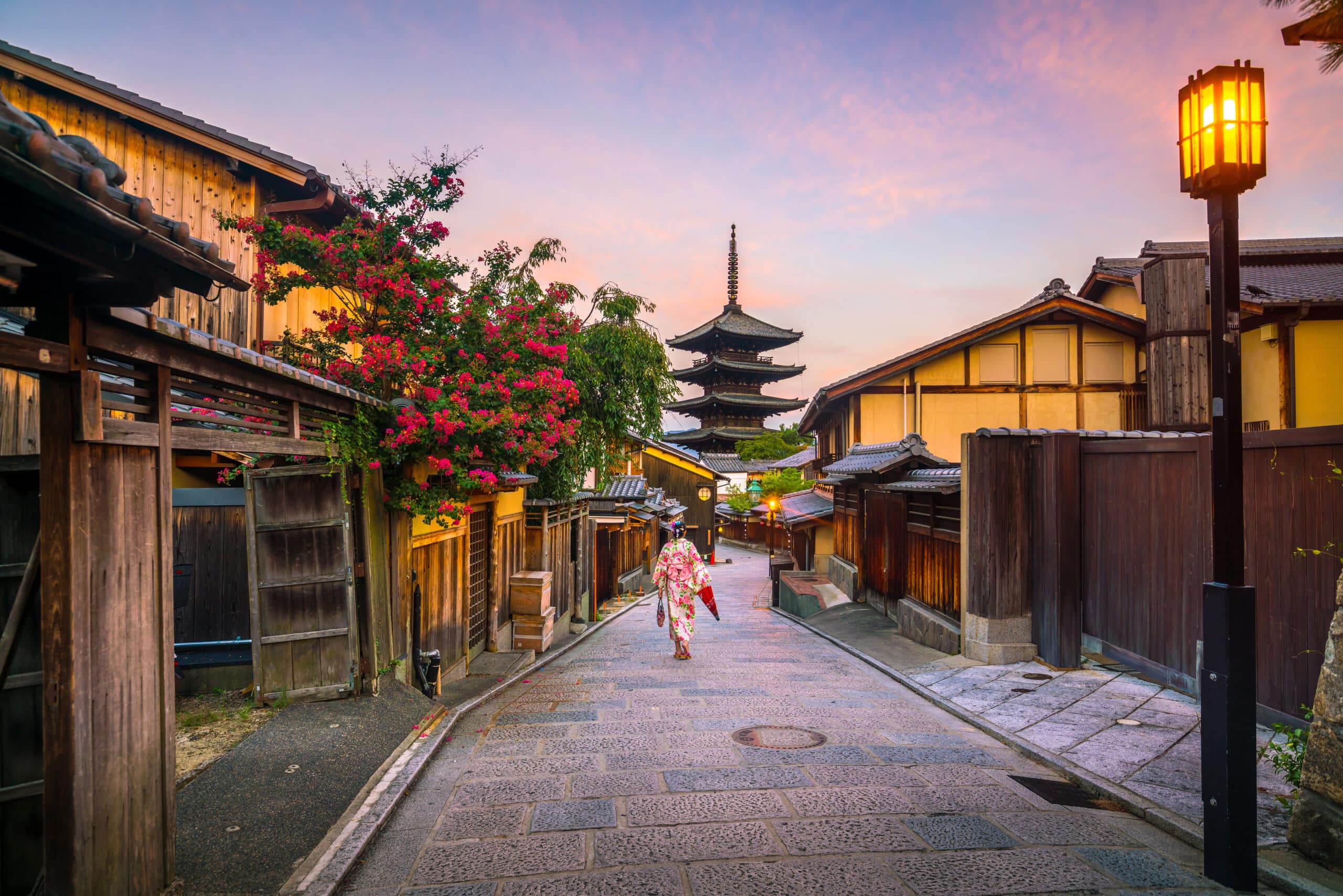
Kyoto isn’t difficult because there’s too much to see—it’s difficult because it’s easy to spend your time in the wrong places.
Many first-time visitors arrive with a long list of famous temples and landmarks, only to realize that Kyoto is more spread out than expected. A single sightseeing mistake can easily cost an hour on buses or trains, while some of the city’s most memorable experiences happen away from the busiest attractions.
The smartest Kyoto itinerary isn’t the one that includes the most sights. It’s the one that helps you spend your limited time where it matters most.
This Travel Owl guide helps you make those decisions—from choosing where to stay and how many days you need to deciding which attractions deserve your time, when to visit them, and how to avoid common planning mistakes.
Quick Decision Guide
Kyoto Quick Decision Guide
Not sure how to plan your time in Kyoto? Start with the decision that best matches your trip.
Table of Contents
Where Is Kyoto and Why Visit It?
Kyoto is located in Japan’s Kansai region and served as the country’s imperial capital for over 1,000 years. Today, it remains the cultural heart of Japan and one of the most rewarding destinations for first-time visitors.
Compared to Tokyo, Kyoto feels slower, more traditional, and more focused on atmosphere than energy. Where Tokyo impresses with scale and modern life, Kyoto stands out through its temples, historic districts, and seasonal beauty.
For most travelers, the combination of both cities is what makes a Japan trip truly complete.
Kyoto Map & Best Areas to Know
Kyoto is often more spread out than first-time visitors expect. The easiest way to plan your trip is by grouping sights into key areas rather than crossing the city multiple times in one day.
Main areas to understand:
- Higashiyama → temples, traditional streets, classic Kyoto
- Gion → geisha district and evening atmosphere
- Arashiyama → bamboo grove and nature
- Downtown (Kawaramachi) → food, shopping, central base
- Kyoto Station → transport hub
- Fushimi → shrines and sake district
The key to enjoying Kyoto: plan by area, not by random attractions.
The Travel Owl Method
The Smartest Kyoto Trips Aren’t the Ones That See the Most
Kyoto isn’t a city where success is measured by how many temples you visit. It’s a city where thoughtful planning creates a much better experience. Many first-time visitors spend hours travelling between famous attractions, only to feel rushed by the end of the day.
At Travel Owl, we believe the smartest itinerary isn’t the busiest one. It’s the one that helps you experience Kyoto’s atmosphere while avoiding unnecessary travel, crowds, and planning mistakes.
① Plan by Area
Instead of crossing Kyoto several times a day, explore one neighbourhood at a time. You’ll spend less time on buses and discover much more along the way.
② Beat the Crowds
The same attraction can feel completely different depending on when you visit. Early mornings often provide a quieter and far more enjoyable experience.
③ Prioritise Experiences
A peaceful walk through Gion or a traditional tea ceremony often creates stronger memories than simply adding another famous attraction to your list.
Throughout this guide, we don’t simply recommend what to see—we explain why it’s worth your time, who it’s best for, and when you might be better off choosing something else. That’s how smarter decisions lead to better trips.
Best Things to Do in Kyoto
Kyoto is one of those cities where the experience matters just as much as the individual sights. The most memorable days here usually come from combining famous highlights with slower walks through historic neighborhoods, temple grounds, and local streets.
Rather than trying to see everything, it’s better to focus on a few key areas and enjoy them properly.
Visit Fushimi Inari Taisha
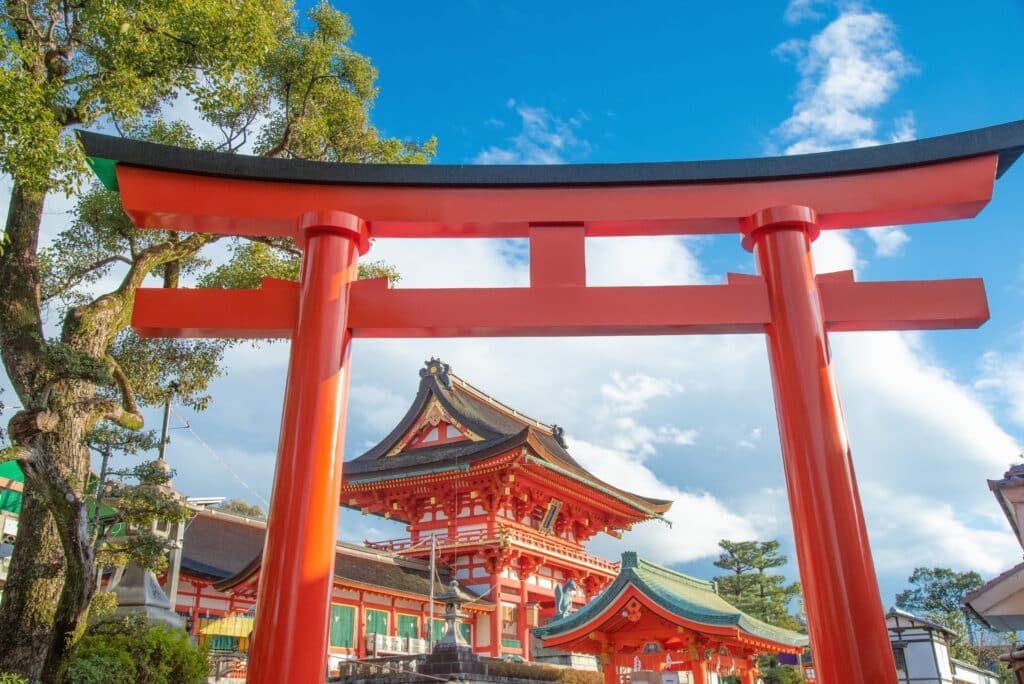
⛩️ Fushimi Inari Taisha
Best for: First-time visitors, photographers, hikers, and anyone wanting to experience one of Japan’s most iconic shrines.
🦉 Travel Owl Snapshot
🦉 Why Travel Owl Recommends It
Walking through thousands of vermilion torii gates creates one of Japan’s most iconic and unforgettable walking routes. Unlike many famous landmarks, Fushimi Inari isn’t simply a place to see—it’s an experience that unfolds as you continue along the mountain trail.
The lower part of the shrine becomes busy quickly, especially from mid-morning onwards. However, many visitors turn around after only a few minutes. Continue farther uphill and the crowds gradually disappear, revealing a quieter, more peaceful side of Fushimi Inari that many travelers never experience.
For the best experience, arrive before 8:00 am. You’ll enjoy cooler temperatures, fewer crowds, and much better opportunities for photography.
🎯 Combine It With
Pair your visit with Tofuku-ji Temple and the historic Fushimi Sake District. Together they create one of Kyoto’s most rewarding half-day itineraries without unnecessary travel across the city.
👍 Perfect If…
- It’s your first trip to Kyoto.
- You enjoy photography and scenic walks.
- You want one of Japan’s most iconic cultural experiences.
- You don’t mind walking uphill.
- You can start sightseeing early in the morning.
🤔 Think Twice If…
- You can’t arrive before mid-morning and prefer quieter attractions.
- You have difficulty walking uphill or climbing many steps.
- You’ve already explored Fushimi Inari on a previous Kyoto trip and would rather discover a less-visited shrine.
🦉 Travel Owl Decision
If you’re visiting Kyoto for the first time, Fushimi Inari deserves a place on your itinerary. It’s one of those rare attractions that truly lives up to its reputation—but only if you experience more than the crowded entrance.
Our recommendation: arrive before 8:00 am, continue beyond the first torii gates, and combine your visit with Tofuku-ji Temple or the Fushimi Sake District. That’s the smartest way to experience one of Kyoto’s greatest highlights.
Explore Higashiyama & Kiyomizu-dera
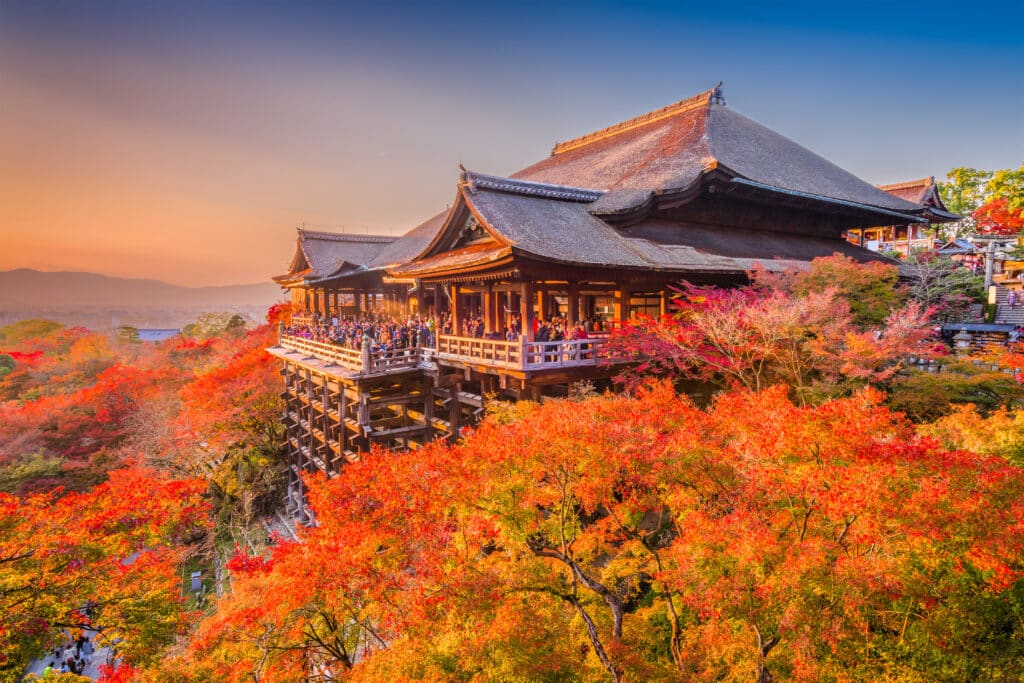
🏯 Higashiyama & Kiyomizu-dera
Best for: First-time visitors, traditional streets, temple views, photography, and anyone wanting the classic Kyoto experience.
🦉 Travel Owl Snapshot
⭐ Why It’s Worth Your Time
This is one of the best areas in Kyoto for first-time visitors because it combines temples, preserved streets, traditional architecture, local shops, and classic city views within one walkable neighbourhood. Rather than visiting a single attraction, you experience the Kyoto many travelers imagine before they arrive.
Begin at Kiyomizu-dera, one of Kyoto’s most celebrated temples, then continue through the beautifully preserved streets of Sannenzaka and Ninenzaka. This route offers one of the most atmospheric walks in the city and naturally leads toward Yasaka Pagoda, Yasaka Shrine, and Gion.
The area becomes extremely busy during the middle of the day. Arriving early allows you to enjoy quieter streets, softer light for photography, and a much more relaxed atmosphere before large tour groups arrive.
🎯 Combine It With
Walk from Kiyomizu-dera through Sannenzaka and Ninenzaka toward Yasaka Pagoda, Maruyama Park, Yasaka Shrine, and Gion. These places connect naturally and create one of Kyoto’s best area-based sightseeing routes.
👍 Perfect If…
- It is your first trip to Kyoto.
- You want temples and traditional streets in one area.
- You enjoy photography, architecture, and scenic walks.
- You prefer exploring on foot instead of moving repeatedly between distant attractions.
- You want a route that continues naturally into Gion.
🤔 Think Twice If…
- You cannot visit early and strongly dislike crowded streets.
- You have difficulty walking on slopes, steps, or uneven historic lanes.
- You prefer quiet gardens and less-visited temples over Kyoto’s most famous sights.
🦉 Travel Owl Decision
For first-time visitors, Higashiyama is the highest-value sightseeing area in Kyoto. It combines several essential experiences within one logical walking route, making it more rewarding and time-efficient than visiting isolated temples across the city.
Our recommendation: begin at Kiyomizu-dera early, walk downhill through Sannenzaka and Ninenzaka, and continue toward Yasaka Shrine and Gion. This gives you temples, historic streets, city views, food stops, and evening atmosphere without unnecessary backtracking.
Walk Through Gion
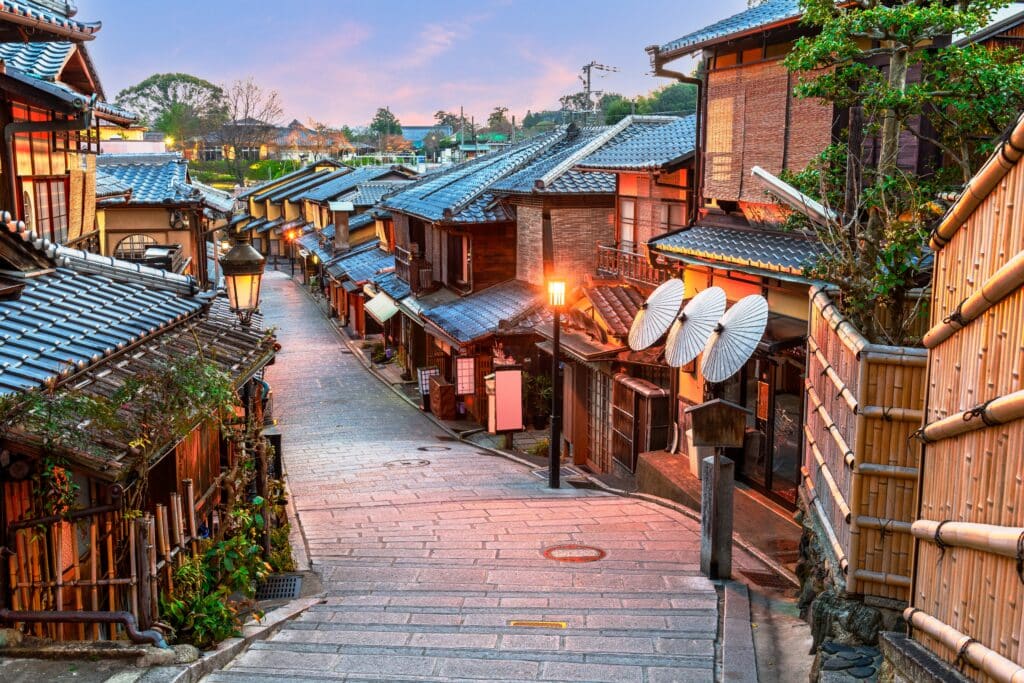
🏮 Gion
Best for: Traditional Kyoto atmosphere, evening walks, photographers, couples, and first-time visitors.
🦉 Travel Owl Snapshot
⭐ Why It’s Worth Your Time
Gion is Kyoto’s most famous historic district and one of the best places to experience the city after dark. It’s less about checking off a specific attraction and more about enjoying the mood of the narrow streets, traditional wooden buildings, quiet alleys, and lantern-lit atmosphere.
Unlike many famous sightseeing spots, Gion rewards slowing down. Wander without a strict plan, explore the side streets, stop at a small café, or simply enjoy watching the district come alive as evening falls.
While you might be lucky enough to glimpse a maiko or geiko on her way to an appointment, remember that Gion is a living neighbourhood, not an open-air museum. Respecting local residents makes the experience better for everyone.
🎯 Combine It With
Visit Gion after exploring Higashiyama. Walking from Kiyomizu-dera through Sannenzaka, Ninenzaka, Yasaka Shrine, and into Gion creates one of Kyoto’s most rewarding and efficient sightseeing routes.
👍 Perfect If…
- You enjoy atmospheric neighbourhoods more than museums.
- You love photography.
- You want to experience traditional Kyoto after sunset.
- You appreciate slow travel.
- You enjoy wandering without a fixed schedule.
🤔 Think Twice If…
- You’re expecting a large tourist attraction or museum.
- You only visit during the busiest afternoon hours.
- You’re looking for nightlife rather than traditional atmosphere.
🦉 Travel Owl Decision
Don’t rush through Gion. This is one of those places where the atmosphere matters far more than ticking off landmarks. Give yourself time to wander, look down the side streets, and simply enjoy being there.
Our recommendation: arrive in the late afternoon after visiting Higashiyama, stay through sunset, and finish your day with dinner nearby. That’s when Gion is at its most magical.
Visit Arashiyama & the Bamboo Grove
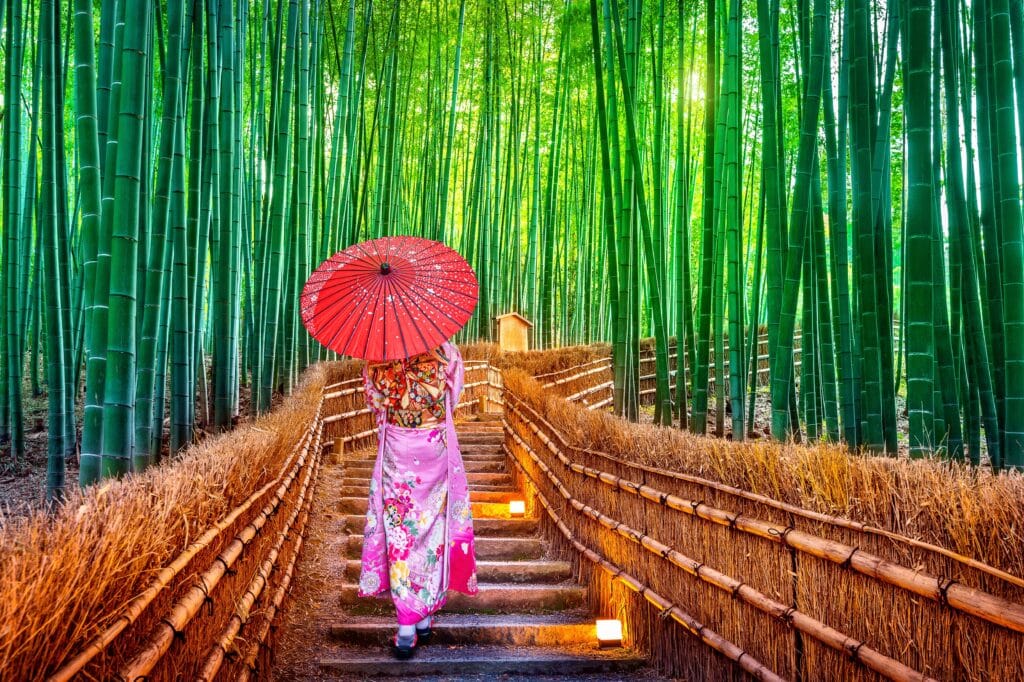
🎋 Arashiyama
Best for: Nature lovers, photographers, scenic walks, couples, and travelers looking for a quieter side of Kyoto.
🦉 Travel Owl Snapshot
⭐ Why It’s Worth Your Time
Arashiyama is worth visiting for much more than its famous Bamboo Grove. While the bamboo path attracts most visitors, the real charm of the district comes from its combination of scenic river views, peaceful temple gardens, forested hills, and pleasant walking routes that feel completely different from central Kyoto.
Instead of treating Arashiyama as a quick photo stop, slow down and explore the entire neighbourhood. Crossing Togetsukyo Bridge, strolling along the Katsura River, or visiting nearby temples often becomes just as memorable as the bamboo grove itself.
The bamboo grove is busiest during the middle of the day. Visiting early allows you to enjoy a quieter atmosphere before continuing to the surrounding attractions.
🎯 Combine It With
Don’t visit only for the Bamboo Grove. Combine it with Tenryu-ji Temple, Togetsukyo Bridge, the Katsura River, the Monkey Park, or a riverside café. Together they create one of Kyoto’s most enjoyable half-day experiences.
👍 Perfect If…
- You enjoy scenic walks.
- You love nature and photography.
- You prefer relaxed sightseeing over busy city streets.
- You have at least half a day available.
- You like combining several nearby attractions.
🤔 Think Twice If…
- You only plan to spend 15 minutes at the Bamboo Grove.
- You cannot arrive until late morning and dislike crowds.
- You only have one or two hours in Kyoto.
🦉 Travel Owl Decision
Don’t visit Arashiyama just for the Bamboo Grove. Many travelers leave disappointed because they spend more time travelling there than actually exploring the area.
Our recommendation: treat Arashiyama as a half-day destination. Explore the bamboo grove early, then continue to Tenryu-ji Temple, Togetsukyo Bridge, the river, and the Monkey Park. That’s when Arashiyama becomes one of Kyoto’s most rewarding experiences.
See Kinkaku-ji
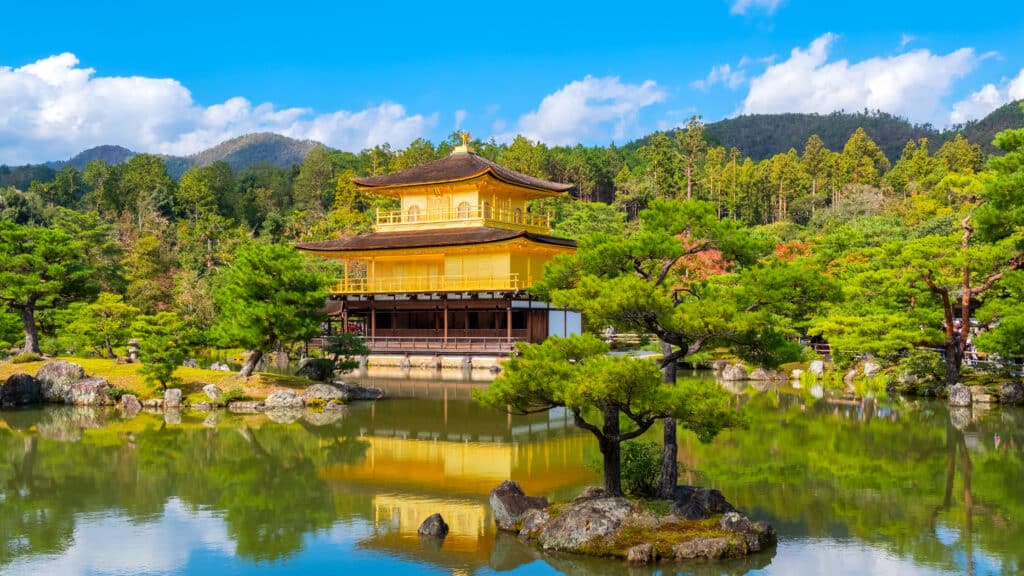
🏯 Kinkaku-ji (Golden Pavilion)
Best for: First-time visitors, photographers, architecture lovers, and travelers wanting to see one of Kyoto’s most iconic landmarks.
🦉 Travel Owl Snapshot
⭐ Why It’s Worth Your Time
Kinkaku-ji is one of Kyoto’s most photographed landmarks and one of those classic sights that many first-time visitors are genuinely happy they included in their itinerary.
The Golden Pavilion reflected in the surrounding pond creates one of Japan’s most recognisable views. Although you won’t spend hours here, the beauty of the setting makes it one of Kyoto’s signature experiences.
Unlike districts such as Higashiyama or Arashiyama, Kinkaku-ji is primarily a single attraction rather than an area to explore. Most visitors spend around an hour here before continuing to another part of the city.
🎯 Combine It With
Combine Kinkaku-ji with Ryoan-ji Temple, Ninna-ji Temple, or a visit to nearby northern Kyoto. Seeing several attractions in the area creates a much more rewarding half-day itinerary than visiting the Golden Pavilion on its own.
👍 Perfect If…
- It’s your first visit to Kyoto.
- You want to see one of Japan’s most iconic temples.
- You enjoy photography.
- You appreciate historic architecture.
🤔 Think Twice If…
- You expect to spend several hours exploring.
- You only have one free hour and would lose lots of travel time getting there.
- You’ve already visited on a previous Kyoto trip.
🦉 Travel Owl Decision
Don’t skip Kinkaku-ji—but don’t make it your whole day either. This is one of Kyoto’s classic highlights, yet it’s best enjoyed as part of a broader route through northern Kyoto rather than as a standalone destination.
Our recommendation: spend about an hour here, take in the famous view, then continue to nearby temples or gardens. That’s the smartest way to include one of Kyoto’s most iconic landmarks without sacrificing too much of your day.
Explore Nishiki Market
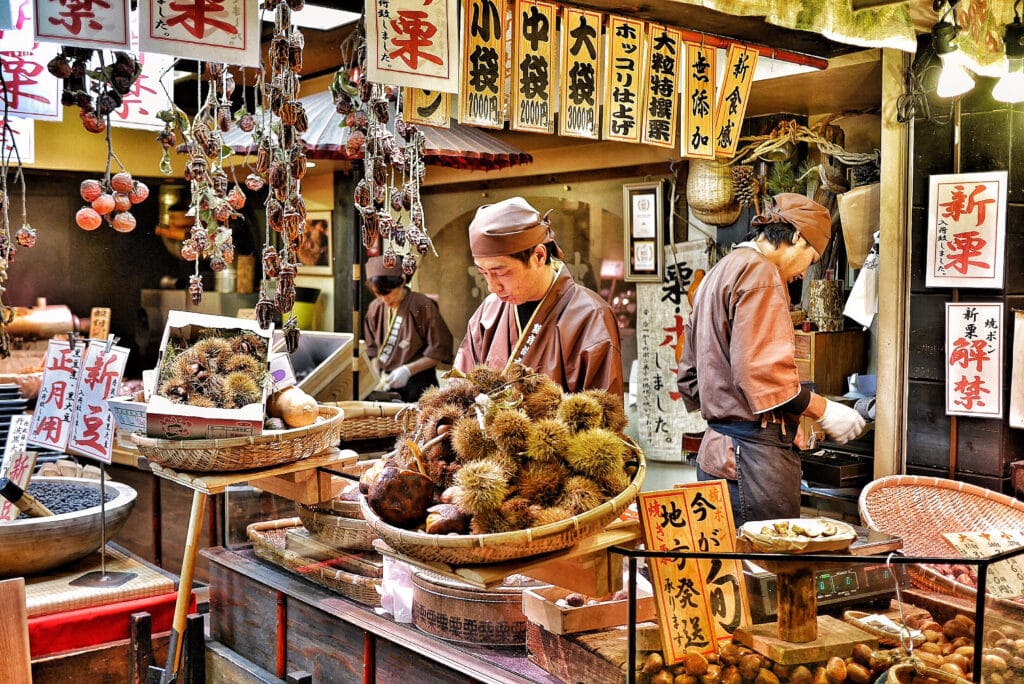
🍣 Nishiki Market
Best for: Food lovers, casual sightseeing, local snacks, and travelers looking for a break between Kyoto’s temples.
🦉 Travel Owl Snapshot
⭐ Why It’s Worth Your Time
Nishiki Market is a great stop if you want a more casual and food-focused side of Kyoto between temple visits. Instead of another historic landmark, you’ll discover local snacks, traditional ingredients, and everyday Kyoto life under one lively covered street.
It’s an ideal place to sample small local specialties, browse food stalls, and experience a different side of the city. Rather than spending hours here, think of Nishiki Market as the perfect place to slow down, enjoy lunch, and recharge before continuing your sightseeing.
Unlike Kyoto’s temple districts, Nishiki feels energetic and contemporary, offering a refreshing contrast to a day filled with shrines and historic streets.
🎯 Combine It With
Nishiki Market fits naturally into a day exploring Downtown Kyoto. Combine it with Kawaramachi, Teramachi Shopping Arcade, Pontocho Alley, or finish your afternoon with a walk through Gion.
👍 Perfect If…
- You enjoy trying local food.
- You like browsing markets.
- You want a relaxed lunch stop.
- You’d like a break from temple sightseeing.
- You enjoy experiencing everyday local life.
🤔 Think Twice If…
- You’re looking for Kyoto’s biggest historical sights.
- You don’t enjoy food markets.
- You have very limited time in Kyoto.
🦉 Travel Owl Decision
Think of Nishiki Market as part of your day—not the destination itself. It’s one of Kyoto’s best places to relax, try local food, and experience a livelier side of the city between temple visits.
Our recommendation: arrive around lunchtime, sample several small dishes instead of one large meal, and continue your afternoon exploring Downtown Kyoto or nearby Gion. That’s where Nishiki adds the most value to your itinerary.
Experience Traditional Kyoto Culture
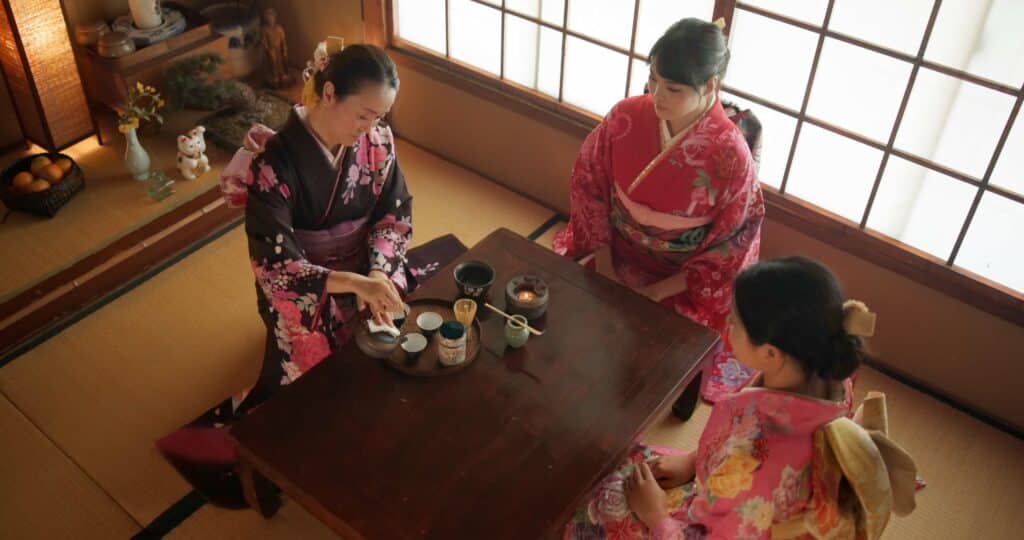
🍵 Experience Traditional Kyoto Culture
Best for: First-time visitors, culture lovers, couples, and anyone wanting to experience Kyoto beyond its famous landmarks.
🦉 Travel Owl Snapshot
⭐ Why It’s Worth Your Time
Kyoto is one of the best places in Japan to slow down and experience traditional culture rather than simply sightseeing. A tea ceremony, kimono rental, Zen temple visit, or traditional craft workshop can make your trip feel far more memorable than adding another famous attraction to your itinerary.
These experiences allow you to engage with Kyoto’s culture instead of simply observing it. Many travelers later remember the quiet moments spent preparing matcha or learning a traditional craft just as vividly as visiting the city’s famous temples.
If your itinerary already includes Kyoto’s major highlights, replacing one attraction with a cultural experience often creates a more balanced and rewarding day.
🎯 Great Options
Choose whichever experience matches your interests. Each offers a different perspective on Kyoto’s culture.
👍 Perfect If…
- You want more than just sightseeing.
- You enjoy learning about Japanese culture.
- You’re celebrating a special trip.
- You prefer meaningful experiences over long attraction lists.
🤔 Think Twice If…
- Your schedule is already very tight.
- You prefer fast-paced sightseeing.
- You’re only interested in visiting famous landmarks.
🦉 Travel Owl Decision
If we could recommend just one upgrade to a typical Kyoto itinerary, it would be this: replace one attraction with a cultural experience.
Many visitors spend their entire trip moving from temple to temple. Instead, take time for a tea ceremony, a Zen meditation session, or a traditional craft workshop. These quieter moments often become the experiences people remember long after returning home.
🦉 Which Kyoto Attractions Deserve Your Time Most?
Not every attraction deserves the same amount of your limited time. If you’re visiting Kyoto for the first time, this table helps you prioritise the experiences that deliver the greatest value.
🦉 Travel Owl Recommendation
If you only have one day in Kyoto, prioritise Fushimi Inari, Higashiyama, and Gion. If you have a second day, add Arashiyama and consider replacing one attraction with a traditional cultural experience such as a tea ceremony or Zen temple visit. That’s the combination we believe creates the most memorable first-time visit to Kyoto.
Is Kyoto Worth Visiting?
Yes — for many travelers, Kyoto ends up being one of the most memorable places in Japan.
What makes Kyoto special isn’t just the number of temples or famous sights, but the overall atmosphere of the city. It’s a place where historic streets, seasonal scenery, and traditional culture still feel very present in everyday life.
Kyoto is especially worth visiting if you want:
- traditional Japan
- temples and shrines
- slower, more atmospheric travel
- historic neighborhoods
- a strong contrast to Tokyo
That said, Kyoto can feel crowded if you visit only the most famous places at the busiest times of day. The best experience usually comes from starting early, planning by area, and leaving enough time to slow down rather than rushing between attractions.
For most first-time visitors, Kyoto is absolutely worth including — and often becomes one of the highlights of the entire trip.
🦉 Where First-Time Visitors Lose Valuable Time
Kyoto rewards thoughtful planning more than almost any other city in Japan. Avoid these common mistakes and you’ll spend less time travelling—and much more time enjoying the city.
Crossing the City for One Attraction
Many visitors spend more time on buses than actually sightseeing.
Group attractions by neighbourhood instead. Explore one area thoroughly before moving to the next.
Visiting Arashiyama Only for the Bamboo Grove
The bamboo grove alone rarely justifies the journey across Kyoto.
Combine it with Tenryu-ji Temple, Togetsukyo Bridge, the Monkey Park, riverside walks, and local cafés.
Starting Sightseeing Too Late
Kyoto’s most famous places become dramatically busier after the morning rush begins.
Begin before 8:00 am whenever possible. You’ll enjoy quieter streets, better photographs, and a much more relaxed atmosphere.
Trying to See Everything
The best Kyoto trips aren’t the ones with the longest attraction lists.
Replace one attraction with a tea ceremony, Zen temple visit, or another cultural experience. You’ll remember it long after the trip is over.
🦉 Travel Owl Insight
The difference between a good Kyoto itinerary and a great one isn’t seeing more attractions—it’s making smarter decisions about where to spend your limited time. That’s why we recommend planning by neighbourhood, starting early, slowing down, and leaving room for meaningful cultural experiences.
What is the ideal trip length for Kyoto?
🗓️ How Many Days Do You Really Need in Kyoto?
The ideal length of your stay depends on your travel style and priorities. Use this quick guide to decide how many days will give you the best Kyoto experience.
🦉 Travel Owl Recommendation
If it’s your first trip to Japan, we recommend spending three days in Kyoto. That’s enough time to explore the city’s most famous districts without rushing, while still leaving room for a memorable cultural experience such as a tea ceremony or Zen temple visit. Those quieter moments often become the highlight of the trip.
How Should You Get to Kyoto?
🚅 Kyoto is one of Japan’s easiest cities to reach and fits naturally into almost every first-time itinerary. The best option depends on where you’re travelling from and how much time you have.
🦉 What’s the Smartest Way to Reach Kyoto?
Choose the transport option that saves the most time and fits naturally into your Japan itinerary.
🦉 Travel Owl Recommendation
For most first-time visitors, we recommend following the classic route of Tokyo → Kyoto by Shinkansen. It’s fast, comfortable, and one of the easiest ways to experience Japan’s famous high-speed rail network before continuing to Osaka or Hiroshima.
The Smartest Ways to Get Around Kyoto
🚶 Kyoto is easier to explore than many first-time visitors expect—but only if you choose the right transport for each part of the city. The biggest mistake is crossing Kyoto several times in one day.
🦉 Which Transport Should You Use?
The smartest choice depends on where you’re going—not simply on what’s available.
Walk
Best for: Gion, Higashiyama, Nishiki Market, and temple districts.
Kyoto’s atmosphere is part of the experience, so walking is often the smartest option.
Train
Best for: Arashiyama, Fushimi Inari, Uji, Osaka, Nara.
Trains are usually faster than buses for longer distances.
Bus
Best for: Kinkaku-ji and areas without train access.
Useful, but buses become crowded during peak sightseeing hours.
Taxi
Best for: Early mornings, rainy days, or travelling with luggage.
A short taxi ride can sometimes save an hour compared with crowded buses.
Bike
Best for: Confident cyclists exploring quieter neighbourhoods.
A fun option if you want to discover Kyoto at a slower pace.
Biggest Transport Mistake
Trying to visit attractions all over Kyoto in one day.
Instead: Explore one neighbourhood at a time. You’ll spend far less time on buses and enjoy a much more relaxed experience.
🦉 Travel Owl Recommendation
Our favourite strategy is simple: walk whenever possible, use trains for longer distances, and only take buses when there isn’t a better alternative. Most importantly, group attractions by neighbourhood instead of crossing Kyoto several times a day. That one decision alone can save hours during your trip.
Best Areas to Stay in Kyoto
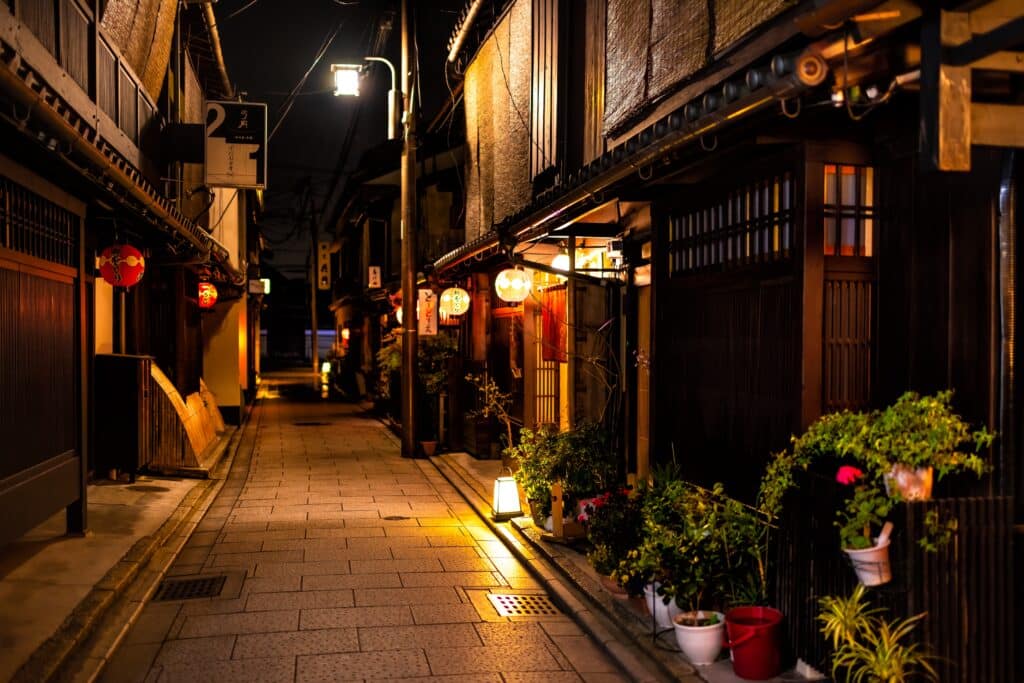
🏨 Where Should You Stay in Kyoto?
The best area depends on how you want to experience Kyoto. Use this quick guide to find the neighbourhood that matches your travel style.
🦉 Travel Owl Recommendation
For most first-time visitors, we recommend staying in Higashiyama or Kawaramachi. Both areas place you close to Kyoto’s most rewarding attractions while making it easy to explore on foot. Choose Kyoto Station if you plan frequent day trips, and Arashiyama if you’re looking for a slower, more relaxing stay.
🏨 Find Your Best Kyoto Base
The neighbourhood you choose can completely change your Kyoto experience. Pick the area that matches your travel style rather than choosing a hotel based on price alone.
🏮 Higashiyama
Perfect if: You want Kyoto’s classic atmosphere, historic streets, temples, and beautiful evening walks.
- Historic streets and traditional architecture
- Easy access to Gion and Kiyomizu-dera
- Quiet early-morning temple walks
- Traditional ryokan and boutique stays
First-time visitors, couples, photographers, and travelers who value atmosphere most.
🍣 Kawaramachi
Perfect if: Restaurants, cafés, shopping, nightlife, and a central location matter most.
- Excellent restaurants and casual dining
- Nishiki Market and shopping arcades nearby
- Easy evening walks to Pontocho and Gion
- Useful transport connections across Kyoto
Food lovers, younger travelers, friends, and anyone who prefers a lively central base.
🚅 Kyoto Station
Perfect if: You’re arriving with luggage, staying briefly, or planning several train-based day trips.
- Direct access to the Shinkansen
- Easy connections to Osaka, Nara, and Uji
- Convenient airport and local bus services
- Large choice of practical modern hotels
Short stays, families with luggage, early departures, and travelers taking frequent day trips.
🌿 Arashiyama
Perfect if: You want peaceful mornings, scenic surroundings, nature, and a slower side of Kyoto.
- Quiet mornings before day-trippers arrive
- River views and scenic walking routes
- Traditional ryokan and luxury stays
- Easy access to the Bamboo Grove
Couples, repeat visitors, luxury travelers, and anyone seeking a peaceful retreat.
🦉 Travel Owl Recommendation
For most first-time visitors, we would choose Higashiyama. It places you close to Kyoto’s most atmospheric streets and makes early visits to Kiyomizu-dera and evening walks through Gion much easier.
Choose Kawaramachi if restaurants, nightlife, and central convenience matter more than historic atmosphere. Stay near Kyoto Station for a train-heavy itinerary, while Arashiyama is best for travelers looking for a quieter and more relaxing stay.
Which Kyoto Food Experiences Are Worth Your Time?
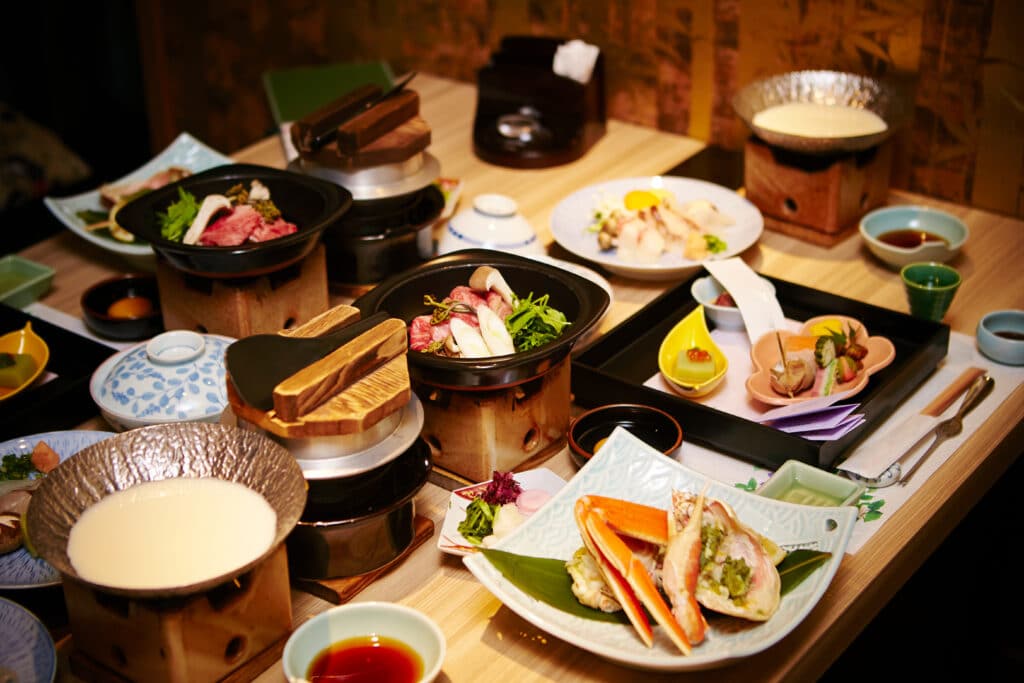
🍜 Kyoto’s food scene is very different from Osaka’s. Instead of bold street food, Kyoto is famous for elegant seasonal cuisine, centuries-old tea culture, temple-inspired dishes, and beautifully presented meals. If you only have a few meals in the city, focus on experiences that truly represent Kyoto rather than simply trying famous foods.
🦉 Which Kyoto Food Experience Should You Choose?
Choose your meals based on the experience you’re looking for—not just the dish itself.
🦉 Travel Owl Recommendation
If you only have three food experiences in Kyoto, we recommend enjoying one kaiseki dinner, visiting a traditional tea house, and exploring Nishiki Market. Together they showcase Kyoto’s refined dining, famous tea culture, and everyday local food scene while giving you three completely different experiences.
Kaiseki
Kyoto is the best place in Japan to experience this elegant multi-course meal celebrating seasonal ingredients, beautiful presentation, and centuries of culinary tradition.
If you’re going to splurge on one memorable meal during your Japan trip, make it a Kyoto kaiseki dinner.
Traditional Tea House
Kyoto is one of Japan’s finest places to experience traditional tea culture. Rather than simply tasting matcha, you’ll enjoy it in peaceful surroundings where the atmosphere is just as important as the tea itself.
Skip the takeaway matcha drinks and tourist cafés. Instead, visit a traditional tea house where you can slow down and experience one of Kyoto’s oldest cultural traditions.
Yudofu
A deceptively simple tofu dish that perfectly reflects Kyoto’s temple cuisine and minimalist culinary traditions. The quality of the ingredients and careful preparation are what make it special.
Enjoy yudofu near temple districts such as Nanzen-ji, where the peaceful surroundings are part of the experience.
Nishiki Market
Kyoto’s most famous food market is the easiest place to sample local specialties, seasonal snacks, sweets, and traditional ingredients in one lively location.
Visit around lunchtime and try several small dishes instead of ordering one large meal. You’ll experience far more of Kyoto’s food culture.
Yatsuhashi
Kyoto’s best-known traditional sweet comes in baked and soft varieties, with cinnamon remaining the classic flavour. It’s one of the city’s most popular edible souvenirs.
Buy a small box from a specialist confectionery rather than the first souvenir shop you see. The quality is often noticeably better.
🦉 If We Could Choose Only Three…
If we had just one day to experience Kyoto’s food culture, we’d choose:
- 🍱 A Kaiseki Dinner – to experience Kyoto’s most refined culinary tradition.
- 🍵 A Traditional Tea House – to enjoy authentic matcha in a setting that captures Kyoto’s quiet elegance.
- 🍢 Nishiki Market – to sample a wide variety of local specialties and everyday Kyoto flavours.
Together, these three experiences showcase the elegant, traditional, and casual sides of Kyoto’s food culture. Rather than simply eating famous dishes, you’ll experience the city’s culinary heritage in a way that’s far more memorable.
Best Time to Visit Kyoto
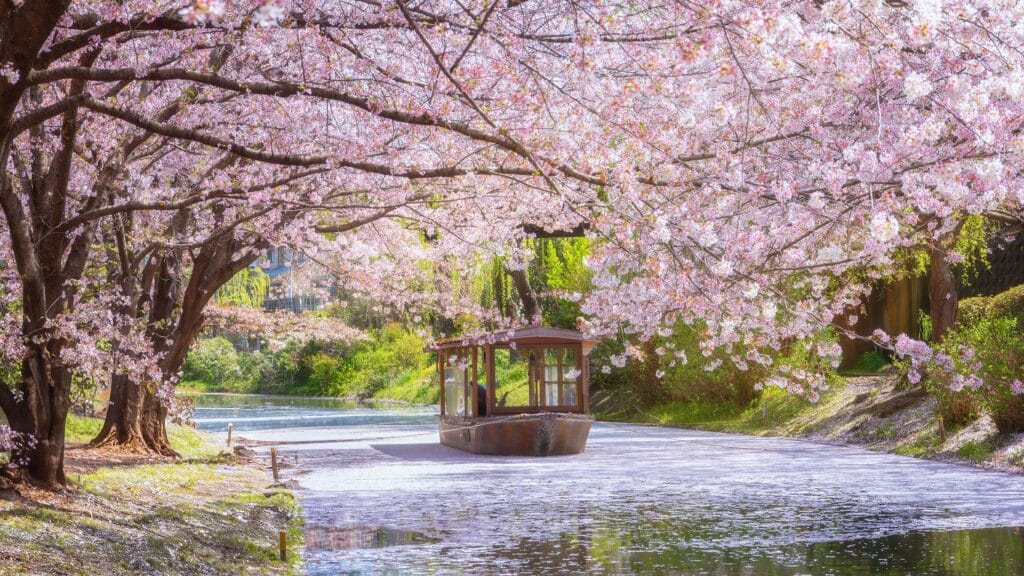
Still not sure which season is right for you? Use the Travel Owl Decision Guide below to choose the best time based on your travel priorities.
🍁 When Should You Visit Kyoto?
Every season offers a different experience. Use this guide to choose the best time based on what’s most important to you.
🦉 Travel Owl Recommendation
If your travel dates are flexible, we recommend visiting October. It offers the best balance of pleasant weather, colourful scenery, and comfortable sightseeing conditions. If seeing cherry blossoms or autumn foliage is your top priority, then April and November are well worth the larger crowds.
Kyoto Travel Tips for First-Time Visitors
🦉 Smart Decisions That Save Time in Kyoto
Kyoto isn’t difficult to explore—but making a few smart decisions before your trip can save hours and make your visit far more enjoyable.
Explore by Neighbourhood
Instead of crossing Kyoto several times each day, group nearby attractions together. You’ll spend far less time on buses and enjoy a much more relaxed itinerary.
Start Before 8:00 am
Kyoto’s most famous temples feel completely different before the tour groups arrive. Early mornings mean quieter streets, shorter queues, and much better photos.
Reserve Cultural Experiences
Tea ceremonies, Zen meditation sessions, and traditional workshops often sell out during busy seasons. Booking in advance gives you more choice and flexibility.
Travel Light
Use Japan’s luggage forwarding service if you’re travelling between cities. Exploring Kyoto’s stations, buses, and historic streets is much easier without large suitcases.
Don’t Queue for Every Temple
Kyoto has hundreds of beautiful temples. Rather than trying to visit them all, focus on a handful of outstanding ones and spend the extra time enjoying the surrounding neighbourhoods.
Slow Down
Some of Kyoto’s best memories happen between the famous attractions. Leave time for quiet side streets, cafés, gardens, and unexpected discoveries instead of rushing from one landmark to the next.
🦉 Travel Owl Insight
Most first-time visitors don’t enjoy Kyoto more by seeing more attractions. They enjoy it more by making smarter decisions: staying in the right neighbourhood, starting early, grouping nearby sights together, and leaving room for meaningful cultural experiences. That’s the difference between simply visiting Kyoto and truly experiencing it.
Suggested 3-Day Kyoto Itinerary
🦉 The Smartest Way to Spend 3 Days in Kyoto
This itinerary groups Kyoto by area so you spend less time crossing the city and more time enjoying its temples, neighbourhoods, food, nature, and cultural experiences.
🏮 Historic Kyoto
Focus on Kyoto’s most atmospheric historic district and explore it almost entirely on foot.
- Start early at Kiyomizu-dera
- Walk through Sannenzaka and Ninenzaka
- See Yasaka Pagoda
- Continue to Yasaka Shrine
- Finish the day in Gion
These sights connect naturally, so you avoid unnecessary transport while experiencing temples, traditional streets, shops, and evening atmosphere in one smooth route.
🎋 Nature & Temples
Spend the day in western Kyoto and treat Arashiyama as a full area rather than a quick Bamboo Grove photo stop.
- Visit the Arashiyama Bamboo Grove early
- Explore Tenryu-ji Temple
- Walk across Togetsukyo Bridge
- Enjoy the Katsura River area
- Add the Monkey Park if it suits your interests
- Continue to Kinkaku-ji only if time and energy allow
Arashiyama deserves several hours. Combining its bamboo grove, temples, river, and walking routes makes the journey worthwhile and creates a welcome contrast to central Kyoto.
⛩️ Culture & Local Life
Balance one of Kyoto’s most famous shrines with food, downtown atmosphere, and a slower cultural experience.
- Start before 8:00 am at Fushimi Inari
- Have lunch at Nishiki Market
- Explore Kawaramachi
- Add a tea ceremony
- Finish with dinner in Downtown Kyoto
It combines sightseeing with food and active cultural participation, creating a more memorable final day than simply adding several more temples.
🦉 Why This Itinerary Is Smarter
Each day has a clear focus: historic Kyoto, western Kyoto, and culture with local life. This reduces unnecessary backtracking and gives you a better balance of famous sights, neighbourhood atmosphere, nature, food, and meaningful experiences.
Travel Owl tip: treat Kinkaku-ji and the Monkey Park as optional additions rather than obligations. Leaving them out can create a calmer itinerary without weakening the overall Kyoto experience.
2-Day Kyoto Itinerary
🦉 If We Had Only Two Days in Kyoto
If we were visiting Kyoto for the first time and had only two full days, this is exactly how we’d spend them. The goal isn’t to see everything—it’s to experience the very best of Kyoto without wasting time travelling back and forth across the city.
🏮 Kyoto’s Historic Heart
- 🌅 Early morning at Kiyomizu-dera
- 🏘️ Walk through Sannenzaka & Ninenzaka
- 🗼 Visit Yasaka Pagoda
- ⛩️ Explore Yasaka Shrine
- 🏮 Spend the evening in Gion
Everything is connected on foot, allowing you to experience Kyoto’s most iconic temples, historic streets, and traditional atmosphere without relying on buses or trains.
⛩️ Culture & Local Experiences
- 🌅 Sunrise at Fushimi Inari
- 🍣 Lunch at Nishiki Market
- 🍵 Traditional Tea Ceremony
- 🛍️ Explore Kawaramachi
- 🌇 Relax with dinner in Downtown Kyoto
This day balances Kyoto’s most famous shrine with authentic food, shopping, and a memorable cultural experience instead of rushing between more temples.
🦉 Why We Chose This Itinerary
We chose these places because they offer the best balance of Kyoto’s culture, atmosphere, and efficiency. Rather than trying to squeeze every famous attraction into two days, this itinerary groups nearby sights together and leaves time to actually enjoy them.
You might notice that Arashiyama isn’t included. While it’s absolutely worth visiting, we believe two days are better spent exploring Kyoto’s historic centre in depth. If you have a third day, Arashiyama would be our first addition.
Best Day Trips from Kyoto
Kyoto works especially well as a base because several rewarding destinations are close enough to visit without changing hotels. The smartest choice depends on whether you want temples, tea culture, food, nightlife, or one of Japan’s greatest castles.
🦉 Which Kyoto Day Trip Should You Choose?
Rather than choosing the most famous destination automatically, select the day trip that adds the experience your Japan itinerary is currently missing.
🦉 Travel Owl Recommendation
If you have time for only one day trip from Kyoto, choose Nara. It is easy to reach, offers a noticeably different atmosphere, and combines wildlife, temples, parkland, and walkable sightseeing in one rewarding day.
Choose Uji if you want something quieter, Osaka if food and nightlife are your priorities, and Himeji if seeing an outstanding historic castle matters more than adding another temple city.
🦌 Nara
Nara is one of the easiest and most rewarding day trips from Kyoto. Its famous deer, spacious park, and major temple complexes create an experience that feels noticeably different from Kyoto or Osaka.
First-time visitors, families, temple lovers, photographers, and travelers wanting a full-day excursion.
Focus on Nara Park, Tōdai-ji, and the surrounding temple area rather than trying to cover the entire city.
🍵 Uji
Uji is smaller, calmer, and often overlooked. It is especially rewarding if you enjoy tea culture, riverside walks, quieter temples, and a more relaxed half-day away from Kyoto’s busiest districts.
Matcha lovers, repeat visitors, couples, slow travelers, and anyone with only half a day available.
Combine Byodo-in Temple with a tea shop, riverside walk, and one traditional matcha experience rather than rushing between many small sights.
🍜 Osaka
Osaka is the best choice if you want a lively contrast to Kyoto. Its casual food, shopping streets, neon-lit entertainment districts, and energetic atmosphere make it ideal for an afternoon and evening visit.
Food lovers, nightlife, shopping, younger travelers, and anyone wanting a break from temples.
Visit later in the day and stay through the evening. Osaka is most rewarding when its restaurants, signs, and nightlife come alive.
🏯 Himeji
Himeji is the strongest choice if seeing a great Japanese castle is one of your priorities. Its original white castle complex is more impressive and historically rewarding than many reconstructed castles elsewhere in Japan.
History lovers, architecture enthusiasts, photographers, and travelers continuing toward Hiroshima.
Combine Himeji Castle with Koko-en Garden. Together they create a complete and efficient visit without needing to cross the city.
FAQ
Is Kyoto worth visiting?
Yes — especially if you want traditional Japan, temples, historic neighborhoods, and a slower, more atmospheric side of the country.
Is 2 days enough for Kyoto?
Yes, 2 days is enough to see the main highlights, but 3 days gives you a much more comfortable pace and a better overall experience.
Should I stay in Kyoto or Osaka?
Stay in Kyoto if you want atmosphere, temples, and easier early-morning sightseeing. Stay in Osaka if you care more about nightlife, food, and a bigger city feel.
Is Kyoto expensive?
Kyoto is usually considered mid-range overall. You can visit on a budget, but prices can rise noticeably during cherry blossom season, autumn foliage season, and weekends.
What is the best area to stay in Kyoto for first-time visitors?
For most first-time visitors, Gion / Higashiyama or Kawaramachi / Downtown are the best choices because they balance atmosphere, convenience, and sightseeing access.
What is the best month to visit Kyoto?
April, May, October, and November are usually the most comfortable overall. Cherry blossom season and autumn foliage are especially popular, but also the busiest.
Is Kyoto walkable?
Parts of Kyoto are very walkable, especially Gion, Higashiyama, and Arashiyama. But the city as a whole is more spread out than many first-time visitors expect.
How do I avoid crowds in Kyoto?
The best strategy is to start early, visit famous places on weekday mornings if possible, and group your days by area rather than moving around the city randomly.
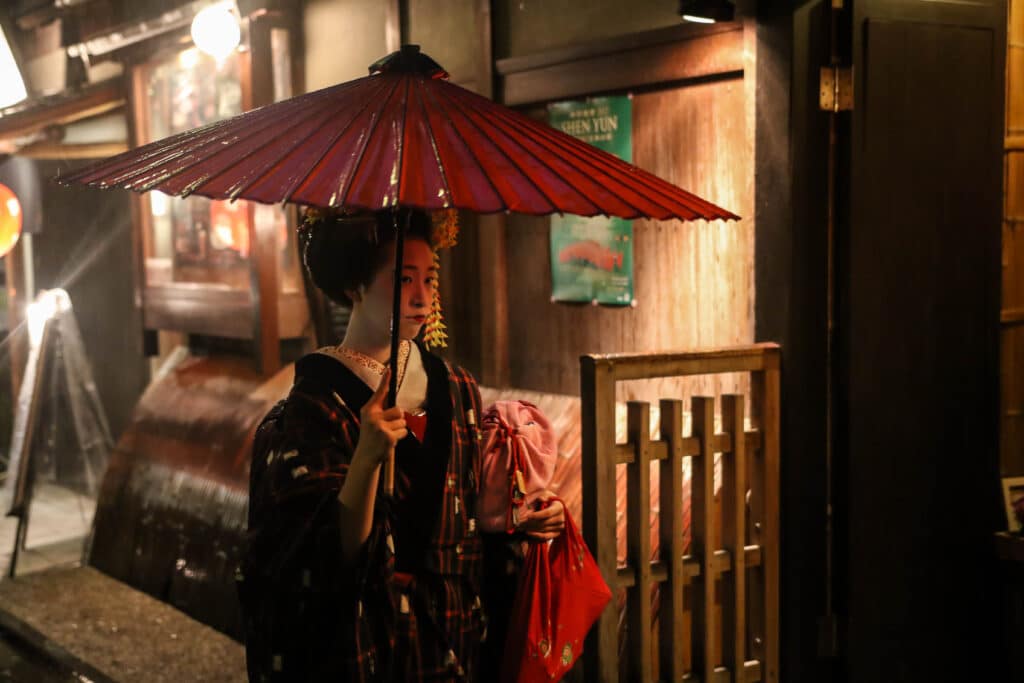
🌸 Is Kyoto Worth Visiting?
Absolutely. Kyoto remains one of Japan’s most rewarding destinations, but it’s also a city that rewards thoughtful decisions more than ambitious sightseeing.
You don’t need to visit every famous temple or fill every hour of your itinerary to have an unforgettable trip. In fact, the opposite is often true. The best memories usually come from choosing the right neighbourhoods, arriving before the crowds, slowing down for a traditional cultural experience, and leaving enough space to simply enjoy Kyoto’s unique atmosphere.
Whether you’re wandering through the historic streets of Higashiyama, watching the sunrise at Fushimi Inari, sharing matcha during a tea ceremony, or discovering a quiet side street that wasn’t on your itinerary, Kyoto has a remarkable way of rewarding travelers who slow down and explore with intention.
🦉 One Last Thought
At Travel Owl, we believe the best trips aren’t the ones where you see the most—they’re the ones where you make the smartest decisions. Choose your time wisely, stay in the neighbourhood that fits your travel style, and leave room for experiences that can’t be found on a checklist. Those are the moments you’ll remember long after your trip to Kyoto has ended.