
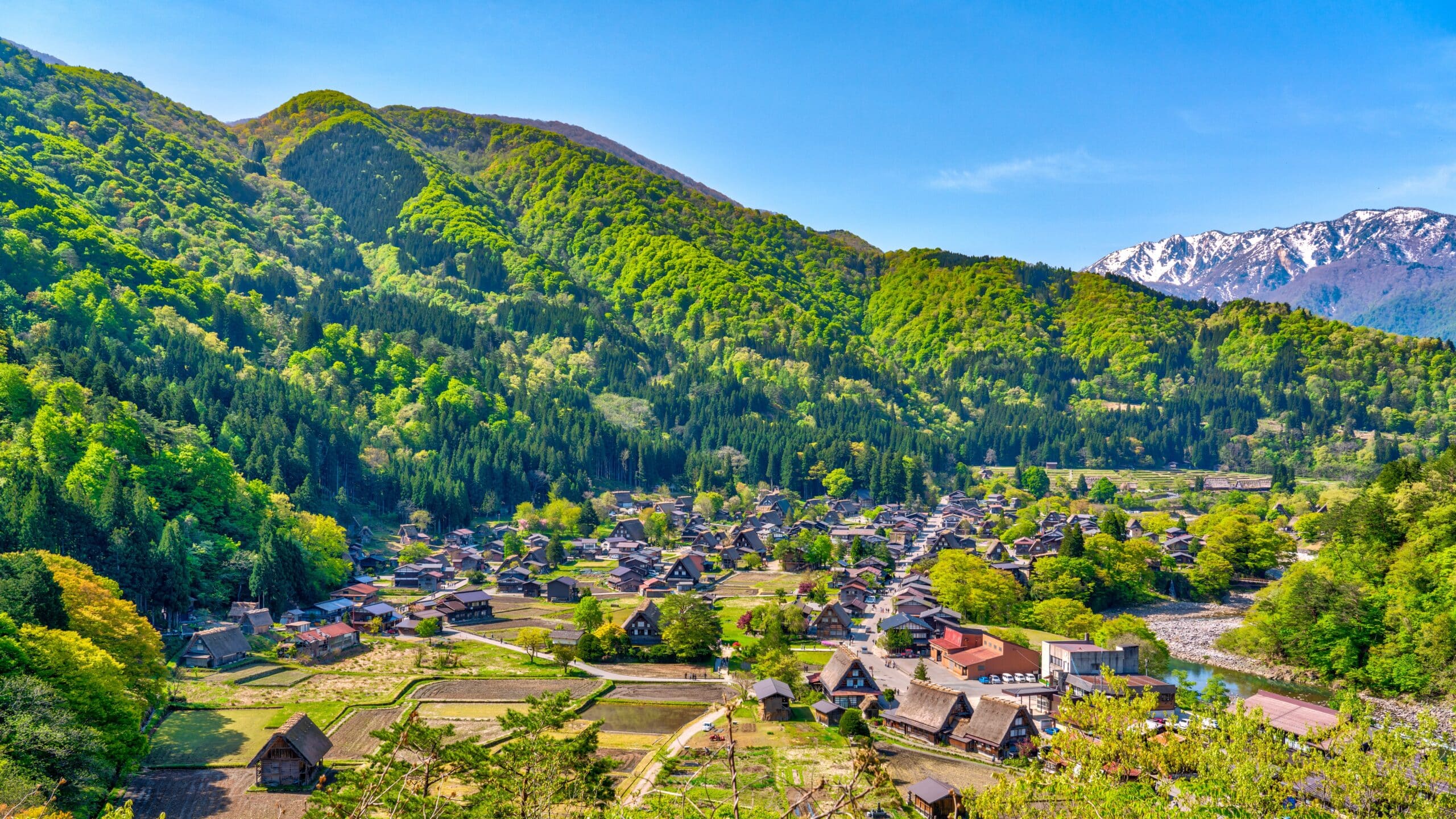
With its centuries-old thatched-roof farmhouses, mountain scenery, and picture-perfect village streets, Shirakawa-go looks like a place straight out of a Japanese fairy tale. This UNESCO World Heritage Site is one of Japan’s most recognizable traditional villages, attracting visitors who want to experience a quieter, more historic side of the country.
But there’s a catch. Shirakawa-go has become an increasingly popular stop on Japan itineraries, and the peaceful village you see in photographs can feel very different when tour buses arrive and the main streets fill with visitors. So, is Shirakawa-go really worth visiting, or has it become too touristy?
In this guide, we’ll look beyond the postcard views to explore what makes Shirakawa-go special, what might disappoint you, how to avoid the worst crowds, and whether nearby alternatives offer a better experience.
Quick Answer: Is Shirakawa-go Worth Visiting?
Yes, Shirakawa-go is worth visiting, especially if you love traditional Japanese architecture, mountain scenery, and historic villages. Its distinctive thatched-roof farmhouses and beautiful rural setting make it one of Japan’s most memorable UNESCO World Heritage Sites.
However, Shirakawa-go is undeniably touristy. During peak hours, the narrow streets can become crowded with tour groups, and the village may feel less peaceful than its photographs suggest.
Our recommendation: Visit Shirakawa-go if you’re already traveling between Takayama and Kanazawa, where it makes an excellent half-day stop. Allow around 2–4 hours, arrive early if possible, and explore beyond the busiest streets. If you dislike crowds or prefer a quieter rural experience, nearby Gokayama may be a better choice.
Table of Contents
Quick Decision Guide: Should You Visit Shirakawa-go?
Not sure whether Shirakawa-go deserves a place on your Japan itinerary? This quick comparison will help you decide whether the famous village matches your travel style.
Quick Decision Guide
Is Shirakawa-go the right stop for your Japan itinerary? Here’s when it’s worth visiting — and when you might want to skip it.
Absolutely worth visiting. Shirakawa-go’s historic thatched-roof houses are genuinely special.
Excellent choice. The panoramic viewpoint and seasonal scenery are highlights.
Ideal when traveling between Takayama and Kanazawa, with enough time to explore.
Not always ideal. Popular areas get busy, especially during peak daytime hours.
Consider skipping it if visiting requires a major detour from your planned route.
Consider Gokayama for a potentially quieter alternative with traditional farmhouses.
Shirakawa-go is worth visiting for its remarkable architecture and scenery, especially as part of a Takayama–Kanazawa journey. Just don’t expect an undiscovered village without tourists.
Why Is Shirakawa-go So Famous?
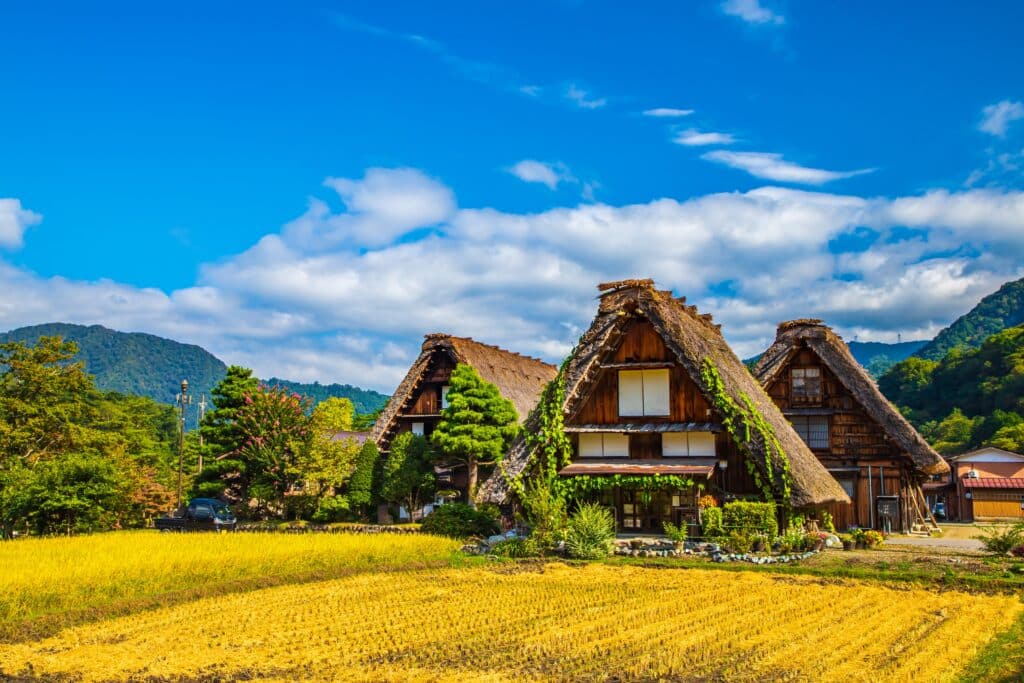
Shirakawa-go is famous for its traditional gassho-zukuri farmhouses, some of which are more than 250 years old. Their steep, thatched roofs resemble hands pressed together in prayer — the meaning behind the name gassho-zukuri — and were designed to withstand the heavy snowfall of Japan’s mountainous Gifu Prefecture.
The village of Ogimachi, together with the historic settlements of Ainokura and Suganuma in nearby Gokayama, became a UNESCO World Heritage Site in 1995. Unlike reconstructed historical attractions, Shirakawa-go remains a living village where residents continue to maintain traditional buildings and local customs.
What makes Shirakawa-go particularly special is how dramatically its appearance changes throughout the year. Snow-covered rooftops create a fairytale-like winter landscape, while spring greenery, lush summer rice fields, and colorful autumn mountains offer completely different experiences.
However, its UNESCO status and popularity on social media have also transformed Shirakawa-go into a major tourist destination. That contrast between authentic heritage and modern tourism is precisely what makes the question of whether it’s worth visiting so interesting.
Best Things to Do in Shirakawa-go
Although Shirakawa-go is a relatively small village, there are several worthwhile experiences beyond simply photographing its famous thatched-roof houses. From panoramic mountain views to historic farmhouses and peaceful walking paths, the best attractions reveal why this UNESCO-listed village has become one of Japan’s most recognizable destinations.
The good news is that you don’t need an entire day to experience the highlights. Most visitors can explore the main attractions in around 2–4 hours, making Shirakawa-go an excellent half-day stop between Takayama and Kanazawa.
Here are the six experiences most worth your time.
1. Visit the Ogimachi Village Viewpoint
⭐ Don’t Miss | ⏱ 20–40 minutes | 📸 Best for photography
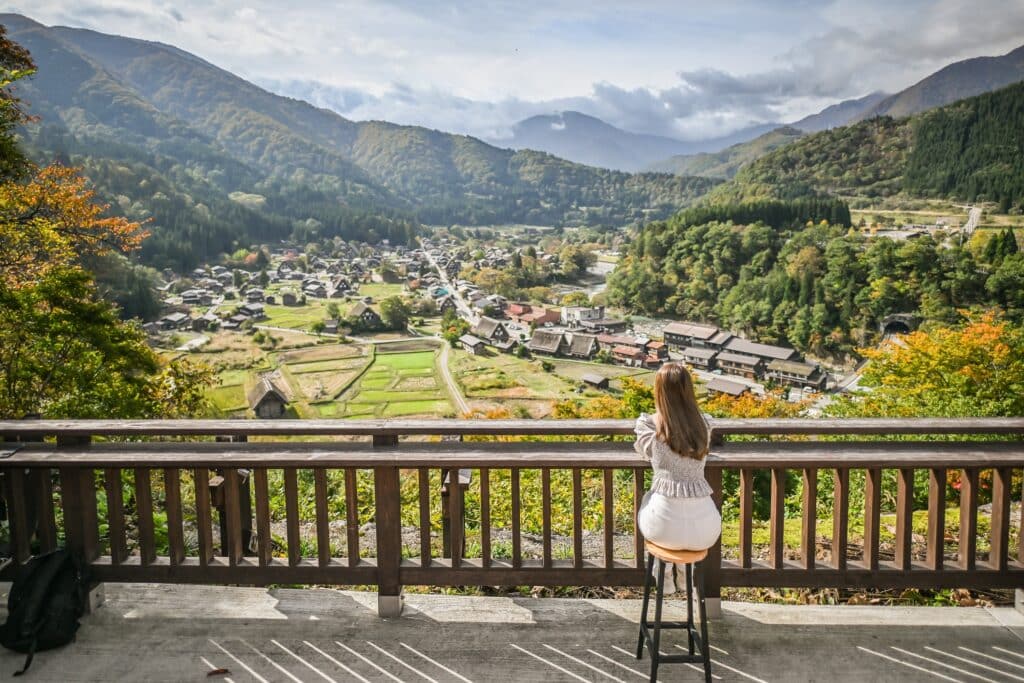
The Shiroyama (Ogimachi Castle Ruins) Observation Deck offers the most iconic view of Shirakawa-go, with traditional thatched-roof farmhouses scattered across the valley and mountains rising behind them.
The scenery is particularly impressive during winter snowfall and autumn foliage, but the village looks beautiful throughout the year. You can reach the viewpoint on foot via an uphill route or use the shuttle service when operating.
2. Explore the Traditional Gassho-zukuri Houses
⭐ Don’t Miss | ⏱ 30–60 minutes | 🏡 Best for atmosphere
Walking through Ogimachi is the heart of the Shirakawa-go experience. Its traditional gassho-zukuri farmhouses feature steep thatched roofs designed to withstand the region’s heavy winter snowfall.
Some houses are open to visitors, while others remain private homes. Narrow lanes, small gardens, rice fields, and traditional wooden buildings make the village especially enjoyable to explore on foot.

3. Step Inside Wada House
⭐ Worth Visiting | ⏱ 20–30 minutes | 🏛️ Best for history
Wada House is one of Shirakawa-go’s largest and best-preserved traditional farmhouses. Designated an Important Cultural Property of Japan, it offers a fascinating glimpse into the village’s history.
Inside, you’ll discover traditional wooden construction, spacious rooms, and an impressive roof structure. The building provides insight into how families lived and worked in this mountainous region.

4. Visit the Gassho-zukuri Minkaen Open-Air Museum
⭐ Worth Visiting | ⏱ 45–60 minutes | 🏡 Best for cultural heritage
The Gassho-zukuri Minkaen Open-Air Museum preserves traditional farmhouses and other historic buildings relocated from the surrounding region.
Unlike the main village, where many buildings are still occupied, the museum lets visitors explore historic architecture in a setting dedicated to preserving local heritage. Traditional houses and exhibits illustrate rural life in Japan’s mountains.

5. Walk Beyond the Main Tourist Streets
⭐ Highly Recommended | ⏱ 20–40 minutes | 🌿 Best for quieter scenery
One of the simplest ways to enjoy Shirakawa-go is to leave the busiest streets behind and explore the quieter public lanes around Ogimachi.
Away from the main souvenir shops and popular photography spots, you’ll find traditional houses surrounded by fields, waterways, and mountain scenery. These areas offer a more peaceful glimpse of the village’s rural character.
Remember that Shirakawa-go is a residential community, not an open-air theme park. Respect private property and avoid entering gardens or fields without permission.
6. Experience Shirakawa-go in Different Seasons
⭐ Seasonal Highlight | 📸 Best for scenery
Shirakawa-go’s appearance changes dramatically throughout the year, making the season you choose an important part of your experience.
❄️ Winter: Snow-covered rooftops create a fairytale-like landscape. Special illumination events are particularly popular and require advance planning.
🌸 Spring: Fresh greenery and seasonal blossoms bring color back to the village after winter.
🌿 Summer: Lush rice fields and green mountains create a beautiful rural setting.
🍁 Autumn: Colorful mountain foliage provides a spectacular backdrop for the traditional farmhouses.
Which Shirakawa-go Attractions Are Actually Worth Your Time?
Short on time? This quick comparison will help you prioritize the best experiences in Shirakawa-go.
| Attraction | Our Verdict | Time Needed |
|---|---|---|
| Ogimachi Viewpoint | ⭐ Don’t Miss | 20–40 min |
| Traditional Village Streets | ⭐ Don’t Miss | 30–60 min |
| Wada House | Worth Visiting | 20–30 min |
| Minkaen Open-Air Museum | Worth Visiting | 45–60 min |
| Quieter Village Lanes | ⭐ Highly Recommended | 20–40 min |
| Seasonal Scenery | Depends on Season | Throughout Visit |
If you only have two hours, focus on the Ogimachi viewpoint, traditional village streets, and a short walk away from the busiest areas. With three to four hours, you can comfortably add Wada House or the open-air museum.
Is Shirakawa-go Too Touristy? The Reality of Visiting

Yes, Shirakawa-go is touristy — but that doesn’t necessarily make it a tourist trap. Its UNESCO World Heritage status, traditional farmhouses, and spectacular mountain scenery attract large numbers of visitors, especially during weekends, holidays, and popular travel seasons.
The biggest difference between expectations and reality is the atmosphere. Photographs often show a peaceful mountain village surrounded by beautiful countryside. In reality, you may encounter tour groups, busy souvenir shops, and crowded photography spots, particularly around midday.
However, Shirakawa-go is still a genuine historic village, not a reconstructed tourist attraction. The challenge is experiencing its authentic character while sharing it with hundreds of other visitors.
How Crowded Does Shirakawa-go Get?
The busiest areas are usually the main streets of Ogimachi, the Shiroyama Observation Deck, and the surroundings of popular historic houses.
Crowds tend to be more noticeable during:
- Late morning and early afternoon: When many day-trip buses arrive.
- Weekends and Japanese public holidays: When domestic tourism increases.
- Autumn foliage season: When the surrounding mountains attract photographers and sightseeing groups.
- Winter snow season: Particularly during special illumination events, which require advance arrangements.
If possible, visit early in the morning or stay overnight to experience the village outside the busiest day-trip hours.
Does Shirakawa-go Still Feel Authentic?
Despite its popularity, Shirakawa-go retains much of its historical character. Many traditional farmhouses remain in use, and residents continue to live and work in the village.
However, tourism has undeniably changed the experience. Some buildings now operate as restaurants, shops, guesthouses, or museums, and certain streets can feel more commercial than rural.
The key is to adjust your expectations. Shirakawa-go is an authentic heritage village that welcomes tourists, not an untouched mountain settlement. If you approach it with that understanding, the experience can still be rewarding.
Is Shirakawa-go a Tourist Trap?
Calling Shirakawa-go a tourist trap would be unfair. Its traditional architecture, historical significance, and mountain setting are genuinely impressive, and the village offers something quite different from Japan’s major cities.
That said, the experience may disappoint travelers who expect complete tranquility or who spend several hours traveling just to take a few photographs.
The biggest mistake is assuming that Shirakawa-go will look and feel exactly like the empty, snow-covered village shown in promotional images.
How to Enjoy Shirakawa-go Despite the Crowds
You don’t need to avoid Shirakawa-go simply because it’s popular. A few practical choices can make your visit more enjoyable.
- Arrive early: Explore before the busiest day-trip period whenever possible.
- Visit on a weekday: This can help avoid some weekend crowds, although weekdays are not guaranteed to be quiet.
- Explore the side streets: Move away from the main tourist routes while respecting private property.
- Consider staying overnight: Experience the village after many day-trippers have departed.
- Avoid rushing: Allow time to appreciate the architecture and surroundings rather than focusing only on famous photography spots.
💡Our Verdict: Tourist Hotspot or Worthwhile Experience?
Shirakawa-go is undoubtedly one of Japan’s more heavily visited traditional villages, but its popularity doesn’t erase what makes it special.
If you’re already traveling through the Japanese Alps, Shirakawa-go is usually worth the stop. Its distinctive architecture and beautiful setting justify a few hours of exploration.
However, if you’re looking for a peaceful rural escape with fewer tourists, nearby Gokayama may offer a more suitable experience.
What Can You Skip in Shirakawa-go?
Shirakawa-go may be famous, but that doesn’t mean every attraction deserves your time. With only a few hours in the village, it’s better to focus on the highlights rather than trying to see everything. Some experiences are enjoyable but add relatively little to a short visit.
Here are five things you can safely skip without missing what makes Shirakawa-go special.
🏡 1. Multiple Farmhouse Interiors
Visiting several traditional houses can become repetitive. One well-preserved interior is usually enough to appreciate the architecture.
Our Verdict: Choose Wada House.
🛍️ 2. Too Much Souvenir Shopping
The shops are enjoyable for a quick browse, but spending too long shopping takes time away from the village’s traditional streets and scenery.
Our Verdict: Browse briefly.
🏛️ 3. The Open-Air Museum
The Minkaen Museum is interesting for history enthusiasts, but it isn’t essential if you only have a couple of hours.
Our Verdict: Skip on a short visit.
📸 4. Waiting for Perfect Photos
Popular viewpoints can get crowded. Waiting too long for a completely empty photograph may not be worth sacrificing your sightseeing time.
Our Verdict: Enjoy the view and move on.
🚶 5. Exploring Every Village Street
You don’t need to walk every lane or photograph every farmhouse. Many streets offer similar views of the traditional architecture.
Our Verdict: Focus on the highlights.
If you only have two hours in Shirakawa-go, prioritize the Ogimachi viewpoint, a walk through the traditional village streets, and time to appreciate the gassho-zukuri architecture. These experiences capture the village’s unique character without requiring a full-day visit.
How Much Time Do You Need in Shirakawa-go?
For most visitors, 2–4 hours is enough to experience the highlights of Shirakawa-go. The historic village of Ogimachi is relatively compact, and its main attractions are within walking distance of each other.
However, the ideal amount of time depends on whether you simply want to admire the famous thatched-roof houses, explore historic interiors, or experience the village after the day-trip crowds have disappeared.
2 Hours: A Quick Visit
If you’re stopping in Shirakawa-go while traveling between Takayama and Kanazawa, two hours can be enough for the essentials.
Focus on the Ogimachi viewpoint, the traditional village streets, and a few scenic photography spots. You’ll get a good impression of Shirakawa-go without spending too much time on individual attractions.
Best for: Travelers with tight schedules or those primarily interested in photography.
Our verdict: Enough for the highlights, but expect a relatively quick visit.
3–4 Hours: The Ideal Half-Day Visit
For most travelers, three to four hours is the sweet spot. You’ll have enough time to explore the village at a comfortable pace, visit Wada House, enjoy the viewpoint, and wander through some of the quieter streets.
You can also stop for lunch or try a local snack without feeling rushed. If you’re particularly interested in traditional architecture, consider adding the Gassho-zukuri Minkaen Open-Air Museum.
Best for: First-time visitors who want to experience Shirakawa-go properly.
Our verdict: The best balance between sightseeing, relaxation, and travel time.
Overnight: A More Peaceful Experience
Staying overnight offers a different perspective on Shirakawa-go. Once many day-trip visitors have departed, the village can feel noticeably quieter, allowing you to appreciate its traditional atmosphere without the busiest daytime crowds.
Some historic farmhouses offer guesthouse accommodation, giving visitors the opportunity to experience traditional Japanese hospitality in a unique setting.
However, accommodation is limited, and an overnight stay requires advance planning.
Best for: Photography enthusiasts, slow travelers, and visitors who want a more atmospheric experience.
Our verdict: Worth considering if Shirakawa-go is a highlight of your trip, but unnecessary for most itineraries.
Not sure how much time to spend in Shirakawa-go? This quick comparison will help you choose the right visit length for your itinerary.
| Time Available | What You Can Experience | Our Recommendation |
|---|---|---|
| ⏱ 2 Hours | Viewpoint and main village streets | Good for a quick stop |
| ⭐ 3–4 Hours | Viewpoint, village, Wada House, optional museum | Best for most visitors |
| ⏱ 5–6 Hours | Relaxed sightseeing, museum, meals and photography | Great for slow travelers |
| 🌙 Overnight | Village after day-trippers leave, traditional accommodation | Best for atmosphere |
For most first-time visitors, around three hours is ideal. If you’re traveling between Takayama and Kanazawa, check bus schedules and reserve your onward journey where required before deciding how long to stay.
Shirakawa-go Half-Day Itinerary: The Perfect Walking Route
If you have three to four hours in Shirakawa-go, you can comfortably experience the village’s main highlights without rushing. This walking itinerary combines the famous panoramic viewpoint, traditional gassho-zukuri farmhouses, and quieter village streets, with time for a historic house visit or a local snack.
The route starts at the Shirakawa-go Bus Terminal, making it particularly convenient for travelers arriving from Takayama or Kanazawa.
1. Explore the Traditional Village Streets
⏱ 30–40 minutes | 🏡 Traditional Architecture
Begin your visit at the Shirakawa-go Bus Terminal and walk into the historic Ogimachi village. Explore the narrow lanes, traditional gassho-zukuri farmhouses, and picturesque surroundings.
Take your time appreciating the distinctive thatched roofs, small gardens, and mountain scenery that make Shirakawa-go so special.
2. Visit Wada House
⏱ 20–30 minutes | 🏛️ Historic Farmhouse
Continue to Wada House, one of Shirakawa-go’s largest and best-preserved traditional farmhouses. Step inside to discover its wooden interiors and learn about life in the Japanese mountains.
The building’s impressive construction and historical atmosphere provide a fascinating introduction to the region’s architectural heritage.
3. Enjoy the Ogimachi Viewpoint
⏱ 30–45 minutes + access time | 📸 Panoramic Views
Head up to the Shiroyama Observation Deck for the most famous panoramic view of Shirakawa-go. From here, you can see the traditional farmhouses spread across the valley, surrounded by beautiful mountain scenery.
The viewpoint is particularly impressive during autumn foliage and winter snowfall. You can walk uphill or use the shuttle service when operating.
4. Explore the Quieter Village Lanes
⏱ 30–40 minutes | 🌿 Peaceful Scenery
After returning from the viewpoint, explore some of Ogimachi’s less crowded public lanes. Away from the main tourist streets, you’ll discover traditional farmhouses, small waterways, rice fields, and beautiful mountain backdrops.
These quieter areas offer a more relaxed perspective on Shirakawa-go and provide excellent opportunities for photography.
5. Enjoy a Local Snack or Lunch
⏱ 30–45 minutes | 🍡 Local Food
Finish your Shirakawa-go visit with a relaxed break at one of the village’s small restaurants or cafés. Try gohei mochi, a traditional grilled rice snack coated with a sweet-savory sauce, or explore other regional specialties from the Hida area.
A short food stop is a pleasant way to end your visit before returning to the bus terminal for your onward journey.
Shirakawa-go Half-Day Route at a Glance
Follow this sightseeing sequence from the bus terminal and back.
-
1Shirakawa-go Bus Terminal
Starting point
-
2Ogimachi Village Streets
⏱ 30–40 minutes
-
3Wada House
⏱ 20–30 minutes
-
4Shiroyama Observation Deck
⏱ 30–45 minutes + access time
-
5Quieter Village Lanes
⏱ 30–40 minutes
-
6Lunch or Snack Break
⏱ 30–45 minutes
-
7Return to Bus Terminal
Allow extra time before departure
This allows time for sightseeing, walking between stops, and a relaxed break. Check your onward bus departure before starting.
Shirakawa-go Sightseeing Map: Follow the Route
Use the interactive map below to see how Shirakawa-go’s main attractions fit together. The route starts and ends at the bus terminal, making it easy to plan your visit around your onward journey.
The route is illustrative, and actual walking paths or viewpoint access may vary depending on weather and local conditions.
Can You Do This Itinerary in Two Hours?
Yes, but you’ll need to simplify the route. Focus on walking through Ogimachi, visiting the viewpoint, and enjoying the traditional architecture. Skip Wada House’s interior and the extended lunch break.
Our recommendation: Allow at least three hours for the full route, ideally closer to four if you want to explore at a relaxed pace. Check your onward bus schedule before setting off, especially during busy travel periods.
Best Time to Visit Shirakawa-go
The best time to visit Shirakawa-go depends on what you want to experience. Winter offers the famous snow-covered farmhouses, autumn brings colorful mountain scenery, and spring and summer reveal a greener, quieter-looking side of the village.
While Shirakawa-go is beautiful throughout the year, the seasons differ considerably in weather, crowds, and accessibility. Choosing the right time can make a big difference, especially if you’re hoping to avoid the busiest tourist periods.
❄️ Winter (December–February): The Most Iconic Scenery
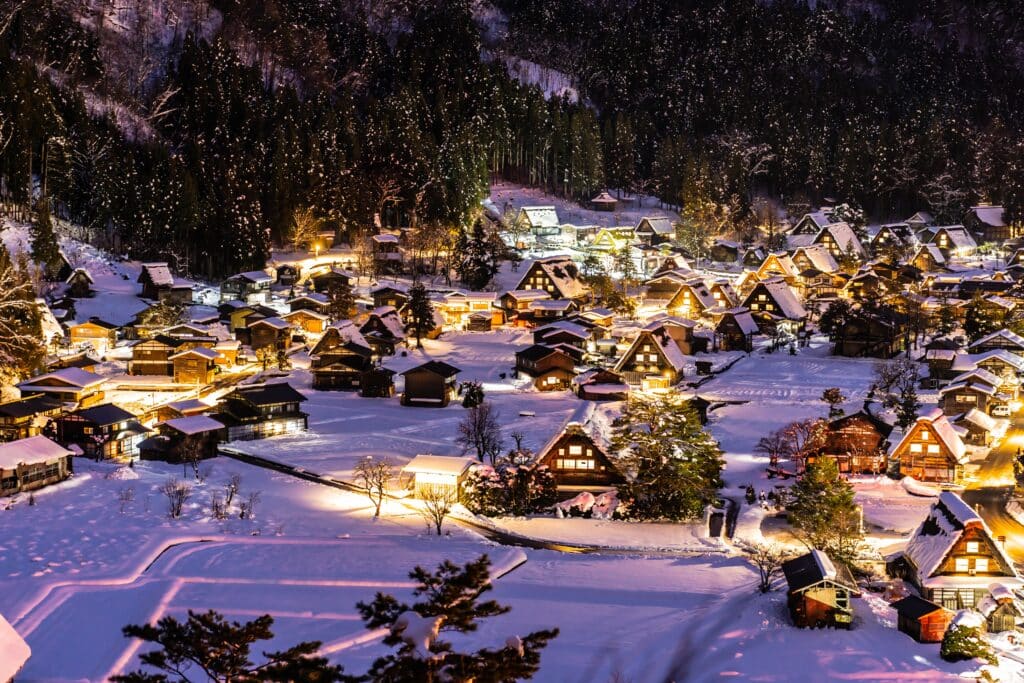
Winter transforms Shirakawa-go into a picture-perfect mountain village, with thick snow covering the steep thatched roofs and surrounding landscape. It’s the season most closely associated with Shirakawa-go’s famous photographs.
Special winter illumination events make the village particularly atmospheric, but these events are extremely popular and typically require advance reservations or other arrangements.
Best for: Snow photography, winter scenery, and travelers seeking the classic Shirakawa-go experience.
Keep in mind: Snowfall can affect transport and walking conditions, and winter illumination dates and access rules must be checked in advance.
🌸 Spring (March–May): Fresh Greenery and Fewer Winter Challenges
Spring brings gradually warming temperatures, fresh greenery, and seasonal blossoms to Shirakawa-go. The surrounding mountains slowly turn green, creating a beautiful contrast with the traditional wooden farmhouses.
April and May can be particularly pleasant for walking, although cherry blossom timing varies from year to year. Golden Week, typically spanning late April and early May, can bring substantial crowds.
Best for: Comfortable sightseeing, spring photography, and travelers combining Shirakawa-go with Takayama or Kanazawa.
Keep in mind: Early spring can still be cold, and snow may linger in the surrounding mountains.
🌿 Summer (June–August): Lush Landscapes and Green Rice Fields

Summer offers a completely different perspective on Shirakawa-go. Green rice fields, forested mountains, and traditional farmhouses create a peaceful-looking rural landscape.
Although summer doesn’t offer the dramatic snow scenes of winter, it’s an excellent time to appreciate the village’s agricultural setting and explore its walking paths.
Best for: Green landscapes, rural photography, and visitors who prefer warmer weather.
Keep in mind: June and July can be rainy, while August brings heat, humidity, and additional visitors during the Obon holiday period.
🍁 Autumn (September–November): Beautiful Colors and Mountain Scenery

Autumn is one of the most rewarding times to visit Shirakawa-go. The surrounding mountains gradually turn shades of yellow, orange, and red, creating a spectacular backdrop for the historic farmhouses.
Late October to early November is often a particularly attractive period for autumn foliage, although peak colors vary depending on weather conditions.
The cooler temperatures also make walking around the village more comfortable than during the height of summer.
Best for: Autumn photography, mountain scenery, and travelers exploring Japan’s historic alpine region.
Keep in mind: Popular foliage weekends can be crowded, so arriving early is advisable.
Shirakawa-go Seasons Compared
Each season offers a different experience. Here’s how they compare.
| Season | Main Highlight | Crowds | Our Verdict |
|---|---|---|---|
| ❄️ Winter | Snow-covered farmhouses | High during peak periods | Best for iconic scenery |
| 🌸 Spring | Blossoms and fresh greenery | Moderate to high around holidays | Great for sightseeing |
| 🌿 Summer | Green rice fields and mountains | Variable; busy during holidays | Best for lush landscapes |
| 🍁 Autumn | Colorful mountain foliage | High during foliage peaks | ⭐ Best overall balance |
Late October to early November is often an excellent time for autumn colors, while January and February offer opportunities for snowy scenery. Visit on weekdays when possible and avoid major Japanese holidays if crowds are a concern.
How to Avoid the Crowds in Shirakawa-go

Shirakawa-go’s popularity is one of its biggest drawbacks, but you don’t have to experience the village at its busiest. With a little planning, you can enjoy its traditional farmhouses, mountain scenery, and historic atmosphere without constantly navigating large tour groups.
While there’s no guarantee of an empty village, these six practical tips can make your visit considerably more enjoyable.
1. Arrive Early in the Morning
The single best strategy is to arrive before the main wave of day-trip visitors. Many organized tours and independent travelers reach Shirakawa-go during the late morning and early afternoon.
If your schedule allows, aim to arrive around 8:00–9:00 AM. You’ll have a better chance of enjoying quieter streets and taking photographs before the busiest period.
Keep in mind that some museums, shops, and historic houses may not open until later in the morning.
2. Visit on a Weekday
Weekends and Japanese public holidays can attract substantial numbers of visitors, particularly during autumn foliage season and winter snow events.
A Tuesday, Wednesday, or Thursday visit may be more relaxed than a weekend, although organized tours also operate on weekdays.
Our tip: Avoid Golden Week, the Obon holiday period, and major Japanese holiday weekends whenever possible.
3. Explore Beyond the Main Tourist Streets
Most visitors concentrate around Ogimachi’s central streets, popular souvenir shops, and the famous observation deck.
Walking along quieter public lanes can reveal a different side of Shirakawa-go, with traditional houses, small waterways, and rural scenery.
Remember that people still live here. Respect private property, obey local signs, and avoid entering fields or gardens.
4. Consider Staying Overnight
An overnight stay is one of the most effective ways to experience Shirakawa-go outside its busiest hours.
Once many day-trip visitors have left, the village can become noticeably quieter. Staying in a traditional farmhouse guesthouse also offers a more immersive experience than a short sightseeing stop.
Accommodation is limited, so book well in advance, particularly during popular seasons.
5. Avoid Peak Winter Illumination Dates Unless That’s Your Goal
Shirakawa-go’s winter illumination events are spectacular, but they are also among the village’s most popular occasions.
Access is controlled, and advance reservations or special arrangements are generally required. These events are not suitable for travelers hoping to avoid crowds.
If you primarily want to see snow-covered farmhouses, consider visiting on a regular winter day instead. Snow conditions and transport access will still depend on the weather.
6. Don’t Spend Too Long at the Famous Viewpoint
The Shiroyama Observation Deck is one of Shirakawa-go’s busiest photography locations.
Rather than waiting indefinitely for the perfect crowd-free photograph, enjoy the panoramic view and continue exploring.
Some of the most memorable photographs can be taken from quieter public paths around the village, where the traditional houses appear against mountains, fields, and waterways.
The Best Strategy for a Quieter Visit
For travelers who want to avoid the worst crowds, the ideal combination is an early weekday visit outside major Japanese holidays, followed by a relaxed walk through the less-visited parts of Ogimachi.
If your budget and itinerary allow, staying overnight provides an even better opportunity to appreciate the village’s atmosphere before and after the busiest sightseeing hours.
Should You Stay Overnight in Shirakawa-go?
For most travelers, a day trip to Shirakawa-go is enough. The village is compact, and its main attractions can comfortably be explored in three to four hours. However, staying overnight offers something a typical day trip cannot: the opportunity to experience Shirakawa-go after many of the tour buses and sightseeing groups have left.
If you’re looking for a peaceful atmosphere, traditional Japanese hospitality, or beautiful early-morning photography, spending the night may be worth the extra time and expense.
What Makes an Overnight Stay Special?
One of the most memorable experiences in Shirakawa-go is staying in a traditional gassho-zukuri farmhouse. Some historic houses operate as family-run guesthouses, known as minshuku, where visitors can experience a more traditional style of Japanese accommodation.
Depending on the property, your stay may include tatami-mat rooms, futon bedding, traditional meals, and a glimpse into the daily life of the village.
The biggest advantage, however, is the atmosphere. In the evening and early morning, when many day-trippers are absent, Shirakawa-go can feel noticeably more peaceful.
You also have more flexibility for photography, particularly around sunrise and in the softer evening light.
When Is Staying Overnight Worth It?
An overnight stay makes the most sense if Shirakawa-go is one of the highlights of your Japan itinerary rather than simply a stop between two destinations.
It’s particularly worthwhile for travelers who enjoy traditional accommodation, photography, rural scenery, and a slower pace of travel.
However, there are also disadvantages. Accommodation options are limited, some traditional guesthouses have shared facilities, and the village offers relatively little nightlife or evening entertainment.
Our recommendation: Stay overnight for the atmosphere and cultural experience, not because you need more time to see the attractions.
Shirakawa-go Day Trip vs Overnight Stay
Shirakawa-go: Day Trip vs Overnight Stay
Both options have advantages. Here’s which one makes the most sense for your Japan itinerary.
| Factor | Day Trip | Overnight Stay |
|---|---|---|
| Time Needed | 3–4 hours in the village | One night |
| Crowds | Often busy during the day | Quieter mornings and evenings |
| Accommodation | Not required | Traditional farmhouse possible |
| Photography | Daytime opportunities | Morning and evening light |
| Cost | Generally lower | Additional accommodation cost |
| Best For | Most first-time visitors | Slow travel and photography |
| Our Verdict | ⭐ Best for most travelers | Best for a special experience |
If you’re traveling between Takayama and Kanazawa, a half-day stop in Shirakawa-go is usually the most practical choice. Consider staying overnight only if experiencing a traditional farmhouse and enjoying quieter village hours are priorities.
Where Should You Stay in Shirakawa-go?
If you decide to spend the night, the most distinctive option is a traditional farmhouse guesthouse in or around Ogimachi.
These accommodations are often small, family-run properties rather than conventional hotels. Some offer meals and traditional Japanese rooms, while facilities and booking arrangements vary.
For travelers who prefer modern hotels, a wider choice of restaurants, and more evening activities, Takayama is generally a more convenient overnight base. You can stay there and visit Shirakawa-go as a day trip.
Because farmhouse accommodation is limited, it’s advisable to book early, especially during autumn foliage season and popular winter travel periods.
Our Recommendation: Is One Night Worth It?
For most visitors, we recommend exploring Shirakawa-go for three to four hours and staying overnight in Takayama or Kanazawa instead. This provides enough time for the village’s main attractions while keeping your itinerary flexible.
However, if staying in a centuries-old farmhouse appeals to you, one night in Shirakawa-go can become a memorable part of your Japan trip. The quieter atmosphere after the daytime crowds have departed may be just as rewarding as the sightseeing itself.
How to Get to Shirakawa-go
Shirakawa-go is located in the mountains of Gifu Prefecture, between Takayama and Kanazawa. Despite its remote setting, the village is relatively easy to reach by public transport, making it a popular stop on journeys through Japan’s historic alpine region.
The easiest way to reach Shirakawa-go is by highway bus from Takayama or Kanazawa. There is no train station in the village, so travelers arriving by rail must transfer to a bus for the final part of their journey.
For most visitors, the smartest option is to include Shirakawa-go as a half-day stop between Takayama and Kanazawa rather than making a long round trip from Tokyo or Nagoya.
🗺️ Getting to Shirakawa-go: What You Need to Know
Visit Shirakawa-go as a half-day stop between Takayama and Kanazawa instead of making a long round trip from Tokyo or Nagoya.
🚌 From Takayama to Shirakawa-go
⏱ Around 50 minutes | ⭐ Best for a day trip
Takayama is one of the most convenient starting points for visiting Shirakawa-go. Direct buses depart from the Nohi Bus Center next to Takayama Station and take approximately 50 minutes to reach the village.
This makes Shirakawa-go an easy half-day excursion if you’re staying in Takayama. You can explore the village for three to four hours and return in the afternoon, or continue onward to Kanazawa.
Book your preferred departure in advance if it requires a reservation, especially during autumn foliage season and winter. Some services allow travel without reservations, but others require them.
🚌 From Kanazawa to Shirakawa-go
⏱ Around 75–90 minutes | ⭐ Excellent for combining destinations
Kanazawa is another excellent base for visiting Shirakawa-go. Direct highway buses depart from Kanazawa Station and reach the village in approximately 75–90 minutes.
You can visit Shirakawa-go as a day trip from Kanazawa, but a particularly efficient option is to stop in the village while traveling onward to Takayama.
Reserve your bus seats in advance. Kanazawa services generally require reservations, and popular departures can fill up during busy periods.
🚌 From Nagoya to Shirakawa-go
⏱ Around 2.5–3 hours | ⚠️ Long day trip
Nagoya has direct highway bus connections to Shirakawa-go, with departures from the Meitetsu Bus Center near Nagoya Station.
The journey generally takes around 2.5–3 hours each way, making a day trip possible but relatively time-consuming.
Alternatively, you can travel from Nagoya to Takayama by train and continue to Shirakawa-go by bus. This route makes more sense if you also want to explore Takayama.
If you have several days available, combine Nagoya, Takayama, Shirakawa-go, and Kanazawa rather than spending most of one day traveling back and forth.
🚄 From Tokyo to Shirakawa-go
⏱ Around 4–5 hours | ⚠️ Not recommended as a day trip
Traveling from Tokyo to Shirakawa-go takes considerably longer because there is no direct train connection to the village.
One of the fastest options is to take the Hokuriku Shinkansen from Tokyo to Toyama, followed by a highway bus to Shirakawa-go. Depending on connections, the journey takes approximately four hours.
You can also travel via Kanazawa, although this generally takes slightly longer.
Don’t plan Shirakawa-go as a standalone day trip from Tokyo. Instead, include it in a multi-day itinerary through Takayama, Kanazawa, or the Japanese Alps.
Getting to Shirakawa-go: Routes Compared
Compare the most practical routes to Shirakawa-go and choose the one that fits your Japan itinerary.
| From | Transport | Travel Time | Our Verdict |
|---|---|---|---|
| Takayama | Direct bus | 50 min | ⭐ Easiest day trip |
| Kanazawa | Direct bus | 75–90 min | Excellent option |
| Nagoya | Direct bus | 2.5–3 hours | Long day trip |
| Tokyo | Shinkansen + bus | 4–5 hours | Best with overnight stops |
Approximate one-way travel times. Waiting times, transfers, traffic, and seasonal conditions may increase journey times.
The most efficient route is often Takayama → Shirakawa-go → Kanazawa, or the reverse. You can explore the village for a few hours without returning to your starting city.
Important Bus Travel Tips
- Reserve ahead: Some services require reservations, while others have non-reserved seating. Check your exact departure.
- Check the latest timetable: Bus schedules and fares can change seasonally.
- Allow extra travel time: Heavy snowfall, traffic, and busy holiday periods can cause delays.
- Travel with luggage carefully: The Shirakawa-go Bus Terminal has coin-operated lockers, but availability is limited.
- Check JR Pass coverage: The main highway bus connections are generally not covered by the nationwide Japan Rail Pass.
For current schedules, fares, and reservations, check the official Nohi Bus timetable and booking information before traveling.
💡Our Recommendation: What’s the Best Way to Reach Shirakawa-go?
For most travelers, the smartest choice is to visit Shirakawa-go while traveling between Takayama and Kanazawa.
This route minimizes unnecessary backtracking, allows enough time for the village’s highlights, and fits naturally into a longer Japanese Alps itinerary.
If you’re staying in Takayama, a half-day bus excursion is equally practical. However, traveling all the way from Tokyo just to see Shirakawa-go is rarely the best use of your time.
Shirakawa-go vs Takayama: Which Should You Visit?

Shirakawa-go and Takayama are two of the most popular destinations in Japan’s mountainous Hida region. Both offer traditional architecture, beautiful scenery, and a glimpse into historic rural Japan, but they provide very different experiences.
Shirakawa-go is best for iconic scenery and a short visit, while Takayama is better for exploring historic streets, enjoying local food, and spending the night.
If your itinerary allows, visiting both is ideal. However, if you only have time for one, the right choice depends on what you want to experience.
What Makes Shirakawa-go Special?
Shirakawa-go is famous for its traditional gassho-zukuri farmhouses, distinctive steep thatched roofs, and picturesque mountain setting.
The village is relatively small, making it easy to explore in a few hours. Its main appeal is the scenery rather than a long list of attractions.
Choose Shirakawa-go if you want:
- Iconic Japanese countryside photography.
- Traditional thatched-roof houses.
- A UNESCO World Heritage village.
- A memorable half-day stop between Takayama and Kanazawa.
The biggest drawback is its popularity. During busy periods, the central streets and observation deck can become crowded with day-trip visitors.
What Makes Takayama Special?
Takayama offers a more complete small-city experience, with beautifully preserved merchant streets, traditional wooden buildings, sake breweries, morning markets, and numerous restaurants.
Unlike Shirakawa-go, Takayama has enough attractions and activities to fill an entire day or even two.
It also offers a wider choice of accommodation, making it a convenient base for exploring the surrounding region.
Choose Takayama if you want:
- Historic Japanese streets and traditional shops.
- Local food, markets, and sake tasting.
- More attractions and activities.
- A comfortable overnight base in the Japanese Alps.
Takayama can also become crowded, especially around its historic Sanmachi Suji district, but there is generally more space to explore beyond the main tourist streets.
Shirakawa-go vs Takayama: Quick Comparison
Shirakawa-go vs Takayama: At a Glance
Both destinations are worth visiting, but they offer different experiences. Here’s how they compare.
| Category | Shirakawa-go | Takayama |
|---|---|---|
| Main Appeal | Traditional farmhouses | Historic merchant town |
| Time Needed | 3–4 hours | 1–2 days |
| Photography | ⭐ Iconic rural scenery | Historic streets and buildings |
| Food & Shopping | Limited selection | ⭐ Much more variety |
| Crowds | Busy around key sights | Busy in the old town |
| Overnight Stay | Unique farmhouse experience | ⭐ More accommodation options |
| Best For | Half-day sightseeing | Longer cultural visit |
| Our Verdict | Best for scenery | ⭐ Best overall base |
If you have one full day and must choose between the two, Takayama usually offers more variety. However, if you are traveling between Takayama and Kanazawa, Shirakawa-go is an excellent half-day stop.
Can You Visit Shirakawa-go and Takayama on the Same Day?
Yes. In fact, combining both destinations is one of the most practical ways to explore this part of Japan.
A simple itinerary could look like this:
- Morning: Explore Takayama’s historic old town.
- Early afternoon: Take the bus to Shirakawa-go.
- Afternoon: Spend two to three hours exploring the village.
- Evening: Return to Takayama or continue to Kanazawa, depending on bus schedules.
This itinerary works best when you start early and reserve suitable bus connections. If you want to explore Takayama thoroughly, however, allow a separate day rather than rushing both destinations.
💡Our Verdict: Shirakawa-go or Takayama?
If you can only visit one destination, Takayama is the better all-round choice for most travelers. It offers more things to do, better dining options, and a wider range of accommodation.
However, Shirakawa-go delivers something Takayama cannot: the extraordinary sight of traditional thatched-roof farmhouses surrounded by mountain scenery.
The best solution is not necessarily to choose between them. If your itinerary includes the Japanese Alps, spend at least one night in Takayama and visit Shirakawa-go as a half-day excursion or as a stop on your way to Kanazawa.
Shirakawa-go vs Gokayama: Which Is Better?

If Shirakawa-go sounds too crowded or touristy, Gokayama is probably the best alternative to consider. Both destinations are famous for their traditional gassho-zukuri farmhouses, beautiful mountain scenery, and UNESCO World Heritage status, but the visitor experience can be quite different.
Shirakawa-go is larger, more famous, and generally easier to include in a typical Japan itinerary. Gokayama, on the other hand, offers a quieter, more intimate atmosphere that may appeal to travelers looking for a less commercialized experience.
So, which one should you visit?
What Makes Shirakawa-go Special?
Shirakawa-go’s main advantage is its spectacular setting. The village of Ogimachi contains a large concentration of traditional thatched-roof farmhouses, with an observation deck offering one of the most recognizable views in rural Japan.
There are also historic house interiors, small museums, souvenir shops, and places to eat, making the village relatively straightforward to explore independently.
The downside: Shirakawa-go attracts substantial numbers of visitors, particularly during weekends, autumn foliage season, and snowy winter periods. Its most popular areas can feel busy and commercialized.
For first-time visitors who want the iconic postcard view, however, Shirakawa-go remains difficult to beat.
What Makes Gokayama Special?
Gokayama is a mountainous region in Toyama Prefecture containing two UNESCO-listed traditional villages: Ainokura and Suganuma.
Like Shirakawa-go, these settlements preserve historic gassho-zukuri houses. However, they are smaller and generally receive fewer visitors.
Ainokura is particularly appealing for its peaceful rural setting, traditional architecture, and mountain views. Suganuma is even smaller and can be explored relatively quickly.
Gokayama has fewer shops, restaurants, and tourist facilities, but that’s part of its appeal.
The downside: Public transport is less frequent, and visiting both villages requires more careful planning. Gokayama is not necessarily empty, particularly during peak travel periods.
Shirakawa-go vs Gokayama: At a Glance
Both offer traditional Japanese villages and beautiful mountain scenery. The biggest difference is the atmosphere.
| Category | Shirakawa-go | Gokayama |
|---|---|---|
| Main Appeal | Iconic village panorama | Peaceful rural atmosphere |
| Village Size | Larger | Smaller settlements |
| Crowds | Often busy | ⭐ Generally quieter |
| Photography | ⭐ Famous panoramic views | Intimate village scenery |
| Facilities | More shops and restaurants | Limited facilities |
| Public Transport | ⭐ Easier connections | More planning required |
| Time Needed | 3–4 hours | 1–2 hours per village |
| Best For | First-time visitors | ⭐ Avoiding crowds |
If you want the famous postcard scenery, choose Shirakawa-go. If you prefer smaller villages and a quieter atmosphere, consider Ainokura in Gokayama instead.
Can You Visit Shirakawa-go and Gokayama on the Same Day?
Yes, but it requires more planning than visiting Shirakawa-go alone.
The villages lie within the same mountainous region, and some bus connections link Shirakawa-go with Gokayama and Takaoka. However, services are limited, and not every bus stops at every village.
If you’re traveling by car, combining Shirakawa-go with Ainokura or Suganuma is relatively straightforward. By public transport, check the return connections carefully before committing to a route.
For travelers with limited time, it’s generally better to explore one destination properly than rush through several villages.
💡Our Verdict: Shirakawa-go or Gokayama?
Choose Shirakawa-go if this is your first visit to the region. Its iconic observation deck, concentration of traditional farmhouses, and convenient transport connections make it the more practical choice for most travelers.
Choose Gokayama if avoiding crowds matters more than seeing the most famous view. Ainokura, in particular, offers a more intimate village atmosphere and is an excellent alternative for travelers interested in traditional rural Japan.
If you have enough time and suitable transport, visiting both provides a rewarding contrast between Japan’s famous heritage destinations and its quieter countryside.
Is Shirakawa-go Worth a Detour on Your Japan Itinerary?

Shirakawa-go is one of Japan’s most photogenic traditional villages, but that doesn’t automatically mean it belongs on every itinerary. Whether it’s worth the detour depends largely on where you’re already traveling, how many days you have in Japan, and what you’re willing to skip to visit it.
If you’re exploring Takayama, Kanazawa, or the Japanese Alps, Shirakawa-go is usually an excellent addition. However, if your trip focuses entirely on Tokyo, Kyoto, and Osaka, traveling several hours out of your way for a village that takes only a few hours to explore may not be the best use of your time.
When Shirakawa-go Is Definitely Worth the Detour
Shirakawa-go makes the most sense when it fits naturally into your existing route.
For example, if you’re traveling between Takayama and Kanazawa, you can stop in Shirakawa-go for three to four hours without making a major detour. The village lies along the bus route connecting these destinations.
It’s also worth considering if you’re particularly interested in traditional Japanese architecture, rural landscapes, or photography. The distinctive thatched-roof farmhouses offer a different experience from Japan’s famous temples, castles, and historic city streets.
Our recommendation: If Shirakawa-go is already close to your planned route, don’t skip it simply because it’s popular with tourists.
When Shirakawa-go Is Probably Not Worth the Detour
If you only have a week in Japan and are visiting for the first time, Shirakawa-go is unlikely to be a priority over Tokyo, Kyoto, or other major destinations.
Traveling from Tokyo or Osaka specifically to visit the village requires considerable time, and a short sightseeing stop may not justify the extra transport and accommodation arrangements.
It’s also less appealing if you dislike crowded tourist attractions or have already visited similar traditional villages elsewhere in Japan.
For these travelers, spending more time in Kyoto, Takayama, or another destination already on the itinerary may be more rewarding.
Should You Add Shirakawa-go to Your Japan Itinerary?
Your trip length matters, but your planned route is even more important. Here’s our recommendation for different Japan itineraries.
| Trip Length | Worth Visiting? | Our Recommendation |
|---|---|---|
| 7 Days | Usually not | Focus on your main destinations unless already nearby. |
| 10 Days | Depends on your route | Add it if visiting Takayama or Kanazawa. |
| 14 Days | ⭐ Often worthwhile | Include a Japanese Alps stop if it fits your interests. |
| 21+ Days | Excellent option | Explore the region at a relaxed pace. |
A well-planned 10-day itinerary through Takayama and Kanazawa can include Shirakawa-go more easily than a 21-day itinerary focused entirely on Tokyo, Kyoto, and western Japan. Your route matters more than the total number of days.
The Smartest Way to Include Shirakawa-go
If you decide to visit, the most efficient approach is to make Shirakawa-go part of a journey through central Japan rather than treating it as a separate excursion.
🗺️ The Smartest Shirakawa-go Route
Combine three of central Japan’s most rewarding destinations without unnecessary backtracking.
🚌 Approx. 50 minutes
🚌 Approx. 75–90 minutes
This route also works in reverse. Reserve suitable bus connections in advance, especially during peak seasons, and check luggage storage availability if you’re traveling with large bags.
This allows you to enjoy Takayama’s historic streets, experience Shirakawa-go’s traditional farmhouses, and continue to Kanazawa without unnecessary backtracking.
Allow three to four hours in Shirakawa-go, and book suitable bus connections in advance. If you’re traveling with large luggage, check storage options at the bus terminal before departure.
💡Our Verdict: Is the Detour Worth It?
Yes, if Shirakawa-go fits naturally into your route. No, if reaching it means sacrificing a full day of a short Japan itinerary.
The village is beautiful and distinctive, but its main attractions don’t require an overnight stay or several days of sightseeing.
For travelers already exploring Takayama, Kanazawa, or the Japanese Alps, Shirakawa-go is one of the region’s most rewarding short stops. For first-time visitors with limited time, however, it should remain an optional addition rather than an essential destination.
Who Should Skip Shirakawa-go?
Shirakawa-go is beautiful, but it isn’t a must-visit destination for everyone. Its famous thatched-roof farmhouses and mountain scenery are impressive, yet the experience may feel disappointing if your expectations don’t match what the village actually offers.
If you’re short on time, dislike busy tourist destinations, or expect a full day of activities, skipping Shirakawa-go may be the smarter decision.
⚠️ When Shirakawa-go Might Not Be Worth It
⏱ 1. You Have Very Limited Time
If you only have seven days in Japan and are following the classic Tokyo–Kyoto–Osaka route, Shirakawa-go may require too much additional travel.
👥 2. You Strongly Dislike Crowds
Popular viewpoints and central streets can become crowded, especially during weekends and peak travel seasons. Consider quieter Gokayama instead.
🏘️ 3. You Expect a Full Day of Attractions
Shirakawa-go is primarily about traditional architecture and scenery. Most visitors can see the main highlights in three to four hours.
🚌 4. Getting There Requires a Major Detour
Traveling several hours each way from Tokyo or another distant city just for a short village visit may not be worthwhile.
🌿 5. You Prefer Less-Visited Rural Japan
If your priority is a quiet, less commercialized village atmosphere, smaller traditional settlements such as Ainokura in Gokayama may suit you better.
You’re already traveling between Takayama and Kanazawa, love traditional Japanese architecture, or want to see one of Japan’s most recognizable mountain villages. In these situations, a half-day visit is usually well worth it.
💡Our Recommendation: Be Selective, Not Afraid to Skip
Skipping Shirakawa-go doesn’t mean missing an essential part of Japan. The country offers countless historic towns, traditional villages, and beautiful rural landscapes.
However, if Shirakawa-go fits naturally into your itinerary, its popularity alone shouldn’t discourage you. The distinctive farmhouses and mountain scenery remain genuinely impressive, even when the village is busy.
The key is to visit for the right reasons: Come for the architecture, scenery, and atmosphere—not because you expect an undiscovered village untouched by tourism.
Common Mistakes When Visiting Shirakawa-go
Shirakawa-go may be a small village, but a few planning mistakes can make your visit more stressful than necessary. From arriving at the busiest time of day to underestimating transport connections, these are the most common mistakes worth avoiding.
The good news? Most problems are easy to prevent with a little preparation.
⚠️ 7 Common Shirakawa-go Mistakes to Avoid
1. Arriving at Peak Hours
Many visitors arrive during the late morning and early afternoon, when tour groups are most noticeable.
✓ Better: Arrive early or stay overnight.
2. Not Reserving Bus Seats
Popular services between Takayama, Shirakawa-go, and Kanazawa can fill up, especially during peak seasons.
✓ Better: Check reservation requirements and book ahead.
3. Expecting an Undiscovered Village
Shirakawa-go is a famous UNESCO World Heritage destination, not a hidden countryside secret.
✓ Better: Expect tourism alongside authentic historic architecture.
4. Planning Too Much Sightseeing
Trying to visit every farmhouse interior, museum, and shop can make a short visit feel rushed.
✓ Better: Prioritize the viewpoint and village streets.
5. Underestimating Winter Conditions
Snow and icy paths can make walking more difficult, while bad weather may disrupt transport.
✓ Better: Wear suitable footwear and allow extra travel time.
6. Forgetting About Luggage
Travelers stopping between Takayama and Kanazawa may arrive with large suitcases and find storage space limited.
✓ Better: Check luggage storage options before traveling.
7. Ignoring Local Rules
Shirakawa-go is a living village. Private homes, gardens, and farmland are not automatically open to visitors.
✓ Better: Respect signs, residents, and designated walking routes.
Plan your bus connections first, then build your sightseeing around them. With three to four hours in the village, comfortable walking shoes, and realistic expectations, you can enjoy Shirakawa-go without rushing.
One More Mistake: Treating Shirakawa-go Like an Open-Air Museum
Unlike a purpose-built tourist attraction, Shirakawa-go is a real community where people live and work.
The traditional farmhouses are part of the village’s cultural heritage, but many are still private residences. Visitors should avoid entering private property, photographing residents intrusively, or blocking narrow streets while taking pictures.
Respecting the village is part of ensuring that its unique character survives for future generations.
Final Verdict: Is Shirakawa-go Worth Visiting or Too Touristy?
Yes, Shirakawa-go is worth visiting — but only if you go with realistic expectations.
The traditional gassho-zukuri farmhouses, dramatic mountain scenery, and UNESCO World Heritage setting make Shirakawa-go one of Japan’s most distinctive rural destinations. Even with its popularity, the village offers an experience that’s difficult to replicate elsewhere.
However, there’s no denying that Shirakawa-go can feel touristy. Crowded viewpoints, souvenir shops, and large numbers of day-trip visitors can take away some of the peaceful atmosphere travelers might expect from a traditional mountain village.
For most visitors, three to four hours is the ideal amount of time. That’s enough to enjoy the famous observation deck, explore the historic streets, and visit a traditional farmhouse without rushing.
If you’re already traveling between Takayama and Kanazawa, Shirakawa-go is an excellent half-day stop. But if visiting requires a major detour from Tokyo, Kyoto, or Osaka, it may not justify the additional travel time.
And if avoiding crowds is your top priority, consider the quieter traditional villages of Gokayama instead.
⭐ Travel Owl’s Final Recommendation
Shirakawa-go is touristy, but it isn’t a tourist trap. Visit for its extraordinary architecture and scenery, allow half a day, and try to arrive before the busiest tour groups. If it fits naturally into your Japan itinerary, it’s absolutely worth experiencing.
Is Shirakawa-go worth visiting?
Yes, Shirakawa-go is worth visiting for its traditional gassho-zukuri farmhouses, mountain scenery, and UNESCO World Heritage setting. It’s particularly worthwhile as a half-day stop between Takayama and Kanazawa.
Is Shirakawa-go too touristy?
Shirakawa-go can be very crowded, especially during weekends, holidays, and popular travel seasons. However, it remains a historic village with genuine cultural significance. Visiting early or staying overnight can help you avoid the busiest periods.
How much time do you need in Shirakawa-go?
Most visitors need three to four hours to explore the village, enjoy the observation deck, and visit a traditional farmhouse. Two hours is enough for a quick visit, while an overnight stay offers a quieter experience.
Is Shirakawa-go better than Takayama?
Neither is universally better. Shirakawa-go is best for traditional thatched-roof houses and mountain scenery, while Takayama offers more attractions, restaurants, historic streets, and accommodation options. If possible, visit both.
Can you visit Shirakawa-go as a day trip?
Yes. Shirakawa-go is an easy day trip from Takayama and a practical excursion from Kanazawa. Direct buses take approximately 50 minutes from Takayama and 75–90 minutes from Kanazawa.
Is Shirakawa-go worth visiting in winter?
Yes, winter is one of the most beautiful times to visit Shirakawa-go, especially when snow covers the traditional farmhouses. However, snow is not guaranteed, and icy paths, cold temperatures, and possible transport delays require extra preparation.
Is Shirakawa-go free to visit?
Yes, walking through the main village is generally free. However, some historic farmhouse interiors, museums, parking facilities, and other attractions charge admission fees. Transportation and accommodation are additional expenses.
Is Gokayama better than Shirakawa-go?
Gokayama is generally quieter and less commercialized, making it appealing for travelers seeking a more peaceful rural atmosphere. Shirakawa-go offers the more famous panoramic scenery, more visitor facilities, and easier transport connections.
Plan Your Next Stop in Japan
Planning more of your Japan adventure? These Travel Owl guides will help you compare destinations, avoid common mistakes, and build a smarter itinerary.
Which historic destination deserves more time on your Japan itinerary?
Compare two beautiful destinations for traditional Japanese culture.
Discover the classic Japan itinerary and decide where to add extra stops.
Find the most practical way to travel between Japan’s major destinations.
Learn which famous sights deserve your time and which may disappoint.
Plan an autumn trip with seasonal scenery, travel tips, and destination ideas.