
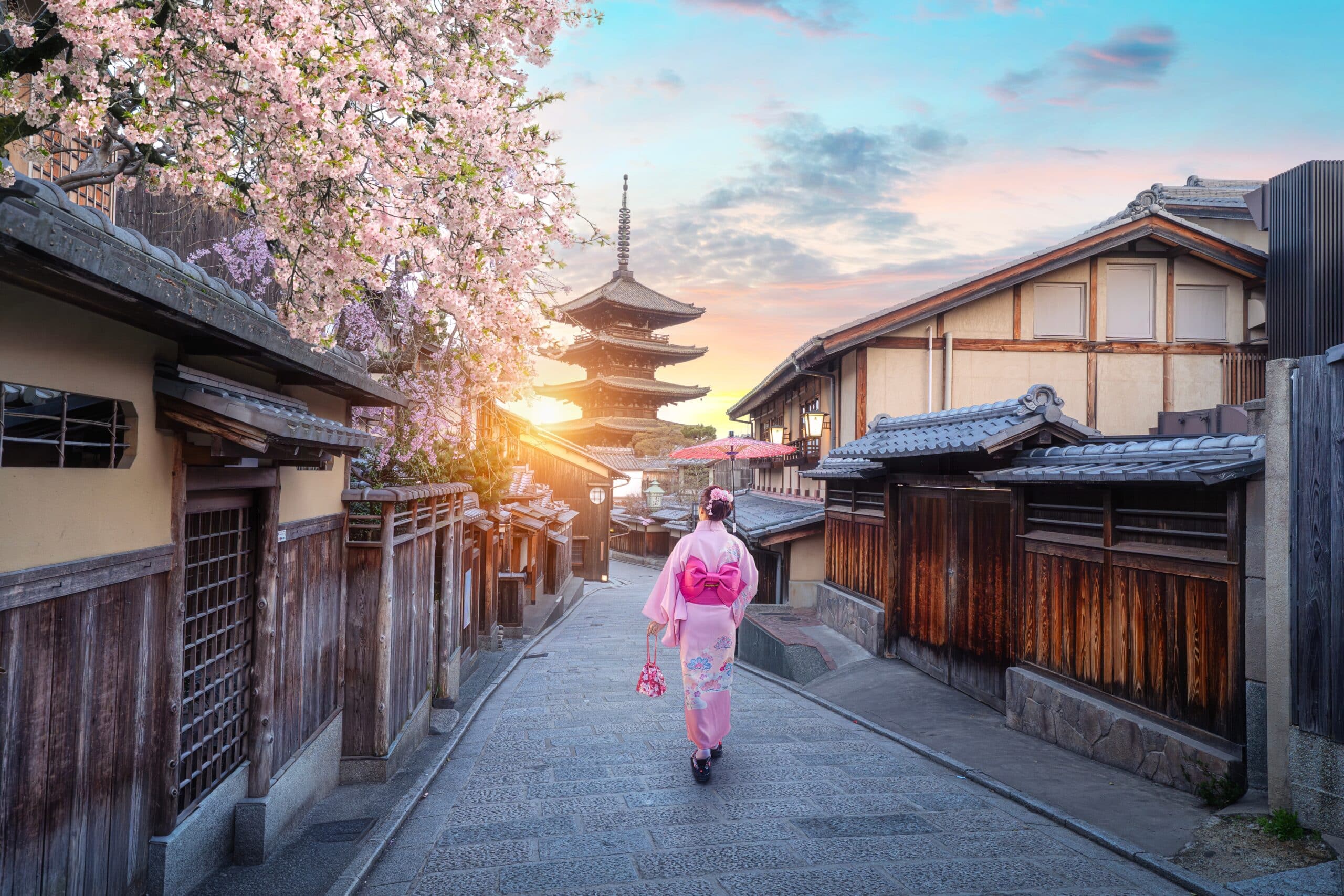
Japan offers an incredible variety of attractions, from ancient temples and peaceful gardens to futuristic city districts and world-famous landmarks. With so much to see, it’s easy to feel like you need to fit everything into one trip.
The reality is that most visitors have between 7 and 14 days, making it impossible—and often unnecessary—to experience every famous sight. Trying to visit too many places usually means spending more time on trains than actually enjoying Japan.
The good news is that skipping certain attractions doesn’t mean missing out on Japan’s best experiences. In many cases, choosing a quieter neighborhood, a less crowded temple, or simply slowing down can make your trip even more memorable.
This guide isn’t about saying that popular attractions are “bad.” Instead, it helps you decide which famous places are worth your limited time—and which ones you can confidently skip depending on your interests, itinerary, and travel style.
Whether you’re planning your first trip to Japan or returning to discover more of the country, this guide will help you build a smarter itinerary that focuses on quality rather than simply checking famous sights off a list.
💡 Did You Know?
Japan is home to more than 100 castles, while Kyoto alone has over 1,600 Buddhist temples and around 400 Shinto shrines. Even if you visited several attractions every day, seeing everything in a single trip would be impossible.
That’s why the best Japan itineraries don’t try to include everything—they focus on the places that match your interests and leave room to truly experience them.
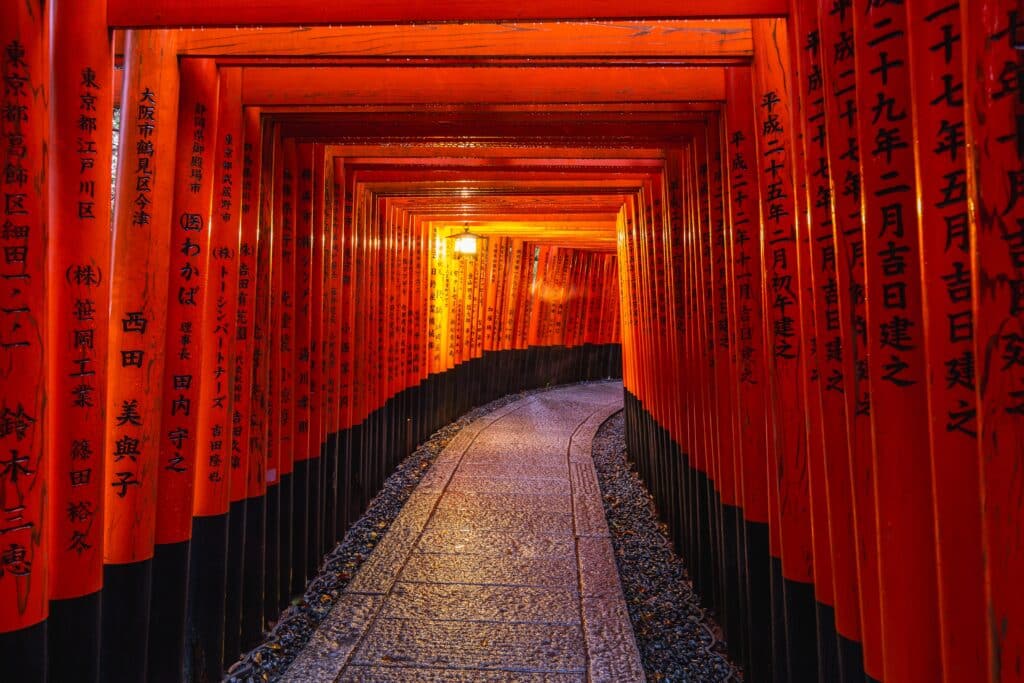
What Can You Skip in Japan?
Japan is filled with incredible attractions, but you don’t need to visit every famous landmark to have an unforgettable trip. If you’re visiting for 7–14 days, skipping a few popular sights can actually give you more time to enjoy Japan’s unique neighborhoods, local food, beautiful scenery, and cultural experiences.
Many well-known attractions are excellent, but they may not be worth the detour, long queues, or admission fee for every traveler. Depending on your interests, you can confidently skip certain observation towers, museums, shopping districts, or even entire destinations without feeling like you’ve missed the “real” Japan.
This guide isn’t about avoiding Japan’s highlights—it’s about helping you build a smarter itinerary. By focusing on the places that match your travel style and skipping those that don’t, you’ll spend less time rushing between attractions and more time enjoying the experiences that make Japan truly memorable.
Table of Contents
Quick Decision Guide
Quick Decision Guide
Not every famous attraction belongs on every itinerary. This guide helps you decide which places you can confidently skip based on your travel style, available time, and interests.
| If You Want… | What You Can Usually Skip |
|---|---|
| ⏳ Make the most of a 7-day trip | Yes. Skip long detours and duplicate attractions so you can spend more time enjoying Japan instead of rushing between cities. |
| 🏯 Experience Japan’s history and culture | Yes. Skip some modern attractions and shopping districts in favor of temples, gardens, castles, and traditional neighborhoods. |
| 🌿 Enjoy nature and scenic landscapes | Yes. Observation towers and busy city attractions are often less rewarding than lakes, mountains, and national parks. |
| 🍣 Discover Japan through food | Yes. Skip expensive tourist restaurants and spend more time exploring local markets, izakaya, and regional specialties. |
| 📸 Avoid tourist crowds | Definitely. Some of Japan’s most famous attractions are busiest during the middle of the day. Lesser-known alternatives can be just as memorable. |
| 🚄 Travel at a relaxed pace | Highly recommended. Visiting fewer cities often creates a much more enjoyable and less stressful itinerary. |
| ✨ Experience the “real” Japan | Absolutely. Skip trying to see everything and leave room for local neighborhoods, cafés, parks, and spontaneous discoveries. |
Map: Attractions You Can Skip (and Better Alternatives)
Japan’s most famous attractions aren’t always the best use of your time. This map highlights popular places that many travelers choose to skip, along with nearby alternatives that often provide a more relaxed, authentic, or rewarding experience. Remember that there are no wrong choices—these are simply suggestions to help you prioritize when time is limited.
Every trip to Japan is different, so there’s no universal list of attractions that everyone should skip. The recommendations below explain why some famous sights may not be worth your time, who should still visit them, and which alternatives could offer an even better experience.
Quick Comparison: What Can You Skip in Japan?
Every trip to Japan is different, so there’s no universal list of attractions that everyone should skip…
Japan Attractions at a Glance: Skip or Visit?
Short on time? This quick comparison shows which famous attractions are easiest to skip, who they’re best suited for, and what you could do instead. The detailed explanations below will help you decide what fits your own travel style.
| Attraction | Can You Skip It? | Better Alternative | Time Saved |
|---|---|---|---|
| Tokyo Skytree | ✅ Sometimes | Shibuya Sky | 2–3 hours |
| Tokyo Disneyland | ✅ If you’re not a Disney fan | Explore Tokyo’s neighborhoods | 8–12 hours |
| Osaka Castle Interior | ✅ Often | Himeji Castle | 1–2 hours |
| Imperial Palace | ✅ Sometimes | Shinjuku Gyoen | 2–3 hours |
| Takeshita Street | ✅ If you don’t like crowds | Shimokitazawa | 1–2 hours |
| Ginza | ✅ If you’re not shopping | Ueno or Asakusa | 2–3 hours |
| Tsukiji Outer Market | ⚠️ Visit early only | Toyosu or local sushi restaurants | 1–2 hours |
| Arashiyama Bamboo Grove | ⚠️ Skip at midday | Okochi Sanso & Arashiyama Park | 1–2 hours |
| Too Many Kyoto Temples | ✅ Yes | Visit fewer & explore neighborhoods | 2–4 hours |
| Every Famous Castle | ✅ Yes | Choose Himeji or Matsumoto only | Half a day |
| Animal Cafés | ⚠️ Research first | Traditional cafés or parks | 1–2 hours |
| Universal Studios Japan | ✅ If theme parks aren’t your priority | Nara, Himeji or Osaka | 8–12 hours |
| One-Night Mount Fuji Trip | ⚠️ Not ideal | Stay two nights | Better experience |
| Too Many Cities | ❌ Definitely skip this mistake | Focus on 3–4 destinations | 1+ day |
| Copying Someone Else’s Itinerary | ❌ Avoid | Create your own itinerary | A better trip |
15 Places You Can Skip in Japan
The attractions below aren’t “bad” or “overrated”—millions of travelers enjoy them every year. Instead, this guide explains who might consider skipping each one, who should still visit, and what alternative experience could be an even better fit for your travel style.
Tokyo Skytree
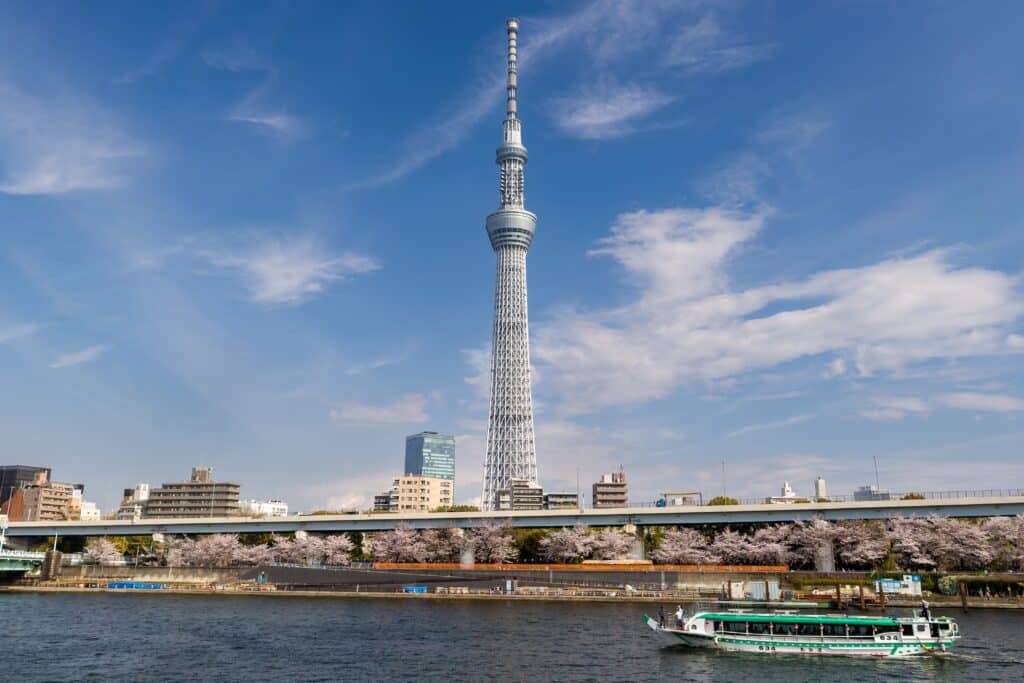
Tokyo Skytree
Standing 634 meters (2,080 ft) tall, Tokyo Skytree is Japan’s tallest structure and one of the city’s most recognizable landmarks. Its observation decks offer spectacular panoramic views across Tokyo, and on exceptionally clear days you may even see Mount Fuji in the distance.
🤔 Why You Might Skip It
If your schedule is limited, Tokyo Skytree isn’t essential. The admission ticket is relatively expensive, queues can be long during busy periods, and Tokyo offers several excellent viewpoints with a more vibrant atmosphere. Unless seeing Japan’s tallest tower is a personal goal, your time may be better spent exploring Tokyo’s neighborhoods, gardens, or food scene.
✅ Who Should Still Visit
Tokyo Skytree is a great choice for first-time visitors who enjoy city skylines, families exploring the nearby shopping and aquarium complex, or photographers hoping to capture wide views over the world’s largest metropolitan area.
🌟 Better Alternative
Shibuya Sky offers one of Tokyo’s most impressive rooftop observation decks with an open-air viewing platform, while the surrounding Shibuya district provides outstanding shopping, restaurants, and nightlife. Many travelers find it delivers a more memorable overall experience than Tokyo Skytree.
⏱ Time You Could Save
Approximately 2–3 hours, especially during weekends or peak tourist seasons.
If seeing Tokyo from above is on your bucket list, choose just one observation deck. Spending the extra time exploring neighborhoods like Asakusa, Ueno, or Shibuya will usually leave you with stronger memories than visiting multiple viewpoints.
Tokyo Disneyland
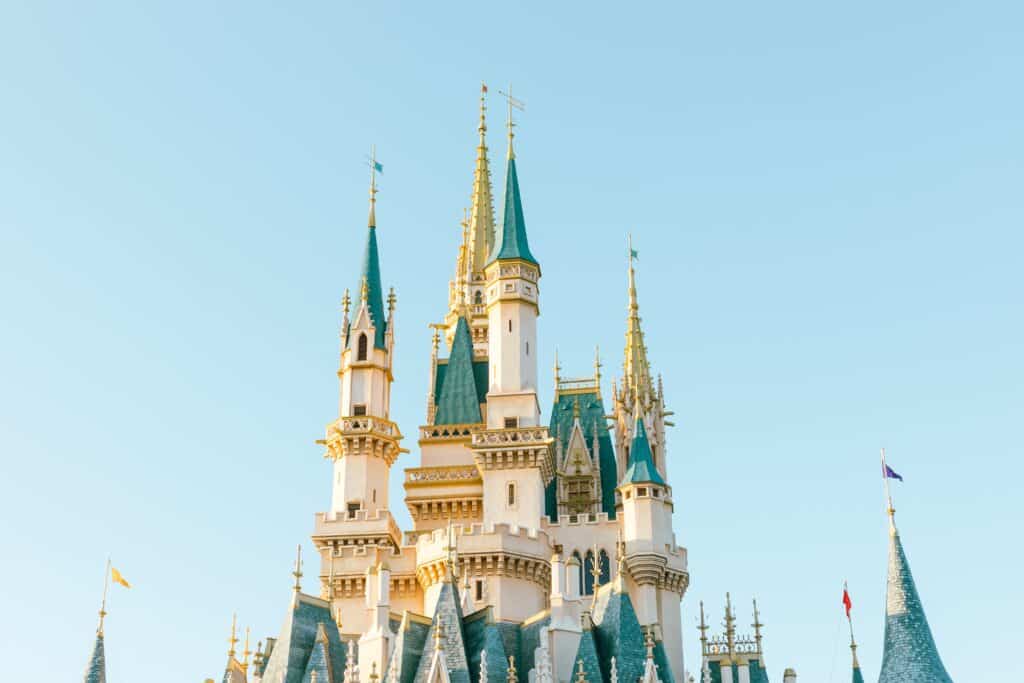
Tokyo Disneyland
Tokyo Disneyland is one of the world’s most visited theme parks and a dream destination for Disney fans. With classic attractions, colorful parades, and beautifully themed lands, it offers a magical experience for visitors of all ages. However, it also requires a significant time commitment that may not fit every Japan itinerary.
🤔 Why You Might Skip It
If you’re visiting Japan primarily to experience its culture, history, food, and landscapes, spending an entire day at Tokyo Disneyland may not be the best use of your limited time. While the park is excellent, many attractions are similar to those found in Disney parks around the world. Long queues and a full-day commitment can also make it difficult to explore more uniquely Japanese experiences.
✅ Who Should Still Visit
Tokyo Disneyland is absolutely worth visiting for Disney enthusiasts, families with children, and travelers who have already experienced Japan’s major cultural highlights. If visiting Disney has always been part of your dream trip, you certainly won’t regret spending a day here.
🌟 Better Alternative
Instead of spending an entire day in a theme park, explore Tokyo’s diverse neighborhoods such as Asakusa, Ueno, Yanaka, or Shimokitazawa. These areas offer traditional temples, local markets, charming cafés, and authentic experiences that are unique to Japan.
⏱ Time You Could Save
Approximately 8–12 hours, giving you enough time to discover several of Tokyo’s most interesting districts in a single day.
If this is your first trip to Japan, ask yourself one simple question: Did I come to experience Disney or Japan? For many travelers, choosing local neighborhoods over a theme park creates more memorable experiences.
Osaka Castle Interior
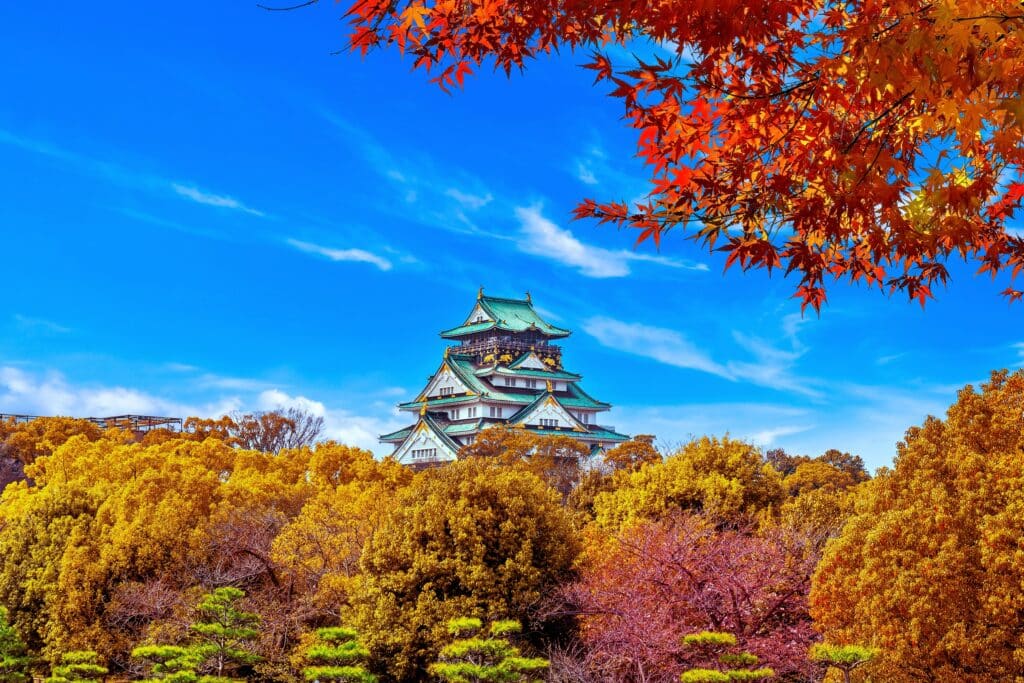
Osaka Castle Interior
Osaka Castle is one of Japan’s most iconic landmarks and an important symbol of the city’s history. Surrounded by massive stone walls, peaceful moats, and beautiful gardens, it is an impressive sight from almost every angle and attracts millions of visitors each year.
🤔 Why You Might Skip It
Although the castle looks spectacular from the outside, many visitors are surprised to discover that the interior is a modern museum with elevators, exhibitions, and reconstructed displays rather than original historic rooms. If you’re hoping to explore an authentic Japanese castle, the inside may feel less impressive than expected.
✅ Who Should Still Visit
History lovers interested in Toyotomi Hideyoshi and Japan’s unification period will appreciate the museum exhibits. The observation deck also offers beautiful views across Osaka, making the visit worthwhile for those with a strong interest in Japanese history.
🌟 Better Alternative
Walk around Osaka Castle Park, admire the impressive exterior, and then spend your time exploring Dotonbori, Kuromon Market, or Shinsekai. If you want to experience Japan’s finest original castle, plan a visit to Himeji Castle instead.
⏱ Time You Could Save
Approximately 1–2 hours, especially if there are long queues to enter the museum.
One of the best experiences at Osaka Castle is simply walking through the surrounding park. Many travelers enjoy the scenery outside more than the museum inside.
Tokyo Imperial Palace
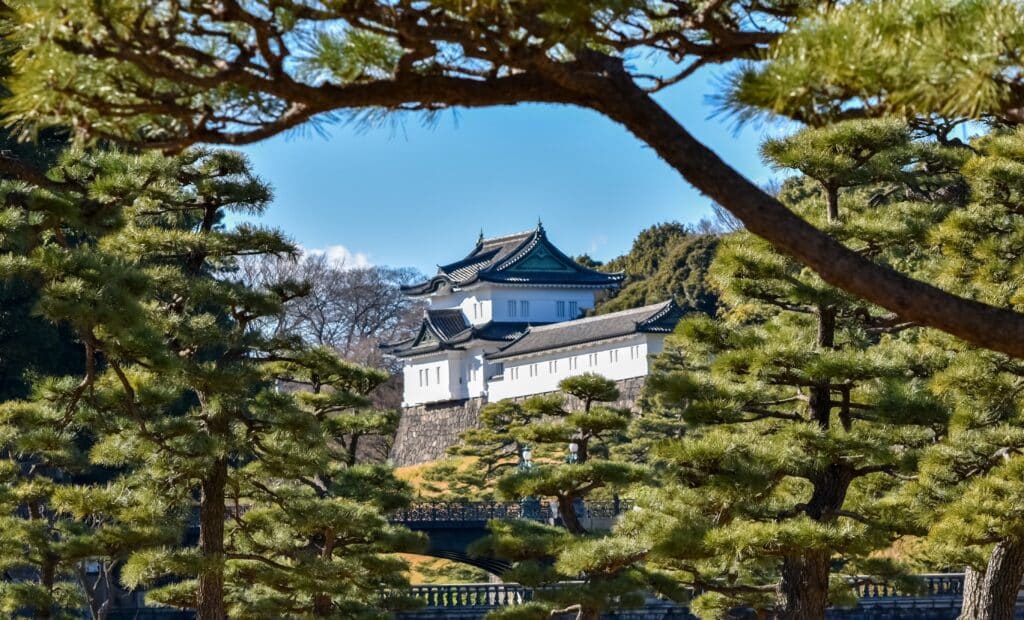
Tokyo Imperial Palace
The Imperial Palace is the official residence of Japan’s Emperor and occupies a vast green space in the heart of Tokyo. Surrounded by impressive stone walls, historic gates, and scenic moats, it is one of the city’s most famous landmarks and attracts countless visitors each year.
🤔 Why You Might Skip It
Many first-time visitors expect to tour a grand palace, but the main buildings are closed to the public except on a few special days each year. Most visitors can only explore the East Gardens or admire the palace from outside. Unless you’re particularly interested in Japan’s Imperial Family or history, the experience may feel less rewarding than expected.
✅ Who Should Still Visit
History enthusiasts, photographers, and travelers who enjoy peaceful gardens and historic architecture will appreciate the beautiful grounds. The East Gardens are well maintained and provide a relaxing escape from Tokyo’s busy streets.
🌟 Better Alternative
If you’re looking for traditional Japanese gardens, consider visiting Shinjuku Gyoen, Koishikawa Korakuen, or Hamarikyu Gardens. These parks offer beautiful seasonal scenery, quieter walking paths, and often provide a more memorable experience for first-time visitors.
⏱ Time You Could Save
Approximately 2–3 hours, depending on how much of the grounds you planned to explore.
Don’t expect to walk through the Imperial Palace itself. If you’re hoping to experience traditional Japanese architecture, historic temples and castles usually provide a much richer visit.
💡 Travel Owl Insight
One of the biggest surprises for first-time visitors is that Japan’s most memorable experiences often aren’t its most famous attractions. Wandering through a quiet neighborhood, discovering a hidden café, relaxing in an onsen, or stumbling upon a local festival frequently becomes the highlight of a trip.
Rather than trying to check every famous landmark off your list, leave room for spontaneous discoveries. Those unexpected moments are often what travelers remember long after returning home.
Takeshita Street
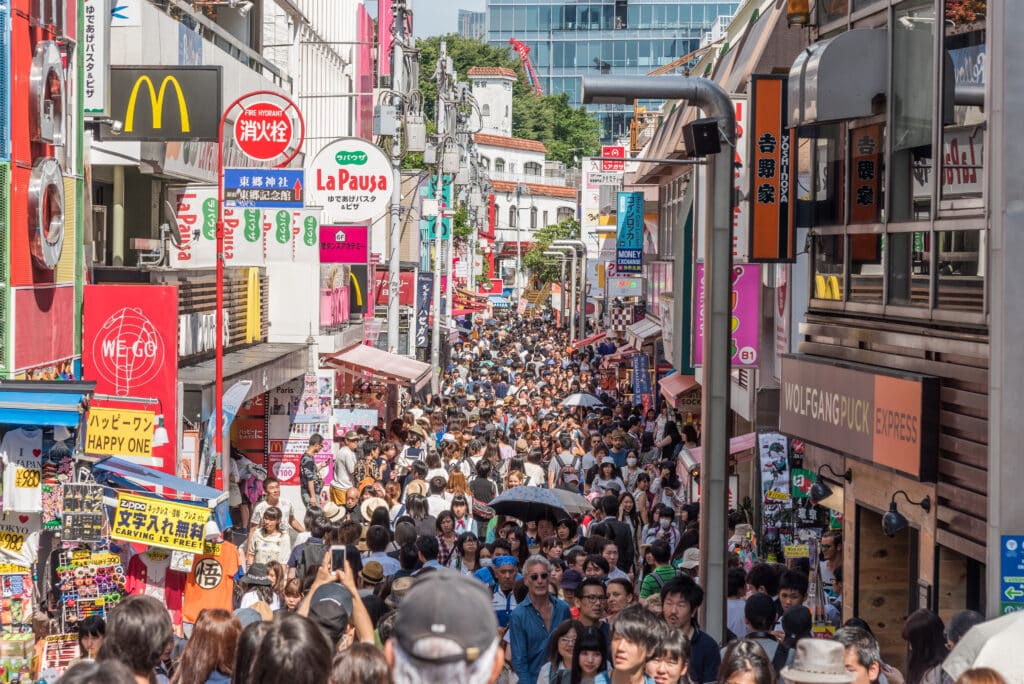
Takeshita Street (Harajuku)
Takeshita Street is Tokyo’s most famous shopping street for youth fashion, colorful cafés, and quirky snacks. For decades it has been known as the center of Japanese street fashion and remains one of the city’s busiest tourist hotspots.
🤔 Why You Might Skip It
While Takeshita Street is certainly lively, many first-time visitors are surprised by how crowded it becomes throughout the day. The narrow street is often packed shoulder to shoulder, making it difficult to browse shops or enjoy the atmosphere. If you’re not interested in youth fashion or social media food trends, the experience may feel overwhelming rather than enjoyable.
✅ Who Should Still Visit
Fashion lovers, teenagers, anime fans, and anyone curious about Tokyo’s pop culture will likely enjoy exploring the area, especially on weekdays or earlier in the morning.
🌟 Better Alternative
Visit Shimokitazawa for vintage shopping and independent cafés, or explore Daikanyama if you prefer stylish boutiques, bookstores, and a much more relaxed atmosphere.
⏱ Time You Could Save
Approximately 1–2 hours, while enjoying a quieter and more authentic Tokyo neighborhood.
If you still want to visit Harajuku, walk through Takeshita Street once and then continue to nearby Omotesando or Meiji Jingu. Many travelers find those areas even more enjoyable.
Ginza
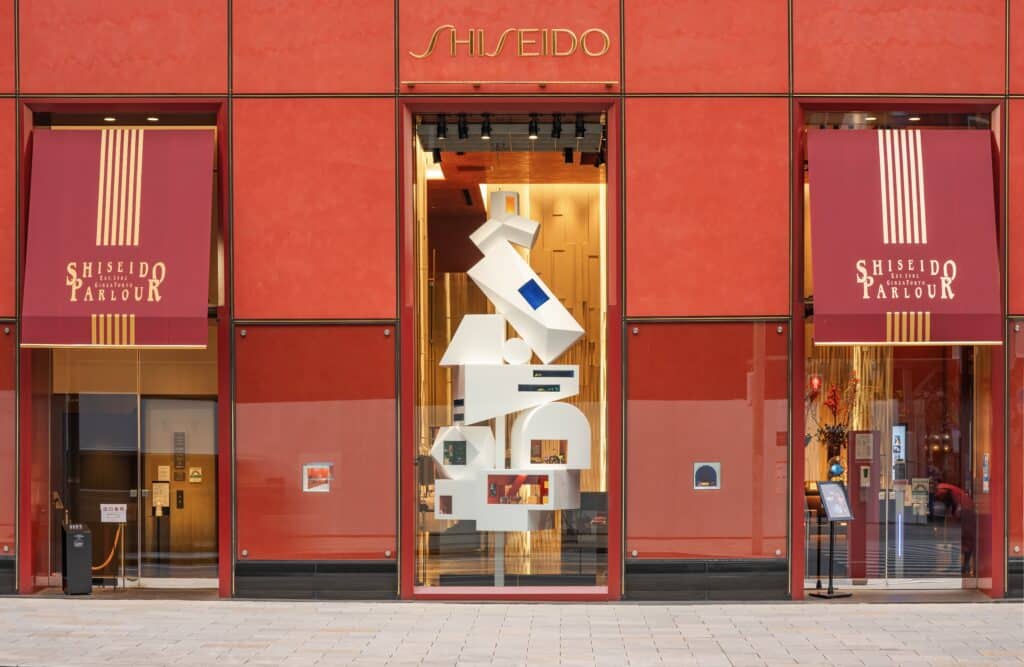
Ginza (If You’re Not Shopping)
Ginza is Tokyo’s most famous luxury shopping district, home to flagship stores, designer boutiques, elegant department stores, and fine dining. It represents the sophisticated side of modern Tokyo and attracts shoppers from around the world.
🤔 Why You Might Skip It
If luxury shopping isn’t part of your trip, Ginza may not offer enough to justify spending several hours there. While the streets are attractive and easy to explore, many visitors quickly realize that other Tokyo neighborhoods provide a more exciting atmosphere, better street food, and greater variety.
✅ Who Should Still Visit
Luxury shoppers, architecture enthusiasts, and travelers looking for upscale restaurants or high-end department stores will enjoy Ginza’s elegant atmosphere.
🌟 Better Alternative
Spend more time exploring Shibuya, Asakusa, or Ueno, where you’ll find a richer mix of culture, shopping, local food, and everyday Tokyo life.
⏱ Time You Could Save
Around 2–3 hours, which can easily be used to explore another neighborhood in greater depth.
Even if you skip shopping, Ginza is worth passing through in the evening if it’s already on your route. The illuminated streets create a completely different atmosphere after dark.
Tsukiji Outer Market
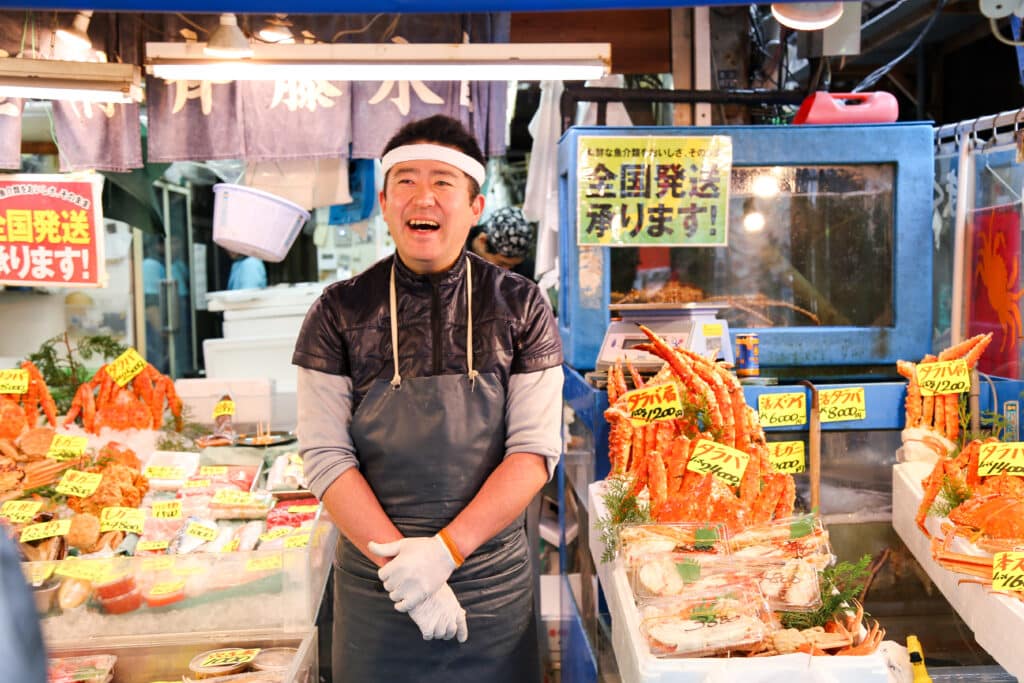
Tsukiji Outer Market at Peak Hours
Although the famous wholesale fish auction moved to Toyosu, Tsukiji Outer Market remains one of Tokyo’s most popular destinations for fresh seafood, sushi, and Japanese street food. It attracts thousands of visitors every morning.
🤔 Why You Might Skip It
By mid-morning, the narrow streets become extremely crowded, with long queues forming outside many of the most popular food stalls. If you’re mainly hoping to enjoy fresh sushi, you’ll often find equally delicious meals elsewhere in Tokyo without spending so much time waiting.
✅ Who Should Still Visit
Food lovers who arrive early in the morning and enjoy lively market atmospheres will still have a fantastic experience sampling fresh seafood and local specialties.
🌟 Better Alternative
Visit Toyosu Market for a more modern market experience, or simply enjoy excellent sushi in neighborhoods such as Ueno, Asakusa, or Shinjuku.
⏱ Time You Could Save
Approximately 1–2 hours, especially during weekends and holiday periods.
If Tsukiji is on your bucket list, arrive before 8:00 AM. You’ll avoid the biggest crowds and enjoy a much more relaxed experience.
Arashiyama Bamboo Grove
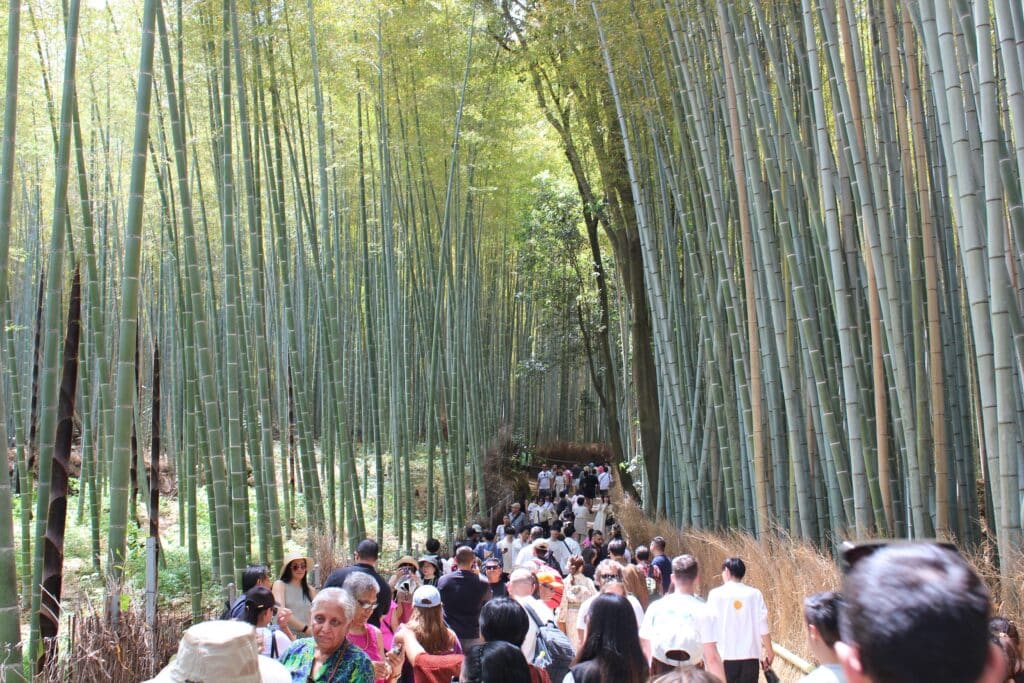
Arashiyama Bamboo Grove at Midday
The Arashiyama Bamboo Grove is one of Kyoto’s most photographed attractions and appears on countless Japan travel itineraries. Walking through the towering bamboo stalks can be a magical experience, especially when the light filters through the trees and the pathways are quiet.
🤔 Why You Might Skip It
The Bamboo Grove itself is surprisingly short, and between late morning and mid-afternoon it often becomes extremely crowded. Many visitors are disappointed because the peaceful atmosphere they expected is replaced by large tour groups and constant photo stops. If you’re only visiting during the busiest hours, the experience may not live up to the famous images you’ve seen online.
✅ Who Should Still Visit
Photographers, first-time visitors to Kyoto, and anyone staying nearby should still consider visiting. Early in the morning or shortly before sunset, the Bamboo Grove becomes much quieter and feels completely different.
🌟 Better Alternative
Instead of spending your entire morning waiting for photos, combine a quick visit with a walk through Arashiyama Park, the Katsura River, Togetsukyo Bridge, or the peaceful gardens at Okochi Sanso Villa. Together, these attractions offer a much richer experience than the Bamboo Grove alone.
⏱ Time You Could Save
Approximately 1–2 hours, especially if you avoid the busiest part of the day.
Don’t skip Arashiyama—just don’t make the Bamboo Grove your only reason to visit. The surrounding scenery is often even more memorable than the famous bamboo path itself.
Visiting Too Many Temples in Kyoto
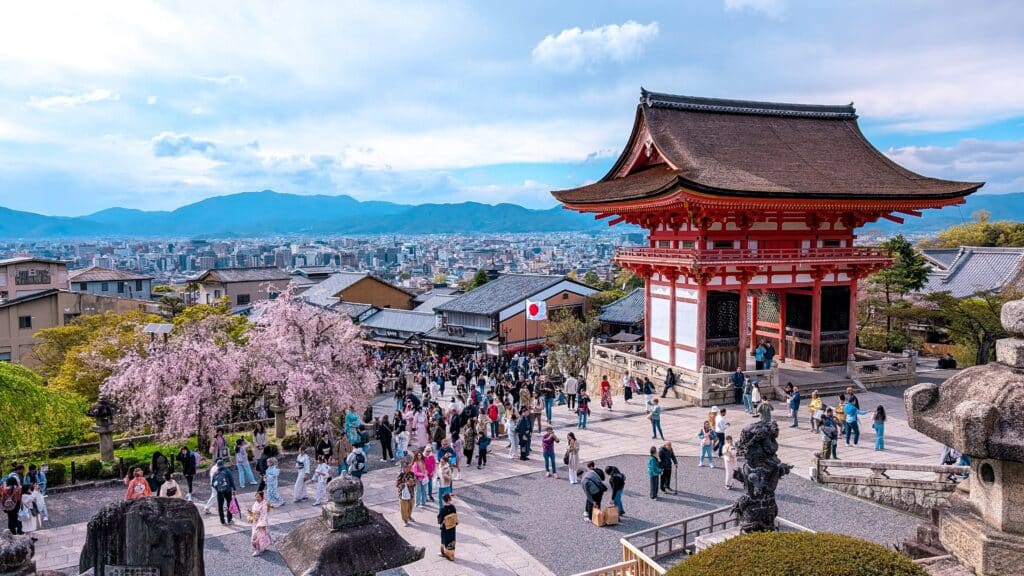
Visiting Too Many Temples in Kyoto
Kyoto is home to more than 1,600 Buddhist temples and hundreds of Shinto shrines. While many are stunning, trying to visit too many in a single trip can quickly become overwhelming. After the fifth or sixth temple, even experienced travelers often find that the individual details begin to blend together.
🤔 Why You Might Skip It
Many first-time visitors fill their itinerary with famous temples simply because guidebooks recommend them. While each has its own history and architecture, rushing from one to another often leaves little time to appreciate the atmosphere. Quality almost always beats quantity in Kyoto.
✅ Who Should Still Visit
Travelers with a strong interest in Japanese history, Buddhism, traditional architecture, or photography may happily spend several days exploring Kyoto’s temples in depth.
🌟 Better Alternative
Instead of visiting eight or nine temples in one day, choose three or four highlights and leave time to wander through Gion, relax along the Kamo River, or discover quiet residential streets filled with cafés, small shrines, and local shops.
⏱ Time You Could Save
Around 2–4 hours, depending on how many temple visits you remove from your itinerary.
Many travelers remember their peaceful walk through Kyoto’s backstreets just as vividly as its famous temples. Don’t underestimate the value of simply slowing down.
Visiting Every Famous Castle
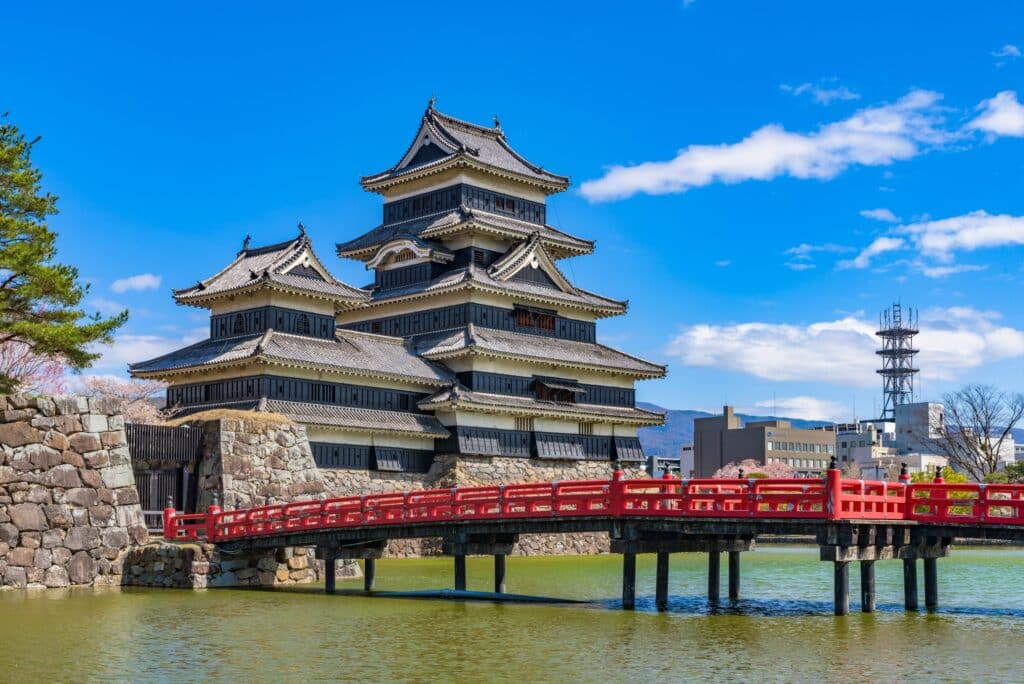
Visiting Every Famous Castle
Japan is home to dozens of beautiful castles, each with its own history and architectural style. While visiting one or two castles can be a fascinating experience, trying to include every famous castle on a single trip rarely adds much value.
🤔 Why You Might Skip It
Many castles share similar layouts, museum exhibits, and observation decks. Unless you’re particularly interested in Japanese military history, visiting several castles in succession can start to feel repetitive and take valuable time away from other experiences.
✅ Who Should Still Visit
History enthusiasts and architecture lovers will still enjoy comparing different castles and learning about Japan’s feudal past.
🌟 Better Alternative
Choose one outstanding castle—such as Himeji Castle or Matsumoto Castle—and spend the extra time exploring nearby old towns, gardens, or local food districts instead.
⏱ Time You Could Save
Approximately half a day, depending on your itinerary.
One exceptional castle you’ll remember is usually better than trying to visit five simply because they’re famous.
Animal Cafés

Animal Cafés (Unless Animal Welfare Is Important to You)
Japan is famous for its themed cafés, including cat cafés, owl cafés, hedgehog cafés, and other animal experiences. While they attract plenty of curious visitors, these venues have also become the subject of growing ethical concerns.
🤔 Why You Might Skip It
Not every animal café operates under the same standards, and some have been criticized for keeping nocturnal or wild animals in environments that don’t reflect their natural behavior. If responsible tourism is important to you, skipping these cafés may feel like the better choice.
✅ Who Should Still Visit
Well-managed cat cafés and rescue cafés can still provide enjoyable experiences while supporting responsible animal care. Research reviews carefully before choosing where to visit.
🌟 Better Alternative
Spend time in one of Japan’s beautiful parks, visit a traditional garden, or explore a local neighborhood café. If you’d like to see wildlife, consider visiting destinations where animals can be observed in their natural environment rather than in enclosed spaces.
⏱ Time You Could Save
Approximately 1–2 hours, which could easily be spent discovering another part of the city.
If you decide to visit an animal café, choose businesses with strong reputations for animal welfare and avoid venues that keep exotic wildlife in small enclosed spaces.
Universal Studios Japan
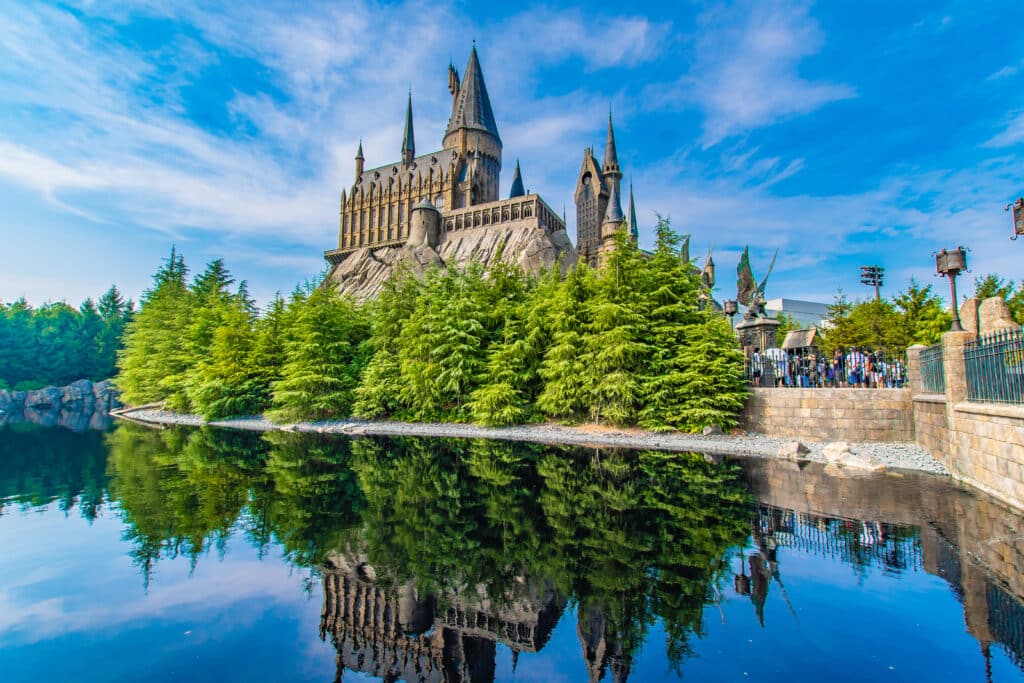
Universal Studios Japan (If Theme Parks Aren’t Your Priority)
Universal Studios Japan is one of Asia’s most popular theme parks, famous for Super Nintendo World, The Wizarding World of Harry Potter, and thrilling rides. For many visitors, it’s a highlight of their Japan vacation.
🤔 Why You Might Skip It
Like Tokyo Disneyland, Universal Studios requires almost an entire day. During busy seasons, popular attractions often involve long queues or additional paid Express Passes. If your main goal is experiencing Japan’s culture, food, and history, you may find that day better spent exploring Osaka, Kyoto, or nearby destinations.
✅ Who Should Still Visit
Nintendo fans, Harry Potter enthusiasts, families, and travelers who love world-class theme parks will almost certainly feel that Universal Studios Japan is worth the time.
🌟 Better Alternative
Spend the day exploring Dotonbori, Shinsekai, Kuromon Market, or take a day trip to Nara or Himeji for experiences that are uniquely Japanese.
⏱ Time You Could Save
Approximately 8–12 hours, enough to experience many of the Kansai region’s cultural highlights.
If you’ve already visited Universal parks elsewhere, ask yourself whether spending another full day in a theme park fits your travel goals for Japan.
One-Night Mount Fuji Trip
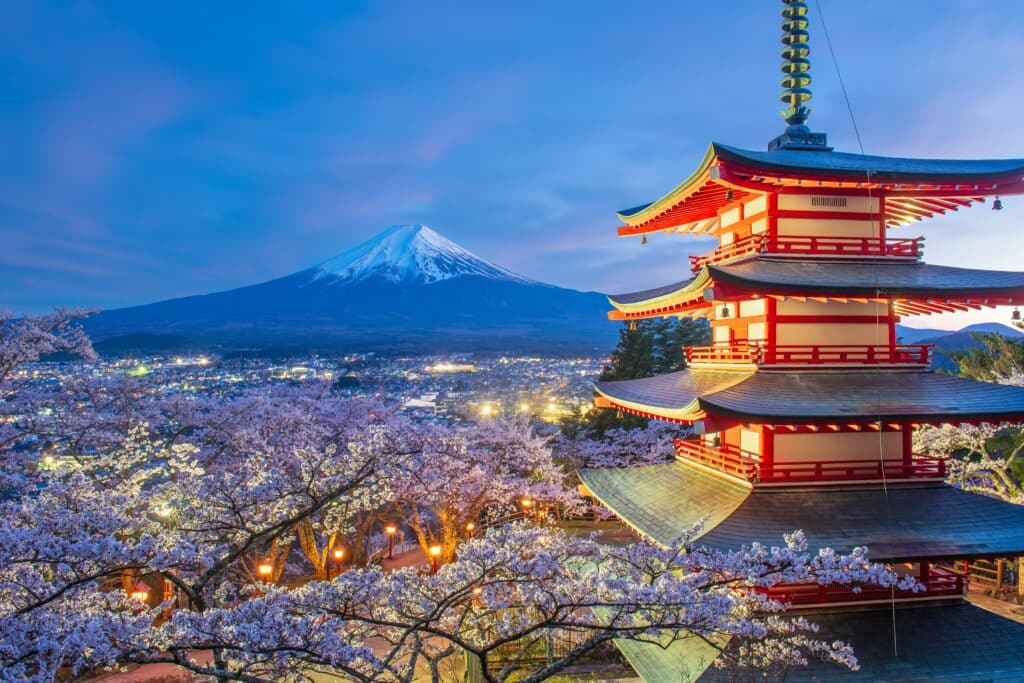
A One-Night Mount Fuji Trip
Seeing Mount Fuji is on almost every visitor’s bucket list, but many travelers underestimate the time required to reach the Fuji Five Lakes region. A rushed overnight trip often leaves little flexibility if the mountain is hidden behind clouds.
🤔 Why You Might Skip It
Mount Fuji doesn’t appear every day, and weather conditions can change quickly. If you’re only staying one night, there’s a real possibility of never seeing the mountain at all. Packing, checking in, and traveling also consume valuable sightseeing time.
✅ Who Should Still Visit
Travelers with flexible itineraries, photographers, or anyone planning to relax by the lakes or stay in a traditional ryokan will still find the area incredibly rewarding.
🌟 Better Alternative
Stay two nights around Lake Kawaguchiko if possible. The extra time dramatically increases your chances of clear Fuji views while allowing you to enjoy the region at a much slower pace.
⏱ Time You Could Save
If you only have one night available, consider spending that extra time in Tokyo or Kyoto instead of rushing to Mount Fuji.
Mount Fuji rewards patience. If you can add just one extra night, your chances of seeing Japan’s most famous mountain increase significantly.
Trying to Visit Too Many Cities
Trying to Visit Too Many Cities
One of the most common mistakes first-time visitors make is trying to fit Tokyo, Kyoto, Osaka, Hiroshima, Miyajima, Kanazawa, Takayama, Hakone, Mount Fuji, Nikko, and Nara into a single 10-day trip.
🤔 Why You Might Skip It
Every additional destination means more time packing, checking out of hotels, traveling by train, and checking in again. Instead of enjoying Japan, many travelers end up rushing from one attraction to the next.
✅ Who Should Still Visit
If you’re traveling for three weeks or longer, visiting many cities can absolutely work. For shorter trips, however, slowing down almost always creates a more enjoyable experience.
🌟 Better Alternative
Focus on three or four destinations and explore them more deeply. You’ll spend less time in transit and have more opportunities to discover local cafés, neighborhoods, parks, and hidden gems.
⏱ Time You Could Save
Often an entire day or more over the course of your trip.
The best Japan itineraries aren’t the ones with the longest list of cities—they’re the ones that leave enough time to actually enjoy each destination.
Following Someone Else’s Itinerary Exactly
Following Someone Else’s Itinerary Exactly
Travel blogs, YouTube videos, and social media are full of “perfect” Japan itineraries. While these can provide great inspiration, they aren’t designed around your interests, travel pace, or priorities.
🤔 Why You Might Skip It
Copying someone else’s itinerary often leads to unnecessary travel, attractions that don’t genuinely interest you, and an exhausting schedule. What was perfect for another traveler may not be the right fit for you.
✅ Who Should Still Visit
Use recommended itineraries as a starting point, but don’t be afraid to adapt them. Every traveler values different experiences—whether that’s food, nature, history, shopping, or simply relaxing.
🌟 Better Alternative
Build your itinerary around your own priorities. Choose the places that genuinely excite you and don’t feel guilty about skipping attractions that don’t.
⏱ Time You Could Save
Potentially hours every day by avoiding unnecessary travel and sightseeing that doesn’t match your interests.
The best Japan itinerary isn’t the one that visits the most places—it’s the one you’ll still be smiling about years after you return home.
What You Should Never Skip in Japan
What You Should Never Skip in Japan
While it’s perfectly fine to skip certain attractions, there are a few experiences that make almost every trip to Japan more rewarding. These aren’t necessarily the country’s biggest landmarks—they’re the moments that many travelers remember long after returning home.
🍣 Try Local Food
Go beyond sushi. Regional ramen, street food, izakaya, fresh seafood, wagyu, and small neighborhood restaurants often become the highlight of a trip.
⛩️ Visit at Least One Historic Temple or Shrine
Whether it’s Kyoto, Nikko, Kamakura, or Nara, experiencing Japan’s spiritual and cultural heritage is an essential part of understanding the country.
♨️ Stay in an Onsen or Ryokan
Even one night in a traditional inn with a hot spring bath offers a completely different side of Japan than you’ll find in its major cities.
🚶 Explore Without a Plan
Some of Japan’s most memorable moments happen while wandering quiet backstreets, discovering local cafés, or stumbling upon a neighborhood festival.
🚄 Ride the Shinkansen
Japan’s high-speed trains are more than transportation—they’re part of the travel experience and one of the easiest ways to appreciate the country’s efficiency.
🌸 Enjoy the Seasons
Whether it’s cherry blossoms, summer festivals, autumn leaves, or snowy landscapes, Japan changes dramatically throughout the year. Embrace whatever season you’re visiting.
Best Alternatives at a Glance
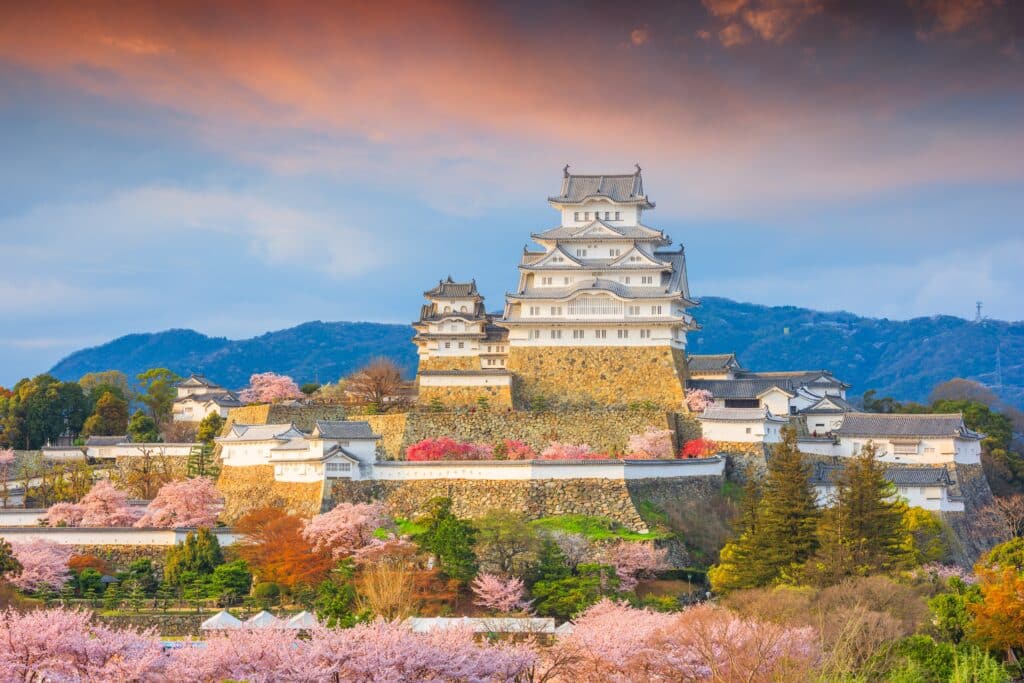
Best Alternatives at a Glance
You don’t have to skip an attraction without replacing it with something even better. These alternatives often offer fewer crowds, a more authentic atmosphere, or a richer overall experience.
Enjoy spectacular open-air city views while exploring one of Tokyo’s most vibrant neighborhoods.
Experience traditional streets, temples, local cafés, and a side of Tokyo that feels uniquely Japanese.
Japan’s finest original castle offers a much more authentic historical experience.
One of Tokyo’s most beautiful gardens with stunning scenery throughout the year.
Discover local markets, traditional culture, museums, and fantastic street food.
Enjoy vintage shopping, independent cafés, and a much more relaxed atmosphere.
You’ll often enjoy equally fresh seafood with significantly fewer crowds.
Combine the bamboo forest with riverside walks, temples, and peaceful gardens.
Visit Himeji or Matsumoto and spend the extra time exploring the surrounding town.
You’ll greatly increase your chances of seeing Mount Fuji while enjoying a more relaxed trip.
Three or four destinations usually create a far more enjoyable Japan itinerary.
Choose the places that match your interests rather than following someone else’s perfect trip.
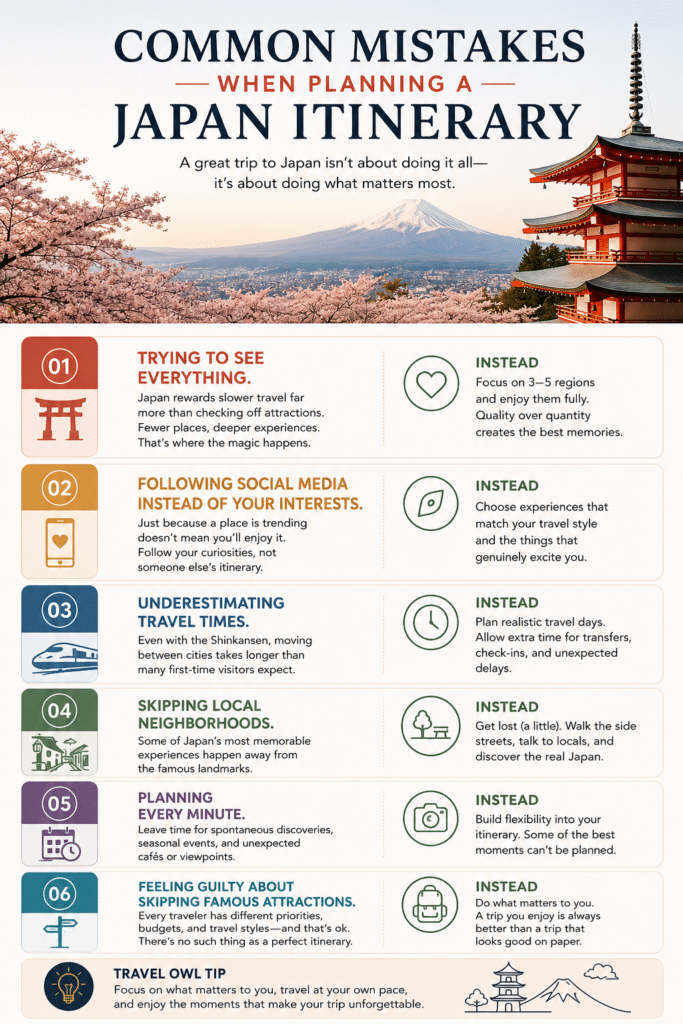
Common Mistakes When Planning a Japan Itinerary
The best Japan itineraries aren’t the ones that include the most attractions—they’re the ones that match your interests and travel style.
Final Thoughts
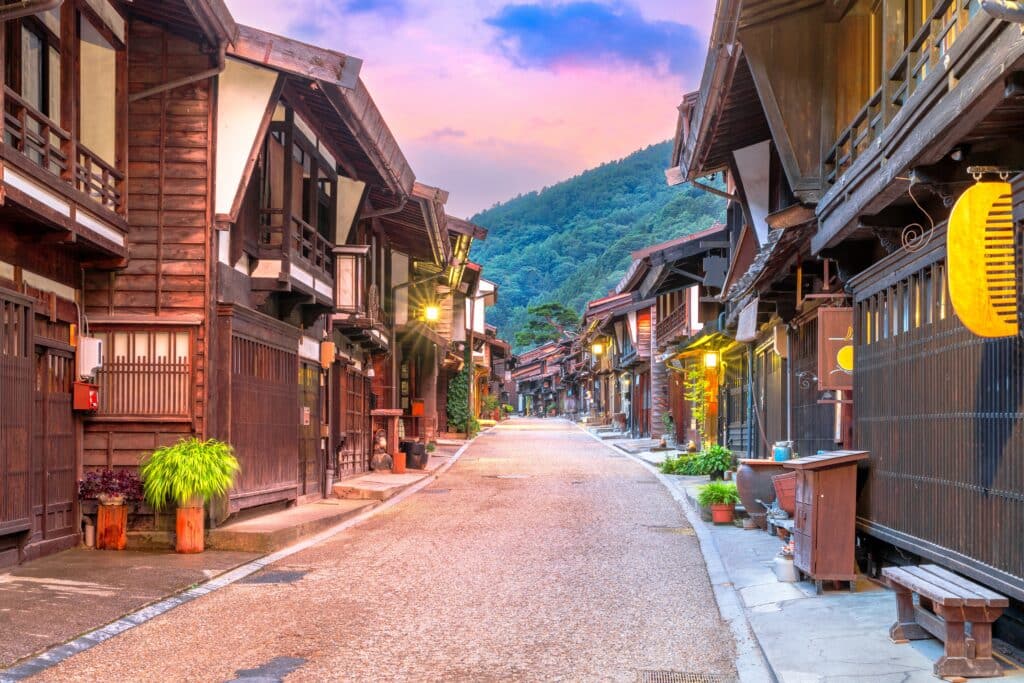
Japan offers far more incredible experiences than most travelers can fit into a single trip—and that’s perfectly okay. You don’t need to visit every famous attraction to have an unforgettable vacation.
Instead of measuring your trip by the number of places you visited, focus on creating experiences you’ll genuinely enjoy. Spending an extra afternoon wandering Kyoto’s quiet streets, relaxing in an onsen, or discovering a neighborhood restaurant often becomes far more memorable than rushing to another famous landmark.
The best Japan itinerary isn’t the busiest one—it’s the one that matches your interests, your pace, and the way you want to experience the country. Sometimes, the smartest travel decision is knowing what to skip.
Plan Your Perfect Japan Trip
Plan Your Perfect Japan Trip
Now that you know which attractions you can confidently skip, it’s time to plan the experiences that deserve a place on your itinerary. These guides will help you build a trip that matches your travel style.
Frequently Asked Questions
What can I skip on my first trip to Japan?
If you’re visiting Japan for 7–14 days, you don’t need to see every famous attraction. Theme parks, multiple observation decks, luxury shopping districts, or several similar castles can often be skipped depending on your interests. Focus instead on experiencing Japan’s culture, food, neighborhoods, and landscapes.
Is Tokyo Skytree worth visiting?
Tokyo Skytree offers fantastic views, but it isn’t essential for every traveler. If you only want one observation deck, many visitors prefer Shibuya Sky for its open-air rooftop and central location.
Is Tokyo Disneyland worth it?
Yes—if you’re a Disney fan or traveling with children. Otherwise, spending an entire day exploring Tokyo’s neighborhoods often provides a more uniquely Japanese experience.
Should I visit Universal Studios Japan?
Universal Studios Japan is one of Asia’s best theme parks, especially for Super Nintendo World and Harry Potter fans. However, if your priority is Japanese culture and sightseeing, you may prefer spending that day exploring Osaka or nearby destinations.
Is Osaka Castle worth going inside?
The exterior is spectacular, but the interior is a modern museum rather than an original castle. Many travelers enjoy the surrounding park more than the museum itself.
Is the Imperial Palace worth visiting?
The palace grounds are beautiful, but the main palace buildings are not open to the public except on a few special occasions. If you’re mainly interested in historic architecture, Kyoto’s temples or Himeji Castle may be more rewarding.
Can I skip Ginza?
If luxury shopping isn’t part of your plans, yes. Ginza is elegant, but neighborhoods such as Asakusa, Ueno, or Shibuya usually offer more variety for first-time visitors.
Is Takeshita Street worth visiting?
It can be fun if you’re interested in Japanese youth fashion and pop culture. If not, nearby areas like Omotesando, Shimokitazawa, or Daikanyama often provide a more relaxed experience.
Should I visit the Arashiyama Bamboo Grove?
Yes—but try to arrive early in the morning or later in the afternoon. During the middle of the day it becomes extremely crowded, and many visitors find the experience less enjoyable.
How many cities should I visit in 10 days?
Most travelers enjoy visiting three or four destinations in ten days. Trying to include too many cities often results in spending more time traveling than sightseeing.
Is one night at Mount Fuji enough?
One night can work, but two nights greatly improve your chances of seeing Mount Fuji in clear weather while giving you time to enjoy the Fuji Five Lakes region at a slower pace.
Should I visit every famous temple in Kyoto?
No. Kyoto has hundreds of temples and shrines. Choosing a few highlights and leaving time to explore traditional neighborhoods usually creates a more enjoyable itinerary.
What should I never skip in Japan?
Don’t miss Japan’s local food, traditional neighborhoods, at least one historic temple or shrine, a ride on the Shinkansen, and, if possible, an overnight stay in a ryokan or onsen town.
Is it okay to skip famous attractions in Japan?
Absolutely. Every traveler has different interests, and there is no perfect itinerary. Skipping attractions that don’t match your travel style often leads to a more relaxed and memorable trip.
What is the biggest mistake first-time visitors make in Japan?
The most common mistake is trying to see too much in too little time. A slower itinerary with fewer destinations usually provides a richer and less stressful travel experience.