
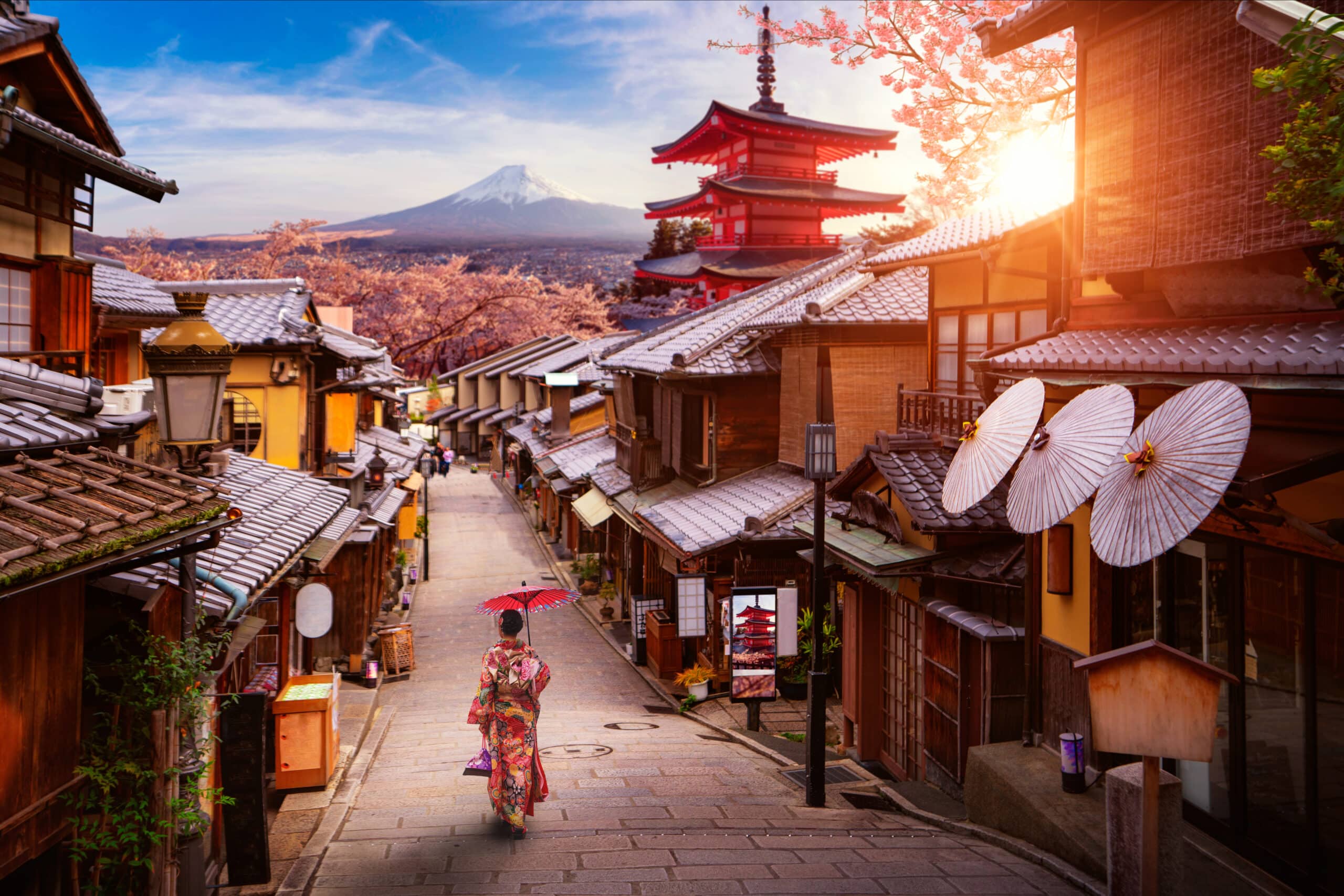
Kyoto is often considered the cultural heart of Japan, famous for its ancient temples, traditional streets, and beautiful gardens. It’s also one of the country’s most visited destinations, attracting millions of travelers every year. While many attractions deserve their reputation, others can be disappointing if you’re short on time, visit at the busiest hours, or expect a more authentic experience.
The good news is that you don’t need to skip Kyoto’s most famous sights altogether. In many cases, visiting at a different time of day or choosing a nearby alternative can completely change your experience. A peaceful temple garden, a quiet backstreet, or an early morning walk often creates far more memorable moments than standing in a long queue.
This guide helps you decide which attractions are worth your time, which ones you can safely skip, and where you’ll often find a better experience instead. Whether you’re visiting Kyoto for one day or several, these recommendations will help you spend less time in crowds and more time enjoying everything that makes the city so special.
What Can You Skip in Kyoto?
You don’t need to visit every famous attraction to experience the very best of Kyoto. While iconic sights like Fushimi Inari Taisha, Kiyomizu-dera, and the Arashiyama Bamboo Grove are absolutely worth seeing, several popular attractions can be skipped depending on your interests, the time of day, and how long you have in the city.
For many first-time visitors, places such as Kyoto Tower, crowded sections of Nishiki Market, or some heavily tourist-focused experiences may not be the best use of your limited time. In many cases, quieter temples, traditional neighborhoods, and lesser-known gardens offer a far more authentic atmosphere with fewer crowds.
This guide explains which famous Kyoto attractions you can confidently skip, when they’re still worth visiting, and what to see instead. By making a few smarter choices—and sometimes simply visiting at a different time—you’ll spend less time in crowds and more time discovering the timeless charm that makes Kyoto one of Japan’s most unforgettable destinations.
Table of Contents
Should You Skip These Famous Kyoto Attractions?
Quick Decision Guide
Not sure whether a famous Kyoto attraction deserves a place on your itinerary? This guide can help you decide.
🏯 Love Historic Temples?
Don’t Skip: Kiyomizu-dera
Visit Early: Before 9 AM for a much quieter experience.
🎋 Want a Peaceful Bamboo Forest?
Skip: Arashiyama Bamboo Grove at midday
Visit Instead: Go before 8 AM or explore Okochi Sanso Garden.
🌅 Looking for the Best Views?
Skip: Kyoto Tower
Visit Instead: Kiyomizu-dera or Shogunzuka Seiryuden.
🚶 Hate Large Crowds?
Skip: Nishiki Market at lunchtime
Visit Instead: Explore Gion, Ninenzaka, or Sannenzaka in the morning.
⏳ Only 2 Days in Kyoto?
Skip: Kyoto Tower
Spend More Time: Fushimi Inari, Higashiyama, and Gion.
🌸 Prefer Authentic Kyoto?
Skip: Tourist-focused experiences
Visit Instead: Quiet temples, traditional neighborhoods, and hidden gardens.
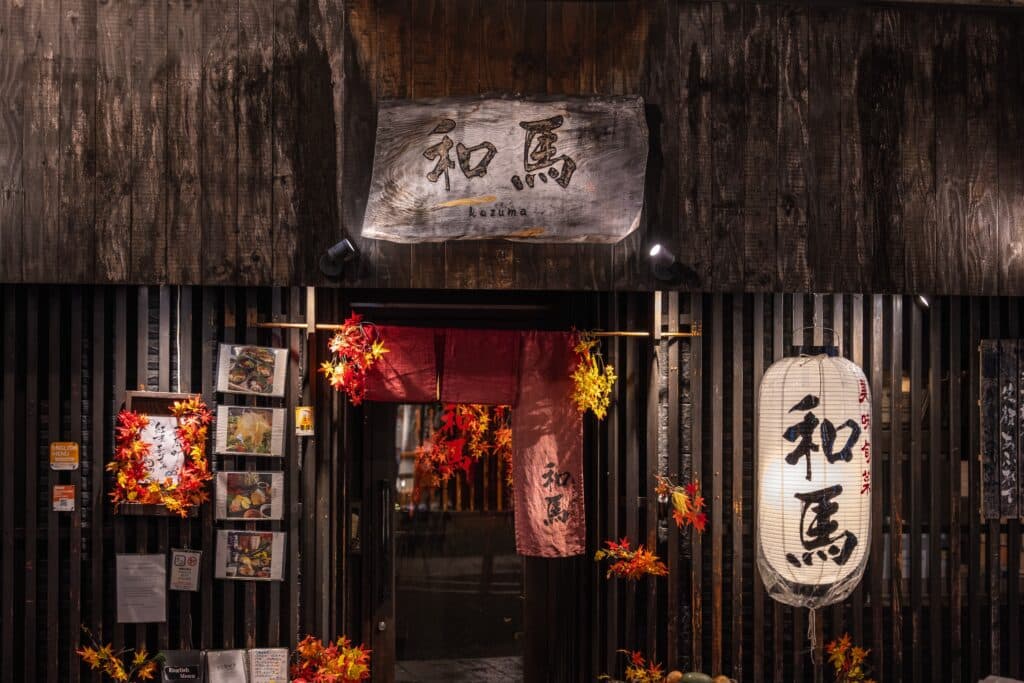
🦉 Travel Owl Insight
One thing many first-time visitors quickly discover is that Kyoto isn’t about seeing more—it’s about experiencing more. While the city’s iconic temples and shrines are well worth visiting, some of the most rewarding moments happen between them: wandering through the lantern-lit streets of Gion, discovering a quiet Zen garden, or enjoying a cup of matcha in a traditional teahouse. Leaving a little flexibility in your itinerary often creates a far more memorable trip than trying to check every famous attraction off your list.
One thing many first-time visitors quickly discover is that Kyoto isn’t a city where the most memorable moments happen inside its famous attractions—they happen in the quiet streets, hidden temples, peaceful gardens, and traditional teahouses you find along the way.
Interactive Kyoto Decision Map
Planning Kyoto is easier when you can see everything on a map. This interactive map highlights the attractions we recommend skipping, the places that are absolutely worth your time, and several quieter alternatives that often provide a more authentic experience.
Use the different map layers to build an itinerary that matches your travel style. Whether you’re visiting Kyoto for one day or several, the map helps you spend less time in crowds and more time enjoying the city’s temples, traditional neighborhoods, and hidden gems.
Every traveler experiences Kyoto differently, but one lesson remains the same: the best itinerary isn’t the one with the most attractions—it’s the one that leaves enough time to enjoy them. Use this map as a flexible guide, mix famous landmarks with quieter neighborhoods, and don’t be afraid to slow down along the way.
🦉 Travel Owl Time Optimizer
How We Decide What You Can Skip in Kyoto
Every traveler has different interests, budgets, and priorities. Instead of simply calling attractions “overrated” or “must-see,” we evaluate each place using the Travel Owl Time Optimizer. This framework helps first-time visitors spend less time on attractions that may not match their travel style while highlighting the experiences that make Kyoto truly unforgettable. In many cases, the best decision isn’t to skip an attraction—it’s simply to visit it at the right time.
Each attraction is rated using the four Travel Owl decision factors below.
Recommendation
🔴 Safe to Skip
🟡 Visit at the Right Time / Depends
🟢 Definitely Don’t Skip
Time Optimization Score
A score from 1% to 100% showing how much skipping an attraction is likely to improve a typical first-time Kyoto itinerary.
Higher score = easier to skip
Lower score = strongly recommended
Time Saved / Investment
Shows how much time you’ll typically save by skipping an attraction—or how much time you should plan to spend at our recommended highlights.
Crowd Level
Indicates how busy an attraction usually feels, helping you decide whether the experience matches your travel style.
💡 The Goal of This Guide
Our goal isn’t to convince you to skip Kyoto’s famous attractions. Instead, we want to help you make smarter choices based on your interests, your itinerary, and the time you have available. If an attraction receives a high Time Optimization Score, you’ll probably gain more by spending those hours elsewhere. If it receives a low score, it’s an experience we believe almost every first-time visitor should include. And for many of Kyoto’s most famous sights, the secret isn’t skipping them—it’s simply visiting when they’re at their very best.
What Can You Skip in Kyoto? Attraction-by-Attraction Guide
Not every famous attraction in Kyoto deserves a place on every itinerary. This attraction-by-attraction guide helps you decide which sights are truly worth your time, which you can confidently skip, and where you’ll often find a more authentic Kyoto experience instead.
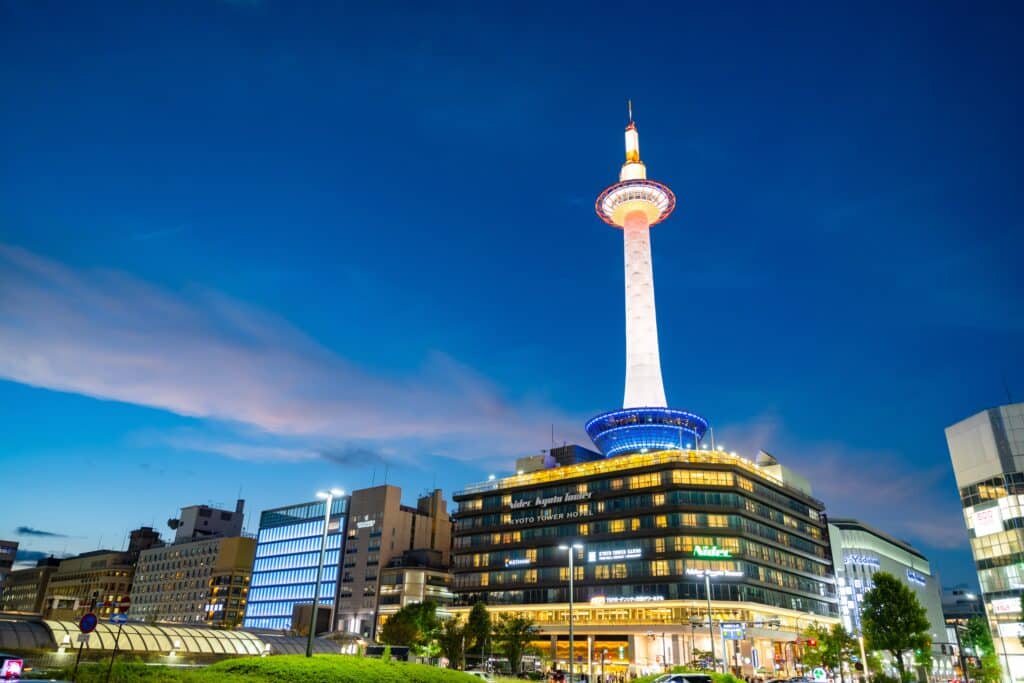
🗼 Kyoto Tower
Best for: Observation deck enthusiasts, architecture lovers, and travelers staying near Kyoto Station.
⭐ Why People Go
Kyoto Tower is the city’s tallest structure and one of its most recognizable landmarks. Many visitors head to the observation deck for panoramic views across Kyoto, especially because it’s conveniently located opposite Kyoto Station and easy to fit into any itinerary.
❌ Why You Can Skip It
Unlike Tokyo or Osaka, Kyoto isn’t a city defined by its skyline. Most of its charm lies at street level—in historic temples, traditional neighborhoods, peaceful gardens, and centuries-old wooden streets. While the observation deck offers pleasant views, many travelers find it less memorable than the city’s cultural attractions.
If you’re visiting Kyoto for only one or two days, the time and admission fee are usually better spent exploring the places that make Kyoto unique rather than looking at them from above.
💚 Spend Your Time Here Instead
Visit Kiyomizu-dera for spectacular views over Kyoto framed by historic temples and traditional rooftops, or head to Shogunzuka Seiryuden, one of the city’s best viewpoints with far fewer crowds. Both provide a much stronger sense of Kyoto than the observation deck at Kyoto Tower.
👍 Visit Kyoto Tower If…
- It’s your first visit and you enjoy observation decks.
- You’re staying near Kyoto Station and have extra time.
- You want to see Kyoto illuminated after sunset.
- You’ve already visited Kyoto’s major temples and historic districts.
🦉 Travel Owl Scorecard
Kyoto Tower isn’t a bad attraction—it simply isn’t one of the city’s most rewarding experiences if your time is limited. Kyoto’s greatest beauty is found among its temples, gardens, and historic streets rather than from its skyline. We’d recommend spending your valuable sightseeing time exploring those instead.
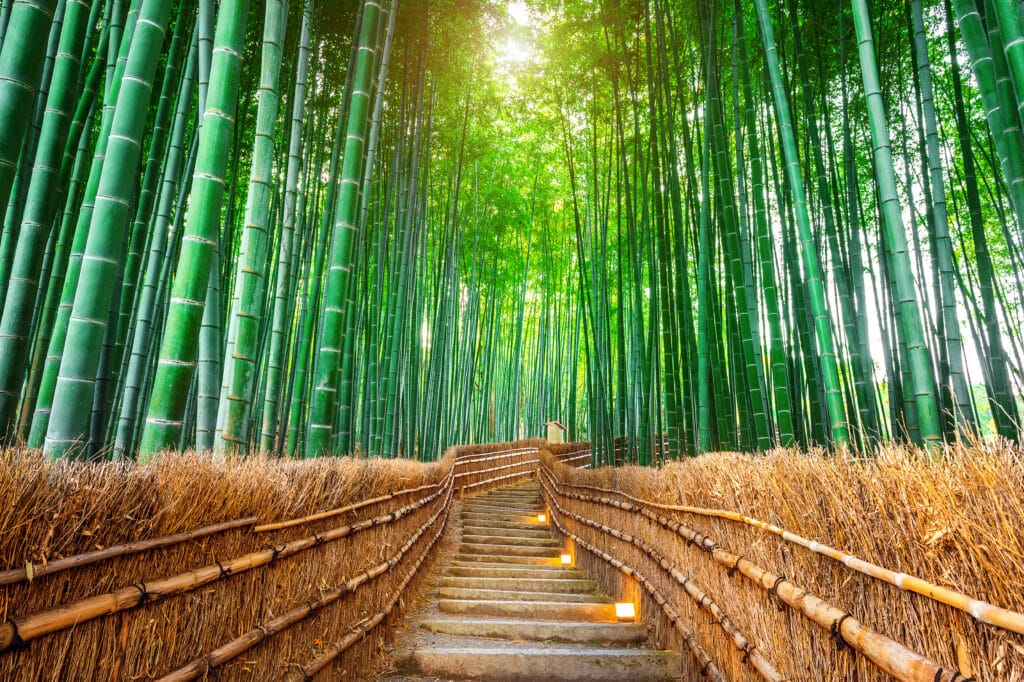
🎋 Arashiyama Bamboo Grove
Best for: First-time visitors, photographers, nature lovers, and anyone exploring western Kyoto.
⭐ Why People Go
The Arashiyama Bamboo Grove is one of Kyoto’s most iconic sights. Walking beneath the towering bamboo stalks creates a unique atmosphere that has become famous around the world, making it a must-see for many first-time visitors.
⚠️ Why It Can Be Disappointing
The bamboo grove itself is much shorter than many travelers expect, and during the middle of the day it becomes extremely crowded. Instead of enjoying a peaceful walk through nature, you may find yourself moving slowly through large groups of tourists while waiting for a chance to take a photo.
Many visitors leave feeling underwhelmed—not because the bamboo grove isn’t beautiful, but because they visited at the busiest time of day.
💚 Experience It Like This Instead
Visit the Bamboo Grove before 8:00 AM, when the paths are much quieter and the soft morning light creates a completely different atmosphere. Afterward, continue to Okochi Sanso Garden, a beautiful hillside garden that many visitors overlook, or explore the peaceful temples and riverside paths around Arashiyama.
👍 Don’t Skip It If…
- It’s your first visit to Kyoto.
- You can arrive early in the morning.
- You enjoy photography.
- You’re already spending several hours exploring Arashiyama.
🦉 Travel Owl Scorecard
The Arashiyama Bamboo Grove absolutely deserves its place on most Kyoto itineraries—but timing is everything. Visit early, combine it with nearby attractions, and you’ll understand why it’s so famous. Visit at midday, and you may wonder what all the hype was about.
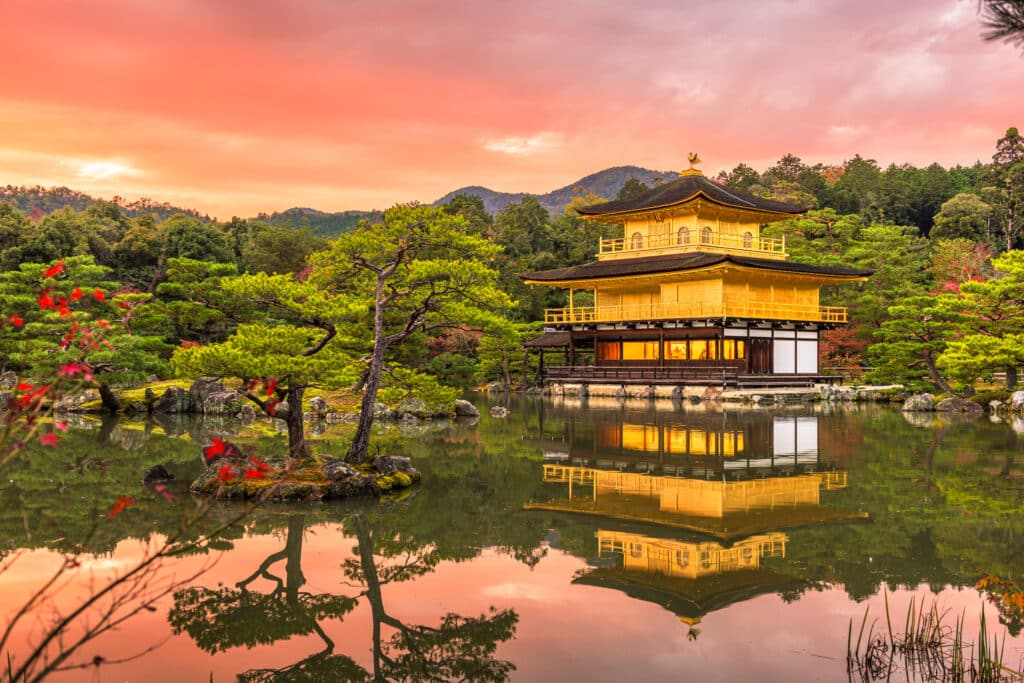
🏯 Kinkaku-ji (Golden Pavilion)
Best for: First-time visitors, photographers, and anyone interested in Kyoto’s most iconic landmarks.
⭐ Why People Go
Covered in brilliant gold leaf and beautifully reflected in the surrounding pond, Kinkaku-ji is one of Japan’s most photographed temples. Its striking appearance has made it a symbol of Kyoto and one of the country’s most famous cultural landmarks.
⚠️ Why Some Visitors Leave Disappointed
While the pavilion is undeniably beautiful, you can only admire it from designated viewpoints along a one-way walking route. Visitors are not allowed inside the building, and the most popular photo spots are often crowded throughout the day.
Many travelers expect to spend an hour exploring the temple, but most complete the visit in around 30 to 45 minutes. If your schedule is tight, there are other temples that offer a more peaceful and immersive experience.
💚 Spend Your Time Here Instead
If you prefer quiet gardens and temples you can explore at your own pace, consider visiting Ginkaku-ji, Nanzen-ji, or Eikando Temple. These sites offer beautiful architecture, scenic gardens, and a more relaxed atmosphere with fewer tour groups.
👍 Don’t Skip It If…
- It’s your first visit to Kyoto.
- Seeing Japan’s most famous golden temple is on your bucket list.
- You enjoy photography.
- You arrive early in the morning or shortly before closing time.
🦉 Travel Owl Scorecard
Kinkaku-ji deserves its worldwide reputation, but it’s best enjoyed with realistic expectations. Don’t expect a long temple visit or a quiet experience. Instead, admire its spectacular beauty, take your photos, and then spend the rest of your day exploring Kyoto’s less crowded temples and historic neighborhoods.
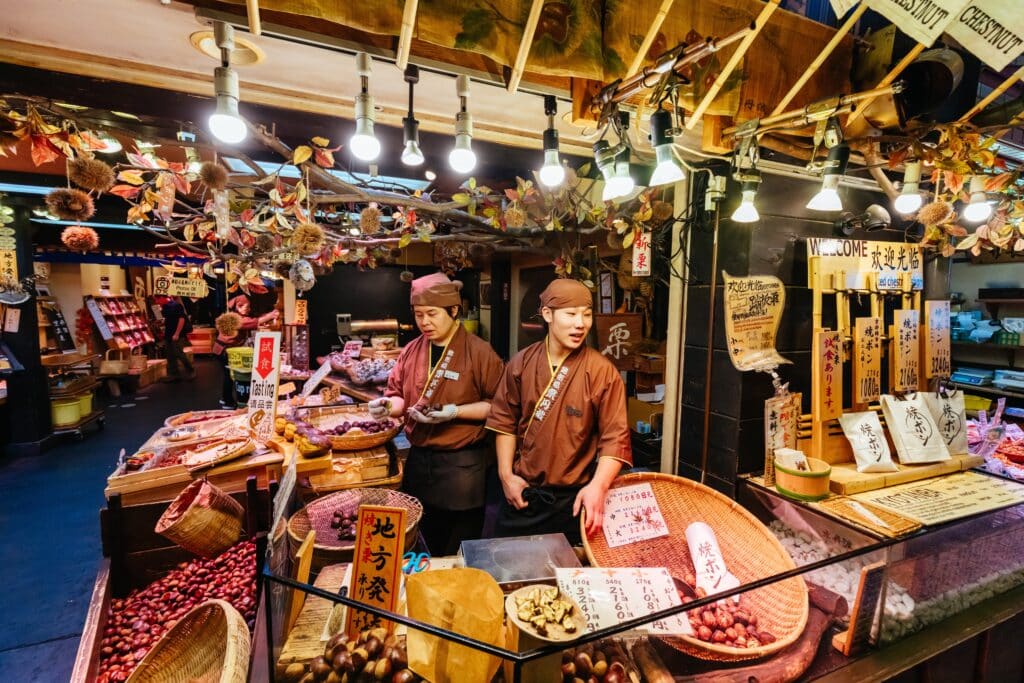
🍢 Nishiki Market
Best for: Food lovers, first-time visitors, and anyone wanting to sample Kyoto’s local specialties.
⭐ Why People Go
Known as “Kyoto’s Kitchen,” Nishiki Market is a lively covered shopping street filled with food stalls, family-run shops, and local specialties. Visitors come to try everything from matcha sweets and grilled seafood to traditional Japanese snacks while soaking up the market atmosphere.
❌ Why You Can Skip It
Although the market is fun to explore, it has become one of Kyoto’s busiest tourist attractions. Around lunchtime and on weekends, the narrow walkway can become extremely crowded, making it difficult to browse or enjoy the food at a relaxed pace.
Prices are often higher than at local markets, and many of the stalls sell similar products. If your goal is simply to experience Kyoto’s excellent food culture, you’ll often have a better meal in a neighborhood restaurant or traditional izakaya.
💚 Spend Your Time Here Instead
Explore the charming streets of Pontocho or Gion, where you’ll find traditional restaurants, tea houses, and local cafés. For a more authentic shopping experience, wander through nearby shopping arcades or visit Kyoto’s quieter neighborhood markets instead.
👍 Don’t Skip It If…
- You love trying different Japanese street foods.
- You visit early in the morning before the largest crowds arrive.
- It’s your first visit to Kyoto.
- You only plan to spend 30–45 minutes exploring.
🦉 Travel Owl Scorecard
Nishiki Market is enjoyable, but it isn’t essential. If you’re short on time, you’ll probably remember a peaceful meal in a traditional Kyoto restaurant far more than squeezing through crowded market aisles. We recommend visiting only if you genuinely enjoy food markets or have extra time in your itinerary.
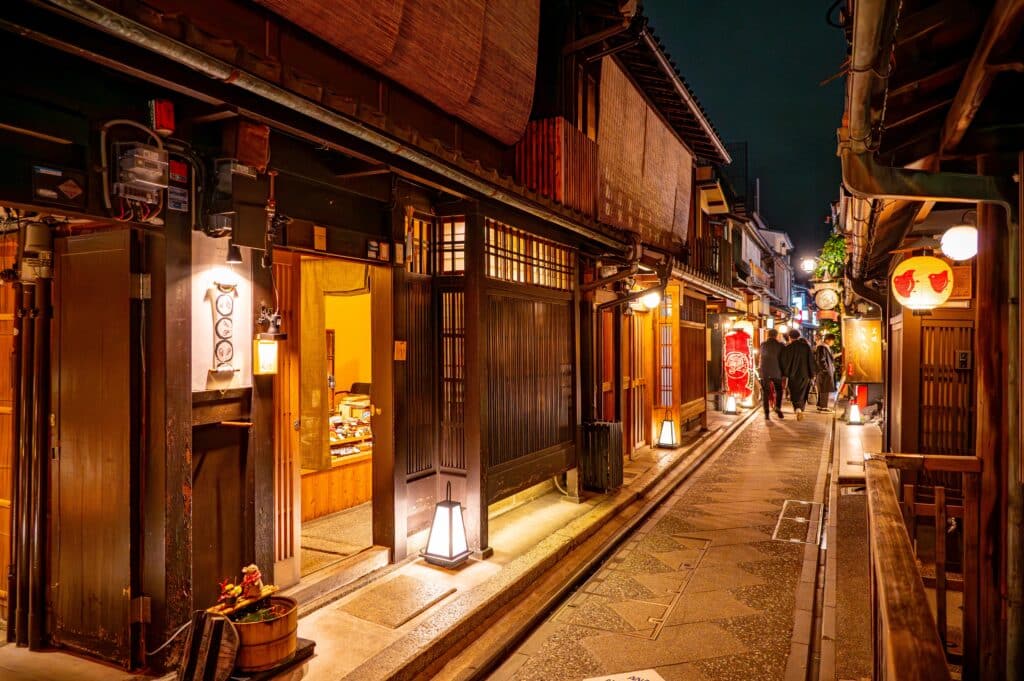
🏮 Gion
Best for: Traditional Kyoto, photography, culture lovers, and first-time visitors.
⭐ Why People Go
Gion is Kyoto’s most famous geisha district and one of Japan’s best-preserved historic neighborhoods. Wooden machiya townhouses, narrow stone streets, lantern-lit restaurants, and centuries-old tea houses create the atmosphere many travelers imagine when they think of Kyoto.
✅ Why It’s Absolutely Worth Visiting
Unlike many famous attractions, Gion isn’t just a single landmark—it’s an entire neighborhood filled with history and atmosphere. Simply wandering its streets is an experience in itself, especially around Hanamikoji Street, Shirakawa Canal, and the small alleys branching off the main roads.
Many visitors hope to spot a geiko or maiko on their way to an evening appointment. While this occasionally happens, it’s important to remember they are working professionals and should always be treated respectfully.
💚 Experience It Like a Local
Visit early in the morning for peaceful streets and beautiful photographs without the crowds, or return after sunset when traditional lanterns illuminate the district. Combining Gion with nearby Yasaka Shrine, Ninenzaka, and Kiyomizu-dera creates one of Kyoto’s most rewarding walking routes.
⚠️ Avoid These Mistakes
- Don’t expect to see geishas everywhere.
- Never block or follow geiko or maiko for photos.
- Avoid visiting only during the busiest afternoon hours.
- Take time to explore the quieter side streets instead of only Hanamikoji.
🦉 Travel Owl Scorecard
If we had to recommend only one neighborhood that captures the spirit of Kyoto, it would be Gion. The district combines history, traditional architecture, culture, and atmosphere in a way that few places in Japan can match. Visit at the right time, slow down, and simply enjoy wandering—you’ll likely create some of your favorite memories of Kyoto here.
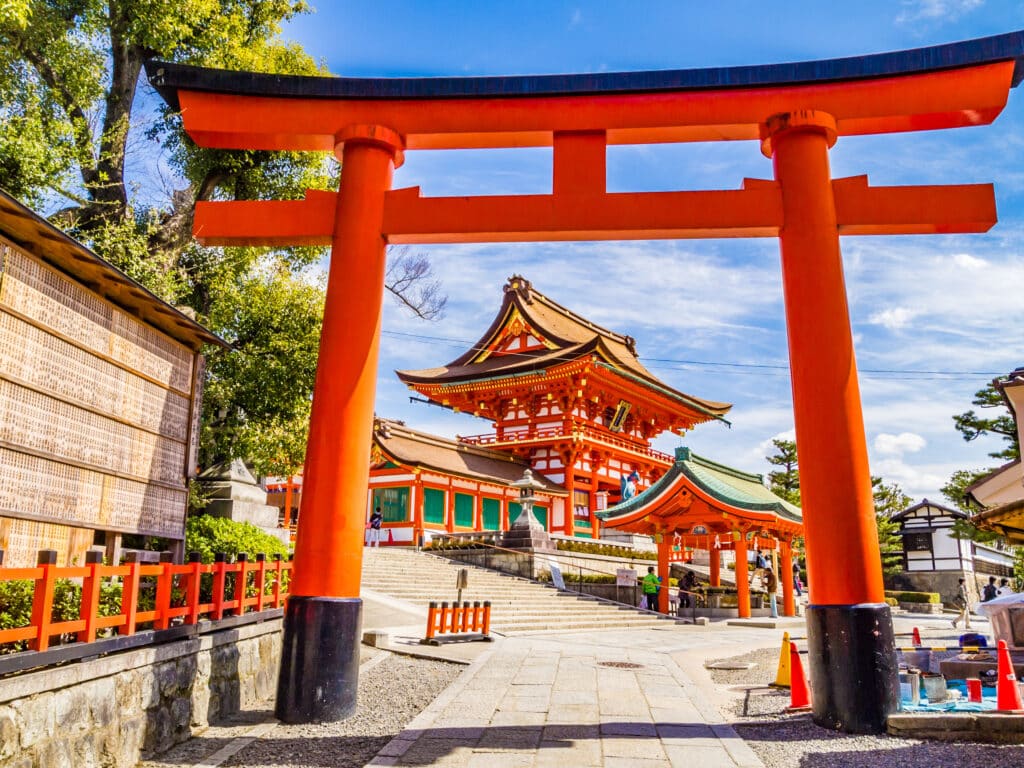
⛩️ Fushimi Inari Taisha
Best for: First-time visitors, photographers, hikers, and anyone wanting to experience one of Japan’s most iconic shrines.
⭐ Why People Go
Fushimi Inari Taisha is one of Japan’s most famous landmarks, renowned for its thousands of vibrant red torii gates winding through the forested slopes of Mount Inari. The shrine is open 24 hours a day and offers one of the most memorable walking experiences in all of Kyoto.
✅ Why It’s Absolutely Worth Visiting
Some travelers consider skipping Fushimi Inari because of its popularity, but that would be a mistake. Once you leave the lower section behind, the crowds quickly thin out, revealing peaceful forest paths, smaller shrines, and beautiful viewpoints that many visitors never reach.
The further you walk, the quieter the experience becomes. Even if you don’t complete the entire hike, spending an hour exploring beyond the busiest area is well worth your time.
💚 Experience It Like a Local
Arrive before 8:00 AM or visit in the late afternoon or evening when the atmosphere is far more peaceful. Instead of turning back after the famous lower torii tunnel, continue uphill to discover quieter sections that many tour groups never visit.
⚠️ Avoid These Mistakes
- Don’t stop after the first torii gates.
- Allow at least 1.5 to 2 hours for your visit.
- Bring comfortable walking shoes—the route includes many stairs.
- Visit early in the morning if you want the best photographs.
🦉 Travel Owl Scorecard
Fushimi Inari isn’t overrated—it’s simply misunderstood. Most visitors experience only the crowded entrance before leaving. Continue climbing, and you’ll discover why this shrine remains one of Japan’s most unforgettable places. It’s a Kyoto highlight that deserves a place on almost every itinerary.
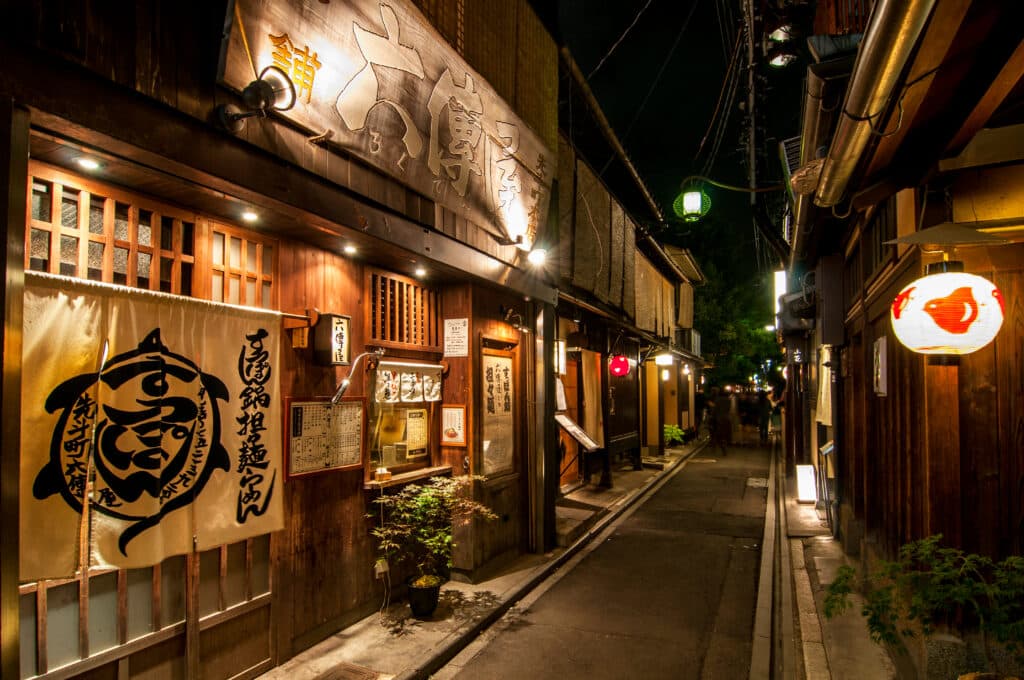
🏮 Pontocho Alley
Best for: Couples, food lovers, photographers, and anyone looking for Kyoto’s traditional evening atmosphere.
⭐ Why People Go
Pontocho is one of Kyoto’s most famous dining districts, known for its narrow lantern-lit alley lined with traditional wooden buildings, intimate restaurants, and centuries of history. It’s often considered one of the most atmospheric streets in all of Japan.
⚠️ Why Some Visitors Leave Disappointed
Many travelers visit Pontocho during the afternoon, expecting a lively atmosphere. Instead, they often find a quiet alley with closed restaurant doors and very little activity. While the street is still attractive, it doesn’t showcase the charm that has made it famous.
The biggest mistake isn’t visiting Pontocho—it’s visiting at the wrong time.
💚 Experience It Like a Local
Visit after sunset, when lanterns illuminate the alley and restaurants begin welcoming guests. If your budget allows, enjoy dinner here before taking an evening walk along the nearby Kamogawa River. For one of Kyoto’s best walks, combine Pontocho with Gion and Yasaka Shrine.
👍 Don’t Skip It If…
- You enjoy traditional Japanese streets.
- You’re looking for a romantic evening atmosphere.
- You want to experience Kyoto after dark.
- You plan to have dinner in the area.
🦉 Travel Owl Scorecard
Pontocho isn’t an attraction to tick off during the day—it’s a place to slow down and enjoy in the evening. Once the lanterns glow and restaurants come alive, it’s easy to understand why this historic alley is one of Kyoto’s most memorable places.
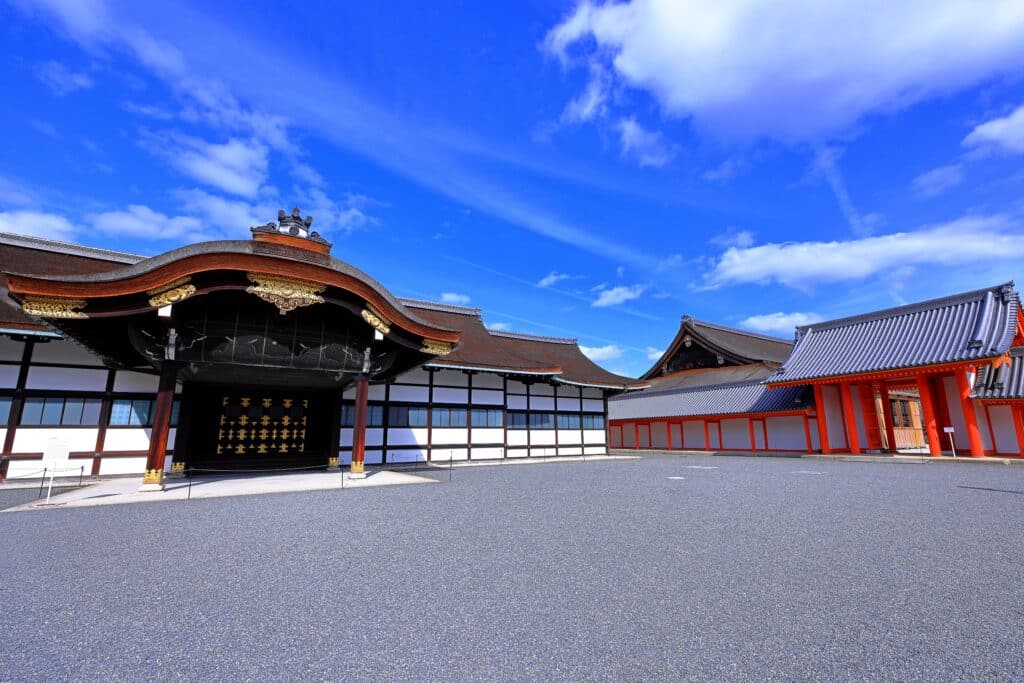
👑 Kyoto Imperial Palace
Best for: Japanese history enthusiasts, architecture lovers, and repeat visitors to Kyoto.
⭐ Why People Go
For more than 500 years, the Kyoto Imperial Palace served as the residence of Japan’s emperors before the capital moved to Tokyo in 1868. Surrounded by the spacious Kyoto Gyoen National Garden, the palace offers a glimpse into Japan’s imperial history and traditional architecture.
❌ Why You Can Skip It
Although the palace is historically important, many first-time visitors find it less impressive than Kyoto’s famous temples and shrines. Most of the buildings can only be viewed from the outside, and the architecture is intentionally understated rather than lavish.
If you only have one or two days in Kyoto, attractions such as Kiyomizu-dera, Fushimi Inari, Gion, or Kinkaku-ji usually provide a far more memorable experience.
💚 Spend Your Time Here Instead
Explore the charming streets of Higashiyama, visit Kiyomizu-dera, or enjoy the peaceful grounds of Nanzen-ji. These places combine history, architecture, and atmosphere while offering a stronger sense of what makes Kyoto so special.
👍 Don’t Skip It If…
- You’re fascinated by Japanese imperial history.
- You’ve already visited Kyoto’s major temples.
- You enjoy peaceful parks and less crowded attractions.
- You’re spending four or more days in Kyoto.
🦉 Travel Owl Scorecard
The Kyoto Imperial Palace is an interesting historical site, but it rarely becomes the highlight of a first visit to Kyoto. Unless you’re particularly interested in Japan’s imperial family or historical architecture, your limited sightseeing time is usually better spent exploring Kyoto’s world-famous temples, traditional neighborhoods, and scenic gardens.
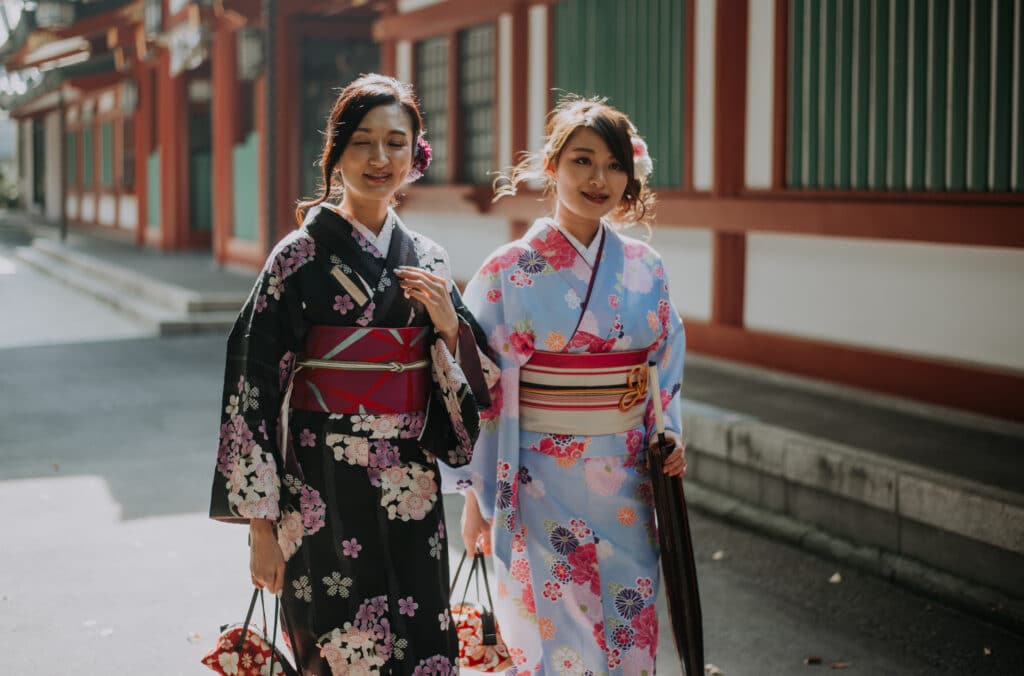
👘 Kimono Rental
Best for: Couples, photographers, families, and travelers looking for a memorable cultural experience.
⭐ Why People Do It
Walking through Kyoto in a traditional kimono is one of the city’s most popular experiences. Historic districts such as Higashiyama, Gion, and Ninenzaka provide a beautiful backdrop, making kimono rental especially popular for photography and special occasions.
⚠️ Why It Isn’t for Everyone
Renting a kimono usually takes time, from selecting your outfit to getting dressed and returning it later in the day. Depending on the package, the experience can also be relatively expensive, especially for couples or families.
If your itinerary is already packed with sightseeing, spending several hours on a kimono rental may mean skipping attractions you’d rather see. Some travelers also find walking long distances in traditional footwear less comfortable than expected.
💚 Our Recommendation
If you’ve always dreamed of wearing a kimono in Japan, go for it—it can become one of the highlights of your trip. However, if you’re mainly interested because “everyone else is doing it,” you’re better off spending the extra time exploring Kyoto’s temples, gardens, and traditional streets at your own pace.
👍 Definitely Rent a Kimono If…
- You enjoy photography.
- You’re celebrating a honeymoon, anniversary, or special occasion.
- You have at least two full days in Kyoto.
- You want to fully embrace the traditional atmosphere.
🦉 Travel Owl Scorecard
Kimono rental isn’t something you should automatically include—or automatically skip. It depends entirely on your travel style. For some visitors, it’s one of the most memorable experiences in Kyoto. For others, it’s time that could be better spent discovering more of the city itself.
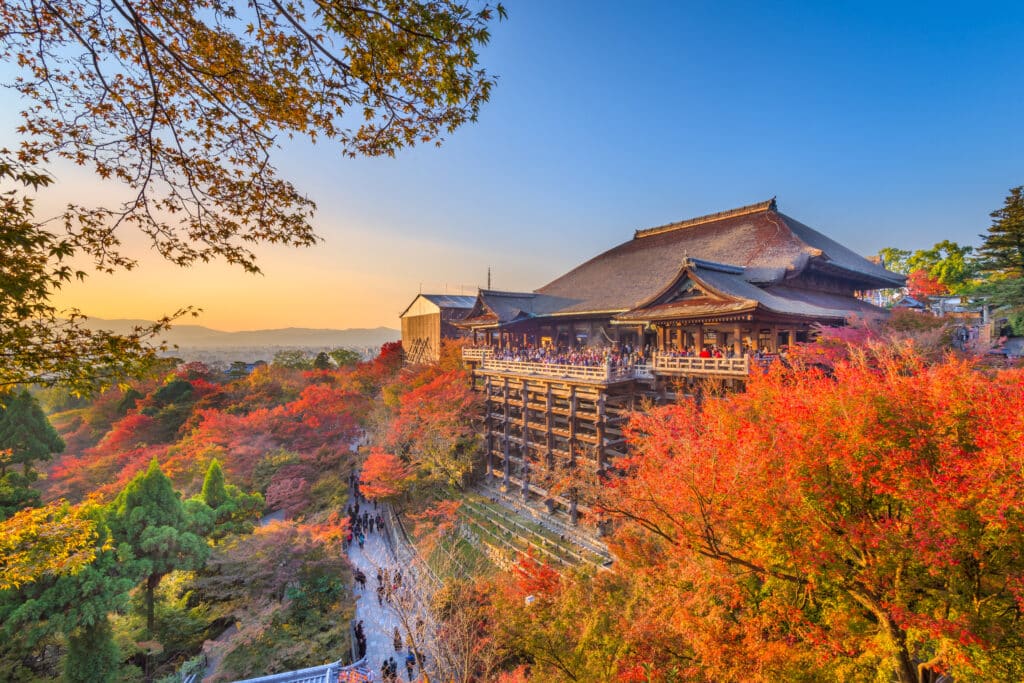
🏯 Kiyomizu-dera
Best for: First-time visitors, photographers, history lovers, and anyone wanting to experience Kyoto at its finest.
⭐ Why People Go
Perched on the hills of eastern Kyoto, Kiyomizu-dera is one of Japan’s most celebrated temples and a UNESCO World Heritage Site. The famous wooden stage offers breathtaking views across Kyoto, while the surrounding streets of Higashiyama create one of the country’s most beautiful historic districts.
✅ Why It’s Absolutely Worth Visiting
Unlike some attractions that are famous mainly because of social media, Kiyomizu-dera consistently lives up to its reputation. The temple itself is spectacular, but the real experience includes wandering through the charming streets of Ninenzaka, Sannenzaka, traditional tea houses, souvenir shops, and nearby temples.
Even if the temple is busy, the surrounding neighborhood offers countless opportunities to slow down and discover quieter corners full of Kyoto’s historic charm.
💚 Experience It Like a Local
Arrive before 8:00 AM for a peaceful visit and beautiful morning light, or come back in the evening when many day-trippers have already left. Take your time exploring Higashiyama instead of rushing directly to the temple—you’ll discover hidden cafés, small shrines, and traditional streets that many visitors overlook.
👍 Don’t Skip It If…
- It’s your first trip to Kyoto.
- You enjoy historic temples and traditional architecture.
- You love photography.
- You want one of Kyoto’s most iconic experiences.
🦉 Travel Owl Scorecard
If there’s one attraction in Kyoto that almost every traveler should experience, it’s Kiyomizu-dera. The temple, panoramic views, and surrounding historic streets perfectly capture the atmosphere that makes Kyoto one of the world’s most beautiful cities. Simply visit early, slow your pace, and enjoy everything the neighborhood has to offer.
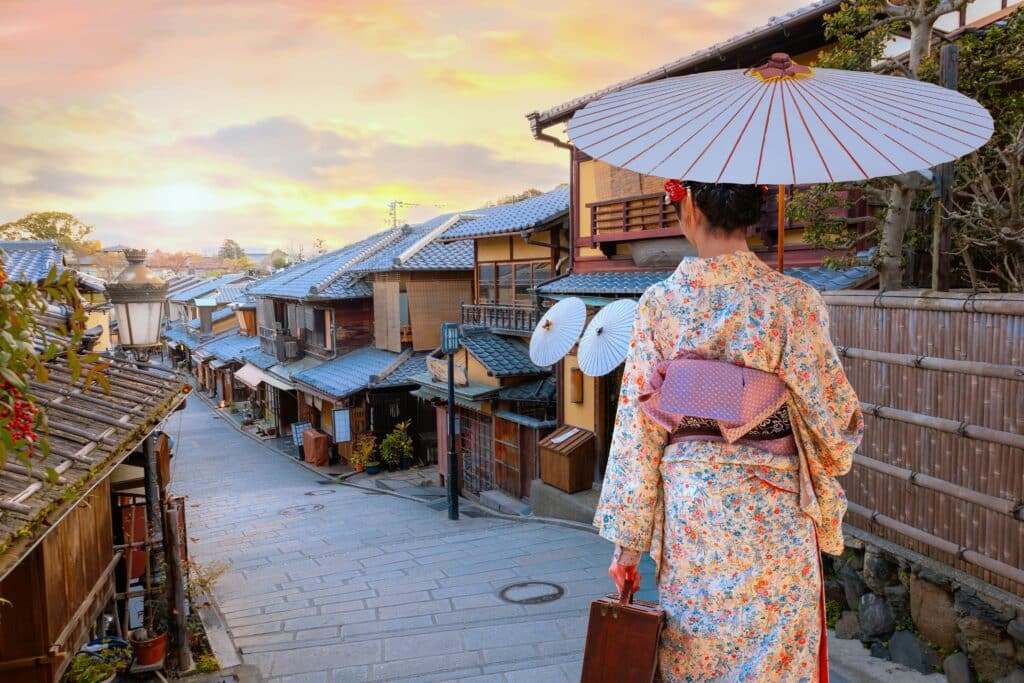
🏮 Higashiyama (Ninenzaka & Sannenzaka)
Best for: Everyone visiting Kyoto, photographers, food lovers, and travelers looking for the city’s most authentic atmosphere.
⭐ Why People Go
The stone-paved streets of Ninenzaka and Sannenzaka are among Kyoto’s most picturesque areas. Lined with beautifully preserved wooden buildings, traditional tea houses, small temples, craft shops, and local cafés, this neighborhood feels like stepping back into old Japan.
✅ Why It’s One of Kyoto’s Best Experiences
Many visitors treat Higashiyama simply as the path leading to Kiyomizu-dera. In reality, the neighborhood itself is one of Kyoto’s greatest attractions. Every side street reveals hidden cafés, peaceful temples, charming souvenir shops, and quiet corners that many tourists walk straight past.
Rather than rushing from one famous landmark to another, Higashiyama rewards travelers who slow down, wander without a plan, and allow themselves time to explore.
💚 Experience It Like a Local
Visit early in the morning before the tour groups arrive, or return in the evening when many of the streets become wonderfully peaceful. Don’t just stay on the main route—take the small side alleys, stop at a traditional café, and enjoy the slower pace that makes Kyoto so special.
👍 Don’t Skip It If…
- You want to experience traditional Kyoto.
- You enjoy walking without a strict itinerary.
- You love photography and historic architecture.
- You appreciate discovering small cafés and local shops.
🦉 Travel Owl Scorecard
If Tokyo impresses with its skyline and Osaka with its energy, Higashiyama captures the timeless soul of Kyoto. It’s the perfect reminder that the city’s greatest memories often come from wandering beautiful streets rather than rushing between famous attractions. Slow down, explore at your own pace, and you’ll discover why this neighborhood is one of Kyoto’s true highlights.
How Much Time Can You Save by Skipping Certain Attractions?
⏱️ Kyoto Time Savings Calculator
Kyoto isn’t a city to rush through. By skipping attractions that don’t match your interests—or simply visiting famous sights at the right time—you can free up valuable hours for peaceful temples, traditional neighborhoods, and unforgettable local experiences. The estimates below show approximately how much sightseeing time you could save.
| Attraction | Recommendation | Time Saved |
|---|---|---|
| 🗼 Kyoto Tower | 🔴 Safe to Skip | 1 hr |
| 🍢 Nishiki Market | 🔴 Safe to Skip | 1–2 hrs |
| 👑 Kyoto Imperial Palace | 🔴 Safe to Skip | 1–2 hrs |
| 🎋 Arashiyama Bamboo Grove | 🟡 Visit Early | 1–2 hrs (avoiding queues) |
| 🏯 Kinkaku-ji | 🟡 Worth Visiting | 30–60 min |
| 🏮 Pontocho | 🟡 Visit After Sunset | No time saved Better experience |
| 👘 Kimono Rental | 🟡 Depends | 3–6 hrs |
| ⛩️ Fushimi Inari | 🟢 Don’t Skip | — |
| 🏯 Kiyomizu-dera | 🟢 Don’t Skip | — |
| 🏮 Higashiyama | 🟢 Don’t Skip | — |
| Maximum Potential Time Saved | — | 8–14 hrs |
🦉 Travel Owl Tip: Kyoto isn’t about seeing the most attractions—it’s about experiencing them well. Rather than trying to fit everything into your itinerary, skip the attractions that don’t match your interests, visit famous sights outside peak hours, and leave time to wander through Kyoto’s historic neighborhoods. Those unplanned moments often become the highlight of the trip.
Which Three Kyoto Attractions Would We Skip First?
🏆 If We Had to Skip Only Three…
If you’re visiting Kyoto for the first time and only have one to three days, you certainly don’t need to skip every attraction in this guide. Most of Kyoto’s famous sights deserve their reputation. However, if you need to free up valuable sightseeing time, these are the three places we’d remove first.
Kyoto Tower
While the observation deck offers pleasant views, Kyoto’s real beauty is found at street level. Spending that hour exploring Higashiyama, Gion, or Kiyomizu-dera will usually leave a much stronger impression.
Time Saved: About 1 hour
Nishiki Market
Although it’s fun to browse, the market is often extremely crowded and touristy. Unless you’re a dedicated foodie, you’ll usually enjoy a more memorable meal in one of Kyoto’s traditional restaurants or izakayas.
Time Saved: 1–2 hours
Kyoto Imperial Palace
The palace is historically fascinating, but most first-time visitors gain much more from Kyoto’s temples, gardens, and traditional neighborhoods. Unless you’re particularly interested in imperial history, it’s easy to leave this for another visit.
Time Saved: 1–2 hours
🦉 Travel Owl Final Recommendation
If skipping these three attractions gives you extra time to wander through Higashiyama, explore the streets of Gion, hike beyond the crowds at Fushimi Inari, or simply relax in one of Kyoto’s traditional cafés, we believe you’ll have a far more memorable experience. Kyoto isn’t a city to conquer—it’s a city to slow down and experience. The best memories often come from unplanned walks, quiet temples, and hidden corners rather than checking every famous attraction off your list.
Best Alternatives for Kyoto
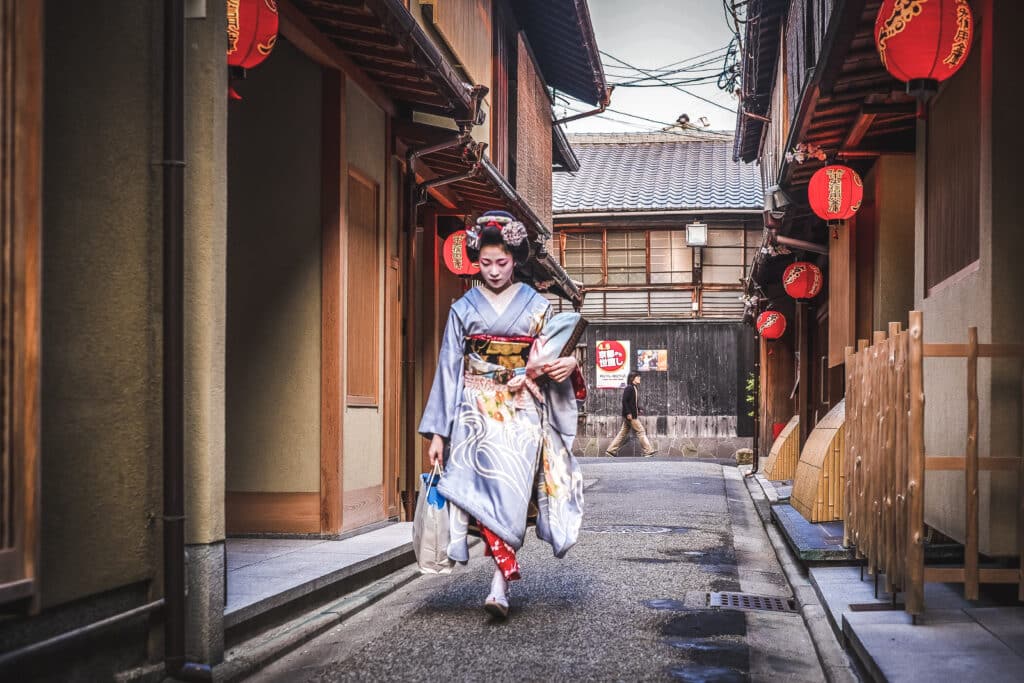
Best Alternatives at a Glance
Sometimes you don’t need to skip an attraction—you simply need a better alternative or a better time to visit. Here’s a quick overview of our top recommendations.
🗼 Instead of Kyoto Tower…
Visit: Kiyomizu-dera or Shogunzuka Seiryuden
Enjoy more memorable views while experiencing Kyoto’s historic atmosphere.
🎋 Instead of Midday at Arashiyama…
Visit: Before 8:00 AM
The same bamboo grove becomes peaceful, quieter, and far more photogenic.
🏯 Instead of Only Visiting Kinkaku-ji…
Add: Ginkaku-ji or Nanzen-ji
Experience beautiful temples with a calmer atmosphere and fewer tour groups.
🍢 Instead of Lunch at Nishiki Market…
Choose: A traditional Kyoto restaurant or izakaya
You’ll often enjoy better food, better value, and a more authentic experience.
🏮 Instead of Visiting Pontocho by Day…
Visit: After sunset
The lanterns, restaurants, and evening atmosphere completely transform the alley.
🚶 Instead of Rushing Between Attractions…
Spend More Time: Higashiyama
Slow down, explore the side streets, and enjoy the neighborhood that captures the true spirit of Kyoto.
Where Should You Spend That Extra Time instead?
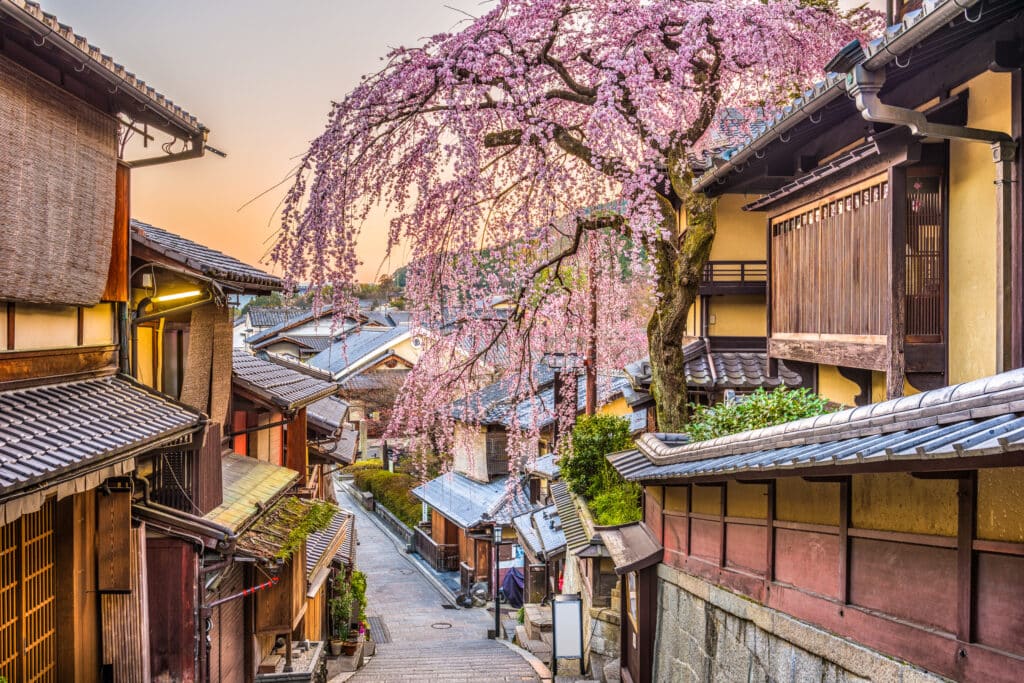
✨ Where Should You Spend That Extra Time?
Skipping a few attractions doesn’t mean seeing less of Kyoto—it means experiencing the city more deeply. Here are the places we’d recommend spending your extra time instead.
Wander Through Higashiyama
Instead of rushing between attractions, spend time exploring Ninenzaka, Sannenzaka, hidden temples, traditional cafés, and quiet side streets. This is where Kyoto truly comes alive.
Explore Higher Up at Fushimi Inari
Most visitors turn back after the famous torii gates. Continue climbing and you’ll discover peaceful forest trails, smaller shrines, and viewpoints that many tourists never reach.
Enjoy a Traditional Tea House
Rather than standing in long queues, relax with a cup of matcha and a traditional sweet in one of Kyoto’s historic tea houses. It’s one of the city’s most authentic experiences.
Visit a Peaceful Temple Garden
Temples such as Nanzen-ji, Eikando, or Ginkaku-ji offer beautiful gardens, quiet walking paths, and a much calmer atmosphere than Kyoto’s busiest attractions.
Walk Along the Kamogawa River
Join locals relaxing beside the river, especially in the late afternoon or evening. It’s one of Kyoto’s simplest but most enjoyable experiences.
Slow Down & Explore
Leave part of your itinerary unplanned. Some of Kyoto’s most memorable moments happen while wandering quiet streets, discovering small shrines, or stumbling upon a hidden garden.
🦉 Travel Owl Insight
The biggest mistake first-time visitors make isn’t skipping the wrong attraction—it’s trying to see too much. Kyoto rewards travelers who slow down, wander without constantly checking the clock, and allow time for unexpected discoveries. Those quiet, unplanned moments often become the memories you’ll cherish long after your trip.
How Should You Plan Your Kyoto Itinerary?
🗓️ Suggested Kyoto Itineraries Based on Your Time
Wondering how to spend your time in Kyoto after skipping a few lower-priority attractions? These suggested itineraries focus on the experiences that offer the greatest reward while helping you avoid unnecessary rushing.
1 Day in Kyoto
Focus on the absolute highlights.
- ⛩️ Fushimi Inari (early morning)
- 🏯 Kiyomizu-dera
- 🏮 Ninenzaka & Sannenzaka
- 🍵 Gion
- 🌅 Pontocho after sunset
Skip: Kyoto Tower and Kyoto Imperial Palace.
2 Days in Kyoto
See the highlights without feeling rushed.
- Day 1: Fushimi Inari, Higashiyama & Gion
- Day 2: Arashiyama, Kinkaku-ji & Pontocho
Optional: Nishiki Market if you’re interested in local food.
3 Days in Kyoto
Experience Kyoto at a slower pace.
- All major highlights
- 🌿 Nanzen-ji or Eikando
- 🚶 Philosopher’s Path
- 🍵 Traditional tea house
- 🏞️ Kamogawa River walk
You’ll have time to enjoy Kyoto instead of simply checking attractions off your list.
🦉 Travel Owl Recommendation
If there’s one piece of advice we’d give first-time visitors, it’s this: don’t try to see everything. Kyoto is best experienced at a slower pace. Visiting fewer attractions while allowing time to wander through historic neighborhoods, enjoy a traditional café, or relax in a quiet temple garden will almost always create more memorable experiences than rushing from one famous landmark to the next.
Final Thoughts
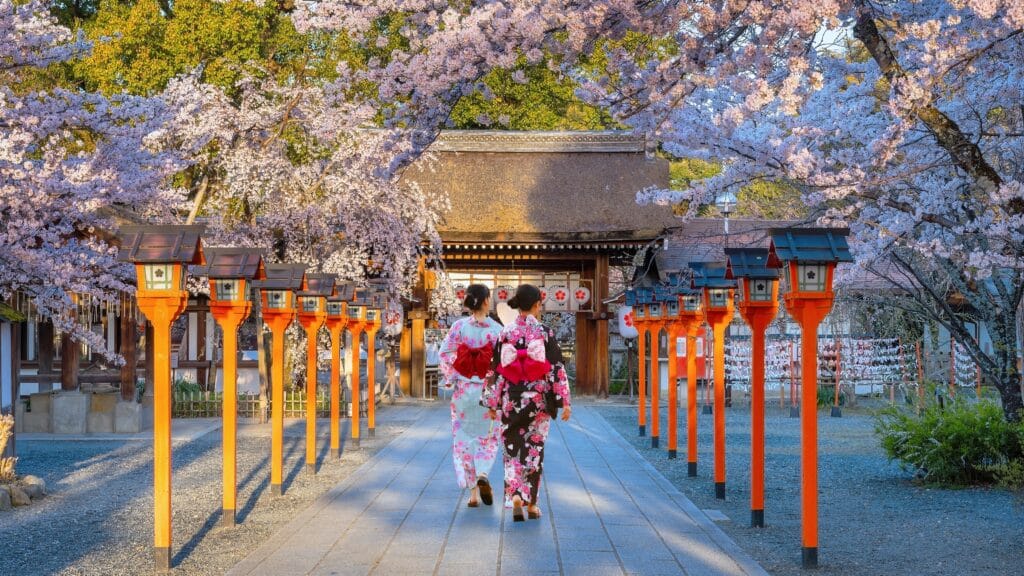
Kyoto is one of Japan’s most extraordinary destinations, but it’s also one of the easiest cities to experience the wrong way. Many first-time visitors feel pressured to squeeze every famous temple, shrine, and attraction into a limited itinerary, only to spend much of their trip rushing from one crowded landmark to the next.
The truth is that you don’t need to see everything to experience the best of Kyoto. In many cases, visiting fewer attractions—or simply choosing a better time to visit them—creates a far more rewarding journey. Some of the city’s most unforgettable moments happen while wandering through the historic streets of Higashiyama, discovering a quiet temple garden, or enjoying a peaceful cup of matcha in a traditional teahouse.
If this guide helps you skip a few lower-priority attractions and spend more time exploring Kyoto at a slower pace, then it has achieved its goal. After all, the best Kyoto itinerary isn’t the one with the longest checklist—it’s the one that leaves you with the memories you’ll still be talking about long after you’ve returned home.
The best Kyoto itinerary isn’t the one with the longest checklist—it’s the one that leaves you with the memories you’ll still be talking about long after you’ve returned home.
Frequently Asked Questions
Can you skip Kyoto Tower?
Yes. For most first-time visitors, Kyoto Tower isn’t essential. While the observation deck offers pleasant city views, Kyoto’s greatest beauty is found at street level in its temples, gardens, and historic neighborhoods. If you’re short on time, you’ll usually enjoy spending that hour elsewhere.
Is the Arashiyama Bamboo Grove overrated?
Not at all—but timing is everything. Most visitors who find the Bamboo Grove disappointing arrive during the busiest hours. Visit before 8:00 AM or later in the afternoon, and you’ll enjoy a much quieter and more atmospheric experience.
Should I skip Fushimi Inari because of the crowds?
No. Fushimi Inari is one of Kyoto’s most iconic attractions and absolutely worth visiting. Instead of turning back after the famous torii gates, continue walking higher up the mountain where the crowds quickly disappear and the atmosphere becomes much more peaceful.
Is Kinkaku-ji worth visiting?
Yes. The Golden Pavilion is one of Kyoto’s most beautiful landmarks and deserves a place on most first-time itineraries. Just remember that the visit is relatively short, the route is one-way, and it can become very crowded during the middle of the day.
Is Nishiki Market worth visiting?
It depends on your interests. If you enjoy food markets and sampling local specialties, Nishiki Market can be a fun stop. However, if your time is limited, many travelers will have a more memorable experience dining at a traditional Kyoto restaurant or exploring quieter neighborhoods instead.
What attractions should first-time visitors never skip in Kyoto?
For most travelers, Fushimi Inari Taisha, Kiyomizu-dera, Gion, and the historic streets of Higashiyama deserve a place on every first Kyoto itinerary. Together they showcase the temples, culture, history, and timeless atmosphere that make Kyoto so special.
How many days do I need in Kyoto?
Two to three days is ideal for most first-time visitors. This gives you enough time to experience Kyoto’s major attractions while also leaving room to explore traditional neighborhoods, relax in a tea house, and discover quieter temples away from the busiest crowds.
Is it better to visit fewer attractions in Kyoto?
In almost every case, yes. Kyoto rewards slow travel more than almost any other city in Japan. Instead of rushing from one famous landmark to the next, allow time to wander through historic streets, enjoy peaceful temple gardens, and discover hidden cafés. Those quieter moments often become the highlights of the trip.