
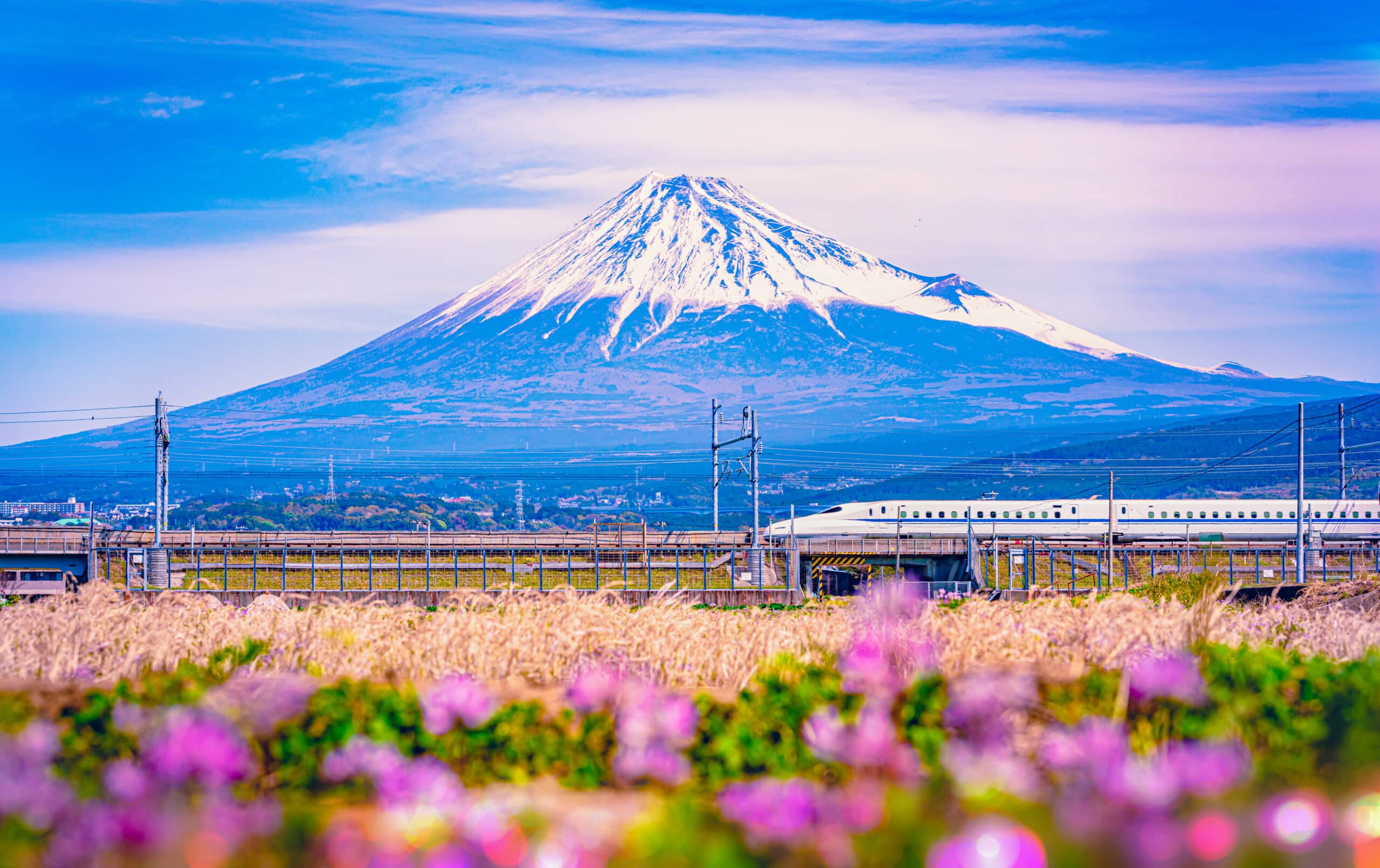
For decades, the classic Tokyo–Kyoto–Osaka route has been the default answer to one of the biggest questions facing first-time visitors: Where should I go on my first trip to Japan?
It is easy to understand why. Tokyo gives you the scale, energy, food, and neighborhoods of modern Japan. Kyoto delivers temples, shrines, gardens, and historic streets. Osaka adds a more casual atmosphere, famous street food, nightlife, and an excellent base for exploring the Kansai region.
But Japan has become easier to explore far beyond these three cities. Places such as Kanazawa, Takayama, Hiroshima, the Japanese Alps, Kyushu, and Hokkaido are increasingly appearing in first-time itineraries. At the same time, some of the Golden Route’s most famous sights can now be extremely crowded.
So the real question is no longer whether Tokyo, Kyoto, and Osaka are worth visiting. They are. The more useful question is whether combining all three is still the smartest use of your limited time in Japan.
This guide will help you make that decision. We will look at how much time the Golden Route really needs, which city deserves the most days, what you should add or leave out, and when an alternative route may give you a better first experience of Japan.
Is the Japan Golden Route Still Worth It?
Yes — for most first-time visitors, Tokyo, Kyoto, and Osaka still form one of the best introductions to Japan. The route combines modern city life, traditional culture, outstanding food, and easy transportation without requiring complicated planning.
The Golden Route works particularly well if you have 10 to 14 days. With only a week, however, trying to give all three cities enough time can make the trip feel rushed. In that case, Tokyo and Kyoto are usually the stronger priorities, while Osaka can be shortened, visited as a day trip, or saved for another journey.
Travel Owl Verdict: The Golden Route is not outdated or overrated. The bigger problem is that many travelers overload it. Give Tokyo and Kyoto enough time, be selective about additional stops, and it remains an excellent first trip to Japan.
Table of Contents
What Is Japan’s Golden Route?

Japan’s Golden Route is the classic first-time itinerary connecting Tokyo, Kyoto, and Osaka. It takes travelers through three of Japan’s most famous destinations while following one of the country’s easiest long-distance travel corridors.
There is no single official Golden Route itinerary. Some travelers visit only the three main cities, while others add places such as Hakone, Mount Fuji, Nara, Himeji, Hiroshima, or Miyajima depending on how much time they have.
Modern Japan — huge neighborhoods, food, shopping, nightlife, museums, and endless choices.
Traditional Japan — temples, shrines, gardens, historic districts, and centuries of cultural heritage.
Casual urban Japan — street food, nightlife, shopping, entertainment, and an excellent Kansai base.
What About Hakone, Nara, and Hiroshima?
These destinations are often described as part of the Golden Route too, but it is more useful to think of them as optional extensions. Hakone can add an onsen or ryokan experience between Tokyo and Kyoto, Nara is an easy day trip from Kyoto or Osaka, while Hiroshima and Miyajima make more sense when you have enough time to continue farther west.
For planning purposes, the important point is simple: Tokyo, Kyoto, and Osaka form the core. Everything else should earn its place based on your interests and available time. Adding more stops does not automatically make the Golden Route better.
Why the Golden Route Works So Well for First-Time Visitors
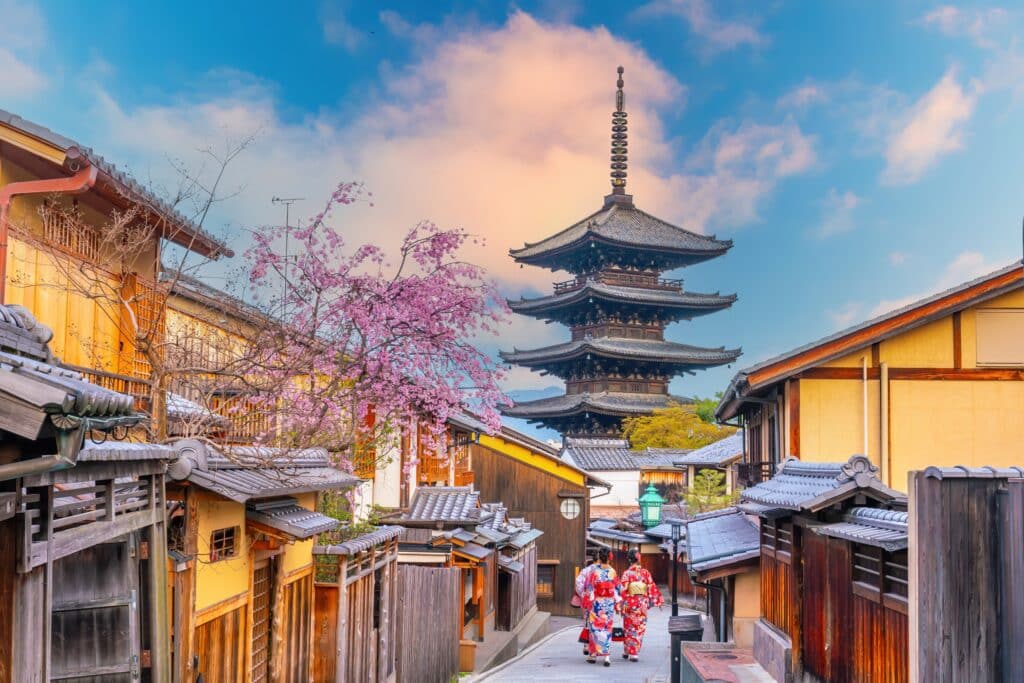
The Golden Route is popular for a good reason: it gives first-time visitors an unusually broad experience of Japan without making the trip difficult to organize. Tokyo, Kyoto, and Osaka feel distinctly different, yet traveling between them is fast and straightforward.
Three Very Different Sides of Japan
Tokyo delivers modern urban Japan, Kyoto provides the strongest concentration of traditional sights, and Osaka adds food, nightlife, and a more relaxed big-city atmosphere.
Easy Long-Distance Travel
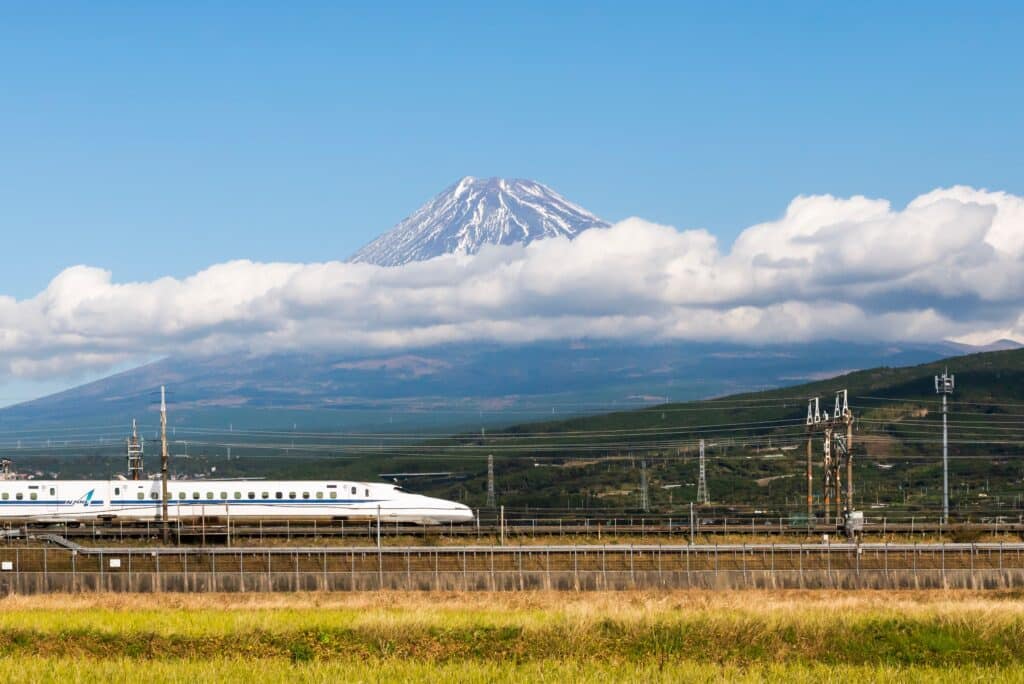
The Tokaido Shinkansen connects Tokyo, Kyoto, and Osaka, making this one of the easiest multi-city itineraries you can build in Japan.
Many of Japan’s Iconic Experiences
Neon districts, temples, shrines, Japanese gardens, markets, street food, observation decks, historic neighborhoods, and world-class dining all fit naturally into one trip.
Excellent Day-Trip Options
You can add places such as Nara, Kamakura, Nikko, Himeji, or Hakone without constantly moving your luggage or changing hotels.
Easy to Adapt to Your Budget
All three cities offer everything from hostels and inexpensive restaurants to luxury hotels and fine dining, so the same basic route works across very different travel budgets.
Low Risk for a First Japan Trip
Transport is frequent, accommodation choices are extensive, tourist infrastructure is excellent, and there is always something worthwhile to do if weather or plans change.
The Golden Route does not necessarily show you the most authentic, the quietest, or the most adventurous side of Japan. Its strength is different: it delivers an exceptional amount of variety for relatively little logistical effort. For a first trip, that is a difficult combination to beat.
The Downsides of Japan’s Golden Route
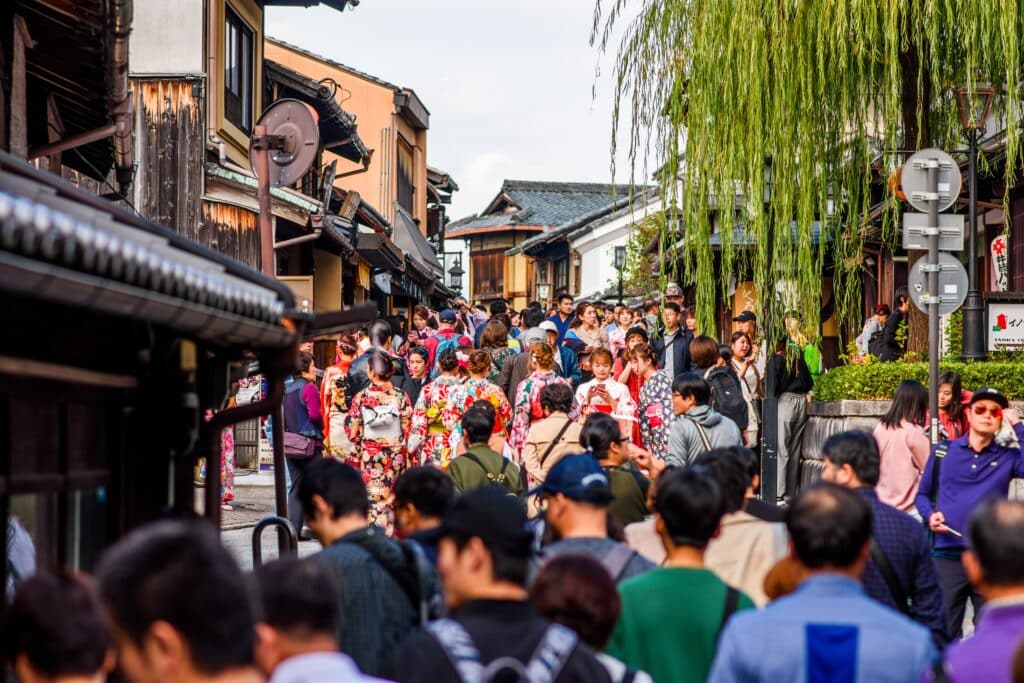
The Golden Route is easy to recommend, but it is not automatically the best itinerary for everyone. Its popularity creates some obvious disadvantages — and several of them have become more noticeable as visitor numbers to Japan have increased.
You Are Visiting Japan’s Busiest Destinations
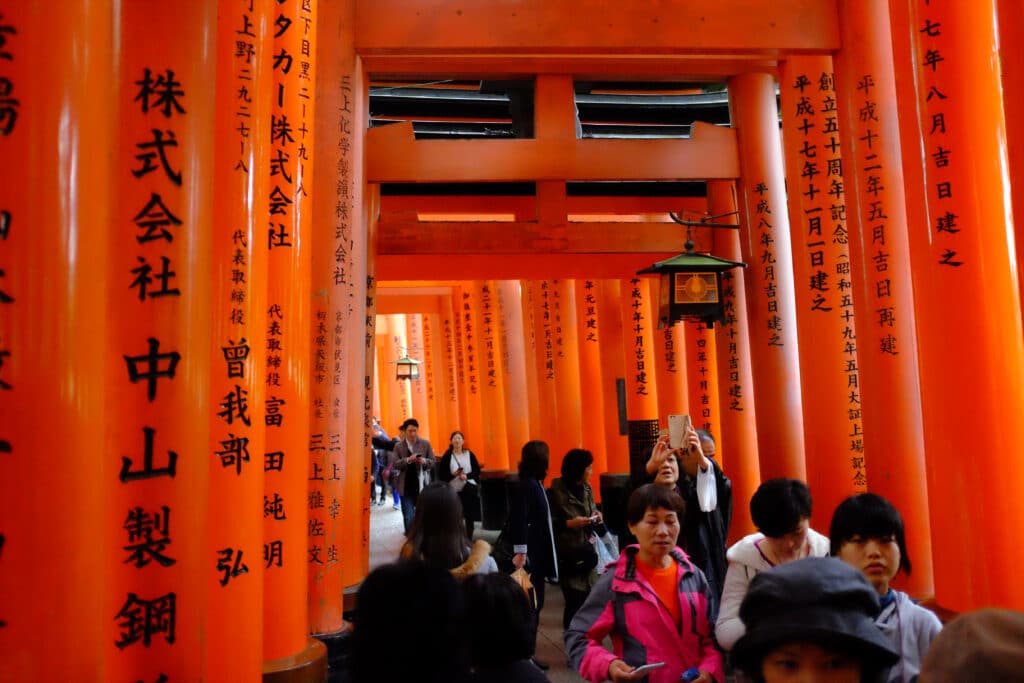
Tokyo, Kyoto, and Osaka attract enormous numbers of visitors, and famous sights can become extremely busy. Kyoto is particularly challenging around places such as Fushimi Inari, Kiyomizu-dera, Arashiyama, and the Gion area.
It Can Feel Predictable
If you follow the standard list of famous attractions, your itinerary may look almost identical to thousands of other first-time trips. Travelers seeking quieter places or a stronger sense of discovery may find the classic route less satisfying.
There Is a Lot of Big-City Time
Tokyo and Osaka are very different cities, but combining both with Kyoto still creates an urban-heavy trip. If mountains, countryside, hiking, onsen, or small towns are your priorities, the classic route may need adjusting.
Popular Dates Can Be Expensive
Accommodation prices can rise sharply during cherry blossom season, autumn foliage, holidays, and other peak periods. Staying in central locations across all three cities can make the route more expensive than exploring less-visited regions.
It Encourages Checklist Travel
Because so many famous places are within reach, it is tempting to fill every day with attractions. The result can be a trip spent rushing from one must-see sight to another instead of actually enjoying the cities.
The Route Is Easy to Overload
Hakone, Nara, Kobe, Himeji, Hiroshima, Miyajima, Kanazawa — all are tempting additions. But adding destinations without adding days quickly turns an easy itinerary into a sequence of hotel changes and train journeys.
The biggest weakness of the Golden Route is often not the route itself — it is what travelers try to add to it.
Tokyo → Hakone → Kyoto → Nara → Osaka → Himeji → Hiroshima → Miyajima may look like an incredible 10-day itinerary on paper. In practice, it can mean too much packing, too many transfers, and too little time to enjoy the places you traveled so far to see. A shorter Golden Route is often a better Golden Route.
Is the Japan Golden Route Right for You?
For most first-time visitors, the Golden Route is a very safe choice — but that does not mean everyone should follow it. The deciding factor is less about whether Tokyo, Kyoto, and Osaka are worth visiting and more about what you want your first Japan trip to feel like.
It Is a Strong Fit If…
You May Be Happier Elsewhere If…
If this is your first trip, you have 10–14 days, and you want a mixture of modern Japan, traditional culture, and great food, the Golden Route is still difficult to beat. If your priorities are mainly nature, smaller towns, slow travel, or avoiding famous destinations, use the Golden Route as a starting point rather than a rule.
How Many Days Do You Need for the Japan Golden Route?
For most first-time visitors, 10 to 14 days is the ideal range for the Golden Route. You can travel between Tokyo, Kyoto, and Osaka much faster than that, but transportation is not the real limitation — having enough time to actually experience each destination is.
The shorter your trip, the more selective you should be. With limited time, cutting a destination usually improves the trip more than squeezing another one in.
Possible, But Keep It Simple
A week is enough for an excellent first trip to Japan, but trying to divide it evenly between Tokyo, Kyoto, and Osaka creates unnecessary rushing.
Kyoto: 3 days
Osaka: day trip or final evening
The Golden Route Starts to Work Really Well
Ten days gives you enough time to experience all three cities without spending the entire trip watching the clock.
Kyoto: 3 days
Osaka: 2 days
Nara or another day trip: 1 day
The Best Balance of Highlights and Variety
Two weeks gives the core cities enough breathing room while leaving several days for an experience that feels different from Tokyo, Kyoto, and Osaka.
Kyoto: 4 days
Osaka: 2 days
Extensions: 4 days
What If You Have Less Than a Week?
With five or six days, I would usually stop thinking in terms of completing the Golden Route. Choose one main region instead. Tokyo with one nearby day trip works extremely well, while Kyoto and Osaka can be combined efficiently if you are arriving in Kansai.
The fact that the Shinkansen makes Tokyo and Kyoto easy to connect does not mean you have to connect them. On a very short trip, time spent exploring is usually more valuable than the number of cities you can say you visited.
7 days: simplify the Golden Route.
10 days: Tokyo, Kyoto, and Osaka work very well.
14 days: do the Golden Route and add something different.
If adding another destination means taking meaningful time away from Tokyo or Kyoto, the extra stop probably isn’t worth it.
Tokyo vs Kyoto vs Osaka: Where Should You Spend More Time?
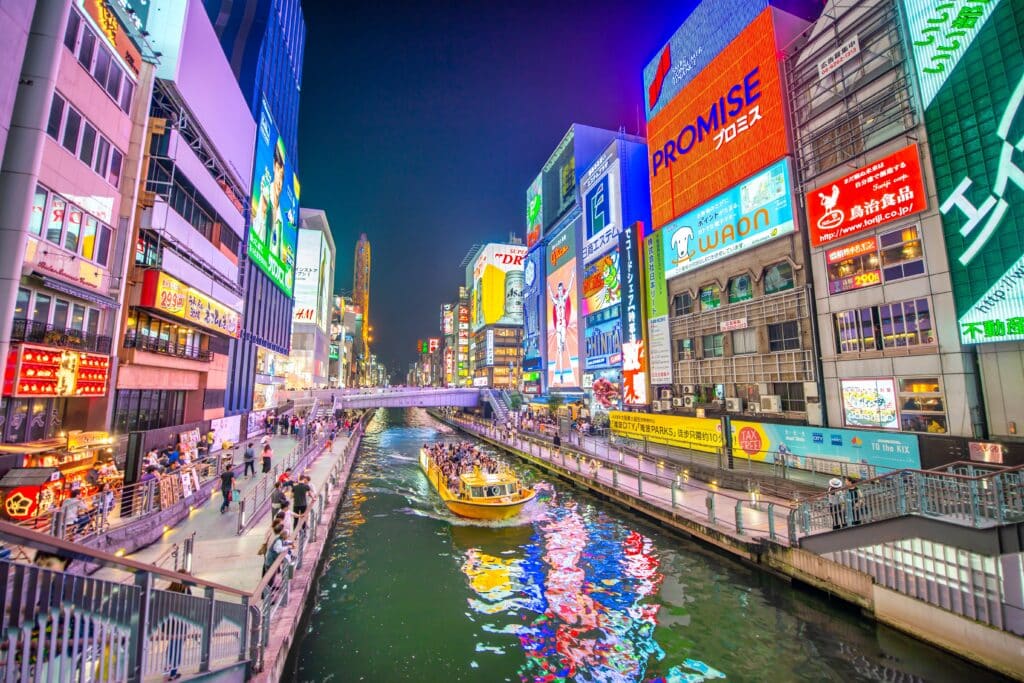
One of the easiest Golden Route mistakes is giving Tokyo, Kyoto, and Osaka roughly the same amount of time. They do not need equal time. For most first-time visitors, Tokyo and Kyoto deserve the largest share of the itinerary, while Osaka is easier to shorten if your schedule becomes tight.
Give It More Time Than You Think
Tokyo is not a city you experience through one compact sightseeing district. Shibuya, Shinjuku, Asakusa, Ueno, Ginza, Harajuku, and other neighborhoods can feel like separate destinations.
Best choice: Aim for 4 days on a typical first trip, or 5 if you want a slower pace or a day trip.
The City Where an Extra Day Often Pays Off
Kyoto’s major sights are spread across different parts of the city, and rushing between them is one of the quickest ways to make Kyoto feel exhausting rather than atmospheric.
Best choice: Give Kyoto at least 3 full days. A fourth day often improves the trip more than adding another destination.
The Most Flexible Stop
Osaka deserves more than its reputation as simply a food stop, but its main visitor areas are easier to experience quickly than Tokyo or Kyoto. Kyoto and Osaka are also close enough to visit from one another.
Best choice: Stay 2 days if food, nightlife, or Universal Studios matter to you. Otherwise, one day may be enough.
Should You Stay Overnight in Osaka?
Not necessarily. Kyoto and Osaka are close enough that you can visit Osaka without changing hotels, which can be particularly useful on a short Golden Route itinerary.
However, Osaka becomes more appealing after dark. If exploring Dotonbori, Namba, izakaya, bars, and the city’s evening food scene is important to you, staying overnight makes considerably more sense than treating Osaka purely as a daytime excursion.
For a typical first-time visitor, do not automatically take that day from Kyoto. If your itinerary is becoming too crowded, shortening Osaka is often the smarter compromise. Tokyo and Kyoto provide the strongest contrast on the Golden Route, while Osaka is the easiest of the three to experience with less time.
What Should You Add to the Japan Golden Route?
Once Tokyo, Kyoto, and Osaka are in place, the temptation is to keep adding destinations. But the best extension is not necessarily the most famous one. It is the place that adds something your itinerary does not already have without forcing you to rush the core cities.
As a general rule, protect your time in Tokyo and Kyoto first. Then use your remaining days for one or two additions that genuinely change the experience.
The Easiest Cultural Addition
Nara adds major temples, historic atmosphere, Nara Park, and the famous deer without requiring another hotel change. It works naturally as a day trip from Kyoto or Osaka.
Best For: Culture, history, first-time visitors
Best for Ryokan and Onsen
Hakone can break up the big-city rhythm with mountains, hot springs, a traditional ryokan stay, and possible Mount Fuji views. It fits particularly well between Tokyo and Kyoto.
Best For: Onsen, ryokan experience, scenery
The Strongest Longer Extension
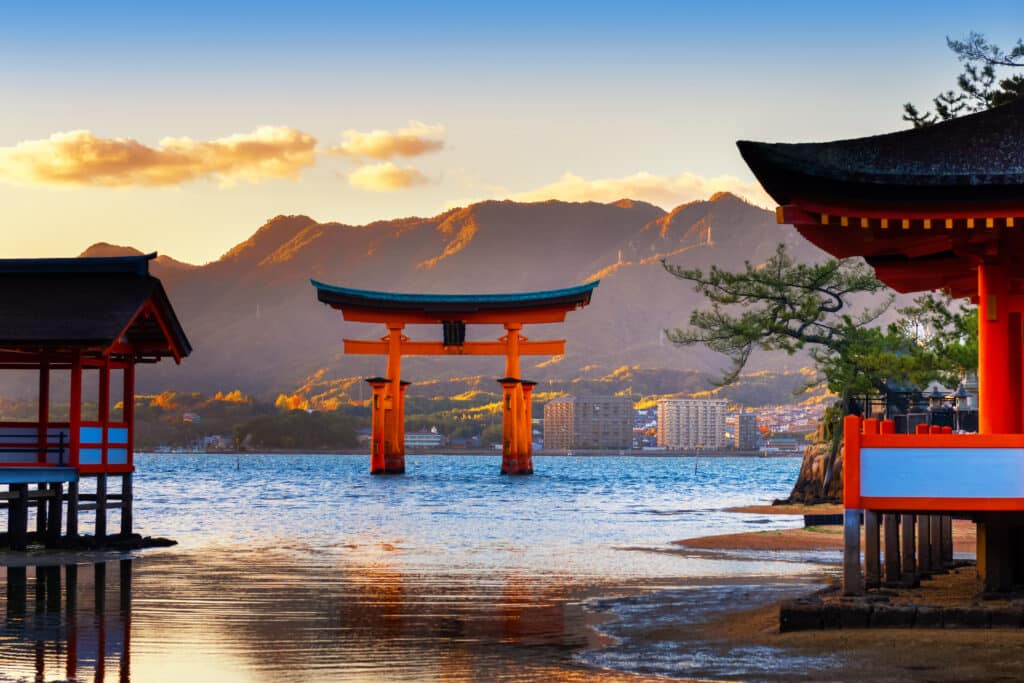
Hiroshima adds an important historical dimension, while Miyajima provides one of the most memorable scenic and cultural experiences on the route. Together they justify traveling farther west much more than a rushed collection of smaller stops.
Best For: History, scenery, culture
Excellent Without Another Overnight Stay
If seeing a great Japanese castle matters to you, Himeji is one of the easiest additions to justify. Its location west of Osaka makes it convenient as a day trip or a stop on the way to Hiroshima.
Best For: Castles, history, architecture
Good If You Have Extra Tokyo Time
Kamakura combines temples, shrines, the Great Buddha, and a coastal setting within easy reach of Tokyo. It is particularly attractive if you have several days in Tokyo and want a change of pace.
Best For: Temples, history, coastal atmosphere
Culture With More Nature
Nikko combines elaborate shrines and temples with a forested mountain setting. It can provide a stronger contrast to Tokyo than another urban destination, although it requires a longer day trip than Kamakura.
Best For: Shrines, nature, autumn scenery
Better as a Route Change Than a Quick Add-On
Kanazawa offers gardens, historic districts, samurai heritage, crafts, and excellent seafood. But unlike Nara or Himeji, it makes more sense when you deliberately reshape the route rather than squeeze it between existing stops.
Best For: Traditional culture, food, slower travel
Which Addition Gives You the Most Value?
For a 10-day first trip, Nara is usually the easiest addition because it adds variety without another hotel change.
With 12–14 days, consider adding either Hakone for an onsen and ryokan experience or Hiroshima and Miyajima for a substantial extension beyond the core route.
Most importantly, choose additions for contrast, not simply because they are famous. One memorable extension that gives you something new is usually more valuable than three extra stops that make the entire itinerary rushed.
What Should You Leave Out of the Golden Route?
The easiest way to improve a Golden Route itinerary is often to remove something. Japan’s transport system makes it surprisingly easy to connect many famous destinations, but that does not mean visiting all of them on the same trip is a good idea.
Before adding another stop, ask a simple question: Does this place add a genuinely different experience, or am I adding it because I am afraid of missing out?
The 10-Day Golden Route That Looks Better Than It Feels
Every destination on this route is worth visiting. The problem is not the places — it is the combination. In ten days, this itinerary creates repeated packing, hotel changes, station transfers, luggage logistics, and constant pressure to move on. You may technically see more of Japan while experiencing less of each place.
What to Cut First When You Don’t Have Enough Time
Consider Cutting the Osaka Overnight
You do not necessarily have to skip Osaka completely. Visit for a day or evening from Kyoto instead of changing hotels. This protects more time for Tokyo and Kyoto while still giving you a taste of Osaka.
Don’t Force Hakone Into the Middle
Hakone is most worthwhile when you have time for the experience that makes it special: an onsen, a ryokan stay, and a slower pace. A rushed stop between Tokyo and Kyoto often adds more logistics than value.
Be Selective With More Day Trips
Nara, Himeji, Kobe, and other Kansai destinations are all easy to reach, but several consecutive day trips can leave surprisingly little time for Kyoto and Osaka themselves.
Think Carefully Before Adding Hiroshima
Hiroshima and Miyajima are absolutely worth visiting, but they deserve enough time. Adding them to a short Golden Route often means sacrificing days that would be better spent experiencing Tokyo or Kyoto properly.
Don’t Add Every Tokyo Day Trip
Kamakura, Nikko, Hakone, and the Fuji Five Lakes are all tempting. But if every second day takes you outside Tokyo, you may leave Japan having barely experienced Tokyo itself.
Save Kanazawa or Takayama for a Proper Route
These destinations work best when they are part of a deliberate Japanese Alps or Hokuriku itinerary. Adding them briefly to an already full Tokyo–Kyoto–Osaka trip rarely does them justice.
A Simple Priority System
Tokyo + Kyoto
For most first-time visitors, these are the two Golden Route destinations where cutting too much time has the biggest impact.
Osaka + Nara
They fit naturally into the core route and can be adjusted relatively easily depending on how many days you have.
Hakone + Hiroshima + Miyajima
These can significantly improve the route, but only when you can add them without turning the core itinerary into a race.
Kanazawa + Takayama + Japanese Alps
If these places are major priorities, it may be smarter to redesign the Golden Route around them rather than simply adding them on top.
When your itinerary is already full, use a simple rule: every major destination you add should replace something else.
Want to add Hiroshima and Miyajima? Give them two days — but take those days from somewhere deliberately. Want a night in Hakone? Treat it as a real overnight experience rather than squeezing it between two full sightseeing days. This forces you to compare priorities instead of endlessly expanding the itinerary.
Travel Owl Verdict: A successful Golden Route is not measured by how many pins you collect on a map. If removing one destination gives you better mornings, fewer hotel changes, more spontaneous meals, and enough time to enjoy Kyoto or Tokyo properly, removing it is probably the smarter decision.
Better Alternatives to the Classic Tokyo–Kyoto–Osaka Route
The classic Golden Route is the best all-round choice for many first-time visitors, but “best overall” does not mean “best for everyone.” If you already know what kind of Japan experience matters most to you, changing the route can produce a much better trip.
The key is not to avoid Tokyo, Kyoto, or Osaka simply because they are popular. Instead, replace part of the Golden Route when another destination matches your priorities better.
Tokyo → Japanese Alps → Kyoto
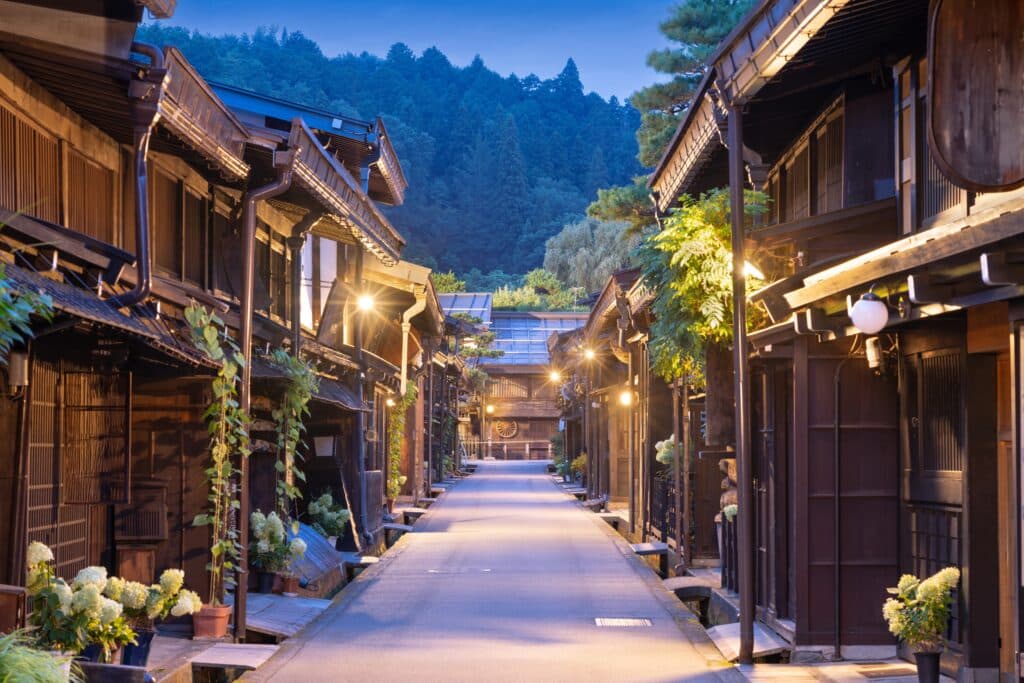
Replace some big-city time with mountains, smaller towns, traditional streets, and a slower pace. Depending on the season and your interests, this could include Matsumoto, Takayama, or the surrounding alpine areas.
Tokyo → Kanazawa → Takayama → Kyoto
Kanazawa and Takayama add historic districts, gardens, crafts, traditional architecture, and a smaller-city atmosphere before you reach Kyoto.
Tokyo → Kyoto → Osaka → Fukuoka
Instead of adding several smaller sightseeing stops, continue west toward Fukuoka. The combination gives you Tokyo’s enormous dining scene, Kyoto cuisine, Osaka street food, and Fukuoka’s yatai and Kyushu specialties.
Tokyo → Hakone → Kyoto
This simplified route removes the pressure to cover three major cities and gives you more time in each base. Hakone adds the onsen and ryokan experience that the standard urban-heavy route otherwise lacks.
Tokyo → Kanazawa → Regional Japan
You do not have to eliminate every famous destination, but shifting several days toward smaller cities can dramatically change the rhythm of the trip. Kanazawa can be a useful gateway to a less conventional itinerary.
Skip the Golden Route Entirely
Once you have already experienced Tokyo, Kyoto, and Osaka, Japan becomes much more rewarding as a collection of regional trips. Hokkaido, Tohoku, Kyushu, Shikoku, Okinawa, and the Japanese Alps can each support an entire journey.
Should First-Time Visitors Really Skip Tokyo or Kyoto?
They can — there is no destination that every traveler must visit. But for a general first trip, Tokyo and Kyoto are harder to replace than Osaka. Together they provide the strongest contrast between contemporary urban Japan and the country’s historic cultural heritage.
That is why many of the best alternative routes do not abandon the Golden Route completely. Instead, they keep Tokyo and Kyoto while replacing Osaka or some day trips with a destination that better matches the traveler’s priorities.
Don’t choose an alternative route simply because the Golden Route is popular. Choose one when it solves a specific problem: you want more nature, fewer cities, slower travel, smaller destinations, or a particular regional experience. If you do not have a strong reason to change it, Tokyo–Kyoto–Osaka remains the safer and more balanced first-trip choice.
How to Plan the Japan Golden Route Efficiently
Once you have decided which destinations belong in your Golden Route, the next goal is to make the journey as simple as possible. Fortunately, Tokyo, Kyoto, and Osaka are extremely easy to combine — and a few planning choices can reduce backtracking, unnecessary hotel changes, and time spent dealing with luggage.
You do not need to optimize every train connection. Focus on the decisions that actually make a noticeable difference.
Tokyo → Kyoto → Osaka or Osaka → Kyoto → Tokyo?
Both directions work well. There is no major sightseeing advantage to starting in Tokyo rather than Osaka, so your international flights should usually determine the direction.
Consider an Open-Jaw Flight
One of the smartest ways to organize the Golden Route is to fly into Tokyo and home from Osaka — or do the route in reverse. This is often called an open-jaw or multi-city flight.
If the airfare is reasonable, this avoids traveling all the way back across Japan simply to catch your return flight.
However, do not pay a huge premium just to avoid backtracking. Compare the total airfare and transportation cost before deciding.
Do You Need the JR Pass for the Golden Route?
Usually not. A simple Tokyo–Kyoto–Osaka itinerary generally does not involve enough expensive long-distance JR travel to make the nationwide Japan Rail Pass the obvious choice it once was.
For many Golden Route travelers, buying individual Shinkansen tickets is simpler and better value. If you add substantial long-distance travel — particularly Hiroshima or destinations farther away — calculate the actual fares before deciding rather than assuming that a rail pass will save money.
Should You Forward Your Luggage?
Japan’s luggage forwarding services can make a multi-city trip considerably easier. Instead of taking large suitcases through stations and onto trains, you can send them ahead between hotels.
This becomes especially useful if you add a short overnight stop such as Hakone. For example, you can forward your main luggage from Tokyo to Kyoto and travel to Hakone with only a small overnight bag.
Reduce Hotel Changes Where You Can
Tokyo and Kyoto make excellent multi-day bases, and Osaka does not always require another hotel. Because Kyoto, Osaka, and Nara are relatively close together, you can often explore Kansai with fewer accommodation changes than your itinerary map might suggest.
This does not mean you should always stay in Kyoto and commute everywhere. Osaka is worth an overnight stay if its nightlife and evening atmosphere matter to you. The point is simply to avoid changing hotels for the sake of changing cities.
For the simplest first-time Golden Route, choose the direction based on your flights, consider flying into one region and out of the other, buy individual Shinkansen tickets unless your calculations favor a pass, and use luggage forwarding when it removes an awkward suitcase transfer. You do not need a complicated transportation strategy — the route is already one of Japan’s easiest.
Japan Golden Route Time Optimizer
The smartest Golden Route changes depending on how many days you actually have. Instead of starting with a long list of destinations and trying to squeeze them into your schedule, start with your available time and build the route around it.
Here is how I would prioritize a first Japan trip at four common trip lengths.
Simplify the Golden Route
With only a week, prioritize the two destinations that give you the strongest contrast. Tokyo provides modern Japan; Kyoto provides the historic and cultural counterpoint.
Kyoto: 3 days
Remaining time: arrival, departure, or Osaka evening
Skip: Multiple day trips and extra overnight stops.
Do the Classics Properly
Ten days is where the traditional Golden Route really starts to make sense. You can experience all three core cities and add one easy day trip without turning the journey into a race.
Kyoto: 3 days
Osaka: 2 days
Nara: 1 day
Skip: Adding Hiroshima, Kanazawa, and several extra day trips on top.
Add Something Different
Two weeks gives you enough time to experience the Golden Route properly while adding something that feels genuinely different from Tokyo, Kyoto, and Osaka.
Kyoto: 4 days
Osaka: 2 days
Nara: 1 day
Extension: 3 days
Best additions: Use the remaining three days for one meaningful extension — for example, Hakone for a ryokan and onsen experience or Hiroshima & Miyajima for history, culture, and scenery.
Go Beyond the Golden Route
With three weeks, simply adding more Golden Route day trips misses the opportunity. Keep the classic highlights, but dedicate part of the journey to a region that feels genuinely different.
Kyushu
Hiroshima & western Honshu
Kanazawa & Hokuriku
Another region that matches your priorities
Don’t: Spend three weeks collecting every possible day trip around Tokyo, Kyoto, and Osaka.
Which Trip Length Is Best?
More days should create more variety — not simply more stops. With 7 days, simplify. With 10 days, enjoy the classic route. With 14 days, add one experience that changes the character of the trip. With 21 days, use the Golden Route as a foundation and explore another part of Japan properly.
Is the Japan Golden Route Overrated?
No — but it is often badly planned. Tokyo, Kyoto, and Osaka became Japan’s classic first-time route for a reason. Together, they offer an unusually strong combination of modern city life, traditional culture, food, entertainment, and easy transportation.
The real drawback is popularity. Famous sights can be extremely crowded, particularly during peak seasons, and it is easy to turn the trip into a checklist of must-see attractions. But that does not make the destinations themselves overrated. once did.
The Destinations Themselves
Tokyo, Kyoto, and Osaka each offer experiences that justify their place on a first Japan itinerary. Popular does not mean undeserving of your time.
Trying to See Everything
The route becomes exhausting when every famous attraction is treated as compulsory and every nearby destination becomes another day trip. The problem is not the Golden Route — it is the pressure to complete it.
Popular Does Not Automatically Mean Tourist Trap
Famous places are not automatically less worthwhile because they attract large numbers of visitors. The smarter approach is to choose the highlights that genuinely matter to you and leave enough space for neighborhoods, restaurants, side streets, and quieter moments between them.
The Golden Route is not overrated. It is often overpacked. Keep the experiences that matter most to you and resist the temptation to turn your first Japan trip into a sightseeing checklist.
Travel Owl Verdict: Is the Golden Route Still the Best First Japan Trip?
For most first-time visitors, yes. Tokyo, Kyoto, and Osaka still provide one of the best combinations of variety, cultural highlights, food, transportation, and ease of planning you can fit into a single Japan trip.
The Golden Route Is Still the Best All-Round First Trip
If you have around 10–14 days, have never visited Japan before, and want to experience both modern and traditional Japan, the classic route remains very difficult to beat.
Modify It
Prioritize Tokyo and Kyoto rather than forcing three major city stays into one week. Osaka can become an evening visit, day trip, or future destination.
Choose It
This is an excellent length for Tokyo, Kyoto, Osaka, and one carefully chosen day trip such as Nara.
Choose It + Extend It
Keep the classic core and add one meaningful contrast — perhaps Hakone, Hiroshima and Miyajima, or another destination that matches your priorities.
Use It as a Foundation
Experience the Golden Route, but dedicate a meaningful part of the trip to another region rather than spending three weeks around the same sightseeing corridor.
Who Should Choose Something Else?
The Golden Route loses its advantage when your priorities are unusually specific. You may be happier with a different itinerary if:
- nature and hiking are the main reasons you are visiting Japan;
- you strongly prefer smaller towns and rural areas;
- slow travel matters more to you than seeing the famous highlights;
- avoiding heavily visited destinations is a major priority;
- you have already visited Tokyo, Kyoto, and Osaka; or
- you are coming to Japan for a very specific regional experience.
Don’t reject the Golden Route because it is popular. Don’t follow it simply because it is popular either.
For a typical first-time visitor, Tokyo–Kyoto–Osaka remains the smartest starting point. The better question is how to adapt it to your available time and interests. Protect enough time for Tokyo and Kyoto, keep Osaka flexible, and make every additional stop earn its place.
Final Thoughts
The Tokyo–Kyoto–Osaka Golden Route became Japan’s classic first trip for a good reason. Few itineraries offer such a strong contrast of modern cities, historic culture, food, neighborhoods, temples, nightlife, and easy transportation within such a manageable journey.
But the best version of the Golden Route is rarely the one with the most stops. Seven days calls for simplification. Ten days is enough for the classics. Two weeks gives you room for a meaningful extension. With three weeks, it makes sense to explore another side of Japan altogether.
You do not need to visit every famous destination on your first trip. Japan is a country many travelers want to return to — and leaving something for another journey can be a much better decision than rushing through it now.
Build your first Japan trip around the experiences you want to remember — not the number of destinations you want to complete.
Japan Golden Route FAQ
Is the Japan Golden Route still worth it?
Yes. For most first-time visitors, Tokyo, Kyoto, and Osaka still provide one of the best introductions to Japan. The route combines modern city life, traditional culture, food, nightlife, and easy transportation. The bigger problem is usually not the route itself, but trying to add too many extra destinations.
How many days do you need for the Japan Golden Route?
Around 10 to 14 days is ideal for a first Golden Route trip. Ten days gives you enough time for Tokyo, Kyoto, Osaka, and one easy day trip such as Nara. With 14 days, you can add a meaningful extension such as Hakone or Hiroshima and Miyajima without rushing the core route.
Can you do Tokyo, Kyoto, and Osaka in 7 days?
You can, but it is usually better to simplify. For a 7-day first trip, Tokyo and Kyoto are the stronger priorities. Osaka can be visited as a day trip, evening visit, or shortened stop rather than trying to give all three cities equal time.
How many days should I spend in Tokyo, Kyoto, and Osaka?
For a typical first trip, around 4 days in Tokyo, 3 to 4 days in Kyoto, and 1 to 2 days in Osaka is a strong starting point. Tokyo and Kyoto generally deserve the most time, while Osaka is the easiest of the three to shorten if your itinerary becomes too crowded.
Should I visit Kyoto or Osaka if I only have time for one?
For most first-time visitors, Kyoto is the stronger priority because it provides a greater contrast to Tokyo and contains many of Japan’s most important temples, shrines, gardens, and historic districts. Osaka is a better choice if food, nightlife, entertainment, or a more casual urban atmosphere matter more to you.
Should I add Nara to the Golden Route?
Usually yes if you have around 10 days or more. Nara is one of the easiest additions because it works well as a day trip from Kyoto or Osaka and does not require another hotel change. It is especially worthwhile for travelers interested in temples, history, and traditional Japan.
Should I add Hakone to the Golden Route?
Hakone is a good addition if you want an onsen, ryokan stay, and a slower experience between major cities. It makes more sense when you can stay overnight rather than rushing through as another sightseeing stop. Do not add Hakone only because you expect guaranteed views of Mount Fuji, since visibility depends on weather conditions.
Is Hiroshima worth adding to the Golden Route?
Yes, especially if you have around 12 to 14 days or more. Hiroshima and Miyajima make one of the strongest extensions to the classic route because they add important history, a different atmosphere, and one of Japan’s most memorable scenic experiences. On a shorter trip, however, they can make the itinerary feel rushed.
Do I need the JR Pass for the Golden Route?
Usually not for a simple Tokyo–Kyoto–Osaka itinerary. Individual Shinkansen tickets are often the better-value and simpler option. If your itinerary includes substantial additional long-distance travel, calculate the actual ticket costs before deciding whether a rail pass makes sense.
Is it better to travel Tokyo to Osaka or Osaka to Tokyo?
Both directions work well. Your international flights should usually determine the order. If possible and reasonably priced, flying into Tokyo and home from Osaka, or the reverse, can reduce unnecessary backtracking.
Is the Japan Golden Route too touristy?
It is Japan’s most popular sightseeing corridor, so many famous attractions can be crowded. But popular does not automatically mean overrated. Tokyo and Kyoto in particular contain experiences that are difficult to replace elsewhere. The smarter approach is usually to keep the places that matter most to you while avoiding an overloaded checklist itinerary.
What is the best alternative to the Japan Golden Route?
There is no single best alternative. Nature-focused travelers might replace Osaka with the Japanese Alps, travelers interested in smaller historic destinations might add Kanazawa or Takayama, and slow travelers may prefer a simpler Tokyo–Hakone–Kyoto route. The best alternative is the one that better matches your priorities rather than simply being less popular.
What is the biggest mistake when planning the Golden Route?
The biggest mistake is adding too many destinations without adding more days. Every extra stop creates hidden costs in packing, transfers, check-ins, orientation, and lost sightseeing time. A shorter, better-paced Golden Route is usually more enjoyable than an itinerary designed to collect as many destinations as possible.