
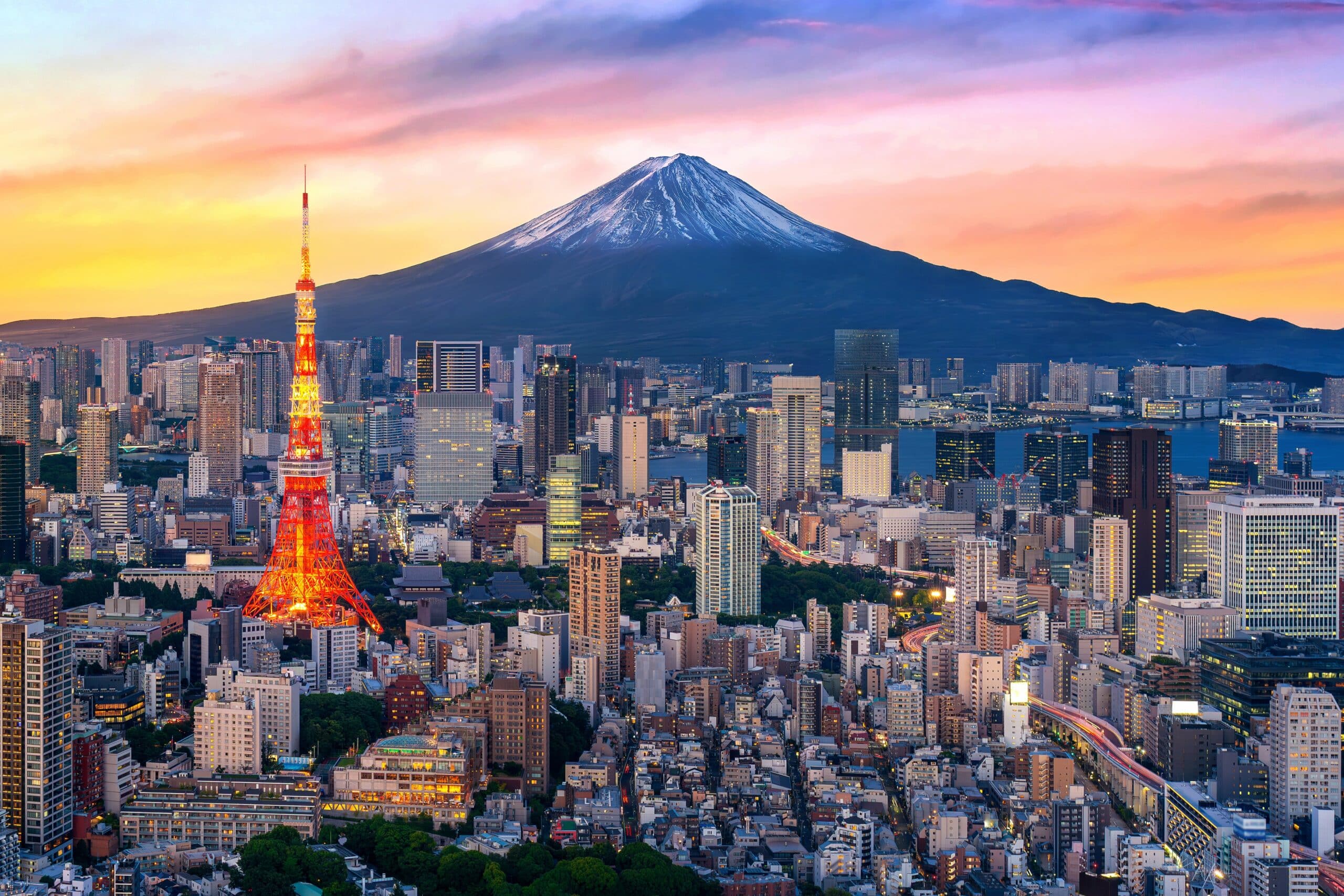
Planning a first trip to Japan often starts with a long list of places you want to see. Tokyo and Kyoto feel essential. Osaka is right next door. Hiroshima seems too important to miss. Then you discover Hakone, Kanazawa, Takayama, Nara, Kamakura, Nikko and Miyajima — and suddenly a two-week trip starts looking like a race across the country.
The problem is that seeing more cities does not necessarily mean experiencing more of Japan. Every additional stop usually means packing your bags, checking out, getting to the station, traveling, finding your next hotel and starting again in a new place. Japan’s excellent transport system makes moving around remarkably easy, but it can also make an overly ambitious itinerary look much more practical on paper than it feels in reality.
For most travelers, the better question is therefore not “How many cities can I fit into my Japan trip?” but “How many places can I visit without spending too much of my trip changing hotels and sitting on trains?”
That distinction matters because you do not need to stay overnight everywhere you visit. A traveler using Tokyo and Kyoto as two main bases can still experience places such as Kamakura, Nara or Osaka as day trips. You may visit five destinations while changing hotels only once.
In this guide, we’ll work out the ideal number of cities for a 7-day, 10-day, two-week and three-week Japan itinerary, compare fast and slow travel styles, and look at when adding another city is worth it — and when a day trip or an extra night in your existing base is the smarter choice.
The goal isn’t to visit as many places as possible. It’s to build a Japan itinerary that gives you enough variety without turning your holiday into a series of checkouts and train journeys.
How Many Cities Should You Visit in Japan?
For most first-time visitors, 2 to 4 main bases are enough for a 7- to 14-day trip to Japan. With one week, two bases usually work best. With 10 days, two or three are comfortable, while a two-week trip gives you enough time for three or four without constantly changing hotels.
But there is an important distinction: the number of cities you visit does not have to equal the number of places where you stay overnight. From Tokyo, for example, you can visit Kamakura or Nikko without moving hotels. From Kyoto, you can easily explore Nara or Osaka as a day trip.
Table of Contents
The Better Question: How Many Times Should You Change Hotels?

When planning a Japan itinerary, counting cities can be misleading. What usually determines whether a trip feels relaxed or exhausting is not the number of places you visit, but how often you have to pack your bags and move to another hotel.
Japan makes it remarkably easy to travel between cities, but every hotel change adds more than just the train journey. You need to check out, get to the station, travel with or forward your luggage, reach your next accommodation and often wait until check-in before fully settling into the next destination.
4 Destinations, 4 Hotel Bases
Tokyo → Hakone → Kyoto → Osaka
You experience four destinations, but you also change accommodation three times. On a short trip, those transitions can take up a surprisingly large share of your available sightseeing time.
4 Destinations, 2 Hotel Bases
Tokyo → Kyoto
Stay in Tokyo and Kyoto, then visit places such as Kamakura, Nara or Osaka as day trips. You can still experience several destinations while unpacking your suitcase only twice.
This is why a trip with five destinations can sometimes feel easier than one with four. If two or three of those places are easy day trips from your existing bases, you gain variety without repeatedly relocating.
The opposite is also true. An itinerary with several consecutive one-night stays may look efficient on a map, but in practice you can spend a significant amount of your holiday managing luggage, train connections and hotel logistics.
Before adding another overnight stop, ask whether staying there genuinely improves the experience. If the destination can comfortably be visited from your current base, a day trip may give you almost everything you want without another hotel change.
There are exceptions, of course. Some destinations are worth staying overnight because their atmosphere changes after the day-trippers leave, because the accommodation itself is part of the experience, or because an overnight stop creates a more logical route through Japan. We will look at those situations later in this guide.
How Many Nights Should You Spend in Each Japanese City?

Once you start thinking in terms of hotel bases rather than simply counting destinations, the next question is how long each base deserves. Some Japanese cities can work well as a one-night stop, while others need several days before adding another destination makes sense.
For a first trip, the following ranges are useful planning benchmarks rather than strict rules. Your ideal stay will depend on your interests, travel pace and whether you plan to take day trips.
Three nights covers major highlights at a fairly active pace. Four or five gives you more time for neighborhoods, food, shopping and an optional day trip.
Kyoto rewards a slower pace because its major sights are spread across different parts of the city. Extra time also makes early-morning sightseeing much easier.
Two nights works well for the main neighborhoods and food scene. Stay longer if nightlife, shopping or using Osaka as a Kansai base is important to you.
One night can work for Hiroshima itself. Two nights gives you much more flexibility if you also want to visit Miyajima without rushing.
A full day covers many of the highlights, while two nights gives you a more relaxed visit and makes Kanazawa easier to combine with the Japanese Alps.
One night works as part of a wider route through central Japan. Two nights makes more sense if you want a slower visit or an additional excursion.
For many travelers, Hakone is less about extensive sightseeing and more about the ryokan, onsen and slower pace. One overnight stay is usually enough.
For major cities such as Tokyo and Kyoto, aim for at least three nights on a first trip. Secondary destinations can often work with one or two nights. If your itinerary contains several consecutive one-night stays, however, that is usually a sign that you are trying to cover too much ground.
More Nights Do Not Mean Less Variety
Spending four nights in Tokyo does not necessarily mean four full days in Tokyo. It could mean three days exploring the city and one day in Kamakura or Nikko. Likewise, four nights in Kyoto could include a day trip to Nara or Osaka.
This is why longer stays in fewer bases can actually give you more variety with less travel friction. Instead of moving your luggage every time you want to see somewhere new, you keep a comfortable base and selectively add nearby destinations.
There is also no need to force every major city into the same itinerary. If you prefer traditional neighborhoods, temples and history, an extra night in Kyoto may be more valuable than adding Osaka simply because it is famous. If food, nightlife and urban energy matter more, shifting that night to Osaka may be the better choice.
Do not add another city just because you have an empty night. First ask whether that night would make one of your existing bases better. An extra day in Tokyo or Kyoto can often add more to a first trip than another check-in somewhere else.
How Many Cities Should You Visit in Japan in 7 Days?
With only one week in Japan, two main hotel bases are usually enough. You can technically fit three or even four cities into seven days, but every additional move takes time away from actually experiencing the places you came to see.
For most first-time visitors, the simplest and strongest combination is Tokyo + Kyoto. It gives you two very different sides of Japan while keeping the itinerary easy to manage.
7 Days: Tokyo + Kyoto
But Can You Visit More Than Two Cities?
Absolutely. Two bases do not mean you can only visit two destinations. For example, you could stay in Tokyo and Kyoto while adding Nara or Osaka as a day trip from Kyoto.
Hotel bases: Tokyo + Kyoto
Destinations visited: Tokyo + Kyoto + Nara
You experience three destinations but only change hotels once.
Osaka can work particularly well this way. Kyoto and Osaka are close enough that you do not necessarily need separate hotels in both cities during such a short trip. You could spend the day exploring Osaka, stay for dinner and the evening atmosphere, and return to Kyoto afterward.
What Does an Overpacked 7-Day Itinerary Look Like?
A route such as Tokyo → Hakone → Kyoto → Osaka → Hiroshima may look exciting when you first plan it. In practice, it means five destinations, four hotel changes and several travel days squeezed into a single week.
Lots of variety, but frequent packing, checkouts and train journeys leave relatively little uninterrupted time in each destination.
Two contrasting bases, only one major hotel transfer and the flexibility to add Nara or Osaka if you still want another destination.
What About Spending All 7 Days in One Region?
That can also be an excellent choice. If you are flying in and out of Tokyo, spending the entire week in Tokyo with day trips to places such as Kamakura or Nikko can produce a much more relaxed trip. Likewise, travelers arriving through Osaka could focus entirely on Kyoto, Osaka and Nara.
You do not need to cross half of Japan for a one-week trip to feel worthwhile. In fact, concentrating on one region can give you more flexibility, fewer logistics and more time to explore beyond the headline attractions.
For most first-time visitors, Tokyo + Kyoto is the safest choice. Add another destination as a day trip rather than automatically adding another hotel. If you prefer slower travel, staying in just one region can be even better.
How Many Cities Should You Visit in Japan in 10 Days?
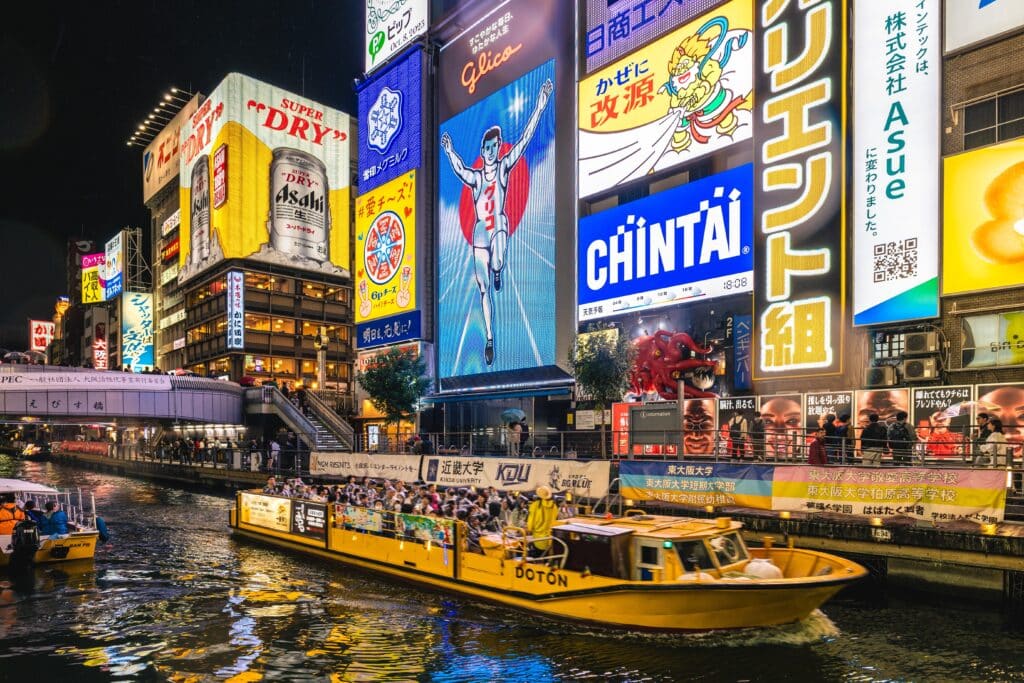
With 10 days in Japan, two or three hotel bases is the sweet spot for most first-time visitors. You have enough time to go beyond a simple Tokyo–Kyoto trip, but not so much that frequent hotel changes stop mattering.
The key decision is what to do with those extra three days. You could add another base, take more day trips, or simply spend longer in Tokyo and Kyoto. All three approaches can work — but adding cities just because you have more days is not automatically the best choice.
10 Days: 2–3 Hotel Bases
A balanced 10-day itinerary usually gives your major cities three or four nights each, while leaving enough room for one additional destination or a carefully chosen day trip.
Option 1: Keep It Simple with Tokyo + Kyoto
There is nothing wrong with spending the entire 10 days between Tokyo and Kyoto. In fact, this is one of the easiest ways to build a first trip with plenty of variety and very little travel friction.
Explore Tokyo properly and use one day for an optional trip to Kamakura or Nikko.
Give Kyoto enough time and use it as a base for Nara or Osaka if you want to see more of Kansai.
This approach may look less ambitious on paper, but you could still visit Tokyo, Kyoto, Nara and Osaka while changing hotels only once.
Option 2: Add a Third Base
Ten days is also long enough to add a third overnight destination without making the trip excessively rushed. The strongest approach is usually to choose a place that gives you something meaningfully different from Tokyo and Kyoto.
Hiroshima works particularly well because it adds a very different historical experience and can be combined with Miyajima, rather than simply giving you another large city similar in function to your existing bases.
Should Osaka Be Your Third Base?
It can be, especially if food, nightlife and Osaka’s atmosphere are priorities. But for many first-time visitors, staying in both Kyoto and Osaka is optional rather than essential.
Because the two cities are so close, you can stay in Kyoto and visit Osaka for the day and evening, or do the reverse and use Osaka as your main Kansai base. This can free up your third hotel base for somewhere farther away — or eliminate another hotel change altogether.
A straightforward first-trip route with plenty of food, nightlife and urban variety. Best if you specifically want to experience Osaka after dark without commuting back to Kyoto.
Use Kyoto for an Osaka or Nara day trip, then make Hiroshima your third base. This spreads your overnight stops across genuinely different parts of the trip.
Is Four Hotel Bases Too Many for 10 Days?
Not necessarily, but this is where the itinerary starts becoming fast. A route such as Tokyo → Hakone → Kyoto → Hiroshima can work because Hakone serves a specific purpose: a ryokan and onsen stay between major cities.
The problem begins when several short stops are added simply because they fit geographically. Once your 10-day itinerary contains multiple one-night stays, you should ask whether each overnight stop is genuinely improving the trip.
Choose two bases if you prefer a relaxed trip with day trips, or three bases if you want more geographic variety. Four can work for faster travelers, but it should be a deliberate choice rather than the default.
How Many Cities Should You Visit in Japan in 14 Days?
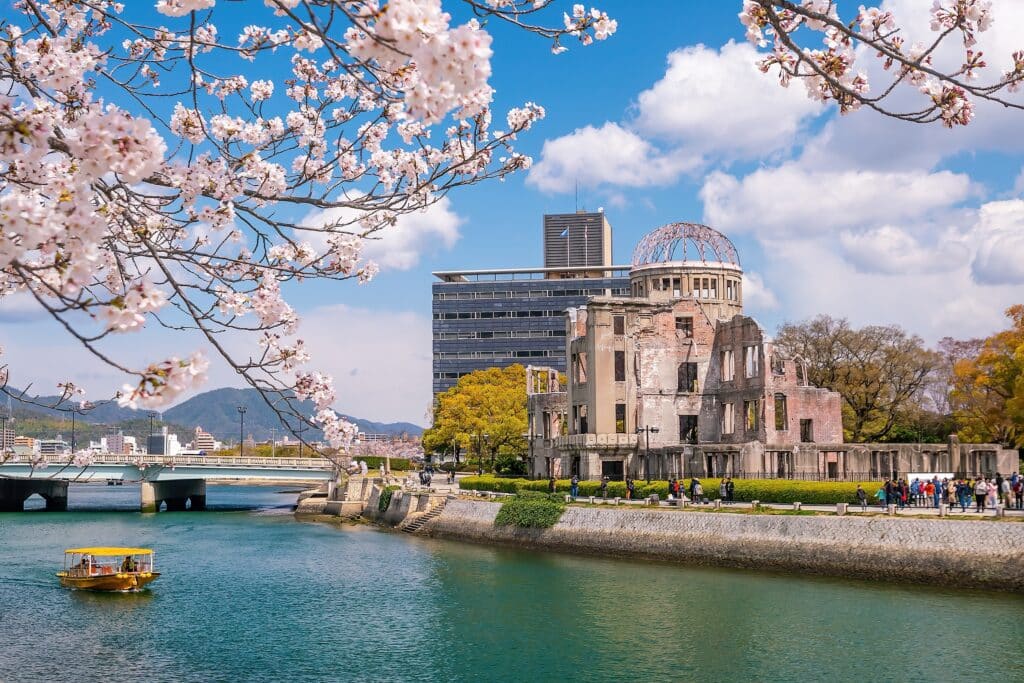
With two weeks in Japan, three or four hotel bases is the ideal range for most first-time visitors. You have enough time to experience Tokyo and Kyoto properly, add another region, and still avoid spending every second day checking out of a hotel.
Fourteen days may look like enough time to visit six or seven cities, especially when Japan’s train network makes the distances seem manageable. But a two-week trip can become surprisingly rushed once you start adding one- and two-night stops.
14 Days: 3–4 Hotel Bases
This gives your major destinations enough time to breathe while still allowing you to experience different sides of Japan. Day trips can increase the number of places you see without increasing the number of hotel changes.
Option 1: Three Bases for a Slower Two-Week Trip
Three hotel bases may sound surprisingly few for 14 days, but it can produce an exceptionally varied trip. The key is choosing bases with good day-trip possibilities.
From these three bases, you could add destinations such as Kamakura, Nara, Osaka and Miyajima without moving hotels again. In other words, three hotel bases could easily become a seven-destination trip.
Option 2: Four Bases for the Best Balance
For many first-time visitors, four bases offers the best combination of variety and manageable travel. You can cover the classic Tokyo–Kyoto route while adding one or two places that create a noticeably different experience.
This route works particularly well if Osaka itself is important to you. If it is not, you could visit Osaka from Kyoto and use those nights somewhere completely different instead.
Use Your Fourth Base to Change the Character of the Trip
This is where two weeks becomes much more interesting. Instead of automatically adding another major city, consider what your itinerary is currently missing.
A one-night stay can add hot springs, a traditional ryokan and a slower experience between major cities.
A logical extension beyond Kansai with enough time to experience Hiroshima and visit Miyajima.
A good choice if you want historic districts, gardens and a smaller-city contrast to Tokyo and Osaka.
Worth making a separate base if Osaka’s food, nightlife and evening atmosphere are important parts of your trip.
Can You Visit Five or Six Cities in Two Weeks?
Yes — and this is where the distinction between cities visited and hotel bases becomes especially useful.
A two-week trip with four bases could easily include six or seven destinations. For example, you might stay in Tokyo, Kyoto, Osaka and Hiroshima while also visiting Kamakura, Nara and Miyajima.
That is very different from sleeping in seven different places. The first itinerary gives you variety with four hotel bases; the second means packing, checking out and relocating roughly every two days.
Seven bases in 14 days means an average of only two nights per stop, with several travel days and very little room for flexibility.
Give the major destinations enough time, then choose one additional overnight stop that genuinely adds something different to the trip.
Do You Need to Visit Both Tokyo, Kyoto and Osaka?
No. They form the classic first-trip combination for good reason, but they are not mandatory checkpoints. With two weeks, you have enough time to stay in all three comfortably, yet that does not mean it is always the smartest use of your nights.
If Kyoto is your priority and you only want a taste of Osaka, visit Osaka as a day trip. If you prefer food, nightlife and a more urban base, spend more nights in Osaka and visit Kyoto from there. Those saved hotel changes or nights can then be used for Hiroshima, Hakone, Kanazawa or another destination that adds more contrast.
Three bases is excellent for slower travelers who want plenty of day-trip flexibility. Four bases is the sweet spot for most first-time visitors who want greater variety. Five can still work, but once you reach six or seven overnight stops, the trip is likely becoming more about movement than experience.
How Many Cities Should You Visit in Japan in 3 Weeks?
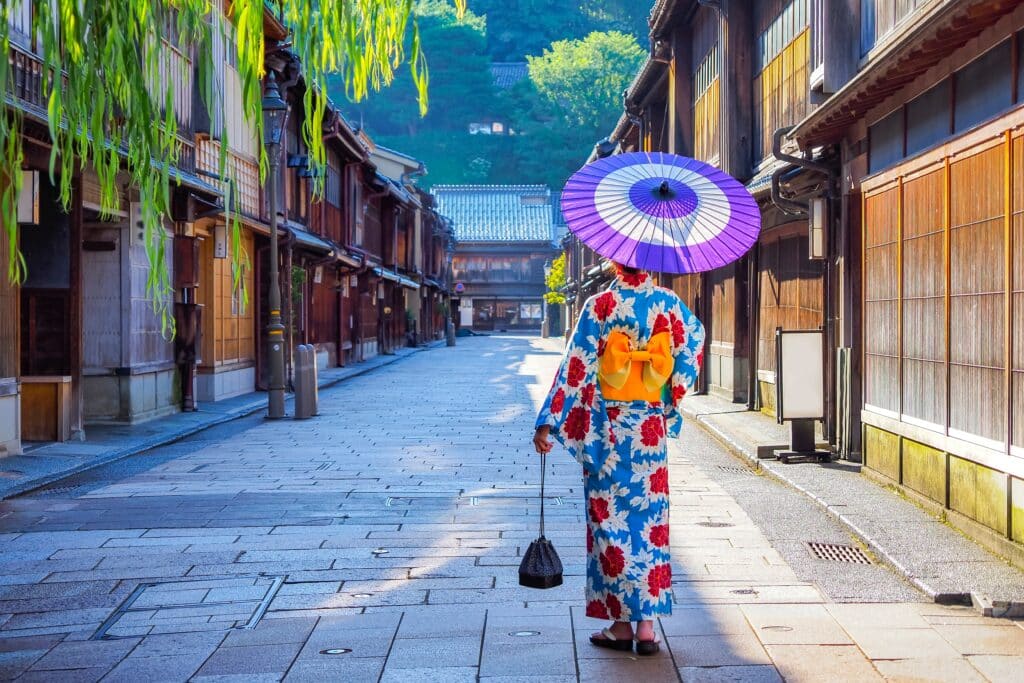
Three weeks gives you much more freedom. You can explore beyond Tokyo, Kyoto and Osaka, include smaller destinations or add a second region without turning the trip into a constant series of transfers.
For most travelers, 4 to 6 hotel bases is a good target for a 21-day Japan trip. This gives you considerably more variety than a shorter first trip while still allowing enough time to properly experience each destination.
21 Days: 4–6 Hotel Bases
Four bases creates a relaxed trip with plenty of time for day trips. Five is an excellent balance for most travelers, while six works well if you enjoy moving around and want to explore several distinct regions.
Five Bases Is a Great Starting Point
For a balanced three-week itinerary, five hotel bases gives you enough variety to move beyond the classic Golden Route without making frequent hotel changes the defining feature of your trip.
This gives you 20 nights across five hotel bases, which fits a 21-day trip. You could still add destinations such as Kamakura, Nara, Osaka or Miyajima as day trips without increasing the number of hotel changes.
Three Weeks Is When Regional Japan Becomes Much Easier
The biggest advantage of having three weeks is not simply that you can add more cities. It is that you can realistically include another part of Japan while still giving your main destinations enough time.
Add traditional districts, gardens and mountain-town atmosphere to a Tokyo–Kyoto itinerary.
Continue beyond Kansai for Hiroshima, Miyajima and a very different urban experience in Fukuoka.
With three weeks, extending the trip into Kyushu becomes much easier to justify without sacrificing your core destinations.
Should You Visit Six Cities in Three Weeks?
Absolutely — if those six cities genuinely interest you. With six hotel bases over 20 nights, you still average more than three nights per base, although the exact distribution will depend on which destinations need the most time.
The important point is that you do not need to use every available night to add another stop. Extra nights can be valuable for spontaneous day trips, bad-weather flexibility, shopping, laundry or simply returning to a neighborhood you particularly enjoyed.
What About Seven or Eight Hotel Bases?
Seven or eight bases are possible in three weeks, especially for experienced travelers who pack lightly and enjoy frequent changes of scenery. But at that point, you are deliberately choosing a high-mobility itinerary.
More time in each destination, easier day trips, fewer luggage transfers and more flexibility.
More regions and frequent changes of scenery, but considerably more packing, transfers and short stays.
Don’t Turn Three Weeks into Three Separate Trips
One common mistake with a longer Japan itinerary is assuming that three weeks means you should travel almost everywhere. It is usually better to think in geographic clusters and build a logical route.
For example, Tokyo → Kanazawa → Kyoto → Hiroshima → Fukuoka moves progressively through the country rather than repeatedly backtracking. Day trips can then expand what you see around those bases.
Use the extra week to go deeper or farther — not simply faster. A three-week trip gives you the freedom to explore beyond the Golden Route while still spending enough time in the places that matter most.
Four bases creates a wonderfully relaxed trip, five is an excellent all-round choice, and six gives active travelers plenty of variety. Seven or eight is possible, but only if frequent travel is part of how you genuinely enjoy exploring Japan.
Fast vs Balanced vs Slow: Which Japan Travel Style Fits You?

Trip length is only half of the equation. Two travelers can both have 14 days in Japan and be happiest with completely different itineraries. One may enjoy changing cities every two nights, while another would rather unpack once and explore an area properly.
Before deciding how many cities to visit, think about how much movement you actually enjoy while traveling. Your ideal number of hotel bases should match your travel style — not somebody else’s itinerary.
You prefer having time to explore neighborhoods, return to places you like and leave some space in the itinerary rather than maximizing the number of destinations.
You want to see several sides of Japan without feeling that every second morning starts with a checkout and a train journey.
You enjoy being on the move, are comfortable traveling light and would rather see more places even if that means less time in each one.
The Same 14 Days Can Produce Three Very Different Trips
The easiest way to see the difference is to compare three travelers with exactly the same amount of time.
None of these approaches is automatically wrong. A fast traveler may genuinely prefer seeing Kanazawa and Takayama rather than spending two additional nights in Tokyo. A slow traveler may get much more enjoyment from exploring Tokyo’s neighborhoods without feeling pressure to leave after three days.
The mistake is choosing a fast itinerary when you are actually a slow traveler — simply because someone else’s route made it look possible.
How Do You Know Which Travel Style You Are?
Think about your previous trips. If you often leave destinations wishing you had another day, you probably benefit from fewer bases. If you become restless after two days and enjoy the journey between places, a faster itinerary may suit you perfectly.
- You dislike packing and unpacking.
- You enjoy exploring neighborhoods without a schedule.
- You want time for cafés, shopping or long meals.
- You are traveling with children or lots of luggage.
- You want flexibility for weather or spontaneous plans.
- You travel light and move efficiently.
- You enjoy train journeys and changing scenery.
- You are comfortable with one- or two-night stays.
- You prefer highlights over exploring every neighborhood.
- Seeing several different regions is a major priority.
First Trip to Japan? Start with a Balanced Pace
If you do not yet know which style suits you in Japan, the balanced approach is the safest starting point. Japan is easy to travel around, but major destinations such as Tokyo and Kyoto can take longer to experience than they appear to when you first look at a map.
You can always add a spontaneous day trip if you feel you have extra time. It is much harder to recover the time once you have booked six hotels and committed yourself to moving every second day.
For most first-time visitors, two to four nights per hotel base creates the best balance. Slow travelers should reduce the number of bases, while fast travelers can add one or two — as long as frequent travel is something they actually enjoy.
When Should You Use Day Trips Instead of Adding Another City?
One of the easiest ways to improve a Japan itinerary is to separate the places you want to visit from the places where you actually need to stay overnight. Many popular destinations are close enough to a major city that changing hotels adds more inconvenience than value.
A good day trip lets you experience somewhere genuinely different while keeping the same hotel, leaving most of your luggage behind and returning to a familiar base in the evening. This is especially useful around Tokyo and the Kansai region, where several excellent destinations are within easy reach.
If you can comfortably see what matters to you in one day and return to your existing hotel without an exhausting journey, a day trip is often the smarter choice. If the destination becomes significantly better in the evening or early morning, or requires more than a day, an overnight stay starts making more sense.
Best Day Trips from Tokyo
Tokyo is particularly useful as a long-term base because several very different destinations can be reached without changing hotels.
Temples, the Great Buddha and historic atmosphere make Kamakura feel very different from Tokyo, yet most first-time visitors do not need to move hotels to experience it.
A day trip works if your priority is the main shrine and temple area. Stay overnight if you also want more time for the surrounding nature and a slower visit.
Its waterfront, Chinatown and urban attractions are easy to combine into a day or evening visit without creating another hotel base.
Best Day Trips from Kyoto
Kyoto can also function as a strong regional base. This is particularly important when deciding whether your itinerary really needs separate stays in Kyoto, Osaka and Nara.
For most first-time visitors, Nara’s main sights fit comfortably into a day. Staying overnight is optional rather than necessary.
Visit from Kyoto if you mainly want the highlights. Stay in Osaka if food, nightlife and experiencing the city late into the evening are major priorities.
Uji is particularly easy to add without changing accommodation and works well when you want something smaller and slower between busy sightseeing days.
Best Day Trips from Osaka
If you prefer Osaka as your Kansai base, you can apply exactly the same strategy in reverse. Staying in Osaka does not mean giving up Kyoto or the surrounding destinations.
Nara works well from either Osaka or Kyoto, so there is rarely a need to create a separate hotel base just for one sightseeing day.
Kobe is close enough to Osaka that most first-time visitors can experience its waterfront, neighborhoods and food without relocating.
Himeji Castle and Koko-en can comfortably form the core of a day trip, making a separate hotel stay unnecessary for most first-time visitors.
When Is a Day Trip the Smarter Choice?
- You only need one day to see what matters to you.
- The journey is straightforward from your existing base.
- There is little benefit to being there early or late after most visitors leave.
- You would otherwise stay only one night and immediately move again.
- Your current hotel is well located for the journey.
- You are already staying several nights in a nearby city.
But Don’t Turn Every Destination into a Day Trip
Fewer hotel changes are useful, but minimizing them should not become the goal at any cost. A three-hour journey each way is rarely a smart day trip simply because it lets you keep the same hotel.
There is also a point where repeatedly returning to the same base creates unnecessary backtracking. If your route naturally continues onward, staying overnight can actually reduce travel rather than increase it.
For example, if you are traveling from Kyoto toward Hiroshima, stopping somewhere along the route may make more sense than visiting it as a day trip and then returning to Kyoto only to travel west again the following morning.
If a destination is easy to visit from where you are already staying, use a day trip to add variety without adding another checkout. But if staying overnight gives you a better experience, avoids backtracking or creates a more logical route, moving hotels can be worth it.
When Is an Overnight Stay Actually Worth It?
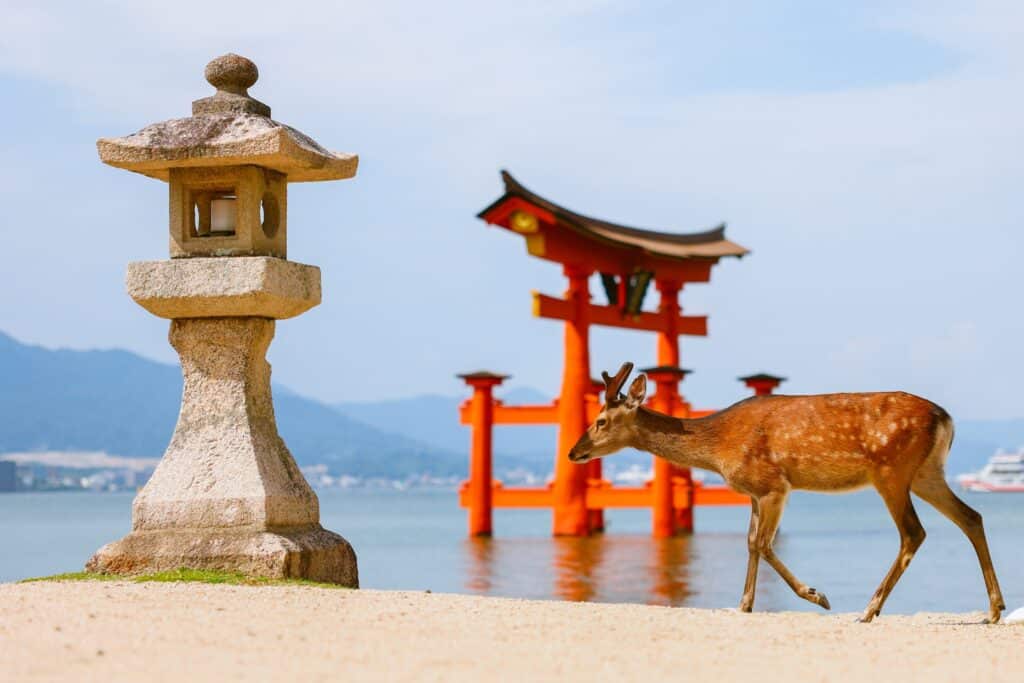
Day trips are one of the best ways to simplify a Japan itinerary, but not every destination should be squeezed into a return journey from a major city. Sometimes staying overnight genuinely changes the experience — and in those cases, adding another hotel base can be worth the extra packing.
The question is not whether a destination can be visited as a day trip. Many places technically can. The better question is whether returning to your previous base causes you to miss something important, creates unnecessary backtracking or turns an enjoyable visit into a rushed one.
If staying overnight gives you a special evening or early-morning experience, lets you enjoy accommodation that is part of the destination, or creates a more efficient onward route, another hotel base may be completely justified.
1. Stay Overnight When the Evening or Morning Matters
Some destinations feel very different once the daytime crowds disappear. Staying overnight can give you quiet streets, atmospheric evenings and early-morning sightseeing before day-trippers arrive.
This is particularly valuable in places where the atmosphere itself is part of the reason to visit. If you leave in the late afternoon simply to catch a train back to your base, you may technically have seen the major sights while missing one of the destination’s best experiences.
Miyajima is easy to visit while staying in Hiroshima, and a day trip is enough for many travelers. But an overnight stay gives you the chance to experience the island after many daytime visitors have left and again early the following morning. If that quieter atmosphere matters to you, the extra hotel change has a clear purpose.
2. Stay Overnight When the Accommodation Is Part of the Experience
Sometimes you are not adding another base because you need more sightseeing time. You are adding it because the overnight stay itself is one of the experiences you want from Japan.
A traditional ryokan, onsen bath and multi-course dinner can justify a one-night stop even when the surrounding destination could technically be visited during the day.
Hakone can be visited from Tokyo, but for many travelers the strongest reason to go is not simply sightseeing. Staying in a ryokan, soaking in an onsen and enjoying a slower evening can be the highlight.
In that situation, one night in Hakone is not an inefficient hotel change — it is part of the experience you deliberately chose.
3. Stay Overnight When It Moves Your Route Forward
A hotel change becomes much easier to justify when the destination lies naturally between two parts of your itinerary. Instead of making a return day trip and repeating the same journey, you stay overnight and continue onward the following day.
This is particularly useful when exploring areas beyond the Tokyo–Kyoto–Osaka corridor. A well-positioned one- or two-night stop can actually reduce backtracking and make the entire route more efficient.
Takayama makes more sense as part of a wider route through central Japan than as an ambitious out-and-back day trip. A stay of one or two nights gives you time to experience the town while continuing logically toward your next destination.
4. Stay Overnight When One Day Simply Is Not Enough
Some destinations deserve another night because your plans genuinely require more time. This is different from staying somewhere simply because it appears on a popular itinerary.
If you want to combine several attractions, explore beyond the central sights or take an additional excursion from the destination, turning it into a proper base may be more comfortable than trying to compress everything into one long day.
- The main experience fits comfortably into one day.
- The journey from your base is easy.
- You would gain little from staying after dark.
- You would otherwise create an unnecessary one-night stop.
- You need to return in the same direction anyway.
- The evening or early morning improves the experience.
- A ryokan or onsen stay is part of the reason you are going.
- The destination naturally sits on your onward route.
- A day trip would involve excessive travel.
- You genuinely need more than one day there.
A One-Night Stay Is Not Automatically a Mistake
You will often hear advice to avoid one-night stays in Japan, but that rule is too simplistic. The problem is not one-night stays themselves — it is having too many of them without a good reason.
One night in Hakone for a ryokan experience can make perfect sense. One night on Miyajima because you specifically want the island after the crowds leave can also be worthwhile. A strategically placed overnight stop between two longer bases may improve your route rather than disrupt it.
The warning sign is an itinerary filled with one-night stays where every morning begins with another checkout. When that happens, individual stops may each look reasonable while the overall trip becomes exhausting.
Do not avoid overnight stays simply to minimize your number of bases. Instead, ask what the overnight stay gives you in return. If it creates a special experience, saves backtracking or gives a destination the time it deserves, adding another base can be the smarter choice.
The Hidden Cost of Visiting Too Many Cities
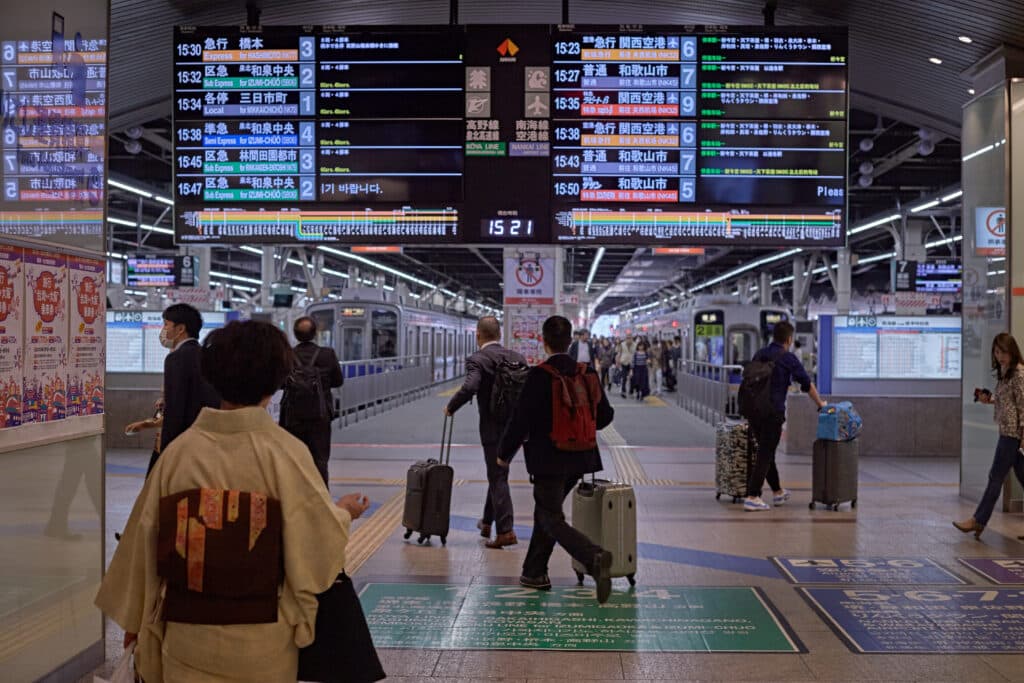
Japan’s fast and reliable trains can make an ambitious itinerary look deceptively easy. Tokyo to Kyoto takes only a few hours by Shinkansen, Kyoto and Osaka are close together, and many other destinations appear perfectly manageable when you look at individual journey times.
But the train journey is only one part of changing cities. Every time you move to another hotel, there is a collection of smaller tasks that rarely appear in an itinerary — packing, checking out, getting to the station, finding the correct platform, traveling, reaching the next hotel, storing luggage and checking in again.
A 2-Hour Train Journey Rarely Costs Only 2 Hours
Even a straightforward transfer can consume a significant part of your day once you include everything before and after the train. The more often you change hotels, the more of these small time losses accumulate across the trip.
What Actually Happens on a Hotel-Change Day?
Imagine you are leaving one city in the morning and continuing to another. The journey itself may be simple, but your day often looks something like this:
Repack your suitcase, check the room, check out and organize any luggage forwarding or storage.
Travel from your hotel to the station and allow enough time to find the platform and board your train.
This is the part most travelers calculate when deciding whether another city will fit into the itinerary.
Navigate a new station, transfer to local transport and make your way to unfamiliar accommodation.
If your room is not ready, you may need to leave your luggage and return later before finally settling in.
None of these steps is particularly difficult in Japan. The problem is repetition. Do it once or twice and it barely matters. Do it six times during a two-week trip and it becomes a meaningful part of your holiday.
Travel Time Is Not the Only Cost
Frequent hotel changes also create a less obvious cost: they break your sightseeing days into smaller pieces. Even when you arrive early enough to explore, transfer days rarely feel as flexible as waking up in a city where you are already staying.
Transfers consume parts of mornings and afternoons that could otherwise be used for sightseeing or simply slowing down.
New stations, new routes, new hotels and new neighborhoods all require small decisions that accumulate over a longer trip.
When another hotel is waiting that evening, staying longer somewhere you love becomes much harder.
Extra train journeys, local transport, station lockers and luggage forwarding can gradually increase the cost of a high-mobility itinerary.
The Difference Between 3 and 6 Hotel Bases
Consider two travelers spending 14 days in Japan. Both may visit roughly the same number of destinations, but their itineraries can feel completely different.
| 14-Day Trip | 3 Bases | 6 Bases |
|---|---|---|
| Hotel changes | 2 | 5 |
| Average stay | 4–5 nights | About 2 nights |
| Day-trip flexibility | High | Lower |
| Luggage handling | Occasional | Frequent |
| Overall pace | Relaxed to balanced | Fast |
The six-base itinerary is not automatically bad. Some travelers will prefer it. But the additional destinations need to be valuable enough to justify three extra hotel changes.
Luggage Forwarding Helps — But It Doesn’t Remove the Hotel-Change Tax
Japan’s luggage forwarding services can make multi-city trips considerably easier because you do not always need to carry large suitcases between destinations. This is particularly useful when inserting a one-night stop between two longer stays.
But luggage forwarding solves only part of the problem. You still need to check out, travel, find the next accommodation and adapt to another base. Takkyubin reduces the physical burden of moving; it does not give you the transfer time back.
When comparing two itineraries, count the number of hotel changes as well as the number of cities. If one route gives you almost the same experiences with two fewer checkouts, it is often the better itinerary.
How Much Hotel-Change Tax Is Too Much?
There is no universal limit, but the pattern matters. One strategic one-night stay between two longer bases is very different from five consecutive stays of one or two nights.
As a practical guideline, look at your itinerary and identify how often you wake up knowing that you must leave your accommodation that day. If that happens every second morning for most of the trip, you have chosen a genuinely fast-paced itinerary.
Another city is worth adding when the experience it gives you is more valuable than the time and energy required to move there. The goal is not to eliminate hotel changes — it is to make sure every hotel change earns its place.
Signs Your Japan Itinerary Has Too Many Cities
There is no single number at which a Japan itinerary suddenly becomes too ambitious. Five cities might work perfectly over two weeks if several are day trips, while four hotel bases could already feel exhausting on a seven-day trip.
The better way to judge your itinerary is to look for patterns that indicate you are spending too much time moving and not enough time experiencing each destination.
One strategic overnight stay can be worthwhile. Several in the same itinerary usually means you are spending a large part of the trip arriving, unpacking, repacking and leaving again.
If almost every second morning begins with a checkout, you have chosen a genuinely fast-paced trip — whether you intended to or not.
If packing, storing, forwarding or carrying luggage appears repeatedly in your morning plans, hotel logistics are starting to shape the trip.
Japan’s trains are excellent, but repeated intercity journeys still consume time and energy. A holiday can quickly become a sequence of transfer days.
A convenient location is not enough reason to add another stop. Every destination should earn its place because you genuinely want the experience it offers.
If every day is committed to a new destination, transfer or major sightseeing plan, there is little room for bad weather, tiredness or discovering somewhere you want to stay longer.
If you are cutting major first-trip destinations extremely short just to make room for more stops, quantity may be taking priority over the experiences you actually value most.
If one late start, rainy afternoon or missed connection would cause the rest of the itinerary to unravel, you probably have too little breathing room.
The Remove-One-City Test
If you are unsure whether your itinerary is too ambitious, try a very simple exercise: remove the lowest-priority overnight destination and redistribute those nights among the places that remain.
Every destination may individually look reasonable, but the trip contains frequent transitions and relatively short stays.
Visit Osaka from Kyoto if it remains important. You now have longer stays, fewer checkouts and more flexibility without necessarily losing the destination entirely.
The important word is dramatically. If losing one overnight stop suddenly gives you breathing room throughout the entire trip, that stop was probably creating more logistical pressure than value.
Another Warning Sign: You Are Planning by Nights Instead of Experiences
It is easy to look at a 14-night trip and start dividing those nights between destinations before deciding what you actually want to do there.
Try reversing the process. First identify your highest-priority experiences — perhaps Tokyo’s neighborhoods, several days of temples and traditional districts in Kyoto, a ryokan stay, Hiroshima and Miyajima, or Osaka’s food scene. Then give those experiences enough time before adding lower-priority destinations.
This helps prevent the common situation where an important destination receives two rushed days simply because several less important cities were added first.
Too Many Cities Can Also Make Japan Feel More Similar
There is another paradox to fast travel: the more cities you add, the easier it becomes to experience only their most obvious sights. You arrive, visit the headline attractions, eat near the center and leave again.
Longer stays give you time to move beyond that pattern. You can explore residential neighborhoods, return somewhere in the evening, try restaurants away from the main sightseeing areas or simply experience a city without constantly checking the time.
So visiting fewer cities does not necessarily mean experiencing less of Japan. In some cases, it allows you to experience more of what makes each place different.
Before finalizing your itinerary, highlight every hotel-change day. If your calendar suddenly looks dominated by transfers, convert one destination into a day trip, remove it, or give it enough nights to justify becoming a real base.
There is no magic maximum number. Instead, watch for repeated one-night stays, constant hotel changes, long travel days and a lack of flexibility. The right itinerary should leave you excited about your next destination — not constantly preparing to leave the current one.
Which Cities Should First-Time Visitors Prioritize?
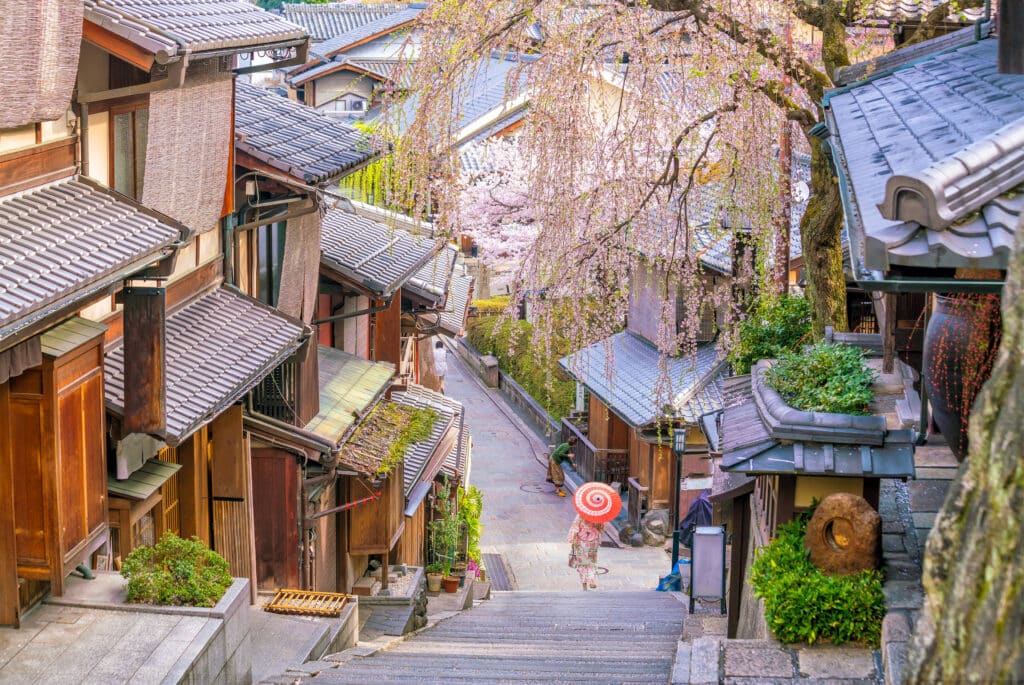
Once you decide how many hotel bases your Japan trip can comfortably support, the next question is obvious: which places deserve those limited slots?
For most first-time visitors, the answer should not come from trying to collect Japan’s most famous cities. Instead, start with the destinations that give you the strongest overall introduction to the country, then use your remaining time for places that match your interests.
Start with Tokyo and Kyoto
For a typical first trip, Tokyo and Kyoto are the two strongest anchors. Together they provide enormous variety while also working as useful bases for additional day trips. If you have only 7 to 10 days, you do not necessarily need to add another overnight city at all.
Priority 1: Tokyo
Tokyo gives you modern Japan, historic districts, food, shopping, nightlife and dramatically different neighborhoods within a single base.
3–5 nights for most first-time visitors, with longer stays working especially well if you want a day trip.
Kamakura, Yokohama and Nikko can add very different experiences without automatically requiring another hotel.
Priority 2: Kyoto
Kyoto provides the strongest concentration of temples, shrines, traditional districts, gardens and historic atmosphere on the classic first-trip route.
3–4 nights is a strong starting point because the major sights are spread across different parts of the city.
Nara, Osaka and Uji can all be added without necessarily creating another hotel base.
Strong Additions: Osaka and Hiroshima
Once Tokyo and Kyoto are covered, the next base should usually add something meaningfully different to your trip. For many first-time visitors, Osaka or Hiroshima is the most logical choice.
Osaka adds a more casual, energetic urban experience to the trip and is particularly attractive for travelers interested in food, nightlife and evening atmosphere.
But: because Osaka is so easy to combine with Kyoto, it does not automatically need to become a separate hotel base.
Hiroshima adds a different historical dimension to the trip and creates an excellent base for visiting Miyajima.
Best fit: travelers with enough time to move beyond the Tokyo–Kyoto corridor and who want greater geographic variety.
Then Choose by Experience — Not by Fame
If you have room for another base, this is where your personal interests should take over. There is no universal third, fourth or fifth city that every first-time visitor needs.
Choose Hakone if staying in a ryokan and experiencing an onsen is one of your priorities. One purposeful overnight stay can be enough.
Choose Kanazawa for gardens, traditional districts, crafts and a smaller-city contrast to Tokyo and Kyoto.
Choose Takayama if you want a smaller historic town and are building a route through central Japan rather than staying only on the Golden Route.
Nara is highly worthwhile for many first-time visitors, but it usually works better as a day trip than as another hotel base.
Kamakura is a strong addition if you have enough time in Tokyo, but most first-time visitors can experience it comfortably as a day trip.
Choose Nikko if elaborate shrines, forest scenery and history are priorities. Visit as a day trip or stay overnight for a broader experience.
Visit Miyajima from Hiroshima for maximum efficiency, or stay overnight if experiencing the island during its quieter evening and morning hours matters to you.
Use Your Limited Bases to Create Contrast
A useful way to choose between destinations is to ask whether the next city gives you something substantially different from what is already in your itinerary.
If you already have several days of temples and traditional neighborhoods in Kyoto, adding another temple-heavy destination may provide less variety than an onsen stay, a mountain town or Hiroshima and Miyajima.
What If You Have to Cut One City?
When two destinations are competing for the final place in your itinerary, do not ask which one is objectively better. Ask which one adds more to the trip you have already built.
For example, Osaka may be a higher priority for a traveler focused on food and nightlife, while Hiroshima may be the stronger choice for someone interested in history and Miyajima. Hakone may beat both if a ryokan and onsen stay is one of the experiences you most want from Japan.
This is why copying another traveler’s itinerary city by city rarely produces the perfect trip. The best additional destination depends on what your existing route is missing.
Once Tokyo and Kyoto are covered, stop asking which city is most famous and start asking which experience your itinerary still needs. That usually leads to a better third or fourth base.
For most first-time visitors, Tokyo and Kyoto make the strongest starting pair. After that, choose Osaka, Hiroshima, Hakone, Kanazawa, Takayama or another destination according to what will add the most meaningful contrast to your trip — and use day trips for places that do not need to become another hotel base.
Travel Owl City Optimizer: How Many Bases Do You Really Need?
By now, you know there is no perfect number of cities for every Japan trip. But you can get surprisingly close to your ideal number of hotel bases with four simple decisions.
Start with your trip length, adjust for your preferred travel pace, then check whether some destinations can become day trips instead of separate stays. Finally, look for unnecessary one-night stops.
Start with Your Trip Length
Use these numbers as your starting point. We will adjust them in the next steps.
Step 1: Adjust for Your Travel Style
Now modify that starting number according to how you actually like to travel.
Choose fewer bases and use the extra nights for neighborhoods, food, spontaneous exploration and day trips.
This is the Travel Owl starting recommendation for most first-time visitors to Japan.
Add another base if you travel light, enjoy frequent changes of scenery and are comfortable with shorter stays.
Step 2: Check Every Additional City
Next, look at every destination beyond your main bases and ask one question:
If you can comfortably visit from an existing base and staying overnight adds little to the experience, keep your current hotel.
Keep the overnight stay if it improves the evening or morning experience, avoids backtracking, gives you enough time or the accommodation itself is part of the trip.
Step 3: Check Your One-Night Stays
Now highlight every destination where you stay for only one night. You do not automatically need to remove them, but each one-night stay should have a clear reason to exist.
| Reason for 1-Night Stay | Keep It? |
|---|---|
| Ryokan or onsen experience | Usually yes |
| Special evening or early-morning atmosphere | Often yes |
| Logical stop on the way to your next destination | Often yes |
| “It was on a popular itinerary” | Question it |
| “It looked close on the map” | Question it |
Step 4: Apply the Hotel-Change Test
Finally, count how many times you will actually change accommodation.
If you are changing hotels every one or two days for most of the trip, go back through the itinerary and identify the lowest-priority base. Then test what happens if you remove it, convert it into a day trip or give those nights to your existing destinations.
If removing your lowest-priority hotel base makes the entire itinerary noticeably easier without removing an experience you care deeply about, remove it.
Example: Optimizing a 14-Day Japan Trip
Imagine you initially plan six hotel bases:
Now run it through the optimizer.
You have reduced six hotel bases to four while still being able to experience Tokyo, Hakone, Kyoto, Nara, Osaka, Hiroshima and Miyajima. You have not necessarily removed destinations — you have removed unnecessary hotel changes.
Your Travel Owl City Optimizer Result
| Trip Length | Slow | Balanced | Fast |
|---|---|---|---|
| 7 Days | 1–2 bases | 2 bases | 2–3 bases |
| 10 Days | 2 bases | 2–3 bases | 3–4 bases |
| 14 Days | 2–3 bases | 3–4 bases | 4–5 bases |
| 21 Days | 3–5 bases | 4–6 bases | 5–7 bases |
These are targets, not rules. A one-night ryokan stay may push you above the range, while using Tokyo or Kyoto for several day trips may leave you below it. What matters is whether every additional base improves your trip enough to justify another transfer.
The smartest Japan itinerary is rarely the one with the most cities. It is the one that gives you the experiences you care about with the fewest unnecessary hotel changes.
Sample Japan Itineraries: Too Fast vs Better Balanced
Sometimes the easiest way to understand whether an itinerary has too many cities is to compare two versions of the same trip. Both may contain many of the same destinations, but the number of hotel changes can make the actual experience very different.
The goal is not simply to remove places. Instead, look for destinations that can become day trips, combine nearby cities under one base and keep overnight stops only when they genuinely improve the experience.
10 Days in Japan: Too Fast vs Better Balanced
Ten days is enough for a varied first trip, but it is also easy to overestimate how many overnight stops comfortably fit.
Nothing is wrong with these destinations individually. The problem is that almost half the trip becomes structured around moving to the next hotel.
You still experience three major regions, while Osaka can be visited from Kyoto and Miyajima from Hiroshima.
What Did We Actually Remove?
The optimized itinerary looks much shorter on paper, but the difference in actual experiences is smaller than it first appears.
| Destination | Too Fast | Better Balanced |
|---|---|---|
| Tokyo | Hotel base | Hotel base |
| Hakone | Hotel base | Removed unless ryokan/onsen is a priority |
| Kyoto | Hotel base | Hotel base |
| Osaka | Hotel base | Day/evening trip from Kyoto |
| Hiroshima | Hotel base | Hotel base |
The balanced version therefore does not simply turn a five-destination trip into a three-destination trip. It turns five hotel bases into three while preserving many of the experiences.
If staying in a Hakone ryokan and enjoying an onsen is one of your highest priorities, keep Hakone. The optimized route might then use four bases instead of three. Optimization does not mean removing experiences you genuinely care about.
14 Days in Japan: Too Fast vs Better Balanced
With two weeks, it becomes tempting to add every famous stop between Tokyo and western Japan. But the additional time is often more valuable when it creates longer stays rather than simply more check-ins.
This route offers enormous variety, but frequent short stays leave relatively little time to settle into each destination.
Use the fourth base for the experience that matters most to you instead of trying to include every possible stop.
Choose Your Fourth Base by Priority
The strongest four-base itinerary is not the same for everyone. Tokyo, Kyoto and Hiroshima provide a strong framework; your additional base can then change the character of the trip.
Best if a ryokan, onsen and slower overnight experience are priorities.
Best if you want another traditional destination with gardens, historic districts and a smaller-city atmosphere.
Best if exploring central Japan and experiencing a smaller historic mountain town matter more than route simplicity.
Best if experiencing Osaka at night matters enough that you do not want to treat it simply as a visit from Kyoto.
More Cities Do Not Always Mean More Variety
There is an important lesson in these comparisons. A slower itinerary can still contain enormous variety if your bases are chosen well.
From Tokyo, you might visit Kamakura. From Kyoto, you could spend a day in Nara or an evening in Osaka. Hiroshima gives you access to Miyajima. Add one carefully chosen overnight destination and a four-base itinerary can easily expose you to seven or eight distinct places.
The difference is that you are not moving your suitcase every time you cross a city boundary.
When comparing two Japan itineraries, do not ask only “Which one visits more cities?” Ask which one gives you the experiences you care about with fewer unnecessary transfers. That is usually the more useful comparison.
For most first-time visitors, the smartest approach is to establish a few strong bases, use day trips for nearby destinations and add overnight stops only when they materially improve the trip. You can often see almost as much Japan while moving considerably less.
Final Verdict: How Many Cities Should You Visit in Japan?

For most first-time visitors, the ideal Japan itinerary includes fewer hotel bases than destinations. You do not need to change hotels every time you want to experience somewhere new.
Tokyo and Kyoto can each support several days of sightseeing plus day trips, while destinations such as Nara, Kamakura, Osaka, Yokohama or Miyajima can often be added without automatically becoming another overnight stop.
These numbers are not strict limits. Slow travelers may prefer fewer bases, while experienced travelers who enjoy frequent movement can comfortably add more. A purposeful one-night ryokan stay can also be worth adding even when it pushes you beyond the recommended range.
What matters is that every hotel change earns its place. Stay overnight when it gives you a better evening or morning experience, makes your route more logical, or gives a destination the time it deserves. Otherwise, consider visiting from a base you already have.
That small change in thinking can transform your itinerary. Instead of trying to maximize the number of pins on your map, you start maximizing useful travel time, meaningful experiences and flexibility.
And for most first-time visitors, that means something surprisingly simple: choose a few strong bases, stay long enough to enjoy them, and use day trips strategically to see more of Japan without constantly packing your suitcase.
A great Japan itinerary is not measured by how many cities you manage to squeeze in. It is measured by whether you have enough time to enjoy the places you chose — without spending too much of your trip preparing to leave them.
Japan Itinerary FAQ: How Many Cities Should You Visit?
How many cities should I visit in Japan in 7 days?
For a 7-day Japan trip, 2 hotel bases are usually enough. Tokyo and Kyoto are the strongest combination for most first-time visitors. If you want more variety, add somewhere such as Nara, Osaka or Kamakura as a day trip rather than automatically adding another hotel.
How many cities should I visit in Japan in 10 days?
For 10 days in Japan, 2 to 3 hotel bases is a good target. Tokyo and Kyoto can form the core of the trip, with Hiroshima, Hakone, Osaka or another destination added if it matches your priorities.
How many cities should I visit in Japan in 2 weeks?
For a two-week Japan trip, 3 to 4 hotel bases offers the best balance for most first-time visitors. You can still visit considerably more destinations by using Tokyo, Kyoto, Osaka or Hiroshima as bases for day trips.
How many cities should I visit in Japan in 3 weeks?
For three weeks in Japan, 4 to 6 hotel bases works well for most travelers. This gives you enough time to move beyond the classic Tokyo–Kyoto–Osaka route while still spending several nights in your most important destinations.
Is 5 cities too many for 10 days in Japan?
Five hotel bases in 10 days will feel fast for most first-time visitors because you may be changing accommodation every one or two days. Visiting five destinations is much easier if some of them are day trips from two or three main bases.
Is it better to stay longer in fewer cities in Japan?
For most first-time visitors, yes. Longer stays mean fewer checkouts, less luggage handling and more flexibility. They also give you time to explore beyond the main attractions. However, a short overnight stay can still be worthwhile when it adds a special experience such as a ryokan, onsen or quieter evening atmosphere.
Should I stay in both Kyoto and Osaka?
Not necessarily. Kyoto and Osaka are close enough that many travelers can stay in one and visit the other. Stay in both if experiencing Osaka’s food, nightlife and evening atmosphere is an important part of your trip. Otherwise, keeping one Kansai base can reduce hotel changes.
How many nights should I spend in Tokyo and Kyoto?
For a first trip, consider roughly 3 to 5 nights in Tokyo and 3 to 4 nights in Kyoto. Stay longer if you want a slower pace or plan to use either city as a base for day trips.
Is 2 days enough for a city in Japan?
Two days can be enough for smaller destinations or a focused visit, but it is short for major cities such as Tokyo and Kyoto. For those cities, most first-time visitors benefit from at least three nights and often longer.
Are day trips better than changing hotels in Japan?
They often are when the destination can be comfortably explored in one day and is easy to reach from your existing base. A separate overnight stay makes more sense when the evening or early morning improves the experience, the accommodation itself is important, or staying there creates a more logical onward route.
How do I know if my Japan itinerary has too many cities?
Look for repeated one-night stays, hotel changes every one or two days, frequent long train journeys and little flexibility. A useful test is to remove your lowest-priority overnight stop. If the entire itinerary suddenly feels much easier, you probably had one base too many.