
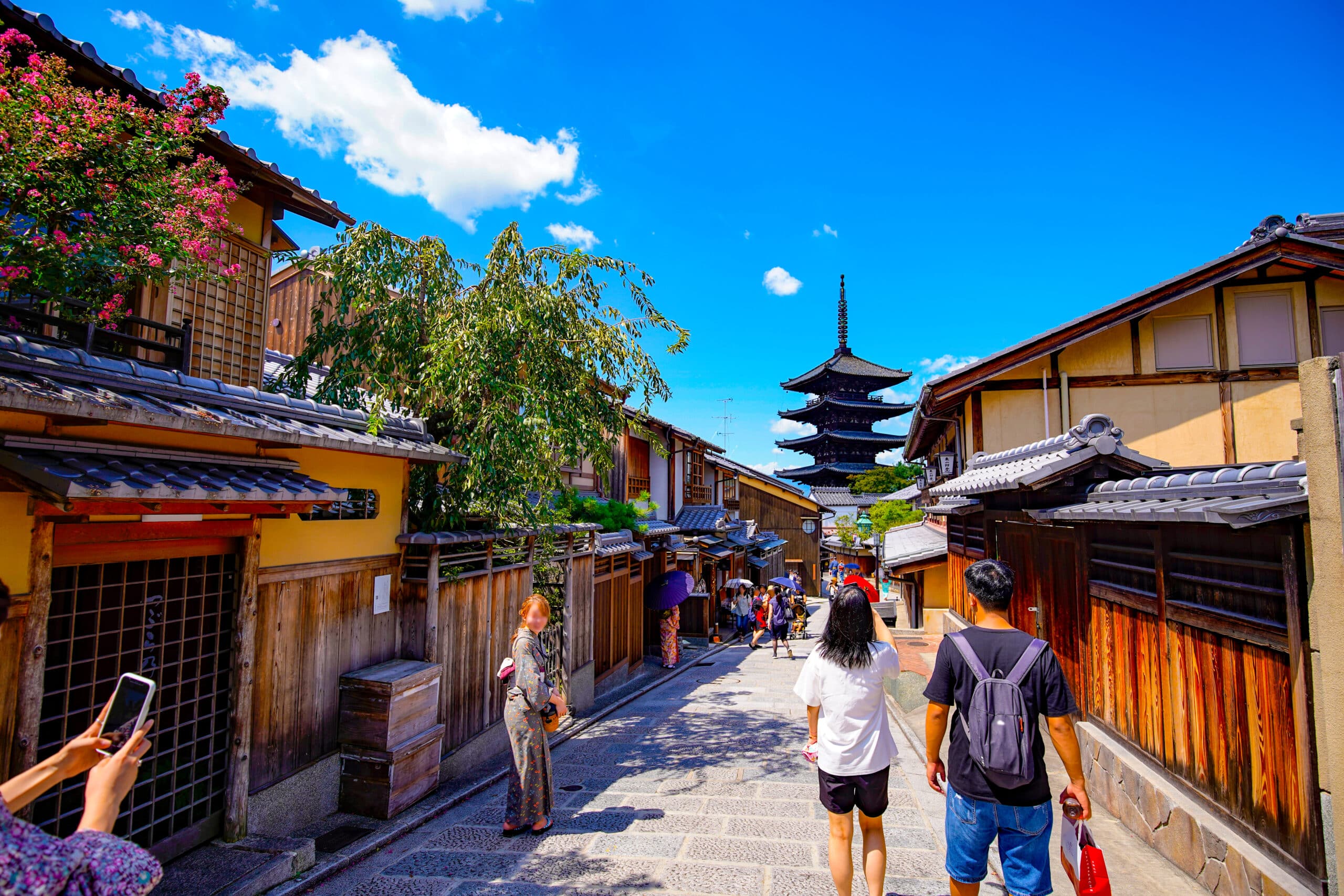
Japan in summer has a reputation for being hot, humid, and exhausting. Spend a few minutes researching a July or August trip, and you’ll probably come across plenty of warnings: unbearable temperatures, crowded attractions, and sightseeing that feels more like an endurance test than a holiday.
But is visiting Japan in summer really such a bad idea?
Not necessarily. Summer brings some of Japan’s most spectacular festivals, dazzling fireworks displays, lush mountain landscapes, and experiences you simply won’t find at other times of the year. From the cooler landscapes of Hokkaido to the hiking trails of the Japanese Alps, there are plenty of reasons to consider a summer trip.
The problem is that not every part of Japan is equally enjoyable in summer. Exploring Kyoto’s temples in August can feel very different from hiking in the mountains or discovering northern Japan. And an itinerary that works beautifully in April or October may become surprisingly uncomfortable in July.
The real question isn’t simply whether Japan is worth visiting in summer. It’s where you should go, when you should travel, and how you should plan your days.
In this guide, we’ll take an honest look at Japan’s summer weather, crowds, costs, and seasonal highlights. We’ll compare June, July, and August, explore the best destinations, and explain which popular travel plans may be worth reconsidering.
The goal is simple: to help you decide whether a summer trip to Japan is right for you — and how to make the most of it if you decide to go.
Yes, Japan is worth visiting in summer — but it is not the best season for everyone, and your choice of destinations makes a huge difference.
June, July, and August bring high humidity, intense heat in many cities, and occasional weather disruptions. Tokyo, Kyoto, and Osaka can be particularly uncomfortable for travelers planning long days of outdoor sightseeing.
However, summer also offers spectacular festivals, fireworks, mountain scenery, and excellent opportunities to explore destinations such as Hokkaido and the Japanese Alps. With the right itinerary, a summer trip can still be an unforgettable experience.
Best For
Festivals, fireworks, mountain escapes, nature lovers, and travelers with flexible itineraries.
Biggest Drawback
Heat and humidity can make extended sightseeing exhausting, especially in major cities.
Smartest Strategy
Combine shorter city visits with cooler regions, and plan outdoor activities for mornings and evenings.
Travel Owl Verdict: If summer is your only opportunity to visit Japan, don’t automatically rule it out. But if you have complete freedom to choose your travel dates and your priority is comfortable sightseeing in Tokyo, Kyoto, and Osaka, spring or autumn will usually be the better choice.
Table of Contents
Japan in Summer at a Glance
Summer in Japan is a season of contrasts. While major cities can be intensely hot and humid, mountain regions and northern destinations offer more comfortable conditions. Here’s what travelers should expect before planning their trip.
Temperature
28–35°C
Typical daytime highs in many major cities during July and August. Heatwaves can push temperatures higher.
Humidity
High to Very High
Humidity often makes the heat feel more intense, especially in Tokyo, Kyoto, and Osaka.
Rainfall
Seasonal
The rainy season affects much of Japan in June and July. Heavy showers and storms remain possible afterward.
Crowds
Moderate to High
Popular festivals, school holidays, and the Obon period in August can create significant travel demand.
Travel Costs
Variable
Some city hotels may offer good value, but flights, festivals, and peak domestic holiday periods can be expensive.
Festivals & Events
Excellent
Summer is one of Japan’s most exciting seasons for traditional festivals, fireworks, and cultural celebrations.
Travel Owl Summer Experience Ratings
Travel Owl editorial ratings for a typical summer trip. Actual experiences vary considerably by region, month, and travel style.
Travel Owl Takeaway: Summer is one of Japan’s most rewarding seasons for festivals and mountain adventures, but one of the least comfortable for intensive city sightseeing. The key to a successful trip is choosing destinations and activities that work with the season rather than against it.
Quick Decision Guide: Should You Visit Japan in Summer?
Japan in summer can be an unforgettable experience — or a surprisingly exhausting one. The difference often comes down to your travel priorities, tolerance for heat, and willingness to adapt your itinerary. Here’s how to decide whether summer is the right season for you.
VISIT Japan in Summer If…
- You want to experience traditional Japanese summer festivals and fireworks.
- You enjoy hiking, mountain scenery, and outdoor adventures.
- You plan to explore Hokkaido, the Japanese Alps, or northern Japan.
- You can tolerate hot, humid weather.
- You’re happy to adjust sightseeing hours and take regular breaks.
Best choice: A summer-focused itinerary combining cultural experiences with cooler destinations.
CONSIDER Japan in Summer If…
- Summer holidays are your only realistic opportunity to visit Japan.
- It’s your first trip, and you still want to see Tokyo, Kyoto, and Osaka.
- You don’t mind replacing some outdoor sightseeing with indoor activities.
- You’re flexible about destinations and daily schedules.
- You accept that weather conditions may occasionally disrupt your plans.
Best choice: A carefully paced itinerary with early starts, indoor alternatives, and fewer daily activities.
AVOID Japan in Summer If…
- You strongly dislike hot and humid weather.
- Your main priority is exploring temples, shrines, and historic streets on foot.
- You want to spend entire days sightseeing without frequent breaks.
- You prefer mild temperatures for photography and walking.
- You can easily travel during spring or autumn instead.
Best choice: Visit in spring or autumn for generally more comfortable sightseeing conditions.
🦉 Travel Owl Recommendation
Don’t reject Japan in summer simply because of the weather. If summer is your only travel window, a well-planned trip can still be extremely rewarding. But if you have flexible dates and your dream itinerary focuses on Tokyo, Kyoto, Osaka, and other major sightseeing cities, spring or autumn is usually the smarter choice.
Why Summer in Japan Is More Difficult Than You Might Expect
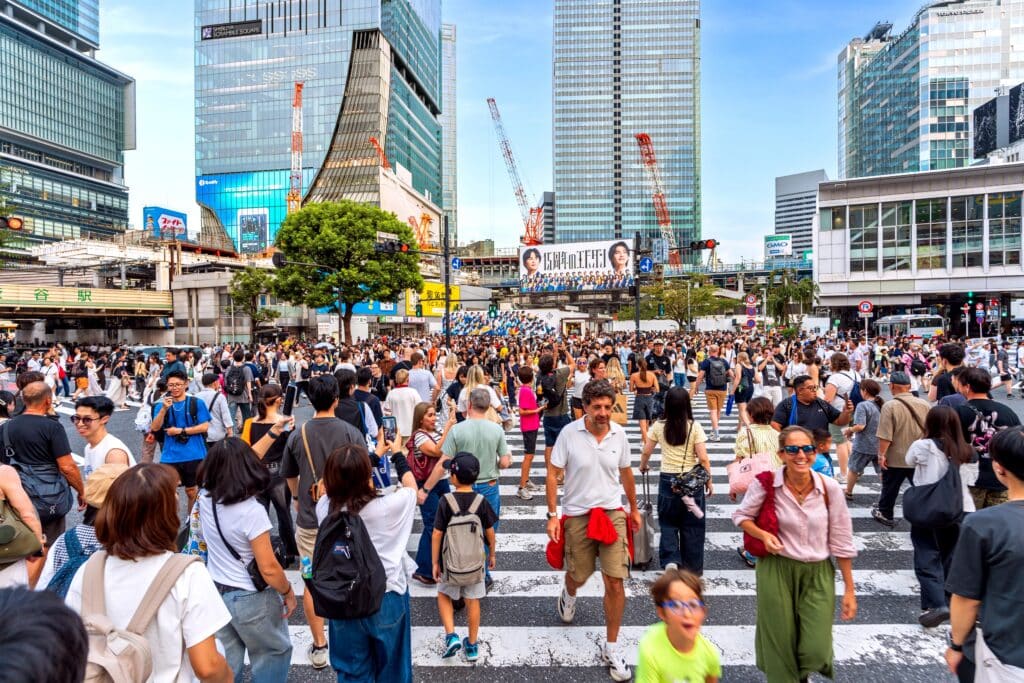
Looking at Japan’s summer temperatures on a weather app doesn’t always tell the full story. A forecast of 32°C might seem manageable, especially if you’re used to warm summers at home. But add high humidity, crowded streets, long walking distances, and limited shade, and sightseeing can become much more demanding than expected.
These are the five challenges that can make a summer trip to Japan surprisingly difficult.
🌡️ 1. Humidity Makes the Heat Feel Much Worse
Japan’s summer heat isn’t just about temperature. In cities such as Tokyo, Kyoto, and Osaka, high humidity makes it harder for sweat to evaporate and cool your body. Even temperatures that look reasonable on paper can feel oppressive.
You may find yourself sweating within minutes of leaving your hotel, even before reaching your first attraction. The combination of heat and humidity can also make recovery between sightseeing stops more difficult.
🚶 2. Japan’s Sightseeing Often Involves More Walking Than Expected
Many of Japan’s most memorable attractions are best explored on foot. Kyoto’s historic neighborhoods, Tokyo’s shopping districts, temple complexes, and traditional towns can involve hours of walking, often with limited opportunities to escape the heat.
A sightseeing schedule that feels comfortable in April or November may become exhausting in August. Even short distances between attractions can feel considerably longer under the summer sun.
☀️ 3. Midday Sightseeing Can Become Uncomfortable
Summer temperatures often peak during the afternoon, just when many travelers would normally be exploring outdoor attractions. Large temple grounds, exposed streets, castle parks, and viewpoints can offer relatively little protection from direct sunlight.
This makes early mornings and evenings particularly valuable. Travelers who insist on filling every hour with outdoor activities may find that their itinerary becomes more tiring than enjoyable.
🚆 4. Crowds and Transport Can Add to the Discomfort
Japan’s trains and stations are generally well organized, and many are air-conditioned. However, crowded platforms, busy transfers, and walking between stations and attractions can still be uncomfortable in hot weather.
The situation can become more demanding during major summer festivals and the Obon holiday period, when popular destinations and transport routes experience increased domestic travel.
🌧️ 5. Summer Weather Can Disrupt Your Plans
Summer isn’t simply hot and sunny. The rainy season affects much of Japan during June and July, while heavy thunderstorms and tropical cyclones can create additional challenges later in the season.
Most travelers won’t experience major disruptions, but severe weather can occasionally affect trains, flights, ferries, and outdoor activities. A flexible itinerary is especially valuable during this time of year.
A Typical Kyoto Sightseeing Day: Spring vs Summer
| Factor | Spring / Autumn | Summer |
|---|---|---|
| Walking | Often comfortable for longer periods | More tiring in heat and humidity |
| Temple visits | More flexibility throughout the day | Early visits often preferable |
| Midday activities | Outdoor sightseeing often practical | Indoor breaks especially valuable |
| Daily itinerary | More attractions may be manageable | Fewer stops and a slower pace recommended |
General comparison based on typical seasonal conditions. Spring and autumn can also have hot, rainy, or unusually warm days.
🦉 Travel Owl Tip: Plan Less, Enjoy More
In summer, a successful sightseeing day often means visiting fewer attractions rather than trying to follow an ambitious schedule. Prioritize outdoor sights in the morning, plan air-conditioned breaks during the hottest hours, and leave room for evening activities. Check local heat warnings and Japan’s heatstroke alert information, and never push through symptoms of heat illness simply to finish an itinerary.
Japan in June vs July vs August: Which Month Is Best?
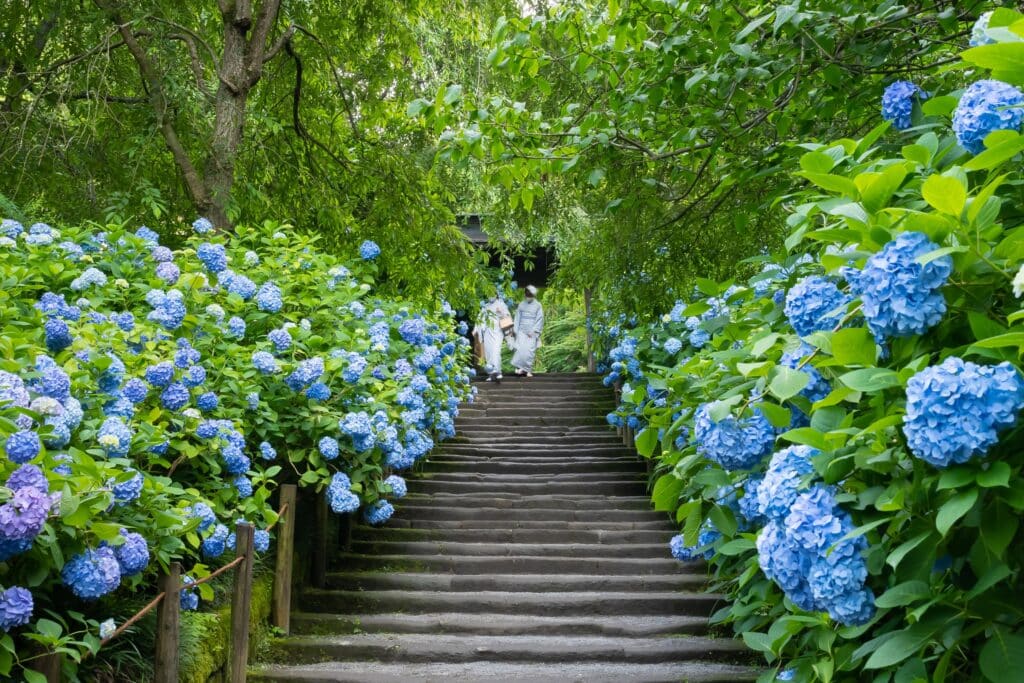
Not all summer months in Japan are equally challenging. June brings the rainy season to much of the country, July sees rising temperatures and major festivals, and August combines intense summer heat with popular domestic holiday periods.
The best month depends on what matters most to you: avoiding extreme heat, experiencing Japanese festivals, exploring nature, or visiting the country’s famous cities.
Japan in June
Best for avoiding peak summer heat
June is generally less intensely hot than July or August, but the rainy season brings frequent cloudy skies, humid conditions, and periods of heavy rainfall to much of Japan.
- Usually milder than peak summer
- Rainy season in many regions
- Lush green landscapes
- Potentially fewer domestic holiday crowds
- Less reliable weather for outdoor activities
Travel Owl Verdict: A reasonable choice if you prefer somewhat lower temperatures and can accept rainy days.
Japan in July
Best for major summer festivals
July marks the transition from the rainy season to Japan’s hottest period in many regions. Temperatures rise, humidity remains high, and the summer festival calendar becomes particularly exciting.
- Major festivals and fireworks
- Rainy season often ends during July
- Mountain hiking opportunities expand
- Increasing heat and humidity
- School holidays begin later in the month
Travel Owl Verdict: A strong choice for festivals and summer experiences, provided you’re prepared for uncomfortable city temperatures.
Japan in August
Best for full summer atmosphere
August is typically among Japan’s hottest months. Festivals, fireworks, and summer holidays create a lively atmosphere, but heat, humidity, and increased domestic travel can make sightseeing more demanding.
- Excellent festivals and fireworks
- Good season for many mountain destinations
- Very hot conditions in major cities
- Busy travel around Obon
- Typhoon-related disruption is possible
Travel Owl Verdict: Rewarding for travelers seeking summer events or mountain escapes, but challenging for intensive city sightseeing.
June vs July vs August: Quick Comparison
| Factor | June | July | August |
|---|---|---|---|
| Heat | Warm to hot | Hot to very hot | Hot to very hot |
| Humidity | High | Very high | Very high |
| Rain | Rainy season | Rainy season often ends | Showers and storms |
| Crowds | Variable | Increase later in month | High around Obon |
| Festivals | Some highlights | Excellent | Excellent |
| Best suited for | Flexible sightseeing | Festivals and nature | Festivals and mountains |
Which Summer Month Should You Choose?
Choose June if you want to avoid the most intense summer heat and don’t mind rain affecting some sightseeing plans.
Choose July if traditional festivals, fireworks, and summer atmosphere are among your main reasons for visiting.
Choose August if you’re planning a mountain-focused trip, want to experience summer festivals, or have fixed school holiday dates.
🗾 Important: Japan’s Summer Weather Varies by Region
These comparisons mainly describe conditions in central Japan, including Tokyo, Kyoto, and Osaka. Hokkaido generally has cooler summers and is less affected by the typical rainy season, while Okinawa has a different rainfall pattern and can experience tropical storms.
Mountain elevation also matters. A destination in the Japanese Alps can feel considerably more comfortable than a nearby city at lower altitude, even during the same week.
🦉 Travel Owl Verdict: Which Month Wins?
June is often the better compromise for travelers who dislike extreme heat, while July and August offer stronger summer festival experiences. However, there is no universally best summer month. If your priority is comfortable sightseeing in Tokyo and Kyoto, early June may be preferable to late July or August. If you want festivals or mountain adventures, the later summer months can be more rewarding.
How Hot Does Japan Actually Get in Summer?
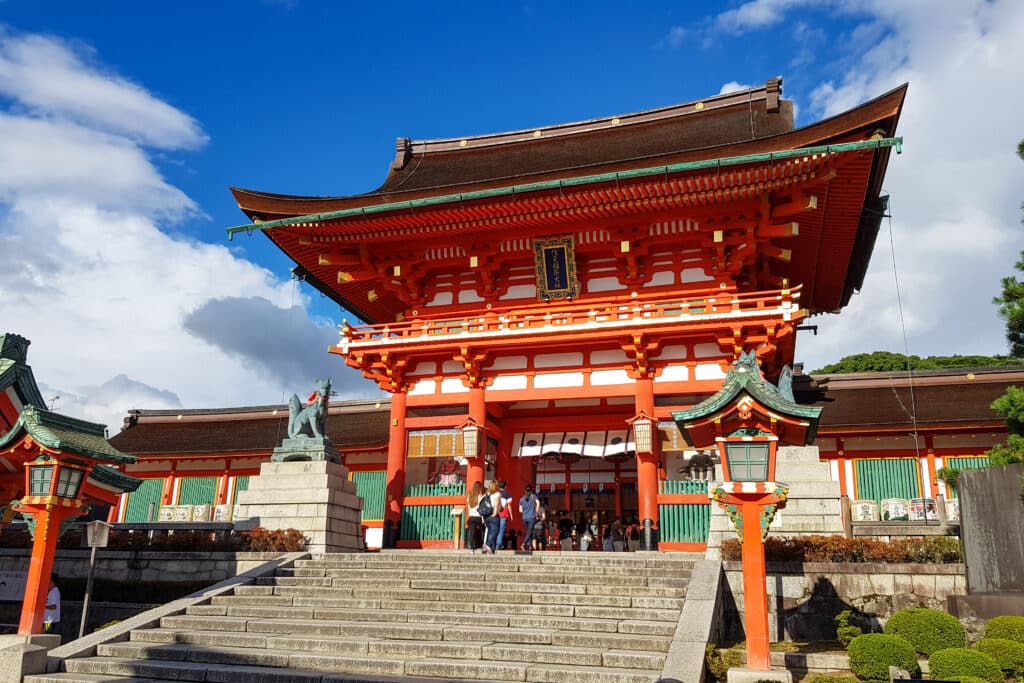
Japan’s summer temperatures vary considerably depending on where you travel. While Tokyo, Kyoto, and Osaka regularly experience daytime temperatures above 30°C in July and August, northern destinations such as Sapporo are generally cooler. Mountain areas can offer even greater relief from the heat.
But temperature alone doesn’t tell the full story. Humidity, direct sunlight, nighttime temperatures, and the amount of walking you plan to do can make a significant difference to how comfortable your trip feels.
Average Summer Temperatures in Popular Japanese Destinations
The figures below show approximate average daytime high temperatures. They are intended for travel planning rather than as forecasts for a particular year.
| Destination | June | July | August |
|---|---|---|---|
| Tokyo | 26°C | 30°C | 31°C |
| Kyoto | 28°C | 32°C | 33°C |
| Osaka | 28°C | 32°C | 34°C |
| Hiroshima | 27°C | 31°C | 33°C |
| Sapporo | 22°C | 25°C | 26°C |
| Naha (Okinawa) | 30°C | 32°C | 32°C |
Approximate monthly average daily maximum temperatures, rounded to whole degrees Celsius, based on Japan Meteorological Agency climate normals for 1991–2020. Actual temperatures vary, and heatwaves can produce significantly higher readings.
Where Does Japan Feel Hottest in Summer?
Kyoto: Particularly Challenging
Kyoto’s inland basin location contributes to hot, humid summers. Long walks between temples, shrines, and historic neighborhoods can be especially tiring during July and August.
Tokyo & Osaka: Urban Heat
High humidity, warm nights, and heat retained by buildings and paved streets can make these cities uncomfortable. However, extensive indoor attractions offer opportunities to escape the heat.
Hokkaido: Generally Cooler
Hokkaido usually offers more comfortable summer temperatures than central Japan. Sapporo, Furano, and other northern destinations can be appealing alternatives, although hot spells still occur.
Japanese Alps: Altitude Matters
Higher elevations often provide noticeably cooler conditions. Places such as Kamikochi can be excellent summer escapes, although mountain weather can change quickly.
💧 Why Humidity Makes Japan’s Summer Heat So Difficult
Your body cools itself partly through the evaporation of sweat. When the air contains a lot of moisture, evaporation becomes less effective, making it harder to regulate body temperature.
This explains why 30°C in humid Tokyo may feel more uncomfortable than the same temperature in a drier climate. Direct sunlight, limited airflow, and physical activity can increase the strain even further.
Japan uses the Wet Bulb Globe Temperature (WBGT), a heat-stress indicator that considers temperature, humidity, radiant heat, and other environmental factors. Travelers should pay attention to official heatstroke alerts rather than relying on air temperature alone.
🌙 Don’t Underestimate Japan’s Warm Summer Nights
In Tokyo, Kyoto, and Osaka, nighttime temperatures can remain above 25°C during particularly hot periods. This means the air may still feel warm and humid even after sunset.
Evening sightseeing is often more pleasant because direct sunlight is no longer a factor, but it isn’t necessarily cool. Choosing accommodation with reliable air conditioning is particularly important during summer.
Which Destinations Should You Prioritize?
For cooler conditions: Consider Hokkaido, Kamikochi, and higher-altitude mountain destinations.
For first-time sightseeing: Tokyo and Osaka remain manageable with careful planning, indoor breaks, and realistic daily schedules.
For historic temples and outdoor exploration: Kyoto is still worth visiting, but consider shorter stays and early morning sightseeing.
🦉 Travel Owl Takeaway
Japan’s summer heat is not equally challenging everywhere. If you’re visiting in July or August, choosing destinations with cooler climates or higher elevations can make a substantial difference. For travelers following the classic Tokyo–Kyoto–Osaka route, the smartest strategy is to reduce midday outdoor sightseeing rather than trying to maintain a spring or autumn itinerary.
Rainy Season and Typhoons: What Travelers Need to Know
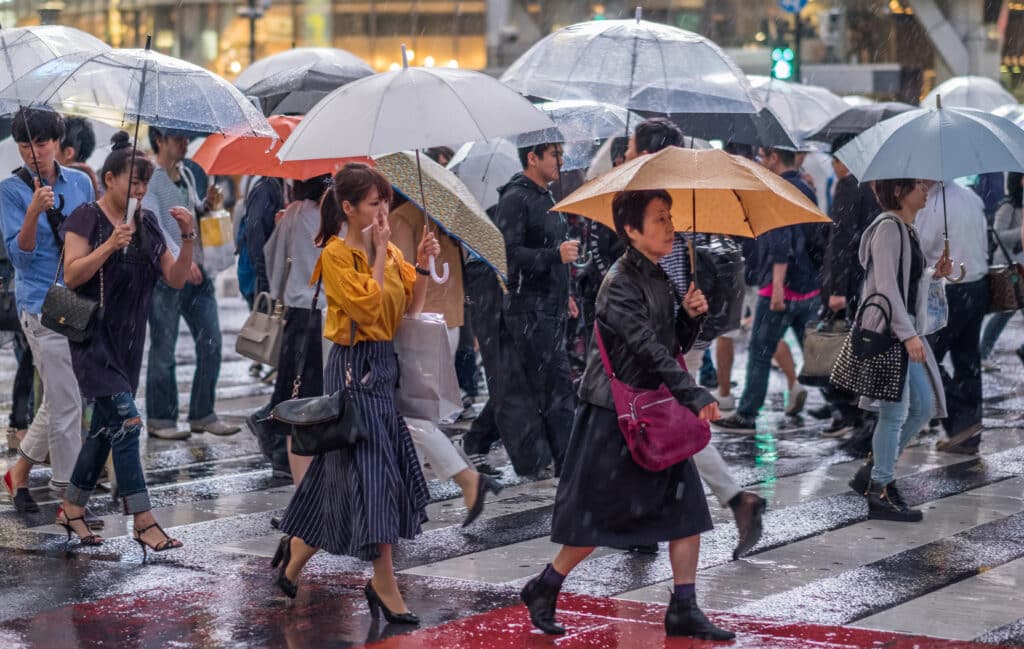
Summer in Japan isn’t just about heat and humidity. The rainy season brings periods of wet weather to much of the country, while tropical storms and typhoons can occasionally disrupt travel plans later in the summer.
However, rainy season doesn’t mean constant rain, and visiting during typhoon season doesn’t mean you’ll encounter a typhoon. Understanding the regional weather patterns and allowing some flexibility in your itinerary can make these risks much easier to manage.
🌧️ When Is Japan’s Rainy Season?
Japan’s rainy season, known as tsuyu, typically affects much of the country between late spring and mid-summer. Its timing varies by region, and the beginning and end can shift considerably from year to year.
| Region | Typical Rainy Season | What to Expect |
|---|---|---|
| Okinawa | May to late June | Earlier rainy season than mainland Japan |
| Kyushu | Late May to mid-July | Humid weather and periods of heavy rain |
| Tokyo, Kyoto & Osaka | Early June to mid/late July | Cloudy days, showers, and occasional heavy rainfall |
| Tohoku | Mid-June to late July | Rainy season generally arrives later |
| Hokkaido | No typical tsuyu season | Still experiences rainy periods and unsettled weather |
Approximate historical seasonal patterns. The Japan Meteorological Agency monitors rainy-season conditions, and actual dates can vary significantly each year.
☔ Does It Rain Every Day During Japan’s Rainy Season?
No. Japan’s rainy season doesn’t usually mean continuous rainfall from morning until night for weeks. You may experience sunny intervals, cloudy days, light showers, or prolonged periods of heavy rain.
Some days can still be perfectly suitable for sightseeing, especially if you’re visiting museums, shopping districts, covered markets, or indoor attractions. Other days may require significant changes to outdoor plans.
The biggest mistake is assuming that every rainy day will be a wasted day. Japan offers plenty of indoor experiences, but travelers should avoid building an itinerary that depends entirely on clear weather.
🌀 When Is Typhoon Season in Japan?
Typhoons can affect Japan at various times of the year, but activity is generally more significant during summer and early autumn, particularly from July through October.
Southern regions such as Okinawa and Kyushu are particularly exposed to tropical cyclones, although storms can also affect central and northern Japan. Even when a typhoon doesn’t make landfall near your destination, its rain and wind can still cause travel disruption.
Most summer trips won’t be directly disrupted by a major typhoon. However, the consequences can be significant when one does approach, making it important to monitor forecasts and follow official advice.
How Can Typhoons Affect Your Japan Trip?
Train Services
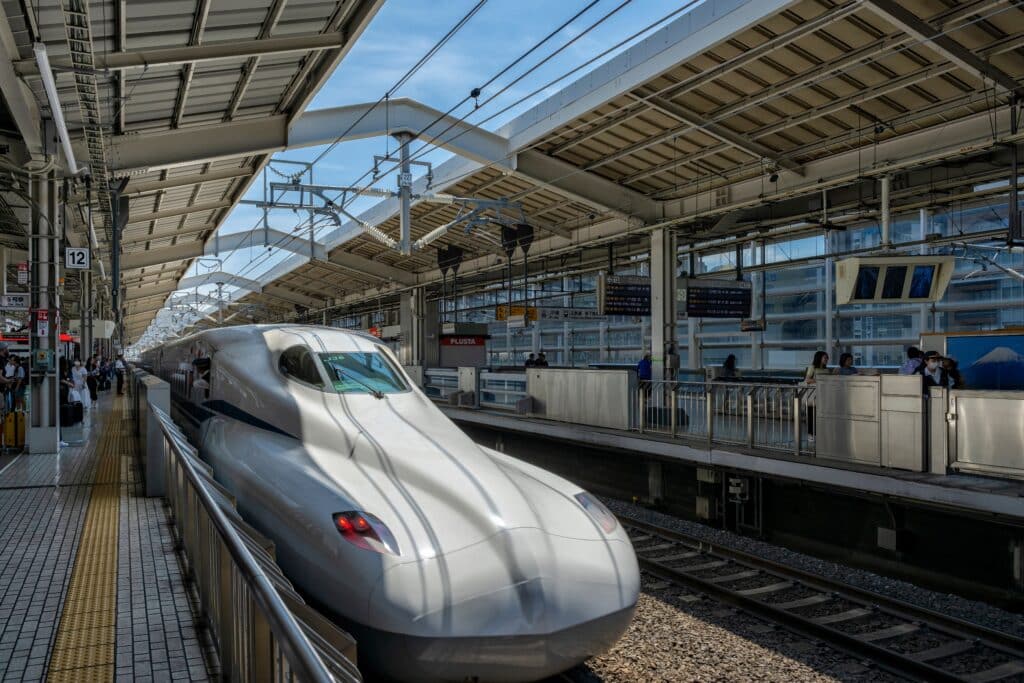
Shinkansen and regional trains may experience delays, reduced services, or precautionary suspensions during severe weather.
Flights & Ferries
Domestic flights and ferry services can be canceled, particularly on routes serving islands and coastal destinations.
Outdoor Activities
Hiking trails, mountain transport, beaches, and outdoor attractions may close because of strong winds, heavy rain, or landslide risks.
Travel Schedules
Unexpected delays can affect hotel reservations, connections, and tightly scheduled itineraries.
How to Plan Around Rain and Typhoon Risks
1. Keep your itinerary flexible. Avoid scheduling every major outdoor attraction on a fixed day, especially during periods of unsettled weather.
2. Monitor official forecasts. Check the Japan Meteorological Agency and transport operators regularly when severe weather is forecast.
3. Avoid risky travel connections. Consider extra time before international flights, particularly when traveling from islands or distant regions.
4. Prepare indoor alternatives. Museums, shopping centers, cultural experiences, and restaurants can help make ordinary rainy days enjoyable.
5. Follow local safety instructions. During severe weather, avoid exposed coastlines, flooded areas, and mountain trails. Never ignore evacuation notices or official warnings.
Useful Official Weather Resources
Japan Meteorological Agency: Weather forecasts and warnings
JNTO Safety Information: Travel safety and emergency information
🦉 Travel Owl Takeaway
Don’t let the rainy season or typhoon risk automatically discourage you from visiting Japan in summer. Most travelers can still enjoy a rewarding trip, but flexibility matters. June generally brings greater rainy-season uncertainty across much of mainland Japan, while late summer requires more attention to tropical storms. Plan realistically, monitor forecasts, and avoid itineraries that leave no room for unexpected changes.
Japan’s Summer Crowds: Is It Really That Busy?
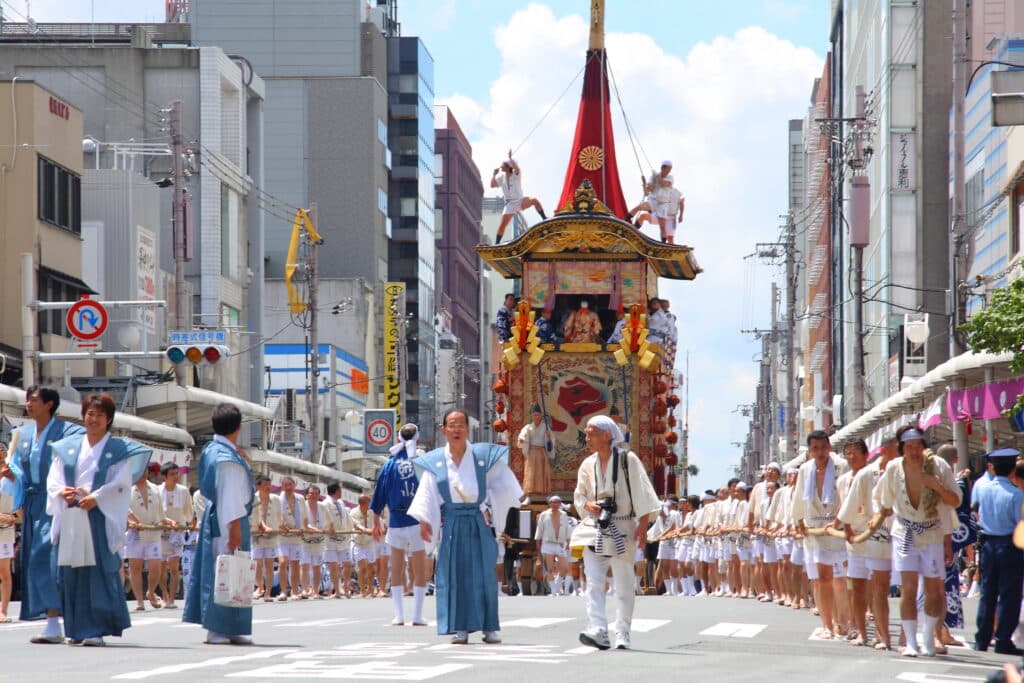
Summer is often described as one of Japan’s busiest travel seasons. But the reality is more complicated. While famous festivals, popular mountain destinations, and domestic holiday periods can attract enormous crowds, many traditional sightseeing areas don’t necessarily experience the same visitor pressure as during cherry blossom season or the autumn foliage peak.
The key is understanding when Japanese residents travel, not just when international tourists visit. A quiet weekday in June can feel very different from a weekend during August’s Obon holiday period.
When Is Japan Most Crowded in Summer?
| Period | Typical Crowds | Main Reason |
|---|---|---|
| Early June | Low to Moderate | Fewer major domestic holidays |
| Late June | Low to Moderate | Rainy season in many regions |
| Early July | Moderate | Festival season begins to intensify |
| Late July | Moderate to High | School holidays and major festivals |
| Early August | Moderate to High | Summer holidays and regional events |
| Around Obon | Very High on key routes | Major domestic travel period |
| Late August | Variable | School holidays continue in some regions |
General travel-planning estimates rather than measured crowd levels. Conditions vary by destination, weekday, festival schedule, and year.
🏮 Obon: The Most Important Summer Travel Period to Know
Obon is a traditional Japanese period for honoring ancestors, commonly observed around August 13–16 in much of Japan. Many people return to their hometowns or take family holidays, creating one of the country’s most significant domestic travel periods.
Long-distance trains, domestic flights, highways, and popular holiday destinations can become particularly busy. Accommodation prices may also rise in places experiencing strong demand.
Important: The busiest travel dates can extend beyond August 13–16, depending on weekends, workplace holidays, and the calendar. Obon customs also vary by region.
Travel Owl Tip: If you’re traveling around Obon, reserve accommodation and important long-distance transport early. Avoid making a critical train or flight connection dependent on last-minute availability.
🎒 Japanese School Holidays: Why Late July and August Are Different
Many Japanese schools begin their summer holidays around the second half of July, with classes typically resuming in late August or early September. Exact dates vary by region and school.
This increases demand for family-friendly attractions, theme parks, beaches, and popular outdoor destinations. Places such as Tokyo Disney Resort, Universal Studios Japan, and well-known mountain resorts may be particularly busy on certain dates.
Summer Festivals: Spectacular but Sometimes Extremely Crowded
Some of Japan’s most memorable summer experiences are also major crowd magnets. Traditional festivals and fireworks displays can attract large numbers of visitors, particularly around famous viewing areas and transport stations.
Gion Matsuri — Kyoto
Held throughout July, with major processions and events attracting substantial crowds to central Kyoto.
Tenjin Matsuri — Osaka
A major July festival featuring traditional celebrations, river processions, and fireworks.
Nebuta Matsuri — Aomori
Famous for illuminated festival floats in early August, drawing visitors from across Japan.
Major Fireworks Festivals
Popular displays in Tokyo and other cities can create heavy congestion before and after the event.
Where Are Summer Crowds Most Noticeable?
Major festivals: Expect very busy streets, limited accommodation availability, and crowded public transport around headline events.
Popular mountain destinations: Kamikochi, Mount Fuji, and other hiking areas can attract significant summer demand, especially on weekends and holidays.
Classic sightseeing cities: Tokyo, Kyoto, and Osaka remain popular, but visitor numbers and congestion vary considerably by attraction and date.
Less-visited regional destinations: Smaller towns and rural areas may offer a quieter experience outside major events and domestic holiday periods.
How to Avoid the Worst Summer Crowds
- Travel in June or early July if avoiding domestic holiday crowds is a priority.
- Check Obon dates before booking long-distance transport in August.
- Visit major attractions early to avoid some of the busiest periods and the strongest heat.
- Book festival accommodation well ahead when visiting popular events.
- Choose weekdays where possible for popular hiking areas, theme parks, and family attractions.
- Explore beyond the Golden Route if you prefer quieter destinations.
🦉 Travel Owl Takeaway
Japan in summer isn’t automatically more crowded than spring or autumn. The biggest challenges are concentrated around school holidays, Obon, major festivals, and popular summer destinations. If you want to avoid crowds, June and early July can be attractive alternatives. If you’re traveling in August, careful timing and advance reservations matter much more than simply avoiding famous cities.
Best Places to Visit in Japan in Summer
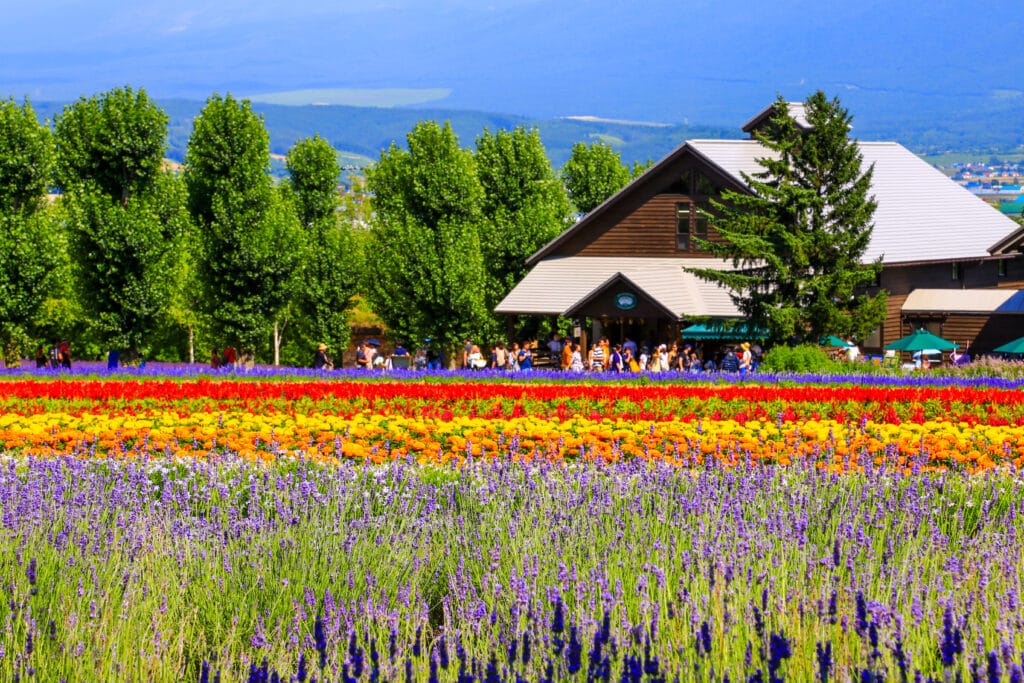
Choosing the right destinations can completely change your experience of Japan in summer. While Tokyo, Kyoto, and Osaka often struggle with intense heat and humidity, northern regions, mountain destinations, and higher-altitude resorts can offer more comfortable conditions.
But cooler weather isn’t the only reason to travel somewhere in summer. Some destinations are particularly rewarding because of their festivals, hiking opportunities, or seasonal landscapes. Here are seven places worth considering when planning a summer trip to Japan.
1. Hokkaido — Japan’s Best Summer Escape
★★★★★BEST FOR: COOLER WEATHER, NATURE & SCENERY
Hokkaido is one of Japan’s most appealing summer destinations. Compared with central Japan, the northern island generally experiences lower temperatures, making outdoor activities more enjoyable during July and August.
Furano’s lavender fields, Biei’s rolling landscapes, national parks, and the lively city of Sapporo provide a completely different summer experience from Japan’s major sightseeing cities. However, popular attractions can become busy, and occasional heatwaves still occur.
Travel Owl Recommendation: Choose Hokkaido if avoiding the worst summer heat is a major priority. Allow at least 4–5 days for a worthwhile regional visit, and longer if you want to explore beyond Sapporo.
2. Kamikochi — A Mountain Escape from the Heat
★★★★★BEST FOR: MOUNTAIN SCENERY & WALKING
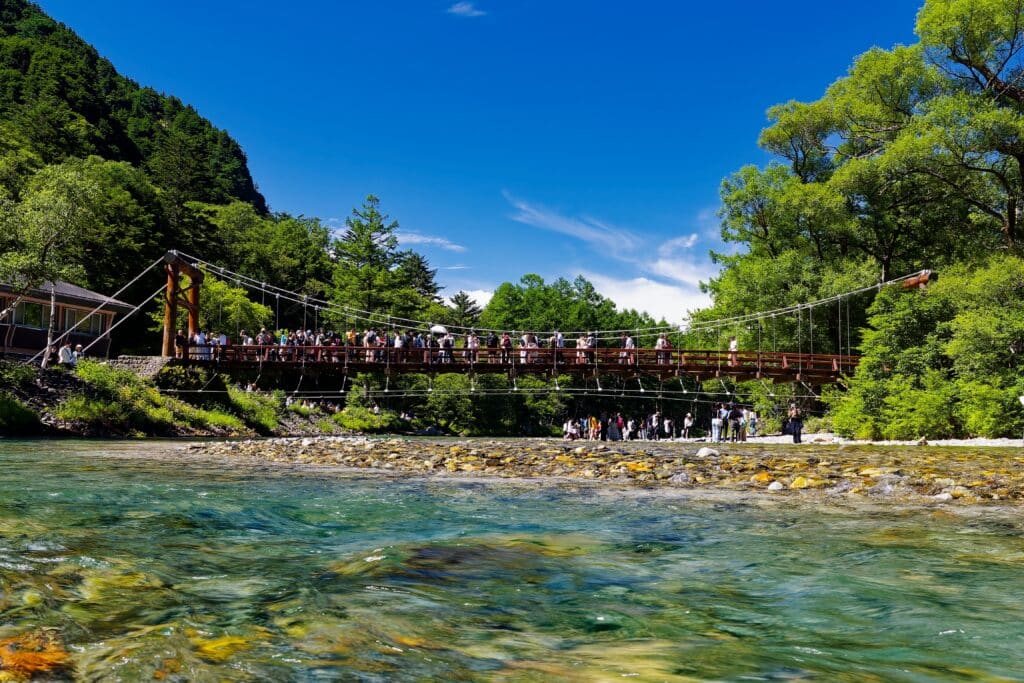
Located in the Northern Japanese Alps at approximately 1,500 meters above sea level, Kamikochi offers a refreshing alternative to Japan’s hot lowland cities. Clear rivers, forest trails, and dramatic mountain peaks create one of the country’s most beautiful summer landscapes.
Many of the valley’s popular walking routes are relatively accessible, although longer mountain hikes require proper preparation. Summer is also a busy period, particularly on weekends and public holidays.
Travel Owl Recommendation: An excellent choice for travelers who want spectacular scenery without spending every day in hot cities. Consider staying overnight to enjoy quieter mornings and evenings.
3. Tohoku — Festivals, Mountains & Fewer International Tourists
★★★★★BEST FOR: CULTURE, FESTIVALS & REGIONAL TRAVEL
Northern Honshu’s Tohoku region is particularly attractive in summer. Mountain scenery, traditional towns, and some of Japan’s most spectacular festivals make it a rewarding alternative to the usual Tokyo–Kyoto–Osaka route.
Aomori’s Nebuta Matsuri, Akita’s Kanto Festival, and Sendai’s Tanabata Festival are major highlights in early August. However, festival dates can bring substantial crowds and higher accommodation demand. Lowland cities can also be hot, so Tohoku shouldn’t be considered uniformly cool.
Travel Owl Recommendation: Ideal for repeat visitors or travelers seeking a more regional Japan experience. Plan festival dates carefully and reserve accommodation well in advance.
4. Karuizawa — A Convenient Summer Retreat
★★★★☆BEST FOR: SHORT ESCAPES FROM TOKYO
Karuizawa is a popular mountain resort town in Nagano Prefecture, known for its relatively cool climate, forest scenery, cafés, and relaxed atmosphere. Its elevation of roughly 1,000 meters helps moderate summer temperatures compared with Tokyo.
The town is accessible from Tokyo by Hokuriku Shinkansen in around an hour to a little over an hour, depending on the service. It can become busy during weekends and Japanese summer holidays, but it remains a convenient option for travelers who don’t want to venture far from the capital.
Travel Owl Recommendation: A good choice for a relaxing overnight escape or a short break from Tokyo’s summer heat, especially if you prefer comfortable surroundings over intensive sightseeing.
5. Tateyama Kurobe Alpine Route — Spectacular Mountain Landscapes
★★★★☆BEST FOR: ALPINE SCENERY & UNIQUE TRANSPORT
The Tateyama Kurobe Alpine Route crosses the Northern Japanese Alps using a combination of mountain transport systems. High-altitude viewpoints, dramatic peaks, and changing landscapes make it one of Japan’s most distinctive mountain experiences.
Summer provides access to alpine scenery and walking opportunities, although the famous towering snow walls are primarily a spring attraction. Weather can change quickly at higher elevations, and the full route requires careful transport planning.
Travel Owl Recommendation: Particularly rewarding for scenery-focused travelers. Consider it as part of a wider Japanese Alps itinerary rather than a rushed detour from Tokyo or Kyoto.
6. Nikko — Forests, Waterfalls & Cultural Highlights
★★★★☆BEST FOR: NATURE & CULTURE NEAR TOKYO
Nikko combines impressive shrines and temples with forests, waterfalls, and mountain scenery. Its higher-altitude areas, particularly around Lake Chuzenji and Oku-Nikko, can offer more comfortable summer conditions than central Tokyo.
However, central Nikko can still be warm and humid, and popular attractions may be busy. Travelers looking primarily for cooler weather should focus on the elevated lake and mountain areas rather than assuming the entire region is cool.
Travel Owl Recommendation: A strong choice for combining Japanese culture with nature. An overnight stay allows more time for Oku-Nikko and reduces the pressure of a long day trip.
7. Mount Fuji & the Fuji Five Lakes — A Classic Summer Adventure
★★★★☆BEST FOR: MOUNTAIN ADVENTURES & LAKE SCENERY
Summer is the main climbing season for Mount Fuji, with official climbing periods generally falling in July and August and sometimes extending into early September, depending on the trail and year. The surrounding Fuji Five Lakes region also offers outdoor activities, scenic viewpoints, and opportunities to escape the busiest city environments.
However, summer doesn’t guarantee clear views of Mount Fuji. Clouds frequently obscure the summit, and lower-altitude areas around the lakes can still be warm and humid. Climbing requires appropriate preparation and compliance with current trail regulations.
Travel Owl Recommendation: Worth considering for travelers interested in hiking and lake scenery, but don’t choose summer solely because you expect perfect Mount Fuji views.
Best Summer Destinations in Japan: Quick Comparison
| Destination | Best For | Summer Rating | Main Drawback |
|---|---|---|---|
| Hokkaido | Cooler weather & nature | ★★★★★ | Longer travel distances |
| Kamikochi | Mountain walking | ★★★★★ | Summer crowds |
| Tohoku | Festivals & culture | ★★★★★ | Festival accommodation demand |
| Karuizawa | Short Tokyo escape | ★★★★☆ | Holiday crowds |
| Tateyama Kurobe | Alpine scenery | ★★★★☆ | Complex transport |
| Nikko | Culture & nature | ★★★★☆ | Lower areas still hot |
| Mount Fuji & Five Lakes | Hiking & lake scenery | ★★★★☆ | Clouds and variable weather |
Which Summer Destination Should You Choose?
Best overall summer destination: Hokkaido, especially for travelers prioritizing cooler weather and nature.
Best mountain experience: Kamikochi, for accessible valley walks and spectacular Alpine scenery.
Best cultural summer experience: Tohoku, particularly during its major August festivals.
Best short escape from Tokyo: Karuizawa or the higher-altitude areas of Nikko.
🦉 Travel Owl Takeaway
The smartest summer itinerary isn’t necessarily the one with Japan’s most famous attractions. Hokkaido, Kamikochi, and the Japanese Alps can offer a more comfortable and rewarding experience than spending two weeks exclusively in major cities. If you’re visiting Japan for the first time, consider combining a shorter Tokyo or Kyoto stay with one of these summer-friendly destinations rather than following the classic Golden Route without adjustments.
Which Popular Japanese Cities Are Most Uncomfortable in Summer?
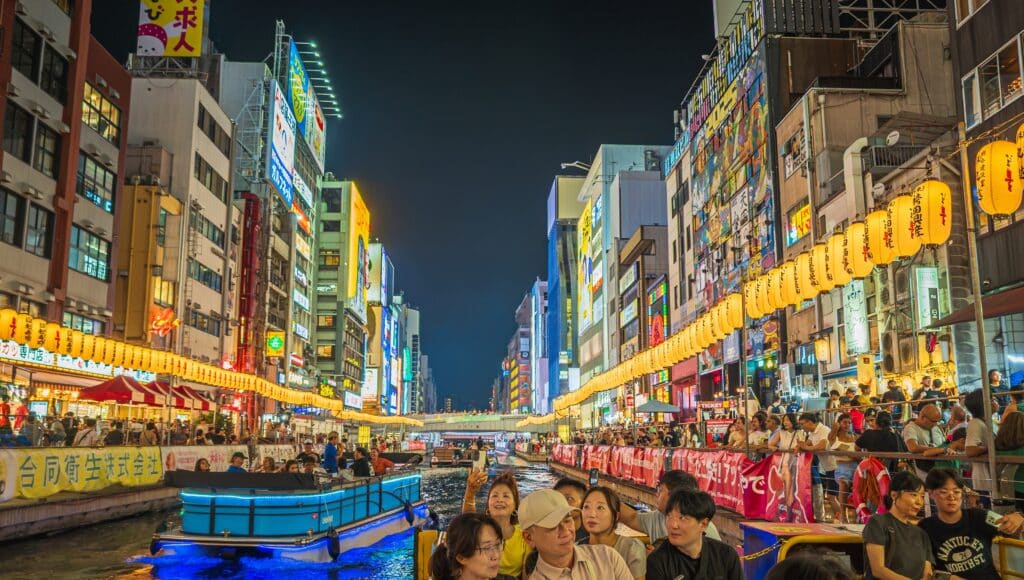
Japan’s most famous cities don’t become less interesting in summer, but they can become considerably harder to explore. Long walks, crowded transport, exposed temple grounds, and humid afternoons can turn an otherwise enjoyable sightseeing day into an exhausting experience.
The important question isn’t which city is hottest, but which city is easiest to enjoy despite the heat. Some destinations offer excellent indoor alternatives, while others depend heavily on outdoor sightseeing.
Summer Sightseeing Comfort: City Comparison
| City | Comfort Rating | Main Challenge | Summer Strategy |
|---|---|---|---|
| Kyoto | ★☆☆☆☆ | Heat and outdoor sightseeing | Early temple visits |
| Osaka | ★★☆☆☆ | Urban heat and humidity | Indoor attractions and evenings |
| Tokyo | ★★☆☆☆ | Walking and warm nights | Mix indoor and outdoor activities |
| Hiroshima | ★★☆☆☆ | Hot outdoor attractions | Shorter sightseeing periods |
| Kanazawa | ★★☆☆☆ | Humidity and garden visits | Early starts and museum breaks |
Travel Owl editorial comfort ratings for typical July and August sightseeing. More stars indicate greater comfort, not higher destination quality. Conditions vary by weather, itinerary, and individual heat tolerance.
🏯 Kyoto: Probably the Most Challenging Major Sightseeing City
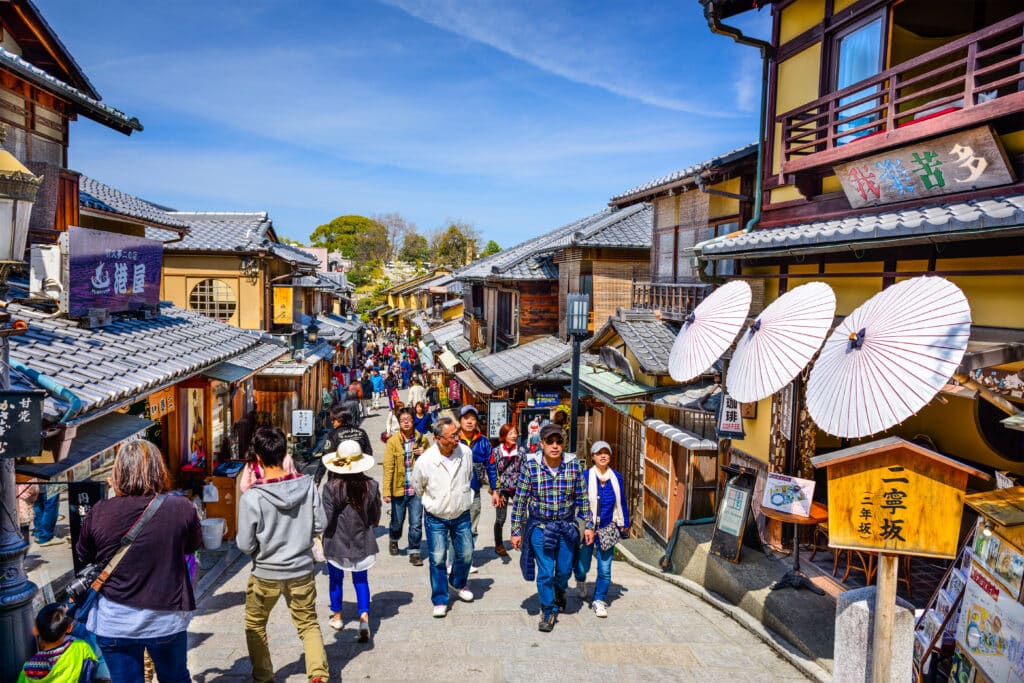
Kyoto is famous for its temples, shrines, gardens, and historic streets. Unfortunately, many of these attractions require substantial outdoor walking, often with limited shade. Combined with the city’s hot and humid summer climate, this can make sightseeing particularly demanding.
Popular areas such as Fushimi Inari, Higashiyama, and Arashiyama can be exhausting during the hottest hours. Even relatively short walks between attractions may feel uncomfortable in July and August.
Travel Owl Recommendation: Don’t skip Kyoto if it’s your first trip, but reduce the number of daily attractions. Visit outdoor sites early, schedule indoor breaks, and consider limiting your stay to two or three carefully planned days.
🌆 Osaka: Hot, but Easier to Enjoy After Dark
Osaka experiences intense summer heat and humidity, and its busy urban districts can feel particularly uncomfortable during the afternoon. However, the city offers numerous shopping centers, restaurants, museums, and indoor attractions.
Areas such as Dotonbori and Namba are especially atmospheric in the evening, when direct sunlight is no longer a problem. Although temperatures can remain high after sunset, Osaka’s food and entertainment scene makes it easier to organize a summer-friendly schedule.
Travel Owl Recommendation: Focus on indoor experiences during the afternoon and explore entertainment districts in the evening. Osaka can be more flexible than Kyoto for summer sightseeing.
🗼 Tokyo: Uncomfortable Weather, Excellent Indoor Alternatives
Tokyo can be extremely humid in summer, with warm nights and long walking distances between stations and attractions. Exploring neighborhoods such as Asakusa, Shibuya, and Harajuku during the afternoon may feel considerably more tiring than expected.
The advantage is Tokyo’s enormous variety of indoor experiences. Museums, department stores, observation decks, shopping complexes, restaurants, and entertainment venues make it relatively easy to adapt your itinerary to the weather.
Travel Owl Recommendation: Tokyo remains a strong summer destination if you balance outdoor neighborhoods with air-conditioned attractions. Avoid planning several consecutive hours of walking during the hottest part of the day.
⛩️ Hiroshima: Meaningful Sightseeing, but Summer Heat Matters
Hiroshima experiences hot, humid summers, and visiting outdoor attractions such as Peace Memorial Park can be physically demanding during the afternoon. Nearby Miyajima also involves walking between shrines, temples, and scenic viewpoints.
The city’s Peace Memorial Museum provides an important indoor experience, but visitors should still allow sufficient time for the surrounding park and monuments. Miyajima’s forested areas offer some shade, although humidity remains a factor.
Travel Owl Recommendation: Visit Hiroshima’s outdoor memorial sites earlier in the day when possible, and allow enough time for indoor breaks. Consider an overnight stay if combining Hiroshima with Miyajima.
🌿 Kanazawa: Beautiful Gardens, but Not a Cool Summer Escape
Kanazawa is sometimes considered an alternative to Kyoto because of its traditional districts, gardens, and cultural attractions. However, its location on the Sea of Japan coast doesn’t guarantee comfortable summer temperatures.
Kenrokuen Garden, the Higashi Chaya district, and the castle grounds can be hot and humid during July and August. The city does offer useful indoor alternatives, including museums and traditional cultural experiences.
Travel Owl Recommendation: Visit Kanazawa for its cultural attractions, not as an escape from summer heat. Schedule gardens and historic neighborhoods for the cooler parts of the day.
How to Make Major Japanese Cities More Enjoyable in Summer
Start early: Visit exposed temples, gardens, and historic districts in the morning, ideally before temperatures reach their daily peak.
Plan indoor afternoons: Museums, shopping complexes, cafés, and cultural activities provide welcome breaks from the heat.
Reduce daily attractions: Three enjoyable stops are often better than six exhausting ones during extreme summer conditions.
Use evenings wisely: Food districts, illuminated streets, and seasonal events can be rewarding after sunset, although evenings may remain humid.
🦉 Travel Owl Verdict: Which City Is the Hardest in Summer?
Kyoto is arguably the most challenging of Japan’s major sightseeing cities in summer. Not necessarily because it is always the hottest, but because so many of its main attractions involve outdoor walking and relatively limited opportunities to escape the heat.
Tokyo and Osaka are also hot and humid, but their extensive indoor attractions make summer sightseeing more adaptable. If you’re following the classic Golden Route in July or August, consider spending slightly less time on intensive outdoor sightseeing in Kyoto and building more flexibility into your schedule.
The Best Things About Visiting Japan in Summer
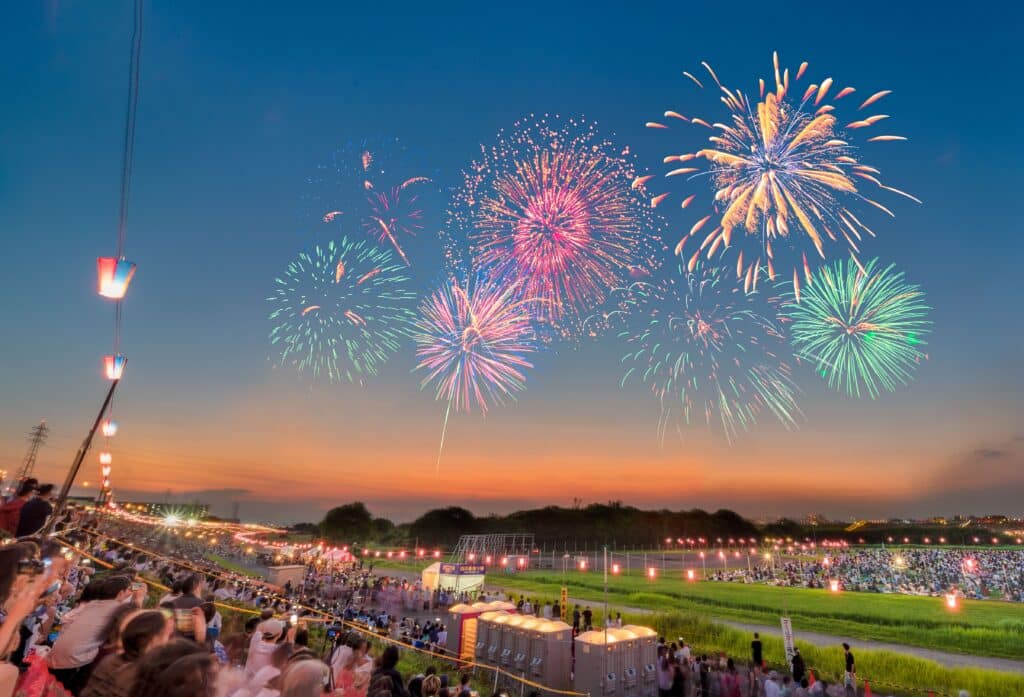
Japan’s summer weather can be challenging, but the season also offers experiences that are difficult to replicate at other times of the year. Colorful festivals, spectacular fireworks, mountain adventures, and vibrant seasonal traditions reveal a different side of the country.
If you’re willing to adapt your itinerary, summer can become a reason to visit Japan rather than simply a disadvantage to overcome. These are the experiences that make the season particularly rewarding.
1. Japan’s Spectacular Summer Festivals
★★★★★BEST FOR: CULTURE & TRADITIONAL EXPERIENCES
Summer is one of Japan’s most exciting festival seasons. Traditional music, colorful floats, street food, lanterns, and elaborate processions transform cities and towns into lively celebrations.
Famous examples include Kyoto’s Gion Matsuri in July, Osaka’s Tenjin Matsuri, and the major August festivals of northern Japan. These events offer cultural experiences that can make a summer trip particularly memorable.
Travel Owl Tip: Choose one or two festivals that genuinely interest you rather than trying to attend as many as possible. Check the current year’s event schedule and reserve accommodation early.
2. Fireworks Festivals and Summer Evenings
★★★★★BEST FOR: ATMOSPHERE & MEMORABLE EVENINGS
Fireworks festivals, known as hanabi taikai, are a major part of Japanese summer culture. Some displays feature thousands of fireworks, attracting large crowds to riversides, parks, and coastal areas.
Visitors may see people wearing traditional summer yukata, enjoying festival food, and gathering with friends and family. The atmosphere can be just as memorable as the fireworks themselves.
Travel Owl Tip: Arrive early, check whether reserved viewing areas are available, and expect crowded public transport after major displays. Events may be postponed or canceled because of weather.
3. Mountain Hiking and Alpine Landscapes
★★★★★BEST FOR: NATURE & OUTDOOR ADVENTURES
While lowland cities struggle with summer heat, Japan’s mountains offer some of the season’s most rewarding experiences. Hiking trails, alpine valleys, and dramatic viewpoints become accessible in areas where snow limits travel during colder months.
Kamikochi, the Japanese Alps, and Mount Fuji are particularly popular in summer. However, mountain weather can change quickly, and high-altitude hiking requires appropriate clothing, equipment, and preparation.
Travel Owl Tip: Include a mountain destination if outdoor scenery is a priority. You may enjoy the experience more than spending additional days sightseeing in hot cities.
4. Lush Landscapes and Seasonal Flowers
★★★★☆BEST FOR: PHOTOGRAPHY & SCENIC TRAVEL
Summer brings vivid greenery to many parts of Japan. Forests, rice fields, gardens, and mountain valleys can look especially beautiful after periods of rain.
Hokkaido’s flower fields are among the most famous seasonal attractions, with lavender typically reaching its peak around July in Furano. Hydrangeas are another summer highlight, especially during the rainy season in June and early July.
Travel Owl Tip: Check local flowering forecasts before planning a trip around a specific flower display. Blooming periods vary with the weather and location.
5. Japanese Summer Food and Seasonal Traditions
★★★★☆BEST FOR: FOOD LOVERS & LOCAL CULTURE
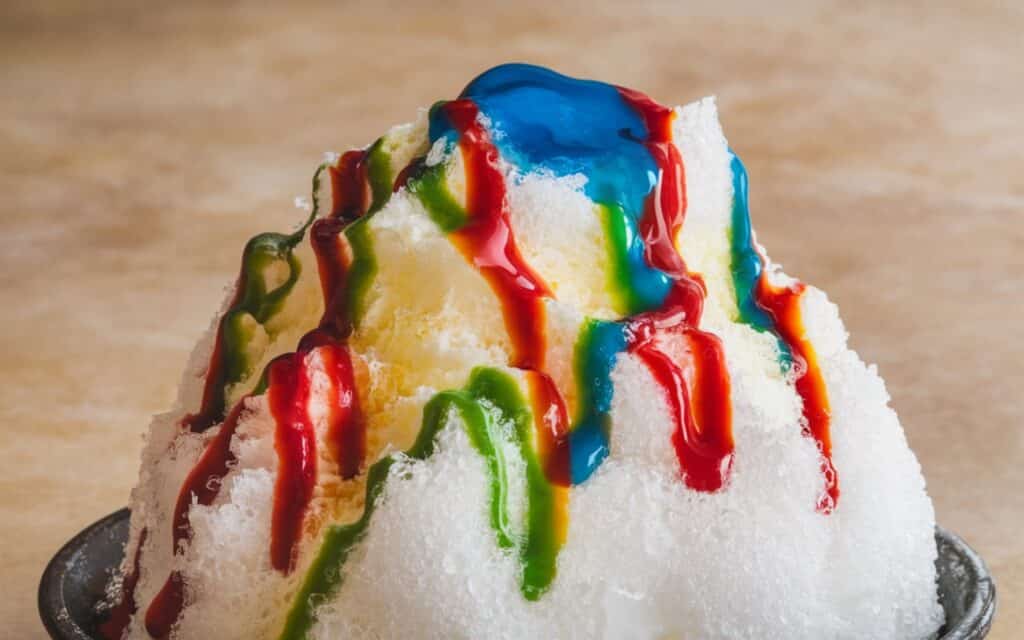
Japan’s summer food culture is full of refreshing seasonal specialties. Cold soba noodles, chilled somen, shaved ice desserts known as kakigori, and festival street food provide welcome alternatives to heavier meals.
Summer also brings distinctive traditions, including wearing lightweight yukata at festivals and enjoying seasonal evening celebrations. These experiences offer a more personal connection with Japanese culture.
Travel Owl Tip: Leave room in your itinerary for spontaneous food experiences and local summer events. They can become some of the most enjoyable moments of your trip.
6. Beaches and Island Experiences
★★★★☆BEST FOR: BEACHES, SNORKELING & RELAXATION
Japan isn’t usually associated with tropical beach holidays, but its southern islands offer clear water, coral reefs, and beautiful coastal scenery. Okinawa and the surrounding islands are particularly attractive for snorkeling, diving, and beach activities.
However, summer also brings intense sun, humidity, and the possibility of typhoons. Sea conditions can change quickly, so water activities should always depend on local weather and safety guidance.
Travel Owl Tip: Consider Okinawa if beaches are a major priority, but don’t add it to a short mainland itinerary without accounting for additional travel time and weather uncertainty.
Which Summer Experience Is Worth Planning Your Trip Around?
| Experience | Best Time | Rating | Main Consideration |
|---|---|---|---|
| Traditional festivals | July–August | ★★★★★ | Crowds and accommodation |
| Fireworks | July–August | ★★★★★ | Weather and transport |
| Mountain hiking | July–September* | ★★★★★ | Trail conditions and preparation |
| Seasonal flowers | June–July | ★★★★☆ | Bloom timing varies |
| Summer food | June–August | ★★★★☆ | Regional availability |
| Beaches and islands | Summer | ★★★★☆ | Typhoon and sea conditions |
*Mountain hiking seasons vary by elevation, trail, and local regulations. Always verify current access conditions before departure.
🦉 Travel Owl Takeaway
Japan’s greatest summer advantage is the variety of experiences that exist specifically because of the season. Festivals, fireworks, alpine landscapes, and seasonal traditions can make a summer trip genuinely special. Rather than trying to recreate a spring itinerary in hotter weather, build your trip around one or two of these experiences and let the season become part of the attraction.
Is Okinawa a Good Summer Destination?
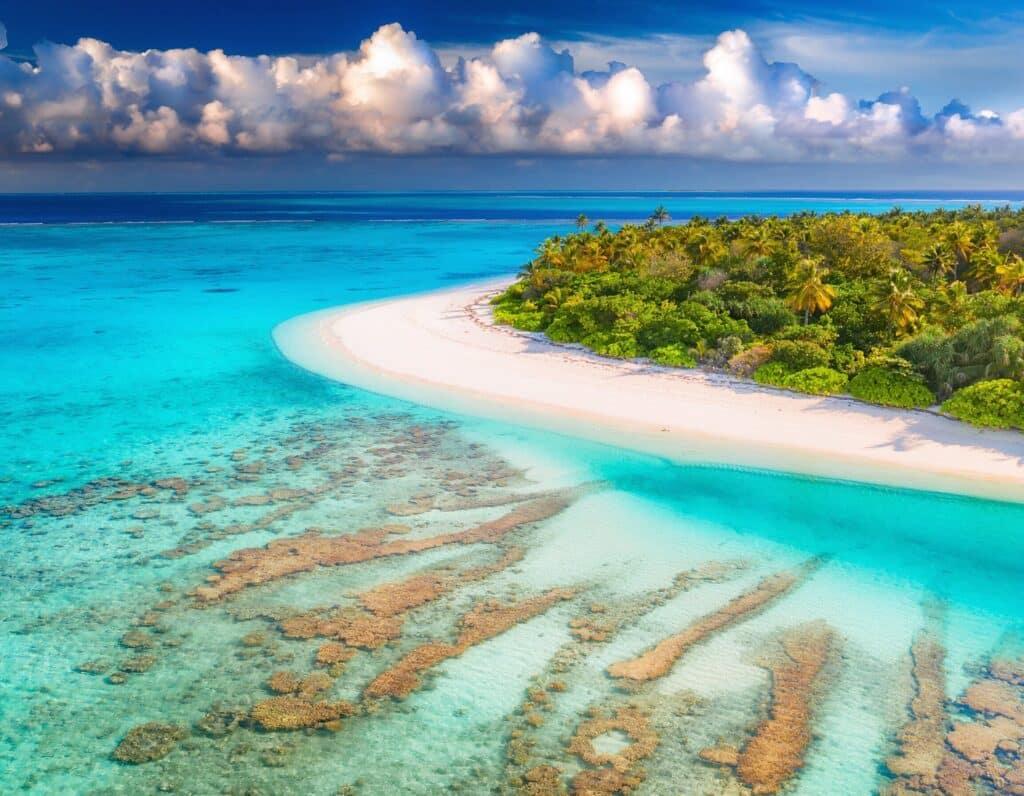
Okinawa offers a completely different side of Japan: subtropical islands, turquoise water, coral reefs, and beautiful beaches. For travelers interested in swimming, snorkeling, and relaxing by the sea, summer can be an excellent time to visit.
However, Okinawa isn’t an escape from Japan’s summer heat. Temperatures remain high, humidity is significant, and tropical storms can occasionally disrupt flights, ferries, and outdoor activities.
Is Okinawa Worth Visiting in July or August?
Yes, if beaches and marine activities are a major reason for your trip. Warm water, excellent snorkeling opportunities, and beautiful island scenery make Okinawa attractive during summer.
BEST FOR
Beaches, snorkeling, diving, island scenery, and relaxation.
BIGGEST RISK
Typhoons and disrupted flights or ferry connections.
IDEAL STAY
Around 4–6 days for a relaxed beach-focused trip.
What Is Okinawa’s Summer Weather Really Like?
Okinawa typically experiences daytime temperatures around 30–32°C in July and August. The surrounding ocean can moderate temperature extremes compared with some inland Japanese cities, but high humidity and strong sunlight can still make outdoor activities uncomfortable.
The main rainy season generally finishes earlier than on mainland Japan, often around late June. This means July can offer favorable conditions for beach holidays, although showers and unsettled weather remain possible.
The major uncertainty is tropical storm activity. Typhoons can affect Okinawa during summer and early autumn, sometimes causing temporary closures, dangerous sea conditions, and transport cancellations.
Which Okinawa Islands Are Best for Summer?
🏝️ Okinawa Main Island
The easiest option for first-time visitors, combining beaches, resorts, cultural attractions, and the facilities of Naha.
Best for: Convenience and variety.
🐠 Ishigaki
Known for beautiful coastal scenery, snorkeling opportunities, and access to other Yaeyama Islands.
Best for: Island exploration and marine activities.
🌊 Miyakojima
Famous for striking beaches, clear water, and a more relaxed island atmosphere.
Best for: Beach-focused holidays.
June vs July vs August: When Should You Visit Okinawa?
| Month | Advantages | Drawbacks | Rating |
|---|---|---|---|
| June | Potentially quieter; rainy season often ends late in the month | Rainy-season uncertainty | ★★★☆☆ |
| July | Warm seas and appealing beach conditions | Heat, strong sun, typhoon risk | ★★★★★ |
| August | Excellent swimming temperatures and summer atmosphere | Holiday demand and typhoon uncertainty | ★★★★☆ |
Travel Owl editorial ratings for a beach-focused holiday. They reflect typical seasonal patterns, not a forecast of typhoon activity or guaranteed sunshine.
✈️ Should You Combine Okinawa with Tokyo, Kyoto, and Osaka?
Adding Okinawa to a mainland Japan itinerary can be rewarding, but it also introduces flights, airport transfers, and additional planning. On a short trip, these travel days may outweigh the benefits.
7–10 Days in Japan
Usually skip Okinawa. Focus on mainland Japan unless beaches are the main purpose of your trip.
14 Days in Japan
Consider Okinawa. A 4–5-day island stay can work if you’re willing to reduce time elsewhere.
3 Weeks or Longer
Good opportunity. You have more flexibility to combine cultural sightseeing with a relaxed beach holiday.
If you have an international flight home, avoid relying on a tight same-day connection from an Okinawan island during periods of unsettled weather.
When Should You Skip Okinawa in Summer?
- You’re visiting Japan for the first time and have fewer than 10 days.
- Temples, historic towns, and Japanese culture matter more to you than beaches.
- You want to avoid tropical humidity and strong sunlight.
- Your itinerary has little flexibility for weather-related transport disruptions.
- You expect Okinawa to provide cooler temperatures than mainland Japan.
🦉 Travel Owl Verdict: Is Okinawa Worth Visiting in Summer?
Yes, but primarily as a beach destination rather than an escape from summer heat. July can be particularly attractive for swimming, snorkeling, and island scenery, although tropical storms remain a possibility.
For first-time visitors with limited time, mainland Japan usually deserves priority. But if you have two weeks or longer and want to combine Japanese culture with a tropical island experience, Okinawa can be a worthwhile addition.
How to Survive Japan’s Summer Heat
Japan’s summer heat can be exhausting, particularly if you’re planning long sightseeing days in Tokyo, Kyoto, or Osaka. But with the right approach, you can still enjoy temples, neighborhoods, food markets, and cultural experiences without spending every afternoon struggling with the weather.
The most important adjustment is simple: plan your days around the heat instead of trying to ignore it. A summer itinerary should look different from one designed for spring or autumn.
1. Start Sightseeing Early
Begin outdoor sightseeing as early as practical, especially at temples, shrines, gardens, and historic neighborhoods. Some attractions open early, while others have fixed opening hours, so check before visiting. Morning temperatures are generally more manageable than afternoon conditions, although humidity can still be high.
2. Avoid Long Outdoor Activities During the Hottest Hours
Whenever possible, schedule museums, shopping, restaurants, or hotel breaks during the early afternoon. Avoid planning several consecutive hours of walking in direct sunlight. During extreme heat alerts, reduce or cancel strenuous outdoor activities rather than relying on a fixed sightseeing schedule.
3. Drink Regularly and Replace Lost Fluids
Carry water and drink regularly rather than waiting until you’re very thirsty. Japan’s convenience stores and vending machines make buying drinks easy, but don’t assume you’ll always find one on a hiking trail or at a remote attraction. If you’re sweating heavily for extended periods, appropriate electrolyte replacement may also be useful.
4. Wear Lightweight Clothing and Protect Yourself from the Sun
Choose lightweight, breathable clothing, comfortable walking shoes, and a wide-brimmed hat. Sunscreen and a UV-protective umbrella can provide additional protection. Loose-fitting clothes are often more comfortable than heavy fabrics, particularly during long days outdoors.
5. Use Japan’s Summer Cooling Products
Japanese convenience stores, pharmacies, and department stores sell a wide variety of summer cooling products. Some can make sightseeing more comfortable, particularly when combined with regular breaks in air-conditioned places.
- Cooling towels: Useful for refreshing your neck and face.
- Portable fans: Helpful in some conditions, but less effective in extreme heat and high humidity.
- UV umbrellas: Provide portable shade during exposed walks.
- Cooling wipes: Convenient for short periods of relief.
- Insulated water bottles: Keep drinks cooler during long sightseeing days.
These products improve comfort but do not replace hydration, shade, and proper cooling when heat stress becomes dangerous.
6. Choose Accommodation with Reliable Air Conditioning
Air conditioning is particularly important during Japan’s hot, humid summer nights. Check accommodation facilities before booking, especially when staying in traditional guesthouses, older properties, or rural areas. A comfortable night’s sleep can make a major difference to your energy levels the following day.
7. Reduce the Number of Daily Attractions
A packed itinerary that works perfectly in October may be exhausting in August. Prioritize two or three major experiences per day rather than rushing between attractions. Allow extra time for transport, refreshments, and unexpected breaks. You’ll often enjoy Japan more by doing slightly less.
8. Check Heat Alerts Before Heading Out
Japan issues heatstroke alerts based on expected heat-stress conditions. Check official weather information before planning strenuous activities, particularly during heatwaves.
If an extreme heat warning is issued, treat it seriously. Postponing a hike or skipping an exposed attraction is a much better decision than risking heat illness.
A Smarter Daily Sightseeing Schedule for Japan in Summer
The following example shows how to organize a summer day in a city such as Kyoto or Tokyo. Exact timing should depend on attraction opening hours, weather conditions, and your own comfort level.
| Time | Recommended Activity | Why It Works |
|---|---|---|
| 7:00–10:00 | Outdoor temples, gardens, or neighborhood walks | Usually cooler than afternoon |
| 10:00–12:00 | Short sightseeing visits and refreshments | Allows a gradual reduction in outdoor activity |
| 12:00–16:00 | Lunch, museums, shopping, or hotel break | Avoids prolonged exposure during hotter hours |
| 16:00–19:00 | Flexible sightseeing or indoor activities | Adaptable to the day’s conditions |
| After 19:00 | Dinner, illuminated streets, or seasonal events | No direct midday sunlight |
This is an illustrative schedule, not a heat-safety guarantee. Temperatures can remain dangerously high in the morning, late afternoon, and evening during heatwaves.
⚠️ Recognize the Warning Signs of Heat Illness
Heat exhaustion and heatstroke can affect anyone, including experienced travelers. Symptoms such as dizziness, headache, nausea, weakness, and unusual fatigue should never be ignored.
If you begin feeling unwell, stop your activity, move somewhere cool, and seek help. Cool your body and drink fluids if you are fully alert and able to swallow safely.
Confusion, collapse, seizures, or reduced consciousness are medical emergencies. Call an ambulance immediately. Japan’s emergency ambulance number is 119. Do not give drinks to someone who is confused or not fully conscious.
Official information: Japan’s Heatstroke Prevention Information
🦉 Travel Owl Takeaway
The best way to handle Japan’s summer heat is to change your sightseeing rhythm. Start early, avoid strenuous outdoor activities during the hottest hours, use air-conditioned breaks, and plan fewer attractions each day. You may see slightly less than you would in spring or autumn, but you’ll have a much better chance of enjoying what you do visit.
Japan Summer Travel Costs: Is It Cheaper or More Expensive?
Japan is sometimes described as cheaper to visit in summer because travelers may avoid the expensive cherry blossom and autumn foliage periods. But summer prices are far from consistent. June can offer attractive accommodation deals in some destinations, while popular festivals, school holidays, and August’s Obon travel period can push prices significantly higher.
The real question isn’t whether summer is cheaper, but when and where you’re traveling. A June city break can have a very different cost profile from an August trip to Hokkaido or a major festival destination.
Is Summer a Budget-Friendly Time to Visit Japan?
Sometimes, especially in June and early July. Some cities may offer better hotel availability and pricing than during peak cherry blossom season. However, prices can rise around major festivals, domestic holidays, and popular summer resorts.
International flights are another important factor. Summer holidays in your home country can increase airfare demand, even when hotel prices in Japan are relatively reasonable.
June vs July vs August: Which Month Offers the Best Value?
| Month | Price Outlook | Main Advantage | Main Drawback |
|---|---|---|---|
| June | Often competitive | Potential hotel deals | Rainy-season weather |
| July | Highly variable | Possible early-month value | Festivals and holiday demand |
| August | Often higher on peak dates | Summer festivals and experiences | Obon and school holidays |
These are general seasonal patterns, not guaranteed price rankings. Hotel and flight costs can differ substantially by destination, travel dates, and booking lead time.
What Can Make Japan More Expensive in Summer?
🏮 Major Festivals
Accommodation can become expensive or sell out around major events such as Aomori’s Nebuta Matsuri and Kyoto’s Gion Matsuri.
🚄 Obon Travel
Domestic holiday demand can increase accommodation and flight prices. Long-distance transport may also require more advance planning.
🏔️ Summer Resorts
Hokkaido, mountain retreats, and popular nature destinations may experience strong demand precisely because they offer an escape from hotter cities.
✈️ International Flights
School holidays in Europe, North America, and other markets can make international flights expensive, even when Japanese hotel rates are attractive.
Is Summer Cheaper Than Cherry Blossom Season or Autumn?
During peak cherry blossom season, popular cities such as Tokyo and Kyoto can experience intense accommodation demand. Autumn foliage periods can also attract large numbers of visitors, particularly in Kyoto and scenic destinations.
Summer may offer better value in some of these cities, especially outside domestic holiday periods. However, popular summer destinations such as Hokkaido or festival towns may be just as expensive—or more expensive—on certain dates.
Don’t choose summer solely because you expect lower prices. Compare the complete cost of flights, accommodation, and transport before deciding which season offers the best value for your itinerary.
How to Save Money on a Summer Trip to Japan
1. Consider June or early July. These periods can offer attractive prices in some destinations before domestic summer holiday demand increases.
2. Avoid unnecessary travel during Obon. If your dates are flexible, plan long-distance journeys outside the busiest domestic travel period.
3. Book popular festival destinations early. Smaller cities can have limited accommodation capacity during major events.
4. Compare alternative destinations. If a mountain resort or Hokkaido hotel is expensive, another regional destination may offer better value.
5. Avoid unnecessary hotel changes. Staying longer in fewer bases can reduce transport costs and make summer travel less exhausting.
💡 A Cheaper Trip Isn’t Always Better Value
Imagine saving money on a Kyoto hotel in August but finding the heat so uncomfortable that you shorten your sightseeing days and spend more time indoors. The financial saving may still be worthwhile, but the overall travel experience could be less rewarding.
This is why Travel Owl recommends comparing cost, weather comfort, and the experiences you want rather than judging a season by hotel prices alone.
🦉 Travel Owl Verdict: Is Japan Cheaper in Summer?
Summer can offer good value, but it isn’t consistently a low-cost season. June and early July may provide attractive opportunities in some major cities, while August, Obon, and popular festivals can bring higher prices. If budget is your main concern, compare specific dates and destinations—and remember that comfortable sightseeing is part of what makes a trip worth the money.
Best Japan Summer Itineraries: 7, 10, and 14 Days
The best summer itinerary for Japan isn’t necessarily the one that includes the most famous destinations. It’s the one that balances sightseeing, travel time, and weather comfort. During July and August, spending fewer hours outdoors and allowing more flexibility can make a major difference to your experience.
These three sample itineraries are designed around different trip lengths and priorities. They aren’t the only good options, but they show how to enjoy Japan in summer without treating every day like a spring sightseeing marathon.
7 Days in Japan: Tokyo & Kyoto with a Slower Pace
If this is your first trip to Japan and you only have one week, you probably still want to see Tokyo and Kyoto. The smartest summer adjustment is to reduce the number of destinations and plan shorter sightseeing days.
| Days | Base | Suggested Experiences |
|---|---|---|
| 1–4 | Tokyo | Asakusa, Shibuya, museums, indoor attractions, evening neighborhoods |
| 5–7 | Kyoto | Early temple visits, Higashiyama, Fushimi Inari, relaxed afternoons |
Why this works: Only two hotel bases, manageable train travel, and enough time to enjoy Japan’s two most famous destinations without rushing through several additional cities.
Best for: First-time visitors who prioritize classic Japanese sights over cooler weather.
Important: This route works best with arrival in Tokyo and departure from Kansai International Airport. If your return flight leaves from Tokyo, allow time to travel back and adjust the final sightseeing day accordingly.
10 Days in Japan: Tokyo, Matsumoto & Kamikochi, Kyoto
With ten days, you can combine Japan’s classic cultural attractions with a refreshing mountain experience. This itinerary includes Tokyo and Kyoto but adds the Japanese Alps to break up the heat of the major cities.
| Days | Base | Suggested Experiences |
|---|---|---|
| 1–4 | Tokyo | Major neighborhoods, museums, food experiences, indoor activities |
| 5–6 | Matsumoto | Matsumoto Castle, Kamikochi day trip, alpine scenery |
| 7–10 | Kyoto | Early sightseeing, historic districts, gardens, optional Osaka evening |
Why this works: The mountain stop adds scenic variety and a break from intensive urban sightseeing. Matsumoto provides a practical base for Kamikochi, although Matsumoto itself can still be hot in summer.
Best for: Travelers who want both classic Japan and mountain scenery without adding domestic flights.
Important: Travel between Matsumoto and Kyoto takes planning, typically via Nagoya. Kamikochi also requires bus or other authorized transport from the gateway area. Allow sufficient time for these connections and consider an open-jaw international flight itinerary.
14 Days in Japan: Tokyo, Hokkaido & Kyoto
If you have two weeks, you can design a more balanced summer itinerary by combining Japan’s major cities with several days in Hokkaido. This provides time for cultural sightseeing, scenic landscapes, and a region that generally experiences more comfortable summer conditions.
| Days | Base | Suggested Experiences |
|---|---|---|
| 1–4 | Tokyo | Classic neighborhoods, museums, food and evening sightseeing |
| 5–9 | Hokkaido | Sapporo, Furano, Biei, scenic landscapes and regional experiences |
| 10–14 | Kyoto | Temples, historic neighborhoods, relaxed sightseeing, optional Osaka visit |
Why this works: Hokkaido adds a different landscape and a generally milder climate, preventing the entire trip from becoming two weeks of hot urban sightseeing.
Best for: Travelers who want to experience Japan’s famous cities but also prioritize summer scenery and weather comfort.
Important: This itinerary generally works best with domestic flights between Tokyo, Hokkaido, and the Kansai region. Sapporo, Furano, and Biei aren’t all conveniently explored from one hotel without substantial travel, so choose your Hokkaido bases carefully. An international departure from Kansai reduces backtracking.
Which Summer Itinerary Is Best for You?
| Trip Length | Best For | Summer Suitability | Main Trade-Off |
|---|---|---|---|
| 7 Days | First-time visitors | ★★★☆☆ | Mostly hot cities |
| 10 Days | Culture and mountains | ★★★★☆ | Additional transport connections |
| 14 Days | Cities and cooler regions | ★★★★★ | Domestic flights and higher costs |
Travel Owl editorial ratings based on itinerary balance and summer suitability, not overall destination quality.
Three Rules for Planning a Better Summer Itinerary
1. Reduce the number of hotel changes. Changing cities every night or two becomes more tiring when you’re traveling with luggage in hot, humid weather.
2. Mix cities with nature. If your trip is long enough, add a mountain destination or Hokkaido instead of spending every day in major urban areas.
3. Leave room for weather changes. Summer storms, heavy rain, and extreme heat can disrupt plans. Avoid making every day dependent on one outdoor activity.
🦉 Travel Owl Takeaway
The longer your summer trip, the more worthwhile it becomes to include cooler regions. For seven days, a slower Tokyo–Kyoto itinerary is reasonable. With ten days, the Japanese Alps add welcome variety. With two weeks, Hokkaido becomes an attractive option for combining Japan’s famous cities with a more comfortable summer experience.
Common Mistakes to Avoid When Visiting Japan in Summer
Most disappointing summer trips to Japan aren’t caused by the weather alone. They happen when travelers underestimate how much the heat, humidity, seasonal crowds, and occasional storms can affect their plans.
The good news is that many of these problems are avoidable. Here are eight common mistakes that can make a summer trip unnecessarily stressful—and what to do instead.
1. Following a Spring Itinerary Without Adjustments
A sightseeing schedule that works perfectly during cherry blossom season can become exhausting in July or August. Visiting multiple temples, gardens, and outdoor neighborhoods in one afternoon may leave you tired rather than inspired.
Do this instead: Reduce your daily sightseeing targets and build in indoor breaks. Prioritize the experiences that matter most rather than trying to see everything.
2. Underestimating Humidity
Travelers often check the temperature forecast but overlook humidity. A temperature around 32°C can feel much more uncomfortable when the air is humid, particularly during long walks or while waiting in the sun.
Do this instead: Check heat-stress information, not just temperature. Carry water, use shaded routes, and take cooling breaks before you feel exhausted.
3. Spending Every Day in Hot Cities
Tokyo, Kyoto, Osaka, and Hiroshima are all rewarding destinations, but a two-week itinerary consisting entirely of major cities can become physically demanding during the hottest part of summer.
Do this instead: If your trip is long enough, consider Hokkaido, Kamikochi, or another higher-altitude destination. A few days in a different environment can improve the overall balance of your itinerary.
4. Ignoring Obon and Domestic Summer Holidays
August’s Obon period and the Japanese school holidays can increase demand for hotels, trains, domestic flights, and popular attractions. Travelers who assume summer is always a quieter season may be surprised.
Do this instead: Check domestic holiday dates and reserve important transport and accommodation early, especially if traveling around mid-August.
5. Planning Outdoor Activities at the Wrong Time
Visiting exposed attractions such as Fushimi Inari, temple complexes, or large gardens during the hottest afternoon hours can make sightseeing much less enjoyable. Long queues in direct sunlight add to the problem.
Do this instead: Schedule outdoor highlights early in the morning whenever opening hours permit. Use afternoons for indoor attractions or rest.
6. Assuming Every Summer Festival Is Easy to Attend
Japan’s summer festivals can be extraordinary, but major events may attract huge crowds. Accommodation can sell out, public transport may be congested, and some viewing areas require advance reservations.
Do this instead: Choose your priority festival before booking your itinerary. Verify the event schedule, reserve accommodation early, and plan how you’ll return to your hotel afterward.
7. Booking Tight Connections During Typhoon Season
Typhoons and heavy rain can disrupt flights, ferries, and train services. This is particularly relevant when visiting Okinawa, traveling between islands, or connecting domestic transport with an international flight.
Do this instead: Build flexibility into your travel plans and avoid unnecessary same-day connections. Check weather alerts and transport updates before long journeys.
8. Choosing Summer Only Because Flights or Hotels Are Cheaper
A cheaper hotel doesn’t necessarily mean a better-value trip. If you dislike hot weather or want to spend most of your time walking between outdoor attractions, the savings may not compensate for reduced sightseeing comfort.
Do this instead: Compare the overall experience, not just the price. If your dates are flexible and weather comfort matters most, spring or autumn may offer better value for your priorities.
Travel Owl Summer Planning Checklist
Before finalizing your summer trip to Japan, make sure you can answer these questions:
🦉 Travel Owl Takeaway
The biggest summer travel mistake is planning as though the season makes no difference. You don’t need to avoid Japan’s famous cities or abandon your sightseeing plans. But adjusting your daily schedule, choosing destinations carefully, and allowing more flexibility can turn a potentially exhausting trip into a rewarding one.
Japan in Summer vs Spring vs Autumn: Which Season Is Better?
If your travel dates are flexible, choosing the right season can make a bigger difference to your Japan experience than choosing between individual cities. Spring, summer, and autumn each offer something special, but they are not equally comfortable for every type of trip.
For most first-time visitors planning extensive sightseeing, spring and autumn have an advantage over summer. However, summer can be the better choice if festivals, mountain hiking, or seasonal experiences are among your main priorities.
Japan’s Travel Seasons Compared
| Category | Spring | Summer | Autumn |
|---|---|---|---|
| Weather Comfort | ★★★★☆ | ★★☆☆☆ | ★★★★★ |
| Outdoor Sightseeing | ★★★★★ | ★★☆☆☆ | ★★★★★ |
| Seasonal Scenery | ★★★★★ | ★★★★☆ | ★★★★★ |
| Festivals & Events | ★★★★☆ | ★★★★★ | ★★★★☆ |
| Mountain Activities | ★★★☆☆ | ★★★★★ | ★★★★☆ |
| Potential Travel Value | ★★★☆☆ | ★★★☆☆ | ★★★☆☆ |
| Overall First-Time Trip | ★★★★★ | ★★★☆☆ | ★★★★★ |
Travel Owl editorial ratings for typical travel conditions. Spring refers mainly to March–May, summer to June–August, and autumn to September–November. Weather and travel experiences vary significantly within each season and between regions.
🌸 Spring: Best for Cherry Blossoms and Classic Sightseeing
Spring is one of Japan’s most popular travel seasons, particularly during the cherry blossom period. Temperatures are generally more comfortable for walking, and gardens, temples, and historic neighborhoods can be especially beautiful.
However, peak cherry blossom dates can bring substantial crowds and high accommodation demand. Weather is also variable, especially in early spring, and cherry blossom timing changes from year to year.
Best choice if: You want cherry blossoms, pleasant sightseeing temperatures, and a traditional first-time Japan itinerary.
☀️ Summer: Best for Festivals, Mountains, and Seasonal Experiences
Summer offers some of Japan’s most distinctive cultural experiences. Major festivals, fireworks, alpine hiking, and lush landscapes can make the season especially rewarding for travelers with specific interests.
The main disadvantage is weather comfort. High temperatures and humidity can make intensive sightseeing difficult, especially in Kyoto, Osaka, and Tokyo. Rainy-season conditions in June and the possibility of typhoons later in summer add further uncertainty.
Best choice if: Your travel dates are fixed in summer, or you specifically want festivals, mountain scenery, and experiences that are less accessible at other times of year.
🍁 Autumn: Best for Comfortable Sightseeing and Fall Colors
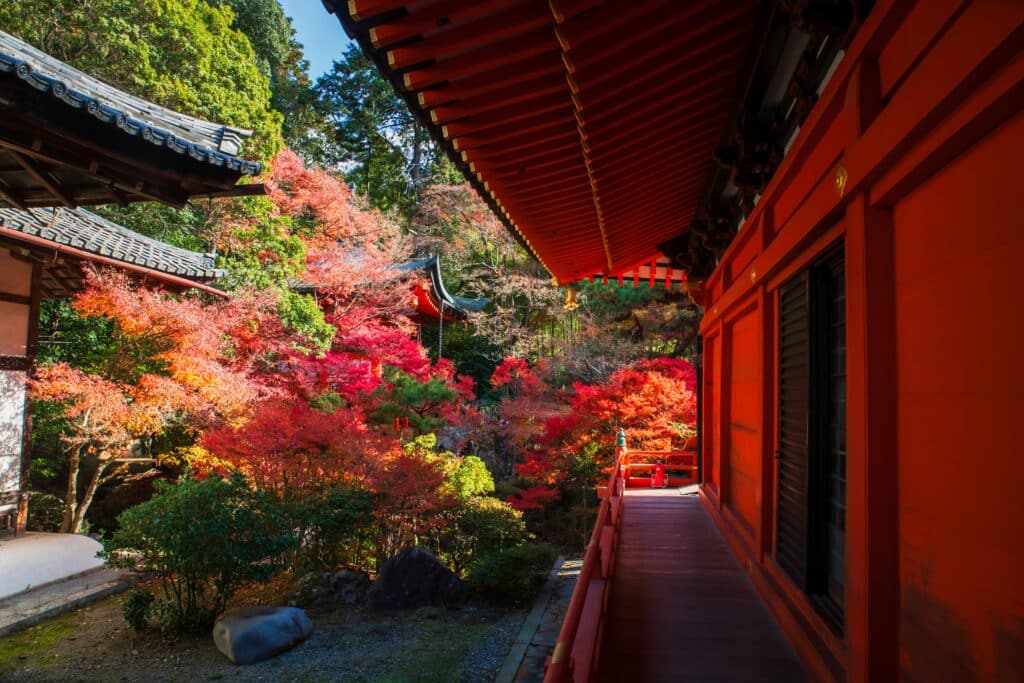
Autumn is arguably Japan’s most balanced season for sightseeing, particularly during October and November. Temperatures generally become more comfortable, humidity decreases, and colorful foliage transforms many gardens, temples, and mountain landscapes.
The main drawback is popularity. Kyoto and other famous foliage destinations can become crowded during peak viewing periods. September may also remain hot and humid, with a continuing risk of typhoons.
Best choice if: You want comfortable walking conditions, beautiful scenery, and a classic Japan itinerary without the intense summer heat.
Which Season Should You Choose?
Choose Spring If…
- Cherry blossoms are a priority.
- You want comfortable outdoor sightseeing.
- You’re visiting Japan for the first time.
- You don’t mind popular tourist areas.
Choose Summer If…
- Festivals and fireworks interest you.
- You want mountain hiking.
- Your holiday dates are fixed.
- You’re willing to adapt your itinerary.
Choose Autumn If…
- Comfortable walking weather matters most.
- You enjoy autumn foliage.
- You want to explore several cities.
- You prefer avoiding peak summer humidity.
The Best Months Matter More Than the Season Labels
Not every spring or autumn month offers equally comfortable conditions. March can still be chilly, May can become warm, and September may feel more like summer than autumn in many parts of Japan.
For many first-time visitors, April, May, October, and November offer an appealing balance of weather and sightseeing opportunities. However, peak cherry blossom and foliage periods can be expensive and crowded, so choosing dates within those months still requires careful planning.
🦉 Travel Owl Verdict: Which Season Is Best?
For most first-time visitors, autumn and spring are better choices than summer. They generally provide more comfortable conditions for exploring Japan’s major cities, temples, and historic neighborhoods.
But summer shouldn’t be dismissed. If you build your itinerary around festivals, mountain destinations, and a slower sightseeing rhythm, it can offer experiences that spring and autumn simply cannot match.
Travel Owl Verdict: Is Japan Worth Visiting in Summer?
Japan in Summer: Worth Visiting, but Not for Everyone
Yes, Japan is worth visiting in summer. But for a traditional first-time sightseeing trip focused on Tokyo, Kyoto, and Osaka, spring or autumn will usually offer a more comfortable experience.
Summer is most rewarding when the season itself becomes part of your travel experience. Spectacular festivals, fireworks, alpine landscapes, and Hokkaido’s flower fields offer compelling reasons to visit despite the heat.
You want seasonal festivals, mountain adventures, or Hokkaido’s landscapes—or summer is your only opportunity to travel.
Comfortable weather and long days exploring historic streets, temples, and gardens are your main priorities.
The real question isn’t whether Japan is worth visiting in summer. It’s whether the Japan you want to experience is a good match for the season.
Frequently Asked Questions About Japan in Summer
Still deciding whether summer is the right time to visit Japan? These answers cover the most common concerns about weather, crowds, costs, and choosing the best destinations.
Is Japan worth visiting in summer?
Yes. Japan offers spectacular festivals, fireworks, mountain scenery, and unique seasonal experiences during summer. However, high temperatures and humidity can make traditional city sightseeing uncomfortable. Summer is most rewarding when you adapt your itinerary to the season.
Is Japan too hot in July and August?
July and August can be extremely hot and humid, particularly in Tokyo, Kyoto, and Osaka. Daytime temperatures frequently exceed 30°C, and heatwaves can bring significantly higher temperatures. Early sightseeing, indoor breaks, and cooler destinations can make traveling more comfortable.
Which summer month is best for visiting Japan?
June can be less hot but often coincides with the rainy season. July offers festivals and mountain activities, although heat increases considerably. August is excellent for some festivals and outdoor destinations but can be especially hot and busy. The best month depends on your priorities.
Where is the coolest place to visit in Japan during summer?
Hokkaido is generally one of Japan’s better choices for cooler summer weather. Higher-altitude destinations such as Kamikochi, Karuizawa, and parts of the Japanese Alps can also provide relief from the heat of major cities, although warm days are still possible.
Is Kyoto worth visiting in summer?
Yes, but Kyoto can be particularly uncomfortable in July and August because of its heat, humidity, and outdoor sightseeing requirements. Visit temples early, limit long walks during the afternoon, and allow more time for rest. If your dates are flexible, spring or autumn is generally preferable.
Does it rain all summer in Japan?
No. Much of Japan experiences a rainy season during June and part of July, but that doesn’t mean continuous rainfall every day. Rainfall patterns vary by region, and summer can also bring sunny periods, thunderstorms, and occasional heavy rain. Hokkaido does not have the same typical rainy season as much of mainland Japan.
Is Japan crowded in summer?
Crowds vary considerably. June can be relatively manageable in some destinations, while school holidays, major festivals, and the Obon period in August can create significant demand for transport and accommodation. Summer isn’t consistently less crowded than spring or autumn.
Is Japan cheaper to visit in summer?
Sometimes. June and early July may offer competitive hotel prices in certain cities, but August holidays, popular festivals, and summer resorts can be expensive. International airfare also depends on holiday demand in your home country. Compare your actual travel dates rather than assuming summer is cheaper.
Is Okinawa worth visiting in July or August?
Okinawa can be excellent for beaches, snorkeling, and island scenery during July and August. However, it remains hot and humid, and typhoons can occasionally disrupt flights, ferries, and water activities. It is better suited to a beach-focused holiday than to travelers seeking cooler weather.
Is summer a good time for a first trip to Japan?
Summer can work for a first trip, especially if your travel dates are fixed. However, spring and autumn generally offer more comfortable conditions for exploring Tokyo, Kyoto, and Osaka. If you visit in summer, reduce your daily sightseeing schedule and consider including a cooler region.