
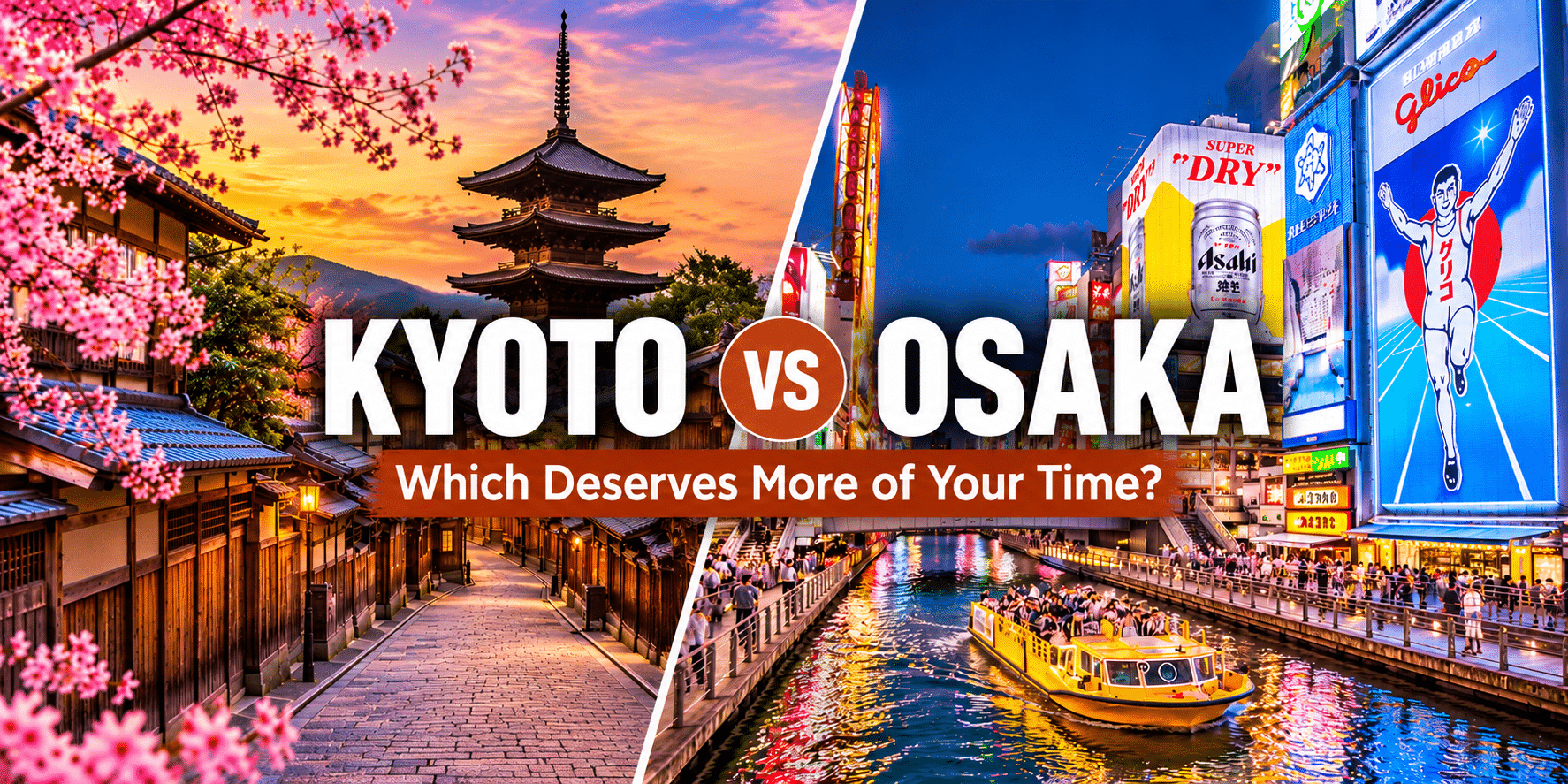
Kyoto and Osaka are two of Japan’s most popular destinations, yet they offer remarkably different experiences. Kyoto is famous for its historic temples, traditional neighborhoods, and peaceful gardens. Osaka, meanwhile, is known for its vibrant street food scene, neon-lit entertainment districts, and energetic urban atmosphere.
For travelers with limited time in Japan, this creates an important question: Is Osaka really worth visiting, or would you be better off spending another day in Kyoto?
The answer isn’t as straightforward as it might seem. Osaka offers experiences you won’t find in quite the same way in Kyoto. But Kyoto also has enough attractions to fill several days, and rushing through its highlights simply to add another city isn’t always the smartest decision.
Fortunately, the two cities are close enough that you don’t necessarily have to choose one over the other. Osaka can be visited as a day trip from Kyoto, or even as an evening excursion, without changing hotels.
In this guide, we’ll compare what each city offers, explain when Osaka deserves a place in your itinerary, and show you how to divide your time between Kyoto and Osaka based on the number of days you have available.
The goal isn’t to decide which city is better. It’s to help you decide whether visiting Osaka is the best use of your limited time in Japan.
Spend more time in Kyoto if traditional Japan is your main priority. Kyoto offers historic temples, beautiful gardens, atmospheric neighborhoods, and cultural experiences that can easily fill several days. For most first-time visitors with limited time, Kyoto deserves the larger share of the itinerary.
Visit Osaka if you want to experience a different side of Japan. Osaka adds vibrant street food, neon-lit entertainment districts, lively nightlife, and modern urban energy. Even a single day or evening can provide a memorable contrast to Kyoto.
- You have only two days in the region
- Temples, gardens, and historic streets interest you most
- You prefer traditional culture and architecture
- You want to explore Kyoto without rushing
- You value depth over visiting another city
- You have at least three days in the region
- Street food and nightlife are important to you
- You enjoy energetic modern cities
- You want to experience Dotonbori after dark
- You want a contrast to Kyoto’s traditional atmosphere
The simplest way to decide: Kyoto deserves more time when traditional culture and sightseeing are your priorities. Osaka is worth adding when you want food, nightlife, and a contrasting urban experience. With limited time, consider visiting Osaka for an afternoon and evening rather than sacrificing an entire day in Kyoto.
Table of Contents
Osaka vs Kyoto at a Glance
Kyoto and Osaka are close geographically, but they offer very different travel experiences. Kyoto stands out for traditional culture, historic sights, and atmospheric neighborhoods, while Osaka excels in food, nightlife, entertainment, and modern city energy.
| Category | ⛩️ Kyoto | 🌃 Osaka |
|---|---|---|
| Traditional Culture | ★★★★★ | ★★★☆☆ |
| Temples & Historic Sights | ★★★★★ | ★★★☆☆ |
| Food Experiences | ★★★★☆ | ★★★★★ |
| Nightlife & Entertainment | ★★★☆☆ | ★★★★★ |
| Scenery & Atmosphere | ★★★★★ | ★★★★☆ |
| Shopping | ★★★★☆ | ★★★★★ |
| Family Entertainment | ★★★☆☆ | ★★★★★ |
| First-Time Japan Experience | ★★★★★ | ★★★★☆ |
Ratings reflect Travel Owl’s editorial assessment of each city’s strengths, not official destination rankings.
Best for: Traditional culture, temples, gardens, historic neighborhoods, and travelers who want to explore Japan’s heritage in greater depth.
Best for: Street food, nightlife, shopping, modern entertainment, and travelers who enjoy energetic city experiences.
Travel Owl Takeaway: Kyoto generally offers greater cultural depth, while Osaka adds a different kind of urban experience. For most first-time visitors, the smartest approach is to give Kyoto more time and add Osaka if your schedule allows — rather than dividing your days equally by default.
What Does Osaka Offer That Kyoto Doesn’t?
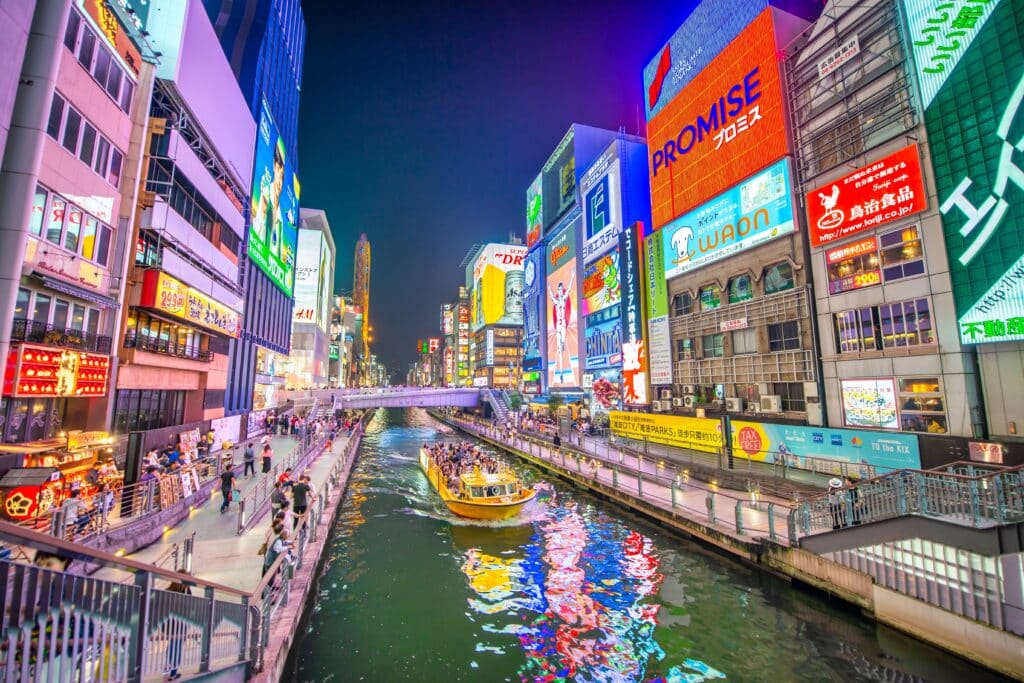
Kyoto and Osaka are only a short train journey apart, but the atmosphere can feel completely different. Kyoto encourages visitors to explore temples, traditional streets, and historic neighborhoods. Osaka is louder, more playful, and often more focused on food, entertainment, and everyday urban life.
That doesn’t mean Kyoto lacks restaurants, shopping, or nightlife. The real question is whether Osaka offers enough of a different experience to justify taking time away from Kyoto.
For many travelers, the answer comes down to five things.
1. Dotonbori After Dark
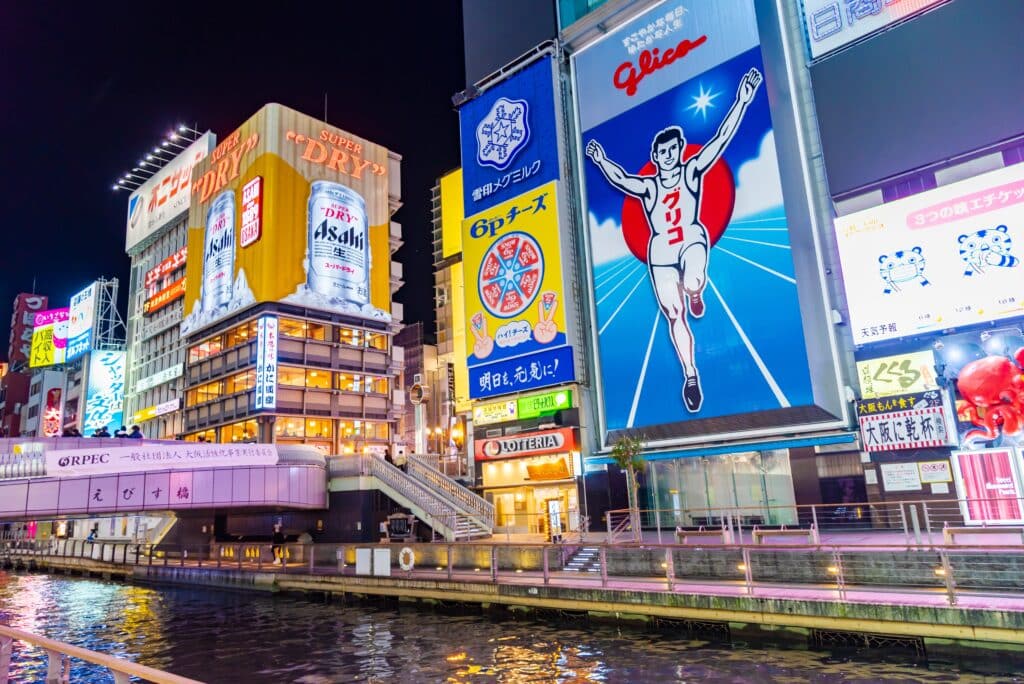
Osaka’s famous Dotonbori district is packed with neon signs, illuminated billboards, restaurants, and crowds enjoying the evening. The canal, giant advertising displays, and lively streets create one of Japan’s most recognizable urban scenes.
Why it matters: Kyoto has atmospheric evenings, but Dotonbori offers a very different kind of nighttime experience.
2. Osaka’s Casual Food Culture
Osaka is particularly famous for takoyaki, okonomiyaki, kushikatsu, and casual restaurants where food is part of the city’s lively atmosphere. Areas such as Dotonbori and Shinsekai make eating an attraction in itself.
Why it matters: Kyoto has excellent cuisine, but Osaka is especially appealing if you enjoy informal dining and trying local specialties.
3. Shinsekai’s Retro Atmosphere
Shinsekai offers a nostalgic side of Osaka, with colorful signs, traditional eateries, entertainment venues, and the distinctive Tsutenkaku Tower. It feels very different from Kyoto’s carefully preserved historic districts.
Why it matters: Shinsekai provides a glimpse of Osaka’s popular entertainment culture rather than another temple or historic garden.
4. Major Entertainment Attractions
Osaka offers attractions such as Universal Studios Japan, Osaka Aquarium Kaiyukan, and large shopping and entertainment complexes. These can be especially attractive to families or travelers who want a break from traditional sightseeing.
Why it matters: If major entertainment attractions are among your priorities, Osaka may deserve more than a quick evening visit.
5. A Different Urban Personality
From the busy streets of Namba to the shopping districts around Umeda, Osaka offers a modern metropolitan experience with its own local character. Its markets, restaurants, shopping arcades, and entertainment districts show another side of everyday Japan.
Why it matters: Osaka can add variety to an itinerary dominated by temples, shrines, and traditional neighborhoods.
Is This Difference Worth an Entire Day?
Not necessarily. If your main interests are Dotonbori, street food, and Osaka’s lively atmosphere, an afternoon and evening may be enough to experience the city’s most distinctive side.
However, if you want to explore several neighborhoods, visit major attractions, or spend time shopping and discovering local restaurants, a full day or overnight stay becomes much more worthwhile. Universal Studios Japan, in particular, generally deserves its own day.
Travel Owl Takeaway: Osaka’s greatest advantage isn’t that it has more attractions than Kyoto. It’s that it offers a different kind of Japan experience. If you’ve already included several days of traditional sightseeing, Osaka can provide a refreshing contrast. But if your time in Kyoto is already limited, you don’t need to sacrifice an entire day just to experience Osaka’s atmosphere.
What Would You Miss by Spending Less Time in Kyoto?
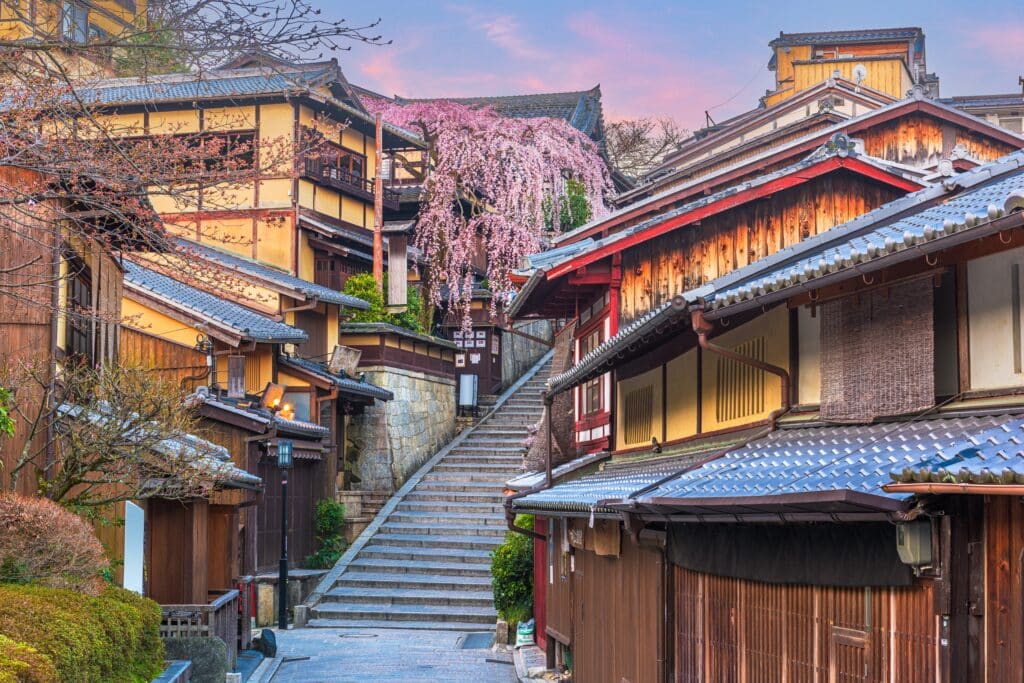
Osaka may be worth visiting, but every day you spend there is a day you cannot spend exploring Kyoto. And while Kyoto’s most famous attractions can look close together on a map, reaching them often takes longer than first-time visitors expect.
Kyoto is not a city where you can comfortably see everything in one or two days. Its major sights are spread across different districts, and some of its most memorable experiences come from exploring beyond the headline attractions.
Before adding Osaka to your itinerary, consider what an extra day in Kyoto could give you.
1. More Time in Historic Higashiyama
Southern Higashiyama is one of Kyoto’s most atmospheric districts, with Kiyomizu-dera, traditional streets, small shops, and historic neighborhoods. Rushing through it means missing the pleasure of simply wandering and discovering quieter corners.
What you sacrifice: A slower, more immersive experience of traditional Kyoto.
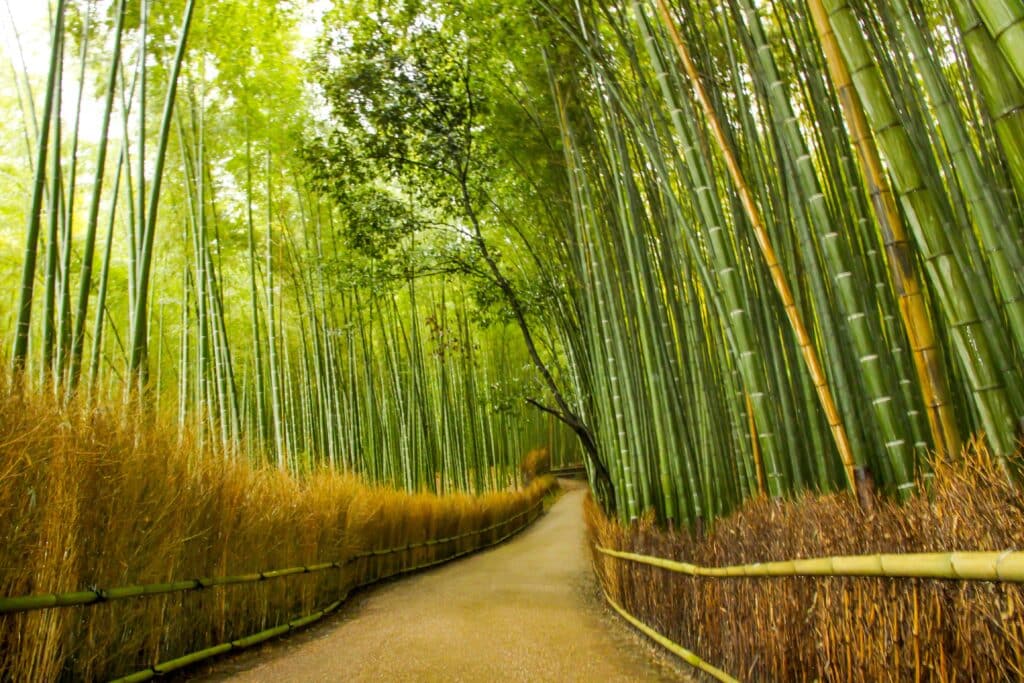
2. Exploring Arashiyama Beyond the Bamboo Grove
Arashiyama offers much more than its famous bamboo forest. The area includes Tenryu-ji, riverside scenery, traditional streets, and quieter temples farther from the busiest paths.
What you sacrifice: The chance to explore one of Kyoto’s most scenic areas without treating it as a quick photo stop.
3. Temples Beyond the Main Tourist Route
Attractions such as Kinkaku-ji, Ryoan-ji, and Ninna-ji are worth considering, but they require additional travel time. With a tightly packed itinerary, visitors often skip these areas entirely.
What you sacrifice: More architectural variety, peaceful gardens, and experiences beyond Kyoto’s most familiar sightseeing routes.
4. Experiencing Fushimi Inari Properly
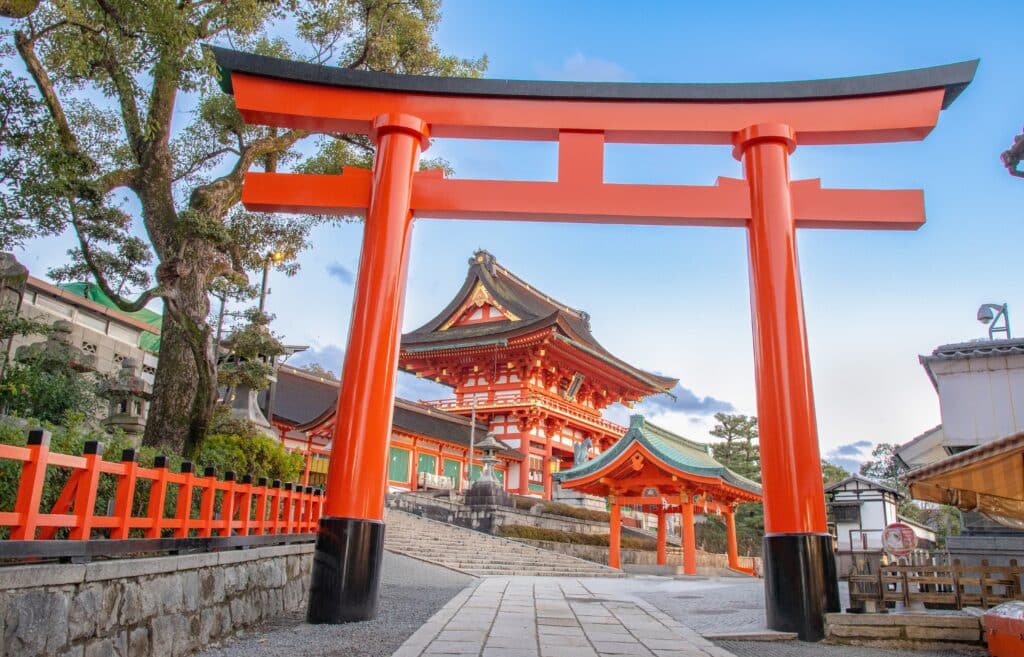
Many visitors see only the first sections of Fushimi Inari’s famous torii-gate paths. With more time, you can continue farther up the wooded mountain trails, where the atmosphere changes as you move away from the busiest areas.
What you sacrifice: A more complete experience of one of Kyoto’s most distinctive shrines.
5. The Pleasure of Slowing Down
Kyoto rewards travelers who leave room for tea houses, small gardens, quiet streets, and unexpected discoveries. An additional day can turn a rushed checklist of famous sights into a more enjoyable cultural experience.
What you sacrifice: Flexibility, spontaneous exploration, and a less hurried pace.
How Much Does One Extra Day in Kyoto Matter?
The value of another day in Kyoto depends heavily on how much time you’ve already allocated.
| Kyoto Time | Value of Another Day |
|---|---|
| 1 Day | Very high — you’ll otherwise see only a small selection of Kyoto’s highlights. |
| 2 Days | High — a third day allows additional districts and a more comfortable pace. |
| 3 Days | Moderate to high — another day adds depth, but Osaka becomes easier to justify. |
| 4+ Days | Depends on your interests — cultural enthusiasts may still prefer Kyoto, while others benefit from more variety. |
Travel Owl Takeaway: The biggest mistake isn’t visiting Osaka — it’s cutting Kyoto too short just to include another destination. If you have only one or two days in Kyoto, an extra day there may be more rewarding than a full day in Osaka. Once you’ve allocated around three days to Kyoto, adding Osaka becomes a much easier decision.
Is Osaka Worth Visiting Just for Food and Nightlife?

Osaka’s food scene and nightlife are two of its biggest attractions. For some travelers, they are reason enough to visit. But if you’re already staying in Kyoto, is it really worth spending an entire day in Osaka just to eat takoyaki and see Dotonbori’s neon lights?
The answer depends on whether you want to explore Osaka’s food culture in depth or simply experience its famous evening atmosphere. Fortunately, you don’t necessarily need a full sightseeing day to enjoy either.
Osaka for Food Lovers
Osaka is famous for its casual dining culture. Takoyaki, okonomiyaki, kushikatsu, and countless small restaurants make exploring the city particularly enjoyable for travelers who love trying local specialties.
Worth a visit? Yes, especially if discovering regional food is one of your main travel priorities. However, Kyoto also has excellent restaurants, so Osaka isn’t essential simply to enjoy Japanese cuisine.
Osaka for Nightlife
Dotonbori and Namba are particularly lively after dark, with illuminated signs, restaurants, bars, and entertainment venues. Osaka’s energetic evening atmosphere provides a striking contrast to Kyoto’s historic streets.
Worth a visit? Absolutely, if you enjoy vibrant urban nightlife. But if your main goal is simply to see Dotonbori illuminated, a few evening hours may be sufficient.
💡 The Smarter Alternative: Visit Osaka in the Evening
If food and nightlife are your main reasons for visiting Osaka, consider spending the morning and early afternoon sightseeing in Kyoto before traveling to Osaka later in the day.
A simple evening plan could look like this:
- 4:00 PM: Leave Kyoto and travel toward central Osaka.
- 5:00 PM: Explore Namba and the surrounding shopping streets.
- 6:30 PM: Enjoy Osaka specialties for dinner.
- 7:30 PM: Walk through illuminated Dotonbori and along the canal.
- 9:00 PM: Begin your return journey to Kyoto, or stay longer if your transport plans allow.
This approach lets you experience one of Osaka’s most distinctive attractions without necessarily sacrificing a full day of sightseeing in Kyoto. Allow enough time for local transfers and check the last convenient train back to your accommodation.
When Is a Full Day in Osaka Worthwhile?
A full day becomes more rewarding when you want to combine food and nightlife with additional sightseeing.
- Explore Shinsekai and try local kushikatsu restaurants.
- Visit Kuromon Market and discover Osaka’s food culture.
- Spend time shopping around Namba or Shinsaibashi.
- Explore several neighborhoods rather than focusing only on Dotonbori.
- Enjoy dinner and nightlife without feeling rushed.
Travel Owl Takeaway: Osaka is worth visiting for food and nightlife, but you don’t necessarily need an entire day to experience its biggest evening attractions. If your time is limited, an afternoon and evening in Osaka can offer an excellent compromise. Save a full day for Osaka if you want to explore its neighborhoods, markets, and entertainment beyond Dotonbori.
Is Osaka Worth Visiting for First-Time Japan Travelers?
For first-time visitors to Japan, Osaka is an appealing destination. Its food culture, lively entertainment districts, and energetic atmosphere make it an enjoyable addition to many itineraries.
However, the decision becomes more complicated if you’re already visiting Tokyo. Both Tokyo and Osaka offer modern city experiences, while Kyoto provides a stronger contrast through its temples, historic neighborhoods, gardens, and traditional architecture.
That doesn’t mean Osaka is simply a smaller version of Tokyo. The cities have different personalities, local cuisines, and attractions. But when your vacation time is limited, adding Osaka may provide less variety than spending another day exploring Kyoto.
Already Visiting Tokyo?
Tokyo already offers shopping, nightlife, restaurants, and modern urban attractions. Osaka has its own character, but some of its experiences may overlap with what you’ve planned in Tokyo.
Travel Owl recommendation: Prioritize at least two or three days in Kyoto before adding Osaka. If time is limited, consider Osaka as an evening excursion.
Spending Most of Your Trip in Kansai?
If your itinerary focuses on Kyoto, Osaka, Nara, and nearby destinations rather than Tokyo, Osaka becomes a more valuable addition. It provides the big-city atmosphere that might otherwise be missing from your trip.
Travel Owl recommendation: Include Osaka for at least one day, especially if you enjoy food, nightlife, shopping, or entertainment.
When Does Osaka Add Real Value to a First Japan Trip?
Osaka is particularly worthwhile when it adds experiences that aren’t already well represented in your itinerary.
- Food-focused travelers: Osaka’s casual dining culture and regional specialties are attractions in themselves.
- Nightlife enthusiasts: Dotonbori and Namba provide a distinctive evening atmosphere.
- Families: Universal Studios Japan and Osaka Aquarium Kaiyukan can justify additional time.
- Urban explorers: Osaka’s neighborhoods offer a different metropolitan character from Tokyo.
- Travelers with longer itineraries: Adding Osaka is easier when Kyoto already has sufficient sightseeing time.
Should You Include Osaka on a 7-, 10-, or 14-Day Japan Trip?
| Trip Length | Travel Owl Recommendation |
|---|---|
| 7 Days | Focus on Tokyo and Kyoto. Add Osaka only if it is a personal priority or fits easily into your route. |
| 10 Days | Include Osaka as a day trip or evening visit once you’ve allocated enough time to Kyoto. |
| 14 Days | Osaka becomes easier to include for one or two days, depending on your other destinations and interests. |
These recommendations assume a typical first-time itinerary including Tokyo and Kyoto. Travelers focusing primarily on Kansai may want to allocate more time to Osaka.
Travel Owl Takeaway: Osaka is a worthwhile addition to a first Japan trip, but it shouldn’t automatically take priority over Kyoto. If you’re already visiting Tokyo, Kyoto usually deserves more of your limited time. If you’re concentrating on Kansai or have a longer itinerary, Osaka adds valuable variety and is easier to justify.
When Is Osaka Not Worth Visiting?
Osaka is an exciting city, but that doesn’t mean every Japan itinerary needs to include it. Sometimes, adding another destination creates more travel time, additional expenses, and a faster pace without significantly improving the overall experience.
If you’re deciding between Osaka and another day in Kyoto, there are several situations where skipping Osaka may be the better choice.
1. You Have Only One or Two Days in Kyoto
Kyoto’s major attractions are spread across several districts, and even two full days require careful planning. Taking one of those days for Osaka can leave you rushing between Kyoto’s most famous sights.
Better choice: Give Kyoto enough time before adding another city.
2. Traditional Japan Is Your Main Interest
If temples, gardens, historic streets, and traditional architecture are the experiences you’re most excited about, Kyoto will probably provide more of what you’re looking for.
Better choice: Explore additional Kyoto neighborhoods rather than adding Osaka simply because it’s nearby.
3. You’ve Already Planned Plenty of Time in Tokyo
Osaka has its own character, but Tokyo already offers extensive shopping, restaurants, nightlife, and modern city attractions. If you’re looking for maximum variety, another day in Kyoto may add more to your trip.
Better choice: Prioritize experiences that contrast with your time in Tokyo.
4. You Prefer Slower Travel
If you enjoy exploring neighborhoods without a strict schedule, visiting cafés, and discovering places spontaneously, another day in Kyoto may be more rewarding than trying to fit Osaka into an already busy itinerary.
Better choice: Spend more time enjoying fewer destinations.
Skipping Osaka Doesn’t Mean You’re Missing an Essential Part of Japan
One common mistake when planning a first Japan trip is assuming that every famous destination must be included. Tokyo, Kyoto, and Osaka often appear together in suggested itineraries, but that doesn’t mean all three deserve equal time.
If Osaka’s food, nightlife, and entertainment don’t particularly interest you, there’s no reason to force it into your schedule. Kyoto offers enough variety to reward additional exploration, and skipping Osaka may make your trip more enjoyable rather than less complete.
Travel Owl Takeaway: Skip Osaka if visiting it would force you to rush through Kyoto or sacrifice experiences you value more. Osaka is an excellent destination, but it isn’t a mandatory stop on every Japan itinerary. The smartest choice is the one that matches your interests, not the longest list of cities.
How Many Days Should You Spend in Osaka vs Kyoto?
Deciding how many days to spend in Osaka and Kyoto is often more important than choosing which city is better. Both are worth visiting, but they don’t necessarily deserve an equal share of your itinerary.
For most first-time visitors, three days in Kyoto and one day in Osaka is an excellent balance. Kyoto needs more time because its major attractions are spread across several districts, while many of Osaka’s most recognizable experiences can be enjoyed in a single well-planned day.
However, the ideal allocation depends on how many days you have available and whether your priorities are traditional sightseeing, food, nightlife, or entertainment.
| Total Time | Kyoto | Osaka | Recommendation |
|---|---|---|---|
| 2 Days | 2 | 0 | Focus on Kyoto |
| 3 Days | 2 | 1 | Good introduction to both cities |
| 4 Days | 3 | 1 | Best overall balance |
| 5 Days | 3 | 2 | Explore both cities more deeply |
These allocations assume full sightseeing days in the Kyoto–Osaka region, excluding major arrival and departure travel. Osaka can also be visited as a day trip without changing hotels.
2 Days: Stay in Kyoto
With only two days, Kyoto should usually be your priority. Focus on major highlights such as Higashiyama, Kiyomizu-dera, Fushimi Inari, or Arashiyama rather than trying to include another city.
Travel Owl recommendation: Skip Osaka unless its food or nightlife is a major personal priority.
3 Days: Kyoto 2 + Osaka 1
Three days allow a taste of both cities, although Kyoto will still feel somewhat rushed. Spend two days exploring Kyoto’s main districts and one day experiencing Osaka’s food, neighborhoods, and evening atmosphere.
Travel Owl recommendation: A reasonable compromise, but consider three days in Kyoto if traditional culture is your main interest.
4 Days: Kyoto 3 + Osaka 1
This is the strongest balance for many first-time travelers. Three days give Kyoto enough room for its major sightseeing areas, while one day in Osaka adds food, entertainment, and a contrasting urban atmosphere.
Travel Owl recommendation: Our preferred allocation for travelers who want to experience both cities without rushing excessively.
5 Days: Kyoto 3 + Osaka 2
Five days provide greater flexibility. You can explore Kyoto’s major districts and still have time for Osaka’s food scene, shopping, neighborhoods, or a major attraction such as Universal Studios Japan.
Travel Owl recommendation: Ideal if Osaka’s attractions genuinely interest you. Otherwise, consider four days in Kyoto and one in Osaka.
Adjust the Balance to Your Travel Style
The recommendations above are useful starting points, not fixed rules. Your personal interests may justify a different allocation.
- Culture and history lovers: Give Kyoto an additional day.
- Food and nightlife enthusiasts: Consider more time in Osaka, particularly an overnight stay.
- Families visiting Universal Studios Japan: Reserve a separate day for the theme park.
- Slow travelers: Choose fewer activities and avoid unnecessary hotel changes.
- Travelers already visiting Tokyo: Consider prioritizing Kyoto for greater variety.
💡 Travel Owl Time-Saving Tip: You don’t necessarily need to spend a full day in Osaka to experience its famous atmosphere. If you have three days in the region, an alternative is to spend most of your time in Kyoto and visit Osaka for an afternoon and evening. This works particularly well if Dotonbori, food, and nightlife are your main interests.
Travel Owl Takeaway: For most first-time visitors, three days in Kyoto and one day in Osaka offer the best overall balance. With fewer than three days, prioritize Kyoto unless Osaka is a personal highlight. With five days or more, you can explore both cities more comfortably — but there’s no need to divide your time equally simply because both are famous destinations.
Is One Day in Osaka Enough?
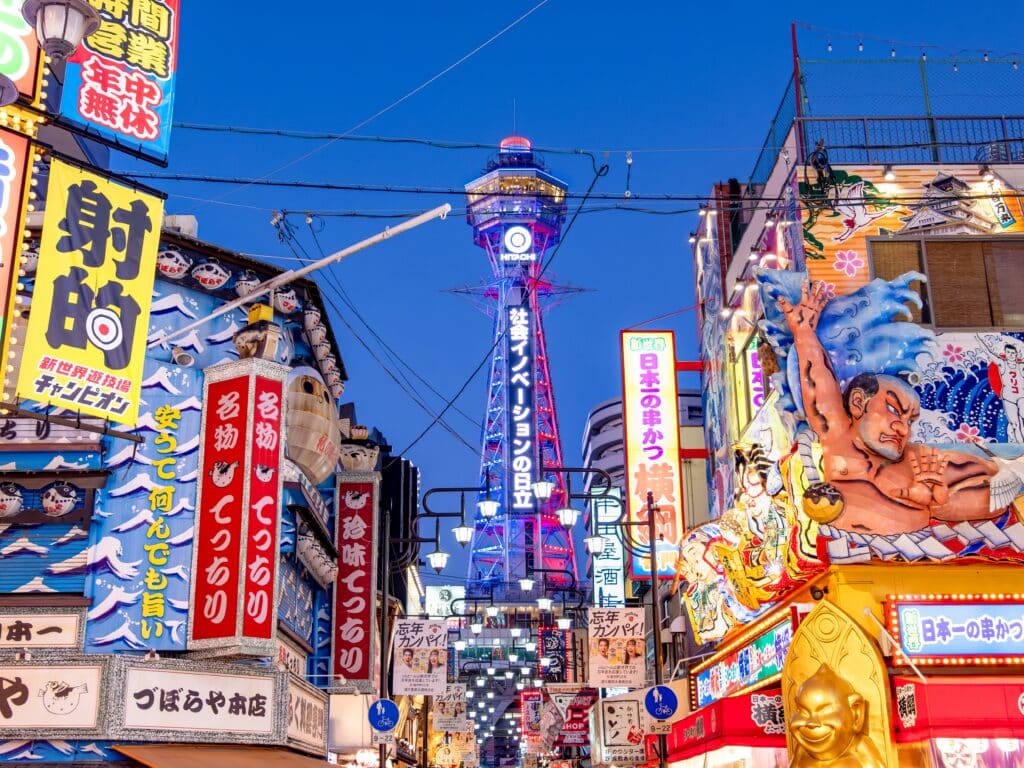
Yes, one day in Osaka is enough to experience several of the city’s biggest highlights. You can explore lively neighborhoods, sample famous local dishes, and finish your visit among the neon lights of Dotonbori. For travelers who are primarily visiting Kyoto, this can be a satisfying introduction to Osaka.
However, one day isn’t enough to explore everything Osaka offers. The key is to concentrate on a few nearby areas rather than rushing between attractions scattered across the city.
Explore Shinsekai
Discover the retro streets around Tsutenkaku Tower, colorful signs, and traditional eateries. Enjoy the area’s nostalgic atmosphere before heading toward central Osaka.
Namba & Shinsaibashi
Explore Osaka’s busy shopping streets, try local specialties such as takoyaki or okonomiyaki, and enjoy the energetic atmosphere around Namba and Shinsaibashi.
Dotonbori After Dark
Finish your day with dinner and a walk along the illuminated Dotonbori canal. This is one of Osaka’s most memorable experiences and an excellent way to end a short visit.
This route focuses on southern and central Osaka to reduce unnecessary travel. Allow time for meals, local transport, and your journey back to Kyoto if you’re visiting on a day trip.
What Will You Miss With Only One Day?
A single day works well for Osaka’s atmosphere, food, and central neighborhoods. However, several major attractions require more time or a different sightseeing plan.
- Universal Studios Japan: Usually requires a dedicated day rather than being combined with central Osaka sightseeing.
- Osaka Aquarium Kaiyukan: A substantial attraction that can occupy several hours, including travel.
- Osaka Castle: Possible in one day, but adding it means reducing time in other neighborhoods.
- Umeda: Shopping, restaurants, and city views around northern Osaka are easier to enjoy with additional time.
- Deeper neighborhood exploration: One day leaves limited room for spontaneous discoveries and less-visited areas.
One Day vs Two Days in Osaka
Best for travelers who want street food, Dotonbori, and a taste of Osaka’s urban atmosphere without sacrificing too much time in Kyoto.
Better for travelers who want additional attractions, more shopping, neighborhood exploration, or a dedicated visit to Universal Studios Japan.
💡 Travel Owl Tip: Don’t try to combine Universal Studios Japan, Osaka Castle, Shinsekai, and Dotonbori in one day. You’ll spend too much time traveling between attractions and too little time enjoying them. For a first visit, choosing two or three nearby areas usually creates a better experience.
Travel Owl Takeaway: One day in Osaka is enough for most first-time visitors who mainly want to experience its food, neighborhoods, and nightlife. You won’t see everything, but you can experience much of what makes the city distinctive. Spend a second day in Osaka only if its additional attractions genuinely interest you.
Osaka as a Day Trip from Kyoto: Is It Worth It?
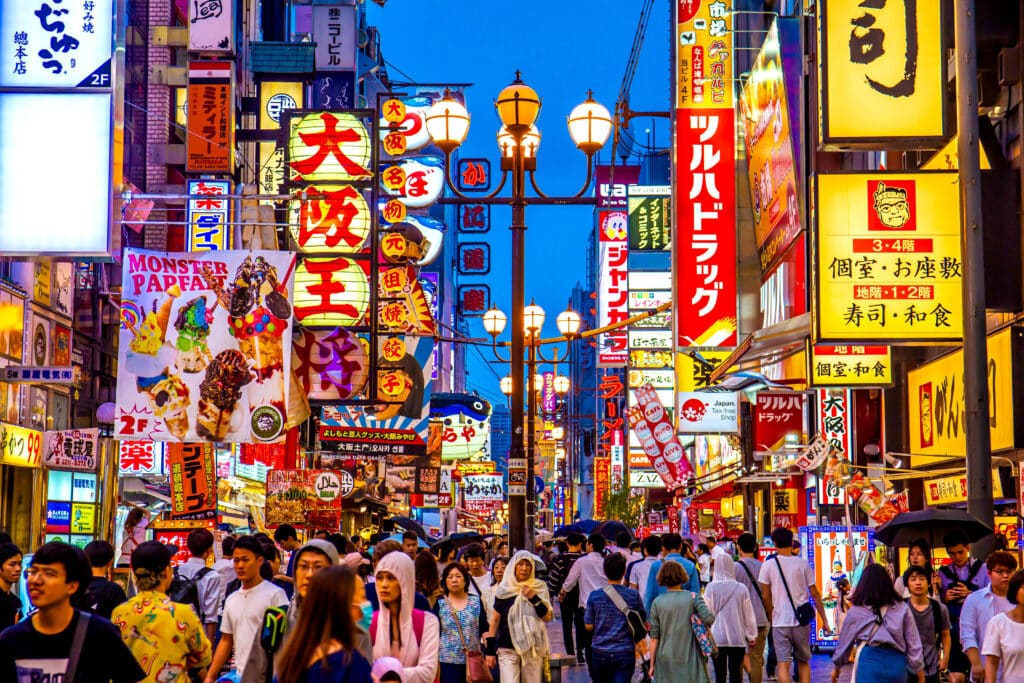
Yes, Osaka is one of the easiest and most worthwhile day trips from Kyoto. The cities are connected by frequent trains, and the journey between their main railway hubs can take around 30 minutes on a convenient JR service. This makes it entirely possible to explore Osaka during the day and return to your Kyoto hotel in the evening.
For travelers who want to experience Osaka without sacrificing the convenience of staying in one place, a day trip is often the smartest option. You can enjoy Osaka’s food, neighborhoods, shopping, and nightlife without packing your luggage or changing accommodation.
| Train | Main Route | Approx. Time | Best For |
|---|---|---|---|
| JR Special Rapid | Kyoto Station → Osaka Station | About 30 min | Travelers near Kyoto Station |
| Hankyu Railway | Kyoto-Kawaramachi → Osaka-Umeda | About 45 min | Travelers staying in central Kyoto |
| Keihan Railway | Sanjo / Gion-Shijo → Yodoyabashi | About 50–60 min | Travelers near eastern central Kyoto |
Times are approximate station-to-station journeys on suitable services. Allow additional time for transfers to attractions such as Dotonbori, Shinsekai, or Osaka Castle. The fastest train isn’t necessarily the most convenient option from your hotel.
Why a Day Trip Works Well
- Frequent trains make the journey straightforward
- No need to change hotels or move luggage
- Enough time for several central Osaka neighborhoods
- You can enjoy Dotonbori after dark
- Easy to keep Kyoto as your main sightseeing base
When a Day Trip Is Less Ideal
- You want to explore Osaka over several days
- Late-night bars or entertainment are priorities
- Your accommodation is far from convenient train connections
- You plan to visit major attractions requiring most of a day
- You prefer a relaxed schedule without a return journey
How Much Time Should You Allow for an Osaka Day Trip?
For a comfortable visit, plan roughly 8–10 hours away from your Kyoto accommodation, including travel. This provides enough time for a few central Osaka neighborhoods, meals, and an evening walk through Dotonbori.
If you leave Kyoto in the late morning, you can explore Osaka during the afternoon, enjoy dinner, and return after seeing the city illuminated. Travelers who want to visit additional attractions should start earlier.
Remember that Osaka Station and Shin-Osaka Station are not the same, and neither is directly in Dotonbori. Depending on your train route, you’ll usually need another local journey to reach the Namba area.
Day Trip or Overnight Stay?
For most visitors who want to experience Osaka’s main neighborhoods, street food, and Dotonbori, a day trip from Kyoto is sufficient.
An overnight stay becomes more attractive if you want to explore Osaka’s nightlife late into the evening, spend multiple days sightseeing, or use the city as a base for other destinations. Otherwise, changing hotels may create more inconvenience than benefit.
💡 Travel Owl Tip: Choose your train based on where you’re staying in Kyoto and where you want to go in Osaka. JR is convenient from Kyoto Station, while Hankyu or Keihan may work better from other parts of the city. Always compare the full hotel-to-attraction journey rather than just the fastest advertised train time.
Travel Owl Takeaway: Osaka is an excellent day trip from Kyoto, and most first-time visitors don’t need to change hotels to experience it. The short journey makes it easy to combine Kyoto’s traditional attractions with Osaka’s food and nightlife. Stay overnight only if additional sightseeing, late-night entertainment, or your wider itinerary makes it worthwhile.
Should You Stay Overnight in Osaka or Return to Kyoto?
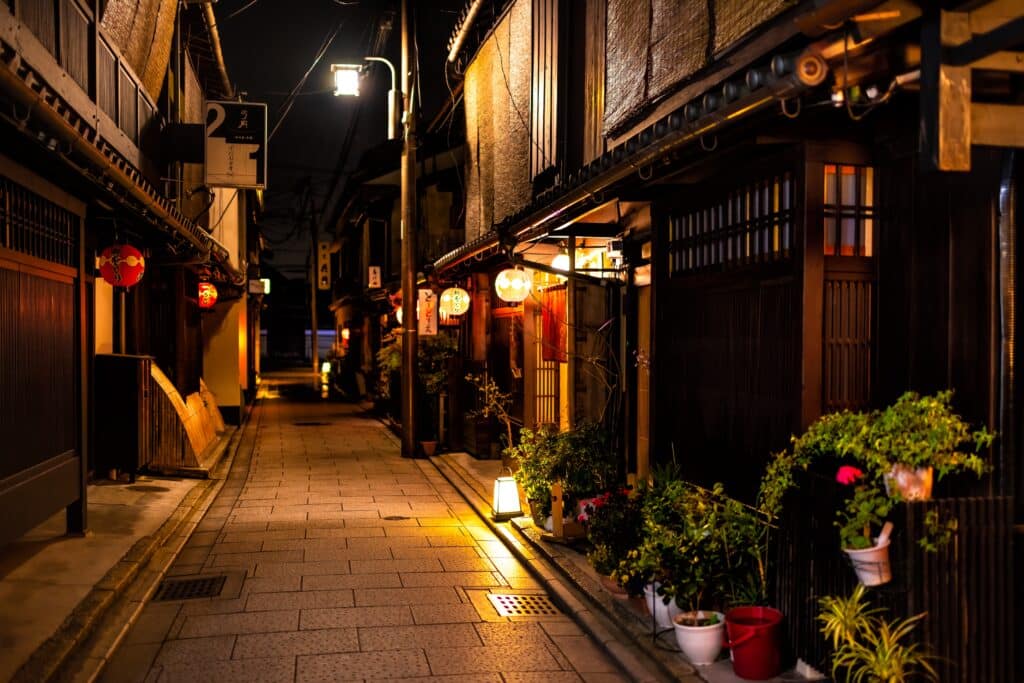
One of the biggest advantages of visiting Osaka from Kyoto is that you don’t necessarily need to change hotels. The two cities are close enough that you can explore Osaka during the day, enjoy dinner in Dotonbori, and return to Kyoto in the evening.
However, staying overnight in Osaka can make sense if you want to experience its nightlife without watching the clock, visit several major attractions, or continue your journey from Osaka the following day.
The smartest decision isn’t simply about hotel prices. It’s about whether an overnight stay saves enough time or adds enough value to justify moving your luggage and changing accommodation.
Return to Kyoto If…
- You’re visiting Osaka for one day or evening
- Your Kyoto hotel is near convenient train connections
- You want to avoid packing and moving luggage
- Your main Osaka interests are food, shopping, and Dotonbori
- You plan to continue sightseeing in Kyoto the next morning
Best for: Most first-time visitors using Kyoto as their main base.
Stay Overnight in Osaka If…
- You want to enjoy nightlife late into the evening
- You’re planning two or more days in Osaka
- Universal Studios Japan is part of your itinerary
- You prefer staying close to Osaka’s restaurants and entertainment
- Osaka is a convenient departure point for your next destination
Best for: Travelers who want a deeper Osaka experience or have a route that naturally continues from the city.
The Hidden Time Cost of Changing Hotels
On a map, moving from Kyoto to Osaka looks simple. But changing hotels involves more than the train journey itself.
- Packing your luggage and checking out
- Traveling from your Kyoto hotel to the station
- Taking the train to Osaka
- Reaching your new hotel and storing luggage if the room isn’t ready
- Checking in and reorganizing your belongings
Even though the intercity train journey may take only around 30–50 minutes, the entire hotel change can consume a meaningful part of your day. If you’re staying in Osaka for just one night, that inconvenience may outweigh the benefits.
When Does an Osaka Overnight Stay Actually Save Time?
Staying near Namba or Dotonbori lets you enjoy restaurants, bars, and nightlife without planning around the last convenient train to Kyoto.
If you’re spending two or three days exploring Osaka, staying locally can reduce repeated journeys and give you more flexibility.
An Osaka hotel may be practical if you’re departing from Kansai International Airport or continuing toward another destination with convenient connections from Osaka.
Is Staying in Osaka Cheaper Than Kyoto?
Osaka can offer attractive accommodation value, particularly for travelers looking for business hotels or convenient city-center locations. Kyoto’s most desirable areas can become expensive during popular travel periods, especially cherry blossom season and autumn foliage season.
However, hotel prices vary considerably by date, location, and property type. A cheaper room in Osaka isn’t automatically a better deal if it requires additional train journeys to Kyoto. Compare the total cost of accommodation and transport rather than the nightly rate alone.
💡 Travel Owl Tip: If you want to visit Osaka for just one day, keep your Kyoto hotel and travel light. If you decide to stay overnight, consider whether Osaka fits naturally at the beginning or end of your Kansai itinerary. This can avoid an unnecessary extra hotel change.
Travel Owl Takeaway: For a single day in Osaka, returning to Kyoto is usually the smarter choice. An overnight stay becomes worthwhile when you want late-night entertainment, multiple sightseeing days, or convenient onward travel. Don’t change hotels simply because you’re visiting another city — do it only when the benefits outweigh the time and effort.
Should You Use Kyoto or Osaka as Your Kansai Base?
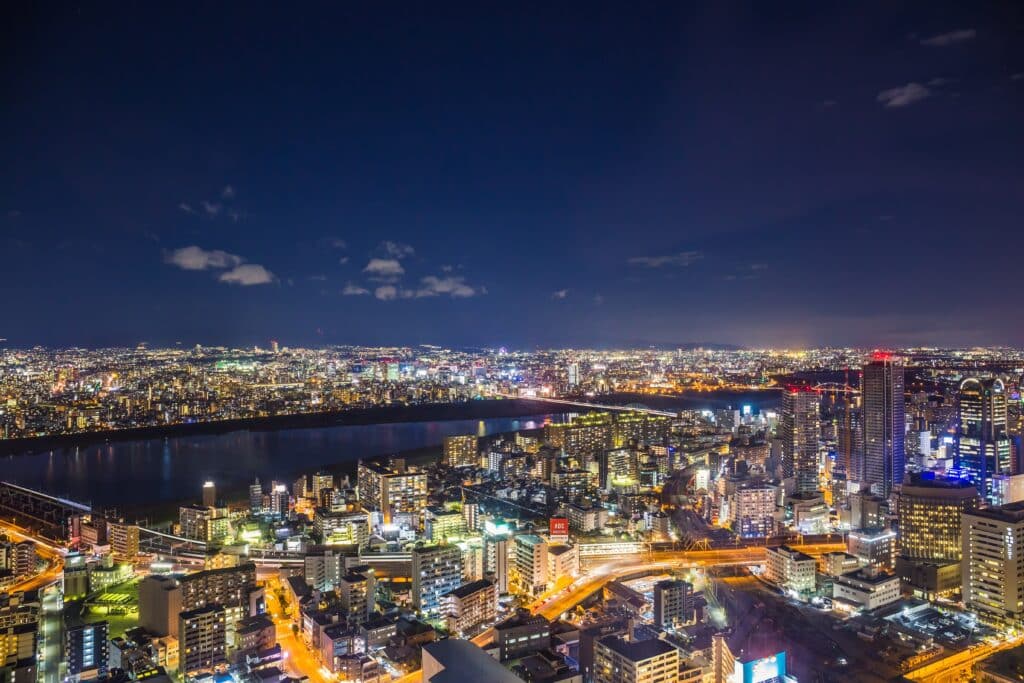
If you’re planning to explore several destinations in the Kansai region, choosing between Kyoto and Osaka becomes more than a question of sightseeing. Your accommodation base can affect travel times, hotel costs, evening activities, and how much time you spend moving between cities.
Both Kyoto and Osaka have excellent rail connections, but they suit different travel priorities. Kyoto is particularly convenient if most of your sightseeing focuses on temples, historic neighborhoods, and nearby cultural destinations. Osaka offers strong transport connections across Kansai, a wider range of urban entertainment, and convenient access to destinations such as Kobe and Himeji.
The best base depends less on which city is more famous and more on where you plan to spend most of your days.
Choose Kyoto as Your Base If…
- Kyoto’s temples and historic districts are your main priorities
- You plan to spend at least two or three days sightseeing in Kyoto
- You want to explore Kyoto early in the morning
- You prefer traditional neighborhoods and a calmer evening atmosphere
- Osaka is only a day trip or evening excursion
Best for: First-time visitors who want to prioritize Kyoto without repeatedly commuting from another city.
Choose Osaka as Your Base If…
- You want restaurants, shopping, and nightlife near your hotel
- Your itinerary includes several destinations across Kansai
- You plan to visit Universal Studios Japan
- You’re considering day trips to Kobe or Himeji
- You find better accommodation value in a convenient Osaka location
Best for: Travelers combining multiple Kansai destinations with Osaka’s food, nightlife, and entertainment.
| Destination | Better Base | Why? |
|---|---|---|
| Kyoto Sightseeing | Kyoto | Avoids daily intercity journeys and makes early starts easier. |
| Osaka Sightseeing | Osaka | More convenient for evening entertainment and multiple sightseeing days. |
| Nara | Both | Convenient rail connections from both cities, depending on your hotel location. |
| Kobe | Osaka | Generally shorter and more convenient journeys. |
| Himeji | Osaka | Usually more convenient for conventional rail journeys westward. |
| Universal Studios Japan | Osaka | Avoids an additional intercity commute on a full theme-park day. |
| Uji | Kyoto | Closer to Kyoto and easier to combine with Kyoto sightseeing. |
These are general convenience recommendations, not absolute rules. Actual journey times depend on your hotel, railway operator, station transfers, and chosen service.
Your Hotel Location Matters More Than You Might Think
Choosing Kyoto or Osaka is only part of the decision. The neighborhood where you stay can significantly affect how convenient your daily journeys feel.
- Kyoto Station: Convenient for JR trains and onward travel, but not within walking distance of many of Kyoto’s most famous historic districts.
- Central Kyoto: Areas around Kawaramachi and Gion offer atmosphere, restaurants, and useful private railway connections.
- Osaka-Umeda: A strong transport hub for Kyoto, Kobe, and other Kansai destinations.
- Namba: Particularly appealing for restaurants, nightlife, shopping, and access to southern Osaka.
Should You Split Your Stay Between Kyoto and Osaka?
If you have only three or four days in the region, staying in one city is usually more efficient. You can visit the other by train without the inconvenience of moving luggage and checking into another hotel.
With five or more days, splitting your stay becomes easier to justify, especially if you’re planning several days in Osaka or continuing your journey from there. However, a single well-located base can still work perfectly well for many Kansai itineraries.
💡 Travel Owl Tip: Count where you’ll spend your mornings, not just your evenings. If you plan three days of Kyoto sightseeing and only one day in Osaka, staying in Kyoto usually makes more sense. If most of your days involve Osaka, Kobe, Himeji, or Universal Studios Japan, Osaka may be the more practical base.
Travel Owl Takeaway: Choose Kyoto as your base if Kyoto sightseeing is the main purpose of your visit. Choose Osaka if nightlife, entertainment, and exploring multiple Kansai destinations matter more. For short stays, avoiding unnecessary hotel changes is often more valuable than finding the theoretically perfect base.
Suggested Kyoto and Osaka Itineraries (2–5 Days)
The best Kyoto and Osaka itinerary isn’t necessarily the one that includes the most attractions. It’s the one that gives you enough time to enjoy each place without spending half your trip rushing between stations.
The following itineraries are designed for first-time visitors with two to five full sightseeing days in the region. They prioritize Kyoto’s historic highlights while adding Osaka when there’s enough time to make the experience worthwhile.
Two Days: Focus Entirely on Kyoto
With only two days, Kyoto offers more than enough to fill your schedule. Adding Osaka would mean sacrificing some of Kyoto’s most rewarding experiences.
Explore Kiyomizu-dera, the historic streets of Sannenzaka and Ninenzaka, and the Higashiyama district. Finish with an evening walk around Gion.
Visit Fushimi Inari early, explore its famous torii gates, and spend the afternoon around Nishiki Market or central Kyoto. Allow extra time for the shrine’s longer walking trails if interested.
Travel Owl verdict: Skip Osaka. Two days are already a short introduction to Kyoto.
Three Days: Kyoto 2 + Osaka 1
This itinerary provides a first taste of both cities. Kyoto remains the priority, while Osaka adds a contrasting day of food, shopping, and urban energy.
Visit Kiyomizu-dera and the surrounding historic streets, then explore Gion in the late afternoon or evening.
Visit Fushimi Inari early and continue to Arashiyama for its bamboo grove, riverside scenery, and temples. Expect a longer day with cross-city travel.
Explore Shinsekai, enjoy food and shopping around Namba, and finish in Dotonbori after dark before returning to Kyoto.
Travel Owl verdict: Good for variety, but Kyoto will feel rushed. If temples and traditional neighborhoods matter most, spend all three days in Kyoto instead.
Four Days: Kyoto 3 + Osaka 1
For many first-time visitors, this is the best combination. Three days provide a more comfortable introduction to Kyoto, while one day is enough to enjoy Osaka’s most distinctive neighborhoods.
Explore Kiyomizu-dera, Sannenzaka, Ninenzaka, and Gion. Take time to enjoy the historic streets rather than rushing between temples.
Visit Arashiyama’s bamboo grove, Tenryu-ji, and riverside area. Add another nearby attraction if time and energy allow.
Walk through Fushimi Inari’s torii gates in the morning. Spend the afternoon exploring central Kyoto, shopping streets, or additional temples.
Explore Shinsekai, Namba, and Shinsaibashi. Try Osaka specialties and finish with Dotonbori’s illuminated streets.
Travel Owl verdict: Our preferred itinerary for most first-time visitors. It balances Kyoto’s cultural depth with Osaka’s modern atmosphere.
Five Days: Kyoto 3 + Osaka 2
With five days, you can explore Kyoto’s major districts and still give Osaka enough time for attractions beyond Dotonbori and Namba.
Explore eastern Kyoto’s historic streets, temples, and traditional neighborhoods.
Enjoy the bamboo grove, riverside scenery, and temples around Arashiyama.
Visit Fushimi Inari early, followed by central Kyoto or another attraction that matches your interests.
Explore Shinsekai, Namba, Shinsaibashi, and Dotonbori, with plenty of time for local food.
Choose Universal Studios Japan for a dedicated theme-park day, or explore Osaka Castle, Umeda, or the aquarium at a more relaxed pace.
Travel Owl verdict: Excellent for travelers genuinely interested in Osaka. If your priorities are temples, gardens, and traditional Japan, consider Kyoto 4 + Osaka 1 instead.
Which Itinerary Should You Choose?
- Only 2 days: Stay in Kyoto and avoid dividing your time.
- 3 days: Add Osaka if you value variety more than deeper Kyoto sightseeing.
- 4 days: Choose Kyoto 3 + Osaka 1 for the best overall balance.
- 5 days: Add a second Osaka day only if you have specific attractions in mind.
💡 Travel Owl Planning Tip: These itineraries assume full sightseeing days, not arrival or departure days. You can follow them while staying in one hotel, especially if Osaka is only a day trip. If your schedule is tight, reduce the number of attractions rather than trying to visit every famous landmark.
Travel Owl Takeaway: Four days — three in Kyoto and one in Osaka — offer the strongest balance for most first-time visitors. With less time, prioritize Kyoto. With more time, expand your Osaka stay only if its attractions genuinely match your interests. A well-paced itinerary will usually be more rewarding than one packed with additional stops.
How Easy Is It to Travel Between Kyoto and Osaka?
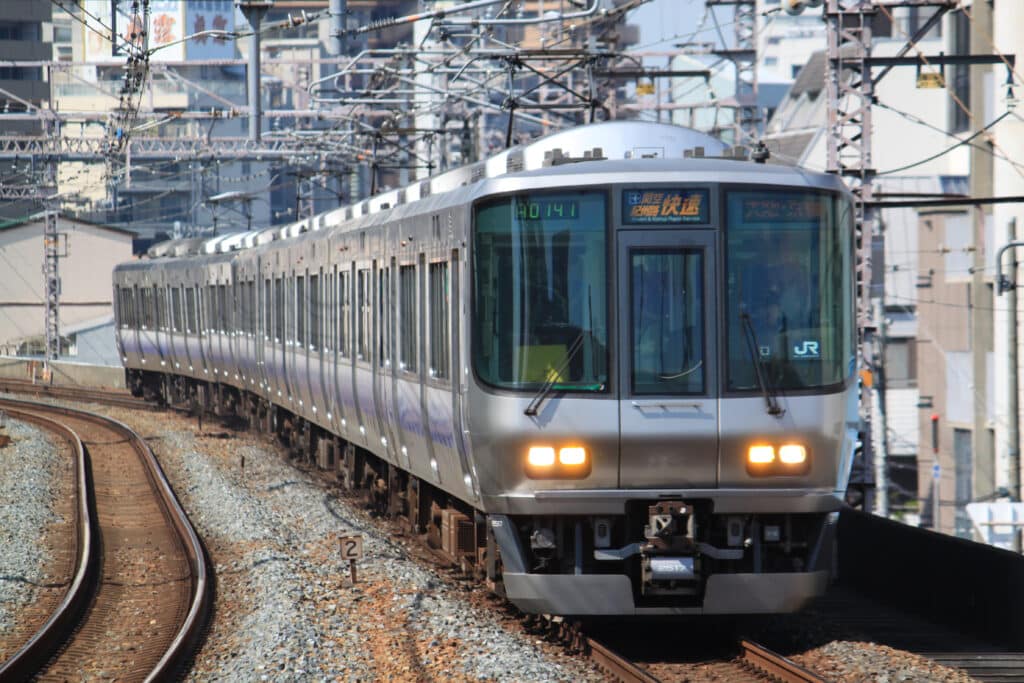
Traveling between Kyoto and Osaka is remarkably easy. The cities are connected by frequent trains, and depending on the route, the journey between major stations can take approximately 15–50 minutes.
However, choosing the fastest train isn’t always the smartest decision. Kyoto and Osaka have several major railway stations, and the best connection depends on where you’re staying and which attractions you want to visit.
For most travelers, regular JR, Hankyu, or Keihan services are more practical than the Shinkansen.
| Train | Main Stations | Approx. Time | Best For |
|---|---|---|---|
| JR Special Rapid | Kyoto → Osaka | 29–30 min | Travelers near Kyoto Station |
| Hankyu Limited Express | Kyoto-Kawaramachi → Osaka-Umeda | About 43–45 min | Central Kyoto and Umeda |
| Keihan Railway | Gion-Shijo / Sanjo → Yodoyabashi | About 50–60 min | Eastern central Kyoto |
| Shinkansen | Kyoto → Shin-Osaka | About 13–15 min | Travelers connecting to other Shinkansen services |
Journey times are approximate and depend on the specific service. Local connections, transfers, and walking time are not included.
🚄 JR: Best from Kyoto Station
JR Special Rapid trains connect Kyoto Station with Osaka Station in around 30 minutes. This is a convenient option if you’re staying near Kyoto Station or continuing to destinations served by JR. From Osaka Station, you can transfer to local services for Namba, Dotonbori, or other neighborhoods.
🚆 Hankyu: Best from Central Kyoto
Hankyu connects Kyoto-Kawaramachi with Osaka-Umeda. It’s particularly useful if you’re staying near central Kyoto’s shopping streets or the western side of Gion. You may avoid traveling across Kyoto to reach Kyoto Station.
🚉 Keihan: Best from Eastern Kyoto
Keihan is useful for travelers staying near Gion-Shijo or Sanjo. Its services connect eastern central Kyoto with areas around Yodoyabashi in Osaka, where you can transfer to the subway for Namba and other attractions.
🚅 Shinkansen: Fastest, but Not Always Best
The Shinkansen reaches Shin-Osaka in around 15 minutes, but Shin-Osaka isn’t in Osaka’s main sightseeing districts. Additional travel and the higher ticket price often make conventional trains a better choice for a simple Kyoto–Osaka visit.
Don’t Confuse Osaka Station, Shin-Osaka, and Namba
One of the most common mistakes is assuming that arriving at any major Osaka station puts you directly beside the city’s main attractions.
- Osaka Station / Umeda: A major commercial and transport area in northern Osaka.
- Shin-Osaka: The city’s main Shinkansen station, north of central Osaka.
- Namba: A major entertainment and shopping district, convenient for Dotonbori.
- Yodoyabashi: A central business district with subway connections to other parts of Osaka.
If your main goal is Dotonbori, check the entire journey to Namba rather than comparing only the intercity train times.
Practical Tips for Traveling Between Kyoto and Osaka
- Use an IC card: Cards such as ICOCA or Suica make ordinary train and subway journeys easier.
- Avoid unnecessary Shinkansen trips: Regular trains are usually more economical and convenient for local sightseeing.
- Check your departure station: Kyoto Station and Kyoto-Kawaramachi serve different railway networks.
- Allow time for transfers: Large stations such as Osaka-Umeda can involve substantial walking.
- Check the last train: If you’re enjoying Osaka’s nightlife, confirm your return connection rather than assuming trains run all night.
💡 Travel Owl Tip: Don’t choose a train simply because its advertised journey is 15 minutes instead of 30. A slightly slower service that departs near your hotel or arrives closer to your destination can save time overall.
Travel Owl Takeaway: Traveling between Kyoto and Osaka is easy enough that most visitors don’t need separate hotels. JR is convenient from Kyoto Station, while Hankyu and Keihan can be better choices from other neighborhoods. Compare the complete journey from your accommodation to your intended attraction — not just the fastest train time.
Does Visiting Osaka Make Your Japan Trip More Expensive?
Visiting Osaka doesn’t necessarily make your Japan trip significantly more expensive. If you’re already staying in Kyoto, adding Osaka as a day trip usually involves a relatively modest transportation expense. Your food and sightseeing costs may be similar to what you would have spent during another day in Kyoto.
However, costs can increase if you add an extra hotel night, visit expensive attractions, or spend heavily on shopping and nightlife. The real question is whether Osaka replaces an existing sightseeing day or extends your trip.
| Expense | Day Trip from Kyoto | Overnight in Osaka |
|---|---|---|
| Intercity Transport | Return train journey | Usually a one-way journey if moving your base |
| Accommodation | No additional hotel needed | Osaka hotel instead of Kyoto, or an extra night if extending the trip |
| Food | Flexible, from inexpensive street food to restaurants | Similar daytime options, with more opportunities for evening spending |
| Attractions | Can be inexpensive if exploring neighborhoods | Depends on additional activities and paid attractions |
| Luggage & Hotel Changes | None required | Possible luggage storage or forwarding costs |
Budget-Friendly Osaka Day
Take a regular train from Kyoto, explore Shinsekai and Namba, enjoy affordable local food, and walk through Dotonbori. Most of the experience comes from the neighborhoods themselves rather than expensive attractions.
Moderate-Spending Osaka Day
Combine neighborhood exploration with a paid attraction, restaurant meals, and perhaps an observation deck. Your expenses increase, but the visit can still fit comfortably into a typical Japan sightseeing budget.
Higher-Spending Osaka Day
Universal Studios Japan, premium dining, extensive shopping, or nightlife can make Osaka a more expensive stop. These costs reflect your chosen activities rather than the city itself.
The Bigger Cost May Be Your Time, Not Your Money
For travelers with limited time in Japan, the more important consideration may be what you give up by visiting Osaka.
If you have only two days in Kyoto, spending one of them in Osaka means missing part of Kyoto’s historic neighborhoods, temples, and gardens. The train fare may be inexpensive, but the opportunity cost is substantial.
With four or five days in the region, the calculation changes. You can give Kyoto sufficient attention while still experiencing Osaka’s distinctive food culture and nightlife.
How to Visit Osaka Without Overspending
- Use conventional trains: JR, Hankyu, and Keihan are generally more economical than the Shinkansen for this journey.
- Keep your Kyoto hotel: A day trip avoids the inconvenience and potential expenses of changing accommodation.
- Explore free neighborhoods: Shinsekai, Dotonbori, and shopping streets can be enjoyed without expensive admission tickets.
- Choose paid attractions selectively: Don’t add expensive activities simply because they’re famous.
- Compare your complete budget: Consider local transport, meals, admission fees, and accommodation together.
💡 Travel Owl Tip: If you’re already planning four days in Kansai, replacing one Kyoto day with an Osaka day trip usually changes your total budget much less than adding an entirely new day to your Japan itinerary. Decide whether Osaka is worth your time before worrying about small differences in train fares.
Travel Owl Takeaway: Osaka doesn’t have to be an expensive addition to your Japan trip. A day trip from Kyoto can be relatively affordable, especially if you focus on food and neighborhoods rather than major paid attractions. For most travelers, the bigger decision is whether Osaka deserves one of their limited sightseeing days.
Common Mistakes When Splitting Time Between Osaka and Kyoto
Kyoto and Osaka are close together, but that doesn’t mean every itinerary combining them works equally well. Travelers often underestimate how much there is to see in Kyoto, overestimate what they can accomplish in one Osaka day, or spend unnecessary time changing hotels.
Avoiding the following mistakes can make your Kansai itinerary more enjoyable without adding extra days or increasing your budget.
Dividing Your Time Equally by Default
Two days in Kyoto and two in Osaka might look balanced on paper, but it isn’t necessarily the best use of four days. Kyoto’s major sightseeing districts generally require more time to explore.
Do this instead: Start with three days in Kyoto and one in Osaka, then adjust according to your interests.
Changing Hotels for a Single Osaka Day
Moving between hotels can take longer than expected once packing, checkout, luggage storage, and local transport are included.
Do this instead: Keep one accommodation base unless staying in Osaka offers a clear advantage.
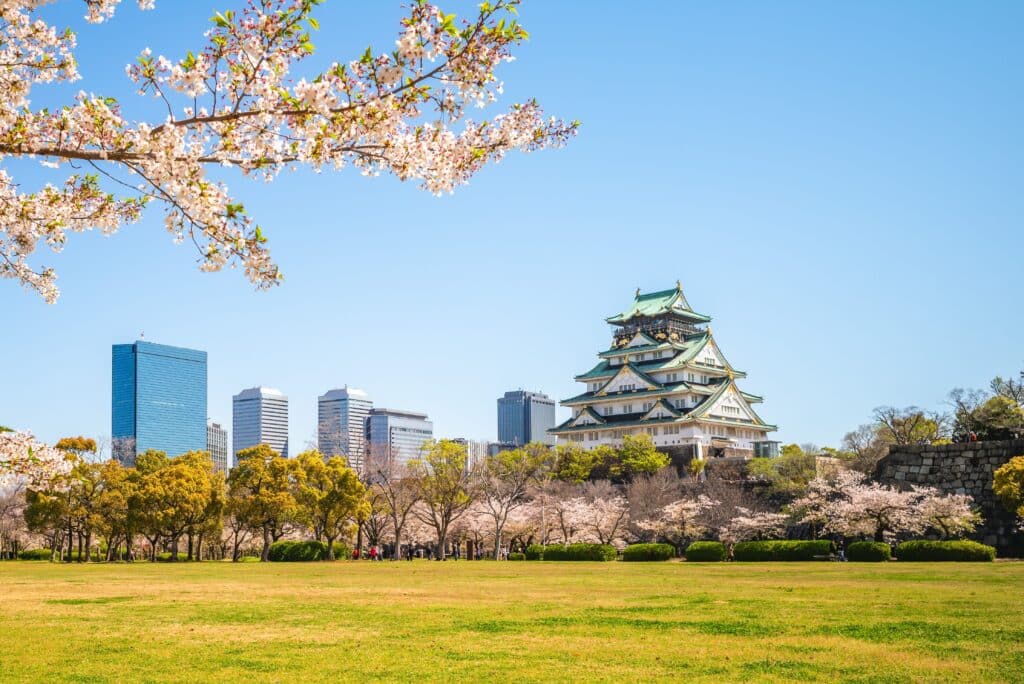
Trying to See All of Osaka in One Day
Osaka Castle, Shinsekai, Dotonbori, the aquarium, and Universal Studios Japan cannot realistically be combined into one enjoyable sightseeing day.
Do this instead: Choose two or three compatible areas and save major attractions for another visit.
Choosing the Fastest Train Without Checking Stations
The Shinkansen reaches Shin-Osaka quickly, but that doesn’t mean it provides the fastest journey to Dotonbori or your hotel.
Do this instead: Compare complete journeys, including station transfers and local transport.
Visiting Osaka Without a Clear Reason
Adding Osaka simply because it’s a famous Japanese city can leave you with less time for the experiences you actually wanted in Kyoto.
Do this instead: Identify what attracts you to Osaka — food, nightlife, shopping, or a particular attraction — before adding it.
Leaving Osaka Before Its Best Evening Atmosphere
If Dotonbori and nightlife are your main reasons for visiting, leaving in the late afternoon means missing an important part of the experience.
Do this instead: Plan your Osaka visit around dinner and the evening, while checking your return train options.
The Biggest Mistake: Treating Osaka as a Mandatory Stop
Osaka is a rewarding destination, but it isn’t compulsory on every first-time Japan itinerary. If your trip is short and your main interests are temples, gardens, and traditional neighborhoods, another day in Kyoto may offer greater value.
On the other hand, if food, nightlife, and lively urban neighborhoods are among your priorities, skipping Osaka simply to visit more temples might also be a mistake. The goal is to match your itinerary to your interests rather than follow a fixed list of famous cities.
Travel Owl Takeaway: The best Kyoto–Osaka itinerary isn’t the one that includes the most attractions. It’s the one that avoids unnecessary travel, gives Kyoto enough time, and includes Osaka only when its experiences genuinely improve your trip.
Travel Owl Time Optimizer: Is Osaka Worth Your Limited Time?
Every additional destination comes with a trade-off. Visiting Osaka means spending time that could otherwise be used for Kyoto’s temples, historic neighborhoods, gardens, or a more relaxed sightseeing schedule.
The question isn’t whether Osaka is worth visiting in general. It’s whether Osaka offers enough additional value to justify the time it takes away from Kyoto.
Use the Travel Owl Time Optimizer below to identify the best choice for your itinerary.
Where Will Your Next Day Deliver More Value?
Compare your available time and travel priorities to find the option that makes the most sense.
Spend More Time in Kyoto
Best when you have only one or two days in Kyoto or your priorities are temples, gardens, and traditional neighborhoods.
Why it works: More sightseeing time and fewer intercity journeys.
Visit Osaka for an Evening
Best when you’re interested mainly in Osaka’s food, Dotonbori, and nightlife but don’t want to sacrifice a full Kyoto sightseeing day.
Why it works: You experience Osaka’s signature evening atmosphere with a smaller time commitment.
Spend a Full Day in Osaka
Best when you have at least three or four days in Kansai and want to explore Osaka beyond its food and nightlife.
Why it works: More variety, additional neighborhoods, and a fuller introduction to Osaka.
Scores are Travel Owl editorial assessments of time efficiency for the situations described, not universal destination ratings. Your personal interests may change the best choice.
Find Your Best Option
| Your Situation | Best Choice |
|---|---|
| Only 1–2 days available in Kyoto | Stay in Kyoto |
| 3 days in Kansai, mainly interested in food and Dotonbori | Osaka Evening Visit |
| 4 days in Kansai, interested in both cities | 3 Kyoto + 1 Osaka |
| 5 days in Kansai, with specific Osaka attractions planned | 3 Kyoto + 2 Osaka |
| Traditional culture is your main priority | Give Kyoto More Time |
The Smartest Compromise: Kyoto by Day, Osaka by Night
For many travelers, the most efficient option is neither skipping Osaka completely nor dedicating a full day to it.
You can spend the morning and early afternoon sightseeing in Kyoto, travel to Osaka later in the day, enjoy dinner and Dotonbori after dark, and return to Kyoto in the evening.
This approach works particularly well when Osaka’s food culture and nighttime atmosphere are your main reasons for visiting. It is less suitable if you want to explore major attractions such as Universal Studios Japan or Osaka Castle.
💡 Travel Owl Optimization Rule: If visiting Osaka forces you to rush through Kyoto’s main highlights, stay in Kyoto. If you have already given Kyoto enough time and want a contrasting experience, visit Osaka. If you’re interested mainly in food and Dotonbori, consider an evening trip instead of a full day.
Travel Owl Takeaway: Osaka is most valuable when it adds something your Kyoto itinerary is missing. A full day is worthwhile for travelers seeking variety, but an evening visit may deliver the best return on limited time. If Kyoto is already feeling rushed, another day there is usually the better investment.
The One Question That Should Decide Your Choice
After comparing Kyoto and Osaka, you may still be wondering whether adding Osaka is the right decision. Both cities are rewarding, and there isn’t one perfect itinerary for every traveler.
But there’s a simple question that can make the choice much easier.
Would you rather discover another side of Japan — or experience Kyoto more deeply?
Experience Kyoto More Deeply
Choose another day in Kyoto if you’re excited about historic streets, temples, gardens, and discovering places beyond the most famous attractions. More time allows you to explore at a slower, more rewarding pace.
Discover Another Side of Japan
Choose Osaka if you want a change of atmosphere: lively streets, casual food culture, shopping, and nightlife. Even a short visit can provide a memorable contrast to Kyoto.
The Simple Rule: If you would regret missing more of Kyoto’s historic attractions, stay in Kyoto. If you would regret leaving Kansai without experiencing Osaka’s food and nighttime energy, make time for Osaka — even if it’s only an evening.
Travel Owl Takeaway: Choose Kyoto for depth and Osaka for variety. Neither decision is wrong. The better choice is the one that matches what you most want to experience during your limited time in Japan.
Quick Decision Guide: Osaka or More Kyoto?
Still undecided? Use this quick guide to choose the option that best matches your available time and travel priorities.
Visit Osaka If…
- You have at least three or four days in Kansai
- You want a contrast to Kyoto’s traditional atmosphere
- Street food, nightlife, and shopping interest you
- You have specific Osaka attractions on your wish list
- You enjoy energetic modern cities
Spend More Time in Kyoto If…
- You have only one or two days in Kyoto
- Temples, gardens, and historic districts are your priorities
- You prefer a slower sightseeing pace
- You’ve already planned plenty of time in Tokyo
- Osaka doesn’t offer any must-see attractions for you
Consider an Osaka Evening Trip If…
- Your main interests are Dotonbori and local food
- You don’t want to sacrifice a full Kyoto day
- You’re staying near convenient train connections
- You want to experience Osaka after dark
- You prefer to keep one hotel throughout your stay
Travel Owl Recommendation: If you have four full days in the region, spend three in Kyoto and one in Osaka. With only two days, prioritize Kyoto. If Osaka’s food and nightlife are your main interests, an evening visit may be the most time-efficient compromise.
Travel Owl Verdict: Is Osaka Worth Visiting?
Yes, Osaka Is Worth Visiting — But Not at the Expense of Kyoto
Osaka offers a side of Japan that Kyoto cannot fully replace: lively neighborhoods, outstanding casual food, neon-lit streets, and an energetic evening atmosphere. Even one well-planned day can make your Kansai itinerary more varied and memorable.
However, Kyoto deserves priority on most first-time itineraries. Its historic districts, temples, and gardens reward additional time, and rushing through them simply to include Osaka is rarely the best decision.
- 1–2 days in Kyoto: Skip Osaka and focus on Kyoto.
- 3 days in Kansai: Consider Osaka for an afternoon and evening.
- 4 days in Kansai: Spend three days in Kyoto and one in Osaka.
- 5+ days in Kansai: Add more Osaka time if its attractions match your interests.
The Bottom Line: Don’t visit Osaka just to tick another city off your list. Visit because its food, nightlife, and urban atmosphere genuinely appeal to you. If they do, Osaka is absolutely worth your time — even if you can only spare an evening.
Final Thoughts: Osaka or More Time in Kyoto?
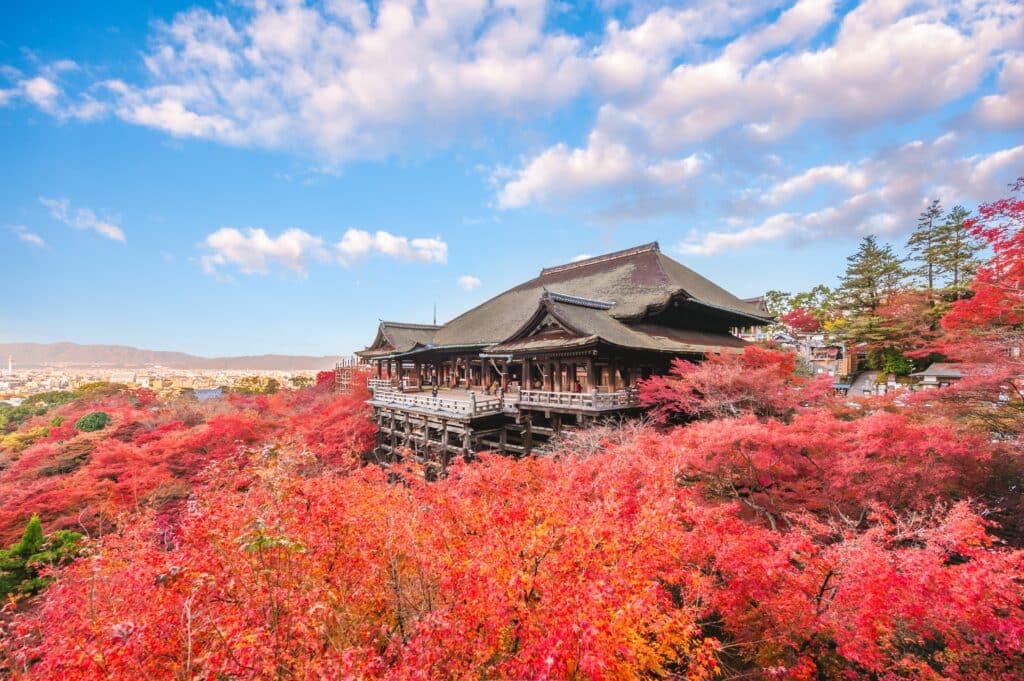
Kyoto and Osaka offer two very different experiences, and that’s precisely what makes combining them so appealing. Kyoto invites you to slow down and explore Japan’s cultural heritage, while Osaka introduces a livelier, more contemporary atmosphere.
But a successful Japan itinerary isn’t about visiting as many cities as possible. It’s about giving yourself enough time to enjoy the places that matter most to you. Sometimes that means adding Osaka for a memorable evening; other times, it means staying in Kyoto and discovering another neighborhood, temple, or garden.
One Final Thought: You don’t need to see everything on your first trip to Japan. A well-paced itinerary with fewer stops will often be more rewarding than a rushed journey through more cities.
Frequently Asked Questions: Osaka vs Kyoto
Is Osaka worth visiting if I’m already going to Kyoto?
Yes, especially if you enjoy street food, shopping, nightlife, and lively urban neighborhoods. Osaka offers a different atmosphere from Kyoto, and the two cities are close enough to combine without changing hotels.
Is it better to spend more time in Kyoto or Osaka?
For most first-time visitors interested in traditional Japan, Kyoto deserves more time. Its temples, gardens, and historic districts are spread across several areas. Osaka is a better choice for travelers prioritizing food, nightlife, entertainment, and modern city experiences.
Is one day in Osaka enough?
One day is enough for a rewarding introduction to Osaka. You can explore neighborhoods such as Shinsekai and Namba, enjoy local food, and experience Dotonbori after dark. Major attractions like Universal Studios Japan require substantially more time.
Can you visit Osaka from Kyoto in one day?
Absolutely. Frequent trains connect the two cities, with some services taking around 30 minutes between major stations. A day trip allows you to experience Osaka without the inconvenience of moving hotels. Allow additional time to reach your actual sightseeing destinations.
Should I stay overnight in Osaka or return to Kyoto?
Returning to Kyoto is usually more convenient if you’re visiting Osaka for just one day. Staying overnight makes more sense if you want to explore Osaka over multiple days, enjoy late-night entertainment, or use the city as your main Kansai base.
Is Osaka worth visiting if I’m already spending time in Tokyo?
Osaka can still be worthwhile because its food culture and neighborhoods have a distinct personality. However, if your Tokyo itinerary already includes plenty of shopping, nightlife, and modern city sightseeing, an additional day in Kyoto may provide more variety.
How many days should I spend in Kyoto and Osaka?
With four full days in Kansai, three days in Kyoto and one in Osaka is a good starting point. With five days, consider three in Kyoto and two in Osaka. Travelers who prefer traditional culture may want to allocate even more time to Kyoto.
Can I skip Osaka on my first trip to Japan?
Yes. Osaka isn’t essential for every first-time itinerary. If your time is limited and your priorities are Kyoto’s historic attractions, skipping Osaka is a reasonable decision. You can always visit Osaka on a future trip or experience it briefly during an evening excursion.