

Planning a trip beyond Japan’s famous Golden Route? Two destinations that deserve a closer look are Takayama and Kanazawa. Both offer beautifully preserved historic districts, traditional Japanese culture, and a welcome change of pace from Tokyo, Kyoto, and Osaka. But they deliver surprisingly different travel experiences.
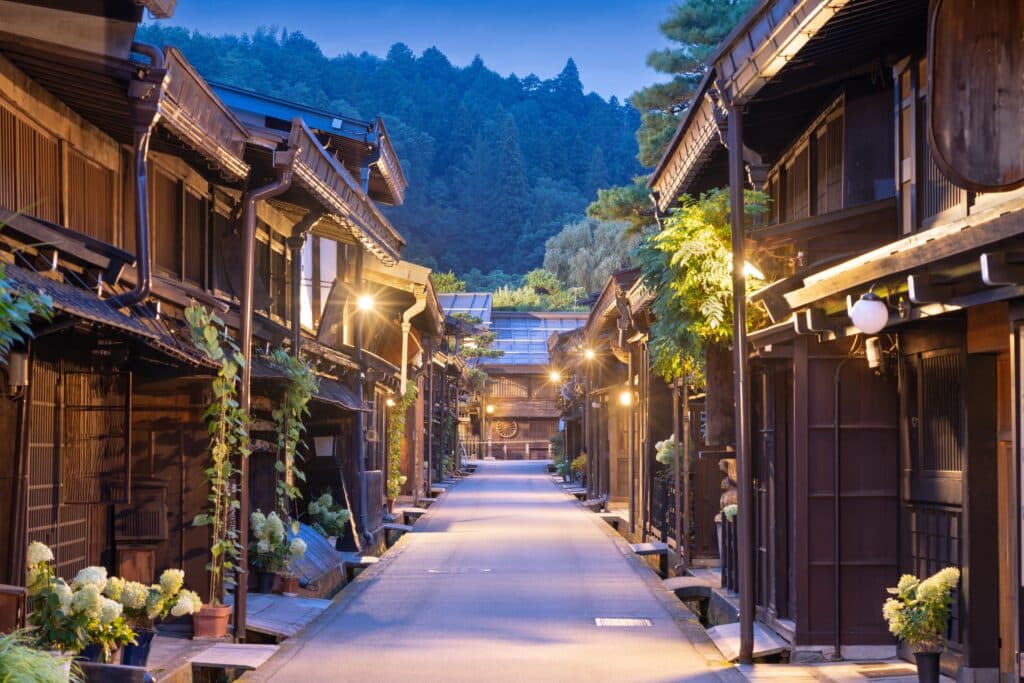
Takayama, nestled in the mountains of central Japan, is known for its atmospheric wooden merchant houses, traditional sake breweries, and easy access to the Japanese Alps and Shirakawa-go. It is particularly appealing if you want to experience a smaller Japanese town surrounded by mountain scenery.
Kanazawa, on the other hand, offers a richer variety of urban cultural attractions, from the celebrated Kenrokuen Garden and historic samurai neighborhoods to traditional teahouse districts, excellent seafood, and contemporary art.
So, is Takayama or Kanazawa better for your Japan itinerary? The answer depends on your interests, available time, and travel route. In this guide, we’ll compare their atmosphere, attractions, food, transportation, costs, and sightseeing opportunities to help you decide which destination deserves a place on your trip — or whether visiting both is the smartest choice.
Takayama is better for traditional mountain-town atmosphere and scenic surroundings, while Kanazawa is better for cultural variety, historic districts, and sightseeing. Both are excellent destinations, but they offer very different experiences.
Takayama is a compact town in the Japanese Alps region, famous for its beautifully preserved wooden merchant houses, sake breweries, morning markets, and relaxed atmosphere. It is particularly rewarding for travelers who want to experience traditional Japan away from the country’s largest cities.
Kanazawa offers a broader range of attractions, including Kenrokuen Garden, historic samurai neighborhoods, atmospheric teahouse districts, contemporary art, and excellent seafood. It is especially appealing if you enjoy exploring Japanese history and culture without sacrificing the conveniences of a larger city.
Choose Takayama If…
You love traditional wooden streets, mountain scenery, small-town charm, local food, and a slower travel experience.
Choose Kanazawa If…
You prefer beautiful gardens, samurai history, traditional teahouse districts, museums, and a wider variety of cultural attractions.
Visit Both If…
You have two or three days or more for the region and want to combine historic towns, mountain landscapes, and a possible stop in Shirakawa-go.
Travel Owl Verdict: If your Japan itinerary already includes Tokyo and Kyoto, Takayama may offer the more distinctive change of scenery thanks to its mountain-town setting and slower pace. However, if you want more sightseeing variety and easier access from the Hokuriku region, Kanazawa is often the more practical choice. If your schedule allows, combining both destinations via Shirakawa-go can be even more rewarding.
Table of Contents
Takayama vs Kanazawa: Key Differences
Both destinations offer historic Japanese architecture and traditional culture, but their atmosphere, attractions, and travel logistics differ considerably. Here’s how they compare.
| Category | 🏔️ Takayama | 🏯 Kanazawa |
|---|---|---|
| Overall Atmosphere | Traditional mountain town, intimate and relaxed | Historic cultural city with a lively urban feel |
| Historic Districts | Compact, atmospheric wooden merchant streets | Teahouse districts and preserved samurai neighborhoods |
| Main Attractions | Sanmachi Suji, Takayama Jinya, morning markets | Kenrokuen, Kanazawa Castle Park, Higashi Chaya, museums |
| Nature & Scenery | Mountain setting and access to the Japanese Alps | Landscaped gardens, parks, and regional excursions |
| Food | Hida beef, local sake, regional mountain cuisine | Fresh seafood, sushi, Omicho Market, Kaga cuisine |
| Getting Around | Compact center, ideal for exploring on foot | Walkable districts connected by local buses |
| Transport Access | Rail connections via Nagoya or Toyama; regional buses | Hokuriku Shinkansen and rail connections via Tsuruga |
| Ideal Stay | 1–2 nights | 1–2 nights |
| Best For | Atmosphere, traditional inns, mountains, slower travel | Gardens, history, art, cultural variety |
| Main Drawback | Fewer major attractions and longer journeys from some cities | Less intimate and less of a mountain-town experience |
On smaller screens, swipe horizontally to view the complete comparison.
Quick takeaway: Takayama wins for mountain-town charm and a compact traditional atmosphere. Kanazawa wins for sightseeing variety, gardens, and cultural attractions. For travelers exploring central Japan over several days, the two destinations complement each other particularly well.
Which Destination Should You Choose?
The smartest choice isn’t necessarily the destination with the most attractions. It’s the one that best matches your travel style and complements the rest of your Japan itinerary.
Choose Takayama If…
You want to slow down and experience the atmosphere of a traditional Japanese mountain town.
- You love preserved wooden streets and historic architecture.
- You prefer smaller towns over larger cities.
- Mountain scenery and rural Japan appeal to you.
- You enjoy local markets, sake breweries, and traditional food.
- You want to stay in a traditional ryokan.
- You are interested in exploring the Japanese Alps region.
- You want a quieter contrast to Tokyo, Kyoto, and Osaka.
Best match: Slow travelers, photographers, couples, traditional-town lovers, and visitors seeking mountain scenery.
Choose Kanazawa If…
You want to explore several sides of Japanese history and culture within one fascinating city.
- You enjoy beautiful Japanese gardens and historic landmarks.
- You are fascinated by samurai history and traditional teahouse districts.
- You prefer a wider selection of sightseeing attractions.
- You enjoy museums, art, and traditional craftsmanship.
- You love seafood, sushi, and lively food markets.
- You want good urban facilities and convenient transport.
- You prefer a city with plenty to explore over two days.
Best match: Culture lovers, history enthusiasts, foodies, museum visitors, and travelers who enjoy varied sightseeing.
🤔 Still Undecided? Ask Yourself One Question
Would you rather spend an afternoon wandering through traditional wooden streets with mountains nearby, or exploring famous gardens, samurai neighborhoods, and cultural landmarks?
If the first sounds more appealing, choose Takayama. If the second excites you more, choose Kanazawa. And if both sound equally attractive, consider combining them with a visit to Shirakawa-go along the way.
What Does Takayama Offer That Kanazawa Doesn’t?
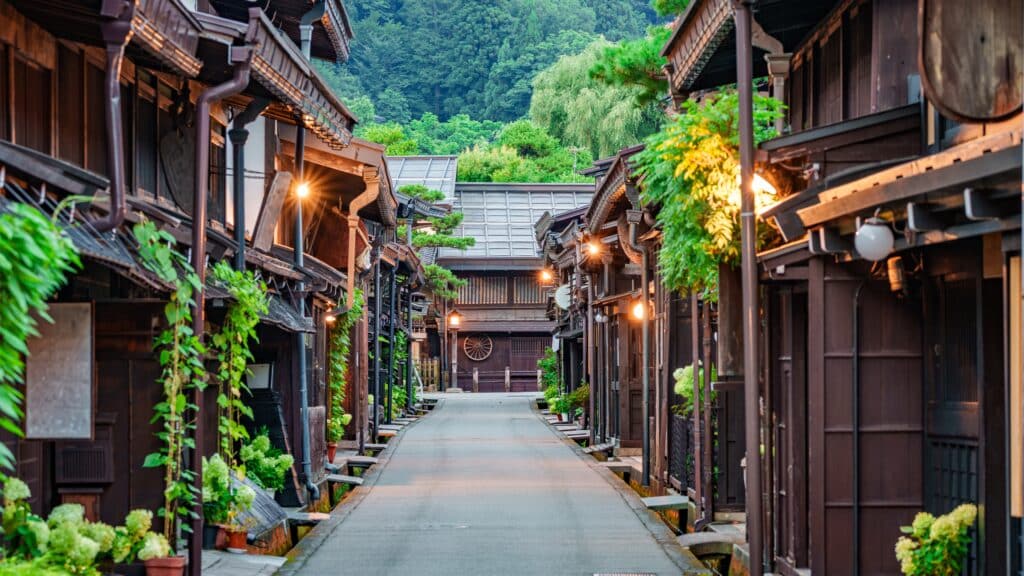
Kanazawa may offer more cultural attractions, but Takayama has something that is harder to replicate: the atmosphere of a traditional Japanese town surrounded by mountains. Its compact historic center, regional traditions, and slower pace create an experience that feels noticeably different from Japan’s larger cities.
Here are five reasons why Takayama might be the more rewarding choice for your itinerary.
1. A More Intimate Historic Town
Takayama’s Sanmachi Suji district is famous for its beautifully preserved wooden merchant houses, narrow streets, and traditional shops. Unlike Kanazawa’s historic neighborhoods, which are spread across a larger city, Takayama’s old town feels compact and easy to explore. You can spend hours wandering without needing buses or a complicated sightseeing plan.
2. A Gateway to the Japanese Alps
Takayama is an excellent base for exploring the Hida region and nearby mountain destinations. Travelers can combine historic sightseeing with excursions toward the Japanese Alps, including the Okuhida hot spring area and the mountain scenery around Shinhotaka. Kanazawa has attractive regional excursions too, but it does not offer the same immediate connection to Japan’s mountainous interior.
3. Hida’s Traditional Food and Sake Culture
Takayama is particularly known for Hida beef, local sake breweries, and regional specialties such as hoba miso. Several historic breweries are located around the old town, making it easy to combine sightseeing with local food experiences. Kanazawa has its own outstanding cuisine, but Takayama offers a distinctly mountain-region culinary identity.
4. A Slower, More Relaxed Travel Experience
One of Takayama’s greatest pleasures is simply enjoying the atmosphere. Visit the morning markets, explore the old town before the busiest sightseeing hours, or spend a quiet evening in a traditional inn. While central Takayama can become crowded during the day, its smaller scale makes it particularly appealing for travelers who want to slow down rather than rush between major attractions.
5. Traditional Villages and Rural Excursions
Takayama offers access to rural Hida experiences, including the traditional farmhouses at Hida Folk Village and excursions to smaller communities such as Hida-Furukawa. Shirakawa-go is another popular regional destination, although it can also be reached from Kanazawa. These experiences make Takayama especially attractive for travelers interested in rural architecture and life beyond Japan’s major cities.
Takayama’s biggest advantage is not the number of attractions — it is the overall experience. If your itinerary already includes several major cities, spending a night in Takayama can provide a refreshing change of pace. For the best atmosphere, explore Sanmachi Suji early in the morning or later in the day, when many day visitors have left.
What Does Kanazawa Offer That Takayama Doesn’t?
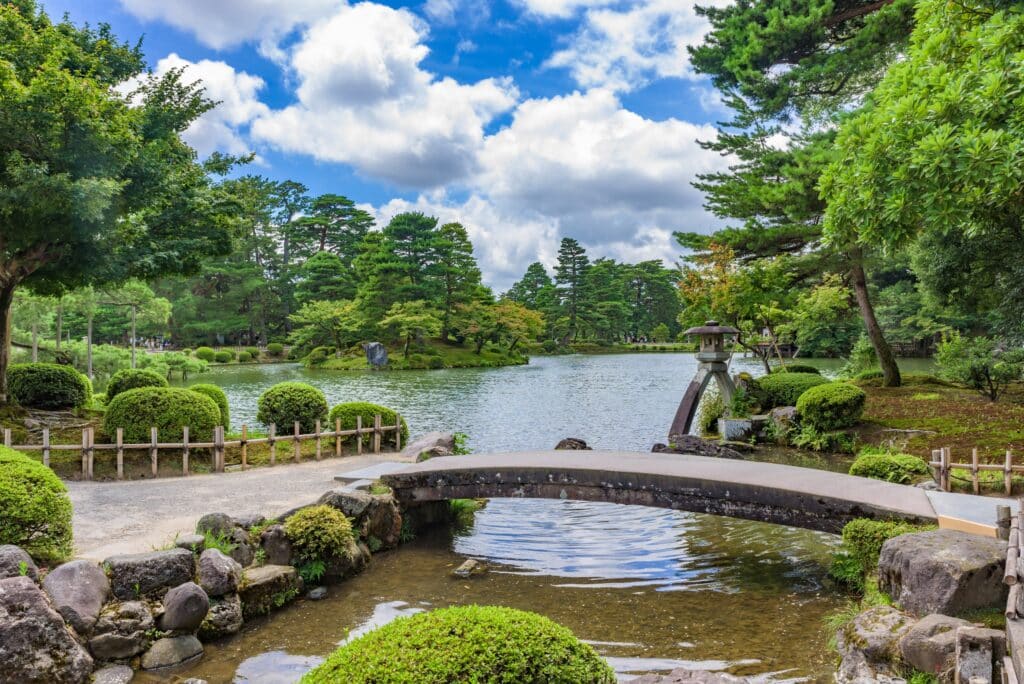
Takayama may win when it comes to mountain-town charm, but Kanazawa offers something different: an impressive concentration of Japanese history, gardens, art, and traditional culture within one city. Once an important castle town ruled by the powerful Maeda clan, Kanazawa developed into one of Japan’s most culturally significant regional centers.
If you enjoy varied sightseeing and discovering different aspects of Japanese culture, these five advantages make Kanazawa particularly appealing.
1. One of Japan’s Most Celebrated Gardens
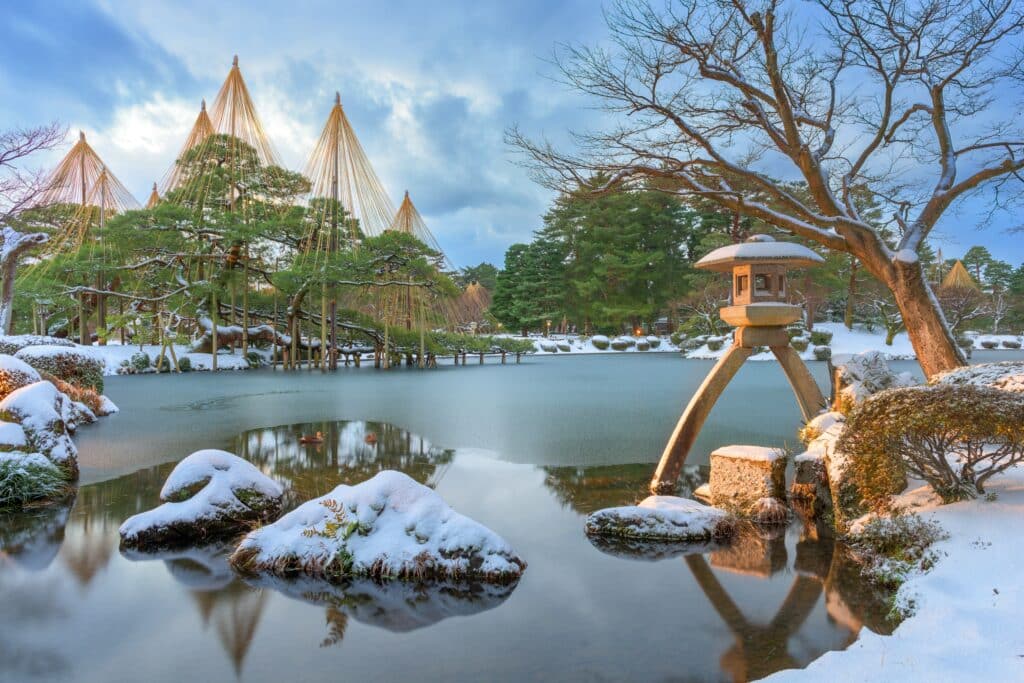
Kanazawa is home to Kenrokuen, traditionally regarded as one of Japan’s three great landscape gardens. Its ponds, bridges, carefully arranged trees, and seasonal scenery create a completely different experience from Takayama’s historic streets. The garden is especially beautiful during cherry blossom season, autumn foliage, and winter, when snow protection ropes called yukitsuri become part of the landscape.
2. A Distinctive Samurai Heritage
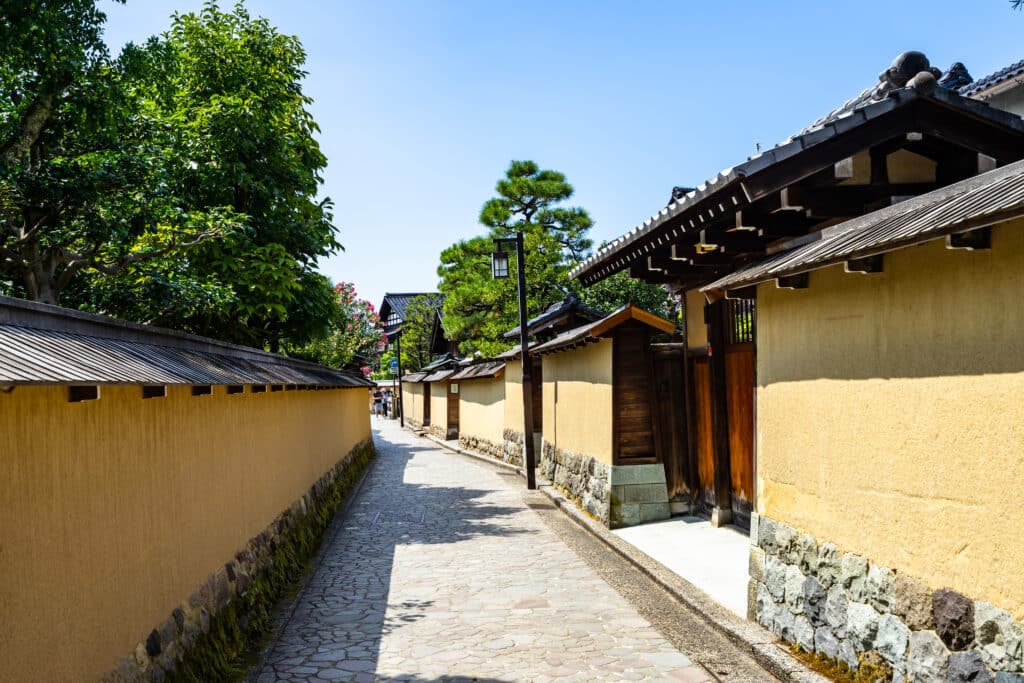
The Nagamachi Samurai District preserves the atmosphere of Kanazawa’s feudal past with earthen walls, narrow lanes, and historic residences. Together with Kanazawa Castle Park, it offers visitors a deeper look into the city’s samurai-era history. Takayama also has important historic buildings, but Kanazawa provides a more extensive castle-town and samurai heritage experience.
3. Historic Teahouse Districts
Kanazawa’s Higashi Chaya District is one of Japan’s most atmospheric preserved teahouse neighborhoods, with elegant wooden buildings, traditional shops, and opportunities to discover local crafts. The smaller Nishi Chaya and Kazuemachi districts add further variety. While Takayama is famous for its merchant streets, Kanazawa offers a different kind of historic atmosphere rooted in traditional entertainment and teahouse culture.
4. Traditional Crafts and Contemporary Art
Kanazawa is renowned for traditional crafts such as gold leaf, Kutani porcelain, and Kaga Yuzen textiles. At the same time, attractions such as the 21st Century Museum of Contemporary Art introduce a modern creative dimension. This combination of historic craftsmanship and contemporary culture gives Kanazawa a broader artistic appeal than Takayama.
5. Excellent Seafood and a Lively Food Market
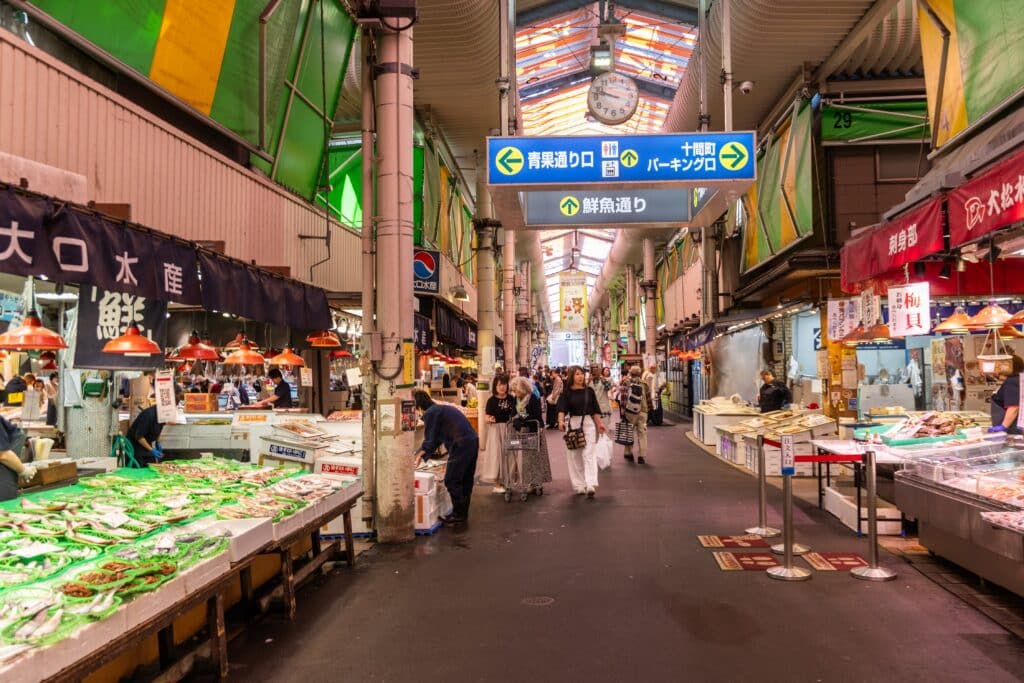
Kanazawa’s location near the Sea of Japan makes it an excellent destination for seafood lovers. Omicho Market is famous for its seafood stalls, sushi, and rice bowls topped with fresh fish. The city also offers refined Kaga cuisine and a wide choice of restaurants. Takayama excels at mountain-region specialties, but Kanazawa is particularly rewarding for travelers who prioritize seafood and culinary variety.
Kanazawa’s biggest advantage is its cultural variety. In a single day, you can explore a famous Japanese garden, walk through a samurai neighborhood, visit a historic teahouse district, and enjoy fresh seafood. If you have two days, you can explore these attractions at a more relaxed pace and add museums or traditional craft experiences. For travelers who prefer varied sightseeing over mountain-town atmosphere, Kanazawa may be the stronger choice.
Takayama vs Kanazawa: Which Has the Better Old Town?
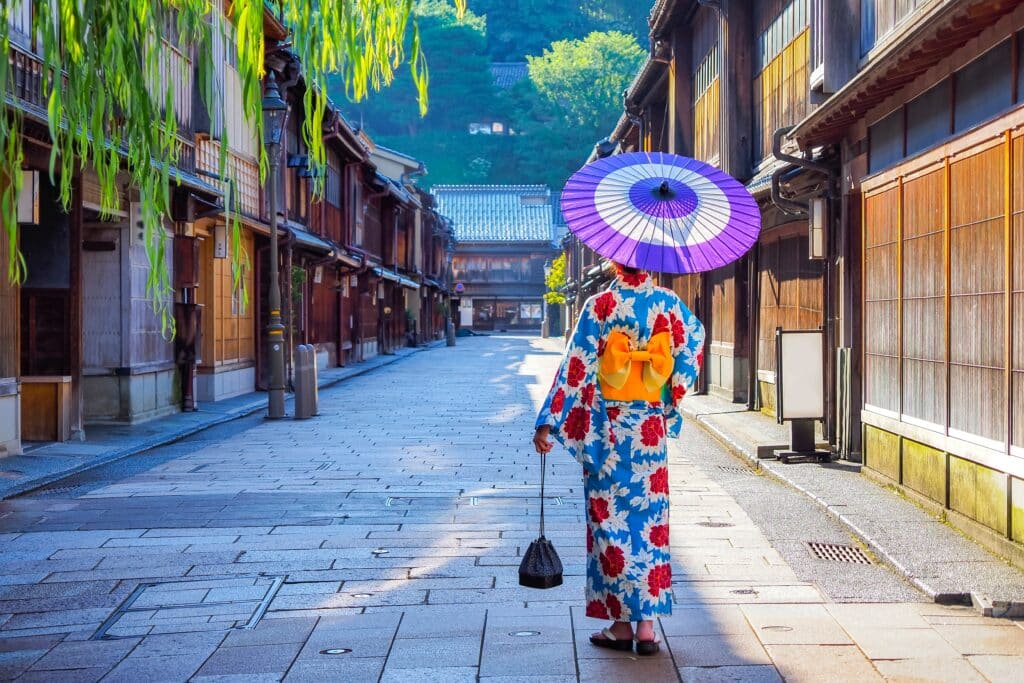
If wandering through historic Japanese streets is one of your main travel priorities, both Takayama and Kanazawa deserve serious consideration. However, their preserved neighborhoods offer very different experiences.
Takayama offers a compact merchant-town atmosphere, where traditional wooden buildings, sake breweries, and small shops line the streets of Sanmachi Suji. Kanazawa offers several distinct historic districts, each reflecting a different aspect of the city’s cultural and feudal past.
Takayama: Sanmachi Suji
Takayama’s historic center is one of the town’s greatest attractions. Sanmachi Suji features rows of traditional wooden merchant houses, some dating back to the Edo period, alongside sake breweries, craft shops, and local food stalls.
The district is compact, making it easy to explore on foot. Its greatest appeal is the atmosphere itself, especially early in the morning before the busiest groups arrive.
Best for: Traditional wooden architecture, compact streets, atmospheric photography, and relaxed wandering.
Kanazawa: Higashi Chaya and Beyond
Kanazawa’s historic districts are more varied. Higashi Chaya is known for its elegant wooden teahouses, traditional shops, and gold-leaf crafts, while nearby Kazuemachi offers a quieter riverside setting.
The Nagamachi Samurai District adds another dimension, with earthen walls, narrow lanes, and historic residences. Unlike Takayama, Kanazawa offers several distinct historic neighborhoods rather than one concentrated old-town experience.
Best for: Teahouse culture, samurai history, architectural variety, and exploring multiple historic districts.
How Do the Old Town Experiences Compare?
Atmosphere and Crowds
Takayama feels more like a traditional town, particularly in the early morning and evening. Kanazawa’s historic districts are spread across a modern city, but smaller areas such as Kazuemachi can feel peaceful. Both destinations attract crowds during popular sightseeing hours.
Photography and Architecture
Takayama is excellent for photographing continuous streets of dark wooden merchant houses. Kanazawa offers greater architectural variety, from teahouse facades and riverside lanes to samurai-era walls and gardens. The better choice depends on which visual style you prefer.
Old Town Comparison: Who Wins?
| Category | Better Choice |
|---|---|
| Compact historic atmosphere | Takayama |
| Variety of historic districts | Kanazawa |
| Traditional merchant streets | Takayama |
| Samurai and teahouse heritage | Kanazawa |
| Easy walking exploration | Takayama |
| Architectural variety | Kanazawa |
Takayama wins for the overall old-town atmosphere. Its compact streets and traditional wooden buildings create a more continuous historic setting. Kanazawa wins for variety, with teahouse districts, samurai neighborhoods, and different architectural styles. If you mainly want to wander through atmospheric old streets, choose Takayama. If you want to explore several aspects of Japan’s historic urban culture, choose Kanazawa.
Takayama vs Kanazawa: Which Is Better for Culture and History?
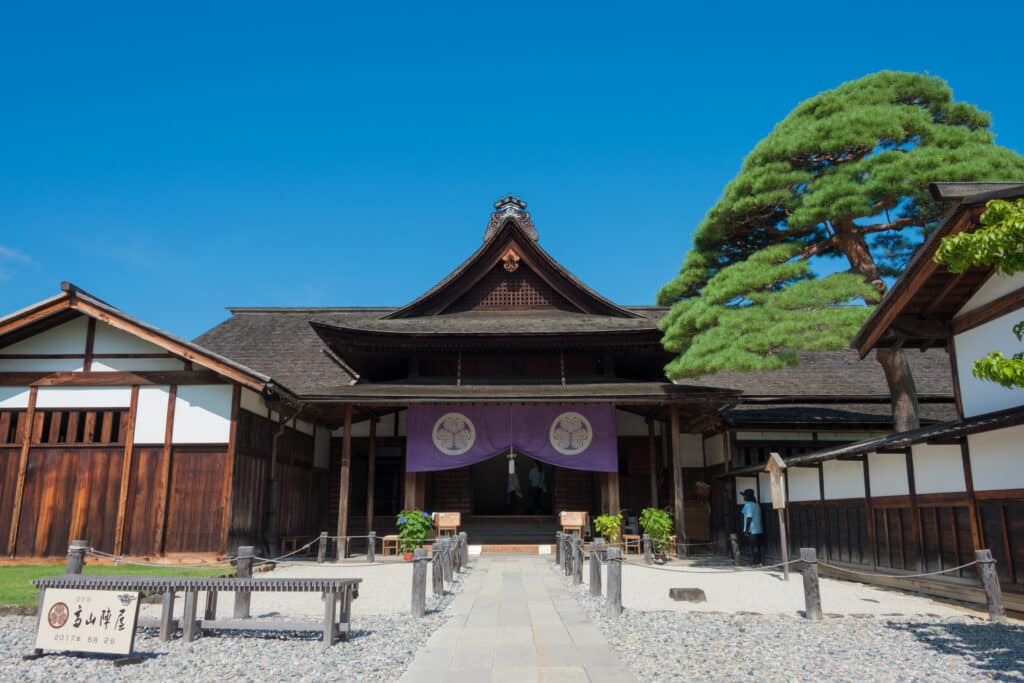
Both Takayama and Kanazawa are excellent destinations for experiencing traditional Japanese culture, but their historical identities are quite different. Takayama developed around skilled craftspeople, merchants, and the traditions of the Hida region, while Kanazawa flourished as a wealthy castle town under the powerful Maeda clan.
The difference becomes especially clear when you look beyond the historic streets and explore the museums, festivals, crafts, and cultural experiences available in each destination.
Takayama: Merchant Heritage and Hida Traditions
Takayama’s history is closely connected to the skilled carpenters and merchants of the Hida region. Its preserved merchant houses, traditional workshops, and sake breweries reflect the town’s historic prosperity and craftsmanship.
Takayama Jinya, a former government administrative complex from the period of direct shogunate rule, provides a fascinating look at Edo-period administration. Nearby museums and traditional houses help visitors understand everyday life in historic Hida.
Kanazawa: Samurai History and Castle-Town Culture
Kanazawa was the center of the powerful Kaga Domain, ruled by the Maeda clan during the Edo period. The city’s wealth supported an extraordinary range of artistic and cultural traditions.
Kanazawa Castle Park, the Nagamachi Samurai District, and historic residences reveal the city’s feudal heritage. Visitors can also explore museums and cultural institutions that explain how Kanazawa developed into an important center of Japanese arts and craftsmanship.
Takayama: Festivals and Living Traditions
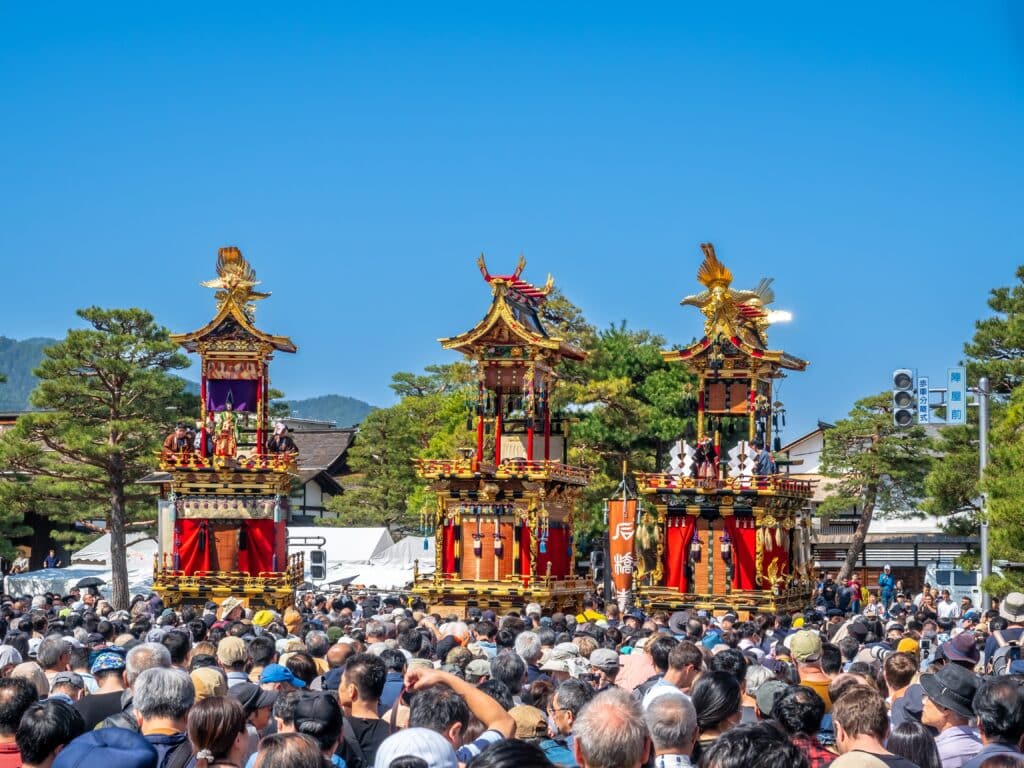
The Takayama Festival, held in spring and autumn, is one of the town’s most celebrated cultural events. Elaborately decorated festival floats, traditional performances, and centuries-old customs demonstrate the region’s dedication to preserving its heritage.
Even outside festival dates, visitors can see historic floats at the Takayama Festival Floats Exhibition Hall and experience local traditions through craft shops, sake breweries, and regional cuisine.
Kanazawa: Traditional Arts and Cultural Experiences
Kanazawa is particularly famous for its traditional arts, including gold-leaf decoration, Kutani porcelain, Kaga Yuzen silk dyeing, and lacquerware. Many workshops and cultural venues offer opportunities to learn about these crafts.
The city’s cultural scene also includes traditional tea experiences, museums, and contemporary art. This combination makes Kanazawa especially rewarding for travelers who want to participate in cultural activities rather than simply admire historic buildings.
Culture and History: Which Destination Wins?
| Cultural Experience | Better Choice |
|---|---|
| Merchant heritage and Hida traditions | Takayama |
| Samurai and castle-town history | Kanazawa |
| Traditional festival culture | Takayama for its famous festival floats |
| Traditional craft workshops | Kanazawa |
| Museums and contemporary art | Kanazawa |
| Intimate traditional-town experience | Takayama |
Kanazawa wins for overall cultural variety and historical depth. Its samurai heritage, traditional crafts, museums, and artistic traditions offer more diverse cultural experiences. However, Takayama is equally compelling for travelers interested in traditional merchant life, Hida craftsmanship, and historic festivals. Choose Kanazawa for a broader cultural itinerary, or Takayama for a more intimate connection to regional Japanese traditions.
Takayama vs Kanazawa: Which Is Better for Nature and Scenic Beauty?
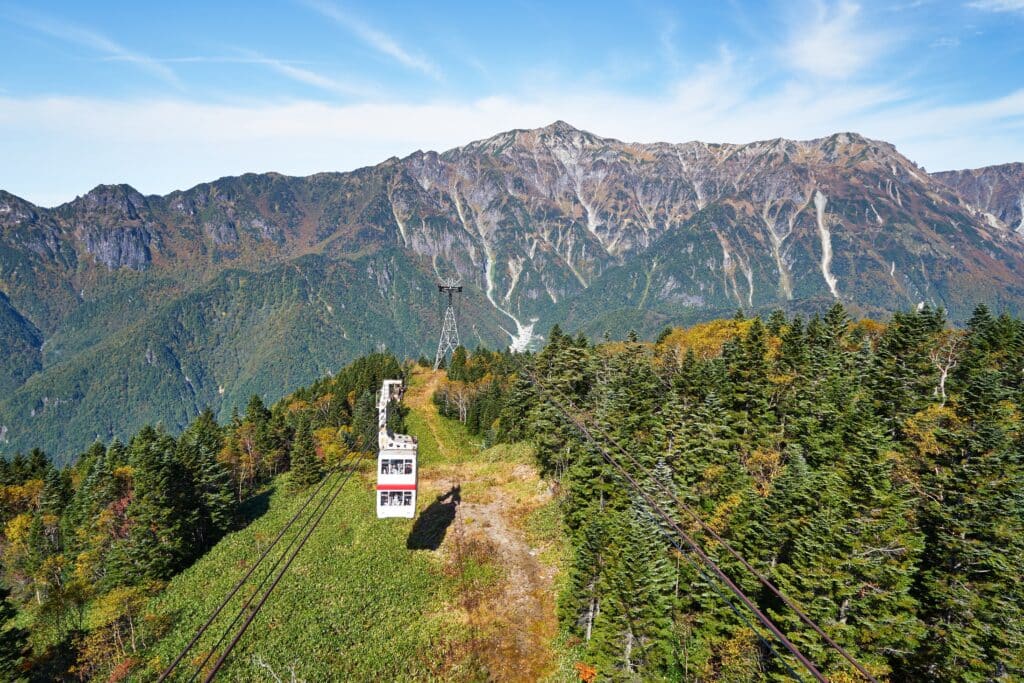
If beautiful scenery is an important part of your Japan itinerary, Takayama and Kanazawa offer two very different experiences. Takayama is surrounded by the mountainous landscapes of the Hida region, while Kanazawa is best known for its elegant Japanese gardens and historic urban scenery.
Neither destination is limited to its city center. Both can serve as starting points for scenic excursions, but the type of landscape you want to explore will make a significant difference to your choice.
Takayama: Gateway to the Japanese Alps
Takayama’s greatest scenic advantage is its location in the Hida region, with access to the mountains of central Japan. The surrounding area offers forested valleys, mountain villages, rivers, and impressive alpine landscapes.
Popular excursions include the Okuhida hot spring villages and the Shinhotaka Ropeway, which offers spectacular mountain views in suitable weather. These experiences make Takayama particularly attractive for travelers who want to combine historic sightseeing with dramatic natural scenery.
Kanazawa: Kenrokuen and Japanese Garden Beauty
Kanazawa’s most famous scenic attraction is Kenrokuen, traditionally considered one of Japan’s three great landscape gardens. Its ponds, stone lanterns, bridges, and carefully maintained trees create beautiful views throughout the year.
Nearby Kanazawa Castle Park and the city’s historic neighborhoods add further visual appeal. Kanazawa is especially rewarding for travelers who appreciate the harmony between architecture, garden design, and seasonal Japanese landscapes.
Takayama: Rural Landscapes and Outdoor Adventures
Beyond the old town, Takayama provides opportunities to explore rural Hida, visit traditional villages, and enjoy seasonal mountain scenery. The wider region is particularly appealing during autumn foliage and winter snowfall.
Outdoor enthusiasts can also use Takayama as a base for longer excursions toward hiking areas and alpine destinations. However, many of the most impressive mountain locations require additional travel time, so they should not be treated as quick walks from the historic center.
Kanazawa: Coastal and Regional Scenery
Kanazawa is not primarily a nature destination, but it offers access to the wider landscapes of Ishikawa Prefecture. Travelers with extra time can explore coastal scenery around the Sea of Japan or venture toward the mountains of the Hakusan region.
These excursions can be rewarding, although many require a longer journey and are less convenient without a car. For visitors staying mainly within the city, Kenrokuen and the surrounding parks remain Kanazawa’s strongest scenic highlights.
Nature and Scenery: Which Destination Wins?
| Scenic Experience | Better Choice |
|---|---|
| Mountain scenery | Takayama |
| Traditional Japanese gardens | Kanazawa |
| Alpine excursions and hot springs | Takayama |
| Scenic attractions within the city | Kanazawa |
| Rural landscapes and mountain villages | Takayama |
| Designed landscapes and seasonal gardens | Kanazawa |
⏱️ Important: Allow Enough Time for Mountain Excursions
Takayama’s location makes it an excellent gateway to the Japanese Alps, but destinations such as Shinhotaka and Okuhida are not within walking distance of the old town. If mountain scenery is a major reason for your visit, consider adding an extra day rather than trying to fit everything into a short overnight stop. Weather and seasonal transport conditions can also affect mountain excursions.
Takayama is the better choice for nature lovers who want mountain scenery, rural landscapes, and access to alpine excursions. Kanazawa is the stronger option for travelers who prefer beautiful Japanese gardens and scenic attractions that can be enjoyed without leaving the city. If dramatic landscapes are a major priority, choose Takayama and allow enough time to explore beyond its historic center.
Takayama vs Kanazawa: Which Is Easier to Reach?
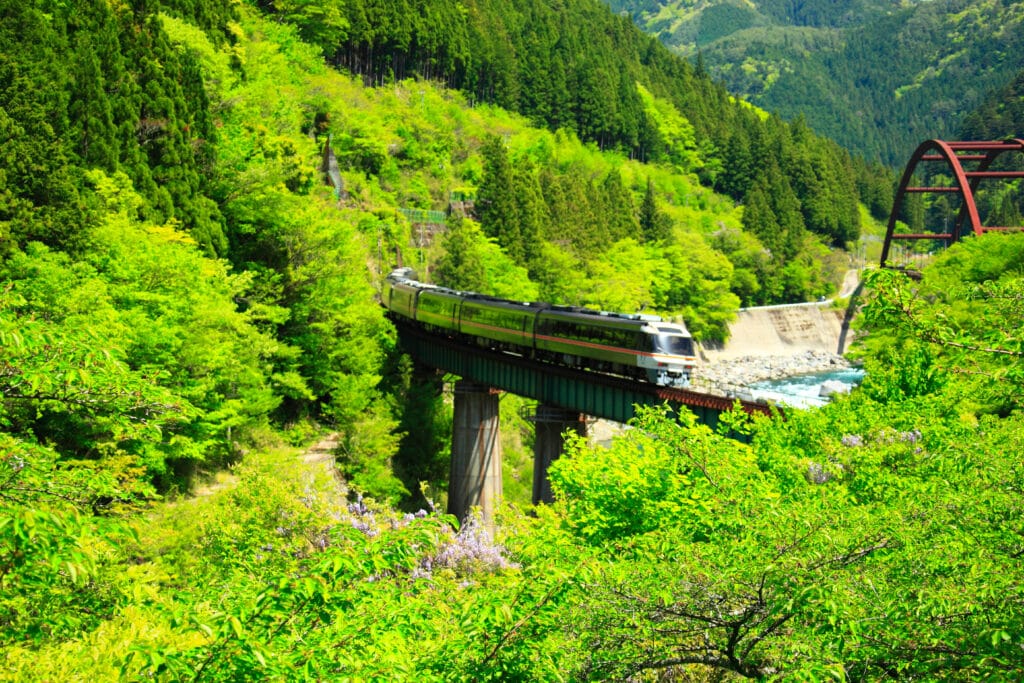
Transportation is one of the biggest practical differences between Takayama and Kanazawa. Although both destinations are located in central Japan, Kanazawa generally has faster rail connections from Tokyo, Kyoto, and Osaka, while Takayama is particularly convenient when traveling from Nagoya.
Before choosing between them, consider not only the journey to your destination but also where you plan to travel afterward. A slightly longer journey may be worthwhile if it creates a more efficient overall itinerary.
Travel Times from Major Japanese Cities
| From | Takayama | Kanazawa | Usually Easier |
|---|---|---|---|
| Tokyo | Around 4–5 hours by train via Nagoya or Toyama | Around 2.5–3 hours by direct Hokuriku Shinkansen | Kanazawa |
| Kyoto | Around 3–4 hours by train via Nagoya | Around 2–2.5 hours by train via Tsuruga | Kanazawa |
| Osaka | Around 3.5–4 hours by train via Nagoya | Around 2–2.5 hours by train via Tsuruga | Kanazawa |
| Nagoya | Around 2 hours 20–40 minutes by direct Limited Express Hida | Around 2.5–3 hours by train via Tsuruga | Takayama |
Approximate station-to-station travel times using typical rail connections. Actual journeys depend on train schedules, waiting times, and transfers. Check current timetables before traveling.
Getting to Takayama
The most straightforward rail route to Takayama is often via Nagoya, where the Limited Express Hida travels through the scenic Hida River valley toward the mountains.
From Tokyo, travelers can take the Tokaido Shinkansen to Nagoya and change to the Hida service. Another option is traveling via Toyama, although suitable connections are less frequent.
Takayama also has highway bus connections with destinations such as Shirakawa-go, Kanazawa, and Matsumoto. These can be useful when building a regional itinerary.
Getting to Kanazawa
Kanazawa benefits from direct Hokuriku Shinkansen connections with Tokyo, making it particularly convenient for travelers arriving from the capital.
From Kyoto and Osaka, take the Thunderbird Limited Express to Tsuruga and transfer to the Hokuriku Shinkansen. This connection is generally faster than traveling to Takayama from the same cities.
Kanazawa is also well positioned for exploring the Hokuriku region, including Toyama and Fukui, making it a convenient stop on a longer journey through central Japan.
⚠️ Important: The Tsuruga Transfer
Since the Hokuriku Shinkansen extension opened in March 2024, direct Thunderbird services no longer run all the way from Kyoto or Osaka to Kanazawa. Travelers now change at Tsuruga Station. The transfer is straightforward when following station signs, but allow sufficient connection time and check your complete journey before departure.
🚌 Can You Travel Directly Between Takayama and Kanazawa?
Yes. Highway buses connect Takayama and Kanazawa, with some services traveling via Shirakawa-go. The journey generally takes around 2 hours 15 minutes by direct bus, depending on the service and road conditions.
If you want to visit Shirakawa-go along the way, allow additional sightseeing time and reserve suitable bus connections in advance. This route can turn a simple transfer into one of the highlights of your regional itinerary.
Kanazawa is generally easier to reach from Tokyo, Kyoto, and Osaka, while Takayama is particularly convenient from Nagoya. However, the smartest choice depends on your complete travel route. If you have several days available, combining Takayama and Kanazawa via Shirakawa-go can be more rewarding than treating them as competing destinations.
Takayama vs Kanazawa: Which Is Better for a Day Trip or Overnight Stay?
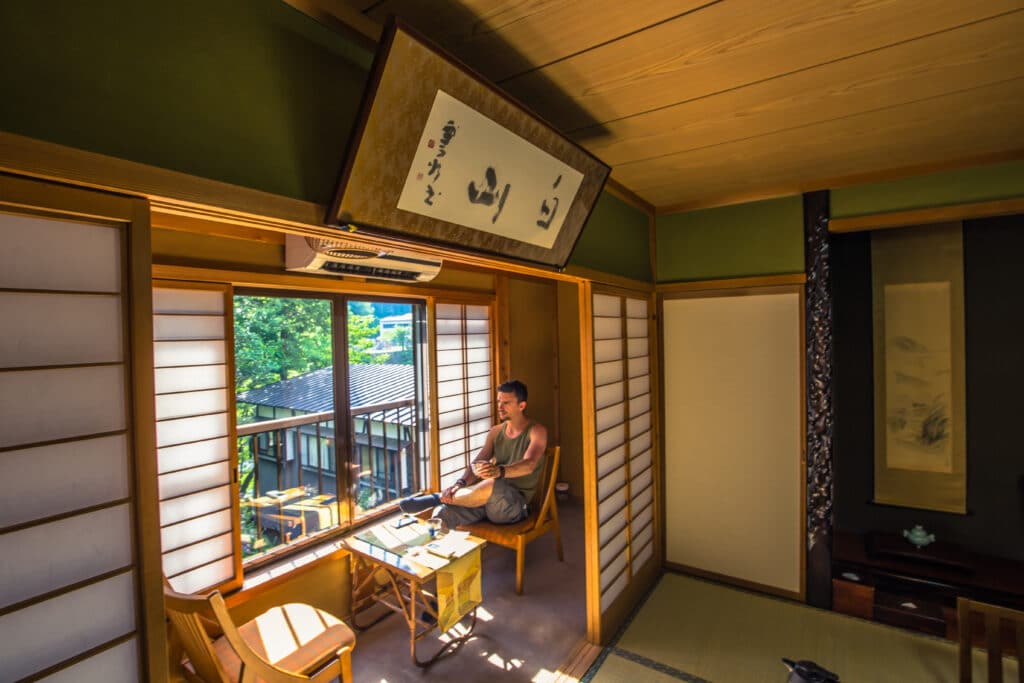
Both Takayama and Kanazawa can be explored in a single day, but whether a day trip makes sense depends heavily on your starting point. Takayama has a compact historic center that is easy to explore on foot, while Kanazawa offers more major attractions spread across a larger city.
For most travelers, staying at least one night is the better choice. It reduces transportation pressure and gives you time to enjoy the atmosphere beyond the busiest sightseeing hours.
Takayama as a Day Trip
Takayama’s compact layout makes it possible to see several highlights in one day. You can explore Sanmachi Suji, visit Takayama Jinya, browse the morning markets, and sample local specialties without needing extensive local transportation.
However, a day trip from major cities such as Tokyo, Kyoto, or Osaka usually involves too much travel time. Takayama works better as a short stop on a regional route or a day trip from a closer base with suitable connections.
Kanazawa as a Day Trip
Kanazawa is generally the more practical day-trip option from Kyoto or Osaka thanks to its rail connections. With an early departure, you can visit Kenrokuen, explore Higashi Chaya, and see part of the historic castle-town area.
The main limitation is the number of attractions. Trying to include the samurai district, museums, markets, and gardens in one short visit can feel rushed. A day trip works best when you focus on two or three priorities.
Why Stay Overnight in Takayama?
Takayama is especially rewarding in the early morning, when its historic streets are quieter and the morning markets begin operating. Staying overnight allows you to enjoy these moments without arriving after the busiest sightseeing period has already started.
An overnight stay also gives you the opportunity to enjoy a traditional ryokan, have a relaxed dinner, and explore the old town after many day visitors have departed. This is one of Takayama’s strongest advantages over a rushed day trip.
Why Stay Overnight in Kanazawa?
Kanazawa benefits from an overnight stay because its attractions are more numerous and spread across several neighborhoods. With additional time, you can explore Kenrokuen, Higashi Chaya, Nagamachi, and Omicho Market without constantly watching the clock.
Staying overnight also allows you to enjoy the city’s restaurants and explore quieter historic streets in the evening or early morning. Two days provide a much better opportunity to appreciate Kanazawa’s cultural variety.
Day Trip or Overnight Stay: Quick Decision Guide
| Situation | Best Recommendation |
|---|---|
| One day from Kyoto or Osaka | Kanazawa is generally more practical |
| One sightseeing day while traveling through Hida | Takayama works well as a route stop |
| One overnight stay for atmosphere | Takayama |
| One overnight stay for varied sightseeing | Kanazawa |
| Two full sightseeing days | Kanazawa for cultural depth; Takayama with regional excursions |
| Several days in central Japan | Consider both, with Shirakawa-go along the way |
⏱️ Travel Owl Time-Saving Tip
If you are already traveling between major destinations, consider visiting Takayama or Kanazawa as an overnight stop rather than making a separate return journey. For example, Kanazawa can fit into a Tokyo-to-Kyoto route via Hokuriku, while Takayama can work well on a route through Nagoya and the Hida region. This often makes better use of your travel time than returning to the same city after sightseeing.
Kanazawa is generally the better day-trip choice from Kyoto or Osaka, while Takayama is particularly rewarding as an overnight destination. Kanazawa’s transport connections make a focused one-day visit possible, but its many attractions justify staying longer. Takayama’s greatest appeal is its atmosphere, which is best enjoyed without rushing. If your itinerary allows, spend at least one night in either destination.
How Many Days Do You Need in Takayama vs Kanazawa?
Both Takayama and Kanazawa can be enjoyed in a relatively short visit, but the ideal length of stay depends on what you want to experience. Takayama’s main historic attractions are concentrated within a compact area, while Kanazawa offers a larger selection of sights spread across several districts.
For most first-time visitors, one night in Takayama or one to two nights in Kanazawa is a good starting point. Add more time if you want to explore the Japanese Alps, visit museums, or enjoy regional excursions.
Takayama: One Day
One full sightseeing day is enough to experience Takayama’s main historic highlights.
- Visit the Miyagawa Morning Market.
- Explore Sanmachi Suji Old Town.
- Tour Takayama Jinya.
- Try Hida beef and local specialties.
- Visit a traditional sake brewery or shop.
Best for: Travelers who want the historic town experience without major excursions.
Kanazawa: One Day
One full day allows you to see several of Kanazawa’s most famous attractions, although you will need to prioritize.
- Explore Kenrokuen Garden.
- Walk through Kanazawa Castle Park.
- Visit Higashi Chaya District.
- Enjoy seafood at Omicho Market.
- Add Nagamachi if time allows.
Best for: Travelers who want a focused introduction to Kanazawa’s main sights.
Takayama: Two Days
Two full days give you time to enjoy the old town at a relaxed pace and add a regional experience.
- Day 1: Explore Takayama’s historic center.
- Enjoy an evening in a traditional inn.
- Day 2: Visit Hida Folk Village or Hida-Furukawa.
- Alternatively, take a longer excursion toward Okuhida or Shinhotaka.
Best for: Slow travelers and visitors interested in traditional villages or mountain scenery.
Kanazawa: Two Days
Two full days are ideal for exploring Kanazawa’s major attractions without constantly rushing.
- Day 1: Kenrokuen, Castle Park, and Higashi Chaya.
- Enjoy dinner featuring local seafood.
- Day 2: Explore Nagamachi Samurai District.
- Visit museums or traditional craft workshops.
- Spend more time in smaller historic neighborhoods.
Best for: Culture lovers who want to experience Kanazawa beyond its most famous landmarks.
How Much Time Should You Allow?
| Available Time | Takayama | Kanazawa |
|---|---|---|
| Half Day | Old town and local food | One or two main attractions |
| One Full Day | Most historic highlights | Selected major sights |
| Two Full Days | Old town plus one regional excursion | Major sights plus museums and cultural experiences |
| Three or More Days | Mountain excursions and slower exploration | Relaxed city visit and regional day trips |
What If You Have Limited Time?
Only one sightseeing day? Takayama is easier to explore on foot, but Kanazawa may be more practical if you are already staying in Kyoto or Osaka.
One night available? Takayama is excellent for a compact historic-town experience, while Kanazawa works well for two shorter sightseeing periods around an overnight stay.
Two full days? Kanazawa offers enough cultural attractions to fill both days. Takayama becomes particularly rewarding if you add a regional excursion.
Three or more days? Consider combining Takayama and Kanazawa with Shirakawa-go, rather than spending all your time in one destination.
One night is a good minimum for Takayama, while one to two nights work well for Kanazawa. Takayama’s compact historic center makes a shorter visit satisfying, but nearby mountain excursions require additional time. Kanazawa has more attractions within the city itself, making two full sightseeing days particularly rewarding. If you have several days available, visiting both destinations may offer the best overall experience.
Takayama vs Kanazawa: Which Is More Expensive?
Neither Takayama nor Kanazawa is automatically the cheaper destination. Both offer affordable meals, reasonably priced accommodation, and sightseeing opportunities that do not require a large budget. However, your overall costs can differ depending on your travel style.
Takayama can become more expensive if you choose a traditional ryokan with meals or add mountain excursions. Kanazawa generally offers a wider selection of city hotels and restaurants, although museum visits, cultural activities, and premium seafood can increase your spending.
Typical Travel Costs: Takayama vs Kanazawa
| Expense | Takayama | Kanazawa |
|---|---|---|
| Budget Hotel | ¥7,000–13,000 per room | ¥6,000–12,000 per room |
| Mid-Range Hotel | ¥12,000–23,000 per room | ¥10,000–22,000 per room |
| Traditional Ryokan | ¥18,000–40,000+ per person with meals | ¥18,000–40,000+ per person with meals |
| Casual Meal | ¥1,000–2,000 per person | ¥1,000–2,000 per person |
| Specialty Meal | Hida beef: ¥3,000–8,000+ | Seafood or sushi: ¥2,500–8,000+ |
| Local Transport | Often minimal within the historic center | Local bus fares for attractions across the city |
| Sightseeing | Old-town walks are free; museums and excursions cost extra | Historic walks are free; gardens, museums, and workshops cost extra |
Illustrative planning ranges in Japanese yen, not live quotes or guaranteed prices. Hotel figures assume a standard room, while ryokan figures are per person. Prices can vary substantially by season, property, booking date, and meal plan. Check current rates before booking.
1. Accommodation Costs
Kanazawa’s larger hotel market can make it easier to compare business hotels and mid-range options. Takayama also has affordable accommodation, but traditional inns and popular travel periods can push prices higher. The Takayama Festival dates are particularly important when planning accommodation.
2. Food and Restaurants
Both destinations offer inexpensive everyday meals alongside premium regional specialties. In Takayama, Hida beef can be a major food expense, while Kanazawa’s seafood restaurants and sushi counters can range from affordable to expensive. Your restaurant choices matter more than the city itself.
3. Sightseeing Expenses
Takayama can be inexpensive if you focus on walking through the old town, visiting markets, and enjoying local streets. Kanazawa also has free historic neighborhoods, but visitors who add Kenrokuen, museums, and craft workshops should allow a larger sightseeing budget.
4. Transportation and Excursions
Takayama’s historic center is compact enough to explore mainly on foot, but trips to Okuhida or Shinhotaka require additional transport. Kanazawa’s attractions are more spread out, making local buses useful. Long-distance rail or bus costs depend on your complete itinerary and can outweigh small differences in daily spending.
Compare the total cost of your route, not just hotel prices. A slightly cheaper room may not save money if reaching the destination requires expensive train connections or additional overnight stays. If you are already traveling through Nagoya, Takayama may fit naturally into your route. If you are traveling between Tokyo and the Kansai region via Hokuriku, Kanazawa may be easier to include.
Neither Takayama nor Kanazawa is a clear winner on price. Kanazawa may offer more flexibility when choosing city hotels and restaurants, while Takayama can be inexpensive for travelers who focus on its walkable historic center. However, traditional ryokan stays, premium meals, and regional excursions can increase costs in either destination. Choose based on your itinerary and travel interests rather than assuming one city will always be cheaper.
Takayama vs Kanazawa: Which Has Better Food?
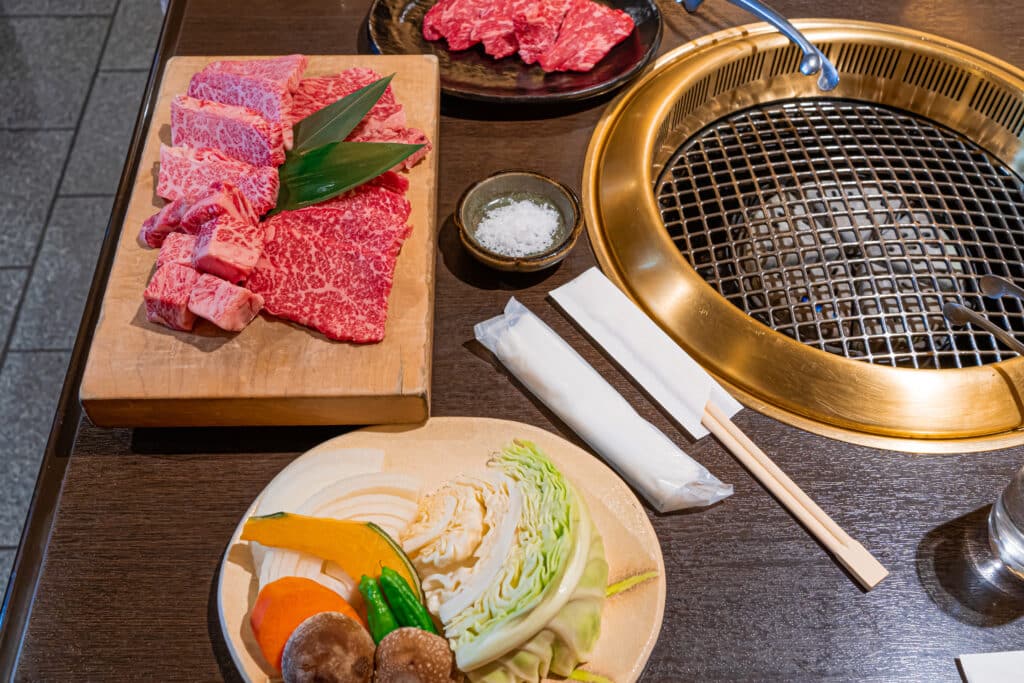
Takayama and Kanazawa are both excellent destinations for food lovers, but they specialize in very different flavors. Takayama is known for Hida beef, mountain-region comfort food, and local sake, while Kanazawa is particularly famous for seafood, sushi, and the refined cuisine of the former Kaga Domain.
Choose Takayama for hearty regional specialties and traditional mountain-town food culture. Choose Kanazawa for fresh seafood and a broader range of culinary experiences.
Takayama: Hida Beef
Hida beef is Takayama’s best-known culinary specialty. This premium Japanese wagyu is prized for its marbling, tenderness, and rich flavor.
You can enjoy it as steak, grilled beef, sushi-style bites, or in traditional Japanese dishes. Street-food portions offer a relatively accessible introduction, while a full Hida beef dinner can become one of the more expensive meals of your trip.
Kanazawa: Seafood and Sushi
Kanazawa benefits from its proximity to the Sea of Japan, making seafood one of its greatest culinary attractions. Sushi, sashimi, seafood rice bowls, and seasonal fish feature prominently in the local food scene.
Omicho Market is a popular place to discover regional seafood specialties, although prices and crowds vary between vendors. Winter is especially associated with crab and other seasonal seafood from the Hokuriku region.
Takayama: Ramen, Miso, and Sake
Beyond Hida beef, Takayama offers distinctive regional comfort food. Takayama ramen typically features thin noodles in a soy-based broth, while hoba miso is a local specialty in which miso and other ingredients are heated on a magnolia leaf.
The town also has a long sake-brewing tradition. Several breweries are located around the historic center, making sake shops and tastings a natural addition to a walk through Sanmachi Suji.
Kanazawa: Kaga Cuisine and Local Specialties
Kanazawa’s food culture extends well beyond sushi. Traditional Kaga cuisine reflects the region’s historical prosperity and places importance on seasonal ingredients, presentation, and local culinary traditions.
Local dishes include jibuni, a simmered duck or poultry dish with vegetables, and Kanazawa oden. The city also offers wagashi sweets and modern cafes, providing more variety for travelers who enjoy exploring different food experiences.
Food Comparison: Which Destination Should You Choose?
| Food Experience | Better Choice |
|---|---|
| Premium wagyu beef | Takayama |
| Sushi and seafood | Kanazawa |
| Traditional mountain-region dishes | Takayama |
| Seasonal seafood specialties | Kanazawa |
| Historic sake breweries | Takayama |
| Broader restaurant variety | Kanazawa |
| Affordable local meals | Both |
Don’t spend your entire food budget on one famous specialty. In Takayama, try a smaller portion of Hida beef and leave room for ramen or hoba miso. In Kanazawa, combine a seafood meal with a local dish such as jibuni or Kanazawa oden. This gives you a better introduction to each destination’s food culture than choosing only its most photographed dish.
Kanazawa has the edge for overall culinary variety, especially for seafood lovers, while Takayama is the better choice for Hida beef and traditional mountain-region specialties. Both destinations are worth visiting for their food alone, but your personal preferences matter more than any overall ranking. If you enjoy sushi and seasonal seafood, choose Kanazawa. If you prefer wagyu, local ramen, and rustic regional dishes, choose Takayama.
Takayama vs Kanazawa: Which Is Better in Spring, Summer, Autumn, and Winter?
Both Takayama and Kanazawa are worth visiting throughout the year, but the seasons influence their appeal in different ways. Takayama offers mountain-town scenery, seasonal festivals, and access to alpine landscapes. Kanazawa is particularly beautiful when the changing seasons transform Kenrokuen Garden and its historic districts.
There is no single best season for both destinations. Your ideal choice depends on whether you prefer festivals, mountain scenery, Japanese gardens, or snowy historic streets.
Spring: Cherry Blossoms and Festivals
Takayama: Spring brings cherry blossoms along the Miyagawa River and the famous Spring Takayama Festival, held annually on April 14–15. The festival’s elaborate floats and traditional celebrations make this one of the most memorable times to visit.
Kanazawa: Kenrokuen and Kanazawa Castle Park are particularly attractive during cherry blossom season. The combination of flowering trees, garden ponds, and historic architecture creates beautiful spring scenery.
Best choice: Takayama for the festival; Kanazawa for classic garden cherry blossoms.
Summer: Mountains or City Sightseeing?
Takayama: Its higher elevation often makes Takayama somewhat cooler than Japan’s major lowland cities, although afternoons can still be hot and humid. The wider Hida region offers opportunities to escape into higher mountain areas.
Kanazawa: Summer can be hot and humid, particularly when walking between outdoor attractions. Gardens and museums remain worthwhile, but sightseeing is often more comfortable early in the morning or later in the afternoon.
Best choice: Takayama, especially if you plan excursions into the mountains.
Autumn: Fall Colors and Historic Atmosphere
Takayama: Autumn is one of the town’s most attractive seasons, with colorful mountain landscapes and the Autumn Takayama Festival on October 9–10. Foliage in higher elevations generally begins changing before the trees in the town itself.
Kanazawa: Kenrokuen is especially beautiful when its maple trees turn red and gold. The historic districts also become more atmospheric as temperatures cool, making autumn an excellent time for walking and photography.
Best choice: Takayama for mountain foliage and the festival; Kanazawa for garden colors.
Winter: Snowy Streets or Winter Gardens?
Takayama: Winter can transform the old town into a picturesque snowy landscape. Traditional wooden buildings, mountain scenery, and nearby hot springs create a memorable atmosphere, but temperatures are cold and snow may disrupt transport.
Kanazawa: Winter is famous for Kenrokuen’s yukitsuri, the rope supports installed to protect trees from heavy snow. The city also offers seasonal seafood, although rain, wet snow, and cloudy weather are common.
Best choice: Takayama for a snowy mountain-town atmosphere; Kanazawa for winter gardens and seafood.
Best Time to Visit: Quick Comparison
| Season | Takayama Highlight | Kanazawa Highlight |
|---|---|---|
| Spring | Spring Festival and blossoms | Kenrokuen cherry blossoms |
| Summer | Japanese Alps excursions | Gardens, museums, and city culture |
| Autumn | Autumn Festival and mountain foliage | Colorful Japanese gardens |
| Winter | Snowy old town and hot springs | Yukitsuri and seasonal seafood |
Takayama Festival Dates Can Change Your Travel Experience
The Spring Takayama Festival takes place on April 14–15, while the Autumn Takayama Festival is held on October 9–10. These are among the town’s busiest periods, and accommodation can sell out well in advance.
If attending a festival is a priority, book early and allow for crowds. If you prefer quiet historic streets, consider visiting outside the festival dates. Festival activities can also be affected by weather conditions.
Takayama has a slight advantage for travelers seeking dramatic seasonal changes, mountain scenery, and traditional festivals. Kanazawa is equally rewarding for those who prefer elegant gardens, seasonal cuisine, and cultural sightseeing. Spring and autumn are excellent for both destinations, while winter offers particularly atmospheric experiences if you are prepared for cold and potentially disruptive weather.
Takayama vs Kanazawa for First-Time Visitors to Japan
If you are planning your first trip to Japan, choosing between Takayama and Kanazawa is not simply about which city has better attractions. The more useful question is which destination adds something different to the places already on your itinerary.
For travelers following the classic Tokyo–Kyoto–Osaka route, Takayama often provides the greater contrast with its mountain-town atmosphere and compact historic streets. Kanazawa, meanwhile, offers an excellent combination of traditional culture, gardens, and convenient rail connections.
Choose Takayama for a Different Side of Japan
Tokyo and Osaka introduce visitors to modern Japanese city life, while Kyoto offers famous temples, shrines, and historic neighborhoods. Takayama adds something different: a smaller mountain town with traditional wooden buildings and a slower pace.
Its compact center is easy to explore, and the surrounding Hida region offers opportunities to experience rural landscapes and regional traditions.
Best for: First-time visitors who want a peaceful mountain-town experience beyond Japan’s major cities.
Choose Kanazawa for Culture and Convenience
Kanazawa offers a rich introduction to traditional Japan through Kenrokuen Garden, samurai heritage, historic teahouse districts, and regional crafts. It provides cultural variety without requiring a journey into a remote mountain area.
The city’s rail connections also make it relatively straightforward to include on a route between Tokyo and the Kansai region via Hokuriku.
Best for: First-time visitors who value gardens, history, food, and efficient transportation.
Which Destination Fits Your First Japan Itinerary?
| Your Travel Situation | Our Recommendation |
|---|---|
| First trip of 7–10 days focused on Tokyo and Kyoto | Consider skipping both unless one is a major priority |
| First trip of 12–14 days with room for another destination | Takayama for contrast; Kanazawa for easier connections |
| You already plan several days in Kyoto | Takayama for a different atmosphere |
| You particularly enjoy gardens, crafts, and museums | Kanazawa |
| You want mountains, traditional inns, and rural Japan | Takayama |
| You have 3–4 days available for central Japan | Consider both, including Shirakawa-go if time permits |
Don’t Add Another Destination Just to See More of Japan
If your first trip is relatively short, adding Takayama or Kanazawa may mean sacrificing valuable time in Tokyo, Kyoto, or Osaka. Every additional hotel change also creates travel time and logistical effort.
Instead of asking how many destinations you can fit into your itinerary, ask which experience is missing. If you want a traditional mountain town, Takayama may be worth the detour. If you want another culturally rich city with convenient rail access, Kanazawa may be the better addition.
For first-time visitors already exploring Tokyo, Kyoto, and Osaka, Takayama often adds the more distinctive experience. Its smaller scale and mountain setting provide a welcome contrast to Japan’s major cities. However, Kanazawa is an excellent choice for travelers who prioritize gardens, traditional crafts, and efficient rail travel. On a short first trip, neither destination is essential—choose one only if it genuinely improves your itinerary.
Can You Visit Both Takayama and Kanazawa?
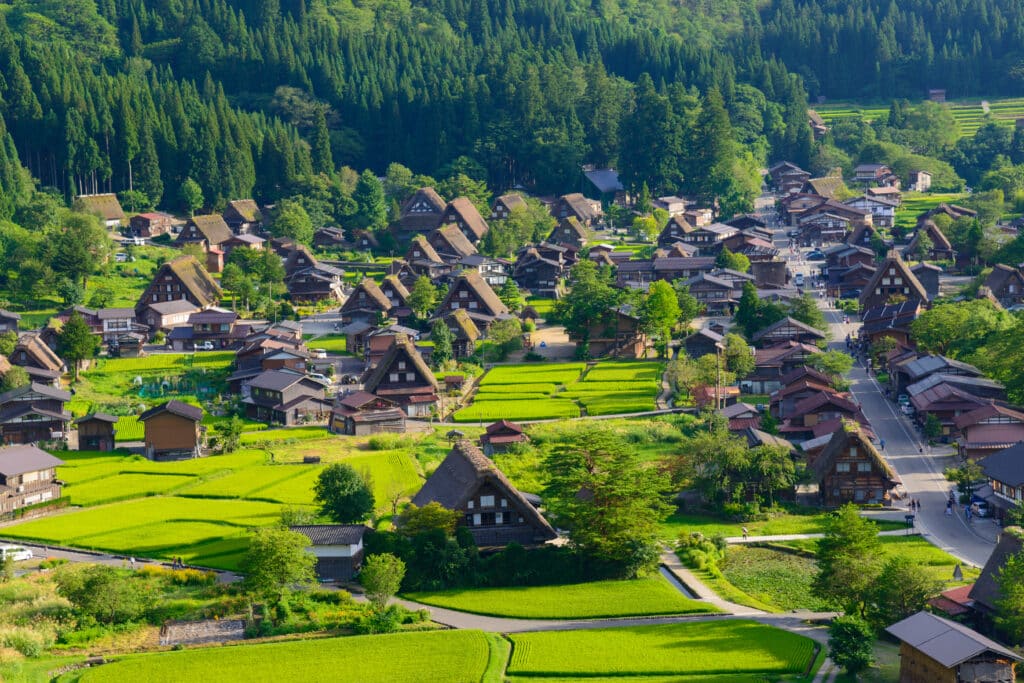
Yes—and if your itinerary allows, visiting both Takayama and Kanazawa can be one of the most rewarding ways to explore central Japan. The two destinations offer complementary experiences, and the famous village of Shirakawa-go lies along a popular bus route between them.
Allow at least two nights for a quick combination, or three nights for a more comfortable trip. You can travel in either direction, choosing the order that best fits your wider Japan itinerary.
The journey links Takayama’s historic mountain-town atmosphere with Shirakawa-go’s traditional gassho-zukuri farmhouses and Kanazawa’s gardens, samurai districts, and cultural attractions. The route also works in reverse.
Two Ways to Combine Takayama and Kanazawa
3 Days / 2 Nights
Day 1 – Takayama: Arrive with enough time to explore Sanmachi Suji, Takayama Jinya, and the historic center. Stay overnight.
Day 2 – Shirakawa-go: Take a morning bus, spend a few hours exploring the village, and continue to Kanazawa. Stay overnight.
Day 3 – Kanazawa: Visit Kenrokuen, Castle Park, and Higashi Chaya before departing later in the day.
Best for: Travelers who want all three destinations without adding too many nights.
4 Days / 3 Nights
Day 1 – Takayama: Arrive, explore the old town, enjoy Hida beef, and stay overnight.
Day 2 – Takayama and Shirakawa-go: Enjoy a morning market, then travel to Shirakawa-go and continue to Kanazawa.
Day 3 – Kanazawa: Explore Kenrokuen, the castle area, Higashi Chaya, and local food highlights.
Day 4 – Kanazawa: Visit Nagamachi or a museum before continuing your journey.
Best for: First-time visitors who want a balanced experience without excessive rushing.
How to Travel Between Takayama, Shirakawa-go, and Kanazawa
| Route | Approximate Travel Time | Transport |
|---|---|---|
| Takayama → Shirakawa-go | 50–60 minutes | Highway bus |
| Shirakawa-go → Kanazawa | 75–90 minutes | Highway bus |
| Takayama → Kanazawa | Around 2 hours 15 minutes on suitable through services | Highway bus |
Times are approximate and exclude sightseeing stops, waiting time, and delays. Not every bus offers the same stopping pattern or reservation arrangements. Check current timetables before planning the journey.
Important Tips Before You Book
- Reserve buses in advance: Popular services can fill up, especially during weekends, holidays, and peak sightseeing seasons.
- Book two separate journeys for a village stop: A ticket on a through bus does not automatically allow you to get off, sightsee for several hours, and board a later service.
- Plan your luggage: Shirakawa-go has limited luggage-storage capacity. Consider leaving large bags at your hotel or arranging luggage forwarding where practical.
- Allow enough sightseeing time: Around two to three hours is reasonable for a focused visit to Shirakawa-go, with more time if you want to explore slowly or visit additional attractions.
- Check winter conditions: Snow and difficult road conditions can affect bus services and journey times.
When Should You Skip Shirakawa-go?
If you have only two days for both Takayama and Kanazawa, adding several hours in Shirakawa-go may leave too little time for the destinations themselves. In that situation, a direct transfer may be the smarter choice. Visit Shirakawa-go when you can give it enough time rather than squeezing it into an already crowded itinerary.
If you have three to four days available, combining Takayama and Kanazawa via Shirakawa-go is often better than choosing only one. Takayama provides the intimate mountain-town atmosphere, Shirakawa-go adds traditional rural scenery, and Kanazawa offers gardens, samurai history, and cultural variety. For a comfortable first visit, aim for three nights rather than trying to experience everything in a rushed two-day trip.
Takayama vs Kanazawa: What Can You Skip?
One of the easiest ways to improve your Japan itinerary is to stop treating every attraction as essential. Both Takayama and Kanazawa have worthwhile sights, but you do not need to visit everything to enjoy either destination.
The smartest approach is to protect the experiences that make each destination distinctive and reduce time spent on activities that do not match your interests.
Takayama: What to Prioritize and Skip
- Sanmachi Suji: The heart of Takayama’s historic atmosphere.
- Morning market: A pleasant introduction to local products and everyday life.
- Local food: Try Hida beef, Takayama ramen, or another regional specialty.
- Multiple sake brewery visits: One tasting or shop visit may be enough unless sake is a major interest.
- Hida Folk Village: Worthwhile for traditional architecture, but optional if you are already visiting Shirakawa-go.
- Long mountain excursions: Save Okuhida or Shinhotaka for a longer stay rather than rushing your old-town visit.
Kanazawa: What to Prioritize and Skip
- Kenrokuen Garden: One of Kanazawa’s most distinctive attractions.
- Higashi Chaya: A memorable historic district with traditional architecture.
- One cultural experience: Explore Nagamachi, a craft workshop, or a museum based on your interests.
- Every teahouse district: Higashi Chaya may be sufficient for a short visit.
- Multiple museums: Choose one that genuinely interests you rather than rushing through several.
- Extended shopping at Omicho Market: A short visit or meal may be enough if food is not your main priority.
What Should You Skip Based on Your Interests?
| Your Priority | Smart Time-Saving Choice |
|---|---|
| Historic streets and photography | Prioritize Sanmachi Suji or Higashi Chaya; reduce museum time |
| Traditional Japanese architecture | Choose Hida Folk Village or Shirakawa-go based on your route and interests |
| Gardens and seasonal scenery | Protect time for Kenrokuen; reduce secondary shopping stops |
| Food experiences | Choose one memorable regional meal instead of several similar food stops |
| Mountain scenery | Add an extra day near Takayama rather than squeezing in a rushed excursion |
| Only a few hours available | Choose two major highlights and skip the rest |
Don’t Confuse More Attractions with a Better Experience
Takayama is often most enjoyable when you leave time to wander its historic streets, while Kanazawa benefits from choosing a few complementary attractions rather than trying to visit every museum and neighborhood. A shorter, well-planned sightseeing list can create a more memorable visit than a packed schedule.
In Takayama, protect time for the historic center and skip optional excursions if your stay is short. In Kanazawa, prioritize Kenrokuen and one or two historic districts instead of trying to see everything. Neither destination requires an exhaustive sightseeing checklist. The best experience comes from choosing attractions that match your interests and allowing enough time to enjoy them.
Takayama vs Kanazawa: How to Spend One, Two, or Three Days
The biggest mistake when planning Takayama and Kanazawa is trying to fit too many destinations into too little time. Although the two cities are connected by bus, traveling between them and stopping at Shirakawa-go takes a meaningful part of your day.
Our rule is simple: one day means choosing one destination; two days usually means prioritizing one destination or making a quick transfer; three days make combining both more realistic.
Choose One Destination
With only one sightseeing day, avoid trying to visit both cities.
- Takayama: Sanmachi Suji, morning market, and local food.
- Kanazawa: Kenrokuen, Higashi Chaya, and one additional highlight.
Skip: The second city and lengthy regional excursions.
Prioritize Depth Over Distance
Two days are best spent exploring one destination properly, especially if you need to travel from another major city.
- Takayama: Historic center plus Hida Folk Village or a regional excursion.
- Kanazawa: Gardens, historic districts, museums, and food.
Alternative: See both only if they are already on your travel route and you accept a faster pace.
Combine Both Destinations
Three days make a compact Takayama–Shirakawa-go–Kanazawa itinerary possible.
- Day 1: Explore Takayama.
- Day 2: Visit Shirakawa-go and continue to Kanazawa.
- Day 3: Explore Kanazawa.
Best for: Travelers who can arrive early on Day 1 and depart late on Day 3.
Quick Time-Allocation Guide
| Available Time | Best Strategy | What to Avoid |
|---|---|---|
| 1 Day | Choose Takayama or Kanazawa | Trying to see both |
| 2 Days | Explore one destination in depth | Adding too many regional stops |
| 3 Days | Takayama + Shirakawa-go + Kanazawa | Long mountain excursions on the same trip |
| 4+ Days | Both cities plus a relaxed regional experience | Unnecessary hotel changes |
💡 The Smarter Way to Plan Three Days
Instead of returning to your original city after every excursion, travel in one direction:
Takayama → Shirakawa-go → Kanazawa
This route reduces unnecessary backtracking and creates a logical progression from mountain-town atmosphere to rural heritage and cultural sightseeing. It works in reverse as well. Remember that three calendar days are not the same as three full sightseeing days, so account for your arrival and departure journeys.
With one or two days, prioritize the destination that best matches your interests and travel route. With three days, combining Takayama and Kanazawa becomes realistic. Add Shirakawa-go only when you can reserve suitable transport and allow enough sightseeing time. If you want a genuinely relaxed experience, four days are preferable to three.
Common Mistakes When Choosing Takayama or Kanazawa
Both Takayama and Kanazawa can be excellent additions to a Japan itinerary. However, choosing the wrong destination for your interests—or underestimating the logistics—can make an otherwise rewarding trip unnecessarily stressful. Here are six mistakes worth avoiding.
Assuming Both Destinations Offer the Same Experience
Takayama is a compact mountain town, while Kanazawa is a larger cultural city. Both preserve traditional Japanese architecture, but their atmosphere and sightseeing opportunities are different.
Smarter choice: Pick Takayama for small-town atmosphere and mountain access; Kanazawa for gardens, cultural variety, and historic districts.
Underestimating Travel Time
Takayama is not directly connected to Japan’s high-speed rail network. Kanazawa is easier to reach by shinkansen from Tokyo, but connections from Kyoto and Osaka still require a transfer at Tsuruga.
Smarter choice: Compare door-to-door travel times, including transfers, before deciding where to stay.
Trying to Visit Both in One Day
Traveling between Takayama and Kanazawa is possible in a few hours, but that does not leave enough time to properly explore both destinations—especially if you also want to visit Shirakawa-go.
Smarter choice: Spend at least one night in the region and allow separate sightseeing time for each destination.
Expecting Mountain Scenery in Central Takayama
Takayama is surrounded by mountains, but the dramatic alpine landscapes seen in travel photographs usually require a separate excursion to places such as Okuhida or the Shinhotaka area.
Smarter choice: Add an extra day if mountain scenery is one of your main reasons for visiting.
Ignoring Festivals and Seasonal Conditions
Takayama’s spring and autumn festivals attract large crowds, while winter weather can affect transport and sightseeing in both regions. Alpine attractions may also have seasonal closures.
Smarter choice: Check festival dates, accommodation availability, and seasonal access before finalizing your route.
Treating Shirakawa-go as a Flexible Bus Stop
Some travelers assume they can get off a through bus at Shirakawa-go, explore the village, and continue whenever they like. In practice, onward services may require separate reservations and can sell out.
Smarter choice: Book suitable bus connections and confirm luggage arrangements before departure.
The Biggest Mistake Is Choosing Based on Popularity Alone
Neither Takayama nor Kanazawa is automatically the better destination. The right choice depends on your interests, available time, travel route, and the experiences you have already planned elsewhere in Japan. A destination that fits your itinerary well is usually more rewarding than a famous stop added without enough time to enjoy it.
Choose the destination that fits your trip rather than forcing both into a crowded itinerary. Takayama rewards travelers who appreciate slower exploration and regional scenery, while Kanazawa is well suited to those seeking cultural variety and convenient connections. If you visit both, plan the transfer carefully and give each destination enough time.
Takayama vs Kanazawa: Which Is Better for Different Travelers?
The better destination often depends less on the number of attractions and more on how you like to travel. Takayama and Kanazawa appeal to different interests, so the following recommendations can help you choose the experience that fits your trip.
Best for Couples
Takayama’s traditional inns, atmospheric streets, and access to nearby hot springs make it particularly appealing for a relaxed getaway. Kanazawa is an excellent alternative for couples who enjoy gardens, restaurants, and cultural activities.
Our pick: Takayama for a quieter, traditional atmosphere.
Best for Families
Kanazawa offers a wider range of museums, parks, and indoor alternatives when the weather changes. Takayama’s compact old town can be enjoyable with children, but longer regional excursions require more planning.
Our pick: Kanazawa for greater activity variety.
Best for Solo Travelers
Kanazawa’s rail connections and range of accommodation make it a convenient independent-travel stop. Takayama is also manageable solo, particularly if you enjoy wandering historic streets at your own pace.
Our pick: Kanazawa for transport convenience.
Best for Photographers
Takayama is excellent for traditional wooden streets, seasonal festivals, and mountain scenery. Kanazawa provides greater visual variety, from Kenrokuen’s landscapes to teahouse architecture and samurai-era neighborhoods.
Our pick: Takayama for atmosphere; Kanazawa for variety.
Best for Food Lovers
Takayama specializes in Hida beef, mountain-region dishes, and local sake. Kanazawa offers excellent seafood, regional cuisine, and a broader selection of dining experiences.
Our pick: Kanazawa for overall variety; Takayama for Hida beef.
Best for Culture Lovers
Kanazawa combines samurai history, teahouse districts, traditional crafts, gardens, and museums. Takayama is especially rewarding for travelers interested in merchant-town traditions and regional heritage.
Our pick: Kanazawa for cultural breadth.
Best for Nature Lovers
Takayama is the stronger base for exploring the Hida region, mountain landscapes, and nearby hot-spring areas. Kanazawa offers beautiful gardens but is less directly associated with alpine excursions.
Our pick: Takayama, with extra time for excursions.
Quick Decision: Which Destination Matches Your Travel Style?
| Traveler Type | Best Choice |
|---|---|
| Couples seeking atmosphere | Takayama |
| Families seeking varied activities | Kanazawa |
| Solo travelers prioritizing convenience | Kanazawa |
| Photographers | Both, for different subjects |
| Food lovers | Kanazawa overall |
| History and culture enthusiasts | Kanazawa |
| Nature and mountain lovers | Takayama |
Takayama is the stronger choice for travelers seeking traditional atmosphere, mountain scenery, and a slower pace. Kanazawa is better suited to travelers who value cultural variety, food, gardens, and convenient transportation. Neither is universally better. The right destination is the one that matches how you actually want to spend your time in Japan.
Takayama or Kanazawa: Which Should You Choose?
Choose Takayama if you want a traditional mountain town with atmospheric streets and a slower pace. Choose Kanazawa if you prefer beautiful gardens, rich cultural heritage, excellent food, and easier rail connections.
Choose Takayama If…
- You want a small, traditional Japanese town.
- You enjoy exploring historic streets at a relaxed pace.
- You want access to the Japanese Alps and rural scenery.
- You are looking for a contrast to Tokyo, Kyoto, and Osaka.
Choose Kanazawa If…
- You want gardens, samurai history, and traditional crafts.
- You prefer more cultural attractions in one destination.
- You love seafood and regional Japanese cuisine.
- You want a destination with convenient rail connections.
Our Recommendation for First-Time Visitors
If your itinerary already includes Tokyo, Kyoto, and Osaka, we would lean toward Takayama because it introduces a different side of Japan. However, if you have limited time, prefer cultural sightseeing, or want simpler transport connections, Kanazawa may be the smarter choice.
Have Three or Four Days? Consider Both.
Takayama and Kanazawa complement each other particularly well, and Shirakawa-go can be visited along the route between them. If you have enough time, combining both destinations offers a richer experience than choosing one simply because it is more famous.
Final Thoughts: Takayama or Kanazawa?
Takayama and Kanazawa offer two rewarding but very different experiences of Japan. Whether you choose Takayama’s atmospheric streets and mountain-region scenery or Kanazawa’s gardens and cultural heritage, the key is to give your chosen destination enough time. Both are worth visiting—but neither needs to be squeezed into an already crowded itinerary.
🦉 The Travel Owl Takeaway
The best destination is not the one with the longest sightseeing list. It is the one that adds the most value to your Japan trip. Choose based on your interests, available time, and travel route—and give yourself enough time to enjoy the experience.
Frequently Asked Questions About Takayama vs Kanazawa
Still deciding between Takayama and Kanazawa? These answers will help you choose the right destination, plan your travel time, and decide whether visiting both makes sense.
Is Takayama or Kanazawa better for first-time visitors to Japan?
Takayama is often the better choice if you already plan to visit Tokyo, Kyoto, and Osaka because its mountain-town atmosphere provides a different experience. Kanazawa is better if you prefer gardens, cultural attractions, and convenient rail connections.
Is Takayama worth visiting if you are already going to Kyoto?
Yes. Although both destinations feature traditional Japanese architecture, Takayama offers a smaller, more relaxed mountain-town setting. It can be a rewarding contrast to Kyoto, particularly if you enjoy historic streets, local food, and regional scenery.
How many days do you need in Takayama and Kanazawa?
One full day is enough to see the main highlights of either destination. Two days allow a more relaxed visit or additional attractions. If you want to combine Takayama, Shirakawa-go, and Kanazawa, plan approximately three to four days.
Can you visit Takayama and Kanazawa on the same trip?
Yes. The two destinations are connected by highway buses, with services traveling through Shirakawa-go. A popular route is Takayama–Shirakawa-go–Kanazawa, although it also works in reverse. Reserve suitable connections if you want time to explore Shirakawa-go.
Which is easier to reach from Tokyo, Takayama or Kanazawa?
Kanazawa is generally easier to reach from Tokyo because direct Hokuriku Shinkansen services take approximately 2.5–3 hours. Takayama usually requires a train connection via Nagoya or another route and takes longer.
Is Takayama or Kanazawa better for a day trip?
Kanazawa is often more practical as a day trip from Kyoto or Osaka because of its rail connections, although travel still takes several hours each way. Takayama is generally better with an overnight stay, especially if you are traveling from Tokyo or Kansai.
Which is better for food, Takayama or Kanazawa?
Kanazawa offers greater culinary variety, particularly seafood, sushi, and traditional Kaga cuisine. Takayama is especially famous for Hida beef, local sake, Takayama ramen, and regional mountain dishes.
Is Shirakawa-go closer to Takayama or Kanazawa?
Shirakawa-go is generally quicker to reach by bus from Takayama, with journeys taking around 50–60 minutes. From Kanazawa, the bus journey typically takes around 75–90 minutes. Both are suitable starting points for visiting the village.