

Kanazawa is one of Japan’s best cities for travelers who want traditional atmosphere without the intensity of Kyoto or Tokyo.
Located on Japan’s west coast in Ishikawa Prefecture, Kanazawa is known for beautifully preserved samurai districts, historic tea house streets, one of the country’s most famous gardens, excellent seafood, and a strong craft culture. It feels elegant, calm, and deeply Japanese — but still compact enough to explore without feeling overwhelmed.
For many travelers, Kanazawa becomes a highlight because it offers a softer, slower side of Japan. You can walk through old wooden streets in Higashi Chaya, visit Kenroku-en Garden in the morning, try fresh sushi near Omicho Market, and still have time for museums, local cafés, and quiet side streets.
This travel guide will help you plan your visit to Kanazawa, including the best things to do, where to stay, what to eat, how many days you need, and useful tips to make your trip easier. Whether you visit as a stop between Tokyo, Kyoto, and the Japanese Alps or as a slower cultural escape, Kanazawa is absolutely worth adding to your Japan itinerary.
Table of Contents
Is Kanazawa Worth Visiting?
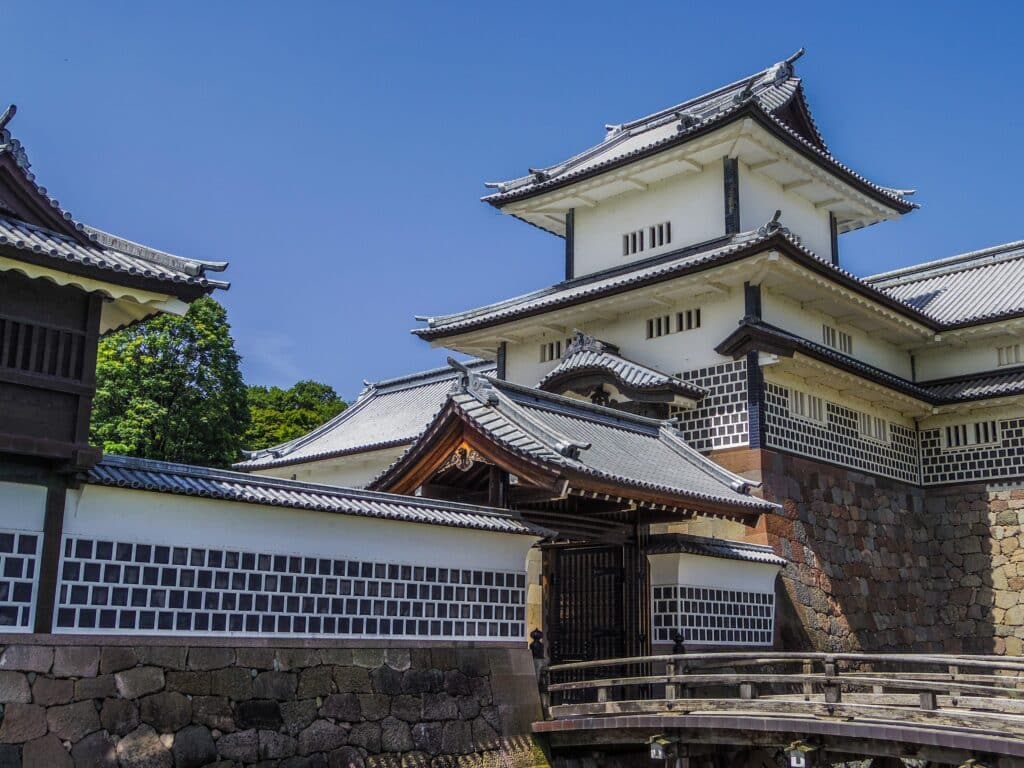
Yes — Kanazawa is one of the best places to visit in Japan for travelers interested in traditional culture, historic districts, gardens, and local food. Often called a less crowded alternative to Kyoto, the city is known for Kenroku-en Garden, preserved samurai and tea house districts, excellent seafood, and a relaxed atmosphere that makes sightseeing easy.
Kanazawa works especially well as a 1–2 day stop between Tokyo, Kyoto, and the Japanese Alps, but it’s also worth visiting as a standalone cultural destination. The city combines traditional architecture, modern museums, walkable neighborhoods, and some of the best seafood in Japan.
How to Choose Your Kanazawa Experience
Kanazawa appeals to different types of travelers depending on what you want most from Japan.
If you’re interested in traditional atmosphere, focus on areas like Higashi Chaya District and the Nagamachi Samurai District, where preserved streets and historic buildings create one of the most authentic city experiences in the country.
Food lovers should spend extra time around Omicho Market and local seafood restaurants, especially if you want to try fresh sushi, kaisen-don, or regional specialties from the Sea of Japan.
Travelers looking for a calmer and less crowded alternative to Kyoto often enjoy Kanazawa even more, especially in the mornings and evenings when the historic districts feel surprisingly peaceful.
Kanazawa is also ideal as a slower stop between Tokyo, Kyoto, Takayama, and Shirakawa-go, working particularly well for 1–2 relaxed days without constant rushing between attractions.
Kanazawa Quick Decision Guide
Kanazawa is compact enough that many of these experiences can be combined without rushing. For most first-time visitors, Kenroku-en, Higashi Chaya, Omicho Market, and Nagamachi create the best overall introduction to the city.
Kanazawa Quick Decision Guide
Not sure where to start? Use this quick guide to choose the best Kanazawa experiences based on your travel style.
Kenroku-en + Higashi Chaya
The best classic introduction to Kanazawa, combining gardens, history, and traditional streets.
Higashi Chaya District
Best for preserved wooden tea houses, atmospheric streets, cafés, and old-town charm.
Nagamachi Samurai District
Walk through former samurai streets with earthen walls, narrow lanes, and historic residences.
Omicho Market
The best place for fresh seafood, sushi, kaisen-don, oysters, and local market atmosphere.
21st Century Museum
A strong choice for contemporary art, minimalist architecture, and a relaxed rainy-day activity.
Kazue-machi
A smaller riverside tea house district that feels especially beautiful in the evening.
Kenroku-en Early Morning
Visit early for softer light, fewer crowds, and one of the most peaceful garden experiences.
Museums + Tea Houses
Kanazawa works surprisingly well in rain, especially with museums, cafés, and historic streets.
Kanazawa is compact enough that most major attractions can be combined efficiently without rushing. Many travelers are surprised by how relaxed and walkable the city feels compared to larger destinations like Tokyo or Osaka.
Kanazawa at a Glance
Kanazawa at a Glance
A quick overview of what makes Kanazawa special and how it fits into a Japan itinerary.
Ishikawa Prefecture
Located on Japan’s west coast in the Hokuriku region.
Gardens, Samurai & Tea Houses
Known for Kenroku-en, historic districts, seafood, and traditional crafts.
1–2 Days
One day covers highlights, while two days gives a much better experience.
Spring & Autumn
Cherry blossoms and autumn colors make the city especially beautiful.
Slow Cultural Travel
Best for travelers who enjoy atmosphere, walking, food, and tradition.
Highly Recommended
Evenings and early mornings are much calmer than daytime hours.
Kanazawa is one of the easiest cultural cities to explore in Japan because many of its main attractions are located relatively close together. Unlike Tokyo or Osaka, the experience here is less about rushing between neighborhoods and more about enjoying the atmosphere between destinations.
Where Is Kanazawa?
Kanazawa is located in Ishikawa Prefecture on Japan’s west coast and is one of the country’s best-preserved cultural cities.
Thanks to the Hokuriku Shinkansen, the city is surprisingly easy to reach from both Tokyo and Kyoto.
Where Is Kanazawa?
Kanazawa is located on Japan’s west coast in Ishikawa Prefecture and is one of the country’s best destinations for traditional culture, gardens, and historic districts.
Hokuriku Region
Kanazawa sits between the Japanese Alps and the Sea of Japan.
Around 2.5 Hours
The Hokuriku Shinkansen connects Tokyo directly with Kanazawa.
Around 2 Hours
Easy access by Limited Express train via Tsuruga.
Culture & Gardens
Famous for Kenroku-en, samurai districts, seafood, and tea houses.
Slow & Walkable
Kanazawa works best at a relaxed pace with plenty of walking.
Tokyo + Kyoto + Kanazawa
One of the easiest cultural additions to a classic Japan itinerary.
Because Kanazawa is compact, walkable, and well-connected, it fits easily into most first-time Japan itineraries. Many travelers combine it with Tokyo, Kyoto, Takayama, or Shirakawa-go.
Kanazawa also fits perfectly into a wider Japan itinerary thanks to the country’s fast and efficient rail network.
Why Visit Kanazawa?
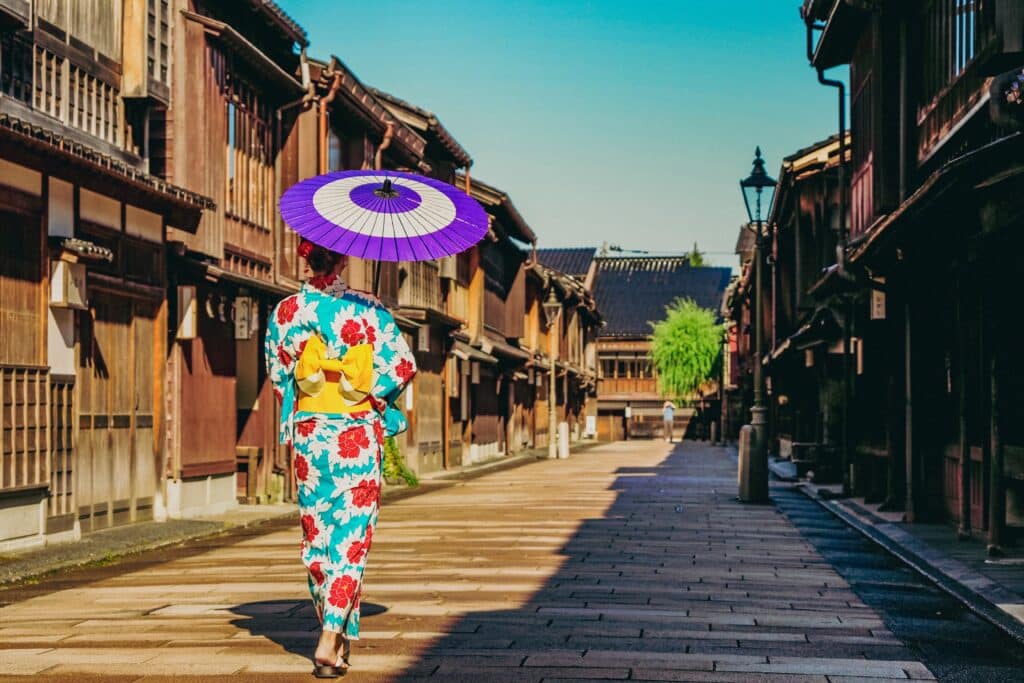
Kanazawa offers one of the best combinations of traditional culture, food, history, and relaxed atmosphere anywhere in Japan.
While Kyoto is larger and more famous, many travelers find Kanazawa easier and more enjoyable to explore because the city feels calmer, less crowded, and far more compact. You can walk through preserved samurai districts, visit centuries-old tea houses, explore beautiful gardens, and enjoy excellent seafood without constantly dealing with heavy tourist congestion.
One of Kanazawa’s biggest strengths is its balance between old and new. Historic neighborhoods like Higashi Chaya and Nagamachi preserve the atmosphere of Edo-period Japan, while places like the 21st Century Museum of Contemporary Art add a modern side to the city.
Kanazawa is also known for craftsmanship and local culture. Gold leaf products, ceramics, lacquerware, and traditional sweets all play an important role in the city’s identity, giving the experience more depth than simple sightseeing alone.
Many travelers are surprised by how relaxing Kanazawa feels compared to Kyoto, especially in the early morning and evening when the historic streets become quiet again.
Whether you visit for gardens, photography, traditional architecture, seafood, or a slower pace of travel, Kanazawa is one of Japan’s most rewarding cultural destinations.
Best Things to Do in Kanazawa
Despite its relatively compact size, Kanazawa offers a surprisingly diverse mix of historic districts, gardens, markets, museums, and cultural experiences. Many of the city’s highlights are located close together, making it possible to explore at a slower and more enjoyable pace than in larger Japanese cities.
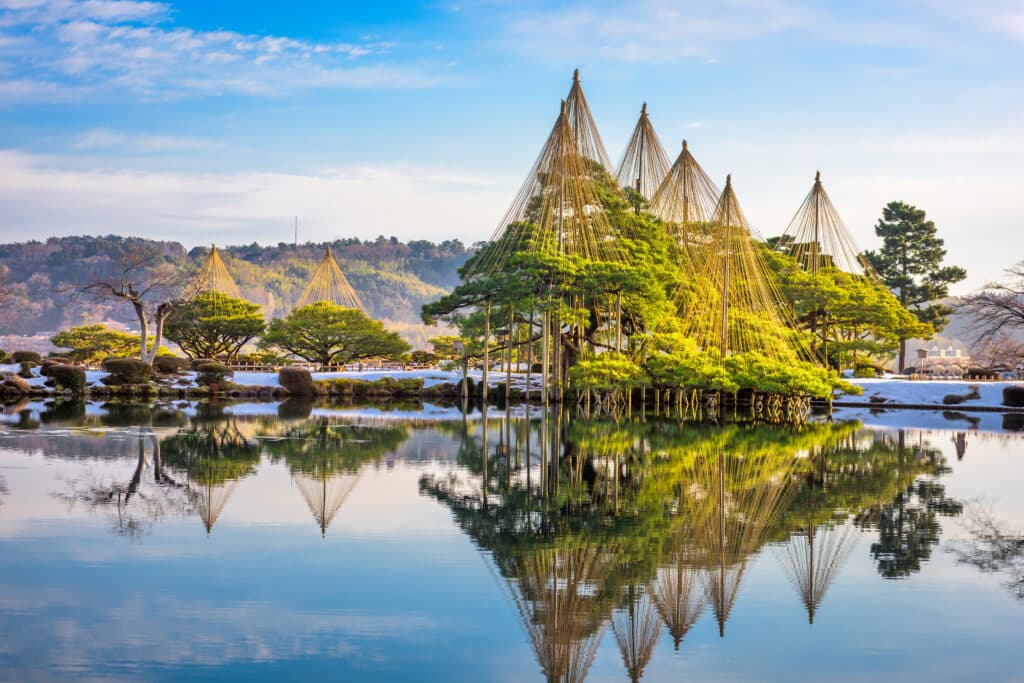
Kenroku-en Garden
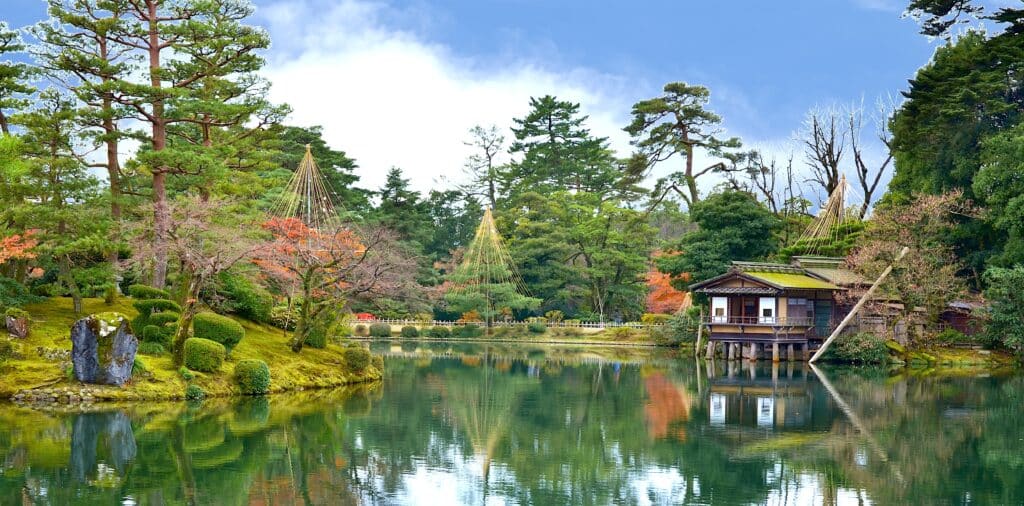
Kenroku-en Garden
Kenroku-en is considered one of the three most beautiful traditional gardens in Japan and is easily Kanazawa’s most famous attraction.
The garden is known for its seasonal beauty, stone lanterns, ponds, tea houses, and carefully designed walking paths that change dramatically throughout the year.
Kanazawa Castle
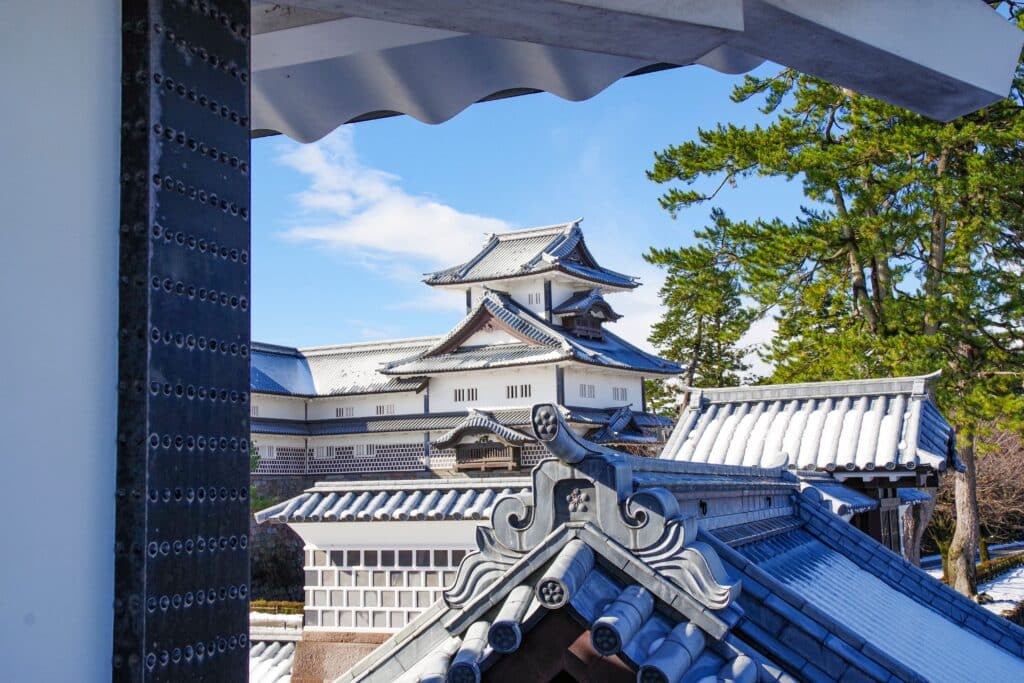
Kanazawa Castle
Located directly next to Kenroku-en, Kanazawa Castle was once the seat of the powerful Maeda Clan.
Although much of the original structure was lost over time, several gates, walls, and warehouses have been reconstructed beautifully. The large grounds are ideal for walking and pair naturally with a visit to the garden.
Higashi Chaya District
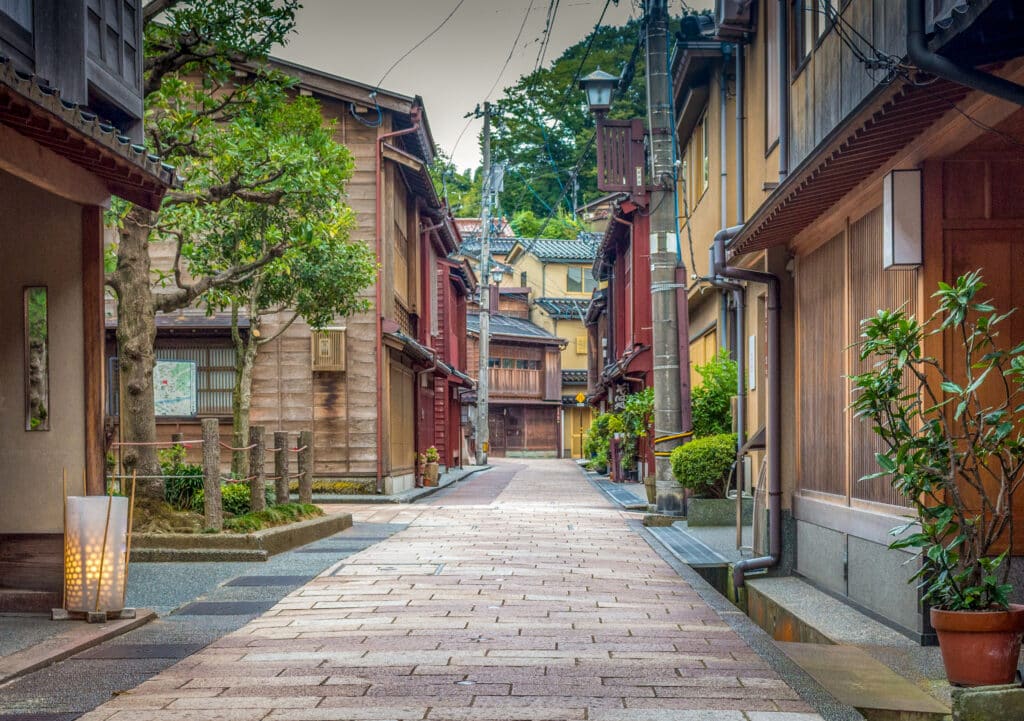
Higashi Chaya District
Higashi Chaya is Kanazawa’s most famous historic district and one of the best-preserved tea house areas in Japan.
The neighborhood is filled with narrow streets, wooden buildings, cafés, gold leaf shops, traditional sweets, and small museums.
Omicho Market
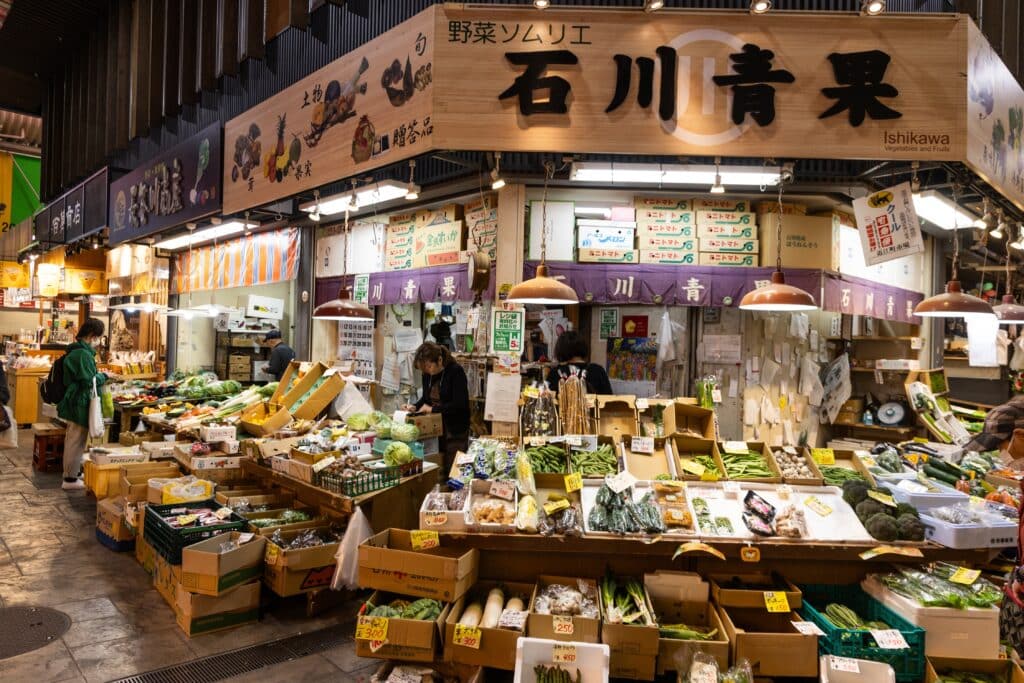
Omicho Market
Omicho Market is Kanazawa’s main seafood market and one of the best places in Japan to try fresh seafood from the Sea of Japan.
Popular dishes include sushi, kaisen-don, oysters, crab, and nodoguro (blackthroat seaperch).
Nagamachi Samurai District
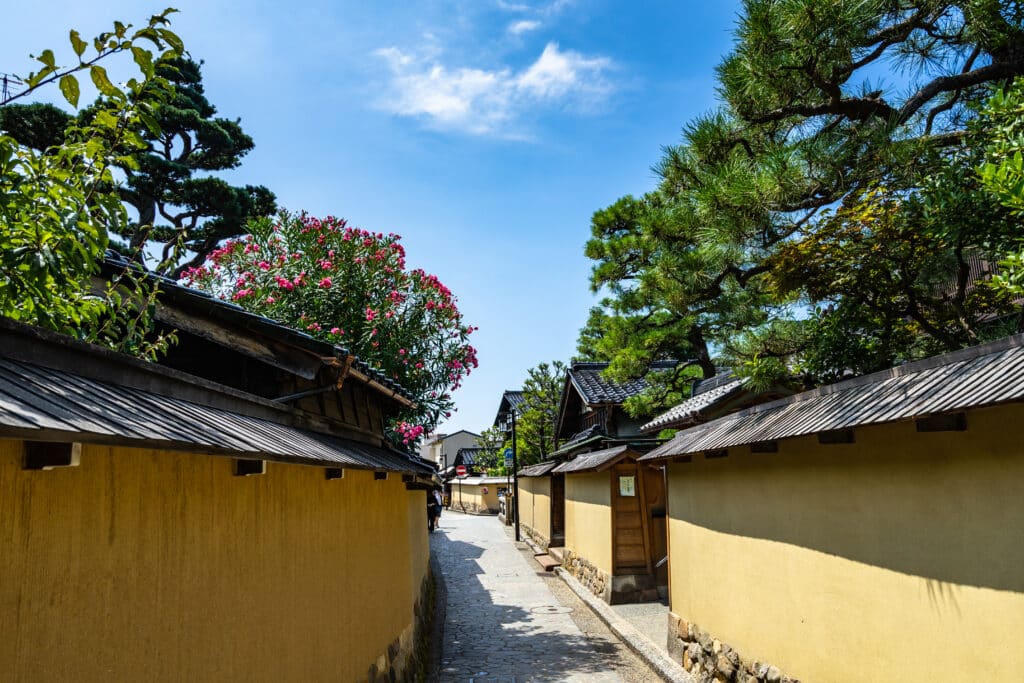
Nagamachi Samurai District
The Nagamachi district preserves the atmosphere of Kanazawa’s former samurai quarter.
Stone paths, narrow alleys, earthen walls, and restored residences make this one of the city’s most atmospheric walking areas.
21st Century Museum of Contemporary Art
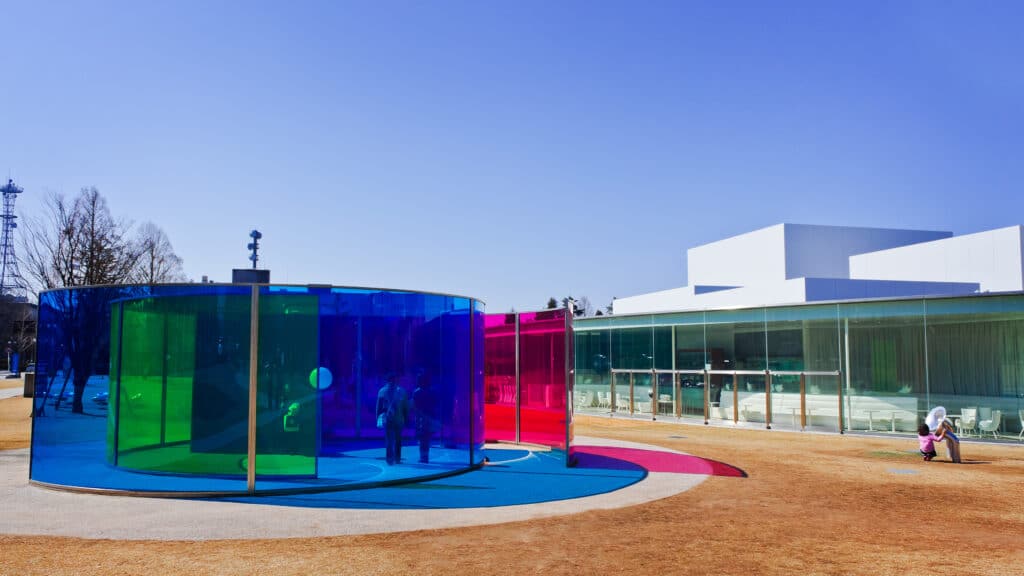
21st Century Museum of Art
This modern art museum adds a completely different side to Kanazawa.
Known for its minimalist architecture and interactive installations, the museum attracts both art lovers and casual visitors.
Kazue-machi Chaya District
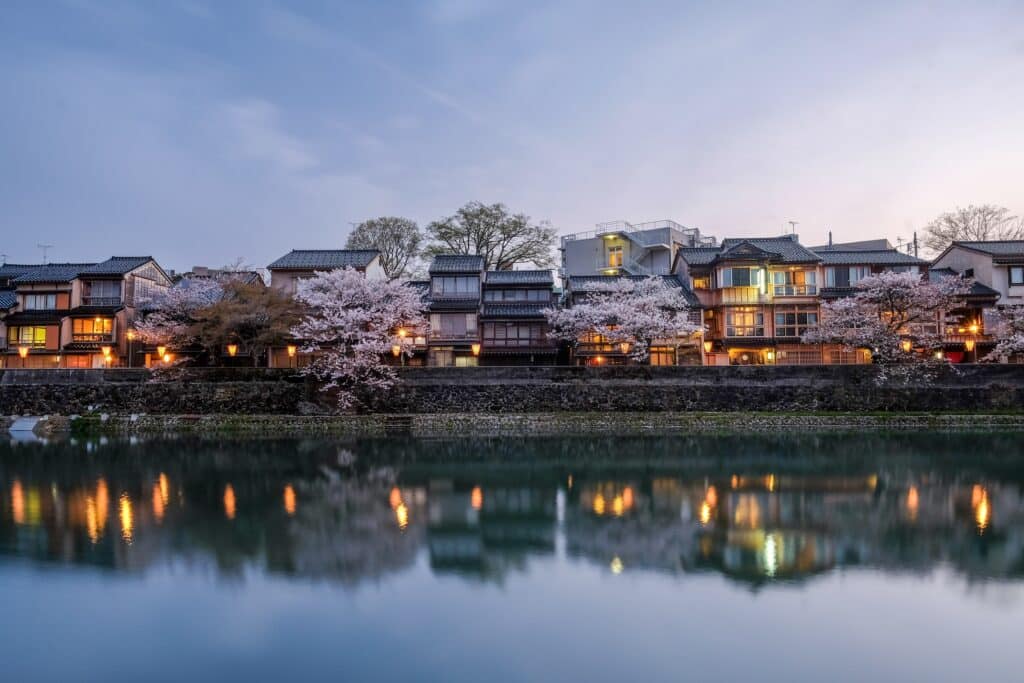
Kazue-machi Chaya District
Smaller and quieter than Higashi Chaya, Kazue-machi offers a more intimate atmosphere along the river.
The district becomes especially beautiful in the evening when lanterns begin to glow and restaurants open for dinner service.
DT Suzuki Museum
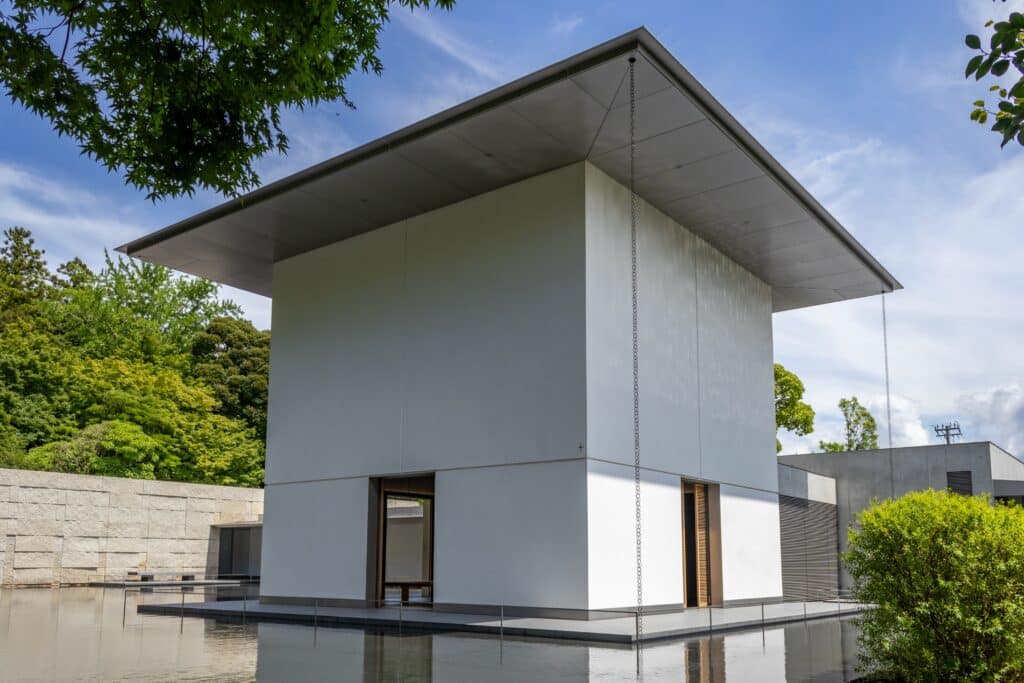
DT Suzuki Museum
Dedicated to Buddhist philosopher D.T. Suzuki, this museum focuses more on atmosphere and reflection than traditional exhibits.
Minimalist architecture, water features, and quiet spaces create one of the city’s most peaceful experiences.
Oyama Shrine

Oyama Shrine
Oyama Shrine is one of Kanazawa’s most unique religious sites thanks to its unusual entrance gate that combines Japanese, Chinese, and European architectural influences.
The shrine grounds are relatively calm and easy to visit while exploring nearby attractions.
Kanazawa Station
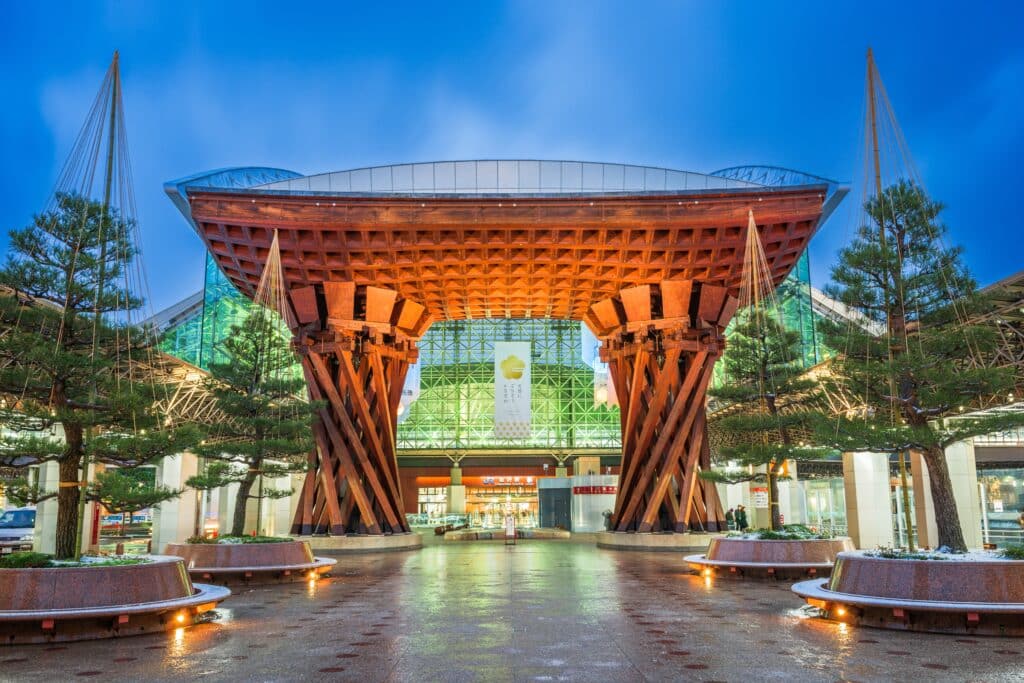
Kanazawa Station
Kanazawa Station is often considered one of the most beautiful train stations in Japan.
The massive wooden Tsuzumi Gate and modern glass architecture create a surprisingly impressive entrance to the city.
Kanazawa Tourist Map
Many of Kanazawa’s main attractions are located surprisingly close together, making the city much easier to explore than most first-time visitors expect. Use this map to understand how the historic districts, gardens, museums, and food areas connect across the city.
For most travelers, the best experience comes from combining Kanazawa’s major sights with slower walks through smaller streets, cafés, and historic neighborhoods between attractions.
Best Areas to Stay in Kanazawa
Kanazawa is much more compact than cities like Tokyo or Osaka, but choosing the right area still shapes your overall experience. Some neighborhoods are better for transport convenience, while others offer a quieter and more traditional atmosphere.
For most travelers, staying somewhere walkable between Kanazawa Station, Korinbo, and the historic districts provides the best balance.
Best Areas to Stay in Kanazawa
Kanazawa is compact and easy to navigate, but each neighborhood offers a very different atmosphere and travel style.
Korinbo
Best balance of restaurants, walkability, shopping, and access to major attractions.
Kanazawa Station
Perfect for short stays, transport connections, and easy arrival logistics.
Higashi Chaya Area
Historic streets, tea houses, and a quieter atmosphere early morning and evening.
Katamachi
Good choice for bars, izakaya, and a more energetic evening atmosphere.
Historic Districts
Traditional stays with a more immersive cultural atmosphere.
Korinbo or Station Area
Both offer easy sightseeing access without overcomplicating logistics.
Korinbo
Korinbo is the best overall area for most travelers visiting Kanazawa. The neighborhood sits between the station and the city’s main attractions, making it easy to explore on foot or by short bus rides.
You’ll find plenty of restaurants, cafés, shopping streets, and hotels while still staying relatively close to Kenroku-en, Kanazawa Castle, and the samurai district.
The area feels especially convenient in the evening when returning from sightseeing.
Kanazawa Station Area
Staying near Kanazawa Station is the easiest option for short visits and travelers arriving by Shinkansen. Hotels here are modern, practical, and well connected to buses and day trips.
While the station area feels less traditional than other parts of the city, it works very well if you prioritize convenience and transport efficiency.
This is also the best base for early departures toward Takayama or Shirakawa-go.
Higashi Chaya Area
The Higashi Chaya area offers the most traditional atmosphere in Kanazawa. Historic wooden buildings, tea houses, and quieter evening streets create a far more immersive experience than staying near the station.
Accommodation options are more limited and usually smaller, but the atmosphere is much more memorable.
Early mornings here feel especially peaceful before day visitors arrive.
Katamachi
Katamachi is Kanazawa’s nightlife and dining district. The area is filled with izakaya, bars, restaurants, and casual local nightlife.
It’s a good option for travelers who want more evening energy while still staying close to major attractions.
The atmosphere feels more local and less tourist-focused compared to the historic districts.
For most first-time visitors, Korinbo offers the best balance overall. But if atmosphere matters more than convenience, staying near Higashi Chaya or the historic districts creates a far more memorable Kanazawa experience.
What to Eat in Kanazawa
Kanazawa is one of Japan’s best food cities, especially for seafood from the Sea of Japan. From fresh sushi and crab to traditional local dishes, the city offers a mix of high-end dining and casual market food experiences.
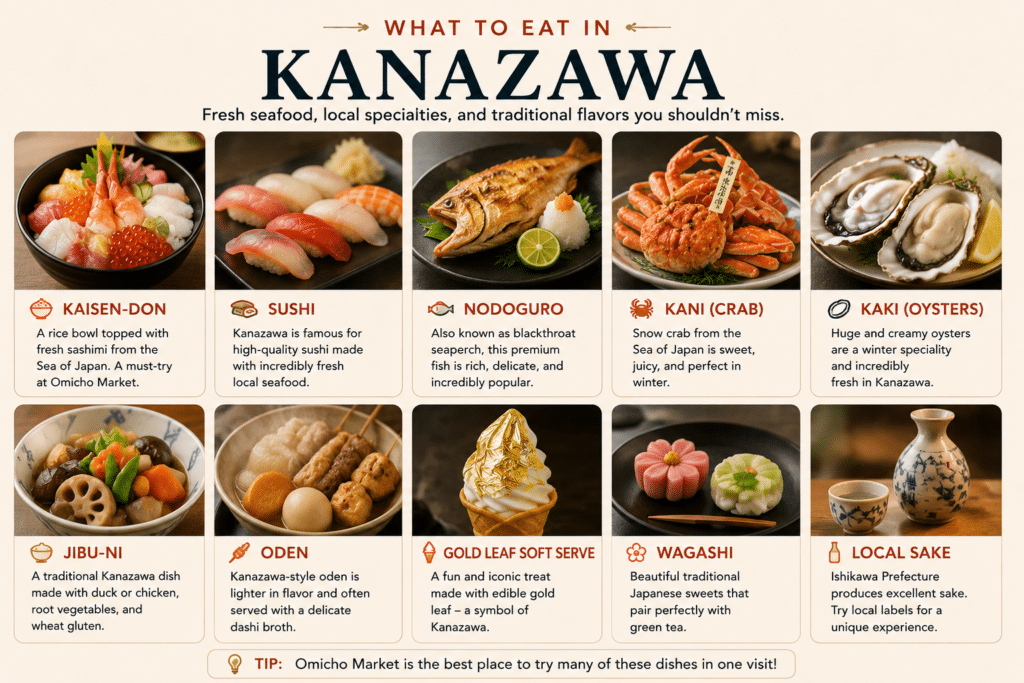
Omicho Market is the easiest place to sample several local specialties in one visit, but excellent seafood restaurants and traditional eateries are spread throughout the city.
Fresh Sushi
Kanazawa is widely considered one of the best sushi destinations in Japan outside of Tokyo.
Seafood arrives fresh from nearby fishing ports, and many restaurants offer excellent quality at prices that are often lower than major tourist cities.
Small local sushi restaurants frequently provide better experiences than large chain restaurants.
Kaisen-don
Kaisen-don is a seafood rice bowl topped with fresh fish, crab, shrimp, roe, and seasonal ingredients.
Omicho Market is the most popular place to try it, although many restaurants throughout the city also serve excellent versions.
Arriving before lunchtime crowds usually creates a much better experience.
Nodoguro (Blackthroat Seaperch)
Nodoguro is one of Kanazawa’s most famous regional seafood specialties.
Known for its rich flavor and soft texture, the fish is often grilled or served as sushi. It’s more expensive than standard fish dishes but widely considered worth trying at least once.
Crab
Winter crab season is a major attraction in Kanazawa, especially from November to February.
Snow crab from the Sea of Japan is considered a regional delicacy and appears in many seafood restaurants during colder months.
Winter is actually one of the best food seasons to visit Kanazawa.
Gold Leaf Ice Cream
Kanazawa produces most of Japan’s gold leaf, and gold-covered soft serve ice cream has become one of the city’s most recognizable snacks.
While it’s partly a tourist experience, it’s still fun to try once while exploring Higashi Chaya District.
Jibuni
Jibuni is a traditional Kanazawa dish made with duck or chicken in a thick broth served alongside vegetables.
Compared to sushi and seafood, it’s less internationally known but offers a more local and traditional side of Kanazawa cuisine.
Japanese Curry
Kanazawa-style curry is darker, thicker, and richer than many other Japanese curry styles.
Local curry chains and specialty restaurants serve hearty versions often topped with fried pork cutlets.
It’s an easy and affordable meal option between sightseeing stops.
Traditional Japanese Sweets
Kanazawa is also known for wagashi (traditional Japanese sweets), many of which pair well with matcha tea.
Small tea houses and cafés around Higashi Chaya are excellent places to try them in a more traditional setting.
Food Experiences Worth Prioritizing in Kanazawa
Kanazawa isn’t just about individual dishes — the city is best experienced through its food atmosphere, seasonal specialties, and slower dining culture. Some of the most memorable moments happen inside small restaurants, traditional tea houses, and local markets rather than famous tourist spots.
Food Experiences Worth Prioritizing in Kanazawa
Beyond famous dishes, Kanazawa offers some of Japan’s most atmospheric and memorable food experiences.
Seafood Breakfast at Omicho Market
Arrive early for fresh kaisen-don, sushi, oysters, and a quieter local atmosphere.
Kaiseki Dining
Seasonal multi-course meals highlight Kanazawa’s refined food culture and presentation.
Tea & Wagashi in Higashi Chaya
Traditional sweets and matcha tea fit perfectly with the atmosphere of the historic tea house district.
Local Izakaya Dinner
Small izakaya restaurants offer seafood, sake, and a more local evening experience.
Gold Leaf Ice Cream
Kanazawa is famous for gold leaf products, including the city’s iconic gold-covered desserts.
Snow Crab Dinner
Winter is the best season for premium crab from the Sea of Japan.
One of the best things about Kanazawa’s food scene is that it rarely feels rushed. Compared to larger Japanese cities, meals here often feel slower, quieter, and more connected to seasonal ingredients and local traditions.
Best Time to Visit Kanazawa
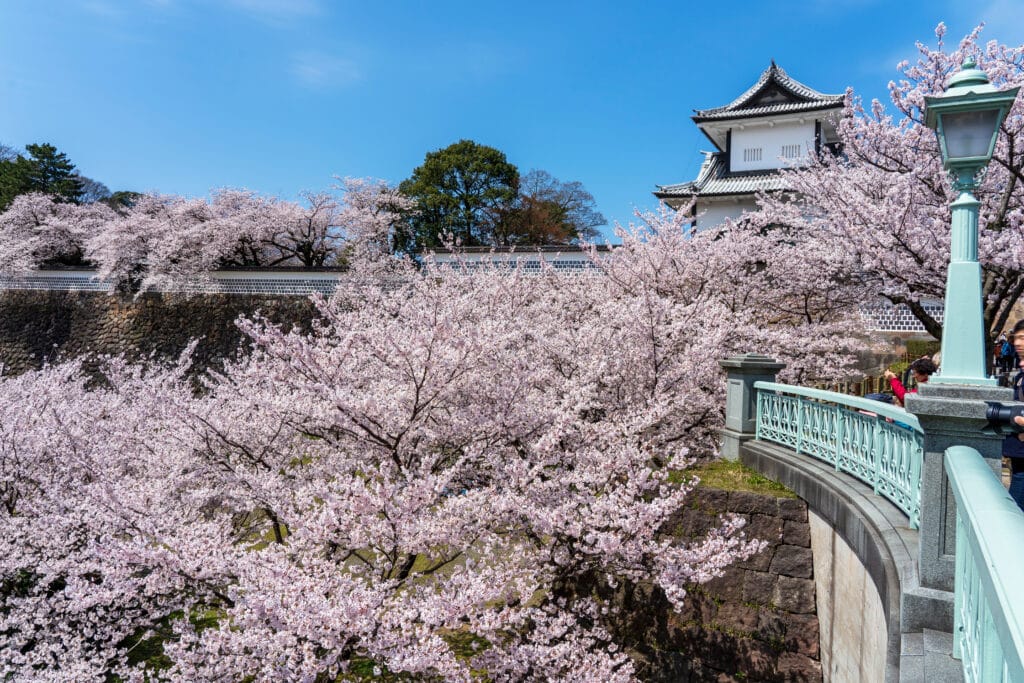
Best Time to Visit Kanazawa
Kanazawa can be visited year-round, but each season creates a very different atmosphere — from cherry blossoms and autumn colors to snowy winter streets and seasonal seafood.
Cherry Blossom Season
Best for gardens, mild temperatures, and beautiful sakura scenery around Kenroku-en and Kanazawa Castle.
Festivals & Green Landscapes
Warm and humid, but lively with festivals, fresh greenery, and quieter tourism periods.
Best Overall Season
Cooler temperatures and colorful foliage make autumn one of the most photogenic times to visit.
Snow & Seafood
Snow-covered historic districts and seasonal crab create one of Kanazawa’s most atmospheric experiences.
Autumn & Winter
Both seasons create dramatic scenery, softer light, and a more atmospheric city feel.
April & November
Excellent balance of scenery, weather, atmosphere, and sightseeing conditions.
For most travelers, spring and autumn offer the best overall balance of weather and scenery. Winter is also highly recommended if you enjoy snow landscapes, seasonal seafood, and a quieter atmosphere.
One Day in Kanazawa
One Day in Kanazawa
If you only have one day in Kanazawa, focus on the city’s historic districts, gardens, and seafood culture while keeping the route relaxed and walkable.
Kenroku-en & Kanazawa Castle
Start early at Kenroku-en Garden before crowds arrive, then continue directly into Kanazawa Castle next door.
Omicho Market
Enjoy fresh sushi or kaisen-don for brunch while the market atmosphere is still lively.
Nagamachi Samurai District
Explore Kanazawa’s historic samurai quarter slowly and take time for side streets and cafés.
Museum or Tea House
Choose between the 21st Century Museum, DT Suzuki Museum, or a traditional tea house break.
Higashi Chaya District
Return near sunset when the historic streets become quieter and more atmospheric.
Seafood or Izakaya Experience
Finish the day with fresh seafood, local sake, or a relaxed izakaya dinner.
One day is enough to experience Kanazawa’s major highlights, but staying overnight allows you to enjoy the city’s calmer evening atmosphere and slower pace much more fully.
Two Days in Kanazawa
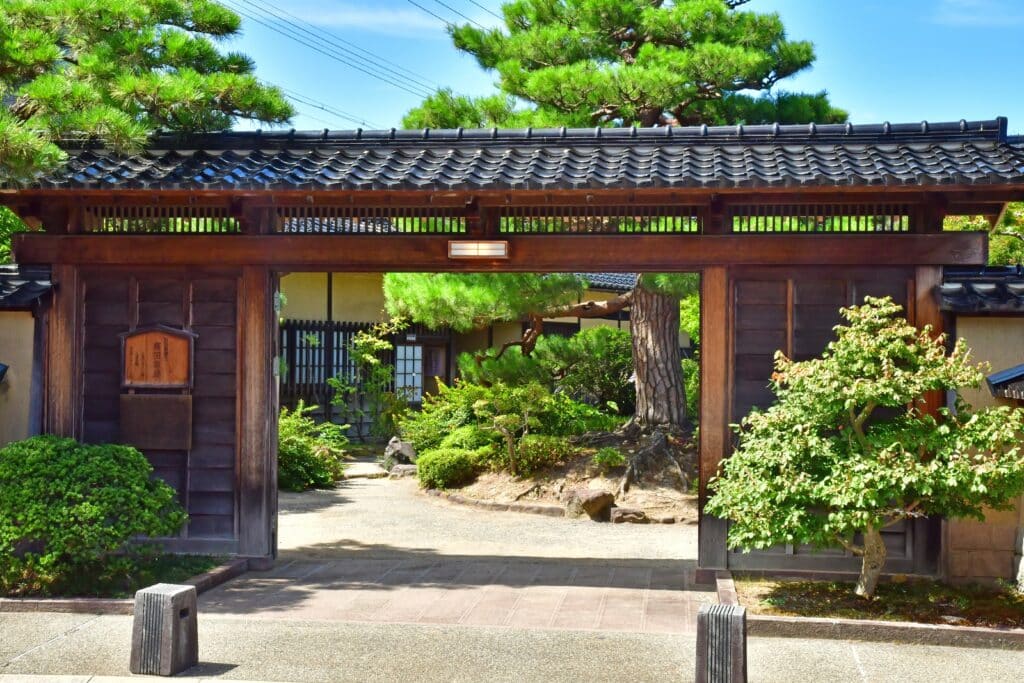
Two Days in Kanazawa
Two days is the perfect amount of time to experience Kanazawa at a relaxed pace while still seeing the city’s major highlights, food spots, and historic districts.
Classic Kanazawa Highlights
Start early at Kenroku-en Garden before crowds arrive, then continue directly into the castle grounds next door.
Try fresh sushi, oysters, or kaisen-don while the market atmosphere is still lively.
Explore stone alleys, samurai residences, and quieter side streets at a slower pace.
Return near sunset when the tea house district becomes calmer and more atmospheric.
Culture, Cafés & Slower Exploration
Start slower with one of Kanazawa’s calmest cultural spaces or a relaxed coffee break.
Explore modern art installations and minimalist architecture in one of Japan’s most accessible museums.
Explore smaller streets around Korinbo, traditional sweet shops, and local craft stores.
Finish the trip with seasonal seafood, sake, or a relaxed izakaya experience.
Two days is the ideal amount of time for most travelers visiting Kanazawa.
It allows you to see the major attractions at a relaxed pace while still leaving time for cafés, museums, traditional neighborhoods, and local food experiences. Compared to a rushed day trip, staying longer makes the city feel significantly more atmospheric and enjoyable.
Best Day Trips from Kanazawa
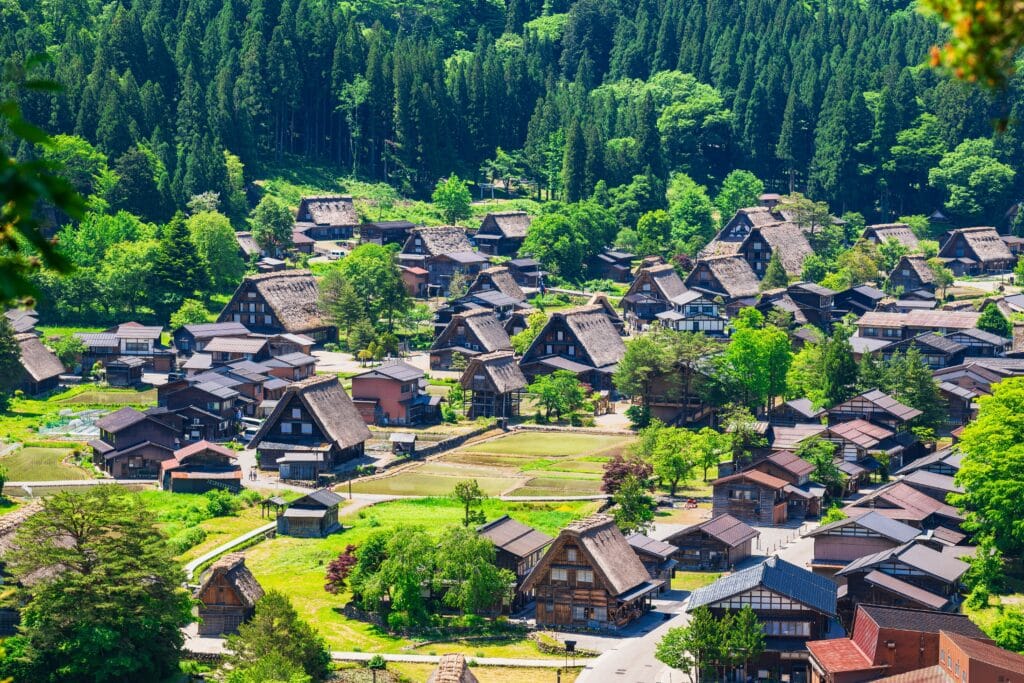
Shirakawa-go
The most popular day trip from Kanazawa, famous for traditional thatched-roof farmhouses and mountain scenery.
Takayama
A beautifully preserved mountain town known for old streets, local markets, and slower traditional atmosphere.
Kaga Onsen
Perfect for ryokan stays, hot spring baths, and a more relaxing traditional experience.
Noto Peninsula
One of the best areas near Kanazawa for coastal scenery, seafood, and slower rural travel.
Shirakawa-go is usually the best first day trip from Kanazawa, while Kaga Onsen works especially well if you want a slower and more relaxing experience.
Travel Tips for Kanazawa
Travel Tips for Kanazawa
Kanazawa is easier to explore than most major Japanese cities, but a few small planning decisions can make the experience significantly more enjoyable.
Start Sightseeing Early
Historic districts and gardens feel dramatically quieter and more atmospheric in the morning.
Stay Overnight
Kanazawa becomes much more enjoyable in the evening and early morning after day-trip crowds leave.
Walk More Than You Expect
Many major attractions are surprisingly close together and easier to combine on foot.
Expect Some Rain
Rainy weather is common, but it often makes Kanazawa’s historic streets feel even more atmospheric.
Visit Omicho Earlier
Many seafood stalls and restaurants close surprisingly early in the afternoon.
Don’t Overplan the City
Some of Kanazawa’s best moments happen while wandering side streets, cafés, and quieter neighborhoods.
Compared to larger Japanese cities, Kanazawa rewards slower travel far more than fast sightseeing schedules.
What to Skip in Kanazawa
Visiting Kenroku-en at Midday
Midday is usually the busiest and least atmospheric time to experience Kanazawa’s most famous garden.
Only Visiting Kanazawa as a Quick Day Trip
Many travelers underestimate how much better the city feels in the evening and early morning.
Rushing Between Too Many Attractions
Kanazawa works best slowly. Trying to “check off” everything too quickly reduces what makes the city special.
Ignoring Rainy Weather
Many travelers worry about rain, even though Kanazawa often becomes more atmospheric during wet conditions.
Eating at the First Busy Market Stall
Omicho Market has many excellent options, but prices and quality can vary depending on the restaurant.
Only Staying Near Kanazawa Station
The station area is convenient, but it lacks much of the atmosphere that makes Kanazawa memorable.
Kanazawa is one of those cities that becomes significantly more rewarding once you slow down and focus less on rushing between landmarks.
Insider Tips for Visiting Kanazawa
Small timing and planning decisions can completely change your Kanazawa experience. These are the insider tips that make the city feel calmer, more atmospheric, and far less rushed.
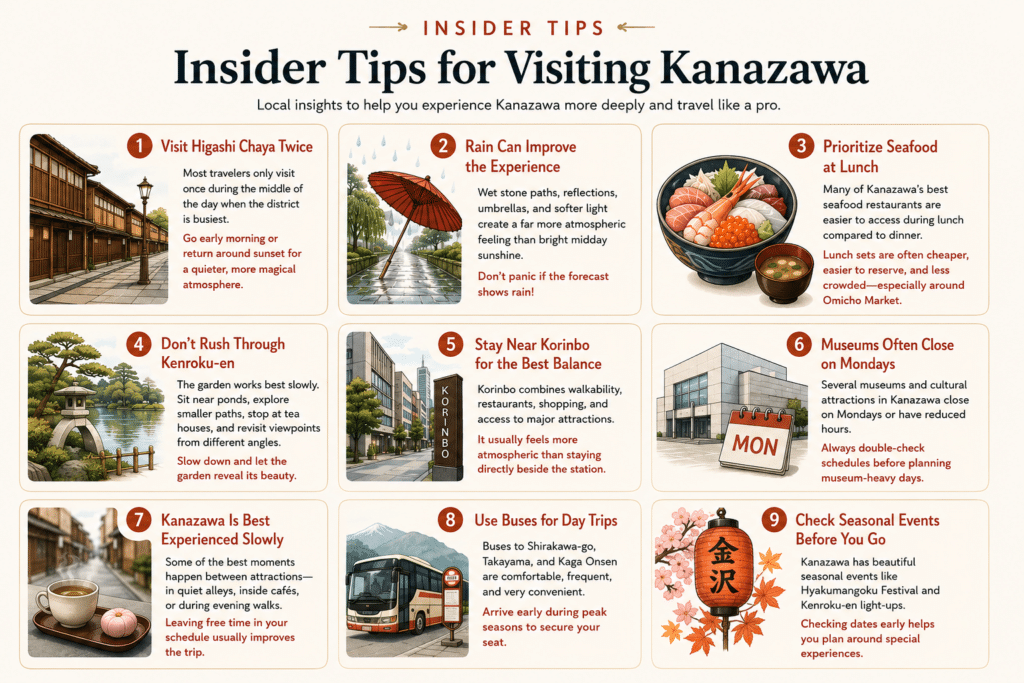
One of the biggest mistakes travelers make in Kanazawa is treating it like a checklist destination. The city works best when you leave time for slower walks, cafés, smaller streets, and evenings after the daytime crowds disappear.
Final Thoughts
Kanazawa is one of those cities that often exceeds expectations quietly rather than dramatically.
At first glance, the city may seem smaller and less famous than places like Tokyo, Kyoto, or Osaka. But that slower pace is exactly what makes Kanazawa so rewarding. Instead of rushing between massive attractions, the experience here is built around atmosphere — walking through preserved streets, discovering small cafés, enjoying incredible seafood, and appreciating details that many larger cities no longer have.
For many travelers, Kanazawa becomes the place where Japan feels most balanced:
- traditional but not overwhelming,
- touristic but still authentic,
- cultural without feeling exhausting.
The city also fits surprisingly well into almost any Japan itinerary, whether you visit for one relaxed night between Tokyo and Kyoto or stay longer to explore nearby mountain towns, onsen areas, and coastal scenery.
If you enjoy slower travel, traditional neighborhoods, gardens, local food, and cities that reward wandering rather than strict planning, Kanazawa is absolutely worth visiting.
FAQ
Is Kanazawa worth visiting?
Yes — Kanazawa is one of Japan’s best cultural cities for travelers interested in traditional districts, gardens, seafood, and a calmer atmosphere than Kyoto or Tokyo. The city combines historic neighborhoods, modern museums, and excellent local food in a very walkable setting.
How many days do you need in Kanazawa?
Most travelers should spend 1–2 days in Kanazawa.
One day is enough for the major highlights, but staying overnight creates a much more relaxed experience and allows you to enjoy quieter mornings and evenings in the historic districts.
Is Kanazawa better than Kyoto?
Kanazawa and Kyoto offer different experiences.
Kyoto has more temples and famous landmarks, while Kanazawa feels calmer, more compact, and generally less crowded. Many travelers prefer Kanazawa for a slower and more relaxed cultural experience.
What is Kanazawa famous for?
Kanazawa is famous for:
- Kenroku-en Garden
- historic tea house districts
- samurai neighborhoods
- fresh seafood
- gold leaf craftsmanship
- traditional culture
The city is also known for combining historic atmosphere with modern art and architecture.
Can you visit Kanazawa as a day trip?
Yes, but staying overnight is highly recommended.
A day trip allows you to see the main attractions, but the city becomes much more enjoyable early in the morning and evening after daytime crowds leave.
Is Kanazawa walkable?
Yes — Kanazawa is one of Japan’s most walkable cultural cities.
Many major attractions are located relatively close together, especially around Kenroku-en, Omicho Market, Nagamachi, and Higashi Chaya District.
What food is Kanazawa known for?
Kanazawa is especially known for:
- fresh sushi
- kaisen-don
- crab
- nodoguro fish
- gold leaf ice cream
- traditional Japanese sweets
Seafood from the Sea of Japan is considered one of the city’s biggest highlights.
When is the best time to visit Kanazawa?
Spring and autumn are generally considered the best seasons thanks to cherry blossoms and autumn foliage.
Winter is also highly recommended for snow scenery and seasonal seafood, especially crab.