
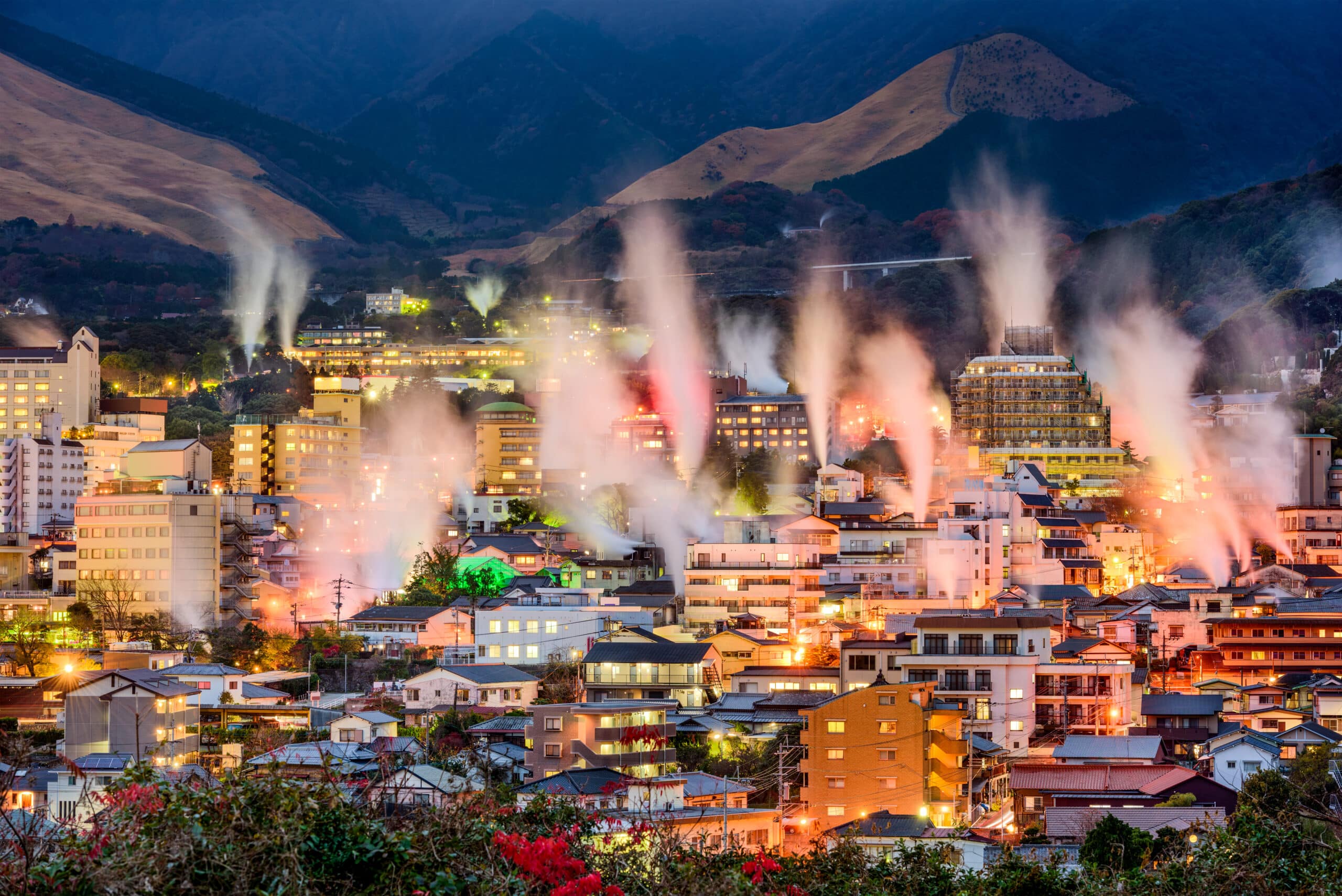
There are few travel experiences in Japan as timeless and restorative as staying in an onsen town. Imagine stepping out of a traditional ryokan in a cotton yukata, wandering lantern-lit streets as steam drifts through the cold mountain air, and soaking in a mineral-rich outdoor bath while snow falls silently around you. Across Japan, onsen towns combine natural hot springs with centuries of culture, local cuisine, and deeply rooted hospitality traditions.
Unlike modern city spas, Japan’s onsen towns are destinations built around the hot spring experience itself. Many have existed for hundreds — sometimes thousands — of years, serving travelers, samurai, monks, and locals seeking healing waters and peaceful escapes. Today, they remain some of the best places in Japan to slow down and experience traditional Japanese culture.
For many travelers, an overnight stay in an onsen town becomes one of the most memorable parts of an entire Japan trip — not because of sightseeing, but because of the atmosphere, quietness, and rhythm of the experience itself.
From famous resorts like Kusatsu Onsen and Hakone to atmospheric hidden villages tucked deep in the mountains, every onsen town has its own personality. Some are known for luxurious ryokan and private baths, while others are beloved for nostalgic streets, volcanic scenery, or outdoor rotenburo surrounded by snow.
In this guide, you’ll discover the best onsen towns in Japan for every type of traveler — whether you’re planning a romantic getaway, a luxury ryokan stay, a winter adventure, or your very first Japanese hot spring experience.
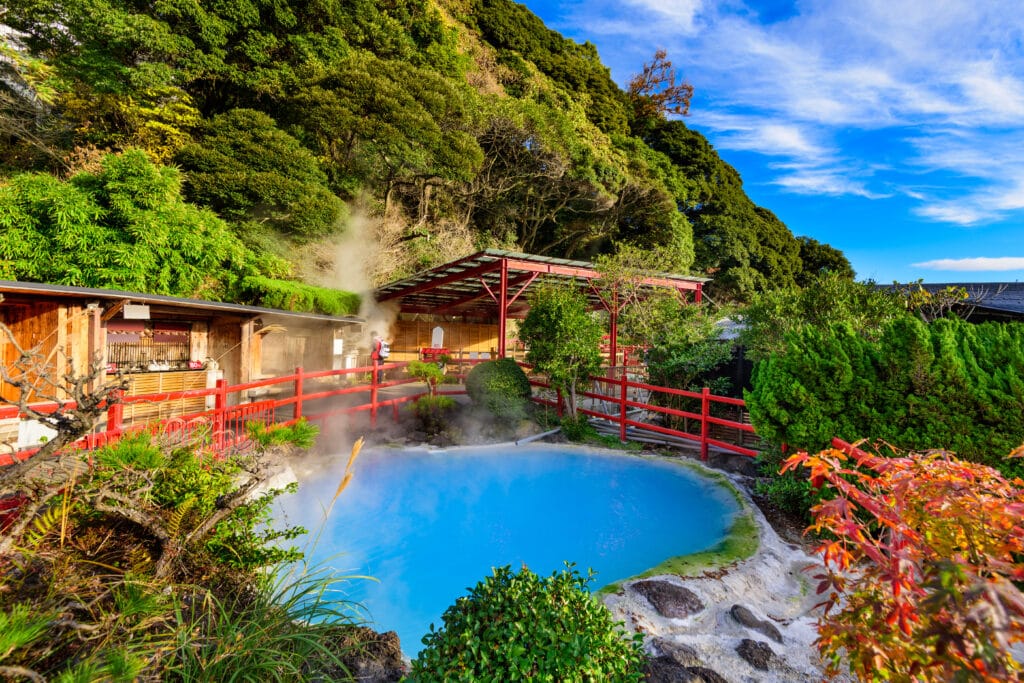
Table of Contents
Which Onsen Town Fits Your Travel Style?
Not every onsen town in Japan offers the same experience. Some are best for snowy winter scenery, others focus on luxury ryokan, while some are ideal for first-time visitors or hidden countryside escapes.
Use this quick comparison guide to find the onsen town that best matches your travel style.
Travel Style Guide
Which Onsen Town Fits Your Travel Style?
Japan’s onsen towns all feel different — some are luxurious, others nostalgic, remote, or perfect for winter scenery.
First-Time Onsen Experience
Hakone is the easiest and most balanced option thanks to its Tokyo access, luxury ryokan, sightseeing, and beginner-friendly atmosphere.
Best Winter Atmosphere
Ginzan Onsen offers Japan’s most iconic snowy onsen scenery with lantern-lit streets, historic ryokan, and magical winter views.
Best Luxury Ryokan Stay
Hakone and Arima Onsen are ideal for premium ryokan experiences, private baths, and refined kaiseki dining.
Best Hidden Gem
Kurokawa Onsen delivers a peaceful countryside atmosphere with rustic rotenburo baths surrounded by forests and rivers.
Best for Couples
Yufuin combines boutique ryokan, mountain scenery, and private outdoor baths perfect for romantic getaways.
Best for Bath Hopping
Kinosaki Onsen is famous for its seven traditional bathhouses and relaxed yukata culture.
Best Near Tokyo
Hakone and Atami are the most convenient onsen escapes from Tokyo for overnight trips.
Best Unique Onsen Experience
Beppu stands out with geothermal steam vents, sand baths, mud baths, and colorful hot spring “hells.”
How to Choose the Right Onsen Town in Japan
Not every onsen town in Japan offers the same experience, and choosing the right one can make a big difference in your trip. Some destinations focus on luxury ryokan and private baths, while others are known for snowy winter scenery, historic streets, or relaxing countryside atmosphere.
Many first-time visitors initially focus only on the baths themselves, but the overall atmosphere of the town often becomes just as memorable as the onsen experience.
If it’s your first onsen experience, places like Hakone or Kinosaki Onsen are usually the easiest and most beginner-friendly options. Travelers looking for dramatic winter scenery often prefer Ginzan Onsen or Noboribetsu, while couples may enjoy quieter towns like Yufuin or Kurokawa Onsen.
It’s also worth thinking about location and travel style. Some onsen towns work well as overnight trips from Tokyo or Osaka, while others are remote mountain destinations best enjoyed over multiple days.
The guide below helps you quickly compare Japan’s best onsen towns based on atmosphere, season, accessibility, and travel style.
Explore Japan’s Best Onsen Towns on the Map
Japan’s most famous onsen towns are spread across the country — from snowy mountain villages in Hokkaido to luxury hot spring resorts near Tokyo and traditional bath towns hidden deep in Kyushu. This map helps you compare locations and understand which onsen destinations fit best into your Japan itinerary.
Whether you’re looking for a romantic ryokan stay, a winter rotenburo experience, or an easy overnight escape from Tokyo or Osaka, this map gives a quick overview of where Japan’s best hot spring towns are located. Many travelers combine one or two onsen towns with major cities like Tokyo, Kyoto, or Osaka for a more balanced Japan itinerary.
Best Onsen Towns in Japan
Japan’s best onsen towns all offer something slightly different. Some are famous for snowy outdoor baths and mountain scenery, while others focus on luxury ryokan, historic bathhouses, or relaxing countryside atmosphere.
The destinations below are widely considered among the best onsen towns in Japan for first-time visitors, couples, winter travel, and traditional hot spring experiences.
Main Destinations
Japan’s Most Famous Onsen Towns
These iconic onsen towns combine traditional Japanese atmosphere, natural hot springs, scenic surroundings, and unforgettable ryokan experiences.
Kusatsu Onsen
One of Japan’s most iconic hot spring towns, famous for sulfur-rich waters, steaming streets, and the dramatic Yubatake hot water field.
Kinosaki Onsen
A charming canal town known for yukata walks, traditional ryokan, and seven historic public bathhouses.
Ginzan Onsen
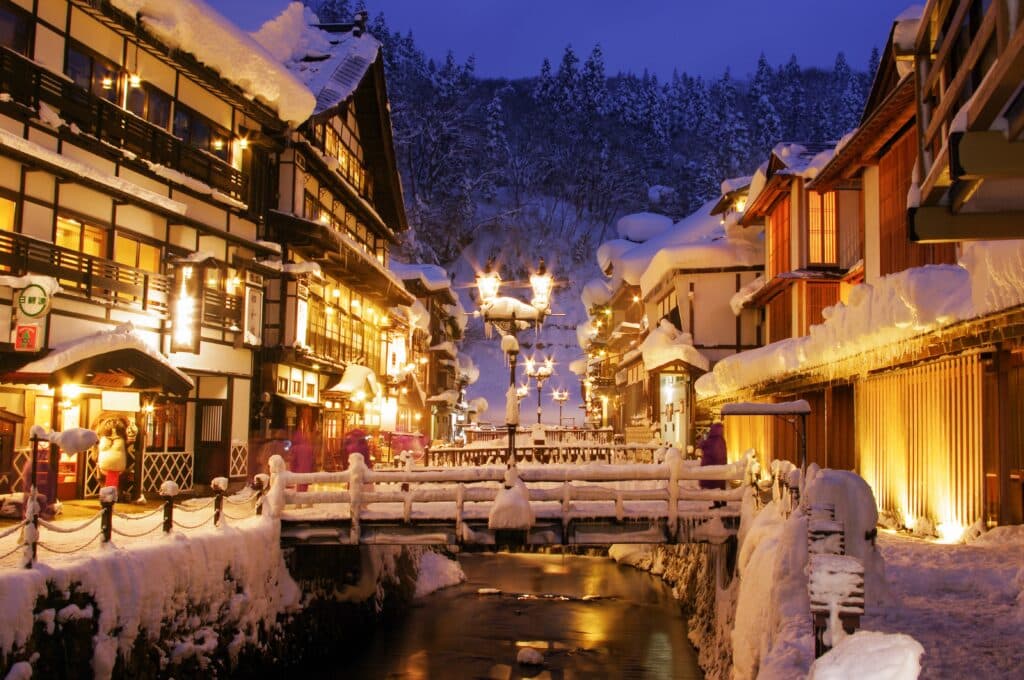
Famous for snowy winter scenery, lantern-lit streets, and nostalgic Taisho-era wooden ryokan.
Hakone
Japan’s most popular onsen getaway from Tokyo with luxury ryokan, mountain scenery, museums, and Mount Fuji views.
Beppu
A geothermal hot spring city known for colorful steam vents, sand baths, mud baths, and unique onsen experiences.
Noboribetsu Onsen
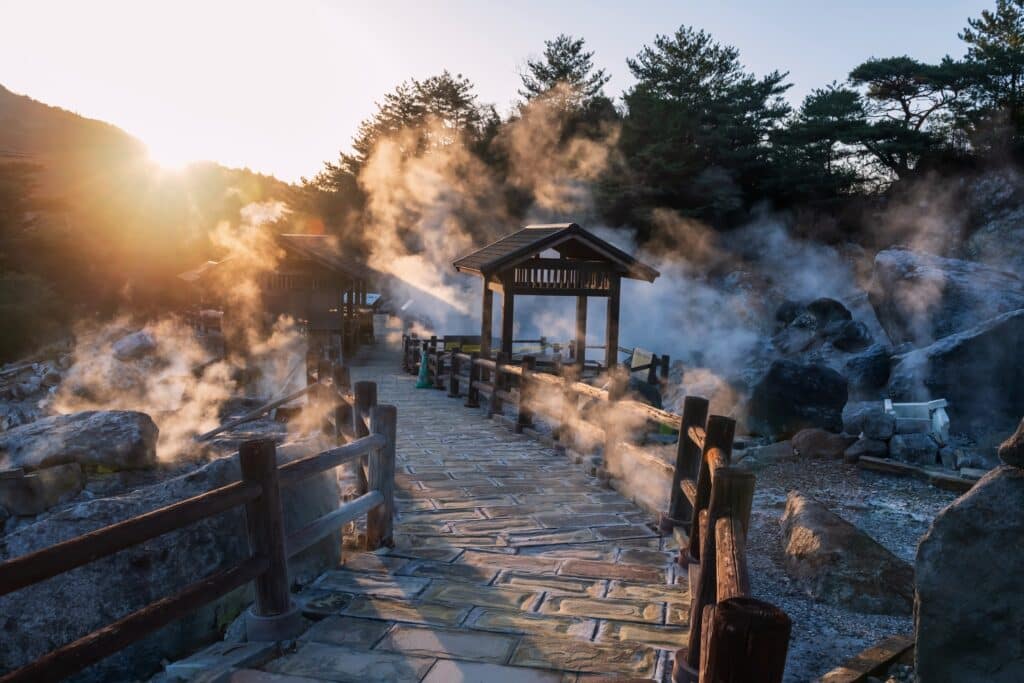
Hokkaido’s famous volcanic onsen town with dramatic sulfur scenery, snowy rotenburo baths, and Hell Valley.
Yufuin
A peaceful countryside escape surrounded by mountains, boutique ryokan, cafes, and refined atmosphere.
Dogo Onsen
One of Japan’s oldest hot spring towns centered around a historic bathhouse filled with traditional charm.
Kurokawa Onsen
A quiet mountain village known for rustic rotenburo baths, forest scenery, and authentic traditional atmosphere.
Arima Onsen
A prestigious historic hot spring town near Kobe famous for luxury ryokan and gold and silver mineral waters.
Whether you’re looking for a luxury ryokan stay, a romantic winter escape, or a traditional countryside bath town, these destinations represent some of the best onsen experiences Japan has to offer.
Best Onsen Towns for Couples
Yufuin
Yufuin is one of Japan’s most romantic onsen towns, surrounded by peaceful mountains, boutique ryokan, and quiet countryside scenery.
Couples love the private outdoor baths, elegant ryokan dining experiences, and relaxed atmosphere away from larger tourist crowds.
Ginzan Onsen
Ginzan Onsen feels like stepping into another era with its lantern-lit streets, historic wooden ryokan, and snowy winter scenery.
The intimate atmosphere and nostalgic setting make it one of Japan’s most memorable destinations for couples.
Best Onsen Towns for Families
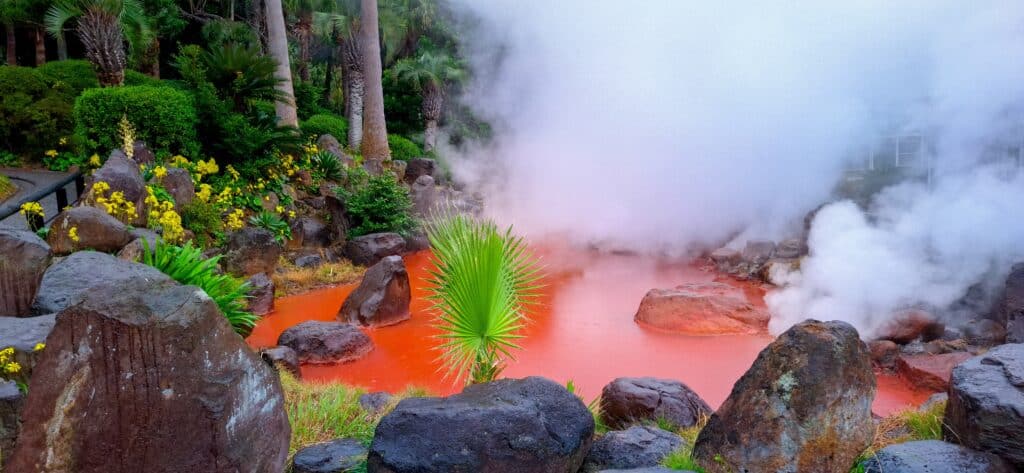
Hakone
Hakone combines traditional onsen experiences with museums, ropeways, pirate ships, and scenic mountain views.
Its easy access from Tokyo and wide range of family-friendly accommodations make it one of Japan’s best onsen destinations for all ages.
Beppu
Beppu is packed with unusual hot spring attractions including colorful hells, sand baths, steam cooking, and family-friendly sightseeing spots.
The lively atmosphere and variety of activities make it especially fun for families traveling with children.
Best Luxury Onsen Destinations
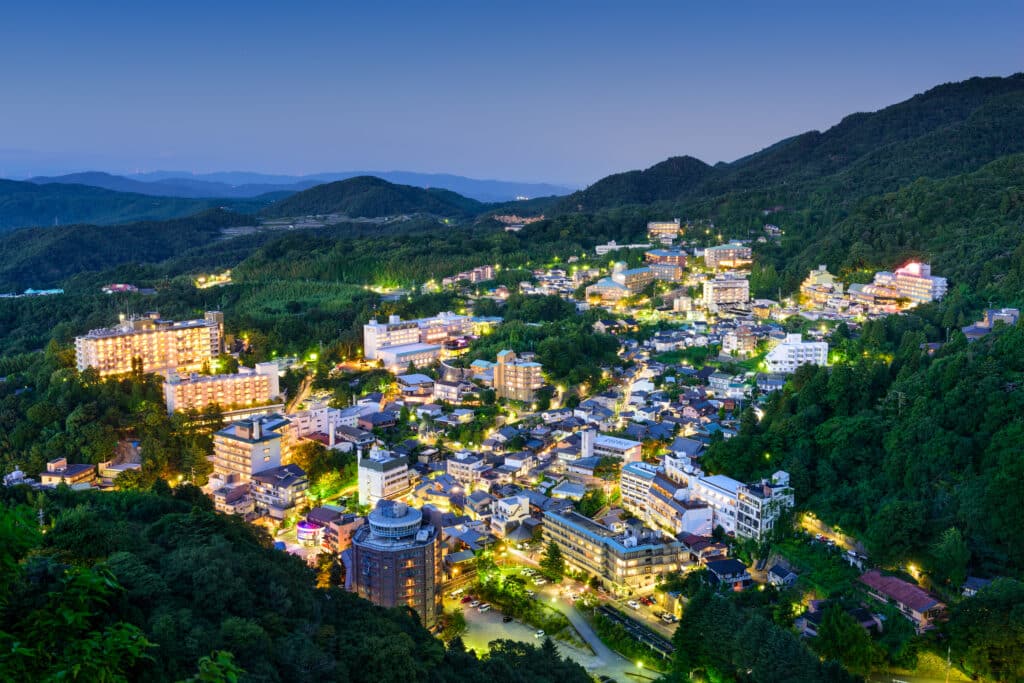
Arima Onsen
Arima Onsen near Kobe is famous for its upscale ryokan, refined atmosphere, and mineral-rich gold and silver baths.
Luxury travelers come here for premium hospitality and traditional Japanese ryokan experiences.
Hakone
Hakone is home to some of Japan’s most luxurious ryokan, many featuring private open-air baths with mountain or Fuji views.
The area blends nature, fine dining, and high-end hospitality within easy reach of Tokyo.
Best Tattoo-Friendly Onsen Towns
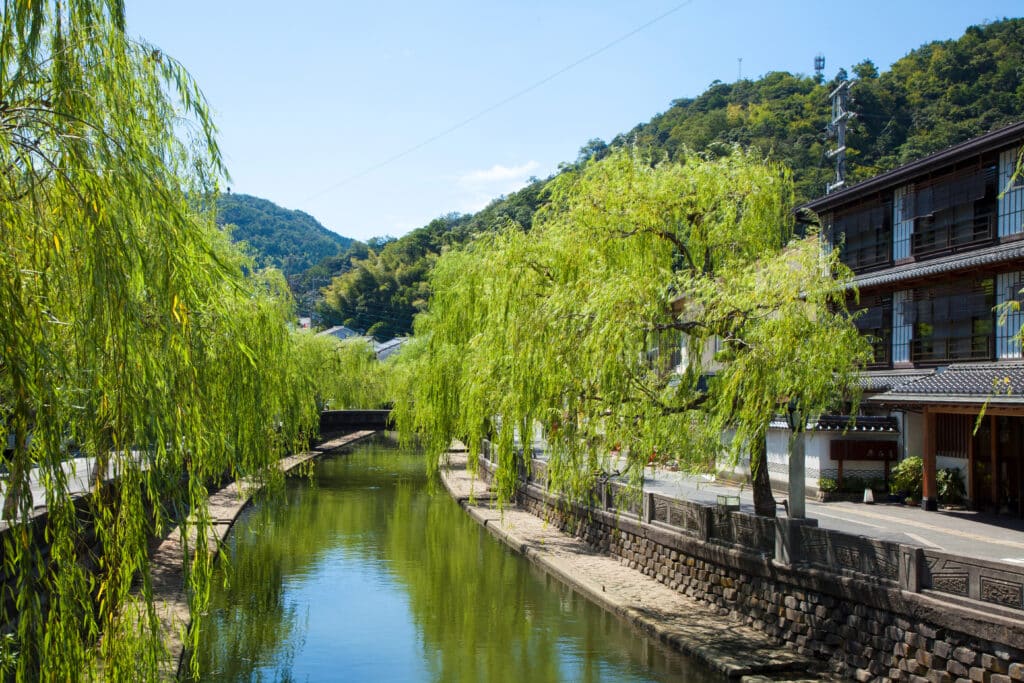
Kinosaki Onsen
Kinosaki Onsen is widely considered one of Japan’s most welcoming onsen towns for international travelers with tattoos.
Many bathhouses are more flexible with tattoo policies, making it easier to enjoy the town’s famous bath-hopping culture.
Hakone
While some public baths still restrict tattoos, Hakone offers many ryokan with private onsen baths ideal for tattooed travelers.
This allows visitors to enjoy a traditional hot spring experience comfortably and privately.
Best Winter Onsen Towns
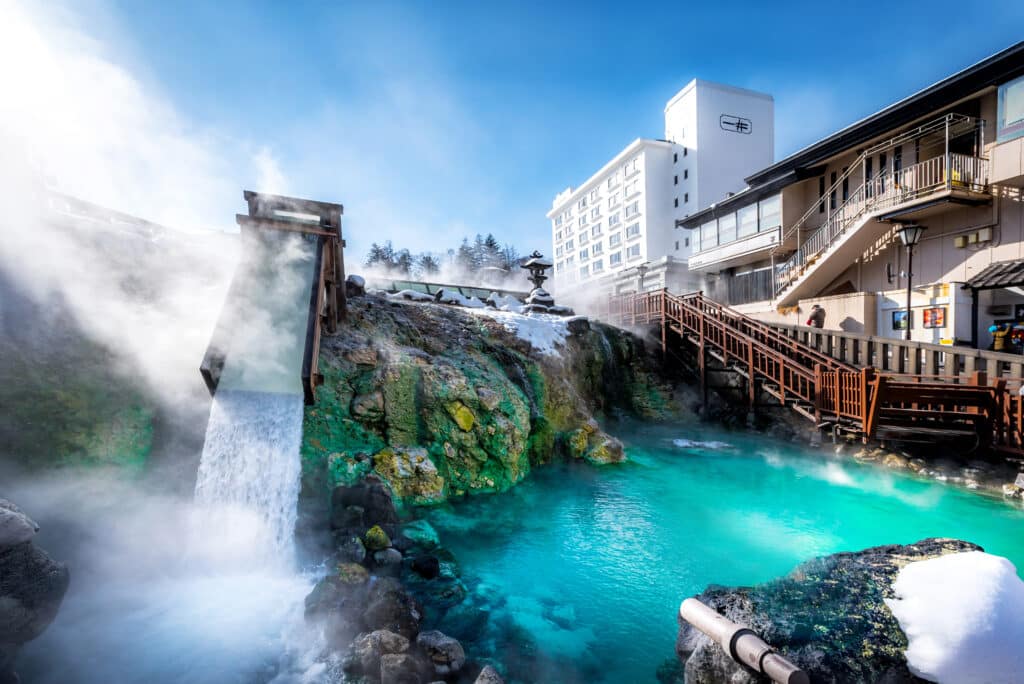
Noboribetsu Onsen
Noboribetsu Onsen in Hokkaido is one of Japan’s top winter hot spring destinations, surrounded by volcanic landscapes and snowy forests.
Steam rising through the snow creates an unforgettable rotenburo experience.
Kusatsu Onsen
Kusatsu Onsen is especially atmospheric during winter when steam rises through the snowy streets surrounding the famous Yubatake.
The combination of sulfur-rich baths and mountain scenery creates one of Japan’s iconic winter onsen experiences.
Best Hidden Onsen Villages
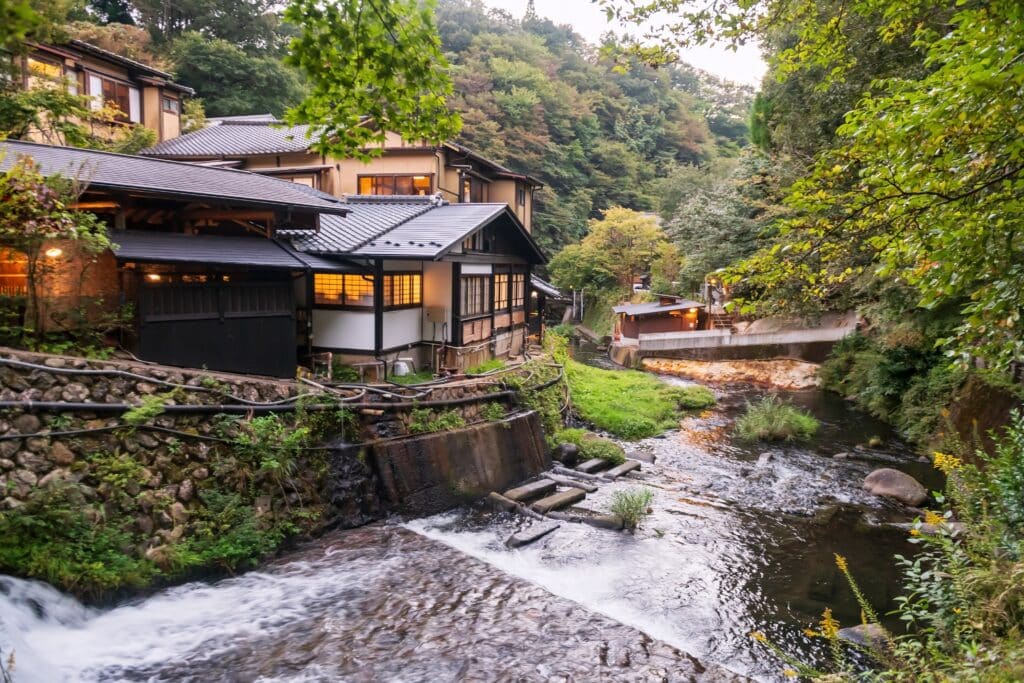
Kurokawa Onsen
Kurokawa Onsen is one of Japan’s most peaceful and atmospheric mountain hot spring villages.
Rustic outdoor baths, forest scenery, and beautifully preserved architecture create a deeply traditional atmosphere.
Nyuto Onsen
Hidden deep in the mountains of Akita Prefecture, Nyuto Onsen is famous for its secluded baths and rustic traditional inns.
The remote atmosphere feels untouched and especially magical during winter snowfall.
Best Onsen Near Tokyo
Hakone
Hakone is the most popular onsen destination near Tokyo thanks to its mountain scenery, luxury ryokan, and easy transportation.
Visitors can escape the city while enjoying hot springs, museums, and Mount Fuji views.
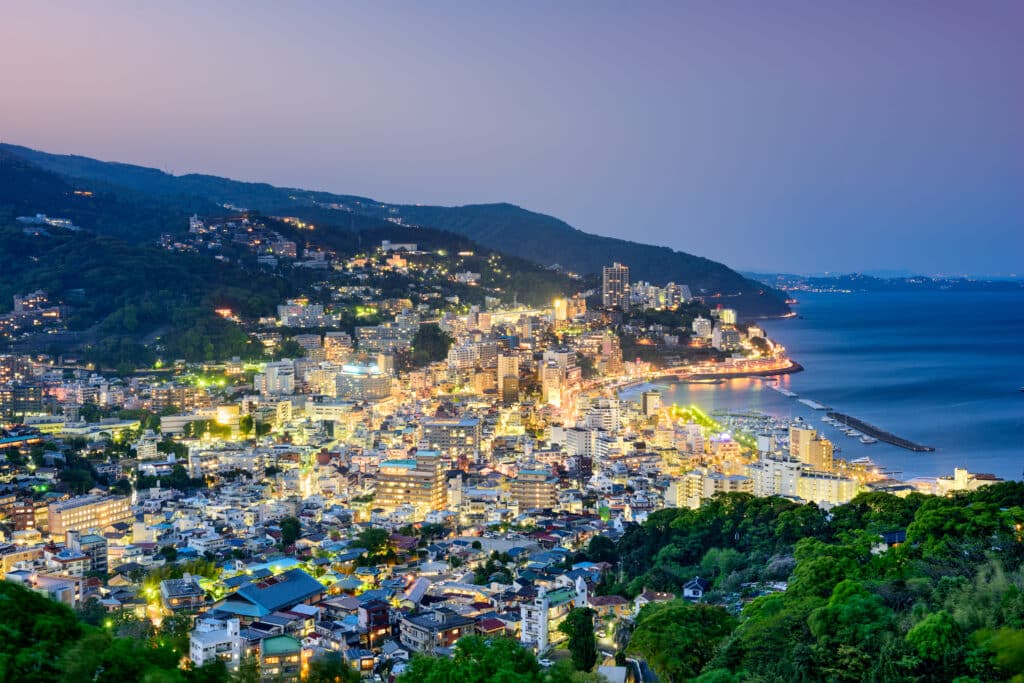
Atami
Atami combines ocean views, seaside ryokan, and natural hot springs just under an hour from Tokyo by shinkansen.
The coastal atmosphere makes it one of Japan’s best beach-and-onsen combinations.
Onsen Etiquette in Japan
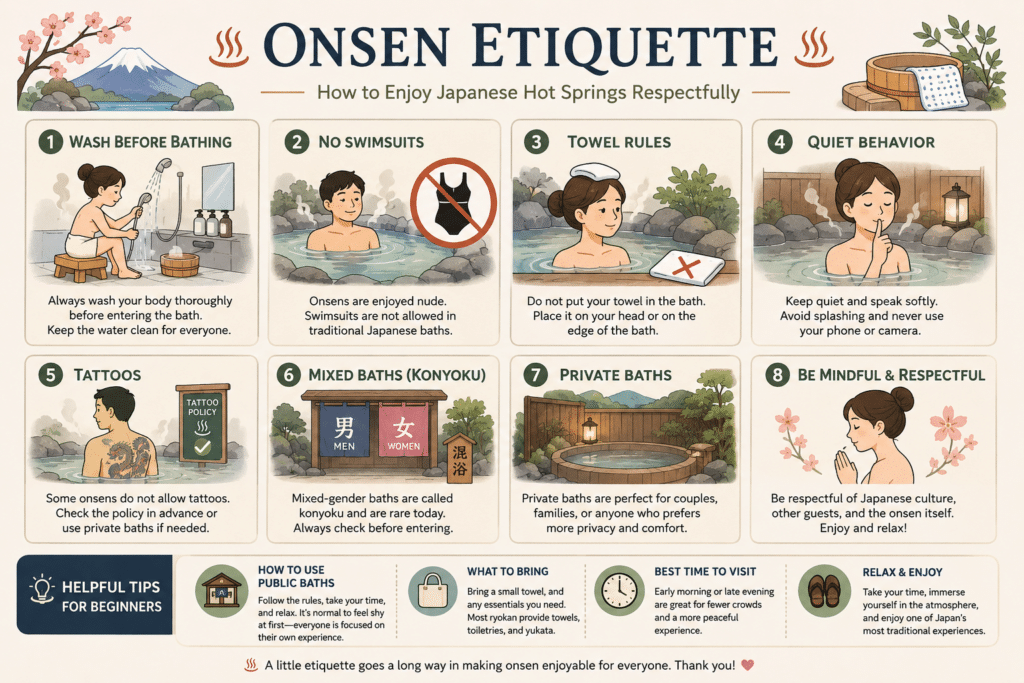
For first-time visitors, Japanese onsen etiquette can feel intimidating at first — but the rules are actually simple once you understand them. Most customs are designed around cleanliness, relaxation, and respect for other guests.
The good news? Onsen towns are very accustomed to international travelers today, and most visitors quickly get comfortable after their first bath.
Many travelers feel nervous before visiting their first Japanese onsen, but the experience usually becomes surprisingly relaxing within just a few minutes.
Essential Onsen Tips
Japanese Onsen Etiquette Explained
Understanding a few simple customs will make your onsen experience much more comfortable and enjoyable.
Wash Before Entering
Always shower and clean yourself thoroughly before entering the bath. Small shower stations with stools and hand showers are provided in every onsen.
No Swimsuits
Traditional Japanese onsens are enjoyed fully nude. Swimsuits are generally not allowed unless visiting special mixed-gender or resort-style facilities.
Towel Rules
Small towels should never enter the bath water. Most visitors place the towel beside the bath or fold it on top of their head.
Quiet Atmosphere
Onsens are meant to feel peaceful and relaxing. Speak quietly, avoid splashing, and keep phones or cameras completely out of the bathing area.
Tattoos
Some traditional onsens still restrict tattoos due to historical associations with organized crime. However, many ryokan now offer private baths or tattoo-friendly policies.
Mixed Baths (Konyoku)
A few historic onsens still offer mixed-gender baths called konyoku, though they are much less common today and often optional.
Private Baths
Many ryokan offer reservable private baths, ideal for couples, families, or travelers uncomfortable with public bathing.
What to Bring
Most ryokan provide towels, toiletries, and yukata robes, so you usually only need to bring yourself and relax.
Helpful Beginner Tips
If it’s your first onsen experience, try visiting during quieter hours such as early morning or late evening. Smaller baths often feel less intimidating than large public bathhouses, and private baths are a great option if you feel nervous.
Most visitors discover that onsen culture becomes surprisingly relaxing very quickly. Once you understand the basic etiquette, soaking in a hot spring surrounded by mountains, forests, or snowy scenery often becomes one of the most memorable experiences in Japan.
Insider Tips for Visiting Onsen

Hidden Gem Onsen Towns in Japan
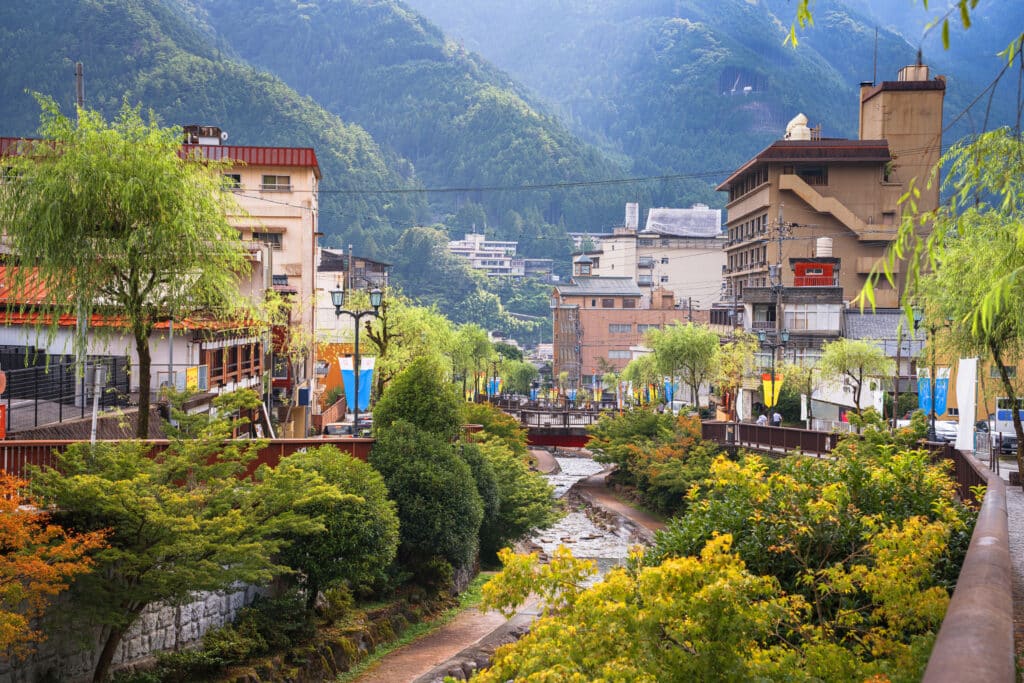
While famous destinations like Hakone and Kusatsu attract most international visitors, some of Japan’s most memorable onsen experiences are found in smaller towns hidden deep in the mountains or along quiet countryside roads.
These lesser-known onsen towns often feel more traditional, more relaxed, and far less crowded — perfect for travelers looking for a slower and more authentic side of Japan.
Hidden Gems
Lesser-Known Onsen Towns Worth Visiting
These smaller onsen towns offer some of Japan’s most atmospheric and authentic hot spring experiences.
Nyuto Onsen
Hidden deep in the mountains of Akita Prefecture, Nyuto Onsen is famous for its rustic wooden ryokan, milky mineral waters, and secluded forest setting.
Best season: Winter
Unique feature: Snow-covered outdoor baths surrounded by forest.
Shibu Onsen
This historic hot spring town in Nagano feels wonderfully old-fashioned with narrow streets, wooden inns, and small bathhouses scattered throughout town.
Best season: Winter and spring
Unique feature: Traditional bath-hopping culture near the famous snow monkeys.
Nozawa Onsen
A charming mountain village that combines skiing, traditional onsen culture, and excellent local food in the Japanese Alps.
Best season: Winter
Unique feature: Free public bathhouses throughout the village.
Atami
Located along the coast south of Tokyo, Atami combines ocean views, hot springs, and nostalgic seaside resort atmosphere.
Best season: Summer and autumn
Unique feature: Coastal onsen ryokan with sea views.
Gero Onsen
Often considered one of Japan’s top three onsen towns, Gero offers smooth mineral waters, relaxed riverside scenery, and a quieter atmosphere than larger destinations.
Best season: Autumn
Unique feature: Famous silky hot spring water said to soften the skin.
Zao Onsen
Zao Onsen is a mountain hot spring village known for skiing, sulfur-rich baths, and dramatic winter landscapes.
Best season: Winter
Unique feature: Snow monsters and highly acidic mineral baths.
Some of Japan’s smaller onsen towns feel almost untouched by time, especially in the evenings once day-trippers leave and the streets become quiet.
For travelers looking to experience a quieter and more traditional side of Japan, these hidden gem onsen towns often become the most memorable stops of an entire trip.
Best Time to Visit Japan’s Onsen Towns
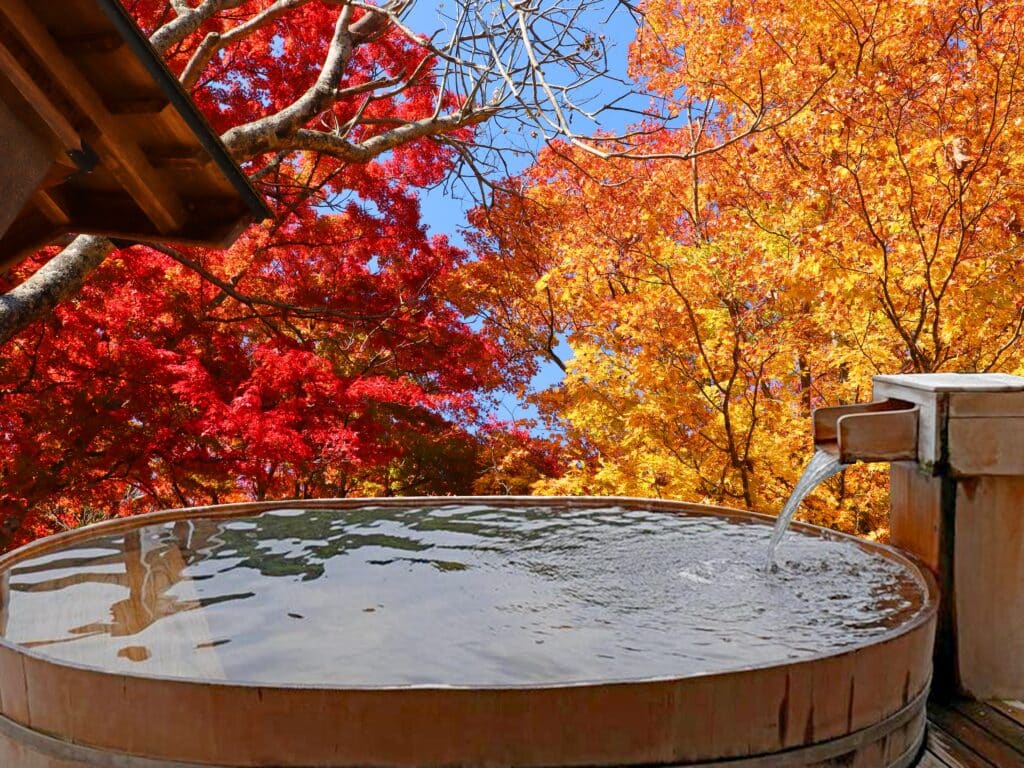
Japan’s onsen towns can be enjoyed year-round, but the atmosphere changes dramatically with each season. Some destinations are famous for snowy outdoor baths, while others shine during cherry blossom season or autumn foliage.
Choosing the right season can completely change the experience — especially if scenery and atmosphere are important parts of your trip.
Seasonal Guide
Best Seasons for Visiting Japan’s Onsen Towns
Each season offers a completely different onsen experience, from snowy rotenburo baths to cherry blossoms and autumn foliage.
Winter (December – February)
Winter is considered by many travelers to be the ultimate onsen season in Japan. Snow-covered rotenburo baths, steaming streets, and dramatic mountain scenery create an unforgettable atmosphere.
Destinations like Ginzan Onsen, Kusatsu Onsen, and Noboribetsu become especially beautiful during snowfall.
Best for: Snowy scenery, cozy ryokan stays, dramatic outdoor baths.
Spring (March – May)
Spring brings cherry blossoms, comfortable temperatures, and fresh mountain scenery to many onsen regions.
Bathing outdoors while surrounded by sakura trees is one of Japan’s most peaceful seasonal experiences.
Best for: Cherry blossoms, mild weather, scenic countryside travel.
Summer (June – August)
While summer may seem less obvious for hot springs, many mountain onsen towns become refreshing escapes from Japan’s humid cities.
Festivals, fireworks, and cooler mountain temperatures make destinations like Nozawa Onsen and Kurokawa Onsen especially enjoyable.
Best for: Mountain escapes, festivals, quieter travel outside winter season.
Autumn (September – November)
Autumn is one of the most beautiful times to visit Japan’s onsen towns thanks to colorful fall foliage and crisp temperatures.
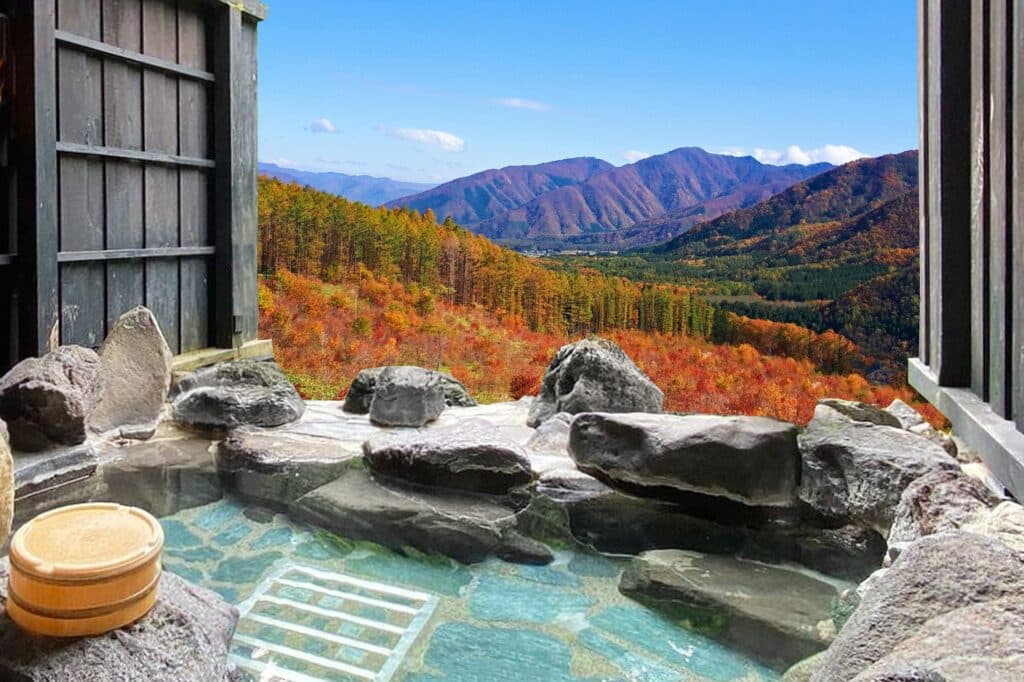
Forested rotenburo baths surrounded by red and orange leaves create some of the country’s most photogenic onsen scenery.
Best for: Autumn colors, comfortable temperatures, scenic outdoor baths.
If you’re visiting Japan specifically for the classic onsen atmosphere, winter and autumn are usually considered the most rewarding seasons. However, every season offers a unique experience — and part of the magic of Japanese onsen culture is how deeply connected it feels to nature and the changing landscape around it.
Frequently Asked Questions About Onsen Towns in Japan
What is the most famous onsen town in Japan?
Kusatsu Onsen is often considered Japan’s most famous onsen town thanks to its strong sulfuric waters, traditional atmosphere, and iconic Yubatake hot spring field. Hakone and Beppu are also among the country’s most popular hot spring destinations.
Which onsen town is best for first-time visitors?
Hakone is usually the easiest choice for first-time visitors because it’s easy to access from Tokyo and offers a mix of traditional ryokan, private baths, sightseeing, and luxury stays. Kinosaki Onsen is another excellent option for beginners thanks to its walkable layout and bath-hopping culture.
Are tattoos allowed in Japanese onsens?
Some traditional onsens still restrict tattoos due to historical associations with organized crime. However, many onsen towns are becoming more flexible, especially in tourist-friendly destinations like Kinosaki Onsen and Hakone. Private baths are also a popular option for tattooed travelers.
Do you wear swimsuits in Japanese onsens?
No. Traditional Japanese onsens are enjoyed fully nude, and swimsuits are generally not allowed. Men and women usually bathe separately unless visiting a mixed bath or private onsen.
What is the difference between an onsen and a ryokan?
An onsen is a natural hot spring bath, while a ryokan is a traditional Japanese inn. Many ryokan are located inside onsen towns and include access to hot spring baths as part of the stay.
Which onsen towns are best in winter?
Ginzan Onsen, Kusatsu Onsen, Noboribetsu Onsen, and Zao Onsen are especially famous during winter for snowy outdoor baths and dramatic scenery.
What should you bring to an onsen?
Most ryokan provide towels, toiletries, and yukata robes. For public baths, you typically only need a small towel and a change of clothes.
Are private onsens worth it?
Private onsens are a great option for couples, families, or travelers uncomfortable with public bathing. They also provide more flexibility for guests with tattoos.
How many nights should you stay in an onsen town?
One night is usually enough for most onsen towns, especially if you mainly want to relax and enjoy a ryokan stay. Larger destinations like Hakone or Beppu can easily justify two or three nights.
Which onsen town is closest to Tokyo?
Hakone is the most popular onsen destination near Tokyo and can be reached in around 1.5–2 hours. Atami and Kusatsu Onsen are also popular options for travelers starting in Tokyo.
Are Japanese onsens worth visiting?
Absolutely. For many travelers, visiting an onsen town becomes one of the most memorable experiences in Japan. The combination of hot springs, traditional ryokan, seasonal scenery, and Japanese hospitality offers something very different from typical sightseeing.
Final Thoughts
Japan’s onsen towns are much more than places to take a hot bath — they offer some of the country’s most atmospheric, relaxing, and culturally immersive travel experiences.
Whether you’re walking through snowy streets in Ginzan Onsen, soaking in a forest rotenburo in Kurokawa, enjoying luxury ryokan hospitality in Hakone, or exploring traditional bathhouses in Kinosaki, every onsen town feels slightly different. Even travelers who normally prefer fast-paced city trips often end up wishing they had planned more time in Japan’s onsen regions.
Some are dramatic and volcanic, others peaceful and nostalgic, but all of them reflect a slower and more traditional side of Japan that many travelers remember long after the trip ends.
For first-time visitors, staying at least one night in an onsen town is absolutely worth it. The experience goes far beyond the bath itself — from wearing yukata robes and eating seasonal kaiseki dinners to waking up in quiet mountain villages surrounded by steam and nature.
If you can, try to include an onsen stay somewhere in your Japan itinerary, even if it’s only for a single night. It’s one of the best ways to experience Japanese hospitality, seasonal beauty, and the unique rhythm of travel that makes Japan so memorable.