
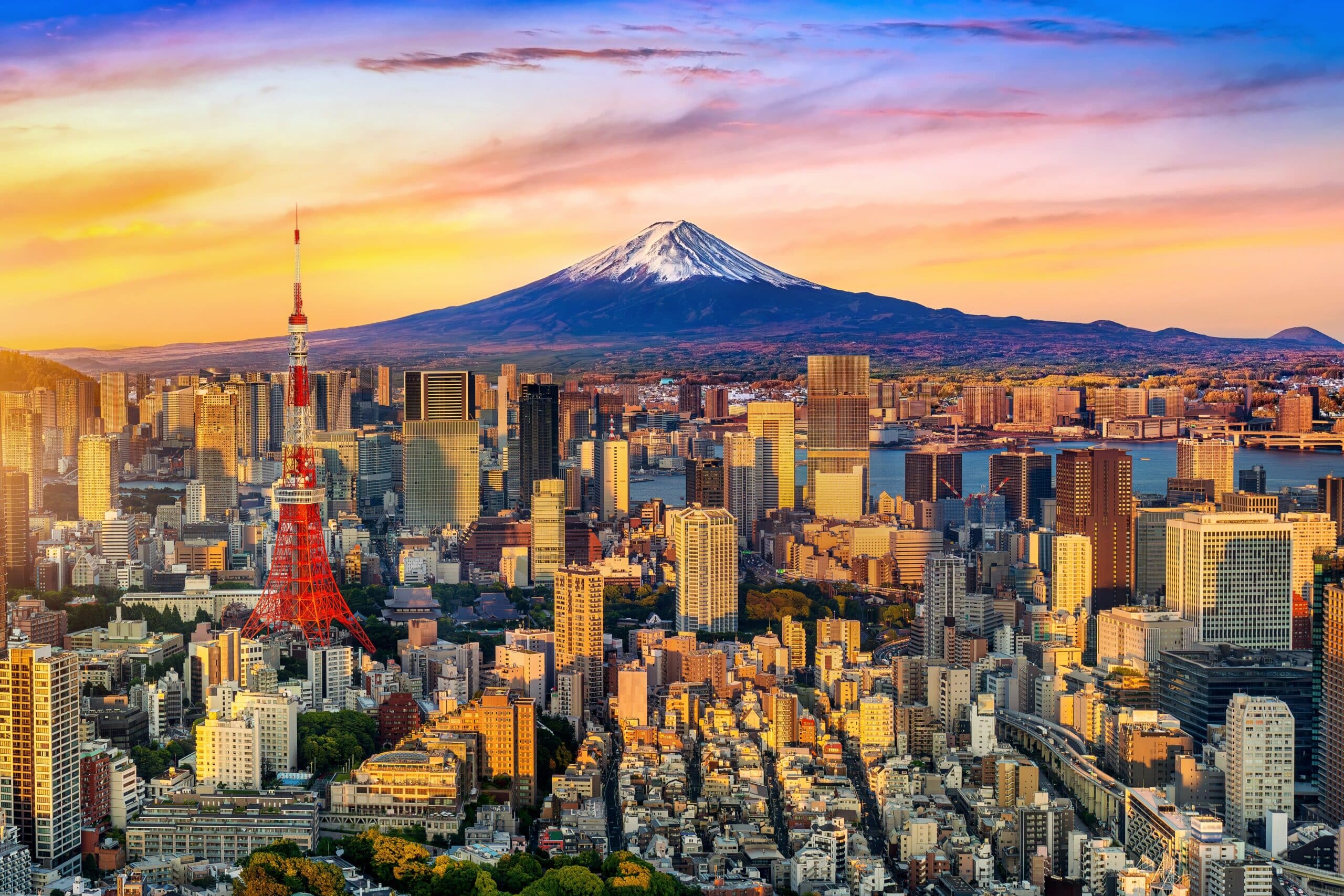
Tokyo can easily fill an entire trip. Between the neighborhoods, food, shopping, viewpoints, museums, and nightlife, it is one of the most exciting cities in the world. But one of the best things about staying in Tokyo is how easy it is to leave it for a day. Japan’s rail network makes it possible to swap skyscrapers for hot springs, shrines, seaside walks, or Mount Fuji views without changing hotels.
The best day trips from Tokyo are not all the same. Some are classic first-time choices like Hakone and Kamakura, while others work better for travelers who want culture, nature, cooler mountain air, or a second city experience. The right choice depends on your pace, the season, and how much transport complexity you want to deal with.
This guide breaks down the best day trips from Tokyo, who each destination suits best, how far away they are, and which ones are actually worth prioritizing on a first trip to Japan. Travel times and pass references below are based on official railway and tourism sources.
Table of Contents
Tokyo Day Trips at a Glance
Tokyo Side Trip Snapshot
Best Day Trips from Tokyo at a Glance
A quick overview before choosing where to go
Hakone, for scenery, onsen, and variety
Kawaguchiko, for iconic Fuji views
Nikko, for shrines and forest setting
Kamakura, for temples and walkability
Yokohama, for a quick city escape
Karuizawa, for cooler weather and nature
Quick Decision Guide
Which Day Trip from Tokyo Should You Choose?
Pick the option that best matches your travel style and priorities
Hakone is the safest and most balanced day trip from Tokyo
Choose Kawaguchiko — but only on a clear day
Kamakura is the simplest and most relaxed option
Nikko offers the most dramatic cultural experience
Yokohama is the easiest half-day or evening trip
Karuizawa is the best escape from Tokyo heat
If you only do one day trip from Tokyo, Hakone is usually the safest choice — not because it’s the most famous, but because it delivers the most balanced experience. You get a mix of scenery, transport variety, and traditional atmosphere without relying too heavily on perfect weather.
Kawaguchiko can be more rewarding, but only under the right conditions. On a clear day, it offers some of the most iconic views in Japan. On a cloudy day, however, it can quickly become the most underwhelming option.
Kamakura and Yokohama sit at the opposite end of the spectrum. They are much easier to reach and require less planning, making them ideal if you prefer a more relaxed or flexible day.
Nikko is the most impressive culturally, but also the most demanding. It’s best suited for travelers who don’t mind an early start and want something that feels more dramatic and less casual than other day trips.
How to Choose the Right Day Trip from Tokyo
Travel Planning Guide
Best Day Trips from Tokyo by Travel Priority
Choose based on what matters most to you
Hakone
Kawaguchiko
Nikko
Kamakura
Yokohama
Karuizawa
The first thing to think about is travel time versus reward. Yokohama and Kamakura are the easiest because they are close and require less energy. Hakone and Kawaguchiko are more ambitious but feel more like a true escape from Tokyo. Nikko is also very rewarding, but it works best if you start early and are happy with a longer day. Karuizawa is fast by shinkansen, but it makes most sense for travelers who want a lighter, more relaxed nature day rather than a checklist of famous sights.
The second factor is what kind of experience you want. Hakone is best for hot springs, mountain scenery, ropeways, and a classic “Japan getaway” feel. Kawaguchiko is best if your real goal is Mount Fuji. Nikko is for travelers who care most about shrines, forested temple grounds, and a more dramatic historic atmosphere. Kamakura gives you a softer, more relaxed cultural experience. Yokohama feels like a modern harbor city rather than a traditional destination.
The third factor is season. Kawaguchiko depends heavily on weather and visibility, so it can be disappointing on cloudy days even if the area itself is pleasant. Hakone is more flexible because it still works well for hot springs, museums, and lake scenery even when Fuji does not appear. Nikko is especially beautiful for autumn color, while Enoshima and Kamakura feel strongest in mild weather when walking outside is part of the appeal. Karuizawa is especially attractive in summer when Tokyo is hot.
Hakone — Best Overall Day Trip from Tokyo
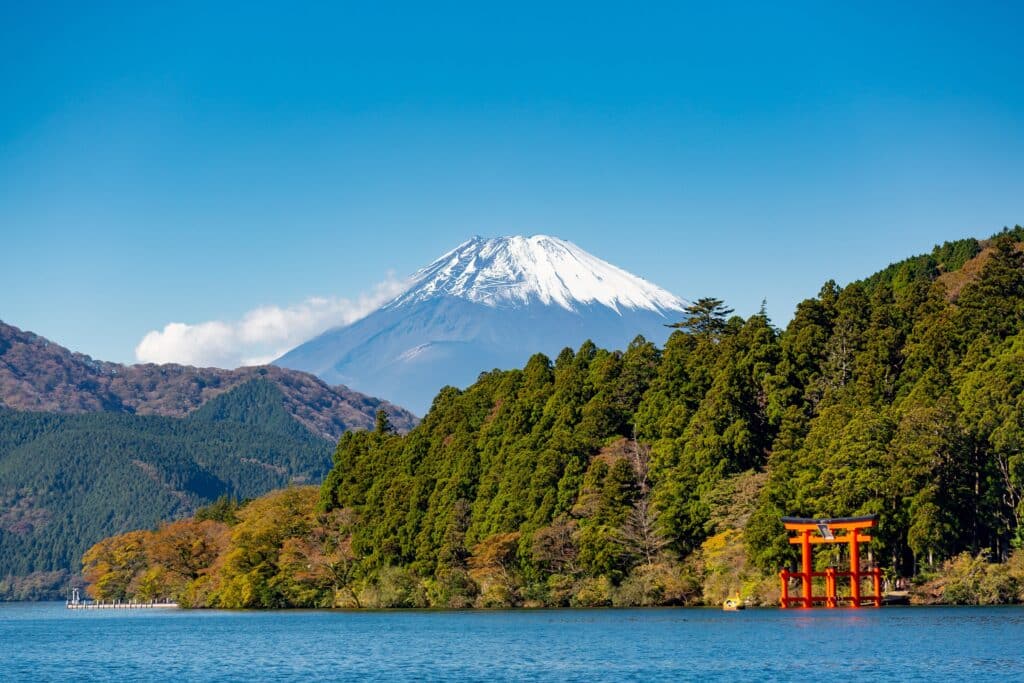
Hakone is the best overall day trip from Tokyo because it combines several things travelers usually want from Japan in one place: nature, hot springs, mountain views, traditional atmosphere, and interesting transport. Official Odakyu guidance describes Hakone as a mountain retreat known for hot springs, Fuji views, and art, and the route from Shinjuku to Hakone-Yumoto takes about 80 minutes by Romancecar or about two hours on other trains.
What makes Hakone work so well is variety. You can ride the ropeway, cruise across Lake Ashi, visit the Open-Air Museum, stop at viewpoints, and still fit in a day-use onsen if you plan carefully. That range makes it feel much more substantial than a single-sight destination.
One common mistake is trying to do the entire Hakone loop too quickly. While it looks simple on a map, transport between stops takes time, and rushing can make the experience feel more like a checklist than a relaxing escape. It’s usually better to focus on two or three highlights and enjoy them properly.
Hakone is especially good for first-time visitors who want a day trip that feels scenic and distinctly Japanese without requiring too much decision-making. It also works well for couples and slower travelers because the day naturally mixes transport, sightseeing, and time to pause.
The main drawback is that Hakone can feel busy, and a full loop day can become transport-heavy. Still, it is the easiest destination to recommend broadly because even a less-than-perfect weather day can still be enjoyable. If you want only one classic escape from Tokyo, this is usually the smartest choice.
Best for: first-time visitors, couples, scenic variety, onsen atmosphere
Ideal pace: full day, early start
Worth it? Yes — the strongest all-rounder from Tokyo
Kawaguchiko — Best Day Trip for Mount Fuji Views
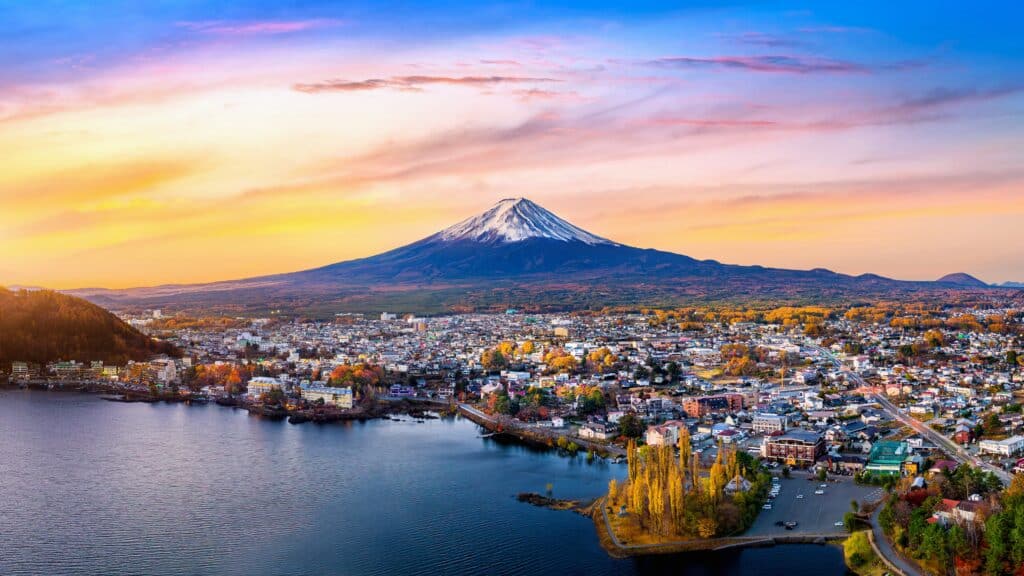
If your priority is seeing Mount Fuji, Kawaguchiko is the better choice over Hakone. JR East’s official Fuji destination guide highlights Lake Kawaguchi as an area with many viewpoints, parks, museums, hot springs, and access via the FUJI EXCURSION or a transfer at Otsuki for the Fujikyu Railway.
This is the day trip that delivers the iconic postcard image many travelers imagine before coming to Japan. Around the wider Fuji Five Lakes area and Fujiyoshida, classic viewpoints such as Chureito Pagoda and other lakefront perspectives make this one of the most photogenic places near Tokyo. Fujiyoshida’s official tourism pages also emphasize Arakurayama Sengen Park and Chureito Pagoda as signature sights.
The catch is simple: Fuji visibility is not guaranteed. A cloudy day can completely change the experience, so this is the destination most dependent on weather. That makes Kawaguchiko one of the most rewarding day trips from Tokyo on a clear day — and one of the easiest to regret on a cloudy one. If your schedule is flexible, it’s worth waiting for good visibility rather than committing too early.
Compared with Hakone, Kawaguchiko is less varied but more focused. If you care most about the mountain itself and want those iconic Fuji views, go here. If you want a more balanced day regardless of visibility, Hakone is safer.
Best for: Mount Fuji views, photography, clear-weather days
Ideal pace: full day
Worth it? Yes — but only if weather is reasonably promising
Nikko — Best Cultural Day Trip from Tokyo
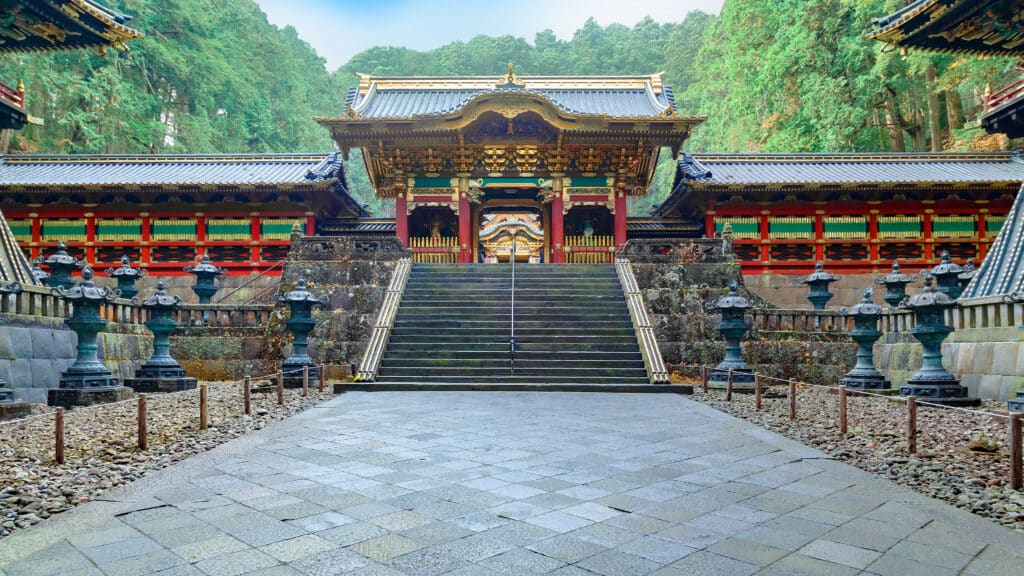
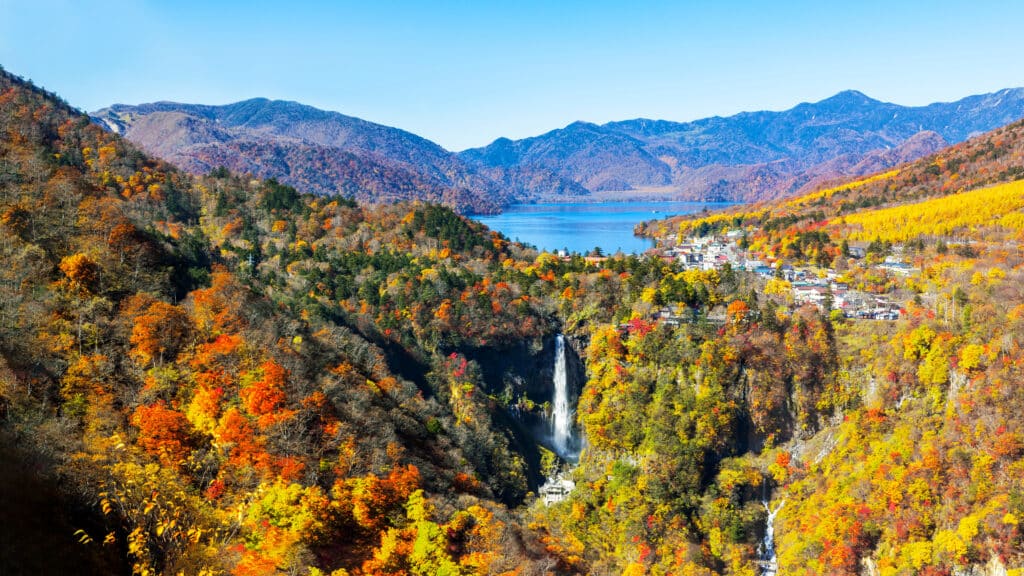
Nikko is the best day trip from Tokyo for travelers who want a stronger historical and cultural experience. UNESCO describes the Shrines and Temples of Nikko as a complex of 103 religious buildings within two Shinto shrines and one Buddhist temple, set in an outstanding natural setting. The forested backdrop is part of what makes Nikko feel so impressive in person.
This is not “just another temple stop.” Nikko feels grander and more atmospheric than many easy day-trip alternatives. Toshogu Shrine is the main highlight, but the broader shrine-and-temple setting is what gives the destination real depth.
From Tokyo, Tobu’s official access information places Nikko at about two hours from Asakusa by direct train, which makes it very doable as a day trip, though not a lazy one. This is a destination that rewards an early departure. If you’re not planning to leave Tokyo early in the morning, Nikko is usually not the best choice. Travel time adds up quickly, and arriving late means missing the quieter, more atmospheric part of the experience.
Nikko is best for travelers who value atmosphere, architecture, and history over convenience. It is one of the most rewarding day trips near Tokyo, but it is less casual than Yokohama or Kamakura and more demanding than people sometimes expect.
Best for: shrines, UNESCO heritage, autumn color, culture-focused travelers
Ideal pace: full day, early start
Worth it? Absolutely — especially if you want something more dramatic than Kamakura
Kamakura — Best Easy Cultural Escape
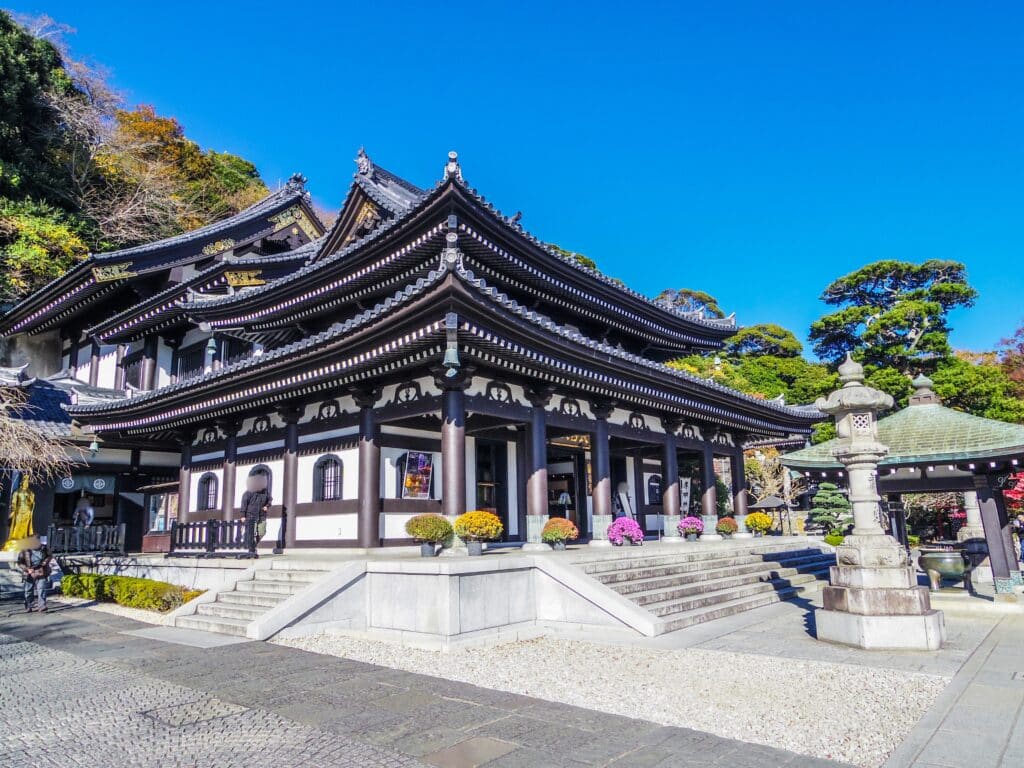
Kamakura is the easiest classic cultural day trip from Tokyo. Official Kanagawa tourism material presents Kamakura as a seaside former capital filled with temples, shrines, and major sights including the Great Buddha, while Hasedera is highlighted as one of the area’s best-known historic temples.
What makes Kamakura so appealing is that it feels manageable. You do not need to overplan, and the day still feels rich. You can visit Kotoku-in’s Great Buddha, stop at Hasedera, wander smaller streets, and optionally extend toward the coast or Enoshima.
Kamakura is especially good for first-time visitors who want temples and traditional atmosphere without committing to a very long or complicated day. It is also ideal if your Tokyo itinerary is already busy and you want something rewarding but low-stress. JR East timetable resources and Kanagawa’s tourism guidance both support Kamakura’s practicality as a simple rail day trip from Tokyo.
Compared with Nikko, Kamakura is easier and softer. Compared with Hakone, it is less scenic and dramatic but much easier to fit into an itinerary. For many travelers, it is the most realistic second day trip after Hakone.
Best for: easy culture, temple visits, low-stress planning
Ideal pace: half day to full day
Worth it? Yes — one of the best-value low-effort trips from Tokyo
Yokohama — Best Easy City Escape
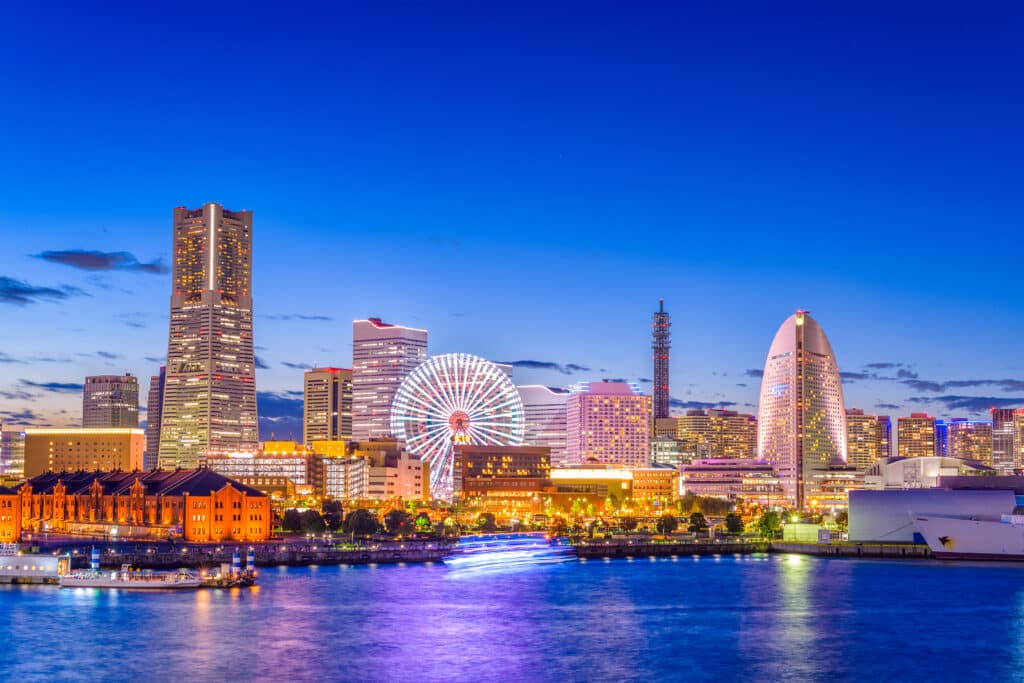
Yokohama is the easiest day trip from Tokyo if you want a change of atmosphere without really leaving urban Japan behind. Official Kanagawa tourism highlights Yokohama’s Minato Mirai nightlife alongside Hakone and Kamakura as one of the region’s top day-trip draws, while Yokohama’s official tourism site centers Minato Mirai and Chinatown among its flagship visitor areas.
This is the right choice for travelers who do not want a long transport day but still want something distinct from Tokyo. Minato Mirai feels open, waterfront-focused, and modern, while Chinatown adds food and a more classic sightseeing stop. That combination makes Yokohama work especially well for a relaxed afternoon-and-evening outing.
Yokohama is not the most “essential” day trip if you only have limited time in Japan. It is better thought of as an easy, enjoyable bonus rather than a must-do over Hakone, Nikko, or Kawaguchiko. But if your schedule is tight or you want something simple, it is one of the most practical choices available.
Best for: easy outing, food, waterfront views, evening atmosphere
Ideal pace: half day to full day
Worth it? Yes — especially if you want minimal effort
Karuizawa — Best Summer Day Trip from Tokyo
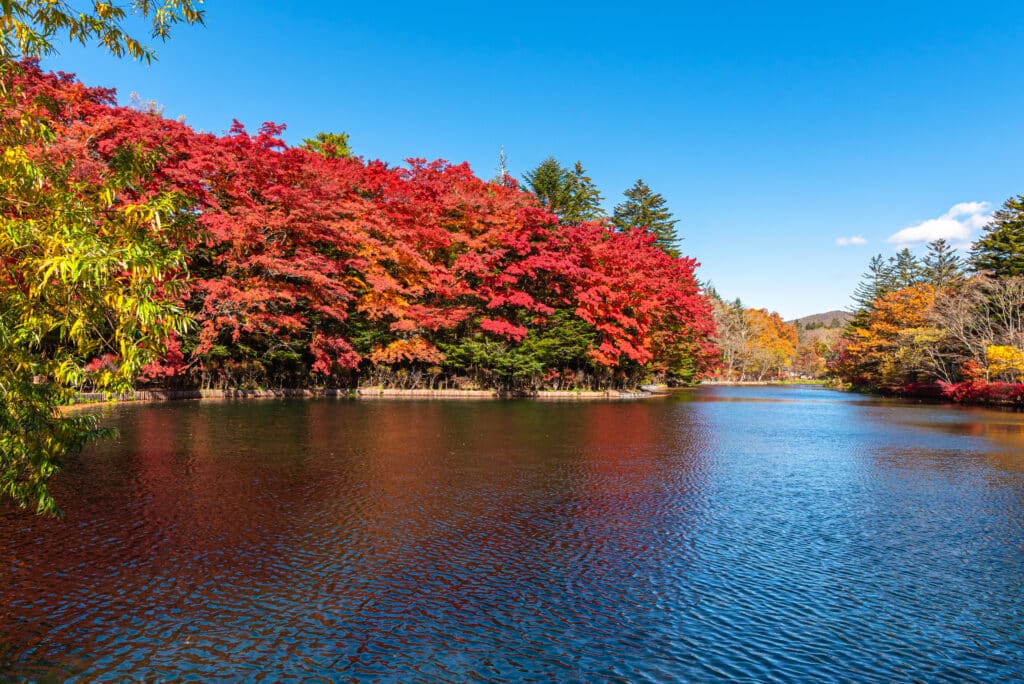
Karuizawa is one of the best day trips from Tokyo in summer. Official Karuizawa tourism guidance notes that it takes about 1 hour and 20 minutes from Tokyo on the Hokuriku Shinkansen, which is fast enough to make the destination feel surprisingly accessible.
This is a different kind of day trip. Karuizawa is less about a single famous landmark and more about atmosphere: fresh air, greenery, cycling, shopping, cafes, and a more relaxed resort-town pace. It is ideal for travelers who want a breather from Tokyo rather than a packed sightseeing checklist.
Karuizawa makes the most sense in warm months, when Tokyo’s heat and humidity can be tiring. It is also a good option for repeat visitors who have already done the classic trips and want something calmer.
Best for: summer, relaxed pace, couples, repeat visitors
Ideal pace: full day
Worth it? Yes — especially in hot weather
Enoshima — Best Coastal Add-On from Tokyo
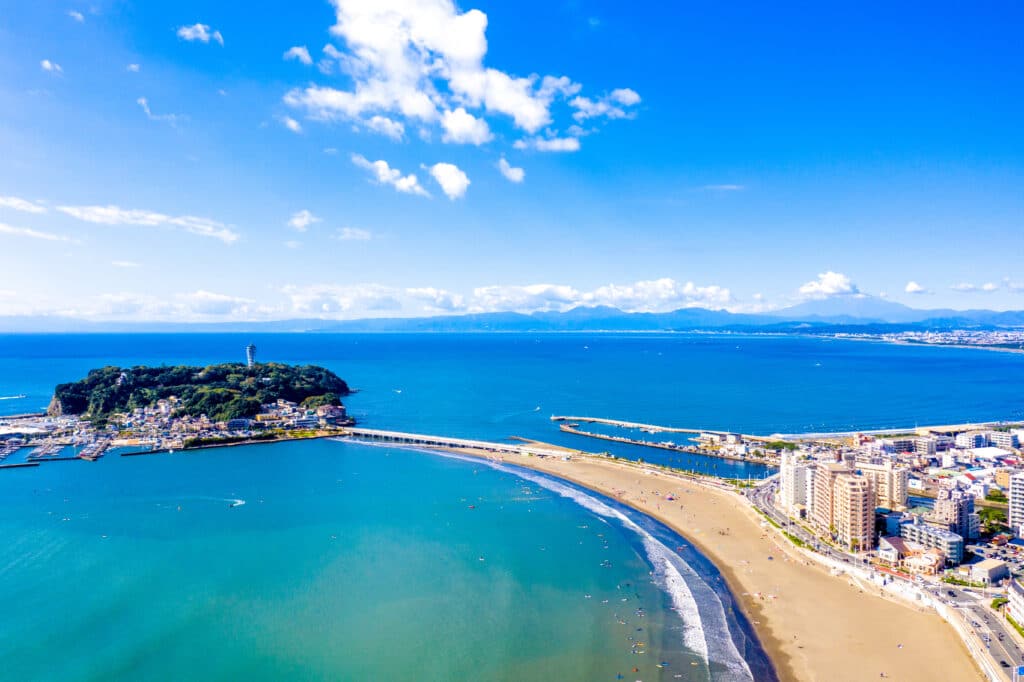
Enoshima is best treated as either a lighter standalone coastal trip or, more often, a combined day with Kamakura. Kanagawa’s official tourism pages describe Enoshima as an island escape with seaside scenery, shopping, local food, and cultural spots such as Enoshima Shrine, while Odakyu specifically markets the Enoshima-Kamakura Freepass for visiting both areas together.
This is the choice for travelers who want ocean views and a more relaxed atmosphere than Tokyo. It feels especially good in mild weather, around sunset, or when you want a break from temples and city neighborhoods. The island’s walking routes, sea views, and casual pace are the real appeal.
On a first trip, Enoshima is usually not stronger than Hakone, Kamakura, or Nikko on its own. But paired with Kamakura, it creates one of the most enjoyable and balanced day trips from Tokyo.
Best for: coast, sunset, relaxed walking, Kamakura combo day
Ideal pace: half day or combined full day
Worth it? Yes — especially when paired with Kamakura
Best Day Trips from Tokyo Comparison
Compare the Best Day Trips from Tokyo
1.5–2h • Scenic • Moderate
2h • Fuji views • Weather dependent
2h • Cultural • Forest
1h • Easy • Walkable
30–45min • Very easy
1h20 • Relaxed • Nature
1h • Coastal • Casual
If you prefer a quick answer, start with the guide below before diving into the details.
Quick Decision Guide
Still Not Sure? Start Here
Choose the option that best matches your travel style
If you want the most balanced and reliable day trip → Hakone
If seeing Fuji is your main goal → Kawaguchiko (best on clear days)
If you want temples without a long or complex trip → Kamakura
If you want something more dramatic and cultural → Nikko
If you prefer something simple and flexible → Yokohama
If you want cooler weather and a relaxed pace → Karuizawa
For most first-time visitors, the smartest combination is usually Hakone + Kamakura or Hakone + Nikko, depending on whether you want a lighter cultural day or a more dramatic historical one. Travelers with excellent weather may want to substitute Kawaguchiko for Hakone if Mount Fuji is the main goal.
Suggested Day Trip Itineraries from Tokyo
Best Day Trip Routes from Tokyo
Train → Ropeway → Lake → Onsen
Train → Fuji views → Lake walk
Early train → Shrines → Explore
Temples → Coast → Sunset
Late start → Waterfront → Dinner
Shinkansen → Relax → Return
1) Hakone Classic Day
Take an early train from Shinjuku, focus on the ropeway and Lake Ashi area, add the Open-Air Museum or a day-use onsen, and return in the evening. This works best if you accept that you will not see everything and avoid trying to cram the entire region into one rushed loop.
2) Kamakura + Enoshima Day
Spend the morning around the Great Buddha and Hasedera, then continue to Enoshima for sea views, a slower lunch, and sunset atmosphere. This is one of the easiest high-reward combinations from Tokyo.
3) Kawaguchiko Fuji Day
Do this on the clearest day of your Tokyo stay if possible. Prioritize Fuji viewpoints instead of trying to cover too many scattered attractions. The destination is strongest when built around scenery, not speed.
4) Nikko Temple Day
Leave early, focus on the main shrine-and-temple area, and do not overcomplicate the route. Nikko rewards depth more than rushing between distant points.
5) Yokohama Afternoon + Evening
Go later, enjoy Minato Mirai, eat in Chinatown, and stay into the evening when the waterfront atmosphere improves. Yokohama is one of the best options when you do not want an early start.
Practical Tips for Day Trips from Tokyo
Start early for Hakone, Kawaguchiko, and especially Nikko. The longer the trip, the more your experience improves when you avoid a late departure.
Use regional passes selectively, not automatically. The Hakone Freepass is positioned by Odakyu as the main value ticket for the Hakone area, while the Enoshima-Kamakura Freepass is designed for that paired coastal route. JR also promotes the JR TOKYO Wide Pass for selected regional trips including Karuizawa, Nikko, and Lake Kawaguchiko.
For Mount Fuji day trips, check the weather forecast and visibility conditions as closely as you can. Kawaguchiko is one of the most rewarding destinations near Tokyo on a clear day and one of the most underwhelming on a bad one.
Do not try to do too many day trips if your Japan itinerary is short. One or two well-chosen escapes from Tokyo usually add more value than trying to squeeze in three or four rushed ones. This is especially true if you are also visiting Kyoto and Osaka on the same trip.
If you’re planning a longer trip, it helps to understand how Japan’s train system works and how to structure your route between cities. See our guide on how to travel around Japan for a detailed breakdown.
What to Skip (or Reconsider)
Not every day trip from Tokyo works in every situation, and choosing the wrong one can easily lead to a rushed or underwhelming experience.
Skip Kawaguchiko if the weather is cloudy or visibility is poor. Without Mount Fuji views, the area loses much of what makes it special.
Skip Nikko if you’re not starting early. The travel time makes it difficult to enjoy properly on a late start.
Skip Yokohama if your time in Japan is limited. While it’s an easy and enjoyable trip, it’s not as memorable as Hakone, Nikko, or Mount Fuji.
Skip trying to combine too many destinations in one day. Hakone, Kawaguchiko, and Nikko all work best when treated as a single focused day trip.
Are Day Trips from Tokyo Worth It?
Yes — absolutely. Tokyo is a great base, but the contrast between the city and nearby destinations is part of what makes a Japan trip feel richer. In a relatively short distance, you can move from neon and train stations to shrine forests, hot spring valleys, mountain resorts, Fuji viewpoints, or the coast.
That said, day trips are most worth it when your itinerary is long enough. On a very short Tokyo stay, it can make sense to focus on the city itself. But once you have enough time, adding one or two day trips is one of the best ways to make your trip feel more complete.
FAQ
What is the best day trip from Tokyo?
For most travelers, Hakone is the best overall day trip because it offers scenery, hot springs, transport variety, and a strong change of atmosphere without being overly complicated.
What is the easiest day trip from Tokyo?
Yokohama is the easiest urban escape, while Kamakura is the easiest classic cultural day trip.
Is Hakone or Kawaguchiko better?
Choose Hakone for a more balanced all-round day trip. Choose Kawaguchiko if your main goal is seeing Mount Fuji clearly.
Is Nikko worth it as a day trip?
Yes. Nikko is one of the most rewarding cultural day trips from Tokyo, especially for travelers interested in shrines, architecture, and atmosphere.
Can you do Kamakura and Enoshima in one day?
Yes, and it is one of the best day-trip combinations from Tokyo. Odakyu and Kanagawa tourism both support the route as a practical paired outing.
How many day trips should I do from Tokyo?
For most first-time itineraries, one or two is enough. That keeps the trip balanced without making Tokyo feel like just a place to sleep.
Final Thoughts
The best day trip from Tokyo depends less on what is “most famous” and more on what kind of day you want. Hakone is the safest overall recommendation. Kawaguchiko is the most rewarding when Fuji is visible. Nikko is the most dramatic cultural escape. Kamakura is the easiest crowd-pleasing option. Yokohama is the easiest bonus trip. Karuizawa is ideal in summer, and Enoshima is perfect when you want the coast.
For a first trip to Japan, you do not need to do them all. Choose the one or two that best match your pace and interests, and your Tokyo itinerary will feel much stronger for it.
If you’re building a full itinerary, combining Tokyo with destinations like Kyoto and Osaka will give you a much broader experience of Japan beyond day trips alone.