
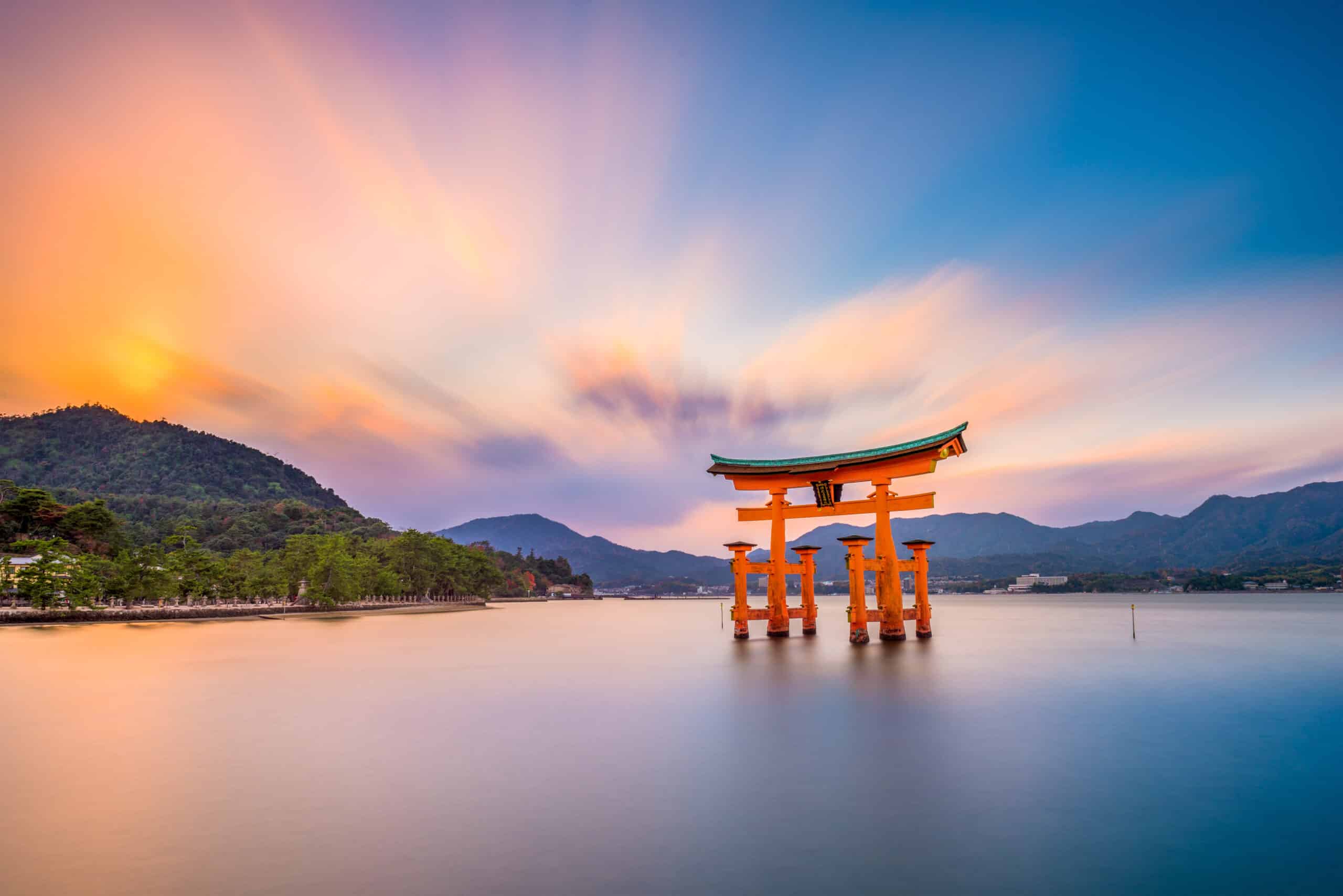
Few places in Japan leave such a lasting impression as Miyajima. Officially known as Itsukushima, this small island in Hiroshima Bay is famous for its iconic floating torii gate, sacred shrines, forest-covered mountains, and peaceful atmosphere.
Often ranked among Japan’s most beautiful destinations, Miyajima offers a unique blend of culture, history, and nature. Visitors can explore UNESCO-listed temples, ride a ropeway to panoramic viewpoints on Mount Misen, wander traditional streets lined with local food stalls, and watch the famous torii gate appear to float above the water during high tide.
While many travelers visit Miyajima as a day trip from Hiroshima, the island reveals a completely different character after the last ferries leave. Quiet pathways, illuminated shrines, and stunning sunset views create an experience that feels worlds away from Japan’s busy cities.
Whether you’re planning a quick visit or an overnight stay, this Miyajima travel guide covers everything you need to know, including the best things to do, where to stay, when to visit, and practical tips for making the most of your trip.
Quick Answer: Is Miyajima Worth Visiting?
Is Miyajima Worth Visiting?
Yes—Miyajima is absolutely worth visiting. Famous for its iconic floating torii gate, UNESCO-listed Itsukushima Shrine, and beautiful mountain scenery, Miyajima is one of Japan’s most memorable destinations. While many travelers visit as a day trip from Hiroshima, staying overnight allows you to experience the island’s peaceful atmosphere after the crowds have gone. Whether you’re interested in culture, photography, hiking, or traditional Japan, Miyajima easily deserves a place on your itinerary.
Table of Contents
Quick Overview
Miyajima Quick Overview
How to Get to Miyajima
Miyajima is located just off the coast of Hiroshima and is surprisingly easy to reach. Most travelers visit the island as a day trip from Hiroshima, with the journey taking less than an hour.
First, take a train from Hiroshima Station to Miyajimaguchi Station. The JR Sanyo Line is the most popular option and takes approximately 25–30 minutes. From the station, it is only a short walk to the ferry terminal.
Next, board a ferry to Miyajima. Both the JR Ferry and Matsudai Ferry operate frequent services throughout the day, with the crossing taking about 10 minutes. The ferry ride itself offers excellent views of the island and the famous floating torii gate.
Travelers using the Japan Rail Pass can use both the JR Sanyo Line and the JR Miyajima Ferry at no additional cost, making Miyajima one of Japan’s easiest and best-value day trips.
Travel Time Overview
- Hiroshima Station → Miyajimaguchi Station: 25–30 minutes
- Walk to Ferry Terminal: 2–5 minutes
- Ferry to Miyajima: 10 minutes
- Total Travel Time: Approximately 45–60 minutes
Travel Owl Tip: Try to arrive early in the morning. You’ll enjoy quieter shrine grounds, shorter ropeway lines, and a much more peaceful atmosphere before the day-trip crowds arrive.
Why Visit Miyajima?
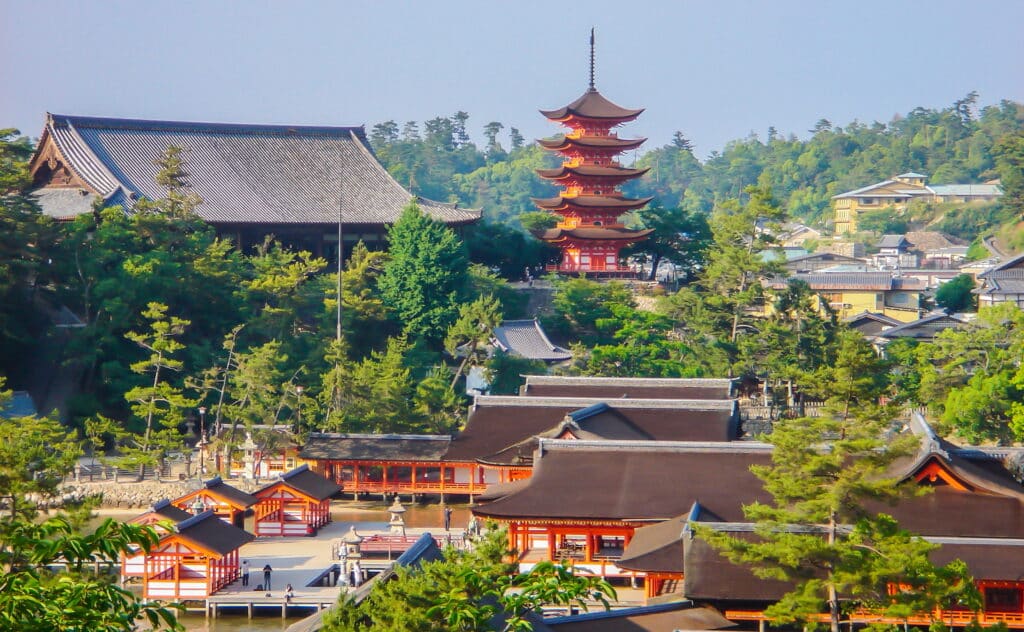
Miyajima may be small, but it offers one of Japan’s most rewarding travel experiences. From the famous floating torii gate and UNESCO-listed shrines to mountain viewpoints and traditional streets, the island combines culture, nature, and history in a way few destinations can match.
Many visitors arrive expecting to see only the iconic torii gate, but Miyajima offers much more. You can hike through ancient forests, explore centuries-old temples, sample local specialties such as oysters and momiji manju, and enjoy spectacular views across Hiroshima Bay from the summit of Mount Misen.
What makes Miyajima especially memorable is its atmosphere. Even though it is one of Japan’s most famous destinations, the island still feels peaceful and spiritual, particularly in the early morning and evening after most day-trippers have left.
What Makes Miyajima Special?
Miyajima combines some of Japan’s most iconic scenery with centuries of history and a peaceful island atmosphere. Here are the reasons why it consistently ranks among the country’s most unforgettable destinations.
What Makes Miyajima Special?
Miyajima combines sacred shrines, stunning coastal scenery, mountain landscapes, and centuries of history into one unforgettable destination. Few places in Japan offer such a unique mix of culture, nature, and iconic views.
Japan’s Most Famous Torii Gate
The giant floating torii gate is one of Japan’s most recognizable landmarks and looks completely different depending on the tides and time of day.
UNESCO World Heritage Site
Itsukushima Shrine is one of Japan’s most important cultural treasures and has attracted pilgrims and visitors for centuries.
Beautiful Island Scenery
Surrounded by the Seto Inland Sea, Miyajima offers a combination of coastal views, forested mountains, and picturesque waterfront landscapes.
Mount Misen Adventures
Hiking trails, ropeway rides, and panoramic viewpoints make Mount Misen one of the island’s most rewarding experiences.
Traditional Island Atmosphere
Historic temples, quiet streets, traditional ryokan, and free-roaming deer create an atmosphere that feels worlds away from Japan’s major cities.
Perfect From Hiroshima
Easily reached by train and ferry, Miyajima is one of Japan’s best day trips while also rewarding travelers who stay overnight.
One of the best things about Miyajima is its variety. Whether you’re visiting for photography, culture, hiking, food, or simply to experience one of Japan’s most beautiful landscapes, the island offers a memorable experience for every type of traveler.
Quick Decision Guide
Not sure how to experience Miyajima? Use this quick guide to find the best option based on your travel style and interests.
How Should You Experience Miyajima?
Miyajima offers much more than its famous floating torii gate. Whether you’re visiting for photography, hiking, traditional culture, local food, or simply a relaxing escape from Hiroshima, this guide will help you choose the best experience.
Itsukushima Shrine & Torii Gate
The island’s iconic highlights and a must-see for every visitor. Check tide times to experience both high-tide and low-tide views.
Mount Misen
Ride the ropeway or hike to the summit for breathtaking panoramas across the Seto Inland Sea and surrounding islands.
Sunrise & Sunset
Visit during golden hour for the most beautiful lighting, fewer crowds, and unforgettable views of the floating torii gate.
Stay Overnight
Experience the island’s peaceful atmosphere after the day-trippers leave and enjoy illuminated shrines and quiet streets.
Omotesando Street
Sample local oysters, grilled anago (conger eel), momiji manju, and other regional specialties while exploring the island.
Mount Misen Trails
Explore scenic forest paths, hidden temples, and rewarding viewpoints on one of western Japan’s best island hikes.
Best Things to Do in Miyajima
Despite its small size, Miyajima offers far more than one famous photo spot. From the floating torii gate and UNESCO-listed shrine to mountain viewpoints, atmospheric temples, local food streets, and peaceful walking paths, the island has enough highlights to fill a full day or even an overnight stay.
Itsukushima Shrine
Visit Itsukushima Shrine
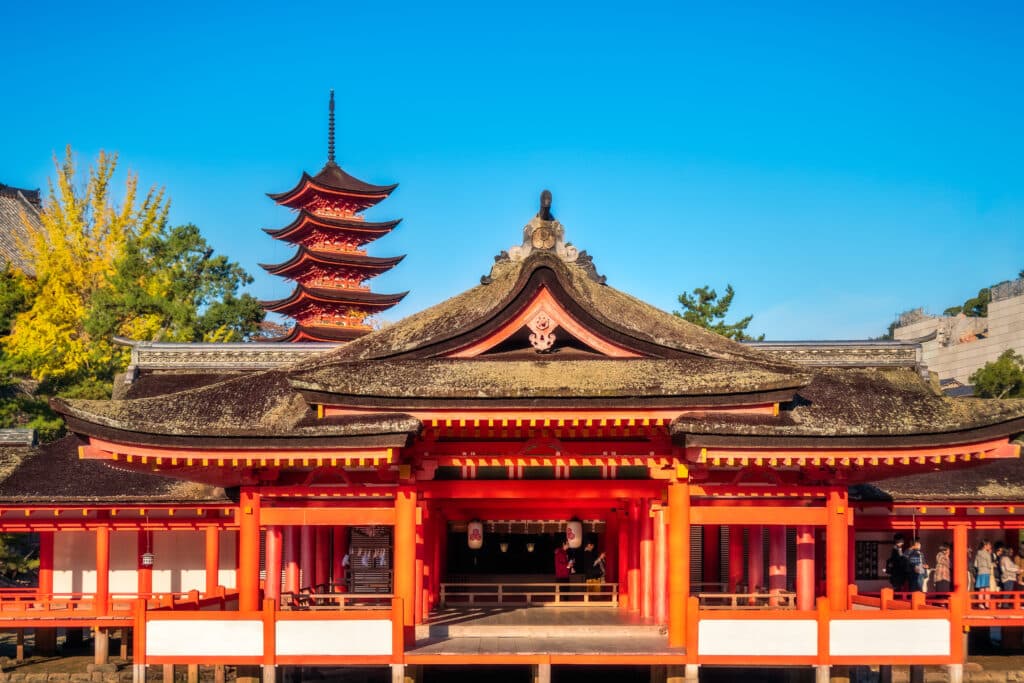
Itsukushima Shrine is Miyajima’s most important landmark and one of Japan’s most beautiful shrine complexes.
Built partly over the water, the shrine appears to float during high tide, creating one of the island’s most iconic views.
The vermilion corridors, sea-facing setting, and spiritual atmosphere make it an essential stop for every visitor.
Floating Torii Gate
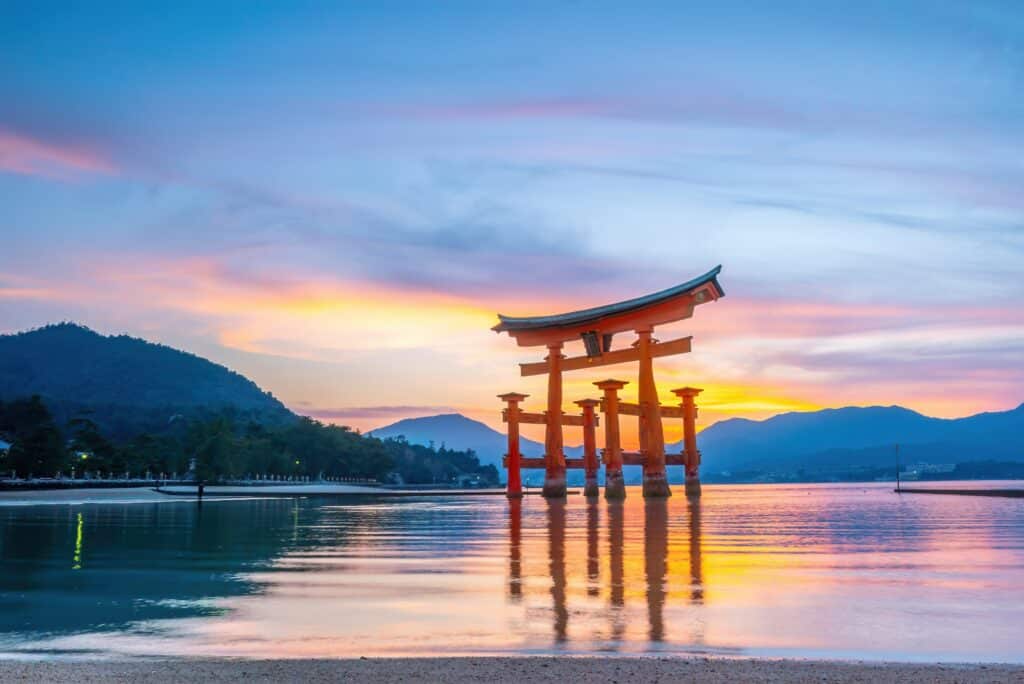
See the Floating Torii Gate
The giant torii gate standing offshore is Miyajima’s most famous sight and one of Japan’s most recognizable landmarks.
At high tide it appears to float on the water, while low tide allows visitors to walk directly to its base.
The changing tides create dramatically different photo opportunities throughout the day.
Mount Misen
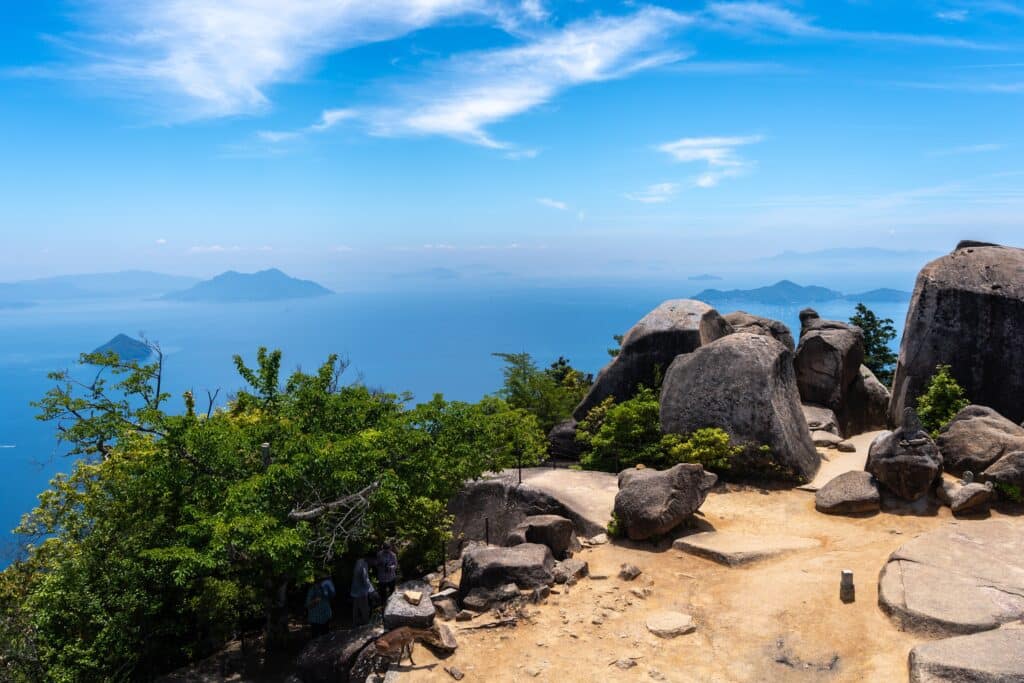
Explore Mount Misen
Mount Misen is the highest point on Miyajima and offers some of the best views in western Japan.
Forest trails, ancient temples, giant rock formations, and panoramic sea views make the journey worthwhile.
Whether you hike or use the ropeway, the summit is one of Miyajima’s highlights.
Miyajima Ropeway
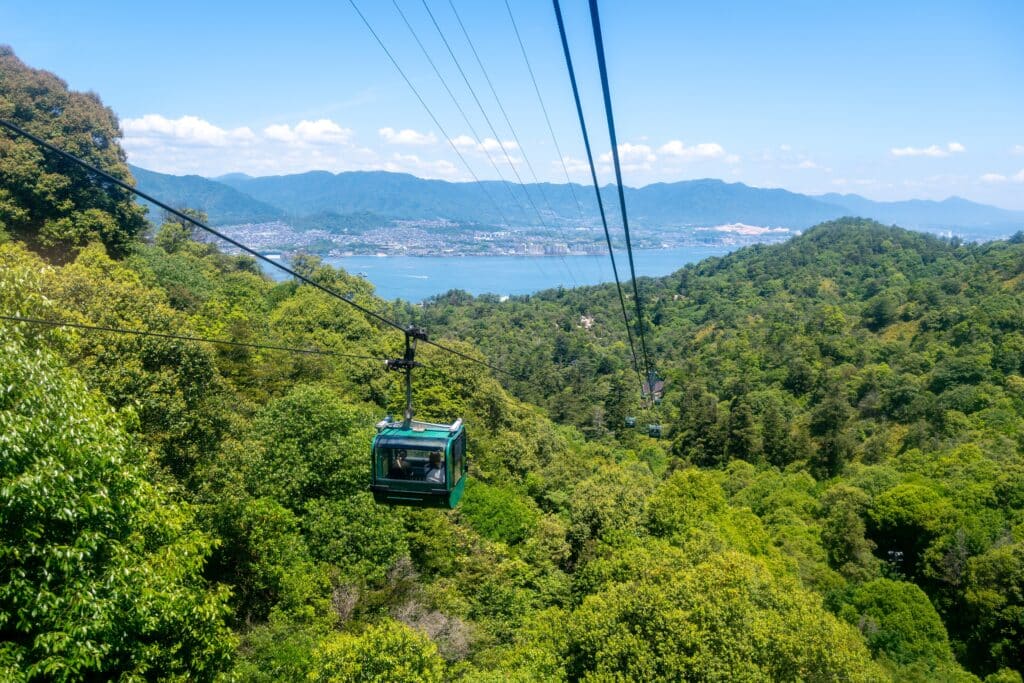
Ride the Miyajima Ropeway
The Miyajima Ropeway provides an easy and scenic route toward Mount Misen.
During the ride you’ll enjoy beautiful views of forests, islands, and the Seto Inland Sea.
It is an excellent option for visitors who prefer not to hike the entire mountain.
Daisho-in Temple
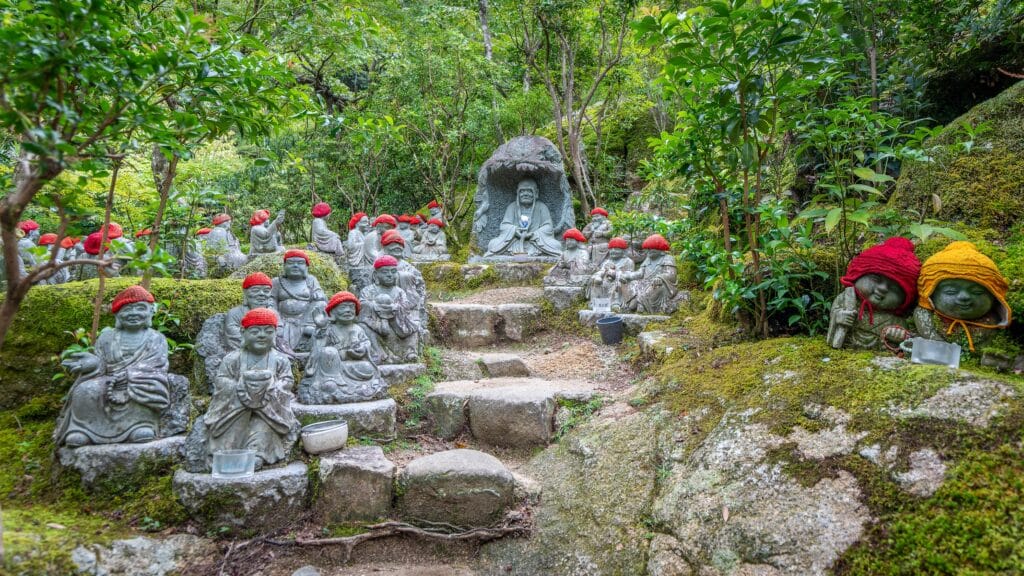
Visit Daisho-in Temple
Daisho-in Temple is one of Miyajima’s most beautiful and atmospheric religious sites.
Stone lanterns, statues, prayer wheels, and forest surroundings create a peaceful setting.
Many travelers consider it one of the island’s most underrated attractions.
Momijidani Park
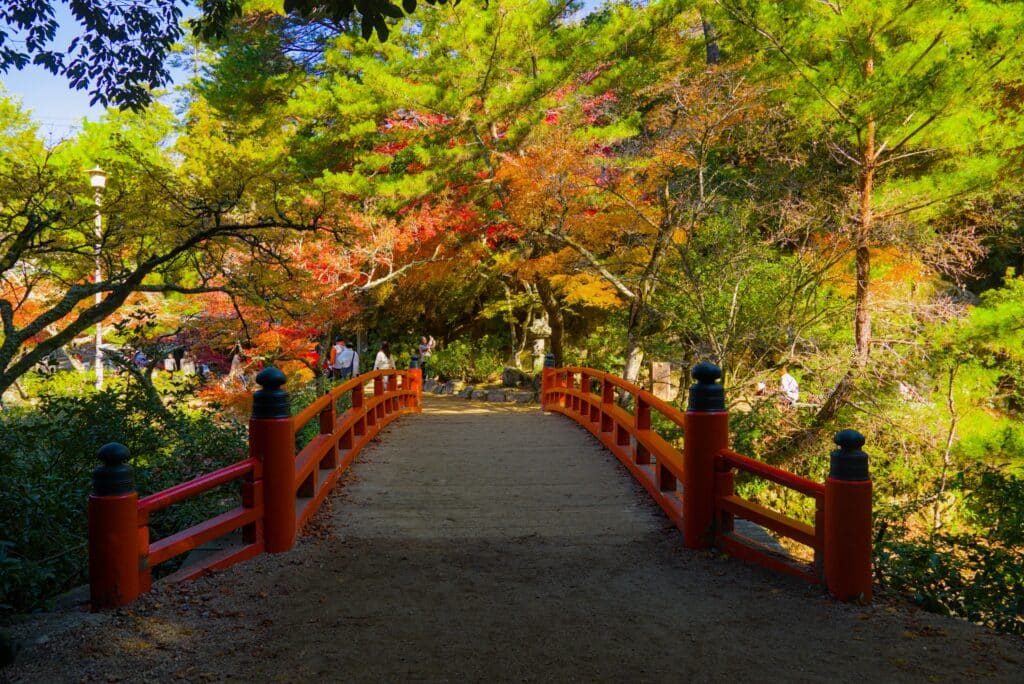
Walk Through Momijidani Park
Momijidani Park is famous for its maple trees and colorful autumn scenery.
Small streams, walking paths, and forested surroundings make it a relaxing escape from busy sightseeing areas.
It is beautiful throughout the year but particularly spectacular during autumn.
Omotesando Street
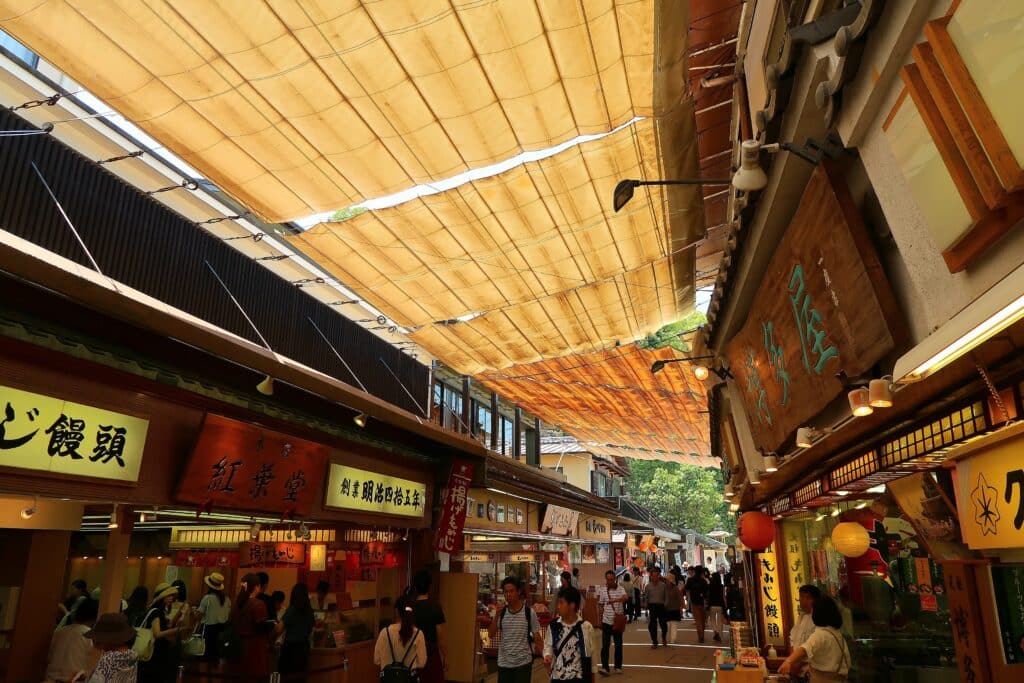
Explore Omotesando Street
This lively street is the heart of Miyajima’s shopping and food scene.
Visitors can browse souvenir shops, sample local snacks, and enjoy traditional island specialties.
It is the perfect place to experience the island’s everyday atmosphere.
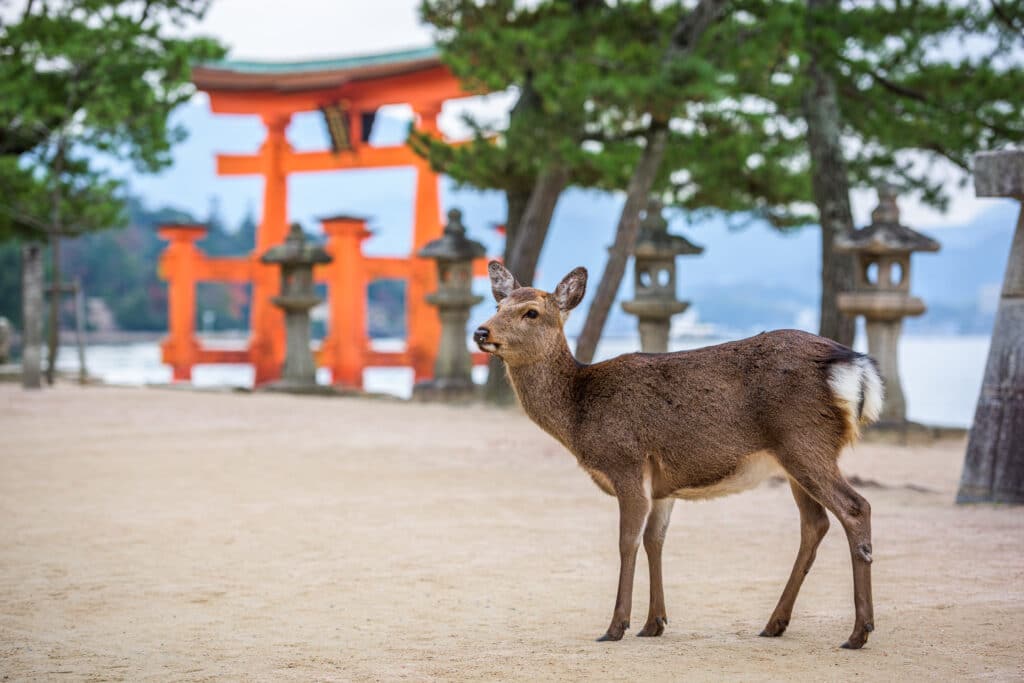
One of the most memorable experiences on Miyajima isn’t a specific attraction at all. After the last ferry crowds leave, the island becomes surprisingly peaceful, and a simple walk along the waterfront often feels more special than any sightseeing stop.
Five-Story Pagoda
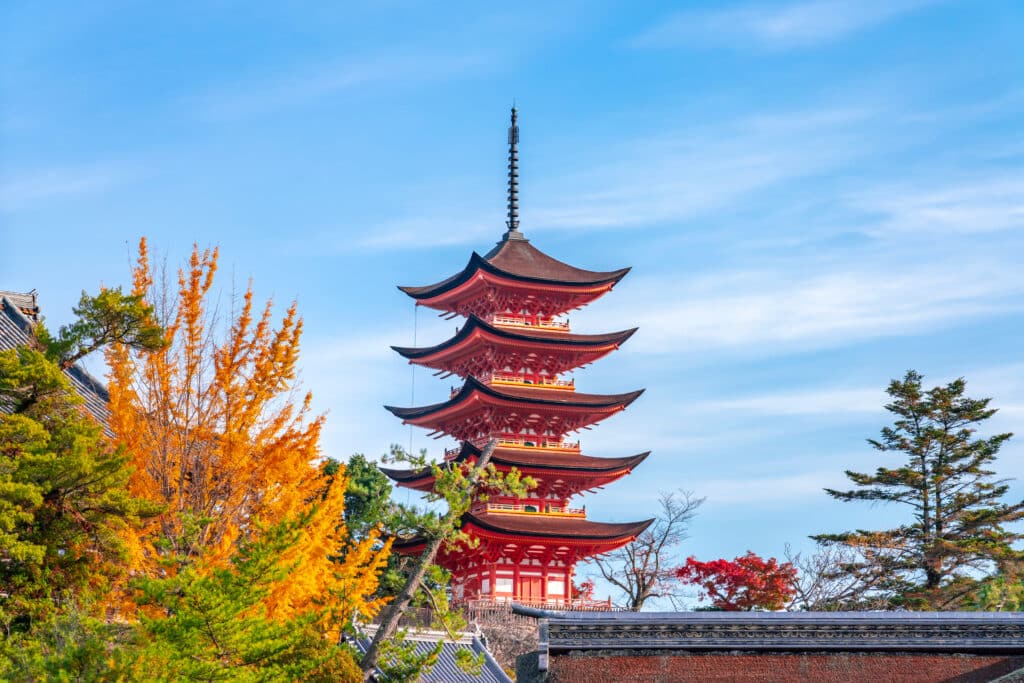
See the Five-Story Pagoda
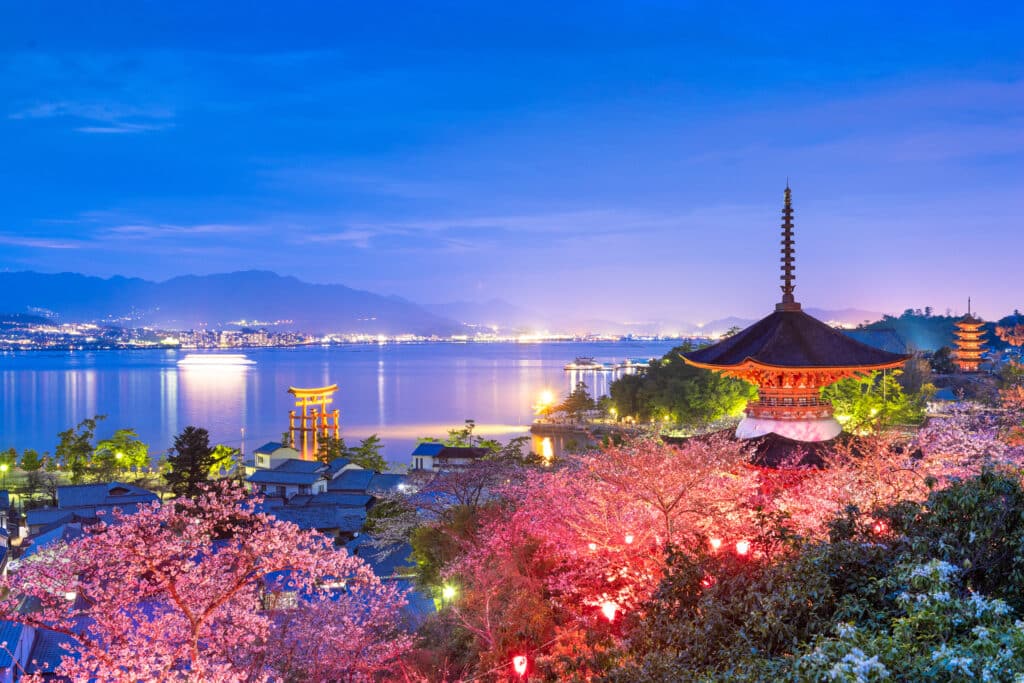
The striking vermilion pagoda stands above the shrine area and is one of Miyajima’s most photogenic structures.
Dating back to the 15th century, it adds a historic and cultural dimension to the island.
Its elevated position makes it a favorite photography location.
Senjokaku Hall
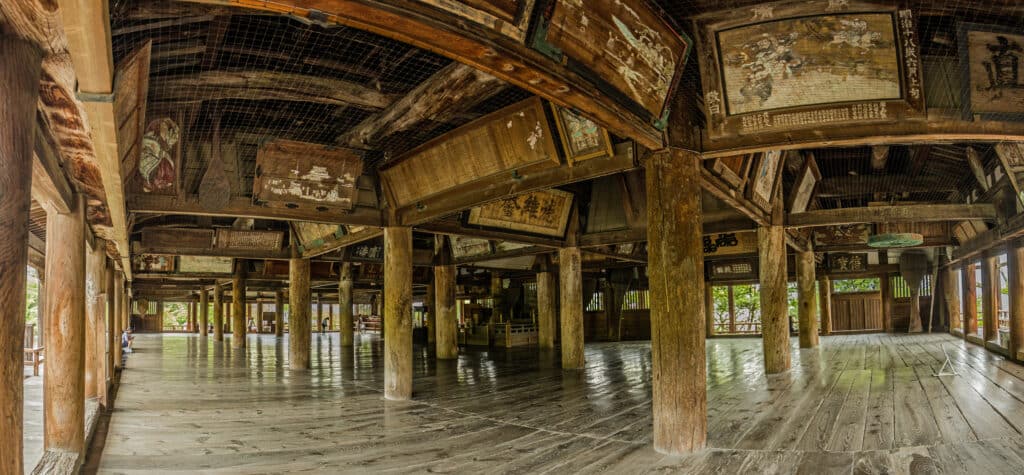
Visit Senjokaku Hall
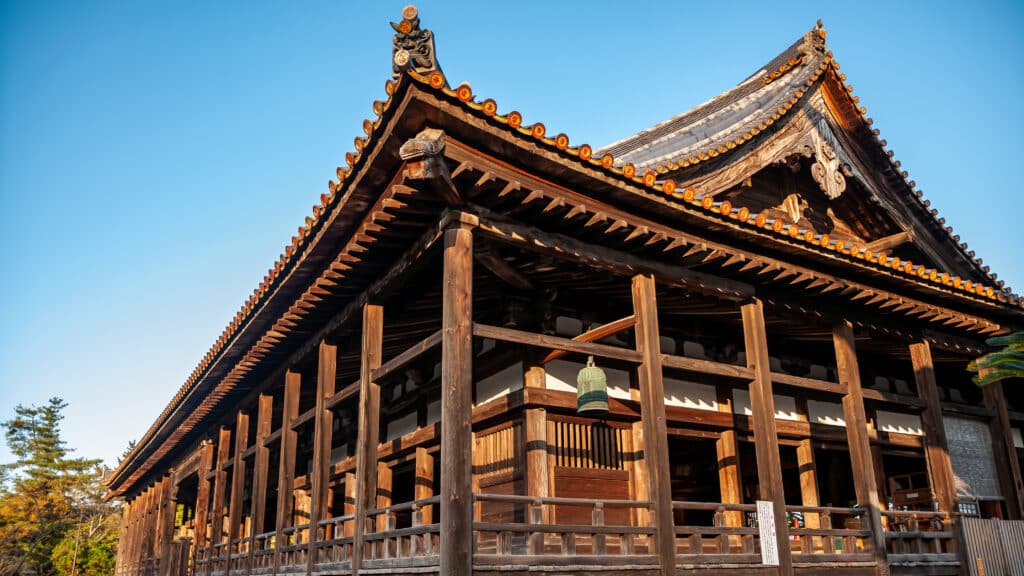
Senjokaku Hall is a spacious wooden structure offering a calmer atmosphere than the busy waterfront.
The open design and elevated location provide excellent views and a peaceful setting.
It is one of Miyajima’s most overlooked cultural attractions.
Miyajima Aquarium

Visit Miyajima Aquarium
Miyajima Aquarium showcases marine life from the Seto Inland Sea and surrounding waters.
Interactive exhibits and educational displays make it a popular stop for families.
It also provides a good alternative during rainy weather.
What to Eat in Miyajima
Miyajima is not only famous for its shrines and scenic views but also for its local food. From freshly grilled oysters to sweet maple-shaped pastries, the island offers several specialties that are worth trying during your visit.
Oysters
Miyajima and nearby Hiroshima Bay are known for producing some of Japan’s best oysters. You’ll find them served grilled, fried, steamed, or even raw in many restaurants and food stalls around the island.
The rich flavor and freshness make oysters one of Miyajima’s signature dishes and a must-try for seafood lovers.
💡 Try it: Freshly grilled oysters from one of the food stalls along Omotesando Street.
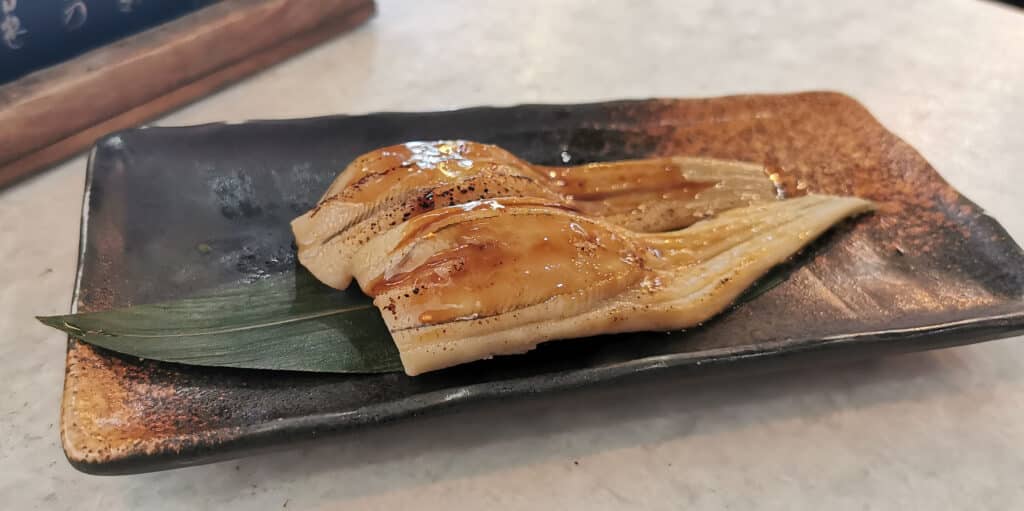
Anago Meshi
Anago meshi is a traditional dish consisting of grilled conger eel served over rice. While it is less famous internationally than sushi or ramen, it is one of the region’s most beloved specialties.
The eel is lightly grilled and glazed with a savory sauce, creating a delicious meal that has been enjoyed around Hiroshima for generations.
💡 Try it: A traditional restaurant near the waterfront or around Miyajimaguchi before boarding the ferry.
Momiji Manju
Momiji manju is Miyajima’s most famous sweet treat. Shaped like a maple leaf, these small cakes are traditionally filled with sweet red bean paste, although modern versions also include custard, chocolate, matcha, and cream fillings.
They make an excellent snack while exploring the island and are also one of the most popular souvenirs to take home.
💡 Try it: Freshly baked momiji manju from Omotesando Street for the best flavor and texture.
Travel Owl Tip
If you only have time to try one savory dish and one sweet treat, choose anago meshi and freshly baked momiji manju. Together, they provide a perfect introduction to Miyajima’s local food culture.
Map of Miyajima Attractions
Use the interactive map below to explore Miyajima’s top attractions, scenic viewpoints, hiking areas, and food spots. It is especially helpful for planning walking routes between the shrine area, Mount Misen, and the island’s historic streets.
Most visitors spend their time around Itsukushima Shrine and Omotesando Street, but heading toward Mount Misen or Daisho-in Temple reveals a quieter and more scenic side of Miyajima.
Where to Stay in Miyajima
Most visitors explore Miyajima as a day trip from Hiroshima, but staying overnight allows you to experience the island after the crowds leave. The atmosphere changes completely in the evening, especially around Itsukushima Shrine and the waterfront.
The best area depends on whether you want convenience, traditional ryokan experiences, or easy access to the ferry.
Best Areas to Stay in Miyajima
Miyajima is compact and easy to explore on foot, but different parts of the island offer slightly different experiences depending on your travel style.
Near Itsukushima Shrine
The best location for iconic views, traditional atmosphere, and easy access to the island’s main attractions. Perfect if you are staying overnight for the full Miyajima experience.
Historic Ryokan Area
Stay in a traditional Japanese ryokan with tatami rooms, kaiseki dinners, and views across the Seto Inland Sea for a memorable cultural experience.
Near Miyajima Ferry Terminal
Ideal for travelers with luggage, short stays, or early departures. Attractions remain within walking distance while transport is easily accessible.
Mount Misen Side
A quieter part of the island surrounded by forests and walking trails. Best for travelers looking for peaceful scenery and slower-paced stays.
Our Recommendation
If your schedule allows, spend one night on Miyajima instead of visiting only as a day trip.
Many visitors leave on the last ferry, but staying overnight lets you experience the island’s most magical moments—quiet shrine grounds, illuminated landmarks, peaceful waterfront walks, and far fewer crowds. For many travelers, this becomes one of the highlights of a trip to Japan.
Recommended Hotels & Ryokan
Luxury: Iwaso Ryokan
Historic ryokan surrounded by nature near Momijidani Park, offering one of Miyajima’s most famous traditional stays.
Mid-Range: Miyajima Grand Hotel Arimoto
Excellent location near Itsukushima Shrine with traditional Japanese rooms and sea views.
Budget-Friendly: Sakuraya
Simple and affordable accommodation near the ferry terminal with easy access to the island’s main attractions.
Best Time to Visit Miyajima
Miyajima is beautiful throughout the year, but each season offers a different experience. Spring brings cherry blossoms and pleasant temperatures, autumn transforms the island with vibrant maple colors, while winter offers a quieter and more peaceful atmosphere. The best time to visit ultimately depends on what you want to see and experience.
When Should You Visit Miyajima?
From cherry blossoms and autumn foliage to peaceful winter walks, here’s what to expect throughout the year.
March – May
Cherry blossoms bloom around Itsukushima Shrine and the Five-Story Pagoda, creating some of the island’s most beautiful scenery.
June – August
Warm temperatures, lush greenery, and longer daylight hours make summer ideal for exploring Mount Misen and the island’s hiking trails.
September – November
Momijidani Park becomes one of Japan’s most spectacular autumn destinations as the maple trees turn brilliant shades of red and gold.
December – February
Winter offers fewer crowds, peaceful shrine grounds, and some of the clearest views across Hiroshima Bay from Mount Misen.
Choose the Best Time for Your Trip
Not sure when to visit Miyajima? Use this quick guide based on your travel style and interests.
Late March – Early April
The best time for sakura scenery around Itsukushima Shrine, the waterfront, and the Five-Story Pagoda.
April–May & October–November
Comfortable temperatures and excellent conditions for exploring Mount Misen and the island’s trails.
Mid-November
Peak foliage season when Momijidani Park becomes one of Japan’s most beautiful autumn destinations.
December – February
A quieter and more relaxed side of Miyajima with fewer visitors and peaceful shrine grounds.
Spring & Autumn
The perfect balance of scenery, weather, photography opportunities, and outdoor activities.
💡 Travel Owl Tip: While autumn is famous for its spectacular maple foliage, many travelers find spring and winter equally rewarding thanks to smaller crowds and a more peaceful atmosphere around the shrine and waterfront.
Quick Decision Guide
How Should You Experience Miyajima?
Miyajima offers much more than its famous floating torii gate. Whether you’re visiting for photography, hiking, traditional culture, local food, or simply a relaxing escape from Hiroshima, this guide will help you choose the best experience.
Itsukushima Shrine & Torii Gate
The island’s iconic highlights and a must-see for every visitor. Check tide times to experience both high-tide and low-tide views.
Mount Misen
Ride the ropeway or hike to the summit for breathtaking panoramas across the Seto Inland Sea and surrounding islands.
Sunrise & Sunset
Visit during golden hour for the most beautiful lighting, fewer crowds, and unforgettable views of the floating torii gate.
Stay Overnight
Experience the island’s peaceful atmosphere after the day-trippers leave and enjoy illuminated shrines and quiet streets.
Omotesando Street
Sample local oysters, grilled anago, momiji manju, and other regional specialties while exploring the island.
Mount Misen Trails
Explore scenic forest paths, hidden temples, and rewarding viewpoints on one of western Japan’s best island hikes.
💡 Travel Owl Tip
Many travelers visit Miyajima during the middle of the day when crowds are at their highest. If possible, arrive early in the morning or stay overnight. Seeing the torii gate and shrine before the day-trippers arrive creates a completely different experience.
Miyajima Travel Tips
Miyajima is easy to visit, but a few simple tips can make your experience much smoother. Understanding the ferry schedules, tide times, and crowd patterns will help you enjoy the island at its best.
Essential Miyajima Travel Tips
These practical tips will help you avoid common mistakes and make the most of your time on one of Japan’s most iconic islands.
Check the Tide Times
The famous torii gate looks completely different at high and low tide. Planning around the tides allows you to experience both views.
Arrive Early
Most day-trippers arrive late morning. Early mornings are quieter and provide the best atmosphere around the shrine area.
Stay Overnight If Possible
After the last ferry crowds leave, Miyajima becomes much calmer and more peaceful.
Wear Comfortable Shoes
Exploring Mount Misen, temple grounds, and the island’s walking paths involves more walking than many visitors expect.
Try Local Specialties
Miyajima is famous for fresh oysters, grilled anago, and momiji manju sweets.
Respect the Deer
The deer are wild animals. Do not feed them and keep maps, tickets, and food secured.
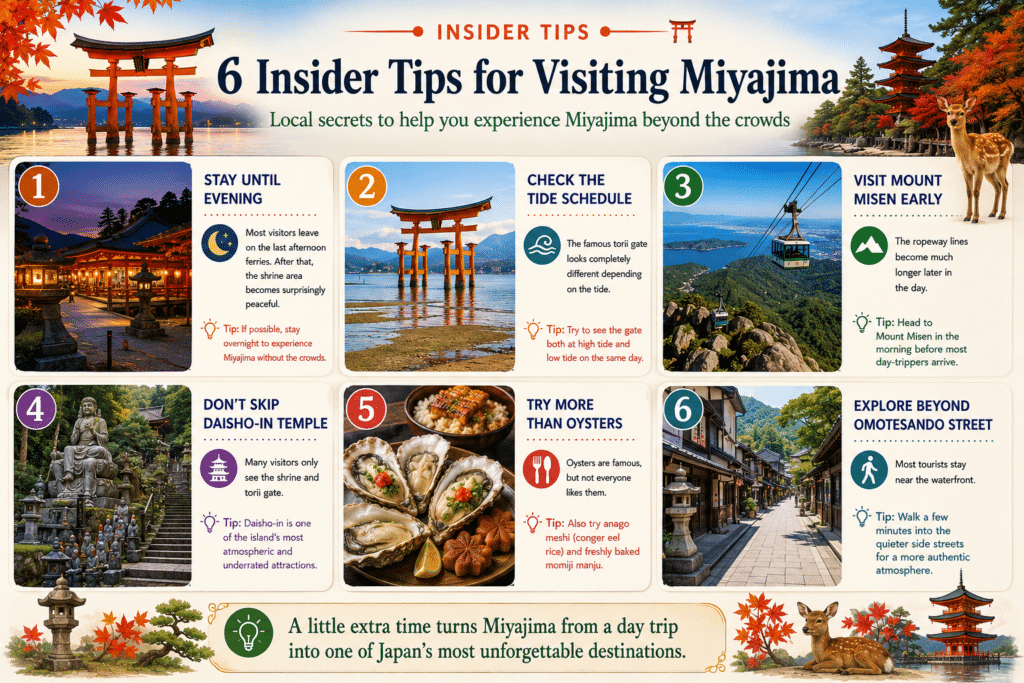
Insider Tips
Is Miyajima Right for You?
Is Miyajima Right for You?
Miyajima is one of Japan’s most popular destinations, but it appeals particularly strongly to certain travel styles. Here’s how it compares.
⭐⭐⭐⭐⭐
The floating torii gate, historic shrines, and traditional atmosphere make Miyajima one of Japan’s most iconic destinations.
⭐⭐⭐⭐⭐
Sunrise, sunset, autumn foliage, the torii gate, and Mount Misen provide outstanding photo opportunities.
⭐⭐⭐⭐⭐
UNESCO-listed shrines, historic temples, and centuries of spiritual heritage make Miyajima a cultural highlight.
⭐⭐⭐⭐
Mount Misen offers excellent hiking trails, viewpoints, and forest scenery just beyond the shrine area.
⭐⭐⭐⭐
Oysters, anago meshi, and momiji manju provide a strong local food experience despite the island’s small size.
⭐⭐
Miyajima is all about scenery and atmosphere rather than bars, nightlife, or late-night entertainment.
Bottom line: If you’re looking for iconic scenery, traditional Japan, photography opportunities, and a peaceful atmosphere, Miyajima is one of the most rewarding destinations in the country.
Final Thoughts
Miyajima is one of those destinations that feels even more impressive in person than it does in photos. While the floating torii gate is the island’s most famous landmark, there is much more to discover beyond the waterfront.
From the UNESCO-listed Itsukushima Shrine and the peaceful halls of Daisho-in Temple to the panoramic views from Mount Misen, Miyajima combines culture, history, nature, and scenery in a way few destinations in Japan can match.
Many travelers visit as a day trip from Hiroshima, but staying overnight reveals a quieter and more atmospheric side of the island. Early mornings, illuminated shrines, and peaceful evening walks often become the most memorable moments of a visit.
Whether you’re planning your first trip to Japan or returning to explore beyond Tokyo and Kyoto, Miyajima deserves a place on your itinerary. Its iconic views, rich history, and relaxed island atmosphere make it one of Japan’s most unforgettable destinations.
FAQ
Is Miyajima worth visiting?
Yes. Miyajima is widely considered one of Japan’s most beautiful destinations thanks to its famous floating torii gate, historic shrine, mountain scenery, and peaceful atmosphere.
Can you visit Miyajima as a day trip from Hiroshima?
Yes. Miyajima is one of the easiest and most popular day trips from Hiroshima, requiring less than one hour of travel.
How many days do you need in Miyajima?
One day is enough for the highlights, but an overnight stay allows you to experience the island without the daytime crowds.
What is Miyajima famous for?
Miyajima is famous for the floating torii gate, Itsukushima Shrine, Mount Misen, free-roaming deer, and beautiful seasonal scenery.
When is the best time to visit Miyajima?
Spring and autumn are generally considered the best seasons. Spring brings cherry blossoms, while autumn offers spectacular maple foliage.
Do you need a car in Miyajima?
No. Miyajima is a pedestrian-friendly island and all major attractions can be reached on foot or by ropeway.
Should I stay overnight in Miyajima?
If your itinerary allows, yes. Staying overnight lets you experience the island’s most peaceful hours after most day-trippers have departed.