
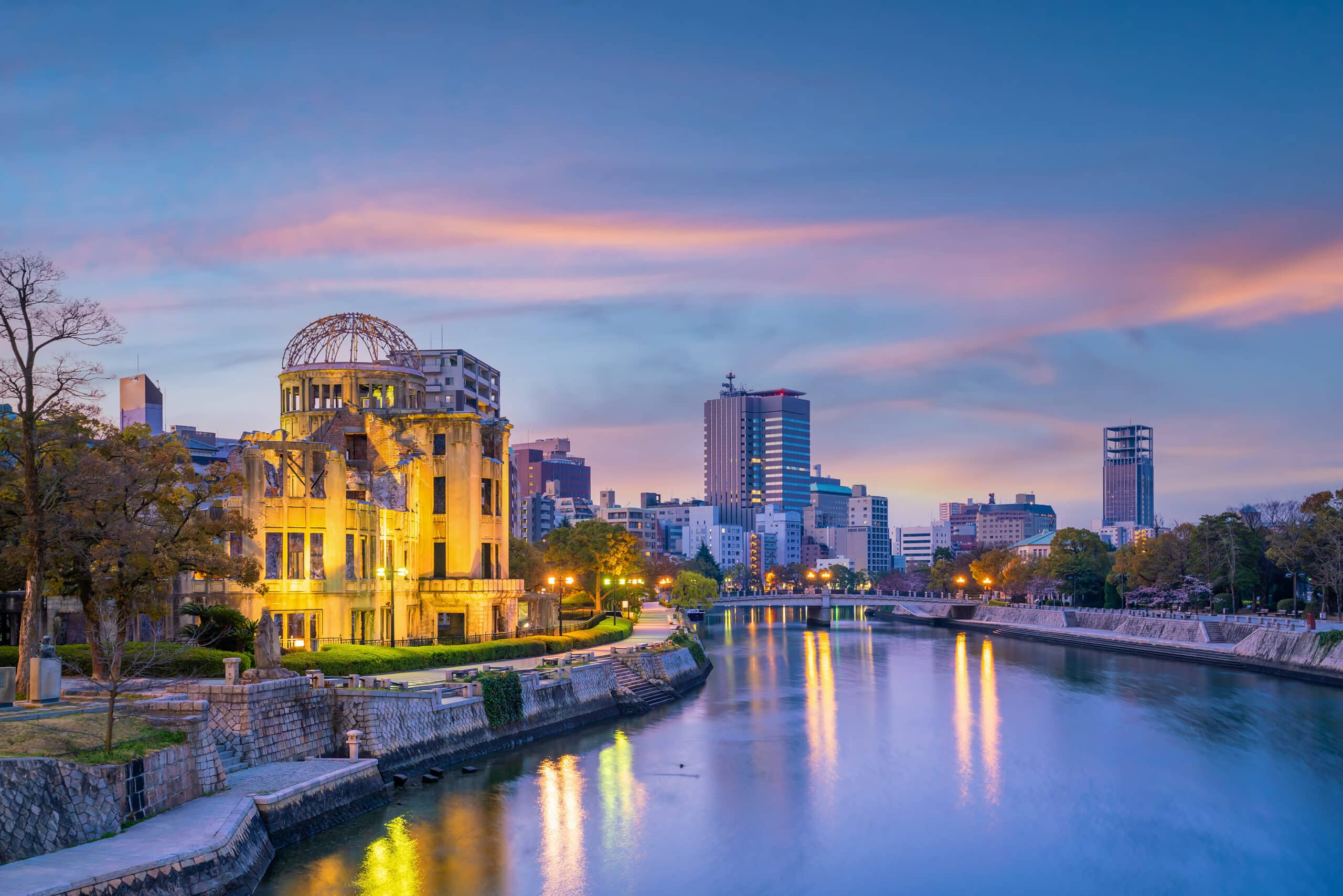
Hiroshima is one of the most powerful places you can visit in Japan—not because of what you see, but because of what you feel.
Known worldwide for its tragic past, the city today stands as a symbol of peace, resilience, and renewal. But Hiroshima is not only about history—it also offers beautiful waterfront views, a relaxed atmosphere, and access to one of Japan’s most iconic islands.
This guide helps you experience Hiroshima in a way that is respectful, efficient, and rewarding, whether you’re visiting as a day trip or staying overnight.
Quick Overview
Hiroshima at a Glance
Everything you need to know before you go
Western Japan (Chugoku Region)
1–2 days recommended
Peace Memorial Park, Miyajima, Torii Gate
Shinkansen from Osaka or Kyoto (1.5–2 hours)
History, culture, meaningful experiences
Calm, reflective, well-balanced
Quick Answer
Is Hiroshima Worth Visiting?
Yes — Hiroshima is absolutely worth visiting, especially if you combine it with Miyajima. It offers one of Japan’s most meaningful travel experiences, with a powerful mix of history, reflection, local food, and island scenery.
If you only have a tight schedule, Hiroshima can work as a day trip from Osaka or Kyoto. But for the best experience, stay 1 night so you can visit the Peace Memorial area without rushing and enjoy Miyajima properly.
Table of Contents
Why Visit Hiroshima?
Hiroshima is not a city you simply “see”—it’s a place you feel.
While many destinations in Japan impress with scale, beauty, or entertainment, Hiroshima stands apart for a different reason: it offers one of the most meaningful travel experiences in the country.
The city’s history is impossible to ignore. On August 6, 1945, Hiroshima became the first city in the world to be hit by an atomic bomb. Today, places like the Hiroshima Peace Memorial Park and the Atomic Bomb Dome preserve that memory—not in a way that overwhelms visitors, but in a way that encourages reflection, understanding, and perspective.
But focusing only on that would miss half the story.
Modern Hiroshima is green, open, and surprisingly relaxed. Wide boulevards, rivers cutting through the city, and a slower pace make it feel very different from Tokyo or Osaka. It’s a place where you naturally spend more time walking, thinking, and observing.
And then there’s the contrast.
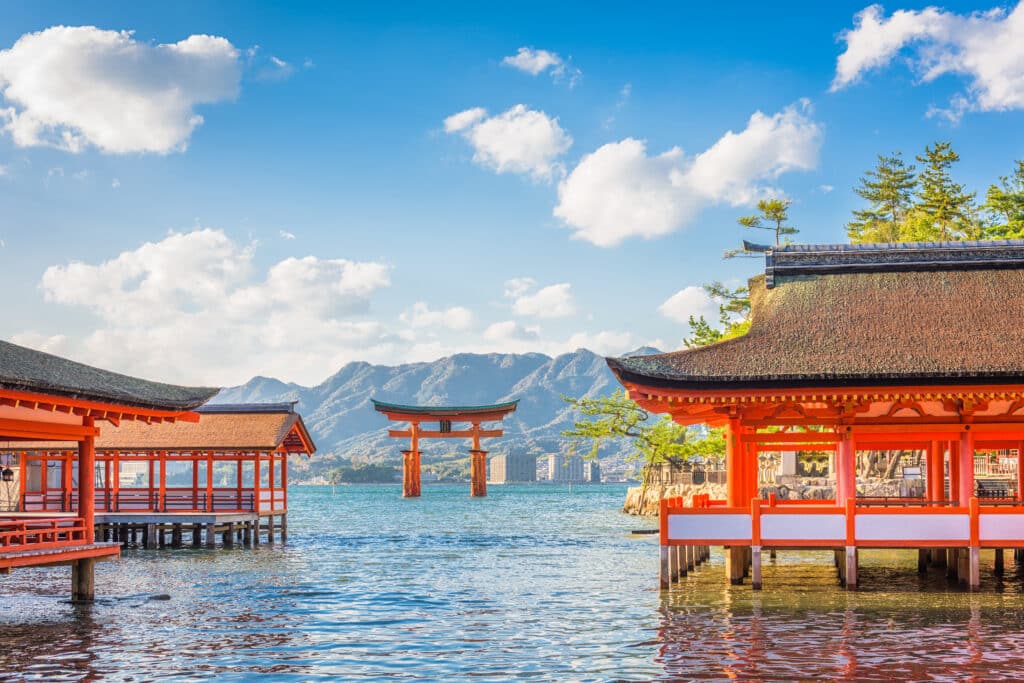
Just a short ferry ride away lies Miyajima Island—home to the iconic floating torii gate of Itsukushima Shrine. Visiting both Hiroshima and Miyajima in one trip creates a rare balance between reflection and beauty, between history and nature.
Few places in Japan offer such a complete emotional and visual experience in such a compact area.
What Makes Hiroshima Special
Why Visit Hiroshima
What Makes Hiroshima Special
A destination defined by meaning, contrast, and simplicity
A place that teaches and makes you reflect—not just another sightseeing stop.
One of the most meaningful and memorable experiences you can have in Japan.
All major sights are easy to reach, making the city simple and stress-free to explore.
Few places offer a mix of city, history, and island beauty like Hiroshima and Miyajima.
Less crowded and more local than Kyoto, with a calm and open feel.
A rare mix of reflection, culture, food, and nature—all in one destination.
Who Should Visit Hiroshima?
Hiroshima is especially worth it if you:
- Are visiting Japan for the first time and want a deeper experience
- Want to balance busy cities with something more meaningful
- Plan to explore western Japan (Osaka / Kyoto route)
- Appreciate destinations that leave a lasting impression
If your itinerary allows it, Hiroshima is not optional—it’s essential.
How to Get to Hiroshima (Smart Travel Guide)
Travel Planning Guide
Best Way to Visit Hiroshima
Choose the option that fits your Japan itinerary best
Stay 1 night in Hiroshima and visit Miyajima the next day.
Visit Hiroshima as a day trip from Osaka or Kyoto.
Use Hiroshima as a stopover between Kyoto, Osaka, and western Japan.
Doing Hiroshima as a day trip from Tokyo. It is usually too rushed.
Travel Planning Guide
Your Perfect Hiroshima Experience
Plan your visit based on time, travel style, and what matters most
1 Night Stay
Experience Hiroshima properly without rushing. Visit the Peace Memorial, then enjoy Miyajima with enough time for sunset.
Day Trip
Possible from Kyoto or Osaka. Covers the highlights, but expect a faster pace and limited time on Miyajima.
Stopover Strategy
Travel from Kyoto to Hiroshima, stay overnight, then continue your journey. This avoids unnecessary backtracking.
Miyajima at Sunset
The single most memorable experience. Fewer crowds, better light, and a completely different atmosphere.
Okonomiyaki Experience
Sit at the counter and watch it being prepared. It’s not just food—it’s part of Hiroshima culture.
Rushing Everything
Trying to see everything in a few hours removes the emotional depth that makes Hiroshima special.
Getting to Hiroshima is straightforward—but choosing the right train, timing, and strategy can save you hours.
For most travelers, the journey is part of the experience—especially if it’s your first time riding the Shinkansen.
Best Way: Shinkansen (Bullet Train)
Transport Guide
Best Way to Get to Hiroshima
Fast, simple, and efficient travel options
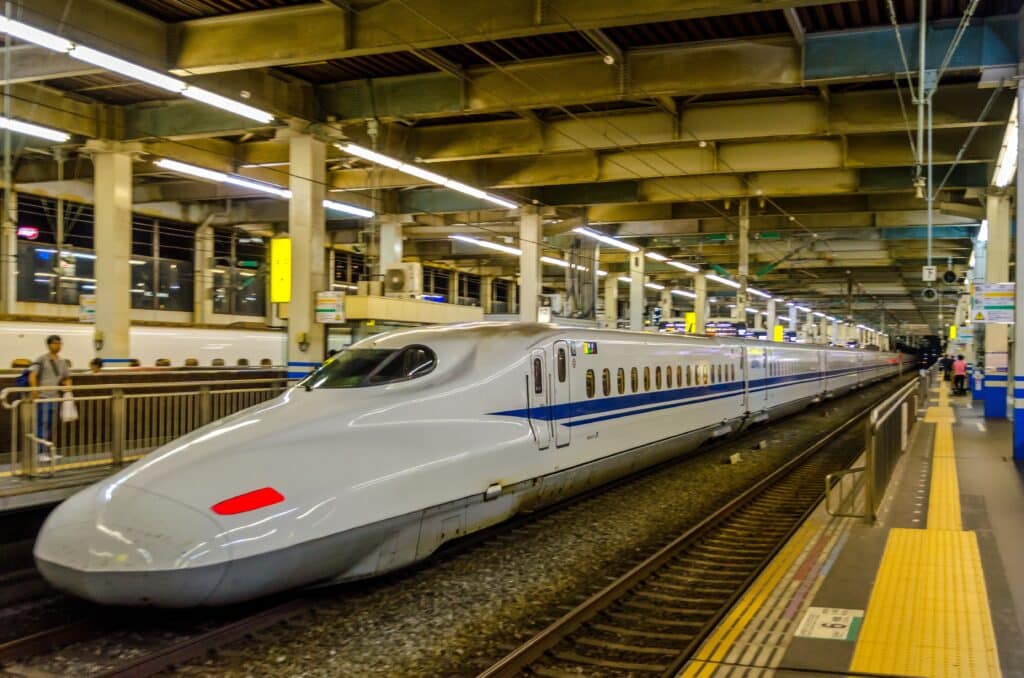
Shinkansen (bullet train) — fast, reliable, and comfortable.
Tokyo ~4h / Kyoto ~2h / Osaka ~1.5h
Use Hikari or Sakura trains. Nozomi is not included.
Right side from Tokyo for a chance to see Mount Fuji.
Reserve space for large suitcases or use luggage forwarding.
Buy a bento box (ekiben) and enjoy the journey.
Getting to Hiroshima is straightforward—but a few smart choices can make your journey much smoother.
For most travelers, the Shinkansen (bullet train) is the best option. It’s fast, reliable, and part of the Japan travel experience.
Which Train Should You Take?
Not all Shinkansen trains are the same:
Nozomi → Fastest, fewest stops
Hikari / Sakura → Slightly slower
Kodama → Slowest (many stops)
If you are using the Japan Rail Pass:
Nozomi is not included
Use Hikari (from Tokyo) or Sakura (from Osaka/Kyoto)
The time difference is usually small, so don’t overthink it.
From Hiroshima Station to the City
Once you arrive, reaching the main sights is easy.
Best options:
Tram (streetcar) → easiest and most atmospheric
Bus → slightly faster
Taxi → convenient but rarely necessary
To reach the Peace Memorial area:
Take the tram to “Genbaku Dome”
Travel time: about 15 minutes
Getting to Miyajima
Reaching Miyajima is simple once you know the steps:
Train from Hiroshima Station → Miyajimaguchi (about 30 minutes)
Ferry → Miyajima Island (about 10 minutes)
Both are covered by the JR Pass.
Smart Travel Strategy (Important)
How you integrate Hiroshima into your itinerary matters more than the journey itself.
Best approach:
Use Hiroshima as a stopover between Kyoto, Osaka, and western Japan.
Example:
Kyoto → Hiroshima (stay 1 night) → continue onward
This avoids backtracking and saves time.
Is Hiroshima Worth the Journey from Tokyo?
Yes—but plan it carefully.
Day trip → too rushed
Overnight stay → ideal
Combine with Kyoto or Osaka → best option
Quick Summary
Shinkansen is the best way to get to Hiroshima
Use JR Pass-compatible trains if applicable
Trams make getting around easy
Combine Hiroshima with Miyajima for the best experience
Top Things to Do in Hiroshima
Hiroshima doesn’t overwhelm you with endless attractions—and that’s exactly its strength.
Instead of rushing between dozens of sights, the city offers a small number of truly meaningful experiences. If you plan it right, every stop feels intentional.
1. Peace Memorial Park & Museum (Essential Experience)
1. Peace Memorial Park & Museum
This is the reason most people come to Hiroshima—and it fully lives up to its importance.
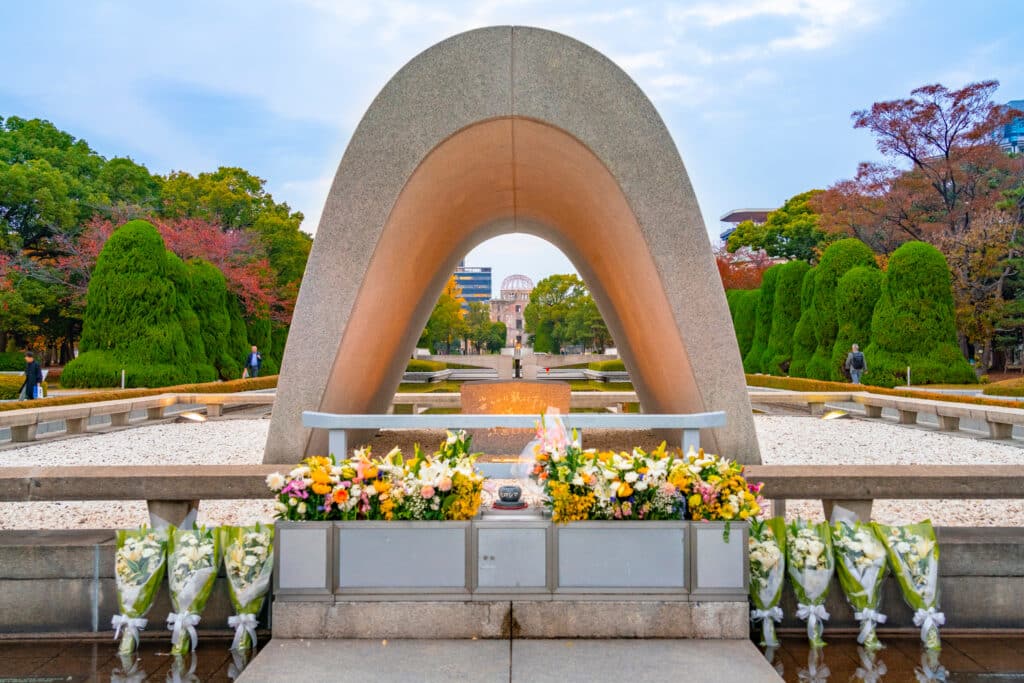
The park marks the hypocenter of the atomic explosion in 1945. Today, it’s a calm, open space that invites reflection rather than shock. The preserved Atomic Bomb Dome stands as a powerful reminder, while the museum provides the context that turns a visit into a deeply personal experience.
2. Miyajima Island & Itsukushima Shrine (Iconic Japan)
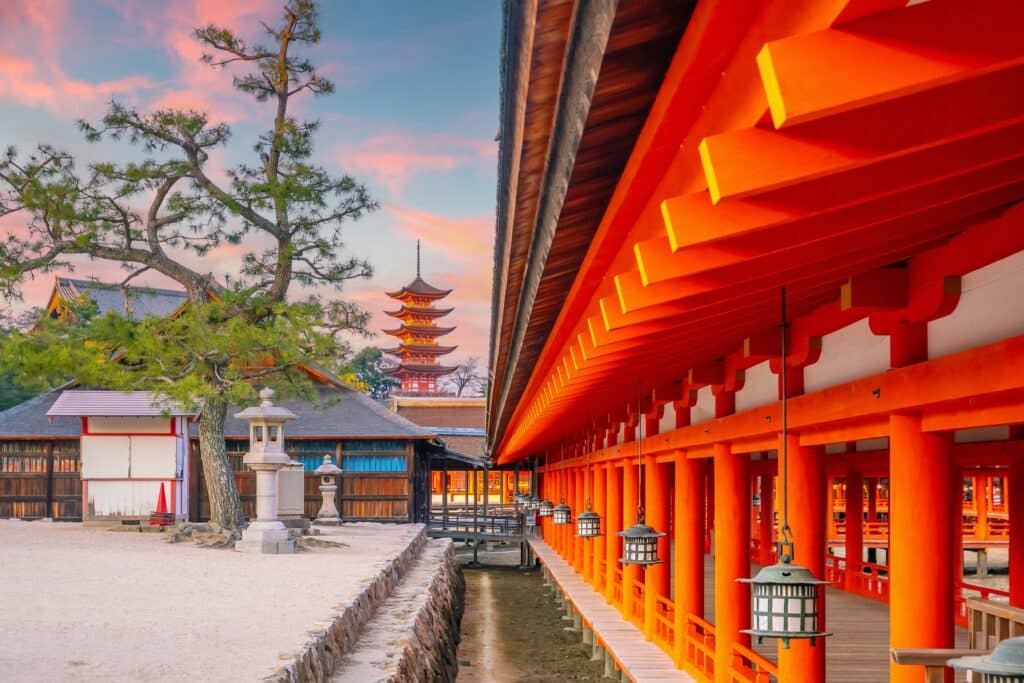
2. Miyajima Island & Itsukushima Shrine
If Hiroshima is about reflection, Miyajima is about beauty and atmosphere.
The famous floating torii gate is one of Japan’s most iconic sights—and it truly lives up to expectations. Beyond the shrine, the island offers scenic walks, small streets, and peaceful viewpoints.
3. Hiroshima Castle (Quick Cultural Stop)
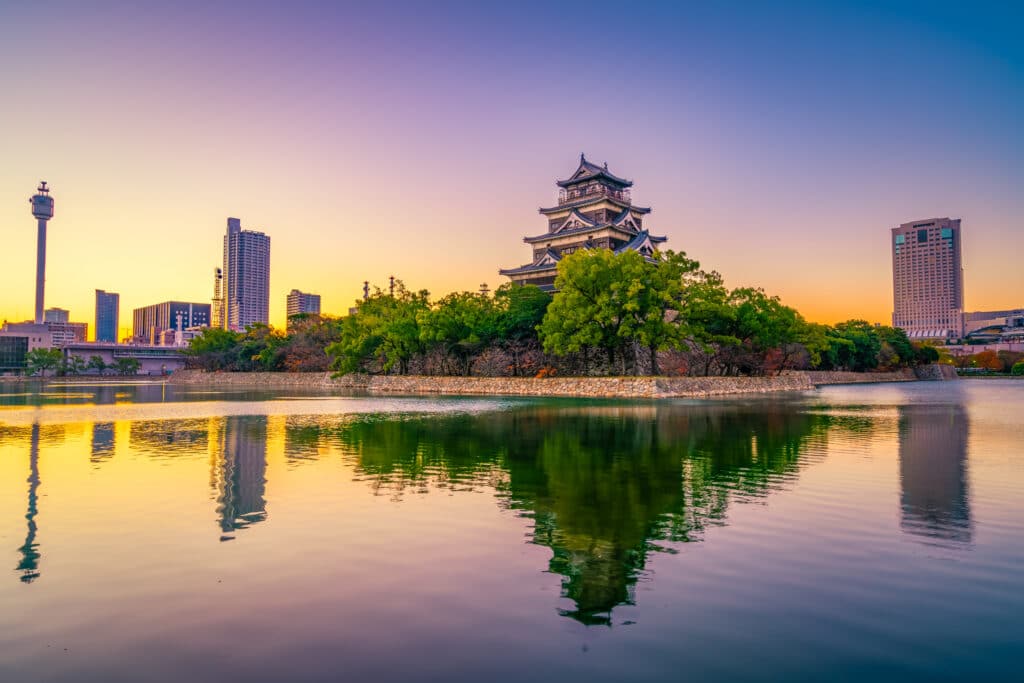
3. Hiroshima Castle
A quick cultural stop that offers insight into Hiroshima’s pre-war history.
Originally built in the 16th century, the reconstructed castle includes a small museum focused on samurai culture. It’s not essential—but worth it if you have extra time.
4. Shukkeien Garden (Hidden Calm Spot)
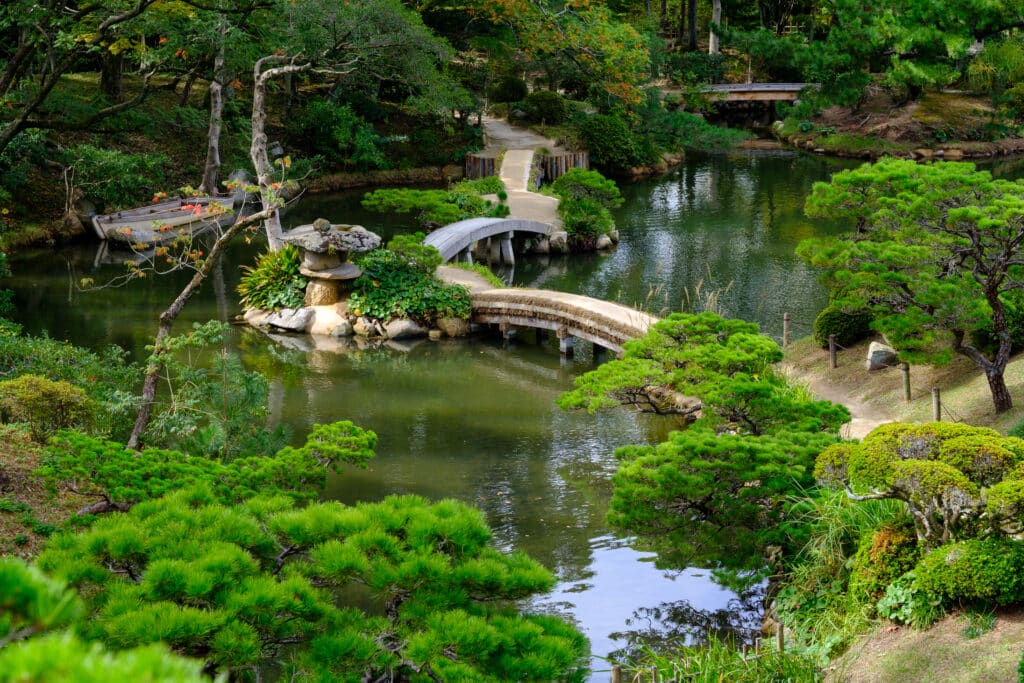
4. Shukkeien Garden
The perfect place to slow down after the intensity of the Peace Museum.
This traditional garden recreates landscapes in miniature form and offers a calm, reflective environment.
5. Try Hiroshima-Style Okonomiyaki (Local Highlight)

5. Try Hiroshima-Style Okonomiyaki
This isn’t just a meal—it’s part of Hiroshima’s identity.
The Hiroshima version is layered and includes noodles, giving it a completely different texture from Osaka-style.
How to Prioritize (Very Important)
If you’re short on time, focus on this order:
- Peace Memorial Park & Museum
- Miyajima Island
- Food experience (okonomiyaki)
- Optional: Castle or Garden
This ensures you get the full Hiroshima experience, not just fragments.
Common Mistake to Avoid
Many travelers treat Hiroshima as a quick stop and only visit the Atomic Bomb Dome.
This is a mistake.
Without the museum and Miyajima, you’re missing both the depth and the contrast that make Hiroshima special.
Hiroshima Travel Map
Tip: Use this map to plan your route efficiently. Start in Hiroshima city, then continue to Miyajima for the best experience.
Suggested Itinerary for Hiroshima
Itinerary Guide
Hiroshima Day Trip vs Overnight Stay
Choose the option that fits your travel style
Best if you are short on time and staying in Kyoto or Osaka. Covers the highlights but feels fast-paced.
Best for a deeper, more relaxed experience with enough time for Miyajima and sunset.
Stay overnight. Hiroshima is much more meaningful when you don’t rush.
Plan enough time to stay until sunset and check tide times.
Hiroshima is compact—but how you structure your visit makes a big difference.
The key decision is simple: Day trip or overnight stay?
Here are the two best ways to plan your visit.
Option 1: Hiroshima Day Trip (Efficient but Fast-Paced)
Best for: tight itineraries, JR Pass users, base in Kyoto or Osaka
Morning
Arrive early (~9:00)
Visit Peace Memorial Museum
Walk through Peace Memorial Park
See Atomic Bomb Dome
Lunch
Try Hiroshima-style okonomiyaki
Afternoon
Travel to Miyajima Island
Visit Itsukushima Shrine
Explore the island
Evening
Return to Kyoto or Osaka
Pros: Time-efficient, covers main highlights
Cons: Feels rushed, limited time on Miyajima
Option 2: 1 Night in Hiroshima (Recommended)
Best for: first-time visitors, relaxed travel, deeper experience
Day 1: Hiroshima City
Arrive in Hiroshima
Visit Peace Memorial Museum first
Walk through the park
Optional: Shukkeien Garden or Hiroshima Castle
Evening
Dinner: okonomiyaki
Optional: walk along the river
Day 2: Miyajima
Travel to Miyajima Island
Visit Itsukushima Shrine
Optional: Mount Misen hike or ropeway
Stay for sunset if possible
Pros: Better pacing, more meaningful experience, full Miyajima visit
Cons: Requires one extra night
Which Option Should You Choose?
Choose a day trip if you are short on time and already staying in Kyoto or Osaka.
Choose an overnight stay if you want a deeper, more relaxed experience—especially for Miyajima.
Pro Tip: The Best Travel Strategy
If you are traveling through Japan (Tokyo → Kyoto → Hiroshima), don’t do Hiroshima as a return trip.
Use it as a stopover:
Kyoto → Hiroshima (stay 1 night) → continue onward
This saves time and makes your itinerary much smoother.
Quick Decision Summary
Short on time → Day trip
Want the full experience → Stay overnight
Travel Tips for Hiroshima
Plan Your Timing Carefully
Start early at the Hiroshima Peace Memorial Museum.
Visit Miyajima later in the day if possible.
Why this matters:
Mornings are quieter at the museum, while late afternoon brings better light and atmosphere on Miyajima.
Balance the Emotional Experience
The museum can be intense—don’t rush straight to the next sight.
Take a short break:
Walk through the park, sit by the river, or grab a coffee.
This helps you process the experience instead of feeling overwhelmed.
Getting Around Hiroshima
Use the tram (streetcar).
It’s:
Easy to use
Well connected
Part of the local experience
It may be slightly slower than buses—but much more enjoyable.
Miyajima Tips (Important)
Check tide times before you go:
High tide → floating torii gate
Low tide → walk up to it
Stay at least 3–4 hours—and ideally until sunset.
Food Experience
Try Hiroshima-style okonomiyaki.
For the best experience:
Sit at the counter
Watch it being prepared
It turns a simple meal into something memorable.
Insider Tips for Visiting Hiroshima
These are not the usual tips you’ll find everywhere—these are the small details that make your Hiroshima trip feel smoother, deeper, and more special.
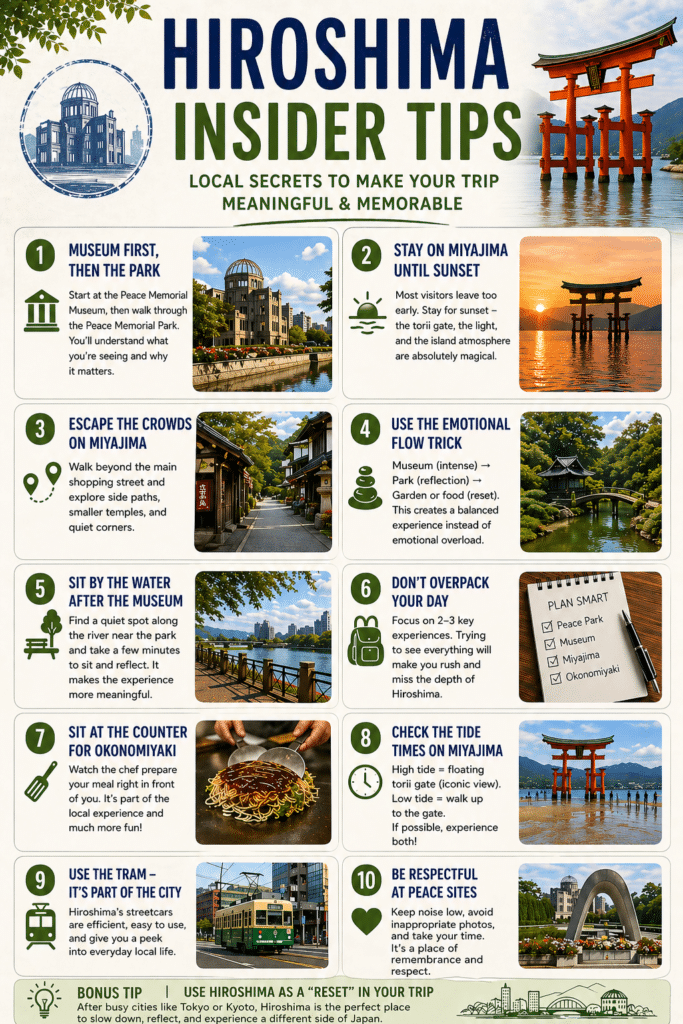
Go to the Museum First — Always
Most people start with the Atomic Bomb Dome and then visit the museum.
Do the opposite.
- Start at the Hiroshima Peace Memorial Museum
- Then walk through Hiroshima Peace Memorial Park
Why this matters:
You’ll understand what you’re seeing—and the entire area becomes far more meaningful.
Time Miyajima for Sunset (Game-Changer)
Most visitors leave Miyajima Island too early.
Stay until sunset.
- Fewer crowds
- Softer light
- Much more atmospheric
Bonus: The Itsukushima Shrine looks completely different in evening light.
Escape the Crowds on Miyajima
The main street gets busy—but just a few steps away, it’s quiet.
Do this:
- Walk past the main shopping street
- Explore side paths and smaller temples
Result:
You’ll experience the island in a much more authentic way.
Use the Emotional Flow Trick
Hiroshima can feel heavy if you don’t structure it well.
Best order:
- Museum (intense)
- Park (reflection)
- Garden or food (reset)
This creates a balanced experience instead of emotional overload.
Sit Down Near the Water After the Museum
This sounds simple—but it’s powerful.
- Find a quiet spot along the river near the park
- Sit for a few minutes
This helps process what you’ve just seen—and makes the visit more meaningful.
Don’t Overpack Your Day
Hiroshima is not about rushing.
Limit yourself to:
- Peace Park + Museum
- Miyajima
Everything else is optional.
Why this matters:
Trying to “see everything” actually weakens the experience.
Choose the Right Okonomiyaki Spot
Not all restaurants feel the same.
Best experience:
- Counter seating
- Smaller local place
More interaction, better atmosphere, more memorable meal
Use Hiroshima as a “Reset” in Your Trip
After cities like Tokyo or Kyoto, Hiroshima feels different.
Use it intentionally:
- Slow down
- Walk more
- Reflect
This shift in pace is part of what makes it special.
Quick Insider Summary
- Museum first → then park
- Stay on Miyajima until sunset
- Leave the main tourist paths behind
- Balance emotional + relaxing moments
- Focus on fewer, better experiences
What to Skip in Hiroshima
Smart Travel Tips
What to Prioritize in Hiroshima
Focus on the experiences that make Hiroshima truly memorable
Peace Memorial Museum, Peace Memorial Park, and Atomic Bomb Dome.
Miyajima Island and Itsukushima Shrine, especially around sunset.
Hiroshima-style okonomiyaki, ideally at a counter seat.
Hiroshima Castle and Shukkeien Garden if you have extra time.
Rushing Hiroshima in a Few Hours
This is the most common mistake.
Hiroshima may be compact—but it’s not meant to be rushed.
If you try to do everything quickly:
The museum feels overwhelming
Miyajima becomes just a photo stop
The experience loses its depth
Instead:
Plan at least a full day—or ideally stay overnight.
Only Visiting the Atomic Bomb Dome
The Dome is iconic—but without context, it’s just a photo.
What to do instead:
Visit the museum first
Then walk through the park
This completely changes how you experience it.
Skipping Miyajima Island
Hiroshima is not just about history.
Miyajima adds:
Beauty
Atmosphere
Contrast
Without it, the trip feels incomplete.
Visiting Miyajima at the Wrong Time
Midday often means:
Crowds
Harsh light
Less atmosphere
Better:
Go later in the day
Stay for sunset
Check tide times
Overplanning Your Day
Trying to “see everything” usually makes the experience worse.
Focus on:
Peace Memorial Park & Museum
Miyajima
Everything else is optional.
Best Time to Visit Hiroshima
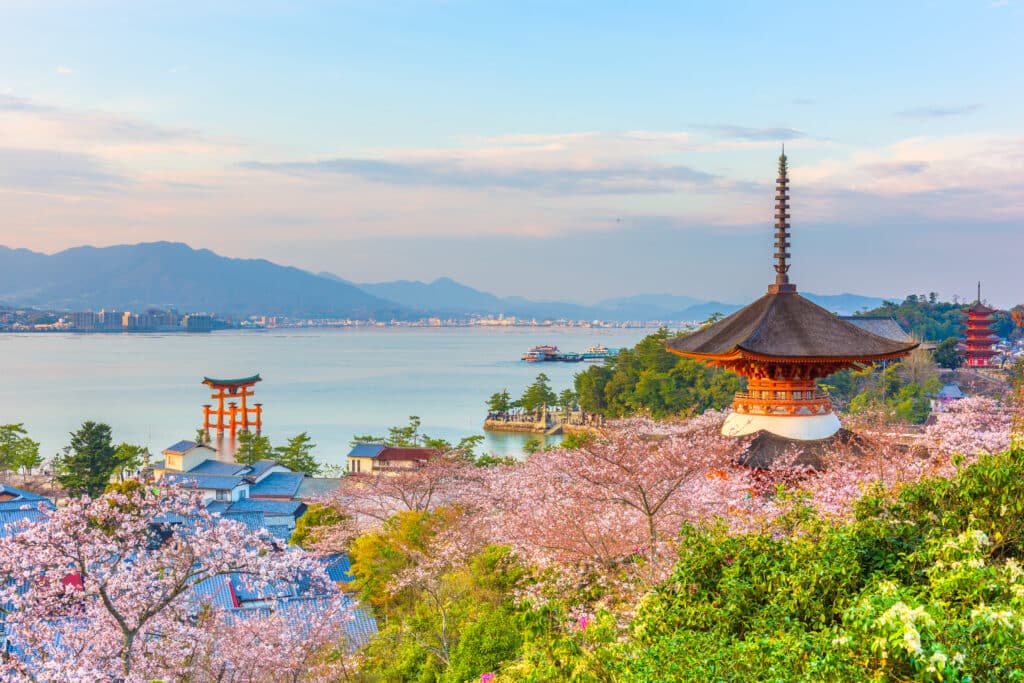
Spring (March – April) — Best Overall
Cherry blossoms around Peace Memorial Park
Mild temperatures
Beautiful atmosphere
Downside:
More crowds and higher prices
Autumn (November) — Best Balance
Fall colors in Shukkeien Garden
Perfect weather for walking
Fewer crowds than spring
For many travelers, this is the best overall season.
Summer (June – August) — Only If You Don’t Mind Heat
Hot and humid conditions
But:
Hiroshima Peace Memorial Ceremony (August 6)
Meaningful—but physically demanding.
Winter (December – February) — Quiet Option
Fewer tourists
Lower prices
Peaceful atmosphere
Less vibrant scenery—but more space to explore.
Quick Decision Guide
Choose Spring if:
You want the classic Japan experience (cherry blossoms)
Choose Autumn if:
You want great weather + fewer crowds
Choose Summer if:
You specifically want to attend the Peace Ceremony
Choose Winter if:
You prefer quiet travel and fewer tourists
Final Thoughts
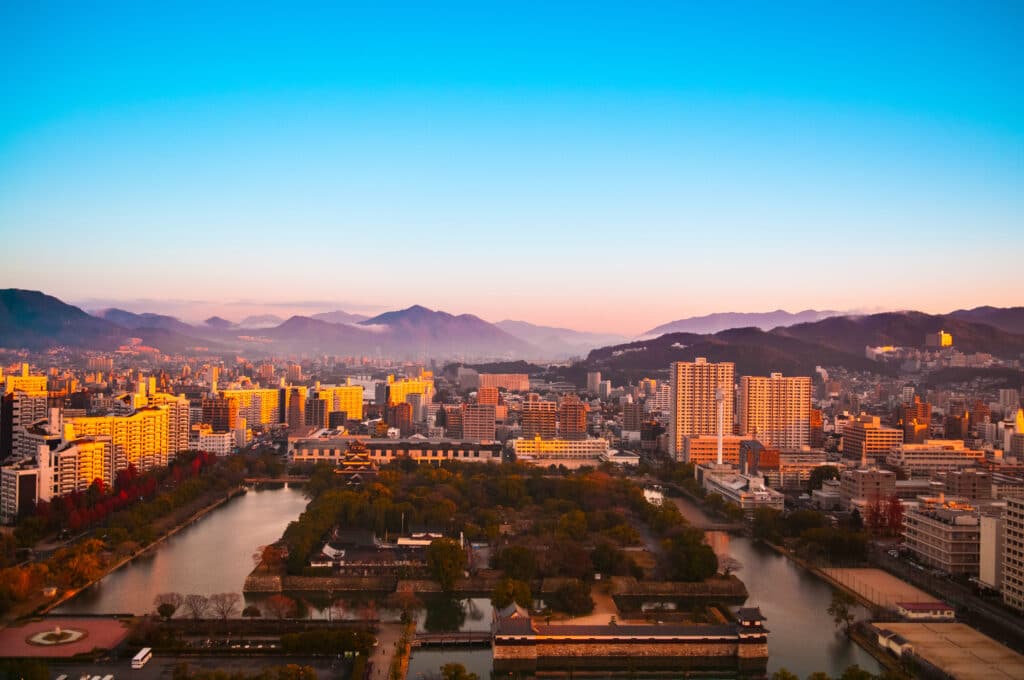
Hiroshima is not just another stop on a Japan itinerary—it’s a place that stays with you long after your trip ends.
What makes it special isn’t just the history, but the contrast:
- The emotional weight of the Hiroshima Peace Memorial Park
- The beauty and calm of Miyajima Island
- The relaxed, livable atmosphere of the city itself
Very few destinations offer this combination in such a compact and accessible way.
If you plan your visit thoughtfully—without rushing and with the right expectations—Hiroshima often becomes one of the most memorable highlights of a trip to Japan.
It’s not about seeing more. It’s about experiencing something deeper.
Final Decision
Is Hiroshima Worth It for Your Itinerary?
A quick way to decide if Hiroshima fits your Japan trip
You want a meaningful Japan experience beyond temples, shopping, and big cities.
You can combine Hiroshima with Miyajima for history, scenery, and culture in one trip.
You are already traveling through Kyoto, Osaka, or western Japan.
You only have a very short Japan itinerary and would need to rush from Tokyo.
You mainly want nightlife, shopping, theme parks, or fast-paced city energy.
You are not comfortable visiting emotionally heavy historical sites.
FAQ
Is Hiroshima worth visiting?
Yes—absolutely.
Hiroshima offers a unique mix of historical significance, cultural depth, and natural beauty, especially when combined with Miyajima Island.
Can you visit Hiroshima as a day trip?
Yes, especially from Osaka or Kyoto.
However, staying overnight provides a much better experience—especially for visiting Miyajima without rushing.
How many days do you need in Hiroshima?
- 1 day: covers the main highlights
- 2 days: ideal for a relaxed experience
1 night is the sweet spot for most travelers.
Is Hiroshima safe?
Yes—Hiroshima is extremely safe, clean, and easy to navigate, like most cities in Japan.
What is Hiroshima famous for?
Hiroshima is known for:
- The Atomic Bomb Dome
- The Hiroshima Peace Memorial Museum
- Miyajima Island and its floating torii gate
- Local food like Okonomiyaki
Is Miyajima included in a Hiroshima visit?
Yes—and it should be.
Skipping Miyajima Island means missing one of Japan’s most iconic experiences.
What is the best way to get to Hiroshima?
The easiest way is by Shinkansen (bullet train), with direct connections from major cities like Kyoto and Osaka.
Is Hiroshima too heavy or depressing to visit?
Not at all.
While the history is serious, the city today feels peaceful, open, and forward-looking. Most travelers describe the visit as meaningful rather than depressing.
1 thought on “Travel Guide to Hiroshima (2026)”
Comments are closed.