
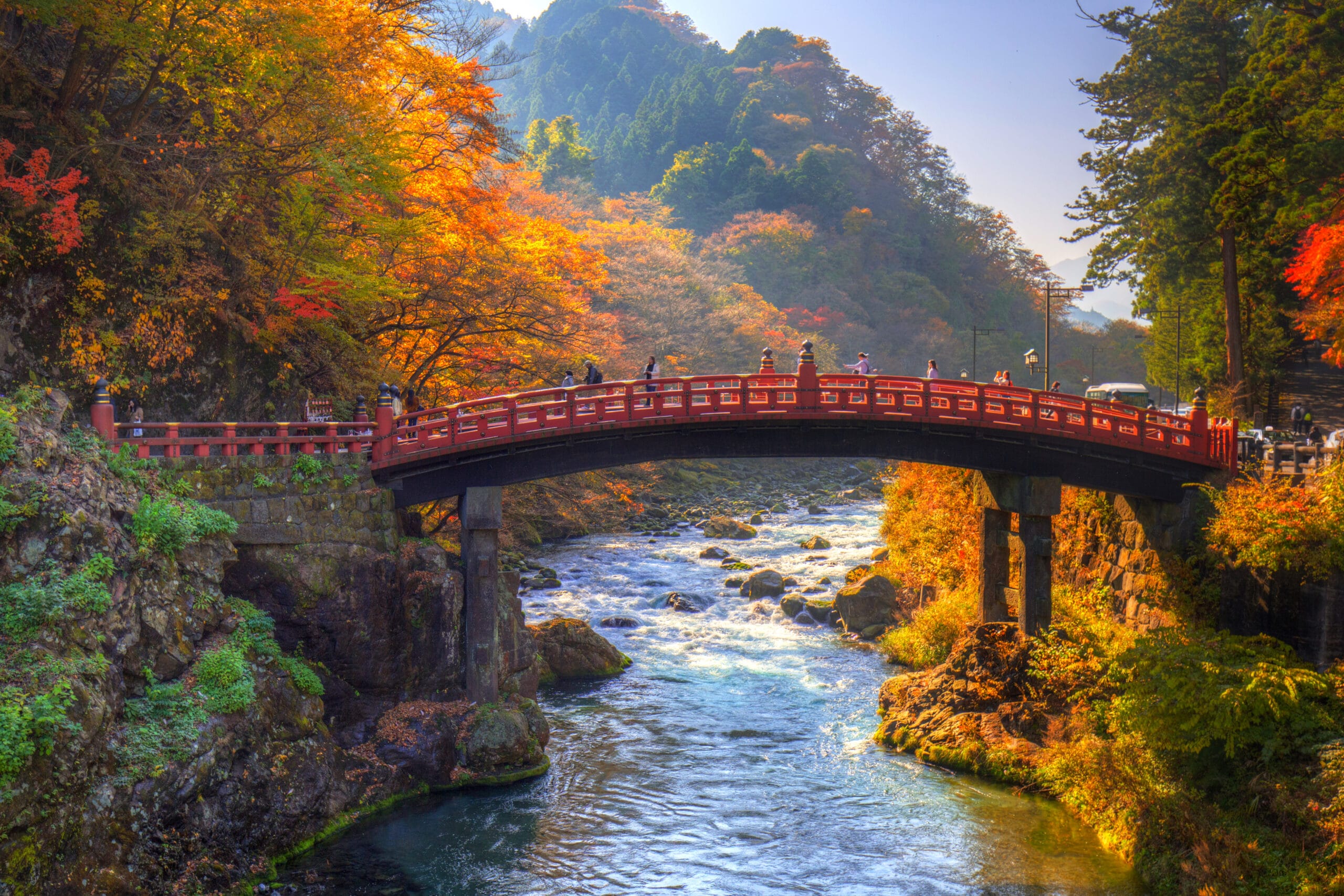
Nikko is one of the most rewarding destinations near Tokyo for travelers looking to combine nature, history, temples, waterfalls, mountain scenery, and traditional Japan in a single trip.
Located in Tochigi Prefecture, around two hours north of Tokyo, Nikko is famous for its UNESCO World Heritage shrines and temples, including the spectacular Toshogu Shrine. But beyond the historic sites, Nikko also offers scenic lakes, mountain roads, hiking trails, hot springs, and some of the most beautiful autumn colors in Japan.
Many travelers visit Nikko as a day trip from Tokyo, but staying overnight completely changes the experience. Early mornings around the shrines and lakes feel surprisingly peaceful once the tour buses disappear, while nearby areas like Lake Chuzenji, Kegon Falls, and Oku-Nikko reveal a quieter and more atmospheric side of Japan.
Many visitors arrive expecting only historic temples, but the mountain scenery, slower pace, and traditional ryokan atmosphere often become the most memorable parts of the trip.
Whether you want culture, nature, photography spots, hiking, or a relaxing onsen stay, Nikko is one of the easiest and most rewarding escapes from Tokyo.
If you’re planning a larger Japan trip, Nikko also fits perfectly into a classic Tokyo itinerary or a longer multi-city Japan route.
What Is Nikko Best For?
Nikko offers a mix of historic temples, mountain scenery, waterfalls, lakes, and traditional ryokan stays. This quick guide helps you decide which parts of Nikko fit your travel style best.
Explore Nikko’s UNESCO shrines, cedar forests, and spiritual atmosphere.
Escape the cities and experience lakes, waterfalls, and mountain landscapes.
Experience one of Japan’s most famous fall foliage destinations.
Relax in traditional inns surrounded by forests and mountains.
Visit Nikko’s highlights without needing a long Japan itinerary.
Capture mountain roads, lakes, waterfalls, and seasonal landscapes.
Planning your Nikko trip? Here’s everything you need to know before you go.
Table of Contents
Quick Answer: Is Nikko Worth Visiting?
Yes — Nikko is absolutely worth visiting, especially if you want to experience a different side of Japan beyond the big cities.
The combination of UNESCO-listed temples, mountain scenery, waterfalls, forests, lakes, and traditional ryokan atmosphere makes Nikko one of the most complete destinations near Tokyo.
For first-time visitors to Japan, Nikko offers an easy introduction to Japan’s spiritual and natural side. And for repeat travelers, the surrounding Oku-Nikko region feels far more peaceful and less commercial than many famous tourist destinations.
If possible, stay overnight. Most day-trippers only visit the shrine area, but the mountain scenery around Lake Chuzenji and Yumoto Onsen is what makes Nikko truly memorable.
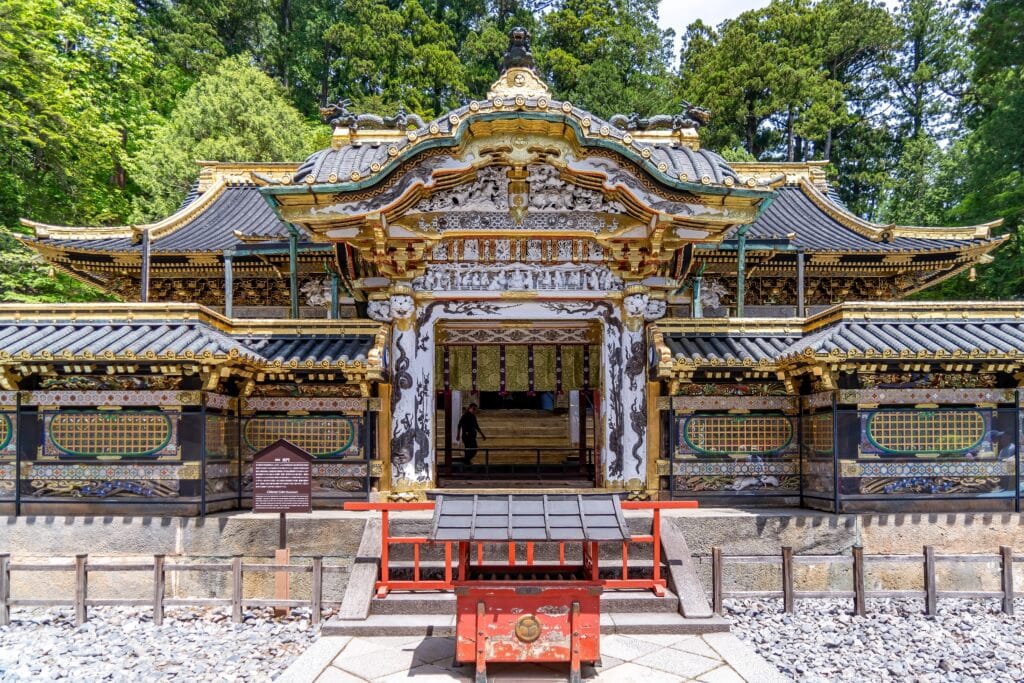
Why Visit Nikko?
Nikko offers a rare mix of culture and nature that few destinations near Tokyo can match.
One moment you’re walking through centuries-old cedar forests toward ornate shrines, and the next you’re driving through mountain roads surrounded by waterfalls and volcanic landscapes.
What makes Nikko special:
- UNESCO World Heritage temples and shrines
- Easy access from Tokyo
- Incredible autumn foliage
- Scenic mountain roads and lakes
- Traditional ryokan and onsen stays
- Hiking and nature experiences
- Historic atmosphere surrounded by forests
Unlike destinations focused on only temples or only nature, Nikko combines both experiences naturally. Many travelers arrive expecting only historic shrines, but the mountain scenery around Oku-Nikko often becomes the most memorable part of the trip.
How to Get to Nikko
From Tokyo by Train
The easiest way to reach Nikko is by train from Tokyo.
Tobu Railway (Best Budget Option)
- Departure: Asakusa Station
- Time: Around 2 hours
- Best For: Budget travelers and direct access
JR + Shinkansen Route
If you’re planning multiple train journeys across the country, understanding Japan’s rail system beforehand makes traveling much easier.
- Departure: Tokyo Station or Ueno Station
- Time: Around 1 hour 40 minutes to 2 hours
- Best For: JR Pass users
Should You Use the Nikko Pass?
The Tobu Nikko Pass can save money if you plan to use buses around Nikko and Oku-Nikko.
It’s especially useful for:
- Lake Chuzenji
- Kegon Falls
- Yumoto Onsen
- Multiple bus rides in one day
Important Travel Tip
Start early.
Traffic and buses around Nikko can become extremely crowded during autumn and weekends. Arriving before 9 AM makes a huge difference.
How to Get to Nikko from Tokyo
Nikko is one of the easiest nature and culture escapes from Tokyo, but choosing the right route can make your trip much smoother. Most travelers use either Tobu Railway from Asakusa or the JR route via Utsunomiya, depending on budget, rail pass coverage, and where they are staying in Tokyo.
Tobu Railway from Asakusa
Tobu Railway is usually the most convenient and budget-friendly option for most travelers. Trains depart from Asakusa and travel directly toward Tobu-Nikko Station, making this route simple if you are staying in eastern or central Tokyo.
JR + Shinkansen Route
The JR route usually involves taking the shinkansen from Tokyo or Ueno to Utsunomiya, then changing to the JR Nikko Line. It can be faster, but it often costs more unless you are using a JR Pass or regional rail pass.
Which Station Should You Arrive At?
Nikko has two main arrival stations: Tobu-Nikko Station and JR Nikko Station. They are very close to each other, and both work well for visiting Toshogu Shrine, the temple area, and buses toward Lake Chuzenji.
Using Buses Around Nikko
Once you arrive, buses are the main way to reach places like Toshogu Shrine, Kegon Falls, Lake Chuzenji, Irohazaka Road, and Yumoto Onsen. IC cards are useful on many routes, but passes or paper tickets may still be more convenient depending on your route.
Best Things to Do in Nikko
Nikko is one of Japan’s best places to combine culture, nature, and mountain scenery in a single trip. From ornate UNESCO shrines to waterfalls, lakes, scenic roads, and peaceful ryokan stays, these are the best things to do in Nikko for first-time visitors.
Toshogu Shrine
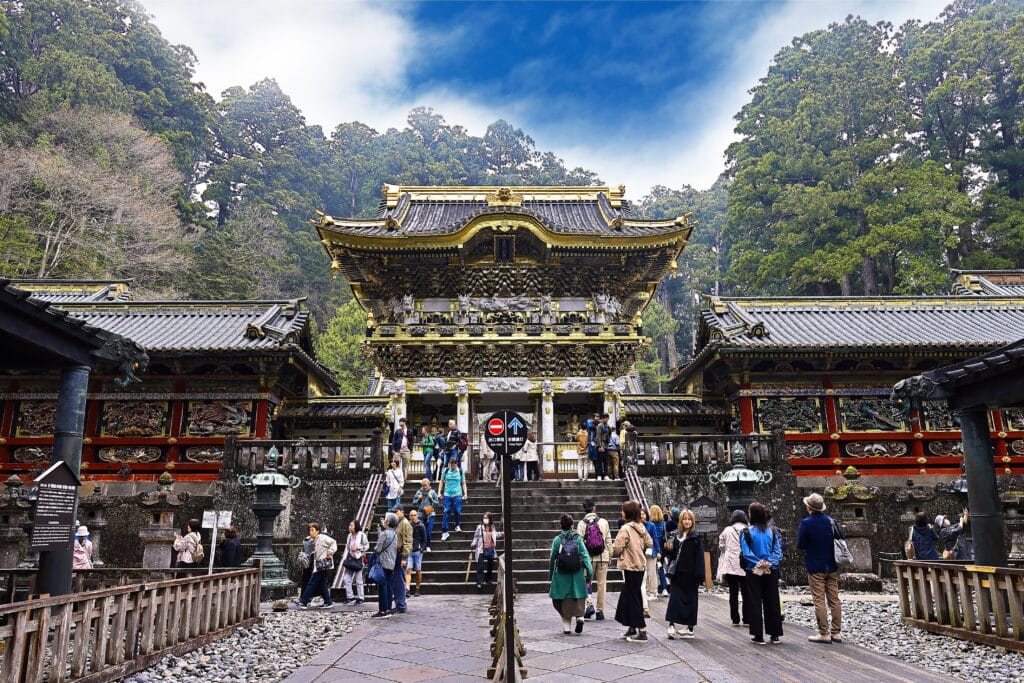
Toshogu Shrine
Toshogu Shrine is Nikko’s most famous attraction and one of the most impressive shrine complexes in Japan. Its ornate gold decorations, colorful carvings, and elaborate gates make it feel very different from Japan’s more minimalist temples and shrines.
The shrine was built as the resting place of Tokugawa Ieyasu, the founder of the Tokugawa shogunate, and remains one of the country’s most important historical sites. The famous “See No Evil, Hear No Evil, Speak No Evil” monkey carving is one of the highlights, but many of the smaller architectural details are equally impressive.
Surrounded by tall cedar trees and forested pathways, the entire shrine complex feels atmospheric and dramatic, especially in the quieter early morning hours.
Nikko Temple Area
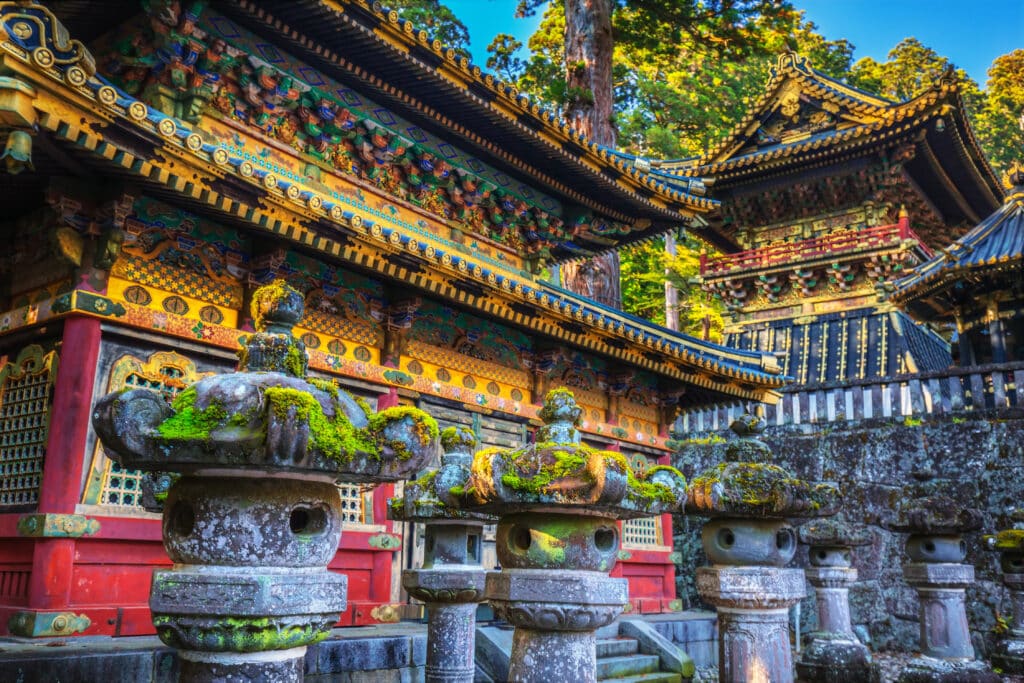
Nikko Temple Area
Beyond Toshogu Shrine, Nikko’s wider temple area is filled with peaceful forest paths, historic buildings, cedar-lined walkways, and quiet corners that many travelers overlook. Rinnoji Temple and Futarasan Shrine are especially worth visiting if you want to experience the spiritual atmosphere of the region more fully.
Much of Nikko’s charm comes from the setting itself. Stone lanterns, moss-covered stairways, and towering cedar trees create an atmosphere that feels timeless and far removed from Tokyo’s fast pace.
Compared to Japan’s larger temple districts, Nikko often feels more connected to nature, which gives the entire area a calmer and more immersive feeling.
Kegon Falls
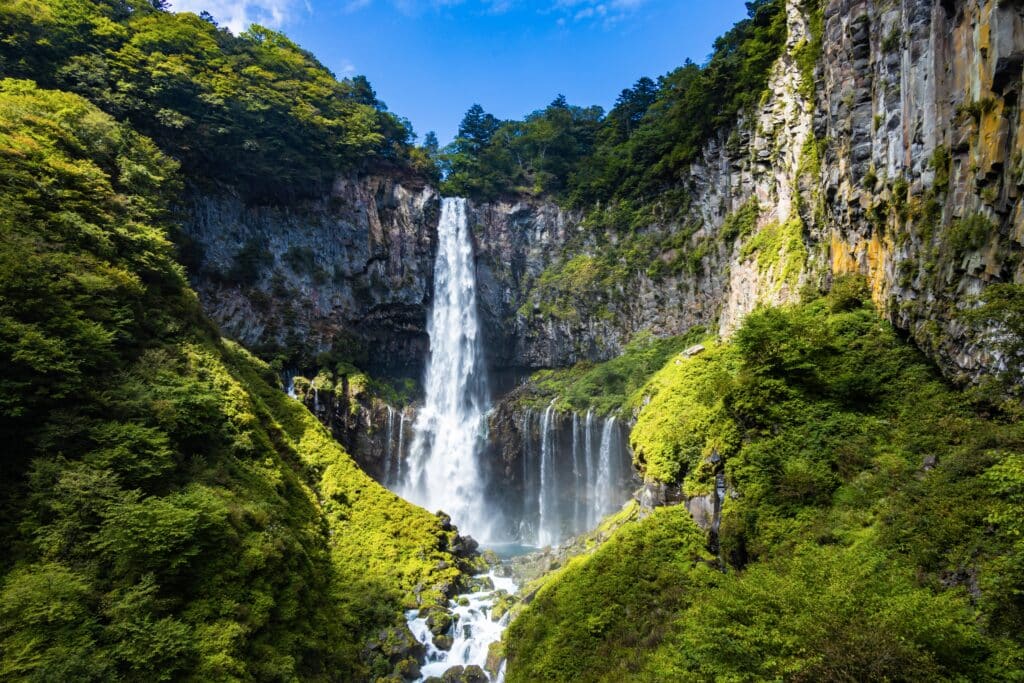
Kegon Falls
Kegon Falls is one of Japan’s most famous waterfalls and one of the top natural sights in Nikko. Located near Lake Chuzenji, the waterfall drops dramatically from the surrounding mountain landscape and looks especially spectacular during autumn foliage season.
The waterfall is nearly 100 meters tall, and the sound and scale become much more impressive once you reach the lower observation deck near the base of the falls.
While many travelers stop here briefly as part of a day trip, the surrounding Oku-Nikko region is worth exploring more slowly if you have additional time.
Lake Chuzenji
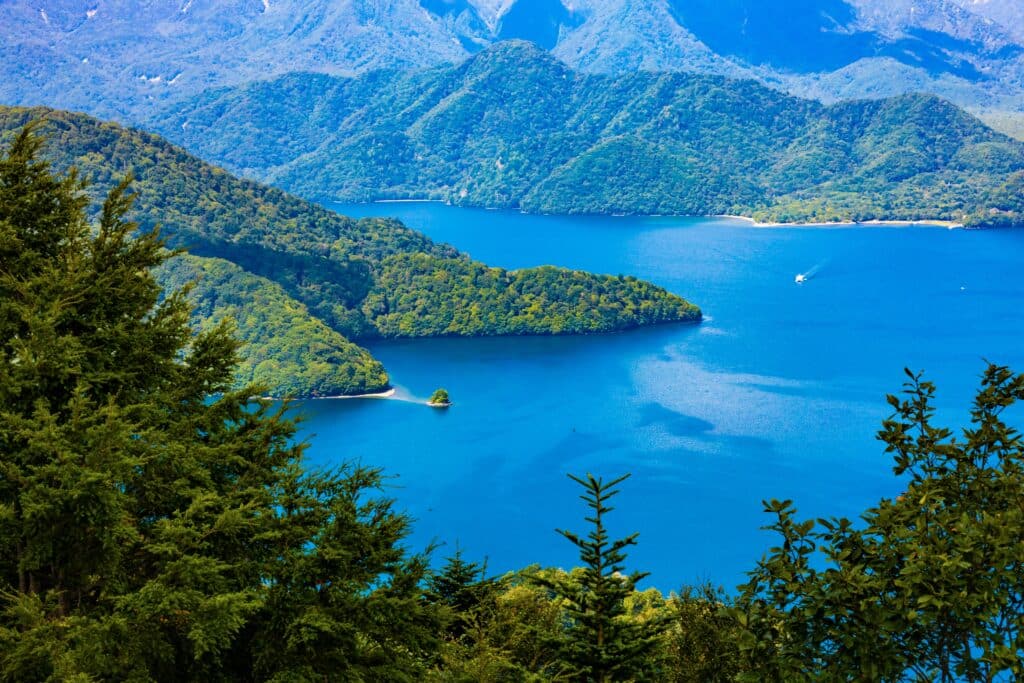
Lake Chuzenji
Lake Chuzenji is one of the most scenic places in the Nikko region and offers a much calmer atmosphere than the busy shrine district below. Surrounded by mountains and forests, the lake feels peaceful in every season, from fresh greenery in spring to colorful autumn foliage.
Many visitors come here for the relaxing atmosphere, lakeside walks, boat cruises, and beautiful views of Mount Nantai rising above the water. The area is also a great base for ryokan stays and slower travel experiences.
Compared to central Nikko, Oku-Nikko feels quieter and more connected to nature, which is why many travelers end up enjoying this area even more than the famous temples. Compared to central Nikko, the lake area feels slower, calmer, and far more connected to nature.
Irohazaka Road
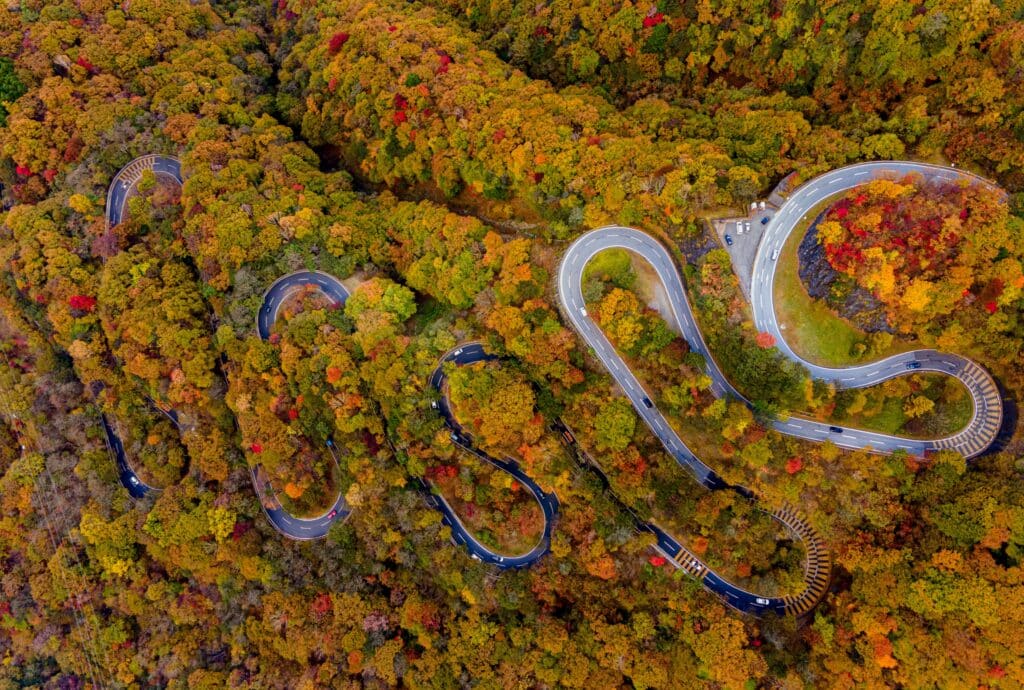
Irohazaka Road
Irohazaka Road is the famous winding mountain road connecting central Nikko with Oku-Nikko. With sharp curves, mountain scenery, and forested slopes, the route itself becomes part of the travel experience.
The road is especially beautiful during autumn, when the surrounding hills turn red, orange, and gold. During peak foliage season, this is considered one of the most scenic drives in Japan.
Even if you don’t drive yourself, the bus ride through the mountains offers impressive views and gives a sense of how dramatically the landscape changes between lower Nikko and the higher lake region.
Onsen & Ryokan Experience
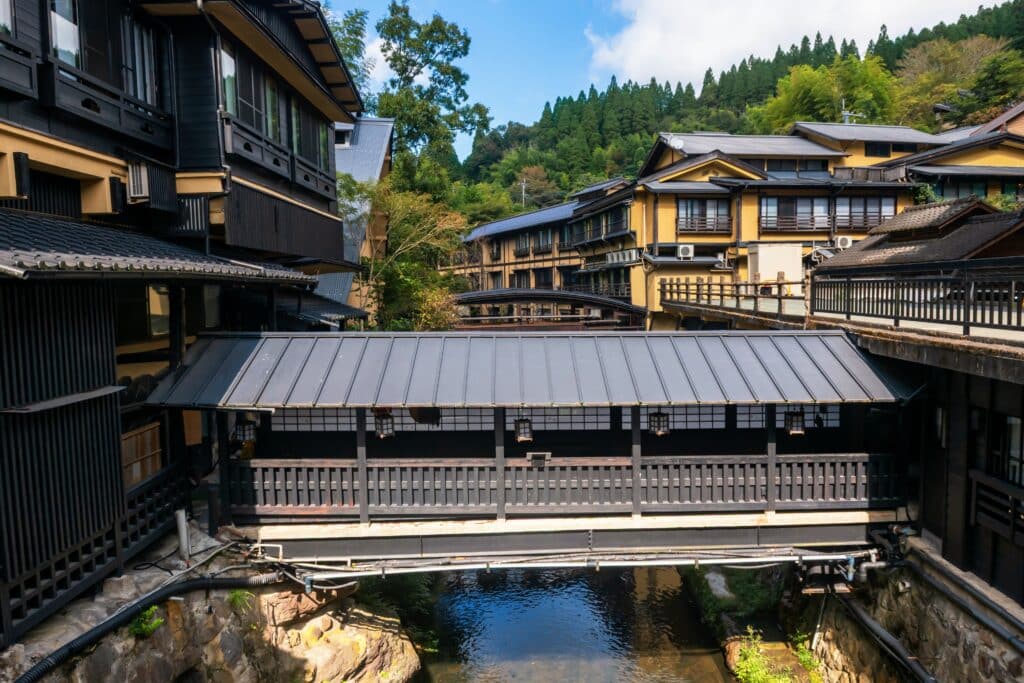
Onsen & Ryokan Experience
One of the best ways to experience Nikko is to stay overnight in a traditional ryokan or relax in an onsen surrounded by the mountains of Oku-Nikko. For travelers interested in Japan’s hot spring culture, Nikko also works well alongside some of the country’s most famous onsen destinations. The slower atmosphere completely changes the feeling of the trip compared to a rushed day visit from Tokyo.
Many ryokan include traditional tatami rooms, kaiseki dinners, and hot spring baths with views of the surrounding forests. Yumoto Onsen and the Lake Chuzenji area are especially popular for relaxing overnight stays.
After the crowds leave in the evening, Nikko becomes much quieter and more atmospheric, which is why staying overnight often becomes the highlight of the trip for many travelers.
Nikko Travel Map
Nikko’s main sights are spread across both the historic shrine area and the mountain landscapes of Oku-Nikko. This map helps you understand the layout of the region and plan your route more efficiently.
Most first-time visitors focus only on the shrine district, but many of Nikko’s best natural scenery spots are located farther into Oku-Nikko near Lake Chuzenji and Yumoto Onsen.
Nikko Day Trip vs Overnight Stay
Nikko can work well as both a day trip and an overnight destination, but the overall experience changes significantly depending on how much time you have.
Nikko Day Trip vs Overnight Stay
Nikko can be visited as an easy day trip from Tokyo, but staying overnight creates a completely different experience. The right choice depends on your travel style, pace, and how much of the surrounding Oku-Nikko region you want to explore.
Quick Escape From Tokyo
A Nikko day trip works well if you mainly want to visit Toshogu Shrine, explore the historic temple area, and see one or two scenic spots like Kegon Falls or Lake Chuzenji.
Thanks to direct train connections from Tokyo, Nikko is one of the easiest cultural and nature escapes for travelers with limited time in Japan.
Stay Overnight If Possible
Staying overnight allows you to experience a much quieter and more atmospheric side of Nikko after the day-tour crowds leave. Early mornings around the shrines and Lake Chuzenji feel completely different from the busy daytime atmosphere.
An overnight stay also gives you enough time to explore Oku-Nikko properly, relax in a ryokan, enjoy an onsen, and travel at a slower pace.
How to Structure Your Visit
If you stay overnight, split your trip into two relaxed days instead of rushing everything into one packed itinerary.
Most travelers enjoy Nikko far more when they separate the cultural sights and mountain scenery into different days.
Travel Times Are Slower Than Expected
Many travelers underestimate how long buses and mountain roads around Nikko can take, especially during autumn foliage season and weekends.
Trying to squeeze every major sight into one day often leads to a rushed experience with very little time to actually enjoy the atmosphere.
Suggested Nikko Itinerary
Nikko can be visited in a single day, but staying longer allows you to experience the region at a much slower and more relaxed pace.
Suggested Nikko Itinerary
Nikko can work as both a rewarding day trip and a relaxing overnight escape from Tokyo. These itinerary ideas help you structure your time based on how long you plan to stay and what type of experience you want.
Nikko Day Trip Itinerary
Morning
Arrive early from Tokyo and start with Toshogu Shrine before the crowds arrive. Continue exploring the wider temple area, including Rinnoji Temple and Futarasan Shrine.
Afternoon
Take the bus toward Oku-Nikko and visit Kegon Falls and Lake Chuzenji. If time allows, enjoy a short lakeside walk or coffee break before returning.
Evening
Return to Tokyo after dinner or late afternoon depending on your train schedule and energy level.
2-Day Nikko Itinerary
Day 1
Explore Toshogu Shrine and the historic temple district at a slower pace. Spend the evening in a ryokan or onsen hotel near Lake Chuzenji or Yumoto Onsen.
Day 2
Discover Oku-Nikko more fully with stops at Kegon Falls, Lake Chuzenji, Ryuzu Falls, or scenic hiking areas like Senjogahara Marshland.
Evening
Return to Tokyo after a relaxed second day surrounded by Nikko’s mountain scenery and quieter atmosphere.
Insider Tips for Visiting Nikko
A few small decisions can completely change your Nikko experience, especially during busy travel seasons.
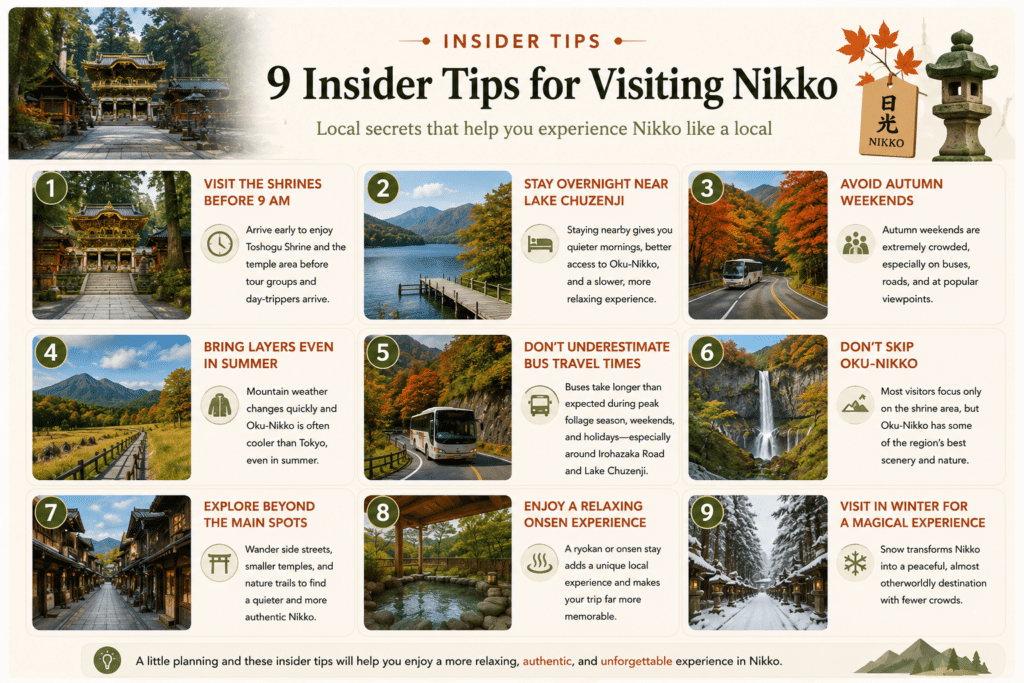
These insider tips help travelers avoid crowds, plan transport more efficiently, and experience a quieter side of Nikko beyond the main tourist routes.
What to Skip in Nikko
Nikko is easy to enjoy, but a few common mistakes can quickly make the trip feel rushed or stressful.
What to Skip in Nikko
Nikko is easy to visit, but a few common mistakes can quickly make the experience feel rushed, crowded, or stressful. These simple adjustments help you enjoy the region more comfortably and discover a quieter side of Nikko.
Don’t Arrive Late During Autumn Weekends
Nikko becomes extremely crowded during peak autumn foliage season, especially between late morning and early afternoon when buses and roads become congested.
Don’t Visit Only Toshogu Shrine
Many travelers explore only the famous shrine area and miss the mountains, waterfalls, lakes, and quieter scenery that make Nikko truly special.
Don’t Rush Everything Into One Day
Distances around Nikko are larger than many visitors expect, especially once buses and mountain roads are involved. Nikko is one of those destinations that feels far better when you leave room to slow down a little.
Don’t Ignore Mountain Weather
Weather conditions in Oku-Nikko can change quickly, even during warmer months. Temperatures are often much cooler than Tokyo.
Don’t Underestimate Bus Travel Times
Buses around Nikko can become slow and crowded during weekends, holidays, and autumn foliage season.
Don’t Skip the Onsen Experience
Many day-trippers leave Nikko too quickly and miss one of the most relaxing parts of the region — traditional ryokan and hot spring stays.
Best Time to Visit Nikko
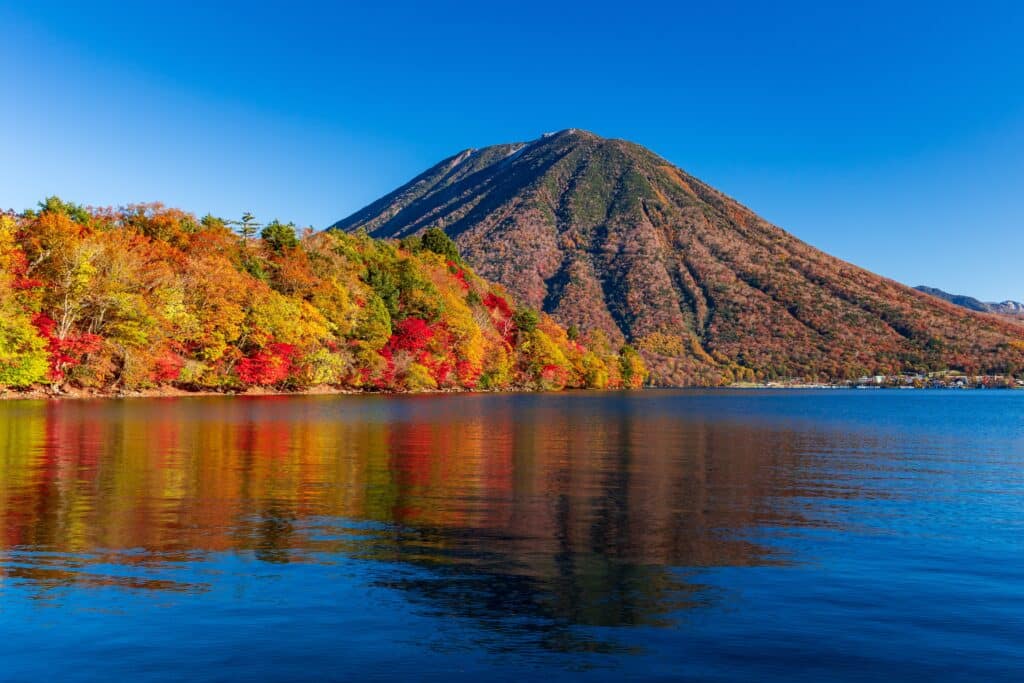
Best Time to Visit Nikko
Nikko changes dramatically throughout the year, from colorful autumn mountains to snowy winter landscapes and fresh spring greenery. The best time to visit depends on the type of scenery and atmosphere you want to experience.
Spring (March–May)
Summer (June–August)
Autumn (October–November)
Winter (December–February)
Where to Stay in Nikko
Where to Stay in Nikko
Where you stay in Nikko can completely change the feeling of your trip. Central Nikko is best for easy sightseeing, while Lake Chuzenji and Yumoto Onsen offer a quieter mountain escape with ryokan, onsen, and nature nearby.
Central Nikko
Central Nikko is the most convenient area for first-time visitors, especially if you want easy access to Toshogu Shrine, the temple district, restaurants, and train stations.
This area works well if you are arriving from Tokyo, planning a short stay, or want to keep transport simple.
Lake Chuzenji
Lake Chuzenji is ideal if you want scenic views, a calmer atmosphere, and better access to Kegon Falls, lakeside walks, and Oku-Nikko’s mountain landscapes.
Staying here feels more relaxed than central Nikko and is especially beautiful during autumn foliage season.
Yumoto Onsen
Yumoto Onsen is the best choice if you want a peaceful hot spring escape surrounded by mountains, forests, and hiking routes.
It is farther from central Nikko, but perfect for travelers who want to slow down and experience the quieter side of the region.
If possible, staying overnight in Nikko makes the experience far more relaxing and allows you to enjoy the region beyond the busiest daytime hours.
Travel Tips for Nikko
A few practical travel tips can make your Nikko trip far smoother, especially during busy seasons and weekend visits.
Travel Tips for Nikko
Nikko is easy to visit from Tokyo, but a few practical tips can make the experience far smoother and more enjoyable. These travel tips help you avoid common mistakes, save time, and enjoy Nikko more comfortably.
Start Your Day Early
Nikko becomes much busier from late morning onward, especially during autumn weekends and holidays. Arriving early helps you avoid crowds and enjoy the shrine area at its best.
Allow More Time Than Expected
Distances between sights can feel larger than expected once buses and mountain roads are involved. Avoid planning an overly packed itinerary.
Bring Layers for Changing Weather
Oku-Nikko and Lake Chuzenji are often much cooler than Tokyo, even during summer. Weather conditions in the mountains can change quickly throughout the day.
Use the Nikko Pass if Exploring Widely
The Tobu Nikko Pass can save money if you plan to use buses frequently around Lake Chuzenji, Kegon Falls, or Oku-Nikko.
Stay Overnight if Possible
Nikko feels completely different after the day-tour crowds leave. An overnight stay allows you to enjoy quieter mornings, ryokan experiences, and a slower atmosphere.
Wear Comfortable Walking Shoes
Between temple stairways, forest paths, lakeside walks, and bus stops, you will spend far more time walking than many travelers expect.
Final Thoughts on Visiting Nikko
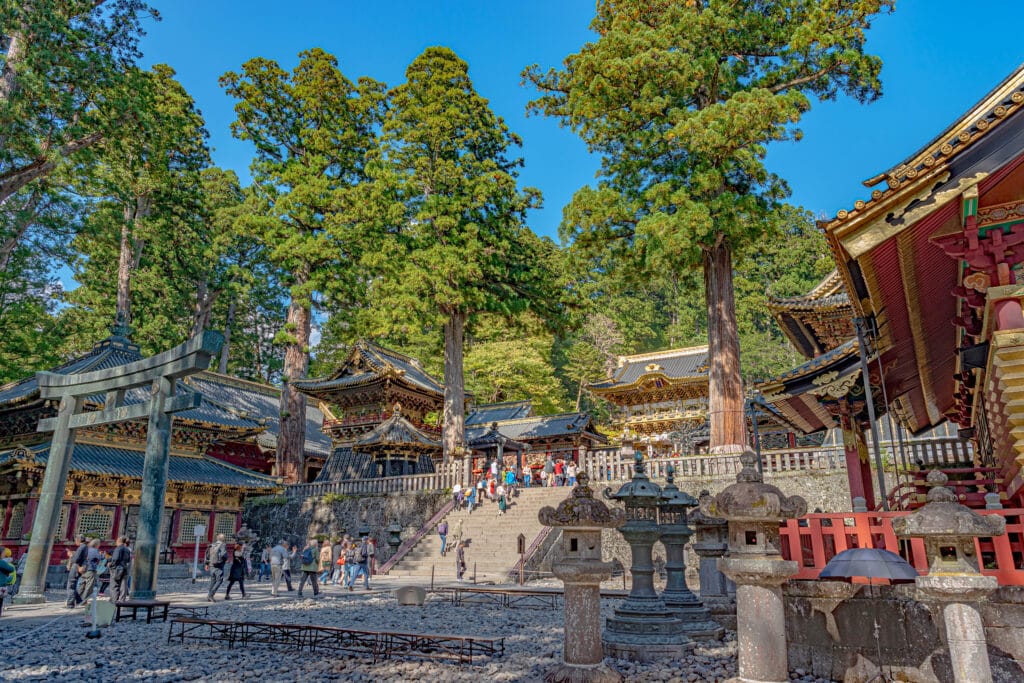
Nikko is one of the easiest ways to experience a completely different side of Japan without traveling far from Tokyo.
The combination of sacred shrines, cedar forests, waterfalls, mountain scenery, and traditional ryokan culture creates an experience that feels far slower and more atmospheric than Japan’s major cities.
Many travelers visit Nikko only for a few hours, but staying longer reveals why the region has remained one of Japan’s most celebrated destinations for centuries.
If you’re planning your first Japan itinerary, Nikko deserves far more than a rushed day trip.
For travelers wanting to experience more of Japan beyond Tokyo, Nikko combines beautifully with destinations like Hakone, Mount Fuji, Kyoto, and Kanazawa.
For many visitors, Nikko becomes one of the first places in Japan that truly feels quieter, slower, and deeply connected to nature.
FAQ
Is Nikko worth visiting?
Yes — Nikko is absolutely worth visiting, especially for travelers looking to combine historic temples, nature, waterfalls, mountain scenery, and traditional Japan in one trip from Tokyo.
Can you visit Nikko as a day trip from Tokyo?
Yes, Nikko works well as a day trip from Tokyo thanks to direct train connections. However, staying overnight allows you to experience the quieter atmosphere around Lake Chuzenji and Oku-Nikko after the crowds leave.
How many days do you need in Nikko?
One full day is enough to see the main highlights, including Toshogu Shrine and Kegon Falls. However, 2 days is ideal if you also want to explore Oku-Nikko, stay in a ryokan, or enjoy an onsen experience.
What is Nikko famous for?
Nikko is famous for Toshogu Shrine, UNESCO World Heritage temples, mountain scenery, waterfalls, autumn foliage, and traditional ryokan stays surrounded by forests.
When is the best time to visit Nikko?
Autumn is the most popular season because of the spectacular fall colors, but spring and summer are also excellent for temple visits, hiking, and cooler temperatures compared to Tokyo.
Is Nikko crowded?
Yes, Nikko can become very crowded during autumn weekends and holidays, especially around Toshogu Shrine, Lake Chuzenji, and Irohazaka Road. Starting early helps avoid the worst crowds.
Do you need a car in Nikko?
No, most travelers can explore Nikko using trains and buses. However, having a car provides more flexibility for exploring Oku-Nikko, hiking areas, and less visited scenic spots.
Is Nikko better as a day trip or overnight stay?
Both options work well, but staying overnight provides a far more relaxed experience and allows you to explore Oku-Nikko, hot springs, and the mountain scenery beyond the main shrine area.
1 thought on “Travel Guide to Nikko (2026)”
Comments are closed.