
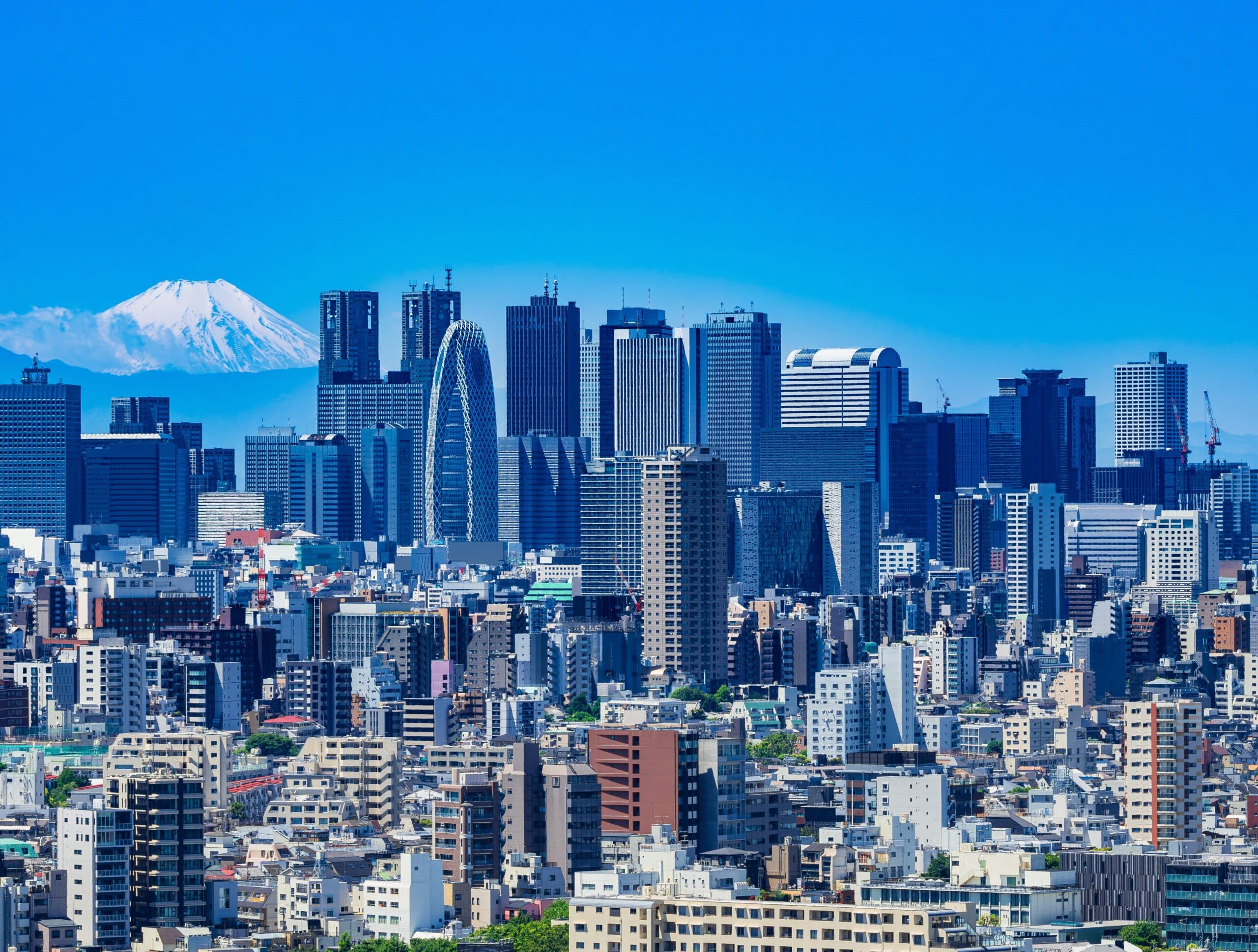
Japan is one of the world’s most fascinating travel destinations. From the neon-lit streets of Tokyo and the historic temples of Kyoto to snow-covered mountains, tropical islands, and traditional onsen towns, the country offers an incredible variety of experiences within a relatively small area.
At the same time, Japan can feel very different from other destinations. Cultural customs, transportation systems, dining etiquette, and everyday routines often work differently than many first-time visitors expect. While Japan is extremely safe, clean, and easy to explore, knowing a few essential travel tips before you arrive can make your trip significantly smoother and more enjoyable.
This guide covers the most important Japan travel tips for first-time visitors, including transportation, money, etiquette, accommodation, food culture, packing advice, and common mistakes to avoid. Whether you’re planning your first trip or simply want to travel more confidently, these practical tips will help you get the most out of your time in Japan.
Many first-time visitors expect Japan to be difficult because of the language barrier and cultural differences. In reality, most travelers find Japan easier to navigate than expected. The biggest challenge is usually understanding a few local customs and transportation systems rather than overcoming major travel obstacles.
Why Japan Is Different From Other Destinations
Japan is often ranked among the safest, cleanest, and most efficient countries in the world, making it an excellent destination for first-time international travelers. However, it is also a country with unique customs and social norms that can feel unfamiliar at first.
Many visitors arrive expecting language barriers and complicated transportation systems to be the biggest challenges. In reality, most travelers quickly discover that getting around Japan is relatively easy. The bigger adjustment is understanding everyday etiquette, from train behavior and restaurant customs to proper shrine etiquette and waste disposal.
One of the most rewarding aspects of traveling in Japan is how much variety the country offers. You can spend the morning exploring futuristic cityscapes in Tokyo, visit centuries-old temples in Kyoto the next day, and relax in a traditional onsen town surrounded by mountains shortly afterward. Few countries offer such diverse experiences within a single trip.
Understanding a few basic travel tips before you arrive will help you navigate Japan more confidently, avoid common mistakes, and focus on enjoying everything the country has to offer.
What Are the Most Important Japan Travel Tips?
Japan is one of the safest, cleanest, and easiest countries to travel in, but understanding a few local customs can make your trip much smoother. The most important tips are to use an IC card for public transportation, carry some cash, respect local etiquette, pack light, and avoid trying to visit too many destinations in a short time. With a little preparation, traveling around Japan is surprisingly easy and incredibly rewarding.
Quick Decision Guide
How to Travel Smarter in Japan
Use this quick guide to avoid the most common first-time mistakes and make your Japan trip smoother, easier, and more enjoyable.
If you want easy local travel
Get an IC card such as Suica, Pasmo, or ICOCA as early as possible.
If you want fewer people
Visit famous attractions early in the morning, especially in Kyoto, Tokyo, and around Mount Fuji.
If you want to avoid payment problems
Carry some cash, especially when visiting small restaurants, temples, markets, and rural areas.
If you want smoother travel days
Pack light or use luggage forwarding when moving between several cities.
If you want to save money
Use convenience stores, travel outside peak seasons, and book accommodation early.
If you want a better trip
Slow down, leave space in your itinerary, and explore beyond the most famous tourist spots.
Table of Contents
Japan Travel Tips at a Glance
Japan Travel Tips at a Glance
First-time visitors, culture lovers, food travelers, rail trips, city breaks, and scenic nature escapes.
Japanese yen. Cards are widely accepted in cities, but cash is still useful in smaller towns and local restaurants.
Japanese is the main language. English signs are common in major transport hubs, but basic phrases are helpful.
Trains are efficient, clean, and reliable. IC cards make local transport much easier.
Japan is very safe for travelers, including solo travelers and families, but normal travel awareness still matters.
Trying to visit too many destinations in one trip. Japan is best enjoyed with a realistic itinerary.
Pack light and use luggage forwarding if you travel between several cities.
Japan rewards slow travel, early starts, and leaving space for local food, neighborhoods, and unexpected discoveries.
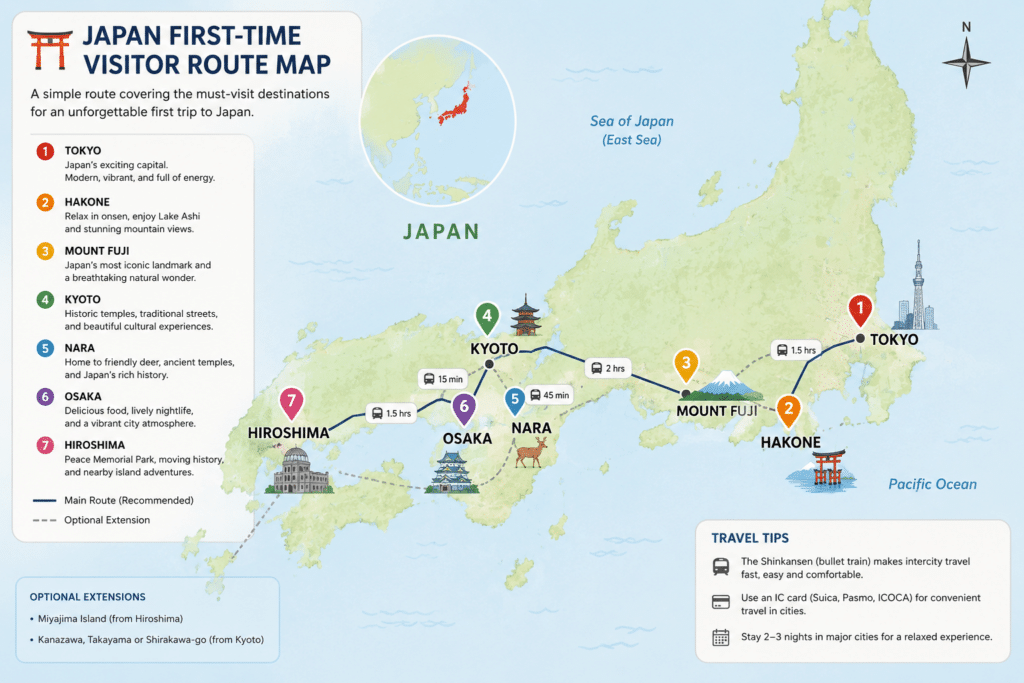
Route Map
Essential Japan Travel Tips for First-Time Visitors
Japan is an incredibly easy country to explore once you understand a few basic customs and practical travel tips. While many first-time visitors worry about the language barrier or navigating train stations, the biggest challenges are usually small everyday differences rather than major obstacles.
From transportation and payment methods to cultural etiquette and packing strategies, these tips will help you avoid common mistakes and make your trip smoother, more affordable, and more enjoyable. Whether you’re visiting Tokyo, Kyoto, Osaka, or venturing into Japan’s more rural regions, these are the travel tips every first-time visitor should know.
Many travelers initially visit Japan for famous landmarks and bucket-list attractions, but often end up remembering the small everyday moments even more — a quiet neighborhood shrine, a local ramen shop, or a scenic train ride through the countryside. Understanding how Japan works will help you experience more of those moments during your trip.
Don’t Try to See Too Much
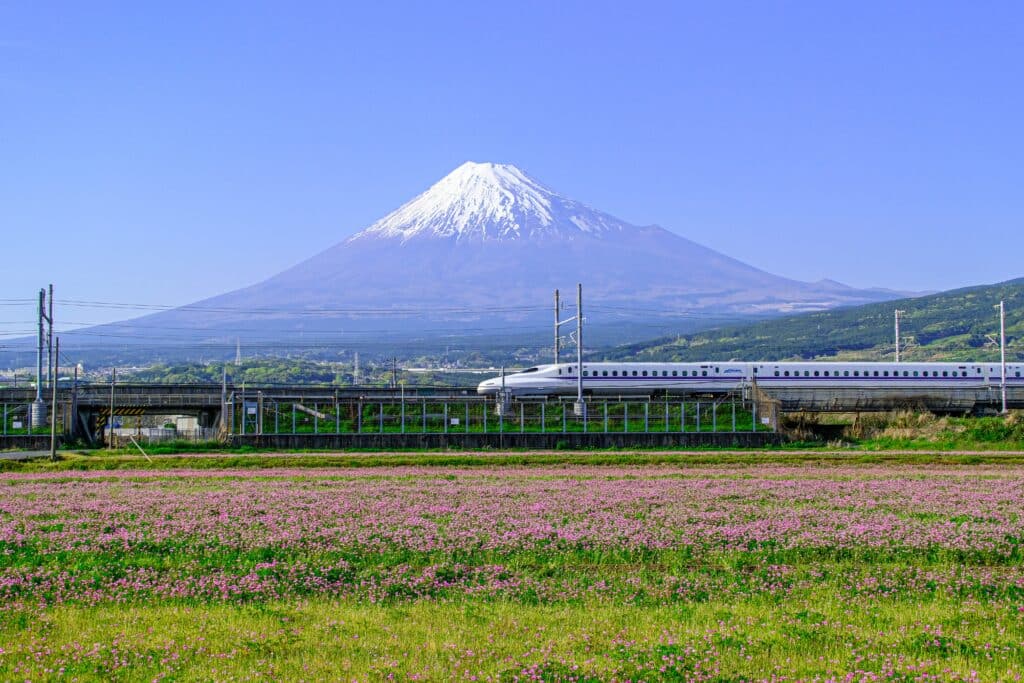
One of the biggest mistakes first-time visitors make is trying to see too much in a single trip. Japan may look relatively small on a map, but traveling between destinations, checking into hotels, and navigating large train stations takes more time than many travelers expect.
A common itinerary includes Tokyo, Kyoto, Osaka, Hiroshima, Nara, Hakone, Kanazawa, Takayama, and Mount Fuji — all within one or two weeks. While technically possible, constantly moving between destinations often turns a vacation into a race against the clock.
Instead, focus on fewer places and spend more time experiencing them. A slower itinerary allows you to explore neighborhoods, discover local restaurants, and enjoy spontaneous moments that often become the highlights of a trip.
Use an IC Card for Public Transportation
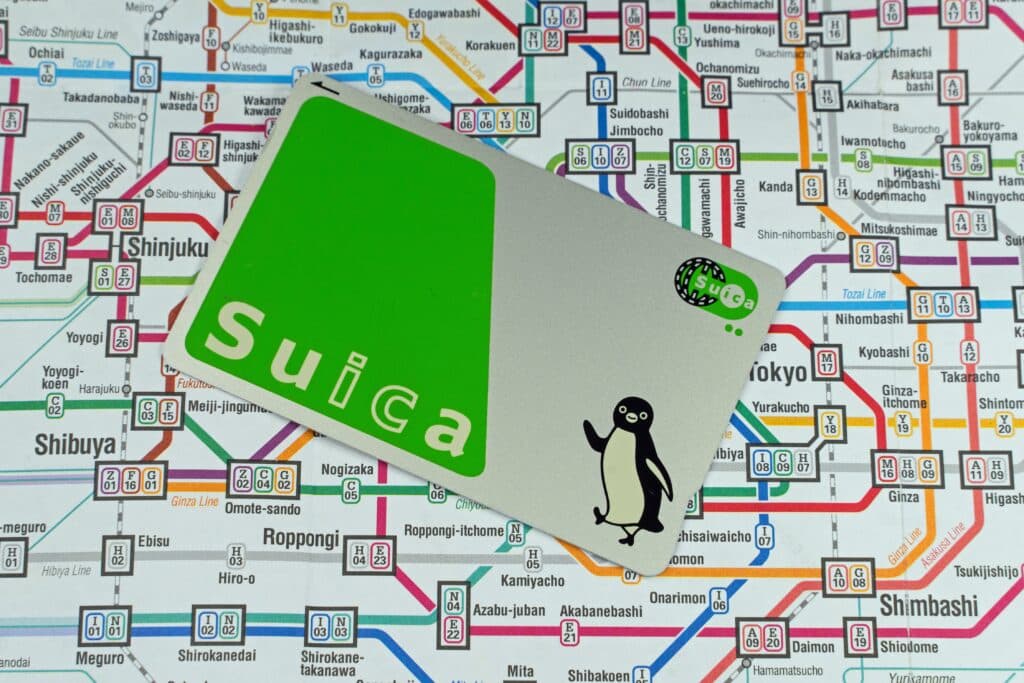
Japan’s public transportation system is one of the best in the world, but buying individual tickets for every train, subway, and bus ride can quickly become confusing. The easiest solution is to use an IC card, which allows you to simply tap in and out of most public transportation networks across the country.
Popular IC cards include Suica, Pasmo, and ICOCA. These rechargeable cards work on trains, subways, buses, and even at many convenience stores, vending machines, and station shops. Instead of worrying about ticket prices or route maps for every journey, you simply add money to your card and travel.
For most travelers, an IC card is one of the first things to get after arriving in Japan. It saves time, reduces stress, and makes navigating large cities like Tokyo and Osaka significantly easier.
Carry Some Cash
Although Japan has become much more card-friendly in recent years, cash still plays an important role in daily life. Many hotels, department stores, and larger restaurants accept credit cards, but smaller businesses, local eateries, temples, markets, and rural establishments may only accept cash.
This is especially true when traveling outside major cities. While you probably won’t need to carry large amounts of money, having some cash available can save you from unexpected inconveniences when visiting smaller towns or less touristy areas.
Fortunately, withdrawing cash is easy. ATMs at convenience stores such as 7-Eleven, FamilyMart, and Lawson generally accept international bank cards and are widely available throughout the country.
Japan is also one of the safest countries in the world, which means carrying a reasonable amount of cash is usually far less stressful than in many other destinations.
Pack Light Whenever Possible
Many first-time visitors underestimate how much walking is involved in a trip to Japan. Even if you rely heavily on trains, you’ll often find yourself navigating large stations, climbing stairs, crossing platforms, and walking through busy city streets with your luggage.
While Japan’s transportation system is incredibly efficient, it is not always designed with oversized suitcases in mind. Smaller hotel rooms, crowded trains, and busy stations can quickly make heavy luggage feel like a burden.
Packing lighter not only makes moving between destinations easier, but also gives you more flexibility when exploring cities and taking day trips. Most travelers find that comfortable clothing, good walking shoes, and a few versatile outfits are all they really need.
If you are traveling between multiple cities, consider using Japan’s excellent luggage forwarding services. Many hotels can arrange for your suitcase to be delivered directly to your next accommodation, allowing you to travel with only a small overnight bag.
Learn Basic Train Etiquette
Japan’s trains are famous for being clean, punctual, and efficient. They are also an important part of daily life for millions of people, which means there are a few unwritten rules that travelers should be aware of.
One of the first things visitors notice is how quiet trains are compared to many other countries. Passengers generally keep conversations low, avoid phone calls, and respect the personal space of others. During rush hour, trains can become extremely crowded, especially in major cities such as Tokyo and Osaka.
When boarding a train, wait in the marked queue lines on the platform and allow passengers to exit before entering. If you are carrying a backpack, consider wearing it on your front or holding it by your side during busy periods to avoid bumping into other passengers.
Long-distance Shinkansen trains are more relaxed than local commuter trains. Eating a bento box, enjoying a drink, and watching the scenery pass by are all part of the experience on longer journeys.
Convenience Stores Are Your Best Friend

Japan’s convenience stores are unlike those in most other countries. Known locally as “konbini,” they are clean, efficient, and surprisingly useful for travelers. You’ll find them everywhere, from the heart of Tokyo to small towns in the countryside.
Stores such as 7-Eleven, FamilyMart, and Lawson sell far more than snacks and drinks. You can buy fresh meals, coffee, toiletries, umbrellas, travel essentials, and even withdraw cash from international ATMs. Many stores also offer ticket services, package delivery, and free restrooms.
For budget-conscious travelers, convenience stores can be a great source of affordable breakfasts, quick lunches, and late-night meals. The quality of the food is often much higher than visitors expect, with options ranging from rice balls and sandwiches to bento boxes and seasonal specialties.
Even if you prefer dining in restaurants, you’ll probably find yourself stopping by a convenience store several times a day for drinks, snacks, or travel essentials.
Book Popular Attractions and Accommodation Early
Japan is one of the world’s most popular travel destinations, and many attractions, hotels, and unique experiences have limited availability. Waiting until the last minute can sometimes mean missing out on places that were at the top of your bucket list.
This is especially true during cherry blossom season, autumn foliage season, Golden Week, and major national holidays. Popular ryokan, temple stays, observation decks, themed attractions, and special exhibitions often sell out weeks or even months in advance.
Accommodation can also become significantly more expensive when demand is high. Booking early not only gives you more options but can often save money and help you secure better locations.
Even outside peak seasons, it is worth researching whether reservations are required for attractions you plan to visit. Some of Japan’s most famous experiences now use timed-entry systems to manage visitor numbers.
Respect Local Customs and Quiet Public Spaces
One of the reasons Japan feels so clean, organized, and pleasant to travel through is the strong emphasis on consideration for others. While visitors are not expected to know every cultural rule, showing respect for local customs is always appreciated.
In many public spaces, people tend to speak quietly and avoid drawing attention to themselves. This is especially noticeable on trains, in temples, shrines, museums, and residential neighborhoods. Keeping conversations at a moderate volume and being aware of your surroundings will help you blend in and avoid unintentionally disturbing others.
When visiting religious sites, take a moment to observe what local visitors are doing. Follow posted signs, respect photography restrictions, and avoid blocking pathways or prayer areas. Small gestures of respect can make a big difference.
You may occasionally encounter customs that feel unfamiliar, but there is no need to worry about being perfect. Most Japanese people understand that visitors are learning and generally appreciate genuine efforts to be polite and respectful.
Learn a Few Basic Japanese Phrases
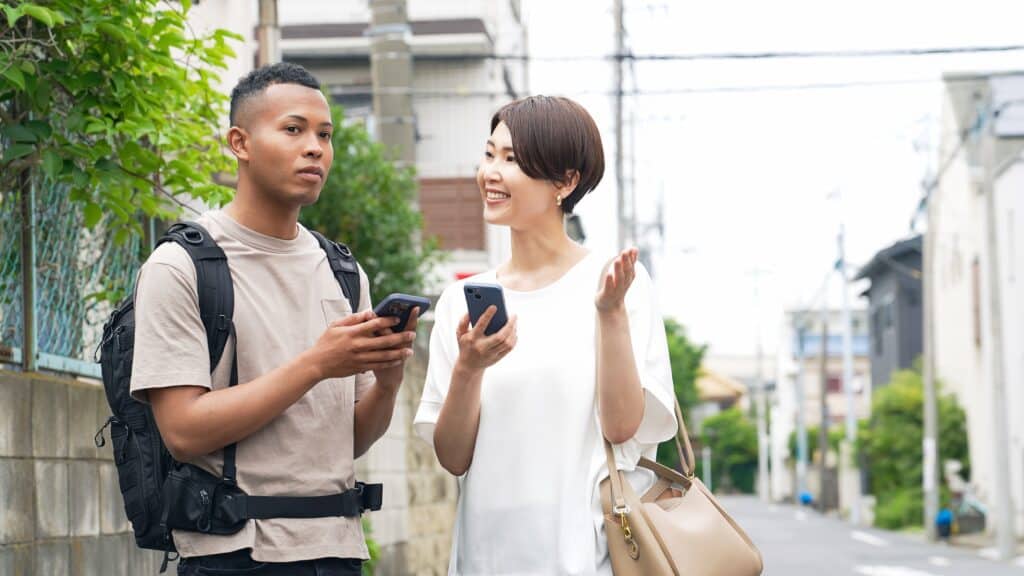
You do not need to speak Japanese to travel around Japan, especially in major cities and popular tourist destinations. Train stations, airports, hotels, and many attractions provide English signage, making navigation easier than many first-time visitors expect.
That said, learning a few basic Japanese phrases can make your trip smoother and often leads to friendlier interactions. Even simple efforts are usually appreciated and can help break the ice when communicating with locals.
A few useful phrases include:
- Arigatou gozaimasu – Thank you
- Sumimasen – Excuse me / Sorry
- Konnichiwa – Hello
- Hai – Yes
- Iie – No
- Eigo? – English?
Don’t worry about pronunciation being perfect. Most people will appreciate the effort, and even knowing a handful of words can make everyday situations such as ordering food, asking for directions, or shopping feel more comfortable.
Wake Up Early for Major Attractions
If there is one travel tip that can completely transform your experience in Japan, it is getting an early start. Many of the country’s most famous attractions become extremely crowded by late morning, especially during weekends, holidays, and peak travel seasons.
Arriving early allows you to enjoy popular sights before tour groups and day-trippers arrive. You’ll often find quieter streets, shorter lines, better photo opportunities, and a much more relaxed atmosphere.
This is particularly true at famous destinations such as Kyoto’s historic districts, major temples and shrines, popular viewpoints, and well-known photo spots around Mount Fuji. Some places can feel completely different at 7:00 AM compared to 11:00 AM.
Early mornings are also one of the best times to experience a more authentic side of Japan. You’ll see local commuters starting their day, shop owners preparing for business, and neighborhoods gradually coming to life.
Common Mistakes First-Time Visitors Make in Japan
Japan is one of the easiest countries in the world to travel through, but first-time visitors often make a few avoidable mistakes that can lead to unnecessary stress, higher costs, or missed experiences. Fortunately, most of these mistakes are easy to avoid with a little planning.
From overpacked itineraries to oversized luggage and last-minute bookings, understanding these common pitfalls will help you enjoy a smoother and more rewarding trip.
Trying to Visit Too Many Places
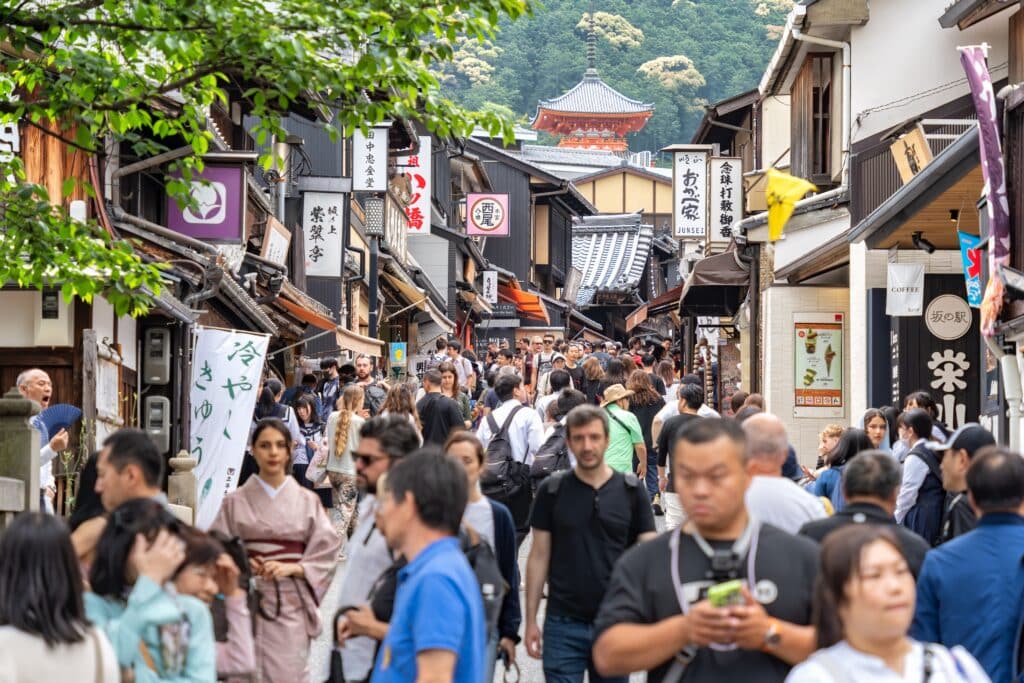
Many travelers arrive in Japan with a long list of destinations they want to see. While it may be tempting to visit Tokyo, Kyoto, Osaka, Hiroshima, Nara, Hakone, Kanazawa, Takayama, Nikko, and Mount Fuji all in a single trip, constantly changing hotels and spending hours on trains can quickly become exhausting.
Japan rewards slower travel. Spending extra time in fewer destinations often leads to a much deeper and more enjoyable experience than rushing from place to place.
Packing Too Much Luggage
Packing too much is one of the most common mistakes travelers make in Japan. While a large suitcase may seem convenient before departure, it can quickly become frustrating when navigating crowded train stations, carrying bags up stairs, or moving between multiple hotels.
Japan’s public transportation system is extremely efficient, but many stations are enormous and require a surprising amount of walking. Smaller hotel rooms can also make storing large suitcases difficult, particularly in major cities where space is limited.
Many visitors discover that they only use a fraction of the clothes and items they packed. Comfortable walking shoes, weather-appropriate clothing, and a few versatile outfits are usually all you need for a successful trip.
If you plan to travel between several destinations, Japan’s luggage forwarding services can make your journey much easier by transporting your suitcase directly to your next hotel.
Not Carrying Cash
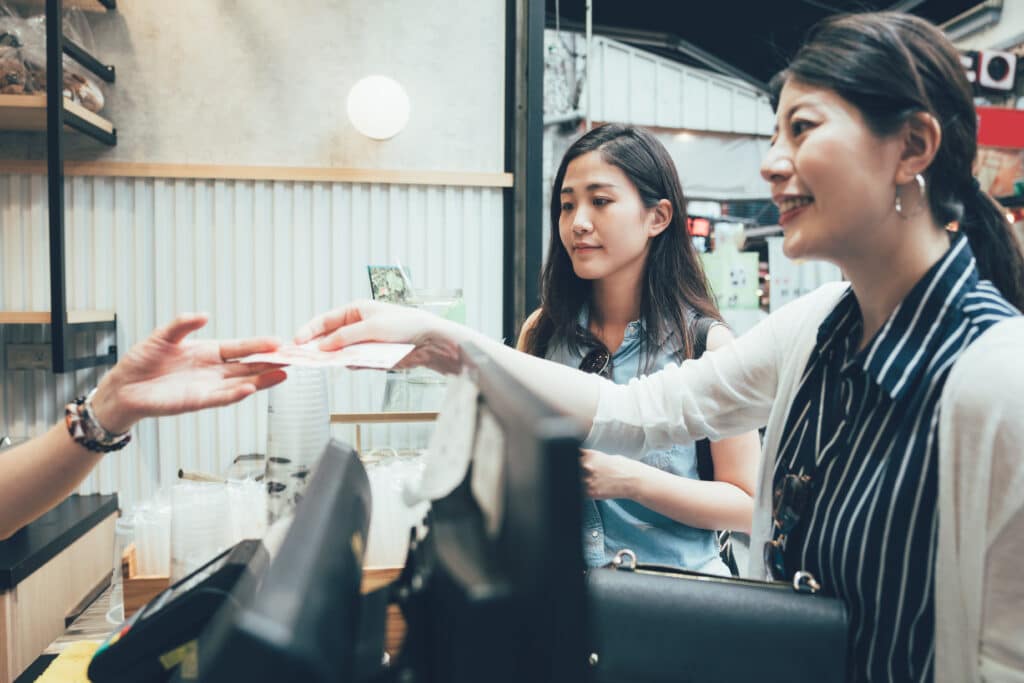
Many travelers assume that Japan is a completely cashless society because of its advanced technology and modern infrastructure. While card payments are becoming more common, cash is still widely used throughout the country, particularly at smaller businesses and in rural areas.
You may encounter restaurants, local shops, temples, market stalls, and family-run businesses that only accept cash. While this is less common in major cities, it can still happen when you least expect it.
Running out of cash is rarely a serious problem thanks to the abundance of ATMs, but it can be inconvenient if you’re in a remote area or trying to pay for transportation, food, or admission fees.
Keeping a reasonable amount of cash with you ensures that you can handle unexpected situations without disrupting your travel plans.
Underestimating Walking Distances
Many first-time visitors are surprised by how much walking they do in Japan. Even when using trains and public transportation extensively, a typical sightseeing day often involves walking between stations, attractions, restaurants, hotels, and shopping areas.
Large cities such as Tokyo and Osaka can require long walks simply to transfer between train lines or navigate major stations. Historic districts in Kyoto are also best explored on foot, which can add up to far more steps than many travelers expect.
It is not unusual to walk 15,000 to 25,000 steps in a single day while sightseeing. Comfortable footwear quickly becomes one of the most important items you bring on your trip.
Planning occasional breaks, avoiding overly packed itineraries, and allowing extra travel time can make your days much more enjoyable and less exhausting.
Waiting Too Long to Book Accommodation
One of the most expensive mistakes travelers make in Japan is waiting too long to book accommodation. While you can sometimes find last-minute deals, the best hotels, ryokan, and guesthouses in popular destinations often sell out well in advance.
This is especially true during cherry blossom season, autumn foliage season, Golden Week, and major holiday periods. Prices can increase significantly as availability decreases, leaving travelers with fewer options and higher costs.
Popular destinations such as Tokyo, Kyoto, Osaka, Hakone, and Mount Fuji’s Five Lakes region are particularly affected during peak travel periods. Even budget accommodations can fill up surprisingly quickly.
Booking early gives you access to better locations, more room choices, and often lower prices. It also allows you to plan the rest of your itinerary with greater confidence.
Japan Etiquette Tips Every Visitor Should Know
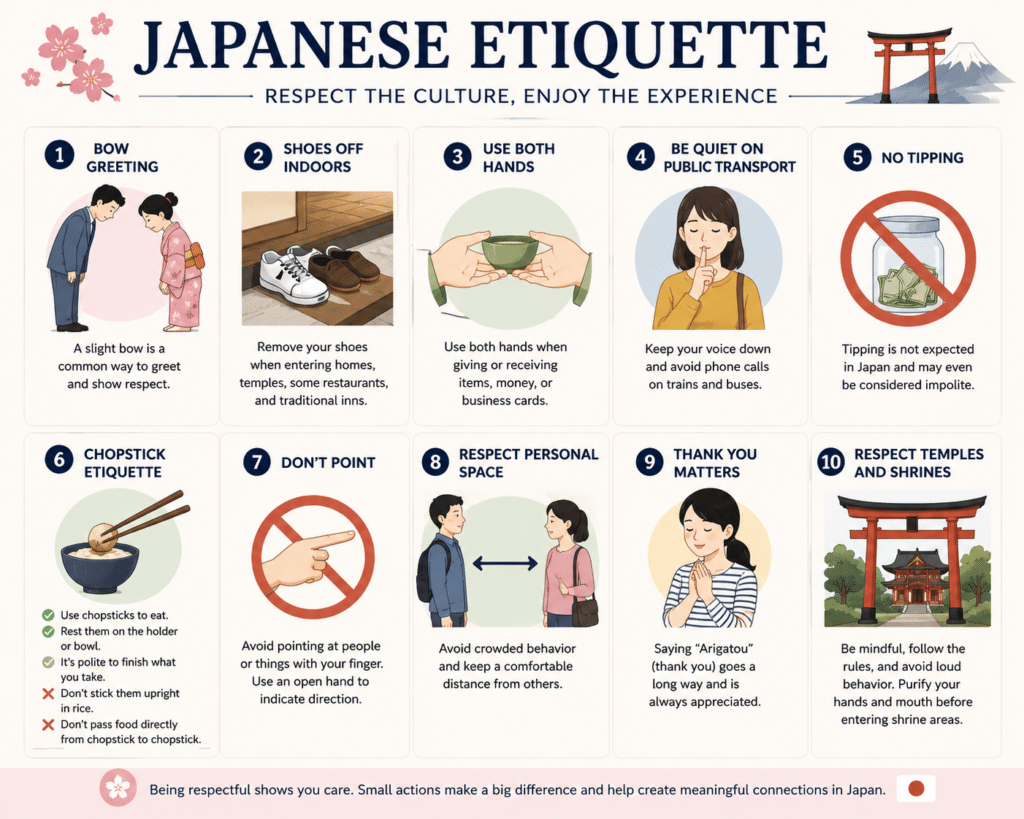
You do not need to memorize every cultural rule before visiting Japan. Most Japanese people understand that travelers come from different backgrounds and do not expect perfection. However, making an effort to follow basic etiquette shows respect and can help you feel more comfortable during your trip.
Many of Japan’s customs are based on consideration for others, cleanliness, and maintaining harmony in public spaces. Understanding a few simple etiquette rules will help you avoid common mistakes and enjoy smoother interactions throughout your journey.
The good news is that most etiquette expectations are straightforward and easy to follow once you know them. Here are some of the most important customs every visitor should be aware of.
Be Quiet on Public Transportation
One of the first things visitors notice in Japan is how quiet trains and subways are. Even during busy periods, most passengers keep conversations low and avoid making phone calls.
While talking with friends is perfectly acceptable, speaking loudly or taking calls on crowded trains is generally considered impolite. Many commuters use their travel time to rest, read, or quietly use their phones.
If you need to take a call, it is best to wait until you leave the train or move to a designated area if available.
Queue Patiently
Queuing is an important part of daily life in Japan, and you’ll quickly notice how orderly people are when waiting for trains, buses, elevators, shops, and attractions. Even in busy cities, people generally line up patiently and wait their turn.
At train stations, platforms usually have clearly marked lines showing exactly where passengers should wait. When the train arrives, travelers allow people to exit first before boarding in an organized manner.
The same principle applies in many other situations. Whether you’re ordering food, entering an attraction, or waiting for public transportation, following the queue and respecting the order of arrival is considered good manners.
Fortunately, this is one of the easiest cultural customs for visitors to adapt to, and simply observing what everyone else is doing will usually make things clear.
Remove Shoes When Required
Removing your shoes is a long-standing custom in Japan and something most visitors will encounter during their trip. It helps keep indoor spaces clean and shows respect for homes, traditional accommodations, and certain cultural sites.
You will commonly be asked to remove your shoes when entering ryokan, traditional homes, some temples, historic buildings, and occasionally certain restaurants. In many places, you’ll find a designated entrance area where shoes are left before stepping onto raised flooring.
Indoor slippers are often provided and should be worn instead of outdoor shoes. In some locations, separate slippers are even provided for restroom areas. While this may feel unusual at first, the system is usually very easy to follow.
If you are unsure whether shoes should be removed, simply look around. Shoe racks, slippers, raised floors, or signs near the entrance are usually clear indicators that footwear should be left behind.
Respect Temples and Shrines
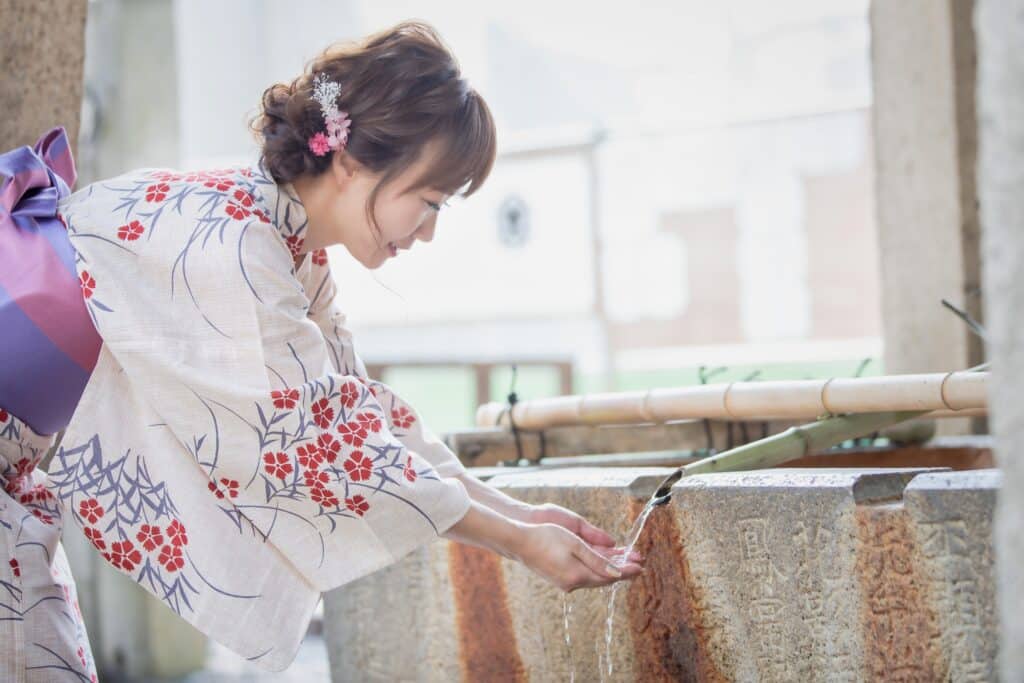
Japan’s temples and shrines are among the country’s most famous attractions, but they are also active places of worship. While visitors are welcome at most sites, it is important to remember that these locations have religious and cultural significance beyond their popularity as tourist destinations.
When visiting temples and shrines, speak quietly, follow posted rules, and be mindful of people who are there to pray or participate in religious activities. Avoid blocking pathways, standing in front of worship areas for extended periods, or entering restricted sections that are closed to the public.
Photography is usually allowed in outdoor areas, but some buildings prohibit photos entirely. Always check signs before taking pictures and respect any restrictions that are in place.
Many shrines have purification fountains near the entrance where visitors traditionally rinse their hands before entering. While travelers are not expected to know every ritual, observing local customs and showing respect is always appreciated.
Avoid Eating While Walking
In many countries, eating while walking is completely normal. In Japan, however, it is generally less common and is often considered impolite in certain situations. While you may occasionally see people drinking coffee or eating a quick snack on the go, most locals prefer to eat in designated areas or near the place where food was purchased.
This custom is partly connected to cleanliness and consideration for others. Eating while walking can create litter, spills, or congestion in busy public spaces. As a result, many people choose to finish their food before continuing on their way.
Street food markets and festival areas are an exception. In places known for local food culture, it is perfectly normal to enjoy snacks while standing nearby. Simply pay attention to what local visitors are doing and follow their lead.
The good news is that travelers are unlikely to cause serious offense if they occasionally eat while walking. However, being aware of the custom demonstrates respect for local etiquette and helps you blend in more naturally.
Do Not Tip in Japan
One of the biggest differences travelers notice in Japan is the absence of a tipping culture. In restaurants, hotels, taxis, and many other service situations, tipping is generally not expected and may even cause confusion.
Excellent service is considered a normal part of the customer experience rather than something that requires an additional reward. Whether you’re dining at a small local restaurant or staying at a luxury hotel, staff will typically provide attentive service without expecting a tip in return.
In some situations, offering cash directly to staff may be politely declined. Rather than leaving extra money, the best way to show appreciation is through good manners, a smile, and a sincere “Arigatou gozaimasu” (thank you very much).
There are a few rare exceptions, particularly for certain private guides or specialized services that cater primarily to international visitors. However, for the vast majority of travelers, tipping is simply unnecessary in Japan.
Money-Saving Tips for Traveling in Japan
Japan has a reputation for being expensive, but it can be surprisingly affordable if you travel smart. While luxury hotels, fine dining, and premium experiences can quickly increase costs, there are many simple ways to stretch your budget without sacrificing the quality of your trip.
Whether you’re planning a two-week itinerary or a longer adventure, these money-saving tips can help you get more value from your Japan travel budget.
Use Convenience Stores for Breakfast and Snacks
Japanese convenience stores are a budget traveler’s secret weapon. Stores such as 7-Eleven, FamilyMart, and Lawson offer surprisingly high-quality food at affordable prices.
A breakfast of onigiri, coffee, and a pastry often costs far less than eating at a restaurant, while still providing a quick and satisfying start to the day.
Stay Near Major Train Stations
Choosing accommodation near a major train station may cost slightly more upfront, but it can save both time and transportation costs during your trip.
You’ll spend less money on local transport, reduce travel time, and enjoy easier access to trains, restaurants, and attractions.
Travel Outside Peak Seasons
Cherry blossom season and autumn foliage season are beautiful, but they are also among the most expensive times to visit Japan. Flights, hotels, and popular attractions often see significant price increases during these periods.
Traveling during late spring, early summer, or winter can provide lower prices, fewer crowds, and a more relaxed experience.
Consider Regional Rail Passes
Since recent price increases, the nationwide Japan Rail Pass no longer offers the same value for every traveler. In many cases, regional rail passes provide a more affordable alternative.
If your trip focuses on a specific area, such as Kansai or Kyushu, a regional pass may save money while still covering most of your transportation needs.
Book Accommodation Early
Hotels and ryokan often become significantly more expensive as availability decreases. Booking several months in advance not only provides more choices but can also lead to substantial savings.
This is particularly important if you’re visiting Japan during cherry blossom season, autumn colors, Golden Week, or other major holidays.
Final Travel Tips for a Smooth Trip to Japan
By now, you’ve probably noticed a common theme: traveling in Japan is not difficult, but a little preparation can make a big difference. Understanding a few local customs, planning transportation in advance, and keeping your itinerary realistic will help you avoid most of the challenges that first-time visitors encounter.
Before you go, keep these simple reminders in mind:
Using a Suica, Pasmo, or ICOCA card will make trains, subways, and buses much easier to navigate.
Credit cards are common, but cash is still useful for smaller businesses, temples, and rural areas.
You’ll spend a lot of time walking and navigating train stations, so lighter luggage makes travel easier.
Popular attractions are often far more enjoyable before the crowds arrive.
Hotels, ryokan, and seasonal attractions can sell out months in advance during peak travel periods.
Some of the best experiences in Japan happen when you wander beyond the main tourist attractions.
Japan is a country that rewards curiosity, patience, and slow travel. While iconic sights such as Tokyo, Kyoto, and Mount Fuji deserve their reputation, don’t be afraid to step away from your itinerary occasionally. A quiet neighborhood, a family-run restaurant, or an unexpected local festival can easily become the highlight of your trip.
First-Time Japan Travel Checklist
First-Time Japan Travel Checklist
Use this simple checklist before your trip to make sure you’re prepared for a smooth and stress-free adventure in Japan.
Passport Ready
Check passport validity and keep digital copies of important travel documents.
Accommodation Booked
Reserve hotels and ryokan early, especially during spring and autumn.
IC Card Prepared
Set up a Suica, Pasmo, or ICOCA card for easy travel on trains and buses.
Cash Backup
Carry some yen for smaller restaurants, temples, markets, and rural areas.
Walking Shoes Ready
Comfortable shoes are essential for long sightseeing days and large train stations.
Offline Maps Downloaded
Download Google Maps areas and save important hotel and attraction locations.
Attractions Reserved
Book popular attractions, observation decks, and special experiences in advance.
Travel Insurance
Make sure you’re covered for medical emergencies, delays, and cancellations.
Final Thoughts
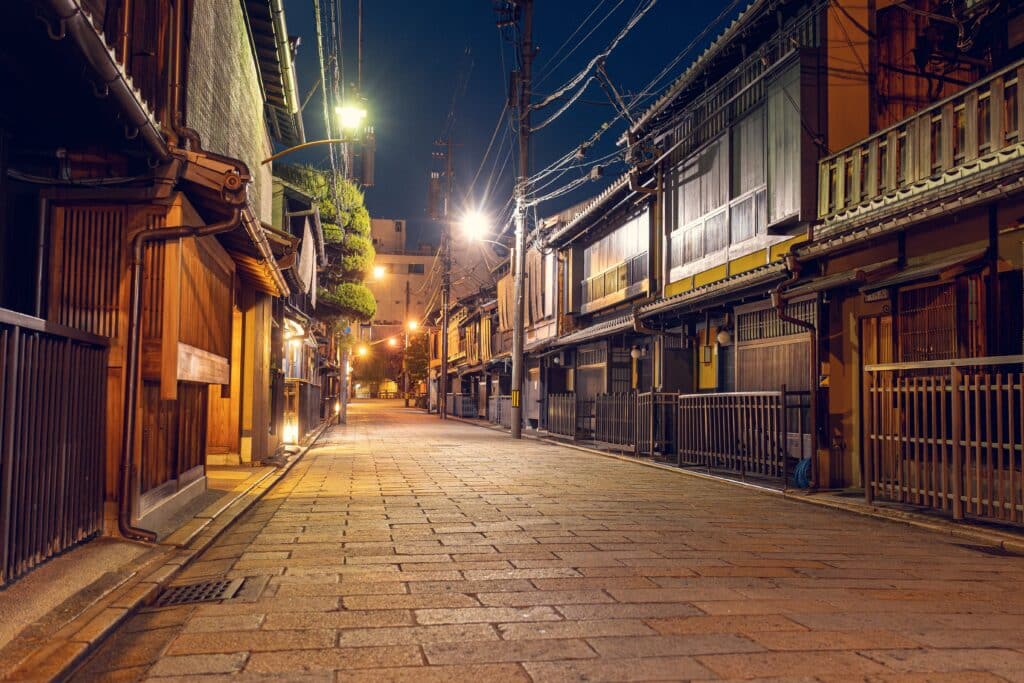
Japan has a reputation for being different from anywhere else in the world, and that reputation is well deserved. From its unique culture and world-class transportation system to its incredible food, historic temples, and breathtaking natural landscapes, it offers experiences that few destinations can match.
While first-time visitors often worry about language barriers or cultural differences, most travelers quickly discover that Japan is remarkably easy to explore. A little preparation, an open mind, and a willingness to embrace local customs are usually all you need for a successful trip.
The most important travel tip is simple: don’t rush. Instead of trying to see everything, give yourself time to enjoy the small moments that make Japan special. Whether it’s discovering a hidden alley in Tokyo, watching the sunrise near Mount Fuji, relaxing in an onsen town, or enjoying a bowl of ramen at a neighborhood restaurant, these experiences are often remembered long after the trip is over.
Plan ahead, travel respectfully, stay curious, and leave room for unexpected discoveries. Do that, and there’s a good chance your first visit to Japan won’t be your last.
Frequently Asked Questions
Is Japan easy for first-time visitors?
Yes. Japan is one of the safest and most organized countries in the world. While the transportation system may seem overwhelming at first, most travelers find it surprisingly easy to navigate.
Do I need cash in Japan?
Yes. Credit cards are widely accepted in cities, but some smaller restaurants, temples, shops, and rural businesses still prefer cash.
Is Japan expensive to visit?
Japan can be expensive, but it is possible to travel on a wide range of budgets. Convenience stores, business hotels, and public transportation help keep costs manageable.
Do I need to speak Japanese?
No. English signage is common in major cities and tourist areas, although learning a few basic Japanese phrases can make your trip easier and more enjoyable.
What is the biggest mistake first-time visitors make in Japan?
Trying to visit too many destinations in one trip. Japan is best enjoyed at a slower pace with time to explore each place properly.
When is the best time to visit Japan?
Spring and autumn are generally considered the best seasons thanks to pleasant weather, cherry blossoms, and autumn colors. However, Japan offers unique experiences throughout the year.
Should I buy a Japan Rail Pass?
Not necessarily. After recent price increases, the Japan Rail Pass is only worthwhile for some travelers. Compare the cost of individual train tickets with your planned itinerary before purchasing one.