
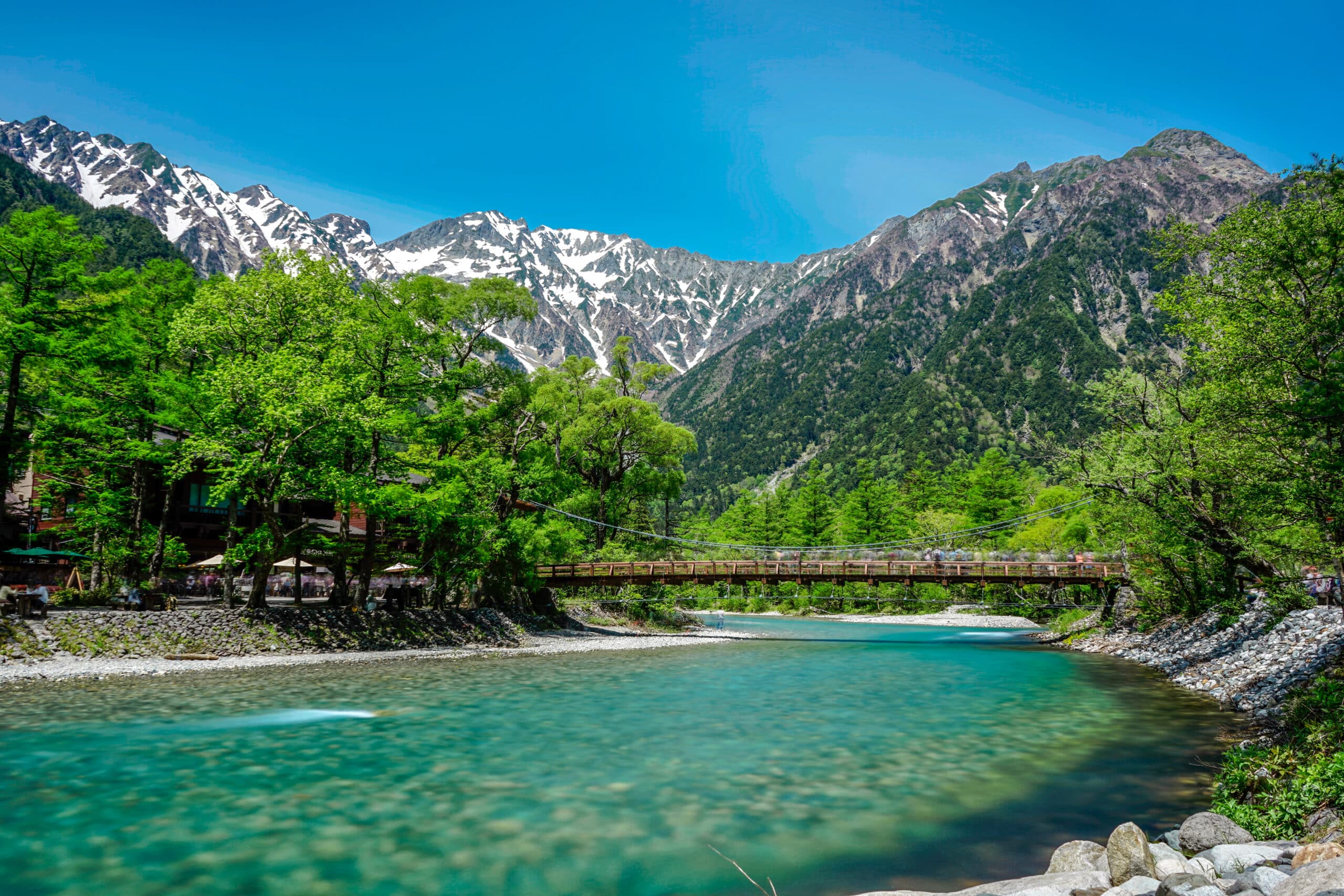
Japan is often defined by its cities—but its most memorable experiences often happen far beyond them. Step outside the neon lights and fast trains, and you’ll discover a completely different side of the country.
Think snow-capped mountains, steaming volcanic landscapes, ancient forests, and dramatic coastlines—all within a few hours of each other.
This guide doesn’t just list famous parks.
It focuses on the nature destinations that are truly worth your time, based on scenery, accessibility, and overall experience.
Whether you’re looking for an easy escape from Tokyo, a cultural journey beyond Kyoto, or iconic views near Mount Fuji—you’ll find the best options here.
Quick Overview
This quick overview helps you compare the best nature parks in Japan based on travel style, time, and overall experience.
Quick Overview
Best Nature Parks in Japan at a Glance
Find the right nature park based on your travel style, time, and interests
Fuji-Hakone-Izu National Park
Mount Fuji views, lakes, hot springs, coastlines, and easy access from Tokyo.
Kamikochi
Alpine scenery, clear rivers, mountain trails, and one of Japan’s most beautiful hiking areas.
Shiretoko National Park
Remote Hokkaido landscapes, wildlife, forests, cliffs, and a true end-of-the-world feeling.
Nikko National Park
Waterfalls, lakes, forest walks, hot springs, and cultural sights within easy reach of Tokyo.
Aso-Kuju National Park
Volcanic plains, active crater scenery, grasslands, and wide-open mountain views in Kyushu.
Yoshino-Kumano National Park
Pilgrimage trails, ancient forests, sacred waterfalls, and a deeply spiritual atmosphere.
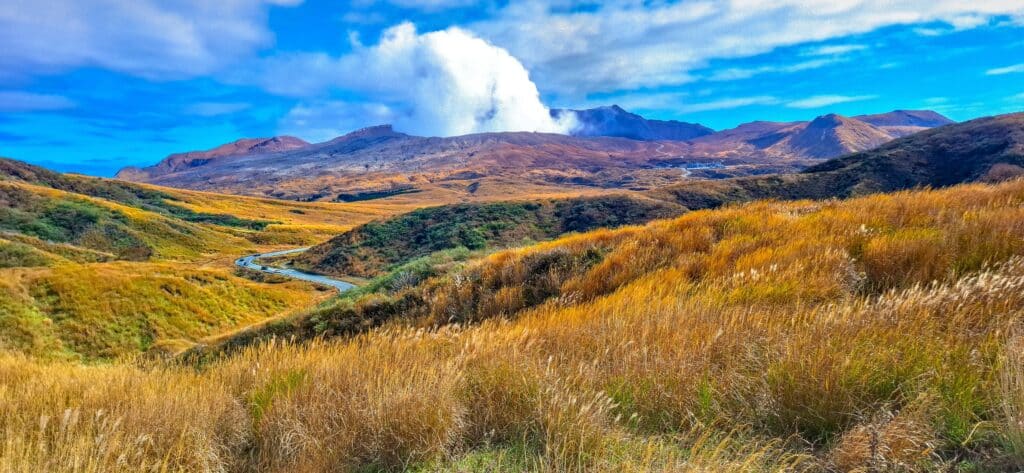
Table of Contents
Best Nature Parks in Japan
1. Fuji-Hakone-Izu National Park
Fuji-Hakone-Izu National Park
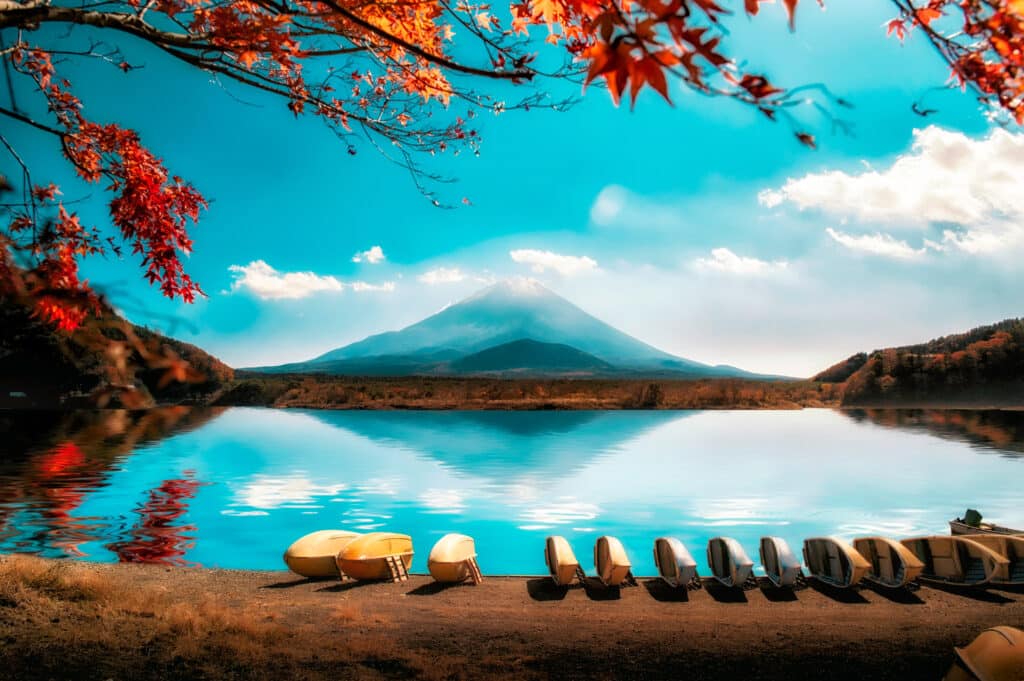
Fuji-Hakone-Izu is the most balanced and accessible nature area in Japan—and for many travelers, the easiest way to experience Mount Fuji properly.
The region combines Mount Fuji views, lakes, volcanic landscapes, and hot springs in one compact area. Kawaguchiko offers classic Fuji scenery, while Hakone adds ropeways, boat rides, and easy viewpoints—making it ideal for first-time visitors.
2. Kamikochi
Kamikochi
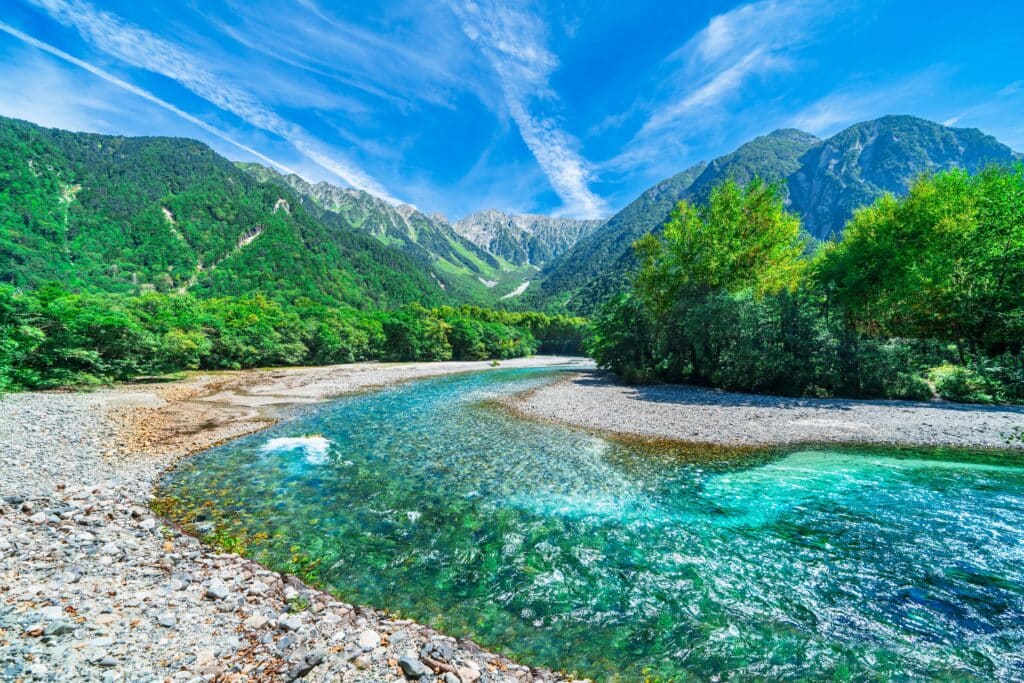
Kamikochi is one of the most beautiful alpine areas in Japan—and one of the few places where you can enjoy dramatic mountain scenery without difficult hiking.
The valley offers clear rivers, wooden bridges, and mountain views that feel almost perfectly staged—yet it remains surprisingly easy to explore.
3. Shiretoko National Park
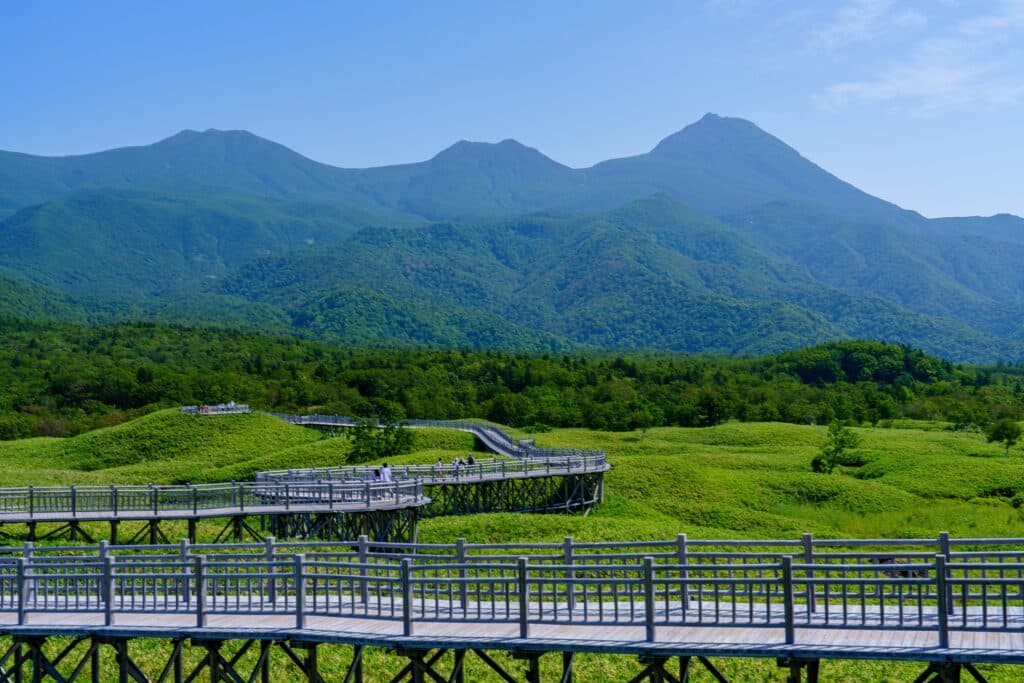
Shiretoko National Park
Shiretoko offers the most remote and untouched nature experience in Japan—and feels completely different from the rest of the country.
Located in Hokkaido, the park features dramatic coastlines, dense forests, and a high chance of wildlife encounters. It feels far less developed than most places in Japan, which is exactly what makes it so special.
4. Nikko National Park
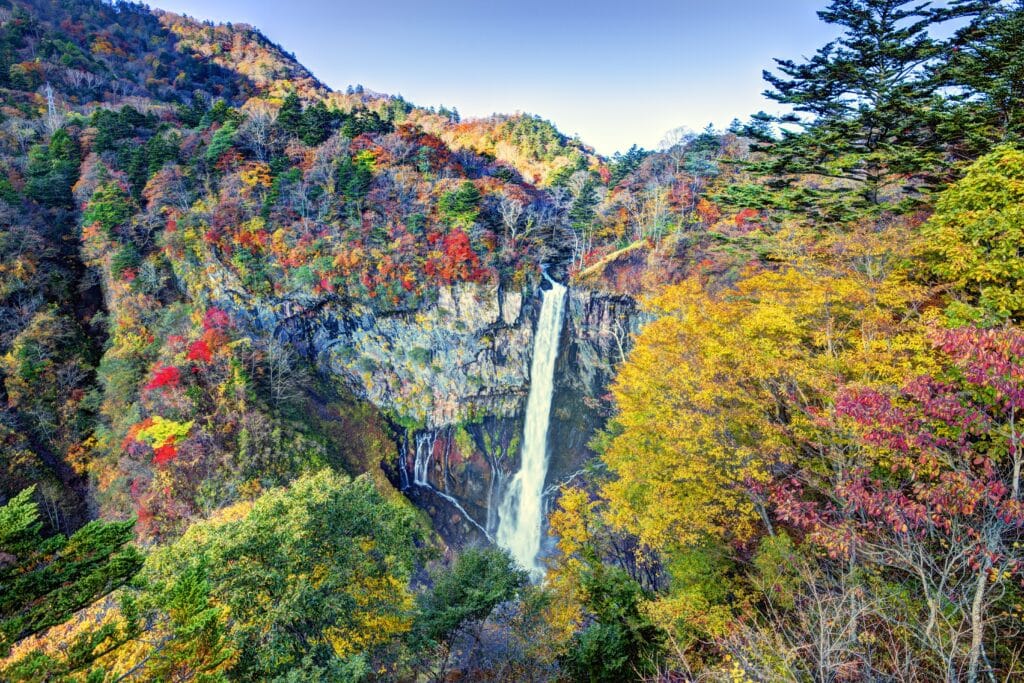
Nikko National Park
Nikko is the easiest way to combine nature and culture in a single trip—without needing complex planning.
The area offers waterfalls, lakes, and forest scenery alongside famous shrines—making it one of the most well-rounded day trips from Tokyo.
5. Aso-Kuju National Park
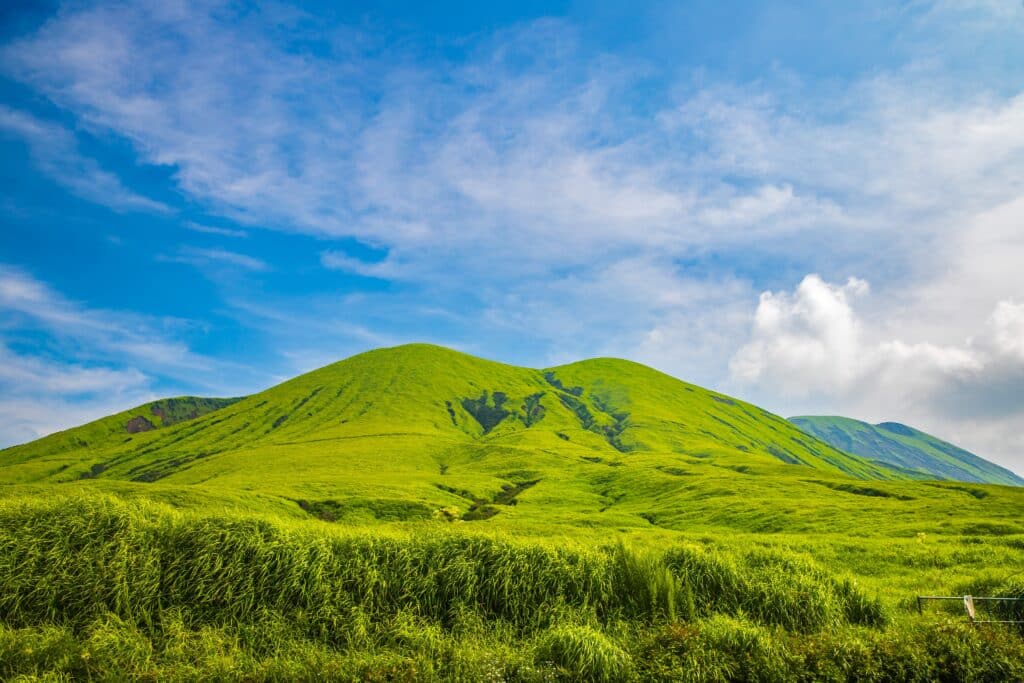
Aso-Kuju National Park
Aso-Kuju stands out with wide volcanic landscapes that feel surprisingly un-Japanese in scale and openness.
The region features one of the world’s largest calderas, open grasslands, and active volcanic craters. The scenery feels unusually spacious and is best explored by car.
6. Yoshino-Kumano National Park
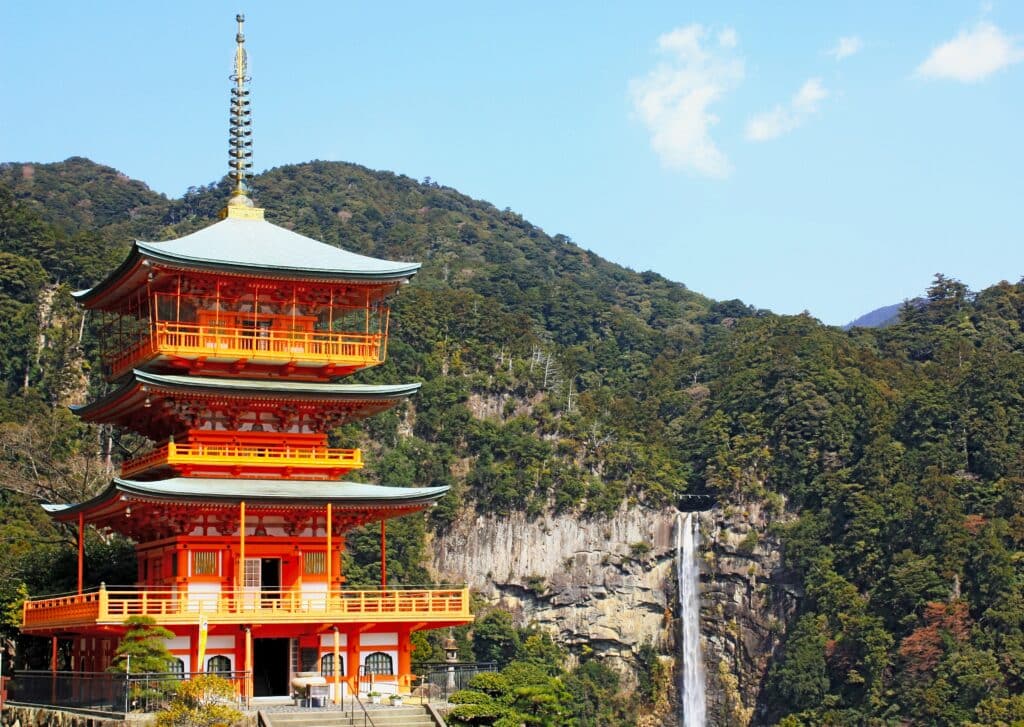
Yoshino-Kumano National Park
Yoshino-Kumano offers a unique mix of nature and spirituality—and feels more like an experience than a typical sightseeing destination.
The park includes the Kumano Kodo pilgrimage routes, leading through forests to shrines and waterfalls. It’s less about dramatic viewpoints and more about atmosphere, which is exactly why many travelers find it so memorable.
What to Skip (or Rethink)
Not every nature destination in Japan is worth your time—especially if your schedule is limited. Here are the most common mistakes to avoid.
What to Skip
Nature Spots That Are Often Not Worth Your Time
Not every “nature spot” in Japan is worth adjusting your itinerary for—especially if your time is limited.
Parks in Tokyo or Osaka are nice for a break, but they don’t compare to Japan’s true nature areas.
Visiting Fuji areas on a cloudy day can be disappointing. If the mountain is hidden, the experience drops significantly.
Some parks sound great but are difficult to explore without a car, limiting what you actually see.
Many landscapes lose their atmosphere during peak hours—early morning or late afternoon is much better.
Trying to combine multiple nature areas in one day leads to rushing and more time in transit than outdoors.
Some parks are highly seasonal. Visiting at the wrong time can mean closures or limited access.
Japan Nature Parks Map
Use this map to see where the best nature parks in Japan are located and plan which ones fit naturally into your route.
For most trips, focus on one or two regions instead of trying to visit every park in one itinerary. This keeps your route realistic and gives you more time outdoors.
Best Time to Visit Nature Parks in Japan
Best Time to Visit
Best Time to Visit Nature Parks in Japan
Japan’s landscapes change dramatically with the seasons—choosing the right time can completely transform your experience.
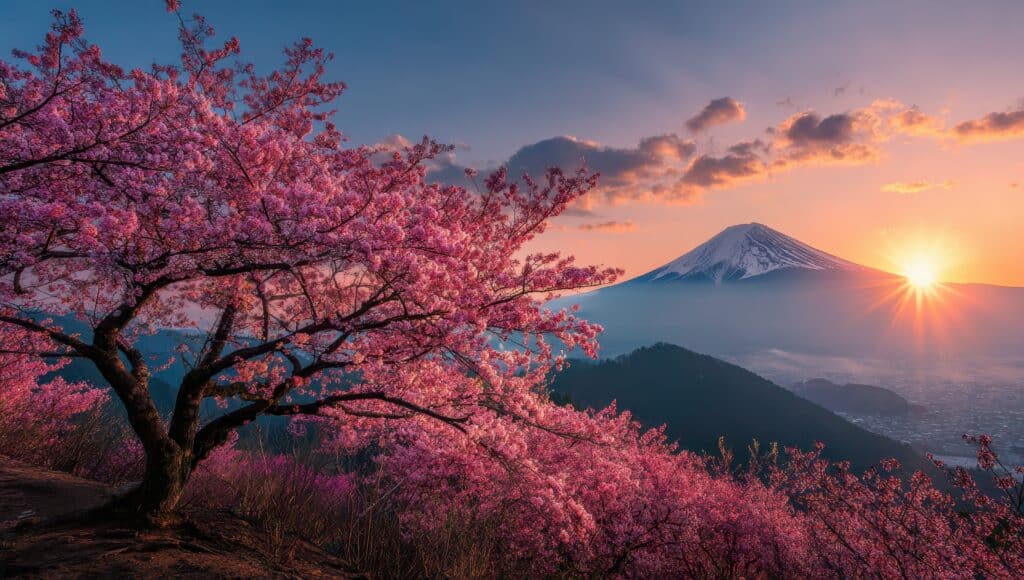
Ideal for cherry blossoms and fresh green landscapes. Yoshino is one of the best places for nature + sakura.
Best for alpine areas like Kamikochi or Hokkaido. Lower regions can be hot and humid, so head to the mountains.
The most popular season for nature. Parks like Nikko offer stunning fall colors and comfortable temperatures.
Limited access in many parks, but unique snowy landscapes in places like Hokkaido. Check closures in advance.
Match your destination to the season instead of forcing a specific park. This makes a bigger difference than anything else.
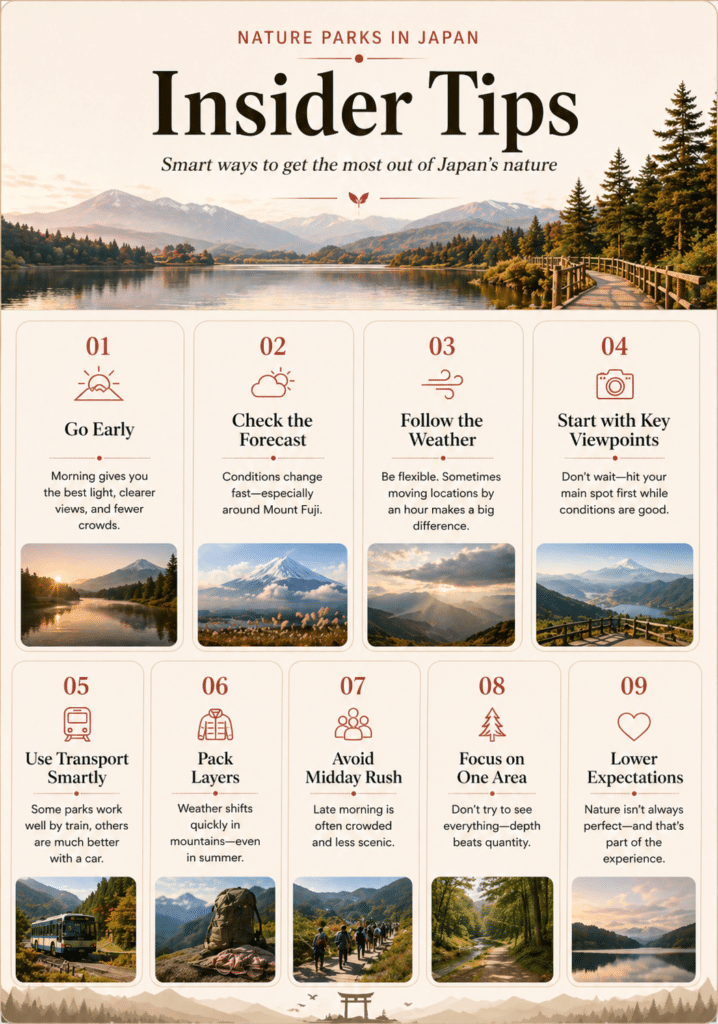
Conditions change quickly—especially around Mount Fuji. Always check forecasts and stay flexible with your plans.
Sample Itineraries
Itinerary Ideas
How to Include Nature Parks in Your Japan Itinerary
The best way to experience Japan’s nature is to match it with your travel route—not force it into your plan.
Choose Nikko or Fuji-Hakone-Izu. Both are easy from Tokyo and give you a strong nature experience without overnight stays.
Stay around Fuji or Hakone. This gives you flexibility for weather and a more relaxed pace compared to a rushed day trip.
Explore Kyushu and visit Aso-Kuju. This works well as part of a broader regional trip and is ideal for road travel.
Head to Hokkaido and include Shiretoko. The distance makes it less suitable for short trips, but highly rewarding.
Combine Kyoto with Yoshino-Kumano for a mix of culture, forests, and pilgrimage routes in the Kii Peninsula.
Keep at least one flexible day. Weather can make or break nature experiences—especially around Mount Fuji.
Insider Tips for Visiting Nature Parks in Japan
These insider tips will help you avoid common mistakes and get the most out of your visit to Japan’s nature parks.
FAQ – Best Nature Parks in Japan
What is the most beautiful nature park in Japan?
Fuji-Hakone-Izu National Park is often considered the most beautiful overall because it combines Mount Fuji views, lakes, volcanic landscapes, and hot springs in one accessible area.
Which nature park is best near Tokyo?
Nikko National Park is the best option for a day trip from Tokyo, offering waterfalls, lakes, and forest scenery with easy train access.
Do I need a car to visit nature parks in Japan?
Not always. Parks like Nikko, Hakone, and Fuji are easy to visit by public transport. However, more remote areas like Aso-Kuju or parts of Kumano are much easier to explore with a car.
When is the best time to visit nature parks in Japan?
Spring (March–May) and autumn (September–November) are the best overall seasons. Summer is ideal for alpine areas like Kamikochi, while winter offers unique snowy landscapes in Hokkaido.
Are Japan’s national parks free to enter?
Most national parks in Japan are free. However, some specific areas, attractions, or transport (like ropeways or buses) require a fee.
Which park is best for seeing Mount Fuji?
Fuji-Hakone-Izu National Park, especially around Lake Kawaguchiko, offers the best and most reliable views of Mount Fuji.
Is Kamikochi worth visiting?
Yes, Kamikochi is one of Japan’s most scenic mountain areas, known for its clear rivers and easy hiking trails. It’s especially popular in summer and autumn.
Which nature park is best for wildlife?
Shiretoko National Park in Hokkaido is the best place for wildlife, including brown bears, deer, and foxes in a remote, natural setting.
Can I visit multiple nature parks in one trip?
Yes, but it’s best to focus on one region. Trying to visit too many parks often leads to rushed travel and less time to actually enjoy nature.
Final Thoughts: Choosing the Right Nature Experience in Japan
Japan’s nature isn’t about finding the “best” park—it’s about choosing the right experience for your trip.
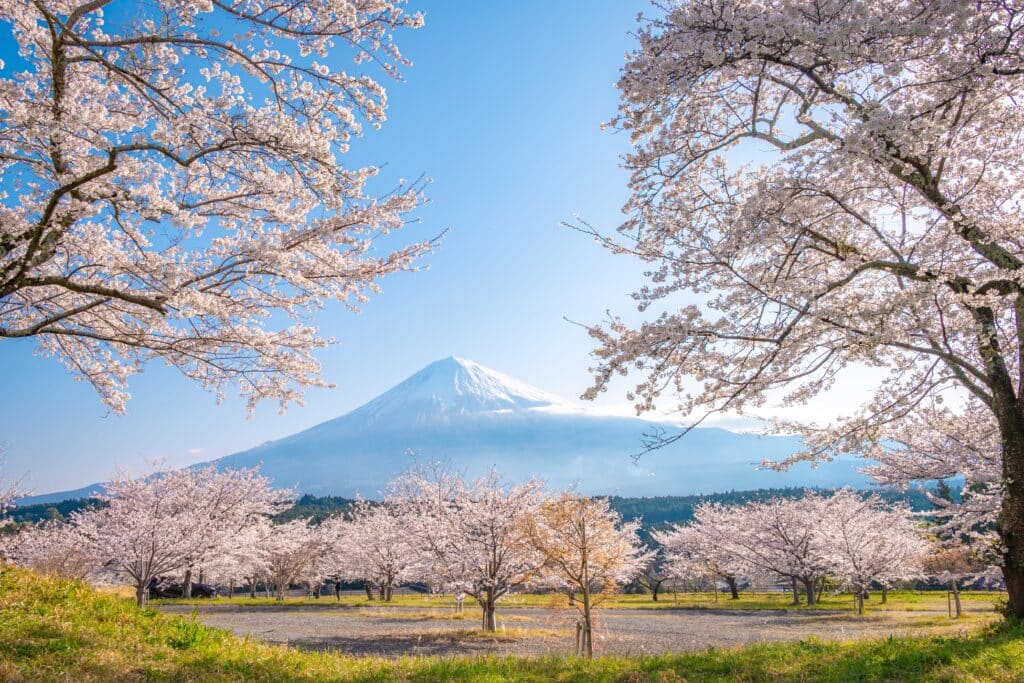
If it’s your first visit, start with Fuji-Hakone-Izu.
It offers the most complete introduction, combining iconic views with easy access and variety.
If you’re looking for something more immersive, slow down instead of adding more stops.
Places like Kamikochi or Yoshino-Kumano become far more rewarding when you give them time.
And if you want something truly different, go further.
Regions like Shiretoko or Aso-Kuju feel less like tourist destinations and more like discovering a quieter side of Japan.
The biggest mistake isn’t choosing the “wrong” park—
it’s trying to see too many in too little time.
Quick Decision Guide
If you’re unsure which nature park to choose, this quick guide helps you find the best option based on your travel style.
Quick Decision Guide
Which Nature Park Should You Choose?
Not sure which park fits your trip? Use this quick guide to find your best match.
Iconic Views
Best for first-time visitors
Fuji-Hakone-IzuHiking & Alpine Scenery
Mountains and easy trails
KamikochiRemote Wilderness
Untouched nature and wildlife
ShiretokoEasy from Tokyo
Simple and accessible day trip
NikkoUnique Landscapes
Volcanic scenery and open views
Aso-KujuCulture + Nature
Spiritual routes and forests
Yoshino-Kumano