
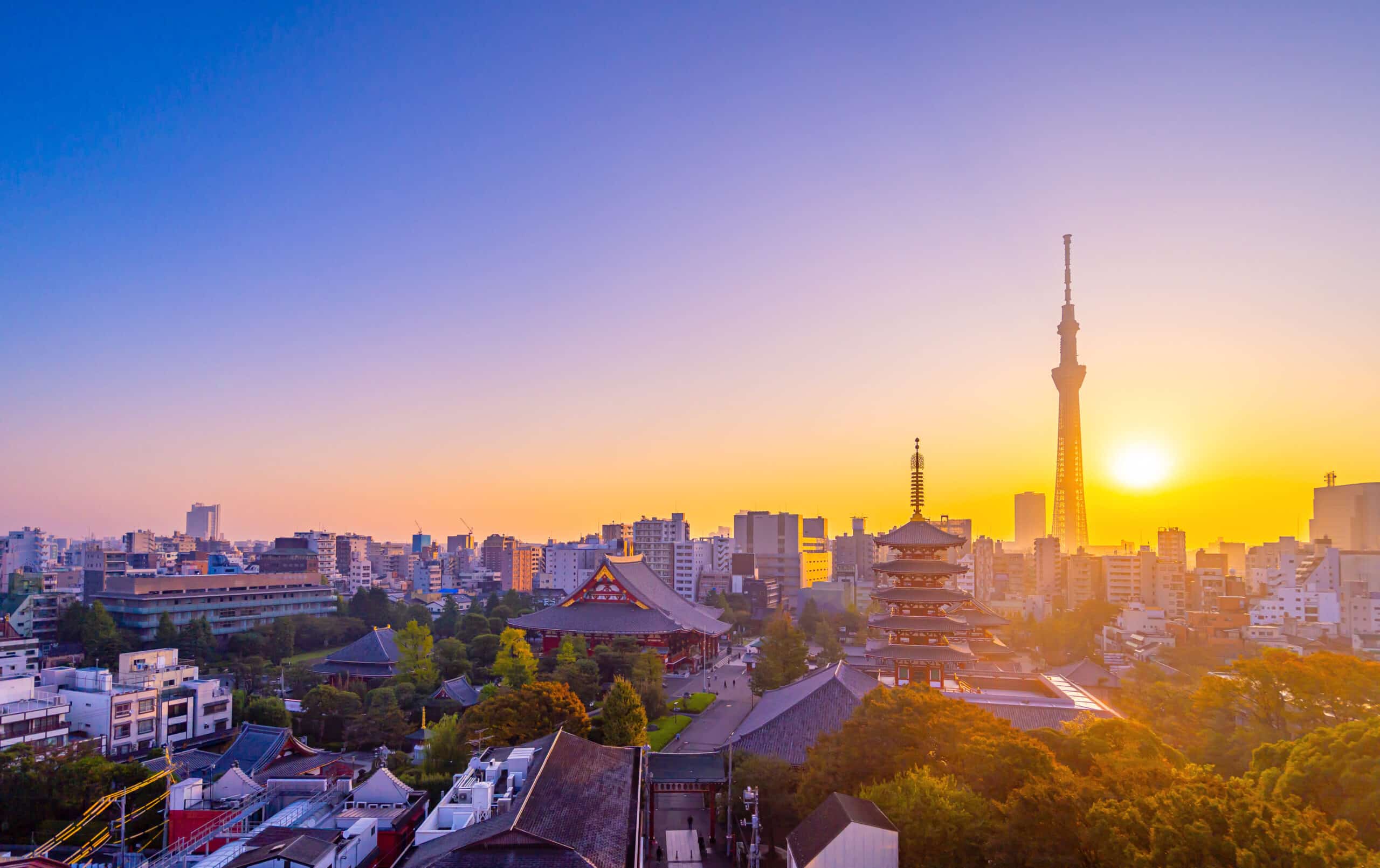
Tokyo can feel overwhelming at first—and that’s exactly what makes it so exciting.
From neon-lit crossings and high-speed trains to quiet temples and hidden streets, the city packs an incredible variety of experiences into a single destination. The challenge isn’t finding things to do—it’s deciding what’s actually worth your time.
This 3-day Tokyo itinerary is designed specifically for first-time visitors, with a clear focus on smart routing and real travel flow—not just a random list of attractions.
Instead of rushing across the city, you’ll explore Tokyo in logical areas, combining modern highlights with traditional culture while keeping a comfortable, realistic pace.
If it’s your first visit, this plan helps you see the essentials, avoid common planning mistakes, and still leave room to enjoy the atmosphere that makes Tokyo so unique.
Tokyo Itinerary Overview
3 Days in Tokyo – Quick Plan
A simple breakdown of how your days are structured
Shibuya, Harajuku, and Shinjuku — modern Tokyo highlights, city views, and nightlife.
Asakusa, Ueno, and Akihabara — traditional culture, parks, and pop culture.
Tsukiji, Ginza, and flexible options — food, shopping, and final experiences.
Shinjuku for convenience, or Asakusa for a calmer and more traditional base.
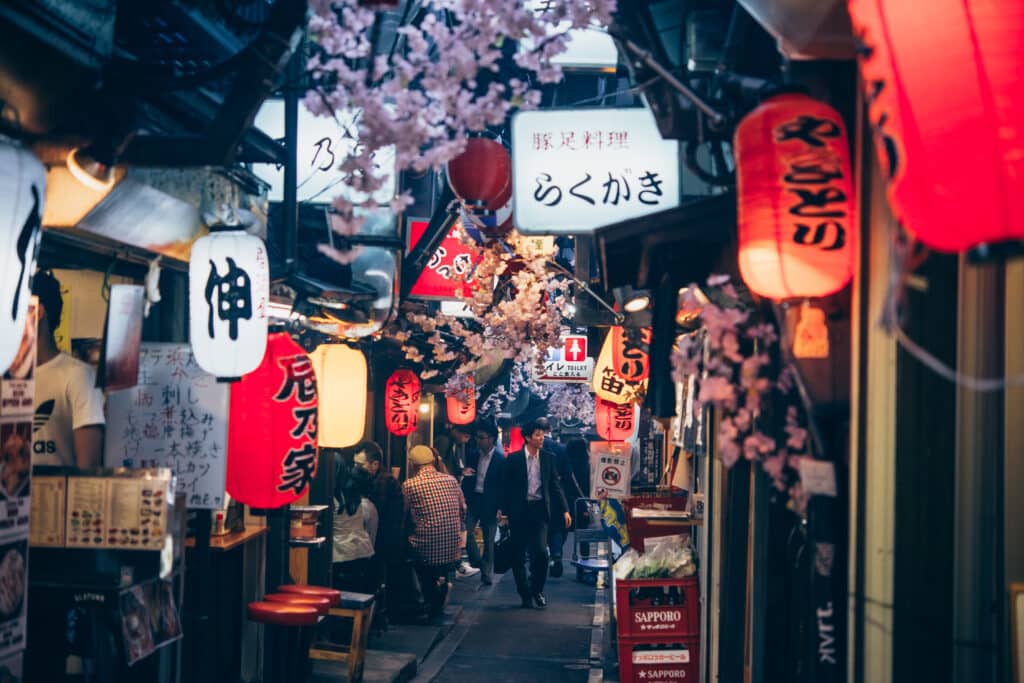
Table of Contents
Tokyo at a Glance
Before jumping into the daily plan, here’s what you should know to make your trip smoother.
Quick Planning Basics
- Recommended stay: 3–5 days
- Best time to visit: Spring (March–May) and Autumn (October–November)
- Getting around: Extremely efficient public transport (trains + метро)
- Daily budget: Mid-range travelers can expect €80–150 per day
Where to Stay (Quick Overview)
- Shinjuku → Best overall (transport + variety)
- Shibuya → Trendy, nightlife, central
- Asakusa → More traditional, quieter
For a full breakdown, see the best areas in Tokyo in our Tokyo accommodation guide.
Transport Basics
- Get an IC card (Suica or Pasmo)
- Use Google Maps—it’s extremely accurate in Tokyo
- Trains are the fastest and easiest way to move around
For a full overview, see our Japan transport guide to understand trains, IC cards, and routes.
Map: 3 Days in Tokyo Overview
This itinerary is built around location-based clusters, so you’re not crossing the city multiple times a day.
How to use the map:
- Each day is grouped by area
- Pins are ordered in a logical walking route
- You can adjust based on your hotel location
- Day 1: West Tokyo
- Day 2: East + Culture
- Day 3: Central + Flexible
How This Itinerary Is Structured
Tokyo is massive—but it becomes surprisingly manageable with the right approach.
Instead of jumping randomly between attractions, this itinerary is:
- Area-based → Each day focuses on one part of the city
- Walkable → Most stops are close to each other
- Flexible → Especially Day 3, where you can adjust based on your interests
This means less time navigating and more time actually experiencing the city.
Tokyo Itinerary Guide
3 Days in Tokyo by Travel Style
Adjust your itinerary based on what you want most from your Tokyo trip
Follow this itinerary as written if you want the best overall mix of modern Tokyo, classic sights, and easy routing.
Spend more time in Asakusa and Ueno, add Yanaka, and give priority to traditional districts and museums.
Expand your Akihabara time, visit arcades and themed cafés, and consider adding Nakano Broadway.
Extend your Tsukiji stop, add local dining areas in Shinjuku or Shibuya, and build in more snack and dinner time.
Slow the pace down, add quieter neighborhoods like Daikanyama, and leave more room for cafés and wandering.
Add Shibuya Sky or Tokyo Tower and spend extra evening time in Shinjuku for skyline and neon photography.
This version works best if you want a strong first impression of Tokyo without trying to see everything.
Keep each day area-based, start early, and focus on atmosphere as much as on major attractions.
DAY-BY-DAY ITINERARY
Day 1: Shibuya, Harajuku & Shinjuku (Modern Tokyo Highlights)
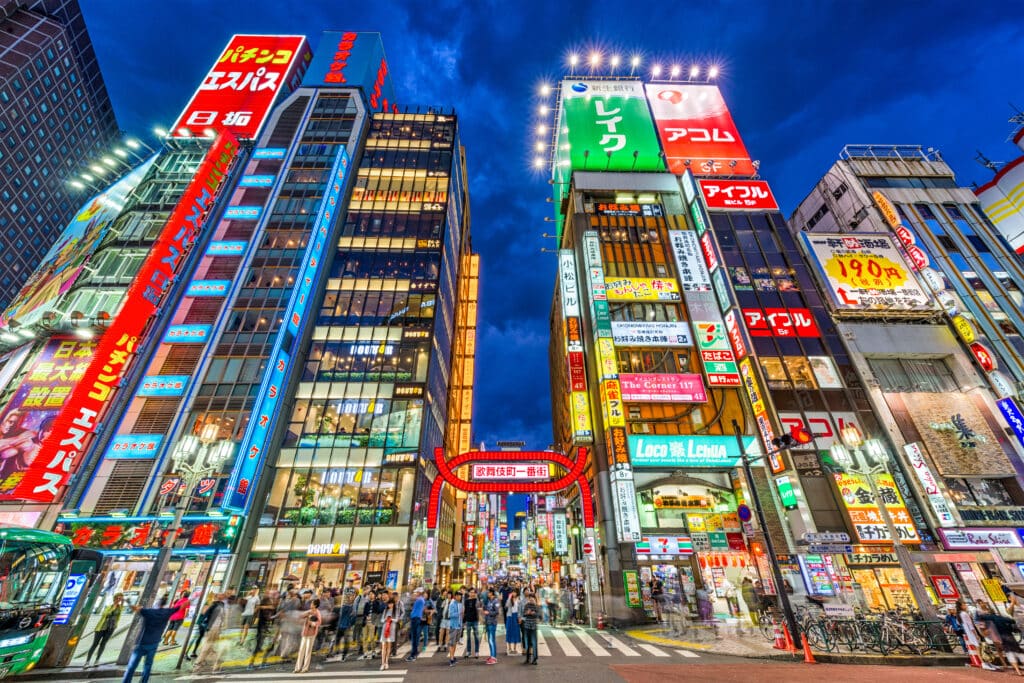
Your first day is all about experiencing the energy of modern Tokyo—from iconic cityscapes to hidden green spaces.
Morning: Shibuya & Meiji Shrine
Start your trip in one of the most recognizable places in the world:
- Shibuya Crossing
Watch the organized chaos as hundreds of people cross at once—it’s even better from above (try a café viewpoint).
💡 Insider tip: For the best view, go to Shibuya Sky or a café overlooking the crossing. Street level is impressive—but the view from above shows the full scale.
From here, take a short walk to a completely different atmosphere:
- Meiji Shrine
A peaceful forest sanctuary in the middle of the city.
Insider tip: The walk through the torii gates is part of the experience—don’t rush it. Early morning feels completely different from midday. The contrast with Shibuya is what makes it special.
Midday: Harajuku
Head toward Harajuku, known for its mix of youth culture and fashion.
- Takeshita Street → colorful, busy, fun
- Try street snacks like crepes or fluffy cotton candy
- Optional: walk Omotesando for a more upscale vibe
Afternoon & Evening: Shinjuku
Wrap up your first day in Shinjuku—one of the most dynamic areas in Tokyo.
- Shinjuku Gyoen → peaceful break from the city
- Tokyo Metropolitan Government Building → free skyline view
- Kabukicho → nightlife, neon, and Tokyo’s famous night atmosphere
💡 Insider tip: For a more authentic atmosphere, walk into the small side streets (like Omoide Yokocho) instead of staying only on the main roads.
Day 2: Asakusa, Ueno & Akihabara (Traditional + Culture)
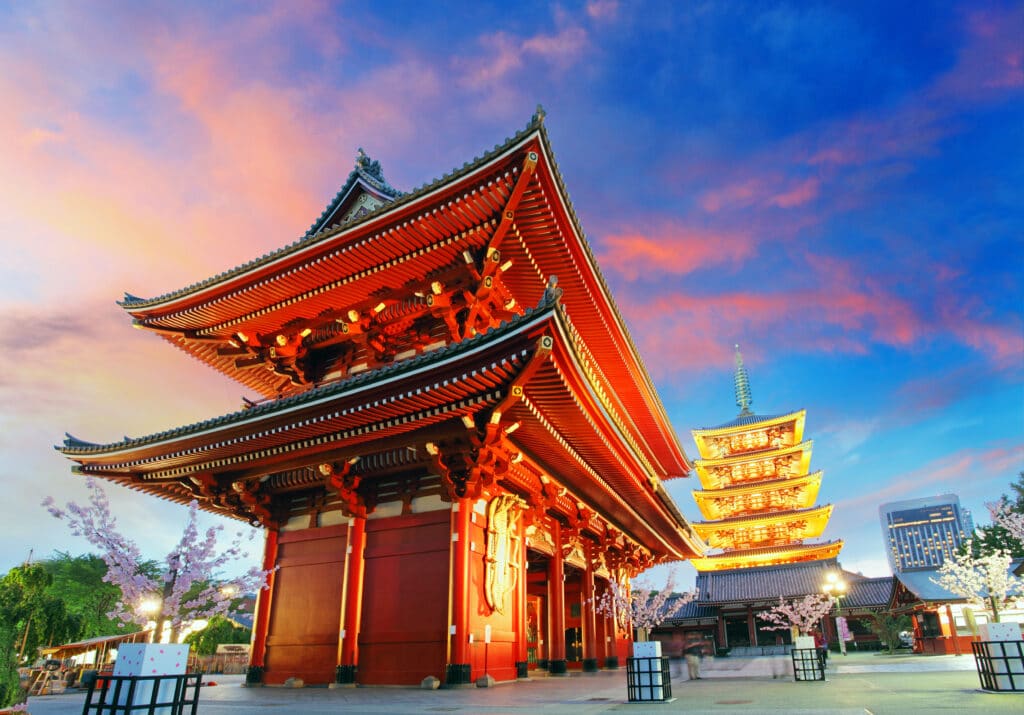
Your second day slows things down a bit and focuses on traditional Tokyo, culture, and unique subcultures—all within a relatively compact area.
Morning: Asakusa
Start early in Asakusa, one of the most historic areas in the city.
- Senso-ji Temple
Tokyo’s oldest and most famous temple. - Nakamise Street
A lively shopping street leading to the temple, perfect for trying local snacks and picking up souvenirs.
💡 Insider tip: Arrive before 8:30 AM. After 9 AM, tour groups start arriving and the atmosphere changes significantly.
Midday: Ueno
From Asakusa, it’s a short train or taxi ride to Ueno Park.
- Large public park with museums, a zoo, and seasonal scenery
- Especially beautiful during cherry blossom season
- Good place to slow down and take a break
Optional:
- Tokyo National Museum (for culture)
- Ueno Zoo (if traveling with kids)
💡 Insider tip:
If you visit during cherry blossom season, this area becomes one of the busiest spots in Tokyo—come early or expect crowds.
Afternoon: Akihabara
In the afternoon, head to nearby Akihabara—Tokyo’s anime, gaming, and electronics hub.
- Explore multi-floor anime and manga stores
- Visit arcades or retro game shops
- See themed cafés (including maid cafés—optional, but uniquely Tokyo)
💡 Insider tip:
Even if you’re not into anime, step into at least one multi-floor store—the scale and variety are part of the experience.
Day 3: Tsukiji, Ginza & Flexible Options
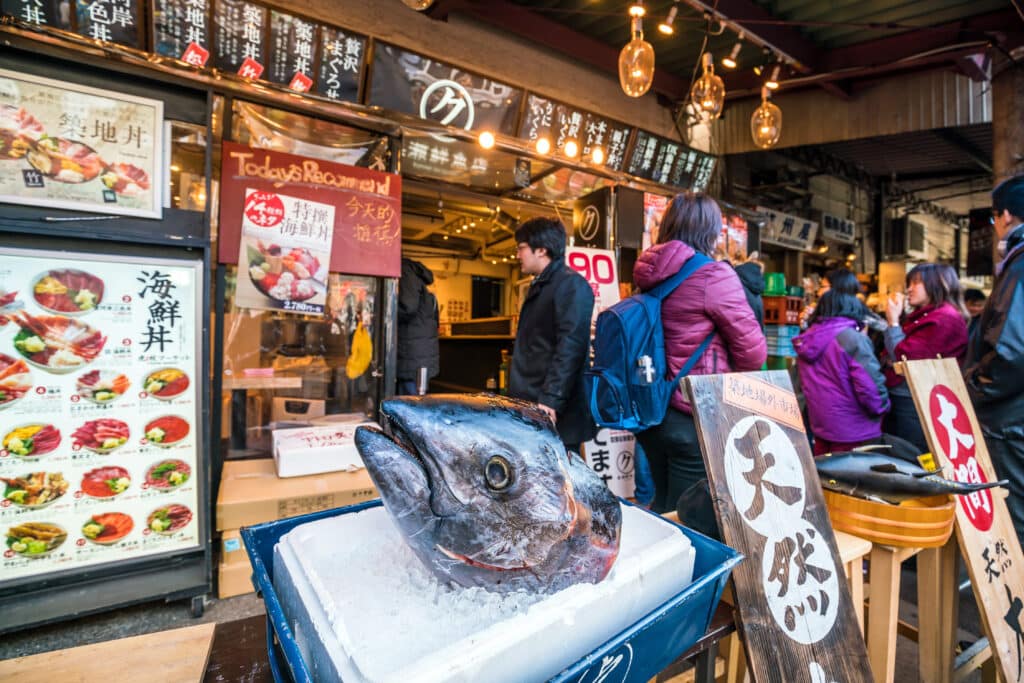
Your final day is designed to be flexible and customizable, depending on your interests, energy level, and what you feel like you’re still missing.
Morning: Tsukiji Outer Market
Start your day with one of Tokyo’s best food experiences:
- Tsukiji Outer Market
Famous for fresh seafood, sushi, and street food - Try:
- Sushi breakfast
- Grilled seafood skewers
- Japanese omelette (tamagoyaki)
💡 Insider tip:
Arrive closer to 8 AM for the best balance of atmosphere and availability—later in the day, some stalls start to close.
Midday: Ginza
Head to Ginza, Tokyo’s most polished and upscale neighborhood.
- Wide streets, modern architecture, luxury shops
- Great for window shopping or a relaxed café break
- Feels completely different from Shibuya or Asakusa
💡 Insider tip:
Visit on weekends if possible—some streets become pedestrian-only, which makes the area much more enjoyable to walk.
Afternoon: Choose Your Experience
This is where your itinerary adapts to your travel style—pick one main experience:
Option 1: Digital Art Experience
- teamLab Planets (immersive, highly visual, very popular)
Option 2: City Views
- Tokyo Tower or Shibuya Sky
- Great for sunset if timing works out
Option 3: More Shopping & Exploring
- Stay longer in Ginza
- Or return to your favorite area from previous days
Option 4: Relaxed Finish
- Visit a café
- Explore a quieter neighborhood
- Slow down before departure
Tip: Don’t try to do everything—this final day works best when you keep it simple.
Travel Planning Tip
Plan Your Stay in Tokyo
Where you stay can completely shape your experience
Shinjuku — best transport connections and easiest base for this itinerary.
Asakusa — more traditional, quieter, and close to cultural highlights.
Shibuya — lively, modern, and perfect if you enjoy evening energy.
See the full Tokyo accommodation guide to choose the best area and hotel.
Alternative Options (Adjust This Itinerary to Your Travel Style)
Not every traveler wants the same experience—and Tokyo makes it easy to customize your trip.
If something in the itinerary doesn’t fit your interests, swap it with one of these:
More Traditional Tokyo
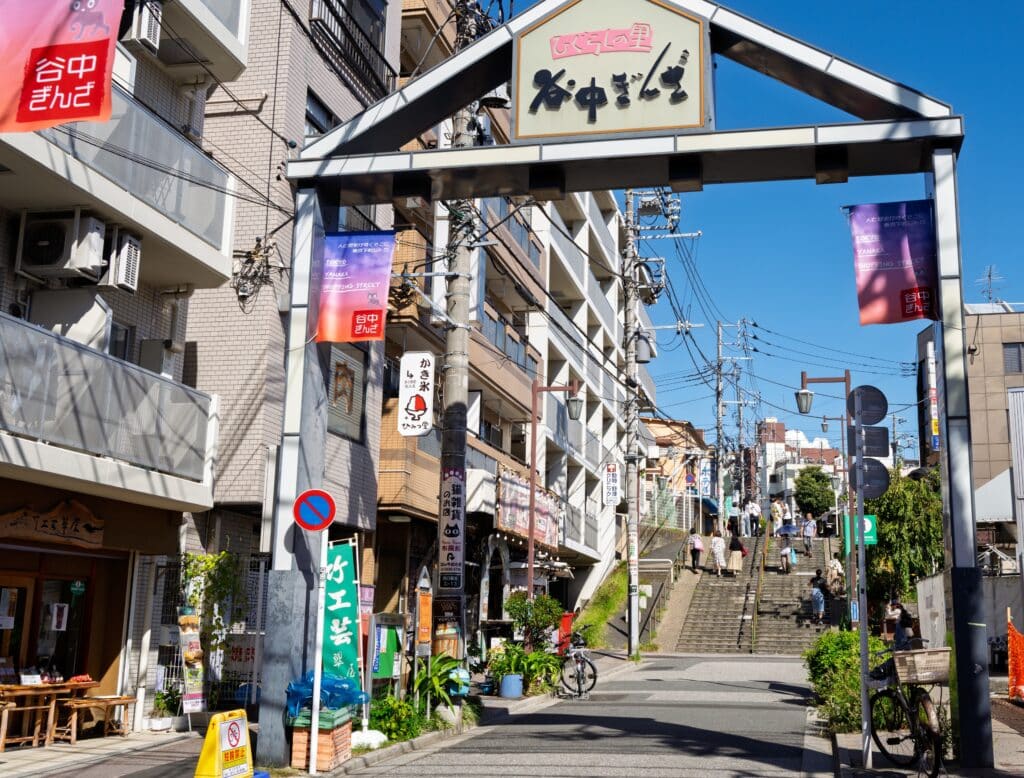
- Add Yanaka (old-town atmosphere, quieter than Asakusa)
- Spend more time around Asakusa
- Visit additional temples and shrines
Anime & Pop Culture Focus
- Spend more time in Akihabara
- Visit themed cafés and arcades
- Explore Nakano Broadway (less touristy alternative)
Food-Focused Trip
- Add a food tour
- Explore local izakaya (Japanese pubs) in the evening
- Visit depachika (department store food halls)
See our Japanese food guide to discover what to try and where to find it.
More Relaxed & Local Feel
- Visit Daikanyama (cafés, boutiques, slower pace)
- Add more parks or quiet neighborhoods
- Skip one major attraction and explore aimlessly
Best Views & Photography
- Add more viewpoints:
- Shibuya Sky
- Tokyo Tower
- Return to Shinjuku at night for skyline photography
💡 Insider tip:
Book sunset slots in advance for places like Shibuya Sky—this is one of the most popular times and often sells out.
Where to Stay for This Itinerary
Tokyo Accommodation Guide
Best Areas to Stay in Tokyo
Choose the neighborhood that best matches your travel style, budget, and itinerary
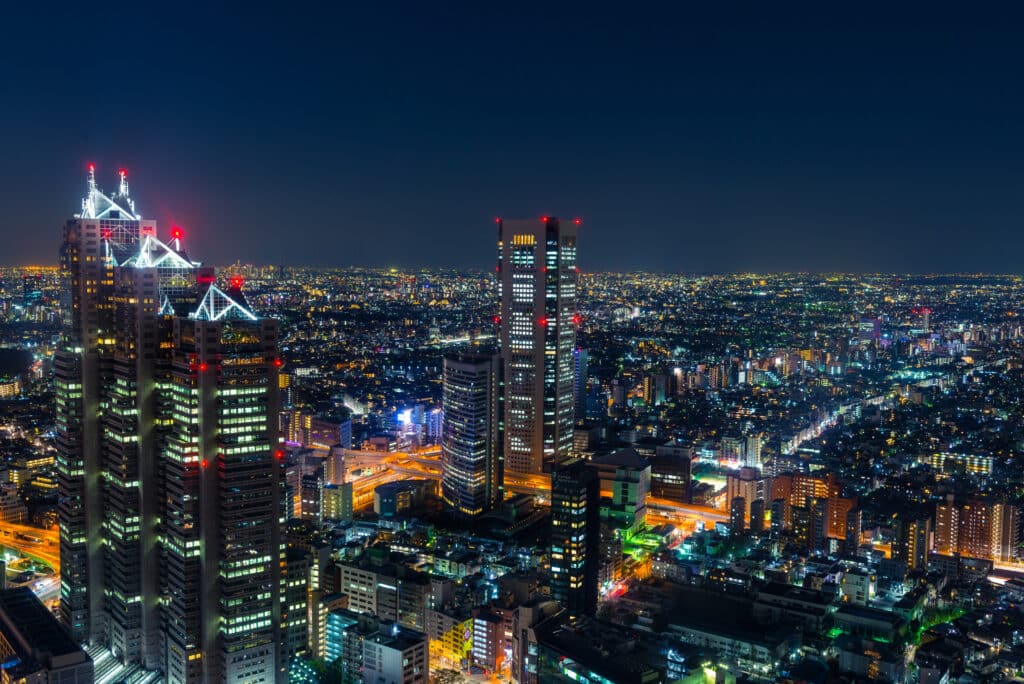
Best overall for first-time visitors thanks to major train connections, hotel variety, and easy access across the city.
Best for nightlife, shopping, and modern Tokyo energy, with a lively atmosphere from morning to late evening.
Best for a more traditional atmosphere, slower pace, and better value accommodation near historic sights.
Best for upscale stays, polished surroundings, and central access, especially if shopping and dining matter most.
Best for budget-conscious travelers who want good transport, museums, park access, and easier airport connections.
Best for a quieter, more local-feeling stay with stylish cafés, boutique streets, and a more relaxed atmosphere.
Choose Shinjuku if convenience matters most, or Asakusa if you prefer a calmer and more traditional base.
Shinjuku offers the strongest overall connections for this itinerary and works best if you want to minimize transit stress.
To make your stay easier, check the full Tokyo accommodation guide with hotel recommendations and area comparisons.
For this itinerary, these areas work best:
Shinjuku — Best Overall
- Excellent transport connections
- Easy access to all itinerary areas
- Wide range of hotels and restaurants
Shibuya — Trendy & Central
- Great nightlife and atmosphere
- Walkable, lively, and modern
- Slightly less convenient than Shinjuku for transport
Asakusa — Traditional & Quiet
- More relaxed and local feel
- Close to Day 2 highlights
- Often better value for money
Getting Around Tokyo (Quick & Practical Guide)
Tokyo’s public transport system looks complex—but it’s actually very easy once you understand the basics.
What You Need to Know
- Trains are the fastest way to get around
- The city is covered by JR lines + metro lines
- Google Maps works extremely well for navigation
IC Cards (Essential)
Get a prepaid IC card like:
- Suica
- Pasmo
You can use them for:
- Trains and metro
- Buses
- Convenience stores and vending machines
Simple Strategy
- Follow Google Maps routes
- Don’t overthink train companies (JR vs metro)
- Avoid rush hour if possible
Is 3 Days in Tokyo Enough?
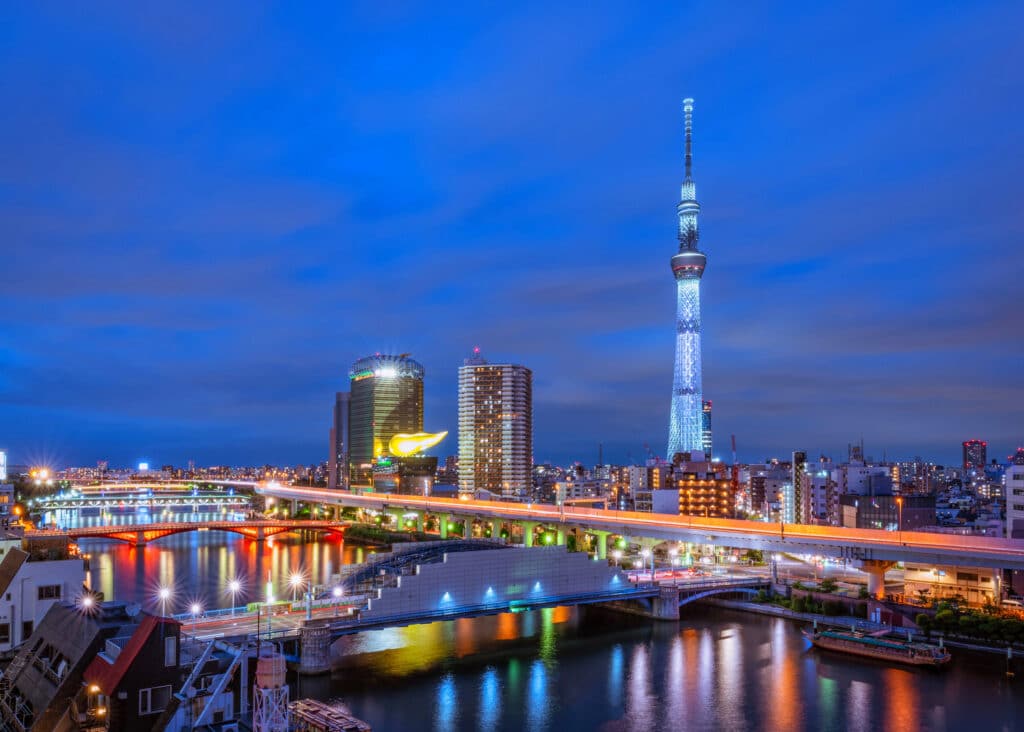
Short answer: Yes—but it depends on your expectations.
What You Can Do in 3 Days
- See Tokyo’s main highlights
- Experience both modern and traditional areas
- Get a strong first impression of the city
What You’ll Miss
- Deeper exploration of neighborhoods
- Day trips (like Hakone or Nikko)
- Slower, more immersive experiences
Recommendation
- 3 days → Perfect for a first visit
- 4–5 days → Ideal if you want a more relaxed pace
Final Tips for Your Tokyo Trip
A few small things can make a big difference in Tokyo:
Start Early
- Attractions are much quieter in the morning
- Helps you avoid crowds and heat
Cash vs Card
- Cards are widely accepted
- Still carry some cash for small places
Basic Etiquette
- Be quiet on trains
- Queue properly
- No tipping culture
Navigation
- Google Maps is your best tool
- Train stations can be large—follow signs carefully
Not everything in Tokyo is worth your limited time—especially on a short trip. Focusing on the right experiences makes a huge difference.
Smart Travel Planning
What to Skip in Tokyo (and What to Do Instead)
Avoid time-wasters and focus on experiences that are actually worth it
Pick one great viewpoint like Shibuya Sky instead of visiting multiple towers—it saves time and feels less repetitive.
Trying to visit too many areas in one day leads to more time in transit than exploring—stick to one area cluster per day.
Tokyo is best experienced with some flexibility. Leave space for cafés, small streets, and unexpected discoveries.
Main attractions are great, but the real atmosphere often comes from side streets, alleys, and local neighborhoods.
Traveling across Tokyo multiple times a day wastes energy—this itinerary avoids that by grouping areas efficiently.
Some famous places have long queues. If the wait is excessive, it’s often better to choose a similar local alternative.
The same place can feel completely different depending on the time of day—early mornings and evenings are often best.
With limited time, staying in Tokyo gives a much better experience than squeezing in rushed day trips.
Final Thought
Tokyo isn’t just about checking off landmarks—it’s about experiencing the atmosphere between them.
Tokyo Travel Tips
What Not to Do in Tokyo
Avoid these common mistakes to save time, energy, and unnecessary stress
Tokyo is huge. Trying to cover too many neighborhoods in one day usually makes the trip feel rushed and exhausting.
Distances may look short on the map, but major stations, transfers, and walking time add up quickly.
Popular areas like Asakusa become much more crowded later in the day. Early hours are often far more enjoyable.
Using an IC card is easier and faster. Buying individual tickets again and again only slows you down.
Tokyo’s atmosphere often feels best in side streets, smaller neighborhoods, and places that are not major landmarks.
Tokyo works better when you leave room for spontaneity, breaks, and small discoveries between major stops.
Queues often signal quality in Tokyo. Some of the best casual meals are worth a short wait.
Tokyo can be surprisingly reasonable if you use public transport, eat locally, and avoid unnecessary luxury spending.
FAQ
Is 3 days enough for Tokyo?
Yes, 3 days is enough to see Tokyo’s main highlights and get a strong first impression. This itinerary covers both modern areas and traditional districts, but you won’t have time for day trips or deeper exploration. If your schedule allows, 4–5 days is ideal for a more relaxed pace.
What is the best area to stay in Tokyo for this itinerary?
Shinjuku is the best overall choice due to its excellent transport connections and central location.
Asakusa is a good alternative if you prefer a quieter, more traditional atmosphere, while Shibuya is ideal for nightlife and a more modern vibe.
How much time should you spend in Shibuya?
Plan around 2–3 hours to explore Shibuya, including the crossing, nearby viewpoints, and surrounding streets. Many travelers return in the evening to experience the area at night, when it feels completely different.
Is Tokyo expensive for a 3-day trip?
Tokyo can be expensive, but it’s very flexible. You can travel comfortably on a mid-range budget by using public transport, eating at local restaurants, and choosing accommodation in areas like Asakusa or Ueno.
Can you follow this itinerary with kids?
Yes, this itinerary works well with kids if you keep a relaxed pace. Consider spending more time in parks like Ueno and adding interactive experiences like teamLab. Avoid packing too many stops into one day.
Is it better to stay in Shinjuku or Asakusa?
Shinjuku is better for convenience and transport, especially for a first visit. Asakusa is better if you prefer a quieter atmosphere and want to stay close to traditional sights. Both work well with this itinerary—it depends on your travel style.
Do you need to speak Japanese to visit Tokyo?
No, you can easily travel in Tokyo without speaking Japanese. Most signs are in English, and apps like Google Maps and translation tools make navigation and communication simple.
What is the best way to get around Tokyo?
The easiest way to get around Tokyo is by train and metro using an IC card like Suica or Pasmo. Google Maps provides very accurate routes and platform information, making navigation straightforward even for first-time visitors.