
Nara is one of the easiest—and most worthwhile—day trips you can take in Japan.
Located less than an hour from both Kyoto and Osaka, this small historic city offers a completely different atmosphere: slower, greener, and deeply rooted in Japan’s early history.
It’s best known for its free-roaming deer and the massive Great Buddha at Tōdai-ji, but what makes Nara special isn’t just individual sights—it’s how everything comes together in one compact, walkable area.
The key question isn’t what to do in Nara—it’s whether it’s worth your limited time in Japan.
For most first-time visitors, the answer is yes. Nara delivers one of the most unique cultural experiences in the country, without requiring much planning or travel time.
This guide helps you decide exactly that—whether to go, how much time you need, and how to experience Nara efficiently without turning it into another long, temple-heavy day.
Table of Contents
Nara at a Glance
Travel Planning Guide
Nara at a Glance
The quickest way to decide if Nara belongs in your Japan itinerary
Temples, deer, and an easy cultural day trip from Kyoto or Osaka
4–6 hours for most travelers, or a full day at a slower pace
About 45–60 minutes by train, depending on your route
About 40 minutes by train, making it one of the easiest day trips
Tōdai-ji, Nara Park, Kasuga Taisha, and the traditional streets of Naramachi
Mostly on foot, with the main sights connected by an easy walking route
Not necessary for most people, unless you want a quieter early morning experience
Yes — especially for first-time visitors who want a simple but memorable cultural stop
Is Nara Worth Visiting?
Travel Planning Guide
Is Nara Worth Visiting?
A simple decision guide for first-time Japan itineraries
A high-reward day trip with very little planning, short travel times, and several major sights in one compact area.
First-time visitors who want to see one of Japan’s most famous temples, experience Nara Park, and add a historic stop outside Kyoto or Osaka.
Nara combines iconic cultural sights, open green space, and the city’s famous deer in a way that feels very different from larger urban destinations.
It is one of the easiest day trips in Kansai: most travelers can see the main highlights in half a day without dealing with complicated transport.
You already feel overloaded by temples in Kyoto, dislike tourist-heavy areas, or have a very short itinerary with no room for a side trip.
Travelers looking for nightlife, shopping, or a full city experience. Nara is about atmosphere, history, and a few major sights rather than variety.
For most first-time visitors, yes — Nara is worth it. It is one of the simplest ways to add a memorable cultural experience to a Japan trip.
If you have time for one easy cultural day trip from Kyoto or Osaka, Nara is usually the strongest choice.
For most first-time visitors, Nara is worth visiting. It is one of the easiest and most rewarding day trips from Kyoto or Osaka, with several of its biggest highlights concentrated in one compact, walkable area.
What makes Nara different is not just one single attraction, but the combination of experiences: the Great Buddha at Tōdai-ji, the open space of Nara Park, Kasuga Taisha’s forest setting, and the city’s famous deer. Together, they create a stop that feels distinct from both Kyoto and Osaka.
Nara makes the most sense for travelers who want an iconic cultural experience without adding much complexity to their itinerary. It is especially strong if this is your first trip to Japan and you want a destination that feels historic, memorable, and easy to manage in half a day.
It may be less worthwhile if you already feel saturated with temples in Kyoto, strongly dislike tourist-heavy spots, or are trying to keep an extremely short itinerary focused only on major cities.
Overall, Nara is not a second Kyoto. It is a short, efficient, high-value cultural stop — and for many travelers, that makes it absolutely worth it.
Half-Day vs Full-Day Decision
Travel Planning Guide
How Much Time Do You Need for Nara?
Most travelers only need half a day — here’s how to decide what’s right for you
Focus on the main highlights: Tōdai-ji, Nara Park, and Kasuga Taisha. This covers the essential Nara experience in about 4–6 hours.
Most travelers, especially if you’re based in Kyoto or Osaka and want an efficient, high-value day trip.
Add a slower pace, explore Naramachi, visit Kōfuku-ji, and take breaks at cafés or quiet spots around the park.
Travelers who prefer a relaxed day, enjoy wandering, or want to experience Nara beyond the main highlights.
Arrive in the morning, explore the park and temples, and return by mid-afternoon.
Trying to turn Nara into a full “sightseeing marathon” like Kyoto — it’s better experienced as a short, focused trip.
Because Nara is so close to Kyoto and Osaka, even a half-day visit feels worthwhile.
Plan for half a day, and extend only if you naturally want to slow down and explore more.
Most travelers only need half a day to experience Nara properly. The main highlights—Tōdai-ji, Nara Park, and Kasuga Taisha—are all located within walking distance of each other and can be comfortably visited in 4–6 hours.
A full day in Nara makes sense if you prefer a slower pace, want to explore areas like Naramachi, or simply enjoy taking breaks and wandering without a fixed schedule.
For most itineraries, though, Nara works best as a focused and efficient day trip rather than a full-day destination. That’s exactly what makes it so easy to include in a trip to Japan.
The Perfect Nara Route
Travel Planning Guide
The Perfect Nara Walking Route
A simple, efficient route to see all major highlights without backtracking
Kintetsu Nara Station — the most convenient starting point, closest to the main sights.
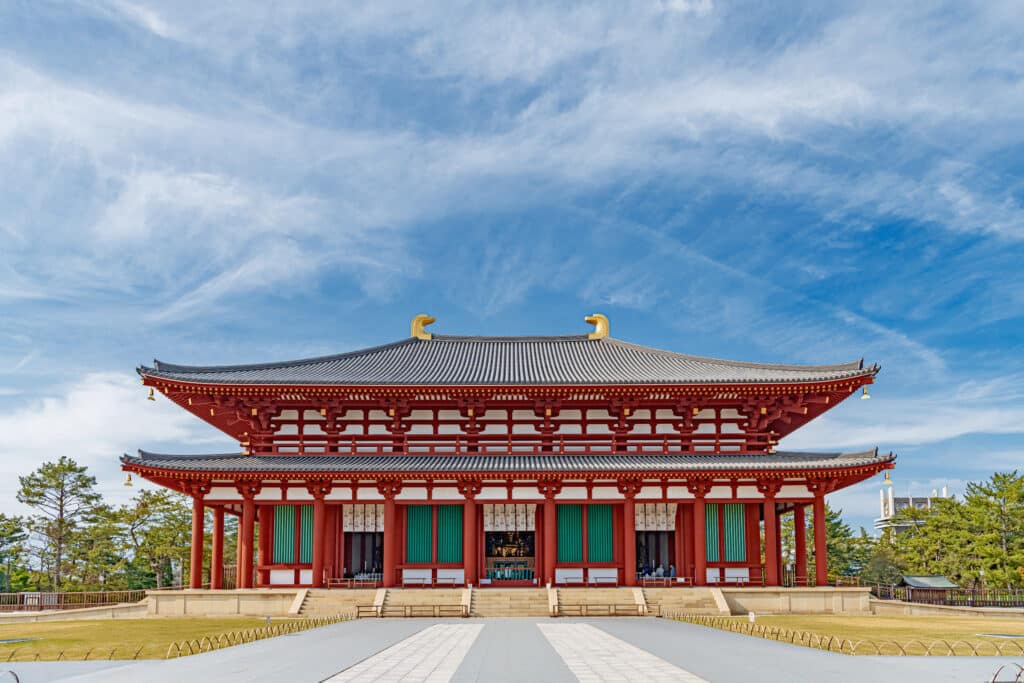
Kōfuku-ji — an easy first stop with its iconic five-story pagoda near the park entrance.
Nara Park — walk through open green space and encounter the famous free-roaming deer.
Tōdai-ji — the highlight of the trip, home to the Great Buddha and a massive wooden hall.
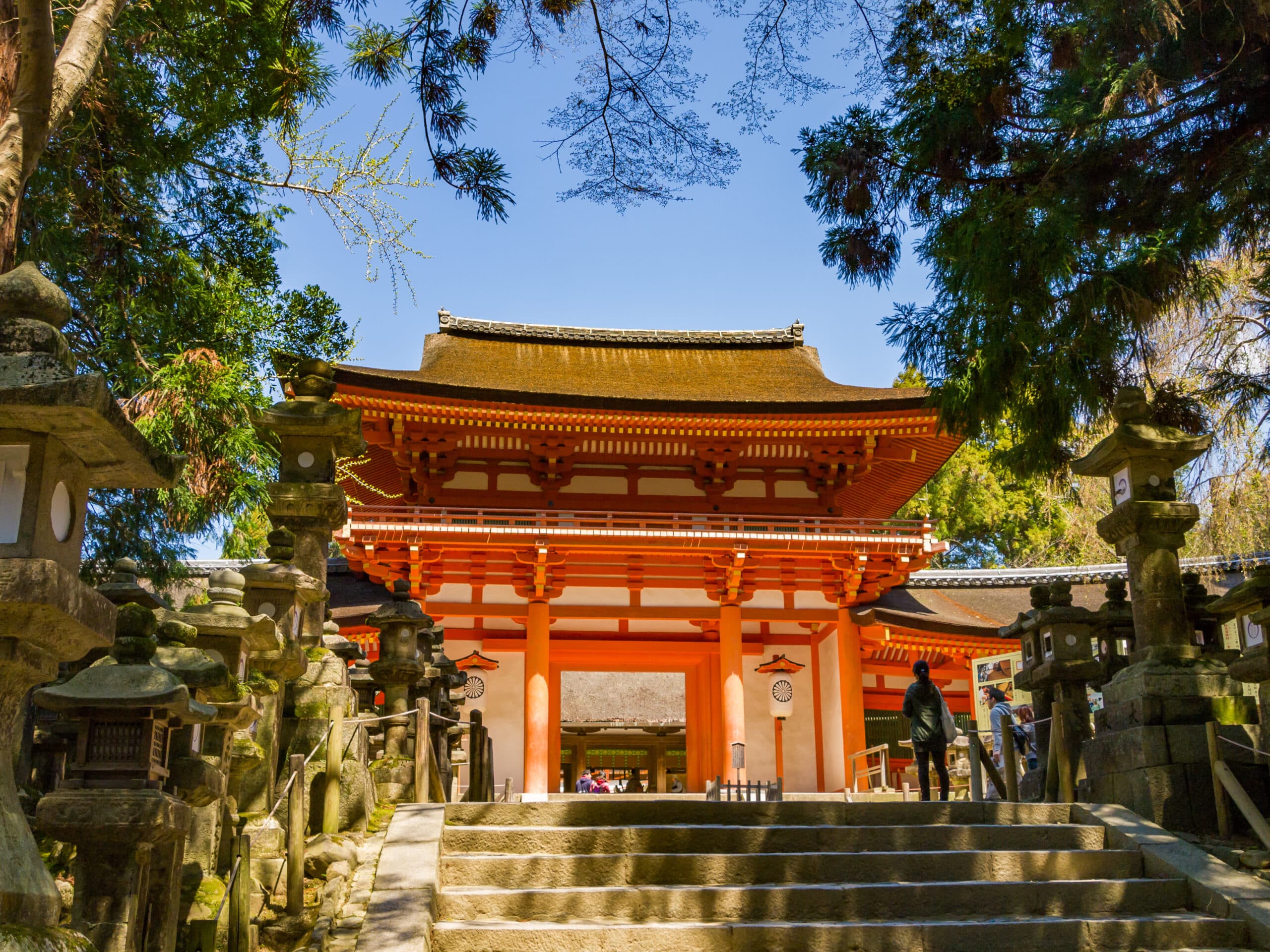
Kasuga Taisha — continue into the forest to reach this atmospheric shrine lined with lanterns.
Naramachi — explore traditional streets, cafés, and shops on your way back.
Return to Kintetsu Nara Station or continue to JR Nara Station depending on your route.
Follow this route in order to avoid backtracking and crowds — it naturally flows through Nara’s highlights.
Nara is one of the easiest cities in Japan to explore because most of its main attractions are located in a single, walkable area.
The most efficient way to experience it is to start near Kintetsu Nara Station, then move step by step through Kōfuku-ji, Nara Park, Tōdai-ji, and finally Kasuga Taisha.
This route avoids unnecessary detours and keeps the experience smooth and intuitive, even if it’s your first time visiting Japan.
If you have more time, you can extend the route to Naramachi for a quieter, more local atmosphere.
Overall, Nara isn’t about seeing as many sights as possible—it’s about following a simple route and enjoying the atmosphere along the way.
Perfect Nara Walking Route
Use this map to follow the exact walking route through Nara, including the main highlights and optional stops. It’s designed to help you navigate efficiently without backtracking.
Top Highlights in Nara
Tōdai-ji
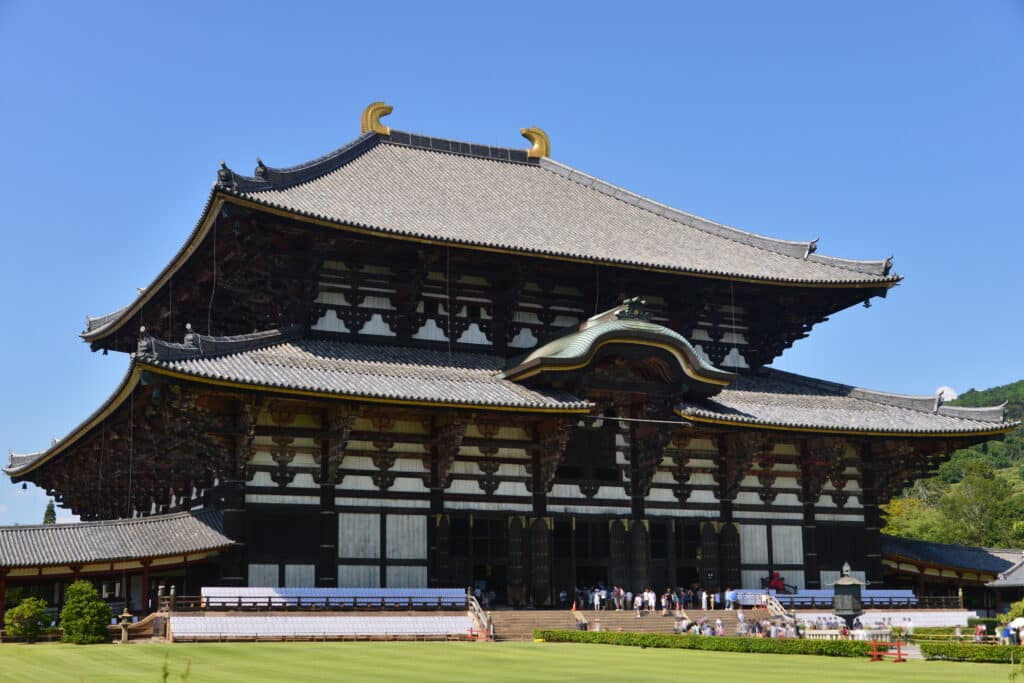
The most impressive sight in Nara and one of Japan’s most iconic temples. The massive Great Buddha inside is the clear highlight of any visit.
Nara Park
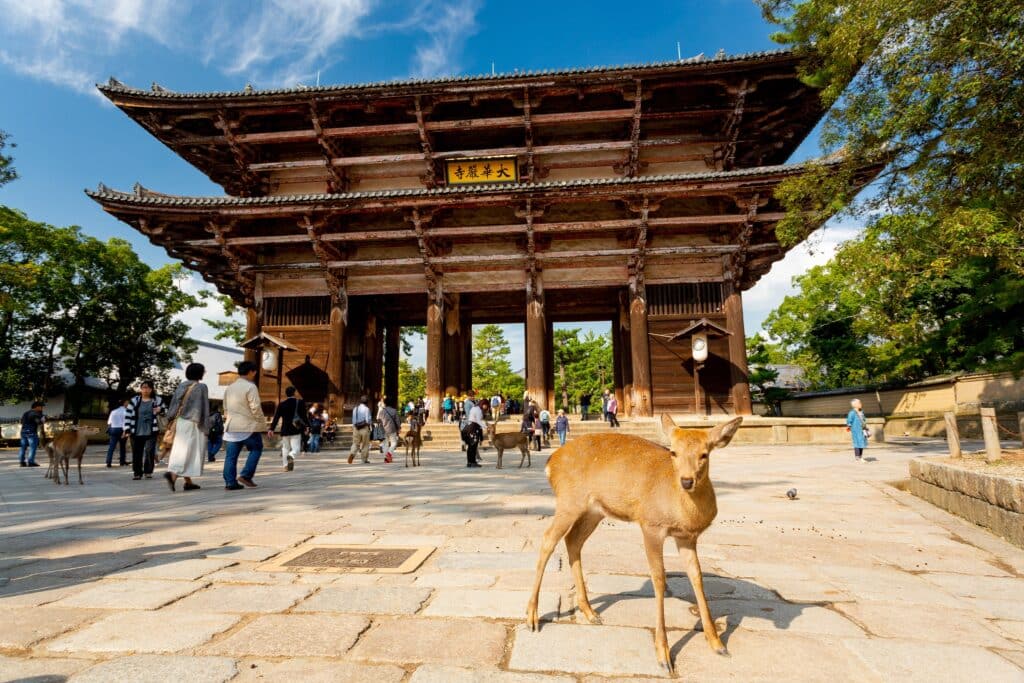
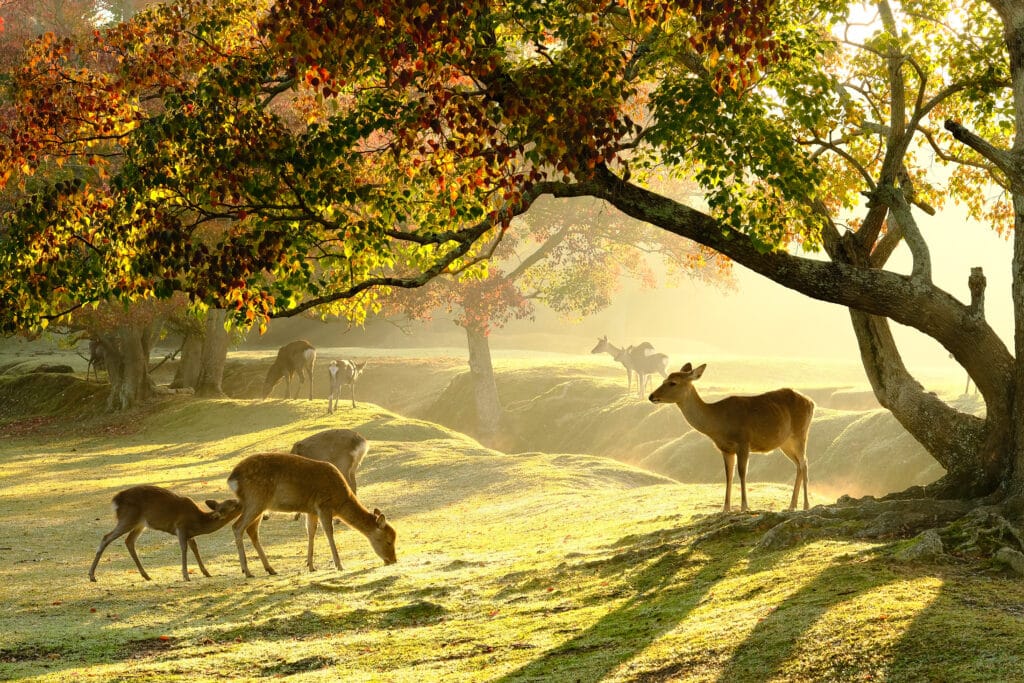
Famous for its free-roaming deer, this park creates a unique atmosphere that blends nature and culture in a way you won’t find elsewhere in Japan.
Kasuga Taisha
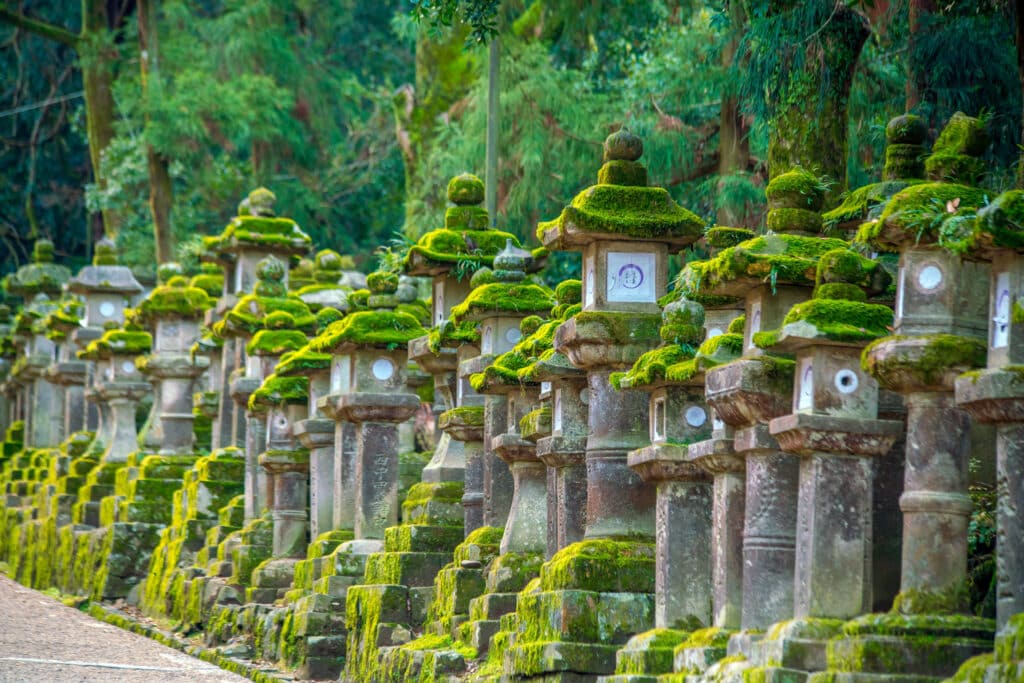
A peaceful shrine set in the forest, known for its thousands of lanterns and one of the most atmospheric walks in Nara.
Kōfuku-ji
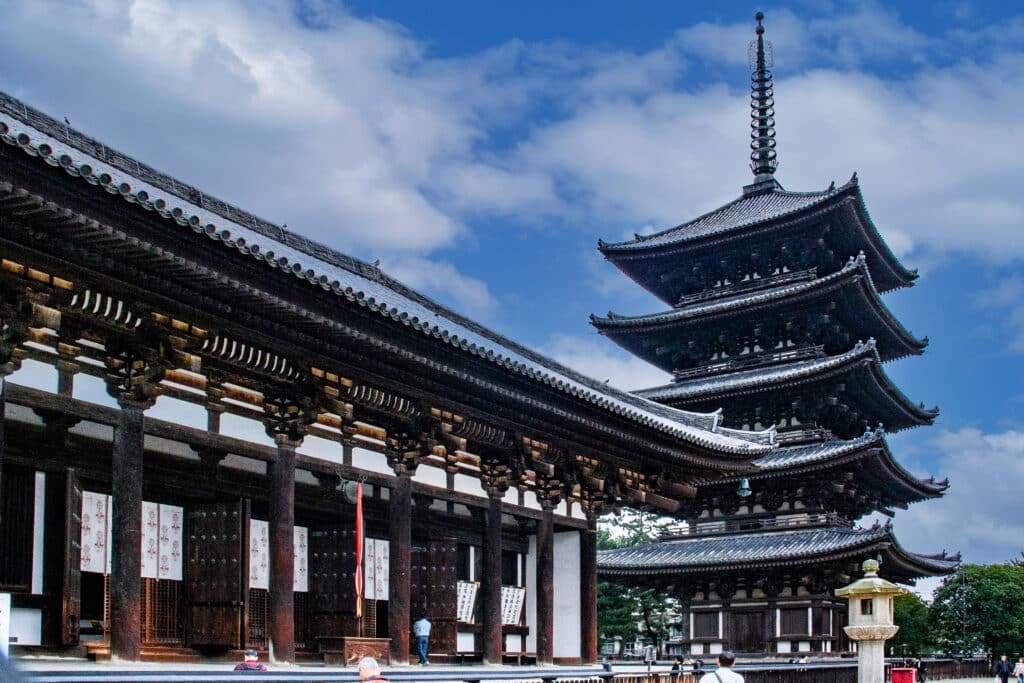
An easy stop near the entrance of Nara Park, best known for its elegant five-story pagoda.
Naramachi
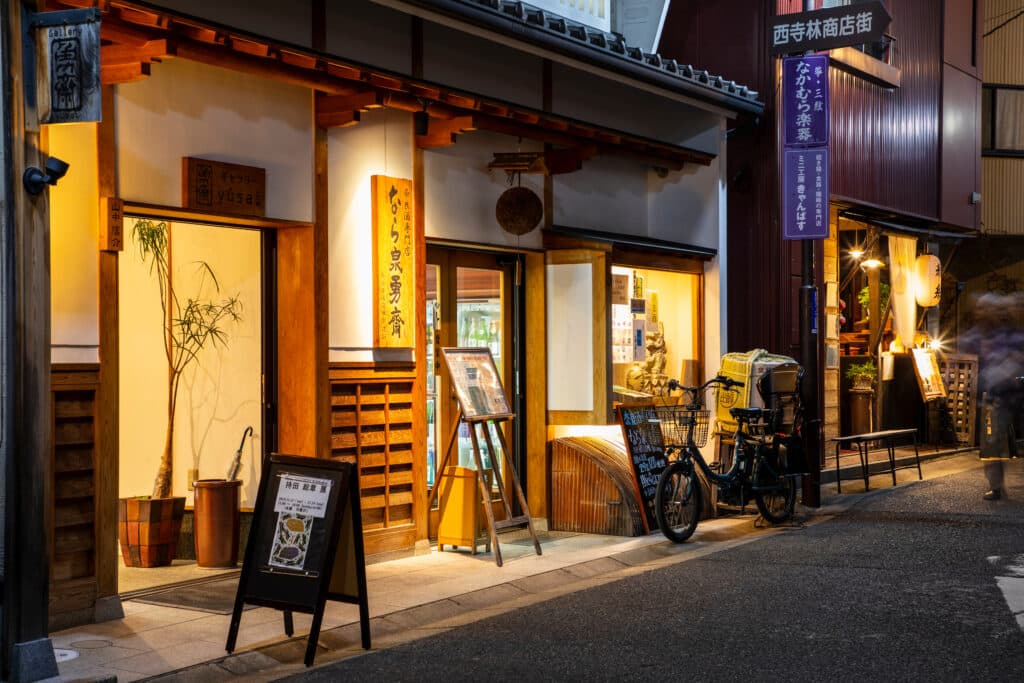
A quieter, less-visited part of Nara with traditional streets, small cafés, and a more local feel.
What to Skip in Nara
Travel Planning Guide
What to Skip in Nara
Avoid these common mistakes to make the most of your visit
Feeding deer can be fun, but too much interaction quickly becomes stressful. Some deer can be pushy—keep it brief and controlled.
The park is beautiful, but the main experience doesn’t require hours. Focus on the highlights and keep moving.
After Kyoto, additional temples can start to feel repetitive. Prioritize Tōdai-ji and skip the rest unless you’re particularly interested.
This is when crowds peak. Arriving early makes a huge difference in how calm and enjoyable Nara feels.
JR Nara Station is farther from the sights. Kintetsu Nara Station is much closer and saves time and walking.
Nara is about a few key sights and atmosphere—not shopping, nightlife, or big-city variety.
Nara works best as a simple, relaxed trip. Trying to optimize every minute often makes it less enjoyable.
Keep it simple: follow the main route, focus on the highlights, and don’t try to turn Nara into a full-day sightseeing marathon.
Nara is easy to visit—but it’s also easy to overdo.
The most common mistake is treating it like Kyoto and trying to see everything. In reality, Nara is best experienced as a short, focused trip centered around a few key highlights like Tōdai-ji and Nara Park.
Spending too much time in one place, visiting too many temples, or arriving during peak hours can quickly reduce the overall experience.
Keeping your visit simple and well-paced is what makes Nara enjoyable.
How to Get to Nara
Travel Planning Guide
How to Get to Nara
The fastest and easiest ways from Kyoto and Osaka
JR Nara Line (45–60 min) or Kintetsu Line (~45 min with transfer). Both are easy, but JR is more straightforward.
Kintetsu Nara Line (~40 min) is the fastest and most convenient option from central Osaka.
Kintetsu Nara Station — closer to the main sights and saves 15–20 minutes of walking.
Still a good option, but farther away. Expect a 20-minute walk or short bus ride to reach the park.
Use the JR Nara Line from Kyoto. It’s fully covered and still very convenient.
Because travel times are short, Nara fits easily into even a tight itinerary.
Leave early (around 8–9 AM) to arrive before peak crowds and enjoy a calmer atmosphere.
Prioritize Kintetsu if possible for convenience, especially from Osaka.
Nara is one of the easiest destinations to reach in Japan, which is why it works so well as a day trip.
From Kyoto, the JR Nara Line is the simplest option and is fully covered by the JR Pass. From Osaka, the Kintetsu Line is usually faster and more convenient.
If you have the choice, aim to arrive at Kintetsu Nara Station, which is significantly closer to the main sights like Nara Park and Tōdai-ji.
Because travel times are short, Nara can easily be added to your itinerary without requiring much extra planning.
When to Visit Nara
Travel Planning Guide
Best Time to Visit Nara
Timing matters more than season — here’s how to get the best experience
Early morning (before 10 AM) for fewer crowds and a calmer atmosphere.
Midday (11 AM – 3 PM), when tour groups and day-trippers peak.
Cherry blossom season adds beautiful scenery, but also brings the biggest crowds.
Colorful leaves in Nara Park make this one of the most atmospheric times to visit.
Hot and humid, but still manageable for a short half-day visit.
Quieter and less crowded, with a more peaceful overall experience.
Arrive early, explore the main sights first, and leave before peak crowds.
Nara is less about the perfect season and more about avoiding peak hours.
The best time to visit Nara isn’t just about the season—it’s about timing your day.
Arriving early in the morning makes a huge difference, especially around Nara Park and Tōdai-ji, where crowds build quickly by midday.
Spring and autumn are the most scenic seasons, but also the busiest. Winter offers a quieter, more relaxed experience, while summer is best approached as a short visit due to the heat.
No matter the season, the simplest strategy is the most effective: go early, follow a clear route, and avoid the midday peak.
Smart Travel Tips for Nara
Travel Planning Guide
Smart Travel Tips for Nara
Simple tips that make a big difference during your visit
The deer are used to people and can be pushy. Keep food hidden and stay calm if they approach.
If you want to feed them, buy crackers near the entrance — options become limited deeper in the park.
Arriving in the morning makes a huge difference in crowd levels and overall atmosphere.
You’ll walk more than expected, especially between temples and through the park.
Restaurants near the main sights are limited and busy at lunch — eat early or after your visit.
It’s closer to the main attractions and saves unnecessary walking compared to JR Nara Station.
The experience is about the atmosphere — take your time instead of rushing between sights.
Keep your visit simple, start early, and focus on the main route — that’s what makes Nara enjoyable.
Nara is easy to visit, but a few small decisions can make a big difference.
The most important things to keep in mind are timing, pacing, and expectations. Starting early helps you avoid crowds, while following a simple route keeps the experience relaxed and enjoyable.
The famous deer are part of what makes Nara Park unique, but it’s best to interact with them carefully and briefly.
Overall, Nara rewards a simple approach—focus on the highlights, don’t overplan, and take your time to enjoy the atmosphere.
Insider Tips for Visiting Nara
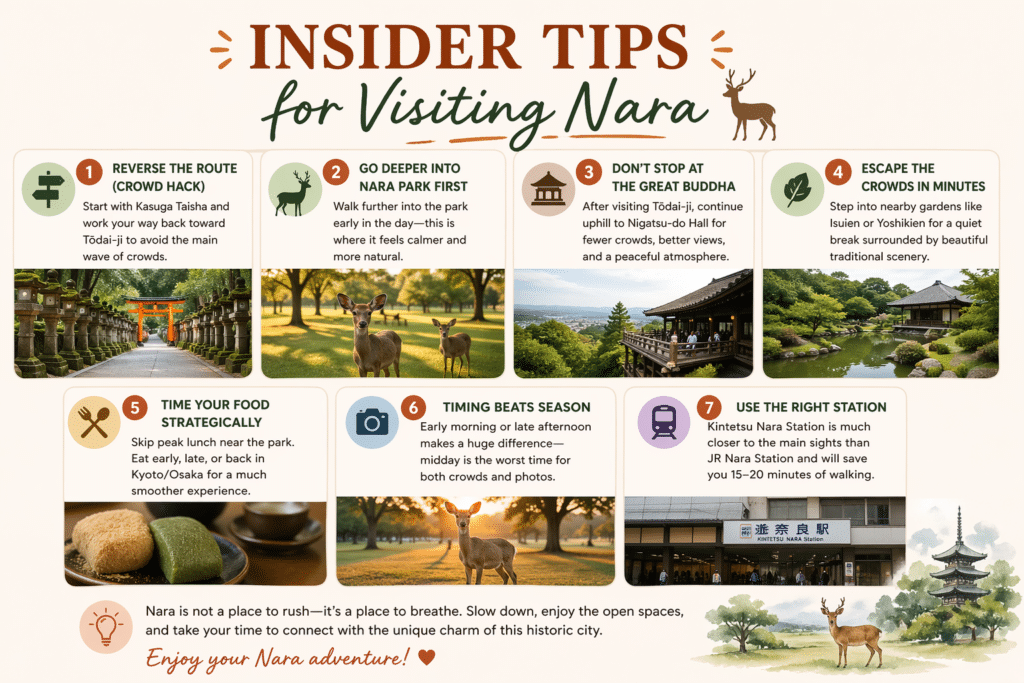
Nara is easy to visit—but a few small insider tips can completely change your experience.
These tips help you avoid crowds, move more efficiently, and experience a quieter, more relaxed side of the city.
Focus on timing, route flow, and pacing rather than trying to see everything. That’s what makes Nara feel special.
Where to Stay in Nara (or Not)
Travel Planning Guide
Where to Stay in Nara (or Not)
Most travelers don’t need to stay — here’s when it actually makes sense
No — most travelers visit Nara as a half-day or day trip from Kyoto or Osaka.
Kyoto or Osaka offer more hotels, better transport connections, and more things to do in the evening.
If you want a quieter experience, fewer crowds in the morning, or a more relaxed pace.
Near Kintetsu Nara Station — closest to the main sights and most convenient for walking.
Nara can be a great place for a traditional stay if you want a calm, less tourist-heavy setting.
Limited nightlife, shopping, and variety compared to Kyoto or Osaka.
Visit Nara during the day, then return to Kyoto or Osaka for the evening.
Stay in Kyoto or Osaka and visit Nara as a day trip unless you specifically want a quieter overnight experience.
Most travelers don’t need to stay overnight in Nara.
Because the main sights like Nara Park and Tōdai-ji are so close together, Nara works perfectly as a half-day or day trip from Kyoto or Osaka.
That said, staying overnight can be a great choice if you want to experience Nara early in the morning or in the evening, when the crowds are gone and the atmosphere feels much calmer.
If you do stay, the most convenient area is near Kintetsu Nara Station, which gives you easy access to all major sights.
Next Steps for Your Japan Trip
Plan Your Trip
Where to Go Next
Use Nara as part of a bigger, well-balanced Japan itinerary
Your main base for temples, culture, and traditional Japan — ideal to combine with Nara.
Best for food, nightlife, and a more relaxed city experience — also a convenient base for Nara.
Compare Nara with other options like Hakone, Nikko, or Kamakura to choose the right excursion.
Discover what to eat during your trip, from street food to regional specialties.
Go beyond the main destinations and explore quieter, less crowded places.
If your trip includes Tokyo, this helps you choose the right area based on your travel style.
Use Kyoto or Osaka as your base, add Nara as a short day trip, and build your itinerary around a few key destinations.
Continue planning your route to create a smooth, well-paced Japan itinerary.
Nara is one of the easiest places to add to a Japan itinerary—and one of the most memorable.
With its compact layout, iconic sights like Tōdai-ji, and the unique atmosphere of Nara Park, it offers a complete cultural experience without requiring much time or planning.
The key to enjoying Nara is keeping things simple: arrive early, follow a clear route, and focus on the highlights instead of trying to see everything.
For most travelers, Nara isn’t a destination that needs days—it’s a short, efficient, and highly rewarding stop that fits perfectly into a trip based in Kyoto or Osaka.
Done right, it’s one of the most satisfying additions you can make to your Japan journey.
FAQ
Is Nara worth visiting?
Yes, Nara is worth visiting for most first-time travelers to Japan. It is one of the easiest and most rewarding day trips from Kyoto or Osaka.
How much time do you need in Nara?
Most travelers only need 4 to 6 hours in Nara. That is enough for the main highlights.
Can you do Nara as a day trip from Kyoto?
Yes, Nara is one of the easiest day trips from Kyoto, with a train journey of roughly 45 to 60 minutes.
Can you do Nara as a day trip from Osaka?
Yes, Nara is also an excellent day trip from Osaka and can be reached in about 40 minutes.
What are the main things to see in Nara?
The main highlights are Todai-ji, Nara Park, Kasuga Taisha, Kofuku-ji, and Naramachi.
Should you stay overnight in Nara?
Most travelers do not need to stay overnight. Nara usually works best as a day trip.
What is the best way to get around Nara?
Walking is the best way to explore Nara, since the main attractions are close together.