
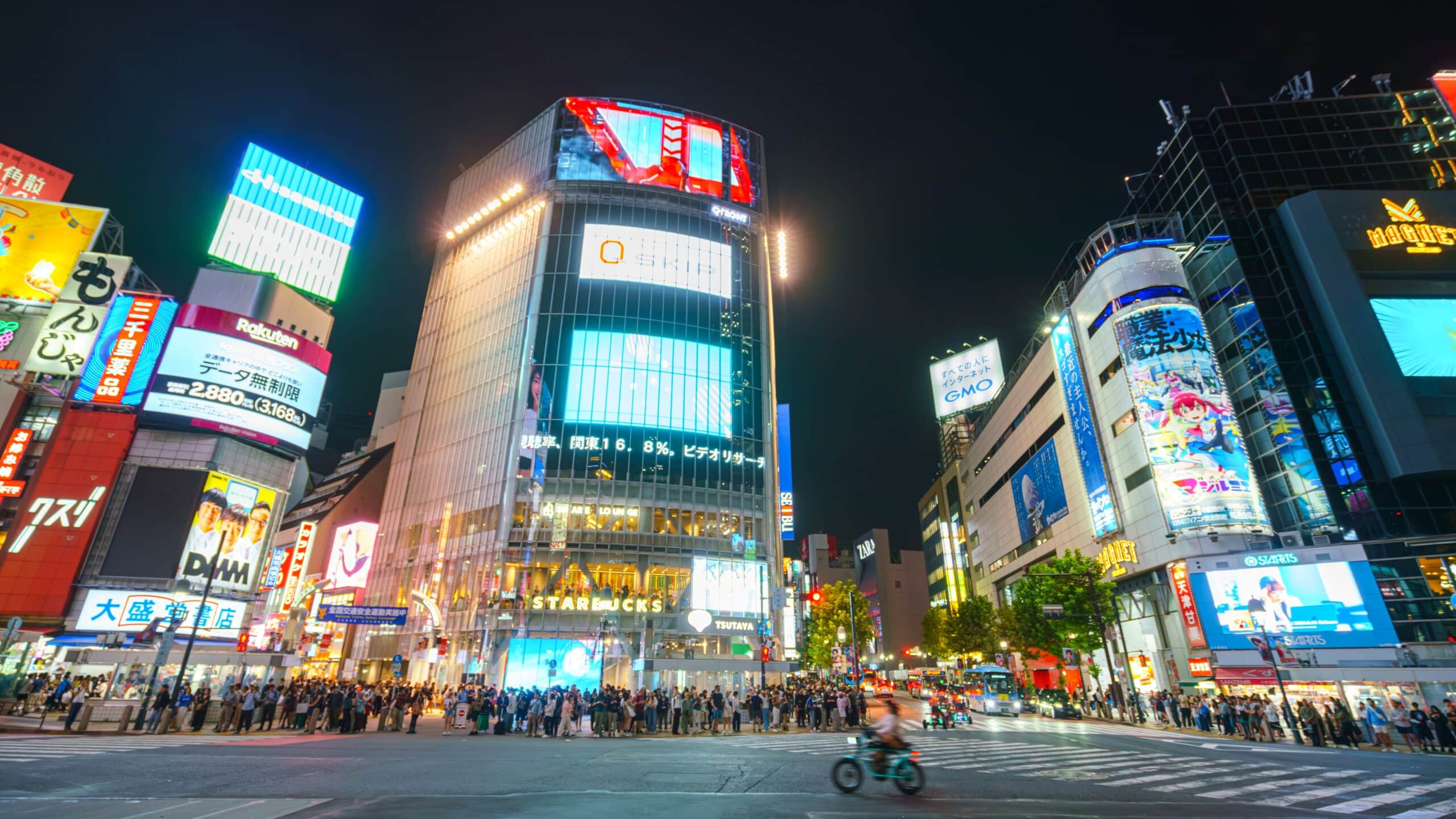
Tokyo is one of the most exciting cities in the world—but choosing where to stay here can feel overwhelming fast.
This isn’t a city where you can just “pick a central hotel” and walk everywhere. Tokyo is massive, made up of distinct neighborhoods that each feel like their own mini-city. Where you stay will shape your entire experience—from how long you spend on trains to the kind of atmosphere you wake up to every morning.
Stay in the wrong area, and you might end up commuting 45 minutes just to reach the places you actually want to see. Stay in the right one, and Tokyo suddenly feels smooth, efficient, and surprisingly easy to explore.
The good news? You don’t need to overthink it.
This guide breaks down the best areas to stay in Tokyo, who they’re best for, and how to choose the right base depending on your travel style—whether it’s your first trip, a food-focused visit, or a more relaxed cultural experience.
By the end, you’ll know exactly:
- Which area fits your trip best
- Where to stay for convenience vs atmosphere
- And how to avoid the most common mistakes travelers make
Table of Contents
Tokyo at a Glance
Tokyo Stay Guide
Where to Stay in Tokyo at a Glance
The best areas to choose based on your travel style
Shinjuku
Shinjuku and Asakusa
Shibuya and Shinjuku
Asakusa
Ginza
Ueno
Asakusa and Ueno
Stay near a major station, ideally on or close to the JR Yamanote Line
Before diving into neighborhoods, here’s the quick way to understand Tokyo:
Tokyo isn’t about one “city center.” Instead, it’s a network of well-connected districts, each with its own vibe. The smartest strategy is to stay somewhere on or near the JR Yamanote Line, which connects all major areas in a loop.
Why Location Matters More Than Hotel Quality
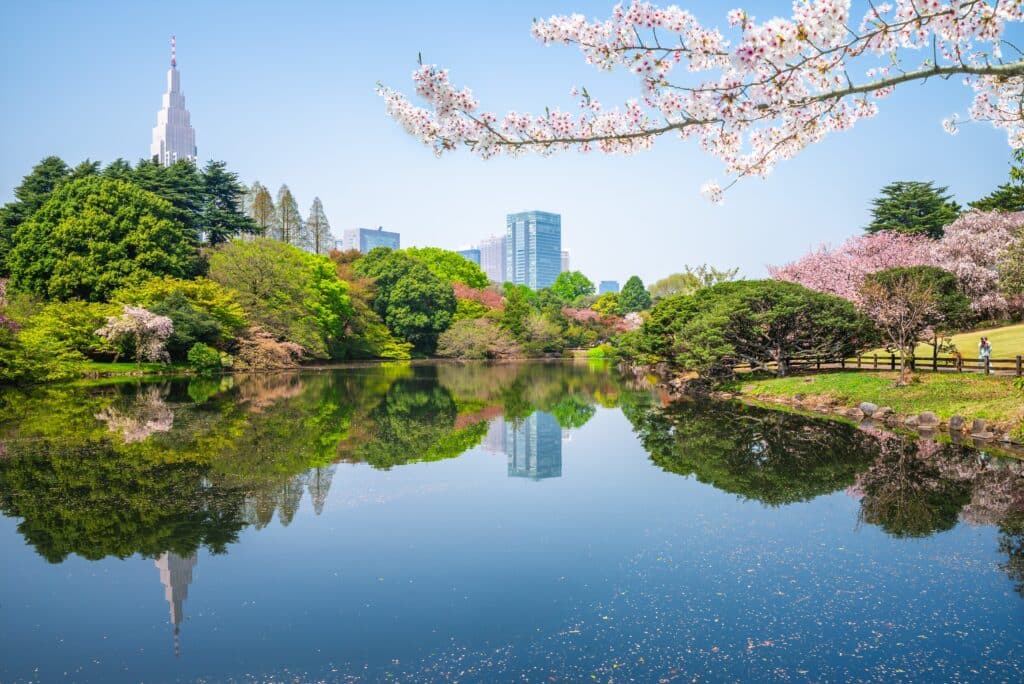
In Tokyo, a slightly better location is almost always more valuable than a slightly better hotel.
- A hotel near a major station can save you hours over your trip
- Easy train access = less stress + more flexibility
- Being in the “right vibe” area improves your whole experience
Quick Rule (If You Remember One Thing)
Stay:
- Within 5–7 minutes walking distance of a major station
- Ideally on the JR Yamanote Line
Avoid:
- Remote residential suburbs
- Long transfers just to reach central Tokyo
This alone will make your Tokyo trip feel 10x smoother.
Tokyo Map: Best Areas to Stay
Tokyo Area Comparison
Shinjuku vs Shibuya vs Asakusa
Three of Tokyo’s most popular areas—each with a very different feel
Best overall for first-time visitors, transport convenience, and variety
Best for nightlife, trendy energy, and iconic modern Tokyo atmosphere
Best for traditional atmosphere, slower pace, and cultural feel
Shinjuku, thanks to unmatched train connections and city access
Shibuya, with walkable restaurants, bars, and a younger vibe
Asakusa, centered around temples, old streets, and a calmer setting
Shinjuku if you want the easiest base, Asakusa if you want less intensity
Shinjuku is the safest choice for most travelers who want convenience and flexibility
Use this map to quickly see where Tokyo’s main neighborhoods are located and how well they’re connected. It helps you understand which areas are close to each other—and which ones might add extra travel time.
Best overall area: Shinjuku | Best for nightlife: Shibuya | Best for culture: Asakusa
Tokyo isn’t built around a single center. Instead, it’s a network of major districts connected by the JR Yamanote Line, which makes getting around the city fast and efficient. Staying near one of these areas will save you time and make your trip much easier.
Best Areas to Stay in Tokyo
This is where your decision really comes together.
Each of these areas offers a completely different experience—and there’s no single “best” choice. It all depends on your travel style, priorities, and how you want Tokyo to feel.
Shinjuku – Best Overall Area
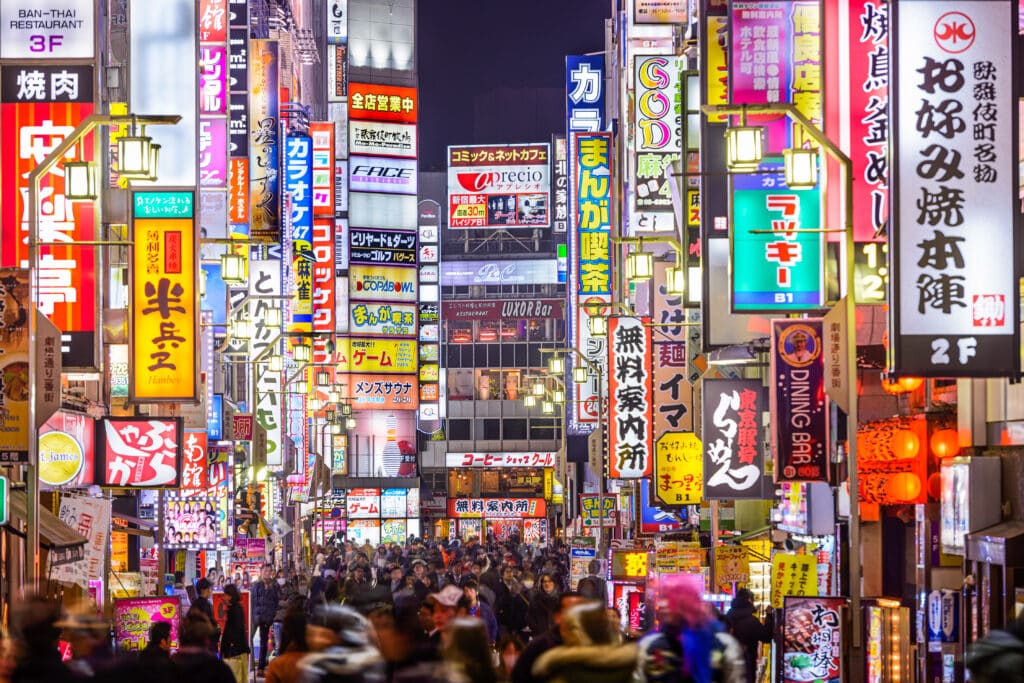
If you want the easiest, most convenient base in Tokyo, Shinjuku is hard to beat.
Home to Shinjuku Station—the busiest train station in the world—this area connects you to almost everywhere in the city within minutes. It’s also right on the JR Yamanote Line, making it ideal for first-time visitors.
By day, you’ll find shopping, cafes, and viewpoints like the Tokyo Metropolitan Government Building. By night, the neon-lit streets of Kabukicho bring a completely different energy.
If you’re planning your first trip, you can also check this detailed Tokyo guide to see how Shinjuku fits into a full itinerary.
Best for:
- First-time visitors
- Convenience and transport access
- Travelers who want everything nearby
Downsides:
- Very busy and overwhelming at times
- Nightlife areas can feel chaotic
Shibuya – Best for Nightlife & Trendy Tokyo
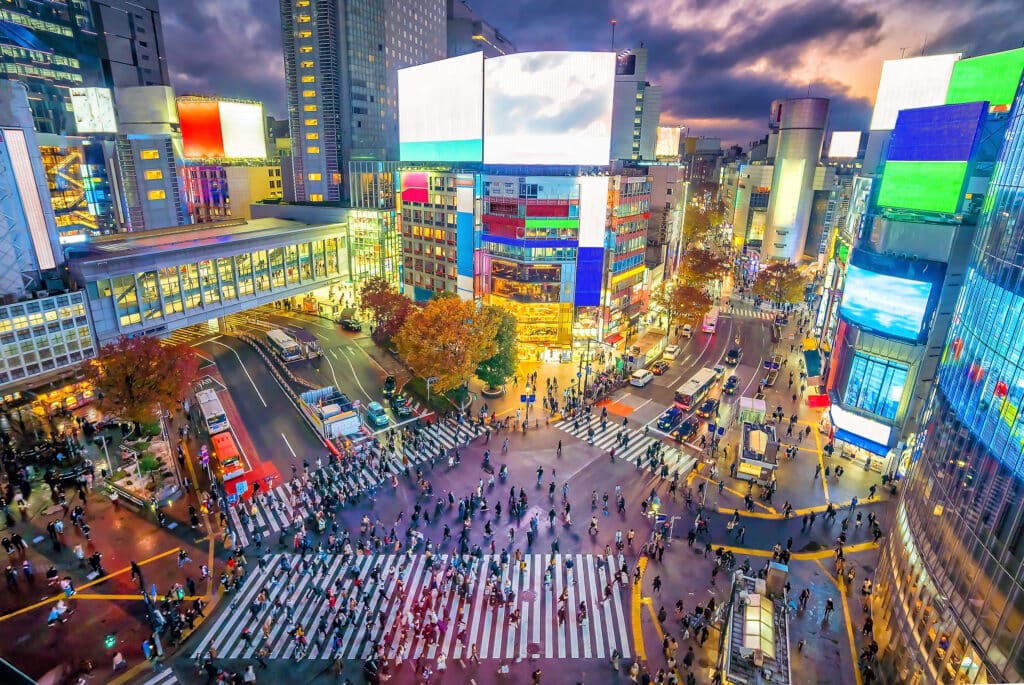
Shibuya is the Tokyo you’ve probably seen in photos.
Centered around the famous Shibuya Crossing, this area is energetic, modern, and constantly moving. It’s packed with shopping, restaurants, and nightlife, all within walking distance.
Like Shinjuku, it sits on the JR Yamanote Line, so getting around is easy—but the vibe here is younger, trendier, and a bit more stylish.
Best for:
- Young travelers and couples
- Nightlife and city energy
- First-time visitors who want “iconic Tokyo”
Downsides:
- Loud and busy
- Less traditional atmosphere
Asakusa – Best for Traditional Tokyo Feel
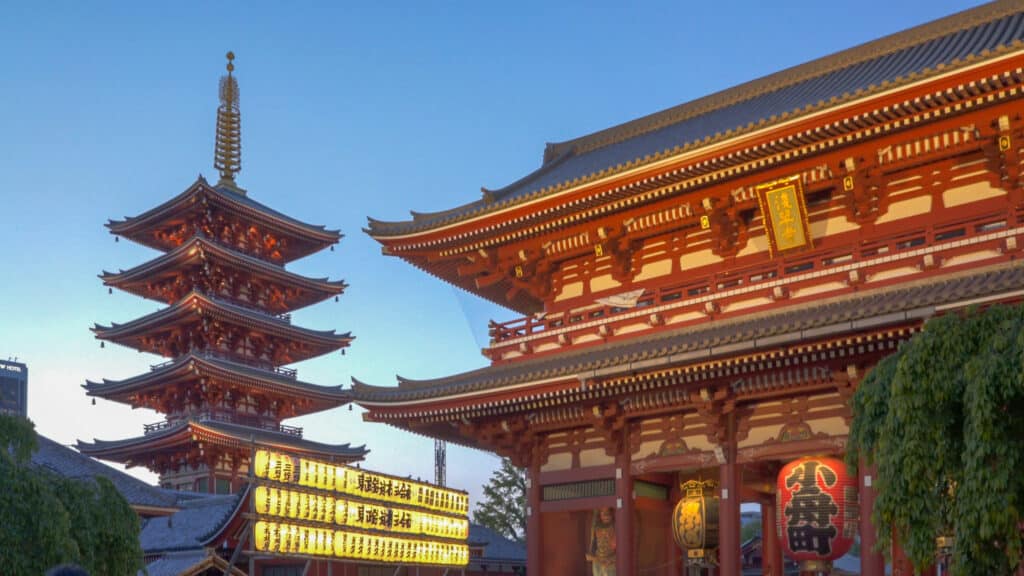
If you want a calmer, more traditional side of Tokyo, Asakusa is a fantastic choice.
The area is centered around Senso-ji, Tokyo’s oldest and most famous temple. Streets like Nakamise Street give the neighborhood a historic atmosphere that’s hard to find elsewhere in the city.
It’s quieter in the evenings, more relaxed overall, and often feels more approachable for first-time visitors.
Asakusa is also a great base if you’re interested in traditional culture, similar to what you’ll find in Kyoto.
Best for:
- Culture-focused travelers
- First-time visitors who prefer a slower pace
- Families
Downsides:
- Less nightlife
- Slightly longer travel times to western Tokyo (Shibuya/Shinjuku)
Ginza – Best for Luxury & Shopping
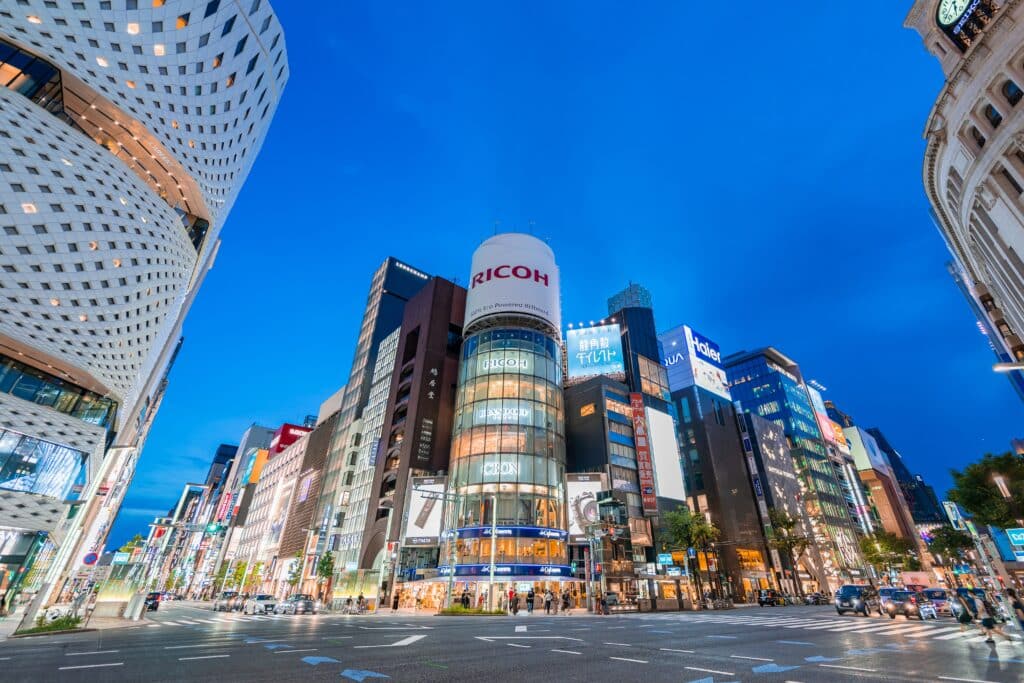
Ginza is Tokyo’s most upscale district—clean, polished, and centrally located.
It’s known for high-end shopping, department stores, and excellent restaurants. While it’s quieter at night compared to Shinjuku or Shibuya, it offers a more refined, relaxed atmosphere.
Its proximity to Tokyo Station also makes it a great base if you’re planning day trips or traveling onward by Shinkansen.
Best for:
- Luxury travelers
- Couples
- Food and shopping-focused trips
Downsides:
- Expensive
- Less lively at night
Ueno – Best for Budget Travelers
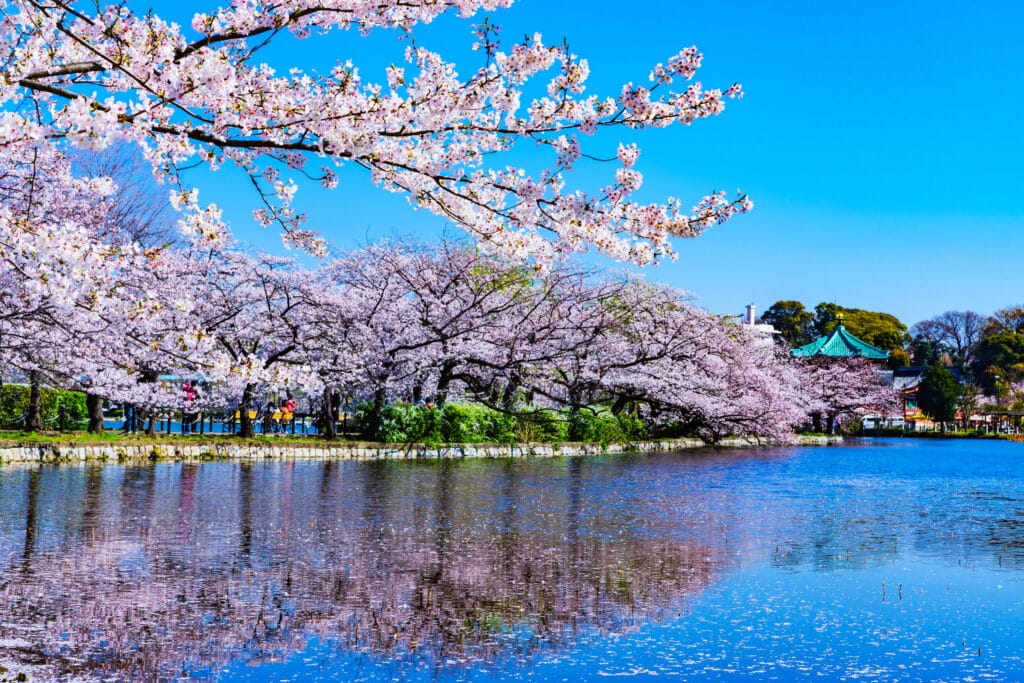
Ueno offers some of the best value stays in Tokyo without sacrificing convenience.
Around Ueno Station, you’ll find affordable hotels, local restaurants, and easy access to the JR Yamanote Line.
The nearby Ueno Park adds a bit of nature, and the lively Ameyoko Market gives the area a more local, less polished feel.
Best for:
- Budget travelers
- Solo travelers
- Food lovers looking for local spots
Downsides:
- Less modern and polished
- Not as “iconic” as Shibuya or Shinjuku
Best Areas to Stay in Tokyo by Travel Style
If you’re still unsure where to stay, this is the easiest way to decide.
Instead of overthinking neighborhoods, match your travel style to the area that fits it best. For most travelers, this section alone is enough to make a confident choice.
Tokyo Area Guide
Best Areas to Stay by Travel Style
Choose the neighborhood that fits your trip best
Shinjuku or Asakusa for the best mix of convenience and experience
Shibuya or Shinjuku for late nights, restaurants, and city vibe
Asakusa for a calmer stay near temples and historic streets
Ginza for upscale hotels, dining, and a refined atmosphere
Ueno for affordable hotels and excellent transport connections
Asakusa or Ueno for quieter areas and easier navigation
Shinjuku for unbeatable access to trains and major sights
Shinjuku if you’re unsure—it’s the easiest base for most travelers
How to Actually Choose (Simple Logic)
If this is your first time in Tokyo:
→ Stay in Shinjuku for maximum convenience
→ Or Asakusa if you prefer something calmer and more cultural
If you want Tokyo’s iconic energy:
→ Choose Shibuya (trendier) or Shinjuku (more variety)
If your trip is more relaxed or culture-focused:
→ Asakusa is the easiest and most enjoyable base
If you’re traveling on a budget:
→ Ueno gives you the best balance of price and location
If you want a more premium experience:
→ Ginza offers a quieter, upscale stay near Tokyo Station
Pro Tip (What Most Guides Don’t Say)
There’s no need to split hotels across Tokyo for a short trip.
As long as you stay near the JR Yamanote Line, you can reach all major areas quickly—so picking one good base is usually the smartest move.
Where NOT to Stay in Tokyo
Tokyo Hotel Tips
Where Not to Stay in Tokyo
Common booking mistakes that can make your Tokyo trip less convenient
Cheap hotels far from central Tokyo often mean long daily commutes and less flexibility
A lower price is rarely worth it if you are far from a major station or need multiple transfers
Areas without easy access to major train lines can make sightseeing slower and more tiring
Some central office areas feel quiet and lifeless at night, with fewer dining options nearby
Staying in the middle of loud nightlife areas can mean more noise, crowds, and a less relaxed stay
A hotel that looks close on a map can still feel inconvenient after long days in Tokyo
Choose a hotel within 5 to 7 minutes of a major station for a much smoother trip
Stay in Shinjuku, Shibuya, Asakusa, Ginza, or Ueno if you want a reliable base
Choosing the right area is important—but avoiding the wrong one is just as crucial.
Tokyo is incredibly well connected, but that doesn’t mean every location is convenient. Some areas might look fine on a map, yet end up costing you time, energy, and flexibility every single day.
1. Far-Out Residential Suburbs
Tokyo’s metro area is huge, and hotels outside central districts can be significantly cheaper—but there’s a catch.
Staying too far out often means:
- 30–60 minutes travel each way
- Multiple train transfers
- Less flexibility for spontaneous plans
If your hotel isn’t near the JR Yamanote Line, double-check the commute before booking.
2. Areas Without Easy Train Access
In Tokyo, your nearest train station matters more than your hotel itself.
Avoid places that:
- Require long walks (10–15+ minutes) to a station
- Need multiple transfers just to reach central hubs
- Aren’t connected to major lines
The closer you are to a well-connected station, the smoother your entire trip will feel.
3. Pure Business Districts (After Hours = Dead)
Areas near Tokyo Station can seem like a perfect central choice—but some parts are heavily business-focused.
At night, these areas often:
- Feel quiet and empty
- Have limited dining options
- Lack atmosphere
This doesn’t apply to Ginza, which stays lively—but nearby office zones can feel surprisingly dull after dark.
4. Overly Niche Nightlife Zones
Places like Kabukicho are exciting to visit—but not always ideal to stay in.
You might run into:
- Noise late into the night
- Crowds and chaotic streets
- A less relaxed overall experience
Staying near these areas is great—staying inside them is often too much.
The Simple Rule to Avoid All of This
If you follow this, you’ll avoid almost every mistake:
- Stay within 5–7 minutes of a major station
- Prefer locations on the JR Yamanote Line
- Choose an area that matches your travel style
Getting this right is what makes Tokyo feel easy instead of exhausting.
Tips for Choosing Your Hotel in Tokyo
Once you’ve picked the right area, choosing the actual hotel becomes much easier—but there are still a few Tokyo-specific details that can make a big difference.
These tips will help you avoid common surprises and make your stay smoother from day one.
1. Stay Near the Right Train Line
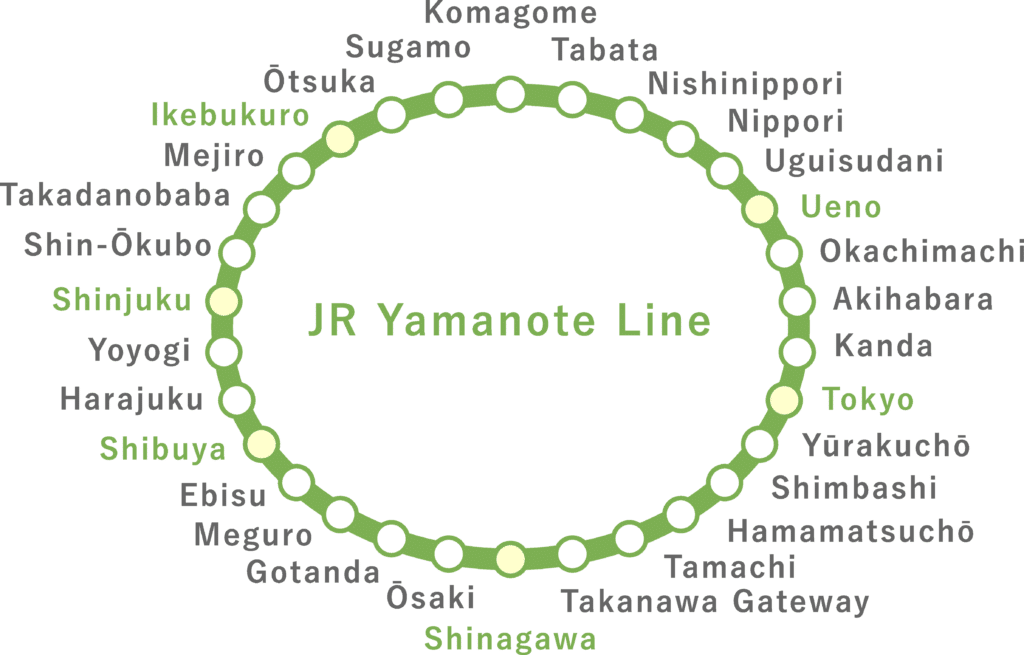
The single most important factor is your connection to the JR Yamanote Line.
This loop line connects all major districts like Shinjuku, Shibuya, Ueno, and Tokyo Station—so staying near it means:
- Fewer transfers
- Faster travel times
- Easier navigation overall
If your hotel is on or close to this line, you’re in a great position.
2. Walking Distance Matters More Than You Think
A hotel might look “close to the station” on a map—but in reality, that can still mean a long walk.
Aim for:
- 5–7 minutes walking distance max
- Direct, easy routes (no complex underground paths if possible)
After long days exploring Tokyo, this makes a huge difference.
3. Expect Smaller Rooms
Tokyo hotel rooms are often more compact than what many travelers are used to.
This doesn’t mean they’re uncomfortable—but it helps to:
- Book slightly larger rooms if you have big luggage
- Check room size (in m²) before booking
- Use luggage forwarding if needed
4. Use Luggage Forwarding (TA-Q-BIN)
Japan’s luggage delivery service is a game changer.
You can send your suitcase from one hotel to another—or even from the airport—using services like TA-Q-BIN.
Benefits:
- Travel hands-free on trains
- Avoid crowded stations with large bags
- Makes hotel changes much easier
5. Hotel Chains Are a Safe Bet
If you want reliability and easy booking, Japan’s business hotel chains are excellent:
- Clean, efficient, well-located
- Great value for money
- Consistent quality
Perfect for first-time visitors who want a stress-free stay.
6. Prioritize Location Over Hotel Features
In many cities, hotel quality matters most.
In Tokyo, location wins every time.
- A slightly smaller room in a great area = better experience
- A nicer hotel far away = more time wasted commuting
Quick Checklist Before Booking
✔ Near a major station
✔ Ideally on the JR Yamanote Line
✔ Walking distance under 7 minutes
✔ Area matches your travel style
✔ Room size fits your needs
Get these right, and your Tokyo stay will feel easy, efficient, and enjoyable from the moment you arrive.
Hotel Recommendations by Budget
Once you’ve chosen the right area, the next step is finding a hotel that fits your budget and travel style.
Tokyo has excellent options at every price point—from efficient budget stays to some of the best luxury hotels in the world. The key is knowing what to expect in each category.
Tokyo Hotel Guide
Tokyo Hotel Budget Breakdown
What to expect at each price level
Small but clean rooms, business hotels, great value in Ueno and Asakusa
More space, better comfort, ideal balance in Shinjuku and Shibuya
Spacious rooms, top service, best options in Ginza and near Tokyo Station
Rooms are smaller than in Europe—check square meters before booking
Ueno and Asakusa offer lower prices without losing connectivity
Mid-range hotels in Shinjuku for location + comfort balance
Book early—Tokyo luxury hotels fill up quickly in peak seasons
Prioritize location over hotel size for a better overall experience
Budget Hotels (Best Value for Money)
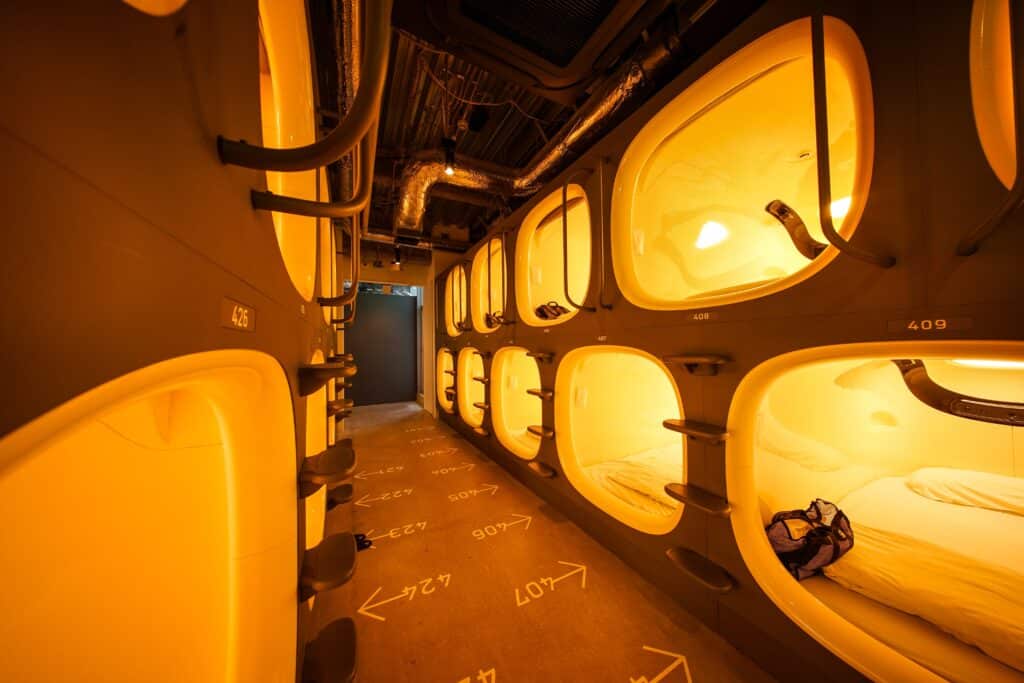
Budget in Tokyo doesn’t mean low quality—it usually means smaller rooms and fewer extras, but still very clean and efficient.
What to expect:
- Compact rooms (often 10–15 m²)
- Functional design, very clean
- Great locations near stations
Best areas:
- Ueno
- Asakusa
Typical options:
- Business hotels (APA, Toyoko Inn, Super Hotel)
- Capsule hotels (for solo travelers)
Perfect if you want to save money without sacrificing convenience
Mid-Range Hotels (Best Overall Choice)
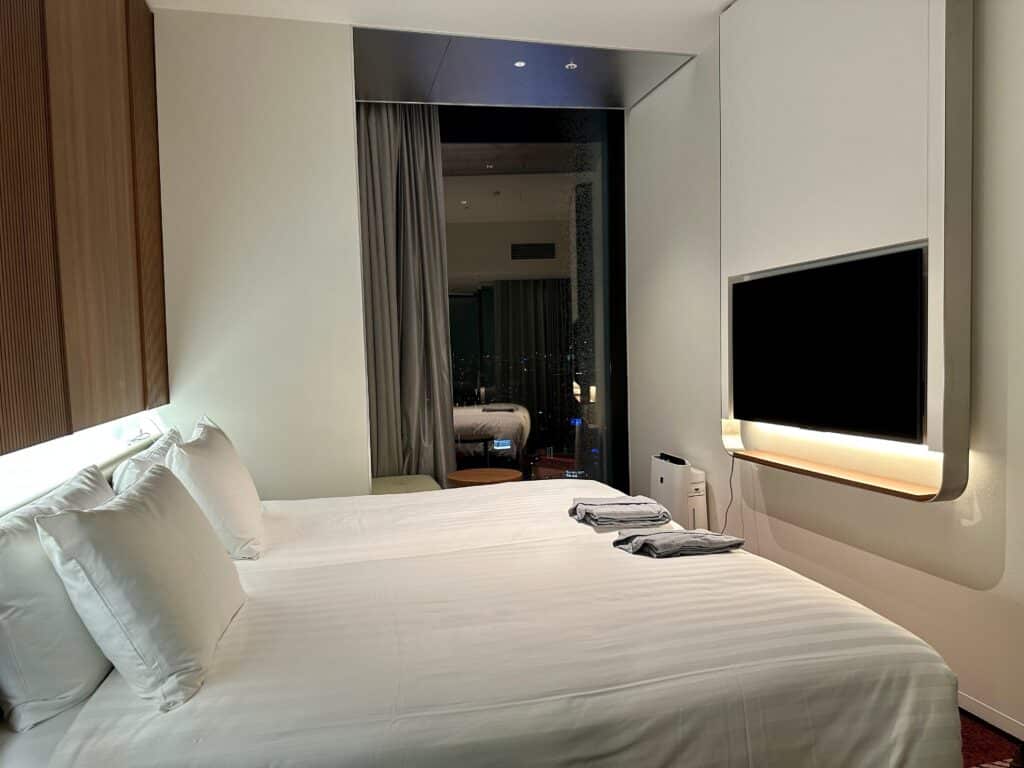
This is where most travelers should focus—the sweet spot between comfort, location, and price.
What to expect:
- More space (15–25 m²)
- Better comfort and amenities
- Often newer or recently renovated
Best areas:
- Shinjuku
- Shibuya
- Ginza
Why choose this:
- Ideal balance of price and experience
- Better suited for couples or longer stays
This is the recommended category for most visitors
Luxury Hotels (Premium Tokyo Experience)
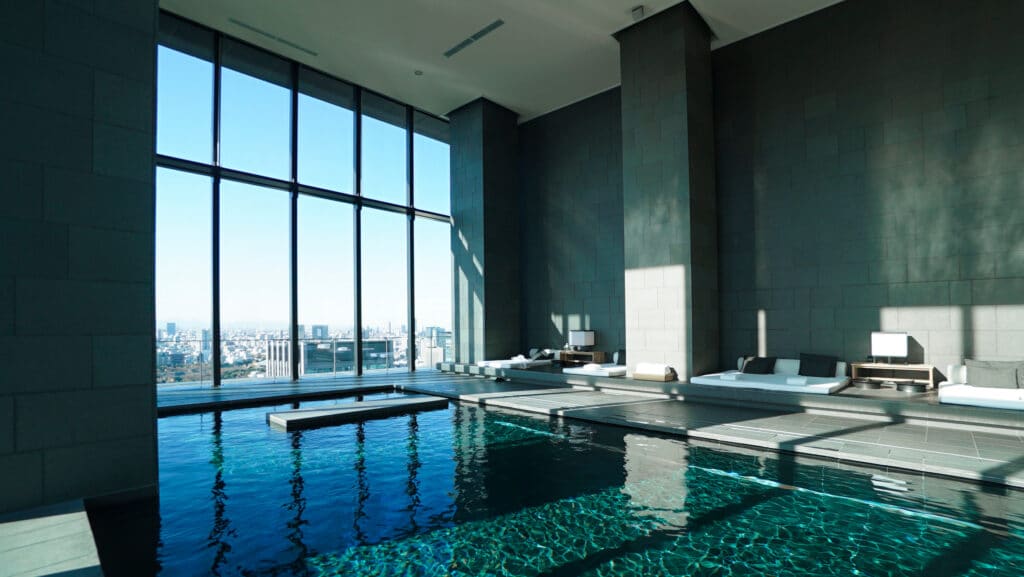
Tokyo is one of the best cities in the world for luxury hotels—with exceptional service, design, and views.
What to expect:
- Spacious rooms (by Tokyo standards)
- High-end service and facilities
- Incredible city views
Best areas:
- Ginza
- Near Tokyo Station
- Shinjuku (skyscraper hotels)
Why choose this:
- Special occasions
- Maximum comfort after long travel days
Quick Recommendation
- On a budget → Stay in Ueno or Asakusa
- Want best overall value → Choose mid-range in Shinjuku or Shibuya
- Looking for a premium stay → Go for Ginza or Tokyo Station area
How Many Nights to Stay in Tokyo (and Should You Split Your Stay?)
One of the most common questions when planning Tokyo is not just where to stay—but how long and whether it’s worth changing hotels.
How Many Nights Do You Actually Need?
For most travelers, the sweet spot is:
- 4–5 nights in Tokyo → Ideal for a first trip
- 3 nights → Fast-paced but doable
- 6+ nights → Great if you want day trips or a slower pace
This gives you enough time to explore different districts, enjoy the food scene, and not feel rushed.
If you’re planning a full trip, this 10-day Japan itinerary shows how Tokyo fits into a complete route.
Why One Base Is Usually Enough
Tokyo might look huge—but it’s extremely well connected.
As long as you stay near the JR Yamanote Line, you can reach:
- Shinjuku → Shibuya in minutes
- Ueno → Tokyo Station easily
- Most major sights without complicated transfers
This means you can explore the entire city comfortably from just one hotel.
Should You Split Your Stay?
In most cases: No—you don’t need to.
Splitting your stay:
- Takes time (check-out, luggage, check-in)
- Adds friction to your trip
- Rarely saves meaningful travel time
When It Does Make Sense
There are a few situations where splitting can be a good idea:
- You want two completely different vibes
→ Example: Shinjuku (urban energy) + Asakusa (traditional) - You’re staying 6+ nights in Tokyo
→ Helps keep the experience fresh - You’re combining Tokyo with a Shinkansen departure from Tokyo Station
→ One night nearby can simplify logistics
Smarter Alternative
Instead of switching hotels:
- Stay in one well-connected area
- Take advantage of Tokyo’s fast transport
- Use luggage forwarding if you continue your trip elsewhere
Simple Recommendation
- First-time visit → Stay 4–5 nights in one area (Shinjuku is safest choice)
- Longer trip → Consider 1 optional split, but only if it adds value
Getting this right keeps your trip simple, flexible, and stress-free—which is exactly how Tokyo should feel.
FAQ: Where to Stay in Tokyo
These are the most common questions travelers have when choosing where to stay in Tokyo—and quick, clear answers to help you decide faster.
What is the best area to stay in Tokyo for first-time visitors?
For most first-time visitors, Shinjuku is the best choice.
It offers:
- Excellent transport connections via the JR Yamanote Line
- Easy access to all major districts
- A huge range of restaurants, shops, and hotels
If you prefer something calmer and more traditional, Asakusa is a great alternative.
Is Shinjuku or Shibuya better to stay in?
Both are excellent—but they offer slightly different experiences:
- Shinjuku → More convenient, better transport, more variety
- Shibuya → Trendier, more compact, stronger nightlife vibe
If you’re unsure, Shinjuku is the safer overall choice.
Is Asakusa too far from central Tokyo?
No—just slightly less direct.
Asakusa isn’t directly on the JR Yamanote Line, but it’s still well connected by metro and trains.
- Travel times are a bit longer to Shibuya/Shinjuku
- But the quieter, traditional atmosphere often makes up for it
For many travelers, it’s actually a more relaxing base.
Is Ginza a good area to stay in Tokyo?
Yes—especially if you’re looking for a more upscale and central experience.
Ginza is:
- Clean, safe, and well located
- Close to Tokyo Station
- Ideal for shopping and food
The main downside is price and a quieter atmosphere at night.
Where should budget travelers stay in Tokyo?
Ueno is one of the best areas for budget-friendly stays.
It offers:
- Lower hotel prices
- Great access to the JR Yamanote Line
- A more local, less touristy feel
Asakusa is another strong budget-friendly option.
Is it important to stay near a train station in Tokyo?
Yes—this is one of the most important factors.
Ideally, your hotel should be:
- Within 5–7 minutes walking distance of a station
- Connected to major lines like the JR Yamanote Line
This can save you hours of travel time over your trip.
Should I stay near Tokyo Station?
It can be a good choice—especially if you’re planning to use the Shinkansen.
Pros:
- Excellent transport connections
- Easy access for day trips
Cons:
- More business-oriented
- Less atmosphere compared to Shinjuku or Shibuya
Nearby Ginza is often a better balance.
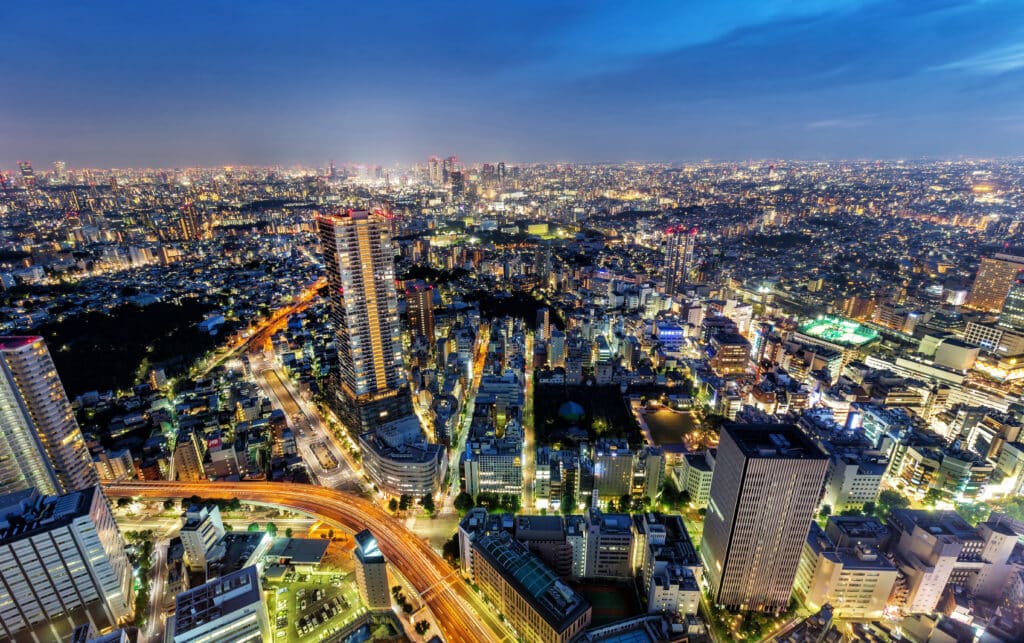
Final Verdict: Where Should You Stay in Tokyo?
- If you want the easiest and most convenient base, stay in Shinjuku.
- If you prefer a more traditional and relaxed atmosphere, choose Asakusa.
- If you’re looking for energy, nightlife, and modern Tokyo, go for Shibuya.
- On a budget, Ueno offers the best value without sacrificing location.
- And if you want a more refined, upscale experience, Ginza is the best choice.
No matter where you stay, choosing the right area is what makes Tokyo feel easy instead of overwhelming.