
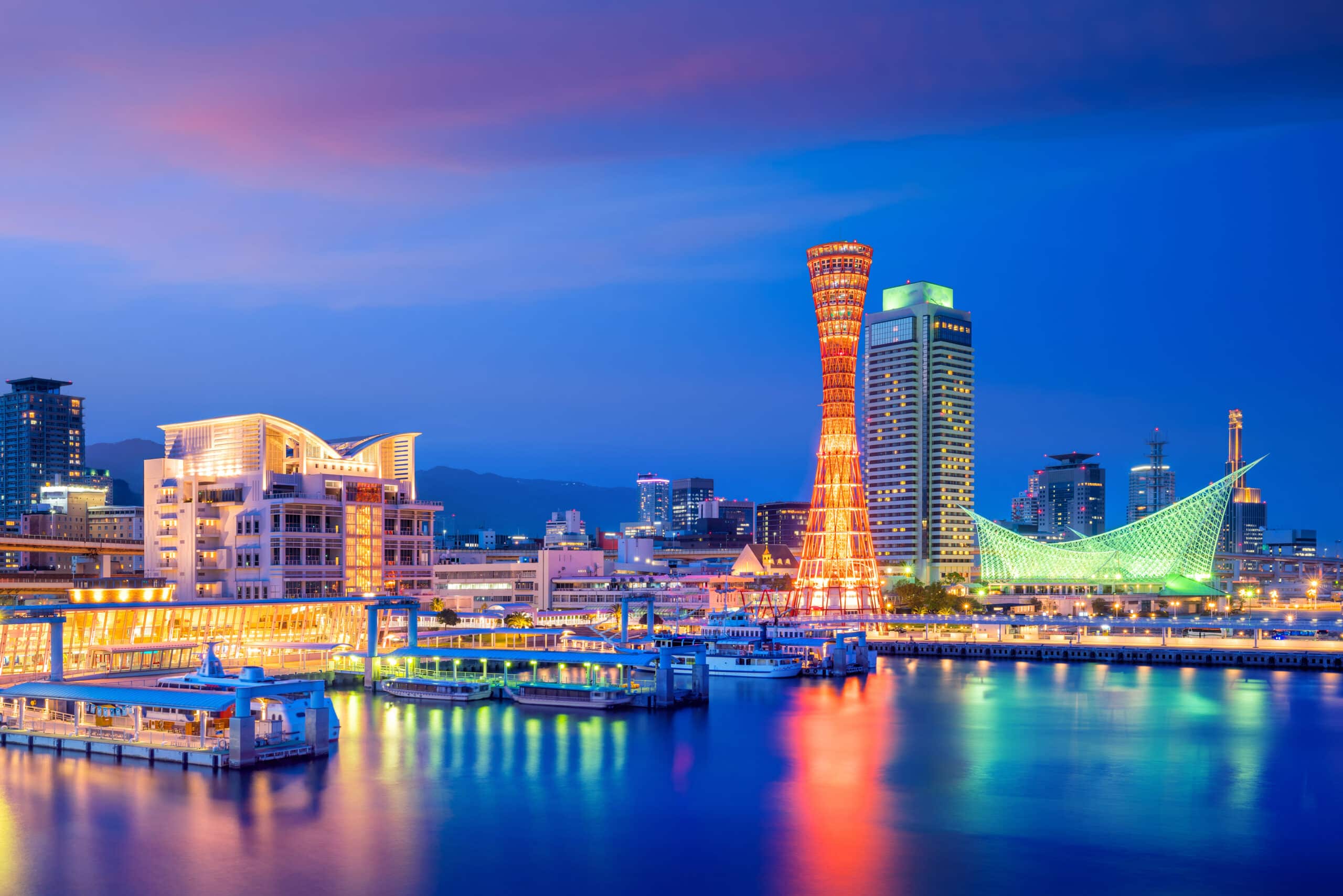
Kobe is one of those Japanese cities that often gets overlooked. Located between the mountains and the sea, it offers a scenic waterfront, international architecture, excellent food, and a more relaxed atmosphere than nearby Osaka. Yet despite these attractions, Kobe rarely appears on the typical first-time Japan itinerary.
And that raises an important question: Is Kobe actually worth visiting, or would your time be better spent in Kyoto, Osaka, Nara, or Himeji?
The answer depends on what you want from your trip. Kobe has plenty to offer, from panoramic views at Nunobiki Herb Gardens to the lively harbor district and its world-famous Kobe beef. But if you’re visiting Japan for the first time and only have a week or two, adding another city isn’t always the smartest decision.
In this guide, we’ll help you decide whether Kobe deserves a place on your Japan itinerary, how much time you really need, what you shouldn’t miss, and when skipping Kobe might actually be the better choice.
Quick Answer: Is Kobe Worth Visiting?
Yes, Kobe is worth visiting — especially if you’re already exploring the Kansai region and have half a day or a full day to spare. Its attractive waterfront, mountain views, international heritage, and food scene make it a refreshing change from the busy streets of Osaka and the historic temples of Kyoto.
However, Kobe isn’t an essential stop for every Japan itinerary. If you only have 7–10 days in Japan, destinations such as Kyoto, Tokyo, and Osaka will usually deserve priority. But if you’re spending several days in Kansai, Kobe can be an excellent day trip without requiring another hotel change.
The smartest approach? Visit Kobe for its atmosphere and distinctive experiences, not simply to tick another Japanese city off your list.
Not sure whether Kobe deserves a place on your Japan itinerary? Here’s how to decide.
You enjoy waterfront scenery, good food, mountain views, and exploring cities beyond Japan’s most famous destinations. Ideal if you have an extra day in Kansai.
Your itinerary is already packed, you’re visiting Japan for the first time, or you’d rather prioritize Kyoto, Nara, or Himeji.
You want to enjoy Kobe’s illuminated waterfront, explore at a slower pace, or combine the city with a relaxing visit to Arima Onsen.
Table of Contents
Kobe at a Glance
Kobe is one of Japan’s most appealing coastal cities, combining mountain scenery, a lively waterfront, and a distinctive international atmosphere. Located just a short train ride from Osaka, it’s an easy addition to a Kansai itinerary without the need to change hotels.
Before deciding whether to visit, here’s what you should know.
| Location | Hyogo Prefecture, Kansai region |
| Best For | Waterfront scenery, food, mountain views, international heritage, relaxed city exploration |
| Ideal Visit Length | Half a day to one full day |
| From Osaka | Around 20–35 minutes by train, depending on the route and stations |
| From Kyoto | Around 50–60 minutes by JR Special Rapid to Sannomiya |
| Famous For | Kobe beef, Kobe Port Tower, Harborland, Kitano Ijinkan, Nunobiki Herb Gardens |
| Main Drawback | Fewer iconic must-see attractions than Kyoto or other major Japan destinations |
| Best Way to Visit | Day trip from Osaka |
| Overall Verdict | Worth visiting if you have extra time in Kansai, but not essential for a short first-time Japan trip |
What makes Kobe particularly interesting isn’t one single world-famous attraction, but the combination of experiences it offers. Few cities in Japan bring together waterfront scenery, mountain viewpoints, historic international neighborhoods, and a distinctive food culture quite like Kobe.
But are those experiences compelling enough to justify adding Kobe to your itinerary?
That’s what we’ll explore next.
What Makes Kobe Worth Visiting?
Kobe may not have Kyoto’s famous temples or Osaka’s nonstop energy, but that’s precisely part of its appeal. The city offers a different side of Japan, where mountain scenery, waterfront promenades, international influences, and a distinctive food culture come together in a relatively compact destination.
Rather than competing with Japan’s biggest sightseeing cities, Kobe is most rewarding when you appreciate it for what makes it different.
Here are five reasons why Kobe might deserve a place on your itinerary.
A Beautiful Harbor Setting
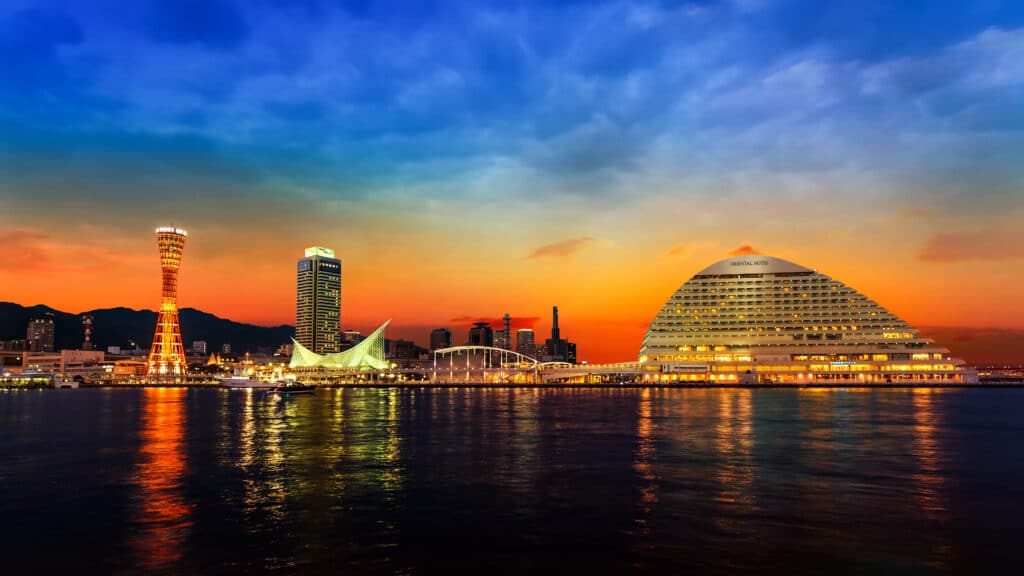
Kobe’s waterfront is one of its greatest attractions. Meriken Park, Kobe Port Tower, and Harborland create an enjoyable area for walking, photography, and relaxing beside the water. The illuminated harbor is particularly attractive after sunset, making Kobe a rewarding destination for an afternoon that extends into the evening.
More Than Just Kobe Beef
Kobe is internationally famous for its premium wagyu beef, but its food scene offers much more. From street food in Nankinmachi Chinatown to bakeries, cafes, and international restaurants, the city reflects its history as a major trading port. Food lovers can enjoy Kobe without spending a fortune on an expensive steak dinner.
Mountains Right Above the City
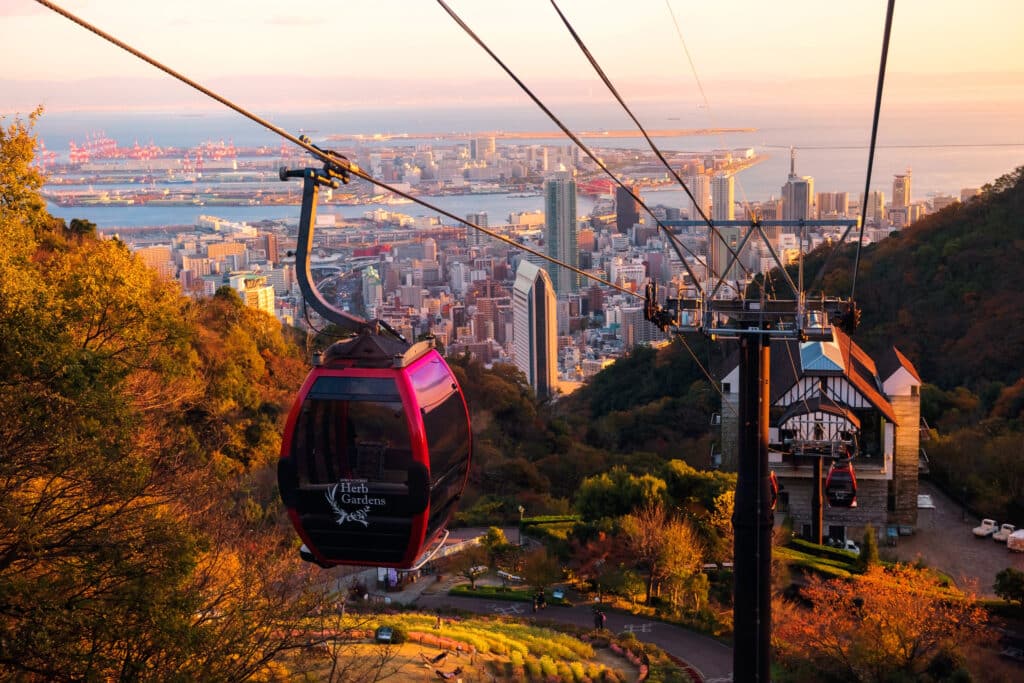
Few major Japanese cities have mountains so close to their urban center. The Nunobiki Ropeway takes visitors above the city toward the Kobe Nunobiki Herb Gardens, offering sweeping views of the harbor and surrounding landscape. It’s an appealing combination of urban sightseeing and nature without needing a long excursion.
A Distinctive International Heritage
Kobe developed into an important international port during the 19th century, leaving behind an architectural and cultural legacy that still shapes the city today. The historic Western-style houses of Kitano Ijinkan, international dining influences, and lively Chinatown give Kobe a character noticeably different from traditional Japanese destinations such as Kyoto.
A More Relaxed Alternative to Osaka
While central Osaka is famous for its energy, entertainment districts, and busy streets, Kobe offers a different urban experience. Its waterfront promenades, scenic viewpoints, and pleasant neighborhoods make it especially appealing to travelers who enjoy exploring without rushing between major attractions. It’s a chance to experience another side of Kansai at a slower pace.
Kobe’s biggest strength is its variety. You can spend the morning enjoying mountain views, explore historic neighborhoods in the afternoon, and finish the day beside the illuminated harbor. That combination makes Kobe especially attractive for travelers who want something different from the traditional temple-and-shrine itinerary.
However, having plenty to offer doesn’t automatically make Kobe the best choice for every traveler. If your time in Japan is limited, there are several good reasons to consider skipping it.
Reasons You Might Want to Skip Kobe
Kobe has plenty of appealing qualities, but that doesn’t necessarily mean it deserves a place on every Japan itinerary. When travel time is limited, visiting another city often means sacrificing experiences elsewhere.
The real question isn’t whether Kobe is a good destination. It’s whether visiting Kobe is a better use of your time than the alternatives available in Kansai.
⏳ Your First Japan Trip Is Too Short
With only 7–10 days in Japan, adding Kobe may mean rushing through Tokyo, Kyoto, or Osaka. These major destinations usually deserve priority on a first visit.
⛩️ You Want Traditional Japan
Kobe is known more for its international heritage and modern waterfront than for temples, shrines, and traditional gardens.
🌆 You’re Already Exploring Osaka
Kobe has its own character, but shopping, dining, and modern city attractions may overlap with experiences you’ve already planned in Osaka.
🥩 You’re Going Only for Kobe Beef
Authentic Kobe beef is also available at certified restaurants in Osaka, Kyoto, and Tokyo. A special meal alone may not justify an additional city visit.
🏯 You Prefer Iconic Landmarks
Kobe’s appeal lies in scenic walks, mountain views, interesting neighborhoods, and its relaxed atmosphere rather than a long list of world-famous landmarks.
⚖️ The Bottom Line: What Would You Give Up?
Before adding Kobe to your itinerary, consider which experience you would have to remove.
Kobe vs Kyoto: Prioritize Kyoto if you haven’t explored its major temples and historic neighborhoods.
Kobe vs Himeji: Choose Himeji for a remarkable historic castle, or Kobe for waterfront scenery and a relaxed city day.
Extra day in Osaka: Kobe becomes an excellent option once you’ve covered your main Kansai priorities.
Who Should Visit Kobe — and Who Should Skip It?
Kobe isn’t a must-see destination for everyone, but it can be one of the most enjoyable additions to a Kansai itinerary for the right traveler. Whether it’s worth visiting depends less on the city’s attractions and more on your travel interests, available time, and the destinations you’ve already included.
Find your travel style below to see whether Kobe is worth adding to your Japan itinerary.
| Traveler Type | Verdict | Why? |
|---|---|---|
| Food Lovers | Visit | Kobe beef, Chinatown street food, bakeries, and international dining. |
| First-Time Visitors (7 Days) | Usually Skip | Tokyo, Kyoto, and other major highlights generally deserve priority. |
| Travelers With 14+ Days | Consider Visiting | An easy addition if you have extra time in the Kansai region. |
| Waterfront & Scenery Fans | Visit | Harborland, Meriken Park, and mountain viewpoints offer attractive scenery. |
| Temple & History Enthusiasts | Lower Priority | Kyoto, Nara, and Himeji offer stronger traditional and historical highlights. |
| Repeat Japan Visitors | Visit | A rewarding way to explore a different side of Kansai beyond the usual route. |
| Travelers Based in Osaka | Great Day Trip | Convenient train connections make Kobe easy to visit without changing hotels. |
| Travelers on a Tight Schedule | Skip | Better to enjoy fewer destinations properly than rush through another city. |
Ultimately, Kobe is most appealing to travelers who value atmosphere, food, and scenery over famous landmarks. If you’re already spending several days in Osaka or Kyoto, a day trip can add welcome variety without complicating your itinerary.
But if your schedule is tight, skipping Kobe doesn’t mean missing one of Japan’s essential experiences. It simply means prioritizing destinations that better match your interests.
The important distinction: Kobe is a destination worth choosing deliberately, not one you need to include just because it’s nearby.
Best Things to Do in Kobe (That Actually Justify Visiting)
Kobe has plenty of attractions, but not all of them are worth rearranging your Japan itinerary for. If you’re visiting on a day trip from Osaka or Kyoto, the smartest approach is to focus on a few experiences that make Kobe genuinely different from other cities in Kansai.
The following six attractions offer the strongest reasons to visit, from scenic harbor walks and mountain viewpoints to historic neighborhoods and local food experiences.
Rather than trying to see everything, choose two or three highlights that match your interests. That’s usually enough to make a day in Kobe feel worthwhile without turning it into a rushed sightseeing checklist.
1. Meriken Park & Kobe Port Tower
Meriken Park is one of Kobe’s most recognizable attractions, offering scenic harbor views, modern architecture, and the iconic red Kobe Port Tower. It’s an excellent place to experience the city’s distinctive waterfront atmosphere.
Take a relaxed walk along the harbor, photograph the skyline, and visit the Kobe Earthquake Memorial Park, where preserved damage from the 1995 earthquake offers an important insight into the city’s history.

2. Nunobiki Herb Gardens & Ropeway
The Nunobiki Ropeway takes you high above Kobe toward beautiful hillside gardens, offering panoramic views of the city, harbor, and surrounding mountains.
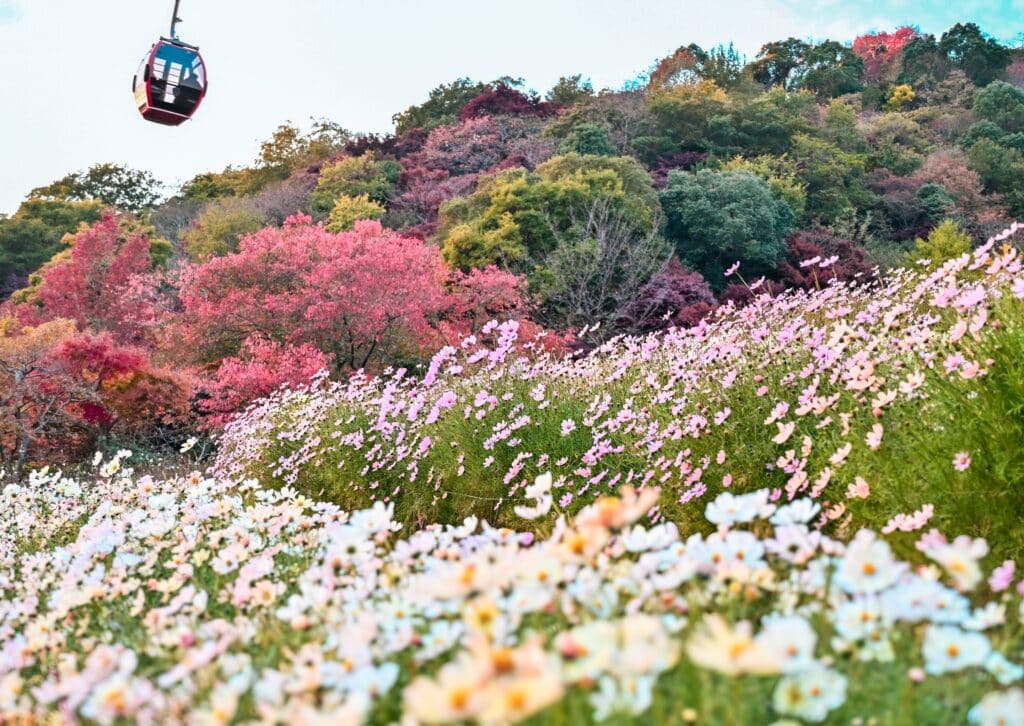
At the top, explore seasonal flower gardens, scenic terraces, and peaceful walking paths. It’s one of the best places in Kobe to combine nature with spectacular urban views.
3. Kitano Ijinkan District
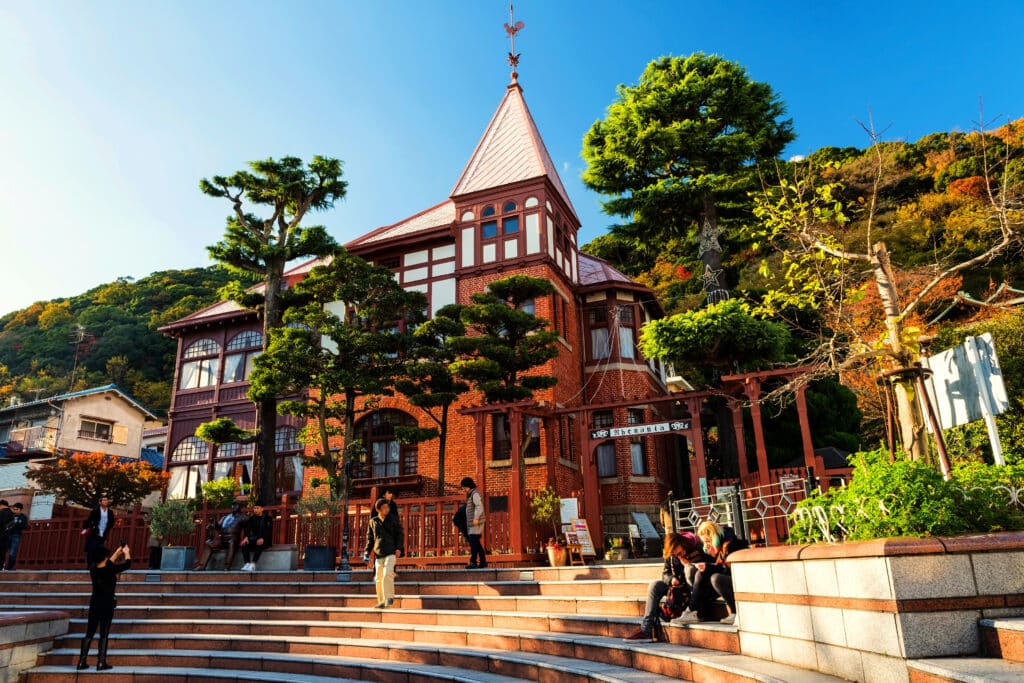
The historic Kitano district is known for its Western-style residences, built after Kobe opened to international trade in the 19th century. These preserved houses give the neighborhood a character unlike most traditional Japanese sightseeing districts.
Wander through the sloping streets, admire the architecture, and stop at one of the neighborhood’s cafes. Several historic houses can be visited, although many require separate admission fees.
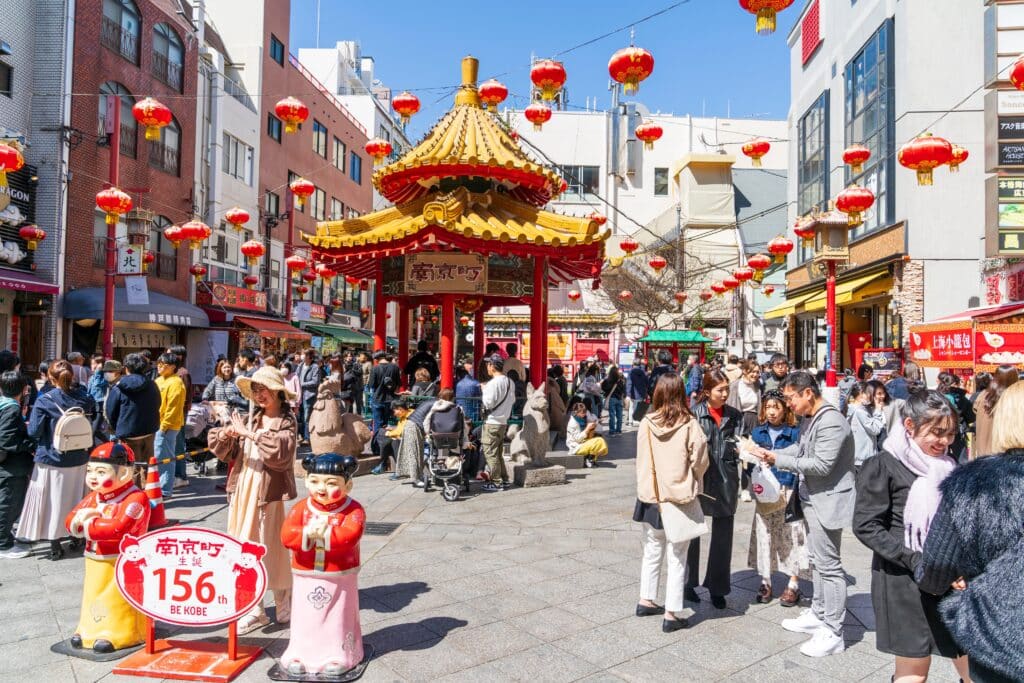
4. Nankinmachi Chinatown
Kobe’s lively Chinatown is one of Japan’s best-known Chinese districts, filled with colorful gates, food stalls, and small restaurants. It’s a great place to experience the city’s international food culture.
Try steamed buns, dumplings, and other street-food specialties while exploring the compact neighborhood. Its central location makes it an easy stop between sightseeing areas.
5. Kobe Harborland
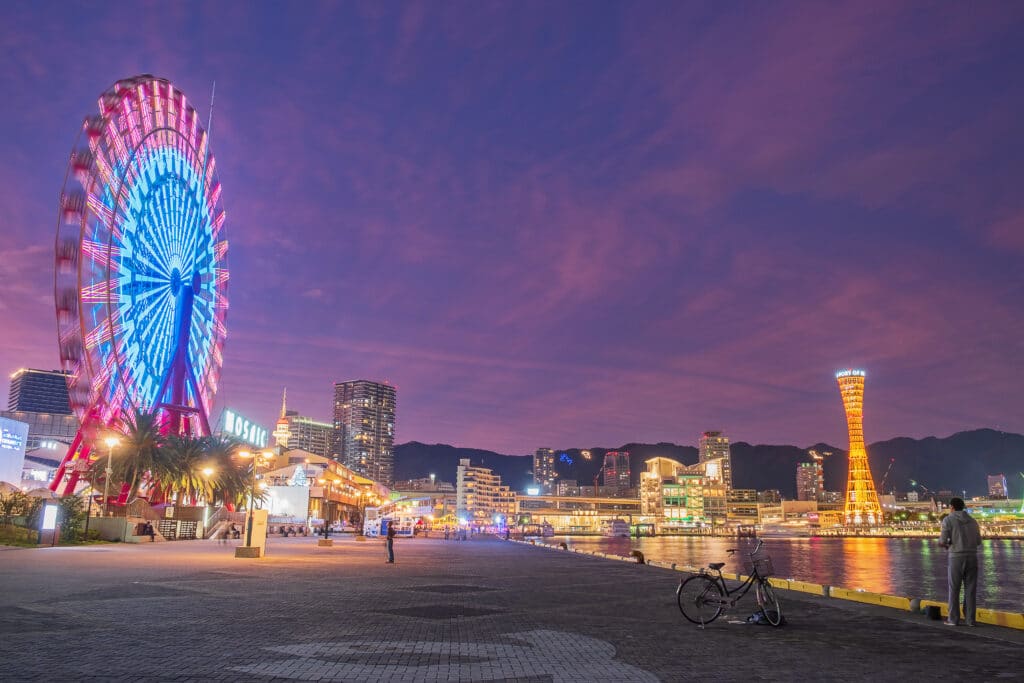
Harborland is one of Kobe’s most enjoyable waterfront districts, combining shopping, restaurants, promenades, and attractive harbor views.
The area becomes especially atmospheric after sunset, when the Ferris wheel, illuminated buildings, and waterfront reflections create one of Kobe’s most memorable evening scenes.
6. Arima Onsen
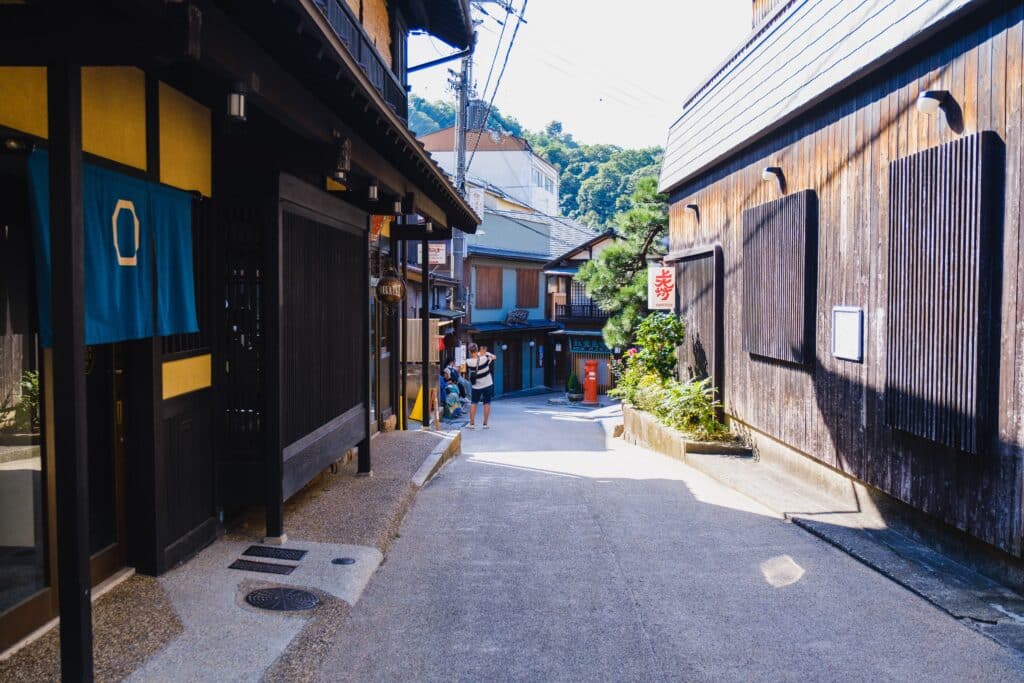
Located in the mountains north of central Kobe, Arima Onsen is a historic hot spring town famous for its mineral-rich waters, traditional inns, and peaceful atmosphere.
Visitors can enjoy public baths, explore the charming streets, or stay overnight in a traditional ryokan. It’s an appealing contrast to Kobe’s modern waterfront.
What Can You Skip in Kobe?
Kobe has plenty of enjoyable attractions, but you don’t need to see everything to have a rewarding visit. If you’re exploring the city on a day trip from Osaka or Kyoto, spending too much time on secondary sights can mean missing the experiences that make Kobe special.
The smartest approach is to prioritize the waterfront, one distinctive neighborhood or scenic attraction, and enough time to enjoy the city’s atmosphere. Here are five things you can safely skip or shorten, depending on your interests.
🏠 Visiting Every Kitano Ijinkan House
Kobe’s historic Western-style residences are interesting, but visiting several interiors can become expensive and time-consuming. Many travelers will enjoy the neighborhood just as much by exploring its streets and architecture.
🛍️ Spending Hours Inside Harborland’s Malls
Harborland has plenty of shops and restaurants, but extensive shopping isn’t what makes Kobe distinctive. You can find major shopping districts in Osaka and Tokyo.
🎡 Paying for Multiple Observation Experiences
Kobe offers excellent panoramic views, but you don’t necessarily need to pay for both the Nunobiki Ropeway and the Kobe Port Tower observation deck.
🥩 An Expensive Kobe Beef Meal
Kobe beef is famous worldwide, but a premium steak restaurant isn’t essential to enjoying the city. An elaborate meal can take a significant share of both your sightseeing budget and your time.
♨️ Squeezing Arima Onsen or Mount Rokko into a Short Visit
Arima Onsen and Mount Rokko are worthwhile destinations, but they require additional travel time. Trying to combine them with Kitano, Chinatown, Nunobiki, and the waterfront can make a day trip unnecessarily rushed.
⏱️ If You Only Have Four Hours in Kobe
For a short visit, focus on one compact sightseeing route rather than trying to cover the entire city. Chinatown, Meriken Park, and Harborland offer a rewarding introduction without unnecessary backtracking.
Explore the colorful streets and enjoy a quick street-food lunch or snack.
Walk along the harbor, admire the iconic tower, and visit the earthquake memorial.
Continue along the waterfront, enjoy the scenery, and take a relaxed break before heading back toward your departure station.
🦉 The Travel Owl Verdict: Skip Attractions, Not Experiences
Kobe is most enjoyable when you focus on what makes it different from other Japanese cities. You don’t need to visit every historic building, shopping complex, or viewpoint to appreciate its character.
For most day-trippers, a combination of waterfront scenery, local food, and one distinctive experience is more rewarding than an exhausting sightseeing checklist.
The smartest Kobe itinerary isn’t the one with the most stops. It’s the one that gives you enough time to actually enjoy them.
Kobe vs Osaka vs Kyoto vs Himeji: Which Deserves Your Time?
If you’re planning a trip through Japan’s Kansai region, Kobe isn’t competing for your attention in isolation. Osaka, Kyoto, and Himeji all offer very different experiences, and choosing between them can make a significant difference to your itinerary.
Kyoto is famous for its temples and traditional atmosphere, Osaka for its food and energetic city life, and Himeji for one of Japan’s most impressive historic castles. Kobe, meanwhile, offers a combination of waterfront scenery, mountain views, international heritage, and a more relaxed urban experience.
So which destination should you prioritize if your time is limited?
Quick Comparison: Kobe vs Osaka vs Kyoto vs Himeji
Each destination offers something different. Use this comparison to decide which one best matches your interests and available time.
| Destination | Best For | Ideal Time | Priority |
|---|---|---|---|
| Kyoto | Temples, shrines, gardens, traditional Japan | 2–4 days | Essential for most first-timers |
| Osaka | Food, nightlife, shopping, urban energy | 1–3 days | High for city lovers |
| Himeji | Historic castle, architecture, Japanese history | Half to full day | High for history lovers |
| Kobe | Waterfront, mountain views, food, relaxed atmosphere | Half to full day | Optional but rewarding |
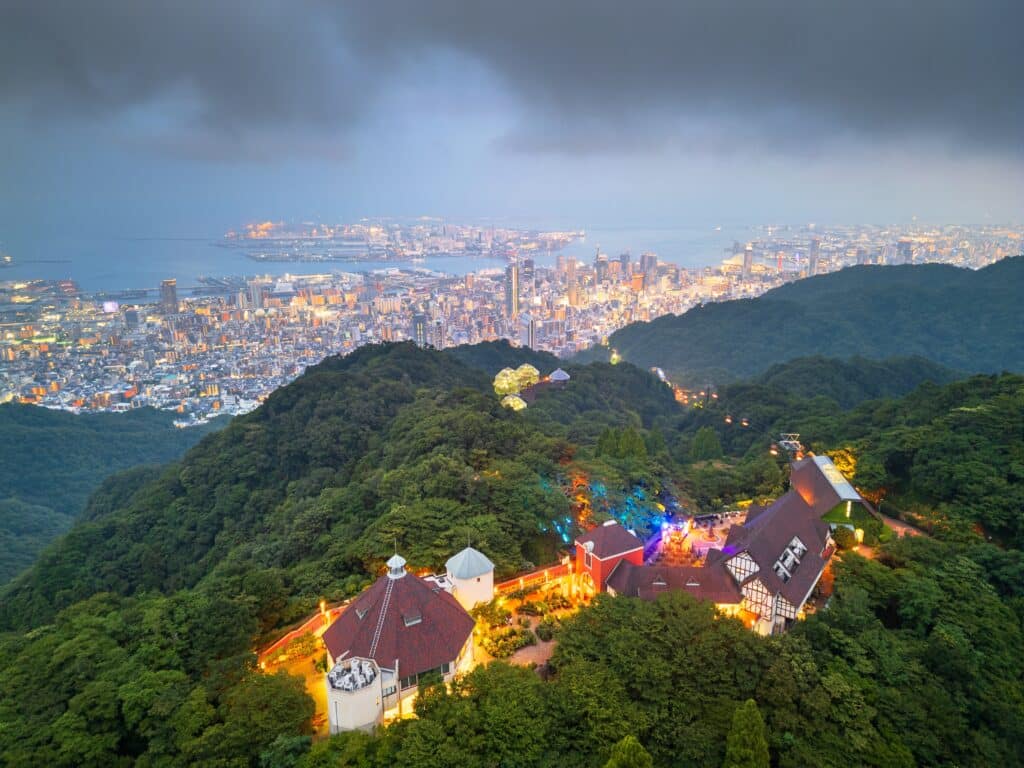
Kobe vs Osaka: Which Is Better?
Osaka is generally the stronger choice for travelers who enjoy lively entertainment districts, street food, nightlife, and major shopping areas. Neighborhoods such as Dotonbori and Umeda offer an energetic atmosphere that Kobe doesn’t quite match.
Kobe, however, has a more scenic setting, with mountains rising behind the city and an attractive waterfront that becomes especially enjoyable in the evening.
Our verdict: Choose Osaka for food, entertainment, and urban energy. Choose Kobe for a more relaxed day with harbor views and mountain scenery. For most travelers, staying in Osaka and visiting Kobe on a day trip offers the best of both.
Kobe vs Kyoto: Which Is Better?
Kyoto and Kobe offer almost completely different experiences.
Kyoto is one of Japan’s most important cultural destinations, famous for historic temples, shrines, traditional neighborhoods, and gardens. For first-time visitors, it usually deserves significantly more time than Kobe.
Kobe’s appeal lies in its international heritage, coastal atmosphere, and easy access to mountain scenery. It can be a refreshing contrast after several days of temple sightseeing.
Our verdict: Kyoto should almost always take priority on a first Japan trip. Consider Kobe once you’ve allocated enough time to Kyoto’s main highlights.
Kobe vs Himeji: Which Is Better?
This is arguably the most interesting comparison for travelers with one spare day in Kansai.
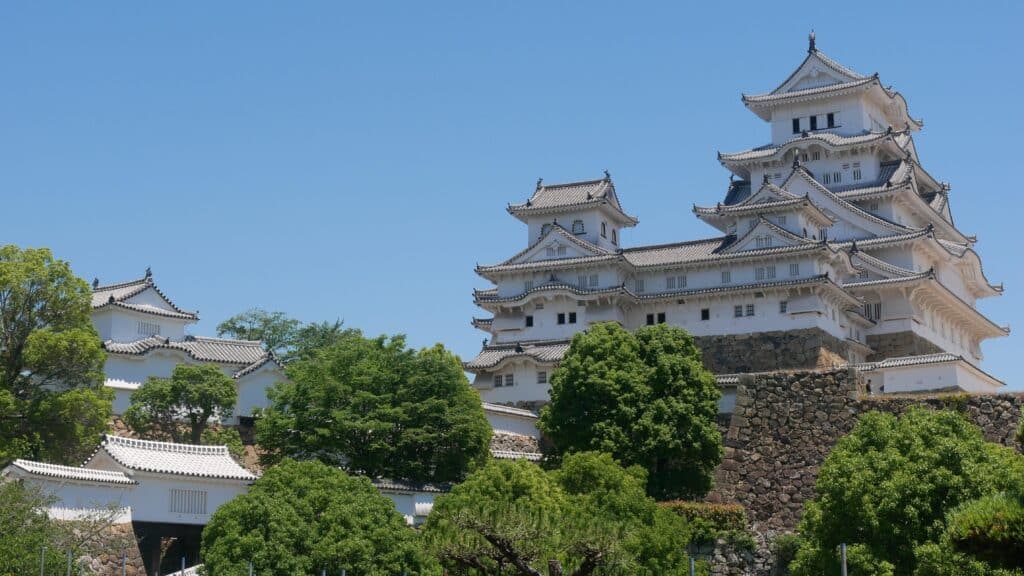
Himeji is home to the magnificent Himeji Castle, one of Japan’s best-preserved original castles and a UNESCO World Heritage Site. Together with nearby Koko-en Garden, it provides a concentrated cultural and historical experience.
Kobe offers greater variety, including waterfront walks, international neighborhoods, food experiences, and mountain viewpoints. However, it doesn’t have one historic landmark quite as iconic as Himeji Castle.
Our verdict: Choose Himeji if Japanese history, castles, and traditional architecture are your priorities. Choose Kobe if you prefer food, scenery, and a more relaxed urban experience.
What If You Only Have One Extra Day in Kansai?
Rather than automatically choosing Kobe because it’s nearby, consider which experience is missing from your itinerary.
One Extra Day in Kansai: Where Should You Go?
If you haven’t yet explored its major temples, historic streets, and traditional neighborhoods.
If you want more time for street food, nightlife, shopping, and lively city districts.
If visiting an authentic Japanese castle and exploring historic architecture are high on your wish list.
If you’ve already seen the major highlights and want waterfront scenery, mountain views, and a different side of Kansai.
Final Recommendation: Is Kobe the Best Use of Your Time?
Kobe is a worthwhile destination, but it rarely needs to take priority over Kyoto on a first Japan trip. Osaka is usually a more convenient base for exploring Kansai, while Himeji offers a particularly memorable experience for travelers interested in Japanese history.
Where Kobe stands out is its combination of scenery, food, and atmosphere. It makes an excellent addition when you’ve already covered the major highlights and want to explore somewhere different without traveling far.
The smartest choice isn’t necessarily the most famous destination — it’s the one that adds the most value to the itinerary you’re already planning.
Is Kobe Worth a Day Trip from Osaka or Kyoto?
Yes, Kobe is one of the easiest and most rewarding day trips from Osaka, and it’s also a practical option from Kyoto. With frequent train connections and relatively short travel times, you can explore Kobe’s waterfront, historic neighborhoods, and mountain viewpoints without changing hotels.
However, Osaka is generally the better starting point. The journey is shorter, tickets are inexpensive, and you can comfortably spend most of the day sightseeing before returning in the evening.
From Kyoto, Kobe is still accessible, but the longer journey makes it more important to plan your day carefully.
Kobe from Osaka: The Best Day Trip Option
Osaka is the most convenient base for visiting Kobe. Depending on your departure station and railway company, the journey to central Kobe usually takes around 20–40 minutes.
There are three main railway options:
- JR Special Rapid Service: Approximately 20–25 minutes from Osaka Station to Sannomiya. Fast and convenient, particularly for travelers staying near Osaka or Umeda Station.
- Hankyu Railway: Approximately 25–30 minutes from Osaka-Umeda to Kobe-Sannomiya. Often a cheaper alternative to JR.
- Hanshin Railway: Approximately 30–40 minutes from Osaka-Umeda to Kobe-Sannomiya on a direct limited express service. Another affordable option.
Sannomiya is Kobe’s main transportation hub and a convenient starting point for exploring the city.
If you’re staying near Namba, allow additional time to reach your departure station or consider a Hanshin service from Osaka-Namba.
Our recommendation: For most visitors staying near Osaka Station, JR is the simplest choice. Hankyu and Hanshin are excellent alternatives, particularly if their stations are more convenient for your accommodation.
Kobe from Kyoto: Is the Longer Journey Worth It?
Kobe is also a realistic day trip from Kyoto, although you’ll spend more time traveling.
The JR Special Rapid Service connects Kyoto Station with Sannomiya in approximately 50–60 minutes, without requiring a transfer.
Alternatively, Hankyu Railway connects central Kyoto with Kobe-Sannomiya via Osaka-Umeda or Juso, depending on the service. This can be useful if you’re staying near Kyoto-Kawaramachi rather than Kyoto Station.
For travelers based in Kyoto, Kobe works best as a full-day excursion rather than a short afternoon trip.
Our recommendation: Visit Kobe from Kyoto if you’ve already allocated enough time to Kyoto’s main attractions. If you only have two days in Kyoto, spending another day exploring the city will usually be more rewarding.
Osaka vs Kyoto: Getting to Kobe
Getting to Kobe: Osaka vs Kyoto
Both cities offer convenient train connections, but Osaka is generally the easier starting point for a Kobe day trip.
| Route | Travel Time | Best Option |
|---|---|---|
| Osaka Station → Sannomiya | 20–25 min | JR Special Rapid |
| Osaka-Umeda → Kobe-Sannomiya | 25–30 min | Hankyu Railway |
| Kyoto Station → Sannomiya | 50–60 min | JR Special Rapid |
| Kyoto-Kawaramachi → Kobe-Sannomiya | 70–85 min | Hankyu Railway |
Travel times are approximate and depend on the service, departure station, and connections. Allow additional time to reach individual attractions.
Which Kobe Station Should You Use?
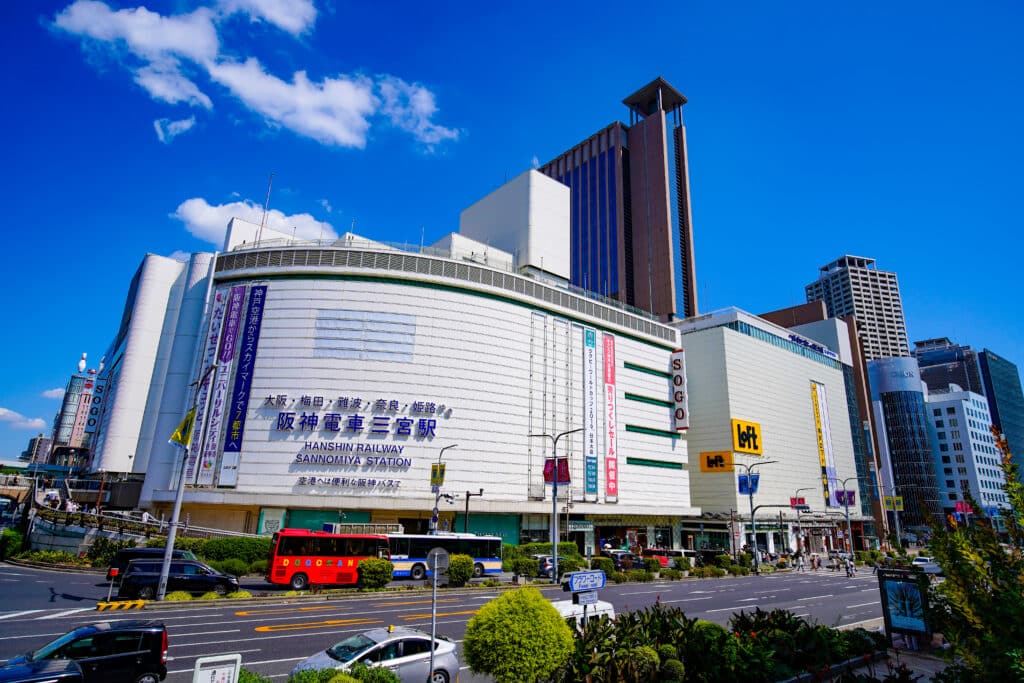
One common mistake is assuming that Shin-Kobe, Sannomiya, and Kobe Station are interchangeable. They serve different parts of the city.
Sannomiya / Kobe-Sannomiya: The most convenient arrival point for most visitors. It offers access to central Kobe, Kitano, Chinatown, and local transportation.
Shin-Kobe: The Shinkansen station, located near the Nunobiki Ropeway. Useful if you’re arriving by bullet train or planning to start your day at Nunobiki Herb Gardens.
Kobe Station: Convenient for Harborland and the western waterfront, but less central for exploring the rest of the city.
Travel Owl Tip: Don’t take the Shinkansen from Osaka just to reach Kobe. Regular JR, Hankyu, and Hanshin trains are usually more practical and economical for this short journey.
Should You Stay Overnight or Return to Osaka?
For most travelers, a day trip is sufficient. Kobe’s main attractions can be explored in a full day, and frequent train connections make returning to Osaka straightforward.
Staying overnight becomes more attractive if you want to enjoy the illuminated harbor without worrying about your return journey, explore the city at a slower pace, or combine Kobe with Arima Onsen.
However, changing hotels for a single night can create unnecessary inconvenience, especially if you’re already staying in Osaka.
Our recommendation: Stay in Osaka and visit Kobe as a day trip unless you specifically want a relaxing overnight experience or plan to explore the surrounding mountains and hot springs.
Final Verdict: Is a Kobe Day Trip Worth It?
A Kobe day trip is absolutely worthwhile if you have extra time in Kansai and enjoy waterfront scenery, food, and relaxed urban exploration.
From Osaka, the short journey makes Kobe particularly convenient. You can leave after breakfast, spend several hours exploring, enjoy the harbor in the evening, and return to your hotel without much difficulty.
From Kyoto, the journey requires a little more planning, but it’s still manageable as a full-day excursion.
The best approach is to treat Kobe as an optional day trip rather than an essential stop. If you’ve already seen your main Kansai priorities, it’s an enjoyable way to experience another side of Japan.
How Much Time Do You Need in Kobe?
For most travelers, half a day to one full day is enough to experience Kobe’s main highlights. The city is relatively easy to explore, but its attractions are spread across the waterfront, central neighborhoods, and surrounding hills, so trying to see everything in just a few hours isn’t realistic.
A half-day visit works well if you mainly want to enjoy the harbor and local food. A full day allows you to add mountain views or historic neighborhoods, while staying overnight gives you time to explore at a slower pace.
The right choice depends on what you want to experience — not simply how many attractions you can fit into your schedule.
Half Day in Kobe
Approximately 4–5 hours
Ideal if you’re visiting from Osaka and want a quick introduction to Kobe without spending the entire day sightseeing.
Nankinmachi Chinatown
Meriken Park & Port Tower
Harborland waterfront
One Full Day in Kobe
Approximately 7–9 hours
The best choice for most first-time visitors. You’ll have enough time to combine Kobe’s main attractions without rushing.
Nunobiki Herb Gardens
Kitano or Chinatown
Meriken Park
Harborland at sunset
Overnight in Kobe
1 night / 1–2 days
Worth considering if you prefer slower travel, want to enjoy the waterfront after dark, or plan an additional mountain or hot spring excursion.
Main Kobe attractions
Evening waterfront
Arima Onsen or Mount Rokko
Relaxed dining
Is Half a Day Enough for Kobe?
Yes, provided you keep your plans realistic. Four or five hours is sufficient to explore Chinatown, walk along Meriken Park, and enjoy Harborland.
However, a half-day visit usually means choosing between Kobe’s waterfront and its mountain attractions. Trying to include Nunobiki Herb Gardens, Kitano, and the harbor in such a short period would leave little time to enjoy any of them properly.
Our recommendation: For a short visit, concentrate on central Kobe and the waterfront. It’s an easy, enjoyable excursion from Osaka.
Is One Full Day Enough for Kobe?
For most visitors, one full day is the ideal amount of time.
You can start with the Nunobiki Ropeway and Herb Gardens, explore either Kitano or Chinatown, and finish the day along the waterfront. This gives you a good mix of scenery, culture, food, and atmosphere.
You’ll still need to make choices, but you won’t feel that you’re missing Kobe’s main appeal.
Our recommendation: If Kobe is your first visit and you have the time, allocate a full day rather than squeezing it into a short afternoon.
Is Kobe Worth Staying Overnight?
Staying overnight isn’t necessary for most travelers, particularly if you’re already based in Osaka. The two cities are close enough that you can enjoy Kobe’s evening waterfront and still return to your hotel.
However, an overnight stay makes sense if you want to explore Arima Onsen, spend more time in the mountains, or enjoy Kobe at a slower pace.
Our recommendation: Stay overnight for a specific experience, not simply because Kobe is another city on your itinerary.
The Perfect Kobe Itinerary: Half Day or Full Day
Kobe is easy to explore on a day trip, but choosing the right sightseeing order can save you unnecessary travel time. The city’s main attractions are spread between the mountains near Shin-Kobe, the historic Kitano district, and the waterfront around Meriken Park and Harborland.
The smartest approach is to explore Kobe from north to south, finishing at the harbor in the late afternoon or evening. However, if you only have a few hours, staying around Chinatown and the waterfront is usually more practical.
Below are two realistic itineraries designed to help you experience Kobe without rushing.
Half-Day Kobe Itinerary: The Best of the Waterfront
Approximately 4–5 hours · Best for travelers based in Osaka
This route focuses on Kobe’s most accessible central attractions. It’s ideal if you want to experience the city’s atmosphere without spending a full day sightseeing.
Kobe in Half a Day
Suggested route: Sannomiya → Chinatown → Meriken Park → Harborland
Nankinmachi Chinatown
Start with a street-food lunch in Kobe’s lively Chinatown. Explore the colorful streets and sample a few local specialties before heading toward the waterfront.
Meriken Park & Kobe Port Tower
Walk along the waterfront, admire the iconic Port Tower, and visit the earthquake memorial. Enjoy the harbor views without rushing between attractions.
Kobe Harborland
Continue along the harbor toward Harborland. Explore the promenade, enjoy views of the Ferris wheel, and stop for coffee or a short break.
Return to Osaka
Walk to JR Kobe Station or nearby Harborland Station for your onward journey. Allow additional time depending on your train connection.
What to skip: Nunobiki Herb Gardens, Kitano Ijinkan, Mount Rokko, and Arima Onsen. These attractions require additional time and are better suited to a longer visit.
Full-Day Kobe Itinerary: The Best of Kobe in One Day
Approximately 8–10 hours · Recommended for first-time visitors
If you have a full day, you can combine Kobe’s mountain scenery, historic neighborhoods, food culture, and waterfront into one enjoyable route.
The itinerary begins near Shin-Kobe Station and gradually works its way toward the harbor, minimizing unnecessary backtracking.
Kobe in One Full Day
Suggested route: Nunobiki → Kitano → Chinatown → Meriken Park → Harborland
Nunobiki Herb Gardens & Ropeway
Begin your day with a scenic ropeway ride above Kobe. Explore the hillside gardens, enjoy panoramic views, and take photographs of the city and harbor.
Kitano Ijinkan District
Explore Kobe’s historic Western-style neighborhood. Walk through its sloping streets and admire the architecture. Focus on the atmosphere rather than visiting multiple paid interiors.
Lunch in Nankinmachi Chinatown
Enjoy a relaxed lunch and sample street food in Kobe’s Chinatown. This is a convenient opportunity to take a break before exploring the waterfront.
Meriken Park & Kobe Port Tower
Explore Kobe’s famous waterfront, photograph the red Port Tower, and visit the earthquake memorial. Enjoy the open harbor scenery before continuing west.
Harborland & Waterfront Evening
Finish your sightseeing around Harborland. Enjoy the promenade, relax at a waterfront cafe, and watch the harbor lights appear if sunset falls during your visit.
Dinner or Return to Osaka
Enjoy dinner in Kobe or return to Osaka by train. If you’d like to try Kobe beef, consider reserving a suitable restaurant in advance.
Times are approximate and include some travel between attractions. Check ropeway operating hours before visiting, as schedules may vary by season and date.
Kobe Sightseeing Map: Follow the Route
Use the map below to see how Kobe’s main attractions fit together and choose the route that works best for your available time.
Both routes are designed to minimize unnecessary backtracking, but you can easily adjust the order depending on the weather, opening hours, and your personal interests.
Which Kobe Itinerary Should You Choose?
If you’re visiting Kobe primarily for its atmosphere, food, and waterfront, the half-day itinerary is a perfectly reasonable choice. It gives you enough time to appreciate the city without sacrificing an entire day of your Kansai trip.
However, the full-day itinerary is the better option for most first-time visitors. Nunobiki Herb Gardens and the historic Kitano district add experiences that make Kobe feel more distinctive than simply another Japanese shopping and dining destination.
If the weather is poor, consider skipping the ropeway and spending more time in central Kobe instead. And if hot springs are your priority, replace part of the city sightseeing with Arima Onsen rather than trying to fit everything into one day.
Travel Owl Verdict: A full day offers the best balance of sightseeing and relaxation, but Kobe is flexible enough to reward even a shorter visit.
Is Kobe Expensive? What Does a Visit Cost?
Kobe doesn’t have to be an expensive destination. In fact, a day trip from Osaka can be surprisingly affordable if you focus on the waterfront, historic neighborhoods, and local food rather than premium restaurants and paid attractions.
Some of Kobe’s most enjoyable experiences, including walking through Meriken Park, exploring Kitano’s streets, and admiring the harbor, are free. Your biggest expenses will usually be transportation, meals, and optional activities such as the Nunobiki Ropeway or Kobe Port Tower observation deck.
Kobe becomes considerably more expensive if you decide to enjoy a premium Kobe beef dinner, but that is entirely optional.
How Much Does a Day Trip to Kobe Cost?
For a typical day trip from Osaka, these are reasonable planning budgets per person, excluding accommodation.
BUDGET
¥3,000–5,000
Free sights, inexpensive meals
MID-RANGE
¥6,000–10,000
Paid attraction, meals and snacks
PREMIUM
¥15,000+
Premium dining and sightseeing
These are approximate budgeting estimates, not verified current prices. Actual spending depends on your train route, attraction choices, and restaurant.
Typical Kobe Sightseeing Costs
Here is a more detailed breakdown of what visitors can expect to spend.
Kobe Day Trip Budget
Approximate costs per adult, in Japanese yen. Food and transport budgets are estimates.
| Expense | Cost |
|---|---|
| Return train from Osaka | ¥700–1,000 approx. |
| Local transport | ¥0–800 approx. |
| Lunch and snacks | ¥1,000–2,500 approx. |
| Nunobiki Ropeway & Gardens | ¥2,500 return |
| Kobe Port Tower observation area | ¥1,000 |
| Port Tower observation + rooftop | ¥1,200 |
Prices are indicative as of November 2026. Seasonal surcharges and future fare changes may apply. You only pay for the attractions you choose to enter.
The attraction admission prices above are supported by the official Nunobiki Herb Gardens and Kobe Port Tower websites. Nunobiki has special Christmas-season pricing, while Port Tower requires timed tickets for its observation areas.
Can You Visit Kobe on a Budget?
Absolutely. Kobe is particularly suitable for budget-conscious travelers because several of its most enjoyable experiences don’t require an admission ticket.
Walking along Meriken Park, admiring Kobe Port Tower from outside, exploring Chinatown, and enjoying the harbor atmosphere are all possible without paying for major attractions.
You can also save money by choosing inexpensive restaurants, street-food snacks, and local trains rather than premium dining experiences.
Our recommendation: If you’re on a tight budget, focus on Chinatown and the waterfront. You’ll still experience much of Kobe’s character without spending heavily.
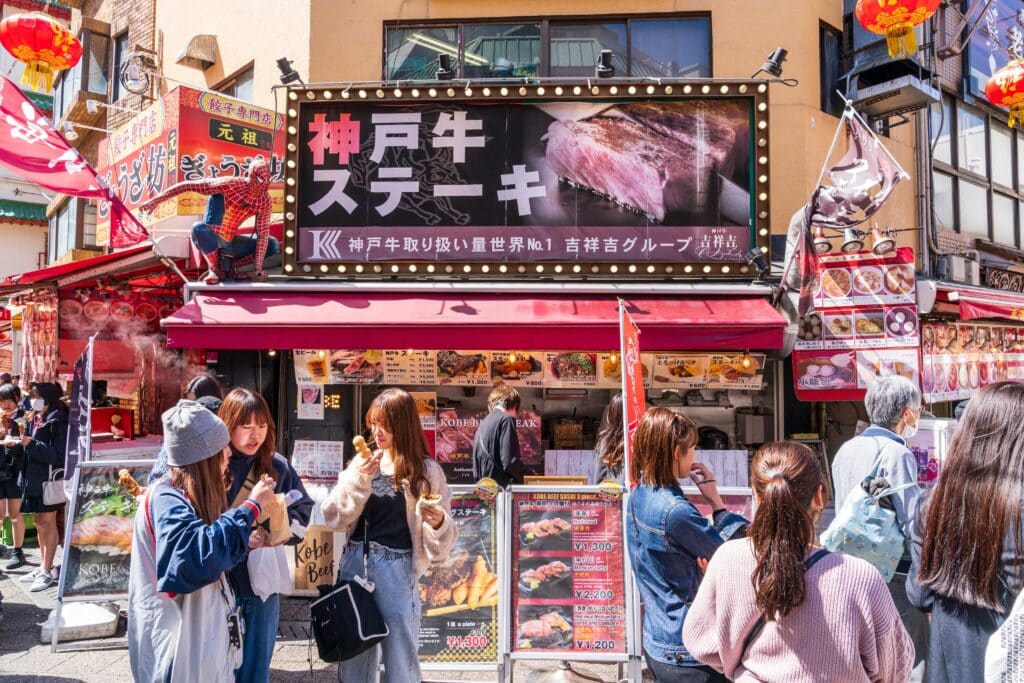
Is Kobe Beef Worth the Extra Money?
Kobe beef is one of the world’s most famous premium meats, and trying it in Kobe can be a memorable culinary experience. However, it can also become the single largest expense of your visit.
Restaurant prices vary substantially depending on the cut, portion size, and dining experience. Lunch menus may offer better value than elaborate evening courses.
But you don’t need to eat Kobe beef to enjoy Kobe. The city’s Chinatown, bakeries, seafood restaurants, and international dining options offer plenty of alternatives.
Travel Owl Tip: If Kobe beef is on your bucket list, compare restaurant menus and look for lunch specials before booking. Otherwise, spend your money on experiences that matter more to you.
Where Should You Spend Your Money in Kobe?
If you have a limited sightseeing budget, I would prioritize the Nunobiki Ropeway and Herb Gardens over paying for several smaller attractions.
The ropeway offers a combination of panoramic views, nature, and a memorable experience that distinguishes Kobe from other Japanese cities.
By contrast, you can enjoy Meriken Park and Harborland without paying to enter Kobe Port Tower. The observation deck is a worthwhile optional extra, but not essential if you’ve already enjoyed the views from Nunobiki.
Travel Owl Verdict: Is Kobe Good Value for Money?
Yes. Kobe can offer excellent value for a day trip, especially from Osaka.
You can enjoy the waterfront, historic neighborhoods, and food scene on a relatively modest budget. Paid attractions add variety, but they aren’t necessary to appreciate the city.
The biggest mistake is assuming that a worthwhile Kobe visit requires an expensive Kobe beef meal, multiple observation decks, and several paid attractions.
Instead, choose one or two experiences worth paying for and enjoy the rest of the city at your own pace.
Best Time to Visit Kobe: Weather, Seasons & Crowds
The best time to visit Kobe is generally spring (March to May) or autumn (October to November), when temperatures are comfortable for walking, exploring the waterfront, and enjoying the mountain scenery.
Kobe is a year-round destination, but the experience changes noticeably with the seasons. Spring brings cherry blossoms and pleasant sightseeing weather, summer can be hot and humid, autumn offers colorful foliage in the surrounding mountains, and winter is often quieter.
Unlike destinations that depend heavily on seasonal attractions, Kobe has plenty to offer throughout the year. However, choosing the right season can make a significant difference if you plan to visit Nunobiki Herb Gardens, Mount Rokko, or spend several hours walking along the harbor.
Kobe by Season: When Should You Go?
Kobe Through the Seasons
🌸 Spring
Pleasant weather, cherry blossoms, and colorful gardens. Excellent for waterfront walks and outdoor sightseeing.
Best for: First-time visitors☀️ Summer
Hot, humid conditions with rainy periods. Better for shorter outdoor visits, evening walks, and indoor attractions.
Best for: Flexible itineraries🍁 Autumn
Comfortable temperatures and beautiful foliage in the surrounding mountains. Ideal for scenic ropeway rides and walking.
Best for: Nature and scenery❄️ Winter
Cool, often dry weather with fewer sightseeing crowds outside holidays. Great for city walks, food, and hot springs.
Best for: Quieter sightseeingSpring in Kobe (March–May): Best for Pleasant Weather
Spring is one of the most enjoyable times to explore Kobe. Temperatures gradually become milder, cherry blossoms appear around late March or early April in a typical year, and the city’s parks and gardens become increasingly colorful.
It’s an excellent season for walking between Kitano, Chinatown, and the waterfront without dealing with summer’s intense heat.
The Nunobiki Herb Gardens are especially appealing during spring, although different flowers bloom at different times.
Our verdict: Spring is an excellent choice for a first visit, especially if Kobe is part of a longer cherry blossom trip through Japan.
Summer in Kobe (June–September): Is It Too Hot?
Summer is generally the least comfortable season for extensive sightseeing in Kobe. High humidity can make walking around the city tiring, particularly during July and August.
June and July also bring Japan’s rainy season, while late summer and early autumn can be affected by typhoons and heavy rainfall.
That doesn’t mean you should skip Kobe entirely. Chinatown, shopping areas, museums, and waterfront restaurants remain enjoyable options. Evening walks along the harbor can also be more comfortable than sightseeing in the midday heat.
Our verdict: Kobe is still worth visiting in summer, but plan fewer outdoor activities, take regular breaks, and keep your schedule flexible.
Autumn in Kobe (October–November): Best for Scenery
Autumn may be the best overall season for visiting Kobe, particularly if you enjoy nature and mountain views.
October usually offers pleasant conditions for exploring the city, while November brings increasingly colorful foliage to the surrounding hills.
Mount Rokko and Mount Maya often begin displaying autumn colors before central Kobe, with the best viewing periods varying by elevation and weather conditions. Arima Onsen is another attractive autumn destination.
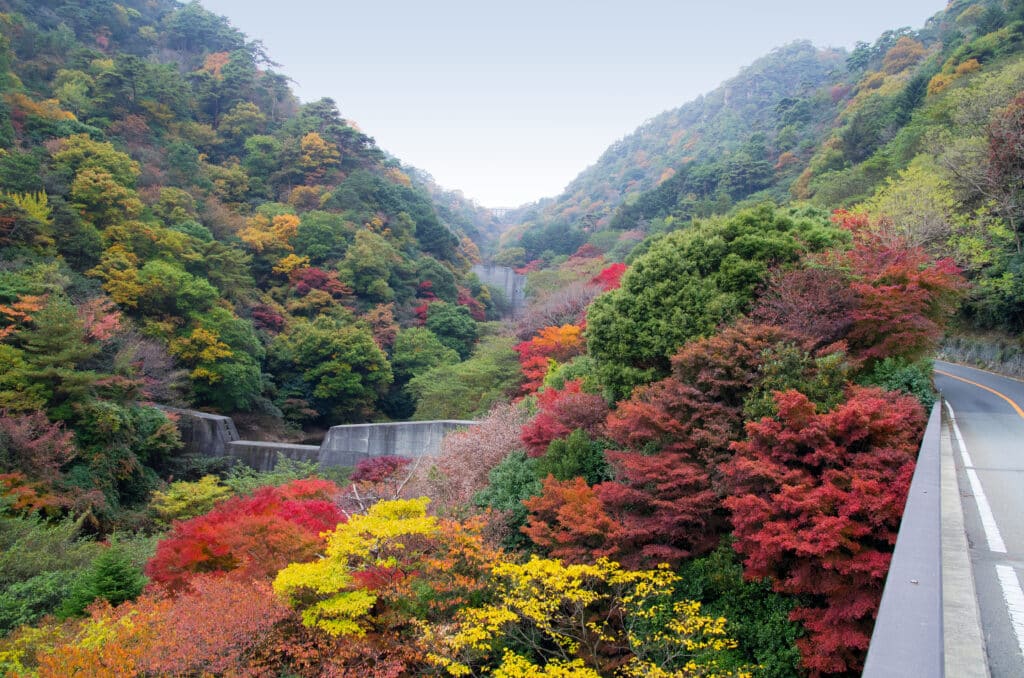
The combination of mountain scenery, comfortable walking temperatures, and waterfront views makes autumn especially rewarding.
Our verdict: If you can choose freely, October or November would be my first recommendation for Kobe.
Winter in Kobe (December–February): Worth Visiting?
Winter is an underrated time to explore Kobe.
Temperatures are cooler, but the city generally experiences relatively dry winters compared with many parts of Japan. Snow is uncommon in central Kobe, although mountain areas can be significantly colder.
Winter is particularly suitable for enjoying Kobe’s restaurants, exploring Chinatown, visiting the harbor, and relaxing at Arima Onsen.
The shorter daylight hours mean you’ll need to plan mountain attractions more carefully, but the illuminated waterfront can be especially atmospheric after sunset.
Our verdict: Winter is a good option if you prefer quieter sightseeing and don’t mind cooler temperatures.
When Should You Avoid Kobe?
There isn’t a season when Kobe becomes completely unsuitable for sightseeing, but some periods require additional planning.
- Golden Week (late April–early May): Popular attractions and transport can be busier during Japan’s national holiday period.
- Rainy season (typically June–July): Outdoor activities and panoramic views may be affected by rain or cloud cover.
- July and August: Heat and humidity can make long walking itineraries uncomfortable.
- Typhoon season (especially August–September): Severe weather can disrupt trains, ropeways, and outdoor sightseeing.
For a day trip from Osaka or Kyoto, the easiest solution is to keep your Kobe visit flexible. If the forecast looks poor, consider switching days with another activity on your Kansai itinerary.
Travel Owl Verdict: When Is Kobe at Its Best?
October and November offer the best overall balance of comfortable weather, mountain scenery, and enjoyable sightseeing conditions. April and May are excellent alternatives, especially for travelers visiting Japan during spring.
However, Kobe’s biggest advantage is that its appeal isn’t limited to one season. Its food scene, waterfront, historic neighborhoods, and relaxed atmosphere can be enjoyed throughout the year.
If Kobe is already on your Kansai itinerary, there’s usually no reason to remove it simply because you’re visiting outside spring or autumn.
Common Mistakes When Visiting Kobe (And How to Avoid Them)
Kobe is one of the easiest cities to visit on a day trip from Osaka or Kyoto, but a few planning mistakes can make the experience unnecessarily rushed, expensive, or disappointing.
The good news is that most of these mistakes are easy to avoid. Here are seven things to watch out for when planning your Kobe visit.
⏰ Trying to See Everything
Combining the waterfront, mountains, and Arima Onsen in one day is too ambitious.
✓ Do instead: Choose three or four highlights.
🚉 Choosing the Wrong Station
Shin-Kobe, Sannomiya, and Kobe Station serve different areas.
✓ Do instead: Use Sannomiya for most city visits.
🛍️ Too Much Shopping
Spending hours in Harborland’s malls can leave little time for sightseeing.
✓ Do instead: Prioritize the waterfront promenade.
🥩 Only Thinking About Kobe Beef
Kobe offers much more than an expensive restaurant experience.
✓ Do instead: Explore the harbor, Kitano, and Chinatown.
💴 Paying for Every Viewpoint
Multiple observation decks can increase costs without adding much variety.
✓ Do instead: Pick Nunobiki or Port Tower.
🌦️ Ignoring Mountain Weather
Clouds and strong winds can spoil views or affect ropeway services.
✓ Do instead: Check conditions before going uphill.
🧭 Visiting Without a Clear Reason
Kobe isn’t essential for every Kansai itinerary, especially if you haven’t explored Kyoto or Osaka yet.
✓ Do instead: Visit for its waterfront, mountain scenery, food, and relaxed atmosphere.
Final Advice: Keep Your Kobe Visit Simple
Kobe is at its best when you leave enough time to enjoy the scenery, food, and atmosphere rather than rushing from one attraction to the next.
Choose your priorities, plan a sensible route, and don’t feel obligated to visit every famous sight. A relaxed day with three memorable experiences is often more rewarding than a packed itinerary.
Final Verdict: Is Kobe Worth Visiting or Should You Skip It?
Yes, Kobe is worth visiting — but it isn’t an essential stop on every Japan itinerary.
Kobe’s greatest appeal is its combination of mountain scenery, an attractive waterfront, international heritage, and a more relaxed atmosphere than nearby Osaka. It’s an enjoyable city to explore, especially if you’ve already experienced Kansai’s major highlights.
However, if you’re visiting Japan for the first time and have only a few days in the region, Kyoto, Osaka, and potentially Himeji will often deserve higher priority.
The key question isn’t whether Kobe is a good destination. It’s whether Kobe offers something your itinerary is currently missing.
The Final Kobe Decision Guide
🦉 Is Kobe Right for Your Japan Itinerary?
Choose the option that best matches your interests, available time, and travel priorities.
✅ Visit Kobe
You have an extra day in Kansai, enjoy waterfront scenery and mountain views, or want a relaxed alternative to Osaka’s busy districts.
⏭️ Skip Kobe
Your Kansai itinerary is already packed, you’re visiting Japan for the first time with limited days, or traditional culture and historic landmarks matter more.
🌙 Stay Overnight
You want to explore the mountains, relax at Arima Onsen, enjoy Kobe’s illuminated harbor, or travel at a slower pace.
⭐ Travel Owl Recommendation: For most first-time visitors, Kobe is best treated as an optional day trip from Osaka rather than a destination that requires its own overnight stay. Visit if you have extra time and enjoy scenery, food, and relaxed city exploration. Otherwise, skip it without worrying that you’ve missed an essential Japan experience.
Our Final Recommendation
Kobe is worth visiting if you have extra time in Kansai and want to experience a different side of Japan. Its scenic waterfront, mountain views, and relaxed atmosphere make it an enjoyable contrast to Kyoto and Osaka.
But if your itinerary is already packed, you can confidently skip Kobe without missing an essential Japan experience.
The best Japan itinerary isn’t about visiting every city. It’s about choosing the places that matter most to you.
FAQ: Is Kobe Worth Visiting?
Is Kobe worth visiting for first-time travelers to Japan?
Yes, especially if you have extra time in Kansai. Kobe offers attractive waterfront scenery, mountain views, international heritage, and excellent food. However, Kyoto and Osaka usually deserve higher priority on a short first-time Japan itinerary.
Is Kobe better than Osaka?
Neither is universally better. Osaka is ideal for street food, nightlife, shopping, and energetic city life. Kobe is better suited to travelers who prefer a relaxed atmosphere, scenic harbor walks, and mountain views. Osaka is generally the more practical base for exploring Kansai.
Is Kobe worth a day trip from Osaka?
Yes. Kobe is one of the easiest day trips from Osaka, with fast trains taking approximately 20–30 minutes between central stations. A full day allows you to explore Nunobiki Herb Gardens, Kitano, Chinatown, and the waterfront without changing hotels.
How many hours do you need in Kobe?
Four to five hours is enough for Chinatown, Meriken Park, and Harborland. For a more complete experience, allow seven to nine hours so you can also visit Nunobiki Herb Gardens or Kitano. Staying overnight is optional for most travelers.
Is Kobe worth visiting without eating Kobe beef?
Absolutely. Kobe’s appeal goes far beyond its famous beef. Its waterfront, mountain scenery, historic Western-style buildings, Chinatown, and nearby hot springs make it an enjoyable destination even if you skip premium dining entirely.
Is Kobe expensive to visit?
Not necessarily. Many attractions, including Meriken Park, Harborland’s promenade, and Chinatown’s streets, are free to explore. Transportation and casual meals can be affordable, while ropeway rides, observation decks, and premium restaurants increase the cost.
What is Kobe most famous for?
Kobe is internationally famous for Kobe beef, its historic port, and its multicultural heritage. Popular attractions include Kobe Port Tower, Meriken Park, Nunobiki Herb Gardens, Kitano Ijinkan, and nearby Arima Onsen.
Is Kobe worth staying overnight?
For most visitors, a day trip from Osaka is sufficient. An overnight stay becomes more appealing if you want to explore Mount Rokko, visit Arima Onsen, enjoy the harbor after dark, or experience Kobe at a slower pace.
Should I visit Kobe or Himeji?
Choose Himeji if Japanese castles, history, and traditional architecture are your priorities. Choose Kobe if you prefer waterfront scenery, mountain viewpoints, international neighborhoods, and food experiences. Both are practical day trips from Osaka.
Explore More Japan Guides
🗾 Plan Your Next Stop in Japan
Still deciding how Kobe fits into your Japan itinerary? These Travel Owl guides will help you compare destinations, choose your priorities, and avoid spending valuable travel time on experiences that don’t match your interests.
Travel Owl Tip: The best Japan itinerary isn’t the one with the most destinations. It’s the one that gives you enough time to enjoy the places you choose.