
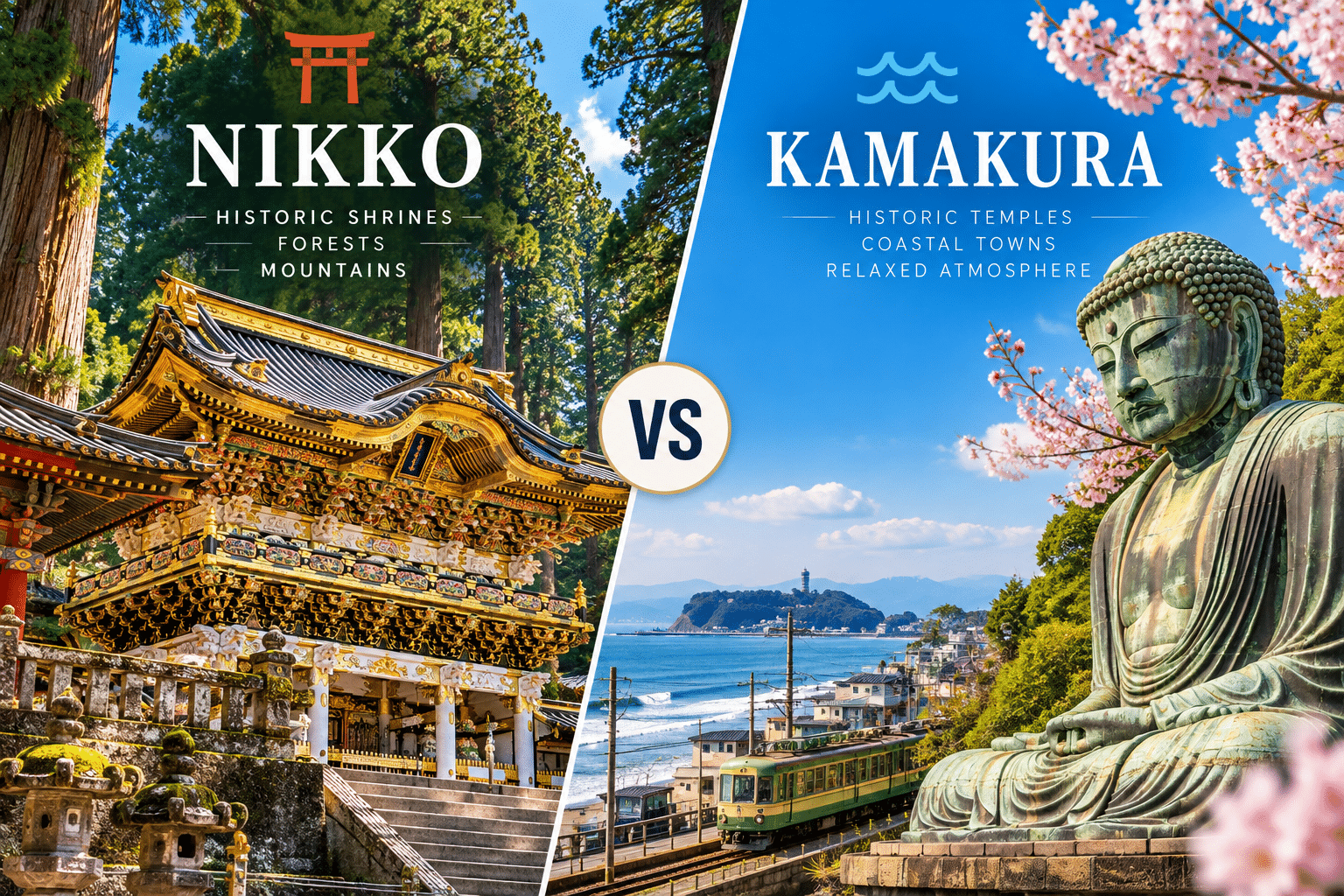
For most first-time visitors, Kamakura is the easier and more flexible day trip from Tokyo. It combines famous temples, the Great Buddha, historic streets, cafés, wooded hills, and the coast without requiring a particularly early start or a complicated itinerary.
That said, Nikko can be the more memorable choice if you are willing to spend more time getting there. Its spectacular shrines, towering cedar forests, and mountain setting create a much stronger contrast with Tokyo, making it one of the most distinctive cultural day trips within reach of the capital.
The real decision, therefore, is not simply which destination has better attractions. It is what you want from your one free day. Kamakura gives you more flexibility and more sightseeing time for the effort involved. Nikko asks for a longer journey and an earlier start, but rewards that investment with a grander and more dramatic experience.
And you do not necessarily have to choose between them. If your Tokyo stay is long enough, Nikko and Kamakura complement each other surprisingly well: one takes you into the mountains and Japan’s Tokugawa history, while the other combines historic temples with the relaxed atmosphere of a coastal town.
This guide compares Nikko and Kamakura across the decisions that matter most — from travel time, temples, scenery, and seasonal appeal to how tiring each day trip is and how much you can realistically see. By the end, you’ll know not only which Tokyo day trip to choose, but why it is the better choice for your travel style and itinerary.
Quick Decision Guide: Nikko vs Kamakura
Still not sure which day trip fits your travel style? This quick comparison focuses on the decisions that matter most. If several statements sound like you, don’t worry — we’ll explore each one in more detail throughout this guide.
Convenience or Impact?
That is the simplest way to think about this decision. 🌊 Kamakura wins on convenience, flexibility, and efficient use of your day. ⛩️ Nikko requires a bigger investment of time but delivers the more dramatic setting and stronger sense of escape. Neither is automatically better — the smartest choice depends on what you want your day away from Tokyo to feel like.
Table of Contents
Nikko vs Kamakura at a Glance
Before we look at different travel styles, here is the practical difference between the two day trips. Both offer historic temples, beautiful scenery, and a complete change from central Tokyo — but they use your day very differently.
🦉 Travel Owl Insight
Many travelers compare Nikko and Kamakura by asking which has the better temples. We don’t think that’s the most useful question.
The bigger difference is how you want to spend your day. 🌊 Kamakura lets you combine sightseeing with wandering, cafés, food, and the coast at a relatively relaxed pace. ⛩️ Nikko turns the day itself into more of an excursion — longer travel, a stronger mountain setting, and some of the most impressive historic architecture within reach of Tokyo.
Less travel, more flexibility, and an easy mix of culture, walking, food, and coastal atmosphere.
More travel and planning, but a bigger sense of escape and a more dramatic cultural setting.
Travel Owl Travel Personalities
Forget the guidebooks for a moment. Instead of asking which destination is more famous, think about what your ideal day outside Tokyo actually looks like. Which of these travelers sounds most like you?
The Relaxed Explorer
You love…
- ✔ exploring at your own pace
- ✔ temples and historic streets
- ✔ cafés and local food
- ✔ walking between sights
- ✔ spontaneous detours
- ✔ combining culture with the coast
👉 Kamakura is your day trip.
The Scenic Explorer
You love…
- ✔ spectacular historic sites
- ✔ mountains and forests
- ✔ photography
- ✔ impressive architecture
- ✔ destinations with a sense of adventure
- ✔ experiences worth an early start
👉 Nikko is your day trip.
The Culture Lover
You love…
- ✔ Japanese history
- ✔ temples and shrines
- ✔ traditional architecture
- ✔ religious heritage
- ✔ discovering historic Japan
- ✔ understanding the story behind a place
👉 Your choice depends on the culture you want.
🏯 Culture Lover? Here’s the Tie-Breaker
If the third personality sounds most like you, the decision becomes more interesting because both destinations are outstanding cultural day trips. But they showcase very different sides of Japanese history.
If you are more interested in Zen Buddhism, samurai-era history, traditional temples, the Great Buddha, and exploring several historic sites throughout the day.
If you are more interested in Tokugawa history, elaborate shrine architecture, sacred forests, and one extraordinary concentration of monumental religious sites.
Your Travel Style Matters More Than the Attraction List
If your perfect day involves wandering, stopping for coffee, visiting several temples, and changing plans whenever something catches your attention, choose 🌊 Kamakura. If you would happily wake up early and spend longer on a train for a destination that feels grander, more remote, and more dramatic, choose ⛩️ Nikko.
Nikko or Kamakura? Follow This Decision Tree
Still unsure which day trip fits your Tokyo itinerary? Start with the question that matters most and follow the path that best matches your priorities.
Is keeping the day easy and flexible important to you?
🌊 Choose Kamakura
Kamakura is closer to Tokyo, easier to explore, and gives you much more freedom to change your plans during the day.
Keep Going ↓
If you don’t mind an early start and a longer journey, your interests should decide the winner.
What sounds more exciting?
You want to wander between historic temples, see the Great Buddha, explore local streets, stop for food, and perhaps finish near the sea.
→ Choose KamakuraYou want monumental architecture, Tokugawa history, towering cedar trees, and a destination that feels much farther removed from Tokyo.
→ Choose NikkoStill can’t decide? Ask yourself one more question.
Would you rather have more freedom during the day — or a bigger sense of adventure?
For Most Travelers, the Decision Is Surprisingly Simple
Choose 🌊 Kamakura when you want the easier, more flexible, and more varied day trip. Choose ⛩️ Nikko when you are happy to invest more time in transportation for a grander cultural experience and a stronger escape from Tokyo.
Which Is Easier as a Tokyo Day Trip?
Both Nikko and Kamakura can be visited from Tokyo in one day, but Kamakura is considerably easier. The difference is not just the train journey. It affects when you need to leave, how much flexibility you have during the day, and how much energy you still have when you return to Tokyo.
Kamakura is roughly an hour from central Tokyo and can be reached directly from major stations such as Tokyo and Shinjuku. Nikko generally requires around two hours each way, depending on your departure point and the train you choose.
Getting to Kamakura
Typical journey: about 1 hour
- ✔ Direct trains from central Tokyo
- ✔ No very early start required
- ✔ Easy to shorten or extend the day
- ✔ Simple return to Tokyo
- ✔ Good choice for a spontaneous day trip
Getting to Nikko
Typical journey: about 2 hours
- ✔ Comfortable train connections
- ✔ Completely realistic as a day trip
- ✖ Early departure is much more useful
- ✖ Around four hours of return travel
- ✖ Wider Nikko requires additional transport
⏱️ The Real Difference Is Usable Sightseeing Time
Imagine leaving Tokyo at 8:00 in the morning. You could be in Kamakura around 9:00 and already starting your sightseeing. For Nikko, you may not arrive until around 10:00 — and you still need to reach the main sightseeing area.
The same difference appears at the end of the day. From Kamakura, returning to Tokyo is relatively easy, so staying for dinner or changing your plans rarely creates a major problem. In Nikko, you are more likely to watch the clock because you still have a long journey back.
What About Lake Chuzenji and Kegon Falls?
This is where the Nikko day trip becomes more complicated. The famous shrines and temples are relatively concentrated, but Lake Chuzenji, Kegon Falls, and the landscapes of Okunikko lie farther into the mountains.
Trying to combine the main World Heritage area with several of these natural attractions in one day can turn Nikko into a much more rushed trip. For most first-time visitors, it is smarter to decide what matters most rather than treating the entire Nikko region as one sightseeing area.
If you choose ⛩️ Nikko as a day trip, don’t try to see everything. Prioritize the World Heritage shrine and temple area, or build your day around the mountain scenery. Trying to maximize both can turn an extraordinary destination into an exhausting itinerary.
🌊 Best Choice for an Easy Day Trip: Kamakura
Kamakura wins comfortably for convenience. You spend less time getting there, have more freedom once you arrive, and can enjoy the day without carefully optimizing every hour. Choose Nikko when the destination itself excites you enough to justify the extra travel — not simply because it appears on a list of popular Tokyo day trips.
Which Has the Better Temples & Shrines?
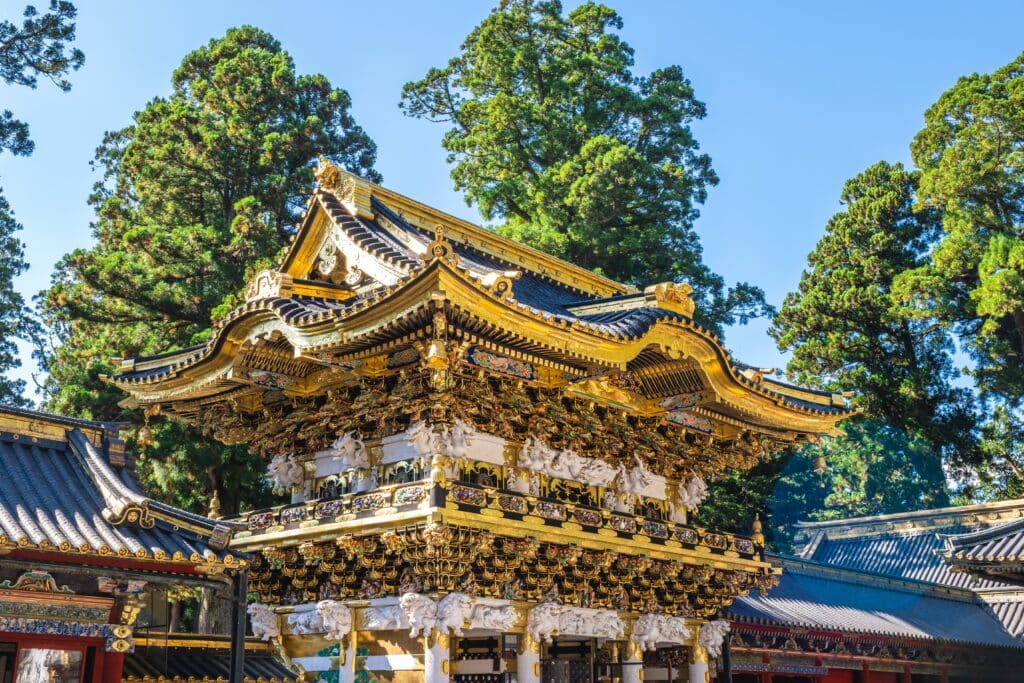
Temples and shrines are a major reason to visit both destinations, but Nikko and Kamakura offer completely different cultural experiences. Nikko impresses with grandeur, elaborate architecture, and a spectacular forest setting. Kamakura is more about variety — moving between Zen temples, shrines, gardens, and historic streets throughout the day.
So the question is not which destination has more religious sites. It is whether you prefer one extraordinary concentration of monumental sights or a more varied day of temple-hopping.
Kamakura: Variety & Zen Heritage
Kamakura was once the political center of medieval Japan and remains one of the country’s most important historic temple cities.
- ✔ Kotoku-in & the Great Buddha
- ✔ Hasedera Temple
- ✔ Tsurugaoka Hachimangu
- ✔ Kenchoji Temple
- ✔ Engakuji Temple
- ✔ Strong Zen Buddhist heritage
Nikko: Grandeur & Spectacle
Nikko’s famous shrines and temples sit among towering cedar trees and form one of Japan’s most impressive historic religious complexes.
- ✔ Toshogu Shrine
- ✔ Rinnoji Temple
- ✔ Futarasan Shrine
- ✔ Taiyuin
- ✔ UNESCO World Heritage setting
- ✔ Strong Tokugawa connection
⛩️ Choose Nikko for the Bigger “Wow” Factor
If you want the cultural sight that makes you stop and look at every detail, Nikko has the advantage. Toshogu Shrine is dramatically different from the restrained wooden temples many travelers associate with Japan. Elaborate carvings, decorated gates, gold details, and the surrounding cedar forest give the complex an almost theatrical sense of grandeur.
The setting matters just as much as the architecture. Walking between sacred buildings beneath enormous trees makes the World Heritage area feel separate from the modern town around it. For many visitors, the combination of architecture and forest is what makes Nikko memorable.
🌊 Choose Kamakura for Temple-Hopping
Kamakura’s strength is not one overwhelming religious complex. It is the variety of experiences you can combine during the day.
You might start among the Zen temples of Kita-Kamakura, continue toward Tsurugaoka Hachimangu, explore the center of town, then visit Hasedera and stand beneath the Great Buddha at Kotoku-in. Each stop feels different, and the streets, gardens, hills, cafés, and neighborhoods between them become part of the experience.
That makes Kamakura particularly rewarding for travelers who enjoy exploring rather than simply moving between headline attractions.
What If You Are Already Visiting Kyoto?
This can actually change the decision. If your Japan itinerary already includes several days in Kyoto, you may see many temples, shrines, gardens, and traditional neighborhoods there.
In that situation, Nikko can add more contrast to your itinerary. Toshogu’s elaborate architecture and forest setting feel quite different from many of Kyoto’s most famous religious sites. Kamakura is still worthwhile — particularly for its Great Buddha, Zen heritage, and coastal atmosphere — but another full temple-focused day may be less important if your itinerary is already rich in historic cities.
⛩️ Best Choice for Cultural Impact: Nikko
Nikko wins if your priority is the most impressive single temple-and-shrine experience. Choose 🌊 Kamakura instead if you prefer variety, Zen heritage, and the pleasure of discovering several very different historic sites throughout a relaxed day.
Which Has Better Nature & Scenery?
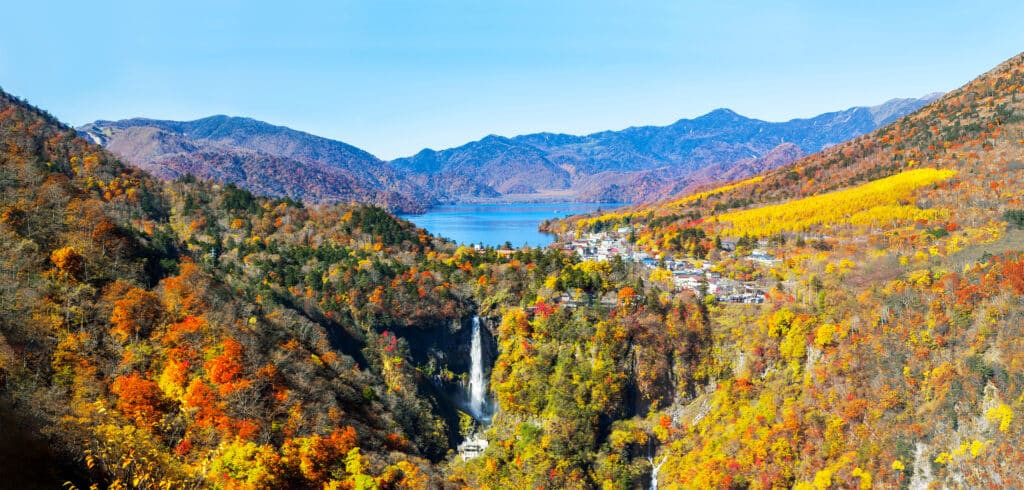
This comparison looks straightforward at first: Nikko has mountains, forests, waterfalls, and lakes, while Kamakura has wooded hills and the coast. But for a day trip, there is an important catch — Nikko’s most spectacular natural scenery is not all located beside its famous shrines.
That means there are really two questions: Which destination has the more impressive nature? And which lets you combine nature with sightseeing more easily in a single day?
Kamakura: Hills Meet the Sea
Kamakura’s scenery is gentler but unusually varied for somewhere so close to Tokyo.
- ✔ Wooded temple grounds
- ✔ Hills surrounding the historic center
- ✔ Walking and hiking routes
- ✔ Yuigahama Beach
- ✔ Coastal views
- ✔ Easy access toward Enoshima
Nikko: Mountains & Wilderness
Nikko offers the more dramatic landscapes and a much stronger feeling of being surrounded by nature.
- ✔ Towering cedar forests
- ✔ Mountain landscapes
- ✔ Lake Chuzenji
- ✔ Kegon Falls
- ✔ Senjogahara Marshland
- ✔ Spectacular autumn scenery
⛩️ For Pure Scenery, Nikko Wins
If nature is one of the main reasons you are leaving Tokyo, Nikko has the stronger hand. The landscape becomes increasingly mountainous as you move beyond the historic center into Okunikko, where Lake Chuzenji, Kegon Falls, forested slopes, and highland scenery create an experience that feels far removed from the capital.
Even if you stay around the World Heritage area, nature is part of the experience. The famous shrines and temples are surrounded by enormous cedar trees, so the cultural sights never feel completely separated from the forest.
This combination is particularly powerful in autumn, when Nikko becomes one of the most famous foliage destinations within reach of Tokyo.
🌊 But Kamakura Integrates Nature Into the Day More Easily
Kamakura cannot compete with Nikko for mountain drama, but it has another advantage: you do not need to make nature a separate excursion.
Temple gardens, wooded hills, walking paths, residential streets, and the coastline can all become part of the same sightseeing route. After visiting Hasedera and the Great Buddha, for example, you can continue toward the coast rather than committing to another long bus journey.
That makes Kamakura particularly attractive if you want a little bit of everything rather than dedicating most of the day to either cultural sights or natural scenery.
Nikko has better nature, but Kamakura makes nature easier to include. This distinction matters on a day trip. Reaching some of Nikko’s most impressive landscapes takes additional time beyond the journey from Tokyo, while Kamakura’s hills and coastline fit naturally around its main cultural sights.
Culture + Nature: The Important Trade-Off
⛩️ Best Choice for Nature & Scenery: Nikko
Nikko is the clear winner if scenery is a major priority. Its forests, mountains, waterfalls, and lake landscapes simply operate on a different scale.
But for a one-day itinerary, there is an important qualification: 🌊 Kamakura offers the more efficient culture-and-nature combination. Choose Nikko for spectacular scenery. Choose Kamakura when you want nature to fit effortlessly around the rest of your day.
Which Feels More Different from Tokyo?
One of the biggest reasons to take a day trip is to experience something you are not already getting in Tokyo. On that measure, both destinations work — but Nikko creates the stronger contrast.
Kamakura changes the pace. Nikko changes the setting.
Kamakura: A Change of Pace
Kamakura feels calmer, smaller, and more relaxed than Tokyo, but it still has the energy of a popular town.
- ✔ Historic temples and shrines
- ✔ Walkable local neighborhoods
- ✔ Small shops and cafés
- ✔ Wooded hills
- ✔ Beach and coastal atmosphere
- ✔ Easygoing sightseeing
Nikko: A Change of World
Nikko creates a much sharper break from Tokyo’s urban landscape, particularly around its sacred forests and mountain scenery.
- ✔ Towering cedar forests
- ✔ Monumental historic shrines
- ✔ Mountain surroundings
- ✔ Cooler, more secluded atmosphere
- ✔ Strong sense of history
- ✔ Greater feeling of escape
🌊 Kamakura Still Feels Connected to Greater Tokyo
Kamakura is an excellent escape from Tokyo, but it does not feel remote. Trains arrive frequently, the center can be busy, Komachi-dori has plenty of shops and visitors, and the wider coastal area has a lively, lived-in character.
That is not necessarily a disadvantage. In fact, it is one of Kamakura’s strengths. You can leave Tokyo in the morning and quickly find yourself walking between centuries-old temples, quiet residential streets, cafés, gardens, and the sea without feeling that you have undertaken a major journey.
Kamakura therefore works especially well when you want a refreshing break from Tokyo rather than a complete departure from it.
⛩️ Nikko Feels Like You Have Traveled Much Farther
Nikko creates a different psychological effect. The longer train journey, forested surroundings, monumental shrines, and mountain backdrop make the destination feel much farther removed from Tokyo than the distance on a map might suggest.
That feeling becomes even stronger if your itinerary extends toward Okunikko. By the time you reach areas around Lake Chuzenji or Kegon Falls, Tokyo can feel like part of a completely different trip.
For travelers spending several consecutive days in Tokyo’s dense urban environment, this contrast can be extremely valuable.
Think of the difference this way: 🌊 Kamakura gives you contrast without inconvenience. ⛩️ Nikko gives you contrast because you have made a bigger journey. The extra travel time to Nikko is a disadvantage when efficiency matters — but it also contributes to the feeling that you have genuinely left Tokyo behind.
Which Fits Better Into Your Japan Itinerary?
This is where the answer can change depending on what comes before and after Tokyo.
⛩️ Nikko becomes particularly valuable. The forests and mountains provide a stronger break from an itinerary dominated by Tokyo, Osaka, and other urban destinations.
🌊 Kamakura may add more variety. Its combination of temples, historic streets, cafés, and coastline offers a different experience without using another full day for a mountain excursion.
🌊 Kamakura is usually easier to justify. You get a substantial change of atmosphere while sacrificing less of your limited Tokyo sightseeing time.
⛩️ Biggest Escape from Tokyo: Nikko
Nikko wins if your goal is to experience the strongest possible contrast with Tokyo. The forests, mountains, sacred atmosphere, and monumental shrines make the journey feel like a genuine escape. Choose 🌊 Kamakura when you want a change of pace rather than a change of world — and want that contrast with considerably less travel.
Which Has the Better Atmosphere?
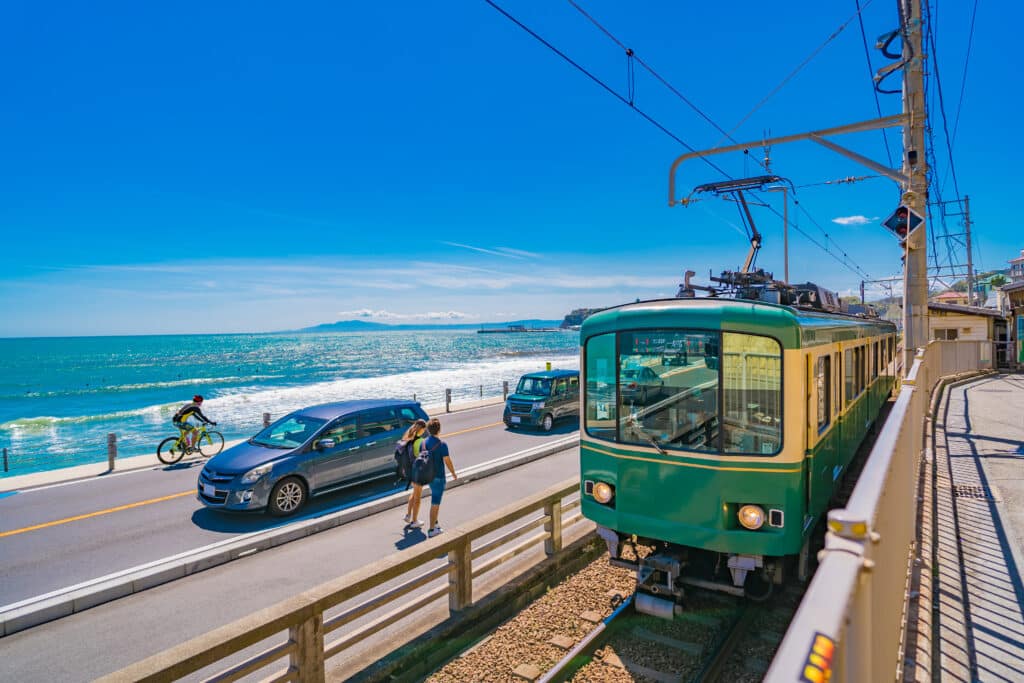
This is one of the most subjective parts of the Nikko vs Kamakura comparison — and also one of the most important. Attractions tell you what you will see; atmosphere determines how the day actually feels.
Kamakura feels lively, relaxed, and easy to explore. Nikko feels quieter, more solemn, and more immersive. Neither atmosphere is automatically better, but they suit very different kinds of day trips.
Kamakura: Relaxed & Lively
Kamakura combines historic Japan with the atmosphere of a popular coastal town. The day rarely feels like one continuous sightseeing mission.
- ✔ Historic but informal
- ✔ Cafés and small shops
- ✔ Bustling local streets
- ✔ Quiet temple grounds
- ✔ Coastal atmosphere
- ✔ Easy to wander without a strict plan
Nikko: Sacred & Immersive
Nikko’s atmosphere comes from the combination of monumental religious sites, enormous cedar trees, and its mountain setting.
- ✔ Strong sense of history
- ✔ Sacred forest setting
- ✔ Monumental architecture
- ✔ Cooler mountain character
- ✔ More immersive sightseeing
- ✔ Stronger sense of occasion
🌊 Kamakura Is Better for Wandering
One of Kamakura’s biggest strengths is that the spaces between the major attractions are part of the experience. You can walk through residential streets, browse shops, stop for coffee or lunch, visit another temple because it looks interesting, and eventually make your way toward the coast.
There is no single moment when you feel that you have “finished” Kamakura. That makes it particularly enjoyable for travelers who prefer exploring a place rather than completing a sightseeing checklist.
The atmosphere can change several times during the same day: peaceful around the Zen temples of Kita-Kamakura, energetic around Komachi-dori, contemplative inside Hasedera, and distinctly coastal as you approach the sea.
⛩️ Nikko Is Better for Immersion
Nikko creates a more concentrated experience. Once you enter the forested World Heritage area, the modern town begins to fade into the background and the historic setting takes over.
Toshogu may be busy, but the combination of ornate buildings, stone lanterns, moss, old trees, temple paths, and mountain air gives the area a strong sense of place that is difficult to reproduce elsewhere on a Tokyo day trip.
Nikko therefore tends to feel less casual than Kamakura. You are not primarily going there to browse and wander. You are going there to experience Nikko.
This may be the best atmosphere test of all: Do you want your day trip to feel like a place you explore or a destination you experience? 🌊 Kamakura rewards curiosity and spontaneity. ⛩️ Nikko rewards committing the day to one distinctive setting.
What Kind of Day Sounds Better to You?
Visit a Zen temple, wander through town, stop for lunch, see the Great Buddha, discover another temple along the way, grab a coffee, and finish the afternoon near the coast.
Arrive early, walk beneath towering cedar trees, explore Toshogu and the surrounding sacred sites, absorb the history, and perhaps add a carefully chosen nature stop before returning to Tokyo.
🤝 Atmosphere: It Depends on Your Travel Style
There is no meaningful overall winner here. Choose 🌊 Kamakura for a relaxed, varied day with more room for spontaneous exploring. Choose ⛩️ Nikko for a deeper sense of immersion, history, and escape. In this category, your preferred travel style matters far more than any attraction ranking.
Which Is Better by Season?
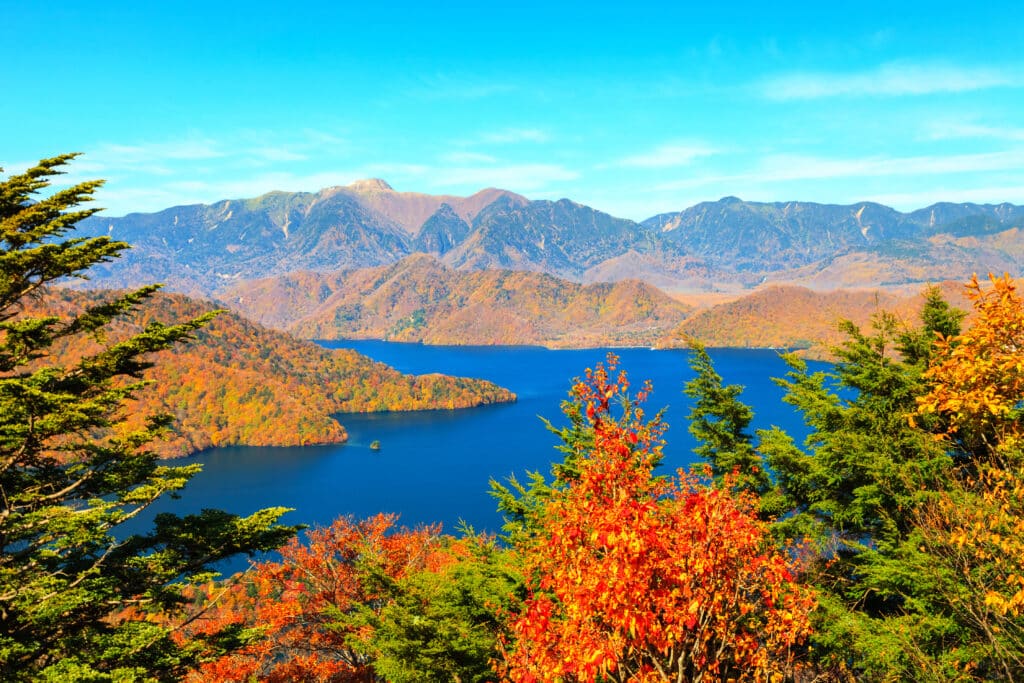
Season can change this decision more than you might expect. Nikko’s mountain location makes seasonal changes more dramatic, while Kamakura remains an easier and more flexible day trip throughout most of the year.
If your Tokyo dates are already fixed, the time of year may even give you a clear winner.
🌸 Spring: Kamakura Has the Edge
Both destinations work well in spring, but Kamakura is the easier recommendation for most travelers. Mild temperatures suit a day of walking between temples, gardens, historic streets, and the coast, while seasonal flowers add another layer to the sightseeing.
Nikko is also beautiful as the mountain landscape turns green again, but its higher elevation means spring develops differently from central Tokyo. If your main goal is an easy cultural day trip during a spring visit, Kamakura generally fits more naturally.
💠 Early Summer: Kamakura for Hydrangeas
June gives Kamakura one of its most distinctive seasonal attractions: hydrangeas. Temples such as Hasedera and Meigetsuin are particularly associated with the flowering season, and the combination of lush greenery, temple grounds, and colorful blooms can make early summer an especially rewarding time to visit.
There is a trade-off: hydrangea season is popular, so famous locations can become crowded. But if seasonal flowers are one of your priorities, 🌊 Kamakura is the stronger choice.
☀️ Mid-Summer: Nikko Becomes More Attractive
July and August can be hot and humid in Tokyo and Kamakura. The coast gives Kamakura a distinctly summery atmosphere, but sightseeing on foot during the hottest part of the day can be tiring.
Nikko’s mountain environment changes the equation. Higher-elevation areas around Okunikko can provide a refreshing contrast to Tokyo’s summer heat, while forests and mountain scenery become part of the appeal.
If escaping the urban summer is your priority, this is one of the times when ⛩️ Nikko becomes particularly attractive.
🍁 Autumn: Nikko Is the Standout Choice
If there is one season when Nikko gains a major advantage, it is autumn. The combination of mountains, forests, lakes, waterfalls, and changing leaves creates one of the most dramatic seasonal landscapes near Tokyo.
There is another advantage: because Nikko covers a wide range of elevations, autumn colors do not arrive everywhere at exactly the same time. Higher areas around Okunikko generally change before the lower World Heritage area.
Kamakura also has attractive autumn foliage around its temples and gardens, and its colors often arrive later. But if autumn scenery is one of the main reasons for your day trip, ⛩️ Nikko is the stronger choice.
Autumn is also one of Nikko’s busiest periods. Don’t automatically choose Nikko just because the foliage is famous. The extra visitors and traffic can make an already long day trip less efficient. If your Tokyo itinerary is tight, 🌊 Kamakura may still be the smarter use of your day.
❄️ Winter: Kamakura Is the Easier Choice
Winter can be a surprisingly good time for Kamakura. Cooler temperatures suit walking, major sights remain easy to reach, and the experience can feel calmer outside peak travel periods.
Nikko in winter has a completely different appeal. Cold air, forests, historic buildings, and occasional snow can create a wonderfully atmospheric setting. But conditions are colder, daylight is shorter, and adding the higher mountain areas requires more attention to weather and transport.
For most first-time visitors looking for a straightforward winter day trip, 🌊 Kamakura is the safer all-round choice. Choose Nikko if the winter mountain atmosphere is specifically part of what you want.
Season alone should not override your travel style, but it can break a close tie. Kamakura is the more consistently easy choice across the year, while Nikko becomes especially compelling when its mountain environment is part of the experience — particularly in summer and autumn.
How Much Can You Realistically See in One Day?
A successful day trip is not about squeezing in the maximum number of attractions. It is about seeing enough without spending the entire day checking the time. This is another area where Kamakura and Nikko behave very differently.
In Kamakura, you can comfortably combine several major sights with lunch, wandering, and some unplanned stops. In Nikko, you need to be more selective — especially if you want to combine the World Heritage area with the mountain scenery around Lake Chuzenji.
A Realistic Kamakura Day
- ✔ One or two temples in Kita-Kamakura
- ✔ Tsurugaoka Hachimangu
- ✔ Komachi-dori and lunch
- ✔ Hasedera
- ✔ Great Buddha at Kotoku-in
- ✔ Optional coast or extra temple
Result: A full sightseeing day that can still leave room for spontaneous stops.
A Realistic Nikko Day
- ✔ Shinkyo Bridge
- ✔ Toshogu Shrine
- ✔ Rinnoji Temple
- ✔ Futarasan Shrine
- ✔ Taiyuin
- ✔ Lunch and some time to explore
Result: An excellent cultural day trip — but with less spare time because of the longer journey from Tokyo.
🌊 Kamakura Gives You More Room to Improvise
The advantage of Kamakura is not simply that attractions are relatively close together. You also have more usable hours once you arrive.
That makes it easier to slow down when you find somewhere you like. You can spend longer at Hasedera, stop for lunch without worrying about losing an hour, browse around Komachi-dori, or add another temple if you are ahead of schedule.
You can also build a shorter itinerary without feeling that the journey was wasted. Even four or five hours in Kamakura can produce a satisfying day trip.
⛩️ Nikko Rewards Prioritization
Nikko is different. The longer journey means you have fewer hours available, so trying to see everything can quickly reduce the quality of the experience.
For a first visit, concentrating on the World Heritage area is completely reasonable. Toshogu, Rinnoji, Futarasan, and Taiyuin already provide enough history, architecture, and forest atmosphere for a rewarding day.
The problem begins when you treat Lake Chuzenji, Kegon Falls, and the wider mountain area as if they were simply additional attractions around the corner.
Don’t build your Nikko day around collecting attractions. The World Heritage area and Okunikko are different sightseeing zones, and moving farther into the mountains adds significant transport time. If you only have one day, decide which experience matters most before you leave Tokyo.
What If You Want the Shrines AND Lake Chuzenji?
It can be done with careful planning and an early start, but this is where Nikko changes from a relaxed day trip into an optimized itinerary.
You would need to keep your time around the historic sites under control, coordinate onward transport, and accept less flexibility later in the day. Seasonal traffic — particularly during popular autumn periods — can make the schedule even less predictable.
For travelers who strongly want both experiences, there is a better solution: consider staying overnight in Nikko. That allows you to separate the historic area from the mountain scenery instead of compressing two very different experiences into a single day.
🌊 Best Choice for Making the Most of One Day: Kamakura
Kamakura gives you more sightseeing for the amount of travel involved — and more freedom over how you use those hours. Nikko can still be an outstanding day trip, but the smartest approach is to see fewer things well. If your Nikko wish list includes both the major historic sites and extensive mountain sightseeing, consider turning it into an overnight stay instead.
Which Day Trip Is More Tiring?
A day trip can look perfect on paper and still be the wrong choice if it leaves you exhausted for the next day of your Japan itinerary. Nikko is generally the more tiring day trip, while Kamakura gives you much more control over the pace.
The difference comes from more than walking. Travel time, early starts, local transportation, and the pressure to make the journey worthwhile all affect how demanding the day feels.
Kamakura: Active but Flexible
You may walk a lot in Kamakura, but you have considerable control over how demanding the day becomes.
- ✔ Shorter journey from Tokyo
- ✔ No very early start required
- ✔ Easy to use local trains when needed
- ✔ Plenty of cafés and rest stops
- ✔ Easy to remove attractions
- ✔ Simple to return to Tokyo early
Nikko: A Full-Day Commitment
Nikko requires more energy before you even begin sightseeing, particularly if you want to maximize your time there.
- ✔ Rewarding full-day experience
- ✖ Longer train journey
- ✖ Earlier start is useful
- ✖ More time spent on transportation
- ✖ Steps and slopes around historic sites
- ✖ Long journey back to Tokyo
⏱️ Travel Time Is Part of the Fatigue
This is easy to underestimate. A two-hour train journey may not sound particularly tiring, especially when Japanese trains are comfortable. But on a return day trip, Nikko can mean roughly four hours of your day spent getting to and from the destination.
You are also more likely to leave Tokyo early because every additional hour in Nikko matters. After several hours of sightseeing, you still have the full journey back to your hotel.
Kamakura’s shorter distance changes the rhythm completely. You can leave later, return earlier, or simply decide during the afternoon that you have seen enough.
🌊 Kamakura Can Involve Plenty of Walking — But You Control It
Do not mistake “easier” for effortless. A Kamakura itinerary that combines Kita-Kamakura, central Kamakura, Hase, several temples, and the coast can involve a substantial amount of walking.
The advantage is flexibility. If your legs are getting tired, you can skip another temple, use the Enoden for part of the journey, stop at a café, or head back to Tokyo. You do not need to complete a carefully optimized route for the day to feel worthwhile.
The biggest difference is not physical difficulty — it is recovery cost. 🌊 Kamakura can be a busy sightseeing day without necessarily consuming all your energy. ⛩️ Nikko is more likely to feel like one of the major days of your itinerary, especially when combined with a very early start or additional sightseeing in Okunikko.
Think About the Days Before and After
This matters particularly on a first trip to Japan, where itineraries are often already packed with long walking days in Tokyo, Kyoto, Osaka, and other destinations.
Choose 🌊 Kamakura. You can still have a rewarding sightseeing day without adding another major logistical commitment.
Choose ⛩️ Nikko. If an early departure and a long day do not bother you, the extra effort can be completely worthwhile.
Consider staying overnight. It reduces the pressure to fit the historic area and mountain scenery into one demanding day.
Don’t Ignore Itinerary Fatigue
Travelers often evaluate day trips individually: “Can I visit Nikko in one day?” The answer is yes. But the smarter question is whether that day makes sense inside your entire itinerary.
If Nikko comes after three intense days exploring Tokyo and immediately before an early Shinkansen to Kyoto, the problem is not Nikko itself. The problem is the sequence.
A less demanding Kamakura day can sometimes be the better travel decision even if Nikko ranks higher on your attraction wish list.
🌊 Least Tiring Day Trip: Kamakura
Kamakura is the better choice when energy and flexibility matter. You can make the day as active or relaxed as you want and return to Tokyo without a major transportation commitment. Choose ⛩️ Nikko when you are comfortable treating the excursion as one of the bigger days of your Japan itinerary — and believe the extra impact is worth the extra effort.
Which Offers Better Value for Your Time?
When comparing day trips, value is not just about ticket prices. Your time is one of the most limited resources on a Japan trip. A destination can be extraordinary and still be a poor fit if reaching it consumes too much of a short itinerary.
This is where Kamakura has one of its strongest advantages. Nikko may deliver the bigger visual impact, but Kamakura gives you more experience for every hour you invest.
Kamakura: High Time Efficiency
- ✔ About one hour from Tokyo
- ✔ Several major sights in one day
- ✔ Culture, food, streets & coast
- ✔ Little advance planning required
- ✔ Easy to shorten or extend
- ✔ Minimal time lost to transportation
Nikko: High Experience Impact
- ✔ Exceptional World Heritage sites
- ✔ Strong contrast with Tokyo
- ✔ Spectacular forest setting
- ✔ Unique Tokugawa history
- ✔ Greater sense of adventure
- ✖ Significantly more travel time
⏱️ Kamakura Wins on Sightseeing Time
On a Kamakura day trip, roughly two hours of the day may be spent traveling between Tokyo and Kamakura. For Nikko, the return journey can take around four hours.
That difference matters. Two additional hours can mean another temple, a relaxed lunch, time near the coast, or simply returning to Tokyo before you are exhausted.
For travelers with only three or four full days in Tokyo, sacrificing additional hours to transportation is a meaningful cost. Kamakura lets you experience somewhere completely different without consuming quite as much of the day.
⛩️ But Nikko Can Deliver More Impact Per Destination
Time efficiency does not tell the whole story. If Toshogu Shrine, cedar forests, Tokugawa history, or mountain scenery are among the experiences you most want from Japan, the longer journey to Nikko may be an excellent use of your time.
A memorable travel day does not have to contain the most attractions. Sometimes one extraordinary destination is worth more than several convenient ones.
This is why Nikko should not automatically lose simply because it is farther away. Its value depends on how strongly the experience matches your priorities.
Efficiency and value are not the same thing. 🌊 Kamakura is more efficient because you spend less time getting there. ⛩️ Nikko can still offer better personal value if its shrines, forests, and mountain setting are significantly more important to you.
How Much Tokyo Time Do You Have?
The length of your Tokyo stay is one of the best ways to decide whether the additional travel to Nikko makes sense.
🌊 Best Value for Limited Time: Kamakura
For most first-time visitors with a limited number of days in Tokyo, Kamakura offers the better return on your time. It delivers history, temples, local atmosphere, food, and coastal scenery while keeping transportation to a minimum.
But if ⛩️ Nikko is one of the places you are genuinely excited about, don’t reject it simply because the journey is longer. The smartest itinerary is not the one that minimizes travel time — it is the one that spends your limited time on experiences you care about most.
Can You Skip Nikko or Kamakura?
Not every famous day trip needs to be included in your Japan itinerary. If your time in Tokyo is limited, skipping one — or even both — can be the smarter decision.
The question is not whether Nikko and Kamakura are worth visiting. They are. The question is whether either destination adds enough to your particular itinerary to justify giving up another day in Tokyo or elsewhere in Japan.
You Can Skip Kamakura If…
- ✔ Your Tokyo stay is very short
- ✔ You already have several temple-heavy days planned
- ✔ You are spending substantial time in Kyoto
- ✔ Coastal atmosphere is not important to you
- ✔ You prefer dramatic scenery over relaxed exploring
- ✔ Nikko excites you considerably more
You Can Skip Nikko If…
- ✔ You only have a few days in Tokyo
- ✔ Long day trips are not your travel style
- ✔ You dislike early starts
- ✔ Mountains and forests are not priorities
- ✔ You want a flexible rather than structured day
- ✔ You are already visiting other mountain destinations
🌊 When Kamakura Is Easy to Skip
Kamakura becomes less essential when your wider Japan itinerary already contains plenty of historic temples and traditional atmosphere. A traveler spending several days in Kyoto, visiting Nara, and perhaps adding another historic destination may not need another full temple-focused day.
That does not make Kamakura repetitive — the Great Buddha, Zen heritage, local streets, and coastal setting give it its own identity. But with limited time, some of what Kamakura adds may overlap more with experiences elsewhere on a classic first-time itinerary.
If you only have three full days in Tokyo and have not yet explored neighborhoods such as Shibuya, Shinjuku, Asakusa, Ueno, or Ginza, staying in Tokyo may offer better value than forcing Kamakura into the schedule.
⛩️ When Nikko Is Easy to Skip
Nikko is more distinctive, but it also demands more from your itinerary. If you are not particularly interested in Tokugawa history, ornate shrine architecture, forests, or mountain scenery, there is little reason to spend four hours traveling simply because Nikko appears on lists of recommended Tokyo day trips.
It is also easier to skip Nikko if your itinerary already includes substantial time in Japan’s mountain regions. Travelers visiting places such as the Japanese Alps may already be getting the nature contrast they want elsewhere.
In that situation, Kamakura’s easy combination of history, local atmosphere, and coast may actually add more variety.
Famous does not mean mandatory. A good Japan itinerary is not a checklist of every destination within reach. If adding 🌊 Kamakura or ⛩️ Nikko means rushing Tokyo, cutting somewhere you care about more, or creating another exhausting travel day, skipping the day trip can improve the itinerary rather than weaken it.
Should You Skip the Day Trip and Stay in Tokyo?
For a short first visit, sometimes yes. Tokyo is enormous, and many travelers underestimate how easily it can fill four, five, or even more days.
Don’t Add a Day Trip Just Because You Think You Should
If your Tokyo stay is short, skip both without regret. If you have room for one day trip, 🌊 Kamakura is usually the easier addition because it requires less time and fits more naturally into a busy itinerary.
Choose ⛩️ Nikko instead when its history, architecture, forests, and mountain setting are genuinely among the experiences you most want from Japan. The best day trip is not the one you feel obligated to take — it is the one that earns its place in your itinerary.
Should You Visit Both Nikko and Kamakura?
If both destinations appeal to you, the good news is that Nikko and Kamakura are not redundant day trips. They may both be known for temples and shrines, but the actual experiences are different enough that visiting both can make sense.
The real question is whether your Tokyo stay is long enough to justify using two full days outside the city.
What Kamakura Adds
- ✔ Great Buddha
- ✔ Zen temples
- ✔ Historic streets
- ✔ Cafés and local food
- ✔ Coastal scenery
- ✔ Relaxed, flexible exploring
What Nikko Adds
- ✔ Toshogu Shrine
- ✔ Tokugawa history
- ✔ Ornate architecture
- ✔ Sacred cedar forests
- ✔ Mountain landscapes
- ✔ Strong sense of escape
🤝 Why Visiting Both Is Not Repetitive
On an attraction list, Nikko and Kamakura can look surprisingly similar: temples, shrines, historic sites, nature. In practice, the mood and structure of the two days are very different.
Kamakura is a day of movement and discovery. You travel between temples, walk through neighborhoods, stop for food, browse local streets, and can eventually reach the coast. The historic sights are part of a larger town experience.
Nikko is more concentrated and immersive. The World Heritage sites, cedar forest, and mountain surroundings create a stronger sense that you have traveled somewhere specifically to experience an extraordinary historic setting.
Think of them as complementary rather than competing destinations. 🌊 Kamakura shows you historic Japan beside the sea. ⛩️ Nikko shows you historic Japan in the mountains. If you have enough time, experiencing both can add more variety than choosing two day trips with similar settings.
How Long Should You Stay in Tokyo Before Visiting Both?
This is where we would be selective. Tokyo deserves significant time on a first visit, and taking two day trips from a short stay can leave you with surprisingly little time for the city itself.
What If You Only Have Time for One?
Then we return to the central decision of this guide.
If you want the easier all-round day trip with temples, the Great Buddha, food, local streets, and coastal atmosphere — without sacrificing too much time to transportation.
If you want the more dramatic and distinctive excursion and are willing to trade convenience for spectacular shrines, forests, mountains, and a stronger sense of escape.
Could You Visit Nikko and Kamakura on Consecutive Days?
You can, but we generally would not recommend it. Nikko is already a long excursion, and Kamakura can involve considerable walking. Putting them back-to-back creates two full sightseeing days away from Tokyo and leaves little recovery time.
If possible, separate them with a Tokyo day. This also improves the contrast: urban Tokyo, historic coastal Kamakura, and mountain Nikko feel more distinct when they are not compressed into one continuous sequence of sightseeing.
🤝 Visit Both — But Only If Your Itinerary Has Room
Nikko and Kamakura are different enough to justify visiting both. The problem is not repetition; it is the amount of Tokyo time two day trips consume.
For most first-time visitors with four to six full days based in Tokyo, we would still choose one. With a week or more, visiting both becomes much easier to justify — especially if you want to balance Tokyo’s urban energy with both a coastal historic town and a mountain escape.
Nikko vs Kamakura vs Hakone: Which Tokyo Day Trip Should You Choose?
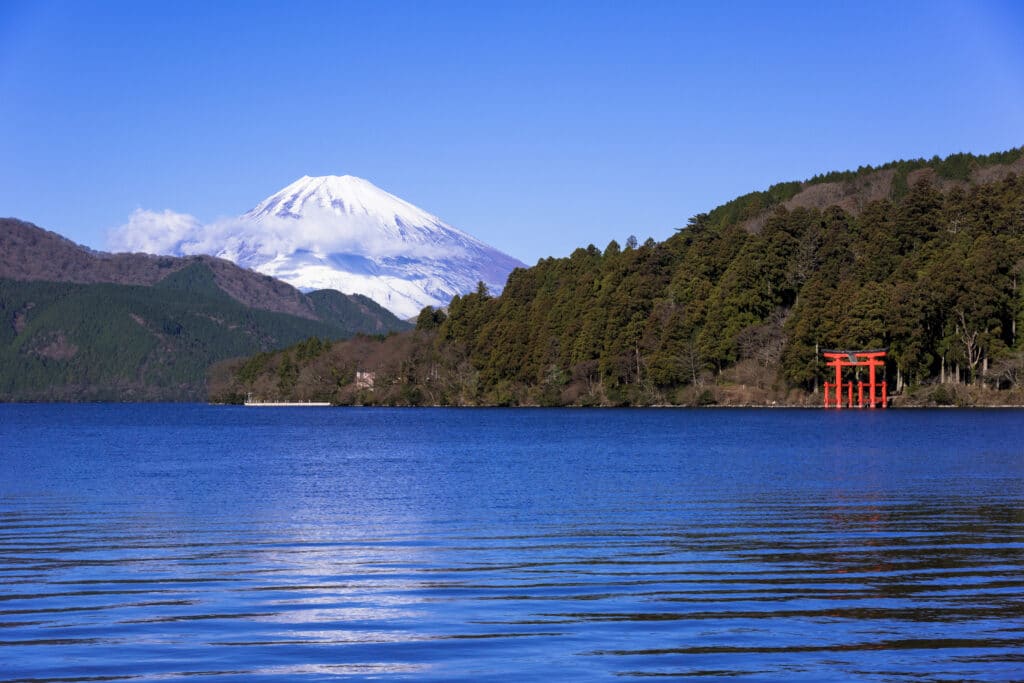
Nikko and Kamakura are not your only strong options outside Tokyo. Hakone belongs in the same conversation — especially if Mount Fuji views, hot springs, or a break from temple-heavy sightseeing are higher priorities.
The three destinations solve different itinerary problems. 🌊 Kamakura is the easiest cultural escape. ⛩️ Nikko delivers the greatest historic and scenic impact. ♨️ Hakone is the strongest choice when you want Mount Fuji scenery, onsen, and a resort-like mountain experience.
🌊 Choose Kamakura for the Best All-Round Day Trip
Kamakura remains the easiest recommendation for travelers who simply want one excellent day outside Tokyo without turning it into a major expedition.
You get temples, the Great Buddha, historic streets, food, cafés, wooded hills, and the coast — all within a destination that is relatively easy to reach and flexible once you arrive.
It is especially well suited to a first Japan trip where your itinerary is already busy and you want to add variety without creating another demanding travel day.
⛩️ Choose Nikko for History & the Biggest Sense of Escape
Nikko is the strongest choice if you want your day trip to feel significantly different from Tokyo. Neither Kamakura nor Hakone offers quite the same combination of ornate historic architecture, sacred cedar forests, Tokugawa history, and mountain atmosphere.
The trade-off remains the same: Nikko asks for more time and effort. But if cultural impact is your priority, that investment can be worthwhile.
♨️ Choose Hakone for Fuji, Onsen & a Different Kind of Japan
Hakone becomes particularly attractive when your itinerary already includes plenty of temples and shrines. Instead of adding another historic sightseeing day, you can focus on mountain scenery, hot springs, Lake Ashi, volcanic landscapes, museums, and possible views of Mount Fuji.
There is one important caution: Mount Fuji views are never guaranteed. Clouds can hide the mountain completely, so Hakone should still appeal to you even if Fuji does not appear.
If Kyoto already gives you several days of temples and shrines, ♨️ Hakone may add more variety to your overall Japan itinerary than another cultural day trip. If Mount Fuji is already covered elsewhere — for example around Kawaguchiko — then 🌊 Kamakura or ⛩️ Nikko may contribute something more distinctive.
Which One Fits Your Travel Personality?
You want culture, food, wandering, and plenty of flexibility without spending hours getting there.
→ Kamakura
You are willing to travel farther for spectacular historic sites, forests, and a stronger sense of adventure.
→ Nikko
You want mountains, hot springs, a slower pace, and the possibility of seeing Mount Fuji.
→ Hakone
There Is No Single Best Tokyo Day Trip
Choose 🌊 Kamakura for the best balance of convenience, culture, variety, and flexibility.
Choose ⛩️ Nikko for the greatest historic impact, mountain atmosphere, and strongest sense of escape.
Choose ♨️ Hakone for onsen, mountain scenery, and the possibility of Mount Fuji views. The smartest choice is the destination that adds something your wider Japan itinerary does not already provide.
One Question to Help You Decide: Nikko or Kamakura?
If you have compared the travel times, temples, scenery, atmosphere, seasons, and effort involved and still cannot decide, forget the comparison tables for a moment.
What Do You Want Your Day Away from Tokyo to Feel Like?
Would you rather have an easy, varied day of exploring — or travel farther for one of the more distinctive historic settings near Tokyo?
“I Want an Easy, Varied Day”
You want temples, the Great Buddha, local streets, food, and perhaps the coast — with plenty of freedom to change your plans along the way.
→ Choose Kamakura
“I Want the Bigger Experience”
You do not mind an earlier start or longer journey if the reward is spectacular shrines, cedar forests, mountain atmosphere, and a stronger sense of escape.
→ Choose Nikko
This decision is ultimately about how you like to travel. 🌊 Kamakura rewards freedom. ⛩️ Nikko rewards commitment. If both appeal to you equally, Kamakura is the easier all-round choice. If Nikko excites you noticeably more, the longer journey is probably worth it.
Final Verdict: Nikko or Kamakura?
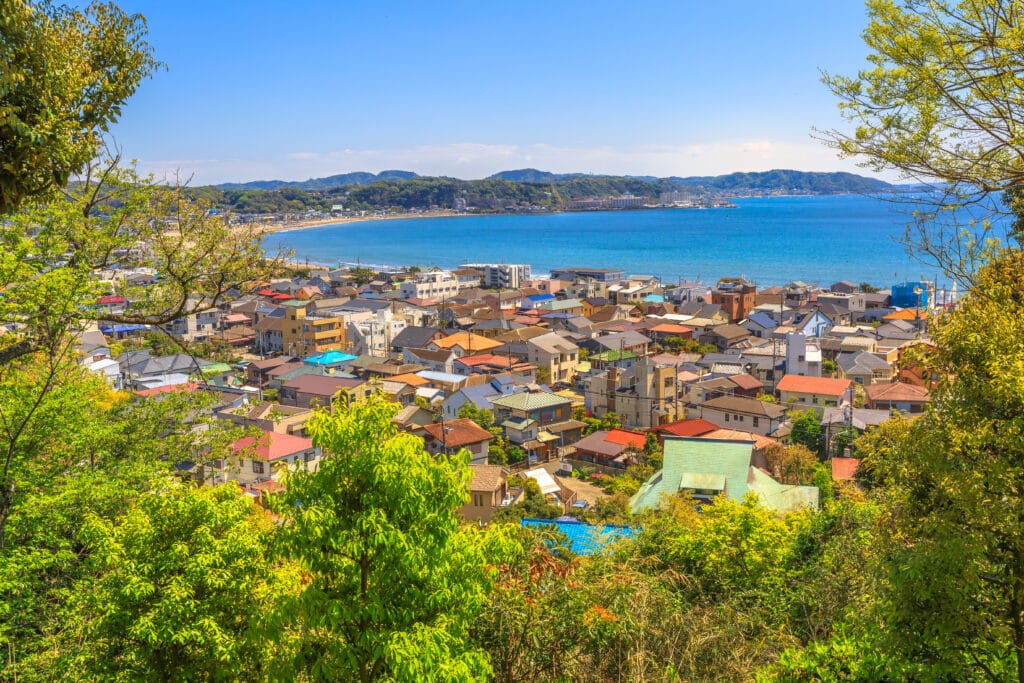
After comparing everything from travel time and temples to scenery, atmosphere, seasonal appeal, and overall effort, our recommendation is clear:
For most first-time visitors looking for one day trip from Tokyo, choose Kamakura.
But that does not mean Kamakura is the more impressive destination. If you are willing to invest more time and energy for a stronger sense of escape, Nikko may ultimately be the more memorable experience.
Kamakura
Kamakura offers the strongest balance of convenience, culture, variety, atmosphere, and flexibility.
- About one hour from Tokyo
- Great Buddha and excellent temples
- Historic streets and local atmosphere
- Food, cafés, and easy wandering
- Wooded hills and coastal scenery
- Easy to adapt during the day
Nikko
Nikko wins when you prioritize historic impact, dramatic scenery, and the feeling of having traveled somewhere truly different.
- Spectacular World Heritage shrines
- Extraordinary Tokugawa history
- Towering cedar forests
- Mountain atmosphere
- Stronger contrast with Tokyo
- Potential for wider nature exploration
Why Kamakura Wins for Most First-Time Visitors
The deciding factor is not that Kamakura has better attractions. It is that Kamakura fits more easily into the kind of itinerary most first-time visitors actually have.
You can reach it from Tokyo in around an hour, spend most of the day sightseeing rather than traveling, and change your plans whenever you want. You can concentrate on temples, slow down for lunch, add another neighborhood, or finish beside the sea.
That flexibility is extremely valuable during a busy Japan trip. Kamakura gives you a genuine change of scenery without requiring the day to become one of the logistical centerpieces of your itinerary.
Why You Might Choose Nikko Anyway
Because sometimes the less convenient destination is the right destination.
Nikko’s famous shrines, cedar forests, and mountain setting create an experience that Kamakura cannot replicate. The journey is longer, but the reward is a destination that feels considerably farther removed from Tokyo.
If you look at photos of Toshogu, the forested shrine complex, and Nikko’s mountain scenery and immediately think, “That is somewhere I really want to see,” then the additional travel time should not stop you.
In that situation, optimizing purely for convenience would be the wrong decision.
Kamakura wins the practical comparison. Nikko can win the emotional one. If both destinations appeal to you equally, choose 🌊 Kamakura. If ⛩️ Nikko excites you noticeably more, accept the longer journey and go to Nikko.
The Final Decision
🌊 Kamakura for the Better Day Trip. ⛩️ Nikko for the Bigger Experience.
If this is your first trip to Japan and you have room for only one Tokyo day trip, we recommend Kamakura for most travelers. It is easier to reach, more flexible, less tiring, and gives you an unusually varied day without taking too much time away from Tokyo.
Choose Nikko instead if spectacular historic sites, forests, mountains, and a stronger sense of adventure matter more to you than convenience. The extra journey is not wasted time when Nikko is the experience you actually want.
And if your Tokyo itinerary is long enough, you do not need to choose at all. Kamakura and Nikko are different enough to complement each other — one offering a relaxed historic escape toward the coast, the other a grand cultural journey into the mountains.
Travel Owl Decision Scorecard: Nikko vs Kamakura
Still undecided? This final scorecard brings the most important differences together in one place. Rather than asking which destination is objectively better, it shows where each day trip has the advantage.
What the Scores Actually Mean
The scorecard makes Kamakura look like the clear winner — but there is an important reason for that. Many of the categories that Kamakura wins are practical ones: transportation, flexibility, time efficiency, food stops, and how easily the excursion fits into a busy itinerary.
Nikko wins fewer categories, but some of those victories are significant. It offers greater cultural impact, more dramatic nature, and a stronger sense of escape from Tokyo. Those qualities may matter far more to you than saving an hour or two of travel time.
It Fits Easily
Kamakura does not ask you to reorganize your itinerary around the excursion. It gives you a lot while demanding relatively little. That makes it exceptionally strong as a true day trip.
It Feels Significant
Nikko requires more commitment, but the destination can feel like one of the major experiences of your trip rather than simply an enjoyable excursion from Tokyo.
A scorecard should help you make a decision — not make the decision for you. The categories you care about should carry more weight than the total number of stars. If nature, historic impact, and escaping Tokyo are your top priorities, ⛩️ Nikko can easily be your winner. If convenience, flexibility, and making the most of one day matter more, 🌊 Kamakura is the stronger choice.
🌊 Kamakura Wins the Day-Trip Scorecard — ⛩️ Nikko Wins on Impact
Choose Kamakura if you want the smartest all-round use of one free Tokyo day: easy transportation, excellent sightseeing, flexibility, good food, and plenty of variety.
Choose Nikko if you are willing to sacrifice some efficiency for a destination with greater historic spectacle, more dramatic scenery, and a stronger sense that you have temporarily left Tokyo — and everyday Japan — behind.
Nikko vs Kamakura FAQ
Still have questions about choosing between Nikko and Kamakura? These quick answers cover the practical decisions that matter most when deciding which destination deserves a day in your Tokyo itinerary.
Is Nikko or Kamakura better for first-time visitors to Japan?
For most first-time visitors, Kamakura is the easier all-round day trip from Tokyo. It is closer, more flexible, and combines temples, the Great Buddha, historic streets, food, and coastal scenery in one day. Choose Nikko instead if spectacular shrines, Tokugawa history, forests, and mountain scenery are higher priorities.
Is Nikko worth the longer journey from Tokyo?
Yes, if Nikko itself is one of the experiences you really want. Its World Heritage shrines, Tokugawa history, cedar forests, and mountain setting offer something very different from Tokyo. The journey is considerably longer than the trip to Kamakura, so Nikko makes most sense when its history and scenery justify the additional travel time for you.
Is Kamakura worth visiting if I am already going to Kyoto?
Yes. Kamakura has its own identity through the Great Buddha, Zen heritage, historic streets, wooded hills, and coastal setting. However, if your itinerary already includes several temple-heavy days in Kyoto and you want greater contrast, Nikko may add something more distinctive through its ornate shrines, cedar forests, and mountain atmosphere.
Which is better in autumn: Nikko or Kamakura?
Nikko is generally the stronger choice if autumn scenery is a major priority. Its mountains, forests, lakes, and waterfalls create more dramatic seasonal landscapes. Kamakura also offers attractive autumn colors around its temples and wooded hills, but Nikko has the advantage for travelers specifically planning around fall foliage.
Which is better if I only have one free day in Tokyo?
For most first-time visitors with only one free day, Kamakura is the more practical choice. The shorter journey gives you more sightseeing time and greater flexibility. Choose Nikko instead if its shrines, forests, history, and mountain setting appeal to you significantly more and you are happy to accept a longer travel day.
Can I visit both Nikko and Kamakura during the same Japan trip?
Yes. Nikko and Kamakura are different enough to complement each other. Kamakura combines historic temples with a relaxed coastal setting, while Nikko combines monumental shrines with forests and mountains. The main consideration is time: visiting both means using two days of your Tokyo stay for excursions, so it makes most sense when your itinerary has enough room.
Should I stay overnight in Nikko?
An overnight stay is worth considering if you want to explore both Nikko’s World Heritage area and the wider mountain region around Lake Chuzenji, Kegon Falls, and Okunikko. The main historic sights can be visited on a day trip, but staying overnight reduces time pressure and makes it much easier to combine the cultural and natural sides of Nikko.
Which is better for nature: Nikko or Kamakura?
Nikko is the stronger choice for dramatic nature. Its wider region includes mountains, forests, waterfalls, lakes, and the landscapes of Okunikko. Kamakura offers gentler scenery with wooded hills and coastline, but its advantage is how easily nature can be combined with temples, streets, food, and other sightseeing during one day.
Should I choose Nikko, Kamakura, or Hakone?
Choose Kamakura for the easiest combination of culture, food, historic sights, and coastal atmosphere. Choose Nikko for World Heritage shrines, Tokugawa history, forests, and a stronger sense of escape. Choose Hakone if hot springs, Lake Ashi, mountain scenery, and the possibility of Mount Fuji views are higher priorities.
Still undecided? Choose 🌊 Kamakura for the easier, more flexible, and more time-efficient day trip. Choose ⛩️ Nikko when its spectacular shrines, forests, history, and mountain setting are specifically what you want from your day outside Tokyo.
Continue Planning Your Japan Trip
Choosing between Nikko and Kamakura is only one part of building a smart Japan itinerary. The best route depends on how much time you have, what else you are visiting, and which experiences add something genuinely different to your trip.
Use these Travel Owl guides to continue planning your route and decide where your limited days are best spent.
Kamakura Travel Guide
Plan your day around the Great Buddha, temples, historic streets, the coast, and the sights actually worth your time.
Nikko Travel Guide
Discover how to plan Nikko efficiently, from its World Heritage shrines to forests, waterfalls, and mountain scenery.
Hakone Travel Guide
Consider Hakone if hot springs, mountain scenery, Lake Ashi, and possible Mount Fuji views fit your trip better.
Japan First-Time Itinerary Mistakes
Avoid overloading your itinerary with too many cities, day trips, transfers, and must-see attractions.
How Many Cities Should You Visit in Japan?
Find the right number of bases for your trip without spending too much of your vacation changing hotels and riding trains.
Is Japan’s Golden Route Still the Best First Trip?
Decide whether Tokyo, Kyoto, and Osaka should form the core of your itinerary — and where additional destinations fit.
Build the Trip That Fits You
Japan offers far more worthwhile places than you can realistically visit in one trip. You do not need to see everything. Choose the destinations that add the most to your itinerary, give each one enough time, and leave enough flexibility to actually enjoy being there.