
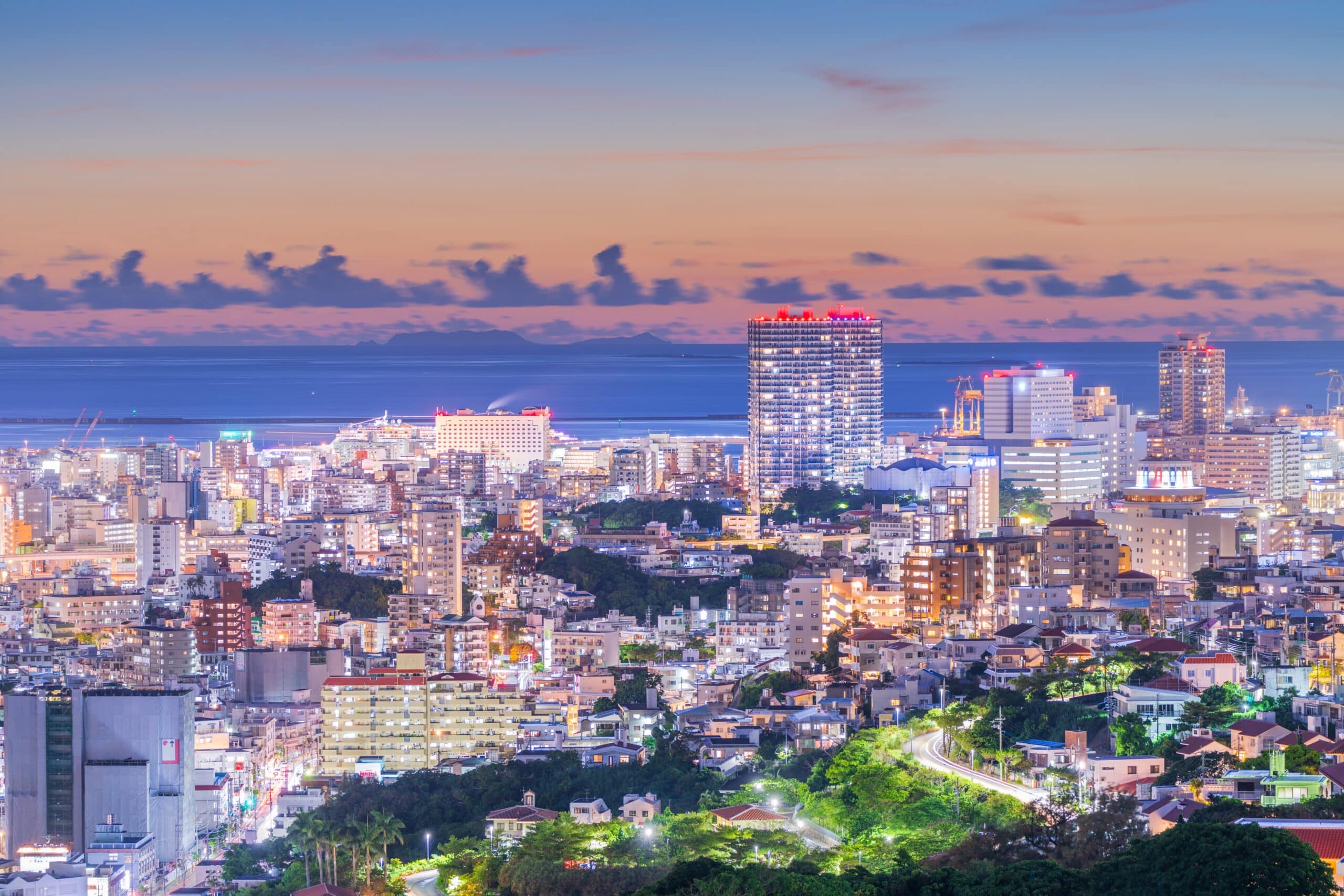
Okinawa feels completely different from the rest of Japan. Instead of crowded cities, neon lights, and fast-paced train stations, you’ll find turquoise water, tropical beaches, coral reefs, and a much slower island atmosphere. Spread across a chain of subtropical islands in southern Japan, Okinawa offers a side of the country that many first-time visitors never expect.
Beyond the beaches, Okinawa is also shaped by its unique Ryukyu culture, which gives the islands a distinct identity through local traditions, food, music, and history. From exploring colorful local markets in Naha to trying Okinawa soba and fresh seafood by the coast, the experience feels far more relaxed and tropical than mainland destinations like Tokyo or Kyoto.
Okinawa is especially rewarding for travelers looking for snorkeling, diving, island hopping, and scenic coastal drives. Whether you want to spend your days swimming in crystal-clear water, discovering hidden beaches, or simply slowing down and enjoying the island lifestyle, Okinawa is one of the most unforgettable destinations in Japan.
Okinawa at a Glance
Japan’s southern island chain is known for turquoise water, tropical beaches, coral reefs, Ryukyu culture, island hopping, and a slower pace that feels completely different from mainland Japan.
Beaches, snorkeling, diving, island hopping, coastal drives, food, and relaxed tropical scenery.
4–7 days is ideal, especially if you want beaches, Naha, and at least one smaller island.
Naha, Okinawa Churaumi Aquarium, Onna, Motobu, Miyakojima, Ishigaki, Taketomi, and the Kerama Islands.
April, May, October, and early November offer warm weather, fewer crowds, and lower typhoon risk.
Relaxed, beach-focused, nature-rich, and slower-paced compared to Tokyo, Kyoto, or Osaka.
Naha is manageable without a car, but a rental car is best for beaches, resorts, and northern Okinawa.
Table of Contents
Why Visit Okinawa?

Okinawa offers a completely different side of Japan. Instead of crowded train stations, massive cities, and fast-paced sightseeing, the islands are known for their tropical atmosphere, relaxed lifestyle, and beautiful coastline. With turquoise water, white-sand beaches, and warm weather for much of the year, Okinawa feels far closer to a tropical island destination than most travelers expect from Japan.
One of the things that makes Okinawa so unique is its strong Ryukyu culture. Historically, Okinawa was part of the independent Ryukyu Kingdom, and many traditions, foods, music styles, and architectural influences still feel distinct from mainland Japan today. Exploring local markets, traditional villages, and Okinawan cuisine adds an entirely different cultural layer to your Japan trip.
Okinawa is also one of the best places in Japan for outdoor activities. Travelers come here for snorkeling, diving, island hopping, scenic coastal drives, and relaxed beach days. The coral reefs around the islands are some of the most beautiful in the country, especially around the Kerama Islands, Miyakojima, and Ishigaki.
Food is another highlight. Okinawan cuisine combines Japanese influences with local island flavors, creating dishes that are very different from what you’ll find in Tokyo or Kyoto. Okinawa soba, taco rice, fresh seafood, and goya champuru are all must-tries during your visit.
Many travelers are surprised by how different Okinawa feels compared to mainland Japan. The slower pace, subtropical scenery, and laid-back island atmosphere make it an excellent destination for travelers looking to combine beaches, nature, and culture in one trip.
For many visitors, Okinawa becomes the perfect contrast to destinations like Tokyo, Kyoto, or Osaka — offering a more relaxed and nature-focused experience after exploring Japan’s major cities.
Quick Decision Guide
Which Part of Okinawa Should You Choose?
Okinawa offers very different experiences depending on where you stay, from tropical beaches and snorkeling to culture, food, and island hopping.
Onna
Best for resort hotels, beach vacations, snorkeling tours, sunsets, and relaxed coastal stays.
Ishigaki
The best base for exploring smaller tropical islands like Taketomi, Iriomote, and Kohama.
Miyakojima
Famous for crystal-clear turquoise water, white sand, and some of Japan’s most beautiful beaches.
Naha
Perfect for local markets, Okinawan food, nightlife, Ryukyu culture, and travelers without a car.
Kerama Islands
Known for coral reefs, incredibly clear water, tropical marine life, and excellent snorkeling tours.
Northern Okinawa
Ideal for quieter beaches, coastal drives, forests, viewpoints, and a more relaxed island atmosphere.
Where Is Okinawa?
Okinawa is Japan’s southernmost prefecture and consists of a large chain of subtropical islands stretching across the East China Sea between mainland Japan and Taiwan. While many travelers simply refer to the region as “Okinawa,” the prefecture actually includes dozens of inhabited islands spread across several island groups.
The main gateway to the region is Okinawa Main Island, where the capital city of Naha is located. This is where most first-time visitors stay, as it offers the best combination of beaches, culture, restaurants, nightlife, and transportation connections. Okinawa Main Island is also home to many of the prefecture’s most famous attractions, including Okinawa Churaumi Aquarium and the resort areas along the western coast.
Further south, travelers can explore the stunning Miyako Islands, which are famous for some of the clearest turquoise water and best beaches in Japan. Miyakojima is especially popular for snorkeling, diving, and relaxing beach vacations.
Even farther southwest are the Yaeyama Islands, a more remote island group centered around Ishigaki Island. This area is known for tropical nature, coral reefs, mangrove forests, and smaller traditional islands like Taketomi.
Although Okinawa feels remote, getting there is surprisingly easy. Regular domestic flights connect Okinawa with major Japanese cities such as Tokyo, Osaka, and Fukuoka. Flights from Tokyo to Naha usually take around 2.5 to 3 hours, making Okinawa an accessible beach destination within Japan.
Best things to do in Okinawa
Explore Naha
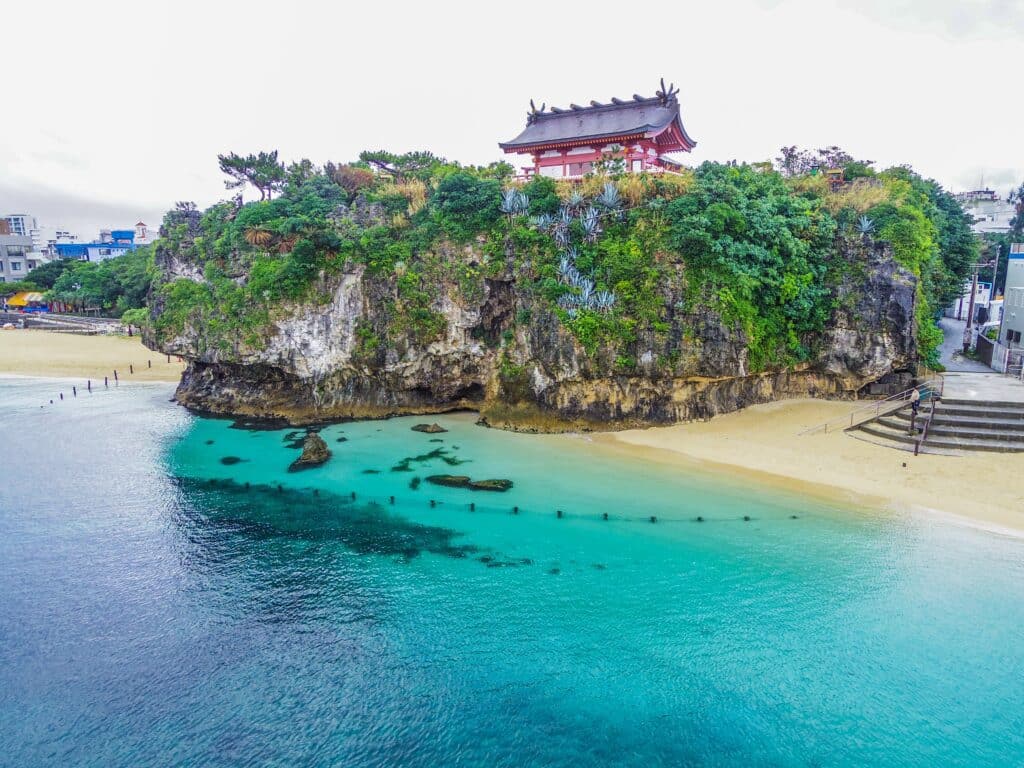
Explore Naha
Naha is the main gateway to Okinawa and the easiest place to start your trip.
Walk along lively Kokusai Street, explore local markets, try Okinawan street food, and enjoy a city atmosphere that feels much more relaxed than Tokyo or Osaka.
It is also the best base for travelers without a rental car, thanks to its airport access, restaurants, hotels, and monorail connection.
Relax at Okinawa’s Beaches
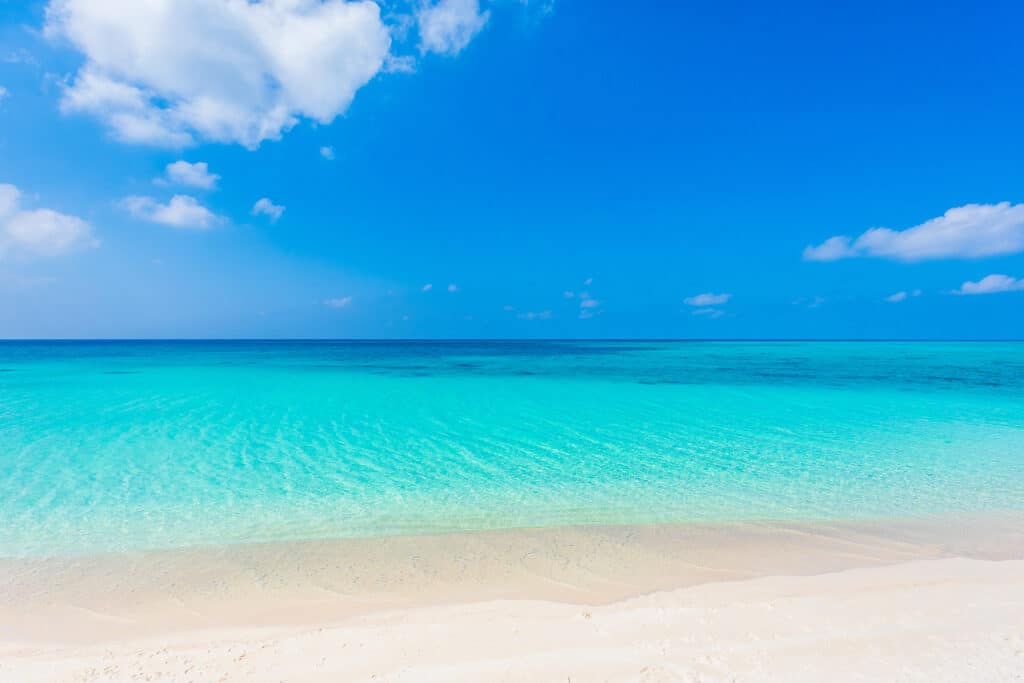
Relax at Okinawa’s Beaches
Okinawa is home to some of the most beautiful beaches in Japan, with turquoise water, white sand, and tropical island scenery.
Popular options include Emerald Beach, Sunset Beach, Kondoi Beach, and Yonaha Maehama Beach.
Each beach has a slightly different atmosphere, so it is worth visiting more than one during your trip.
Visit Okinawa Churaumi Aquarium
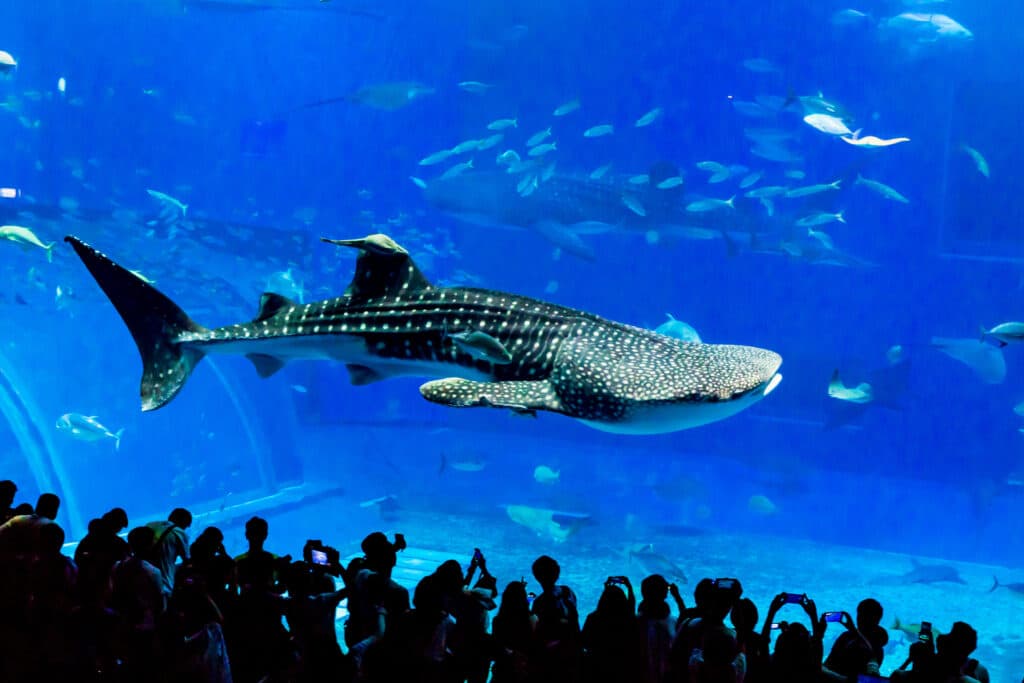
Visit Okinawa Churaumi Aquarium
Okinawa Churaumi Aquarium is one of Okinawa’s most famous attractions and a major highlight for many first-time visitors.
The enormous main tank with whale sharks and manta rays is the star attraction, but the surrounding Ocean Expo Park and coastal scenery make the whole area worth visiting.
Because it is located in northern Okinawa, it works best as part of a longer road trip rather than a quick stop from Naha.
Go Snorkeling or Diving
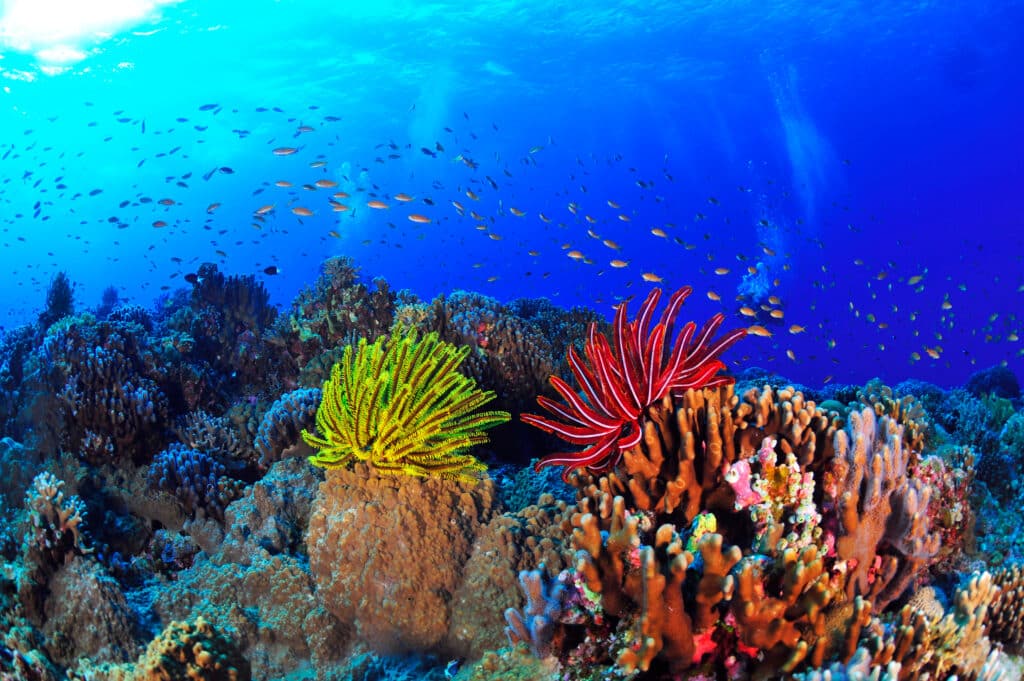
Go Snorkeling or Diving
Okinawa is one of the best snorkeling and diving destinations in Japan.
The Kerama Islands are famous for clear water, coral reefs, and colorful marine life, while the Blue Cave near Onna is one of the most popular snorkeling spots on Okinawa Main Island.
Even beginners can join guided tours, making this one of the most accessible outdoor experiences in Okinawa.
Discover Ryukyu Culture
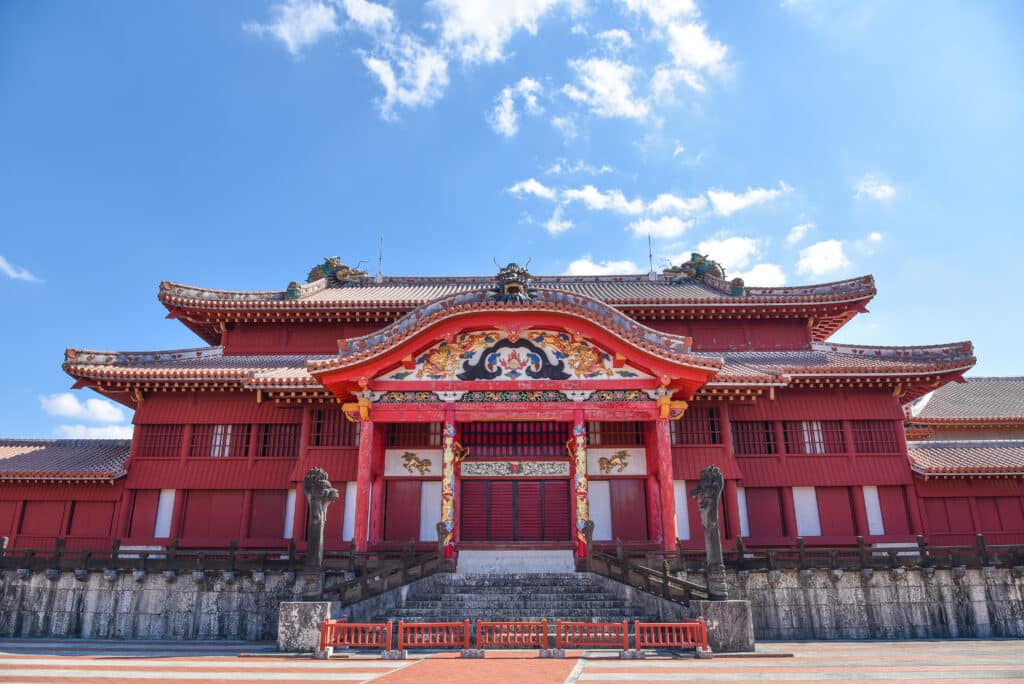
Discover Ryukyu Culture
Okinawa has a unique cultural identity shaped by the former Ryukyu Kingdom.
Visit Shurijo Castle, explore traditional villages, listen to Okinawan music, and look for local crafts, architecture, and customs that feel different from mainland Japan.
This cultural layer is one of the main reasons Okinawa feels like more than just a beach destination.
Go Island Hopping
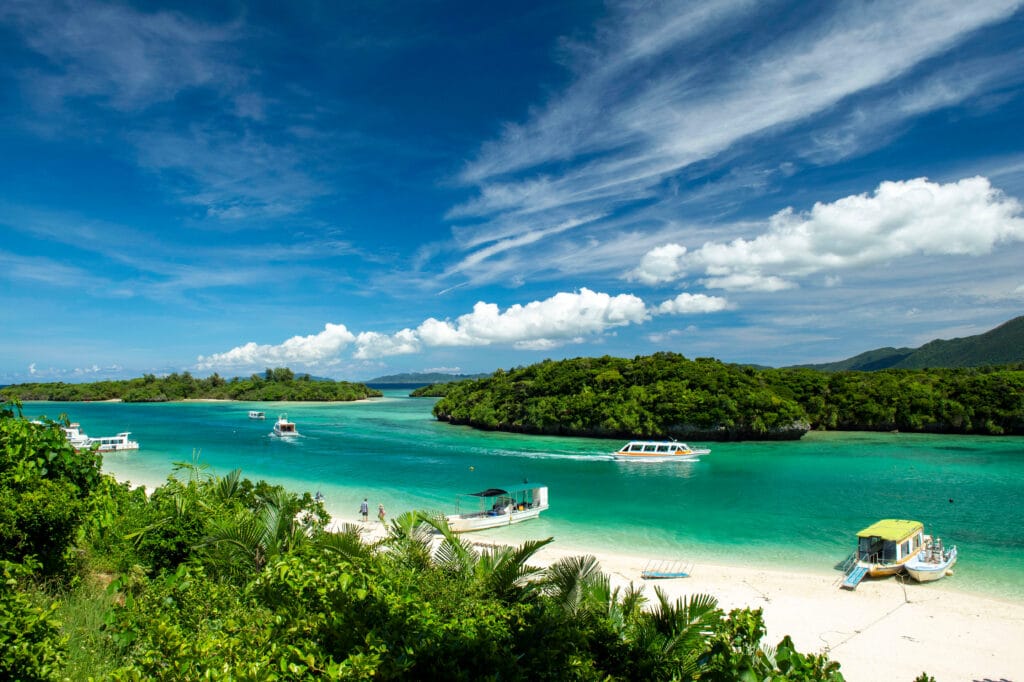
Go Island Hopping
Island hopping is one of the best ways to experience Okinawa properly.
Miyakojima is known for some of Japan’s best beaches, Ishigaki is ideal for nature and diving, and Taketomi offers a slower traditional island atmosphere.
Even adding one smaller island can make your Okinawa trip feel much more memorable and complete.
Enjoy Sunset & Coastal Drives
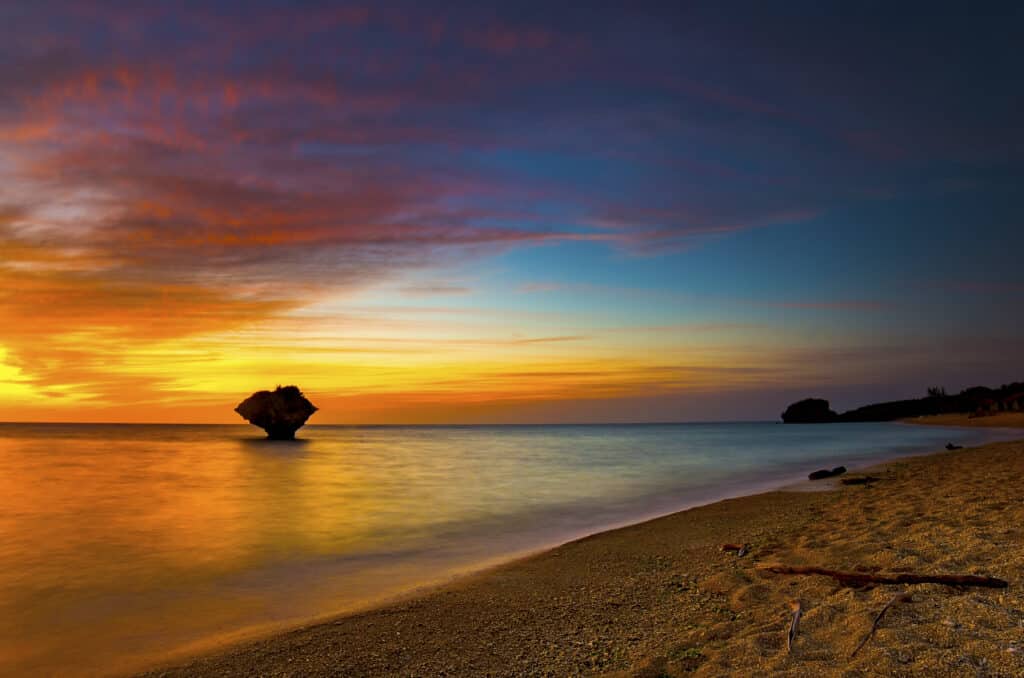
Enjoy Sunset & Coastal Drives
Okinawa is perfect for relaxed coastal drives with ocean views, beach stops, cafés, and sunset viewpoints.
The western coast of Okinawa Main Island is especially scenic in the evening, while northern Okinawa offers a quieter and more nature-focused atmosphere.
This is where a rental car makes a big difference, especially if you want to explore beyond Naha.
Try Okinawan Food
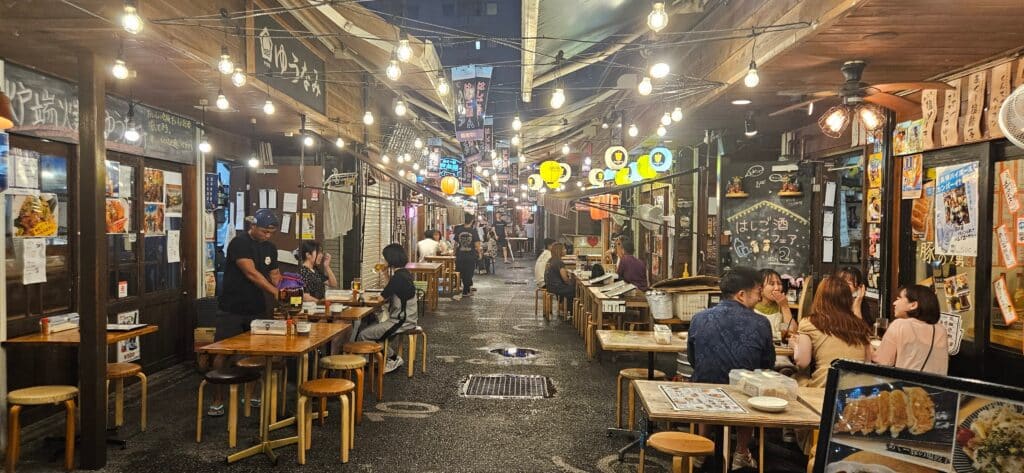
Try Okinawan Food
Okinawan food is one of the most unique regional cuisines in Japan.
Try Okinawa soba, taco rice, goya champuru, fresh seafood, tropical desserts, and local snacks you will not find as easily on the mainland.
The food scene adds a strong local flavor to your trip and is one of the best ways to experience Okinawa’s island culture.
Best Beaches in Okinawa
Okinawa is home to some of the most beautiful beaches in Japan, ranging from calm family-friendly bays to remote tropical islands with crystal-clear water and coral reefs. Whether you are looking for snorkeling, swimming, sunsets, or relaxed beach days, Okinawa offers some of the best coastal scenery in the country.
If you are planning a wider beach-focused Japan trip, also check out our guide to the best beaches in Japan for even more destinations across the country.
Yonaha Maehama Beach
Often considered one of the most beautiful beaches in Japan thanks to its white sand, calm water, and incredible turquoise colors.
Emerald Beach
One of the easiest beaches to access on Okinawa Main Island with calm water and excellent family-friendly facilities.
Kondoi Beach
Located on Taketomi Island, this beach is famous for shallow turquoise water and a peaceful tropical atmosphere.
Sunset Beach
A popular beach near Naha known for relaxed evenings, beautiful sunset colors, and convenient access from the city.
Furuzamami Beach
Located in the Kerama Islands, this beach is famous for crystal-clear water, coral reefs, and colorful marine life.
Nishihama Beach
A stunning beach on Hateruma Island with tropical scenery, clear water, and a quieter atmosphere far from the crowds.
Many travelers visit Okinawa mainly for the beaches — and it’s easy to understand why. The combination of warm weather, coral reefs, tropical scenery, and relaxed island atmosphere makes Okinawa one of the best beach destinations in all of Japan.
Best Islands to Visit in Okinawa
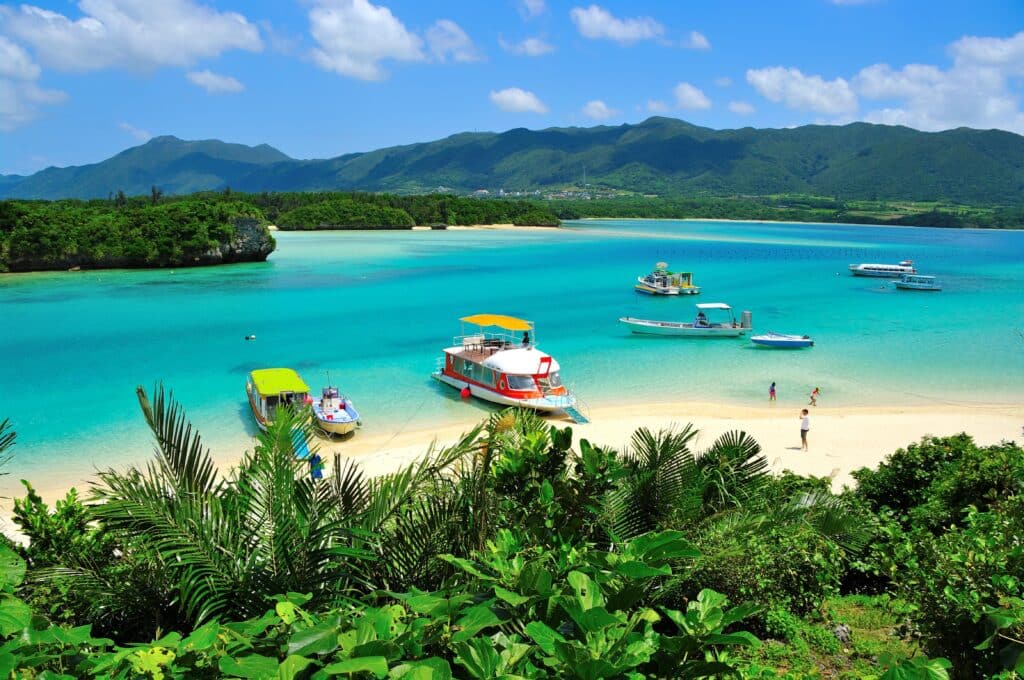
One of the best things about Okinawa is that every island offers a slightly different experience. Some are ideal for first-time visitors, while others are better for snorkeling, remote beaches, diving, or traditional Ryukyu atmosphere. Choosing the right island can completely shape your Okinawa trip.
Many travelers stay only on Okinawa Main Island, but adding at least one smaller island can completely change the experience. Okinawa becomes even more rewarding once you start exploring the quieter islands, hidden beaches, and remote tropical scenery beyond Naha.
Okinawa Map
Planning Okinawa becomes much easier once you understand how spread out the islands and beaches actually are. This map includes Okinawa’s top highlights, best beaches, snorkeling spots, scenic coastal drives, and the best islands for first-time visitors.
From Naha and Okinawa Main Island to remote beaches in Miyakojima and Ishigaki, this map helps you plan routes, island hopping, beach stops, and realistic travel times across Okinawa.
Suggested Okinawa Itineraries
How many days you need in Okinawa depends on whether you want to stay mainly on Okinawa Main Island or explore smaller islands as well. While even a short trip can be rewarding, Okinawa is one of those destinations where extra time makes a huge difference thanks to the relaxed island atmosphere and slower pace of travel.
Which Okinawa Itinerary Should You Choose?
Okinawa is spread across several islands, so choosing the right route and pacing can completely change your trip.
Quick First-Time Trip
Perfect for travelers who want a short introduction to Okinawa while focusing mainly on Naha, local food, culture, and nearby beaches.
Naha → Kokusai Street → Shurijo Castle → Churaumi Aquarium → Nearby Beaches
Best Balanced Route
The best balance for most visitors, combining Naha, beaches, snorkeling, scenic coastal drives, and northern Okinawa.
Naha → Onna → Blue Cave → Motobu → Churaumi Aquarium → Northern Coast
Island Hopping Experience
Best for travelers who want to go beyond Okinawa Main Island and experience the region’s best beaches, diving, and smaller island atmosphere.
Naha → Kerama Islands → Miyakojima or Ishigaki → Taketomi Island
3 Days in Okinawa
A 3-day itinerary is ideal for travelers who want a short tropical escape while focusing mainly on Okinawa Main Island. You can explore Naha, enjoy local Okinawan food, visit major highlights like Okinawa Churaumi Aquarium, and spend time at some of the island’s most accessible beaches.
This option works especially well if Okinawa is part of a larger Japan itinerary including Tokyo, Kyoto, or Osaka.
5 Days in Okinawa
With 5 days, Okinawa becomes much more relaxed and rewarding. You’ll have enough time for beaches, snorkeling, scenic coastal drives, and slower travel days without constantly rushing between attractions.
Many travelers consider this the ideal balance for a first Okinawa trip because it allows you to combine sightseeing with actual beach time and island atmosphere.
7 Days with Island Hopping
A full week in Okinawa gives you the opportunity to experience smaller islands beyond Okinawa Main Island. Destinations like Miyakojima, Ishigaki, and Taketomi offer some of the best beaches and tropical scenery in Japan.
This is the best option for travelers interested in snorkeling, diving, island hopping, and a more immersive Okinawa experience. The extra time also allows for slower travel days, which fits Okinawa’s relaxed atmosphere much better than a rushed itinerary. Many visitors initially plan only a few days in Okinawa but later wish they had stayed longer. Compared to mainland Japan, Okinawa is less about rushing between attractions and more about enjoying the islands at a slower pace.
Best Time to Visit Okinawa
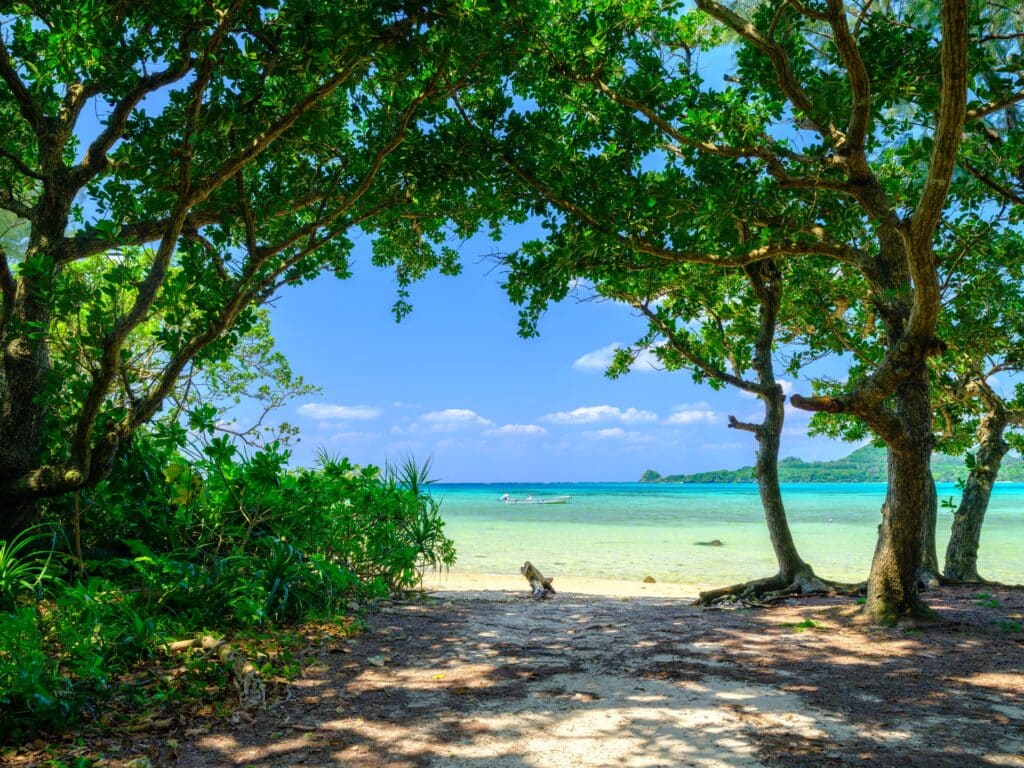
Okinawa can be visited year-round thanks to its subtropical climate, but the best time depends heavily on what kind of trip you want. Some seasons are ideal for beaches and snorkeling, while others are better for sightseeing, lower prices, or avoiding crowds.
One important thing to understand before planning your trip is typhoon season. Okinawa experiences tropical storms mainly between July and September, which can affect flights, ferries, diving tours, and beach conditions. While typhoons do not happen every day during summer, travelers should always keep weather flexibility in mind during these months.
When Should You Visit Okinawa?
Okinawa can be visited year-round, but the experience changes significantly depending on the season, weather, humidity, crowds, and typhoon risk.
Spring
One of the best overall seasons for Okinawa with warm temperatures, lower humidity, fewer crowds, and comfortable beach weather.
Summer
Peak tropical season with hot weather, warm ocean temperatures, excellent snorkeling, and busy beach resorts across the islands.
Autumn
Warm weather continues into autumn with fewer tourists, calmer beaches later in the season, and more relaxed travel conditions.
Winter
Mild compared to mainland Japan, with quieter beaches, comfortable sightseeing weather, and fewer crowds overall.
Spring (March–May)
Spring is one of the best overall times to visit Okinawa. Temperatures are warm but not overwhelmingly hot, humidity is lower than in summer, and the islands feel relaxed before the peak tourist season begins.
This is an excellent time for sightseeing, coastal drives, snorkeling, and beach walks. Many travelers consider April and May the sweet spot for a balanced Okinawa trip.
Summer (June–August)
Summer is peak beach season in Okinawa. The ocean is warm, snorkeling conditions are excellent, and the islands feel fully tropical during this time of year.
However, summer also brings high humidity, stronger sun, larger crowds, and the beginning of typhoon season. July and August are especially popular for domestic tourism, so hotels and flights can become expensive.
If you visit during summer, booking accommodations and rental cars early is highly recommended.
Autumn (September–November)
Autumn is another fantastic time to visit Okinawa. September can still be affected by typhoons, but October and November often bring warm temperatures, fewer tourists, and calmer travel conditions.
Many travelers actually prefer autumn over summer because the weather stays pleasant while beaches become less crowded and prices slowly decrease.
Winter (December–February)
Winter in Okinawa is mild compared to mainland Japan, making it a popular escape from colder cities like Tokyo or Osaka. While beach swimming is less common, the islands remain enjoyable for sightseeing, food, nature, and cultural experiences.
Winter is also one of the quietest seasons, which means lower hotel prices and a more relaxed atmosphere overall.
Understanding Typhoon Season in Okinawa
Typhoon season is the most important weather factor when planning an Okinawa trip. The highest risk usually falls between July and September, although storms can occasionally occur outside this period.
Typhoons can cause:
- flight delays or cancellations
- ferry suspensions
- closed beaches
- canceled snorkeling or diving tours
This does not mean you should avoid Okinawa entirely during summer, but travelers should remain flexible and avoid planning overly tight schedules during typhoon season. For most travelers, the best overall months to visit Okinawa are April, May, October, and early November thanks to the balance of warm weather, lower humidity, fewer crowds, and reduced typhoon risk.
Where to Stay in Okinawa
Choosing where to stay in Okinawa depends heavily on your travel style. Some areas are ideal for first-time visitors without a car, while others are better for beaches, snorkeling, luxury resorts, or island hopping. Because Okinawa is spread across multiple islands, your base can completely change the atmosphere of your trip.
Naha
Naha is the best place to stay for travelers who do not want to rent a car. The city has the airport, monorail access, restaurants, markets, nightlife, and many accommodation options for every budget.
It’s also the easiest base for short Okinawa trips and works well for travelers combining Okinawa with other destinations in Japan.
Onna
Onna is Okinawa’s classic resort area and one of the best places for beach vacations. Many luxury hotels and beachfront resorts are located here, making it ideal for couples, families, and travelers focused on relaxation.
This area is also popular for snorkeling tours and sunset views along the western coast.
Motobu
Motobu is perfect for travelers who want easier access to northern Okinawa and natural scenery. Staying here puts you close to Okinawa Churaumi Aquarium, scenic coastal drives, quieter beaches, and outdoor activities.
Compared to Naha, the atmosphere feels much slower and more nature-focused.
Miyakojima
Miyakojima is best for travelers looking for tropical beaches and a true island escape. The beaches here are among the most beautiful in Japan, and the atmosphere is far more relaxed than Okinawa Main Island.
This is an excellent choice for beach lovers, honeymoon trips, and longer relaxing stays.
Ishigaki
Ishigaki is the best base for island hopping in the Yaeyama Islands. From here, you can easily visit smaller islands like Taketomi, Iriomote, and Kohama while enjoying beaches, snorkeling, and diving.
The island combines tropical scenery with a lively but still relaxed atmosphere, making it one of Okinawa’s most rewarding destinations. Many first-time visitors stay only in Naha, but combining the city with a beach resort area or a smaller island usually creates a much more balanced Okinawa experience.
Travel Tips for Okinawa
Okinawa is generally easy to travel around, but the islands work very differently from mainland Japan. Transportation is slower, weather conditions can affect travel plans, and beach-focused trips require a bit more flexibility. These travel tips will help you avoid common mistakes and plan a much smoother Okinawa trip.
Travel Tips for Okinawa
Okinawa is easy to travel around, but transportation, weather, and island distances work very differently compared to mainland Japan.
Rent a Car Early
Rental cars are essential outside Naha and often sell out surprisingly early during busy travel seasons.
Be Flexible During Typhoon Season
Flights, ferries, beaches, and snorkeling tours can occasionally be affected between summer and early autumn.
The Sun Is Stronger Than Expected
Okinawa’s tropical UV levels can feel surprisingly intense, even on cloudy days near the beach.
Avoid Golden Week If Possible
Hotels, flights, beaches, and roads become significantly busier during Japan’s major holiday period.
Cash Is Still Useful
Smaller restaurants, cafés, ferry terminals, and beach shops may still prefer cash payments.
Check Ferry Schedules Carefully
Island hopping depends heavily on ferry schedules, which can change because of weather or seasonal adjustments.
Insider Tips for Okinawa
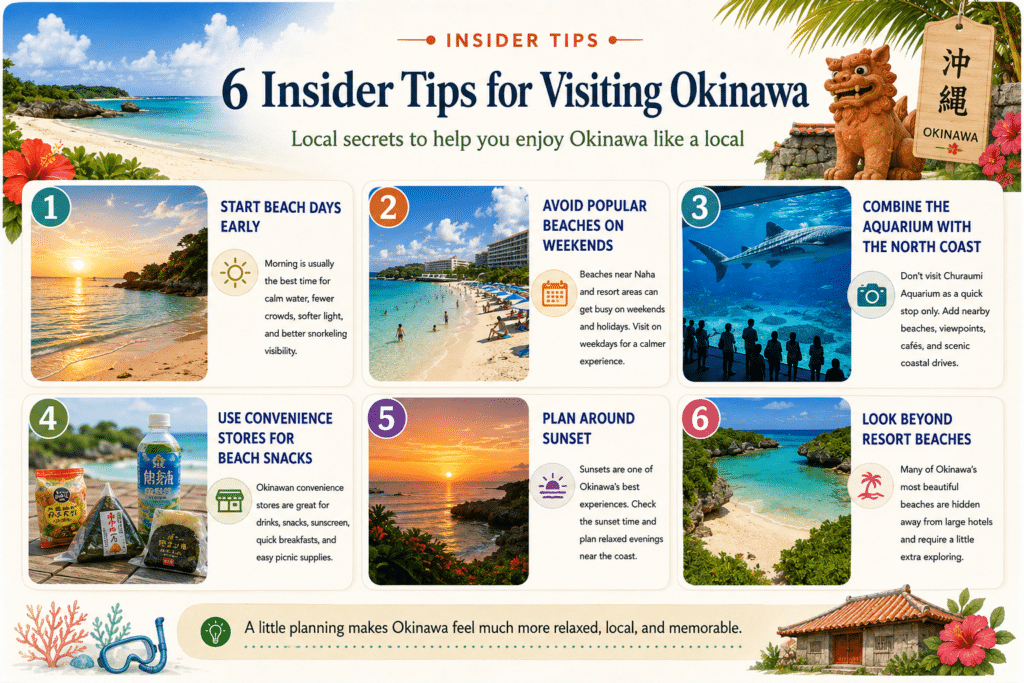
What to Skip / Common Mistakes in Okinawa
Okinawa is one of the easiest places in Japan to enjoy — but many travelers still make the same planning mistakes. Because the islands are more relaxed and spread out than mainland destinations, a slower and more flexible travel style usually leads to a much better experience.
What to Skip in Okinawa
Okinawa is best enjoyed slowly, but many travelers accidentally rush the experience or stay too limited to one area.
Don’t Stay Only in Naha
Many visitors spend most of their time in the city and miss Okinawa’s best beaches, coastal scenery, and relaxed island atmosphere.
Don’t Visit Only One Beach
Every beach area in Okinawa feels slightly different, from resort beaches to hidden snorkeling coves and remote island scenery.
Don’t Underestimate Driving Times
Okinawa may look small on the map, but traffic, coastal roads, and scenic stops can make travel slower than expected.
Don’t Visit Only in Peak Summer
Mid-summer brings stronger heat, higher humidity, larger crowds, and increased typhoon risk across the islands.
Don’t Ignore Smaller Islands
Some travelers stay only on Okinawa Main Island and completely miss the quieter tropical atmosphere of smaller islands.
Don’t Overplan Every Day
Okinawa works best with slower pacing, beach breaks, cafés, scenic drives, and flexibility throughout the trip.
Okinawa is less about checking attractions off a list and more about enjoying the islands at a slower pace. Travelers who stay flexible and explore beyond the obvious spots usually have the most memorable experiences.
Final Thoughts
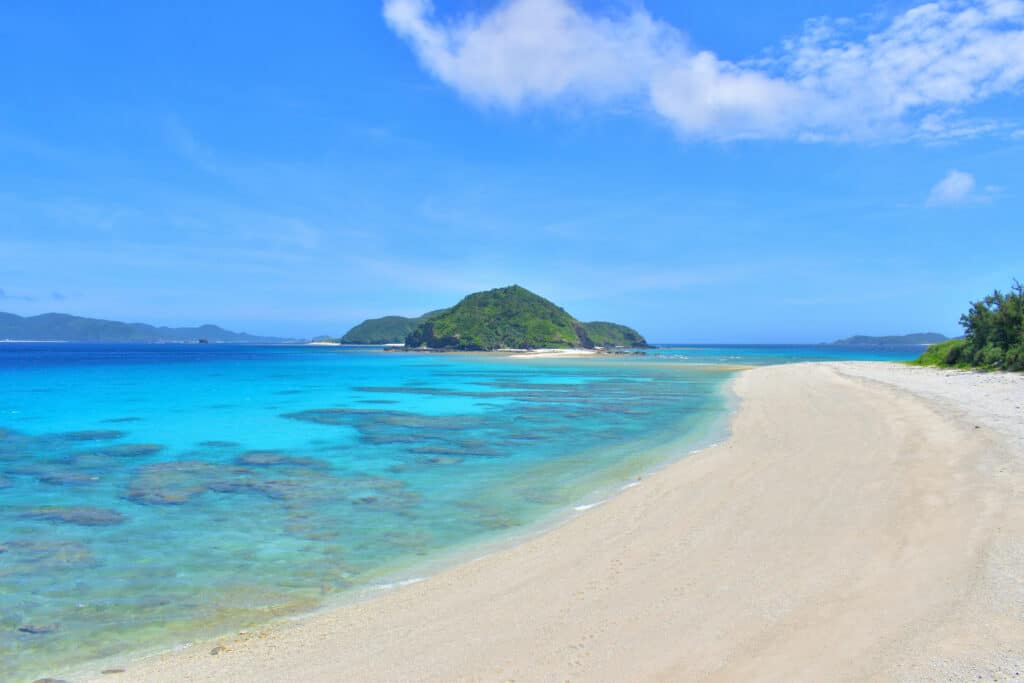
Okinawa feels completely different from the Japan most travelers imagine first.
Instead of neon lights, crowded train stations, and fast-paced city life, you’ll find turquoise beaches, coral reefs, coastal drives, tropical islands, and a much slower rhythm of travel. The unique Ryukyu culture, local food, and relaxed atmosphere give Okinawa an identity that feels distinct from destinations like Tokyo, Kyoto, or Osaka.
What makes Okinawa special is the balance between relaxation and adventure. One day can include snorkeling in crystal-clear water, hidden beaches, island hopping, and sunset views — while the next is spent enjoying local cafés, Okinawan cuisine, and quiet coastal scenery.
For many travelers, Okinawa becomes the perfect contrast after exploring mainland Japan. After busy sightseeing days in Tokyo or Kyoto, the islands offer space to slow down, unwind, and experience a softer, more tropical side of the country.
Whether you stay for a few days or explore multiple islands, Okinawa is one of the most rewarding destinations in Japan for travelers looking for beaches, nature, culture, and a completely different atmosphere from the rest of the country.
Okinawa is one of the most unique destinations in Japan, and many first-time visitors have similar questions before planning their trip.
FAQ
Is Okinawa worth visiting?
Yes — especially for travelers looking for beaches, snorkeling, island scenery, and a completely different side of Japan beyond the major cities. Okinawa combines tropical landscapes, Ryukyu culture, local food, and a much slower pace than Tokyo or Kyoto.
How many days do you need in Okinawa?
Most travelers should plan at least 4–7 days. Shorter trips work for Okinawa Main Island, while longer stays are better for island hopping and beach-focused travel.
Do you need a car in Okinawa?
A rental car is highly recommended outside Naha. While Naha itself is manageable with public transportation, beaches, resorts, scenic coastal areas, and northern Okinawa are much easier to explore by car.
What is Okinawa famous for?
Okinawa is famous for turquoise beaches, coral reefs, snorkeling, diving, Ryukyu culture, island hopping, tropical scenery, and unique local food like Okinawa soba and taco rice.
When is the best time to visit Okinawa?
The best overall months are usually April, May, October, and early November thanks to warm weather, fewer crowds, and lower typhoon risk.
Is Okinawa expensive?
Okinawa can be moderately expensive, especially during summer and holiday periods. Costs increase significantly for beach resorts, rental cars, and island flights, but budget accommodations and local restaurants are still available.
Which Okinawa island is best for first-time visitors?
Okinawa Main Island is the best choice for first-time visitors because it combines beaches, culture, food, nightlife, and easy transportation. Travelers with more time often add Miyakojima or Ishigaki afterward.
Can you swim in Okinawa year-round?
Swimming is most popular between late spring and autumn. Winter temperatures remain mild, but the ocean can feel too cool for many travelers during January and February.
Is Okinawa good for snorkeling?
Yes — Okinawa is one of the best snorkeling destinations in Japan thanks to its coral reefs, clear water, tropical marine life, and beginner-friendly tours.
Is Okinawa better than Hawaii or Bali?
Okinawa offers a different experience rather than a better one. Compared to Hawaii or Bali, Okinawa is generally quieter, cleaner, and more relaxed, with a unique blend of Japanese and Ryukyu culture. It works especially well for travelers already exploring Japan who want a tropical island contrast.