
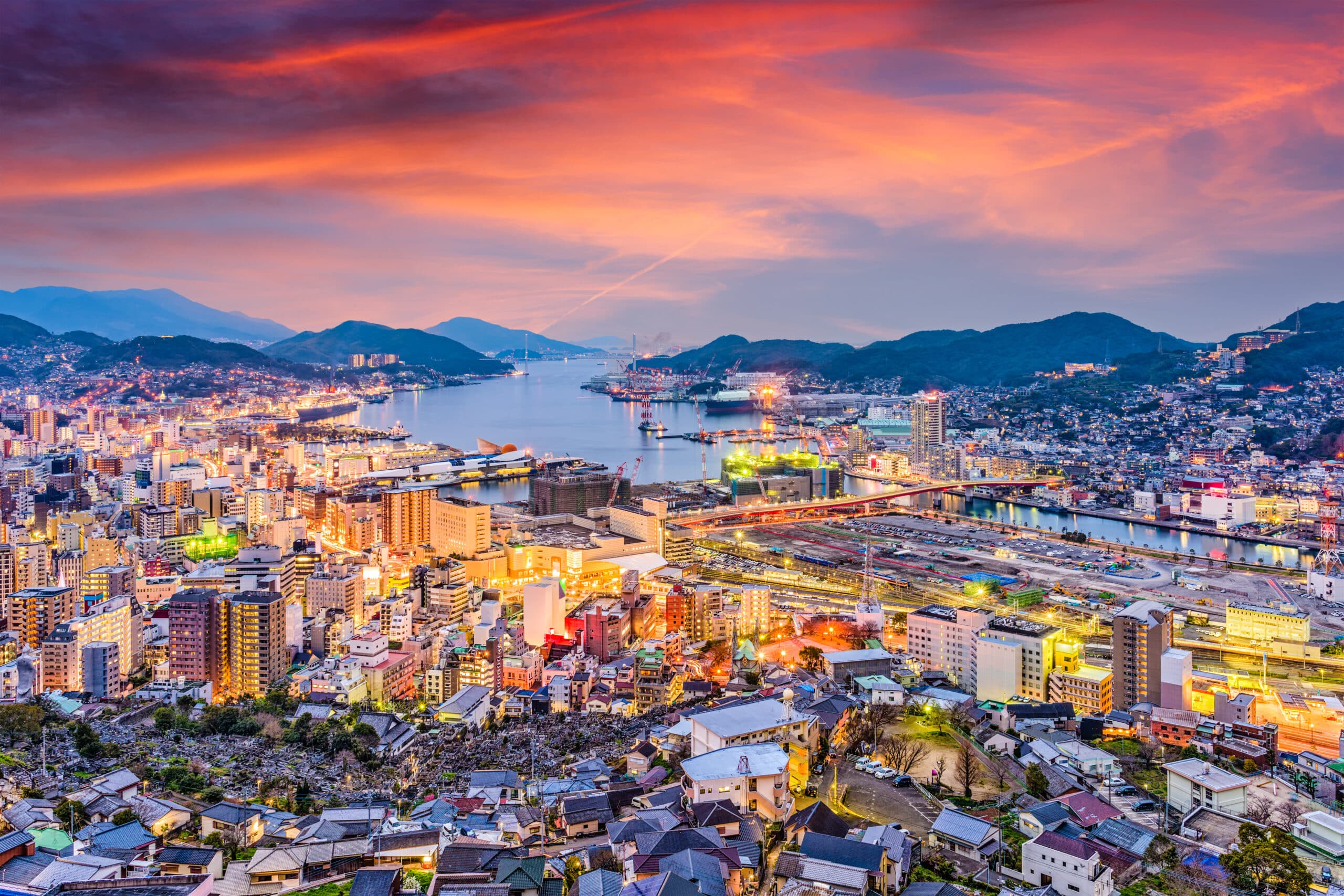
Nagasaki is one of Japan’s most fascinating and underrated cities. Located on the western coast of Kyushu, it offers a unique blend of history, culture, scenic harbor views, and local cuisine that feels very different from destinations like Tokyo, Kyoto, or Osaka.
For centuries, Nagasaki served as Japan’s gateway to the outside world. While much of the country remained isolated, merchants from Europe and China traded here, leaving behind a cultural heritage that can still be seen today in historic districts, churches, architecture, and local food traditions.
The city is also known worldwide for its role in World War II. Sites such as the Atomic Bomb Museum and Peace Park offer powerful insights into one of the most important events in modern history. Yet Nagasaki is far more than its wartime past. Visitors can explore charming hillside neighborhoods, enjoy panoramic harbor views, ride scenic ropeways, discover hidden temples, and sample some of Japan’s most distinctive regional dishes.
Whether you are interested in history, food, photography, or simply exploring a different side of Japan, Nagasaki is a destination that rewards travelers who venture beyond the country’s most famous tourist routes.
In this guide, you’ll discover the best things to do in Nagasaki, where to stay, how to get there, when to visit, insider tips, and practical advice to help you plan the perfect trip.
Table of Contents
Is Nagasaki Worth Visiting?
Yes — Nagasaki is one of Japan’s most unique cities. Combining fascinating international history, beautiful harbor scenery, excellent local food, and important cultural landmarks, Nagasaki offers a completely different experience from Tokyo, Kyoto, or Osaka. Most visitors come for the Atomic Bomb Museum and Peace Park, but many leave most impressed by the city’s charming hillside neighborhoods, historic districts, spectacular night views from Mount Inasa, and relaxed atmosphere. If you are exploring Kyushu, Nagasaki is absolutely worth visiting and deserves at least one full day in your itinerary.
Nagasaki at a Glance
One of Japan’s most fascinating port cities, Nagasaki combines international history, beautiful harbor scenery, unique local cuisine, and important cultural landmarks.
📍 Region
Kyushu, Southern Japan
⏳ Recommended Stay
1–2 Days
🏛️ Famous For
Peace Park, Dejima, Glover Garden, Mount Inasa
🍜 Local Specialties
Champon, Sara Udon, Castella Cake
🚋 Getting Around
Excellent tram network and walkable city center
🌸 Best Time to Visit
Spring and Autumn
Why Visit Nagasaki?
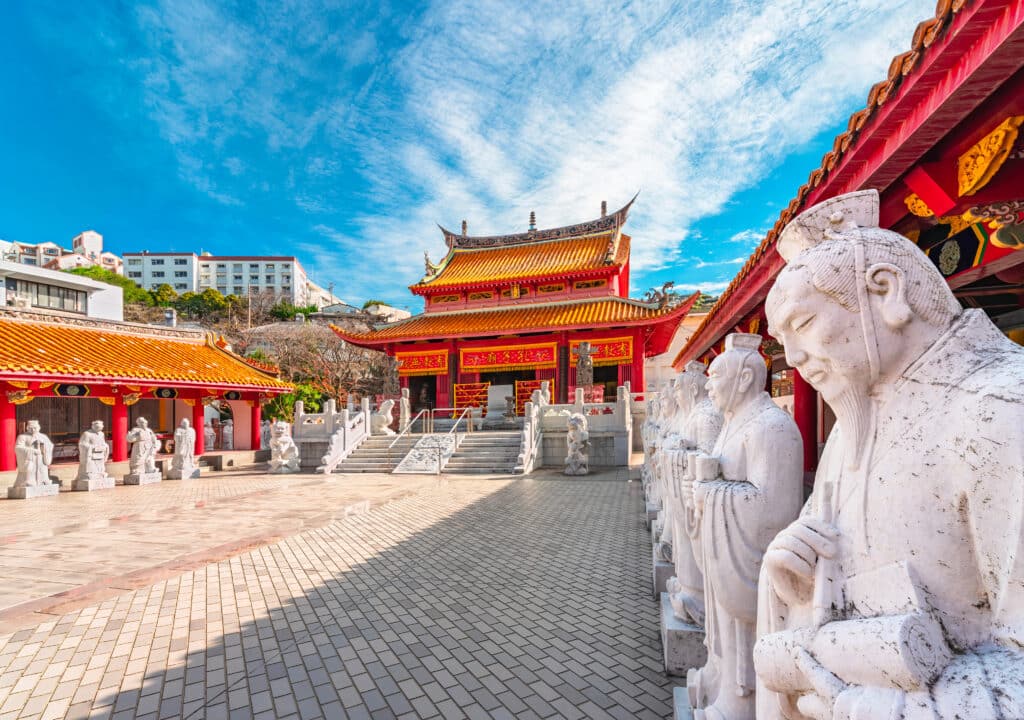
Nagasaki offers a unique combination of history, culture, food, and scenic beauty. From international influences and important historical sites to harbor views and local specialties, the city provides a side of Japan that many travelers never expect.
International History
Nagasaki was one of Japan’s most important gateways to the outside world. Historic places like Dejima, Oura Church, and Glover Garden showcase centuries of foreign influence.
Powerful Peace Memorials
The Peace Park and Atomic Bomb Museum offer important insights into world history while promoting peace and remembrance.
Beautiful Harbor Views
Surrounded by mountains and sea, Nagasaki boasts one of Japan’s most scenic urban landscapes and spectacular night views.
Unique Local Food
Influenced by Chinese and European cultures, Nagasaki’s cuisine features specialties such as Champon, Sara Udon, and Castella cake.
Is Nagasaki the Right Place for You?
Is Nagasaki Right for You?
Nagasaki offers a very different experience from Japan’s major tourist cities. Here’s a quick way to decide whether it deserves a place on your itinerary.
History & Culture
Perfect if you enjoy museums, historic districts, UNESCO sites, and learning about Japan’s international past.
Unique Local Cuisine
A great choice for food lovers wanting to try Champon, Sara Udon, Castella cake, fresh seafood, and other regional specialties.
Scenic Views
Ideal for photographers thanks to harbor panoramas, hillside neighborhoods, colorful city lights, and Mount Inasa’s famous night view.
First-Time Japan Visitors
Nagasaki is easy to navigate with its tram network, walkable districts, and relaxed atmosphere compared with larger cities.
Exploring Kyushu
An excellent base for visiting Gunkanjima, Unzen Onsen, Shimabara, Huis Ten Bosch, and other highlights of western Kyushu.
Beyond Tokyo & Kyoto
Choose Nagasaki if you want a destination with fewer crowds, unique history, and a completely different side of Japan.
Best Things to Do in Nagasaki
From historic trading districts and peaceful memorial parks to panoramic viewpoints and local food experiences, Nagasaki offers a surprisingly diverse range of attractions. These are the best places to visit and experiences to include in your itinerary.
Peace Park
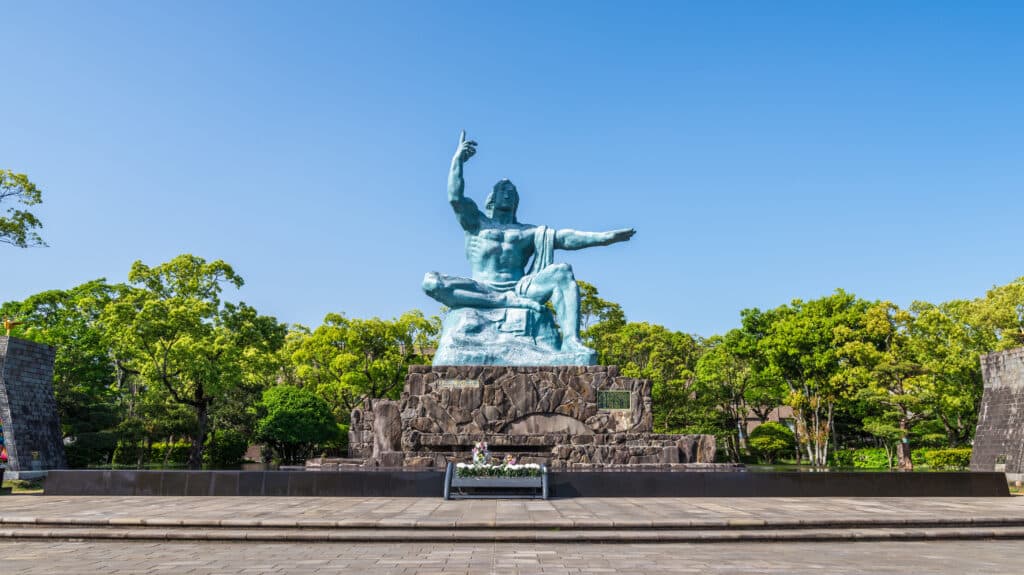
Peace Park
Peace Park is one of Nagasaki’s most important landmarks. Built near the hypocenter of the atomic bomb explosion of 1945, the park serves as a symbol of peace and remembrance. The iconic Peace Statue and international memorials make this a meaningful place to visit.
Atomic Bomb Museum
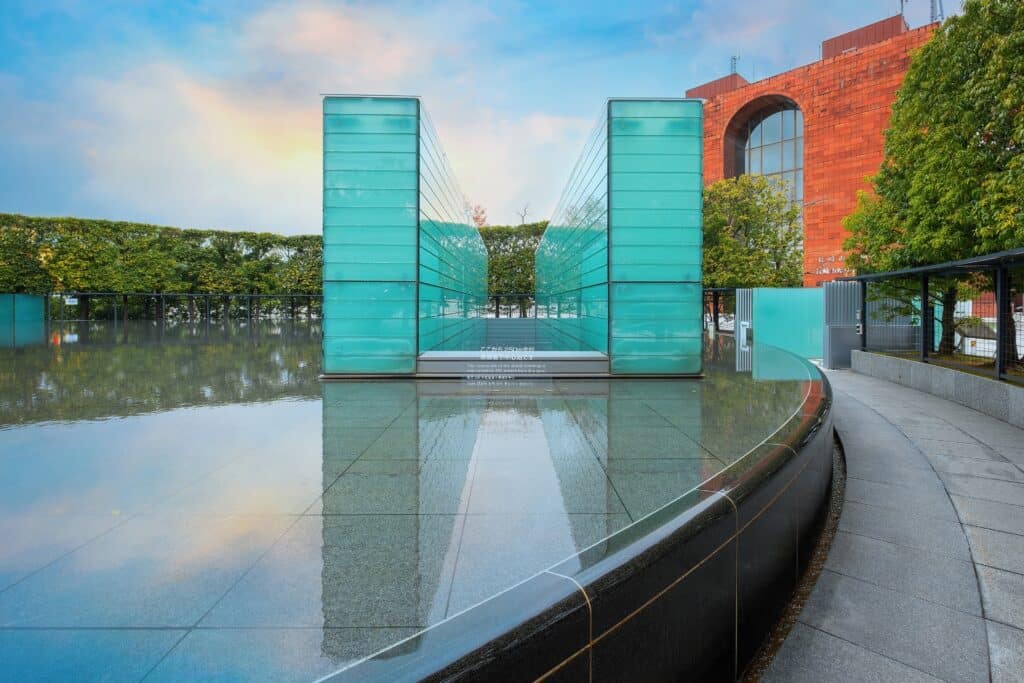
Atomic Bomb Museum
Located next to Peace Park, the Atomic Bomb Museum tells the story of August 9, 1945 through personal accounts, photographs, artifacts, and educational exhibits. It provides important historical context and promotes peace awareness.
Glover Garden
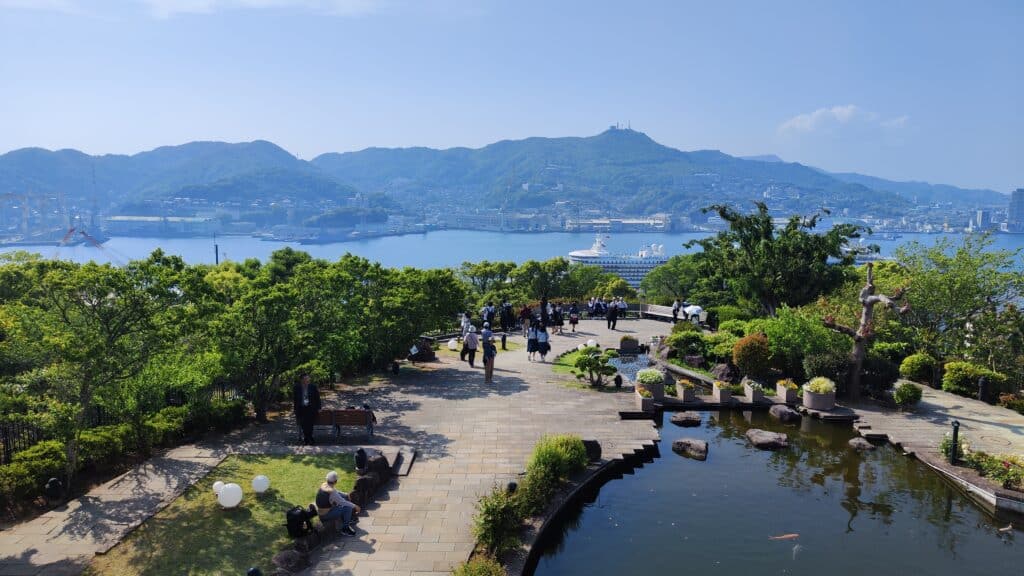
Glover Garden
Glover Garden features beautifully preserved Western-style residences from the late nineteenth century. The hillside location offers excellent views over Nagasaki Harbor while showcasing the city’s international heritage.
Oura Church
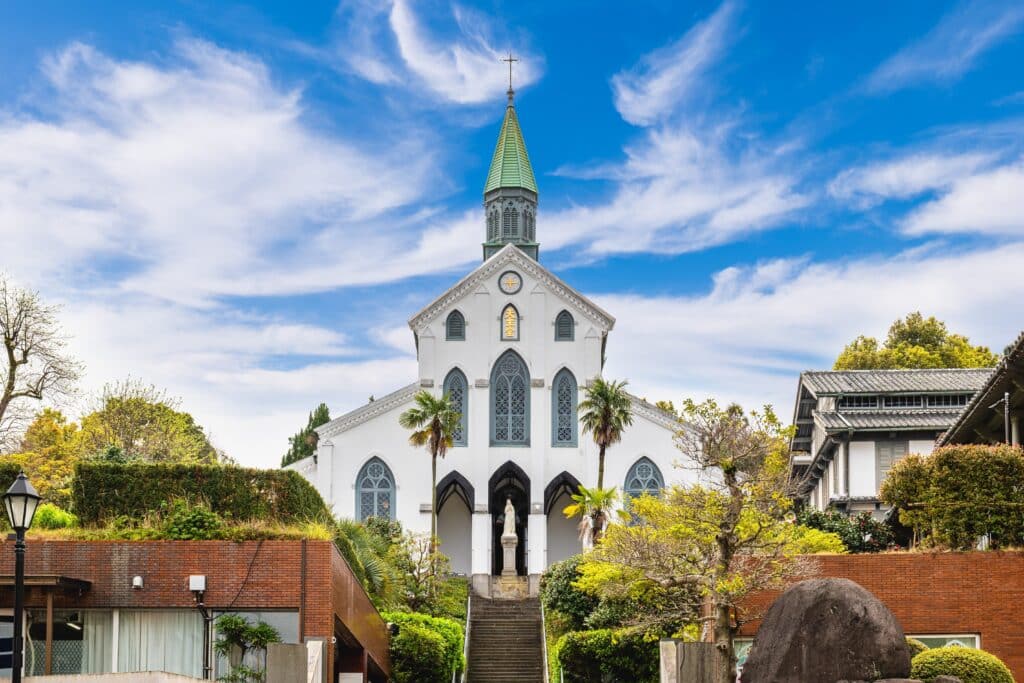
Oura Church
Built in 1864, Oura Church is Japan’s oldest surviving Christian church and one of Nagasaki’s most important cultural landmarks. The Gothic architecture provides a fascinating contrast to traditional Japanese temples.
Mount Inasa
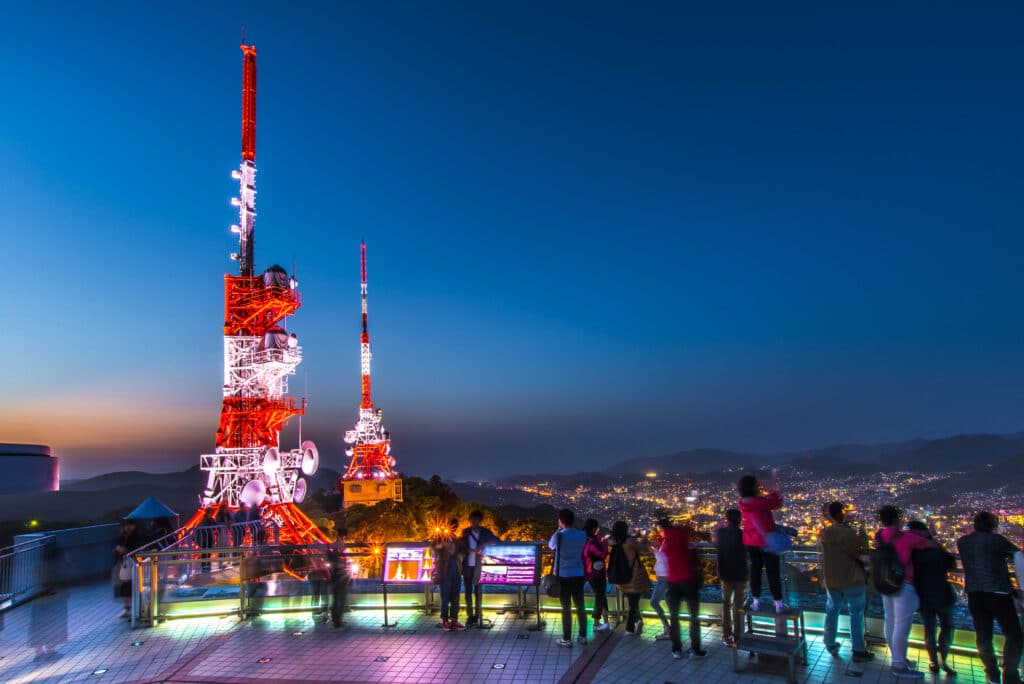
Mount Inasa
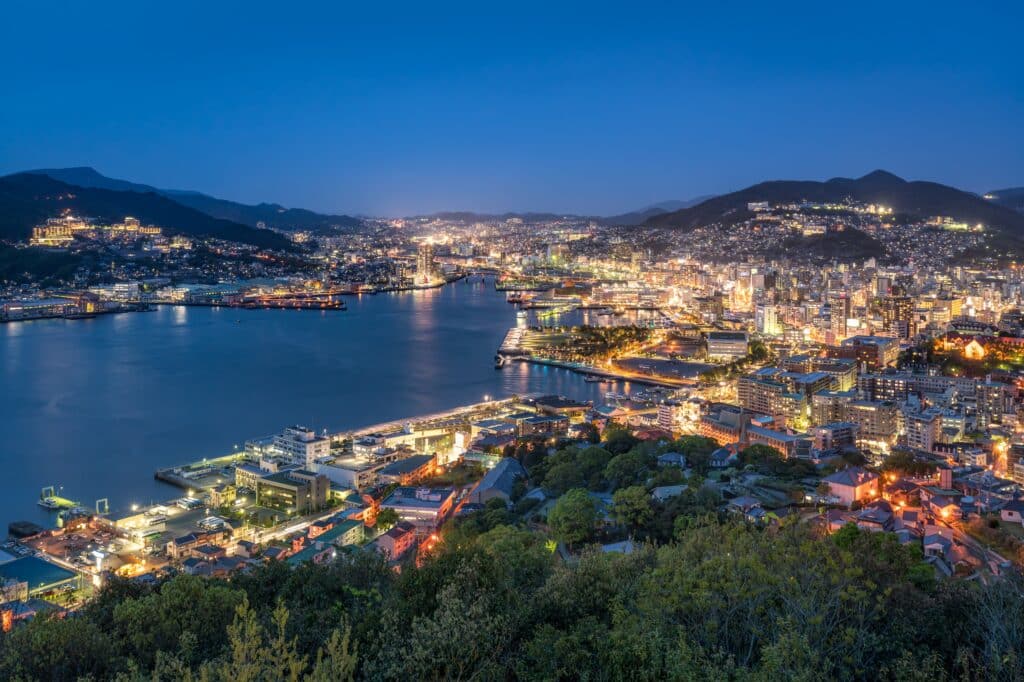
Mount Inasa is famous for offering one of Japan’s best night views. From the observation deck, visitors can enjoy breathtaking panoramas of Nagasaki Harbor, the surrounding mountains, and the city lights below.
Dejima
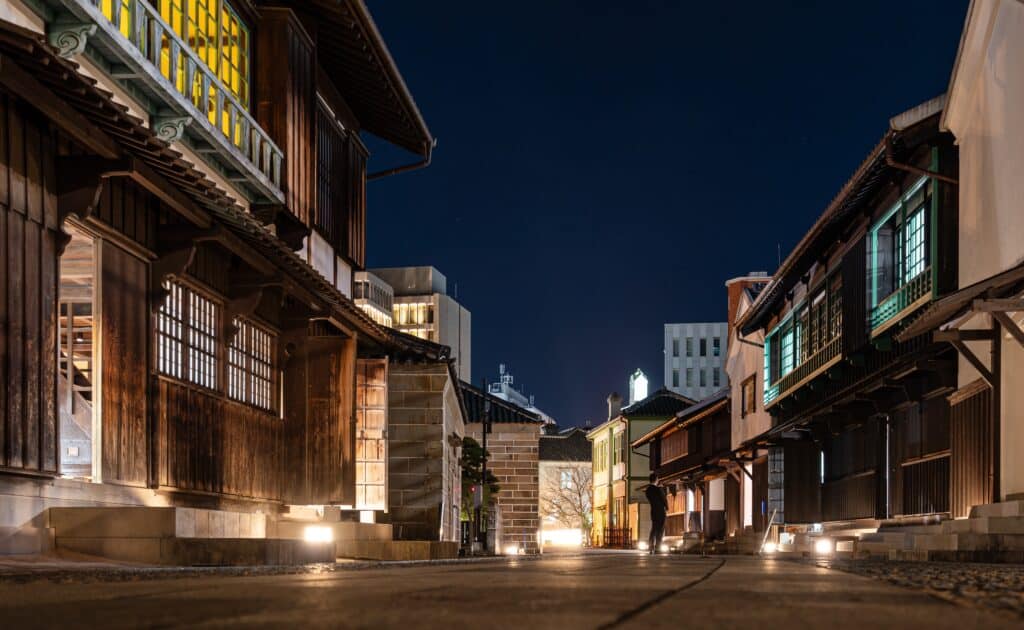
Dejima
Dejima was once an artificial island where Dutch traders lived and worked during Japan’s period of isolation. Today, the restored buildings, exhibitions, and historic streets offer a fascinating look into Nagasaki’s role as Japan’s window to the outside world.
Nagasaki Chinatown
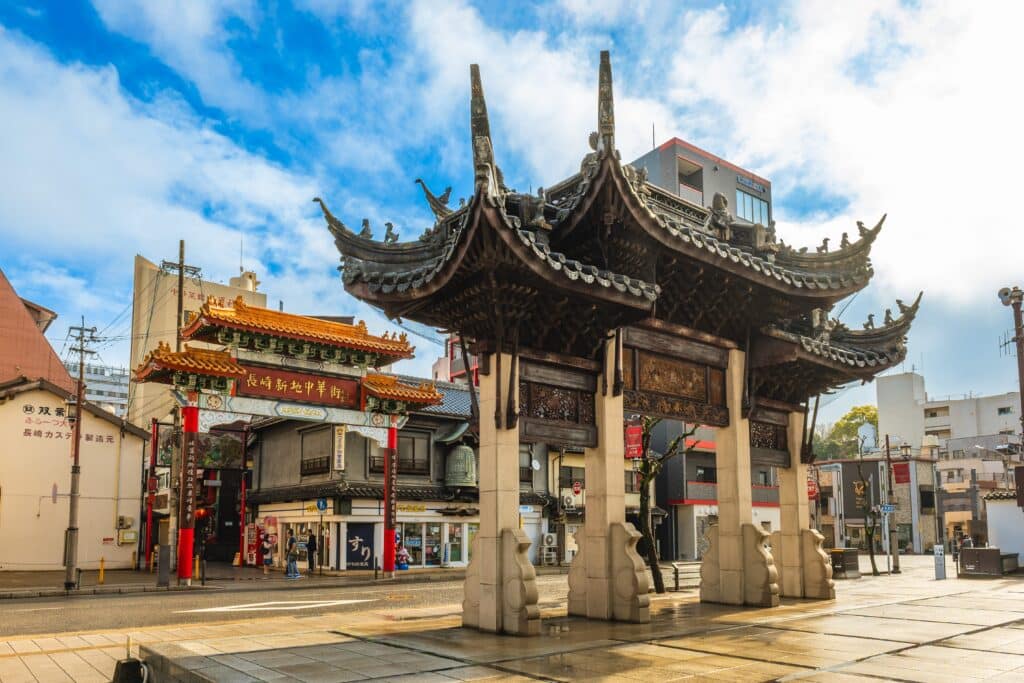
Nagasaki Chinatown
Nagasaki Chinatown is one of Japan’s oldest Chinatown districts and a great place to experience the city’s Chinese influence. The area is especially popular for local dishes such as Nagasaki Champon and Sara Udon.
Meganebashi Bridge
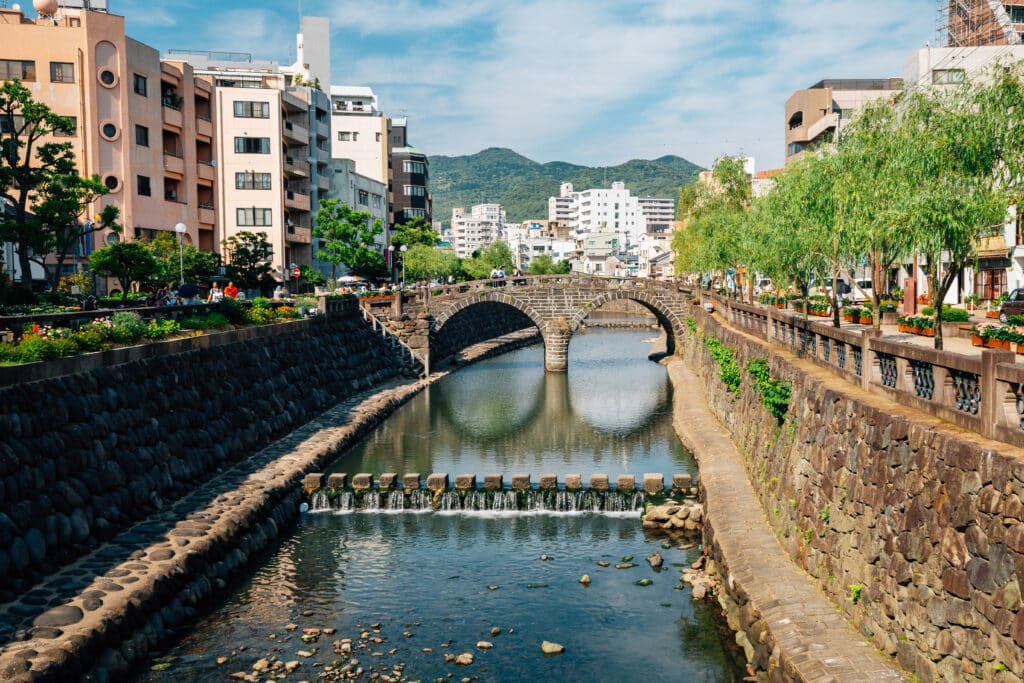
Meganebashi Bridge
Meganebashi Bridge, also known as Spectacles Bridge, is one of Nagasaki’s most charming landmarks. When the stone arches reflect in the water below, they create the shape of a pair of glasses.
Dutch Slope
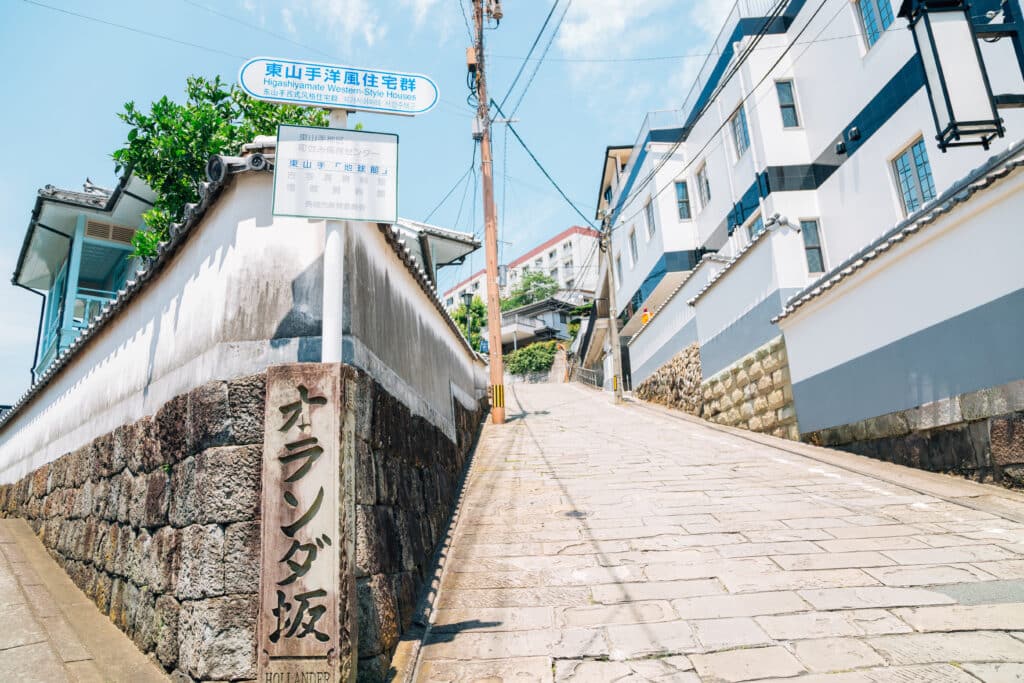
Dutch Slope
Dutch Slope is a quiet hillside area lined with stone-paved streets and historic Western-style buildings. It is a pleasant place for a short walk and gives visitors another glimpse of Nagasaki’s international past.
Nagasaki Ropeway
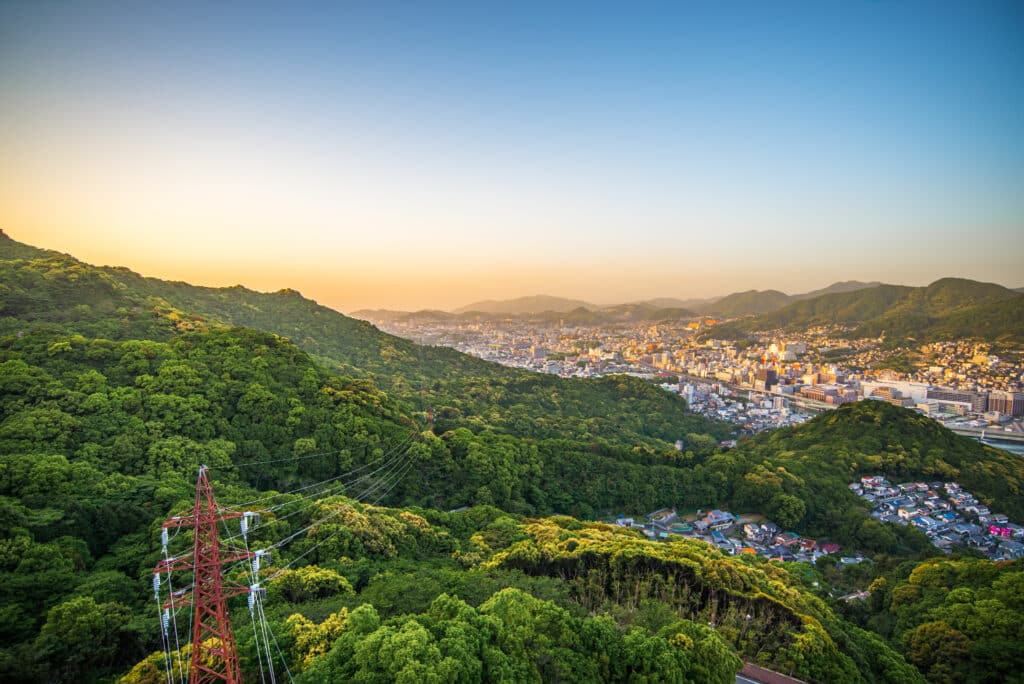
Nagasaki Ropeway
The Nagasaki Ropeway connects the city with Mount Inasa and is one of the easiest ways to reach the famous observation deck. The ride is especially beautiful around sunset, when the harbor and city lights begin to appear.
Experience Nagasaki’s Hillside Neighborhoods
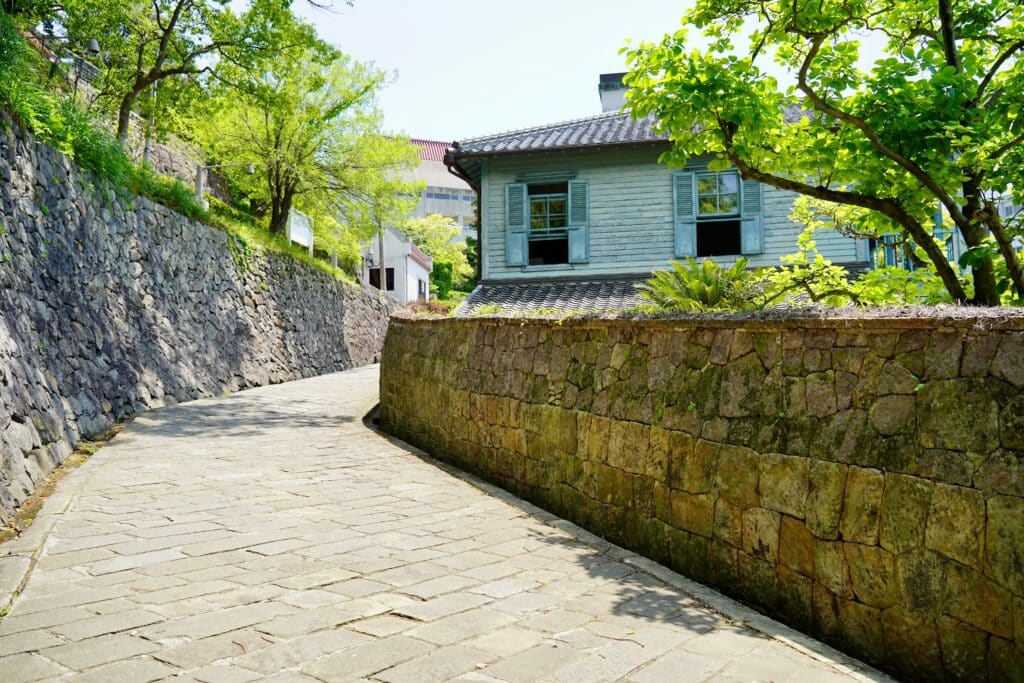
While most visitors focus on famous sights such as Peace Park, Glover Garden, Dejima, and Mount Inasa, some of Nagasaki’s most memorable moments can be found in its hillside neighborhoods. Because the city sits between mountains and the sea, many streets climb steeply above the harbor, creating a cityscape that feels very different from most places in Japan.
Take time to wander through areas around Dutch Slope, Minamiyamate, and Higashiyamate, where narrow lanes, stone staircases, old Western-style houses, small temples, and quiet viewpoints reveal a slower side of Nagasaki. These walks do not need a strict plan. Simply following the slopes and side streets often leads to unexpected harbor views, hidden corners, and a stronger sense of local life.
Nagasaki Tourist Map
This map highlights Nagasaki’s most important attractions, viewpoints, historic districts, and food areas. It can help you plan an efficient route through the city and identify which sights are within walking distance of each other.
Many of Nagasaki’s main attractions are concentrated around the harbor and historic districts, making it possible to explore several highlights on foot. For sights further away, such as Mount Inasa or Peace Park, the city’s excellent tram network provides an easy and affordable way to get around.
Suggested Nagasaki Itineraries
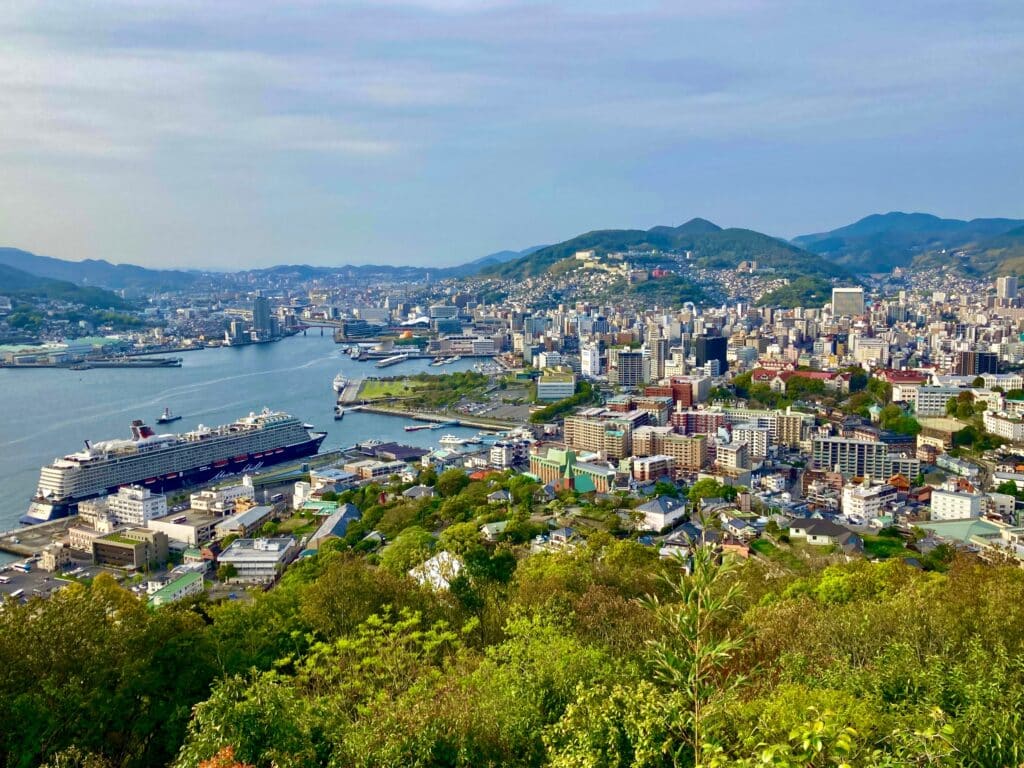
Nagasaki can be visited as a day trip from Fukuoka, but staying overnight allows you to experience more of the city’s atmosphere, viewpoints, and local food scene. Here are some suggested itineraries based on the time you have available.
One Day in Nagasaki
Morning: Start at Peace Park and the Atomic Bomb Museum to learn about Nagasaki’s history.
Lunch: Try a bowl of Nagasaki Champon in Chinatown.
Afternoon: Visit Dejima, Oura Church, and Glover Garden while enjoying views over the harbor.
Evening: Take the ropeway up Mount Inasa for one of Japan’s most spectacular night views before returning to your accommodation or train.
Two Days in Nagasaki
Day 1: Explore Peace Park, the Atomic Bomb Museum, Chinatown, and Dejima before watching the sunset from Mount Inasa.
Day 2: Visit Oura Church, Glover Garden, Dutch Slope, Meganebashi Bridge, and spend time exploring Nagasaki’s charming hillside neighborhoods.
With two days, you’ll be able to enjoy the city at a relaxed pace and discover many places that day-trippers often miss.
Three Days in Nagasaki
Spend your first two days exploring Nagasaki’s main attractions and historic districts.
Use the third day for a memorable excursion such as Hashima Island (Gunkanjima), Unzen Onsen, Shimabara, or Huis Ten Bosch.
This itinerary provides enough time to experience both the city’s history and the surrounding region.
Best Day Trips from Nagasaki
While Nagasaki itself offers enough attractions for several days of sightseeing, the surrounding region is home to historic towns, volcanic landscapes, hot springs, and unique attractions that make excellent day trips. If you have extra time, consider exploring some of these destinations beyond the city.
Hashima Island
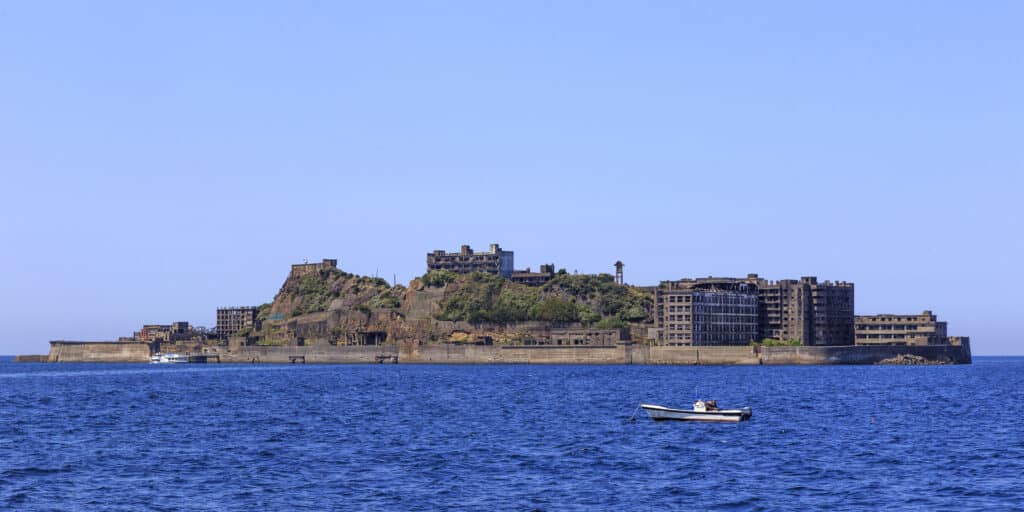
Hashima Island (Gunkanjima)
Hashima Island, often called Gunkanjima or Battleship Island, is one of Japan’s most unusual attractions. Once a thriving coal mining community, the island was abandoned in the 1970s and now features dramatic concrete ruins overlooking the sea.
Unzen Onsen
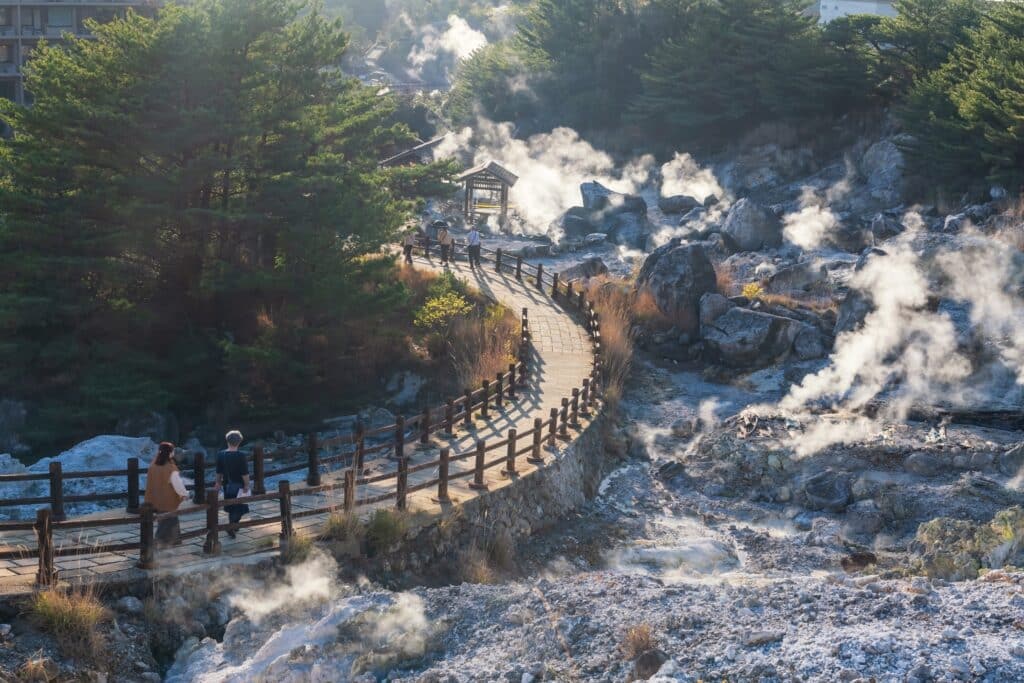
Unzen Onsen
Located in the mountains of the Shimabara Peninsula, Unzen Onsen is one of Japan’s oldest hot spring towns. Visitors can explore steaming volcanic landscapes, enjoy traditional ryokan stays, and relax in natural hot springs.
Huis Ten Bosch
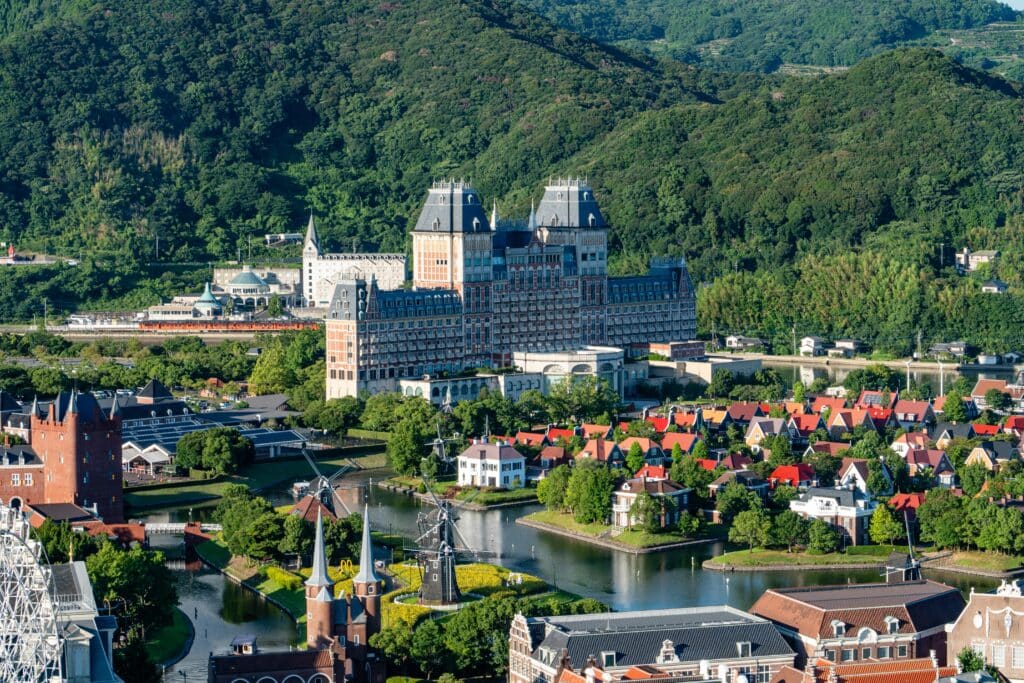
Huis Ten Bosch
Huis Ten Bosch recreates a Dutch town complete with canals, windmills, gardens, and seasonal illuminations. It offers a surprisingly different experience from traditional Japanese sightseeing and is especially popular with families.
Shimabara
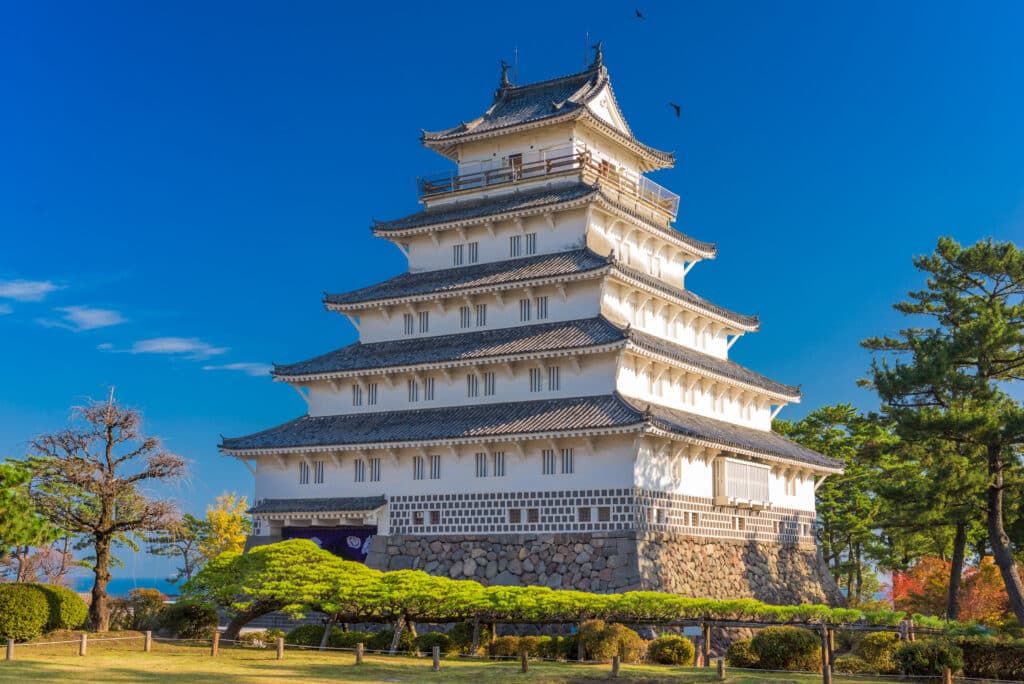
Shimabara
Shimabara is known for its beautiful castle, historic samurai district, and spring-fed waterways. The town offers a quieter and more traditional atmosphere than Nagasaki while showcasing an important part of Kyushu’s history.
Sasebo & Kujukushima Islands
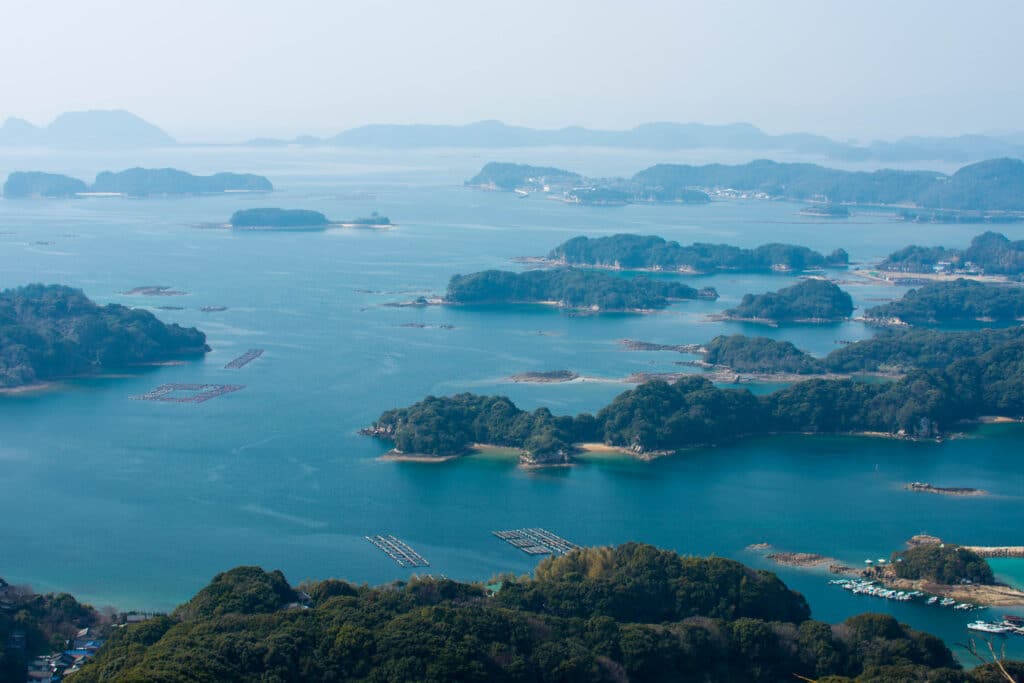
Sasebo & Kujukushima Islands
Located north of Nagasaki, Sasebo is the gateway to the Kujukushima Islands, a stunning archipelago of more than 200 small islands. Boat cruises and observation decks provide some of Kyushu’s most beautiful coastal scenery.
If you are exploring Kyushu beyond Nagasaki, consider combining your visit with nearby destinations such as Fukuoka, Beppu, Yufuin, or Kumamoto to experience even more of southern Japan’s diverse landscapes and culture.
Best Foods to Try in Nagasaki
Thanks to centuries of international trade and cultural exchange, Nagasaki has developed one of Japan’s most distinctive regional cuisines. Influences from China, Portugal, and the Netherlands can still be found in many local dishes today. Here are some of the foods you should try during your visit.
Nagasaki Champon
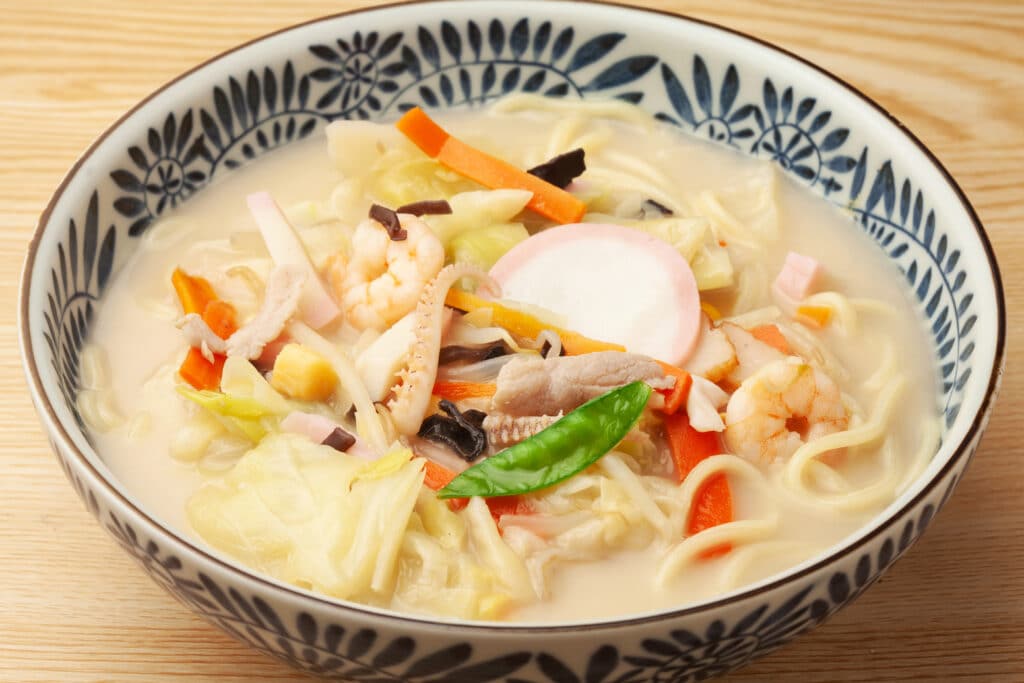
Nagasaki Champon
Champon is Nagasaki’s most famous dish. This hearty noodle soup combines pork, seafood, vegetables, and a rich broth inspired by Chinese cuisine. It was originally created as an affordable meal for Chinese students living in Nagasaki.
Sara Udon

Sara Udon
Sara Udon features crispy fried noodles topped with seafood, pork, vegetables, and a thick savory sauce. It shares similar ingredients with Champon but offers a completely different texture and flavor experience.
Castella Cake
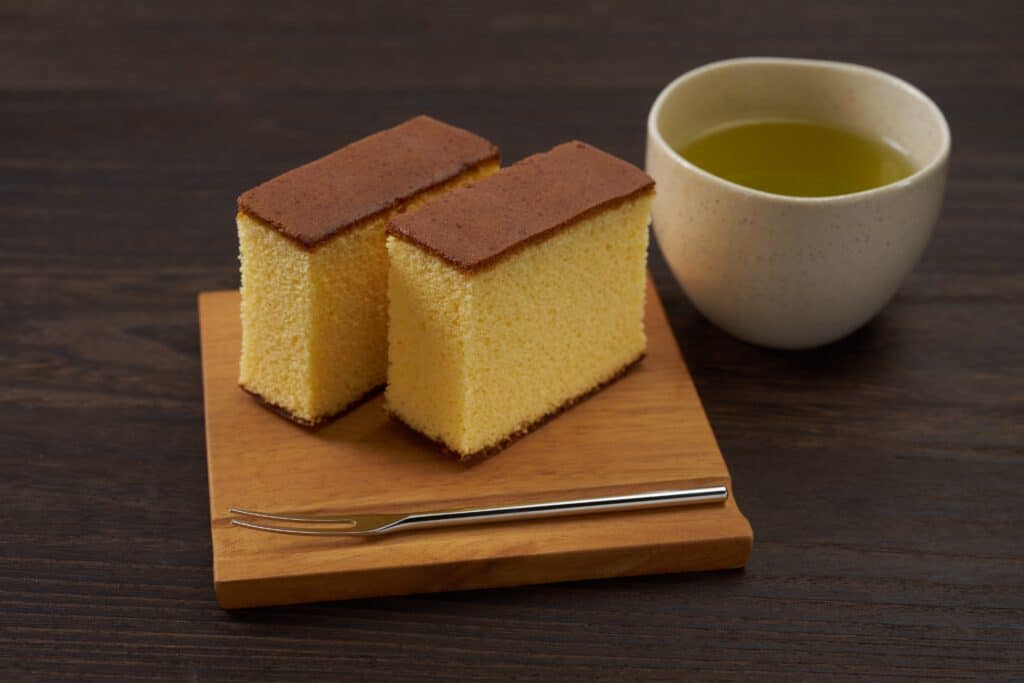
Castella Cake
Introduced by Portuguese traders centuries ago, Castella is a soft sponge cake that has become one of Nagasaki’s most famous souvenirs. Its simple ingredients and delicate sweetness make it a popular snack throughout Japan.
Turkish Rice
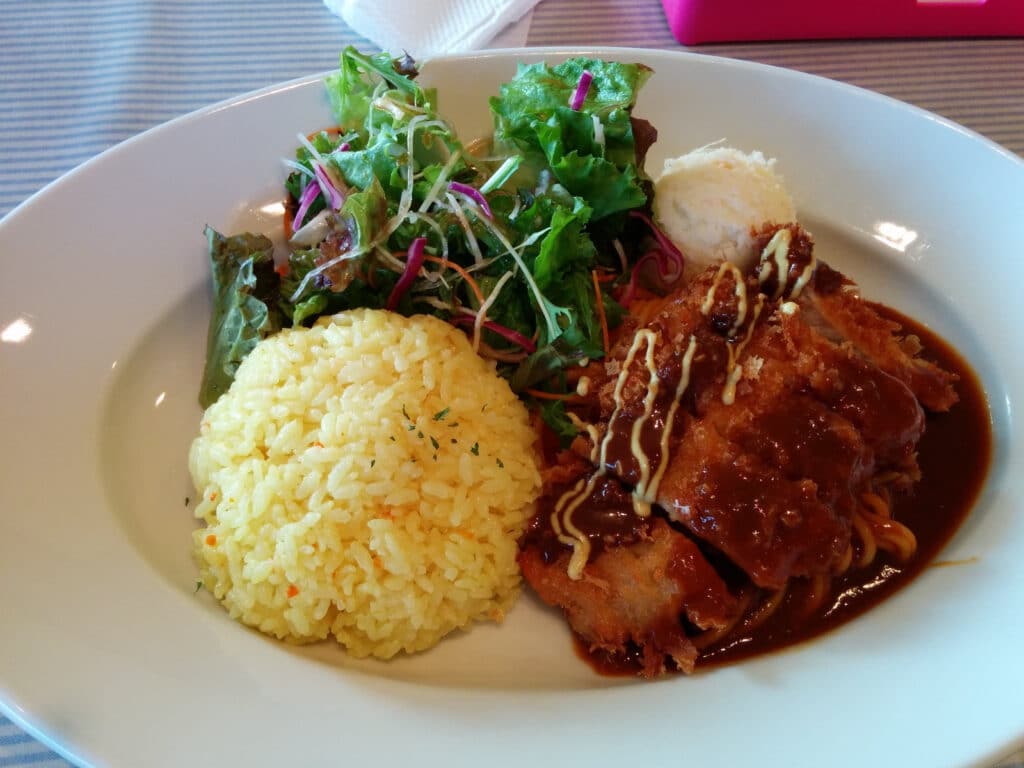
Turkish Rice
Despite its name, Turkish Rice is a uniquely Nagasaki creation. The dish combines rice pilaf, spaghetti, and a breaded pork cutlet on a single plate. It perfectly reflects the city’s international culinary influences.
Fresh Seafood
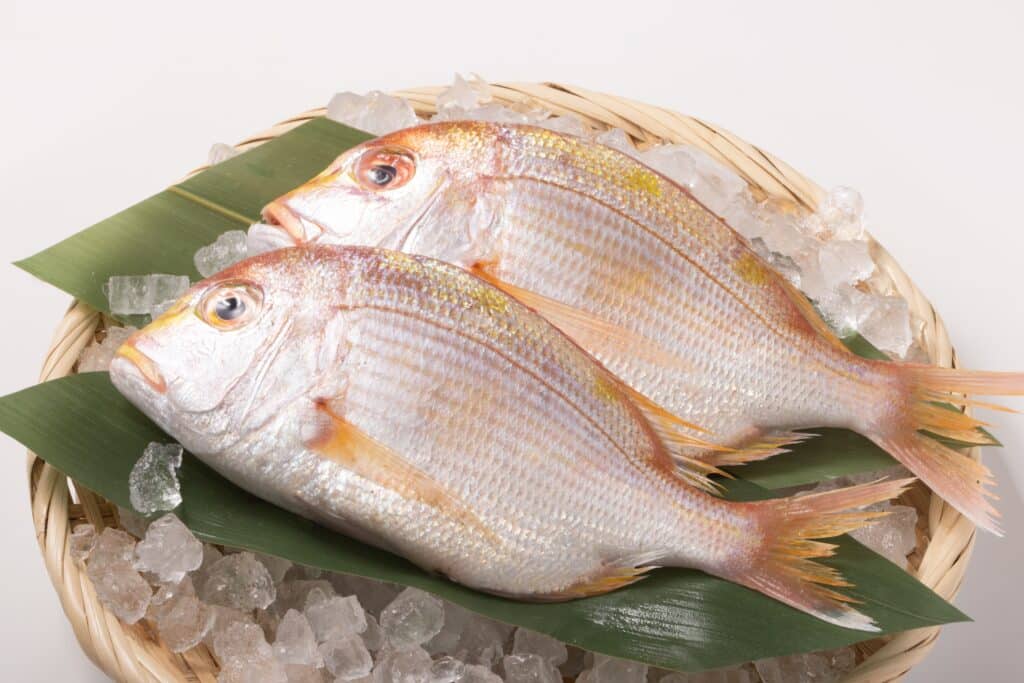
Fresh Seafood
Surrounded by productive fishing grounds, Nagasaki is one of Japan’s top seafood destinations. Expect excellent sashimi, sushi, squid, and seasonal fish served in restaurants across the city.
Kakuni Manju
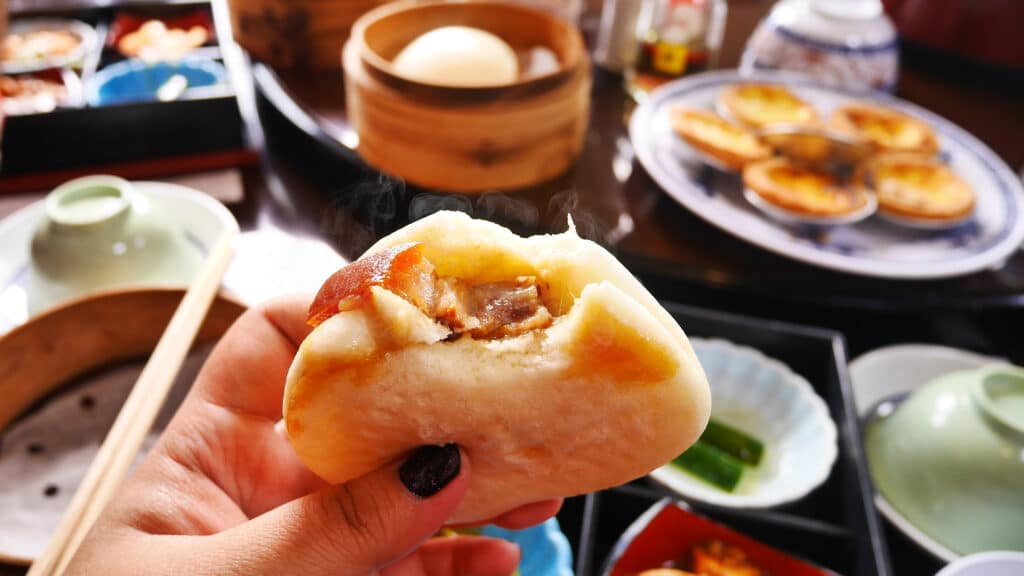
Kakuni Manju
Kakuni Manju consists of slow-braised pork belly served inside a soft steamed bun. Inspired by Chinese cuisine, it has become one of Nagasaki’s most popular snacks and is easy to find in Chinatown and shopping streets.
How to Get to Nagasaki
Despite its location on the western edge of Kyushu, Nagasaki is easy to reach by train, plane, or bus. Most visitors arrive from Fukuoka, while others include Nagasaki as part of a wider Kyushu itinerary.
🚄 From Fukuoka
The fastest and easiest way to reach Nagasaki from Fukuoka is by train. The Nishi Kyushu Shinkansen and connecting trains make the journey comfortable and efficient.
✈️ From Tokyo
Most travelers flying from Tokyo use direct flights to Nagasaki Airport. Flying is significantly faster than taking the train across the entire country.
🚄 From Hiroshima
Travelers coming from Hiroshima can reach Nagasaki via the Sanyo Shinkansen to Hakata before transferring to trains heading toward Nagasaki.
🚋 From Kumamoto
Nagasaki can be reached from Kumamoto by train via Shin-Tosu or by combining ferry and local transportation routes across the Ariake Sea.
Getting Around Nagasaki
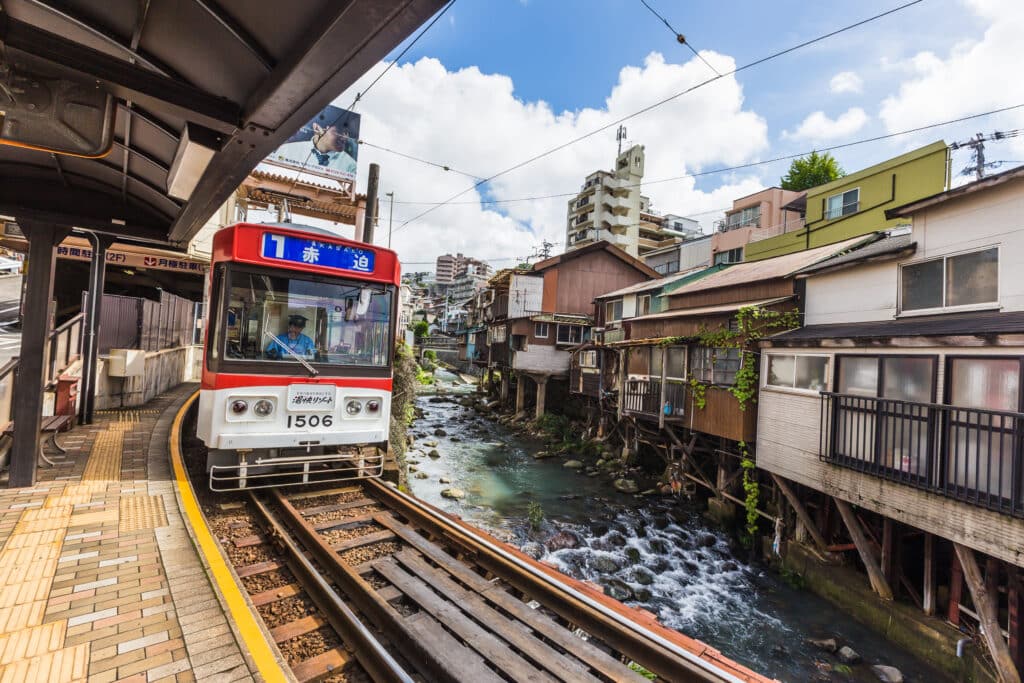
Nagasaki is one of Japan’s easiest cities to explore without a car. The city’s tram network connects most major attractions, including Peace Park, Chinatown, Dejima, and Nagasaki Station.
Many attractions in the city center are also within walking distance of each other, making Nagasaki ideal for independent travelers.
Where to Stay in Nagasaki
Nagasaki offers a variety of accommodation options, from convenient city-center hotels to scenic hillside properties overlooking the harbor. For most first-time visitors, staying near Nagasaki Station or the harbor area provides the best balance of convenience and sightseeing access.
Which Area Is Right for You?
🚉 Nagasaki Station
Choose this area if it is your first visit and you want the most convenient base for sightseeing, trains, trams, and day trips.
🌊 Harbor Area
Perfect for waterfront views, scenic walks, and easy access to Dejima, Chinatown, Glover Garden, and the ferry terminal.
🍜 Chinatown & Downtown
The best choice for food lovers, evening atmosphere, restaurants, shopping streets, and walkable sightseeing.
🌃 Mount Inasa
Ideal for couples, luxury stays, romantic trips, and some of the most memorable night views in Japan.
Best Time to Visit Nagasaki
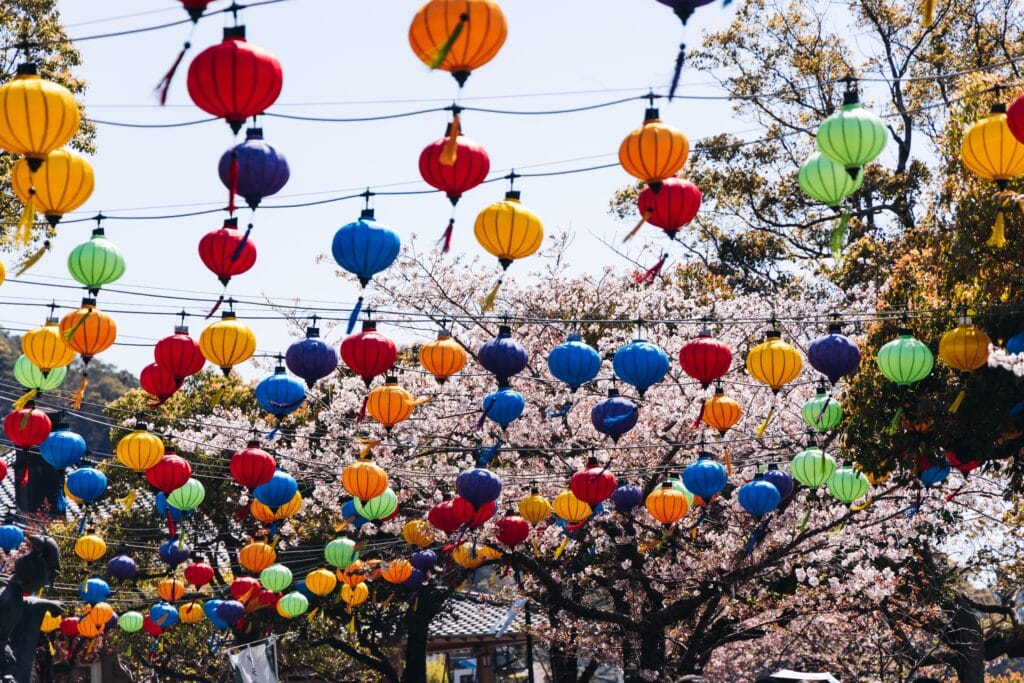
Nagasaki is a year-round destination, but each season offers a different experience. Spring brings cherry blossoms, summer features festivals and vibrant harbor scenery, autumn offers pleasant temperatures and colorful foliage, while winter provides clear skies and fewer crowds.
🌸 Spring (March–May)
Spring is one of the best times to visit Nagasaki. Mild temperatures, blooming cherry trees, and comfortable sightseeing conditions make it ideal for exploring the city’s historic districts and waterfront areas.
☀️ Summer (June–August)
Summer brings vibrant greenery, harbor activities, and seasonal festivals. However, temperatures and humidity can be high, especially in July and August.
🍁 Autumn (September–November)
Autumn offers comfortable temperatures, lower humidity, and beautiful seasonal colors. Many travelers consider this the ideal time for walking through Nagasaki’s historic neighborhoods and gardens.
❄️ Winter (December–February)
Winter is generally mild compared to northern Japan. Clear skies often provide excellent visibility from Mount Inasa, while fewer tourists make sightseeing more relaxed.
Travel Tips for Nagasaki
Nagasaki is one of Japan’s easiest and most rewarding cities to explore, but a few simple tips can help you make the most of your visit.
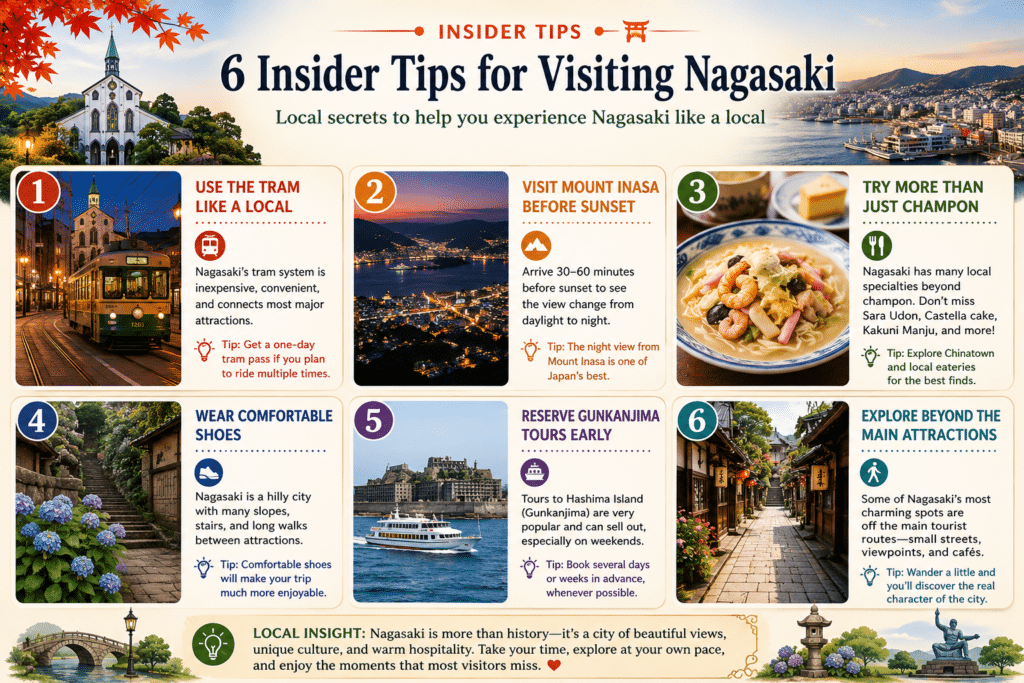
Use the Tram Network
Nagasaki’s tram system is inexpensive, reliable, and connects most major attractions including Peace Park, Chinatown, Dejima, and Nagasaki Station.
Consider a day pass if you plan to visit multiple sights.Stay Overnight If Possible
Although Nagasaki can be visited as a day trip from Fukuoka, spending at least one night allows you to enjoy the city at a much more relaxed pace.
Best for Mount Inasa and evening food spots.Visit Mount Inasa Before Sunset
Arrive before sunset to enjoy the changing scenery as daylight fades into one of Japan’s most famous night views.
Arrive 30–60 minutes before sunset.Try More Than Just Champon
Champon is delicious, but don’t miss Sara Udon, Kakuni Manju, Castella cake, and fresh local seafood.
Explore Chinatown and local restaurants.Wear Comfortable Shoes
Nagasaki is built on steep hillsides, and many interesting neighborhoods involve walking up slopes, staircases, and narrow streets.
You’ll walk more than expected.Reserve Gunkanjima Tours Early
Tours to Hashima Island are among the most popular activities in Nagasaki and can sell out during weekends and peak seasons.
Book several days or weeks in advance.Insider Tips for Visiting Nagasaki
Want to experience Nagasaki beyond the main tourist attractions? These local tips can help you discover hidden corners of the city, avoid common mistakes, and make the most of your visit.
Common Mistakes to Avoid in Nagasaki
Nagasaki is easy to visit, but there are a few common mistakes that can limit your experience. Avoiding these will help you make the most of your time in one of Japan’s most fascinating cities.
What Not to Do in Nagasaki
Nagasaki is easy to explore, but avoiding a few common mistakes will help you enjoy the city at a slower pace and get more out of your visit.
Only Visiting as a Day Trip
Nagasaki can be visited from Fukuoka, but one day often feels rushed. Staying overnight gives you time for Mount Inasa, local food, and a more relaxed experience.
Skipping Mount Inasa
The night view from Mount Inasa is one of Nagasaki’s biggest highlights. Try to visit before sunset so you can enjoy both daytime and evening views.
Only Seeing Peace Park
Peace Park and the Atomic Bomb Museum are essential, but Nagasaki also has Dejima, Glover Garden, Chinatown, churches, bridges, and beautiful harbor scenery.
Ignoring the Tram
Nagasaki’s tram network is affordable and convenient. It saves time, reduces unnecessary walking, and connects many of the city’s main sightseeing areas.
Underestimating the Hills
Nagasaki is built around steep hillsides. Even short routes can involve slopes or stairs, so comfortable shoes are more important than many visitors expect.
Skipping Local Food
Champon is famous, but Nagasaki’s food scene goes much further. Try Sara Udon, Castella cake, Kakuni Manju, Turkish Rice, and fresh seafood as well.
Who Should Visit Nagasaki?
Who Should Visit Nagasaki?
Nagasaki appeals to a wide range of travelers, but it is especially rewarding for visitors looking for history, culture, unique food, and a different side of Japan beyond the usual tourist route.
Explore Japan’s Most Fascinating Past
From the Atomic Bomb Museum and Peace Park to Dejima and Glover Garden, Nagasaki offers one of Japan’s richest historical experiences.
Discover Unique Regional Cuisine
Nagasaki’s food culture blends Japanese, Chinese, and European influences, creating specialties you won’t find elsewhere in Japan.
Capture Stunning Cityscapes
Harbor views, hillside neighborhoods, colorful festivals, and Mount Inasa’s famous night panorama provide endless photo opportunities.
A Great Base for Western Kyushu
Nagasaki works perfectly as part of a larger Kyushu itinerary, with easy access to Gunkanjima, Unzen, Shimabara, and Huis Ten Bosch.
Enjoy a Relaxed Atmosphere
Compared with Tokyo, Kyoto, and Osaka, Nagasaki feels quieter and less crowded, making it ideal for travelers who prefer a slower pace.
See a Different Side of Japan
If you’ve already visited Japan’s famous destinations—or simply want something different—Nagasaki offers a unique blend of cultures and experiences.
Final Thoughts
Nagasaki is one of Japan’s most fascinating and underrated destinations. While many travelers visit for its historical significance, the city offers much more than its famous memorial sites. From scenic harbor views and hillside neighborhoods to unique local cuisine and centuries of international influence, Nagasaki provides an experience unlike anywhere else in the country.
Whether you spend a single day exploring the main attractions or several days discovering nearby islands, hot springs, and historic districts, Nagasaki rewards visitors with a rich blend of culture, history, and natural beauty.
For travelers looking to experience a different side of Japan beyond Tokyo, Kyoto, and Osaka, Nagasaki is absolutely worth adding to your itinerary.
Frequently Asked Questions About Nagasaki
How many days do you need in Nagasaki?
One full day is enough to see the main attractions, but two days is ideal if you want to explore the city at a relaxed pace and visit nearby destinations.
Is Nagasaki a day trip from Fukuoka?
Yes. The journey from Hakata Station takes approximately 1 hour and 20 minutes, making Nagasaki one of the most popular day trips from Fukuoka.
What food is Nagasaki known for?
Popular local specialties include Champon, Sara Udon, Castella cake, Kakuni Manju, Turkish Rice, and fresh seafood.
When is the best time to visit Nagasaki?
Spring (March–May) and autumn (September–November) are generally considered the best times to visit thanks to pleasant weather and excellent sightseeing conditions.
Is Nagasaki suitable for first-time visitors to Japan?
Absolutely. The city is easy to navigate, has excellent public transportation, and offers a unique perspective on Japan’s history and culture.