
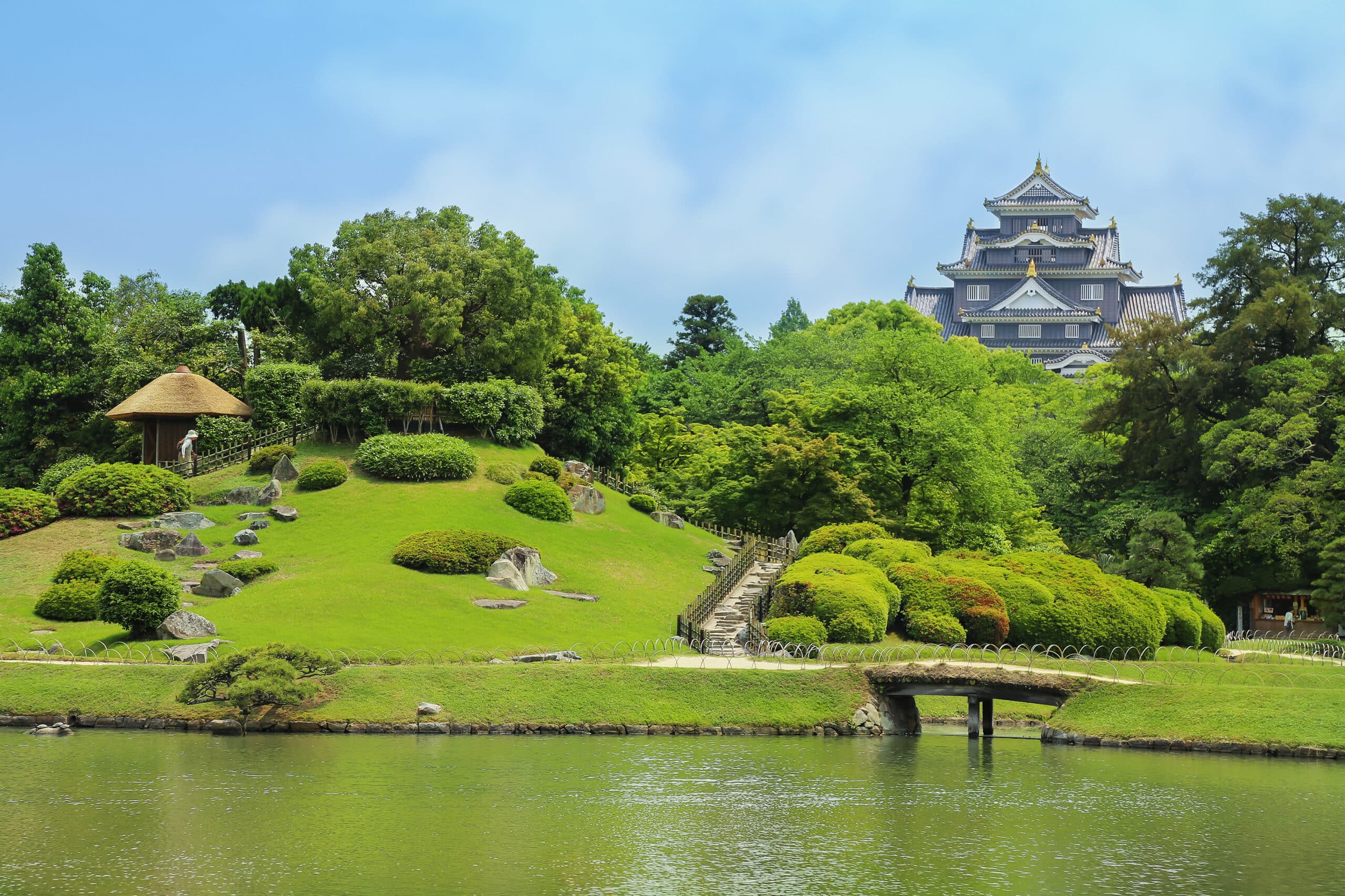
Yes, Okayama is worth visiting, especially if you’re traveling between Osaka, Hiroshima, or other destinations in western Japan. The city is home to Korakuen Garden, one of Japan’s most celebrated landscape gardens, and the striking black Okayama Castle.
However, Okayama isn’t necessarily a destination that requires an overnight stay. Most travelers can explore its main highlights in 3–4 hours, making it an excellent stopover along the Shinkansen route.
If you have a full day, combining Okayama with nearby Kurashiki’s beautifully preserved historical quarter makes the visit even more rewarding.
Our recommendation: Stop in Okayama for at least a few hours if it fits naturally into your route, but prioritize an overnight stay only if you want a more relaxed pace or plan to explore the surrounding area.
Quick Decision Guide: Should You Visit Okayama?
Visit Korakuen Garden and Okayama Castle. That’s enough to experience the city’s main highlights.
Combine Okayama with Kurashiki for gardens, castle scenery, and historic streets.
Worthwhile if you prefer slower travel or want to explore more of the surrounding region.
Okayama is optional. Prioritize your must-see destinations and stop only if it fits your route.
Table of Contents
Why Visit Okayama? The Pros and Cons
Okayama has several advantages that make it an appealing addition to a Japan itinerary, particularly for travelers exploring western Japan. Its main attractions are relatively close together, the city is well connected by Shinkansen, and it offers a more relaxed sightseeing experience than Japan’s busiest tourist destinations.
However, Okayama isn’t a must-visit destination for everyone. While Korakuen Garden and Okayama Castle are impressive, the city has fewer major attractions than Kyoto, Hiroshima, or Osaka. Whether it’s worth visiting largely depends on your interests and how much time you have.
For a quick overview, here are Okayama’s biggest strengths and limitations.
Reasons to Visit Okayama
- Korakuen Garden: One of Japan’s Three Great Gardens and the city’s biggest attraction.
- Okayama Castle: A striking black castle conveniently located beside Korakuen.
- Excellent transport connections: Easy to reach by Shinkansen from Osaka, Hiroshima, and other major cities.
- Easy sightseeing: The main attractions can be explored without an exhausting itinerary.
- Access to Kurashiki: A beautiful historic town just a short train journey away.
Reasons to Skip Okayama
- Limited major attractions: Beyond the garden and castle, the sightseeing options are less compelling for many first-time visitors.
- Less distinctive city atmosphere: Okayama’s modern center lacks the historic character of Kyoto or Kurashiki.
- Not essential for short trips: Travelers with only 7–10 days in Japan may have better priorities.
- Castle reconstruction: Unlike Himeji Castle, Okayama Castle’s main keep is a modern reconstruction.
- Limited evening sightseeing: Most of the city’s strongest attractions are daytime experiences.
Our Take: Is Okayama Worth Adding to Your Itinerary?
Okayama’s greatest strength is its convenience. You don’t need to dedicate several days to appreciate what makes the city special, and its location along the Sanyo Shinkansen makes it easy to include between larger destinations.
We would recommend Okayama most strongly to travelers who enjoy Japanese gardens, castles, and slower-paced sightseeing. If your itinerary is already packed, however, it’s perfectly reasonable to skip the city without feeling that you’re missing one of Japan’s essential experiences.
The real advantage is flexibility: Okayama can be a rewarding half-day stop, a full-day visit combined with Kurashiki, or a convenient base for exploring the surrounding region.
Best Things to Do in Okayama
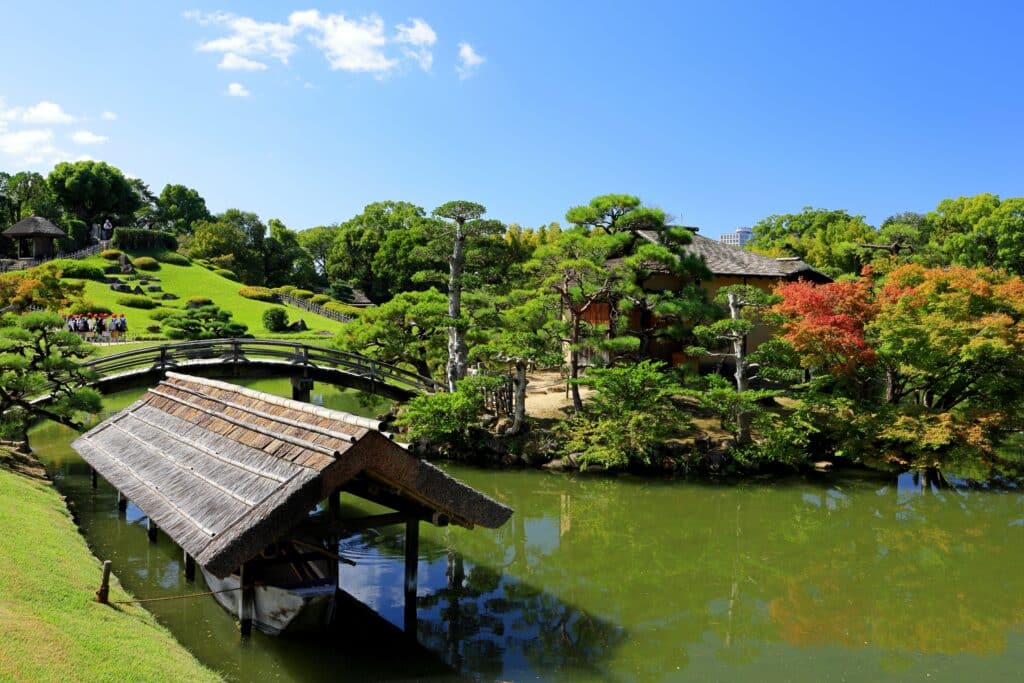
Korakuen Garden – Okayama’s Must-See Attraction
One of Japan’s Three Great Gardens, Korakuen is the strongest reason to visit Okayama. Its spacious lawns, scenic ponds, traditional teahouses, and carefully designed landscapes offer a peaceful escape from the city.
Unlike many compact Japanese gardens, Korakuen feels wonderfully open, with beautiful seasonal scenery and occasional views of Okayama Castle.
Our Recommendation: If you only visit one attraction in Okayama, make it Korakuen Garden.
Okayama Castle – The Famous Black Castle
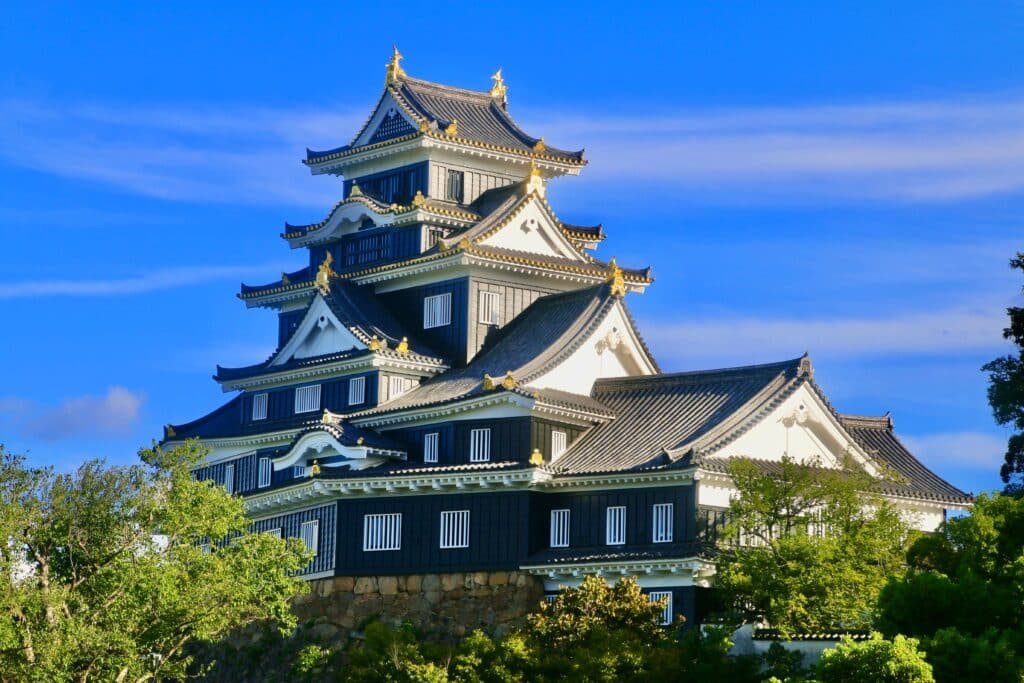
Nicknamed Crow Castle because of its striking black exterior, Okayama Castle is one of the city’s most recognizable landmarks. Its dramatic appearance contrasts beautifully with the nearby greenery of Korakuen Garden.
The original main keep was destroyed during World War II, and today’s reconstructed castle houses exhibitions about its history. While the exterior is particularly impressive, the interior may be less appealing if you’ve already visited an original castle such as Himeji.
Our Recommendation: Combine it with Korakuen Garden. Short on time? Enjoy the exterior and prioritize the garden.

Kurashiki Bikan Historical Quarter – The Best Nearby Excursion
Located in a separate city near Okayama, Kurashiki’s beautifully preserved historical quarter is famous for its picturesque canal, willow-lined streets, white-walled warehouses, and traditional merchant buildings.
Today, many historic buildings contain cafés, small shops, galleries, and museums. The renowned Ohara Museum of Art is another highlight, making Kurashiki especially rewarding for travelers interested in culture and traditional Japanese architecture.
Our Recommendation: If you have a full day, combining Okayama with Kurashiki is our preferred option.

Kibitsu Shrine – A Quieter Cultural Experience
Kibitsu Shrine offers a peaceful alternative to Okayama’s main sightseeing attractions. Associated with the legends behind the famous Japanese folk hero Momotaro, the shrine has an important place in the region’s cultural heritage.
Its most distinctive feature is a long, covered wooden corridor extending along the hillside. The traditional architecture and quieter atmosphere make it particularly appealing to visitors interested in Japanese history and shrines.
Our Recommendation: Worth considering if you have extra time, but not essential for a short stopover.
Nishigawa Canal Park – A Pleasant City Walk
Nishigawa Canal Park is a landscaped urban waterway running through central Okayama. Its tree-lined walking paths, small bridges, and peaceful surroundings offer a pleasant break from sightseeing.
It’s particularly enjoyable during mild weather and provides a glimpse of everyday life in the city. However, it’s more of a relaxing local experience than a major attraction.
Our Recommendation: Add it if you’re nearby or have spare time before your train. Otherwise, skip it.
Omotecho Shopping Street – Experience Everyday Okayama
Omotecho is a traditional covered shopping arcade filled with local stores, cafés, restaurants, and small businesses. While it lacks the excitement of Osaka’s Dotonbori, it offers a more relaxed glimpse of everyday Japanese city life.
It’s also a good opportunity to sample Okayama’s regional food, including barazushi, a colorful rice dish, or seasonal specialties made with locally grown white peaches and grapes.
Our Recommendation: Worth adding for local food and atmosphere, but easy to skip when time is limited.
What Can You Skip in Okayama?
Okayama is a relatively easy city to explore, but that doesn’t mean every attraction deserves a place in your itinerary. If you’re stopping for just a few hours, Korakuen Garden and Okayama Castle should be your priorities. Everything else depends on your interests and available time.
Here’s where we would save time without missing the best of Okayama.
What We Would Skip in Okayama
The black exterior is the castle’s biggest visual attraction. If you’ve already visited an original Japanese castle, the reconstructed interior may be less rewarding. Enjoy the exterior and spend more time in Korakuen Garden instead.
A pleasant place for a stroll, but not a must-see attraction. Unless you’re staying nearby or have spare time, there’s little reason to prioritize it over the city’s main highlights.
Worth exploring if you enjoy local shops and cafés, but travelers who have already experienced Japan’s major shopping districts can comfortably skip it.
Kibitsu Shrine is beautiful and culturally interesting, but reaching it requires additional travel time. Save it for a longer stay rather than rushing through Okayama’s main attractions.
What You Shouldn’t Skip
If you’re visiting Okayama for the first time, Korakuen Garden is the one attraction we would make time for. Okayama Castle is conveniently located nearby, making it an easy addition even on a short stopover.
If you have a full day, consider extending your visit to Kurashiki. Its historic canal district offers a completely different atmosphere and, for many travelers, may be the most memorable part of their time in the Okayama area.
Our recommendation: Don’t try to see everything. A relaxed visit to Korakuen Garden and Okayama Castle is more rewarding than rushing between several minor attractions simply to complete a sightseeing checklist.
How Much Time Do You Need in Okayama?
For most travelers, half a day is enough to see Okayama’s main attractions, while a full day is ideal if you also want to explore nearby Kurashiki. Staying overnight isn’t essential, but it can make sense if you’re using Okayama as a base for exploring western Japan.
The best choice depends on whether you’re simply stopping along the Shinkansen route or want to explore the surrounding region at a more relaxed pace.
How Long Should You Spend in Okayama?
| Time | What You Can See | Best For |
|---|---|---|
| 3–4 Hours | Korakuen Garden and Okayama Castle | Travelers making a short stop along the Shinkansen route |
| Full Day | Okayama’s main highlights plus Kurashiki Historical Quarter | Travelers wanting the best overall experience |
| Overnight | Relaxed sightseeing, Kurashiki, and potentially additional regional attractions | Slow travelers and those using Okayama as a regional base |
Is Half a Day Enough for Okayama?
Yes. If your main goal is to see Korakuen Garden and Okayama Castle, 3–4 hours is generally sufficient, including some time to travel between the station and the attractions.
The garden deserves the larger share of your time, while the castle can be explored relatively quickly, especially if you focus on the exterior.
This makes Okayama a convenient stop when traveling between Osaka and Hiroshima, without requiring a separate overnight stay.
Is One Full Day in Okayama Worth It?
Absolutely, particularly if you include Kurashiki.
Spend the morning exploring Korakuen Garden and Okayama Castle, then travel to Kurashiki for an afternoon wandering through its historic canal district.
This combination offers more variety than spending the entire day in central Okayama. You’ll experience a traditional Japanese garden, a distinctive castle, and one of western Japan’s most atmospheric historic neighborhoods.
Allow approximately 7–9 hours for the combined outing, depending on transportation, meals, and how long you spend in Kurashiki.
Should You Stay Overnight in Okayama?
An overnight stay can be worthwhile, but we wouldn’t consider it necessary for most first-time visitors.
Okayama’s biggest advantage is its location. The city is well connected to Hiroshima, Osaka, and destinations across the Setouchi region, making it a practical base for additional excursions.
Staying overnight also allows you to explore without worrying about catching a connecting train later that day.
However, if you’re already staying in Osaka or Hiroshima and only want to see Korakuen Garden and Okayama Castle, there’s usually little reason to change hotels.
Okayama Stopover vs Overnight Stay: Which Is Better?
One of Okayama’s biggest advantages is its location along the Sanyo Shinkansen route, making it easy to visit without changing hotels. But is a short stop enough, or would staying overnight make your trip more enjoyable?
For most travelers, a stopover is the more efficient choice. Korakuen Garden and Okayama Castle can be explored in a few hours, leaving plenty of time to continue toward Hiroshima, Osaka, or another destination.
However, an overnight stay becomes more attractive if you want to visit Kurashiki at a relaxed pace, explore additional attractions, or use Okayama as a base for discovering the Setouchi region.
Stopover or Overnight Stay?
| Factor | Stopover | Overnight Stay |
|---|---|---|
| Best For | Travelers with limited time | Slow travel and regional exploration |
| Sightseeing | Korakuen Garden and Okayama Castle | More relaxed sightseeing and additional excursions |
| Kurashiki | Possible with a longer stop | Easier to explore without rushing |
| Luggage | May require station lockers or storage | Can usually leave bags at your hotel |
| Accommodation | No additional hotel change | Requires a hotel stay or change of base |
| Flexibility | Depends on onward train plans | More freedom to adjust your schedule |
When a Stopover Makes More Sense
A stopover is particularly convenient when traveling between major destinations such as Osaka and Hiroshima. Instead of dedicating another night to Okayama, you can leave your luggage at the station, explore the garden and castle, and continue your journey.
This approach works best if you arrive reasonably early, travel light, and don’t mind planning your onward train connection.
One practical consideration is luggage storage. Okayama Station has coin lockers, but availability and suitable sizes can vary. If you’re traveling with large suitcases, check storage options in advance rather than assuming you’ll find an empty locker.
When Staying Overnight Is Worthwhile
An overnight stay makes more sense if you want Okayama to be more than a sightseeing stop.
You could explore the city at a relaxed pace, spend additional time in Kurashiki, or plan excursions toward Takamatsu, the Seto Inland Sea, or other destinations in the region.
Okayama can also be a practical accommodation base because of its railway connections. However, this doesn’t automatically make it the best base for every itinerary. Staying closer to your main destination may save time if you’re planning several days in one particular area.
Our Recommendation: Don’t Change Hotels Just for Okayama
For travelers following a typical Japan itinerary, we wouldn’t recommend adding an overnight stay solely to visit Korakuen Garden and Okayama Castle.
A well-planned stopover usually provides enough time for both attractions without sacrificing an extra day.
On the other hand, if you’re interested in Kurashiki and the wider Setouchi region, staying in Okayama can be a practical and rewarding choice.
The deciding factor isn’t whether Okayama has enough attractions to fill an evening. It’s whether spending the night there makes the rest of your journey easier.
How to Spend Half a Day or One Day in Okayama
Okayama is easy to explore without a complicated itinerary. Its two main attractions, Korakuen Garden and Okayama Castle, are located close together, while nearby Kurashiki adds a completely different experience if you have more time.
We’ve designed two practical itineraries depending on your schedule. The half-day route focuses on Okayama’s essentials, while the full-day itinerary combines the city with Kurashiki’s historic canal district.
Both routes are possible without a car.
Half-Day Okayama Itinerary: The Essential Highlights
Suggested duration: 3–4 hours
This is our recommended route if you’re stopping in Okayama while traveling between Osaka, Hiroshima, or other destinations along the Shinkansen line.
Half-Day Route: Okayama Essentials
Approximately 3–4 hours · Ideal for a Shinkansen stopover
Arrive at Okayama Station
Store your luggage if necessary, then take a bus or tram toward the garden and castle area. Walking is also possible if you prefer.
Explore Korakuen Garden
Enjoy the spacious lawns, scenic ponds, traditional buildings, and views toward Okayama Castle. This is the highlight of the itinerary, so don’t rush.
Visit Okayama Castle
Walk to the nearby castle and admire its distinctive black exterior. Explore the interior if you’re interested in local history, or simply enjoy the grounds.
Return to Okayama Station
Travel back to the station, collect your luggage, and continue your journey. Allow extra time if you want lunch.
The schedule is illustrative and assumes a morning arrival. Check the garden’s and castle’s opening hours for your travel date, and allow additional time for luggage storage and transport.
One-Day Okayama Itinerary: Okayama + Kurashiki

Suggested duration: 7–9 hours
If you have a full day, we recommend combining Okayama’s main attractions with Kurashiki. This gives you a more varied experience without needing to stay overnight.
This itinerary assumes you’re ready to start sightseeing at Korakuen Garden around 9:00 AM. If you’re arriving by Shinkansen that morning, allow additional time to travel from Okayama Station.
Full-Day Route: Okayama & Kurashiki
Approximately 7–9 hours · Best overall experience
Korakuen Garden
Start with Okayama’s most beautiful attraction. Spend around 90 minutes enjoying the landscape, ponds, teahouses, and seasonal scenery.
Okayama Castle
Cross to the nearby castle and explore its striking exterior. Visit the interior if you’re interested in the exhibitions.
Travel to Kurashiki
Return to Okayama Station and take a local train to Kurashiki. From Kurashiki Station, walk to the Bikan Historical Quarter. This time block includes transfers and some flexibility for a short break.
Explore Kurashiki Historical Quarter
Wander along the canal, admire the traditional white-walled buildings, browse local shops, and stop for lunch or coffee. Art lovers can also visit the Ohara Museum of Art, allowing additional time if needed.
Return to Okayama
Walk back to Kurashiki Station and return by train to Okayama. Continue your journey or enjoy a relaxed evening if you’re staying overnight.
Which Itinerary Would We Choose?
For travelers visiting Okayama for the first time, we would choose the full-day itinerary if time allows. Korakuen Garden and Okayama Castle are enjoyable on their own, but adding Kurashiki makes the day considerably more varied and memorable.
However, if you’re traveling between Osaka and Hiroshima with a packed schedule, the half-day itinerary is an excellent compromise. You’ll experience Okayama’s main highlights without adding another hotel stay or sacrificing an entire day.
There’s no need to rush through every attraction. The best Okayama itinerary is the one that fits naturally into your wider Japan trip.
Okayama Sightseeing Map: Attractions & Nearby Highlights
Okayama’s main attractions are relatively easy to explore without a car. Korakuen Garden and Okayama Castle are within walking distance of each other, while nearby Kurashiki and Kibitsu Shrine require separate train journeys.
Use the interactive map below to discover Okayama’s must-see highlights, worthwhile additions, and optional stops. Whether you’re planning a 3–4-hour stopover or a full-day visit including Kurashiki, the map will help you choose which attractions fit your itinerary.
Where to Stay in Okayama: Best Areas for Visitors
If you decide to spend a night in Okayama, staying near Okayama Station is the most practical choice for most travelers. You’ll have easy access to Shinkansen services, local trains, restaurants, and transportation to the city’s main attractions.
However, the station area isn’t your only option. Central Okayama offers a slightly more relaxed urban atmosphere, while nearby Kurashiki is particularly appealing if you prefer historic surroundings and traditional Japanese charm.
Here are the three areas we would consider.
Best Areas to Stay in Okayama
1. Okayama Station Area – Best for Convenience
Okayama Station Area
The most convenient place to stay, especially if you’re arriving by Shinkansen or continuing your journey the following morning. You’ll find a good selection of business hotels, restaurants, shops, and easy transport connections.
Although the area isn’t particularly atmospheric, its practical location makes sightseeing and day trips much easier.
2. Central Okayama – Best for Restaurants and City Atmosphere
Central Okayama – Omotecho & Nishigawa
Staying around Omotecho Shopping Street or Nishigawa Canal Park puts you closer to local restaurants, cafés, shopping streets, and pleasant evening walks.
This area is a good alternative if you prefer spending time in the city rather than staying immediately beside the railway station. However, reaching Shinkansen services requires a little more planning.
3. Kurashiki – Best for Traditional Atmosphere
Kurashiki Historical Quarter
If you prefer traditional Japanese surroundings, consider staying in nearby Kurashiki instead of central Okayama.
Its preserved merchant buildings, picturesque canal, and historic streets create a more distinctive atmosphere, particularly in the early morning and evening when day-trip visitors are less numerous.
The main disadvantage is convenience: you’ll need additional travel time to reach Okayama Station and onward Shinkansen services.
Our Recommendation: Where Would We Stay?
For a typical Japan itinerary, we would choose a hotel within walking distance of Okayama Station. It’s the most convenient option for exploring the city, visiting Kurashiki, and continuing your journey without unnecessary transfers.
However, if you’re spending the night primarily to experience traditional Japanese surroundings, Kurashiki may be the more memorable choice.
And if Okayama is simply a stop between Osaka and Hiroshima, you probably don’t need accommodation here at all.
How to Get to Okayama: Train Connections & Travel Times

Okayama is one of the most convenient cities to visit in western Japan, thanks to its location on the Sanyo Shinkansen line. High-speed trains connect the city with major destinations such as Osaka, Kyoto, Hiroshima, and Tokyo, making it an easy addition to many Japan itineraries.
For most travelers, the Shinkansen is the fastest and most practical way to reach Okayama. The city also serves as an important railway hub for exploring Kurashiki, the Seto Inland Sea, and Shikoku.
Whether you’re planning a short stopover or staying overnight, reaching Okayama is straightforward without renting a car.
How Long Does It Take to Reach Okayama?
| From | Travel Time | Recommended Transport |
|---|---|---|
| Osaka (Shin-Osaka) | Approx. 45 min | Sanyo Shinkansen |
| Kyoto | Approx. 1 hour | Direct Shinkansen |
| Hiroshima | Approx. 35–40 min | Sanyo Shinkansen |
| Tokyo | Approx. 3 hr 10–30 min | Tokaido/Sanyo Shinkansen |
| Kurashiki | Approx. 15–20 min | JR local train |
| Takamatsu | Approx. 55–65 min | JR Marine Liner |
Getting to Okayama from Osaka or Kyoto
From Shin-Osaka Station, the Shinkansen reaches Okayama in approximately 45 minutes. From Kyoto, direct Nozomi services take around one hour.
This makes Okayama a realistic day trip from either city, although we generally prefer visiting it as part of a longer journey through western Japan. That way, you avoid traveling the same route twice.
Remember that Shinkansen trains depart from Shin-Osaka Station, not the main Osaka Station.
Getting to Okayama from Hiroshima
Hiroshima is even closer, with Shinkansen services taking approximately 35–40 minutes.
If you’re traveling from Hiroshima toward Osaka or Kyoto, Okayama makes a convenient intermediate stop. You can explore Korakuen Garden and Okayama Castle before continuing east.
Getting to Okayama from Tokyo
Direct Nozomi trains connect Tokyo and Okayama in approximately 3 hours and 10–30 minutes, depending on the service.
While the journey is straightforward, we wouldn’t recommend visiting Okayama as a day trip from Tokyo. The return journey would take more than six hours, making it difficult to justify for a relatively compact sightseeing destination.
Instead, consider Okayama when traveling onward toward Hiroshima or other parts of western Japan.
Getting Around Okayama
Once you arrive at Okayama Station, reaching the main attractions is relatively easy.
Korakuen Garden and Okayama Castle are around 1.5–2 kilometers from the station area. You can walk, use local buses, or take the Higashiyama tram line toward Shiroshita and continue on foot.
For Kurashiki, take a local JR train from Okayama Station to Kurashiki Station, then walk approximately 10–15 minutes to the Bikan Historical Quarter.
Is the Japan Rail Pass Worth Using for Okayama?
The nationwide Japan Rail Pass covers eligible Shinkansen services to Okayama, including Hikari and Sakura trains. Nozomi and Mizuho services require an additional special ticket for pass holders.
However, visiting Okayama alone is not a good reason to purchase the nationwide JR Pass. Individual tickets or a suitable regional pass may offer better value, depending on your overall route.
The JR Kansai WIDE Area Pass, for example, covers the Sanyo Shinkansen between Shin-Osaka and Okayama, subject to its conditions.
For a detailed cost comparison, see our guide to Is the Japan Rail Pass Worth It?
Our Recommendation: Make Okayama Part of Your Route
Rather than planning a separate journey solely to visit Okayama, we recommend including the city when traveling between Osaka, Hiroshima, and other western Japan destinations.
Its excellent railway connections make it easy to spend a few hours sightseeing without adding another hotel stay.
The smartest approach is usually to visit Okayama on the way to somewhere else, especially if your itinerary already includes the Sanyo Shinkansen.
Best Time to Visit Okayama
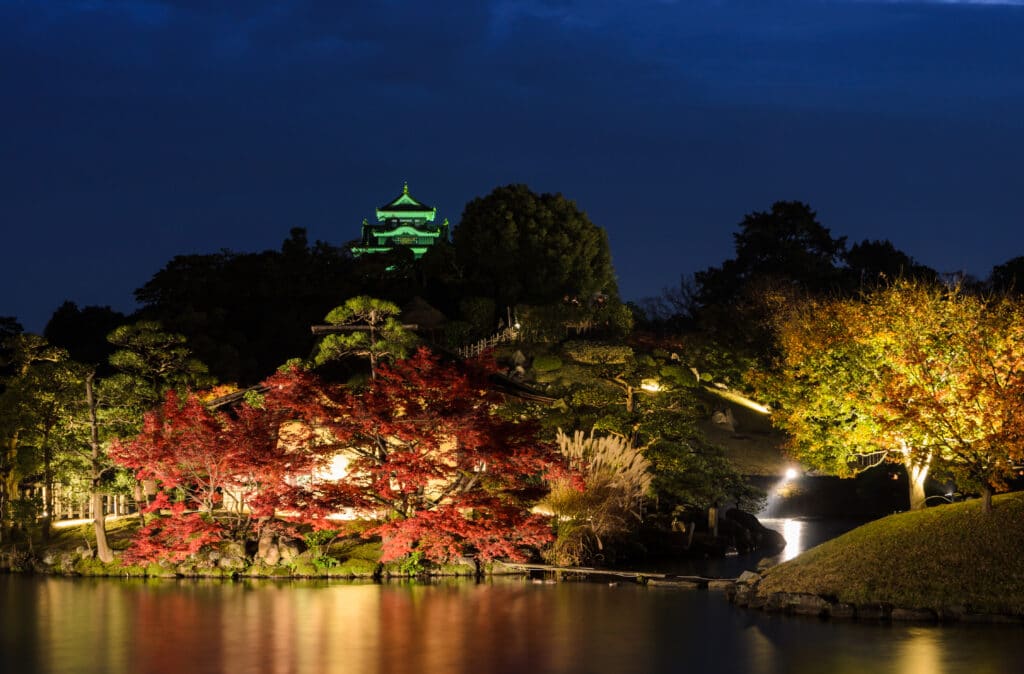
Spring and autumn are the best times to visit Okayama, especially if you want to enjoy Korakuen Garden at its most beautiful. Cherry blossoms brighten the city in spring, while autumn brings colorful foliage and comfortable temperatures for sightseeing.
However, Okayama is worth visiting throughout the year. Its relatively mild climate makes exploring the garden, castle, and nearby Kurashiki possible in every season, although summer can be particularly hot and humid.
🌸 Spring (March–May)
Spring is one of the most beautiful times to visit Okayama. Cherry blossoms typically peak around late March or early April, creating lovely scenery around Korakuen Garden and Okayama Castle. Mild temperatures also make walking and sightseeing particularly enjoyable.
☀️ Summer (June–August)
Korakuen Garden is beautifully green in summer, but the heat and humidity can make sightseeing uncomfortable. June and July also bring periods of heavy rainfall. Plan outdoor attractions early in the day and take regular breaks.
🍁 Autumn (September–November)
Autumn is another excellent season to visit Okayama. Temperatures become more comfortable as the season progresses, while Korakuen Garden develops beautiful autumn colors, particularly during November. Early autumn can still be warm, so late October and November are generally preferable.
❄️ Winter (December–February)
Winter is quieter and colder, with fewer visitors outside holiday periods. Although the garden is less colorful, Okayama Castle and Korakuen remain worthwhile, particularly on clear days. Check seasonal opening hours before planning your visit.
Okayama vs Nearby Alternatives: Where Should You Spend Your Time?
Okayama is a rewarding stop, but western Japan has several other destinations competing for your limited travel time. If you’re choosing between Okayama, Kurashiki, Himeji, Hiroshima, or Takamatsu, the best destination depends on what you want to experience.
Okayama is particularly appealing for its beautiful garden and convenient location, while Himeji offers one of Japan’s most impressive original castles, Hiroshima provides a more historically significant experience, and Kurashiki is ideal for traditional Japanese atmosphere.
Rather than trying to visit everything, here’s how we would choose.
Which Destination Should You Choose?
| Destination | Best For | Our Take |
|---|---|---|
| Okayama | Japanese gardens, castles, easy stopovers | Best for a convenient half-day visit |
| Kurashiki | Historic streets, canals, traditional atmosphere | More charming for leisurely exploring |
| Himeji | Original Japanese castle architecture | Better if castles are your main interest |
| Hiroshima | History, museums, Miyajima excursions | Higher priority for most first-time visitors |
| Takamatsu | Ritsurin Garden, Shikoku, Setouchi exploration | Better for travelers exploring Shikoku |
Okayama vs Kurashiki: Which Is More Worth Visiting?
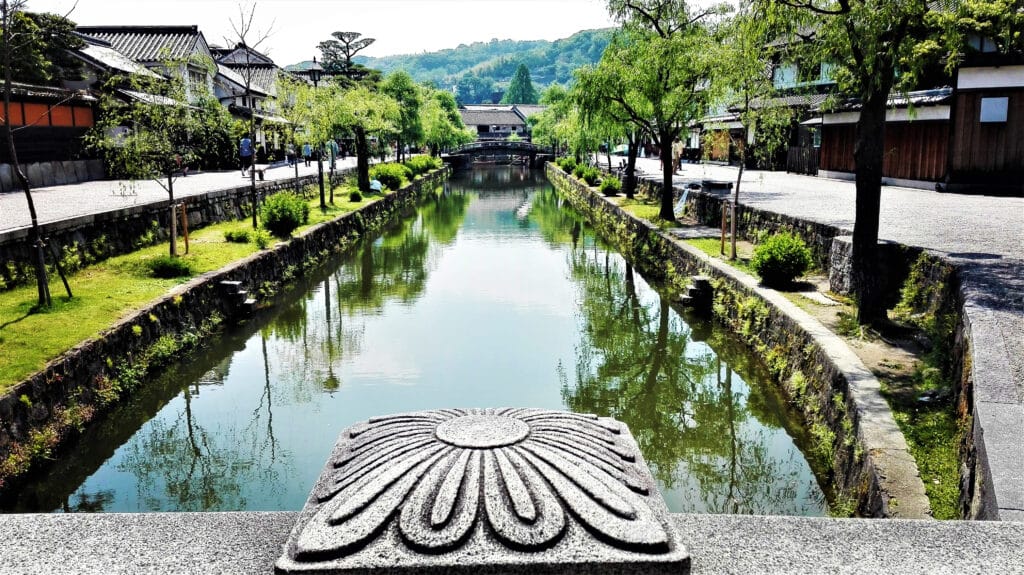
If you enjoy traditional streets, historic architecture, and picturesque canals, Kurashiki may be the more memorable destination. Its beautifully preserved Bikan Historical Quarter offers a distinctive atmosphere that central Okayama largely lacks.
However, Okayama has the advantage of Korakuen Garden and better long-distance rail connections.
Our choice: Kurashiki for atmosphere, Okayama for gardens and convenience. If possible, combine both in one day.
Okayama vs Himeji: Which Should You Choose?
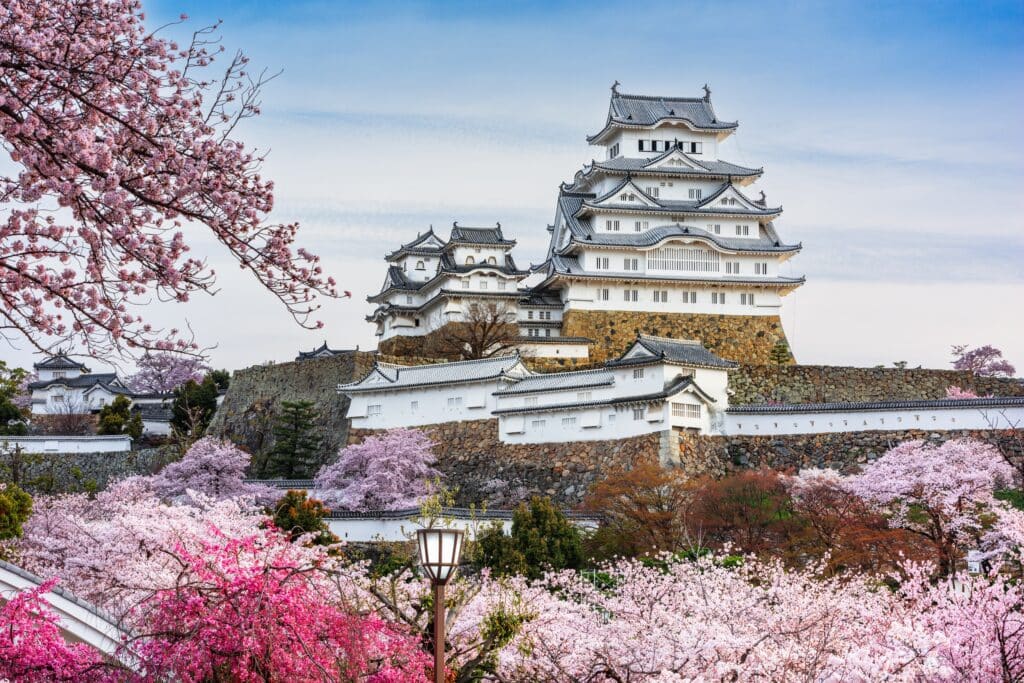
For travelers interested in Japanese castles, Himeji is the stronger choice. Its spectacular white castle is an original surviving structure and one of Japan’s most important historic landmarks.
Okayama Castle is visually striking but reconstructed, making it less compelling if castle architecture is your main priority.
However, Okayama has Korakuen Garden, which provides a different kind of sightseeing experience.
Our choice: Himeji for castles; Okayama for gardens.
Okayama vs Hiroshima: Which Deserves More Time?
For most first-time visitors, Hiroshima should take priority over Okayama.
The Peace Memorial Park and Museum offer an important historical experience, while nearby Miyajima adds some of Japan’s most recognizable scenery.
Okayama is easier to explore in a few hours, but Hiroshima generally deserves more time because of the depth and variety of its attractions.
Our choice: Hiroshima if you can only visit one. Add Okayama as a stopover if your route allows.
Okayama vs Takamatsu: Which Is Better?
Takamatsu, located across the Seto Inland Sea on Shikoku, is best known for Ritsurin Garden and its role as a gateway to the surrounding region.
Both cities appeal to travelers interested in Japanese gardens, but they serve different purposes. Okayama fits more naturally into a journey along the Sanyo Shinkansen, while Takamatsu is particularly convenient for exploring Shikoku and nearby islands.
Our choice: Okayama for a convenient mainland stopover; Takamatsu for a Shikoku-focused itinerary.
Our Final Recommendation: Where Should You Spend Your Extra Day?
If you have one extra day in western Japan, we wouldn’t automatically spend it entirely in Okayama.
For most travelers, the best choice is to combine Okayama and Kurashiki, giving you a beautiful Japanese garden, a striking castle, and atmospheric historic streets in a single day.
However, if your itinerary doesn’t yet include Hiroshima or Himeji, those destinations may deserve higher priority depending on your interests.
Okayama works best when it complements your existing route rather than replacing a destination you’re more excited to visit.
Common Mistakes When Visiting Okayama
Okayama is relatively straightforward to explore, but a few planning mistakes can make your visit less enjoyable or unnecessarily time-consuming. Most are easy to avoid, especially if you’re visiting as a short stopover.
Here are the five mistakes we would watch out for.
Spending Too Much Time in Central Okayama
Okayama’s main attractions can be explored in a few hours. Unless you’re interested in additional shrines or local experiences, there’s little reason to fill an entire day with minor sights. Consider visiting Kurashiki instead.
Confusing Okayama with Kurashiki
Kurashiki’s famous historical quarter is located in a separate city, not central Okayama. Although the train journey is short, you still need to allow time to reach the canal district from Kurashiki Station.
Underestimating Luggage Logistics
If you’re stopping between Shinkansen journeys, plan where to leave your bags. Coin lockers at Okayama Station are useful, but availability isn’t guaranteed, particularly for large suitcases.
Trying to Visit Too Many Attractions
Adding Kibitsu Shrine, Kurashiki, and every city-center attraction to a short visit creates unnecessary rushing. Prioritize Korakuen Garden and Okayama Castle, then add other sights only if time allows.
Ignoring Opening Hours and Train Connections
Korakuen Garden and Okayama Castle have specific opening hours, which may vary seasonally. Check these alongside your onward train schedule, especially when planning a late-afternoon stopover.
Our Advice: Keep Your Okayama Visit Simple
The biggest mistake is treating Okayama as a destination where you need to see absolutely everything.
For most travelers, Korakuen Garden and Okayama Castle are enough for a satisfying short visit. If you have more time, Kurashiki is usually a better addition than trying to squeeze in every smaller attraction around the city.
A realistic itinerary, sensible luggage arrangements, and enough time between train connections will make your visit considerably more enjoyable.
Final Verdict: Is Okayama Worth Visiting?
Yes, Okayama is worth visiting, but for most travelers, it’s better as a stopover than a standalone destination.
Korakuen Garden is the city’s biggest highlight, and nearby Okayama Castle makes it easy to enjoy two worthwhile attractions in just a few hours. Thanks to its excellent Shinkansen connections, Okayama fits particularly well into a journey between Osaka and Hiroshima.
However, we wouldn’t recommend sacrificing time in Kyoto, Hiroshima, or other major destinations just to spend a full day exploring central Okayama. Beyond its main attractions, the city has relatively few must-see sights for first-time visitors.
Our recommendation is to allow 3–4 hours for Okayama or a full day if you also want to explore Kurashiki. Staying overnight makes sense if you’re using the city as a base for the wider region, but it’s rarely necessary for the main highlights.
Ultimately, Okayama is at its best when you treat it as a smart addition to your Japan itinerary rather than a destination you need to build your trip around.
FAQ: Is Okayama Worth Visiting?
Is Okayama worth visiting for one day?
Yes, although most travelers don’t need an entire day for central Okayama. Korakuen Garden and Okayama Castle can comfortably be explored in 3–4 hours, including travel between the station and attractions. If you have a full day available, we recommend adding nearby Kurashiki.
Is Okayama worth staying overnight?
For most first-time visitors, an overnight stay isn’t necessary. Okayama’s main attractions are relatively compact, making the city ideal for a stopover. However, staying overnight can be worthwhile if you want to explore Kurashiki, visit additional regional attractions, or use Okayama as a base for western Japan.
Is Okayama better than Kurashiki?
It depends on your interests. Okayama is better for Korakuen Garden, its castle, and convenient Shinkansen connections. Kurashiki offers more traditional atmosphere, with beautifully preserved streets and picturesque canals. If you enjoy historic Japanese towns, you may prefer Kurashiki. Both can easily be combined in one day.
Can you visit Okayama and Kurashiki in one day?
Yes. Start with Korakuen Garden and Okayama Castle in the morning, then take a local JR train to Kurashiki, which takes approximately 15–20 minutes. Spend the afternoon exploring the Bikan Historical Quarter before returning to Okayama or continuing your journey.
Is Okayama a good day trip from Osaka?
Yes. The Shinkansen connects Shin-Osaka and Okayama in approximately 45 minutes, making a day trip practical. However, we generally recommend visiting Okayama as a stopover between Osaka and Hiroshima rather than making a separate return journey.
Do you need a car to visit Okayama?
No. Okayama’s main attractions are accessible on foot or by public transport, while local JR trains connect the city with Kurashiki. A rental car may be useful for exploring more remote parts of Okayama Prefecture, but it isn’t necessary for a typical sightseeing visit.
Is Okayama worth visiting if you have limited time in Japan?
Usually not as a priority over major destinations such as Kyoto, Hiroshima, or Tokyo. However, if you’re already traveling along the Sanyo Shinkansen route, Okayama is an excellent place to stop for a few hours without significantly changing your itinerary.
Continue Planning Your Japan Trip
Okayama fits particularly well into a journey through western Japan, but choosing the right stops and transport options can make a big difference to your itinerary.
These Travel Owl guides will help you decide where to spend your time, which destinations deserve priority, and how to travel between them efficiently.