

Just an hour south of Tokyo, Kamakura offers something that can be surprisingly hard to find on a busy Japan itinerary: historic temples, wooded hills, traditional streets, and the coast all within an easy day trip.
The former political center of medieval Japan is best known for the Great Buddha of Kamakura, but that is only part of the appeal. You can walk through the gardens of Hasedera, explore centuries-old Zen temples, browse the shops and food stalls around Komachi Street, or take the Enoden railway toward the coast and nearby Enoshima.
But should Kamakura actually be part of your Japan itinerary?
For first-time visitors, that depends largely on how much time you have in Tokyo and what else you plan to see in Japan. If you only have two or three days in Tokyo, staying in the city will usually make more sense. With four or five days, however, Kamakura becomes one of the easiest ways to add history, temples, nature, and a completely different atmosphere without changing hotels.
There is another important consideration: Kyoto. If your itinerary already includes several temple-heavy days there, you may not need to see every shrine and Zen temple in Kamakura. Choosing just a few of Kamakura’s strongest sights can make the day much more rewarding.
And then there is the classic day-trip dilemma: Kamakura or Nikko? Kamakura alone or Kamakura plus Enoshima? Half a day or a full day?
This Kamakura travel guide is designed to help you make those decisions. We’ll look at what is genuinely worth seeing, what you can skip when time is limited, how long you really need, and whether Kamakura deserves a place in your Japan itinerary.
Is Kamakura Worth Visiting?
Yes — Kamakura is one of the best day trips from Tokyo, especially if you have at least four or five days in the city. It combines historic temples, the famous Great Buddha, wooded hills, traditional streets, and a relaxed coastal atmosphere — all around one hour from central Tokyo.
Table of Contents
Kamakura Quick Decision Guide
Temple lovers, history enthusiasts, walkers, and travelers looking for traditional neighborhoods and a relaxing break from Tokyo.
The Great Buddha, Hasedera, Tsurugaoka Hachimangu, atmospheric Zen temples, wooded hills, and the nearby coast.
1 full day is ideal for most visitors. Allow 2 days if you want to add Enoshima, hiking, or explore Kamakura at a slower pace.
Tokyo is the smartest base for most first-time visitors. Stay in Kamakura only if you want a slower trip with quiet mornings and more time by the coast.
Should You Visit Kamakura?

Kamakura is easy to reach from Tokyo, but that does not automatically mean it belongs in every Japan itinerary. The real question is whether its mix of temples, history, walking, and coastal atmosphere adds something valuable to the trip you are already planning.
Kamakura is a good choice if you…
- Want an easy cultural day trip from Tokyo
- Enjoy temples, shrines, history, and traditional neighborhoods
- Like exploring destinations largely on foot
- Have at least four or five days based in Tokyo
- Want to combine history and the coast in the same day
Kamakura may not be a priority if you…
- Have only two or three days in Tokyo
- Already plan several temple-heavy days in Kyoto
- Prefer modern cities, shopping, or nightlife to historic sights
- Have little interest in temples and shrines
- Would rather use your extra day for Nikko, Hakone, or Mount Fuji
For most first-time visitors, Kamakura becomes a strong addition once you have at least four or five days based in Tokyo. With only two or three days, prioritize Tokyo itself.
If your itinerary already includes several temple-heavy days in Kyoto, Kamakura becomes more optional — unless its combination of samurai history, wooded temples, walking, and the coast particularly appeals to you.
Kamakura at a Glance
Kamakura is compact enough for a day trip, but its attractions are spread across several areas. Knowing the basic logistics before you arrive makes it much easier to decide how much you can realistically fit into one day.
Direct trains make Kamakura one of the easiest cultural day trips from Tokyo.
Enough time for the major highlights without trying to see every temple in the city.
Enough for the Great Buddha, Hasedera, central Kamakura, and one or two additional stops.
The most useful arrival point for Komachi Street, Tsurugaoka Hachimangu, buses, and the Enoden.
Walking works well within each area, while the Enoden and buses help connect sights farther apart.
Historic temples, shrines, samurai heritage, wooded hills, traditional streets, and coastal scenery.
Comfortable walking weather and seasonal scenery make these the easiest times to explore.
A good addition for coastal views and sunset — but only if you are willing to see fewer Kamakura sights.
Best Things to Do in Kamakura
🗿 Great Buddha of Kamakura
Best for: First-time visitors, history lovers, photographers, and anyone wanting to see Kamakura’s most iconic landmark.
⭐ Why People Visit
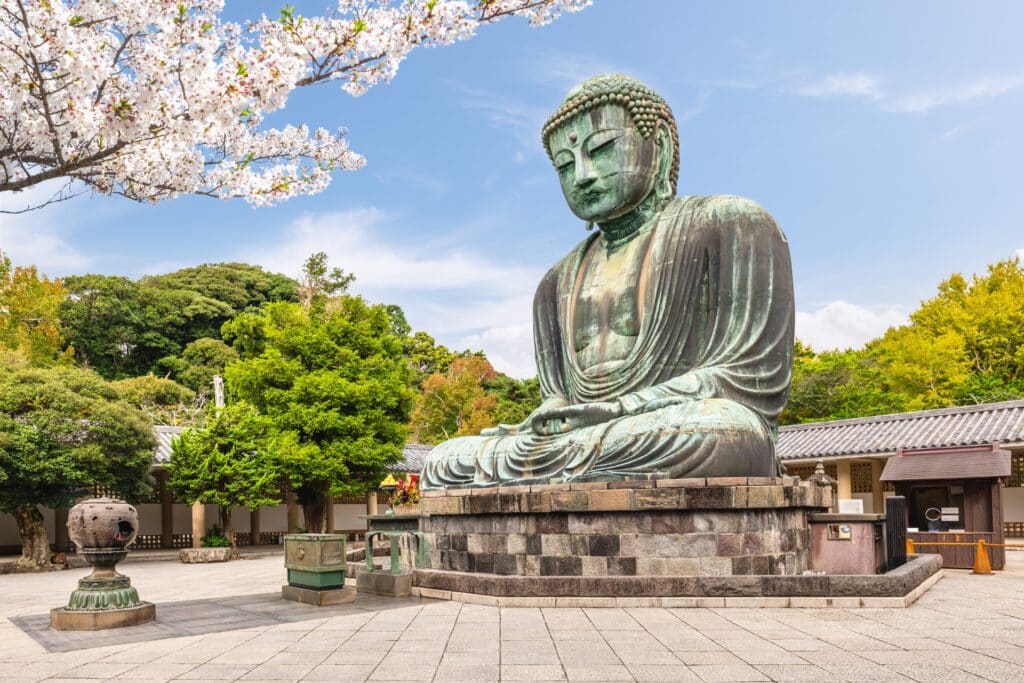
The Great Buddha of Kamakura, or Kamakura Daibutsu, is the city’s most famous landmark. Standing on the grounds of Kōtoku-in Temple, the monumental bronze statue of Amida Buddha dates back to the 13th century and has become one of the most recognizable images of historic Japan.
What makes the experience particularly memorable is the setting. The Buddha sits outdoors beneath the surrounding hills, creating a very different atmosphere from the large temple complexes found elsewhere in Japan.
💚 Why It’s Worth Your Time
The Great Buddha offers an excellent experience-to-time ratio. You do not need several hours to appreciate it, making it easy to include even when your Kamakura itinerary is already busy.
It also combines perfectly with nearby Hasedera Temple. Visiting both gives you two of Kamakura’s strongest attractions without spending much of the day traveling between sights.
🦉 Travel Owl Tip
Visit the Great Buddha and Hasedera together rather than treating them as separate parts of your itinerary. The two attractions are within easy walking distance, making this one of the most time-efficient sightseeing combinations in Kamakura.
👍 Visit If…
- It’s your first visit to Kamakura.
- You want to see the city’s most recognizable landmark.
- You enjoy Japanese history, Buddhist culture, or photography.
- You have limited time and want a high-value attraction that does not require several hours.
🦉 Travel Owl Scorecard

🌿 Hasedera Temple
Best for: First-time visitors, temple lovers, gardens, seasonal flowers, photography, and coastal views.
⭐ Why People Visit
Hasedera is one of Kamakura’s most rewarding temples and offers much more than a single historic building. The hillside complex combines temple halls, gardens, ponds, Buddhist statues, seasonal flowers, and elevated viewpoints overlooking Kamakura and the coast.
The temple is particularly famous for its large wooden statue of Kannon, the eleven-headed goddess of mercy, as well as its hydrangeas, which attract large numbers of visitors during the early summer flowering season.
💚 Why It’s Worth Your Time
If you only visit a few temples in Kamakura, Hasedera should be one of them. The experience is unusually varied: you are not simply looking at another temple building, but moving through gardens, viewpoints, religious spaces, and different levels of the hillside complex.
For many travelers, Hasedera is actually a more complete experience than the nearby Great Buddha. The two sights complement each other extremely well and together form one of the strongest sightseeing combinations in Kamakura.
🦉 Travel Owl Tip
Combine Hasedera and the Great Buddha during the same part of your day. They are close enough to visit on foot, so there is little reason to travel back and forth across Kamakura.
During hydrangea season, Hasedera can become extremely busy. If the temple is one of your priorities, visit it as early as possible and explore the Great Buddha afterward.
👍 Visit If…
- It’s your first visit to Kamakura.
- You want to visit one of Kamakura’s most varied and rewarding temples.
- You enjoy gardens, seasonal flowers, Buddhist art, or photography.
- You want a temple experience that includes views toward the coast.
- You are already planning to visit the nearby Great Buddha.
🦉 Travel Owl Scorecard

⛩️ Tsurugaoka Hachimangu
Best for: First-time visitors, Japanese history, Shinto culture, samurai heritage, and travelers exploring central Kamakura.
⭐ Why People Visit
Tsurugaoka Hachimangu is Kamakura’s most important Shinto shrine and one of the best places to understand the city’s connection to Japan’s samurai past. The shrine became closely associated with the Minamoto clan and the Kamakura shogunate, which transformed Kamakura into the political center of medieval Japan.
The approach is part of the experience. From central Kamakura, the long avenue leads toward the shrine complex, where broad grounds, ponds, bridges, gates, and the main shrine create a very different atmosphere from Kamakura’s Buddhist temples.
💚 Why It’s Worth Your Time
Tsurugaoka Hachimangu adds something important to a first-time Kamakura itinerary: historical context and variety. After visiting Buddhist temples such as Hasedera and Kōtoku-in, the shrine provides a different religious and architectural experience.
Its central location also makes it particularly easy to include. You can combine the shrine naturally with Komachi Street and central Kamakura without adding complicated transport or significant backtracking.
🦉 Travel Owl Tip
Combine Tsurugaoka Hachimangu with Komachi Street, but visit the shrine before spending too much time shopping or eating. Komachi Street is easy to linger on, while the shrine is one of the experiences we would protect on a limited first-time itinerary.
👍 Visit If…
- It’s your first visit to Kamakura.
- You want to understand Kamakura’s samurai history.
- You want to add an important Shinto shrine to a temple-heavy day.
- You are already exploring Komachi Street and central Kamakura.
- You want a major sight that fits easily into a one-day itinerary.
🦉 Travel Owl Scorecard

🎋 Hokokuji Temple
Best for: Bamboo scenery, quiet temple atmosphere, photography, Zen gardens, and travelers looking for something different from Kamakura’s headline sights.
⭐ Why People Visit
Hokokuji is a small Zen temple best known for its atmospheric bamboo grove. Hundreds of tall bamboo stalks rise behind the temple, creating a peaceful walking path that feels surprisingly removed from the busy streets of Kamakura.
The temple grounds also include traditional gardens, historic stone monuments, and a tea house where visitors can enjoy matcha while looking out across the bamboo.
💚 Why It’s Worth Your Time
Hokokuji offers something noticeably different from Kamakura’s larger temples and shrines. The bamboo grove is compact, but the atmosphere makes it one of the city’s most memorable smaller attractions.
It can also be an appealing alternative for travelers who want to experience a bamboo grove without making Kyoto’s Arashiyama Bamboo Grove a major part of their itinerary. Hokokuji is much smaller, but the temple setting gives the experience a more intimate feel.
🦉 Travel Owl Tip
Don’t add Hokokuji automatically just because the bamboo grove looks beautiful in photographs. The temple sits away from the main Hase and central Kamakura sightseeing areas, so getting there takes additional time.
If you have a full day in Kamakura, it is a worthwhile addition. With only five or six hours, prioritize the Great Buddha, Hasedera, and central Kamakura first.
👍 Visit If…
- You have a full day available in Kamakura.
- You enjoy bamboo, gardens, Zen temples, or photography.
- You prefer smaller atmospheric temples to major tourist landmarks.
- You want to add a quieter experience after Kamakura’s headline sights.
🦉 Travel Owl Scorecard

🍡 Komachi Street
Best for: Street food, souvenirs, cafés, shopping, and adding a lively break between Kamakura’s temples and shrines.
⭐ Why People Visit
Komachi Street is Kamakura’s best-known shopping street, running from near Kamakura Station toward Tsurugaoka Hachimangu. The narrow pedestrian-friendly street is lined with cafés, restaurants, souvenir shops, sweet stores, and small boutiques.
It provides a lively contrast to Kamakura’s temples and shrines and is one of the easiest places to stop for lunch, snacks, or souvenirs during a day of sightseeing.
💚 Why It’s Worth Your Time
Komachi Street is worth experiencing because it fits naturally into a first-time Kamakura itinerary. You do not need to make a special journey to reach it, and walking through the street is an easy way to connect Kamakura Station with Tsurugaoka Hachimangu.
The key is how much time you give it. For most travelers, Komachi Street works best as a 30–60 minute food and shopping stop rather than one of the main attractions of the day.
🦉 Travel Owl Tip
Use Komachi Street as part of your route rather than treating it as a separate sightseeing block. Walk through it on the way to Tsurugaoka Hachimangu, stop for something to eat or browse a few shops, and continue sightseeing.
If your schedule is tight, don’t sacrifice Hasedera, the Great Buddha, or Tsurugaoka Hachimangu simply to spend more time shopping here.
👍 Visit If…
- You want to try local snacks or stop for lunch.
- You enjoy browsing small shops and souvenirs.
- You are already walking between Kamakura Station and Tsurugaoka Hachimangu.
- You want a lively break from temples and historical sightseeing.
🦉 Travel Owl Scorecard
🏯 Kenchoji Temple
Best for: Zen Buddhism, history, traditional temple architecture, quieter sightseeing, and travelers exploring northern Kamakura.
⭐ Why People Visit
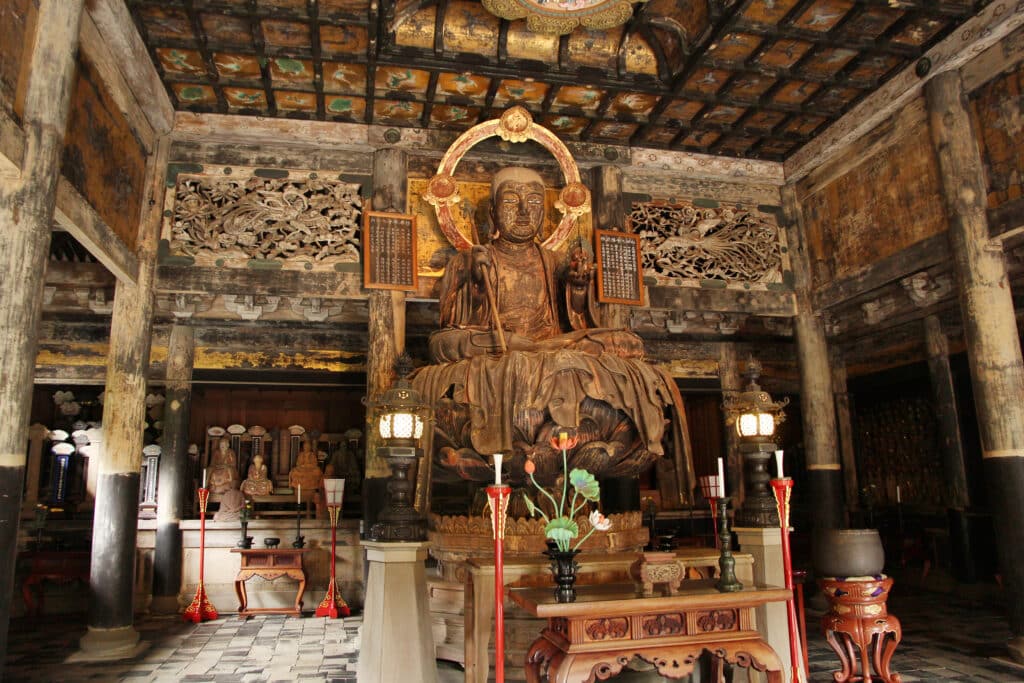
Kenchoji is one of Kamakura’s most important Zen temples and one of the oldest Zen training monasteries in Japan. Founded in the 13th century, the large temple complex includes impressive gates, traditional halls, gardens, and wooded slopes extending behind the main buildings.
Compared with Kamakura’s busiest headline attractions, Kenchoji feels more spacious and contemplative. It is particularly rewarding for travelers who want to understand why Kamakura became such an important center of Zen Buddhism.
💚 Why It’s Worth Your Time
Kenchoji offers more historical depth than many of Kamakura’s smaller temples. Instead of a quick photo stop, you can explore a substantial temple complex and experience a quieter side of the city.
However, it is not automatically a priority on a short first visit. If you only have one day and still need to see Hasedera, the Great Buddha, and Tsurugaoka Hachimangu, those sights should normally come first.
🦉 Travel Owl Tip
Kenchoji makes the most sense when you are deliberately exploring northern Kamakura. Combine it with nearby Engakuji rather than traveling north for Kenchoji alone.
If you have extra energy, the trails behind the temple can also connect with Kamakura’s wooded hiking routes, turning the visit into a combination of temple sightseeing and nature.
👍 Visit If…
- You are particularly interested in Zen Buddhism or Japanese history.
- You prefer substantial temple complexes to quick sightseeing stops.
- You have more than one day in Kamakura or extra time after the main highlights.
- You are exploring northern Kamakura together with Engakuji.
- You want to combine temples with walking or hiking.
🦉 Travel Owl Scorecard

🏯 Engakuji Temple
Best for: Zen Buddhism, traditional temple architecture, quieter sightseeing, autumn scenery, and travelers starting their day in northern Kamakura.
⭐ Why People Visit
Engakuji is one of Kamakura’s most important Zen temples and one of the major religious sites in northern Kamakura. Founded in the 13th century, the temple complex spreads across a wooded hillside with traditional gates, halls, smaller sub-temples, gardens, and historic Buddhist structures.
Its peaceful setting makes Engakuji particularly appealing during autumn, when seasonal colors add another dimension to the temple grounds.
💚 Why It’s Worth Your Time
Engakuji’s biggest practical advantage is its location. The temple sits almost directly beside Kita-Kamakura Station, making it one of the easiest major temples to add without wasting time on additional transport.
For travelers interested in Zen history, it is an excellent start to a northern Kamakura route. For a first-time visitor with only one day, however, it remains secondary to Hasedera, the Great Buddha, and Tsurugaoka Hachimangu.
🦉 Travel Owl Tip
If Engakuji and Kenchoji are priorities, get off the train at Kita-Kamakura rather than continuing to Kamakura Station. Visit Engakuji first, continue toward Kenchoji, and gradually work your way south toward central Kamakura.
This avoids unnecessary backtracking and turns northern Kamakura into a logical sightseeing route rather than a separate detour later in the day.
👍 Visit If…
- You are particularly interested in Zen temples and Buddhist history.
- You want to explore northern Kamakura.
- You prefer quieter temple grounds to Kamakura’s busiest attractions.
- You are visiting during autumn and want seasonal scenery.
- You have enough time to go beyond Kamakura’s three or four essential sights.
🦉 Travel Owl Scorecard

💰 Zeniarai Benten
Best for: Unique local traditions, unusual shrines, cultural experiences, and travelers looking for something beyond Kamakura’s major temples.
⭐ Why People Visit
Zeniarai Benten is one of Kamakura’s most distinctive shrines. Hidden in the hills and entered through a tunnel in the rock, the shrine is famous for a tradition in which visitors wash coins and banknotes in sacred spring water.
According to local belief, money washed here may return multiplied in the future. Whether or not you take the tradition literally, participating in the ritual makes this a more interactive experience than simply viewing another historic building.
💚 Why It’s Worth Your Time
The strongest reason to visit Zeniarai Benten is that it adds variety to a temple-heavy Kamakura day. The unusual entrance, compact shrine grounds, and money-washing ritual give it a character that feels noticeably different from Kamakura’s larger religious sites.
However, it is not one of the attractions we would protect on a very limited itinerary. Its hillside location requires extra walking, so the experience makes more sense once you have already covered Kamakura’s essential sights.
🦉 Travel Owl Tip
Think of Zeniarai Benten as an interesting extra rather than a must-see. If you have a full day and enjoy walking, it can be a rewarding addition. If you are already struggling to fit Hasedera, the Great Buddha, and Tsurugaoka Hachimangu into your schedule, leave it for another visit.
It also combines naturally with Sasuke Inari Shrine, allowing you to explore two smaller hillside shrines during the same part of your day.
👍 Visit If…
- You enjoy unusual local traditions and cultural experiences.
- You want something different from Kamakura’s major temples.
- You don’t mind additional walking and some uphill sections.
- You have already covered Kamakura’s essential first-time sights.
- You want to combine the visit with nearby Sasuke Inari Shrine.
🦉 Travel Owl Scorecard

⛩️ Sasuke Inari Shrine
Best for: Atmospheric shrines, photography, fox statues, wooded settings, and travelers exploring Kamakura beyond the major sights.
⭐ Why People Visit
Sasuke Inari is a small hillside shrine hidden among the trees west of central Kamakura. The approach through rows of red torii gates, together with numerous fox statues and the wooded setting, gives the shrine a secluded and atmospheric character.
It feels very different from Kamakura’s larger and busier religious sites, making it particularly appealing to photographers and travelers who enjoy discovering smaller places away from the main sightseeing route.
💚 Why It’s Worth Your Time
Sasuke Inari is worth considering because the experience is less about historical scale and more about atmosphere. The torii gates, fox figures, and forest setting create one of Kamakura’s most distinctive smaller shrine experiences.
However, its location means that visiting requires extra walking and takes you away from the most efficient first-time sightseeing route. On a short Kamakura visit, it should come after the Great Buddha, Hasedera, and Tsurugaoka Hachimangu.
🦉 Travel Owl Tip
Combine Sasuke Inari with Zeniarai Benten rather than making a separate trip into the hills for each shrine. The two work well together and give you a quieter alternative to Kamakura’s main temple circuit.
If you only have half a day, skip Sasuke Inari. With a full day and an interest in photography, walking, or smaller shrines, it becomes much easier to justify.
👍 Visit If…
- You enjoy atmospheric and less prominent shrines.
- You like photography, torii gates, and wooded settings.
- You are already planning to visit Zeniarai Benten.
- You don’t mind extra walking and some uphill sections.
- You have enough time after Kamakura’s essential sights.
🦉 Travel Owl Scorecard

🌊 Kamakura Beaches
Best for: Coastal atmosphere, sunset, summer visits, relaxed walks, and travelers wanting a break from temples and shrines.
⭐ Why People Visit
Kamakura’s location on the coast is one of the things that separates it from Japan’s other major historical destinations. Yuigahama and Zaimokuza are the city’s best-known beaches, while the Enoden railway continues west along the coast toward Enoshima.
The beaches themselves are not Kamakura’s strongest sightseeing attractions, but they add a relaxed seaside atmosphere that can make the destination feel very different from a temple-focused day in Kyoto or Nikko.
💚 Why It’s Worth Your Time
The coast is most worthwhile when you want variety rather than another historical sight. After several hours of temples and shrines, a walk along the beach can provide a welcome change of pace.
However, on a first visit with limited time, we would not sacrifice Hasedera, the Great Buddha, or Tsurugaoka Hachimangu for a long beach stop. Think of the coast as an optional extension rather than one of Kamakura’s essential attractions.
🦉 Travel Owl Tip
If coastal scenery matters to you, combine the beach naturally with your visit to Hase rather than making a separate trip later. After Hasedera and the Great Buddha, continue toward the coast for a short walk before returning to central Kamakura or taking the Enoden toward Enoshima.
On clear days, especially in the cooler months, parts of the Shonan coast can also offer distant views toward Mount Fuji.
👍 Visit If…
- You want to experience Kamakura’s coastal atmosphere.
- You enjoy beach walks, sunsets, or seaside scenery.
- You are visiting in summer and the coast is part of the reason for your trip.
- You want a relaxing break after several temples and shrines.
- You have enough time after seeing Kamakura’s essential historical sights.
🦉 Travel Owl Scorecard
🥾 Kamakura Hiking Trails
Best for: Nature, walking, quieter experiences, wooded scenery, and travelers with more than one day in Kamakura.
⭐ Why People Visit
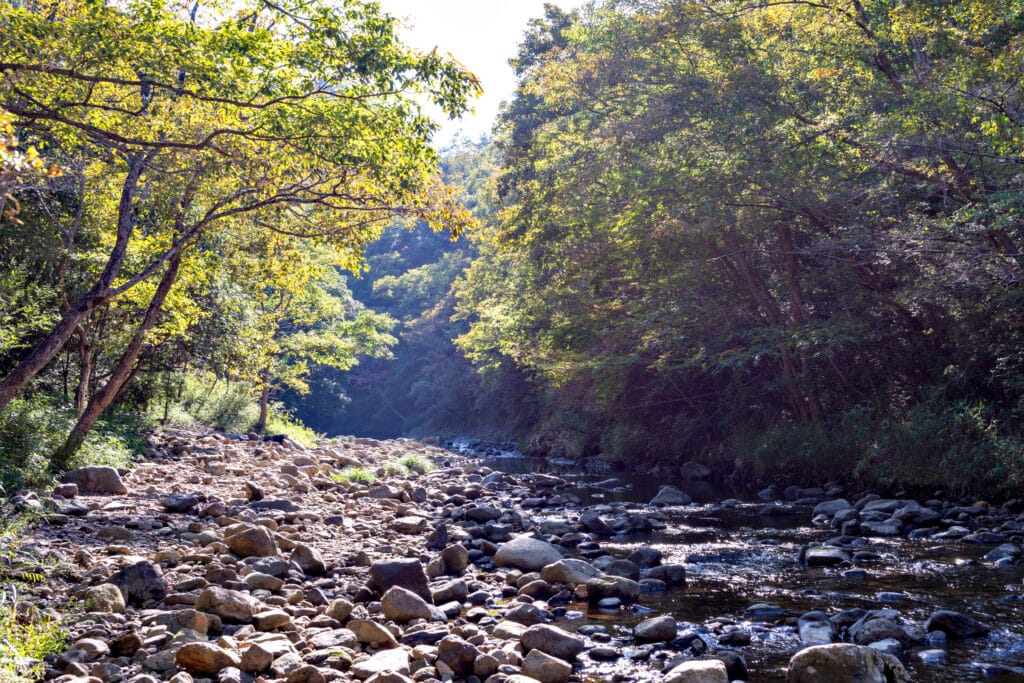
Kamakura is surrounded by wooded hills crossed by walking and hiking routes that connect temples, shrines, residential areas, and viewpoints. These trails reveal a much quieter side of the destination than the busy streets around Kamakura Station and Hase.
For travelers who enjoy exploring on foot, hiking can turn Kamakura from a collection of individual attractions into a more immersive experience of the city’s landscape.
💚 Why It’s Worth Your Time
Hiking is particularly rewarding if you want to experience Kamakura beyond its headline attractions. The wooded hills provide a completely different atmosphere from the main temple circuit and can connect smaller shrines and historical sites that many day-trippers never see.
The trade-off is time. A hike can easily consume several hours, so it is difficult to combine with a packed first-time sightseeing itinerary without sacrificing major attractions.
🦉 Travel Owl Tip
Don’t add a hike simply because you see one on a list of Kamakura attractions. Decide first whether walking and nature are priorities for your trip.
If you only have one day, focus on Kamakura’s main sights unless hiking is one of your strongest interests. With 1.5 or 2 days, the trails become much easier to recommend because you can explore them without rushing the temples and shrines.
👍 Visit If…
- You enjoy hiking, nature, and exploring destinations on foot.
- You want to experience a quieter side of Kamakura.
- You have more than one day available.
- You have already seen Kamakura’s essential first-time sights.
- You prefer active sightseeing to adding another temple or shopping stop.
🦉 Travel Owl Scorecard
If You Only Have One Day in Kamakura, What Should You Prioritize?
One day is enough to experience the best of Kamakura — but not if you try to visit every temple, shrine, shopping street, and viewpoint. The smartest approach is to concentrate on a few standout sights and build a route that avoids unnecessary backtracking.
For most first-time visitors, we would prioritize Hasedera, the Great Buddha, Tsurugaoka Hachimangu, and central Kamakura. Everything else should depend on your interests and how quickly the day is progressing.
The Kamakura Essentials
- Hasedera Temple
- Great Buddha of Kamakura
- Tsurugaoka Hachimangu
- Komachi Street
These sights give you the strongest mix of temples, history, atmosphere, and central Kamakura without requiring an overly complicated route.
Choose One Extra
- Hokokuji — bamboo + atmosphere
- Kenchoji — Zen history
- Engakuji — northern Kamakura
- Beach — coast + sunset
Don’t try to add all four. Choose the experience that best matches your interests and the route you are already taking.
When Time Is Tight
- Zeniarai Benten
- Sasuke Inari
- Multiple additional Zen temples
- Long hiking routes
These can all be rewarding, but adding them to a first-time highlights itinerary often creates more rushing than value.
The Smartest First-Time Kamakura Route
Start with one of Kamakura’s richest temple experiences before the busiest part of the day.
Walk from Hasedera to the Great Buddha and see Kamakura’s most famous landmark.
Use the Enoden to reach Kamakura Station rather than spending unnecessary time walking across the city.
Use the walk toward Tsurugaoka Hachimangu for lunch, snacks, and a little shopping.
Finish the essential sightseeing with Kamakura’s most important Shinto shrine and a connection to the city’s samurai history.
If you still have time and energy, add one extra experience — such as Hokokuji, a Zen temple, or the coast — rather than trying to squeeze in several more attractions.
A successful Kamakura day is not about seeing the maximum number of temples. For most first-time visitors, four strong sights plus one carefully chosen extra will create a better experience than rushing through eight or nine attractions.
Kamakura vs Nikko: Which Day Trip Should You Choose?
Kamakura and Nikko are two of the most popular cultural day trips from Tokyo, but they offer very different experiences. If your itinerary only has room for one, the better choice depends on how much travel time you are willing to accept and what you most want from the day.
In simple terms, Kamakura is easier, more flexible, and combines temples with a coastal atmosphere. Nikko requires more effort but rewards you with grander shrines, mountain scenery, and a stronger sense of leaving Tokyo behind.
Which One Should You Choose?
The shorter journey gives you more sightseeing time and makes the day easier to adjust.
Nikko’s major shrine complexes are more elaborate and visually dramatic.
Kamakura is particularly rewarding when you enjoy moving between neighborhoods and sights on foot.
Nikko offers the stronger mountain setting and a more dramatic escape from Tokyo.
Few Tokyo day trips combine historic sightseeing and the seaside this easily.
If you don’t mind the longer journey, Nikko generally delivers the more monumental experience.
Choose Kamakura if you want the easier and more flexible day trip. Choose Nikko if you want the more dramatic destination experience and don’t mind the longer journey.
For a busy first Japan itinerary, Kamakura is usually easier to fit in. Nikko becomes the stronger choice when the day trip itself is one of your itinerary priorities.
Kamakura vs Kyoto: Is Kamakura Still Worth Visiting?
If Kyoto is already part of your Japan itinerary, you may wonder whether Kamakura means spending another day seeing temples and shrines. There is some overlap — but the two destinations do not feel the same.
Kyoto offers far greater depth and variety, with famous temples, gardens, historic districts, and several days’ worth of cultural sightseeing. Kamakura is smaller and easier to explore, with a different identity shaped by samurai history, Zen Buddhism, wooded hills, and the coast.
Compact + Coastal
- Easy day trip from Tokyo
- Strong samurai and Zen heritage
- Great Buddha and Hasedera
- Wooded hills and walking trails
- Relaxed coastal atmosphere
- Easy to experience in one day
Deeper + More Extensive
- Far greater concentration of temples and shrines
- Historic districts and traditional streets
- Major gardens and cultural experiences
- Iconic sights such as Fushimi Inari and Kiyomizu-dera
- Much greater sightseeing variety
- Deserves several days
So, Should You Visit Kamakura If You’re Already Going to Kyoto?
Kyoto Is Only 2–3 Days
Kamakura still adds enough variety through its samurai history, Great Buddha, wooded setting, and coast to justify the day trip.
Kyoto Is 3–4 Temple-Heavy Days
Kamakura remains worthwhile, but its priority drops. Another Tokyo day trip may add more contrast to your itinerary.
Kyoto Already Covers Your Temple Fix
If you already feel satisfied with temples and traditional sightseeing, use the extra Tokyo day for a contrasting experience such as Mount Fuji, Hakone, or Nikko.
🦉 The Smarter Question
The smartest question isn’t “Is Kamakura as good as Kyoto?” It is “What does my itinerary need more of?”
If you want more history, Zen atmosphere, walking, and the coast, Kamakura still earns its place. If you need greater contrast after several days of temples and traditional sightseeing, choose a different Tokyo day trip.
Yes, Kamakura can still be worth visiting even if you’re going to Kyoto — but it should no longer be automatic.
The more temple-heavy your Kyoto stay becomes, the more we would ask whether Kamakura or a more contrasting Tokyo day trip would make your overall Japan itinerary better.
Kamakura or Enoshima: Which Should You Choose?
Kamakura and Enoshima are close enough to combine in one day, but that does not mean you automatically should. For most travelers, the real decision is whether you want to spend your limited time on more history and temples or more coast, views, and atmosphere.
For a first visit, Kamakura should usually come first. Enoshima becomes more attractive if the coast is a priority or if you are willing to see fewer Kamakura sights in exchange for a more varied day.
Kamakura Only
Choose Kamakura only if temples, history, and traditional sightseeing are the main reasons for your day trip.
- More time for the essential sights
- Less rushing and fewer transport changes
- Easier to add Hokokuji or a northern temple
- Best choice for most first visits
Enoshima Only
Choose Enoshima instead if temples are not your priority and you would rather spend the day around the coast.
- Coastal views and island atmosphere
- More relaxed sightseeing
- Good choice for sunset
- Better fit if you want a break from temples
Kamakura + Enoshima
Combine both if you want history and coast in the same day — and are comfortable being selective in Kamakura.
- More varied overall experience
- Temples in the morning, coast later
- Works well with the Enoden
- Requires cutting secondary Kamakura sights
🦉 The Key Trade-Off
Adding Enoshima does not simply extend your Kamakura itinerary — it replaces part of it.
If you include Enoshima, don’t try to squeeze every major Kamakura attraction into the morning. Protect the sights that matter most and deliberately leave the secondary ones out.
What Should You See If You Do Both?
For a first-time visitor, we would keep the Kamakura portion deliberately focused:
This means attractions such as Hokokuji, Kenchoji, Engakuji, Zeniarai Benten, and Sasuke Inari should normally be left for another visit rather than squeezed into the same day.
For most first-time visitors, choose Kamakura only. You will see more of the city’s essential sights and have a less rushed day.
Combine Kamakura and Enoshima when variety matters more to you than depth. In that case, deliberately shorten Kamakura rather than trying to fit two full destinations into one day.
Suggested Kamakura Itineraries
The best Kamakura itinerary depends mainly on how much time you have. A half day should focus on the essentials, while a full day gives you room for one additional experience.
Use these routes as a framework rather than a checklist. If you are enjoying a temple, neighborhood, or café, staying longer is usually better than rushing simply to add another attraction.
Kamakura Essentials
Best for: Travelers with limited time who want Kamakura’s strongest sights without turning the visit into a race.
Start with gardens, temple halls, seasonal scenery, and coastal views.
Walk to Kamakura’s iconic bronze Buddha and allow around 30–45 minutes.
Return toward central Kamakura for food, snacks, and a short walk.
With only half a day, don’t add distant temples or Enoshima. Three strong experiences are better than spending your limited time moving between attractions.
One Day in Kamakura
Best for: Most first-time visitors. This route covers the essentials while leaving room for one additional experience.
Start early and explore Hasedera before the busiest part of the day.
Walk from Hasedera to Kōtoku-in for Kamakura’s most iconic landmark.
Take the Enoden toward Kamakura Station and stop for lunch or snacks.
Continue from Komachi Street to Kamakura’s most important Shinto shrine.
Add the bamboo grove and Zen temple if time and energy allow.
This is our recommended first-time itinerary. If the day is moving slowly, drop Hokokuji rather than rushing Hasedera or Tsurugaoka Hachimangu.
Kamakura + Enoshima in One Day
Best for: Travelers who prefer temples + coast over seeing more of Kamakura.
Start with Kamakura’s strongest all-round temple experience.
See the Great Buddha before continuing west toward Enoshima.
Take the local railway west and shift the focus from history to the coast.
Explore the island, shrines, viewpoints, cafés, and coastal paths.
Finish by the coast if weather and daylight cooperate.
Choose this for variety rather than completeness. Leave Tsurugaoka Hachimangu, Hokokuji, and the northern temples out rather than rushing both destinations.
Two Days in Kamakura
Best for: Temple lovers, walkers, repeat visitors, and travelers who want Kamakura + Enoshima without rushing.
Kamakura Highlights
Hasedera → Great Buddha → Komachi Street → Tsurugaoka Hachimangu → Hokokuji
Northern Kamakura + Nature + Enoshima
Engakuji → Kenchoji → Hiking or Extra Temple → Enoshima
Two days are not necessary for most first-time visitors. Choose this only if temples, hiking, and the coast are important to you. Otherwise, one Kamakura day plus a different Tokyo day trip usually creates a more varied itinerary.
Which Kamakura Itinerary Should You Choose?
How to Get to Kamakura from Tokyo
Kamakura is one of the easiest major day trips from Tokyo. Direct JR trains connect it with several major stations, and the journey typically takes around one hour, depending on where you start.
The smartest route is usually simple: use the most convenient direct JR connection from where you are staying. There is rarely a reason to cross Tokyo just to save a few minutes on the train journey.
Which Route Should You Take?
Usually the simplest direct option from Tokyo Station and eastern central Tokyo.
Use a suitable direct service toward Kamakura or Zushi when available.
A convenient direct option from western Tokyo when the service continues toward Kamakura or Zushi.
A straightforward connection and considerably shorter journey than from central Tokyo.
🚆 Check the Destination Before Boarding
Not every train using the Shonan-Shinjuku corridor follows the same route. From Shinjuku or Shibuya, check that your train continues toward Kamakura, Zushi, or the Yokosuka Line direction. Some services follow a different branch and require a transfer.
Kamakura or Kita-Kamakura Station?
Most first-time visitors should travel to Kamakura Station, but Kita-Kamakura can be the smarter starting point if the northern Zen temples are part of your itinerary.
Kamakura Station
Choose this for Komachi Street, Tsurugaoka Hachimangu, Hase, and the Great Buddha. It is the most practical starting point for a typical first-time itinerary.
Kita-Kamakura Station
Choose this if Engakuji and Kenchoji are priorities. Start in northern Kamakura and work south rather than backtracking later.
Don’t cross Tokyo just to use a theoretically faster train. If you are staying near Tokyo or Shinagawa, use the Yokosuka Line. If you are near Shinjuku or Shibuya, look for a suitable Shonan-Shinjuku Line service.
Choosing the most convenient direct connection is usually smarter than adding another transfer just to save a few minutes.
How to Get Around Kamakura

Kamakura is compact enough to explore largely on foot, but its attractions are spread across several areas. The smartest approach is usually a combination of walking and selective use of the Enoden or buses.
Don’t try to use public transport for every short distance. Some of Kamakura’s best atmosphere comes from walking between sights — but crossing between distant sightseeing areas on foot can waste valuable time.
Walk vs Enoden vs Bus
🚶 Walk
Best when attractions are already in the same sightseeing area.
- Komachi Street → Tsurugaoka Hachimangu
- Hasedera → Great Buddha
- Exploring central Kamakura
- Short distances between nearby temples
🚃 Enoden
Use the Enoden when moving between central Kamakura, Hase, the coast, and Enoshima.
- Kamakura Station → Hase
- Hase → coastal areas
- Kamakura → Enoshima
- Useful when your itinerary crosses western Kamakura
🚌 Bus
Buses are most useful for attractions that sit away from the Enoden and central walking routes.
- Especially useful for Hokokuji
- Helpful when you want to reduce longer walks
- Less useful for closely grouped central sights
- Traffic can reduce the time advantage
When Is Walking Better?
Walk when the next attraction is already part of the same sightseeing cluster. Taking transport for short hops often adds more waiting and navigation than it saves.
When Does Transport Actually Save Time?
Use transport when you are moving between different sightseeing zones, not simply because a train or bus exists.
| Route | Smartest Choice | Why |
|---|---|---|
| Kamakura Station → Hase | 🚃 Enoden | Saves time for the Great Buddha and Hasedera area. |
| Hasedera → Great Buddha | 🚶 Walk | The sights are close together. |
| Kamakura Station → Tsurugaoka Hachimangu | 🚶 Walk | Easy to combine with Komachi Street. |
| Central Kamakura → Hokokuji | 🚌 Bus | Useful for reaching the more isolated eastern temple area. |
| Hase → Enoshima | 🚃 Enoden | The obvious choice when extending your day toward the coast. |
Walk within sightseeing areas; use transport between them. For most first-time visitors, that means walking around central Kamakura and between Hasedera and the Great Buddha, while using the Enoden to reach Hase.
Use buses selectively for places such as Hokokuji. Trying to optimize every short journey with public transport usually makes a Kamakura day more complicated, not more efficient.
Where to Stay: Kamakura or Tokyo?
For most first-time visitors, you do not need to stay overnight in Kamakura. The city is close enough to Tokyo that a day trip gives you plenty of time for the major sights without changing hotels.
An overnight stay becomes worthwhile when the slower coastal atmosphere is part of the experience you want — not simply because you need more time for sightseeing.
Stay in Tokyo
Keep your Tokyo hotel if Kamakura is primarily a sightseeing day trip.
- You want to see Kamakura’s main highlights
- You have only one day for Kamakura
- You want to avoid changing hotels
- Tokyo remains the main base for your itinerary
- You plan to return after dinner or before evening
Stay in Kamakura
Stay overnight when experiencing Kamakura at a slower pace is part of the reason for your visit.
- You want quiet mornings before day-trippers arrive
- You enjoy slower travel rather than maximizing sights
- The beach and coastal atmosphere matter to you
- You want time for hiking or northern temples
- You are combining Kamakura with Enoshima over two days
If You Stay in Kamakura, Which Area Is Best?
Once you have decided to stay overnight, the best area depends on whether you value convenience, atmosphere, or the coast.
Kamakura Station
The smartest all-round base. You have easy access to trains, buses, restaurants, Komachi Street, and Tsurugaoka Hachimangu.
Hase
A quieter choice close to Hasedera and the Great Buddha, with easy access to the Enoden and coast.
Yuigahama
Choose Yuigahama when beach walks, sunset, and coastal atmosphere matter more than being beside the main sightseeing hub.
| Your Priority | Best Base |
|---|---|
| First overnight visit | Kamakura Station |
| Great Buddha + Hasedera | Hase |
| Beach + coastal atmosphere | Yuigahama |
| Maximum transport convenience | Kamakura Station |
Most first-time visitors should stay in Tokyo and visit Kamakura as a day trip. The journey is short enough that changing hotels usually creates more inconvenience than benefit.
Stay overnight only if slower mornings, hiking, the coast, or Kamakura itself are part of the experience you want. If you do stay, Kamakura Station is the safest all-round choice; choose Hase or Yuigahama for atmosphere rather than convenience.
Best Time to Visit Kamakura
Kamakura is a year-round destination, but the experience changes considerably with the seasons. For most travelers, spring and autumn offer the best balance of comfortable weather and scenery, while hydrangea season is beautiful but significantly busier.
The best time for you depends on whether you prioritize weather, flowers, fewer crowds, or the coast.
🌸 Spring
Comfortable temperatures and seasonal flowers make spring an excellent time for walking between temples. Cherry blossom periods can be busy, especially on weekends.
🪻 Hydrangea Season
One of Kamakura’s most photogenic periods, especially around Hasedera. The trade-off is rain, humidity, and some of the year’s largest crowds at famous flower spots.
☀️ Summer
Summer gives Kamakura its strongest seaside atmosphere, but heat and humidity make long sightseeing days more tiring. It works best when the beach is part of your plans.
🍁 Autumn
Cooler weather makes walking much more comfortable, while autumn colors add to Kamakura’s wooded temples and hills. Popular foliage periods can still be busy.
❄️ Winter
Winter is quieter and often overlooked. You lose much of the seasonal greenery and flowers, but gain calmer temples, crisp walking weather, and fewer crowds.
When Should You Visit Kamakura?
🪻 Is Hydrangea Season Worth It?
Yes — if the flowers are one of the reasons you want to visit Kamakura. Hasedera is particularly beautiful during hydrangea season, but you should expect significantly more visitors and potentially long waits at the most popular spots.
If flowers are not a major priority, we would rather visit Kamakura in spring, autumn, or even winter and enjoy a less crowded sightseeing day.
Autumn is our best overall time to visit Kamakura. Comfortable walking weather, wooded temple grounds, and seasonal color suit the destination particularly well.
Choose June specifically for hydrangeas, summer for the coast, and winter if avoiding crowds matters more than seasonal scenery.
When NOT to Visit Kamakura
There is no truly bad season for Kamakura, but there are days when changing your timing can make the experience noticeably better. Crowds, heat, and weather matter more here because much of the day is spent walking outdoors.
Peak Hydrangea Weekends
June can be spectacular, especially at Hasedera, but peak weekends can bring heavy crowds and long waits.
Extremely Hot Summer Afternoons
Kamakura involves considerable walking, and heat plus humidity can make an ambitious temple itinerary exhausting.
Major Holiday Periods + Busy Weekends
Popular streets, trains, temples, and the Enoden can become noticeably busier when domestic travel demand is high.
Heavy Rain — If Hiking Is Your Priority
Rain does not ruin Kamakura’s temples, but it can make wooded trails, viewpoints, and coastal sightseeing much less rewarding.
🦉 Bad Weather Doesn’t Automatically Mean Skip Kamakura
A grey or lightly rainy day can still work well for temples, shrines, Komachi Street, and the Great Buddha. The question is not simply whether rain is forecast — it is whether the weather interferes with the experiences you care about most.
Avoid peak weekends when you can, but don’t wait for a perfect day. For most visitors, crowd levels and extreme summer heat affect a Kamakura trip more than ordinary cloudy or rainy weather.
What Can You Skip in Kamakura?
Kamakura has dozens of temples, shrines, walking routes, shops, and coastal sights. The mistake is assuming that a good attraction automatically belongs in your itinerary.
If you only have one day, these are the easiest places to save time without weakening the overall Kamakura experience.
🏯 Too Many Zen Temples
Kamakura’s Zen temples are individually rewarding, but casual visitors may experience diminishing returns after several similar stops.
🌊 A Long Beach Stop
The coast gives Kamakura part of its character, but you don’t need to spend a large part of your sightseeing day on the beach to experience it.
🏝️ Enoshima on a Packed Day
Enoshima is worth visiting, but adding it to an already full Kamakura itinerary usually means rushing both destinations.
🍡 Too Much Time on Komachi Street
Komachi Street is enjoyable for food and browsing, but it is easy to spend far longer here than planned.
🦉 What We Would Protect
If this is your first Kamakura visit, we would protect Hasedera, the Great Buddha, and Tsurugaoka Hachimangu before adding secondary temples, long shopping stops, the beach, or Enoshima.
Don’t try to see more Kamakura — try to see the right Kamakura for you. For most first-time visitors, three or four strong sights plus time to walk, eat, and explore creates a better day than checking off as many temples as possible.
Kamakura Time Optimizer
You don’t need to see everything in Kamakura to have a rewarding visit. The smartest itinerary is the one that protects the highest-value sights first and only adds secondary experiences when you genuinely have time.
Use this guide to decide what deserves priority based on the time available.
If You Have…
🦉 Add Experiences — Don’t Just Add Attractions
Once you have covered Kamakura’s essential sights, more time does not automatically need to mean more temples. Use the extra hours for the coast, hiking, northern Kamakura, a slower lunch, or simply more time exploring on foot.
If We Had to Choose Only Three…
If your schedule forced us to reduce Kamakura to just three major sights, these are the experiences we would protect.
Great Buddha of Kamakura
Kamakura’s most iconic landmark and the sight that most clearly distinguishes the destination.
Hasedera
Our strongest all-round temple choice for gardens, seasonal scenery, statues, and coastal views.
Tsurugaoka Hachimangu
The best choice for adding Kamakura’s samurai history and an important Shinto experience.
Cut additions before cutting essentials. Drop Enoshima, extra Zen temples, a long beach stop, or extended shopping time before rushing Hasedera, the Great Buddha, and Tsurugaoka Hachimangu.
Kamakura Map: What Should You Prioritize?
Rather than treating every Kamakura attraction as equally important, use this map to build your day around your available time and priorities.
Start with the must-see layer, then add sights from the other layers only if they fit naturally into your route.
Kamakura Travel Tips
A good Kamakura day is less about fitting in more attractions and more about using your time well. These are the practical choices that make the biggest difference.
Start Early
Kamakura becomes noticeably busier as day-trippers arrive from Tokyo. An early start gives you quieter sightseeing and more flexibility later.
Don’t Underestimate Distances
Kamakura looks compact on a map, but its major sights are spread across several sightseeing areas. Crossing repeatedly between them can consume more time than expected.
Don’t Try to Visit Every Temple
Kamakura has enough temples and shrines to fill several days. Adding more does not automatically make your first visit better.
Use the Enoden Strategically
The Enoden is useful for reaching Hase and continuing toward Enoshima, but it doesn’t need to become part of every movement around Kamakura.
Visit Hasedera Before Peak Crowds
Hasedera deserves more than a rushed stop, and seasonal flower periods can make it particularly busy.
Decide About Enoshima Beforehand
Enoshima works best as a deliberate part of your itinerary, not as a spontaneous addition when your Kamakura day is already full.
Wear Proper Walking Shoes
Even without hiking, a Kamakura day can involve considerable walking, temple steps, slopes, and uneven surfaces.
Plan Kamakura in areas, not as a list of attractions. Group Hase sights together, central Kamakura together, and northern or eastern temples together. You’ll spend less time moving around and more time actually experiencing the destination.
Common Kamakura Planning Mistakes
Most disappointing Kamakura days are not caused by choosing the wrong attractions. They happen because travelers try to fit too much into one day or underestimate how the destination works geographically.
Avoid these mistakes and Kamakura becomes much easier to enjoy at a relaxed pace.
🏯 Trying to See Every Temple
Kamakura has far more temples and shrines than most visitors can meaningfully appreciate in one day. After several similar stops, sightseeing fatigue can set in.
⏰ Starting Too Late
Arriving late means encountering larger day-trip crowds while also reducing the time available before temples and attractions begin closing.
🏝️ Adding Enoshima Without Cutting Anything
Kamakura and Enoshima can fit into one day, but only when you accept that part of your Kamakura sightseeing has to disappear.
🍡 Spending Too Long on Komachi Street
Komachi Street is easy to enjoy — and easy to let consume an hour or two that you originally intended to spend sightseeing.
🔄 Assuming Kamakura Is a Mini Kyoto
Both destinations are rich in temples and history, but approaching Kamakura as a smaller Kyoto misses what makes it different.
📍 Underestimating East–West Travel
Hase, central Kamakura, northern temples, and eastern sights such as Hokokuji are not all clustered around one station.
Treating Kamakura like a checklist. A successful first visit is not the one where you see the most temples. It is the one where you see the sights that matter most to you without spending the entire day watching the clock.
Is Kamakura Worth a Day Trip from Tokyo?
For most travelers with enough time in Tokyo, yes. Kamakura combines major historical sights, temples, walking, and a coastal atmosphere with one of the easiest day-trip journeys from the capital.
Its biggest advantage is efficiency: you can experience a noticeably different side of Japan without changing hotels or spending several hours traveling each way.
Kamakura from Tokyo
Make the Day Trip If…
- You have 4+ days based in Tokyo
- You enjoy temples, history, and walking
- You want traditional Japan without another overnight stop
- You want an easy change of atmosphere from Tokyo
Skip the Day Trip If…
- You have only 2–3 days in Tokyo
- Your Kyoto itinerary is already heavily temple-focused
- Temples and historical sights are not priorities
- Another Tokyo day trip fits your interests better
Yes — Kamakura is one of the easiest cultural day trips to justify from Tokyo. It is particularly valuable if you want traditional Japan without adding another overnight destination.
But it should not come at the expense of Tokyo itself. With only two or three days in the capital, stay in Tokyo. Once you have four or more days, Kamakura becomes a much stronger addition.
Final Thoughts: Should Kamakura Be in Your Japan Itinerary?

Kamakura is one of the easiest ways to add temples, samurai history, walking, and a different atmosphere to a Tokyo stay without adding another overnight destination.
But that doesn’t mean every first-time visitor needs to go. The decision depends mainly on how much time you have in Tokyo and what the rest of your Japan itinerary already includes.
Stay in Tokyo. On a short first visit, the capital itself deserves your limited time.
This is where Kamakura starts becoming a strong day-trip option, especially if culture and history appeal to you.
With this much time, Kamakura becomes one of the strongest cultural day trips to add to your Tokyo itinerary.
Kamakura still offers something different, but another Tokyo day trip may create more variety in your overall Japan itinerary.
Kamakura’s samurai heritage, Zen temples, Great Buddha, and wooded setting make the day trip much easier to justify.
If shopping, food, nightlife, and contemporary city experiences matter more than temples and history, another Tokyo day may suit you better.
So, Should You Visit Kamakura?
With only three days in Tokyo, we would skip Kamakura. With four or five days, we would seriously consider it. With six or more days, it becomes a strong recommendation for most travelers interested in traditional Japan.
The main exception is an itinerary already dominated by temples and historic sightseeing in Kyoto. In that case, ask whether Kamakura adds something you specifically want — samurai history, Zen atmosphere, walking, and the coast — or whether a more contrasting day trip would make your overall journey better.
Frequently Asked Questions About Kamakura
Is Kamakura worth visiting?
Yes, especially if you have at least four or five days based in Tokyo and enjoy temples, history, walking, and traditional neighborhoods. With only two or three days in Tokyo, we would usually prioritize the capital itself.
How many days do you need in Kamakura?
One full day is ideal for most first-time visitors. Two days make sense if you want to explore northern temples, hike, spend more time by the coast, or combine Kamakura with Enoshima without rushing.
Can you visit Kamakura in one day?
Yes. A well-planned day is enough for Hasedera, the Great Buddha, Komachi Street, Tsurugaoka Hachimangu, and potentially one additional sight such as Hokokuji. Avoid trying to see every major temple in a single visit.
Is Kamakura worth visiting if I’m going to Kyoto?
Yes, but its priority drops if your itinerary already includes several temple-heavy days in Kyoto. Kamakura still feels different thanks to its samurai history, Zen heritage, wooded hills, walking, and coastal setting. If you already feel satisfied with temples, another Tokyo day trip may add more variety.
Is Kamakura or Nikko better?
Choose Kamakura for an easier, more flexible day trip with temples, walking, and the coast. Choose Nikko for grander shrines, mountain scenery, and a more dramatic destination experience. Kamakura is generally easier to fit into a busy Tokyo itinerary.
Can you visit Kamakura and Enoshima in one day?
Yes, but you need to be selective. For a combined day, prioritize Hasedera and the Great Buddha in Kamakura before continuing to Enoshima. Adding Enoshima means cutting secondary Kamakura sights rather than squeezing both destinations into an already full itinerary.
How long does it take to get from Tokyo to Kamakura?
The journey from central Tokyo typically takes around one hour, depending on your starting station and train. Direct JR services make Kamakura one of the easier major day trips from Tokyo.
What should you not miss in Kamakura?
For a first visit, our three priorities are the Great Buddha of Kamakura, Hasedera, and Tsurugaoka Hachimangu. Together they provide a strong mix of Kamakura’s Buddhist heritage, scenery, iconic sights, and samurai history.
Do you need to stay overnight in Kamakura?
No. Most first-time visitors should stay in Tokyo and visit Kamakura as a day trip. An overnight stay is more worthwhile if you want quiet mornings, hiking, beach time, a slower pace, or two days for Kamakura and Enoshima.
What is the best time to visit Kamakura?
Autumn is our best overall choice for comfortable walking weather and seasonal scenery. Spring is also excellent, June is best for hydrangeas, summer suits travelers interested in the coast, and winter is underrated if avoiding crowds is your priority.