
Japan can be surprisingly affordable — or surprisingly expensive. The difference often comes down to a few key decisions.
Where you stay, how many cities you visit, when you travel, and how often you use long-distance trains can change the cost of your trip far more than saving a few hundred yen on lunch.
The good news is that you don’t need a luxury budget to have an incredible trip. Excellent food can be inexpensive, many temples and neighborhoods cost little or nothing to explore, and Japan’s public transportation makes getting around easy without relying on taxis.
At the same time, some things are worth spending more on. A well-located hotel can save hours of commuting, a night in a traditional ryokan can become one of the highlights of your trip, and paying for the right experience may add far more to your journey than upgrading every meal or hotel.
So instead of simply asking “How much does Japan cost per day?”, this guide takes a different approach:
Where should you save, where is it worth spending more, and which decisions have the biggest impact on your total Japan budget?
We’ll break down realistic costs for accommodation, food, transportation, attractions, and everyday expenses, compare different travel styles, and show what you might spend on a 7-day, 10-day, or two-week trip to Japan.
The goal isn’t to make your Japan trip as cheap as possible. It’s to help you spend your money where it makes the biggest difference.
Table of Contents
How Much Does a Japan Trip Cost?
For most travelers, a realistic Japan budget is around ¥18,000–¥30,000 per person per day, excluding international flights. Budget travelers can spend less, while comfortable hotels, frequent Shinkansen journeys, fine dining, and premium experiences can quickly push daily costs higher.
Travel Owl recommendation: For most first-time visitors, the ¥18,000–¥30,000 per day range offers the best balance. It gives you room for a comfortable hotel, good food, convenient transportation, and selected paid experiences without spending heavily on things that add little to the trip.
Note: These estimates exclude international flights and major shopping. Accommodation costs also vary considerably by season, destination, and whether you are traveling alone or sharing a room.
Not sure which budget fits you? Use the Japan Trip Budget Optimizer below to get a personalized estimate based on your travel style.
Japan Budget Quick Decision Guide: Where to Save vs Spend
A smart Japan budget isn’t about choosing the cheapest option every time. Some expenses add surprisingly little to your trip, while spending a little more in the right places can save time or create a much better experience. Here’s where we think you can comfortably save — and where paying more is often worth it.
Breakfast
You rarely need an expensive hotel breakfast. Bakeries, cafés, convenience stores, and simple local options can provide an easy and inexpensive start to the day.
Hotel Location
A slightly more expensive hotel near a useful station can be money well spent. You’ll often save commuting time and make early mornings and late evenings much easier.
Taxis
Japan’s trains, subways, and buses are excellent. Taxis can be useful occasionally, but most travelers don’t need them for everyday sightseeing.
Unique Experiences
A ryokan stay, onsen experience, cooking class, special viewpoint, or memorable cultural activity may add far more to your trip than upgrading everyday expenses.
Everyday Meals
You don’t need expensive restaurants to eat well in Japan. Ramen, udon, curry, set meals, and casual restaurants can be both excellent and affordable.
One or Two Special Meals
Instead of increasing your food budget every day, consider saving that money for a memorable sushi, kaiseki, wagyu, or regional dining experience.
Too Much City-Hopping
Adding destinations also adds train tickets, transfers, luggage logistics, and sometimes higher hotel costs. A simpler route can save both money and valuable travel time.
Convenience When It Saves Time
Sometimes paying a little more for a faster train, luggage forwarding, or a better connection is worth it — especially when your time in Japan is limited.
Don’t try to minimize every expense. Save on the things that don’t noticeably improve your trip, and spend on the things that improve your time, comfort, or experience. That’s usually a smarter Japan budget than simply choosing the cheapest option.
What Actually Determines Your Japan Budget?
Two travelers can spend the same number of days in Japan and end up with very different total costs. The biggest difference usually isn’t how much they spend on coffee, snacks, or individual attractions — it’s the larger decisions they make when planning the trip.
These are the factors that can change your Japan budget the most.
Season Can Change Hotel Prices Dramatically
Cherry blossom season, Golden Week, autumn foliage, weekends, and major holidays can push accommodation prices considerably higher. Traveling only a few weeks earlier or later can sometimes make a bigger difference than cutting everyday expenses throughout your trip.
Accommodation Is One of Your Biggest Costs
Hostels, business hotels, comfortable mid-range hotels, and ryokan stays create very different budgets. Location matters too: the cheapest room isn’t necessarily the best value if you spend extra time and money commuting every day.
More Destinations Usually Mean Higher Costs
A two-week trip split between Tokyo, Kyoto, and Osaka can cost considerably less in transportation than an itinerary that also includes Kanazawa, Hiroshima, Takayama, and other distant destinations. Every additional stop can mean another long-distance ticket, transfer, and hotel change.
Long-Distance Transport Adds Up Quickly
Local trains and metros are relatively easy to budget for, but several Shinkansen journeys can become a major expense. Regional rail passes, domestic flights, highway buses, or a simpler route may sometimes offer better value than automatically buying a nationwide rail pass.
Food Can Be Cheap — or a Major Part of the Trip
Japan makes it surprisingly easy to eat well without spending heavily. Casual restaurants, ramen, udon, curry, bakeries, and set meals can keep everyday costs reasonable, while sushi counters, wagyu, kaiseki, and fine dining can quickly increase your daily budget.
Premium Experiences Are Optional — but Often Memorable
Many of Japan’s best experiences cost little or nothing, but a ryokan stay, theme park, guided tour, cooking class, special restaurant, or observation deck can add significantly to your budget. The key is choosing the experiences that matter most to you rather than paying for everything.
Your itinerary may matter more than your daily spending. A traveler who stays longer in Tokyo and Kyoto while eating inexpensive local meals may spend less than someone choosing budget hotels but constantly moving between distant cities by Shinkansen.
Before trying to save ¥500 on lunch, look at the bigger decisions first: when you travel, where you stay, and how much of Japan you’re trying to cover.
How Much Does Accommodation Cost in Japan?
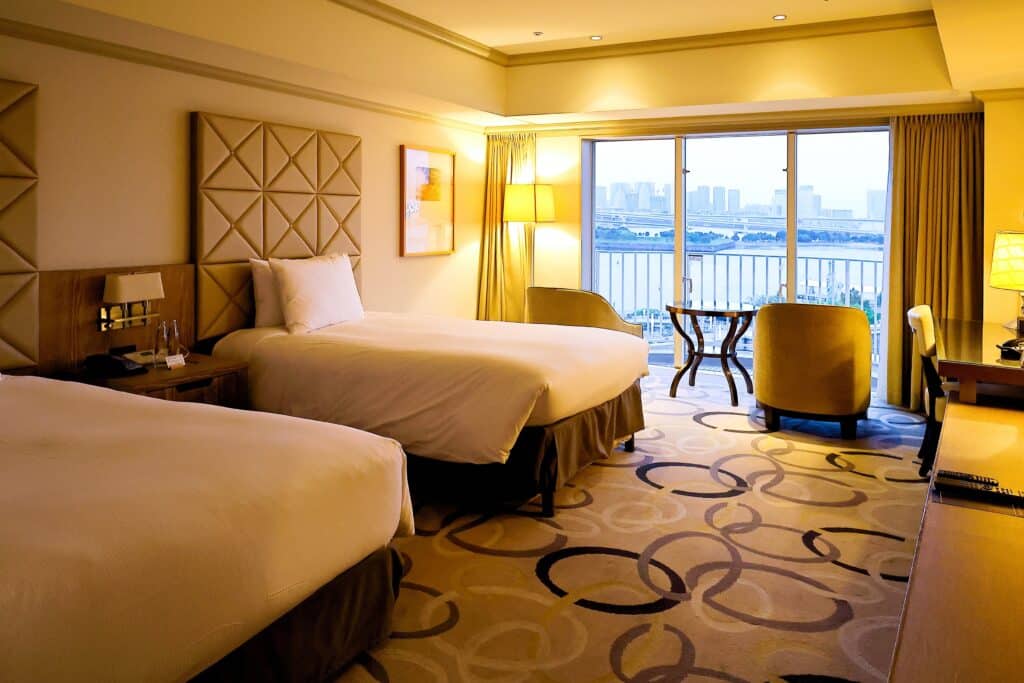
Accommodation will usually be one of the biggest parts of your Japan travel budget. The good news is that Japan offers an unusually wide range of options, from hostels and simple business hotels to traditional ryokan and luxury properties.
Prices vary significantly by city, season, location, and how early you book. Tokyo and Kyoto can become particularly expensive during peak travel periods, while business hotels and less central locations often provide much better value.
Hostels
per person / night
Capsule Hotels
per person / night
Business Hotels
per room / night
Mid-Range Hotels
per room / night
Ryokan
per person / night
Luxury Hotels
per room / night
Keep in mind: These are planning ranges rather than fixed prices. Rates can rise substantially during cherry blossom season, Golden Week, autumn foliage, weekends, and major holidays.
Is It Worth Paying More for a Better Location?
Often, yes. This is one area where choosing the cheapest hotel can be a false economy.
A hotel that costs slightly more but sits near a useful train or subway station can reduce commuting time every day. This matters particularly in large cities such as Tokyo, where staying far from the areas you want to explore can add significant travel time to your itinerary.
Lower nightly price, but potentially more commuting, extra transfers, earlier starts, and less flexibility in the evening.
Higher nightly price, but easier sightseeing, simpler transport, and more usable time during your trip.
Where Can You Save on Hotels Without Sacrificing Too Much?
You don’t necessarily need to stay beside the most famous station or attraction. The smarter approach is often to stay one or two stations away in an area with good transport connections.
In Tokyo, for example, being close to a useful JR or subway line can matter more than having a famous neighborhood directly outside your door. In Kyoto, easy access to buses, trains, or the subway can make sightseeing much simpler. Osaka is compact enough that several well-connected areas can work without paying the highest central prices.
- Book early if you’re visiting during cherry blossom or autumn foliage season.
- Compare business hotels before automatically choosing international hotel chains.
- Look one or two stations beyond the most expensive neighborhoods.
- Prioritize good transport connections over a prestigious address.
- Check whether breakfast is included — and whether you actually need it.
- Stay fewer nights in expensive destinations when a day trip works just as well.
Is a Ryokan Worth the Extra Cost?
For many first-time visitors, yes — but you don’t need to stay in one throughout your trip.
A traditional ryokan can cost considerably more than a standard hotel, especially when dinner, breakfast, private baths, or an onsen are included. But you’re not simply paying for a room. The accommodation itself becomes part of the travel experience.
For that reason, one carefully chosen ryokan night can be a smarter splurge than upgrading every hotel on a two-week trip.
Save on luxury you won’t use; spend on location and experiences. A clean, well-connected business or mid-range hotel is enough for most sightseeing days. If your budget allows one accommodation upgrade, consider putting that money toward a memorable ryokan or onsen stay rather than simply choosing a more expensive room in every city.
How Much Does Food Cost in Japan?
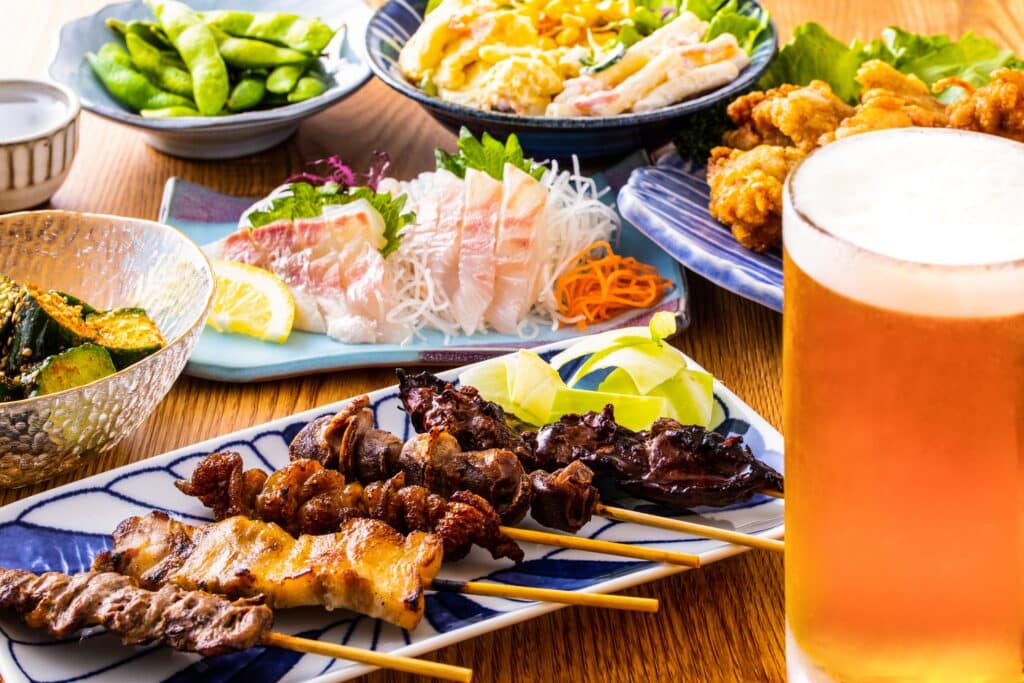
Food is one of the easiest parts of a Japan trip to adjust to your budget. You can eat surprisingly well for relatively little, while travelers who want sushi counters, wagyu, kaiseki, or fine dining can easily make food one of their biggest expenses.
The smartest approach for most visitors is somewhere in between: keep everyday meals affordable and save part of your budget for a few dining experiences that feel genuinely special.
Bakery or Convenience Store
Coffee, pastries, onigiri, sandwiches, or other simple breakfast options.
Ramen, Udon or Curry
One of the easiest ways to eat well without spending much.
Lunch Set
Set lunches can offer excellent value, including at restaurants that cost considerably more in the evening.
Casual Restaurant or Izakaya
A comfortable budget for many everyday dinners, depending on drinks and how much you order.
Sushi, Wagyu or Specialty Dining
Prices vary widely, but this is where deliberately increasing your food budget can create a memorable experience.
Kaiseki & Fine Dining
High-end restaurants and multi-course experiences can become a major part of your daily budget.
Keep in mind: These are useful planning ranges rather than fixed prices. Drinks, premium ingredients, location, restaurant type, and service level can all increase the final bill.
How Much Should You Budget for Food Per Day?
You don’t need to eat at the cheapest possible places to keep food costs reasonable. For most travelers, the biggest difference comes from how often they choose premium restaurants rather than from everyday meals.
Simple breakfasts, ramen, curry, convenience-store food, and inexpensive restaurants.
A mix of inexpensive local food, good lunches, casual restaurants, and occasional treats.
More specialty restaurants, premium ingredients, drinks, sushi, wagyu, and fine dining.
The Smartest Way to Spend Your Food Budget
One of the advantages of traveling in Japan is that inexpensive doesn’t automatically mean low quality. A simple bowl of ramen, freshly prepared udon, a neighborhood set meal, or food from a good bakery can be part of the experience rather than a compromise.
That means you don’t necessarily need a large restaurant budget every day. Instead, consider deliberately mixing inexpensive meals with a few meals where spending more actually gives you something different.
Bakery + coffee
≈ ¥700
Good set lunch
≈ ¥1,500
Casual local restaurant
≈ ¥2,500
Coffee, snack, drink
≈ ¥1,000
Total: around ¥5,700 — without feeling as though you’re eating on a strict budget.
Where Can You Save on Food?
The easiest savings usually come from everyday meals rather than skipping the food experiences you came to Japan to enjoy.
- Skip expensive hotel breakfasts unless they’re genuinely part of the experience.
- Use bakeries and convenience stores for occasional quick breakfasts.
- Look for lunch sets at restaurants that are more expensive in the evening.
- Mix ramen, udon, curry, donburi, and casual set meals into your itinerary.
- Don’t assume tourist districts have the best food simply because prices are higher.
- Watch your drinks budget — several beers, cocktails, or specialty coffees each day can add up surprisingly quickly.
Where Is Spending More on Food Worth It?
Japan is one of the destinations where food itself can be a reason to travel. If sushi, wagyu, kaiseki, regional cuisine, or a particular restaurant is important to you, cutting those experiences simply to achieve the lowest possible daily budget may be the wrong decision.
Instead of spending ¥1,000–¥2,000 more on every meal, consider keeping most meals affordable and setting aside a separate budget for one or two dining experiences you’ll actually remember.
Japan is a place where you can save money on food without sacrificing good food. Keep breakfasts and everyday meals simple when it makes sense, then spend more on the dishes and experiences that are genuinely special to you. For most travelers, that’s better value than eating at expensive restaurants three times a day.
How Much Does Transportation Cost in Japan?
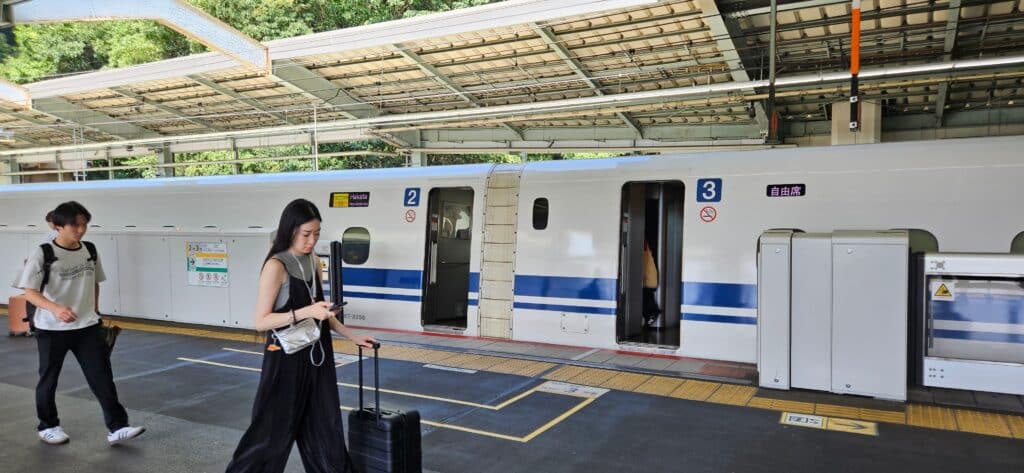
Transportation in Japan can be surprisingly affordable if you stay within one city — and surprisingly expensive once you start moving between several regions.
Local trains, subways, and buses usually make up only a moderate part of your daily budget. The bigger expense is long-distance travel. A few Shinkansen journeys can quickly add tens of thousands of yen to your trip, which is why your itinerary often matters more than your everyday transport spending.
Local Trains & Subways
A useful daily planning range for sightseeing within major cities.
City Buses
Typical cost for individual local journeys, depending on the city and route.
Shinkansen
per major intercity journey, depending on distance, train type, and seat choice.
Highway Bus
Often cheaper than the Shinkansen, but considerably slower on long routes.
Domestic Flights
Can be competitive with trains for longer routes, especially when booked early.
Taxis
Useful for awkward connections, luggage, or late nights, but rarely necessary for everyday sightseeing.
Keep in mind: Transport fares vary by route, operator, seat type, and booking method. Use these figures as planning ranges and check current fares for your actual itinerary before buying tickets or passes.
How Much Should You Budget for Local Transportation?
If you’re spending the day sightseeing within Tokyo, Osaka, Kyoto, or another major city, local transportation is unlikely to be the expense that makes or breaks your Japan budget.
For many sightseeing days, around ¥500–¥1,500 per person is a useful planning range. Some days will cost less if you’re exploring one neighborhood on foot, while day trips and journeys across large cities can cost more.
For most travelers, an IC card is primarily about convenience rather than major savings. Load money onto the card and use it for trains, subways, buses, and many small purchases instead of worrying about individual tickets for every journey.
Day passes can save money in certain situations, but don’t buy one automatically. They offer the best value when your actual sightseeing plan involves enough eligible journeys to justify the price.
How Much Does the Shinkansen Cost?
The Shinkansen is fast, comfortable, and one of the easiest ways to travel between Japan’s major cities — but it can also become one of the largest expenses in your itinerary.
For planning purposes, these are useful approximate ranges for popular routes:
Note: These are rounded planning estimates, not quoted fares. Exact prices depend on the service, seat reservation, departure station, and ticket type.
Is the Japan Rail Pass Worth It?
One of the most common Japan planning mistakes is assuming that a nationwide JR Pass automatically saves money.
It doesn’t.
The price of the nationwide pass increased substantially in recent years, which means travelers should now compare the cost of the pass against the actual journeys they intend to make.
List every major intercity journey you actually plan to take.
Calculate approximately what those journeys would cost as separate tickets.
Compare individual tickets with nationwide and regional passes before deciding.
Don’t redesign a good itinerary simply to make a rail pass pay for itself. Taking unnecessary journeys to extract more value from a pass costs you something even more limited than money: your time in Japan.
Shinkansen vs Flight vs Highway Bus: Which Is the Smartest Choice?
The cheapest ticket isn’t always the best value. When comparing transport options, consider the door-to-door travel time, not just the fare.
| Situation | Usually the Smarter Choice | Why |
|---|---|---|
| Tokyo → Kyoto / Osaka | Shinkansen | Fast, central-to-central, frequent, and convenient. |
| Tokyo → Sapporo | Flight | Flying usually makes much more sense for this distance. |
| Very Tight Budget | Highway Bus | Can reduce transport costs significantly if you accept the longer journey. |
| Several Journeys in One Region | Regional Rail Pass | Can offer better value than a nationwide pass when your travel is geographically concentrated. |
Don’t Forget the Cost of Moving Too Often
Transportation costs aren’t only about ticket prices. Every time you change cities, you also spend time packing, checking out, reaching the station, traveling, finding your next hotel, and checking in again.
Consider two travelers spending 14 days in Japan:
Fewer long-distance journeys, fewer hotel changes, simpler luggage logistics, and more time actually exploring each destination.
More transport tickets, more transfers, more hotel changes, and significantly more of the trip spent moving between destinations.
The second itinerary isn’t necessarily wrong. If those destinations are priorities, the extra transport cost may be completely worthwhile. But adding destinations simply because they fit on the map can make your trip both more expensive and more rushed.
Don’t optimize your Japan transport budget ticket by ticket — optimize your itinerary. Use public transportation for everyday travel, pay for the Shinkansen when the time saving is valuable, compare rail passes with your actual route, and avoid adding destinations just because you can. A simpler itinerary often saves both money and time.
How Much Do Attractions & Experiences Cost in Japan?
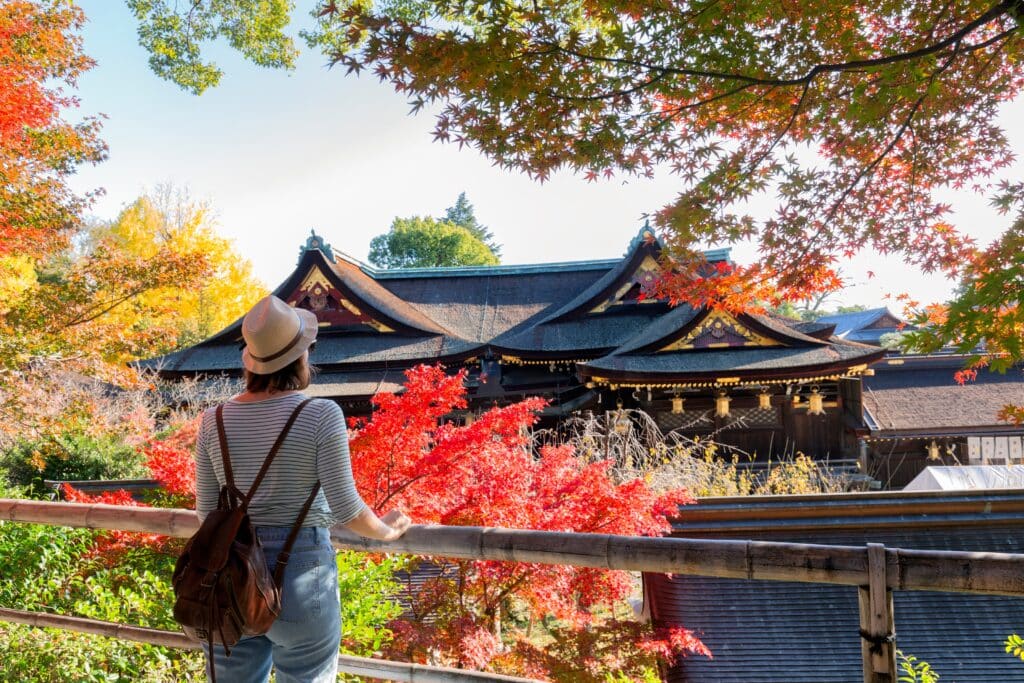
Attractions are one of the more flexible parts of a Japan budget. Many temples, shrines, parks, neighborhoods, markets, gardens, and historic districts are free or inexpensive to explore, while theme parks, observation decks, guided tours, and special experiences can cost considerably more.
That means you don’t need a large attraction budget every day. The smarter approach is to keep ordinary sightseeing costs relatively low and spend more selectively on experiences that add something genuinely different to your trip.
Temples & Gardens
Many shrines are free, while temples, gardens, and historic sites often charge relatively modest admission fees.
Museums
Standard museums are often reasonably priced, although major exhibitions and special museums can cost more.
Observation Decks
Premium viewpoints can be worthwhile, but Japan also has several excellent free city views.
Immersive & Digital Art
Popular immersive attractions can cost more than traditional sightseeing but may offer a very different experience.
Cultural Activities & Tours
Tea ceremonies, cooking classes, food tours, workshops, and guided experiences vary widely in price.
Theme Parks
Major theme parks can become one of your more expensive sightseeing days, especially once food and optional extras are included.
Keep in mind: These are planning ranges rather than fixed admission prices. Popular attractions may use dynamic pricing, different ticket categories, or optional upgrades, so always check current prices before visiting.
How Much Should You Budget for Attractions Per Day?
For most travelers, attraction costs won’t be evenly distributed across the trip. You might spend almost nothing while exploring a Tokyo neighborhood one day and considerably more on a theme park, guided tour, or special experience the next.
Mostly free neighborhoods, shrines, parks, markets, and a few inexpensive temples or museums.
A mixture of free sightseeing, temples, museums, gardens, viewpoints, and selected paid attractions.
Guided tours, workshops, premium attractions, theme parks, and other bookable experiences.
You Don’t Need a Paid Attraction Every Day
This is one of the easiest places to misunderstand a Japan travel budget. Some of the country’s most memorable experiences don’t require an admission ticket at all.
Walk through areas such as Yanaka, Kagurazaka, Gion, Nakazakicho, or Tokyo’s countless smaller neighborhoods.
Many important shrines can be visited without an entrance fee.
Exploring markets and shopping streets costs nothing unless you decide to eat or shop.
River walks, parks, historic streets, and scenic neighborhoods can fill several enjoyable hours.
Where Is Paying for an Attraction Worth It?
A useful question isn’t simply whether an attraction is good. Ask whether it gives you an experience you can’t easily get somewhere else on your itinerary.
- A unique experience you’ve specifically wanted to do
- An exceptional garden, museum, or historic site
- A viewpoint that fits naturally into your itinerary
- A cultural activity you can’t easily experience elsewhere
- A theme park that is genuinely one of your trip priorities
- Another viewpoint after you’ve already visited several
- An attraction you’re visiting only because it’s famous
- A paid experience that duplicates something else on your itinerary
- An expensive activity that doesn’t match your interests
- Something requiring hours of queuing for a short experience
Don’t Measure Attractions Only by Ticket Price
A ¥1,000 attraction isn’t automatically good value, and a ¥5,000 experience isn’t automatically expensive.
Imagine an attraction costs ¥1,500 but requires an hour of travel in each direction and another hour waiting in line. Compare that with a ¥4,000 experience near your hotel that becomes one of the highlights of your trip.
The second option costs more money, but it may provide much better value for your limited time in Japan.
Will this give you something meaningfully different from the rest of your itinerary?
Would you still want to visit if it wasn’t on every list of Japan’s must-see attractions?
Include travel time, queues, reservations, and how much of your sightseeing day it uses.
Could another nearby experience give you something similar with less money, time, or crowding?
Where Can You Save on Attractions?
The goal isn’t to avoid admission fees. It’s to stop paying for attractions simply because they’re famous.
- Mix paid attractions with free neighborhoods, parks, shrines, and markets.
- Choose one great observation deck instead of paying for several similar views.
- Prioritize attractions that match your interests rather than generic must-see lists.
- Check whether a nearby free or inexpensive alternative offers a similar experience.
- Don’t automatically book guided tours for places that are easy to explore independently.
- Consider both the ticket price and the time required to reach and experience an attraction.
Where Is Spending More Worth It?
This is where your personal priorities matter. A food lover may get far more value from a guided market tour than from several observation decks. An architecture enthusiast may happily pay for museums that another traveler would skip. A family may consider a theme park one of the main reasons for visiting Japan.
The important distinction is between paying because something matters to you and paying because you feel you’re supposed to see it.
Don’t build your Japan itinerary around admission tickets. Many of the country’s best experiences are free or inexpensive, which gives you room to spend more on a few attractions or activities that genuinely matter to you. The smartest attraction budget isn’t the lowest one — it’s the one where you’re rarely paying for something you don’t really want to do.
Hidden Costs of a Japan Trip
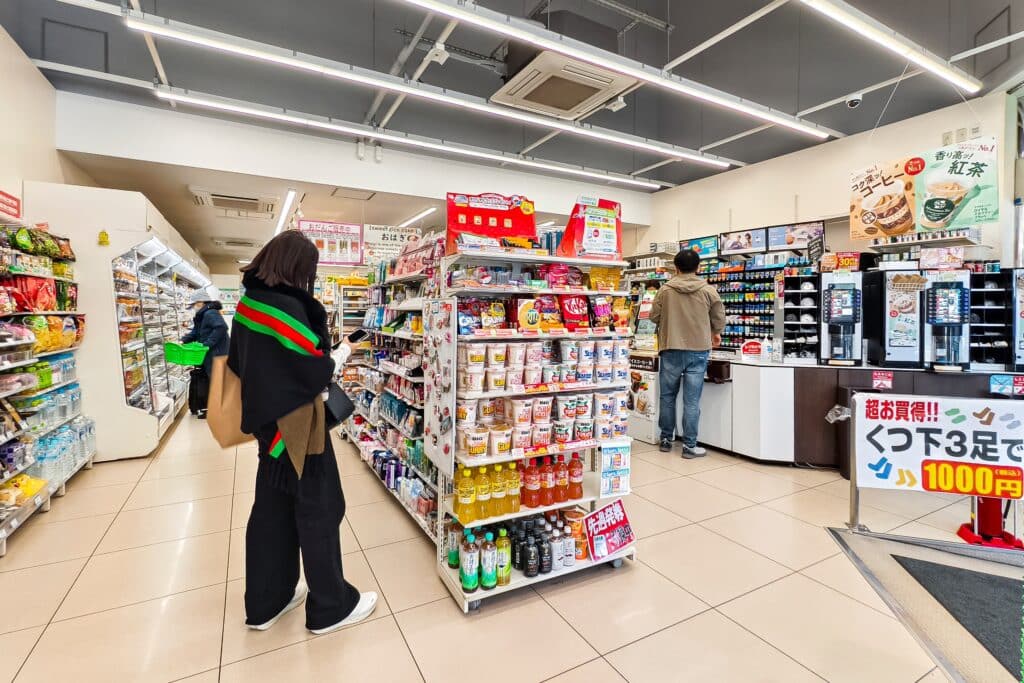
Hotels, food, trains, and attractions are easy to include in a Japan budget. The expenses travelers often underestimate are the smaller costs that appear throughout the trip — airport transfers, luggage storage, laundry, mobile data, ATM fees, drinks, and souvenirs.
None of these will necessarily break your budget on their own. But over a 10- or 14-day trip, several small expenses every day can add up to a surprisingly large amount.
Airport Transfers
Getting between the airport and your hotel can cost considerably more than a normal city journey, especially if you choose an express train, limousine bus, or taxi.
Luggage Forwarding
per suitcase on many common routes. It isn’t essential, but it can make multi-city travel considerably easier.
Coin Lockers & Storage
Useful when sightseeing between hotels or before check-in, but repeated storage costs can add up.
eSIM, SIM or Pocket Wi-Fi
Mobile data is easy to overlook when planning, but having reliable internet is extremely useful for maps, transport, translations, and reservations.
Laundry
Many hotels and laundromats have coin-operated machines, making laundry inexpensive but still worth including in a longer-trip budget.
ATM & Card Fees
ATM charges, foreign transaction fees, and poor exchange rates can quietly increase costs depending on your bank and card.
Accommodation Taxes & Fees
Some destinations charge accommodation or bathing taxes that may not always be obvious when you first compare room prices.
Coffee, Drinks & Snacks
One coffee, a convenience-store snack, a vending-machine drink, and a beer may seem insignificant — until you repeat them every day.
Souvenirs & Shopping
Japan makes spontaneous shopping very easy. Snacks, stationery, cosmetics, character goods, ceramics, and gifts can quickly become a significant expense.
How Much Extra Should You Budget for Hidden Costs?
Rather than trying to predict every coffee, locker, laundry cycle, and small purchase, it is easier to build a miscellaneous allowance into your daily budget.
Enough for modest incidental expenses if you’re keeping close track of spending.
A useful allowance for drinks, snacks, lockers, laundry, small purchases, and occasional convenience costs.
If shopping, bars, nightlife, or collecting souvenirs are important to you, give them their own budget rather than treating them as incidental costs.
The Small Costs That Add Up
Imagine spending an extra ¥300 on a drink, ¥500 on coffee, ¥700 on snacks, and ¥1,000 on small purchases during a sightseeing day.
None of those expenses feels significant at the time. Together, however, that’s ¥2,500 in one day. Over a two-week trip, the same spending pattern could reach ¥35,000.
¥500
¥300
¥700
¥1,000
Some “Extra” Costs Are Actually Worth Paying
Not every additional expense should be eliminated. Sometimes paying for convenience improves the trip enough to justify the cost.
Luggage forwarding is a good example. Sending a suitcase between hotels costs more than carrying it yourself, but it can make train journeys, station transfers, and sightseeing between accommodations considerably easier.
- Unnecessary taxis
- Frequent paid luggage storage
- Expensive roaming plans
- Hotel laundry services when coin machines are available
- Impulse purchases you don’t really want
- Luggage forwarding on awkward travel days
- A convenient airport transfer after a long flight
- Reliable mobile data
- A taxi when it saves substantial time or solves a difficult connection
- Travel insurance appropriate for your trip
Don’t Forget a Shopping Budget
Shopping deserves special treatment because it varies enormously from traveler to traveler. One person may leave Japan with a few postcards and snacks, while another comes home with ceramics, clothing, cosmetics, electronics, anime merchandise, or an additional suitcase.
For that reason, we recommend keeping shopping outside your basic daily Japan budget. Decide how much you’re comfortable spending before the trip and treat it as a separate category.
Add a buffer instead of trying to predict every yen. For many travelers, setting aside around ¥2,000–¥4,000 per day for small incidental expenses makes the overall budget more realistic. Keep major shopping and nightlife separate — and don’t automatically cut convenience expenses when paying a little more could save significant time or hassle.
How Much Does a 7-Day Trip to Japan Cost?
For one week in Japan, your total budget depends heavily on how much of the country you try to cover. A traveler spending all seven days in Tokyo will usually spend less on transportation than someone trying to combine Tokyo, Kyoto, and Osaka in the same week.
For a first trip, a realistic one-week itinerary might combine Tokyo with Kyoto or Osaka. This gives you two very different sides of Japan without spending too much of a short trip changing hotels and traveling between cities.
- Hostel or simple accommodation
- Inexpensive local meals
- Mostly free or low-cost attractions
- Public transportation
- Limited premium experiences
- Business or mid-range hotels
- Good everyday meals
- Shinkansen between major cities
- Paid attractions where worthwhile
- One or two special experiences
- Comfortable, well-located hotels
- More restaurant dining
- Convenient transport choices
- Premium attractions and activities
- Room for a ryokan or special meal
These estimates exclude international flights and major shopping. Accommodation is calculated on a per-person basis assuming two travelers share a room where applicable. Solo travelers may spend more per person on hotels.
Example 7-Day Japan Budget: Best Value
For most first-time visitors, we think the middle budget provides the best balance. Here’s what a realistic seven-day trip might look like for one person sharing hotel rooms with another traveler.
| Category | Estimated Cost | What This Gets You |
|---|---|---|
| Accommodation | ¥45,000–¥65,000 | Business or mid-range hotels, assuming two people share. |
| Food | ¥30,000–¥45,000 | Affordable breakfasts, good lunches, casual dinners, and a few treats. |
| Transportation | ¥20,000–¥30,000 | Local transport plus one major Shinkansen journey and related transfers. |
| Attractions | ¥10,000–¥20,000 | A mix of free sightseeing and selected paid attractions. |
| Miscellaneous | ¥15,000–¥25,000 | Snacks, drinks, luggage storage, small purchases, and other incidental costs. |
per person for seven days, excluding international flights and major shopping.
Where Should You Spend More on a 7-Day Trip?
With only one week in Japan, time becomes almost as important as money. Saving ¥2,000 on a hotel that adds an hour of commuting every day may not be a good trade.
The same applies to long-distance transportation. On a short trip, paying more for the Shinkansen instead of spending many additional hours on a highway bus can be worthwhile because you’re effectively buying back sightseeing time.
- A well-connected hotel
- Fast transport between major cities
- One experience you really care about
- Convenience when it saves substantial time
- Hotel breakfasts
- Taxis when public transport works well
- Expensive meals every day
- Multiple similar paid attractions
Don’t Try to See Too Much in Seven Days
A common mistake is trying to turn one week into a miniature tour of the entire country.
Tokyo → Kyoto → Osaka → Hiroshima → back to Tokyo may look possible on a map, but every additional destination adds transport costs, hotel changes, packing, transfers, and lost sightseeing time.
For most first-time visitors, two main bases are enough for a seven-day trip. Tokyo combined with Kyoto or Osaka gives you plenty of variety without making transportation dominate your budget and itinerary.
For a 7-day Japan trip, we would budget roughly ¥130,000–¥190,000 per person for a comfortable first-time experience without international flights. With only one week, don’t optimize purely for the lowest price. Spend where it saves time, keep your route simple, and save on everyday expenses that don’t meaningfully improve the trip.
How Much Does a 10-Day Trip to Japan Cost?
Ten days gives you noticeably more flexibility than one week. For a first trip, you can comfortably combine Tokyo, Kyoto, and Osaka without turning every second day into a travel day.
The interesting part is that a 10-day trip doesn’t necessarily cost proportionally more than a 7-day trip. Your major intercity journeys may remain almost the same — you’re simply spending more nights exploring the destinations you’ve already paid to reach.
- Hostels or simple accommodation
- Affordable local meals
- Public transportation
- Selective paid attractions
- Limited premium experiences
- Business or mid-range hotels
- Good everyday meals
- Shinkansen between major cities
- A mix of free and paid sightseeing
- One or two memorable splurges
- Well-located comfortable hotels
- More restaurant dining
- Convenient transport choices
- Premium attractions and activities
- Room for a ryokan or special dining
These estimates exclude international flights and major shopping. Accommodation assumes two travelers share a room where applicable. Solo travelers should allow more per person for hotels.
Example 10-Day Japan Budget: Best Value
A realistic first-time route could look something like 4 nights in Tokyo, 3 nights in Kyoto, and 2 nights in Osaka, with your arrival and departure days completing the trip.
This gives you enough time to experience all three cities without constantly changing hotels or adding unnecessary long-distance journeys.
| Category | Estimated Cost | What This Gets You |
|---|---|---|
| Accommodation | ¥65,000–¥90,000 | Business or mid-range hotels, assuming two people share. |
| Food | ¥40,000–¥60,000 | Good everyday meals with room for several nicer lunches or dinners. |
| Transportation | ¥25,000–¥40,000 | Local transport plus major intercity journeys between Tokyo and Kansai. |
| Attractions & Experiences | ¥15,000–¥30,000 | Temples, museums, viewpoints, and selected premium experiences. |
| Miscellaneous | ¥20,000–¥35,000 | Snacks, drinks, laundry, luggage storage, small purchases, and convenience costs. |
per person for ten days, excluding international flights and major shopping.
Why 10 Days Can Offer Better Value Than 7 Days
Three extra days obviously mean three more nights of accommodation, meals, and everyday spending. But some of the largest costs of your trip may barely change.
If both itineraries include a Shinkansen journey from Tokyo to Kyoto, for example, that ticket costs roughly the same whether you spend seven days or ten days in Japan.
- 3 additional hotel nights
- 3 days of food
- Local transportation
- Additional sightseeing
- Your main Shinkansen journey
- Airport transfers
- eSIM or SIM setup
- Other fixed trip costs
This is why a longer Japan trip can sometimes offer better value per day. You’re spreading some of the expensive fixed parts of the journey across more actual travel days.
Should You Add Another Destination?
Ten days gives you enough time to add more places — but that doesn’t mean you automatically should.
Instead of adding another hotel change, consider using Kyoto or Osaka as a base for a day trip. Destinations such as Nara or Himeji can add variety without requiring you to pack your bags again.
Explore the city without rushing between neighborhoods.
Temples, historic districts, gardens, and slower sightseeing.
Enjoy Osaka and consider Nara or Himeji without adding another hotel.
Where Should You Spend More on a 10-Day Trip?
With ten days, you have enough time to introduce one deliberate splurge without turning the entire trip into a premium vacation.
This could be a special dinner, a premium attraction, or even replacing one ordinary hotel night with a traditional ryokan experience.
- One memorable ryokan or onsen stay
- A special sushi, kaiseki, or wagyu meal
- Hotels with convenient transport connections
- An experience that is a personal trip priority
- Everyday breakfasts
- Unnecessary taxis
- Changing hotels too frequently
- Paying for similar attractions in every city
For a 10-day Japan trip, around ¥180,000–¥260,000 per person is a useful best-value target, excluding international flights. Ten days gives you enough time for Tokyo, Kyoto, and Osaka without constantly moving — and enough flexibility to add a day trip or one memorable splurge. Use the extra days to experience Japan more deeply, not simply to collect more destinations.
How Much Does a 14-Day Trip to Japan Cost?
Two weeks is an excellent amount of time for a first trip to Japan. You can explore Tokyo, Kyoto, and Osaka at a comfortable pace while still having enough time for day trips or one additional destination.
A 14-day trip also gives you an important choice: use the extra days to see more of Japan, or use them to travel more slowly. The first option usually increases transportation costs. The second often gives you better value because you’re spending more time in places you’ve already paid to reach.
- Hostels or simple hotels
- Affordable local meals
- Carefully planned transportation
- Mostly free or inexpensive sightseeing
- Few premium experiences
- Business or mid-range hotels
- Good everyday food
- Shinkansen where it makes sense
- Selected paid attractions
- Day trips and a few memorable splurges
- Comfortable, well-located hotels
- More premium dining
- Convenient transport choices
- More paid experiences
- Room for ryokan and onsen stays
These estimates exclude international flights and major shopping. Accommodation assumes two travelers share a room where applicable. Solo travelers should expect higher accommodation costs per person.
Example 14-Day Japan Budget: Best Value
For most first-time visitors, a two-week trip doesn’t need an extremely complicated route. A combination of Tokyo, Kyoto, and Osaka with selected day trips already offers an enormous variety of experiences.
| Category | Estimated Cost | What This Gets You |
|---|---|---|
| Accommodation | ¥90,000–¥125,000 | Business or mid-range hotels, assuming two travelers share a room. |
| Food | ¥60,000–¥85,000 | Good everyday meals plus room for several nicer dining experiences. |
| Transportation | ¥35,000–¥55,000 | Local transport, major intercity journeys, and selected day trips. |
| Attractions & Experiences | ¥20,000–¥40,000 | A mixture of free sightseeing, temples, museums, viewpoints, and special experiences. |
| Miscellaneous | ¥30,000–¥50,000 | Drinks, snacks, laundry, luggage services, small purchases, and other incidental expenses. |
per person for two weeks, excluding international flights and major shopping.
What Should You Do With the Extra Days?
This is where a two-week trip becomes interesting. Compared with a shorter visit, you now have enough time to make meaningful choices rather than simply fitting Tokyo, Kyoto, and Osaka into the schedule.
There are two good ways to use those extra days.
Travel More Slowly
Spend more time in Tokyo and Kyoto, explore neighborhoods beyond the headline attractions, and use Osaka or Kyoto as a base for nearby day trips.
Best for: First-time visitors who prefer depth, flexibility, and less time spent changing hotels.
Add Another Destination
Use several days for somewhere meaningfully different, such as Hiroshima and Miyajima, Kanazawa, Takayama, or another region that genuinely interests you.
Best for: Travelers who have a clear additional priority and don’t mind extra transport and another hotel change.
A Smart 14-Day First-Time Japan Route
If your goal is to experience Japan without making the trip unnecessarily complicated, we would keep the number of hotel bases relatively low and use day trips strategically.
Major sights plus time for neighborhoods and a possible day trip.
Enough time to spread out the major sights and explore beyond the busiest areas.
Food, nightlife, neighborhoods, and a different atmosphere from Kyoto.
Consider Nara, Himeji, or simply use the time for places you didn’t manage earlier.
Day Trips Can Be Smarter Than More Hotel Changes
With two weeks available, it’s tempting to keep adding overnight stops. But destinations that are easily reached from Tokyo, Kyoto, or Osaka don’t always need another hotel.
A day trip can save you from packing, checking out, storing luggage, checking in again, and moving everything to another accommodation.
| Destination | Possible Base | Travel Owl Take |
|---|---|---|
| Nara | Kyoto or Osaka | Usually an easy day trip for first-time visitors. |
| Himeji | Osaka or Kyoto | A good way to see one of Japan’s great castles without changing hotels. |
| Nikko | Tokyo | Possible as a day trip, although an overnight stay gives you more time. |
| Hiroshima & Miyajima | Consider Overnight | Possible from Kansai, but an overnight stay can make the experience much less rushed. |
Where Should You Spend More on a Two-Week Trip?
A longer trip gives you more room to make deliberate upgrades. Rather than increasing your spending every day, choose a few moments where additional money creates a noticeably different experience.
- One traditional ryokan or onsen stay
- One or two memorable dining experiences
- Well-located hotels in the busiest cities
- Fast transport when it saves several hours
- Experiences that are personal priorities
- Everyday breakfasts and lunches
- Unnecessary taxis
- Similar paid attractions in multiple cities
- Hotel upgrades you won’t really use
- Unnecessary overnight stops
What Does an Extra ¥50,000 Buy You?
This is a more useful question than simply asking whether you should increase your daily budget.
Instead of spreading an extra ¥50,000 across two weeks — where it may disappear into slightly nicer rooms, taxis, and more expensive everyday meals — you could use it deliberately.
Use a large part of it for a memorable traditional stay with dinner, breakfast, and possibly an onsen.
Add one or two special dining experiences while keeping everyday meals affordable.
Choose better hotel locations, luggage forwarding, or faster transport where it meaningfully improves the trip.
Use the extra budget to add a destination you genuinely care about, rather than adding places simply to fill the itinerary.
For many travelers, one memorable upgrade will provide more value than making every day slightly more expensive.
For a 14-day Japan trip, around ¥250,000–¥360,000 per person is a useful best-value target, excluding international flights. Two weeks gives you enough time to see more — but you don’t have to. Keep your main route simple, use day trips strategically, and spend extra money on a few experiences that genuinely improve the trip rather than making every day more expensive.
Tokyo vs Kyoto vs Osaka: Which City Costs More?
Tokyo, Kyoto, and Osaka can all fit into a moderate Japan budget, but they don’t cost exactly the same — and the differences aren’t always where you might expect.
Tokyo generally gives you the widest range of accommodation and dining choices. Kyoto can become surprisingly expensive when hotel demand is high, particularly during cherry blossom and autumn foliage seasons. Osaka often offers some of the best overall value, especially for food and accommodation.
The smarter question, however, isn’t simply which city is cheapest. It’s where your money buys you the experience you actually want.
| Cost | Tokyo | Kyoto | Osaka |
|---|---|---|---|
| Accommodation | ¥¥–¥¥¥ | ¥¥–¥¥¥ | ¥–¥¥ |
| Food | ¥–¥¥¥ | ¥¥ | ¥–¥¥ |
| Local Transport | ¥¥ | ¥–¥¥ | ¥–¥¥ |
| Attractions | ¥–¥¥¥ | ¥–¥¥ | ¥–¥¥¥ |
| Overall Value | Very Good | Good | Excellent |
¥ = generally inexpensive · ¥¥ = moderate · ¥¥¥ = potentially expensive. These are relative comparisons rather than fixed prices. Season, neighborhood, hotel quality, and your travel style can make a much bigger difference than the city itself.
Accommodation: Kyoto Can Be the Surprise
Tokyo has a reputation for being expensive, but its enormous hotel market also gives travelers a wide range of choices. Staying a few stations away from areas such as Shinjuku, Shibuya, or Tokyo Station can often reduce accommodation costs without making sightseeing inconvenient.
Kyoto is different. Hotel supply is smaller relative to visitor demand, and prices can rise significantly during popular travel periods such as cherry blossom season, Golden Week, and autumn foliage.
Osaka frequently offers the best value of the three, with a large selection of reasonably priced hotels around areas such as Umeda, Namba, and slightly outside the busiest tourist streets.
Huge hotel selection means you can often trade a slightly less central location for a better price.
Accommodation can become one of the biggest expenses of your trip during peak periods.
Often a strong combination of location, room quality, and price.
Food: Osaka Has an Advantage
You can eat cheaply in all three cities. Convenience stores, ramen shops, curry restaurants, soba, udon, gyudon, and inexpensive set meals make Japan surprisingly manageable for travelers watching their food budget.
Tokyo has the greatest range. You can spend very little on lunch and then several times as much on dinner without leaving the same neighborhood.
Kyoto has plenty of affordable food too, but some of its most distinctive dining experiences — such as kaiseki cuisine or traditional restaurants — can push your food budget higher.
Osaka is particularly attractive for travelers who want good food without making every meal a major expense. Its casual food culture makes it easy to eat extremely well without relying on expensive restaurants.
Best if you want the widest possible range — from cheap everyday meals to world-class dining.
Best if traditional Japanese dining is one of your priorities and you’re willing to spend selectively.
Best for casual food lovers who want plenty of memorable meals without a premium budget.
Transportation: Tokyo Usually Costs More Per Day
Tokyo’s enormous size means you are likely to use trains and subways several times each day. Individual journeys are reasonably priced, but frequent trips across the city gradually add up.
Kyoto’s major sights are spread across different parts of the city, so buses, trains, subways, and occasional taxis may all become part of your transport strategy. Poorly planned sightseeing can also mean unnecessary journeys back and forth across the city.
Osaka is relatively compact for visitors, and many major areas are connected efficiently by subway and rail. Daily transportation costs can therefore remain fairly manageable.
Don’t choose accommodation purely by room price. Saving ¥2,000 per night on a poorly located hotel can be a false economy if you spend more money — and significantly more time — traveling to the places you want to visit.
Attractions: Kyoto Doesn’t Need to Be Expensive
Kyoto has an important budget advantage: many of its major experiences revolve around temples, shrines, gardens, historic streets, and neighborhoods. Entrance fees are often modest, and some famous sights are free.
Tokyo has plenty of free sightseeing too, but observation decks, immersive art experiences, museums, themed attractions, and other premium activities can easily increase your daily spending.
Osaka can be inexpensive if you focus on neighborhoods, markets, food, and street life. But a day at Universal Studios Japan or several major paid attractions can make one Osaka day considerably more expensive.
Which City Is Cheapest Overall?
Best for Choice
Not necessarily cheap, but the enormous range of hotels, restaurants, and free activities gives you excellent control over your budget.
Watch Hotel Prices
Everyday sightseeing can be inexpensive, but accommodation during popular seasons can change the calculation dramatically.
Best Overall Value
For many travelers, Osaka offers the strongest combination of affordable accommodation, casual food, inexpensive sightseeing, and convenient transportation.
Could Staying in Osaka Save You Money on Kyoto?
This is where the comparison becomes more interesting. Because Kyoto and Osaka are close together, you don’t necessarily need to treat them as completely separate parts of your budget.
If Kyoto hotel prices are unusually high during your dates, staying additional nights in Osaka and visiting Kyoto by train can sometimes save money. Osaka can also work well as a base for day trips to places such as Nara and Himeji.
But don’t look at the hotel price alone. Repeated journeys to Kyoto cost money and, more importantly, time. If Kyoto is one of the main reasons for your trip and you want to experience the city early in the morning or after day-trippers leave, paying more to stay in Kyoto may be the smarter decision.
- Kyoto hotel prices are unusually high
- You prefer Osaka’s nightlife and food scene
- You only want one day in Kyoto
- Osaka is your main Kansai base
- Kyoto is a major priority
- You plan several days of sightseeing there
- You want early mornings at popular sights
- You value atmosphere over the lowest hotel price
Where Does Your Money Go Furthest?
| Your Priority | Best Choice | Why |
|---|---|---|
| Lowest overall costs | Osaka | Strong accommodation and food value. |
| Most budget flexibility | Tokyo | Huge range of hotels, restaurants, and activities at different price levels. |
| Traditional experiences | Kyoto | Many temples, shrines, gardens, and historic areas cost little or nothing. |
| Affordable food trip | Osaka | Excellent casual food culture without requiring expensive restaurants. |
| Premium dining | Tokyo | Extraordinary choice across virtually every price level and cuisine. |
| Best Kansai base on a budget | Osaka | Can combine good hotel value with convenient access to Kyoto, Nara, and Himeji. |
Osaka generally offers the best overall value, Tokyo gives you the greatest control over how much you spend, and Kyoto requires the most careful accommodation planning. But don’t move your itinerary around simply to save a few thousand yen. A cheaper hotel isn’t better value if it puts you far from the experiences you came to Japan for. Compare price, location, transport time, and what you actually want to experience before deciding where to save.
When Is Japan More Expensive?
The time of year can change the cost of a Japan trip almost as much as your choice of hotel or travel style. Flights and accommodation respond strongly to demand, while food, local transportation, and most attraction prices remain much more stable.
This means the same 10-day itinerary could cost noticeably more simply because you travel during cherry blossom season, Golden Week, autumn foliage, or another high-demand period.
But higher prices don’t automatically mean you should avoid those dates. The smarter question is: are you paying more for an experience that actually matters to you?
New Year
Domestic travel increases around the New Year holiday, and some transport and accommodation can become busier or more expensive.
Cherry Blossom Season
One of Japan’s most popular travel periods, with particularly strong hotel demand in destinations such as Tokyo and Kyoto.
Golden Week
A cluster of national holidays creates heavy domestic travel demand, making trains, hotels, and popular destinations significantly busier.
Obon
Many people travel domestically around Obon, increasing demand for transportation and accommodation during an already busy summer period.
Autumn Foliage
Pleasant weather and autumn colors make this one of Japan’s most attractive seasons, with particularly strong demand in Kyoto during peak foliage.
Weekends & Special Events
Festivals, concerts, sporting events, long weekends, and local holidays can temporarily push hotel prices higher in individual destinations.
Cherry Blossom Season: Worth Paying More?
Cherry blossom season is a good example of why the cheapest travel dates aren’t automatically the smartest ones.
If seeing Japan during sakura season is one of your main reasons for visiting, paying more for accommodation may be completely reasonable. Cherry blossoms change parks, riversides, temple grounds, and entire neighborhoods in a way you won’t experience during another month.
But if cherry blossoms are simply a nice bonus rather than a priority, traveling a few weeks earlier or later may give you a less expensive and often less crowded trip.
- Cherry blossoms are a major reason for your trip
- This may be your only visit to Japan
- You enjoy seasonal photography
- You are comfortable booking well ahead
- Your budget can absorb higher hotel prices
- Your main goal is simply to explore Japan
- You strongly dislike crowds
- Accommodation is consuming too much of your budget
- Your dates are flexible
- Seasonal scenery isn’t a major priority
Golden Week: Higher Prices Without the Same Reward?
Golden Week is different. The higher demand comes primarily from domestic holiday travel rather than a short-lived natural spectacle.
Popular destinations can be crowded, transportation is busier, and accommodation availability may become tighter. Unless Golden Week is the only time you can travel, shifting your trip outside this period can often improve both your budget and your experience.
Cherry blossom season: Paying more can buy you a genuinely different experience.
Golden Week: Paying more often buys you greater demand and larger crowds rather than a fundamentally different Japan experience.
Kyoto Is Particularly Sensitive to Season
Seasonal pricing matters throughout Japan, but Kyoto deserves special attention. Cherry blossoms and autumn foliage create enormous demand for accommodation, while the city’s historic districts, temples, and gardens are especially popular during these periods.
If Kyoto hotel prices are unusually high, you have several options: book much earlier, adjust your dates, stay in a less central area, or potentially use Osaka as a base for part of your Kansai stay.
But remember the trade-off. If experiencing Kyoto early in the morning and in the evening is important to you, paying more to stay in Kyoto can still be better value than commuting every day.
The Cheapest Month Isn’t Automatically the Best Month
It is tempting to plan purely around the lowest hotel and airfare prices, but lower prices often exist for a reason.
Japan’s hot and humid summer, the rainy season, colder winter weather in some regions, or fewer seasonal highlights may make certain periods cheaper. Whether that represents good value depends on what you want from the trip.
Will the weather suit the kind of sightseeing you want to do?
Are lower prices worth potentially less favorable conditions — or are higher prices worth larger crowds?
Are cherry blossoms, autumn colors, snow, or festivals important to you?
How much are you actually saving by changing your dates?
Sometimes Moving Your Trip by a Few Days Is Enough
You don’t always need to change the entire season to reduce costs. Hotel prices can change sharply around weekends, national holidays, festivals, and major events.
If your dates are flexible, compare several arrival and departure combinations before booking. Moving a stay by just a few days — or changing which city you visit first — can sometimes produce better hotel options without changing the overall trip.
Compare several days before and after your preferred dates.
Tokyo may be reasonably priced while Kyoto is unusually expensive — or vice versa.
Tokyo → Kyoto → Osaka may cost more than visiting the same cities in another order.
Only consider a larger date change if the savings are meaningful enough.
When Is Paying More Worth It?
| Period | Why It Costs More | Travel Owl Take |
|---|---|---|
| Cherry Blossoms | International + domestic demand | Worth considering if sakura is a major priority. |
| Golden Week | Heavy domestic holiday travel | Avoid if flexible. Higher demand with limited additional benefit. |
| Obon | Domestic travel | Consider other dates if your schedule allows. |
| Autumn Foliage | Seasonal demand | Can be worth it if autumn scenery matters to you. |
| Major Local Event | Temporary hotel demand | Check alternative dates unless the event is part of your trip. |
Don’t automatically avoid Japan’s expensive seasons — decide whether the premium buys you something you actually value. Paying more to experience cherry blossoms or peak autumn colors can make sense. Paying more simply because your dates overlap with Golden Week or a major local event usually offers less value. If you’re flexible, compare nearby dates and different city orders before changing your entire trip.
How to Save Money in Japan Without Making Your Trip Worse
Saving money on a Japan trip doesn’t have to mean staying in inconvenient hotels, eating convenience-store meals every day, or skipping the experiences you came to Japan for.
The best savings are the ones you barely notice. Spend less on things that add little to your trip, then keep enough room in your budget for the experiences, locations, and conveniences that actually make a difference.
In other words: don’t ask “How can I make Japan cheaper?” Ask “Which expenses aren’t improving my trip?”
- Hotel breakfasts
- Unnecessary taxis
- Multiple similar observation decks
- Expensive meals you don’t particularly care about
- Hotel upgrades with little practical benefit
- Unnecessary rail passes
- Too many hotel changes
- Impulse convenience spending
- A well-located hotel
- Fast transport on a short trip
- One memorable ryokan stay
- A special meal you genuinely want
- A unique cultural experience
- Luggage forwarding on difficult travel days
- Experiences that are personal priorities
- Convenience that saves substantial time
1. Save on the Hotel Room — Not Necessarily the Location
Accommodation is usually one of the biggest parts of a Japan budget, so it is an obvious place to look for savings. But choosing the cheapest hotel can easily become a false economy.
A basic business hotel near a useful station may offer better value than a nicer hotel far from the places you want to visit.
You probably don’t need a large room, luxury lobby, or elaborate hotel breakfast if you’ll spend most of the day sightseeing. But good transport connections can save you time every single day.
Choose a smaller or simpler room in a useful location before choosing a better room in an inconvenient location.
2. Don’t Pay for a Rail Pass Automatically
A Japan Rail Pass used to be an almost automatic recommendation for many first-time visitors. That is no longer a good way to plan transportation.
Whether a rail pass saves money depends entirely on your itinerary. For a straightforward Tokyo–Kyoto–Osaka trip, individual tickets may make more sense than buying a nationwide pass you don’t fully use.
Calculate the journeys you actually intend to take first. Then compare that total with any rail pass you’re considering.
Build the itinerary first. Buy the pass second. Never add extra train journeys simply to make an expensive rail pass feel worthwhile.
3. Eat Cheaply When the Meal Doesn’t Matter
Japan makes it remarkably easy to eat well without spending much. Ramen, udon, soba, curry, gyudon, set meals, bakeries, supermarkets, and casual restaurants can keep everyday food costs reasonable.
That doesn’t mean you should make every meal as cheap as possible. Instead, decide which meals actually matter to you.
- Simple breakfast
- Casual ramen lunch
- Udon or soba
- Supermarket snacks
- Affordable set meals
- The sushi restaurant you’ve researched
- A special kaiseki dinner
- A food tour you genuinely want
- A memorable local specialty
- One excellent meal instead of several forgettable expensive ones
For many travelers, two or three memorable meals plus inexpensive everyday dining provides better value than trying to eat at highly rated restaurants three times a day.
4. Don’t Pay for Every Famous View
Tokyo alone has enough observation decks to consume a surprising amount of both money and sightseeing time.
You don’t need to visit every famous viewpoint. Choose the one that best fits your itinerary and interests, then use free viewpoints, parks, rooftop spaces, or simply street-level city experiences elsewhere.
Instead of asking which observation deck is cheapest, ask which one you would choose if you could visit only one. Pay for that one and skip the duplicates.
5. Use Free Japan as Part of the Trip — Not as a Compromise
Some of Japan’s best experiences don’t require a ticket at all.
Walking through historic neighborhoods, exploring food streets, visiting shrines, wandering through parks, watching city life, browsing markets, and discovering small side streets aren’t second-rate alternatives to paid attractions. They are often the moments travelers remember most.
Explore areas beyond the headline attractions and simply experience everyday Japan.
Many important and atmospheric shrines can be visited without an entrance fee.
Browsing shopping streets and markets costs nothing until something tempts you.
Riversides, parks, historic streets, and evening walks can become genuine trip highlights.
6. Reduce Hotel Changes
Changing hotels doesn’t always look expensive on a spreadsheet, but it creates several indirect costs: transport to the new accommodation, luggage storage or forwarding, lost sightseeing time, and sometimes less convenient hotel choices.
Japan’s excellent rail network means you can often use one city as a base for several destinations.
For example, Osaka or Kyoto can work for day trips to Nara and Himeji, while Tokyo gives you access to several destinations without requiring another overnight stop.
Ask whether staying overnight gives you something a day trip cannot. If the answer is no, keeping your existing base may save money, packing, transfers, and time.
7. Don’t Confuse Walking With Saving
Walking is one of the best ways to experience Japanese cities — but walking an extra 45 minutes simply to avoid a short train journey isn’t always smart budgeting.
On a trip that may already cost hundreds of thousands of yen, saving a few hundred yen while losing valuable sightseeing time can be a poor trade.
Walk when the walk itself is enjoyable. Take the train when transportation is simply getting you from one experience to another.
8. Use Convenience Strategically
Budget advice often treats convenience as something you should eliminate. In Japan, that can be a mistake.
Luggage forwarding, a strategically chosen taxi, a faster train, or a hotel beside a useful station may cost more — but sometimes the benefit is much larger than the price difference.
Useful when changing cities or combining travel with sightseeing before check-in.
Potentially worthwhile when public transport is awkward or several travelers can share the fare.
Especially valuable on short itineraries where several additional hours matter.
Paying slightly more for the right hotel can improve almost every day of the trip.
9. Book Early Where It Matters — Stay Flexible Where It Doesn’t
Booking everything months ahead isn’t always necessary, but some parts of a Japan trip become more expensive or difficult when availability disappears.
Accommodation during cherry blossom season, autumn foliage, Golden Week, or major events deserves particular attention. Popular experiences with limited capacity may also need advance reservations.
On the other hand, you don’t need to schedule every meal, train journey, and hour of sightseeing before arriving. Leaving some flexibility can prevent you from paying for plans you later don’t want to follow.
10. Don’t Save ¥1,000 and Lose Half a Day
This may be the most important budgeting principle in this entire guide.
Imagine two options. One costs ¥1,000 less but adds 90 minutes of travel. The other costs slightly more but puts you exactly where you want to be.
On a two-week trip the cheaper option may be reasonable. On a seven-day trip, repeatedly making decisions like this can consume a surprisingly large percentage of your vacation.
Is the saving meaningful compared with the total cost of the trip?
Will the cheaper option add commuting, queues, transfers, or inconvenience?
Does saving money remove something you genuinely care about?
If the cheaper choice barely changes your experience, it’s probably a smart saving.
Smart Savings vs False Economies
| Decision | Travel Owl Take | Why |
|---|---|---|
| Simple breakfast instead of hotel buffet | Smart Saving | Often saves money without changing the trip much. |
| Hotel far outside the center | Maybe False Economy | Daily commuting can consume both money and sightseeing time. |
| One paid viewpoint instead of three | Smart Saving | Reduces duplicate experiences. |
| Slow transport to save a small amount | Often False Economy | Especially on a short itinerary. |
| Casual lunch before special dinner | Smart Saving | Moves your budget toward the meal that matters more. |
| Skipping a dream experience because it’s expensive | Potential False Economy | You may save money but remove one of the main reasons for your trip. |
| Using fewer hotel bases | Smart Saving | Can reduce transport, luggage costs, and lost time simultaneously. |
The smartest Japan budget isn’t the cheapest one. Save aggressively on expenses you won’t remember — unnecessary upgrades, duplicate attractions, unused rail passes, and everyday meals that don’t matter to you. But think carefully before saving on location, time, convenience, or experiences that are important to you. A good budget should make your trip more efficient, not make it worse.
Travel Owl Budget Optimizer
A good Japan budget isn’t about spending the same amount every day or choosing the cheapest option in every category. It’s about putting more of your money toward the parts of the trip that matter most to you.
The Travel Owl Budget Optimizer helps you decide where to save, where to spend, and when paying more actually gives you a better trip.
Travel Owl Budget Optimizer
Don’t cut everything. Optimize what your money buys you.
Identify the experiences you would genuinely regret missing. Don’t start your budget cuts there.
Look for expenses that cost money without adding much to your experience.
A cheaper option isn’t always better if it consumes valuable sightseeing time.
Move the money you’ve saved toward experiences, locations, or conveniences that improve the trip more.
Step 1: Decide What You Refuse to Compromise On
Before trying to reduce your Japan budget, choose the two or three things that matter most to you.
These will be different for every traveler. A food lover might prioritize restaurants. A photographer may care about cherry blossom season and well-located hotels for early starts. A family may prioritize Universal Studios Japan. Someone interested in traditional Japan may prefer a ryokan and several days in Kyoto.
Special restaurants and local specialties
Better hotels or locations
Temples, museums, and traditional experiences
Fast transport and easier travel days
Theme parks, tours, classes, or special activities
Cherry blossoms, autumn colors, or snow
Once you’ve identified your priorities, protect them. The rest of your budget becomes much easier to optimize.
Step 2: Find Your Low-Value Spending
Now look at the expenses that aren’t priorities.
This is where most travelers can reduce their Japan budget without meaningfully changing the trip.
| Expense | Ask Yourself | Possible Optimization |
|---|---|---|
| Hotel | Do I need this room standard? | Keep the location, reduce the luxury. |
| Breakfast | Is the hotel buffet important? | Use a bakery, café, or simple breakfast instead. |
| Rail Pass | Will my actual journeys justify it? | Compare individual tickets first. |
| Attractions | Am I paying for duplicate experiences? | Choose the best one and skip the rest. |
| Restaurants | Does every meal need to be special? | Mix affordable meals with deliberate splurges. |
| Hotel Changes | Does this destination need an overnight stay? | Use a day trip where it makes sense. |
Step 3: Put a Value on Your Time
Budget calculations often treat your time as free. On vacation, it isn’t.
Suppose a cheaper hotel saves you ¥2,000 per night but adds 40 minutes of travel each morning and evening. Over five nights, you’ve saved ¥10,000 — but potentially spent several additional hours commuting.
Whether that trade is worthwhile depends on your budget and trip length. But it should be a deliberate decision rather than an invisible cost.
but spend several extra hours commuting
and get those hours back for your trip
There is no universal correct answer. The important thing is recognizing that you’re making a money-for-time trade.
Step 4: Reinvest Your Savings
This is the part most budget guides miss.
If you save ¥20,000 by choosing simpler breakfasts, skipping duplicate attractions, and avoiding an unnecessary rail pass, you don’t necessarily need to remove that money from your trip budget.
You can move it somewhere that creates more value.
Skip hotel breakfasts for several mornings.
Choose one great observation deck instead of several.
Choose a simpler room category without changing hotel location.
Put the savings toward a special dinner, cultural experience, better hotel location, ryokan upgrade, or another personal priority.
Choose Your Travel Style Before Your Budget
Two travelers can spend exactly the same amount in Japan and have completely different trips.
Instead of starting with labels such as “budget” or “luxury,” decide what kind of traveler you are and shift your spending accordingly.
Save on Hotels
Choose practical accommodation and move more of your budget toward restaurants, markets, and food experiences.
Save on Everyday Spending
Keep meals and hotels moderate so you can spend more on tours, activities, theme parks, or cultural experiences.
Pay for Convenience
Spend more on hotel locations, luggage forwarding, and easier transport while keeping attractions selective.
Reduce Transport Costs
Use fewer hotel bases, stay longer in each destination, and spend more time exploring locally.
The ¥10,000 Question
Whenever you’re unsure whether to upgrade, add an experience, or choose the cheaper option, try this simple question:
Maybe the answer is a better hotel location. Maybe it’s a sushi dinner. Maybe it’s a faster train. Maybe it’s an experience you’ve wanted to do for years.
And sometimes the answer is simply: nowhere. In that case, keep the ¥10,000.
Your Optimized Japan Budget
Before finalizing your budget, run each major expense through these five questions.
Is this important to the kind of Japan trip I want?
Would choosing the cheaper option noticeably reduce my experience?
Does saving money create extra travel, waiting, or inconvenience?
Am I already paying for a similar experience elsewhere?
Would the same money improve another part of my trip more?
Don’t optimize your Japan trip for the lowest possible cost. Optimize it for the best experience your budget can buy. Protect the things that matter to you, remove spending you won’t miss, consider the value of your time, and move your savings toward the parts of Japan you’ll remember. That’s the difference between a cheap trip and a smart budget.
Sample Japan Budget Profiles
There isn’t one perfect way to divide a Japan travel budget. Two travelers can spend roughly the same amount and have completely different trips depending on what matters most to them.
The examples below show how you might allocate your money differently for a 10-day Japan trip. They aren’t rigid budgets to copy — they’re examples of how changing your priorities changes where your money should go.
Where Should Your Japan Budget Go?
Start with what matters most to you — then build the rest of your budget around it.
Profile 1: The Smart Budget Traveler
You want to experience Japan properly, but you’re comfortable keeping accommodation, food, and everyday spending simple. Your goal isn’t to spend as little as physically possible — it’s to avoid paying extra where the difference doesn’t matter much to you.
Seeing Japan without paying for upgrades that don’t meaningfully improve the experience.
| Accommodation | ¥40,000–¥55,000 |
| Food | ¥30,000–¥40,000 |
| Transport | ¥30,000–¥40,000 |
| Attractions | ¥10,000–¥15,000 |
| Miscellaneous | ¥15,000–¥25,000 |
Where you don’t compromise: sensible hotel locations and fast transport when slower alternatives would waste too much time.
Profile 2: The Food Lover
Food is one of the main reasons you’re going to Japan. You’re perfectly happy with a smaller hotel room if it means having more money for sushi, izakaya evenings, regional specialties, food markets, and one or two exceptional meals.
Spend less on the room and more on what appears on the plate.
| Accommodation | ¥55,000–¥70,000 |
| Food | ¥70,000–¥100,000 |
| Transport | ¥30,000–¥40,000 |
| Attractions | ¥15,000–¥20,000 |
| Miscellaneous | ¥20,000–¥30,000 |
Where you spend: special restaurants, markets, regional dishes, food tours, and memorable dining experiences.
Profile 3: The Experience Collector
Your hotel is mostly somewhere to sleep. What matters are the things you actually do — immersive attractions, cultural workshops, museums, observation decks, theme parks, tours, and experiences you can’t easily have at home.
Keep everyday costs moderate so you can say yes to more memorable activities.
| Accommodation | ¥55,000–¥70,000 |
| Food | ¥40,000–¥55,000 |
| Transport | ¥30,000–¥40,000 |
| Attractions & Experiences | ¥50,000–¥80,000 |
| Miscellaneous | ¥20,000–¥30,000 |
Where you spend: theme parks, tours, workshops, museums, premium attractions, and unique experiences.
Profile 4: The Comfort-First Traveler
You don’t need five-star luxury, but you don’t want your vacation to feel like hard work either. Good hotel locations, comfortable rooms, easy transfers, and fewer logistical headaches matter more than squeezing every possible yen out of the budget.
Pay more where it makes the trip easier, smoother, and more comfortable.
| Accommodation | ¥100,000–¥140,000 |
| Food | ¥55,000–¥75,000 |
| Transport | ¥40,000–¥55,000 |
| Attractions | ¥20,000–¥30,000 |
| Miscellaneous | ¥30,000–¥45,000 |
Where you spend: well-located hotels, luggage forwarding, convenient transport, occasional taxis, and smoother travel days.
Profile 5: The First-Time Japan Splurger
This may be your only trip to Japan for a long time, and you’re willing to spend more for several experiences you’ve always wanted — without turning the entire vacation into a luxury trip.
Spend deliberately on a handful of experiences that make the trip feel exceptional.
| Accommodation | ¥110,000–¥150,000 |
| Food | ¥70,000–¥100,000 |
| Transport | ¥40,000–¥55,000 |
| Attractions & Experiences | ¥50,000–¥80,000 |
| Miscellaneous | ¥35,000–¥50,000 |
Where you splurge: a ryokan, special dining, premium experiences, excellent hotel locations, and the things you’ve specifically dreamed of doing in Japan.
Same Budget, Completely Different Trip
Here’s the important part: increasing one category doesn’t necessarily mean increasing your total budget.
Imagine two travelers both have approximately ¥250,000 for ten days.
Food Is the Priority
Chooses simple business hotels, eats inexpensive breakfasts and some casual lunches, then spends heavily on sushi, izakaya evenings, regional food, and several special dinners.
Comfort Is the Priority
Chooses better-located hotels, uses luggage forwarding, and occasionally takes a taxi — but eats mostly casual meals and skips expensive attractions that don’t particularly interest them.
Which Budget Profile Are You?
| If This Sounds Like You… | Prioritize | Save On |
|---|---|---|
| “I mainly want to see Japan.” | Location + essentials | Upgrades and premium experiences |
| “Food is half the reason I’m going.” | Restaurants + food experiences | Room size and duplicate attractions |
| “I want to do everything.” | Experiences | Everyday food and hotel luxury |
| “I hate stressful travel days.” | Convenience + location | Low-priority attractions |
| “This might be my only Japan trip.” | Personal bucket-list experiences | Things you’re doing only because they’re famous |
There is no single “correct” Japan budget. A food lover shouldn’t allocate money the same way as a traveler who values comfortable hotels, and an experience-focused traveler doesn’t need to spend heavily on either. Decide what you want your Japan trip to be about, protect that part of the budget, and save more aggressively everywhere else. The smartest budget is personal, not average.
Japan Trip Budget Calculator
Japan Trip Budget Optimizer
Answer six quick questions to estimate your Japan trip budget — then see where you can save without making the trip worse and where spending more may actually be worth it.
How long will you be in Japan?
Choose the length of your trip. Accommodation and everyday spending will adjust automatically.
Who are you traveling with?
Sharing accommodation can significantly reduce the cost per person.
What kind of Japan trip are you planning?
Your route has a major effect on transportation costs.
How do you want to travel?
Choose the option closest to your overall spending style.
What matters most to you?
This doesn’t simply increase the total — it changes where Travel Owl recommends putting your money.
How much paid sightseeing do you expect?
Japan offers plenty of free experiences, but premium attractions and activities can change your budget quickly.
Where Your Money Goes
Where You Can Save
Where Spending More May Be Worth It
Estimates are planning figures rather than quoted prices. International flights and major shopping are not included. Actual costs vary by season, exchange rates, hotel availability, itinerary, and personal spending.
Final Thoughts: How Much Should You Budget for Japan?
Japan can be surprisingly affordable, comfortably mid-range, or very expensive — depending less on the country itself and more on the decisions you make before and during your trip.
For most first-time visitors, the smartest approach isn’t to set the lowest possible daily budget. Start with a realistic amount for accommodation, food, transportation, and experiences, then decide which parts of the trip matter most to you.
Maybe that’s staying near a convenient station. Maybe it’s eating exceptionally well. Maybe you’d rather keep hotels simple and spend more on experiences. There is no single right answer.
Build Your Japan Budget in This Order
Decide what you would genuinely regret missing and budget for that first.
Good locations and efficient transport can sometimes be worth more than simply choosing the cheapest option.
Save on upgrades, duplicate attractions, and expenses that add little to your actual experience.
Leave room for spontaneous meals, unexpected transport, and experiences you discover along the way.
The biggest budgeting mistake is treating every yen equally. Saving ¥2,000 on a hotel that adds an hour of commuting each day may be a poor trade. Spending ¥10,000 on an experience you’ve dreamed about for years may be excellent value.
That’s why the question isn’t simply “How much does a Japan trip cost?”
“What should I spend my Japan budget on?”
Spend more where it meaningfully improves your trip. Save where it doesn’t. And don’t judge a good Japan itinerary by how little — or how much — you managed to spend.
A smart Japan budget isn’t about spending as little as possible. It’s about knowing which expenses improve your experience and which ones you can comfortably skip. Set a realistic budget, protect the things that matter most to you, and use the rest of your money deliberately. That’s how you get more from your Japan trip — without simply spending more.
Japan Trip Cost FAQ
Is Japan expensive to visit?
Japan can be expensive, but it doesn’t have to be. Affordable business hotels, casual restaurants, excellent public transportation, and many free or inexpensive attractions make it possible to travel comfortably without a luxury budget. For most travelers, accommodation and long-distance transportation are the biggest expenses.
How much money do I need for 7 days in Japan?
For a best-value trip, around ¥130,000–¥190,000 per person is a useful planning range for seven days, excluding international flights and major shopping. Budget travelers can spend less, while comfortable or premium trips can cost considerably more.
How much money do I need for 10 days in Japan?
A realistic best-value budget for ten days is around ¥180,000–¥260,000 per person, excluding international flights and major shopping. This gives you room for business or mid-range hotels, good everyday meals, intercity train travel, and selected paid experiences.
How much money do I need for 2 weeks in Japan?
For a two-week Japan trip, around ¥250,000–¥360,000 per person is a useful best-value target, excluding international flights and major shopping. A simpler itinerary with fewer hotel changes can reduce costs, while additional destinations, better hotels, and premium experiences will increase the total.
Is ¥10,000 per day enough in Japan?
It can be, but ¥10,000 per day including accommodation is a relatively tight budget. It works best if you choose hostels or inexpensive hotels, eat mostly casual meals, use public transportation, and keep paid attractions selective. If accommodation is already paid for, ¥10,000 per day gives you considerably more flexibility.
How much should I budget for food per day in Japan?
Around ¥4,000–¥7,000 per person per day is a useful best-value food budget for many travelers. This allows for simple breakfasts, good lunches, casual dinners, snacks, and occasional treats. Food-focused travelers should budget more for sushi, wagyu, kaiseki, food tours, or fine dining.
How much should I budget for hotels in Japan?
Hotel costs vary considerably by city, season, and location. Simple business hotels often provide some of the best value in Japan, while mid-range hotels give you more space and comfort. Instead of choosing accommodation purely by price, consider how much time and transport a better location could save you.
Is the Japan Rail Pass worth it?
Not automatically. Calculate the cost of the long-distance journeys you actually plan to take first, then compare that amount with the price of the nationwide or regional pass you’re considering. Don’t add unnecessary train journeys simply to make a rail pass pay for itself.
Is Tokyo more expensive than Kyoto or Osaka?
Tokyo can be more expensive for accommodation and everyday transportation, but its huge choice of hotels and restaurants also gives travelers plenty of flexibility. Kyoto can become particularly expensive during peak seasons, while Osaka often offers very good value for accommodation and casual dining.
When is Japan most expensive to visit?
Japan tends to become more expensive during high-demand periods such as cherry blossom season, Golden Week, Obon, autumn foliage season, and New Year. Accommodation usually sees the biggest price increases. If your dates are flexible, comparing nearby dates can sometimes save more money than changing your itinerary.
How much cash should I carry in Japan?
Japan is increasingly card-friendly, but cash is still useful for smaller restaurants, temples, markets, local transportation, and some rural businesses. There’s usually no reason to carry your entire trip budget in cash. Keep a reasonable amount with you and withdraw more from ATMs when needed.