
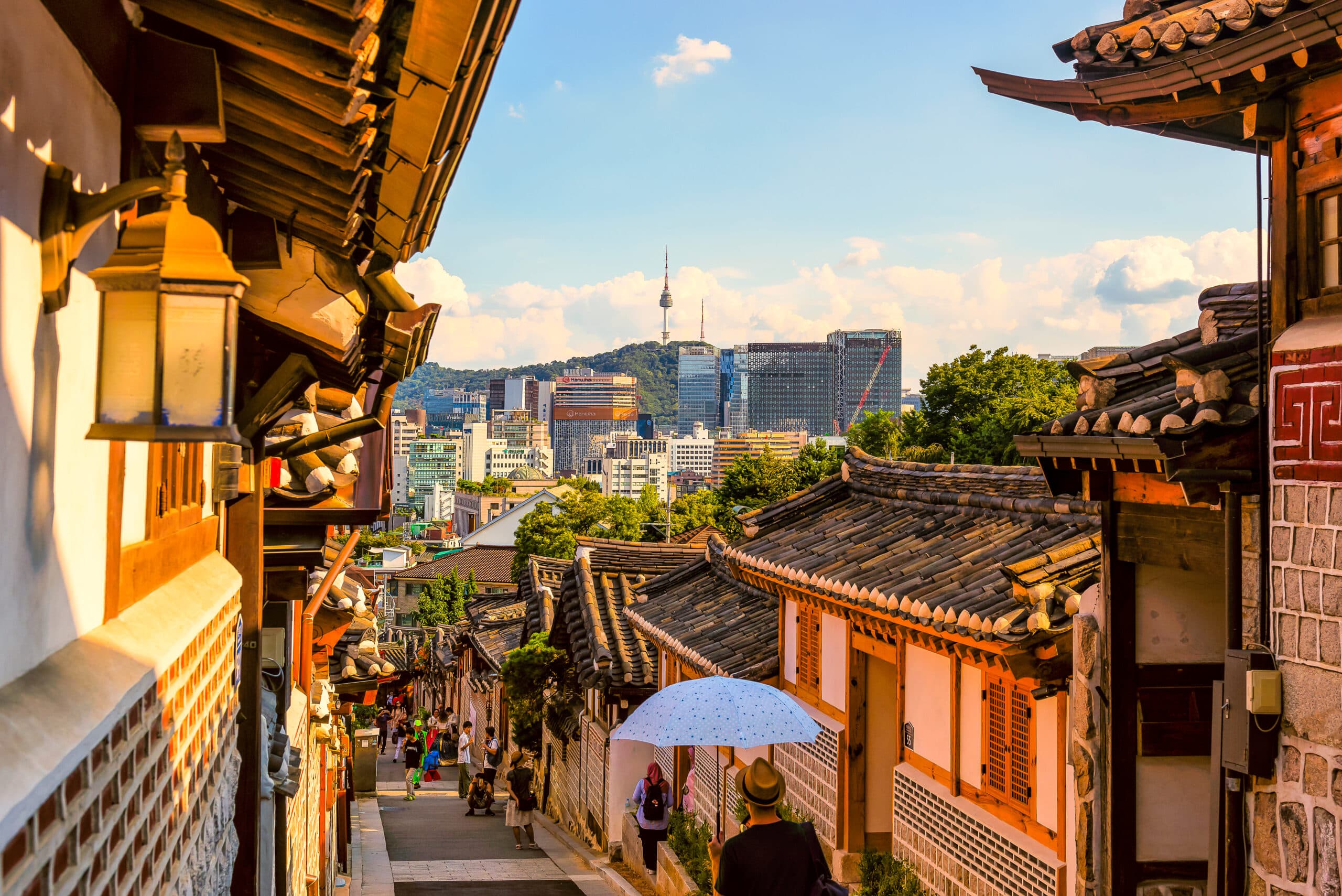
Visiting South Korea for the first time is exciting, but there are a few practical things that can catch travelers off guard. From Google Maps not working properly to quiet subway etiquette, cash top-ups, and restaurant customs, small details can make a big difference once you arrive.
The good news is that South Korea is one of the easiest countries in Asia to travel independently. It is modern, safe, well connected, and very traveler-friendly once you know the basics.
These South Korea travel tips cover the most important do’s and don’ts for first-time visitors, including transport, money, food etiquette, useful apps, cultural habits, and common mistakes to avoid. Whether you are visiting Seoul, Busan, Jeju Island, or several places in one trip, this guide will help you travel more confidently and smoothly.
South Korea Travel Tips at a Glance
If you are visiting South Korea for the first time, the most important travel tips are to use Naver Map or KakaoMap instead of Google Maps, buy a T-money card, carry a little cash, download Papago for translation, and expect a lot of walking. South Korea is generally very safe and easy to navigate, but knowing a few local customs and practical habits will make your trip much smoother.
Quick South Korea Travel Tips
- Use Naver Map or KakaoMap, not Google Maps
- Buy a T-money card on your first day
- Carry a little cash for markets and top-ups
- Download Papago for translation
- Expect more walking and stairs than you think
- Keep your voice low on subways and trains
- Remove your shoes in traditional or indoor spaces
- Check the last train time before staying out late
Table of Contents
One of the most important things to know is that Google Maps is not very reliable in South Korea, especially for walking directions and public transport. Most locals use Naver Map or KakaoMap, and downloading one of these apps before your trip will save you a lot of time.
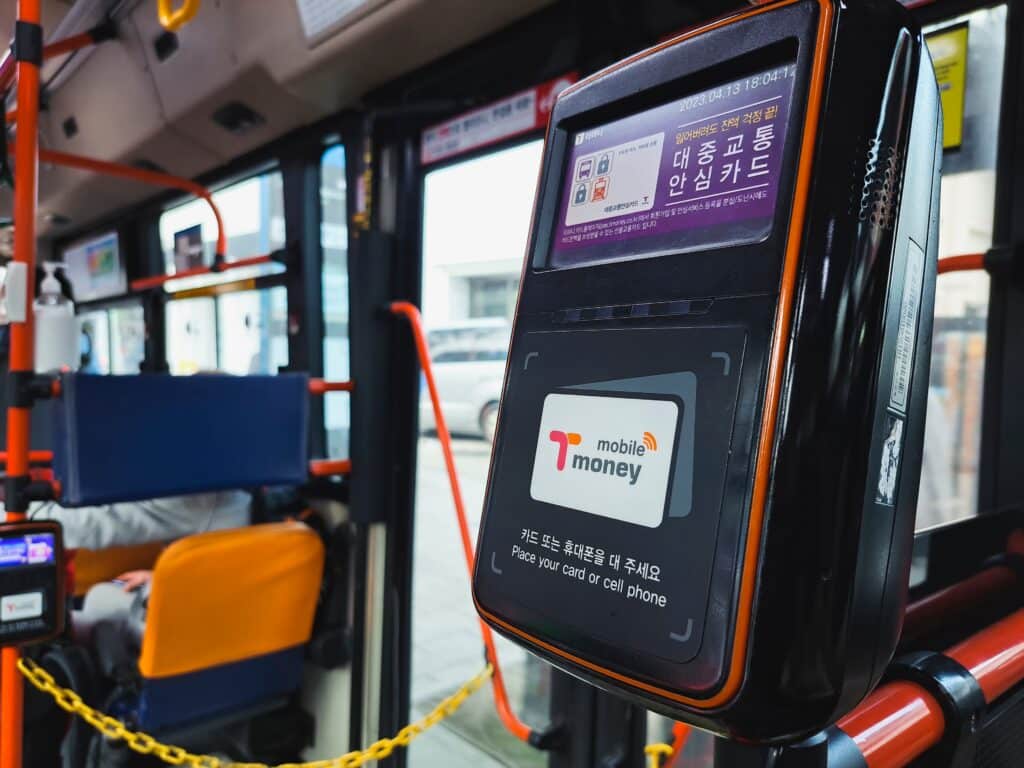
Another useful tip is to get a T-money card as soon as you arrive. This rechargeable transport card can be used on buses, subways, and even in some convenience stores, making it one of the most helpful things to have while traveling around Korea.
Although South Korea is highly modern and card payments are widely accepted, it is still smart to carry a little cash, especially for local markets, street food stalls, or smaller businesses.
You should also be prepared for a lot of walking, especially in cities like Seoul and Busan, where attractions, subway stations, and neighborhoods often involve stairs, hills, and long distances on foot.
South Korea is generally very safe, clean, and well organized, but small cultural details such as removing your shoes in certain places, speaking quietly on public transport, or showing extra politeness to older people are good things to keep in mind.
What to Do Before You Travel to South Korea
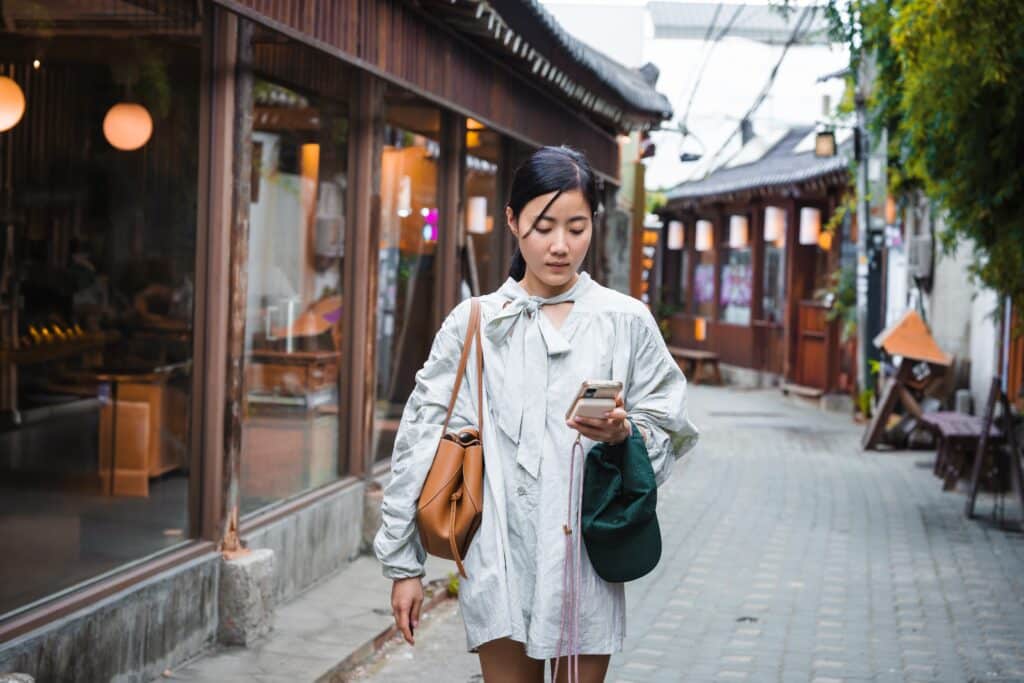
Preparing a few essentials before your trip will make traveling in South Korea much smoother from the moment you arrive. While the country is modern and easy to navigate, things like using the right apps, having reliable internet, and understanding a few local habits will save you time and avoid unnecessary confusion.
Do get an eSIM or local SIM card
Reliable internet is one of the most important things you can have in South Korea. You will use it constantly for navigation, translation, transport routes, and even reading restaurant menus.
While free Wi-Fi is common, it is not always reliable when you are moving between neighborhoods or underground in subway stations.
For most travelers, an eSIM is the easiest option because it can be activated before arrival and works immediately when you land.
Do download the right travel apps
One of the biggest surprises for many travelers is that Google Maps does not work well in South Korea for directions, especially for walking and public transport.
Instead, locals rely on Korean apps that are much more accurate and detailed.
The most useful apps to download before your trip are:
- Naver Map or KakaoMap – for navigation and public transport routes
- Papago – for translation (more accurate than Google Translate for Korean)
- Kakao T – for taxis and ride-hailing
- Korail / KTX app – for booking intercity trains
Do carry your passport when needed
You do not need to carry your passport everywhere, but you will need it for hotel check-in, tax-free shopping, and some ticket purchases. Many travelers prefer to carry a copy during the day and keep the original in a safe place, depending on their plans.
Don’t rely only on Google Maps
Google Maps can help with basic searches, but it is not reliable for directions in South Korea. For navigation, Naver Map or KakaoMap will make your trip much easier.
Do learn a few basic Korean phrases
You do not need to speak Korean fluently, but simple phrases like hello (annyeonghaseyo) or thank you (kamsahamnida) are appreciated and can make interactions friendlier, especially in smaller restaurants or local shops.
Transport Tips for Getting Around South Korea
One of the best things about traveling in South Korea is how easy it is to get around once you understand the basics. Between subways, buses, high-speed trains, and affordable taxis, most travelers can move around the country very efficiently without needing a car.
Do buy a T-money card
A T-money card is one of the first things you should get after arriving in South Korea. It can be used on subways, buses, and some taxis, and it makes getting around much easier than buying single tickets every time.
You can usually buy one at airport stations, subway stations, or convenience stores and top it up as needed. It is one of the most useful things to have during your trip.
Do use Korea’s train network for longer distances
For traveling between major cities, the KTX high-speed train is one of the easiest and most efficient options. It is especially useful for routes like Seoul to Busan, Seoul to Gyeongju, or Seoul to Jeonju.
In many cases, taking the train is faster and less stressful than flying once you include airport transfers and check-in time.
Do expect public transport to be punctual
Public transport in South Korea is generally very reliable and runs on time. If a subway or bus app says something is arriving soon, it usually is, which makes planning your day much easier.
Don’t talk loudly on public transport
Subways and trains in South Korea are usually fairly quiet, especially during commuting hours. Keeping your voice low and avoiding loud phone calls is a simple and appreciated sign of politeness.
Don’t block escalators or train doors
Major stations in cities like Seoul and Busan can move quickly, especially during busy hours. If you need to stop and check directions, step to the side rather than pausing in front of gates, escalators, or train doors.
Do consider taxis for convenience
Taxis in South Korea can be very useful late at night, when carrying luggage, or when visiting places that are less convenient by public transport. Using Kakao T makes the process much easier, especially if there is a language barrier.
Don’t underestimate walking distances
Even with excellent public transport, traveling in South Korea often involves more walking than visitors expect. Subway stations can be large, exits may involve a lot of stairs, and some neighborhoods are hillier than they look on a map. Comfortable shoes make a huge difference.
Do allow extra time for station exits and transfers
In larger cities like Seoul, some subway stations are much bigger than visitors expect. Transfers can take longer than they look on the map, and certain exits may involve long underground walkways or many stairs. If you are heading to a tour, train, or airport transfer, give yourself a little extra time.
Do check the last train time
Subways and trains in South Korea do not run all night, so it is worth checking the last train if you plan to stay out late. This is especially important in bigger cities if you are out for dinner, nightlife, or evening views.
Money & Payment Tips in Korea
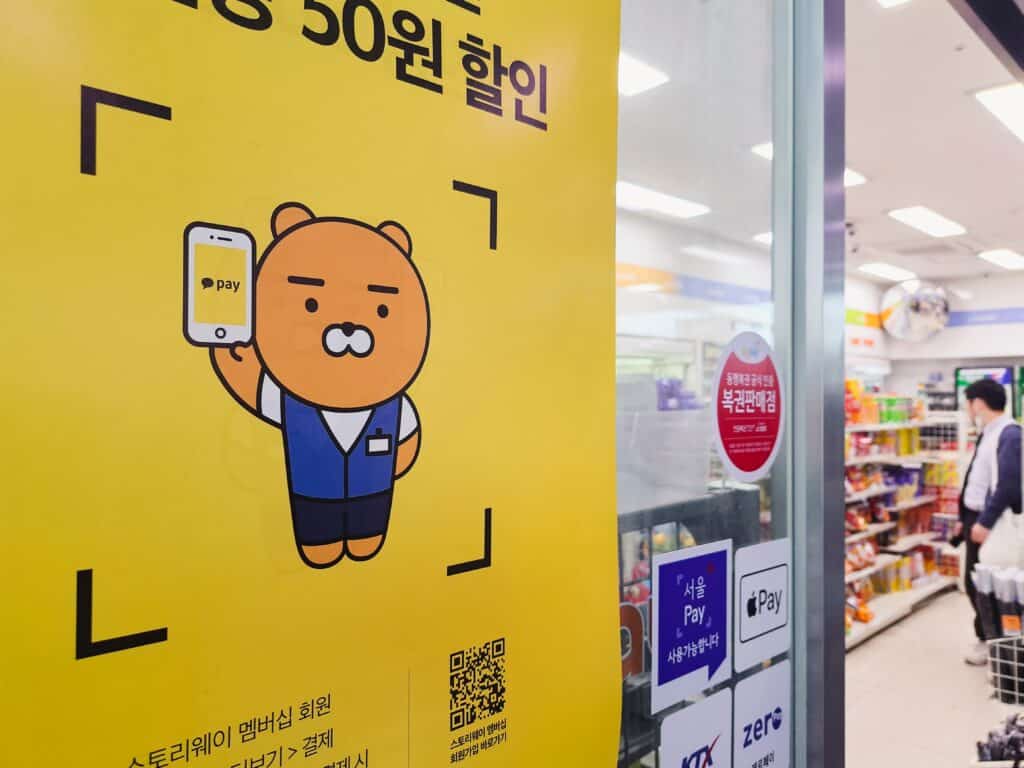
South Korea is generally very easy when it comes to payments, and in most cities you can pay by card in almost all everyday situations. At the same time, there are still a few small things that can catch first-time visitors off guard, especially when it comes to cash, transport top-ups, and foreign cards.
Do carry a little cash
You do not need to carry large amounts of cash in South Korea, but having some Korean won is still very useful. It often comes in handy for street food stalls, traditional markets, T-money top-ups, and some smaller local businesses.
Do expect card payment almost everywhere
In most cities, card payments are widely accepted in restaurants, cafés, hotels, department stores, convenience stores, and even many smaller shops. For most travelers, this makes everyday spending in South Korea very easy.
Don’t assume every foreign card will work perfectly
While cards are widely accepted, some foreign cards can still fail at ticket machines, self-service kiosks, or online booking systems. Having a backup card and a little cash can save you a lot of frustration.
Do withdraw money from ATMs in major areas
If you need cash, international-friendly ATMs are usually easiest to find at airports, major subway stations, convenience stores, and larger shopping districts. Airport ATMs and convenience store ATMs are often the easiest options for first-time visitors.
Do keep small cash for markets and transport top-ups
Even if you mostly pay by card, having smaller bills and coins is useful for market snacks, transport card top-ups, and casual everyday purchases. It is much more practical than carrying only large notes.
Do look for tax-free shopping opportunities
Tax-free shopping is common in larger retail stores, especially for cosmetics, skincare, fashion, and souvenirs. If you plan to shop, keep your passport accessible because you may need it for immediate tax-free processing or refund paperwork.
Don’t exchange too much cash at the airport
Exchanging a small amount when you arrive is perfectly fine, especially for transport or your first meal, but airport exchange rates are not always the best. Many travelers prefer to exchange only a little at first and handle the rest later in the city if needed.
Food & Restaurant Etiquette
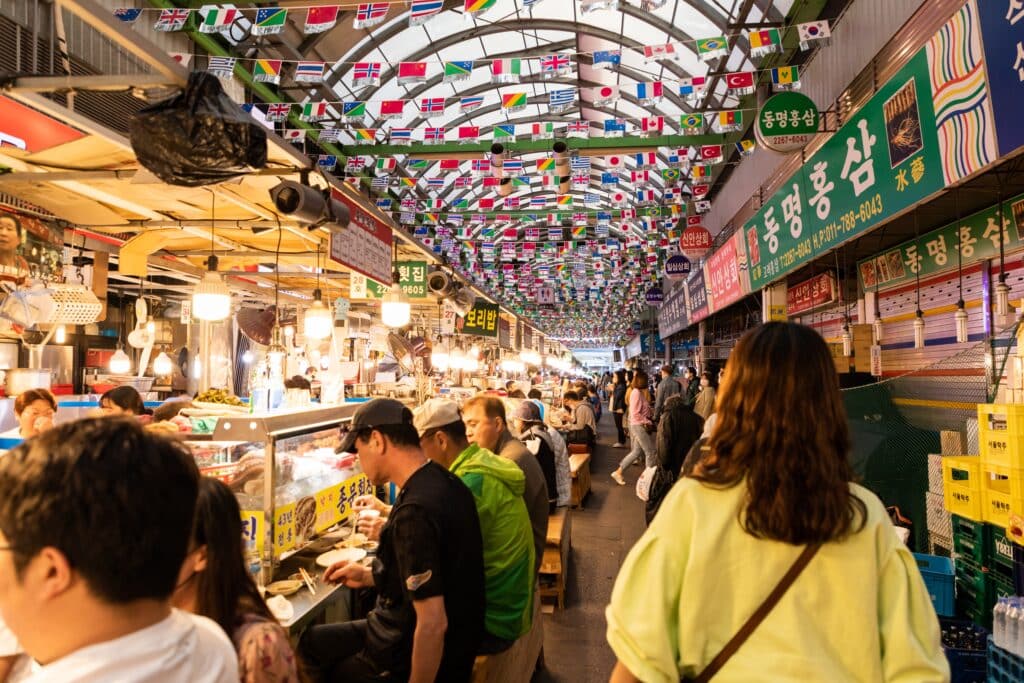
One of the best parts of traveling in South Korea is the food, but restaurant experiences can feel a little different from what many first-time visitors expect. From self-service habits to shared dishes and table setups, knowing a few basics will make dining much more comfortable and enjoyable.
Do try local food beyond Korean barbecue
Korean barbecue is one of the most famous experiences, but there is much more to explore. Each region has its own specialties, from seafood in Busan to traditional dishes in Jeonju and street food in Seoul.
Don’t expect every restaurant to have English menus
In popular tourist areas many restaurants offer English menus, but smaller local places often do not. Translation apps like Papago can be very helpful, especially when ordering from simple or handwritten menus.
Do expect side dishes with many meals
Many Korean meals come with small side dishes, known as banchan. These are usually included in the meal and often refilled, which is one of the most enjoyable parts of dining in Korea.
Don’t be surprised by self-service setups
Many restaurants in South Korea are more self-service than visitors expect. It is common to collect your own water, cutlery, or tissues from a central station, and sometimes you may even order through a machine or tablet.
Do use convenience stores for quick meals and snacks
Convenience stores in South Korea are very practical for breakfasts, drinks, quick meals, and late-night snacks. They are also a reliable option if you arrive late or need something easy between activities.
Don’t stick chopsticks upright in rice
This is generally avoided because it resembles a ritual associated with memorial offerings and can be considered disrespectful.
Do be aware of group dining culture
Many meals in South Korea are designed to be shared, especially dishes like Korean barbecue or stews. Portions are often meant for two or more people, so solo travelers may need to choose smaller restaurants or menu items.
Do expect some restaurants to specialize in one dish
Some restaurants in South Korea focus on just one type of dish, such as a specific soup, noodle dish, or barbecue style. This is completely normal and often a sign that the restaurant does that one thing very well.
Don’t expect constant table service
In many restaurants, staff will not check on you frequently after you sit down. If you need something, you may need to call them over or use a call button at the table.
Do check if there is a minimum order
Some restaurants, especially Korean barbecue places, may require a minimum order or expect at least two portions. This can be important for solo travelers to keep in mind.
Cultural Do’s and Don’ts in South Korea
One of the most rewarding parts of traveling in South Korea is experiencing the country’s everyday culture. While Korea is modern, fast-paced, and internationally connected, small habits around politeness, shared spaces, and social awareness still matter more than many visitors expect.
Do be polite and respectful
In South Korea, everyday politeness often shows up in small ways rather than big gestures. Speaking softly, queuing properly, and being aware of the people around you will usually matter more than knowing every cultural rule.
Do queue properly and follow the flow
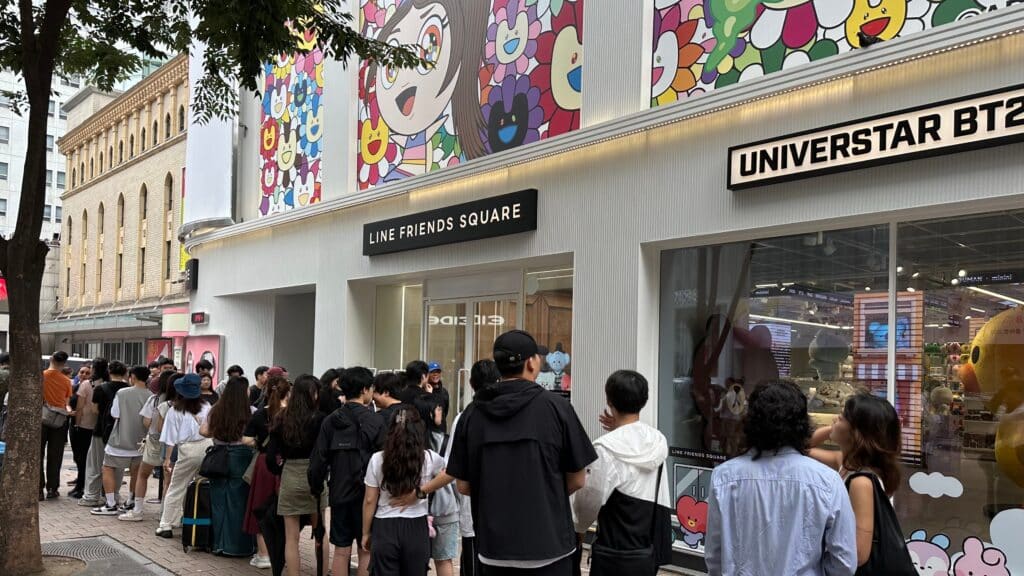
In busy stations, shops, escalators, and public spaces, people usually move in a fairly organized way. Watching what others are doing and following the flow will often help you avoid awkward moments.
Do remove your shoes when required
Removing your shoes is common in some homes, traditional stays, temples, and certain restaurants. If you see shoes lined up near the entrance or a raised indoor floor, it is usually a sign that shoes should come off.
Don’t be overly loud in quiet public places
Public spaces in South Korea, especially subways, waiting areas, and queues, often feel quieter than some visitors expect. Keeping your voice lower than usual is a simple way to blend in respectfully.
Do respect older people and social hierarchy
Age and social hierarchy still play an important role in Korean culture. You do not need to understand every social rule, but showing a little extra courtesy to older people is always appreciated.
Do use both hands in more formal situations
Giving or receiving something with both hands can be seen as a polite gesture, especially when interacting with older people or in more formal situations.
Don’t assume every custom is strict
Most locals do not expect visitors to get every detail right. In most situations, respect, awareness, and a willingness to observe are far more important than perfect etiquette.
Don’t treat every place as only a photo opportunity
South Korea has many beautiful places, but not every location is just a backdrop for photos. Temples, memorials, and some historic sites are still active or emotionally significant spaces and should be treated with a little more quiet awareness.
Do read the room before jumping in
If you are unsure what is expected in a situation, the easiest approach is often to watch what locals are doing first. Whether it is lining up, ordering, entering a temple, or using shared spaces, a little observation goes a long way.
Don’t mistake efficiency for rudeness
Service interactions in South Korea can sometimes feel more direct or less conversational than in some Western countries. This is usually normal and not meant to be unfriendly — efficiency is often simply part of everyday life.
Shopping & Convenience Store Tips in South Korea
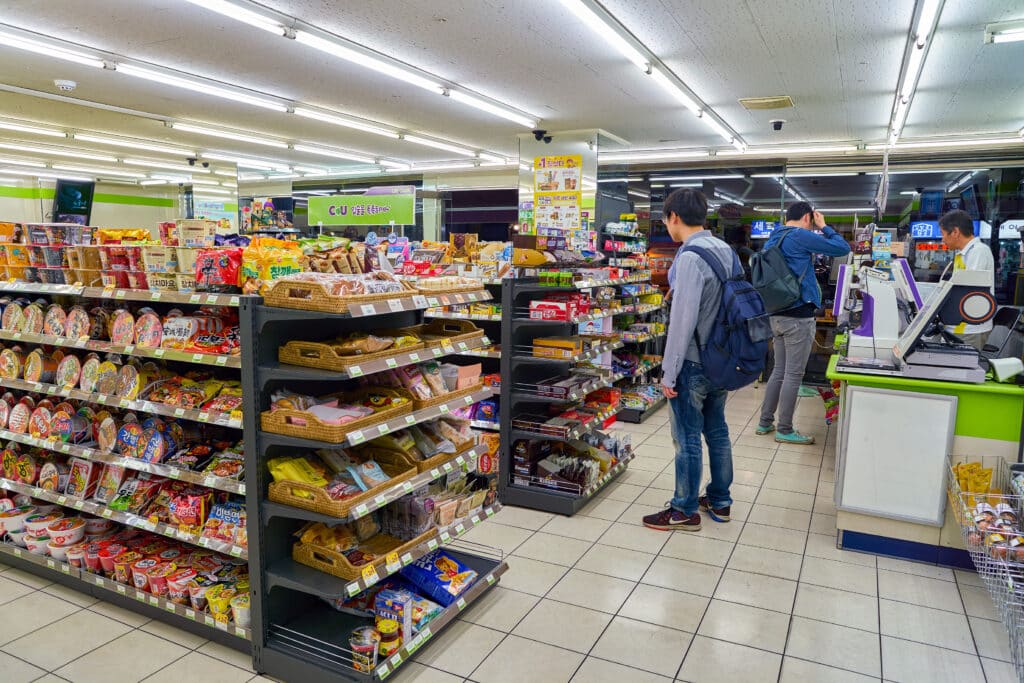
Shopping in South Korea is often part of the travel experience itself, whether you are browsing beauty stores, exploring local markets, or stopping at convenience stores several times a day. A few small tips can make it even easier and more enjoyable.
Do visit convenience stores regularly
Convenience stores in South Korea are genuinely useful for much more than snacks. They are handy for quick breakfasts, drinks, simple meals, transport top-ups, and small travel essentials you may forget to pack.
Do use convenience stores if you arrive late
If you check in late, miss dinner hours, or feel too tired to look for a restaurant, convenience stores are often the easiest backup plan. They are one of the most reliable parts of everyday travel in South Korea.
Do explore local markets and underground shopping areas
Traditional markets and underground shopping arcades are often more interesting than large malls if you want a more local experience. They are great for casual browsing, snacks, affordable fashion, and everyday atmosphere.
Don’t assume local markets are only for souvenirs
Many traditional markets are worth visiting even if you are not shopping seriously. They are often great places to experience local snacks, people-watch, and get a feel for everyday life.
Don’t expect every store to open early
Many shopping areas, beauty stores, cafés, and smaller shops open later than some travelers expect, especially outside the morning rush. If you are planning to shop early in the day, it is worth checking opening times first.
Do bring a reusable bag
A reusable bag is helpful for shopping, convenience store runs, snacks, and small daily purchases. It is one of those simple things that ends up being useful more often than you expect.
Do check for tax-free shopping signs
If you plan to buy skincare, cosmetics, fashion, or souvenirs, tax-free signs are worth watching for in larger retail areas. Just make sure you have your passport when needed.
Don’t overlook Korean skincare and beauty stores
Even if you are not planning a big shopping trip, Korean skincare and beauty stores are often fun to browse and are one of the most popular things travelers buy. They are also easy places to pick up small gifts or souvenirs.
Temple & Historic Site Etiquette in South Korea
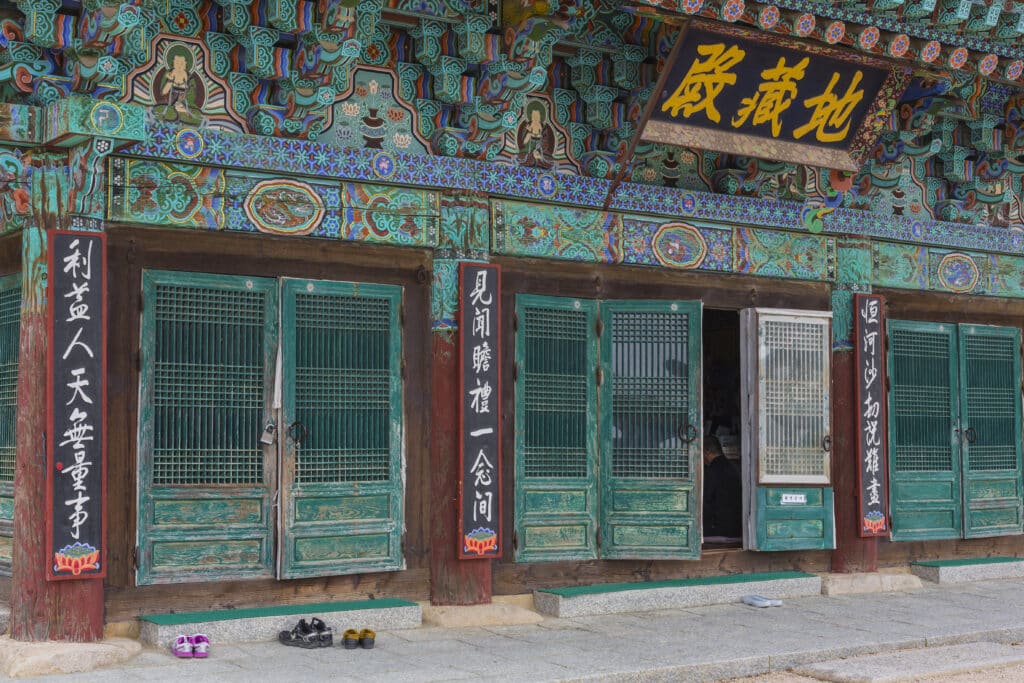
Temples, palaces, and traditional areas are some of the most rewarding places to visit in South Korea. At the same time, many of these places are still active cultural or religious spaces, so a little extra awareness and respect can make your visit more meaningful.
Do dress respectfully at temples and cultural sites
Comfortable and modest clothing is usually the best choice, especially when visiting temples or more traditional locations. You do not need anything formal, but avoiding overly revealing clothing is generally appreciated.
Do keep your voice low
Temples and historic sites often have a calmer, quieter atmosphere than busy city areas. Speaking softly helps maintain that environment and shows respect for the space.
Do follow signs and local instructions
Signs about photography, no-entry areas, or shoe removal should always be respected. These rules are usually clearly marked and are there to protect the space.
Don’t treat every temple as only a photo stop
Many temples are still active places of worship, not just sightseeing spots. Taking a moment to slow down and observe your surroundings can make the experience more meaningful.
Do remove your shoes where required
Some temple buildings and traditional interiors require you to remove your shoes before entering. This is usually clearly indicated, but it is always good to check before stepping inside.
Do slow down and take your time
Temples and historic areas are often more enjoyable when explored at a slower pace. Taking time to walk around quietly, notice details, and step away from crowds can make the experience feel much more memorable.
Don’t assume all historic sites feel the same
Some sites are more relaxed and open, while others feel more formal or spiritual. Paying attention to the atmosphere of each place will help you adjust your behavior naturally.
Do be mindful when taking photos of people
While photography is usually allowed in many areas, it is polite to avoid taking close-up photos of people without permission, especially in quieter or more traditional settings.
Safety and Practical Travel Tips for South Korea
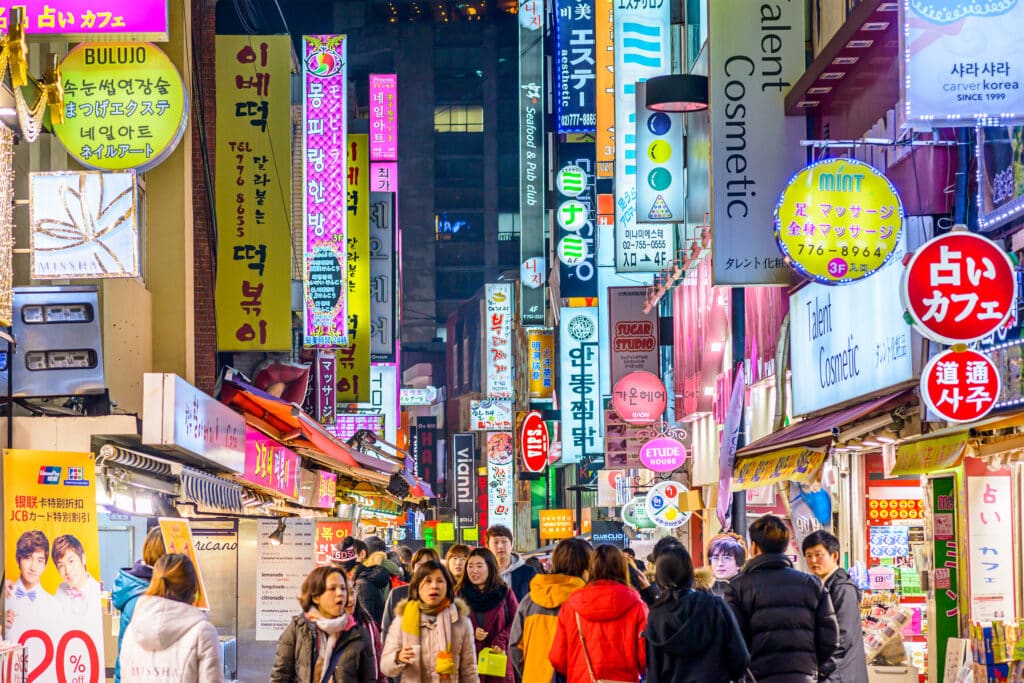
South Korea is generally a very safe and comfortable country to travel in, even for first-time visitors. That said, a few practical tips can make your trip smoother and help you avoid small inconveniences along the way.
Do feel confident traveling solo in Korea
South Korea is widely considered one of the safer and easier destinations in Asia for solo travel. Many visitors, including solo female travelers, find it comfortable, well-organized, and easy to navigate.
Don’t worry too much about safety
South Korea is generally considered a safe destination for travelers. Basic awareness is always important, but most visitors find it easy to move around comfortably, even at night in busy areas.
Do prepare for a physically active trip
Traveling in South Korea often involves a lot of walking, stairs, and time on your feet. Comfortable shoes and a bit of flexibility in your daily plans can make a big difference.
Don’t expect public trash bins everywhere
South Korea is very clean, but public trash bins can be surprisingly hard to find. It is common to carry small items with you until you find a place to dispose of them.
Do check the weather carefully before your trip
South Korea has very distinct seasons. Summers can be hot and humid, while winters can be cold and dry, so it is worth planning and packing accordingly.
Do carry a portable charger
You will likely use your phone constantly for navigation, transport apps, and translation. A portable charger can be very helpful, especially during long sightseeing days.
Do save important addresses in Korean
Having key addresses saved in Korean can be very helpful when using taxis or asking for directions. Showing the address in Korean often works much better than trying to explain it in English.
Do expect limited English in some places
While English is widely understood in tourist areas, it is not guaranteed everywhere. Being prepared with a translation app and a bit of patience makes a big difference.
Do keep your itinerary flexible
It can be tempting to plan a very full schedule, especially on a first trip, but leaving some space in your itinerary often leads to a more enjoyable experience.
Common Mistakes Tourists Make in South Korea
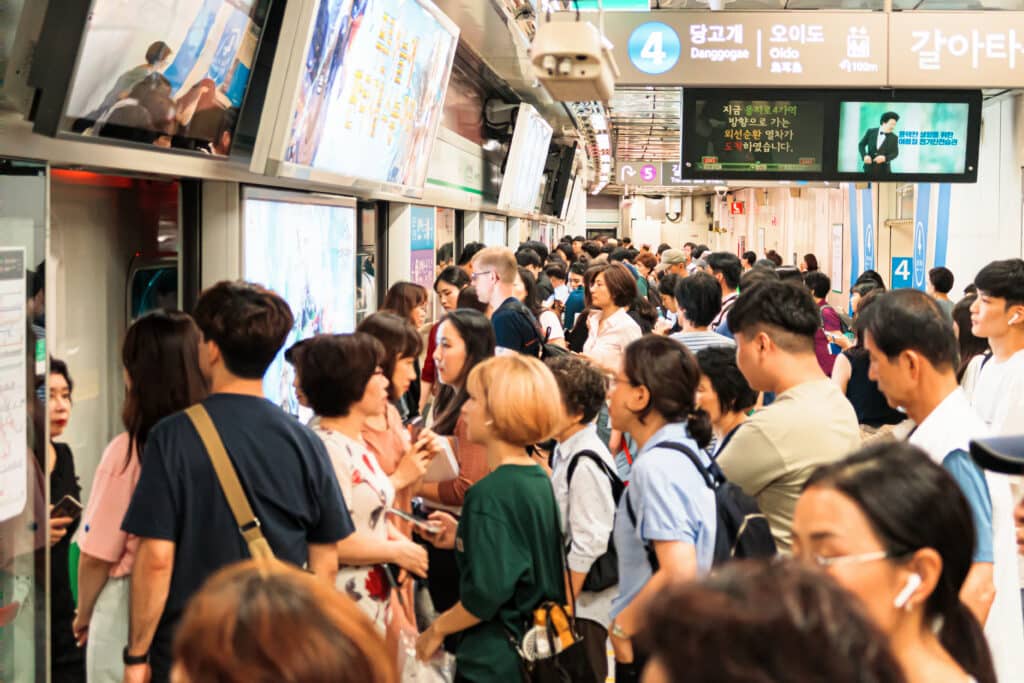
Most travel mistakes in South Korea are small and easy to avoid once you know what to expect. The good news is that very few of them will ruin your trip — but knowing them in advance can save you time, confusion, and unnecessary stress.
1. Relying only on Google Maps
One of the most common mistakes first-time visitors make in South Korea is assuming Google Maps will work normally. While it can help with basic searches, it is not reliable for walking directions, public transport, or detailed navigation.
What to do instead: Download Naver Map or KakaoMap before your trip.
2. Not getting a T-money card early
Trying to figure out local transport without a T-money card makes things more complicated than they need to be. It is one of the easiest ways to make buses and subways smoother from day one.
What to do instead: Buy a T-money card as soon as you arrive and top it up with a little cash.
3. Assuming card payments will always work perfectly
South Korea is very card-friendly, but that does not mean every foreign card will work everywhere. Some kiosks, ticket machines, and smaller systems can be less reliable with overseas cards.
What to do instead: Carry a backup card and a little cash just in case.
4. Underestimating how much walking Korea involves
Even with excellent public transport, South Korea often involves more walking than visitors expect. Subway stations can be large, some exits involve a lot of stairs, and neighborhoods are not always as compact as they look on a map.
What to do instead: Bring comfortable shoes and avoid overloading your daily plans.
5. Trying to visit too many cities in one trip
Many first-time visitors underestimate how tiring it can be to move around constantly, especially when balancing train travel, hotel check-ins, and sightseeing. Trying to squeeze in too many places can make the trip feel rushed rather than exciting.
What to do instead: Focus on fewer places and give yourself time to actually enjoy them.
6. Overlooking convenience stores
Many travelers think of convenience stores as just snack stops, but in South Korea they are much more useful than that. They can save you when you need breakfast, transport top-ups, drinks, a quick meal, or something practical late at night.
What to do instead: Treat convenience stores as part of your travel toolkit, not just an afterthought.
7. Assuming every place will have English support
Tourist areas in South Korea are often easy enough to navigate in English, but that is not true everywhere. Smaller restaurants, local businesses, and transport systems may still require a little patience.
What to do instead: Download Papago and keep important addresses or place names saved in Korean.
8. Forgetting to check the last train time
Many first-time visitors assume trains and subways run later than they actually do. This can be an annoying surprise after dinner, nightlife, or an evening viewpoint.
What to do instead: Check the last train before heading out if you plan to stay out late.
9. Not preparing properly for the season
South Korea’s seasons are more intense than many first-time visitors expect. Summer can be very hot and humid, while winter can be much colder and drier than travelers anticipate.
What to do instead: Check the weather carefully before your trip and pack for the season rather than just the calendar month.
10. Worrying too much about doing something wrong
Many first-time visitors overthink etiquette and worry about making cultural mistakes. In reality, most people do not expect tourists to know every custom perfectly.
What to do instead: Be respectful, observant, and willing to adapt — that matters far more than being perfect.
11. Overplanning every hour of the trip
South Korea is easy to travel, but it is still tiring if every day is packed from morning to night. Long walking days, train rides, queues, and weather can wear you down faster than expected.
What to do instead: Leave room for slower mornings, café breaks, and flexibility in your schedule.
FAQ: South Korea Travel Tips
What should I know before traveling to South Korea?
Before traveling to South Korea, it is helpful to know that Google Maps is limited, public transport is excellent, and card payments are widely accepted. Downloading Naver Map, Papago, and getting a T-money card will make your trip much easier from the start.
Is South Korea easy for first-time visitors?
Yes, South Korea is generally very easy for first-time visitors. It is modern, safe, well organized, and easy to explore independently once you understand a few practical basics like navigation apps, transport cards, and local etiquette.
Is South Korea expensive for tourists?
South Korea can be very manageable for most travelers. Public transport is affordable, convenience store meals are inexpensive, and many attractions are reasonably priced, although costs can rise in trendier areas, luxury hotels, and premium restaurants.
Can I use Google Maps in South Korea?
You can use Google Maps in South Korea for basic searches, but it is not the best option for navigation. Walking directions and public transport routes are often limited, so most travelers find Naver Map or KakaoMap much more reliable.
Do I need cash in South Korea?
You do not need large amounts of cash in South Korea, but carrying a little Korean won is useful. Cash often helps for markets, street food, transport top-ups, and some smaller local businesses.
What is considered rude in South Korea for tourists?
Common things to avoid in South Korea include speaking loudly on public transport, wearing shoes where they should be removed, sticking chopsticks upright in rice, and behaving disrespectfully in temples or quiet cultural spaces. In most situations, simple politeness and awareness are what matter most.
Is South Korea safe for solo travelers?
Yes, South Korea is widely considered a safe destination for solo travelers. Public transport is reliable, cities are easy to navigate, and many visitors — including solo female travelers — feel comfortable exploring independently.
What apps should I download for South Korea?
The most useful travel apps for South Korea are Naver Map or KakaoMap for navigation, Papago for translation, Kakao T for taxis, and the Korail or KTX app for train travel. Having these ready before your trip will make getting around much easier.
Is South Korea safe at night?
Yes, South Korea is generally considered very safe at night, especially in busy city areas. As with any destination, basic awareness is still important, but many travelers feel comfortable walking around in the evening.
Do tourists need to speak Korean in South Korea?
No, tourists do not need to speak Korean to travel in South Korea. However, learning a few basic phrases and using a translation app like Papago can make your trip smoother and more enjoyable.
Final Thoughts on Traveling in South Korea
Traveling in South Korea is often much easier than many first-time visitors expect. Once you understand a few practical basics — from which apps to use to how transport, payments, and everyday etiquette work — the country quickly becomes a very comfortable and rewarding place to explore.
The good news is that you do not need to know everything before you go. A little preparation, some flexibility, and a respectful attitude are usually more than enough to help you travel confidently and enjoy the experience.
Whether you are planning to explore Seoul, relax in Busan, visit historic places like Gyeongju, enjoy the food scene in Jeonju, or discover the natural beauty of Jeju Island, these South Korea travel tips will help you avoid common mistakes and make the most of your trip.
For many travelers, South Korea ends up being one of the easiest, most interesting, and most memorable destinations in Asia — and often one they want to return to.