
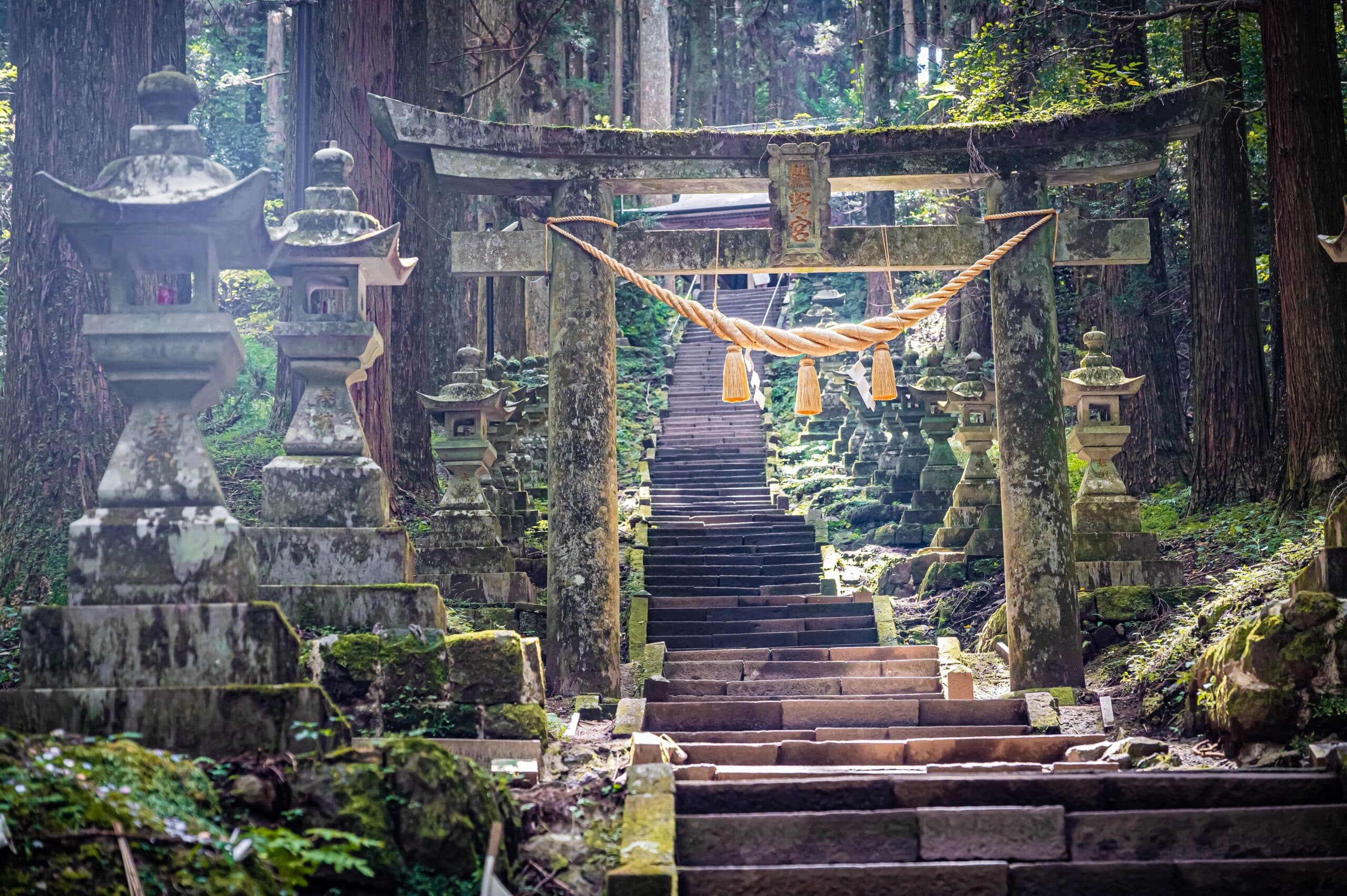
Japan is famous for places like Tokyo, Kyoto, and Osaka — and for good reason. These cities offer an incredible mix of culture, food, and experiences that make them essential for most first-time visitors.
But if you follow only the typical route, you will miss a different side of the country — one that is often quieter, more personal, and in many ways more memorable. Some of Japan’s most rewarding places are not the ones you see everywhere online, but the ones just slightly beyond the usual path.
These hidden gems are not necessarily secret. Many are well known within Japan, while others are simply overlooked by international travelers who stick to a fixed itinerary. What they share is a stronger sense of place — fewer crowds, more local character, and experiences that feel less rushed.
In this guide, you will find 15 hidden gems in Japan that are genuinely worth your time, along with practical advice on how to choose the right ones and fit them into a real itinerary.
If you are still planning your overall route, it helps to start with a structured itinerary like this 10-Day Japan Itinerary before adding lesser-known places.
Table of Contents
Hidden Gems in Japan at a Glance
Japan Trip Snapshot
Hidden Gems in Japan at a Glance
A quick overview before deciding which lesser-known places to add to your route
Second-time visitors, slow travelers, culture lovers, and anyone who wants a more distinctive Japan trip
Mostly low to moderate compared with Tokyo, Kyoto, and Osaka
A mix of historic towns, scenic nature areas, hot springs, creative islands, and regional cities
10 to 21 days if you want to combine classic highlights with several hidden gems
Add 1 to 3 hidden gems to a standard route rather than trying to visit all 15 in one trip
Some places work well as day trips, but others are much better with an overnight stay
Not every traveler needs to build an entire trip around lesser-known destinations. In most cases, adding just one or two hidden gems to a classic Japan route is enough to make the experience feel more distinctive and far less predictable.
This approach works especially well if you are following a classic route across Japan and want to make it more unique without overcomplicating logistics.
Map of Hidden Gems Across Japan
Japan’s hidden gems are spread across the country, which means the best choice depends less on what sounds “most unusual” and more on what fits your route. Some are easy day trips from major cities, while others are better experienced with an overnight stay.
A place does not need to be remote to feel special. Some of the most rewarding hidden gems are surprisingly accessible, while others offer a deeper sense of escape for those willing to travel a bit further.
Historic Towns and Cultural Places
Kanazawa
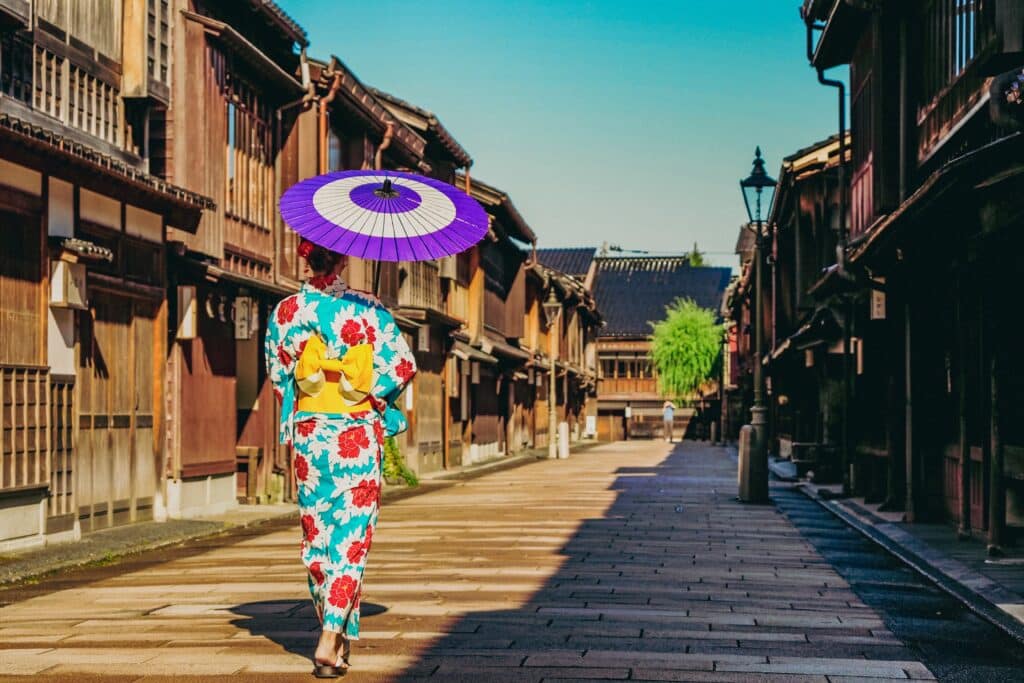
Kanazawa is often described as a quieter alternative to Kyoto, but that comparison only tells part of the story. What makes the city stand out is how effortlessly it combines preserved history with a calm, refined atmosphere. Samurai districts, traditional teahouses, and one of Japan’s most celebrated landscape gardens all sit within a city that feels far less crowded and more manageable than Kyoto.
Spending time here is less about rushing between landmarks and more about enjoying the details — walking through the Higashi Chaya District, exploring Kanazawa Castle, and experiencing the precision of local food culture, especially seafood. It feels elegant without being overwhelming.
Kanazawa works particularly well as a one- or two-night stop between Tokyo and Kyoto or as part of a central Japan route. For travelers who want culture, aesthetics, and great food without the intensity of major tourist hubs, it is one of the easiest hidden gems to prioritize.
It fits particularly well into routes that already include Tokyo and Kyoto, making it an easy upgrade rather than a major detour.
Best for: Culture, food, and a calmer Kyoto-like experience
Takayama
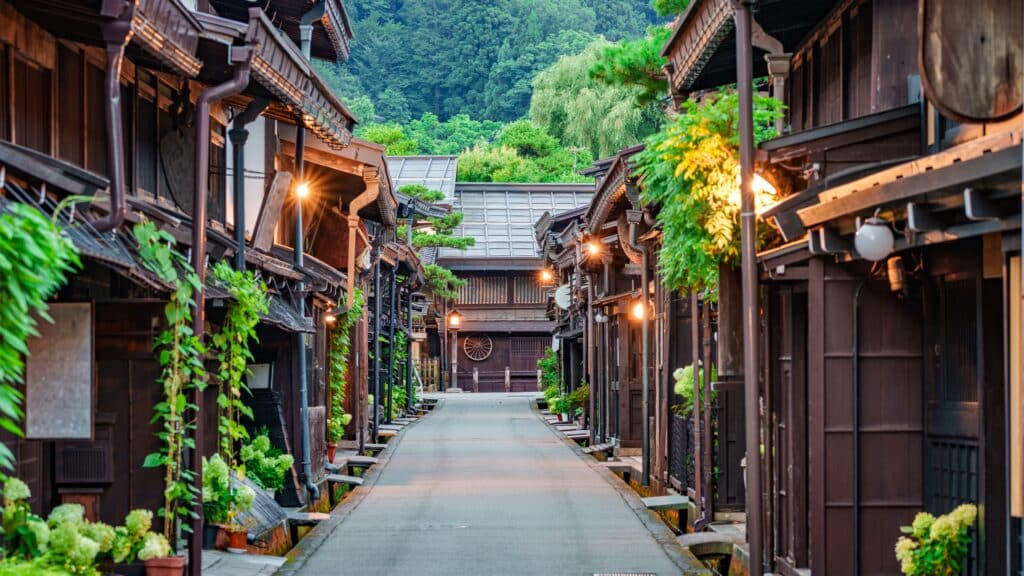
Takayama feels like stepping into a more intimate version of traditional Japan. Located in the mountains of the Hida region, the town is known for its beautifully preserved old streets, wooden merchant houses, and a slower pace that contrasts strongly with Japan’s major cities.
What makes Takayama memorable is how walkable and self-contained it is. You can explore the old town in the morning, visit local markets, and enjoy regional specialties like Hida beef without feeling rushed. The surrounding mountains also add a scenic backdrop that changes with the seasons.
Takayama is also often included in more detailed central Japan routes like this 10-Day Japan Itinerary, where it adds both scenery and cultural depth.
Most travelers visit Takayama for one or two nights, often as part of a route between Nagoya, Kanazawa, or the Japanese Alps. It is an especially strong choice if you want traditional atmosphere combined with a more relaxed, small-town feel.
Best for: Traditional streets, food, and mountain atmosphere
Kurashiki

Kurashiki is one of those places that surprises people simply because it is not better known internationally. Its Bikan Historical Quarter features white-walled storehouses, canals lined with willow trees, and a calm, photogenic setting that feels almost cinematic.
The appeal here is not about ticking off major attractions, but about slowing down. Walking along the canal, browsing small shops and museums, and enjoying the atmosphere is the main experience. It is compact, easy to explore, and noticeably less crowded than more famous historic districts.
Kurashiki works best as a half-day or overnight stop from Okayama or as part of a western Japan itinerary. It is ideal for travelers who appreciate aesthetics, photography, and places that feel quietly beautiful rather than busy.
Best for: Photography and slow travel
Koyasan (Mount Koya)
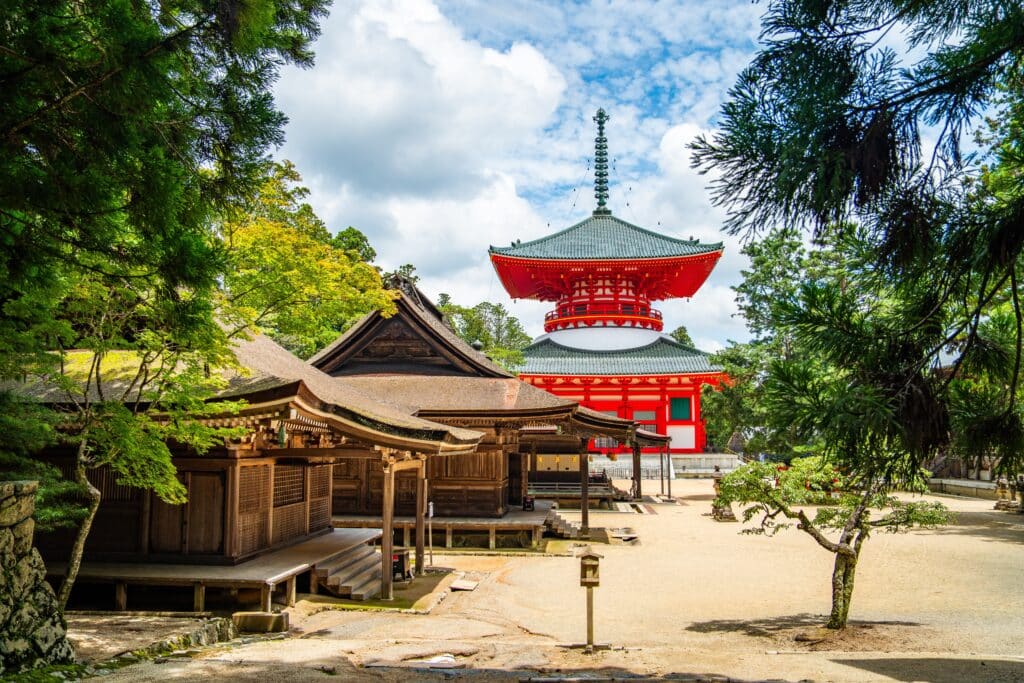
Koyasan offers one of the most distinctive cultural experiences in Japan. Set high in the mountains south of Osaka, it is the center of Shingon Buddhism and a place where visitors can stay overnight in temple lodgings, known as shukubo.
The experience here is less about sightseeing and more about atmosphere. Walking through the vast Okunoin Cemetery, attending morning prayers, and eating traditional vegetarian temple cuisine creates a rhythm that feels completely different from city travel. It is quiet, reflective, and deeply rooted in spiritual tradition.
Koyasan is usually visited as an overnight trip from Osaka or Kyoto. It is especially rewarding for travelers who want something meaningful and immersive, rather than just another set of attractions.
It is one of the most rewarding overnight trips you can add from Osaka or Kyoto.
Best for: Spiritual experiences and unique overnight stays
Nagasaki
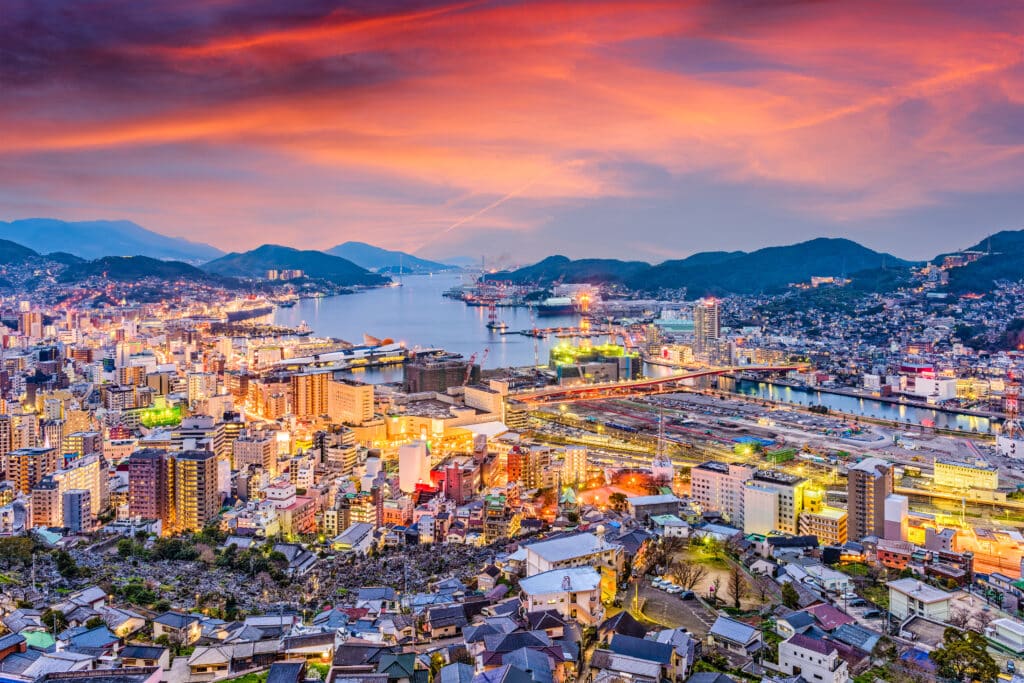
Nagasaki has a character unlike anywhere else in Japan, shaped by centuries of international influence and a complex history. Its setting — a harbor city surrounded by hills — already gives it a different visual identity, but it is the cultural mix that makes it stand out.
Beyond its well-known historical significance, Nagasaki offers a blend of European-style architecture, peaceful waterfront areas, and viewpoints with sweeping city views. It feels more open, less dense, and slightly more relaxed than many other Japanese cities.
For most travelers, Nagasaki fits best into a Kyushu itinerary or as an extension from Fukuoka. It is a strong choice for those interested in history, but also for anyone looking for a city that feels noticeably different from Tokyo or Osaka.
Best for: History and cultural contrast
Nature and Scenic Escapes
Some of Japan’s most impressive hidden gems are natural rather than cultural. These are the places that reveal a completely different side of the country — alpine valleys, volcanic landscapes, and quiet regions far from the major cities.
They often require a bit more planning, but they can easily become the most memorable part of a trip, especially if you are looking for contrast and space.
Kamikochi
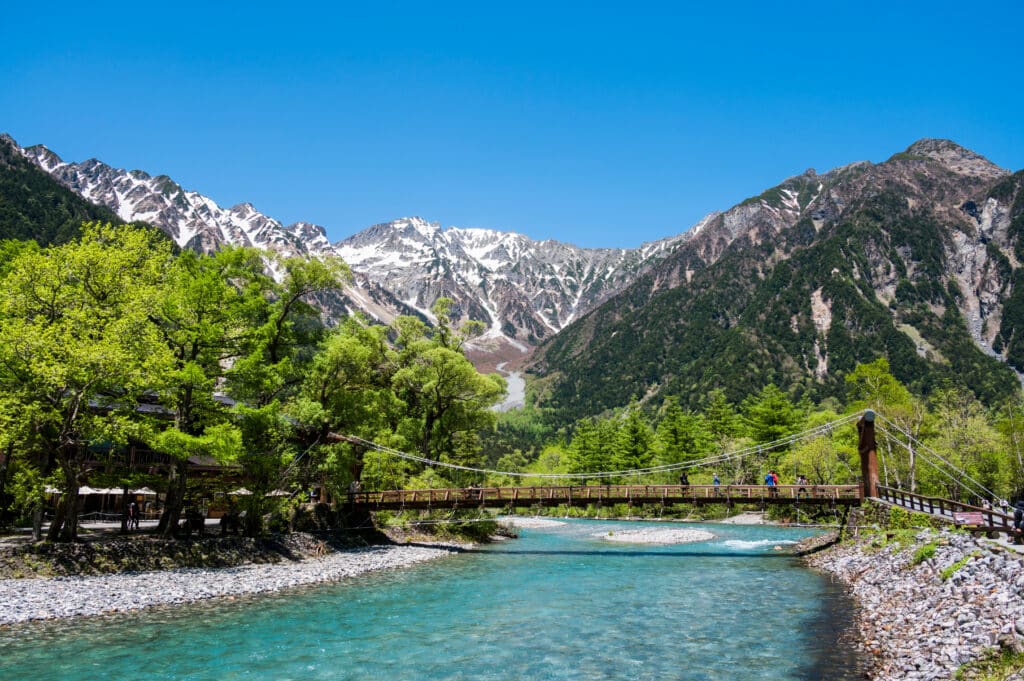
Kamikochi is one of Japan’s most beautiful alpine areas, yet it remains surprisingly under-visited by international travelers. Located in the Japanese Alps, it offers clear rivers, mountain peaks, and well-maintained walking trails that make it accessible without requiring serious hiking experience.
The appeal lies in its simplicity. Walking along the Azusa River, crossing wooden bridges, and taking in the mountain scenery creates a sense of calm that is very different from Japan’s urban environments. It is a place where the landscape itself is the highlight.
Kamikochi is best visited as a day trip or overnight stay from Matsumoto or Takayama. It is especially appealing in late spring, summer, and early autumn, when conditions are ideal for walking and the scenery is at its best.
If you are planning your route seasonally, it also pairs well with this guide on Best Time to Visit Japan to choose the right months.
Best for: Scenic walks and mountain landscapes
Iya Valley
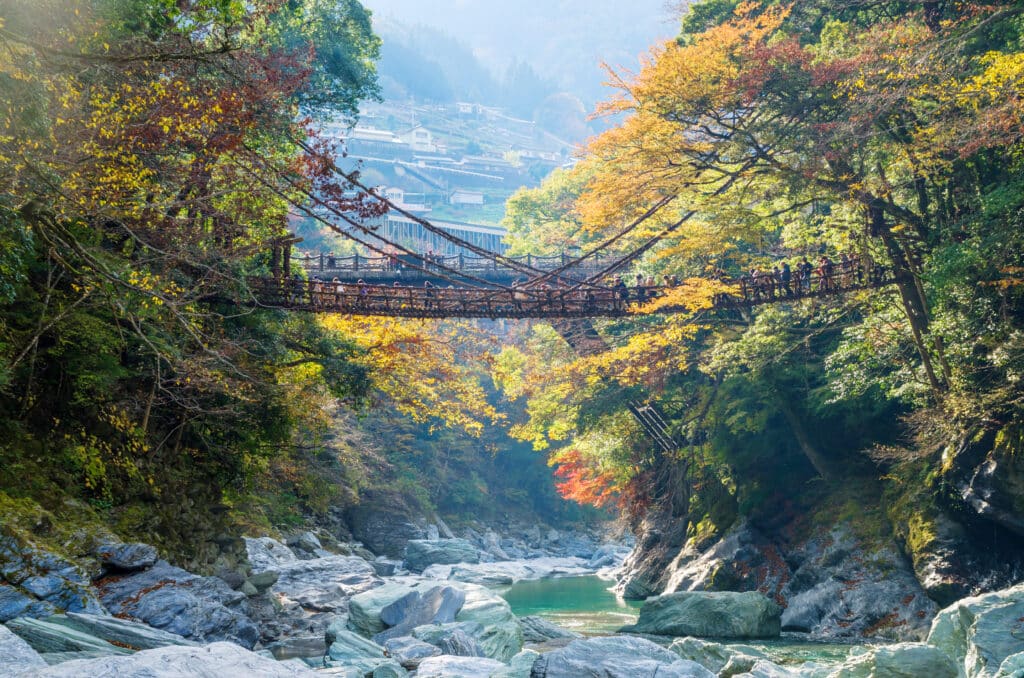
Iya Valley feels remote in a way that few places in Japan do. Located on the island of Shikoku, it is known for its dramatic mountain scenery, deep valleys, and traditional vine bridges that cross rushing rivers below.
This is not a place for fast travel. The roads are winding, distances feel longer, and the experience is more about the journey than any single landmark. Staying overnight in a countryside accommodation or onsen adds to the sense of escape.
Iya Valley is best suited for travelers who want something truly off the beaten path and are comfortable with slower, less direct transport connections. It rewards those willing to take the time to reach it.
Best for: Adventure and remote landscapes
Oirase Gorge

Oirase Gorge is one of Japan’s most beautiful river valleys, particularly known for its lush greenery and flowing water that runs alongside an easy walking path. The combination of forest, waterfalls, and gentle trails makes it one of the most accessible nature destinations in the country.
While it is attractive year-round, it becomes especially popular in autumn when the foliage transforms the entire area into a vivid landscape of reds and golds. Even outside peak season, the atmosphere remains peaceful and immersive.
Oirase Gorge is typically visited from Aomori and can be combined with nearby Lake Towada. It is a strong choice for travelers who want nature without difficult hiking or complex logistics.
Best for: Easy scenic walks and autumn foliage
Shiretoko National Park
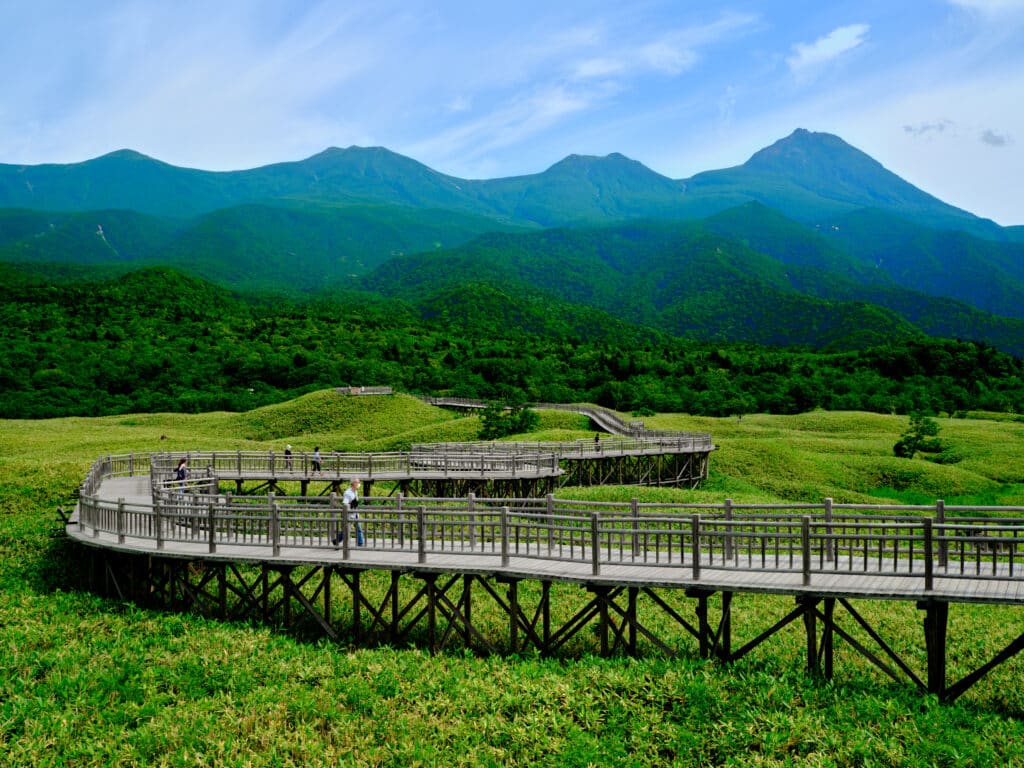
Shiretoko National Park, located in Hokkaido, offers one of the most untouched natural environments in Japan. This is a place where wildlife, rugged coastlines, and remote landscapes define the experience.
Unlike many other destinations in Japan, Shiretoko feels genuinely wild. Boat tours, hiking routes, and viewpoints allow you to experience the area, but the sense of isolation remains part of its appeal. It is far removed from the country’s urban centers.
Because of its location, visiting Shiretoko requires more planning and time. It is best suited for travelers already exploring Hokkaido or those specifically seeking nature as a main focus of their trip.
It is best included as part of a broader Hokkaido itinerary rather than a short trip from mainland Japan.
Best for: Wilderness and wildlife
Aso Region
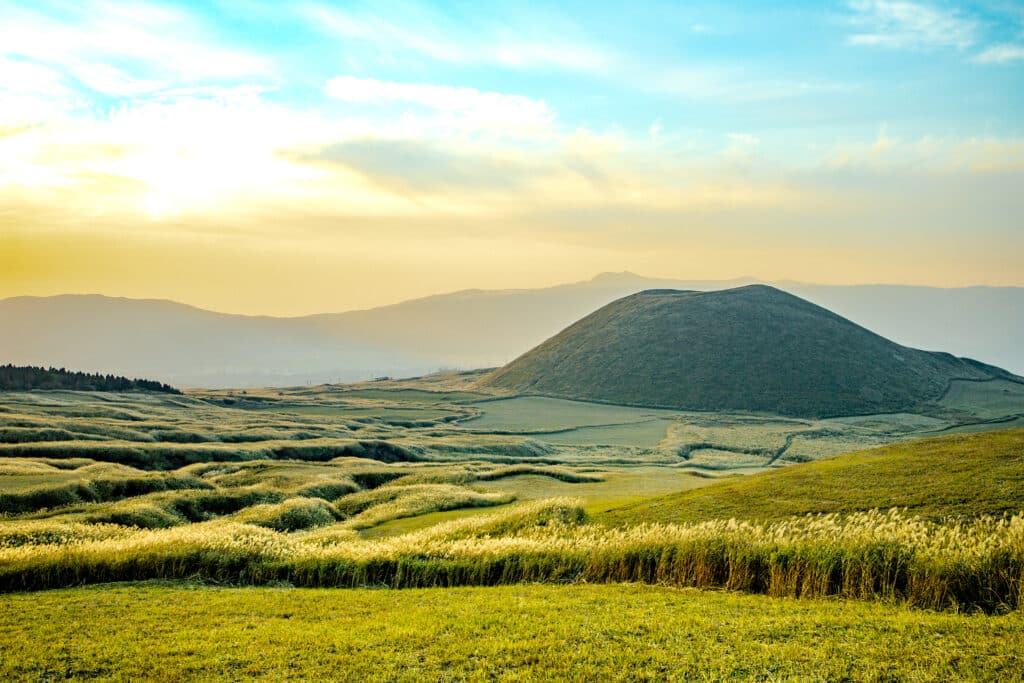
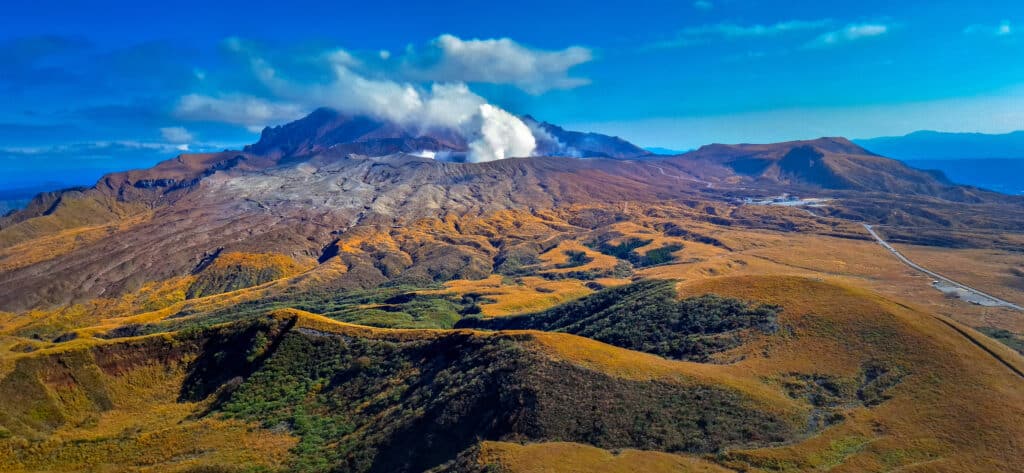
The Aso Region in Kyushu is centered around one of the largest volcanic calderas in the world, creating a landscape that feels completely different from most of Japan. Wide open grasslands, volcanic peaks, and expansive views give it a sense of scale that is rare in the country.
What makes Aso particularly interesting is how accessible the landscape is. You can drive, cycle, or take short walks to viewpoints that showcase the volcanic terrain. Conditions vary depending on volcanic activity, but even when the crater is restricted, the surrounding area remains impressive.
Aso is best visited from Kumamoto and works well as a day trip or overnight stay. It is a great addition for travelers who want dramatic scenery and something visually distinct from cities and temples.
Best for: Unique landscapes and open scenery
Unique Places That Feel Completely Different
Not every hidden gem fits neatly into one category. Some places stand out simply because they offer something unexpected — whether that is modern art on an island, sand dunes by the sea, or a neighborhood that shows a different side of Tokyo.
These are the destinations that add surprise and variety to a trip.
Naoshima
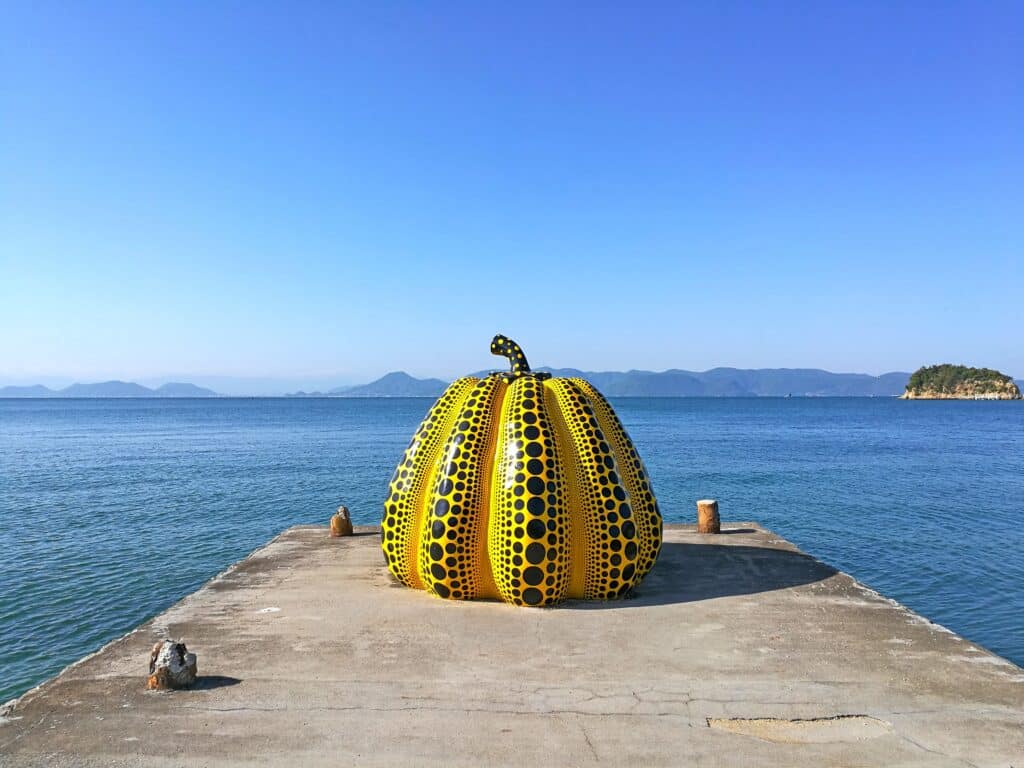
Naoshima stands out as one of Japan’s most creative destinations. This small island in the Seto Inland Sea is known for its contemporary art museums, outdoor installations, and architecture that blends into the natural landscape.
The experience here is not just about visiting museums, but about moving through the island itself — cycling between locations, encountering art in unexpected places, and taking in the coastal setting. It feels calm, modern, and thoughtfully designed.
Naoshima is usually reached by ferry from Okayama and works best as a one- or two-night stay. It is especially appealing for travelers looking for something completely different from traditional Japan.
Naoshima fits particularly well into western Japan routes that already include Osaka or Hiroshima.
Best for: Art and design
Kinosaki Onsen
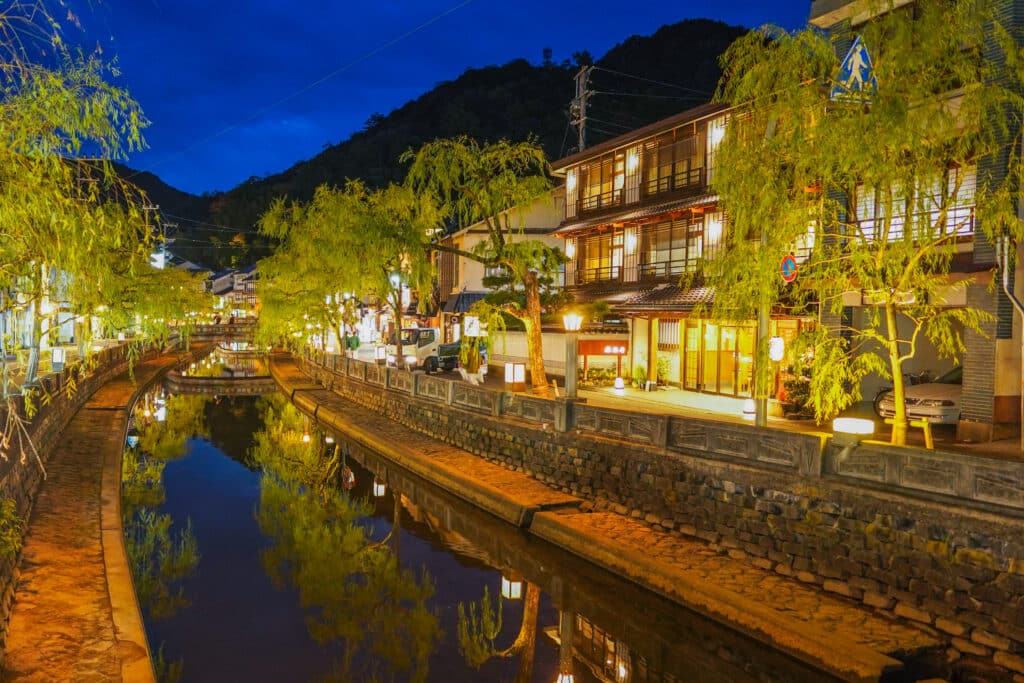
Kinosaki Onsen offers one of the most classic and enjoyable hot spring experiences in Japan. The town is built around a canal lined with willow trees, and visitors move between public baths wearing yukata, creating a very traditional and relaxed atmosphere.
What makes Kinosaki special is how easy it is to experience. Instead of staying in one large resort, the town itself becomes the experience, with multiple baths, small streets, and a strong sense of continuity.
It is typically visited as a one-night trip from Kyoto or Osaka and works especially well as a break from more intensive sightseeing. The slower pace and evening atmosphere are a big part of its appeal.
It is one of the easiest overnight additions from Kyoto and works especially well if you want a break from intensive sightseeing.
Best for: Relaxation and onsen culture
Tottori Sand Dunes
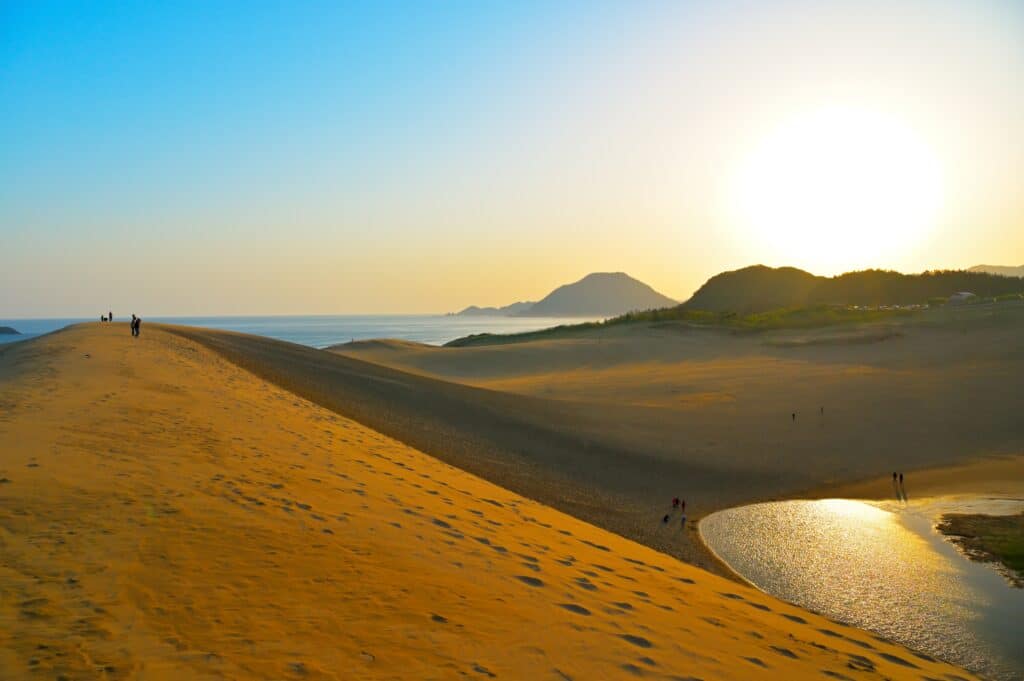
The Tottori Sand Dunes are one of the most unexpected landscapes in Japan. Stretching along the coast, they create a wide, open environment that feels almost surreal compared to the country’s usual scenery.
Visitors can walk across the dunes, try activities like sandboarding, or simply enjoy the contrast between desert-like terrain and the nearby sea. It is less about structured sightseeing and more about the novelty of the landscape.
Tottori is not on most standard routes, but it can be included in a western Japan itinerary. It is best for travelers who enjoy unusual places and do not mind going slightly out of their way.
Best for: Unique landscapes
Kawagoe
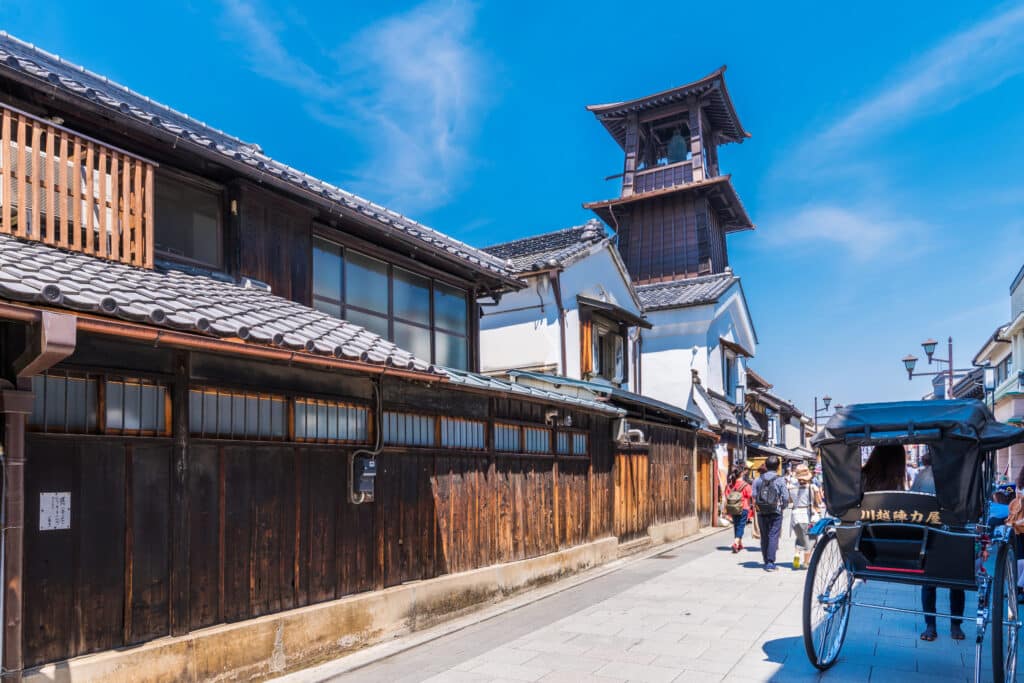
Kawagoe is one of the easiest hidden gems to visit, especially for travelers based in Tokyo. Known as “Little Edo,” it features traditional warehouse-style buildings and streets that preserve a sense of Japan’s past.
While it can get busy on weekends, it still offers a different atmosphere from central Tokyo. The combination of historic architecture and street food makes it a relaxed and enjoyable half-day trip.
Because of its proximity, Kawagoe works well for almost any itinerary. It is a simple way to add variety without needing extra travel days.
For travelers based in Tokyo, it is one of the simplest ways to experience a more traditional setting without leaving the region.
Best for: Easy cultural day trip
Shimokitazawa
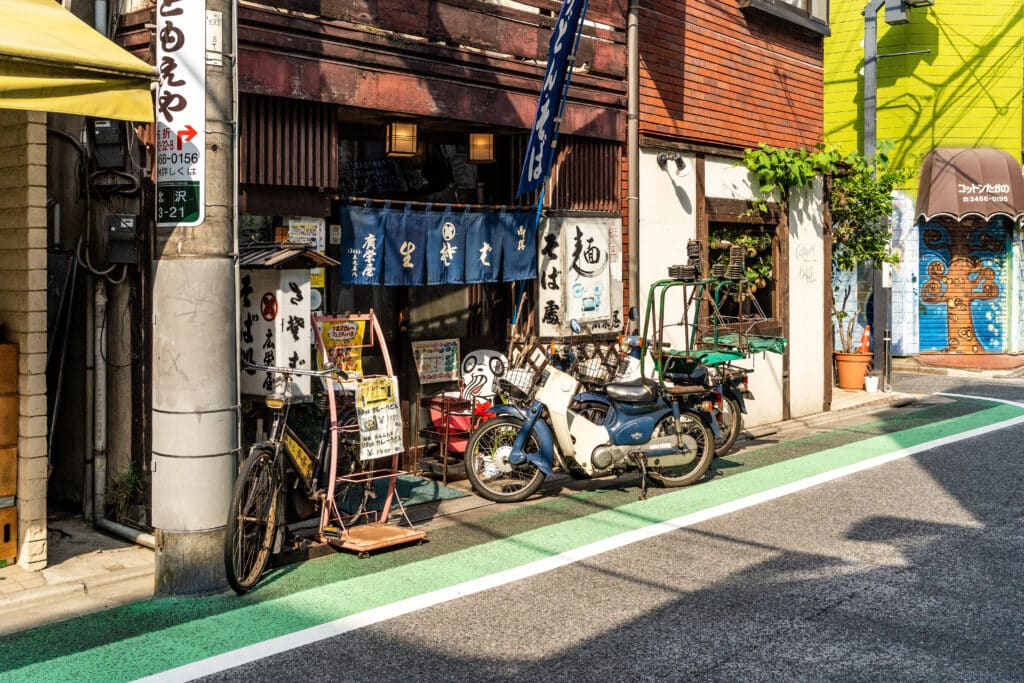
Shimokitazawa shows a different side of Tokyo — one that feels more local, creative, and independent. Known for vintage shops, small cafes, and live music venues, it has a casual atmosphere that contrasts with the city’s more polished districts.
The experience here is less about specific attractions and more about wandering. Exploring side streets, browsing secondhand stores, and stopping in small cafes is what defines a visit.
Located just a short train ride from Shibuya, Shimokitazawa is easy to include as a half-day or evening addition. It is ideal for travelers who want to see a more everyday, less tourist-focused side of Tokyo.
It pairs well with a broader exploration of neighborhoods covered in this Tokyo Travel Guide.
Best for: Local neighborhoods and alternative Tokyo
Best Hidden Gems in Japan by Travel Style
Not every hidden gem suits every traveler. Some are best for nature, others for culture, and some are simply the easiest to include without changing your entire route.
If you are still deciding how to structure your trip, combining this with a clear route like this 10-Day Japan Itinerary makes the process much easier.
Travel Planning Guide
Best Hidden Gems in Japan by Travel Style
Choose the places that best match the kind of trip you want most
Kamikochi, Iya Valley, Oirase Gorge, and Shiretoko are best for mountain views, wild landscapes, and quieter outdoor experiences
Takayama, Kanazawa, Kurashiki, and Koyasan are ideal for preserved streets, temple atmosphere, and historic character
Kinosaki Onsen, Kanazawa, and Kurashiki work well for slower travel, scenic walks, and a more peaceful pace
Naoshima, Tottori Sand Dunes, and the Aso Region feel very different from the standard Tokyo–Kyoto–Osaka route
Kawagoe, Shimokitazawa, Koyasan, and Kinosaki Onsen are among the easiest hidden gems to fit into a first or second trip
Takayama, Kanazawa, and Nagasaki stand out for distinct local identity, regional dishes, and memorable atmosphere
Choosing based on your travel style usually leads to a much better experience than trying to visit the most “unique” places without considering how they fit your trip.
How to Choose the Right Hidden Gems for Your Trip
The biggest mistake travelers make with hidden gems is choosing places simply because they sound unusual. In reality, the better approach is to focus on what fits your route, your pace, and the kind of experience you want more of.
If your trip already includes several large cities, adding a nature destination like Kamikochi or the Aso Region can create balance. If you are worried about crowds in Kyoto, a place like Kanazawa or Takayama may offer a similar atmosphere in a more relaxed setting.
This is especially true if you are following a standard route between Tokyo, Kyoto, and Osaka.
It is also important to stay realistic about logistics. A hidden gem should improve your trip, not make it unnecessarily complicated. In many cases, easily accessible places like Kawagoe, Kinosaki Onsen, or Koyasan are more rewarding than destinations that require long detours.
The best hidden gem is rarely the most remote one — it is the one that adds something new without disrupting your overall plan.
Easy Ways to Add Hidden Gems to a Japan Trip
The easiest way to use hidden gems well is not to replace Japan’s famous highlights, but to combine them thoughtfully.
Itinerary Planning
Easy Ways to Add Hidden Gems to a Japan Trip
You do not need to rebuild your entire route to make your trip feel more original
Add Kawagoe as a simple day trip if you want traditional streets without leaving the Tokyo area
Visit Shimokitazawa for a half-day or evening if you want a more local, creative, and less polished side of the city
Kinosaki Onsen is an easy overnight upgrade if you want a ryokan stay and a more relaxing break from city sightseeing
Koyasan works especially well as an overnight temple stay and adds a very different cultural experience to Kansai
Naoshima fits naturally into western Japan itineraries and is one of the best choices for art-focused travelers
Takayama is a strong 1- to 2-night addition if you want mountain scenery, preserved old streets, and regional food
This approach works especially well for first-time visitors. You still experience Japan’s iconic destinations, but the trip feels more personal and less predictable.
Best Time to Visit Japan’s Hidden Gems
Season matters more than many travelers expect, especially outside major cities. A place that feels average in one season can feel extraordinary in another.
For a deeper breakdown, this Best Time to Visit Japan explains how seasons affect different regions.
Seasonal Planning
Best Time to Visit Japan’s Hidden Gems
Different places are at their best in different seasons, so timing matters more than many travelers expect
Takayama, Kawagoe, Kanazawa, and Nagasaki are excellent in spring for mild weather, blossoms, and comfortable sightseeing
Kamikochi, Oirase Gorge, Shiretoko, and the Aso Region are strong choices when major cities become hot and humid
Oirase Gorge, Takayama, Koyasan, Kanazawa, and Iya Valley are especially beautiful for foliage and crisp air
Kinosaki Onsen, Nagasaki, Kanazawa, and Shimokitazawa work well for hot springs, seasonal atmosphere, and fewer crowds in some areas
Spring and autumn are usually the easiest seasons for combining hidden gems with Japan’s classic highlights
Summer is often the best time to prioritize northern or mountain areas instead of focusing only on big cities
Spring and autumn are generally the easiest seasons to plan around, but some hidden gems are actually at their best in summer or winter, depending on what you are looking for.
Practical Tips for Visiting Hidden Gems in Japan
Visiting lesser-known places in Japan is usually straightforward, but it does require a bit more awareness than staying only on the main tourist route.
Transport may be slower
Outside major cities, trains and buses run less frequently. Planning ahead helps avoid unnecessary waiting and makes the experience smoother.
Using Japan’s rail system is still the easiest way to reach most of these places, as explained in this Travel Around Japan Guide.
Overnight stays are often worth it
Many hidden gems are best experienced after day visitors leave. Staying overnight allows you to enjoy a calmer and more authentic atmosphere.
Offline maps and cash help
Rural areas may have fewer English signs and smaller businesses that prefer cash, so a bit of preparation goes a long way.
Avoid overpacking your itinerary
Adding too many stops can make your trip feel rushed. One or two well-chosen hidden gems are usually enough to transform the experience.
Are Hidden Gems in Japan Worth It?
For many travelers, hidden gems are what make a trip feel personal rather than purely iconic. Japan’s major destinations are impressive, but they only show part of what the country has to offer.
Adding even one or two lesser-known places creates contrast. A trip becomes more memorable when it includes both the energy of Tokyo and the calm of a place like Takayama, or the intensity of Kyoto alongside the slower rhythm of Kinosaki Onsen.
That balance is where Japan often feels most rewarding.
Final Thoughts
Japan does not become less interesting once you move beyond its most famous places — in many ways, it becomes more so. The quieter destinations add depth, variation, and a stronger sense of connection to the country.
You do not need to visit all 15 hidden gems in this guide. Choosing just one or two that genuinely fit your route can make your trip feel less crowded, more distinctive, and far more memorable.
If you are planning your first trip, combining this guide with a structured route like the 10-Day Japan Itinerary is the easiest way to build a balanced and memorable experience.