
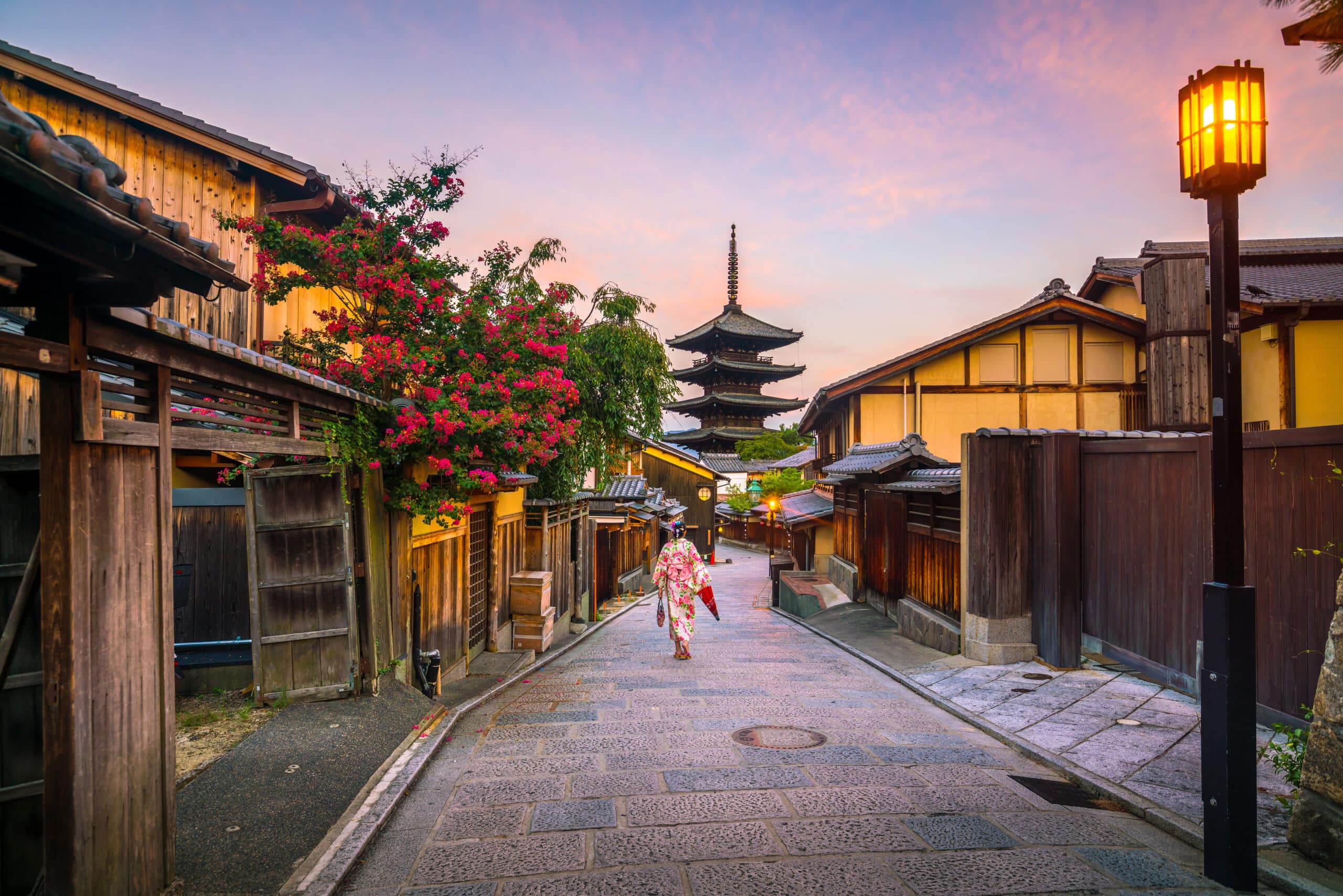
Kyoto is where many travelers imagine “traditional Japan” before they even arrive — temple gates framed by mountains, quiet streets lined with wooden houses, bamboo forests, and centuries-old rituals still part of daily life.
But while Kyoto looks timeless, planning a trip here can feel less straightforward than expected. The city is more spread out than it seems, popular sights can get crowded, and getting around works differently than in Tokyo. For most travelers, the combination of both cities is what makes a Japan trip truly complete.
This guide helps you understand what to do, where to stay, how to get around, and how many days to spend in Kyoto, so your trip feels smooth, not overwhelming.
Table of Contents
Kyoto at a Glance
Kyoto Trip Snapshot
Kyoto at a Glance
A quick overview before planning your stay in Japan’s cultural capital
Temples, traditional streets, culture, food, couples, and first-time Japan trips
2 to 4 days for the highlights, atmosphere, and a slower pace
Fushimi Inari, Gion, Kiyomizu-dera, Arashiyama, tea culture, and historic neighborhoods
Kyoto is more spread out than many first-time visitors expect, so area-based planning helps a lot
Kansai International Airport, with easy train access via Osaka
Spring for cherry blossoms and autumn for foliage, though Kyoto is beautiful year-round
Where Is Kyoto and Why Visit It?
Kyoto is located in Japan’s Kansai region and served as the country’s imperial capital for over 1,000 years. Today, it remains the cultural heart of Japan and one of the most rewarding destinations for first-time visitors.
Compared to Tokyo, Kyoto feels slower, more traditional, and more focused on atmosphere than energy. Where Tokyo impresses with scale and modern life, Kyoto stands out through its temples, historic districts, and seasonal beauty.
For most travelers, the combination of both cities is what makes a Japan trip truly complete.
Kyoto Map & Best Areas to Know
Kyoto is often more spread out than first-time visitors expect. The easiest way to plan your trip is by grouping sights into key areas rather than crossing the city multiple times in one day.
Main areas to understand:
- Higashiyama → temples, traditional streets, classic Kyoto
- Gion → geisha district and evening atmosphere
- Arashiyama → bamboo grove and nature
- Downtown (Kawaramachi) → food, shopping, central base
- Kyoto Station → transport hub
- Fushimi → shrines and sake district
The key to enjoying Kyoto: plan by area, not by random attractions.
Best Things to Do in Kyoto
Kyoto is one of those cities where the experience matters just as much as the individual sights. The most memorable days here usually come from combining famous highlights with slower walks through historic neighborhoods, temple grounds, and local streets.
Rather than trying to see everything, it’s better to focus on a few key areas and enjoy them properly.
Visit Fushimi Inari Taisha
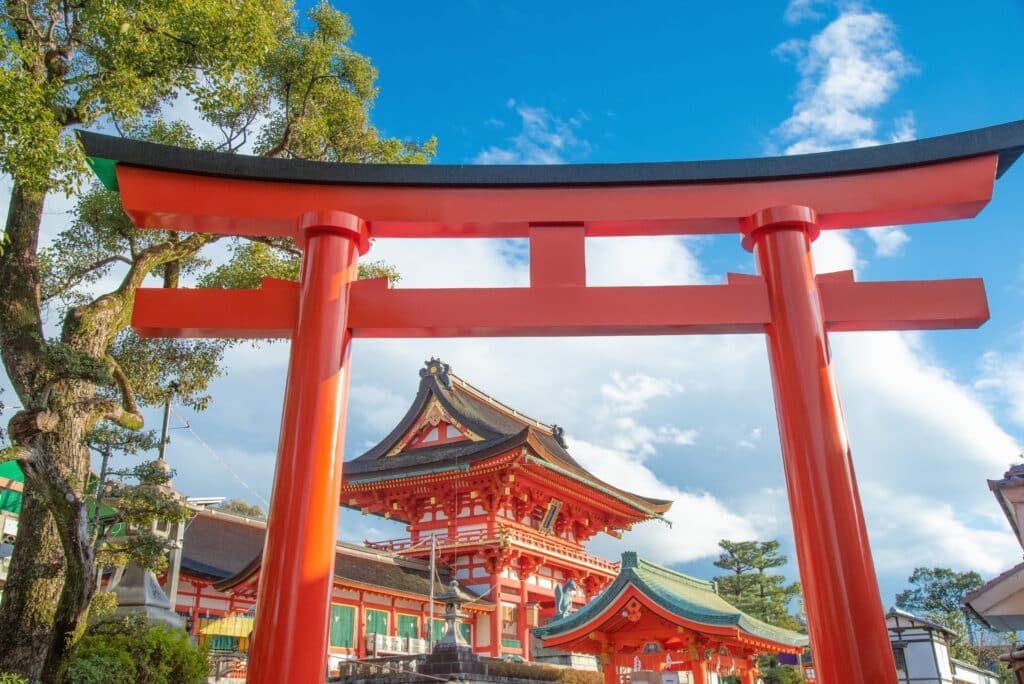
Thousands of red torii gates create one of Japan’s most iconic walking routes. While the lower part of the shrine gets busy quickly, the trails become quieter as you continue uphill. Early morning is the best time to visit if you want a calmer experience and better photos.
Explore Higashiyama & Kiyomizu-dera
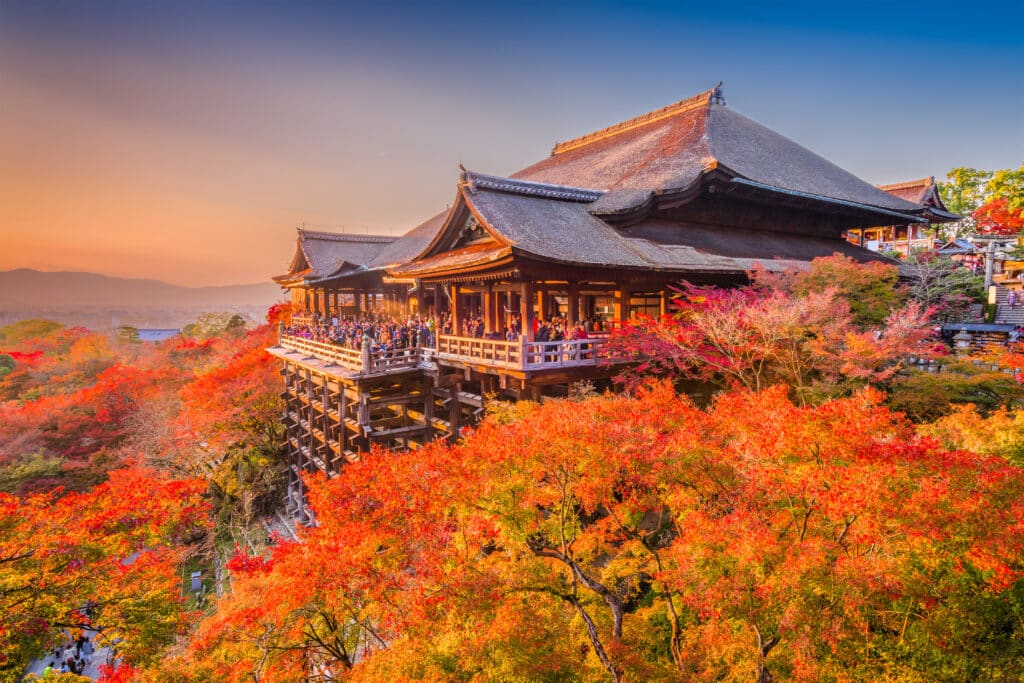
This is one of the best areas in Kyoto for first-time visitors because it combines temples, preserved streets, and classic city views in one walkable area. Visit Kiyomizu-dera, then continue through Sannenzaka and Ninenzaka for one of the most atmospheric parts of the city.
Walk Through Gion
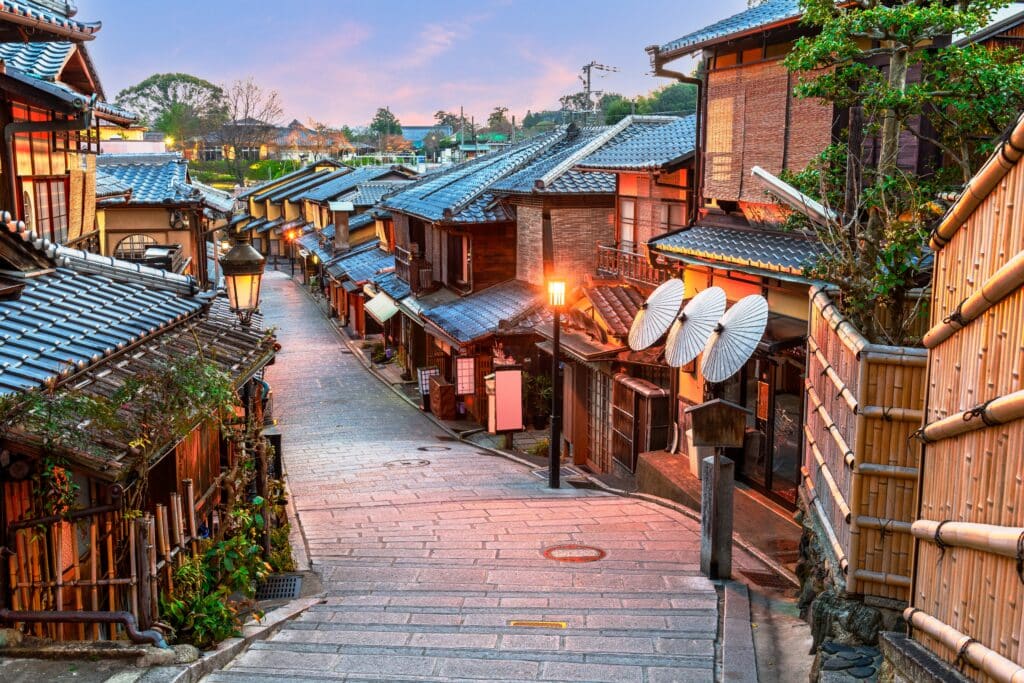
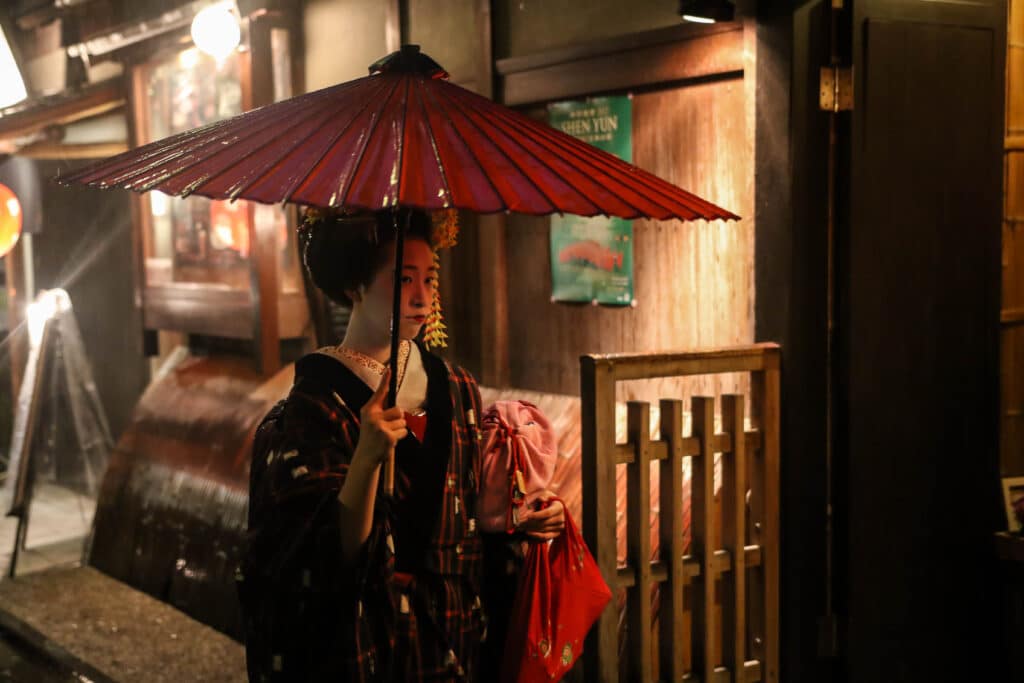
Gion is Kyoto’s most famous historic district and one of the best places to experience the city after dark. It’s less about checking off a specific attraction and more about enjoying the mood of the streets, small alleys, traditional facades, and evening atmosphere.
Visit Arashiyama & the Bamboo Grove
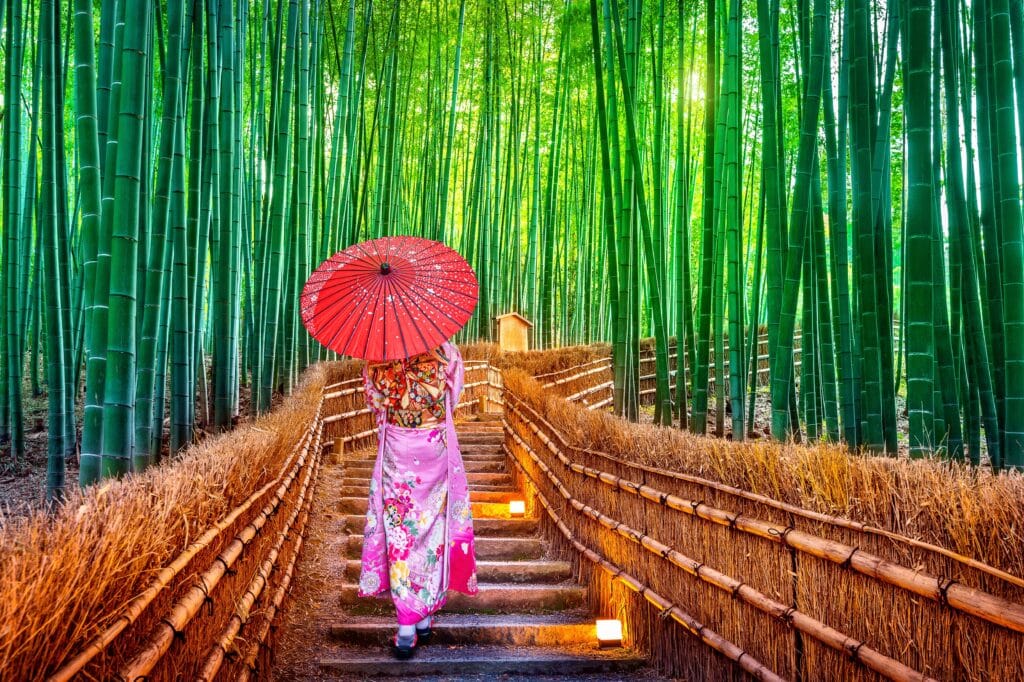
Arashiyama is worth visiting for more than just the bamboo grove. The area also includes scenic river views, temple gardens, and pleasant walking routes that make it feel very different from central Kyoto. If you go, try to combine several nearby sights rather than visiting the grove alone.
See Kinkaku-ji
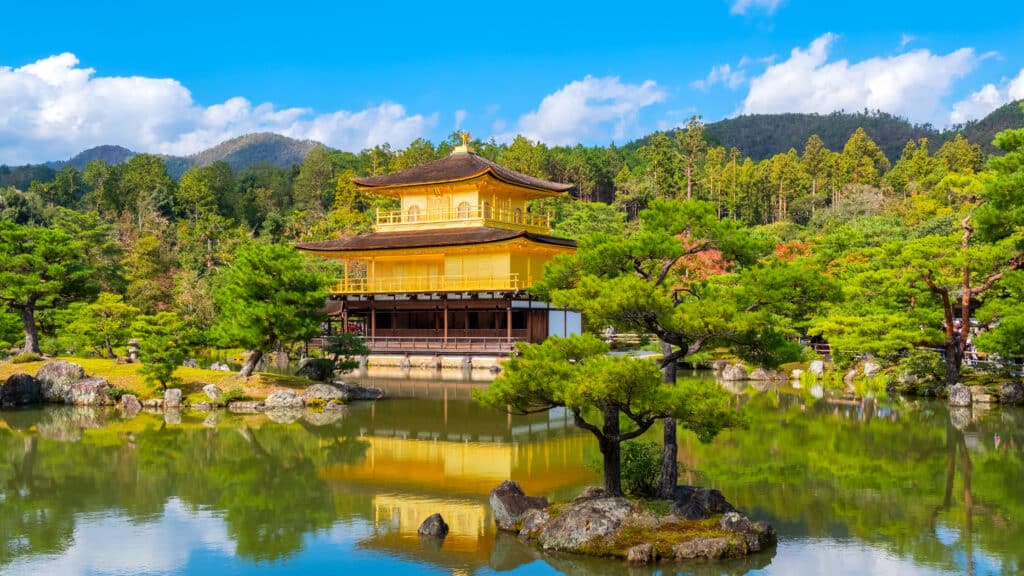
Kinkaku-ji is one of Kyoto’s most photographed landmarks and an easy addition to a half-day route. It’s not a place where you spend hours, but it is one of those classic sights that many first-time visitors are happy they included.
Explore Nishiki Market
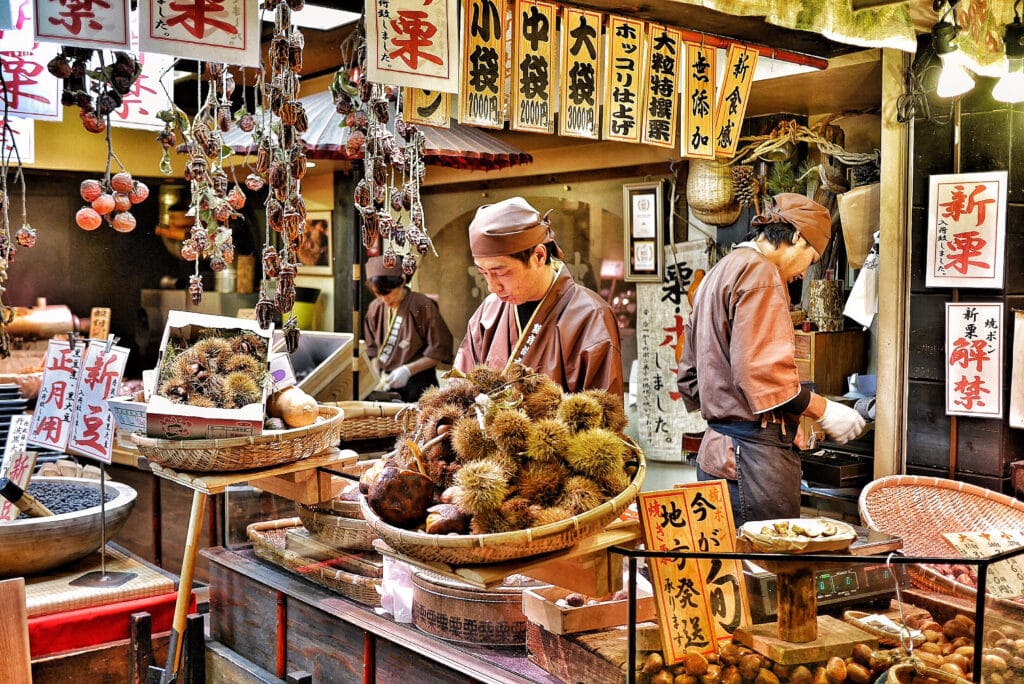
Nishiki Market is a good stop if you want a more casual and food-focused side of Kyoto between temple visits. It’s ideal for trying small local specialties, browsing snack stalls, and experiencing a livelier, more everyday part of the city.
Experience Traditional Kyoto Culture
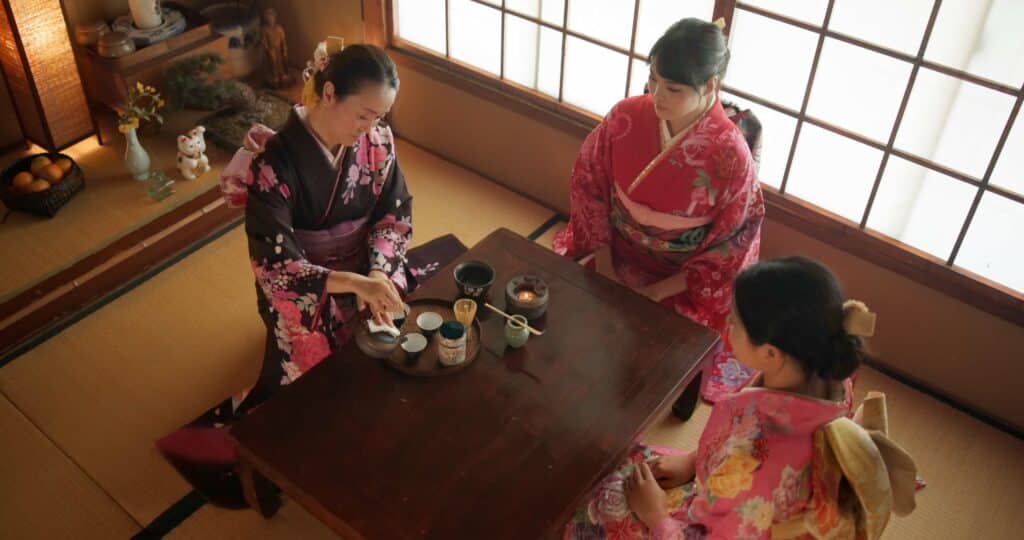
Kyoto is also a great place to add one or two slower cultural experiences to your trip. A tea ceremony, kimono rental, Zen temple visit, or traditional craft workshop can make your time here feel much more memorable than sightseeing alone.
Is Kyoto Worth Visiting?
Yes — for many travelers, Kyoto ends up being one of the most memorable places in Japan.
What makes Kyoto special isn’t just the number of temples or famous sights, but the overall atmosphere of the city. It’s a place where historic streets, seasonal scenery, and traditional culture still feel very present in everyday life.
Kyoto is especially worth visiting if you want:
- traditional Japan
- temples and shrines
- slower, more atmospheric travel
- historic neighborhoods
- a strong contrast to Tokyo
That said, Kyoto can feel crowded if you visit only the most famous places at the busiest times of day. The best experience usually comes from starting early, planning by area, and leaving enough time to slow down rather than rushing between attractions.
For most first-time visitors, Kyoto is absolutely worth including — and often becomes one of the highlights of the entire trip.
How Many Days Do You Need in Kyoto?
- 1 day → possible, but rushed
- 2 days → covers major highlights
- 3 days → ideal balance
- 4+ days → slower travel + day trips
For most first-time visitors: 2–3 days is perfect.
How to Get to Kyoto
Kyoto Transport Basics
How to Get to Kyoto
Kyoto is easy to reach from Japan’s major cities and fits naturally into most first-time itineraries
The Shinkansen is the easiest option and takes about 2 to 2.5 hours, making Kyoto a simple next stop after Tokyo.
JR and Hankyu trains connect Osaka and Kyoto in about 30 to 45 minutes, so moving between the two is very easy.
The JR Haruka Express is one of the most convenient airport routes into Kyoto and usually takes around 75 to 90 minutes.
JR and Kintetsu trains make Kyoto an easy connection from Nara, with travel times of roughly 35 to 50 minutes.
Kyoto is especially easy to reach from Tokyo via the Shinkansen, making it a natural second stop on a classic Japan route.
How to Get Around Kyoto
Kyoto Transport Guide
Best Ways to Get Around Kyoto
Kyoto is easiest to explore when you understand which transport works best for each kind of day
Best for Gion, Higashiyama, Arashiyama, and other temple districts where the atmosphere is part of the experience.
Useful for many major sightseeing areas, especially where train and subway connections are limited.
Helpful for some central routes, though Kyoto’s subway network is much smaller than Tokyo’s or Osaka’s.
Best for places like Arashiyama, Fushimi, Uji, Osaka, and Nara, as well as longer regional connections.
Good for rainy days, early starts, late evenings, or when you want to save time between distant sights.
A nice option for confident travelers who want a slower sightseeing day in flatter and less hectic parts of the city.
Unlike Tokyo, Kyoto relies heavily on buses and walking. The best strategy is to group sights by area to reduce travel time.
Best Areas to Stay in Kyoto
Kyoto Accommodation Guide
Best Areas to Stay in Kyoto
Choose your base depending on whether you want atmosphere, convenience, or easy transport
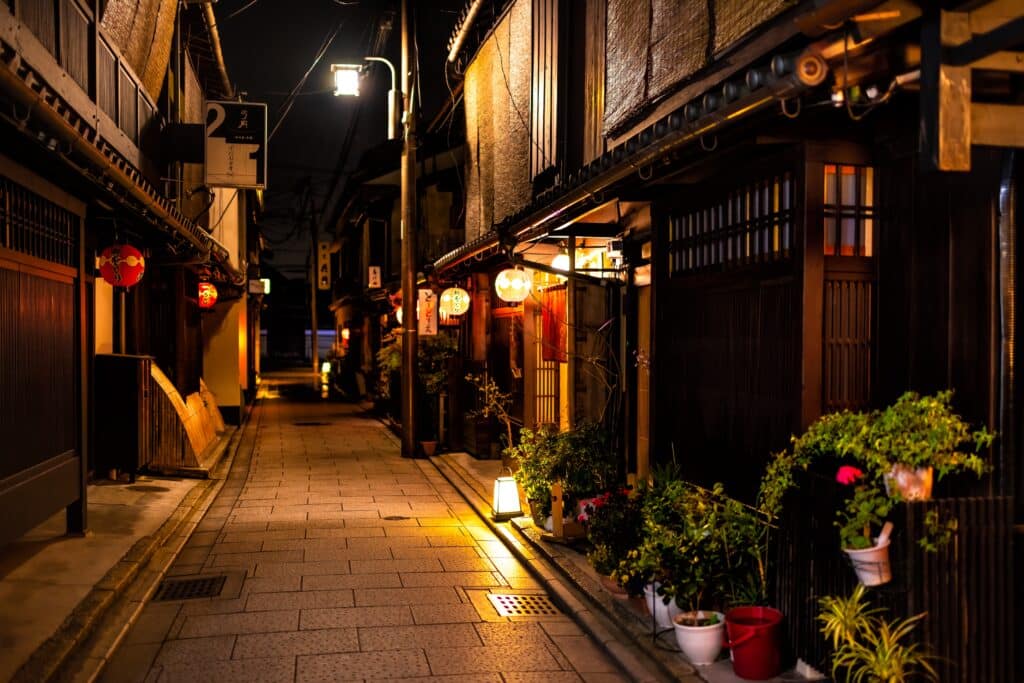
Best for first-time visitors, couples, and classic Kyoto atmosphere with temples, lantern-lit streets, and historic charm.
Best for restaurants, shopping, nightlife, and a practical central base with easy access to many parts of the city.
Best for short stays, train travel, and convenience, especially if you arrive with luggage or plan day trips.
Best for scenic stays, a slower pace, and travelers who want a quieter area with more nature and less city feel.
For first-time visitors, Gion/Higashiyama or Kawaramachi are usually the best choices.
What to Eat in Kyoto
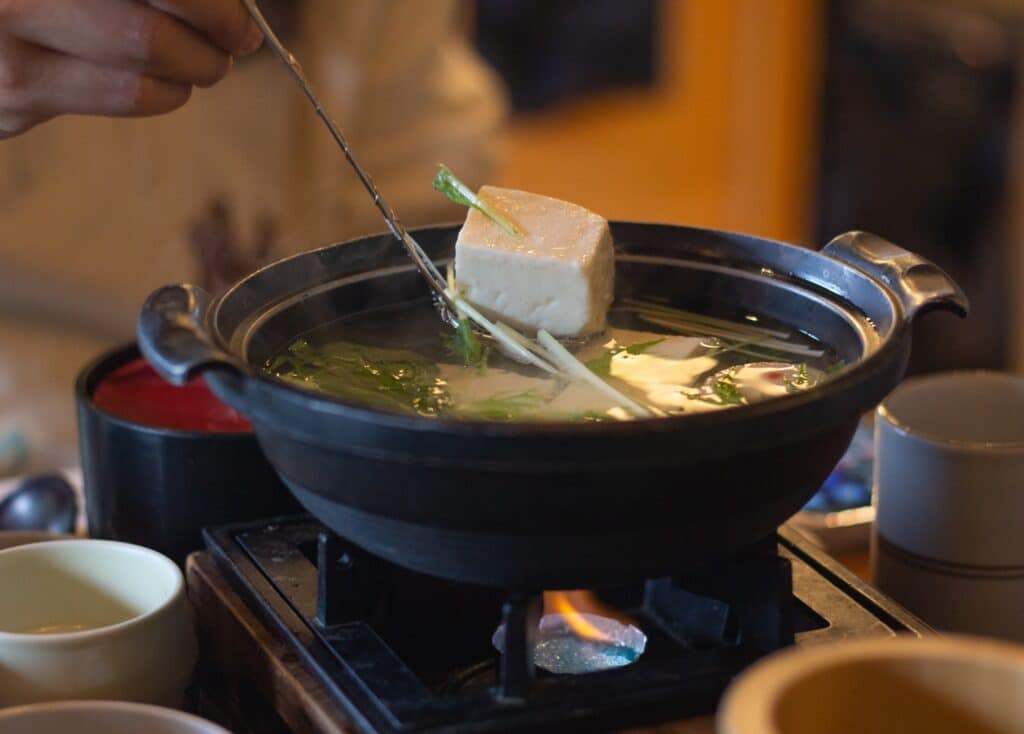
Kyoto’s food scene is more refined, seasonal, and traditional than places like Osaka, which is known more for casual street food and bold flavors. In Kyoto, meals often feel a little more elegant and connected to the city’s temple culture and long culinary history.
Some of the best foods to try in Kyoto include:
Kaiseki
Kyoto is one of the best places in Japan to try kaiseki, a traditional multi-course meal that focuses on seasonality, presentation, and delicate flavors. It’s one of the city’s most memorable dining experiences if you want something special.
Yudofu
A simple hot tofu dish often associated with Kyoto’s temple areas, especially around places like Nanzen-ji. It sounds basic, but in Kyoto it’s often prepared with great care and can be surprisingly memorable.
Matcha Desserts
Kyoto is famous for tea culture, so this is one of the best places in Japan to try matcha parfaits, soft serve, sweets, and tea-based desserts.
Yatsuhashi
One of Kyoto’s best-known local sweets, often sold as a souvenir. The cinnamon-flavored version is the most traditional, but you’ll find many modern variations too.
Street Food at Nishiki Market
For something more casual, Nishiki Market is a good place to sample Kyoto snacks, sweets, and small savory dishes in one easy stop.
If you only have limited time, a good balance is to try one more traditional meal, one tea or dessert stop, and one casual food market visit.
Best Time to Visit Kyoto
Seasonal Travel Guide
Best Time to Visit Kyoto
Choose the season that matches the kind of Kyoto trip you want most
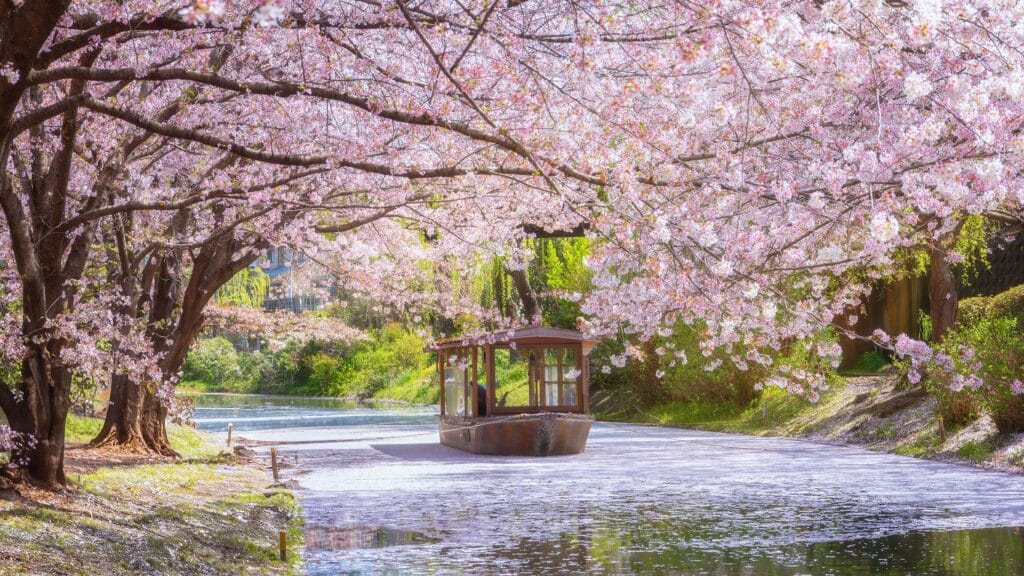
Late March to early April for Kyoto’s most iconic spring scenery, temple gardens, and soft seasonal colors.
Mid-November to early December for rich foliage, crisp air, and some of Kyoto’s most beautiful temple views.
April, May, October, and November usually offer the most comfortable conditions for walking and sightseeing.
January, February, and parts of June are often better for lower prices and more hotel flexibility.
January, February, and early December feel calmer and can make Kyoto’s temples more peaceful to explore.
July is best if you want festival atmosphere, especially around the famous Gion Matsuri period.
April to May and October to November offer the best mix of weather, scenery, and overall travel comfort.
Winter is ideal for a calmer, more reflective side of Kyoto, especially on weekday mornings.
Best overall:
- Spring (cherry blossoms)
- Autumn (foliage)
But Kyoto is rewarding in every season depending on your travel style.
Kyoto Travel Tips for First-Time Visitors
Kyoto is very rewarding, but it’s also one of those cities that becomes much easier once you understand how to approach it. A little planning goes a long way here.
Start sightseeing early
Kyoto’s most famous places feel much more enjoyable in the morning. If you want quieter temple visits and better photos, early starts are one of the best things you can do.
Expect crowds at the biggest sights
Places like Fushimi Inari, Kiyomizu-dera, and Arashiyama are extremely popular. That doesn’t mean you should skip them — just plan around the busiest hours.
Wear comfortable shoes
Kyoto often involves more walking than travelers expect, especially in temple districts, older neighborhoods, and hillside areas.
Plan by area
This is one of the biggest Kyoto travel tips. The city is more spread out than it first appears, so grouping sights by neighborhood will save a lot of time and energy.
Respect temple and shrine etiquette
Kyoto feels more traditional than many other Japanese cities, and it’s worth being especially mindful in quieter cultural spaces.
Consider luggage forwarding
If Kyoto is part of a longer route through Japan, luggage forwarding can make arrival and departure days much easier — especially if you’re moving between Kyoto, Tokyo, and Osaka.
Suggested 3-Day Kyoto Itinerary
Kyoto Trip Planner
Suggested 3-Day Kyoto Itinerary
A simple way to group Kyoto by area so your days feel smoother and less rushed
Explore Higashiyama, visit Kiyomizu-dera, walk through Sannenzaka and Ninenzaka, and end the day in Gion.
Visit Arashiyama Bamboo Grove, Tenryu-ji, the river area, and the Monkey Park, then continue to Kinkaku-ji.
Start early at Fushimi Inari, then head to Nishiki Market, downtown Kyoto, and add a tea or cultural experience.
Plan Kyoto by area rather than by attraction ranking, because crossing the city too often wastes time and energy.
Best Day Trips from Kyoto
Kyoto works especially well as a base because several of Japan’s most rewarding destinations are close enough to visit without changing hotels.
Nara
One of the easiest and most popular day trips from Kyoto. Nara is known for its friendly deer, large temple complexes, and a slightly slower atmosphere than Kyoto or Osaka.
Uji
A smaller and often overlooked option that’s especially worth visiting if you like tea culture, quieter temples, and a more relaxed half-day trip.
Osaka
A good contrast to Kyoto if you want food, nightlife, and a more energetic city feel. It’s easy enough to visit as a day trip, though many travelers combine both cities in the same itinerary anyway.
For most first-time visitors, Nara and Uji are the most natural and rewarding Kyoto day trips.
FAQ
Is Kyoto worth visiting?
Yes — especially if you want traditional Japan, temples, historic neighborhoods, and a slower, more atmospheric side of the country.
Is 2 days enough for Kyoto?
Yes, 2 days is enough to see the main highlights, but 3 days gives you a much more comfortable pace and a better overall experience.
Should I stay in Kyoto or Osaka?
Stay in Kyoto if you want atmosphere, temples, and easier early-morning sightseeing. Stay in Osaka if you care more about nightlife, food, and a bigger city feel.
Is Kyoto expensive?
Kyoto is usually considered mid-range overall. You can visit on a budget, but prices can rise noticeably during cherry blossom season, autumn foliage season, and weekends.
What is the best area to stay in Kyoto for first-time visitors?
For most first-time visitors, Gion / Higashiyama or Kawaramachi / Downtown are the best choices because they balance atmosphere, convenience, and sightseeing access.
What is the best month to visit Kyoto?
April, May, October, and November are usually the most comfortable overall. Cherry blossom season and autumn foliage are especially popular, but also the busiest.
Is Kyoto walkable?
Parts of Kyoto are very walkable, especially Gion, Higashiyama, and Arashiyama. But the city as a whole is more spread out than many first-time visitors expect.
How do I avoid crowds in Kyoto?
The best strategy is to start early, visit famous places on weekday mornings if possible, and group your days by area rather than moving around the city randomly.
Final Thoughts
Kyoto isn’t just a checklist of temples — it’s a place that rewards slowing down.
Where Tokyo gives you the energy of modern Japan, Kyoto offers something quieter and more timeless. Walk through its streets early in the morning, visit temples before the crowds arrive, and take time to experience the atmosphere rather than rushing between sights.
For many travelers, Kyoto ends up being not just a highlight — but the place that feels most memorable long after the trip is over.