
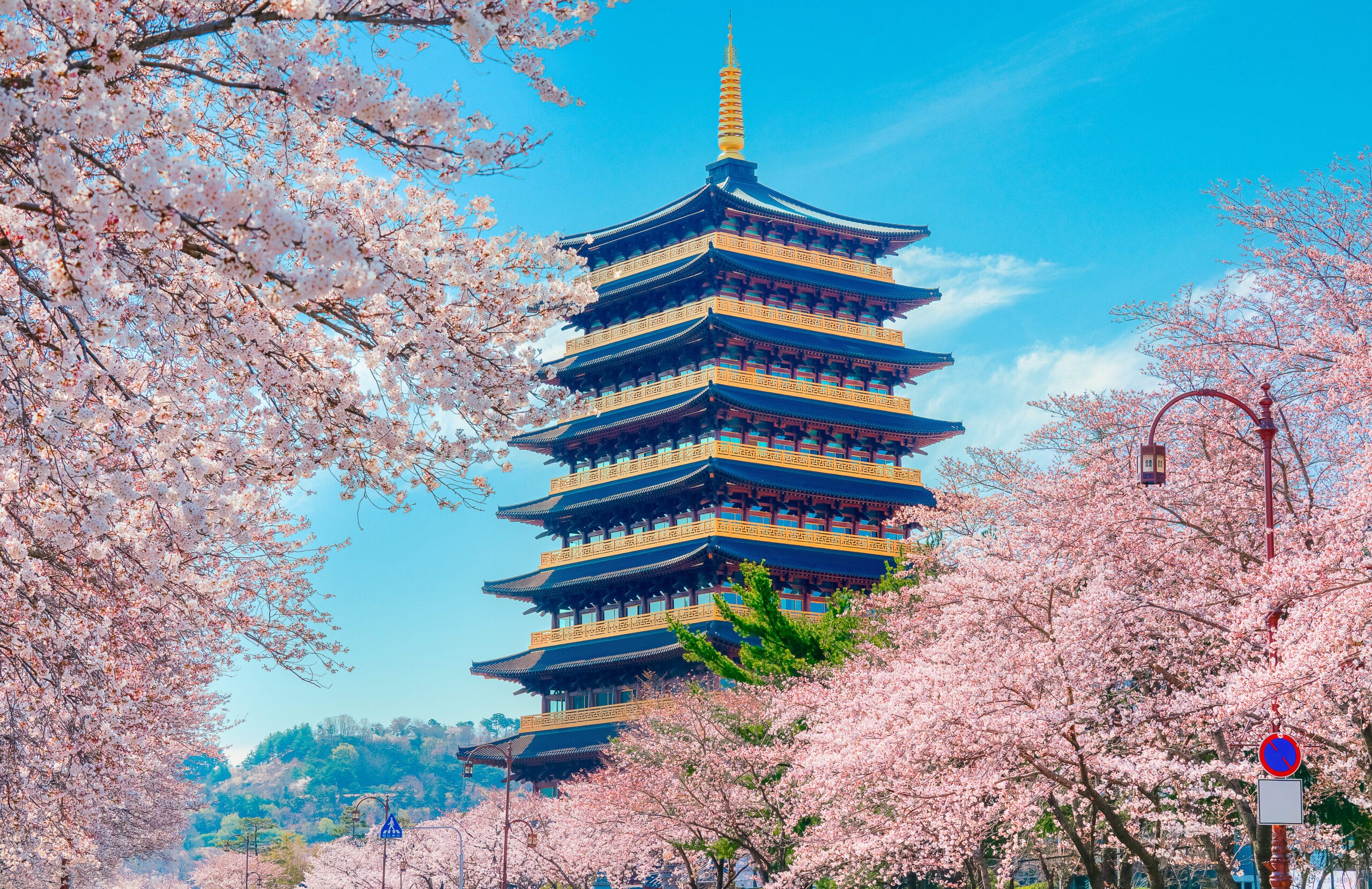
Often described as the “museum without walls,” Gyeongju is one of the most historically fascinating destinations in South Korea. For nearly a thousand years, the city served as the capital of the powerful Silla Dynasty, one of the kingdoms that shaped the early history of Korea. Because of this long period of cultural and political importance, Gyeongju today contains an extraordinary concentration of temples, royal tombs, palaces, and archaeological treasures.
Unlike modern cities such as Seoul or the coastal metropolis of Busan, Gyeongju has preserved a peaceful atmosphere where ancient monuments blend naturally into the landscape. Grassy burial mounds rise quietly in city parks, stone pagodas stand among forested hills, and centuries-old temples continue to welcome visitors and pilgrims alike.
Many of the city’s most important landmarks are part of the Gyeongju Historic Areas, which have been recognized as a UNESCO World Heritage Site. These sites reflect the artistic, scientific, and spiritual achievements of the Silla Kingdom, whose influence extended across much of the Korean Peninsula during its golden age.
Visitors exploring Gyeongju can admire the elegant architecture of Bulguksa Temple, discover the serene Buddha statue inside Seokguram Grotto, or walk through the mysterious grassy mounds of the Daereungwon Tomb Complex.
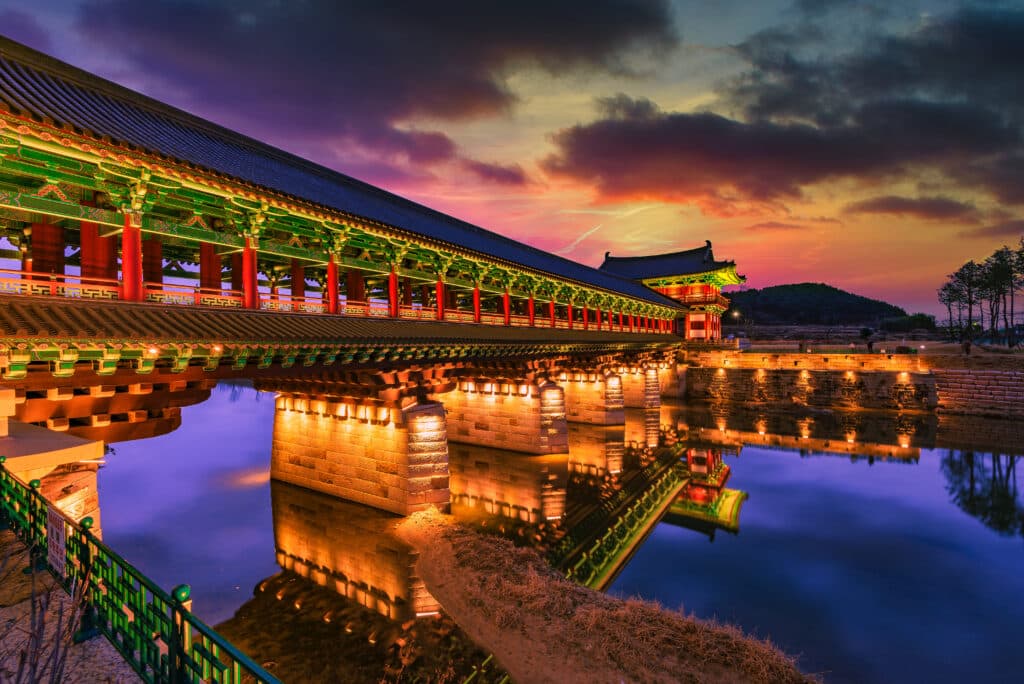
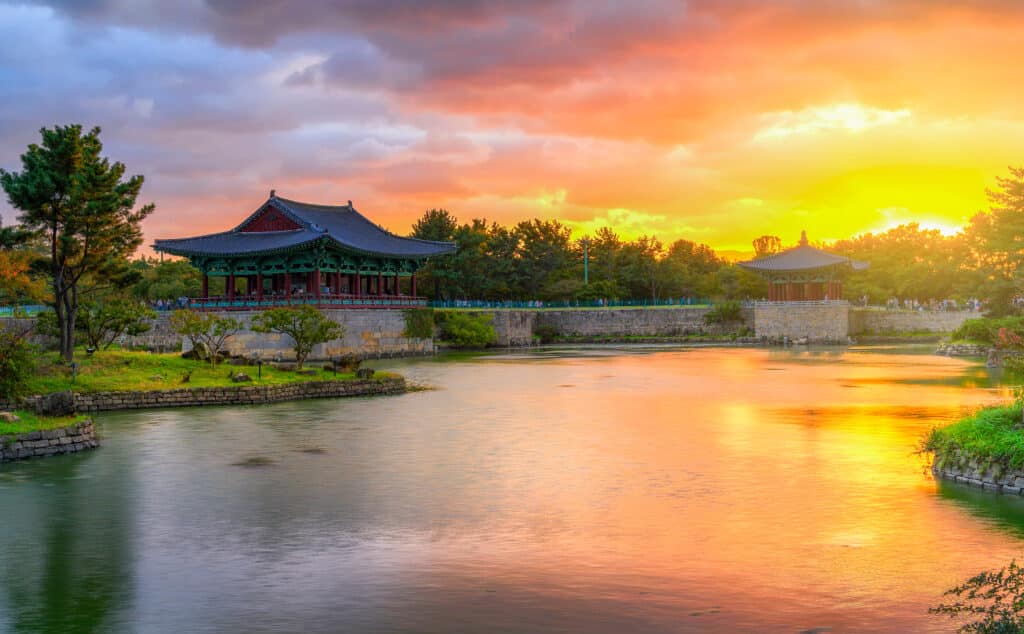
In the evening, the tranquil waters of Donggung Palace and Wolji Pond glow under soft lights, creating one of the most beautiful nighttime scenes in Korea.
For travelers interested in history, architecture, and culture, Gyeongju offers a journey into the ancient heart of Korea.
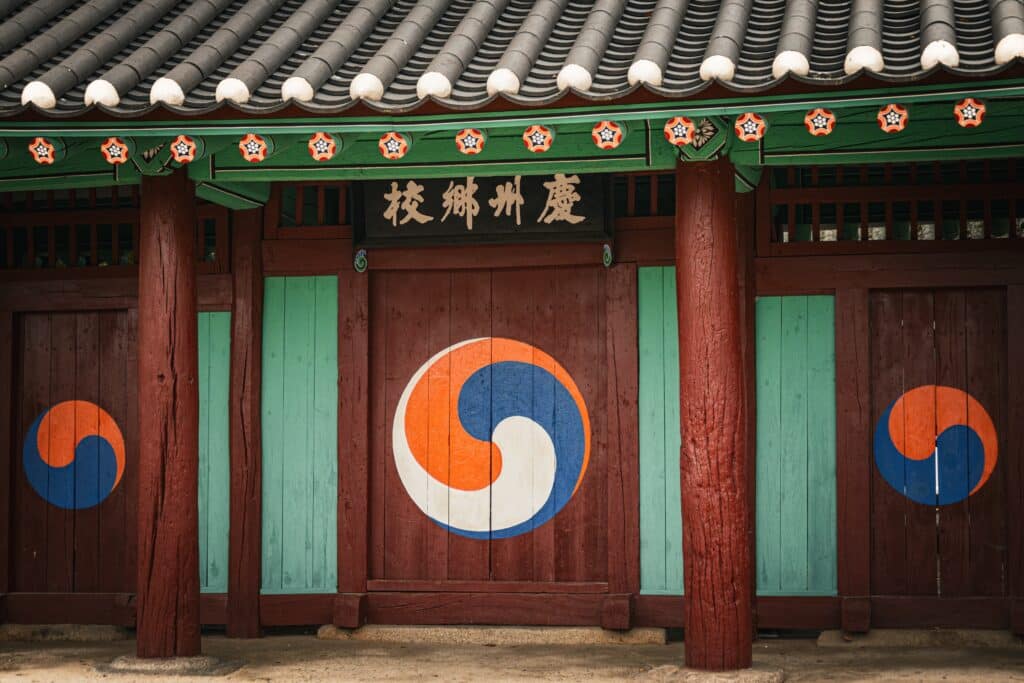
Map of Attractions in Gyeongju
Many of the historic sites in Gyeongju are located close to each other, making the city easy to explore. The map below highlights the main landmarks, including Bulguksa Temple, Seokguram Grotto, and Donggung Palace and Wolji Pond.
Quick Travel Guide to Gyeongju
Planning a trip to Gyeongju? Here’s a quick overview of the essentials:
- Best for: History, temples, royal tombs, and Korean culture
- Top attractions: Bulguksa Temple, Seokguram Grotto, Daereungwon Tomb Complex, Donggung Palace and Wolji Pond
- Recommended stay: 1–2 days
- Best time to visit: Spring and autumn
- Nearest major city: Busan
- How to get there: KTX train to Singyeongju Station or intercity bus
- Best travel style: Cultural city break or day trip from Busan
Gyeongju is one of the best destinations in South Korea for travelers who want to explore ancient history, UNESCO heritage sites, and traditional Korean culture in a peaceful setting.Quick Travel Guide to Gyeongju
Table of Contents
How to Get to Gyeongju
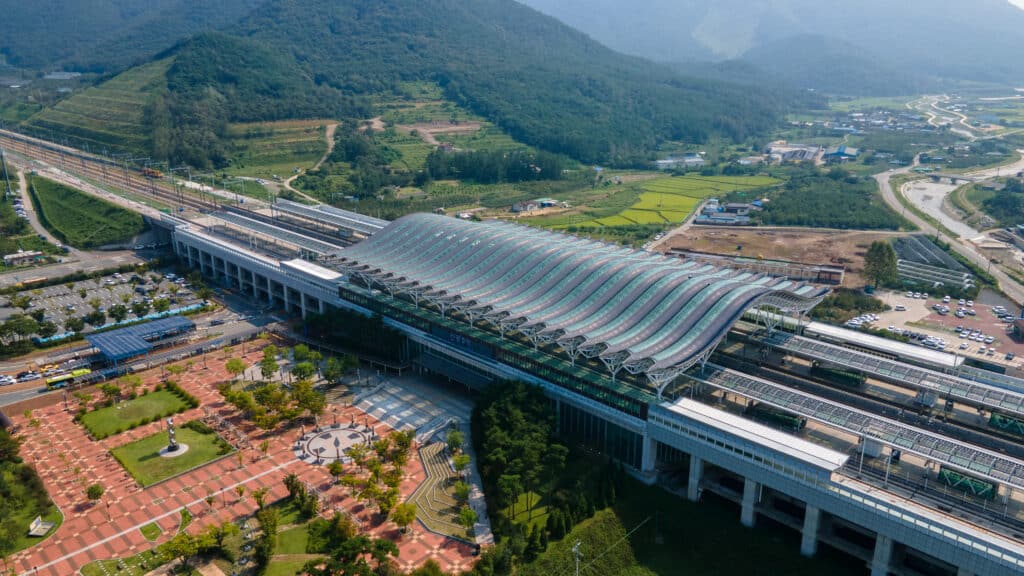
Traveling to Gyeongju is relatively easy thanks to South Korea’s efficient transportation network. From Seoul, the fastest route is the high-speed Korea Train Express (KTX) to Singyeongju Station, which takes around two hours.
From Busan, visitors can reach Gyeongju in roughly one hour by train or intercity bus. Because of this short travel time, many travelers choose to visit Gyeongju as a day trip from Busan.
Once in the city, local buses, taxis, and bicycles make it easy to reach the main historic sites.
Best Things to Do in Gyeongju
Discover the Beauty of Bulguksa Temple
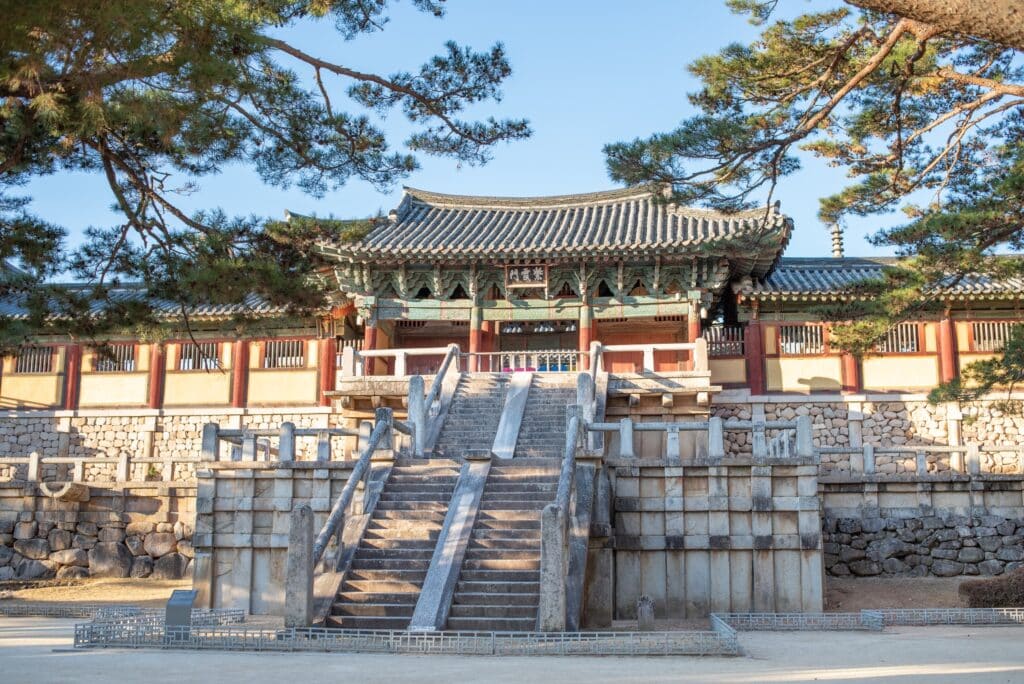
One of Korea’s most famous Buddhist temples, Bulguksa Temple is a masterpiece of architecture from the Silla period. Built during the 8th century, the temple complex sits peacefully among forested mountains and features elegant stone bridges, ornate wooden halls, and ancient pagodas.
Two of the temple’s most famous structures are the Dabotap and Seokgatap pagodas, which represent remarkable achievements in stone architecture.
Walking through the temple grounds provides a serene glimpse into Korea’s spiritual traditions.
Travelers interested in historic temples across the country may also enjoy visiting the coastal Haedong Yonggungsa Temple in Busan.
Visit the Sacred Seokguram Grotto
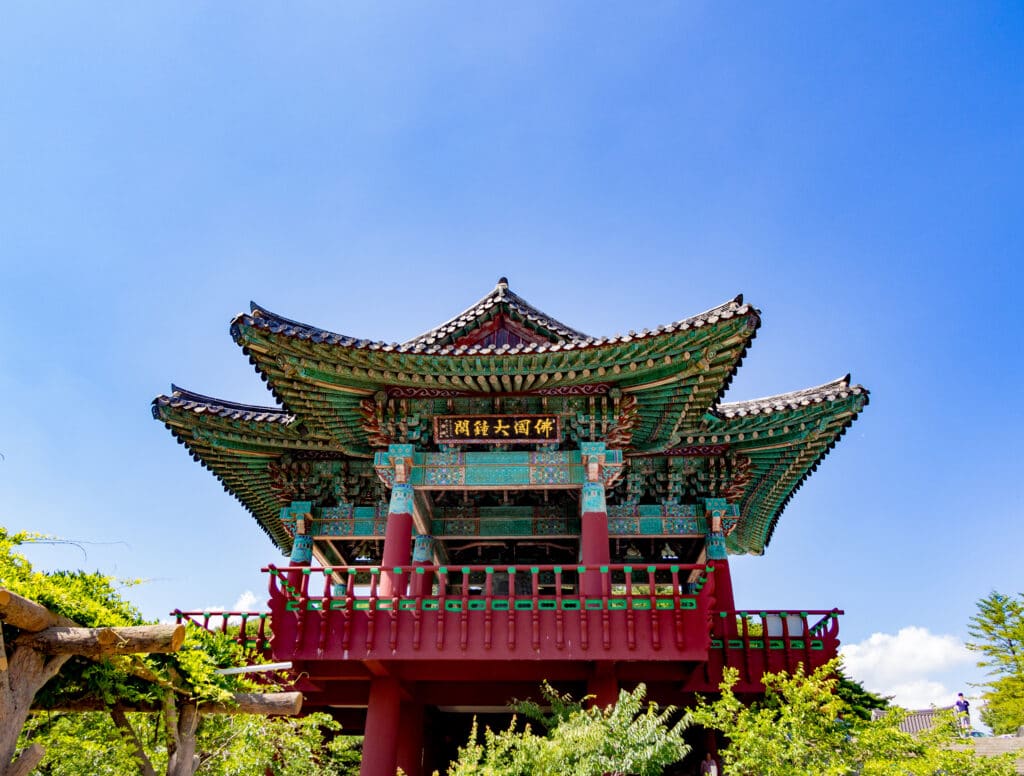
High on the slopes of Mount Toham, the Seokguram Grotto houses one of the most extraordinary Buddhist sculptures in Asia.
Inside the circular stone chamber sits a magnificent granite Buddha statue facing toward the East Sea. The statue is surrounded by intricately carved figures representing bodhisattvas and other spiritual guardians.
Because of its artistic significance and architectural sophistication, Seokguram Grotto is considered one of Korea’s most important cultural treasures.
Visitors who enjoy mountain landscapes should also explore Seoraksan National Park, one of the most spectacular parks in South Korea.
Walk Among the Royal Tombs of Daereungwon Tomb Complex
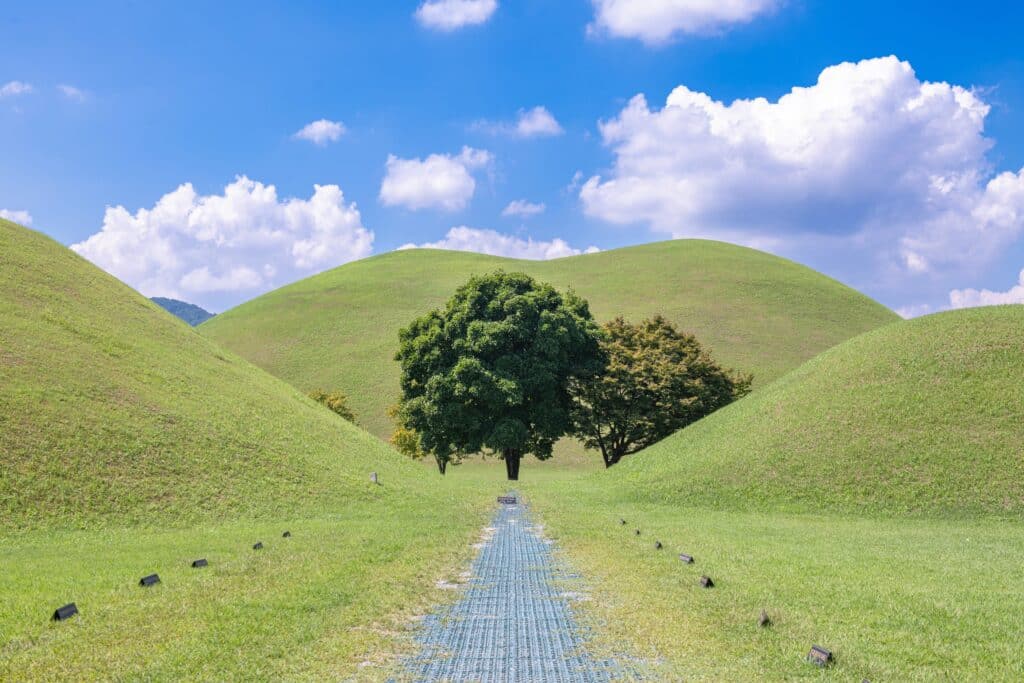
One of the most unusual sights in Gyeongju is the Daereungwon Tomb Complex, where enormous grassy burial mounds rise gently from the landscape.
These tombs once held the remains of Silla kings and nobles. The burial mounds resemble small hills and create a unique park-like setting within the city.
Visitors can enter Cheonmachong Tomb, where artifacts discovered inside the tomb provide insight into royal life during the Silla era.
Admire the Ancient Cheomseongdae Observatory
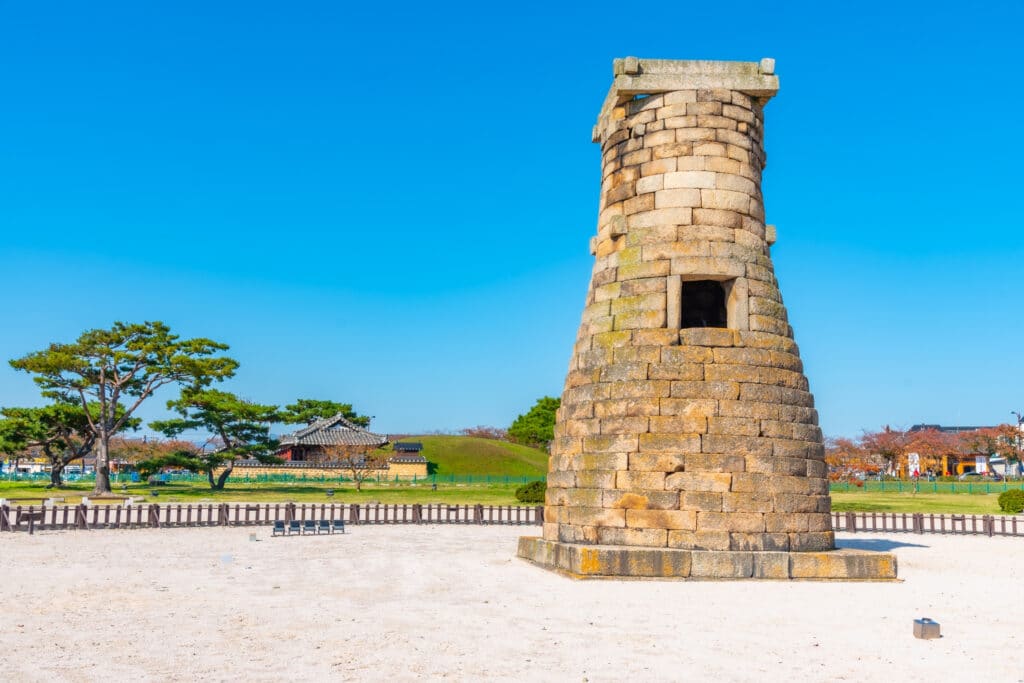
Standing gracefully in an open field, Cheomseongdae Observatory is one of the oldest surviving astronomical observatories in the world.
Constructed during the 7th century, the tower was used by scholars to study the stars and observe changes in the sky. The structure’s elegant design and historic importance have made it one of the most recognizable landmarks in Gyeongju.
Experience the Magic of Donggung Palace and Wolji Pond
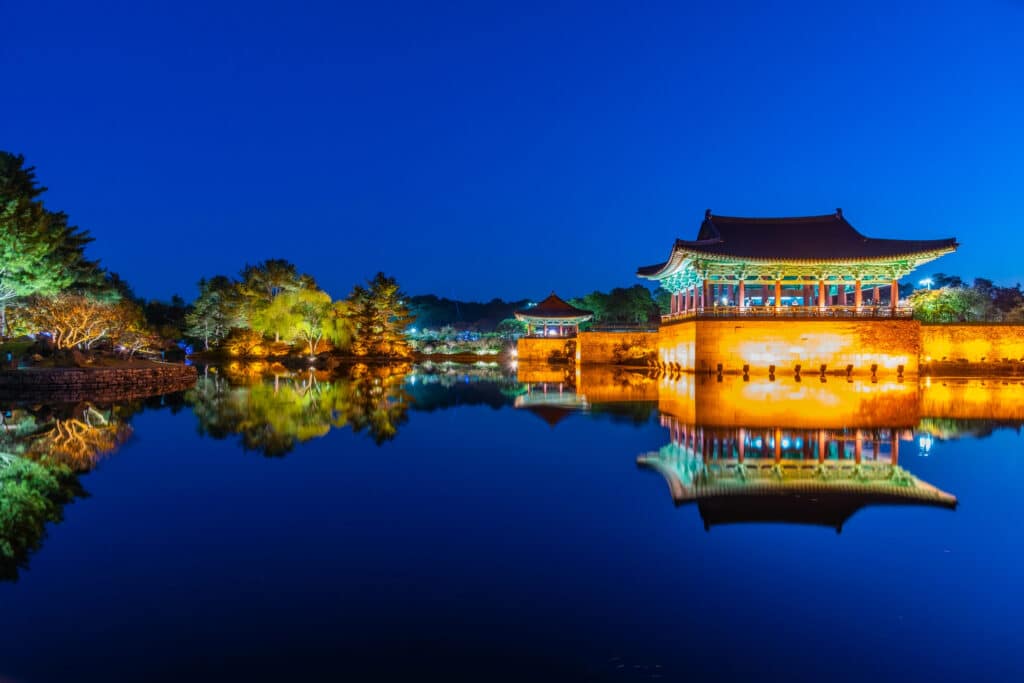
Originally part of a royal palace complex, Donggung Palace and Wolji Pond served as a place where Silla royalty hosted banquets and celebrations.
Today visitors can walk along the pond’s peaceful paths and admire the beautifully restored pavilions.
At night the illuminated buildings reflect across the calm water, creating one of the most enchanting scenes in Korea.
Travelers planning a longer trip across the country can follow a 10-day itinerary for South Korea that includes Gyeongju and nearby destinations.
Explore the Treasures of Gyeongju National Museum
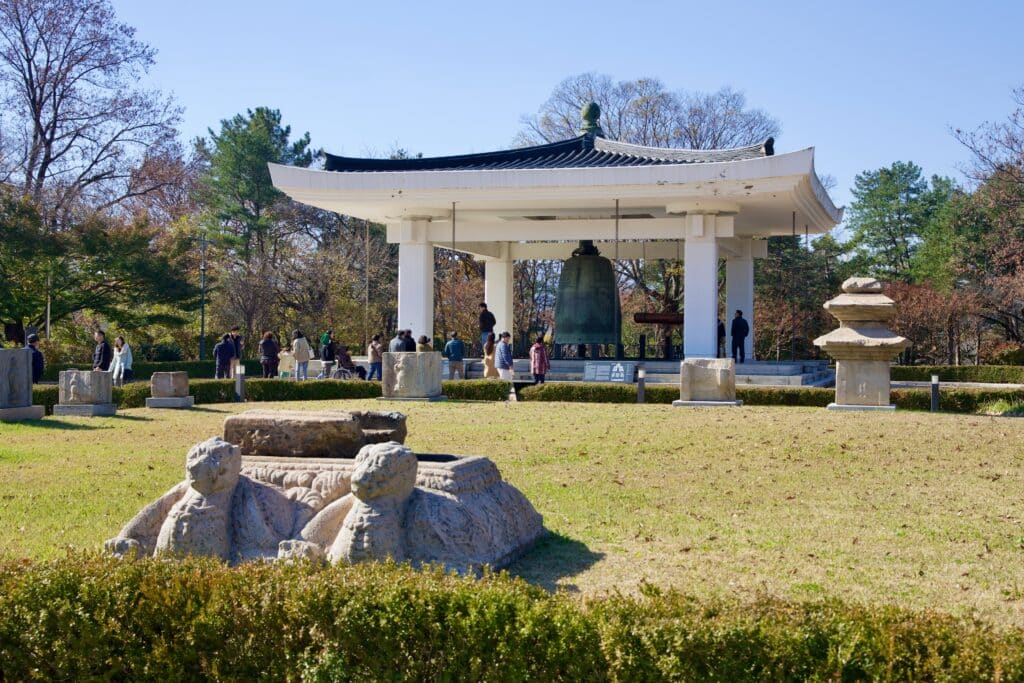
The Gyeongju National Museum houses many artifacts discovered in the city’s ancient tombs and temples.
Visitors can see golden crowns, jewelry, pottery, and sculptures that illustrate the artistic achievements of the Silla Kingdom.
The museum provides valuable context for understanding the historical sites scattered across the city.
Relax Around Bomun Lake
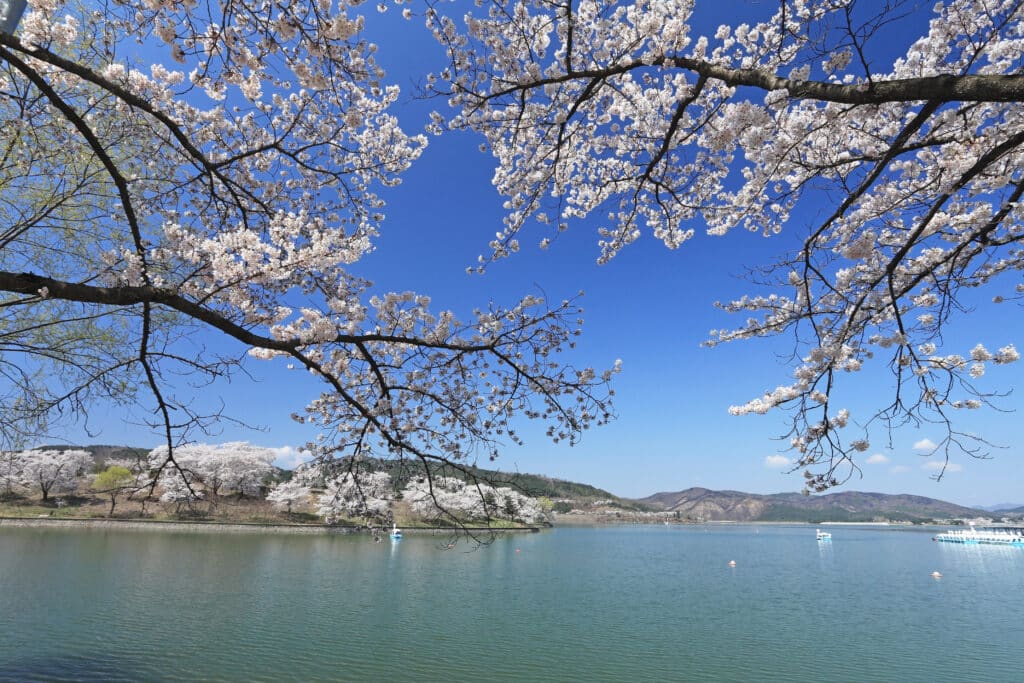
Located just outside the historic center, Bomun Lake offers a peaceful retreat surrounded by walking paths, gardens, and resorts.
The scenic lakeside area is especially beautiful during spring when cherry blossoms bloom along the shoreline.
Many travelers enjoy cycling or strolling around the lake while taking in views of the surrounding hills.
A Short History of the Silla Dynasty
To truly appreciate the historical significance of Gyeongju, it is helpful to understand the legacy of the Silla Dynasty. Founded in 57 BC, the kingdom of Silla gradually rose to power and eventually unified much of the Korean Peninsula during the 7th century. For nearly a thousand years, Gyeongju served as the political and cultural center of this influential kingdom.
During the height of the Silla period, the city became one of the largest and most prosperous urban centers in East Asia. Historical records suggest that Gyeongju was home to hundreds of thousands of residents and contained numerous temples, palaces, and gardens. Buddhism played a major role in shaping the culture of the kingdom, leading to the construction of remarkable religious sites such as Bulguksa Temple and Seokguram Grotto.
The artistic achievements of the Silla Dynasty are still visible today in the elegant stone pagodas, golden crowns, and intricate sculptures discovered throughout the region. Many of these artifacts are now displayed in the Gyeongju National Museum, where visitors can learn more about the remarkable craftsmanship of the era.
Although the Silla Kingdom eventually declined and was replaced by later dynasties, its cultural legacy continues to define Gyeongju. Walking through the city today feels like stepping back into one of the most important periods in Korean history.
Best Day Trips from Gyeongju
While the historic monuments of Gyeongju are the main reason many travelers visit the city, several fascinating destinations lie just outside the urban center. These nearby sites make excellent day trips and offer additional opportunities to explore the history and natural beauty of the region.
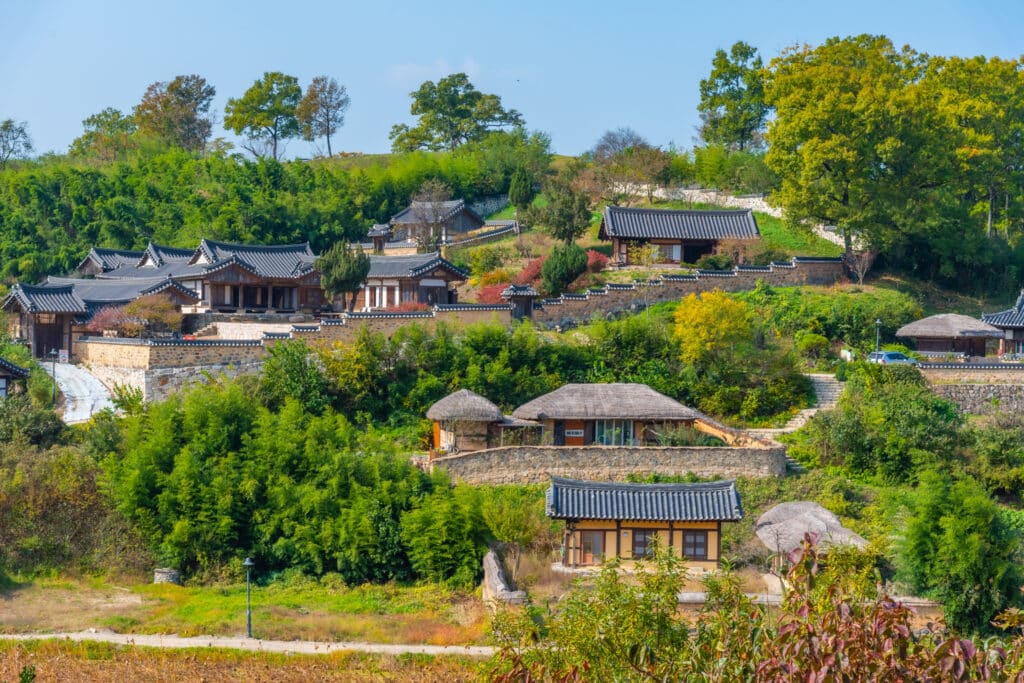
One of the most notable nearby attractions is Yangdong Folk Village, a traditional village that preserves the architecture and lifestyle of Korea’s aristocratic families during the Joseon Dynasty. The village is recognized as a UNESCO World Heritage Site and contains beautifully preserved wooden houses surrounded by peaceful countryside.
Another interesting excursion leads to the coastal town of Gampo Harbor along the shores of the East Sea. This small fishing port offers scenic ocean views and fresh seafood restaurants where visitors can enjoy local specialties.
Nature lovers may also wish to explore Namsan Mountain, located just south of Gyeongju. Often referred to as the “outdoor museum of Korea,” the mountain is dotted with ancient temples, stone carvings, and Buddhist statues hidden among forested hiking trails.
These nearby destinations add even more depth to a visit to Gyeongju and allow travelers to experience both cultural heritage and natural landscapes.
Why Gyeongju Is Called the “Museum Without Walls”
Few cities in the world preserve their ancient heritage as vividly as Gyeongju. Because historic monuments appear throughout the city rather than being confined to a single museum building, the city is often described as a “museum without walls.”
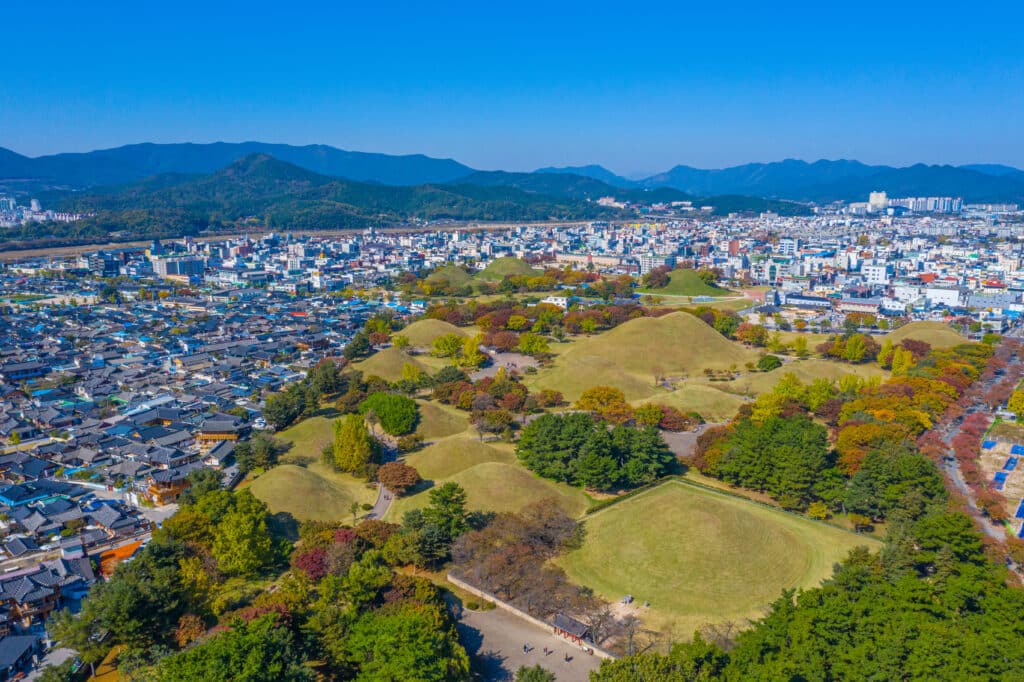
Walking through Gyeongju, visitors frequently encounter historical landmarks in parks, gardens, and quiet neighborhoods. The Daereungwon Tomb Complex alone contains dozens of grassy burial mounds that once held the remains of Silla kings and nobles. These tombs resemble gentle green hills rising from the landscape and create one of the most distinctive scenes in Korea.
Nearby stands the elegant Cheomseongdae Observatory, which has survived for more than 1,300 years and remains one of the oldest astronomical observatories in the world. Not far away, peaceful temple grounds and historic palace ruins provide further reminders of the city’s ancient past.
Because these sites are scattered across the city rather than concentrated in one location, exploring Gyeongju feels like walking through a living historical landscape. Every path, temple, and hill reveals another piece of Korea’s cultural heritage.
This extraordinary concentration of historic monuments is what makes Gyeongju such a unique destination for travelers interested in the history of South Korea.
How to Get Around Gyeongju
Although many attractions are located close together, some sites lie in the surrounding countryside.
Local buses connect the city center with major landmarks such as Bulguksa Temple and Seokguram Grotto.
Taxis are also widely available and convenient for reaching attractions in the mountains.
Many visitors choose to rent bicycles, allowing them to explore historic areas such as the Daereungwon Tomb Complex at a relaxed pace.
Traditional Food to Try in Gyeongju

A visit to Gyeongju is also an opportunity to taste some of the region’s traditional dishes.
One of the city’s most famous treats is Hwangnam-ppang, a pastry filled with sweet red bean paste that has been produced in Gyeongju for generations.
Another popular dish is ssambap, where rice and grilled meat are wrapped in fresh leafy vegetables and served with flavorful sauces.
Sampling these dishes adds a delicious cultural dimension to exploring the city.
Travelers interested in Korean cuisine can explore our Korean Food Guide.
Best Time to Visit Gyeongju
Spring and autumn are generally considered the best seasons to visit Gyeongju.
Spring brings blooming cherry blossoms around temples and lakes, while autumn transforms the surrounding mountains into vibrant shades of red and gold.
The pleasant weather during these seasons makes it ideal for walking through historic parks and exploring the city’s outdoor monuments.
FAQ – Travel Guide to Gyeongju
What is Gyeongju famous for?
Gyeongju is famous for its rich history as the former capital of the Silla Dynasty. The city is known for ancient temples, royal tombs, and UNESCO World Heritage sites such as Bulguksa Temple and Seokguram Grotto.
Why is Gyeongju called the “museum without walls”?
Gyeongju is called the “museum without walls” because historical sites are spread throughout the city rather than inside a single museum. Visitors can see tombs, temples, and monuments integrated into everyday landscapes.
How many days do you need in Gyeongju?
Most travelers need 1–2 days to explore Gyeongju’s main attractions. However, staying longer allows time for nearby sites like Namsan Mountain and coastal areas.
How do you get to Gyeongju from Seoul?
The fastest way to reach Gyeongju from Seoul is by KTX high-speed train to Singyeongju Station, which takes about 2 hours. Buses are also available but take longer.
Is Gyeongju worth visiting?
Yes, Gyeongju is one of the most unique destinations in South Korea. It offers a deep cultural experience with ancient architecture, historic landmarks, and a peaceful atmosphere.
What are the top things to do in Gyeongju?
Top attractions include:
- Bulguksa Temple
- Seokguram Grotto
- Daereungwon Tomb Complex
- Cheomseongdae Observatory
- Donggung Palace and Wolji Pond
When is the best time to visit Gyeongju?
The best time to visit Gyeongju is during spring (March–May) and autumn (September–November), when weather is mild and landscapes are especially scenic.
Can you visit Gyeongju as a day trip from Busan?
Yes, Gyeongju is only about one hour from Busan, making it an excellent day trip. Many travelers visit the main highlights in a single day.
How do you get around Gyeongju?
Visitors can get around Gyeongju using local buses, taxis, or rental bicycles. Many central attractions are close enough to explore on foot or by bike.
What food should you try in Gyeongju?
Popular local foods include:
- Hwangnam-ppang (sweet red bean pastry)
- Ssambap (rice and grilled meat wraps)
Final Thoughts on Visiting Gyeongju
For travelers seeking a deeper understanding of Korea’s past, Gyeongju is an essential destination. The city’s temples, royal tombs, and ancient monuments reveal the remarkable legacy of the Silla Dynasty.
From the tranquil grounds of Bulguksa Temple to the shimmering reflections of Donggung Palace and Wolji Pond, every corner of the city tells a story from Korea’s rich cultural heritage.
Whether visited as a day trip from Busan or explored during a longer journey through South Korea, Gyeongju remains one of the most rewarding historical destinations in the country.
If you are planning a larger trip, see our guide to the best places to visit in South Korea.