
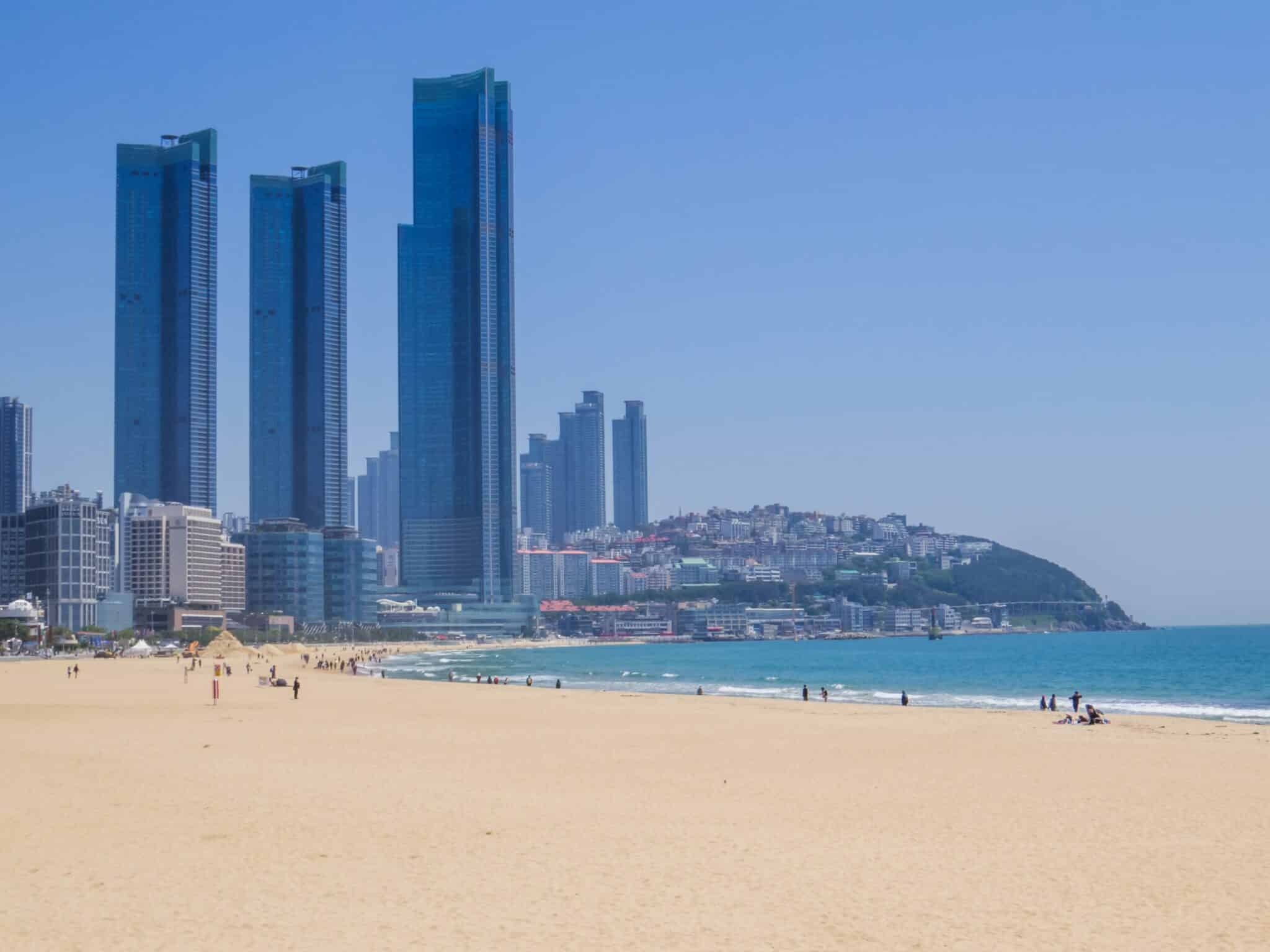
Located along the southeastern coast of South Korea, Busan is a vibrant port city known for its beautiful beaches, lively seafood markets, and colorful hillside neighborhoods. As the country’s second-largest city, Busan offers a refreshing contrast to the busy capital of Seoul. While Seoul dazzles with palaces and skyscrapers, Busan charms visitors with ocean views, relaxed coastal vibes, and a thriving food culture.
Busan has long played an important role in Korea’s maritime history. Its massive harbor remains one of the busiest ports in Asia, connecting the country to international trade routes across the Pacific. Today the city blends modern skyscrapers, scenic beaches, traditional markets, and cultural attractions into one of South Korea’s most diverse travel destinations.
Many travelers visit Busan for its coastline. Long sandy beaches stretch along the city’s waterfront, attracting visitors who want to relax by the sea or enjoy vibrant seaside nightlife. At the same time, Busan’s historic neighborhoods and bustling markets offer a fascinating glimpse into everyday Korean life.
One of the most famous places in the city is Haeundae Beach, a lively stretch of sand surrounded by hotels, restaurants, and modern high-rise buildings. Meanwhile, the colorful hillside houses of Gamcheon Culture Village have transformed a once-quiet neighborhood into one of Korea’s most photographed destinations.
Food lovers will find Busan especially rewarding. The city is famous for its seafood, and nowhere captures this better than the bustling stalls of Jagalchi Fish Market, Korea’s largest seafood market.
Whether you come for beaches, culture, or delicious cuisine, Busan offers an unforgettable coastal experience and is one of the most exciting destinations to explore in South Korea.
Busan is South Korea’s most famous coastal city and one of the country’s most exciting destinations. While many travelers begin their journey in Seoul, Busan offers a completely different atmosphere with beaches, seafood markets, and scenic coastal temples. For more destinations across the country, see our guide to the best places to visit in South Korea.
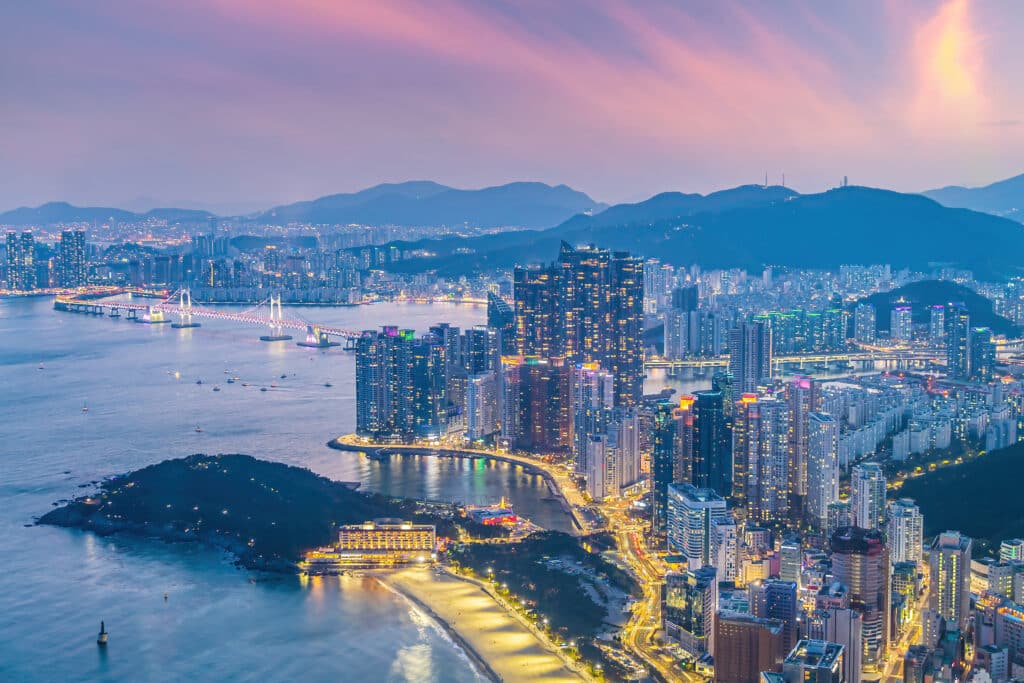
Table of Contents
Quick Travel Guide to Busan
Country: South Korea
Region: Southeastern Korea
Best Time to Visit: Spring and autumn
Recommended Stay: 2–3 days
Famous For: Beaches, seafood markets, coastal scenery
Busan’s mild coastal climate makes it a pleasant destination for most of the year. Summers are popular for beach vacations, while spring and autumn offer comfortable temperatures for sightseeing.
How to Get to Busan

Busan is easily accessible from major cities across South Korea. The fastest way to travel from Seoul is the Korea Train Express (KTX) high-speed train, which reaches Busan in about two and a half hours.
Flights also connect Busan to many domestic and international destinations through Gimhae International Airport, located just outside the city.
Busan Travel Map: Top Attractions, Beaches & Things to Do
Explore the best places to visit in Busan with this interactive travel map. Discover Haeundae Beach, Gamcheon Culture Village, Jagalchi Fish Market, coastal temples, scenic viewpoints, and more must-see attractions across South Korea’s vibrant seaside city.
Best Things to Do in Busan
Beaches & Coastal Views
Relax at Haeundae Beach
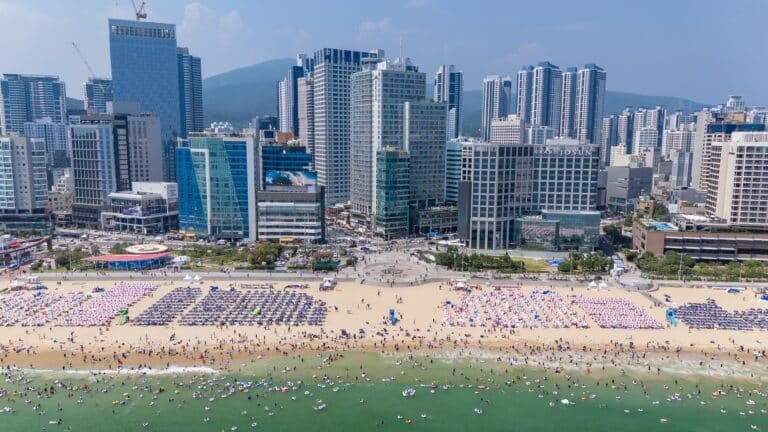
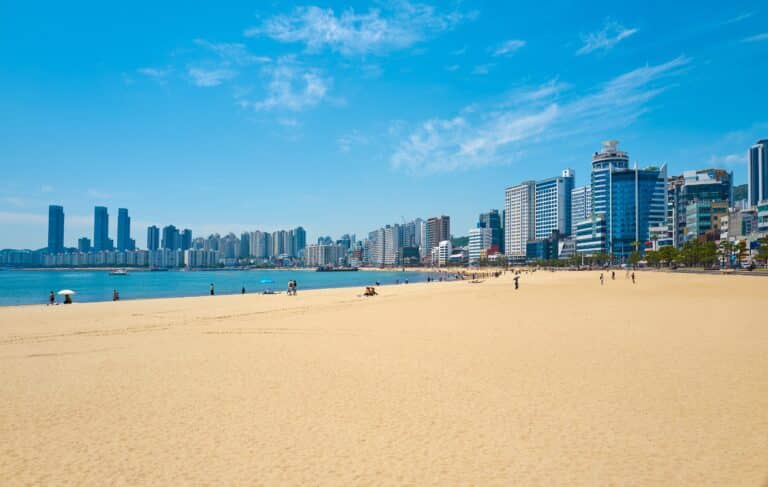
Among Busan’s many coastal attractions, Haeundae Beach stands out as the city’s most famous destination. The wide sandy beach stretches for nearly 1.5 kilometers along the East Sea and is surrounded by a lively district filled with hotels, cafés, and seafood restaurants.
During summer, the beach becomes one of the busiest places in South Korea as visitors arrive to swim, sunbathe, and enjoy water sports. Colorful beach umbrellas line the shore while street performers and vendors create a festive atmosphere along the promenade.
Even outside the peak summer season, Haeundae remains an enjoyable place to visit. Walking along the waterfront offers beautiful views of the ocean, especially at sunrise when the calm water reflects the early morning light.
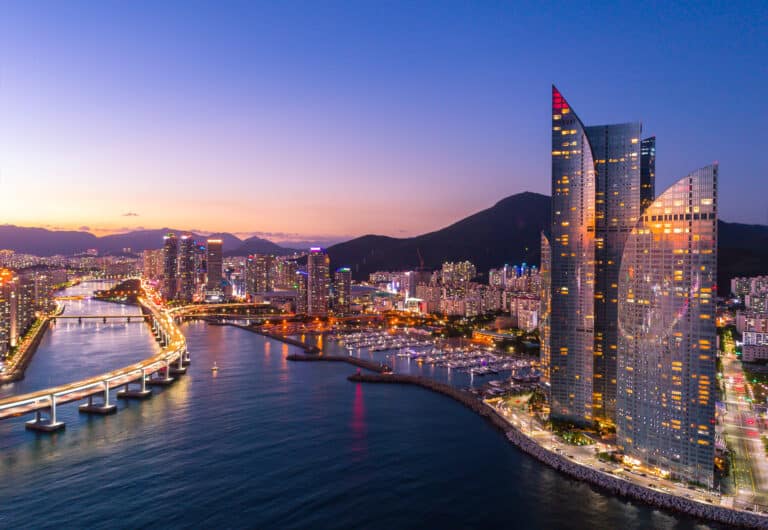
Nearby attractions include Dongbaek Island, a scenic park with walking trails and coastal viewpoints, as well as the impressive skyline of modern hotels and residential towers.
For travelers exploring Busan, Haeundae Beach perfectly captures the city’s lively coastal character.
Enjoy the Night View at Gwangalli Beach
Another popular coastal destination in Busan is Gwangalli Beach, known for its relaxed atmosphere and stunning night views. The beach faces the impressive Gwangan Bridge, a massive suspension bridge that lights up spectacularly after sunset.
During the day, visitors can enjoy swimming, beach cafés, and seaside walks along the promenade. However, the area truly comes alive at night when the illuminated bridge reflects across the water.
Restaurants and bars line the waterfront, making Gwangalli a favorite evening destination for both locals and travelers. Sitting at a seaside café while watching the bridge lights sparkle over the sea creates one of the most memorable nighttime scenes in Busan.
Explore Nature at Taejongdae Resort Park
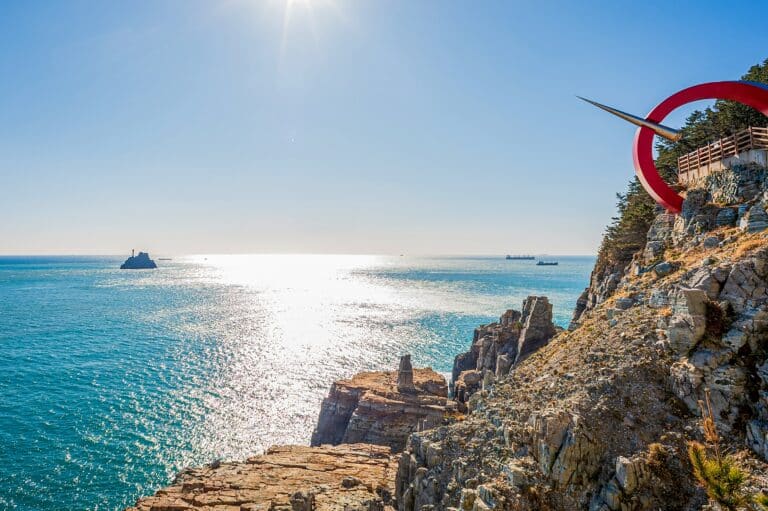
Located on a rugged peninsula south of the city, Taejongdae Resort Park offers some of the most dramatic coastal scenery in Busan. The park is famous for its towering cliffs, dense forests, and sweeping ocean views.
Visitors can explore the park using walking trails that wind through pine forests and along dramatic coastal cliffs. Several observation points provide spectacular views of the sea and nearby islands.
One of the park’s most famous landmarks is the Yeongdo Lighthouse, which stands high above the rocky coastline. From this viewpoint, visitors can watch waves crashing against the cliffs far below.
Because of its natural beauty and peaceful environment, Taejongdae Resort Park offers a refreshing escape from the busy city center.
Culture & Neighborhoods
Explore the Colorful Streets of Gamcheon Culture Village
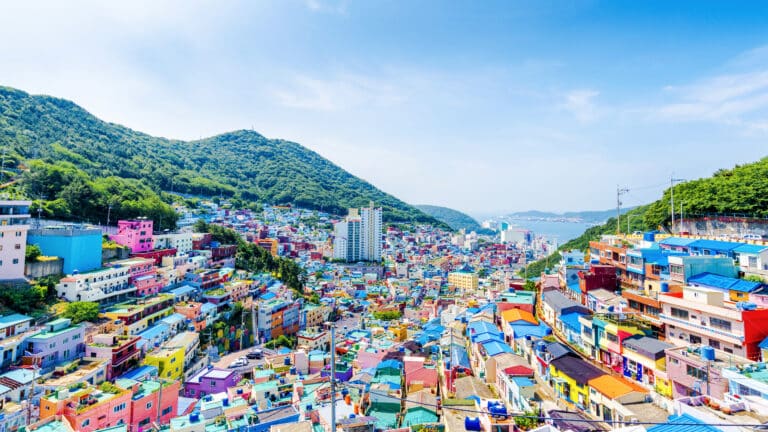
Perched on the hills overlooking the harbor, Gamcheon Culture Village is one of the most unique and visually striking places in Busan. The neighborhood is famous for its brightly painted houses stacked along steep slopes, creating a landscape that resembles a colorful maze.
Originally established as a hillside settlement during the 1950s, the village gradually transformed into an artistic community as local residents and artists collaborated to revitalize the area. Today visitors can wander through narrow alleys filled with murals, sculptures, and creative installations.
One of the joys of exploring Gamcheon is discovering its hidden viewpoints. Many small terraces and cafés offer spectacular views across the colorful rooftops toward the sea. Visitors will also find galleries, craft shops, and cafés tucked into traditional houses.
Because of its artistic charm and vibrant colors, Gamcheon Culture Village has become one of the most photographed destinations in South Korea.
Travelers visiting Busan often combine this colorful neighborhood with trips to other historic cities such as Gyeongju, located only a short distance away.
Visit the Coastal Temple Haedong Yonggungsa
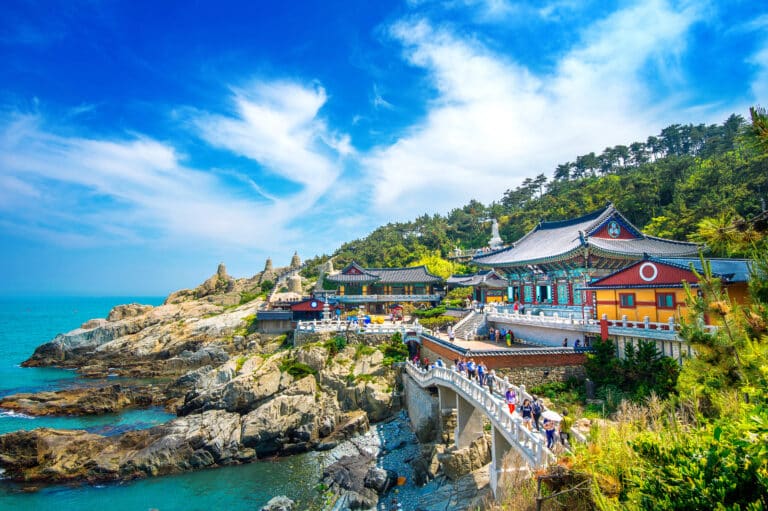
One of the most spectacular temples in South Korea, Haedong Yonggungsa sits dramatically on rocky cliffs overlooking the sea. Unlike most Korean temples, which are usually located deep in the mountains, this temple offers breathtaking coastal views that make it one of the most unique religious sites in the country.
Founded in the 14th century during the Goryeo Dynasty, the temple complex includes colorful prayer halls, stone statues, and stairways descending toward the shoreline. As visitors approach the temple, they pass through a long stairway lined with lanterns and statues representing the twelve animals of the Korean zodiac.
The highlight of the visit is the panoramic ocean scenery surrounding the temple. Waves crash against the rocks below while the temple buildings rise above the cliffs. Many travelers visit at sunrise when the first light of day illuminates the temple and sea.
Because of its dramatic location and peaceful atmosphere, Haedong Yonggungsa is considered one of the most beautiful temples in Korea.
Markets & Food
Experience Seafood Culture at Jagalchi Fish Market
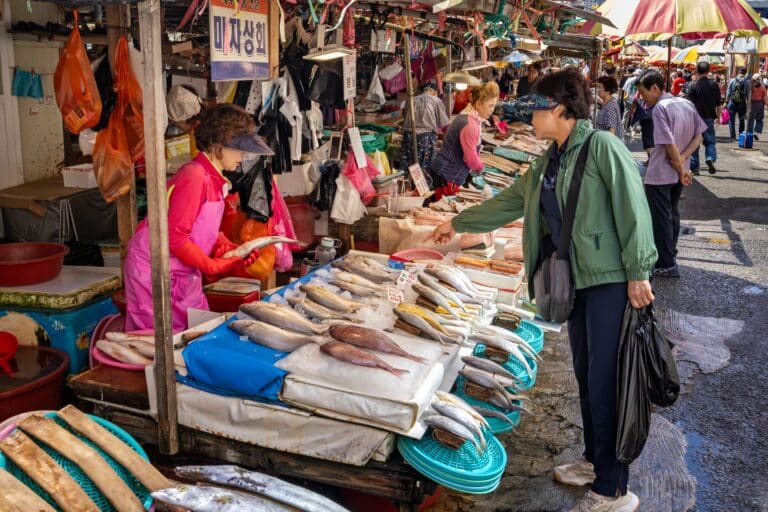
No visit to Busan is complete without exploring Jagalchi Fish Market, the largest seafood market in South Korea. Located near the harbor, the market has long served as the center of Busan’s fishing industry.
Inside the bustling market halls, rows of vendors display an astonishing variety of fresh seafood. Visitors can see tanks filled with live fish, crabs, octopus, and shellfish freshly delivered from the surrounding seas.
Many stalls allow customers to choose seafood directly from the tanks before having it prepared in nearby restaurants. This makes Jagalchi one of the best places in Busan to taste authentic Korean seafood dishes.
The lively atmosphere is part of the experience. Vendors call out to customers, chefs prepare meals at lightning speed, and the scent of fresh seafood fills the air.
From the nearby waterfront, visitors can also enjoy views of fishing boats returning to the harbor after a day at sea.
For food lovers and curious travelers alike, Jagalchi Fish Market offers a fascinating glimpse into Busan’s maritime culture.
Busan is famous for fresh seafood markets and local dishes. You can explore more traditional dishes in our Korean food guide.
Experience Film Culture at BIFF Square
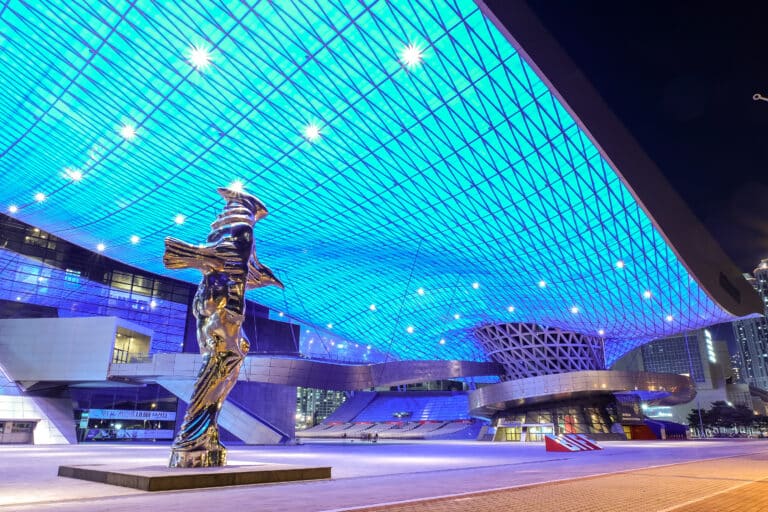
Named after the Busan International Film Festival, BIFF Square is a lively entertainment district in the heart of Busan. The area celebrates the city’s role as the center of Korea’s film industry.
The streets are lined with cinemas, theaters, and restaurants, while the pavement features handprints from famous Korean and international film stars who have attended the festival.
BIFF Square is also known for its street food stalls, where visitors can sample local specialties such as sweet pancakes and grilled seafood snacks.
Because of its vibrant atmosphere and connection to Korean cinema, the district remains one of the most energetic areas of Busan.
Modern Attractions
Take in the View from Busan Tower
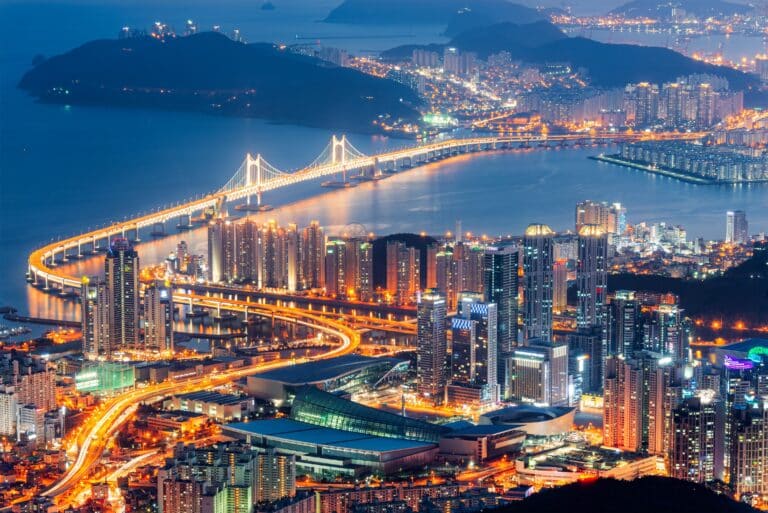
Standing proudly in Yongdusan Park, Busan Tower provides one of the best panoramic views of the city and harbor. The tower rises 120 meters above the park and has become one of Busan’s most recognizable landmarks.
Visitors can ride an elevator to the observation deck, where large windows reveal sweeping views across the city skyline, mountains, and coastline. From above, the busy harbor and surrounding districts appear spread out beneath the tower.
Yongdusan Park itself is also worth exploring. The park contains walking paths, statues, and small gardens that offer a peaceful break from the surrounding city streets.
At night the illuminated skyline makes the tower’s viewpoint especially impressive.
Ride the Scenic Haeundae Blue Line Park
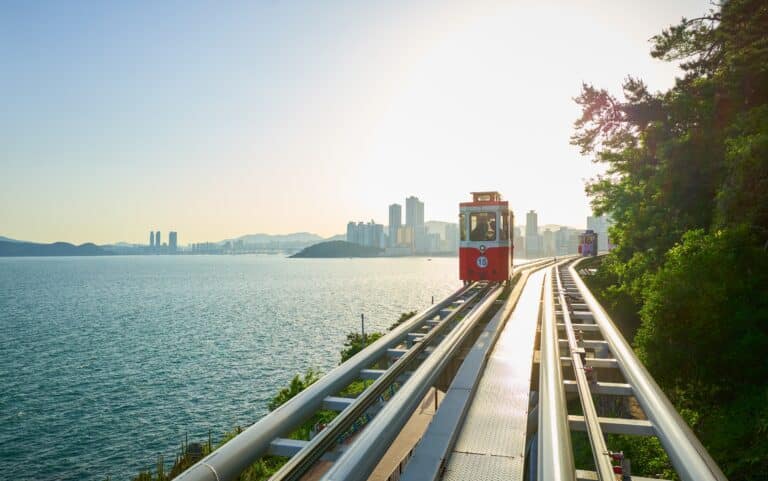
For one of the most scenic experiences in Busan, visitors can ride the coastal trains of Haeundae Blue Line Park. This charming railway follows the coastline between Haeundae Beach and Songjeong Beach.
The park offers two main attractions: colorful sky capsules and a seaside train that travels along the cliffs overlooking the ocean. Both options provide stunning views of the coastline.
As the train moves slowly along the track, passengers can admire beaches, rocky cliffs, and fishing boats scattered across the water.
Because of its beautiful scenery and relaxed pace, the Blue Line Park ride has become one of the most popular attractions in Busan.
Walk the Glass Platform at Oryukdo Skywalk
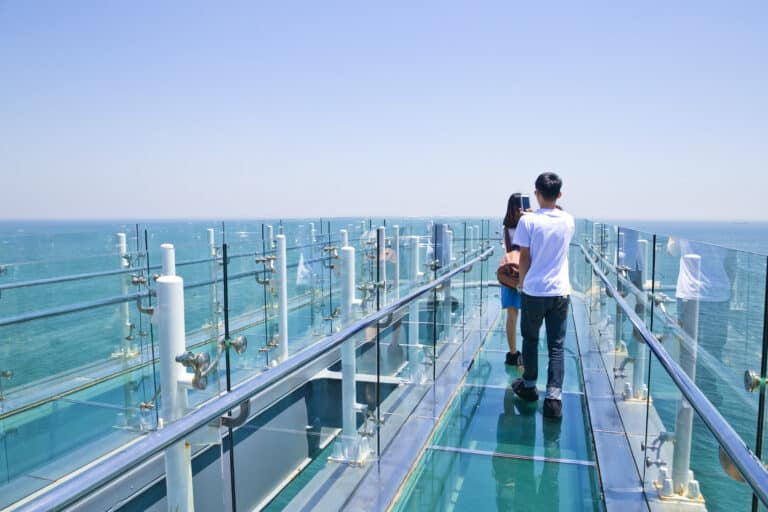
For visitors seeking a thrilling viewpoint, Oryukdo Skywalk offers a unique experience. This glass platform extends out from the coastal cliffs south of Busan, allowing visitors to stand directly above the ocean.
The transparent floor creates the sensation of walking on air while waves crash against the rocks far below. The viewpoint faces the small islands known as Oryukdo Islands, which change appearance depending on the tide.
The surrounding coastal trails provide excellent opportunities for walking and photography, especially on clear days when the sea stretches endlessly toward the horizon.
For adventurous travelers, the Oryukdo Skywalk offers one of the most exciting viewpoints in Busan.
If you are planning a trip across the country, you may also enjoy these guides:
- Things to do in Seoul
- Travel Guide to Busan
- Discover historic Gyeongju
- Visit traditional Jeonju
- Explore volcanic Jeju Island
- Hike in Seoraksan National Park
- Learn about the Korean Demilitarized Zone
Final Thoughts on Visiting Busan
With its stunning beaches, vibrant markets, and artistic neighborhoods, Busan offers a completely different side of South Korea compared with the capital city. The combination of ocean scenery and lively urban culture makes it one of the most exciting destinations in the country.
Visitors can spend the morning relaxing on the sands of Haeundae Beach, wander through the colorful alleyways of Gamcheon Culture Village, and finish the day tasting fresh seafood at Jagalchi Fish Market.
Whether you are planning a coastal getaway or exploring more of South Korea, Busan is a destination that perfectly combines natural beauty, culture, and unforgettable food experiences.