
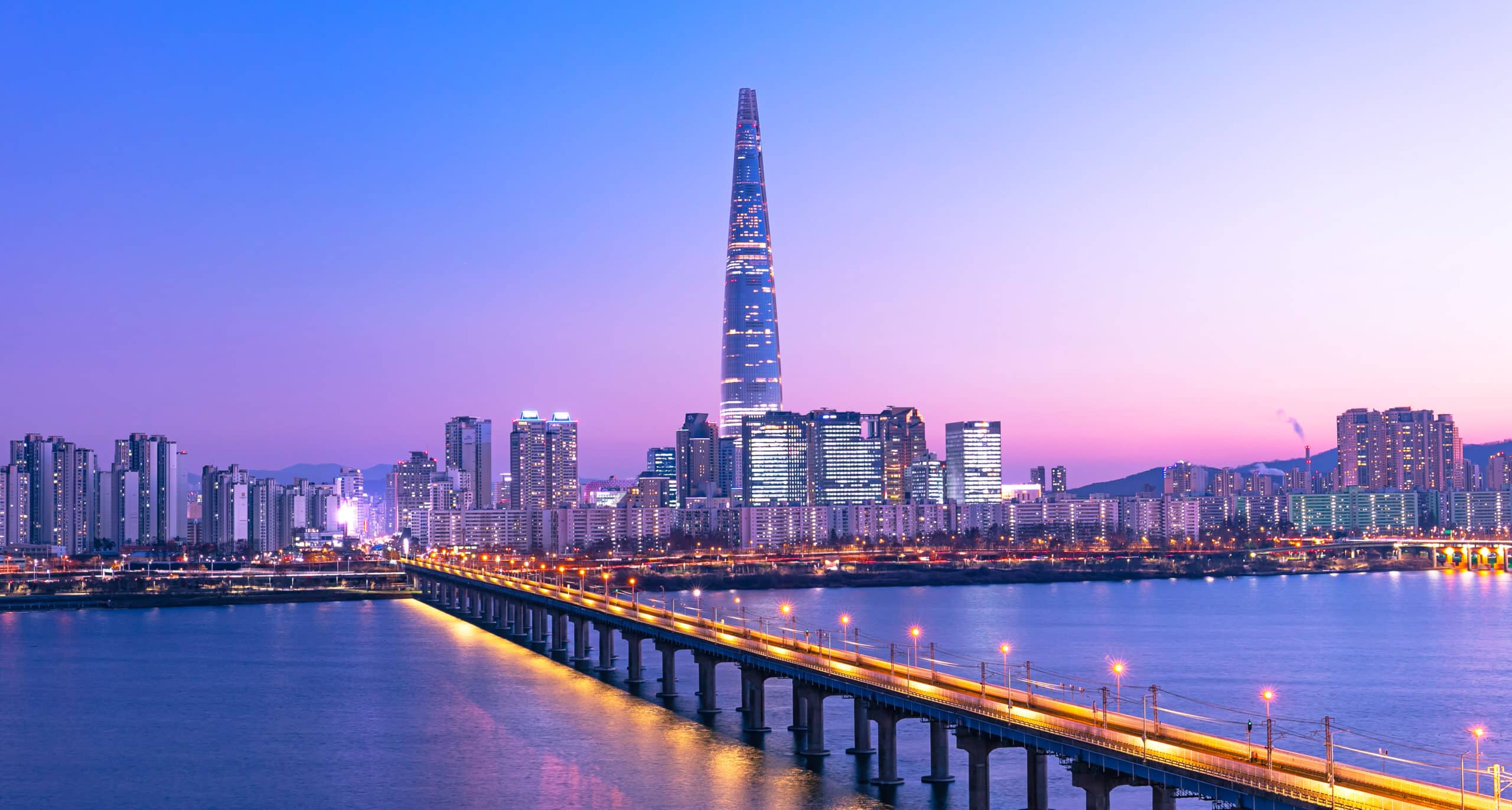
South Korea is a fascinating destination throughout the year, offering travelers a wide variety of landscapes, cultural festivals, and seasonal experiences. From delicate cherry blossoms in spring to colorful autumn mountains and snowy winter scenes, each season provides a unique way to explore the country.
Understanding the seasonal climate can help travelers plan the perfect trip. South Korea experiences four distinct seasons, each bringing different weather conditions and travel opportunities. Whether you are interested in historic cities like Seoul, relaxing coastal destinations such as Busan, or dramatic mountain landscapes like Seoraksan National Park, choosing the right season can greatly enhance your experience.
Spring and autumn are often considered the most pleasant times to visit because of their mild temperatures and spectacular natural scenery. However, summer and winter also offer exciting travel experiences, including lively festivals, beach vacations, and winter sports.
Below is a seasonal guide to help you decide when to plan your journey to South Korea.
Best Time to Visit South Korea at a Glance
Not sure when to go? Here’s a quick guide based on your travel style:
- Best overall: Spring (March–May) & Autumn (September–November)
- Best for cherry blossoms: Late March to early April
- Best for autumn colors: October
- Best for beaches: Summer (June–August)
- Best for snow & skiing: Winter (December–February)
- Best for sightseeing: Spring & Autumn
- Best for photography: Spring (blossoms) & Autumn (foliage)
Ideal for planning your South Korea travel itinerary by season
Best Time to Visit South Korea by Season
| Season | Months | Best For | Weather |
|---|---|---|---|
| Spring | March – May | Cherry blossoms, sightseeing | Mild, pleasant |
| Summer | June – August | Beaches, festivals | Hot, humid |
| Autumn | September – November | Fall foliage, hiking | Cool, dry |
| Winter | December – February | Snow, skiing, fewer crowds | Cold, snowy |
Table of Contents
Spring in South Korea (March–May): Cherry Blossoms and Pleasant Weather
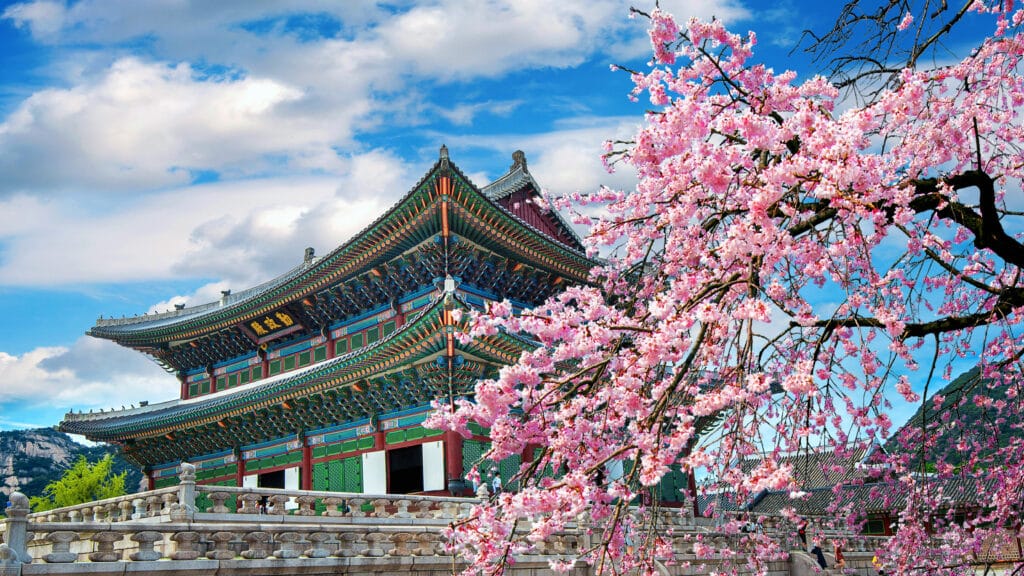
Spring is one of the most beautiful and popular times to visit South Korea. As winter fades, temperatures gradually rise and the country comes alive with color, with cherry blossoms transforming parks, temples, and city streets into soft shades of pink and white.
In Seoul, cherry blossom trees create stunning scenery around landmarks such as Gyeongbokgung Palace and along the banks of the Han River. During this season, locals and visitors gather in parks to enjoy picnics, seasonal food, and outdoor festivals celebrating the arrival of spring.
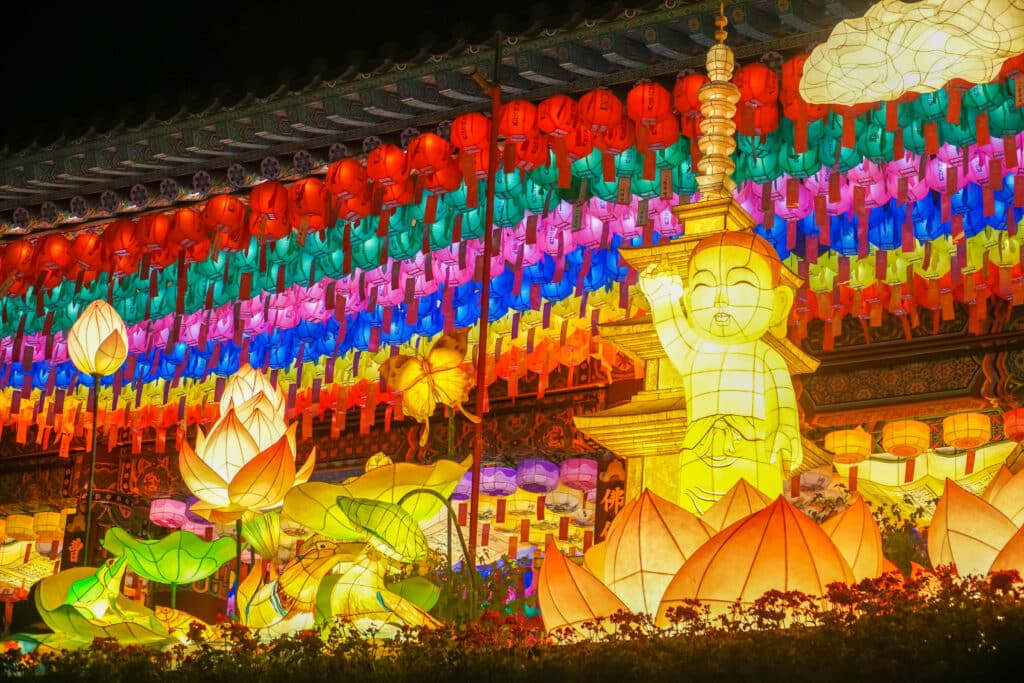
In addition to cherry blossoms, spring is also the season of traditional lantern festivals in historic cities like Seoul, where temples and historic districts are illuminated during celebrations such as the Yeondeunghoe (Lotus Lantern Festival) in May. Thousands of colorful lanterns line temple grounds and streets, creating a magical atmosphere that reflects Korea’s rich cultural heritage.
Many travelers also visit historic destinations such as Gyeongju, where ancient temples and traditional architecture look especially beautiful surrounded by blooming flowers. The mild temperatures during spring make it comfortable to explore cities, markets, and cultural landmarks throughout the country.
Because cherry blossom season is relatively short, it is advisable to plan ahead if you hope to experience these iconic spring landscapes at their peak.
Summer South Korea (June–August): Beaches and Coastal Adventures
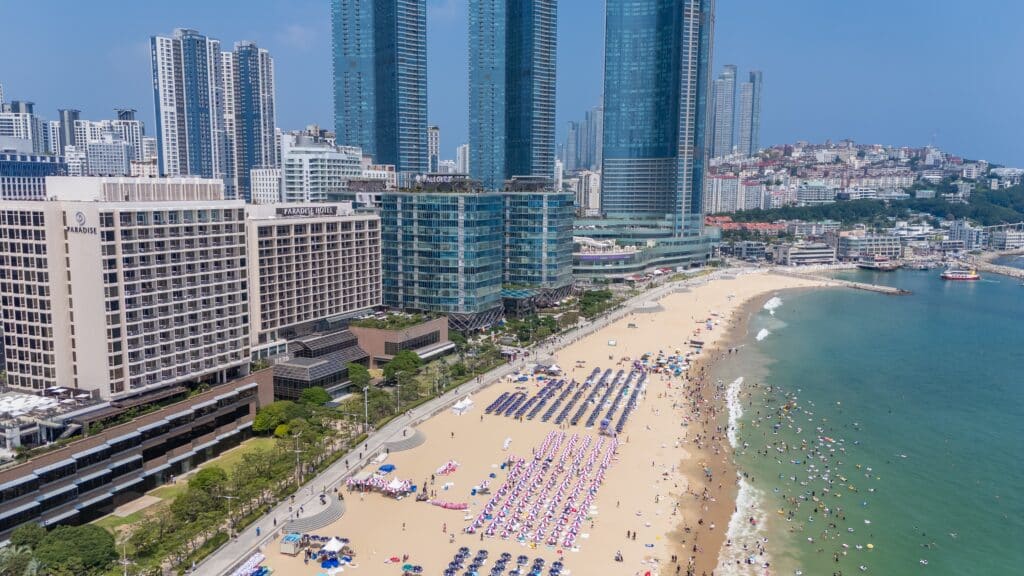
Summer in South Korea can be warm and humid, but it is also the best time to enjoy the country’s beautiful coastline. Many travelers head to the port city of Busan, which is famous for its lively beach culture.
The city’s most popular seaside destination is Haeundae Beach, where visitors can relax on sandy shores, swim in the ocean, or enjoy beachside cafés and restaurants. Another scenic spot is Gwangalli Beach, which offers beautiful views of the illuminated Gwangan Bridge at night.
Summer is also a time when festivals and cultural events take place throughout the country. Street markets, night markets, and outdoor concerts create a lively atmosphere in many cities.
Travelers looking for cooler temperatures can escape to mountainous areas or explore islands such as Jeju Island, which offers waterfalls, coastal cliffs, and scenic hiking trails.
Autumn South Korea (September–November): Spectacular Fall Foliage
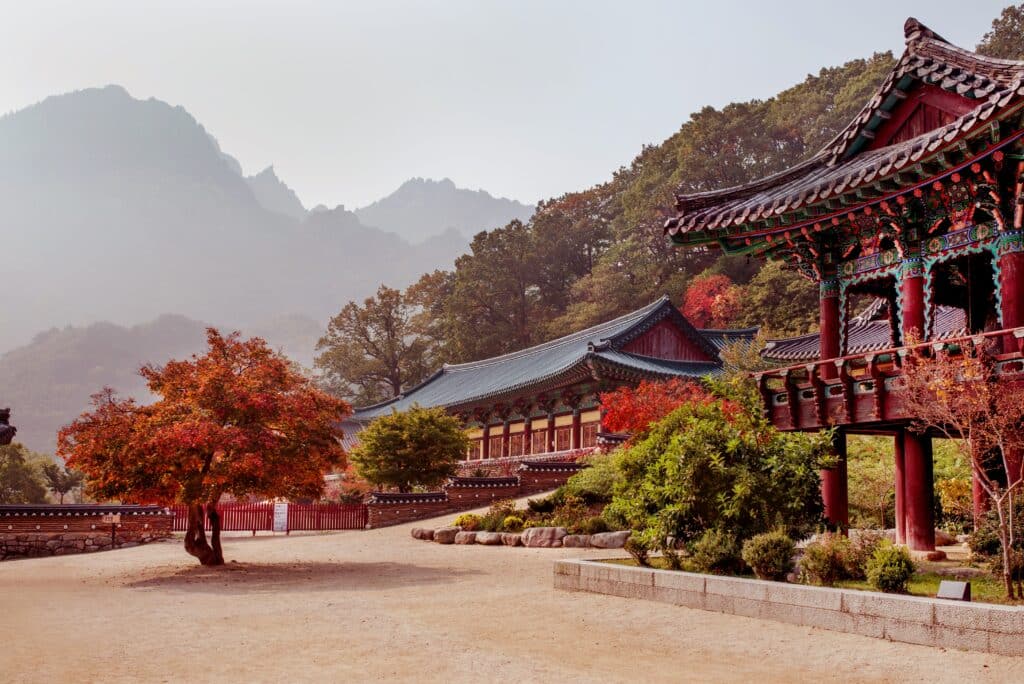
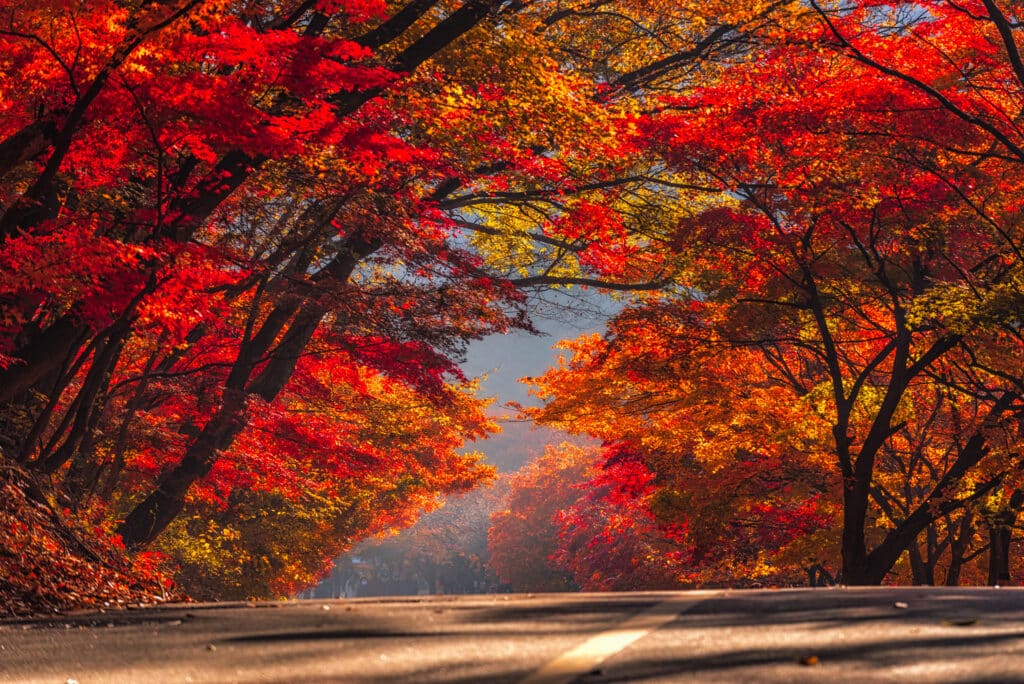
Autumn is widely regarded as the best time to visit South Korea. During this season, the country’s forests transform into vibrant landscapes of red, orange, and golden leaves.
One of the most famous places to see autumn foliage is Seoraksan National Park, where dramatic granite peaks rise above colorful forests. Hiking trails throughout the park provide breathtaking views of mountains and valleys filled with fall colors.
Cities also become particularly beautiful during this season. Parks and palace grounds in Seoul are filled with autumn leaves, creating scenic walking paths and photography opportunities.
Autumn weather is typically cool and dry, making it ideal for sightseeing, hiking, and exploring historic landmarks.
Because of these comfortable conditions and stunning scenery, many travelers consider autumn the most rewarding time to explore South Korea.
Winter South Korea (December–February): Snowy Landscapes and Festivals
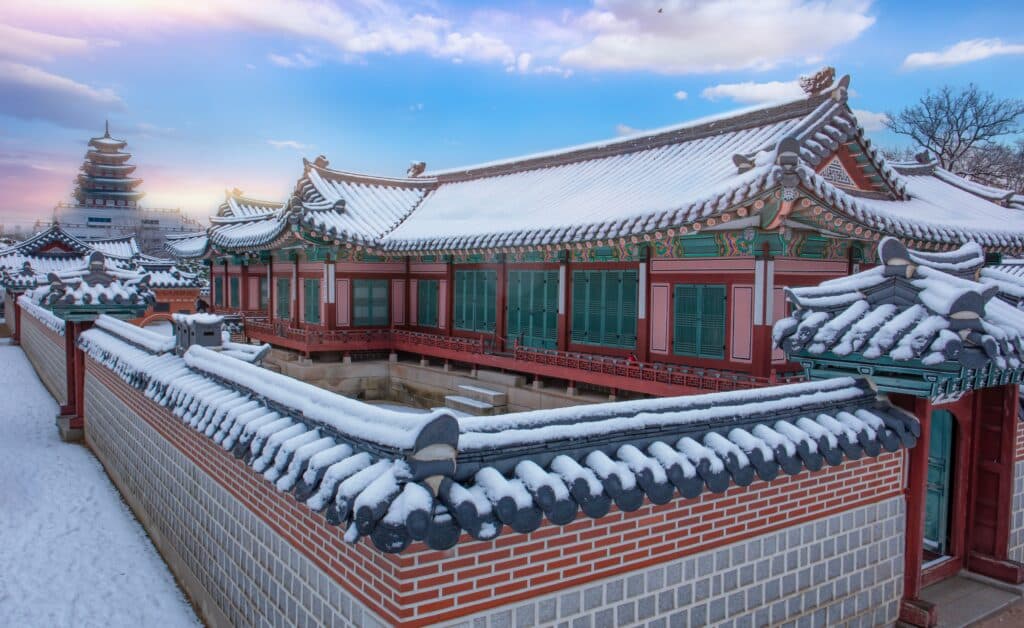
Winter transforms South Korea into a completely different landscape. Snow often covers the mountains and historic buildings, creating peaceful and picturesque scenery.
In Seoul, traditional palaces such as Gyeongbokgung Palace look especially striking when surrounded by snow. The city also hosts winter markets, seasonal events, and festive celebrations during the colder months.
Travelers interested in winter sports can visit ski resorts located in the mountains of Gangwon Province, including those near Pyeongchang, which hosted the 2018 Winter Olympics.
Although temperatures can drop below freezing, winter offers fewer crowds and a magical atmosphere at historic sites and temples across the country.
For visitors who enjoy snowy landscapes and cultural festivals, winter provides a unique way to experience South Korea.
When Is the Best Time Overall?
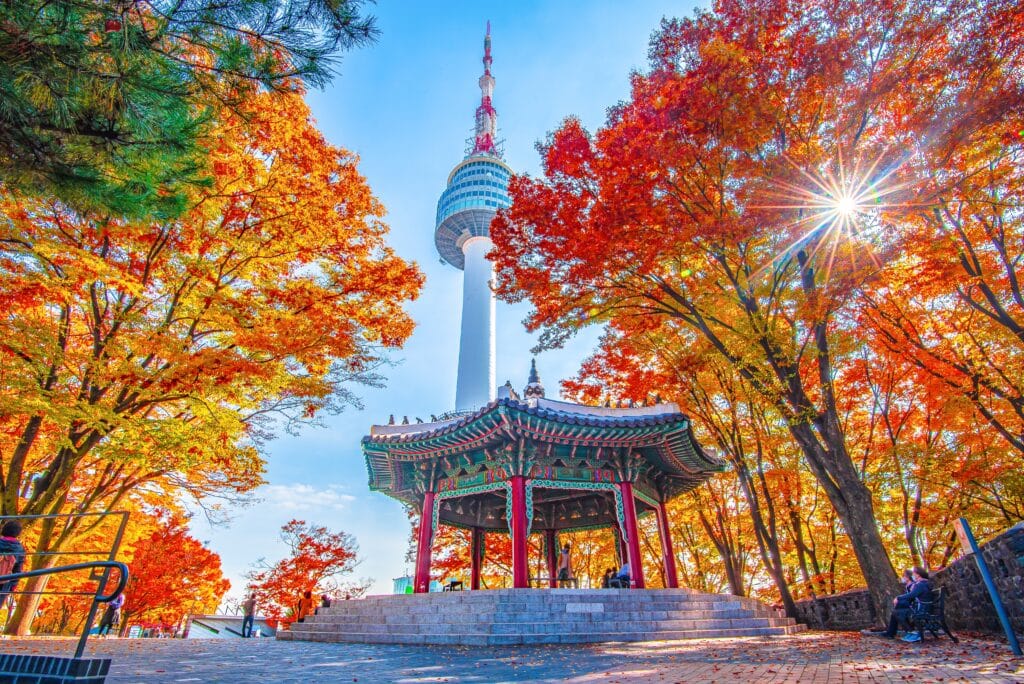
While South Korea offers exciting travel opportunities throughout the year, most travelers find that spring and autumn provide the most comfortable conditions for exploring the country.
Spring brings cherry blossoms and mild temperatures, while autumn offers spectacular foliage and ideal weather for outdoor activities. These seasons allow visitors to experience both urban attractions and natural landscapes at their best.
However, travelers who enjoy beach vacations may prefer summer, while winter enthusiasts may enjoy skiing and snowy cityscapes.
Ultimately, the best time to visit South Korea depends on the type of experience you want to enjoy during your journey.
Month-by-Month Travel Overview
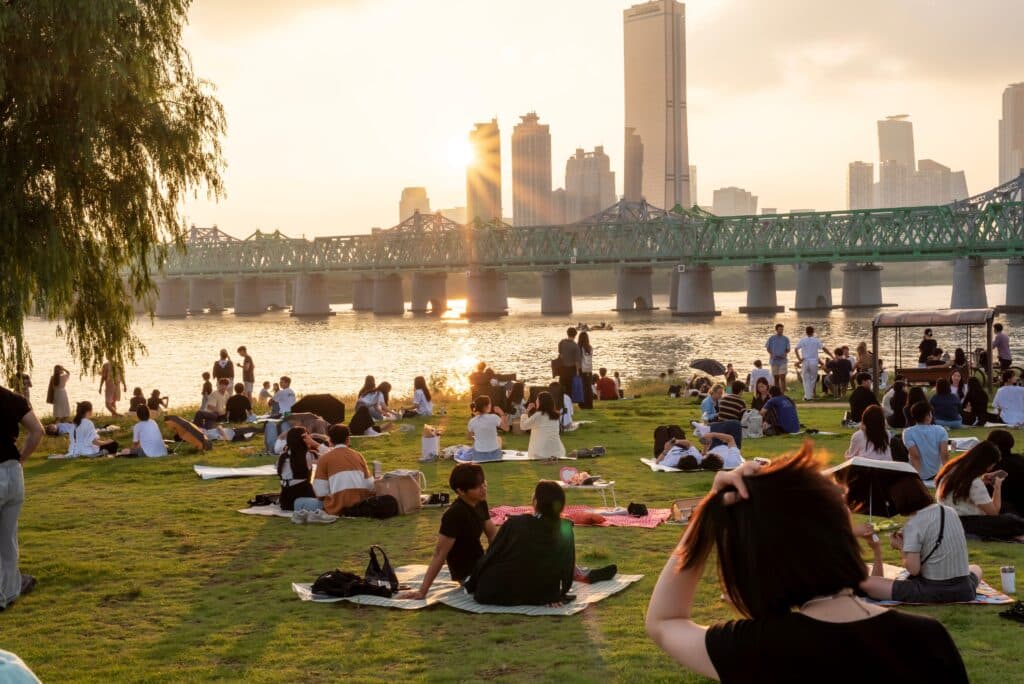
Although South Korea’s four seasons already provide a helpful guide for planning your trip, looking at the year month by month can make it even easier to decide when to visit.
January and February are the coldest months of the year, especially in northern regions. Snow often covers the mountains, making it a good time for winter sports near Pyeongchang, where several ski resorts attract visitors during the colder season.
March and April mark the beginning of spring. Cherry blossoms usually begin to appear in late March and early April in cities such as Seoul, creating some of the most picturesque landscapes in the country.
May offers warm temperatures and blooming flowers, making it one of the most comfortable months for sightseeing and exploring historic cities.
June through August bring summer heat and humidity. These months are perfect for beach vacations in coastal destinations like Busan or exploring the volcanic landscapes of Jeju Island.
September and October are widely considered the most beautiful months in South Korea. During this period, forests across the country display spectacular autumn foliage, especially in mountainous regions such as Seoraksan National Park.
November and December mark the beginning of winter. Temperatures gradually drop, and some regions begin to experience snowfall, creating peaceful winter scenery at temples and historic palaces.
Best Time for Specific Activities
The best time to visit South Korea can also depend on the type of travel experience you want.
For travelers interested in city sightseeing and cultural landmarks, spring and autumn are ideal. Mild temperatures make it comfortable to explore destinations such as Seoul, Gyeongju, and Jeonju, where historic architecture and traditional villages can be enjoyed without extreme weather.
If you are planning a beach vacation, summer is the best season. Coastal cities like Busan become lively seaside destinations where visitors can swim, relax on sandy beaches, and enjoy vibrant nightlife along the waterfront.
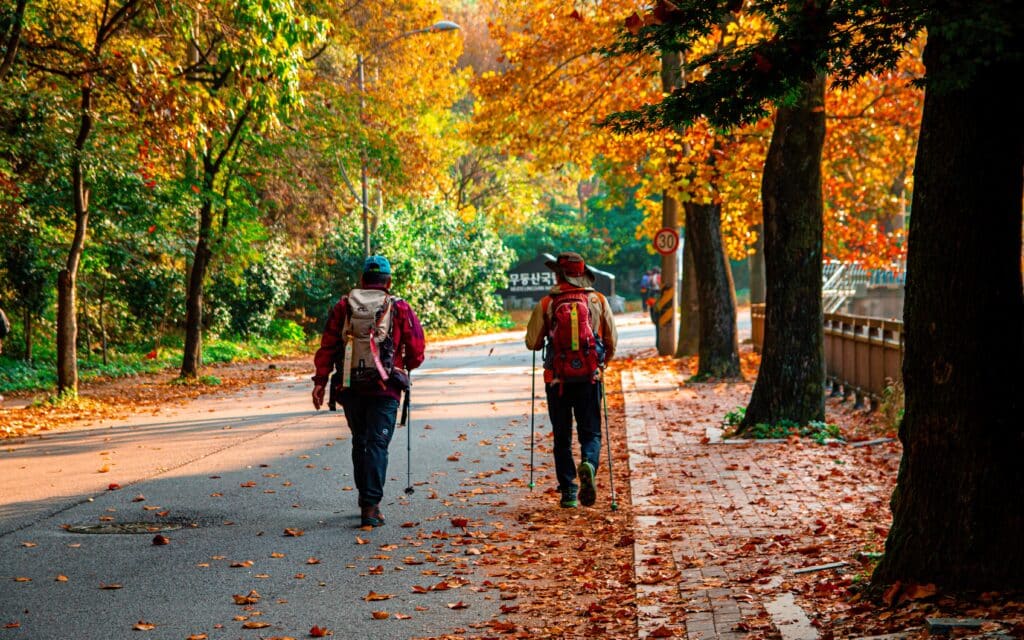
For hiking and outdoor adventures, autumn offers some of the most spectacular landscapes. Mountain areas such as Seoraksan National Park are particularly famous for their colorful foliage and scenic trails during this time.
Winter, meanwhile, attracts travelers interested in snowy scenery and winter sports. Ski resorts in the mountains provide opportunities for skiing and snowboarding, while historic landmarks in Seoul look especially beautiful when covered with snow.
By choosing the season that best matches your interests, you can make the most of your trip to South Korea.
Festivals and Events in South Korea
South Korea hosts numerous festivals throughout the year, many of which celebrate seasonal traditions, cultural heritage, and local cuisine.
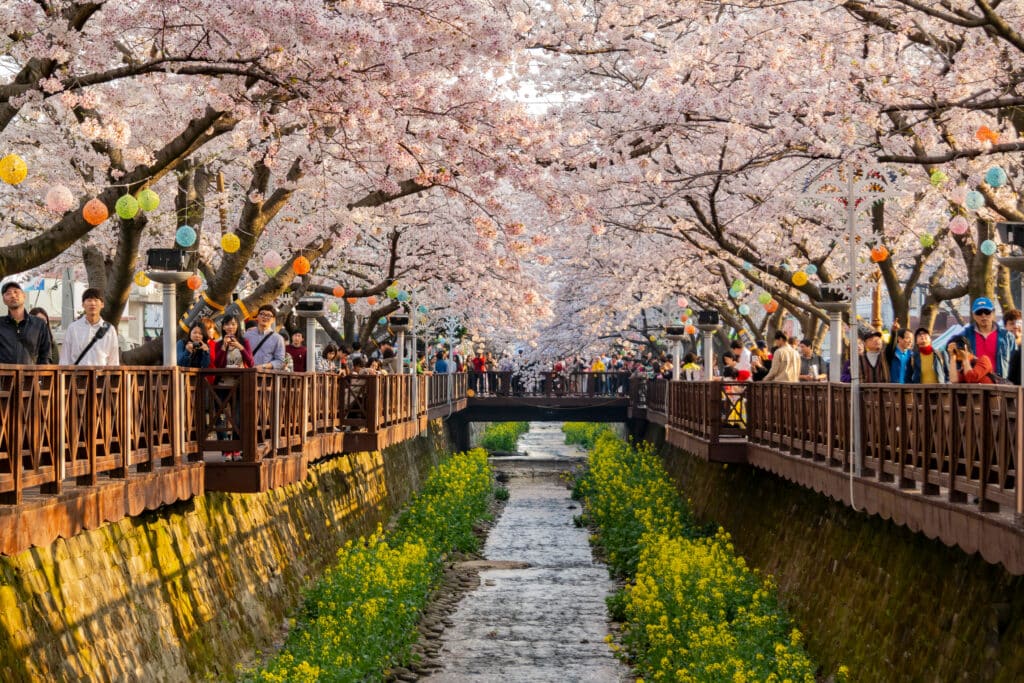
Spring is famous for its cherry blossom festivals, which attract thousands of visitors each year. In Seoul, parks and riverbanks fill with blooming cherry trees, creating stunning scenery for photography and outdoor gatherings.
During summer, coastal cities such as Busan host beach festivals, fireworks displays, and cultural performances along the waterfront. These lively events create a festive atmosphere throughout the city.
Autumn brings several cultural festivals across the country, including harvest celebrations and traditional performances. Many visitors travel to historic destinations such as Gyeongju during this season to enjoy cultural events set against the backdrop of colorful autumn landscapes.
Winter festivals also provide unique experiences. Cities decorate streets with lights and seasonal markets, while snow-covered temples and historic sites create a magical atmosphere during the colder months.
Attending one of these festivals can add an extra layer of cultural discovery to any trip through South Korea.
FAQ About the Best Time to Visit South Korea
What is the best time to visit South Korea?
The best time to visit South Korea is spring (March–May) and autumn (September–November), when temperatures are mild and natural scenery is at its most beautiful.
When is cherry blossom season in South Korea?
Cherry blossoms usually bloom from late March to early April, depending on the region and weather conditions.
What is the cheapest time to visit South Korea?
Winter (December–February) is often the cheapest time to visit, as there are fewer tourists and lower accommodation prices, except during holidays.
Is summer a good time to visit South Korea?
Summer can be hot and humid, but it is ideal for beach vacations in places like Busan and Jeju Island, as well as festivals and nightlife.
When can you see autumn foliage in South Korea?
Autumn foliage typically peaks in October, especially in mountain regions like Seoraksan National Park.
Is winter worth visiting South Korea?
Yes, winter is great for skiing, snowy landscapes, and fewer crowds. Cities like Seoul also host winter festivals and markets.
How many days do you need in South Korea?
Most travelers spend 7–10 days in South Korea to explore major cities, cultural sites, and natural attractions.
Final Thoughts
South Korea is a destination that offers something special in every season. From the delicate beauty of cherry blossoms in spring to the vibrant colors of autumn and the peaceful charm of snow-covered landscapes in winter, each time of year provides a unique way to experience the country.
Choosing the best time to visit South Korea ultimately depends on your travel preferences. Whether you want to explore historic cities, relax on coastal beaches, hike through mountain landscapes, or enjoy seasonal festivals, planning your trip around the right season can make a significant difference.
For most travelers, spring and autumn remain the most comfortable and visually rewarding times to visit. However, summer and winter also offer memorable experiences, from lively beach destinations to scenic winter getaways.
No matter when you decide to travel, South Korea’s diverse landscapes, rich culture, and seasonal beauty ensure an unforgettable journey.