
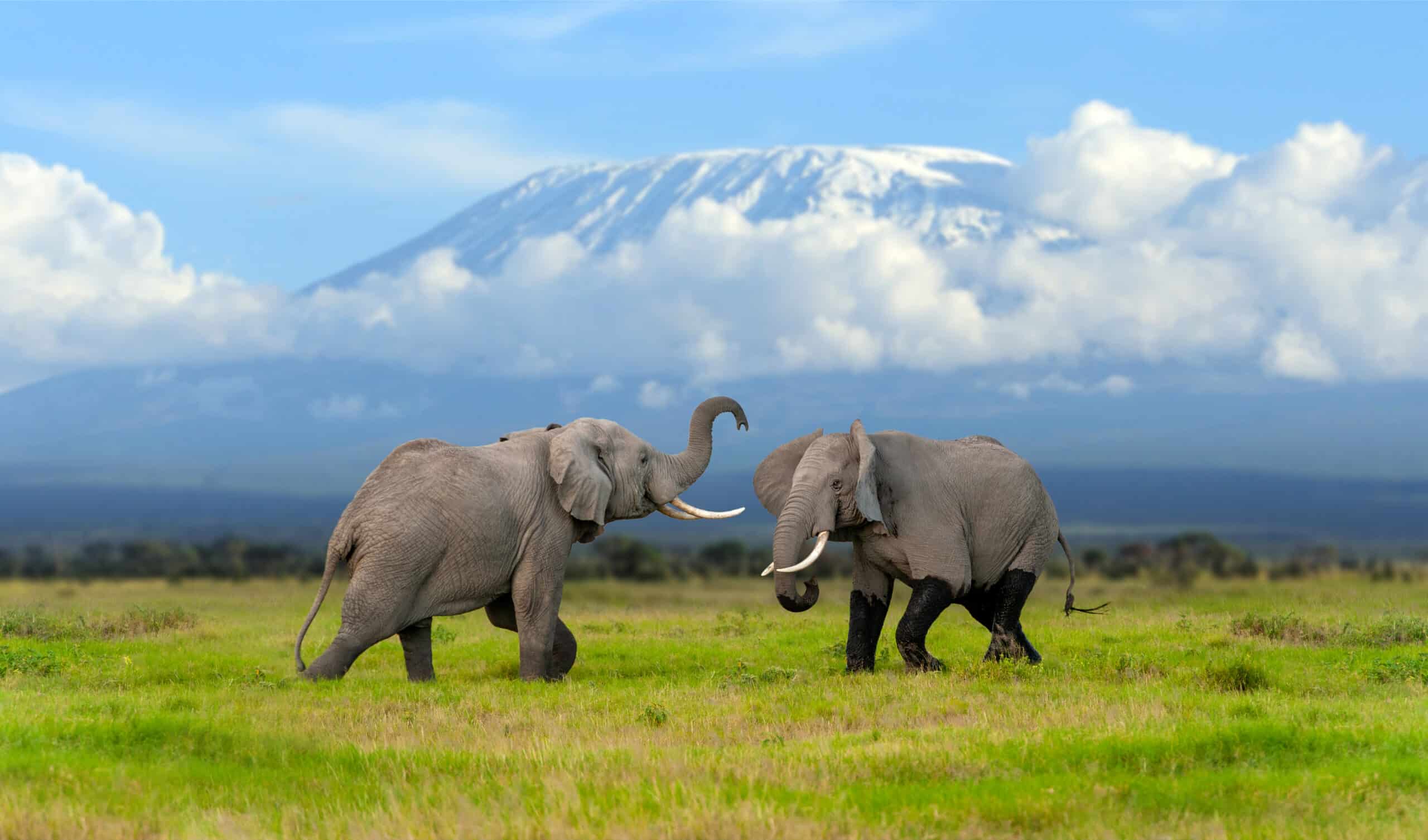
Tanzania is a country defined by scale, diversity, and elemental presence. It is where Africa’s highest peak rises above cloud and savannah, where ancient migration routes still guide wildlife across open plains, and where the Indian Ocean meets a coastline shaped by centuries of exchange. Tanzania does not present a single identity; it unfolds through layers of land, life, and living history.
The geography of Tanzania is among the most varied on the continent. Vast grasslands stretch toward distant horizons, volcanic craters cradle thriving ecosystems, and mountain ranges collect mist and memory. Great lakes define borders and livelihoods, while tropical islands carry the rhythm of trade winds and tides. This physical diversity shapes cultural and ecological richness unmatched in scope.
Tanzania’s human story is equally deep. It is home to some of humanity’s earliest ancestors, with archaeological sites that trace the origins of upright walking and tool use. Over time, pastoralists, farmers, traders, and coastal civilizations developed traditions rooted in land and movement. Swahili culture along the coast reflects centuries of Indian Ocean trade, blending African, Arab, and Asian influences into language, architecture, and identity.
Despite its scale, Tanzania moves with patience. Life follows seasons, migration cycles, and communal rhythm rather than urgency. Cities grow, but tradition remains visible. Villages, markets, and landscapes retain continuity shaped by use rather than display.
This article explores Tanzania’s most powerful destinations—places that reveal its natural majesty, cultural depth, and enduring balance between people and environment. From iconic wildlife reserves to mountain sanctuaries and island worlds, each chapter offers insight into a country where Africa’s past, present, and future remain vividly connected.
15. Serengeti National Park: The Great Movement of Life
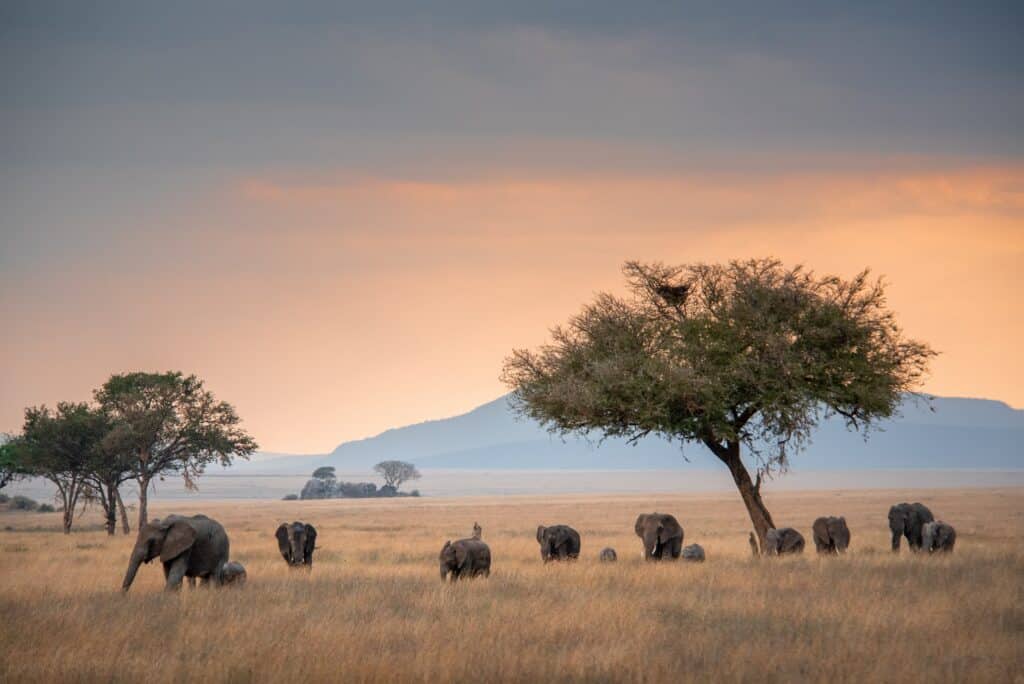
The Serengeti is one of the most iconic landscapes on Earth, defined not by stillness, but by motion. Stretching across northern Tanzania, its endless plains support the largest overland migration of wildlife anywhere on the planet, a cycle driven by rain, grass, and instinct.
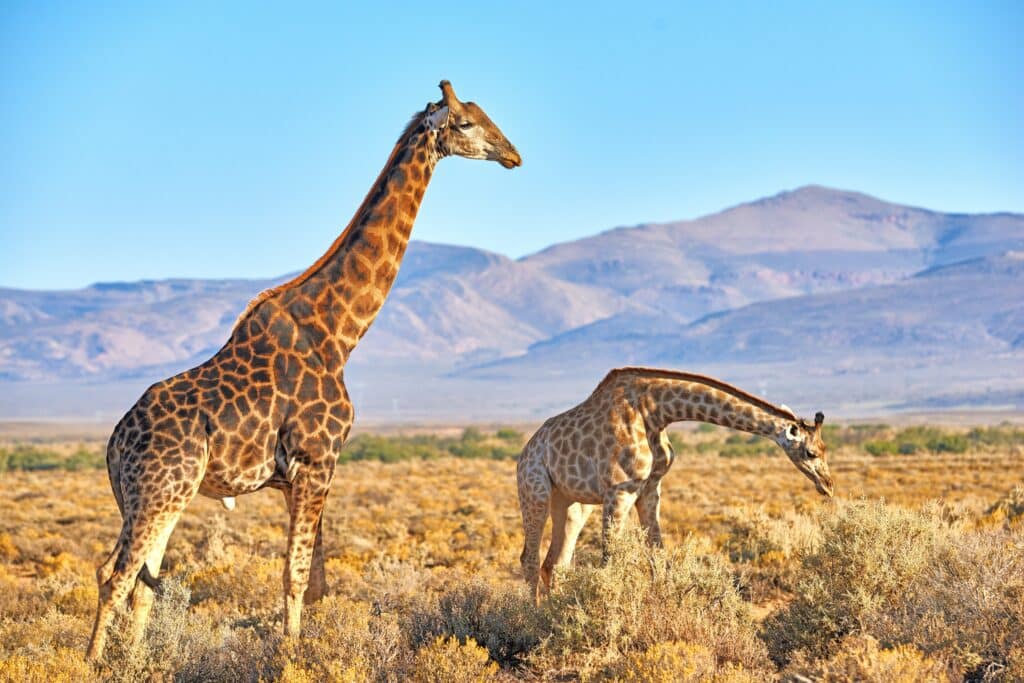
Each year, millions of wildebeest, zebra, and gazelle move across the savannah in search of fresh grazing. Predators follow closely, creating a dynamic system where survival depends on timing and awareness rather than dominance. The Serengeti is not staged; it operates with precision shaped by natural law.
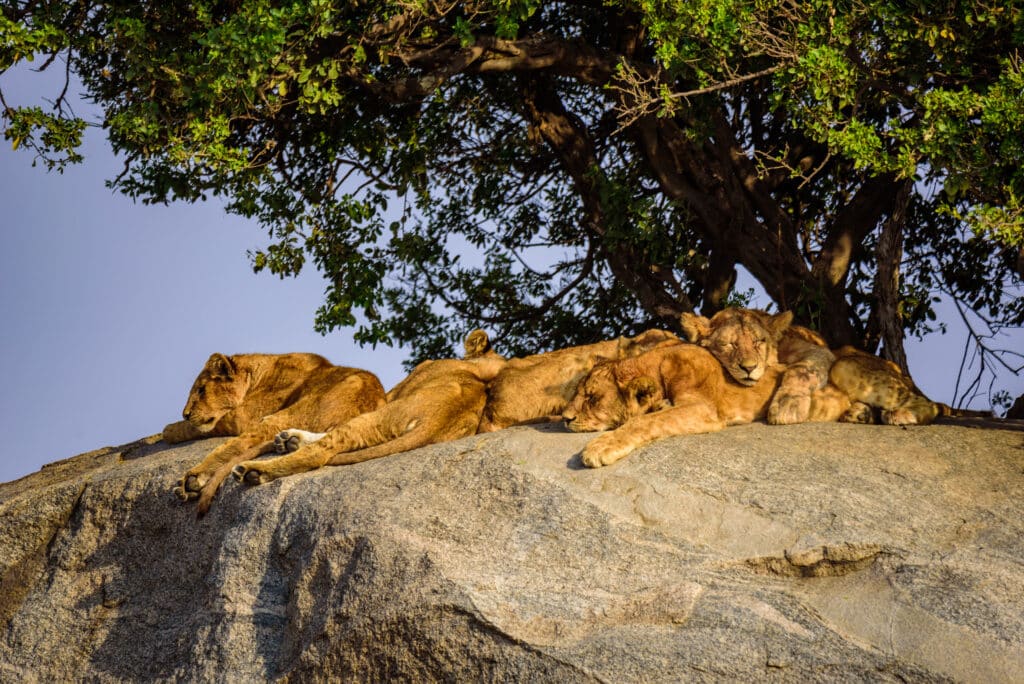
The openness of the landscape is central to its power. There are few barriers, few trees, and vast skies that magnify scale and distance. Light changes constantly, transforming grasslands from gold to green to ash depending on season and hour.
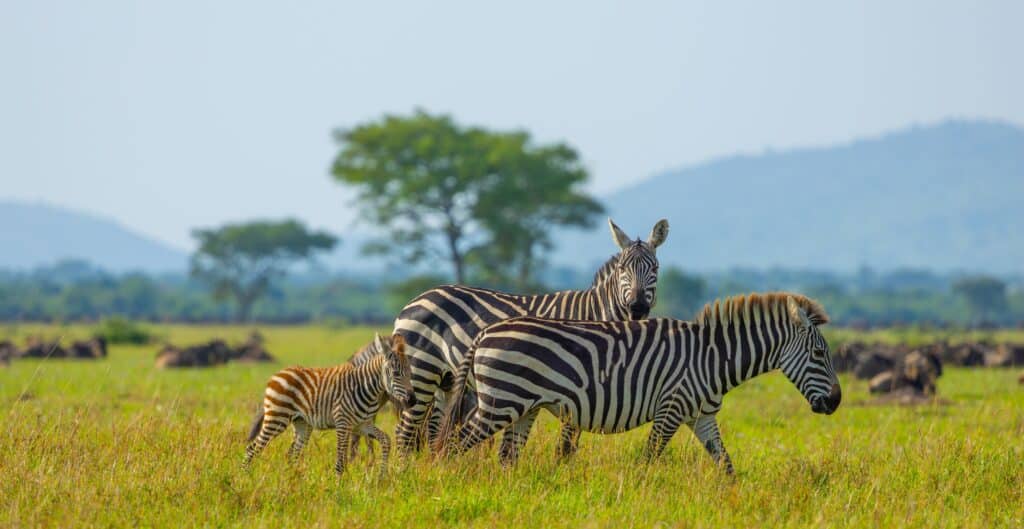
Despite its fame, the Serengeti retains humility. It offers no spectacle beyond what nature provides, and no guarantees beyond movement itself. Observation requires patience, and understanding comes through repetition rather than surprise.
The Serengeti represents Tanzania’s ecological soul. It shows how life thrives through rhythm and balance, reminding visitors that nature’s greatest achievements often unfold quietly, guided by cycles older than memory.
14. Ngorongoro Crater: A World Within Walls
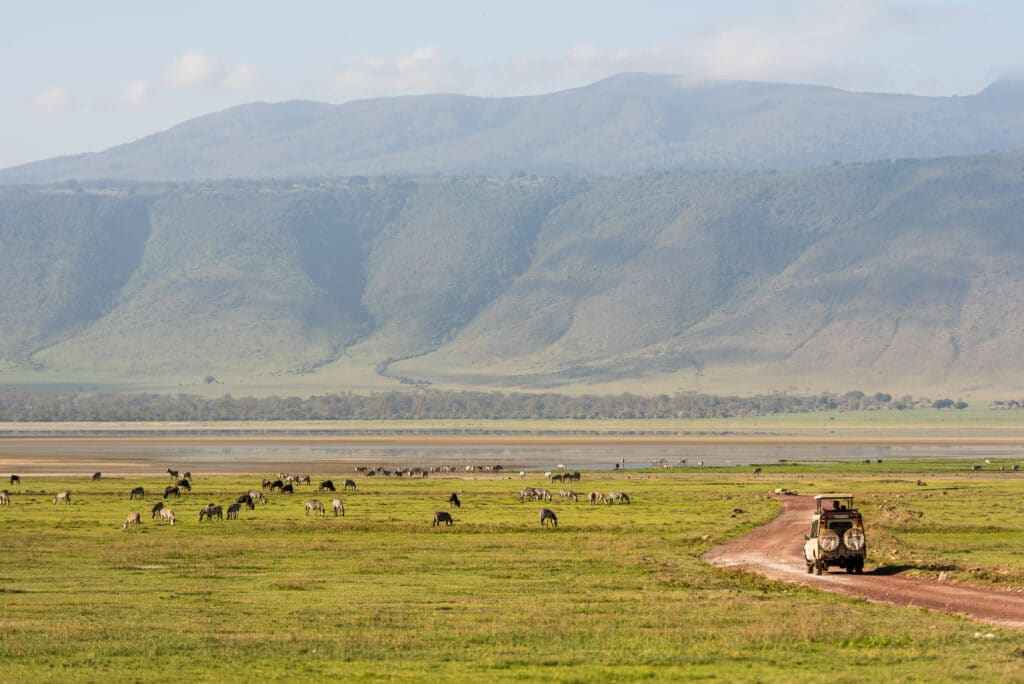
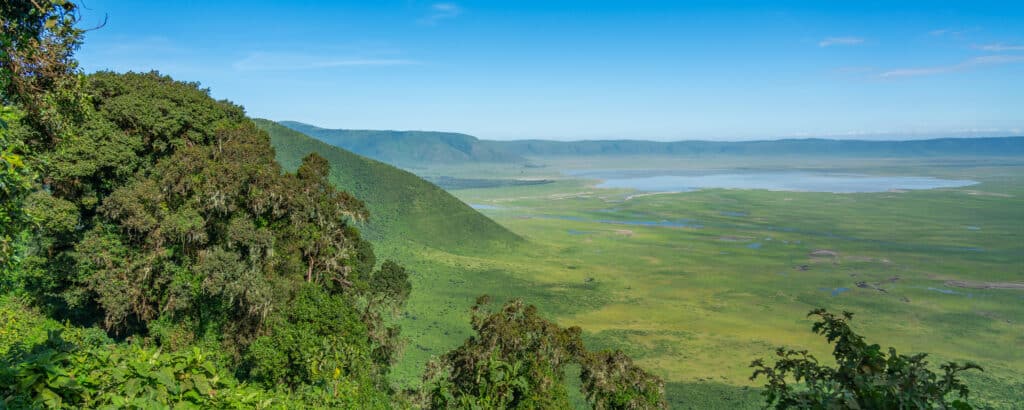
Ngorongoro Crater is one of the most extraordinary natural formations in Africa, a vast volcanic caldera that shelters an entire ecosystem within its steep walls. From the rim, the view reveals grasslands, forests, lakes, and marshes contained in near-perfect proportion.
This natural enclosure supports an exceptional concentration of wildlife. Lions, elephants, rhinos, antelope, and birds coexist within a relatively compact area, sustained by reliable water and fertile soil. Predation and coexistence unfold in full view, offering rare insight into ecological balance.
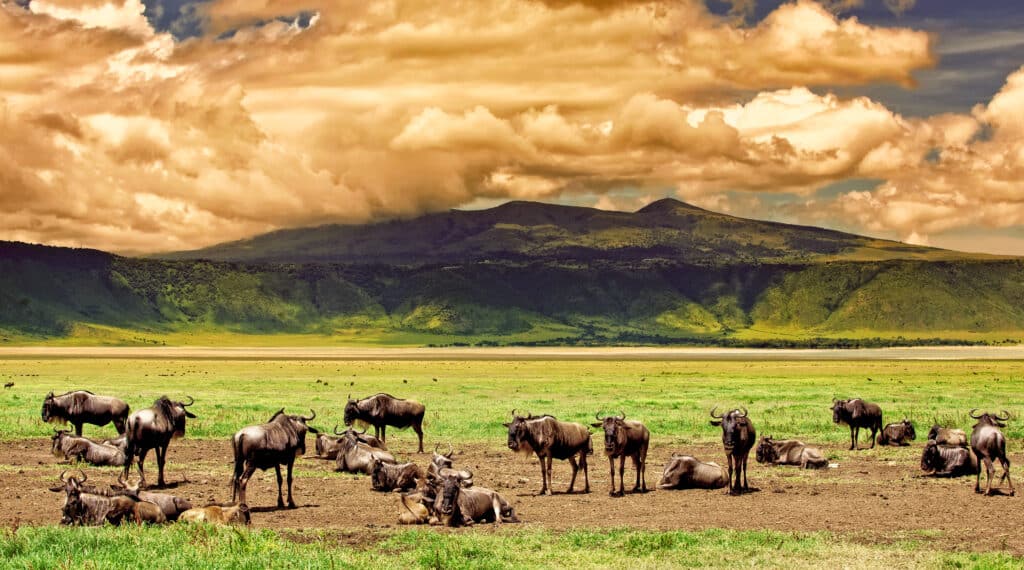
The crater’s origins add to its gravity. Formed when a massive volcano collapsed inward, it now functions as both sanctuary and stage, shaped by destruction into preservation. Mist often drifts across the rim, softening the landscape and reinforcing its sense of separation from the outside world.
Human history is also present. Maasai communities have long grazed livestock in surrounding highlands, maintaining a relationship with land based on coexistence rather than exclusion.
Ngorongoro offers containment without confinement. It reveals how boundaries created by nature can nurture abundance, and how balance emerges when systems are allowed to function without interruption. It stands as one of Tanzania’s most complete expressions of harmony.
13. Mount Kilimanjaro: Ascent Through the Continents
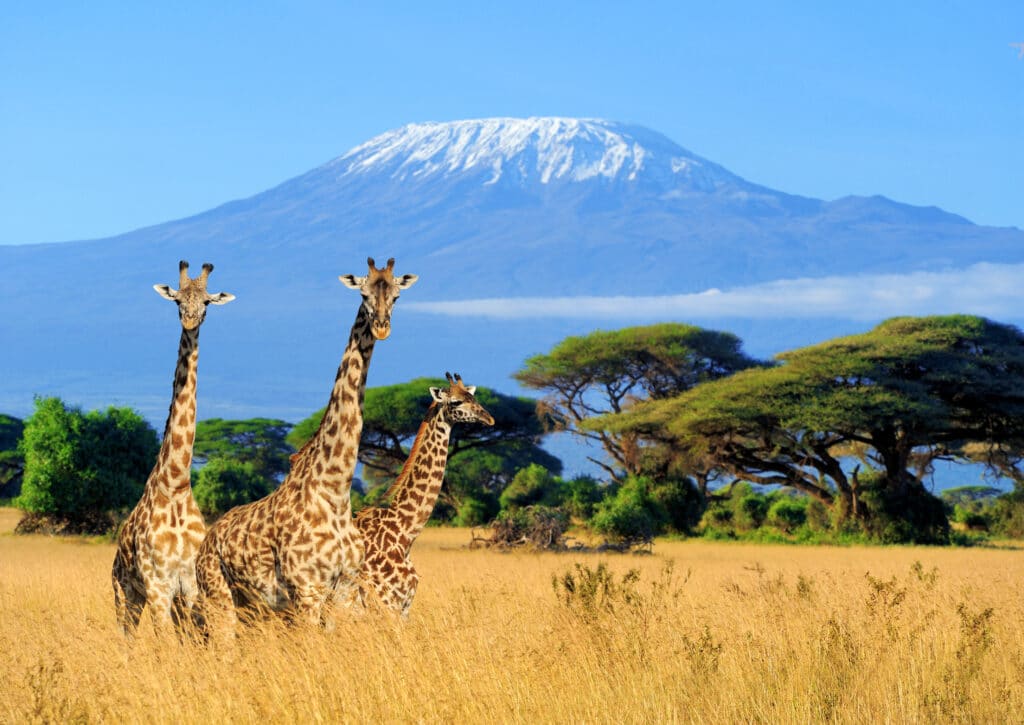
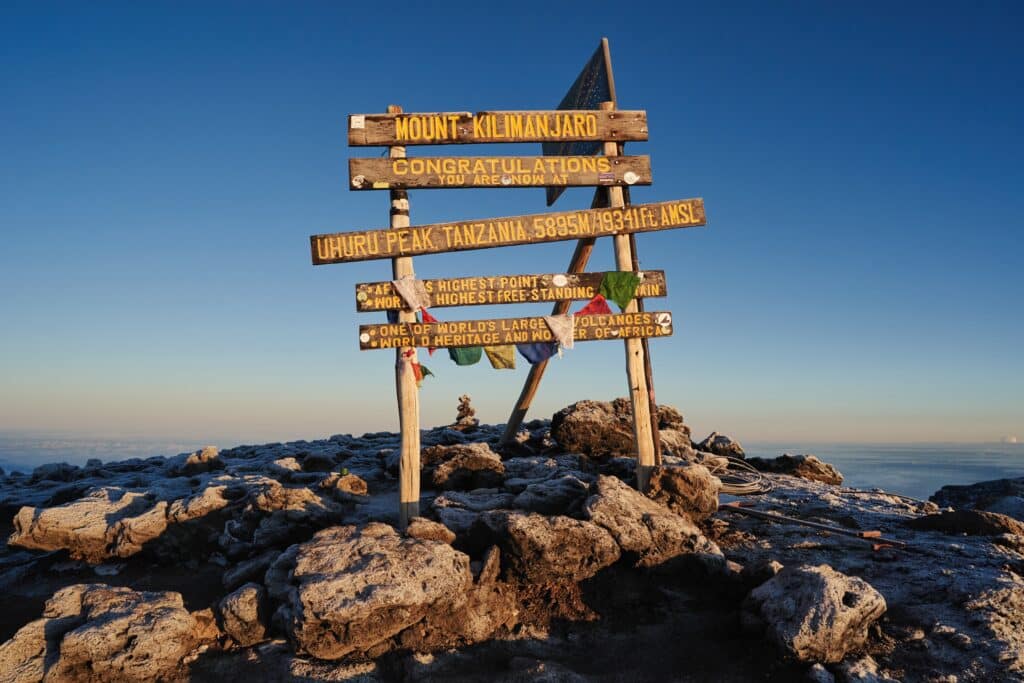
Mount Kilimanjaro rises alone above Tanzania’s northern plains, Africa’s highest peak standing free of surrounding ranges. Its snow-capped summit contrasts sharply with the savannah below, creating one of the continent’s most powerful visual symbols.
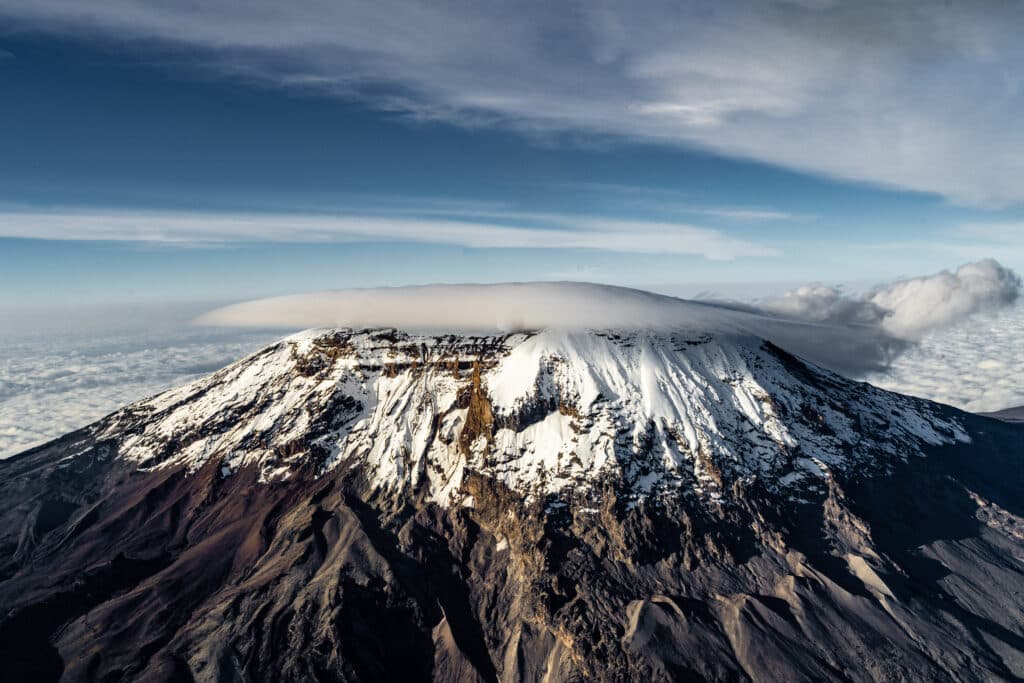
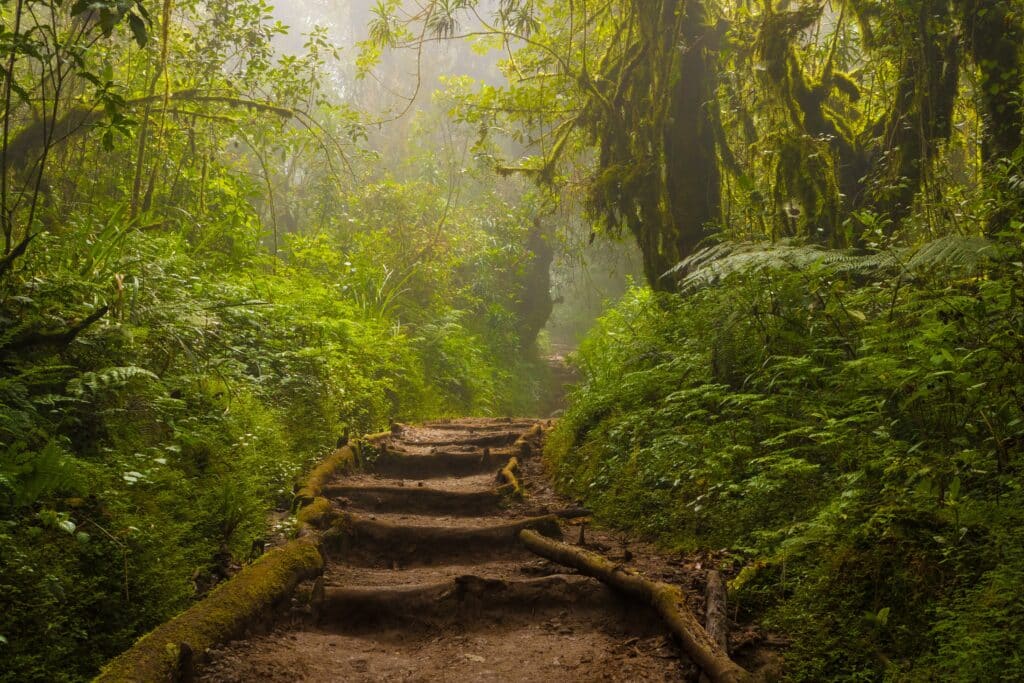
What makes Kilimanjaro exceptional is not only its height, but its ecological range. Ascending the mountain is a journey through distinct climate zones, from cultivated foothills to rainforest, alpine desert, and arctic summit. Each layer reflects adaptation shaped by elevation and exposure.
For local communities, the mountain is both resource and symbol. It provides water, fertile soil, and spiritual significance, anchoring identity and livelihood. Respect for the mountain runs deep, reinforced through tradition and daily dependence.
Climbing Kilimanjaro is not about conquest. The slow ascent demands patience, awareness, and humility. Success depends on acclimatization and cooperation rather than strength alone.
Kilimanjaro represents Tanzania’s vertical dimension—where earth meets sky, and where effort is rewarded not with dominance, but with perspective. It stands as a reminder that ascent can be as much internal as physical.
12. Zanzibar: Island of Memory and Tides
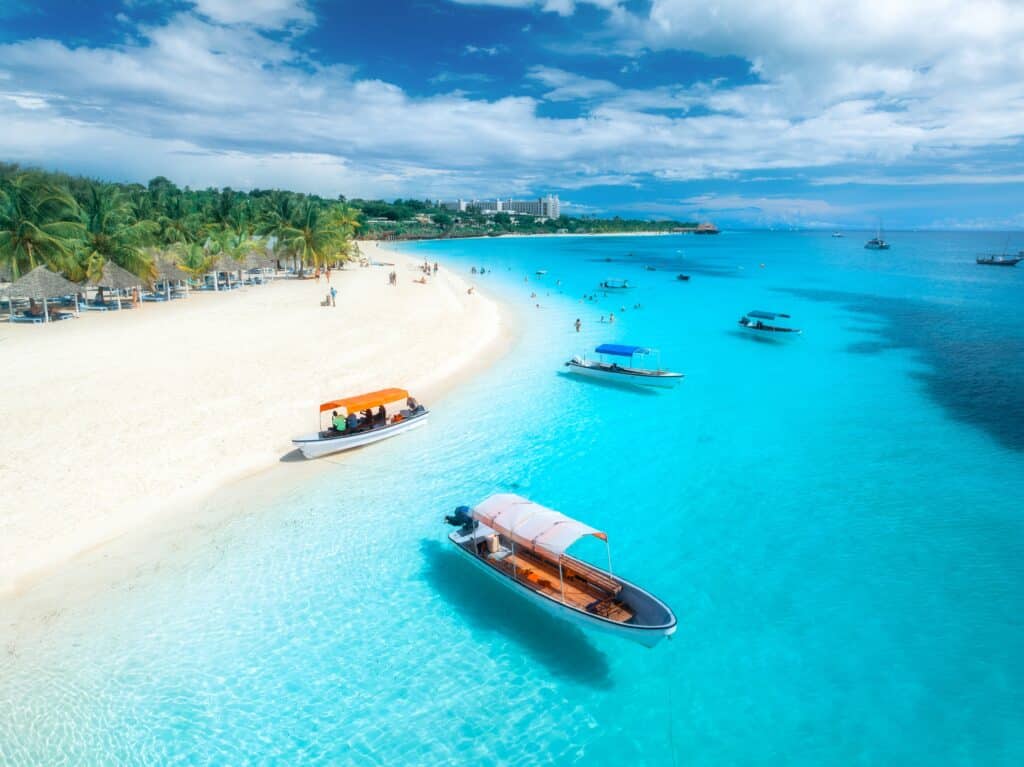
Zanzibar lies just off Tanzania’s coast as an island world shaped by centuries of exchange, belief, and movement across the Indian Ocean. More than a beach destination, it is a cultural landscape where history remains embedded in stone, language, and daily rhythm.
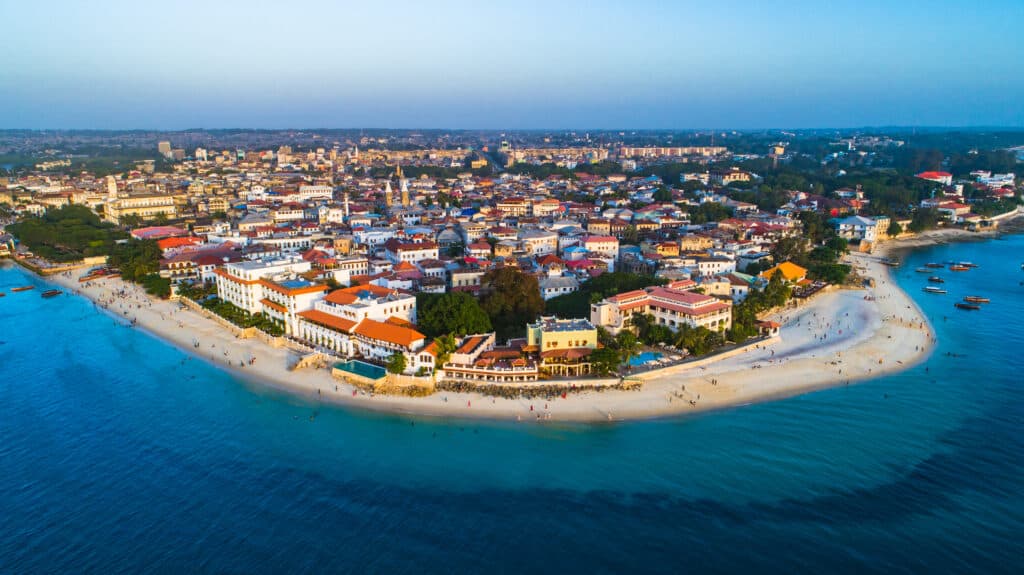
Stone Town forms Zanzibar’s historical core. Narrow alleys wind between coral-stone buildings, carved wooden doors, mosques, and merchant houses that reflect Swahili, Arab, Persian, Indian, and European influence. This architectural density tells a story of trade, migration, and power negotiated over centuries.
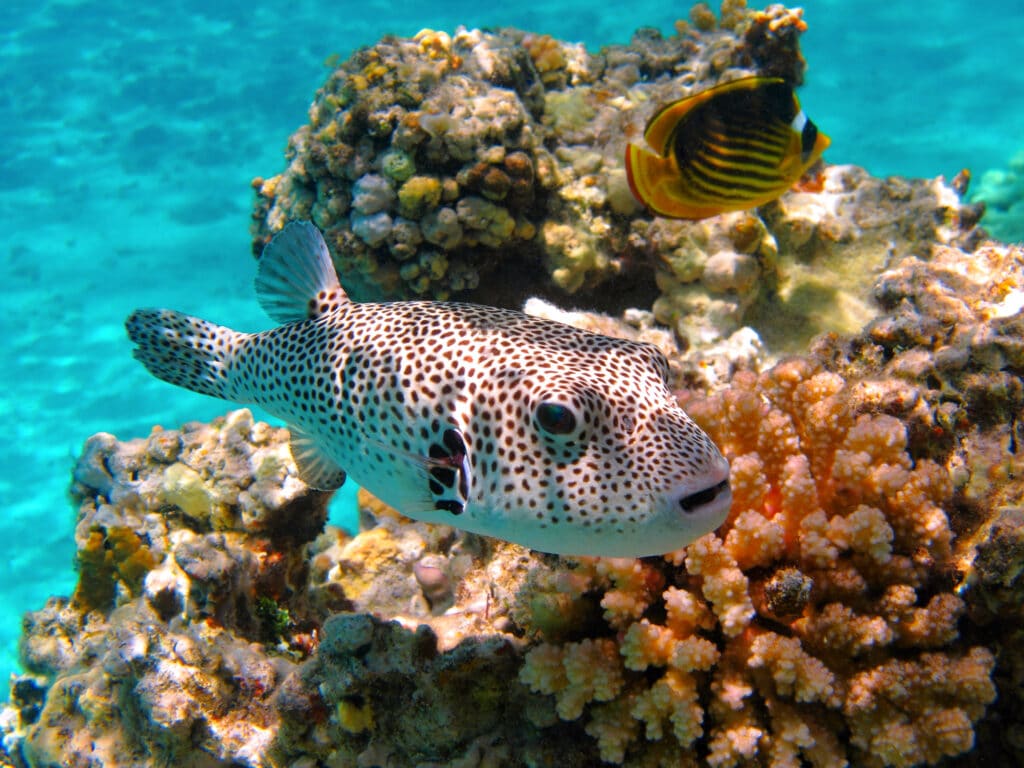
The island’s identity is inseparable from the sea. Dhows still sail traditional routes, fishing remains central to livelihood, and tides dictate pace. Even inland, the ocean’s presence is felt through climate, cuisine, and conversation.

Beyond Stone Town, Zanzibar opens into spice plantations, villages, and quiet beaches where life moves slowly and communally. Music, poetry, and storytelling preserve memory while adapting to modern influence.
Zanzibar offers depth rather than escape. It reveals Tanzania’s maritime soul—a place where cultures blended not through erasure, but through coexistence. The island stands as a reminder that beauty gains meaning when rooted in history and lived experience.
11. Lake Manyara National Park: Life Along the Rift
Lake Manyara National Park sits at the base of the Great Rift Valley escarpment, where groundwater forests, open plains, and alkaline lake coexist within a compact yet remarkably diverse landscape. Its richness lies not in size, but in density and variation.
The park is defined by water. Underground springs feed lush forest corridors, while the lake itself expands and contracts with seasonal rainfall. This fluctuation attracts large populations of birds, including flamingos, pelicans, and storks, creating vibrant movement along the shoreline.
Wildlife thrives in close proximity. Elephants move through forest shade, giraffes browse open woodland, and predators navigate shifting terrain. The park’s famous tree-climbing lions reflect adaptation rather than anomaly.
Human presence has long existed around Lake Manyara, with communities shaping land use through farming and grazing beyond park boundaries. The balance between protection and livelihood remains central to the region’s stability.
Lake Manyara reveals Tanzania’s ecological subtlety. It demonstrates how variation, water, and restraint can sustain life in abundance without vast scale. The park feels intimate, attentive, and deeply alive.
10. Tarangire National Park: Where Elephants Gather
Tarangire National Park stretches across northern Tanzania as a landscape defined by ancient baobab trees, seasonal rivers, and vast elephant populations. During the dry season, it becomes one of the most concentrated wildlife areas in the country.
The Tarangire River serves as the park’s lifeline. As surrounding regions dry, animals migrate toward its remaining water, creating dramatic gatherings shaped by necessity rather than spectacle. Elephants dominate this movement, traveling in large family groups guided by memory and experience.
The terrain is varied yet open. Rolling savannah, acacia woodland, and riverine corridors support diverse species, while baobabs anchor the landscape as living monuments of endurance.
Despite its richness, Tarangire remains less frequented than neighboring parks. This relative quiet enhances observation, allowing encounters to feel unmediated and grounded.
Tarangire reflects Tanzania’s quieter strength. It shows how patience, seasonal rhythm, and ancient pathways sustain life. The park stands as a testament to memory—animal and environmental—carried across generations.
9. Ruaha National Park: Tanzania’s Untamed Heart
Ruaha National Park lies in central Tanzania, vast, rugged, and largely untouched. It is the country’s largest national park, yet remains one of its least visited, preserving a sense of raw authenticity shaped by isolation.
The Great Ruaha River defines the park’s ecology. During the dry season, it becomes the primary source of water, drawing predators and prey into close interaction. Lions, wild dogs, leopards, and large herbivores thrive within this demanding environment.
The landscape is dramatic and uncompromising. Rocky escarpments, open plains, and dry riverbeds create a terrain that rewards resilience. Wildlife here is adapted to extremes, reinforcing Ruaha’s reputation as a park for observation rather than ease.
Human influence remains minimal. Distance and scale protect Ruaha from congestion, allowing ecological processes to unfold naturally.
Ruaha represents Tanzania’s wild core. It reveals a country willing to preserve space, silence, and autonomy for nature itself. In Ruaha, Tanzania shows its commitment to depth over display and endurance over immediacy.
8. Lake Victoria: The Inland Horizon
Lake Victoria forms Tanzania’s northwestern frontier as Africa’s largest lake, a vast inland horizon that shapes climate, culture, and livelihood for millions. Its scale feels oceanic, with distant shores dissolving into haze and water stretching endlessly beneath wide skies.
For communities along its Tanzanian shores, the lake is life itself. Fishing is central not only to economy, but to identity, shaping daily rhythm, social structure, and generational knowledge. Wooden boats glide across the surface at dawn and dusk, guided by experience rather than instruments.
The lake supports extraordinary biodiversity, including hundreds of endemic fish species. Birds gather in abundance along wetlands and islands, while papyrus-lined shores create habitats shaped by slow, seasonal change.
Lake Victoria has long served as a crossroads. Trade, migration, and cultural exchange moved across its waters, connecting inland Africa to wider regional networks. This history remains visible in languages, customs, and settlement patterns.
Despite modern pressures, the lake retains a sense of continuity. Life unfolds patiently, governed by weather, water levels, and shared dependence. There is no spectacle here, only persistence.
Lake Victoria reveals Tanzania’s inland dimension—where water replaces savannah as the organizing force of life. It offers a quiet lesson in scale and sustenance, reminding visitors that some of Africa’s most powerful landscapes are defined not by drama, but by constancy.
7. Nyerere National Park (Selous): Space Without Boundaries
Nyerere National Park, formerly part of the Selous Game Reserve, is one of Africa’s largest protected wilderness areas. Vast, remote, and uncompromising, it represents Tanzania’s commitment to preserving space itself.
The Rufiji River defines the park’s ecological heartbeat. Its channels, lakes, and floodplains sustain wildlife across immense distances, creating habitats where elephants, hippos, crocodiles, and predators thrive with minimal human interference.
Unlike more frequented reserves, Nyerere offers scale without concentration. Animals move freely, often unseen, reinforcing the sense that this landscape exists on its own terms. Observation here requires patience rather than expectation.
Boat safaris reveal a different rhythm of wildlife interaction, emphasizing flow rather than pursuit. Water shapes movement, sound, and survival.
Human presence remains deliberately limited. Distance and difficulty protect the park from congestion, allowing natural processes to unfold uninterrupted.
Nyerere represents Tanzania’s philosophy of restraint. It shows that conservation is not always about access, but about allowing ecosystems to remain whole. This is wilderness preserved through humility, offering experience grounded in silence, space, and respect.
6. Mahale Mountains National Park: Where Forest Meets Water
Mahale Mountains National Park rises abruptly from the eastern shores of Lake Tanganyika, combining dense tropical forest, steep mountain slopes, and clear freshwater. It is one of Tanzania’s most remote and intimate landscapes.
The park is best known for its population of wild chimpanzees, studied for decades in their natural habitat. Observing them requires effort, patience, and silence, reinforcing respect over intrusion.
The mountains create microclimates that support rich biodiversity, from primates and birds to rare plant species. Trails wind through forest toward ridges overlooking the vast lake below, where water and mountain meet without transition.
Access to Mahale is limited, often only by boat or light aircraft. This isolation preserves both ecological integrity and atmosphere, ensuring encounters remain deliberate rather than routine.
Mahale offers rarity in modern travel: genuine immersion. It reveals Tanzania’s forested soul, where water, elevation, and life converge in quiet complexity. The park stands as a reminder that the most meaningful experiences often require distance from convenience.
5. Gombe Stream National Park: Observation and Understanding
Gombe Stream National Park is one of Tanzania’s smallest reserves, yet among its most influential. Perched along the shores of Lake Tanganyika, it is defined not by scale, but by significance.
Gombe gained global recognition through long-term chimpanzee research that transformed understanding of primate behavior and humanity’s connection to the natural world. Observation here reshaped science itself.
The park’s terrain is steep and intimate. Forested valleys descend sharply toward the lake, creating a setting where movement is vertical and encounters feel immediate. Wildlife observation requires attentiveness and restraint.
Gombe’s importance lies in method rather than spectacle. It demonstrates how patience, consistency, and respect can reveal complexity invisible to forceful exploration.
This park completes Tanzania’s narrative by emphasizing understanding over dominance. Gombe reminds visitors that conservation begins with listening—and that knowledge, once gained, carries responsibility.
4. Bagamoyo: Where Journeys Began and Ended
Bagamoyo stands quietly along Tanzania’s coast, a town whose name carries the weight of departure and arrival. Once a major port in East Africa, it served as the final stop for inland caravans and the first step toward the Indian Ocean world. Its history is deeply layered, complex, and unresolved.
Stone ruins, mission buildings, mosques, and colonial structures sit side by side, weathered but intact. These remnants tell stories of trade, faith, exploitation, and cultural exchange. Bagamoyo does not curate its past—it lives with it, allowing memory to remain visible rather than polished away.
Despite its historical gravity, daily life continues with calm resilience. Fishing boats return at dawn, markets fill with conversation, and families gather beneath shade trees as they have for generations. The ocean remains central, both as livelihood and as horizon.
Bagamoyo is also a center of artistic expression. Music, dance, and performance traditions thrive here, using creativity as a means of preservation and dialogue. Culture becomes continuity rather than nostalgia.
This town offers Tanzania’s historical conscience. It reminds visitors that beauty and pain often coexist, and that understanding place requires acknowledging both. Bagamoyo teaches reflection, grounding Tanzania’s coastal identity in memory, dignity, and endurance.
3. Arusha: Gateway to the Northern Highlands
Arusha sits beneath the slopes of Mount Meru, serving as Tanzania’s northern crossroads. It is both functional and symbolic—a city shaped by movement, diplomacy, and access rather than spectacle.
As the starting point for journeys into the Serengeti, Ngorongoro, and Kilimanjaro, Arusha is defined by preparation and exchange. Markets, transport hubs, and institutions bring together farmers, guides, traders, and international voices.
The surrounding highlands lend Arusha a cooler climate and fertile land. Coffee plantations, forest reserves, and small farms shape the city’s edges, grounding urban life in agriculture and seasonal rhythm.
Arusha also holds political significance as a center for regional diplomacy and justice, reinforcing Tanzania’s role in continental dialogue. This adds a quiet gravitas to its otherwise modest appearance.
Arusha represents transition. It is not a destination of arrival, but of readiness—a place where routes converge and intention forms. The city reflects Tanzania’s balance between openness and rootedness, serving as a bridge between land, people, and purpose.
2. Katavi National Park: Solitude and Extremes
Katavi National Park lies in western Tanzania as one of the country’s most remote and least visited wilderness areas. Its isolation defines its character, preserving a landscape shaped almost entirely by natural forces.
During the dry season, water becomes scarce, drawing massive herds of buffalo, hippos, and elephants into shrinking floodplains. These gatherings are raw and intense, driven by survival rather than migration. Predators follow closely, creating scenes of dramatic concentration.
The wet season transforms Katavi completely. Floodwaters spread across the plains, dispersing animals and returning the land to quiet abundance. This extreme seasonal contrast reinforces the park’s untamed identity.
Human presence is minimal. Distance and difficulty protect Katavi from overuse, allowing ecological processes to function without interruption. Observation here requires commitment and humility.
Katavi reveals Tanzania at its most uncompromising. It shows wilderness not as attraction, but as reality—where nature does not adapt to visitors, and experience is earned through patience and respect.
1. Usambara Mountains: Green Refuge of the East
The Usambara Mountains rise in northeastern Tanzania as a cool, green refuge shaped by elevation and rainfall. These ancient ranges support some of the richest biodiversity in East Africa, preserved through isolation and microclimate.
Dense forests shelter endemic plant and animal species found nowhere else on Earth. Trails wind through villages, farms, and forest corridors, revealing a landscape shaped by coexistence rather than separation.
Communities in the Usambaras practice terrace farming and forest stewardship passed down through generations. Agriculture here reflects adaptation to slope and soil, reinforcing sustainability through necessity.
Mist often settles across ridges, softening distance and amplifying stillness. The atmosphere encourages slow movement and attention to detail rather than long horizons.
The Usambara Mountains complete Tanzania’s story by introducing intimacy. They offer contrast to savannah and plain, reminding visitors that scale can be vertical, and that richness often flourishes where balance is carefully maintained.