
South Korea offers an extraordinary mix of modern cities, ancient temples, scenic mountains, and coastal landscapes. For travelers visiting the country for the first time, planning an efficient route can make a huge difference. Fortunately, South Korea’s excellent transportation network allows visitors to experience a wide variety of destinations in a relatively short time.
This 10-day itinerary provides a balanced introduction to the country’s culture, history, cuisine, and natural beauty. The journey begins in the vibrant capital of Seoul, where historic palaces stand beside futuristic skyscrapers. From there, travelers can explore the tense border region of the Korean Demilitarized Zone, learn about Korea’s ancient past in Gyeongju, enjoy the coastal energy of Busan, and finish with breathtaking volcanic landscapes on Jeju Island.
Along the way, visitors will discover traditional villages, scenic national parks, bustling street markets, and world-famous Korean cuisine. Efficient high-speed trains, domestic flights, and comfortable buses make traveling between destinations both easy and convenient.
Whether you are interested in exploring centuries-old temples, hiking through dramatic mountain landscapes, or tasting authentic Korean food, this itinerary offers a well-rounded overview of what South Korea has to offer.
Map for a 10-day Itinerary for South Korea
| Day | Destination | Highlights |
|---|---|---|
| 1 | Seoul | Palaces, Bukchon Hanok Village |
| 2 | Seoul | Markets, N Seoul Tower |
| 3 | Seoul | Shopping districts |
| 4 | Korean Demilitarized Zone | Border history |
| 5 | Gyeongju | Ancient temples |
| 6 | Gyeongju | Tomb complex |
| 7 | Busan | Beaches & markets |
| 8 | Busan | Gamcheon Village |
| 9 | Jeju Island | Volcanic landscapes |
| 10 | Jeju Island | Beaches & waterfalls |
This itinerary connects some of the most fascinating destinations in South Korea, from the vibrant streets of Seoul to the beaches of Busan and the volcanic landscapes of Jeju Island.
Quick Guide: 10-Day South Korea Itinerary
- Best route: Seoul → DMZ → Gyeongju → Busan → Jeju Island
- Ideal duration: 10 days
- Transport: KTX train + domestic flight to Jeju
- Best time to visit: Spring (cherry blossoms) & Autumn (fall foliage)
- Highlights: Palaces, temples, beaches, mountains, street food
- Starting point: Seoul (international flights)
- Ending point: Jeju Island or return to Seoul
This itinerary covers South Korea’s top cities, historic sites, and natural landscapes in a well-balanced 10-day trip.
Table of Contents
10-Day Itinerary for South Korea
Day 1–3: Explore Seoul
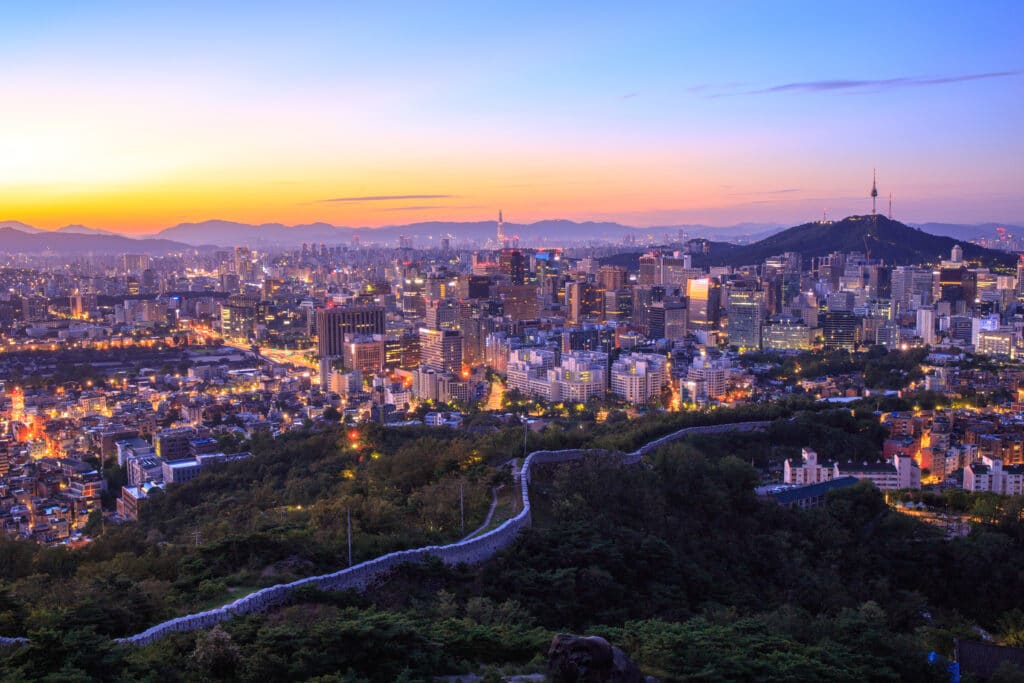
Most international travelers begin their journey in Seoul, the capital and largest city of South Korea. With its dynamic blend of tradition and modernity, Seoul offers countless attractions to explore.
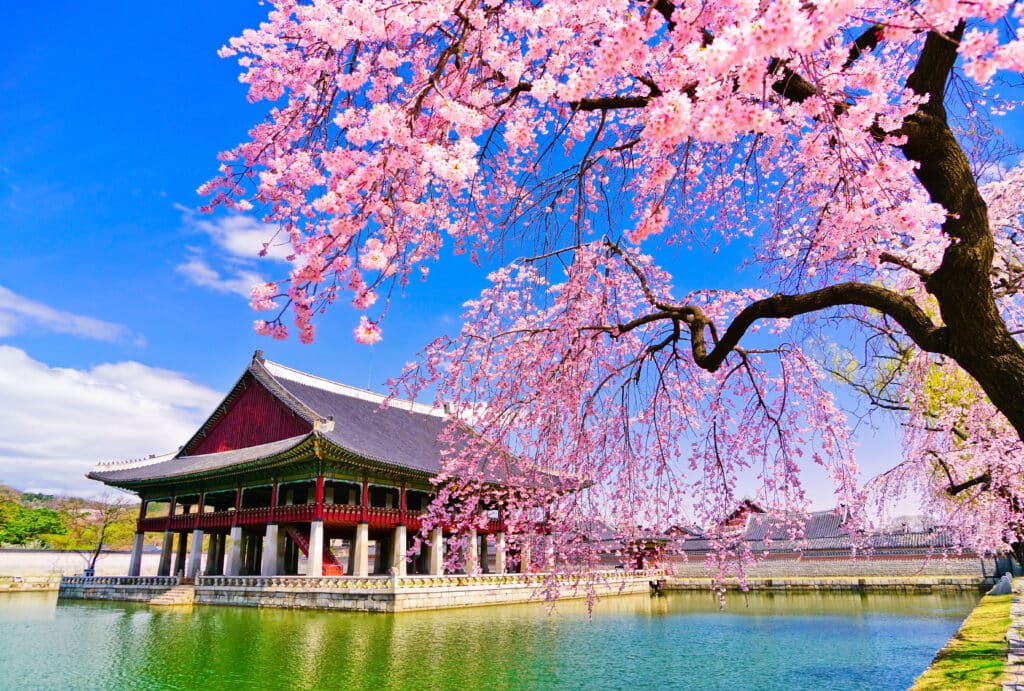
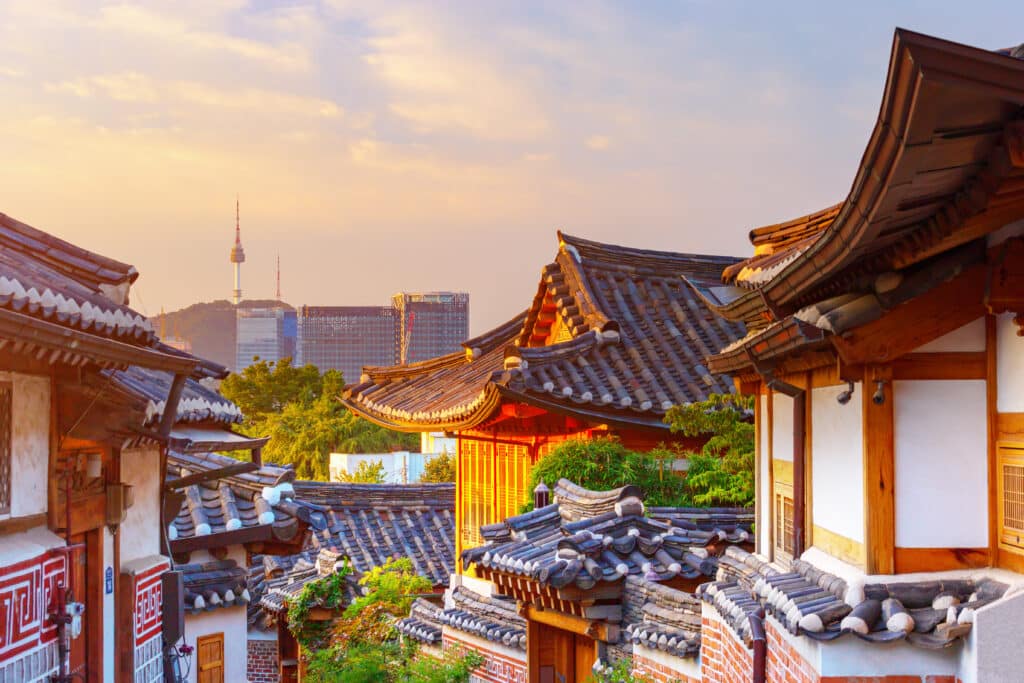
Start your visit at Gyeongbokgung Palace, the largest and most impressive of Seoul’s royal palaces. Nearby, the charming streets of Bukchon Hanok Village showcase traditional Korean houses and provide a glimpse into the city’s historic past.
Visitors can also explore vibrant districts such as Myeongdong, famous for its shopping streets and street food stalls. For panoramic views of the city skyline, head to N Seoul Tower atop Namsan Mountain.
Seoul’s excellent public transportation system makes it easy to explore multiple neighborhoods, temples, and museums during your stay.
Day 4: Visit the Korean Demilitarized Zone
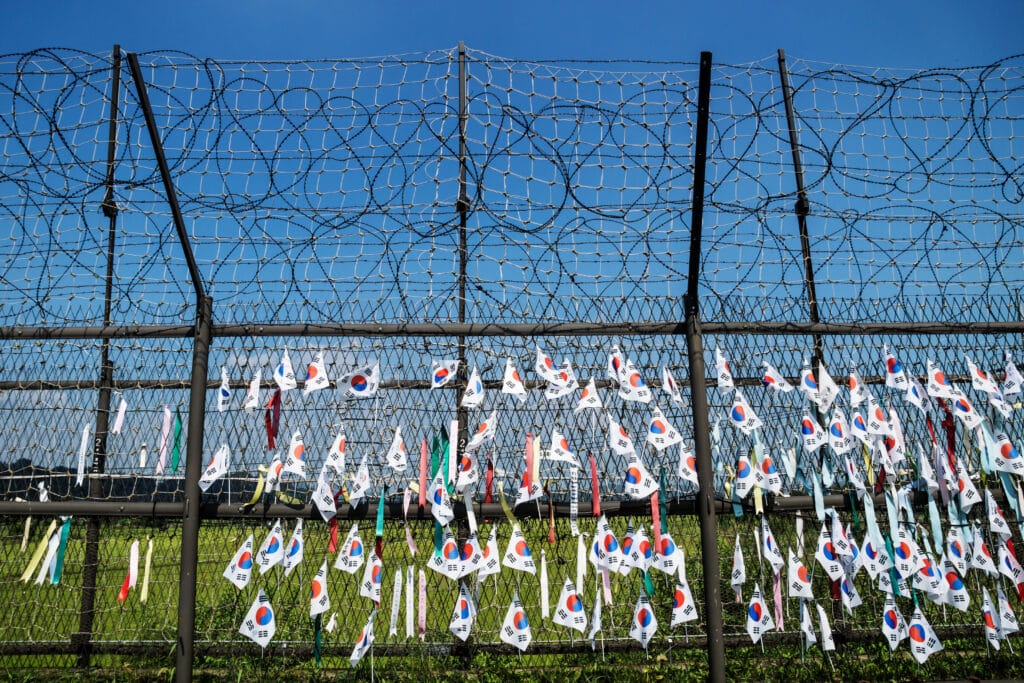
One of the most unique experiences in South Korea is visiting the Korean Demilitarized Zone, which separates South Korea from North Korea. Located about 50 kilometers from Seoul, the DMZ offers a fascinating insight into the history of the Korean Peninsula.
Guided tours typically include stops at the Third Infiltration Tunnel, Dora Observatory, and Dorasan Station. Some tours also visit the Joint Security Area at Panmunjom.
Although the area has a tense political history dating back to the Korean War, the visit provides a deeper understanding of the country’s past and present.
Day 5–6: Discover Ancient Korea in Gyeongju
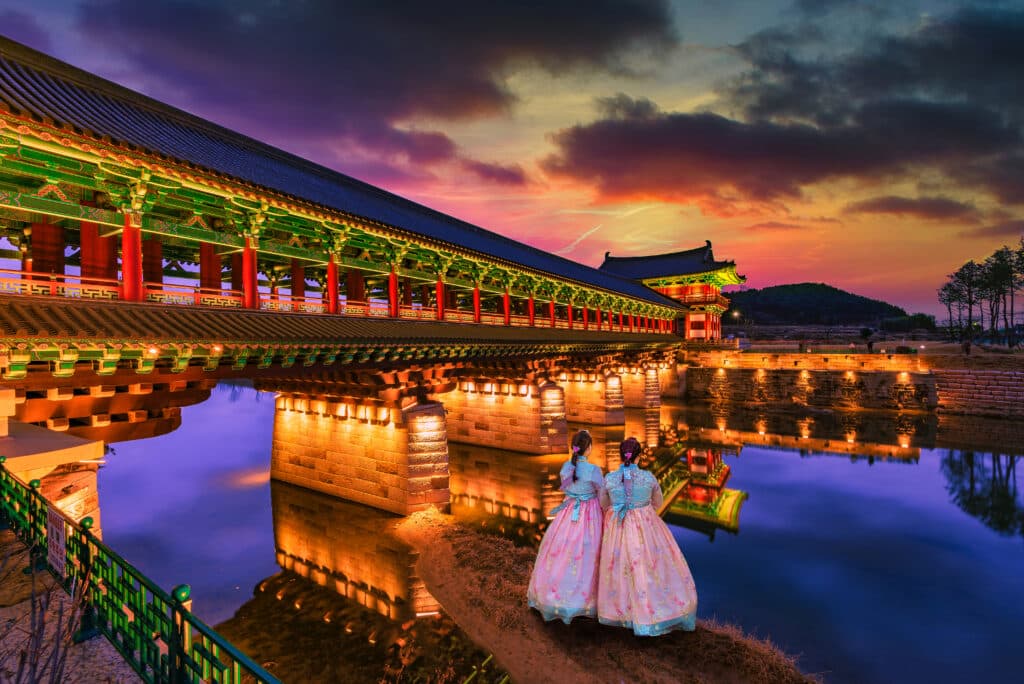
After Seoul, travel south to Gyeongju, often called the “museum without walls.” Once the capital of the Silla Dynasty, the city contains some of the most important historical sites in Korea.
Begin your exploration at Bulguksa Temple, one of the country’s most beautiful Buddhist temples. Nearby, the serene Seokguram Grotto houses a magnificent stone Buddha overlooking the sea.
Visitors can also walk among the grassy burial mounds of the Daereungwon Tomb Complex and admire the ancient Cheomseongdae Observatory.
In the evening, the illuminated pavilions of Donggung Palace and Wolji Pond create one of the most magical scenes in South Korea.
Day 7–8: Enjoy Coastal Culture in Busan
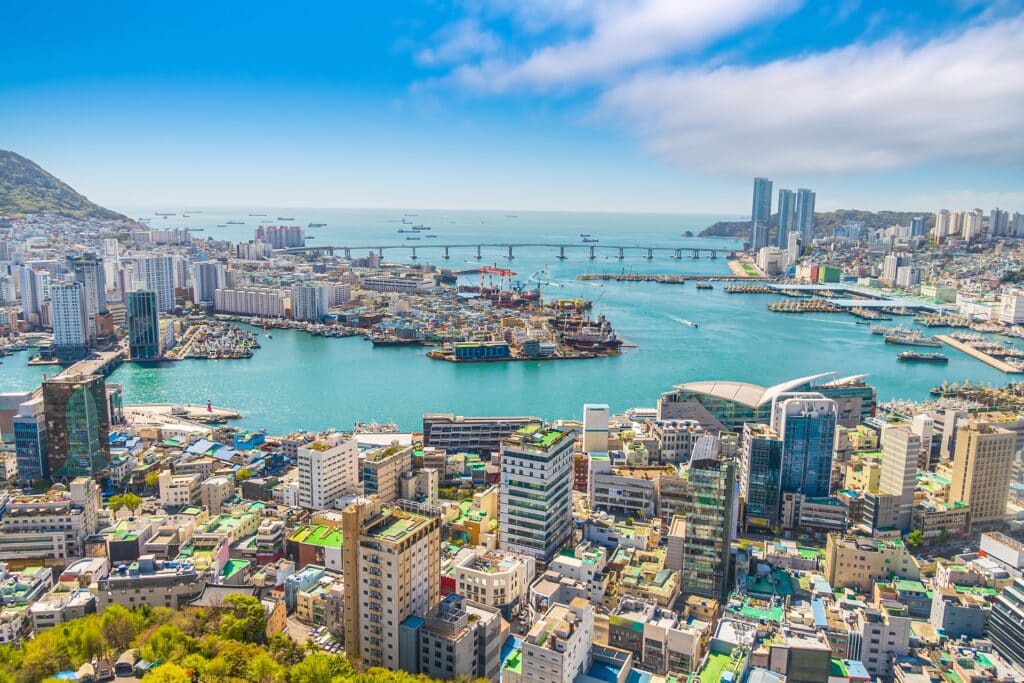
Next, travel to the vibrant port city of Busan on Korea’s southern coast. Known for its beaches, seafood markets, and colorful neighborhoods, Busan offers a refreshing change from the historic atmosphere of Gyeongju.
Relax on the sandy shores of Haeundae Beach, one of Korea’s most famous coastal destinations. Another highlight is Gamcheon Culture Village, where brightly painted houses climb the hills overlooking the harbor.
Food lovers should not miss the lively stalls of Jagalchi Fish Market, the largest seafood market in South Korea.
Busan also offers beautiful night views of the illuminated Gwangan Bridge from nearby beaches.
Day 9–10: Experience Nature on Jeju Island
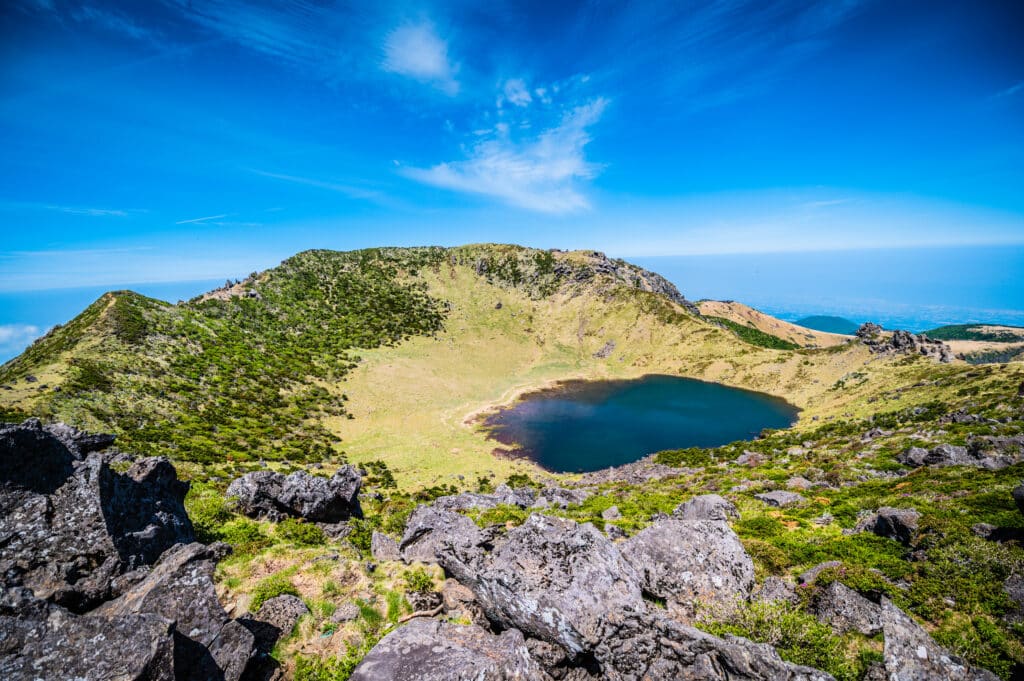
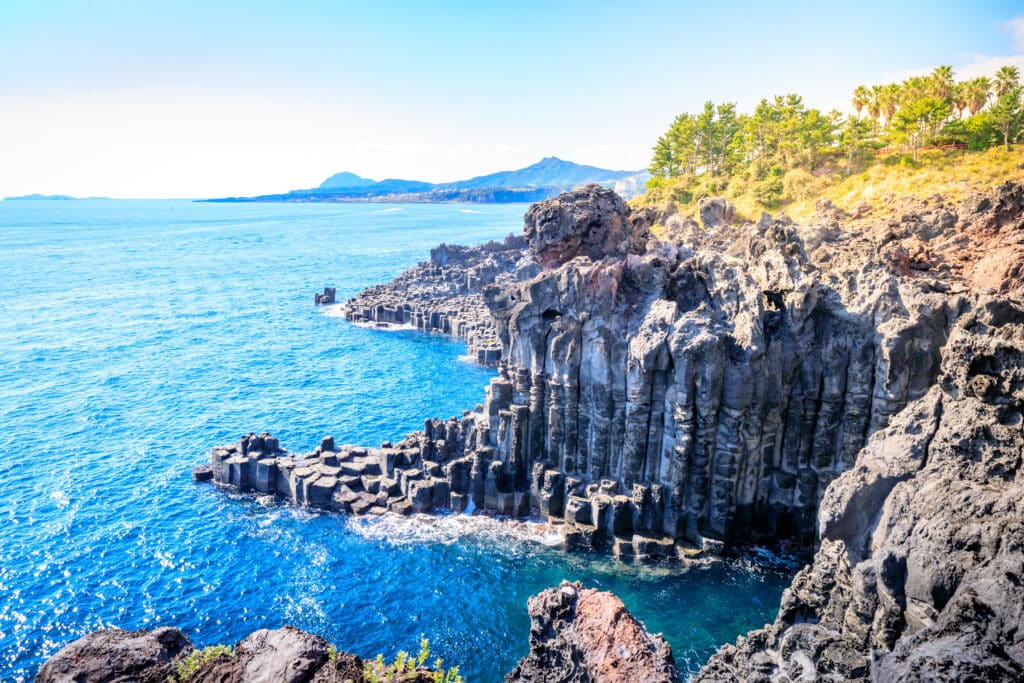
Finish your journey with a short flight to Jeju Island, South Korea’s most famous island destination. Formed by volcanic eruptions thousands of years ago, the island offers dramatic landscapes, waterfalls, and scenic coastlines.
One of the island’s most iconic landmarks is Seongsan Ilchulbong, a volcanic crater rising from the sea that is famous for its sunrise views.
Nature lovers can hike the slopes of Hallasan, the highest mountain in South Korea, or explore the underground passages of Manjanggul Lava Tube.
Jeju’s beautiful beaches and relaxed atmosphere make it the perfect place to end a memorable journey through South Korea.
Travel Tips for a 10-Day Trip in South Korea
A 10-day trip through South Korea is the perfect way to experience a mix of vibrant cities, historic sites, and scenic landscapes. To make the most of your journey, it helps to plan your route efficiently and understand a few practical travel tips.
When it comes to payments, South Korea is largely cashless, and credit cards are widely accepted. However, it is still important to carry some cash for street food, markets, and smaller vendors.

Navigation apps such as Naver Map or KakaoMap are more reliable than Google Maps for directions. Additionally, downloading a translation app can be helpful, especially outside major cities where English is less common.
South Korea is very safe for travelers, but it’s important to respect local etiquette. This includes giving up priority seats on public transport and removing shoes when entering traditional accommodations or homes.
With efficient planning, a 10-day itinerary allows you to experience the perfect balance of culture, food, and natural beauty across South Korea.
How to Travel Around South Korea
One of the reasons South Korea is such an easy destination to explore is its outstanding transportation system. Travelers can move quickly between major cities thanks to modern infrastructure, reliable public transit, and efficient high-speed rail.
The fastest way to travel between cities is the Korea Train Express (KTX). This high-speed train connects major destinations such as Seoul, Busan, and Daejeon in just a few hours. The ride between Seoul and Busan, for example, takes less than three hours and provides comfortable seating and scenic views along the way.

Within cities, travelers will find excellent metro systems. The subway networks in Seoul and Busan are clean, affordable, and easy to navigate even for first-time visitors. Signs and announcements are usually provided in English as well as Korean, making transportation straightforward.
For reaching Jeju Island, domestic flights are the most convenient option. Frequent flights depart daily from Seoul and Busan, and the journey usually takes about one hour.
Long-distance buses are another reliable transportation option. Intercity buses connect many smaller towns and rural areas that are not served by the high-speed rail network.
Because of these convenient transportation options, travelers can easily explore several regions of South Korea within a short itinerary.
Alternative Destinations to Add to Your Itinerary
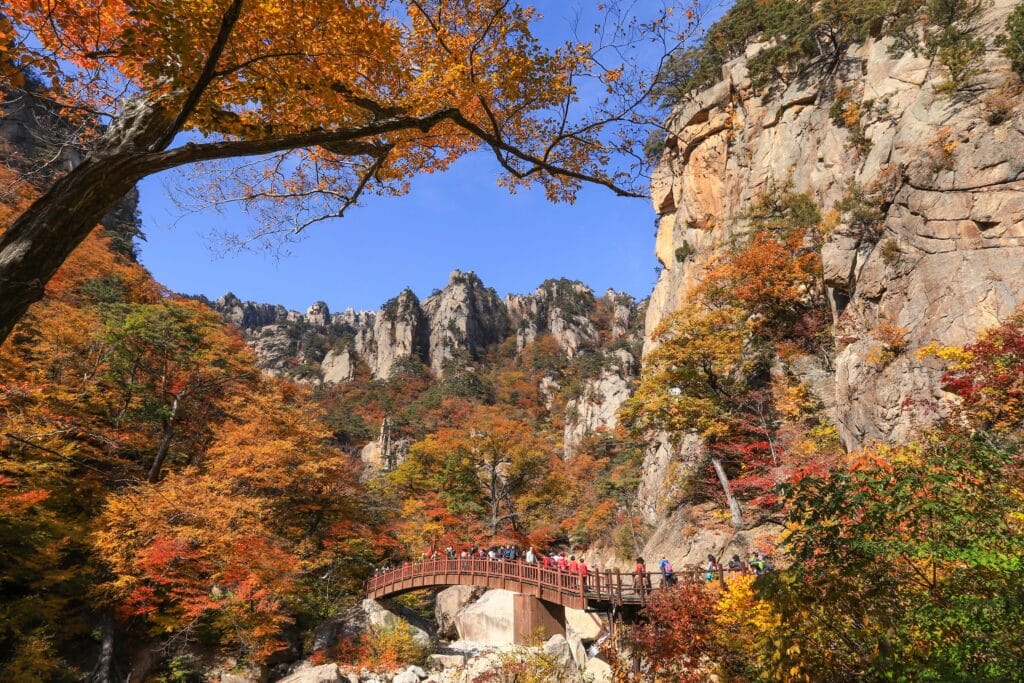
Although this 10-day itinerary focuses on some of the country’s most famous highlights, South Korea offers many other fascinating destinations that travelers may wish to include depending on their interests and available time.
One excellent addition is Jeonju, a city famous for its traditional architecture and culinary heritage. The historic Jeonju Hanok Village contains hundreds of beautifully preserved Korean houses and offers one of the best opportunities to experience traditional culture in the country.
Nature lovers may also consider visiting Seoraksan National Park, located in the northeastern part of South Korea. The park is known for its dramatic granite peaks, scenic hiking trails, and spectacular autumn foliage. Many visitors stay in the nearby coastal city of Sokcho, which serves as the main gateway to the mountains.
Travelers interested in quieter destinations could also explore smaller coastal towns, rural villages, or additional national parks throughout the country.
Adding one or two of these locations can make a trip through South Korea even more diverse and rewarding.
Best Time to Follow This 10-Day Itinerary
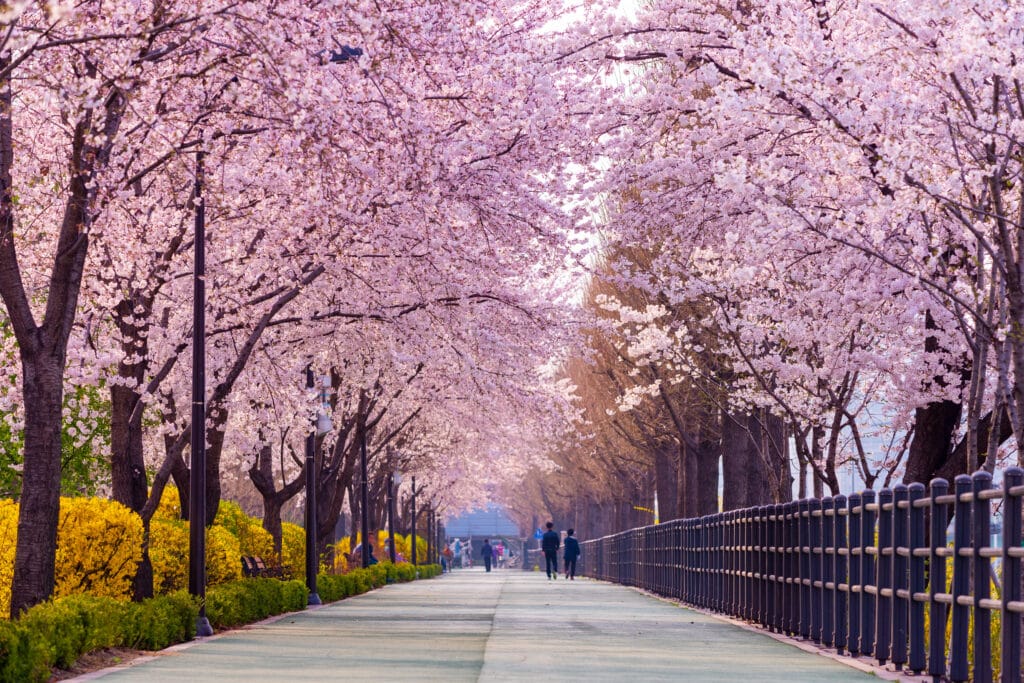
South Korea experiences four distinct seasons, each offering different advantages for travelers. Choosing the right time to visit can greatly enhance the overall experience of this itinerary.
Spring is one of the most popular seasons for travel. Between late March and early April, cherry blossoms bloom across the country, transforming cities such as Seoul and historic areas like Gyeongju into landscapes filled with delicate pink flowers.
Autumn is another excellent time to explore South Korea. During October and early November, forests across the country display spectacular fall foliage. Destinations such as Seoraksan National Park become particularly famous for their vibrant colors during this period.
Summer can be warm and humid, but it is also a wonderful season for enjoying the beaches of Busan or relaxing on the coast of Jeju Island.
Winter offers a completely different atmosphere. Snow-covered temples, festive markets, and nearby ski resorts provide unique experiences for visitors who enjoy colder weather.
Because each season has its own charm, South Korea remains a fascinating destination throughout the year.
Frequently Asked Questions: 10-Day South Korea Itinerary
Is 10 days enough for South Korea?
Yes, 10 days is ideal for a first-time visit. It allows you to explore Seoul, the DMZ, Gyeongju, Busan, and Jeju Island without feeling rushed.
What is the best route for a 10-day South Korea itinerary?
The most efficient route is:
Seoul → DMZ → Gyeongju → Busan → Jeju Island
This route minimizes travel time and follows a logical geographic flow from north to south.
How do you travel between cities in South Korea?
The best options are:
- KTX high-speed train (Seoul ↔ Busan / Gyeongju)
- Domestic flights (Busan or Seoul → Jeju Island)
- Metro systems within cities
Do I need a car in South Korea?
No, a car is not necessary. South Korea has excellent public transportation.
Exception: Renting a car on Jeju Island can make exploring easier.
Is the DMZ worth visiting?
Yes, the DMZ is one of the most unique experiences in South Korea. It offers insight into Korean history and the division between North and South Korea.
When is the best time to follow this itinerary?
- Spring (March–May): Cherry blossoms
- Autumn (September–November): Fall foliage
These seasons offer the best weather and scenery.
How much does a 10-day trip to South Korea cost?
Costs vary, but average daily budgets:
- Budget: $70–100/day
- Mid-range: $120–200/day
- Luxury: $250+/day
Is South Korea safe for travelers?
Yes, South Korea is one of the safest countries in the world, with low crime rates and excellent infrastructure.
Should I include Jeju Island in a 10-day itinerary?
Yes — Jeju adds nature, beaches, and volcanic landscapes, making your trip more diverse and balanced.
Can I do this itinerary in reverse?
Yes, but it’s less efficient. Starting in Seoul is recommended due to international flight connections.
Final Thoughts on a 10-Day Journey Through South Korea
In just ten days, travelers can experience an impressive variety of destinations across South Korea. From the historic palaces of Seoul to the ancient temples of Gyeongju, the vibrant beaches of Busan, and the volcanic landscapes of Jeju Island, the country offers an unforgettable travel experience.
This itinerary combines culture, history, food, and nature into a balanced route that showcases some of the best highlights in South Korea.
Whether it’s your first visit or a return journey, exploring the Korean Peninsula reveals a destination where ancient traditions and modern innovation exist side by side.