
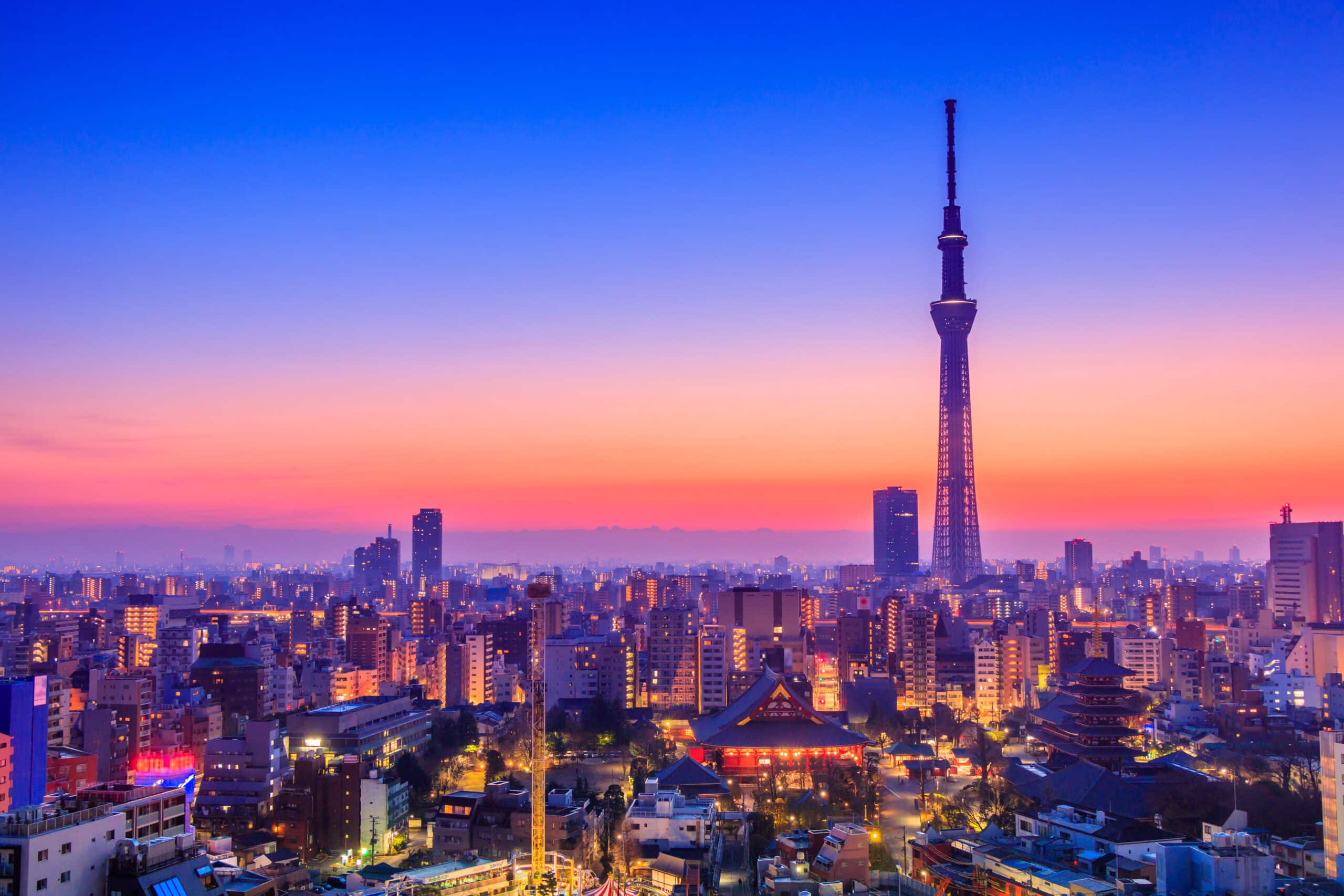
Tokyo is one of those rare cities that exceeds expectations and then keeps going. It is dazzling and disorienting, calm and chaotic, deeply traditional and relentlessly modern — sometimes within the same hour. You can begin the day at a centuries-old temple, stop for an immaculate bowl of ramen at lunch, lose an afternoon to design stores and side streets, and end the night beneath a canyon of neon in Shinjuku.
For many travelers, Tokyo is the first stop in Japan. It makes sense. The city offers an extraordinary introduction to the country: its food, its rhythms, its precision, its contrasts, and its quiet attention to detail. But Tokyo is not just a gateway. It is a destination in its own right, one that rewards first-time visitors and repeat travelers in completely different ways.
This guide is designed to help you plan a Tokyo trip that feels both practical and memorable. It covers the best time to visit Tokyo, how many days to spend here, where to stay, which neighborhoods are worth your time, what to eat, how to get around, and which day trips are actually worth leaving the city for.
If you are planning your first trip to Japan, this is the place to start.
Table of Contents
Tokyo at a Glance
If you want the short version, these are the essentials to know before planning a trip to Tokyo.
If you want the short version, these are the essentials to know before planning a trip to Tokyo.
Tokyo at a Glance
Best for: quick trip planning and first-time visitor essentials
Tokyo Quick Answer
Tokyo is best for first-time Japan trips, city breaks, food-focused travel, shopping, and culture. Most travelers should spend 3 to 5 days in Tokyo, ideally in spring or autumn.
Why Visit Tokyo?
Tokyo is not the kind of city that can be reduced to a handful of landmarks. Its appeal is broader, richer, and harder to package neatly. It lives in the spaces between the obvious attractions: in the orderliness of the train platforms, the glow of convenience stores at night, the tiny bars hidden on upper floors, the immaculate food halls in department store basements, and the temple courtyards that somehow still feel peaceful in the middle of one of the largest cities on earth.
Part of what makes Tokyo so compelling is its range. Few cities move this seamlessly between extremes. There is old Tokyo and futuristic Tokyo, polished Tokyo and scruffy Tokyo, ceremonial Tokyo and playful Tokyo. A neighborhood like Asakusa feels worlds away from Shibuya. Ginza barely resembles Akihabara. Harajuku, Ueno, Daikanyama, and Shinjuku each have their own pace, character, and mood.
It is also one of the easiest megacities in the world to travel through once you settle into its rhythms. The transport is efficient, the city feels remarkably safe, the standards for food and service are consistently high, and even the busiest districts tend to function with surprising smoothness. For first-time visitors, that combination matters. Tokyo may look intimidating from afar, but in practice it is often more manageable than many global capitals.
Who Tokyo Is Best For
Tokyo works especially well for:
- first-time visitors to Japan
- solo travelers
- couples
- food lovers
- shoppers
- anime and gaming fans
- design-minded travelers
- travelers who enjoy cities that reveal themselves slowly
Why Tokyo Is Worth Visiting
Tokyo is worth visiting because it offers far more than famous landmarks. It combines world-class food, highly efficient transport, distinct neighborhoods, excellent safety, and an unusual mix of tradition and modernity that few cities match.
That is one of the core reasons it works so well as a first Japan destination and as a repeat-visit city.
Best Time to Visit Tokyo
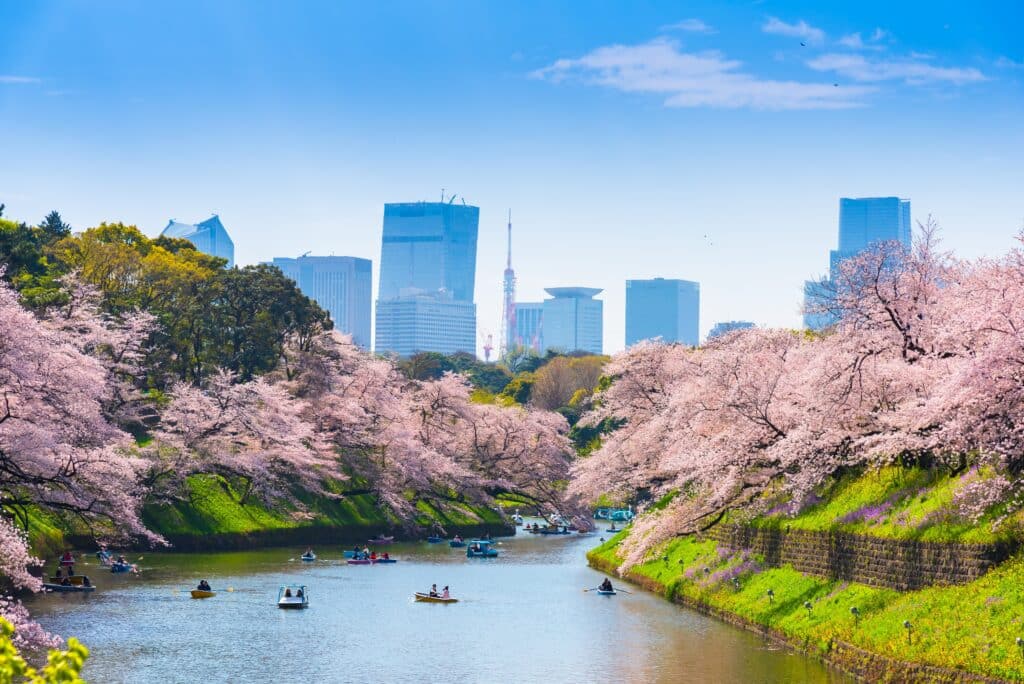
Tokyo is a city for all seasons, but the experience changes noticeably throughout the year. Some travelers arrive for cherry blossom season and leave feeling they saw Tokyo at its most photogenic. Others come in autumn and find the weather more comfortable, the light softer, and the pace easier. Summer brings festivals and fireworks, but also punishing humidity. Winter is often overlooked, though it can be one of the clearest and calmest times to visit.
For most travelers, the best times to visit Tokyo are spring and autumn.
Best Time to Visit Tokyo: Quick Answer
The best time to visit Tokyo is usually April, May, October, or November. These months offer the most comfortable weather for walking, sightseeing, and exploring the city.
Tokyo is worth visiting year-round, but spring and autumn are usually the easiest seasons to recommend for first-time visitors.
If you are trying to decide when to visit Tokyo, this comparison gives you the clearest starting point.
Best Time to Visit Tokyo
Best for: comparing Tokyo by season
Spring in Tokyo (March to May)
Spring is Tokyo’s most famous season, and with good reason. The city feels newly awake. Trees bloom, parks fill with people, and there is a sense of anticipation in the air that even first-time visitors can feel.
Cherry blossom season usually arrives between late March and early April, though the timing shifts slightly each year. During that window, places like Ueno Park, Shinjuku Gyoen, Chidorigafuchi, and the Meguro River become some of the most sought-after spots in the city.
Summer in Tokyo (June to August)
Summer in Tokyo is energetic, theatrical, and at times exhausting. June usually brings the rainy season, while July and August are known for serious heat and humidity. Long sightseeing days can become draining quickly.
And yet summer has its own charm. It is festival season. Fireworks, matsuri, beer gardens, seasonal street life, and late summer evenings give the city a festive edge.
Autumn in Tokyo (September to November)
Autumn is one of Tokyo’s most satisfying seasons. By October, the worst of the summer heat has usually faded, and the city becomes much easier to enjoy on foot. November is especially attractive, with cooler air, changing leaves, and some of the best walking weather of the year.
Winter in Tokyo (December to February)
Winter tends to surprise people. It is cooler, but often brighter and clearer than expected. The skies can be crisp, the city views sharp, and the seasonal illuminations particularly beautiful.
Best Months to Visit Tokyo
If you want the simplest answer:
- Best all-around months: April, May, October, November
- Best for cherry blossoms: late March to early April
- Best for autumn colors: November
- Best for lower crowds: January and February
How Many Days in Tokyo?
Tokyo expands to fill the time you give it. You could spend a week here and still feel as though you have only seen one version of the city. But that does not mean you need a week for a rewarding first trip.
For most travelers, 3 to 5 days in Tokyo is the sweet spot.
How Many Days in Tokyo: Quick Answer
For a first trip, 3 to 5 days in Tokyo is ideal. That gives you enough time to explore the main neighborhoods, eat well, see the highlights, and still leave space for spontaneity.
Tokyo can easily fill a week, but most travelers do not need that long for a strong first visit.
If you are trying to decide how many days to spend in Tokyo, start here.
How Many Days in Tokyo?
Best for: deciding how long Tokyo should be in your itinerary
2 Days in Tokyo
Two days is enough for a fast, highlights-focused introduction. You can combine traditional Tokyo with modern Tokyo, see a few major neighborhoods, and leave with a strong first impression.
3 to 5 Days in Tokyo
This is the ideal range for most first-time visitors. It gives you enough time to experience the city without turning the trip into a checklist.
6 to 7 Days in Tokyo
A week lets Tokyo breathe. You can go beyond the obvious, spend time in quieter neighborhoods, revisit places you liked, and add a day trip without making the rest of the itinerary feel compressed.
Best Answer for Most Travelers
If Tokyo is part of a broader Japan trip, 4 days is often the most balanced choice.
Where to Stay in Tokyo
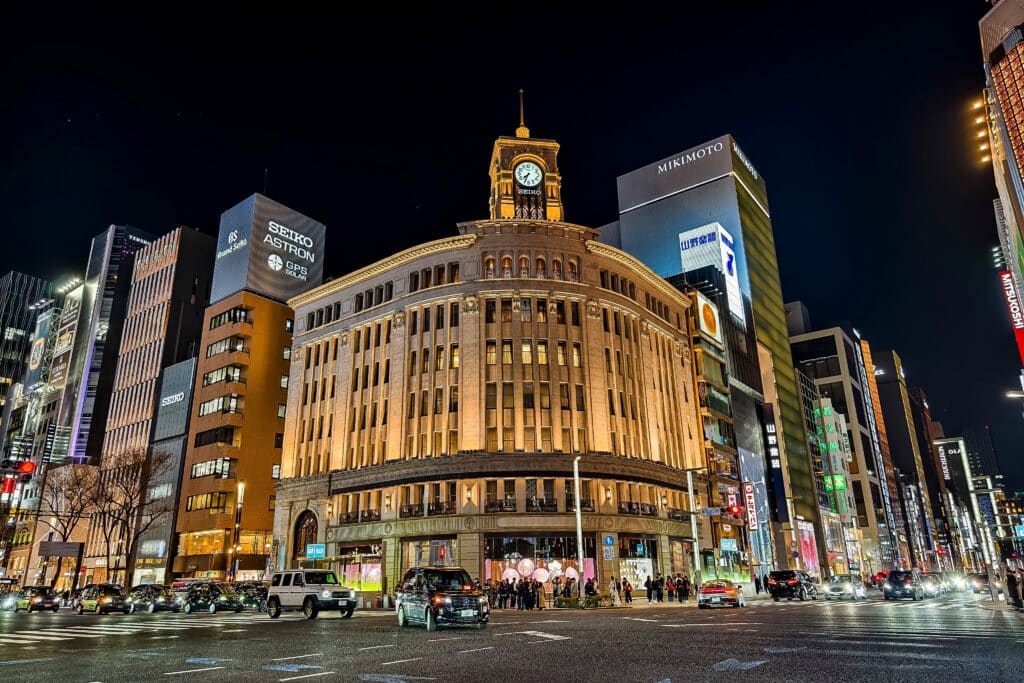
Choosing where to stay in Tokyo matters, but not because there is one perfect neighborhood. It matters because each area shapes the feel of your trip. Some neighborhoods make logistics easier. Some make evenings more exciting. Some give you a more traditional, slower-paced version of the city.
For most first-time visitors, the best places to stay in Tokyo are Shinjuku, Shibuya, Asakusa, and the Tokyo Station area.
Best Area to Stay in Tokyo: Quick Answer
Shinjuku is the best area to stay in Tokyo for first-time visitors because it combines excellent transport, food, nightlife, and hotel choice. Shibuya is best for atmosphere, while Asakusa is best for tradition and value.
Choosing where to stay in Tokyo can shape your entire trip. Some areas are better for first-time convenience, others work best for shopping, nightlife, luxury, or traditional atmosphere.
If you want the easiest starting point, this comparison shows which Tokyo neighborhoods fit different travel styles best.
Best Areas to Stay in Tokyo
Best for: choosing the right base for your trip
Best First-Time Choice
If you want the easiest all-round base, choose Shinjuku. If you want something more traditional and slightly calmer, choose Asakusa. If you want energy, shopping, and nightlife, choose Shibuya.
Shinjuku
Shinjuku is the easiest recommendation for first-time visitors because it makes so many things simple. It is one of the city’s biggest transport hubs, which means less friction getting around.
Shibuya
Shibuya is lively, stylish, and deeply central to the version of Tokyo many travelers imagine before they arrive.
Asakusa
Asakusa offers a calmer, more traditional base. It is especially appealing for travelers who want mornings that begin with temple streets rather than station crowds.
Ginza
Ginza is for travelers who want a more polished and refined Tokyo.
Ueno
Ueno is practical, underrated, and often good value.
Tokyo Station / Marunouchi
If logistics matter most, this area is hard to beat.
Best Places to Stay in Tokyo by Travel Style
- Best for first-time visitors: Shinjuku
- Best for nightlife and city energy: Shibuya
- Best for traditional atmosphere: Asakusa
- Best for luxury: Ginza
- Best for value: Ueno
- Best for train convenience: Tokyo Station / Marunouchi
Best Neighborhoods in Tokyo
Map of Tokyo’s Best Areas for First-Time Visitors
Tokyo starts to feel much more manageable once you can picture how its key neighborhoods relate to each other. This simple map highlights the parts of the city most first-time visitors compare first — from the high-energy hubs of Shinjuku and Shibuya to more traditional or practical bases like Asakusa, Ueno, Ginza, and Tokyo Station / Marunouchi.
Use it as a quick visual reference before choosing where to stay or which neighborhoods to prioritise.
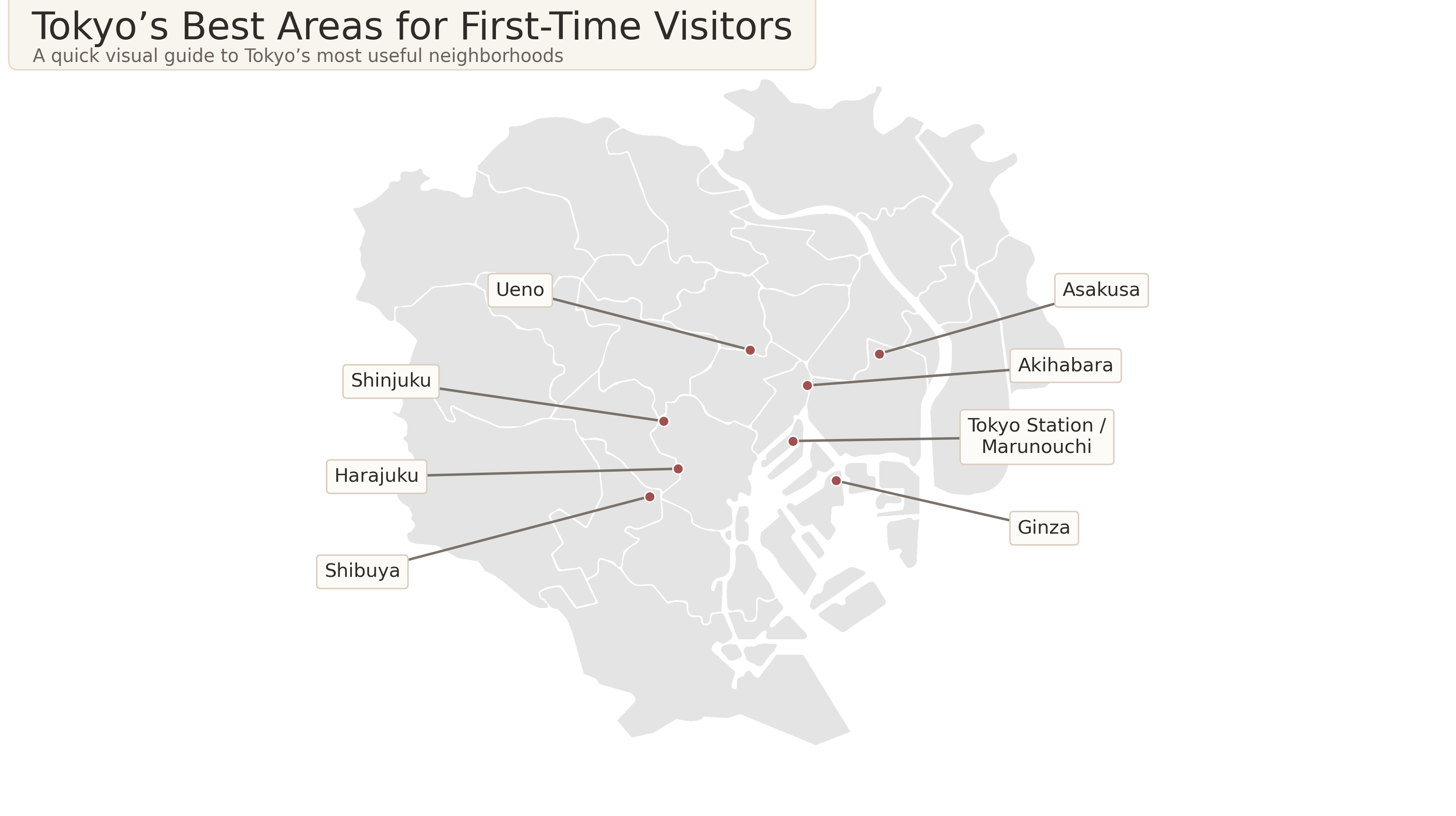
Planning tip: If you want the easiest all-round base, start with Shinjuku or Shibuya. If you prefer a more traditional atmosphere, look closely at Asakusa. If transport convenience matters most, compare Tokyo Station / Marunouchi with the western hubs.
Tokyo is best understood through its neighborhoods. This is not a city you cover all at once. It is a city you move through district by district, mood by mood.
Best Neighborhoods in Tokyo: Quick Answer
The best neighborhoods in Tokyo for first-time visitors are Shibuya, Shinjuku, Asakusa, Harajuku, Ginza, and Ueno. Each offers a different version of the city.
One of the best things about Tokyo is that it doesn’t feel like just one city. Each neighborhood has its own rhythm, style, and atmosphere.
If you are wondering which parts of Tokyo are actually worth your time, this quick comparison is the easiest place to start.
Best Neighborhoods in Tokyo
Best for: deciding which parts of Tokyo to prioritise
Shibuya
Modern Tokyo at full volume.
Shinjuku
Larger, denser, and more layered.
Asakusa
One of the clearest glimpses of old Tokyo.
Harajuku
Youthful, playful, and more varied than many expect.
Akihabara
Essential for anime, gaming, and collector culture.
Ginza
Tokyo at its most composed and upscale.
Ueno
Grounded, practical, and rewarding.
Yanaka, Kagurazaka, and Daikanyama
These are the neighborhoods that often become favorites precisely because they are less obvious.
Best Things to Do in Tokyo
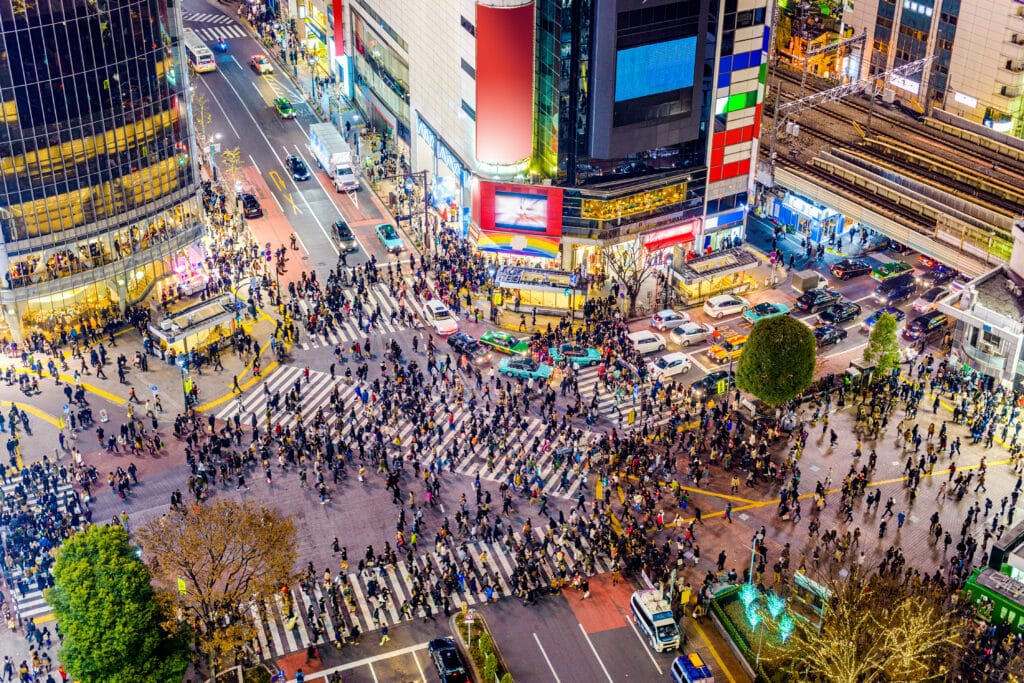
Tokyo is a city of abundance. The challenge is not finding things to do. It is choosing what actually deserves your time.
Best Things to Do in Tokyo: Quick Answer
The best things to do in Tokyo for first-time visitors include visiting Senso-ji Temple, seeing Shibuya Crossing, exploring Meiji Shrine, going up a skyline viewpoint, walking through Shinjuku at night, and eating your way through the city.
Tokyo has no shortage of things to do, but the best first-time itinerary usually combines traditional sights, modern city experiences, food, and neighborhood wandering.
If you are trying to decide what to prioritise on a first trip, start with these.
Best Things to Do in Tokyo
Best for: building a strong first-time Tokyo shortlist
Visit Senso-ji Temple
Atmospheric, visually memorable, and easy to combine with a wider walk through Asakusa.
See Shibuya Crossing
Famous for a reason.
Explore Meiji Shrine
A beautiful contrast to Tokyo’s busiest districts.
Go Up a Tokyo Observation Deck
One of the best ways to understand the scale of the city.
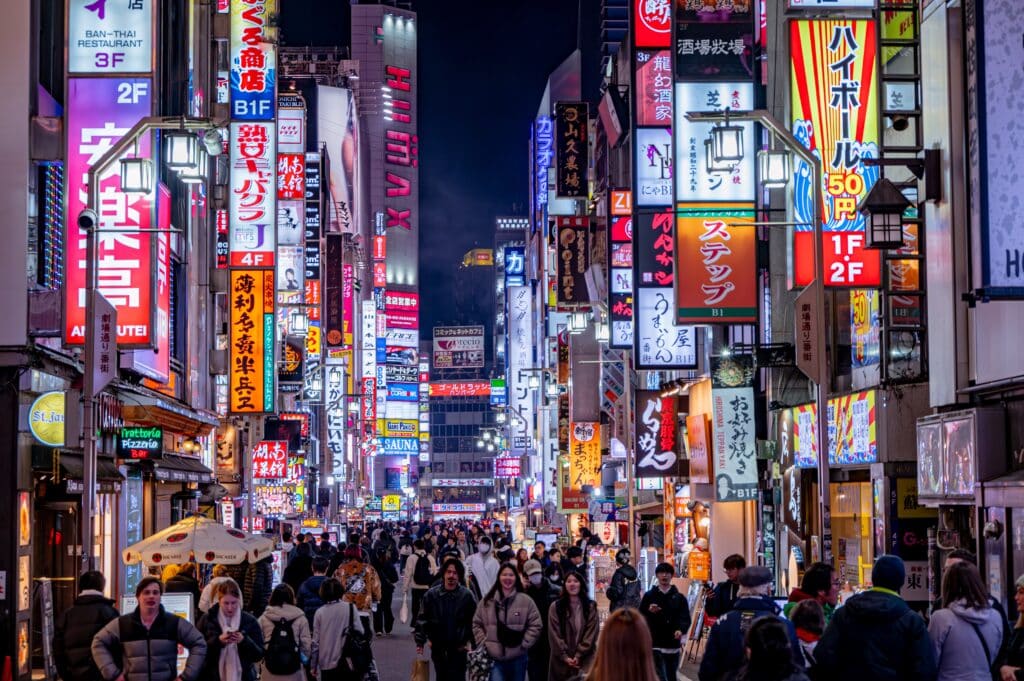
Wander Through Shinjuku at Night
Even if nightlife is not a major priority for you, it is worth seeing.
Visit a Digital Art Space
A strong modern counterpoint to Tokyo’s traditional sights.
Explore Tokyo Through Food
One of the best reasons to visit the city at all.
Spend Time in a Neighborhood That Matches Your Interests
Tokyo becomes better when you stop trying to see everything.
Best Things to Do in Tokyo at Night
A few evening experiences consistently deliver:
- walking through Shinjuku
- seeing Shibuya illuminated after dark
- heading up to Shibuya Sky or another viewpoint
- eating at an izakaya
- lingering longer than planned in a neighborhood that feels especially good at night
What to Eat in Tokyo
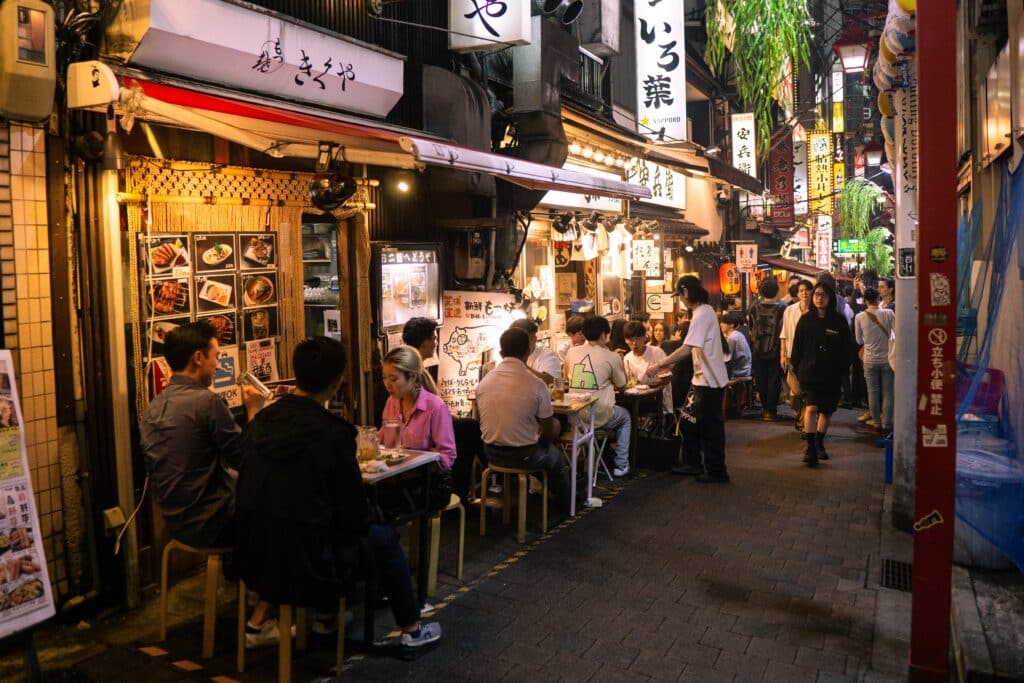
Tokyo is one of the world’s great food cities, but what makes it so enjoyable is not just the quality. It is the depth, the range, and the ease with which excellent food enters the day.
What to Eat in Tokyo: Quick Answer
The best food to try in Tokyo includes sushi, ramen, tempura, yakitori, tonkatsu, izakaya dishes, and convenience store snacks. The city is one of the best places in the world to eat well across every budget.
Tokyo is one of the best food cities in the world, and eating here can easily become one of the highlights of your trip.
If you are wondering what to eat in Tokyo first, this is the best place to begin.
What to Eat in Tokyo
Best for: building a first-time Tokyo food shortlist
Sushi
Tokyo is full of excellent sushi at every level.
Ramen
Comforting, affordable, fast, and endlessly variable.
Tempura
Far lighter and more elegant than many travelers expect.
Yakitori
Perfect for a relaxed Tokyo evening.
Tonkatsu
One of the city’s great comfort foods.
Izakaya Food
More about the experience than any one dish.
Convenience Store Food
Surprisingly good — and very much part of the Tokyo experience.
Street Snacks and Casual Bites
Asakusa and Ameyoko are especially good for this.
Best Areas for Food in Tokyo
- Shinjuku for izakayas, ramen, and late-night eating
- Asakusa for traditional snacks and casual meals
- Ueno / Ameyoko for market-style food
- Ginza for polished, high-quality dining
- Shibuya / Harajuku for cafes and modern casual food
- Tsukiji area for seafood-focused eating
How to Get Around Tokyo
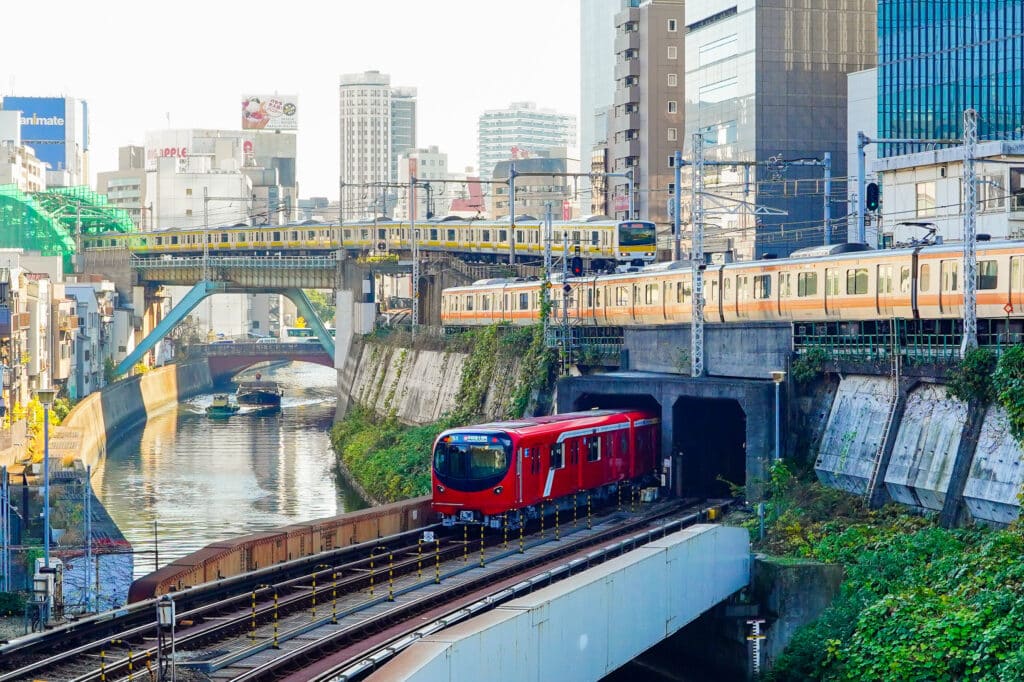
Tokyo’s transport system looks far more intimidating than it feels in practice. Once you begin using it, it becomes one of the easiest parts of the trip.
For most travelers, Tokyo means trains, subways, walking, and the occasional taxi.
How to Get Around Tokyo: Quick Answer
The best way to get around Tokyo is by train and subway using an IC card such as Suica or Pasmo. Google Maps is usually all you need for navigation.
Tokyo’s transport system looks intimidating on a map, but in practice it is one of the easiest big-city systems to use once you understand the basics.
Tokyo Transport Cheat Sheet
Best for: understanding the basics before you arrive
Use Google Maps
Still the easiest transport advice to give.
Get a Suica or Pasmo Card
One of the simplest upgrades for Tokyo travel.
Do Not Overthink the Train Companies
You do not need to understand everything before arriving.
Expect to Walk More Than You Think
Tokyo is physically demanding in small ways.
Taxis Are Useful, Not Essential
Best used strategically.
Haneda vs Narita
Haneda is usually more convenient, but Narita is still manageable.
Tokyo Transport Cheat Sheet
- Best way to get around: trains and subways
- Best app: Google Maps
- Most useful card: Suica or Pasmo
- JR Pass for Tokyo only? Usually no
- Will you walk a lot? Absolutely yes
Best Day Trips from Tokyo
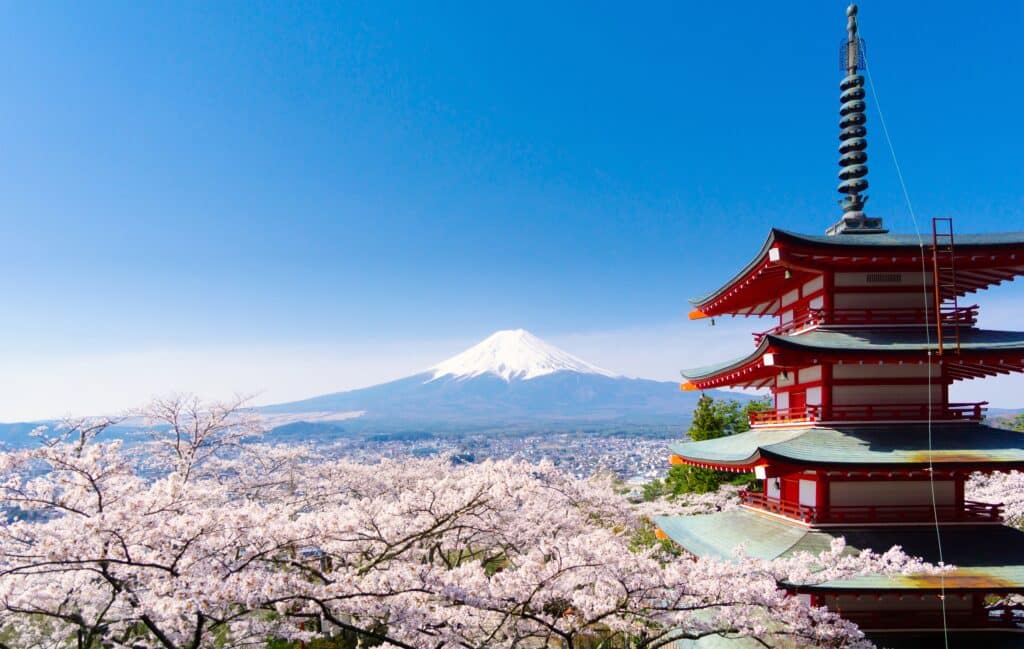
One of Tokyo’s strengths is that it also works beautifully as a base. Leave the city for a day and the contrast can be dramatic.
Best Day Trips from Tokyo: Quick Answer
The best day trips from Tokyo are Hakone, Kamakura, Nikko, Yokohama, and Kawaguchiko. Hakone is best for scenery and onsen, while Kamakura is usually the easiest first day trip.
One of the best things about staying in Tokyo is that you can easily add a day trip without changing hotels. The right choice depends on whether you want nature, temples, coastline, or Mount Fuji views.
If you only have time for one, this comparison shows which Tokyo day trip fits which kind of traveler.
Best Day Trips from Tokyo
Best for: choosing the right escape from the city
If You Only Do One
If you only have time for one day trip from Tokyo, choose Hakone for scenery, Kamakura for ease, or Kawaguchiko if seeing Mount Fuji is high on your list.
Hakone
Best for scenery and onsen culture.
Nikko
Best for temples and history.
Kamakura
One of the easiest and most rewarding first day trips.
Yokohama
A very easy city break from Tokyo.
Kawaguchiko / Fuji Five Lakes
The obvious choice for Mount Fuji views.
Which Day Trip Is Best?
- Choose Hakone for scenery and onsen culture
- Choose Nikko for temples and history
- Choose Kamakura for a relaxed first day trip
- Choose Kawaguchiko for Fuji views
Tokyo Itinerary for First-Time Visitors
The best Tokyo itineraries are not the ones that cover the most ground. They are the ones that combine neighborhoods thoughtfully and leave room for curiosity.
Tokyo Itinerary: Quick Answer
A good first Tokyo itinerary should balance traditional Tokyo, modern Tokyo, food, and at least one flexible day. Most travelers should not try to cover too much in one day.
A Simple 3-Day Tokyo Itinerary
If you want a simple first-time route through Tokyo, the easiest approach is to divide the city into traditional, modern, and flexible exploration days.
3-Day Tokyo Itinerary
Best for: planning a balanced first-time Tokyo trip
Day 1: Traditional Tokyo and the East
Start in Asakusa with Senso-ji, then move toward Ueno for museums, markets, or a slower park-based afternoon.
Day 2: Modern Tokyo and the West
Begin with Meiji Shrine, then move through Harajuku and Omotesando into Shibuya. Spend the evening in Shinjuku.
Day 3: Flexible Tokyo
Use this day for food, shopping, museums, a digital art space, or a quieter neighborhood such as Daikanyama, Yanaka, or Kagurazaka.
If You Have More Time
With 4 or 5 days, add a day trip, revisit a favorite district, or allow yourself one genuinely unstructured day.
Tokyo Travel Budget
Tokyo has a long-standing reputation for being expensive. That reputation is not completely wrong, but it is also incomplete.
Is Tokyo Expensive? Quick Answer
Tokyo can be expensive, especially for hotels, but it is far more flexible than many first-time visitors expect. It is possible to travel well here on a budget, mid-range, or luxury budget.
Tokyo has a reputation for being expensive, but in practice it is more flexible than many first-time visitors expect. You can spend a lot here — but you do not have to.
If you are trying to estimate costs, this quick comparison shows what different Tokyo travel budgets usually look like.
Tokyo Travel Budget at a Glance
Best for: understanding typical daily costs in Tokyo
The Sweet Spot
For most travelers, mid-range Tokyo offers the best balance of comfort, location, and food without making the city feel unnecessarily expensive.
Budget Travel in Tokyo
Possible, especially if you book early and keep food casual.
Rough daily range: €70–€130 / ¥11,000–¥21,000
Mid-Range Travel in Tokyo
Often the sweet spot for comfort and enjoyment.
Rough daily range: €140–€280 / ¥22,000–¥45,000
Luxury Travel in Tokyo
Tokyo does luxury exceptionally well.
Rough daily range: €350+ / ¥55,000+
Where the Money Goes
For most travelers, the main expenses are:
- accommodation
- food
- transport
- attractions
- shopping and small extras
The small extras matter more than people expect.
Essential Tokyo Travel Tips
Tokyo is easier than it looks, but a few practical realities make a noticeable difference.
Travel Etiquette
Tokyo Etiquette at a Glance
Tokyo is one of the easiest major cities in the world to travel through, but a few local habits are worth understanding before you arrive. This visual guide covers some of the small etiquette details that make daily travel in Japan feel smoother, calmer, and more respectful.
It is especially useful for first-time visitors who want a quick feel for everyday norms around queues, trains, tipping, punctuality, and shared public spaces.
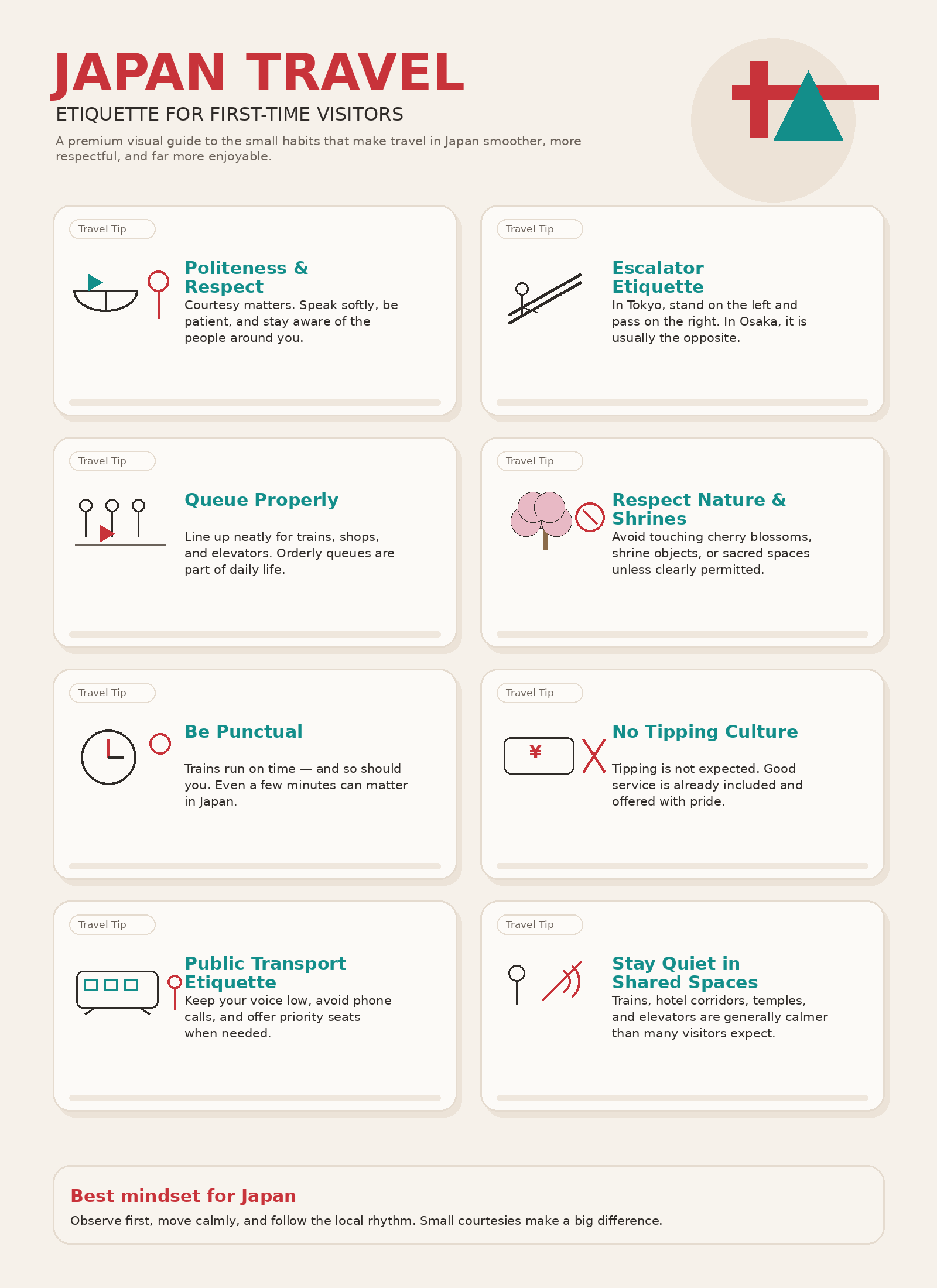
Tokyo Travel Tips: Quick Answer
The most useful Tokyo travel tips are simple: get an IC card, use Google Maps, wear comfortable shoes, carry some cash, and avoid overplanning your days.
Carry Some Cash
Cards are widely accepted, but not everywhere.
You Do Not Need to Speak Japanese
A few polite words go a long way.
Tokyo Is Very Safe
One of the safest major cities in the world for travelers.
Be Aware of Basic Etiquette
Keep your voice down on trains, queue neatly, and be mindful in shared spaces.
Stay Connected
An eSIM or other mobile data setup makes Tokyo dramatically easier.
Pack for Walking
Comfortable shoes matter more than almost anything else you bring.
Do Not Overplan
This is perhaps the most useful advice in the guide.
FAQs About Visiting Tokyo
Is Tokyo good for first-time visitors?
Yes. It is large, but it is also organized, safe, and easier to navigate than many people expect.
How many days in Tokyo is enough?
For most travelers, 3 to 5 days is ideal.
What is the best month to visit Tokyo?
April, May, October, and November are usually the strongest choices.
Is Tokyo expensive for tourists?
It can be, but it is more flexible than its reputation suggests.
What area is best to stay in Tokyo?
Shinjuku, Shibuya, and Asakusa are the best starting points for most first-time visitors.
Do I need cash in Tokyo?
Yes, some cash is still useful.
Is Tokyo easy to get around?
Yes. With Google Maps and an IC card, it is very manageable.
What should I not miss in Tokyo?
Senso-ji, Meiji Shrine, Shibuya, Shinjuku at night, and the food scene are all strong first-trip priorities.
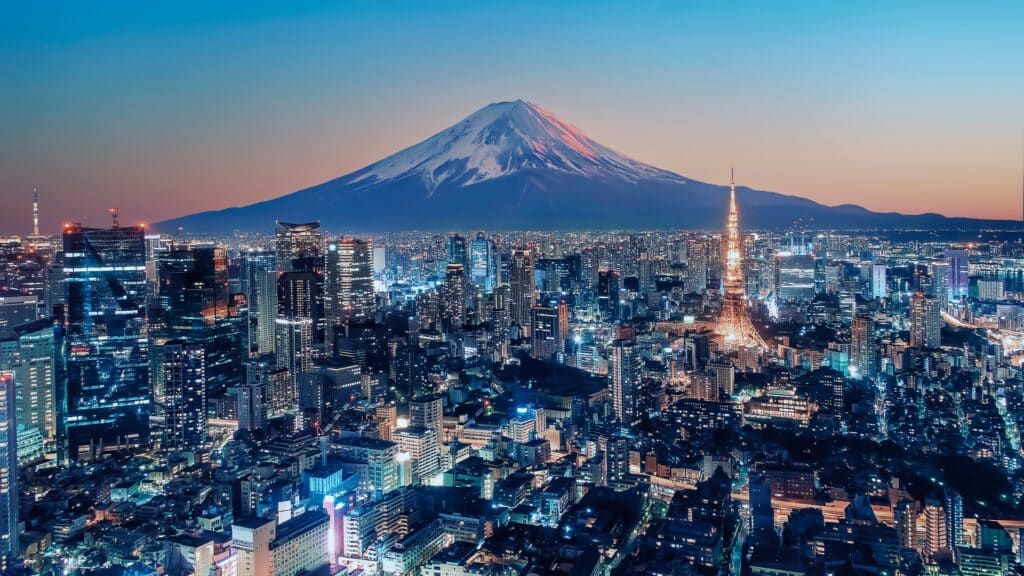
Is Tokyo Worth Visiting?
Yes — unquestionably.
Tokyo is one of the most rewarding cities in the world because it offers more than spectacle. It offers range. It can be thrilling, elegant, strange, soothing, overwhelming, precise, generous, and deeply memorable. It is a city of grand impressions, but also of small details that stay with you long after the trip ends.
For first-time visitors, it is one of the best introductions to Japan you could ask for. For repeat travelers, it becomes even more satisfying once the pressure to “see everything” disappears. Either way, Tokyo has a way of getting under your skin.
It is not a city you finish. It is a city you return to.
Planning Your Tokyo Trip Next?
If you are building out your itinerary, these are the best next guides to read:
- Where to Stay in Tokyo
- 3 Days in Tokyo Itinerary
- Best Things to Do in Tokyo
- Tokyo Food Guide
- Best Day Trips from Tokyo