

The Korean Demilitarized Zone, commonly known as the DMZ, is one of the most fascinating and unusual destinations in South Korea. Stretching across the Korean Peninsula near the border with North Korea, this heavily guarded area represents both the division of the peninsula and the ongoing hope for peace between the two nations.
The DMZ was created in 1953 following the armistice that ended the Korean War. Although the war officially ended decades ago, no formal peace treaty has ever been signed. As a result, the two Koreas remain technically at war, and the DMZ continues to serve as a buffer zone separating the countries.
Despite its tense history, parts of the DMZ are open to visitors through organized tours departing from Seoul. These tours offer a rare opportunity to learn about the history of the Korean Peninsula while visiting one of the most politically sensitive borders in the world.
Surprisingly, because human activity has been restricted in the DMZ for decades, the area has also become an unexpected wildlife sanctuary. Forests, wetlands, and rivers now provide habitats for rare birds, deer, and other species.
Today the DMZ attracts travelers interested in history, geopolitics, and modern Korean culture. Visiting the border offers a powerful reminder of the peninsula’s complex past and the continuing desire for peace and reunification.

Quick Guide to Visiting the Korean DMZ
- Location: Border between North and South Korea
- Distance from Seoul: ~50 km (about 1 hour)
- Best way to visit: Organized guided tour
- Recommended time: Half-day or full-day trip
- Top highlights: Joint Security Area (Panmunjom), Third Infiltration Tunnel, Dora Observatory, Dorasan Station
- Passport required: Yes (mandatory)
- Safety: Safe when visiting with official tours
- Best time to visit: Spring and autumn for mild weather and clear views
- Type of experience: Historical, political, and educational
The DMZ is one of the most unique travel experiences in South Korea, offering insight into the country’s history and the division of the Korean Peninsula.
Map of the Korean Demilitarized Zone
Table of Contents
History of the Korean Demilitarized Zone
The DMZ was established after the end of the Korean War, which lasted from 1950 to 1953. The conflict began when North Korean forces crossed the 38th parallel and invaded South Korea, triggering a war that involved multiple international forces.
When the war ended with an armistice agreement, a buffer zone approximately four kilometers wide was created along the border between the two countries. This area became known as the Korean Demilitarized Zone.
Ironically, despite its name, the DMZ is one of the most heavily fortified borders in the world. Military checkpoints, watchtowers, and fences line the region, and both sides maintain significant military presence nearby.
Over time, the DMZ has also become a symbol of the division of Korea and the ongoing efforts toward peace and potential reunification.
Things to See in the Korean Demilitarized Zone
Visit the Joint Security Area at Panmunjom

The Joint Security Area (JSA) at Panmunjom is the most famous location within the DMZ. This is where negotiations between North and South Korea have taken place for decades.
Visitors can see the blue conference buildings that sit directly on the border between the two countries. Inside these buildings, meetings between diplomats and military officials from both sides have historically taken place.
Standing in this area offers a rare chance to be only a few steps away from North Korea.
Explore the Third Infiltration Tunnel

One of the most intriguing discoveries in the DMZ was the Third Infiltration Tunnel, discovered in 1978. The tunnel was secretly constructed beneath the border and is believed to have been designed for a potential military invasion.
Today visitors can descend into a section of the tunnel to see the underground passage carved through solid rock. The narrow tunnel offers a fascinating look at the tense military history of the region.
Look Across the Border from Dora Observatory

The Dora Observatory is one of the best viewpoints for seeing across the border into North Korea. From the observation deck, visitors can look through binoculars toward North Korean villages and farmland located beyond the DMZ.
On clear days it is even possible to see the North Korean city of Kaesong in the distance.
The observatory offers a powerful visual perspective on the divided peninsula.
Visit Dorasan Station

Located just south of the DMZ, Dorasan Station was built with the hope that one day railway lines connecting North and South Korea might reopen.
Although trains currently run only within South Korea, the station symbolizes the possibility of future reunification and expanded travel across the peninsula.
Visitors can explore the station and learn about plans for reconnecting railway routes between the two Koreas.
DMZ Tour Options

Because the Korean Demilitarized Zone is a restricted military area, independent travel inside the zone is not permitted. Visitors must join an organized tour operated by authorized companies departing from Seoul.
Most travelers choose half-day tours, which typically include transportation from Seoul and visits to key locations such as the Third Infiltration Tunnel, Dora Observatory, and Dorasan Station. These tours usually last around four to five hours and provide a convenient introduction to the history of the DMZ.
For those interested in learning more about the region, full-day tours offer additional stops and more detailed explanations from guides. Some tours also include visits to nearby historical sites connected to the Korean War.
A small number of specialized tours include access to Panmunjom, where the famous Joint Security Area is located. Because this site sits directly on the border between North and South Korea, these tours often require advance reservations and additional security checks.
Booking a guided tour not only allows access to restricted areas but also provides valuable historical context about one of the most unusual borders in the world.
Rules for Visiting the Korean Demilitarized Zone
Because the DMZ remains an active military border, visitors must follow several important rules during their visit.
First, passports are required. Tour operators will check identification before entering the restricted zone, and visitors should carry their passports at all times during the tour.
Certain dress codes may also apply when visiting sensitive locations such as the Joint Security Area. Clothing that appears overly casual or revealing may not be permitted, as the area is still considered an active military environment.
Photography is usually allowed at designated viewpoints such as Dora Observatory, but restrictions can apply in some areas. Visitors must always follow the instructions of their tour guides and military personnel.
Finally, travelers should remain within designated paths and avoid wandering away from the group. These rules are designed to ensure both visitor safety and the security of the border region.
Although these regulations may seem strict, they help make it possible for visitors to safely explore one of the most sensitive geopolitical locations in the world.
Wildlife in the Korean Demilitarized Zone

One of the most surprising aspects of the Korean Demilitarized Zone is its rich natural environment. Because human activity has been heavily restricted in the region since 1953, large areas of the DMZ have remained untouched for decades.
As a result, the zone has become an unexpected wildlife sanctuary. Forests, wetlands, and rivers provide habitats for many species that are rarely seen elsewhere on the Korean Peninsula.
Among the most notable animals living in the DMZ are endangered cranes, including the rare red-crowned crane. These birds migrate through the region during the winter and have become an important symbol of peace and hope for the Korean Peninsula.
Other wildlife found in the DMZ includes deer, wild boar, and a wide variety of birds. Conservationists have increasingly recognized the ecological importance of the region and have suggested that the DMZ could eventually become an international nature reserve if peace between the two Koreas continues to develop.
For visitors, the presence of thriving wildlife within such a historically tense area offers a powerful reminder that nature can flourish even in places shaped by conflict.
How to Visit the Korean Demilitarized Zone from Seoul
Most travelers visit the DMZ through guided tours departing from Seoul, which is located about an hour away by road.
Tours typically include transportation, guides explaining the history of the Korean conflict, and visits to several important locations inside the DMZ.
Because the area remains a military zone, visitors must bring a passport and follow strict security rules during the tour.
Many travelers choose half-day tours, while others opt for full-day excursions that include additional historical sites near the border.

Best Time to Visit the Korean Demilitarized Zone
The DMZ can be visited throughout the year, though spring and autumn offer the most comfortable weather.
Spring brings mild temperatures and blooming landscapes, while autumn offers clear skies and colorful foliage in the surrounding hills.
Winter visits are also possible and sometimes provide clearer views across the border due to dry air and minimal haze.
FAQ – Visiting the Korean DMZ
What is the Korean Demilitarized Zone (DMZ)?
The Korean Demilitarized Zone (DMZ) is a buffer zone that separates North and South Korea. It was established in 1953 after the Korean War and remains one of the most heavily guarded borders in the world.
Can tourists visit the DMZ?
Yes, tourists can visit certain parts of the DMZ, but only through authorized guided tours. Independent travel inside the zone is not permitted.
How far is the DMZ from Seoul?
The DMZ is located about 50 kilometers north of Seoul, and most tours take around 1 hour to reach the area.
Do I need a passport to visit the DMZ?
Yes, a valid passport is required for all visitors. Identification is checked before entering restricted areas.
What can you see on a DMZ tour?
Most tours include:
- The Third Infiltration Tunnel
- Dora Observatory (view into North Korea)
- Dorasan Station
- Sometimes the Joint Security Area (Panmunjom)
Can you see North Korea from the DMZ?
Yes, from locations like Dora Observatory, visitors can see North Korean villages and, on clear days, the city of Kaesong.
Is visiting the DMZ safe?
Yes, visiting the DMZ is considered safe when done through official tours. Visitors must follow strict rules and stay with their group at all times.
What should I wear when visiting the DMZ?
Smart casual clothing is recommended. Avoid:
- Ripped jeans
- Sleeveless tops
- Flip-flops
Some areas like the JSA have stricter dress codes.
How long does a DMZ tour take?
- Half-day tours: 4–5 hours
- Full-day tours: 6–8 hours
When is the best time to visit the DMZ?
Spring and autumn offer the best weather, but the DMZ can be visited year-round. Winter often provides clearer views across the border.
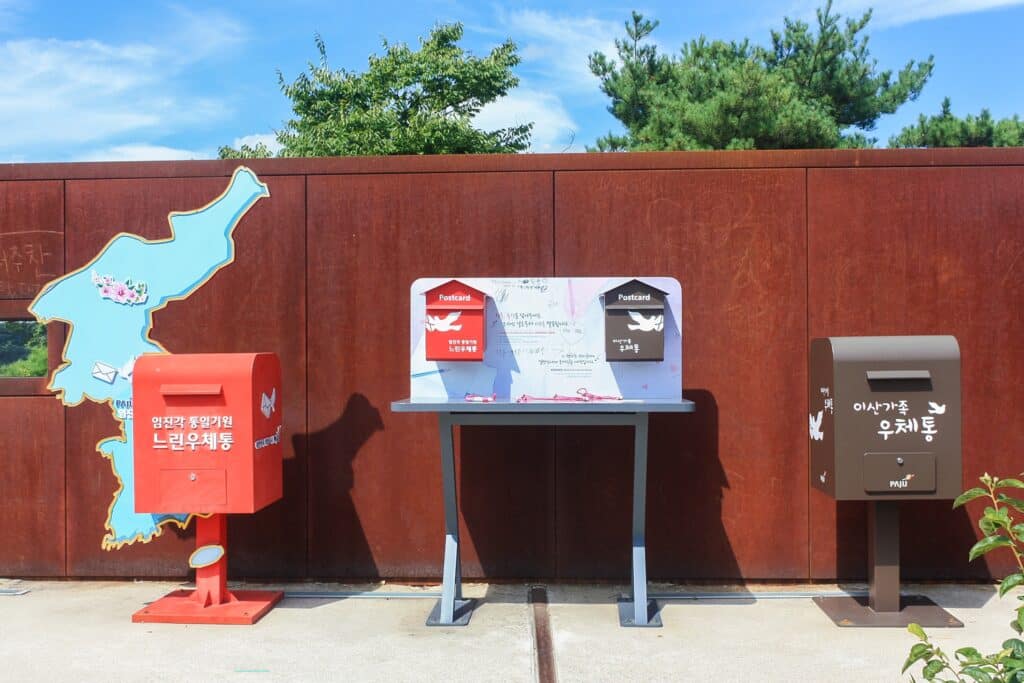
Final Thoughts on Visiting the Korean Demilitarized Zone
A visit to the Korean Demilitarized Zone is unlike any other travel experience in South Korea. Beyond the dramatic border scenery, the DMZ provides a powerful insight into the history and political reality of the Korean Peninsula.
From standing at the Joint Security Area to exploring the underground passages of the Third Infiltration Tunnel, the sites within the DMZ offer a deeper understanding of Korea’s past and present.
For travelers visiting Seoul, the DMZ is one of the most meaningful day trips available, combining history, culture, and the hope for a peaceful future on the peninsula.