

Devon or Cornwall? It sounds like a simple choice between two neighboring counties in southwest England. In reality, choosing between them can completely change the character of your trip.
Both offer beautiful beaches, dramatic coastal walks, picturesque villages and some of England’s best seaside scenery. But they do not deliver quite the same experience. Cornwall feels more intensely coastal, with rugged Atlantic cliffs, surf beaches, tiny fishing harbours and famous places such as St Ives and Tintagel. Devon offers more variety, combining two very different coastlines with rolling countryside, historic towns and the wild landscapes of Dartmoor and Exmoor.
The better choice therefore depends less on which county is “more beautiful” and more on what you actually want from your trip. Are you dreaming of spectacular coves and coastal villages? Do you want beaches and surfing? Or would you rather combine the coast with countryside, moorland and a more varied road trip?
That is what this comparison is designed to help you decide. We’ll compare Devon and Cornwall for scenery, beaches, villages, hiking, food, costs, crowds, transport and different types of travelers — and show you which one makes better use of your limited vacation time.
Devon vs Cornwall: Which Is Better?
Choose Cornwall if you want the more iconic coastal escape. Its rugged Atlantic cliffs, beautiful coves, surf beaches and postcard fishing villages create a stronger sense that the coastline itself is the main reason for your trip.
Choose Devon if you want greater variety. You can combine beaches and seaside towns with Dartmoor or Exmoor, rolling countryside, historic places and two very different coastlines. It is particularly appealing if you want your trip to be about more than just the sea.
Travel Owl Verdict: For a first trip to southwest England where you can choose only one, Cornwall has a slight edge for its memorable coastal scenery and distinctive sense of place. But Devon may actually be the better choice if you value variety, easier exploration and a mix of coast and countryside. With a week or more, combining selected parts of both can be even better.
Table of Contents
Devon vs Cornwall at a Glance
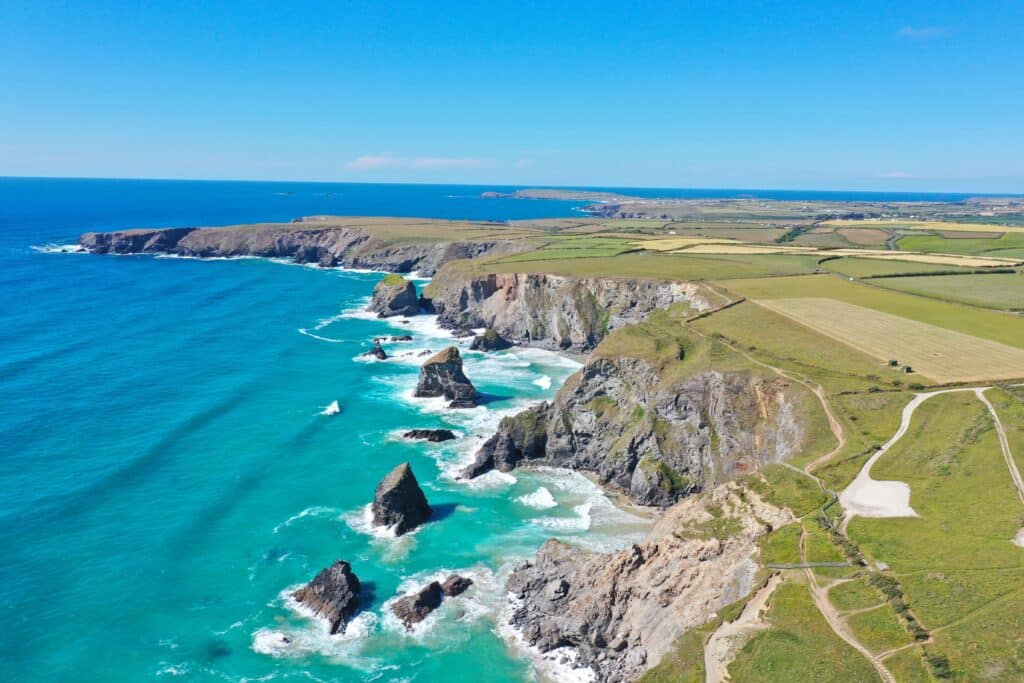
Devon and Cornwall are both excellent choices, but they suit slightly different trips. Cornwall has the edge for the classic coastal experience, while Devon offers greater variety and slightly easier logistics.
| Category | Devon | Cornwall | Edge |
|---|---|---|---|
| 🌅 Coastal Scenery | ★★★★★ | ★★★★★ | Cornwall |
| 🏖️ Beaches | ★★★★★ | ★★★★★ | Tie |
| ⚓ Villages & Harbours | ★★★★★ | ★★★★★ | Cornwall |
| 🌿 Landscape Variety | ★★★★★ | ★★★★★ | Devon |
| 🥾 Hiking & Nature | ★★★★★ | ★★★★★ | Tie |
| 🚆 Ease of Travel | ★★★★★ | ★★★★★ | Devon |
| 📸 First-Trip Wow Factor | ★★★★★ | ★★★★★ | Cornwall |
Cornwall has the edge for dramatic coastal scenery, picturesque harbours and first-trip impact. Devon wins on landscape variety and easier travel. Beaches and hiking are excellent in both.
Quick Decision Guide: Should You Choose Devon or Cornwall?

Still torn between the two? Forget the individual attractions for a moment and think about what you want your trip to feel like. These are the differences that matter most.
Best for Variety & Flexible Exploring
✓ You want coast and countryside, not just a seaside holiday.
✓ You want to explore Dartmoor or Exmoor as well as beaches.
✓ You like having two different coastlines to choose from.
✓ You want a road trip with more landscape variety.
✓ You are traveling as a family and want plenty of different activities.
✓ You would rather have more options for escaping the busiest tourist hotspots.
Best for the Classic Coastal Escape
✓ Your priority is dramatic coastal scenery.
✓ You dream of coves, cliffs and turquoise water.
✓ You want postcard fishing villages and small harbours.
✓ Surfing or spending lots of time on the beach is high on your list.
✓ Places such as St Ives, Tintagel and St Michael’s Mount are part of the trip you imagine.
✓ You want your first southwest England trip to have the strongest possible coastal wow factor.
Use This Simple Rule
Scenery: Which Is More Beautiful?

This is probably the hardest category to decide because both Devon and Cornwall contain some of the most beautiful landscapes in England. The real difference is not quality—it is the type of scenery you experience throughout your trip.
Devon: The More Varied Landscape
Devon feels incredibly diverse. Within the same holiday you can move from wide sandy beaches and dramatic cliffs to rolling green hills, historic estuaries and the wild open landscapes of Dartmoor or Exmoor.
Rather than being defined by one iconic coastline, Devon offers several distinct environments. South Devon is known for its sheltered bays, colourful seaside towns and lush countryside, while North Devon delivers bigger surf beaches and rugged Atlantic scenery. Inland, Dartmoor adds granite tors, open heathland and completely different hiking opportunities.
Cornwall: The Iconic Coastal Experience
Cornwall delivers the scenery many international visitors imagine when they picture southwest England. Granite cliffs plunge into the Atlantic, turquoise coves hide beneath coastal paths and tiny fishing harbours appear around almost every headland.
The coastline is the main attraction here. From the wild landscapes around Land’s End to the sweeping beaches near St Ives and the gentler estuaries of the south coast, Cornwall constantly keeps the sea at the centre of the experience.
If your idea of the perfect holiday is standing on towering cliffs above turquoise water, walking between hidden coves and constantly discovering dramatic coastal viewpoints, Cornwall has the slight edge. If you would rather enjoy a richer variety of landscapes—from beaches and estuaries to national parks and open moorland—Devon is the more versatile destination.
Beaches: Devon or Cornwall?
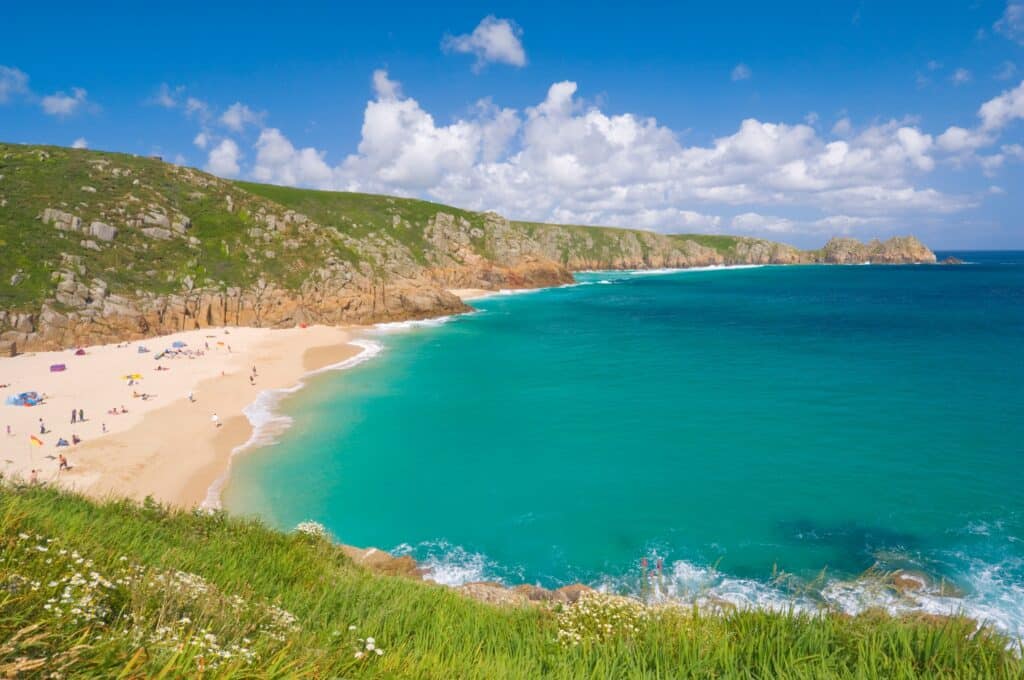
If beaches are one of the main reasons for your trip, you cannot really make a bad choice. Both Devon and Cornwall have outstanding beaches, from huge stretches of sand to small sheltered coves. The difference is more about the kind of beach holiday you want.
Devon: Big Beaches & Two Different Coasts
Devon’s biggest advantage is choice. On the north coast, beaches such as Woolacombe and Saunton Sands offer huge expanses of sand, Atlantic waves and excellent conditions for surfing and long beach days.
Head to South Devon and the atmosphere changes. Around places such as Bantham and Blackpool Sands, you find sheltered bays, attractive coastal scenery and beaches that combine naturally with seaside towns, estuaries and countryside.
Cornwall: Coves, Surf & Spectacular Settings
Cornwall’s beaches often feel more dramatic. Some sit beneath high cliffs, others appear as small coves along the coastal path, while the north coast delivers the Atlantic waves that have made Cornwall the centre of British surf culture.
Fistral Beach is synonymous with surfing, while places such as Porthcurno, Kynance Cove and Perranporth show just how varied Cornwall’s coastline can be. On sunny days, some of the water and sandy coves can look surprisingly far removed from the stereotypical image of an English beach.
Which Has the Better Beaches for You?
One important difference: do not choose either destination expecting a guaranteed week of sunbathing. Southwest England’s weather can change quickly, even in summer. The smartest itinerary mixes beach time with walks, villages, countryside and other activities rather than depending entirely on perfect beach weather.
This category is essentially a tie. Cornwall gets our vote if you want surfing, hidden coves and the most dramatic coastal settings. Devon is equally compelling if you prefer large sandy beaches, greater variety and an easy mix of beach days with other activities. If beaches are your single biggest priority, choose the specific stretch of coast you love rather than choosing Devon or Cornwall purely by county.
Towns & Villages: Which Has More Charm?

Pretty coastal towns and villages are part of the appeal of both counties, but this is one category where the experience starts to feel noticeably different. Devon offers greater variety, while Cornwall has more of the small fishing harbours and seaside villages that many travelers picture before visiting southwest England.
Devon: More Variety
Devon’s towns and villages range from elegant harbour towns to tiny coastal settlements and lively market towns. Dartmouth has one of the most attractive waterfront settings in the county, while Salcombe combines beaches, sailing and a polished holiday atmosphere.
On the north coast, Clovelly offers something completely different with its steep cobbled street descending toward the harbour, while Lynmouth sits beneath wooded Exmoor hills. Inland, places such as Totnes add historic streets and independent shops to the mix.
Cornwall: The Postcard Experience
Cornwall has an exceptional concentration of places that look exactly like the classic image of a Cornish coastal escape. St Ives combines beaches, narrow streets, galleries and a beautiful harbour, making it one of the strongest all-round bases in either county.
Elsewhere, Mousehole delivers small-scale harbour charm, Port Isaac squeezes whitewashed cottages into a dramatic coastal setting, Fowey overlooks a scenic estuary, and Padstow combines a working harbour with one of Cornwall’s best-known food scenes.
Which Is Better for the Experience You Want?
Time-saving tip: do not build your itinerary around visiting every famous coastal village. After several harbours and narrow-street villages, the experience can start to become repetitive. Choose two or three that offer different experiences and use the saved time for beaches, coastal walks or the countryside.
🏆 Winner: Cornwall. Devon has beautiful towns and villages, and arguably offers more variety, but Cornwall has the stronger collection of iconic coastal settlements. If wandering around fishing harbours, narrow streets and photogenic seaside villages is high on your wish list, Cornwall is the better choice.
Things to Do: Which Has More Variety?
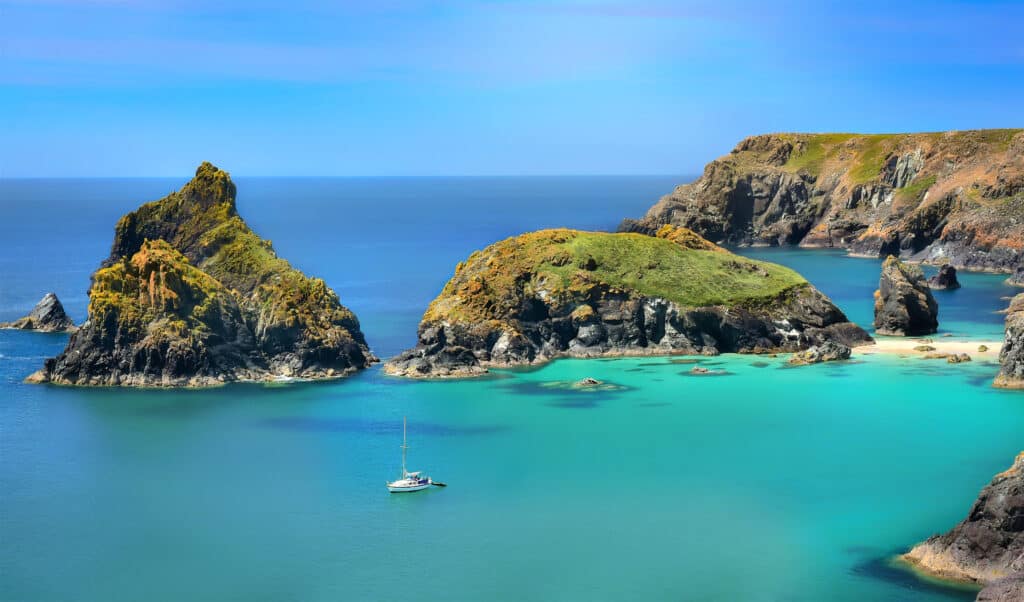
Both destinations can easily fill a week, but they do it differently. Cornwall’s best experiences are closely connected to its coastline, while Devon spreads its attractions across beaches, countryside, moorland, historic towns and cities. That gives Devon a slight advantage if you want every day of your trip to feel different.
Devon: Coast, Moorland & Historic Places
Devon works particularly well for travelers who like mixing completely different experiences. You might spend one day hiking across Dartmoor, another relaxing on the beach, and the next exploring a historic city, harbour town or estuary.
Exeter adds history and city sightseeing, Plymouth brings maritime heritage, while Dartmoor and Exmoor provide a major inland alternative when you want a break from the coast.
✓ Dartmoor & Exmoor hiking
✓ Beaches & surfing
✓ Coastal walks
✓ Historic towns & cities
✓ Countryside road trips
Cornwall: More Iconic Experiences
Cornwall may offer slightly less landscape variety, but many of its individual attractions are extremely memorable. You can walk to St Michael’s Mount, explore the dramatic coastline around Tintagel, watch a performance above the sea at the Minack Theatre or visit the enormous biomes of the Eden Project.
Add surfing, coastal hiking, beaches, fishing villages and places such as St Ives, and Cornwall can easily fill several days without feeling short of things to do. The difference is that the sea remains the central theme of most trips.
✓ Coastal sightseeing
✓ Surfing & beaches
✓ Fishing villages
✓ Coastal hiking
✓ Distinctive landmark attractions
Which Is Better for What?
Weather matters here. A trip built almost entirely around beaches and coastal viewpoints becomes less flexible when rain and strong winds arrive. Whichever county you choose, keep at least a few weather-independent attractions or town visits available rather than planning every day around perfect conditions.
🏆 Winner for variety: Devon. Cornwall arguably has the more memorable collection of individual coastal attractions, but Devon makes it easier to build a trip where beaches, moorland, countryside, historic places and coastal towns all compete for your time. Choose Cornwall for a more focused coastal holiday; choose Devon if you want each day to offer something noticeably different.
Hiking & Outdoor Adventures: Devon or Cornwall?

If you prefer walking boots to sightseeing queues, both counties are excellent choices. The South West Coast Path runs through both Devon and Cornwall, giving you hundreds of miles of spectacular coastal walking. The key difference is inland: Devon adds Dartmoor and Exmoor, while Cornwall’s strongest outdoor experiences remain closely tied to the sea.
Devon: The Better All-Round Outdoor Destination
Devon’s great advantage is that your outdoor days do not have to revolve around the coastline. Dartmoor offers open moorland, granite tors, wooded valleys and long walks through a landscape that feels completely different from the beaches only a relatively short drive away.
In the north, Exmoor combines moorland with wooded valleys and some exceptionally dramatic coastal terrain. Add the South West Coast Path, surfing around North Devon, cycling and kayaking, and Devon becomes particularly strong for travelers who want to spend several days outdoors without repeating the same type of experience.
Cornwall: Spectacular Coastal Walking
Cornwall is difficult to beat if your ideal hike involves clifftops, Atlantic views and hidden coves. Some of the county’s most memorable scenery is best experienced on foot rather than from the road.
Sections of the South West Coast Path around Land’s End, the Lizard Peninsula, Tintagel and the north Cornwall coast deliver exactly the kind of dramatic walking many visitors come here for. Cornwall also has the stronger surf identity, with numerous beaches offering lessons and board hire for beginners as well as experienced surfers.
Which Is Better for Your Outdoor Style?
Smart choice: if hiking is only one part of your holiday, Cornwall’s coastal walks are likely to provide more than enough variety. If you are planning a trip specifically around multiple days of walking, Devon’s combination of coast, Dartmoor and Exmoor gives you more contrasting landscapes to explore.
🤝 Overall: Tie. Cornwall wins if your priority is spectacular coastal hiking and surfing. Devon wins if you want greater hiking variety, particularly the ability to switch between coast, countryside and open moorland. For serious walkers planning several hiking days, we would give Devon a slight edge; for unforgettable coastal walks, Cornwall is hard to beat.
Food: Devon vs Cornwall

Food probably should not decide your entire trip — but it certainly makes both destinations more enjoyable. Devon and Cornwall are excellent for seafood, traditional pubs, local produce and cream teas, while Cornwall adds a few culinary traditions that have become famous far beyond the county.
Devon: Local Produce, Pubs & Cream Teas
Devon’s food scene fits naturally with its rural character. Expect plenty of farm produce, local cheeses, seafood, cider and traditional pubs, alongside increasingly ambitious restaurants in its larger towns and popular coastal destinations.
Coastal towns such as Dartmouth and Salcombe are particularly good places to look for fresh seafood, while the countryside is ideal territory for pub lunches and local produce. And then there is the Devon cream tea: split scone, clotted cream first, jam on top.
Cornwall: Pasties, Seafood & Coastal Dining
Cornwall has the stronger culinary identity for many visitors. The Cornish pasty is the obvious local classic, but seafood is equally important, particularly around fishing ports and harbour towns such as Padstow, Newlyn and Falmouth.
You will find everything from simple fish and chips and harbour-side cafés to destination restaurants and modern seafood cooking. Cornwall also has its own strict opinion about cream tea etiquette: jam first, then clotted cream.
Cream First or Jam First?
Which tastes better? This may be the one Devon vs Cornwall debate we are not brave enough to settle.
Which Is Better for Food?
🏆 Slight edge: Cornwall. You can eat extremely well in either county, and Devon is particularly strong for country pubs and local produce. But Cornwall’s combination of seafood, Cornish pasties, harbour dining and a strong regional food identity gives it a narrow win. Unless food is a major focus of your trip, however, this difference is far too small to determine which county you should choose.
Which Is Easier to Reach: Devon or Cornwall?
This is one of the most practical differences between the two. If you are traveling from London, Bristol or much of the rest of England, Devon is generally quicker to reach. Cornwall lies farther west, and reaching places such as St Ives, Penzance or Land’s End can add significant travel time.
Devon: Easier for a Shorter Trip
Devon is the first of the two counties you reach when traveling southwest from London and most of southern England. Exeter is particularly convenient as a gateway, with direct rail connections from London and good road access via the M5.
Rail services also continue through South Devon toward places such as Newton Abbot, Totnes and Plymouth. This makes it relatively easy to reach a useful base without spending most of your first day simply getting to the far southwest.
Cornwall: Farther Away, but Well Connected
Cornwall is not difficult to reach, but you need to travel farther. The main railway continues through the county toward Truro and Penzance, with branch lines providing useful connections to destinations including St Ives and Falmouth.
The bigger issue is what happens after you arrive. Cornwall stretches a long way west, and many of its most appealing beaches, villages and coastal sights are scattered away from the main transport corridor. By car, summer traffic can also make journeys considerably slower than the map suggests.
Which Is Easier from Where?
Time Optimization Tip: Cornwall becomes much more worthwhile once you can stay for several days. If you only have a long weekend and are starting in London or elsewhere in southern England, spending extra hours traveling deep into Cornwall can reduce the time available for the experiences you came for. In that situation, Devon may give you more holiday for your travel time.
🏆 Winner: Devon. Both counties are accessible by road and rail, but Devon’s location gives it a clear advantage for travelers coming from London, Bristol and much of England. For a 2–3 day trip, that difference can be important. For a week-long holiday, the additional journey into Cornwall matters much less.
Getting Around: Which Is Easier Without a Car?
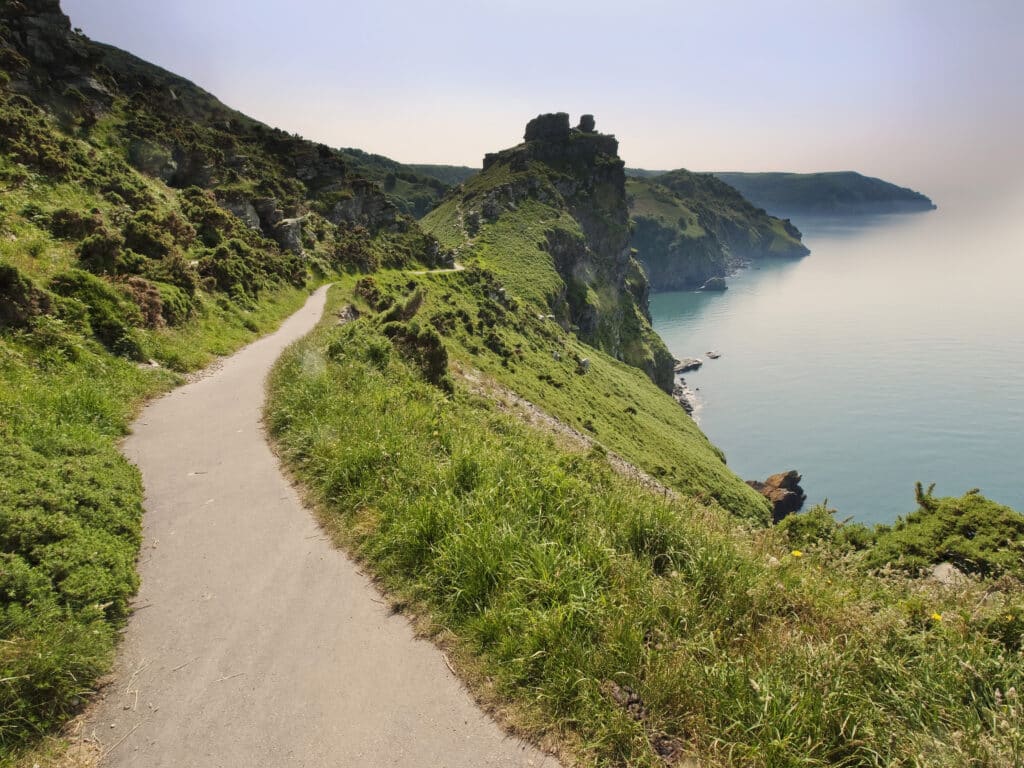
You can visit both Devon and Cornwall without driving, but neither is at its best when you rely entirely on public transport. Trains connect several useful towns, and buses can take you farther into the countryside and along the coast. The challenge is that many of the beaches, villages and walking routes you may actually want to visit are scattered away from the main railway lines.
Devon: Better Transport Hubs
Devon has several useful rail-connected bases, including Exeter, Plymouth, Torquay, Paignton, Newton Abbot and Totnes. This gives car-free travelers more options for building a trip around towns that already have restaurants, accommodation and onward transport.
The difficulty begins when you want to explore rural Dartmoor, remote beaches or smaller coastal villages. Buses can help, but journey frequency and connections require more planning than simply driving between stops.
Cornwall: Possible Without a Car — If You Choose Your Base Carefully
Cornwall’s main railway runs through destinations such as Bodmin Parkway, St Austell, Truro and Penzance, while branch lines provide useful access to places including St Ives, Falmouth and Newquay.
That makes a car-free Cornwall holiday more realistic than it might initially appear. However, many famous coves, smaller fishing villages, coastal viewpoints and trailheads still require buses, taxis or careful walking plans. Trying to visit too many scattered places can quickly become inefficient.
Car vs Public Transport: What Changes?
Don’t make this mistake: traveling without a car does not mean you need to recreate a car-based itinerary using buses and trains. That usually creates long transfer days. Instead, choose one or two well-connected bases and explore what is realistically accessible from them.
🏆 Slight edge: Devon. Devon’s larger network of useful rail-connected towns makes it somewhat easier to build a varied trip without driving. Cornwall is still very possible by public transport — particularly if you base yourself somewhere such as St Ives, Falmouth or Penzance — but exploring remote coves and smaller villages becomes considerably easier with a car. For either county, fewer bases and slower travel are the smartest strategy without one.
Devon vs Cornwall for a Road Trip
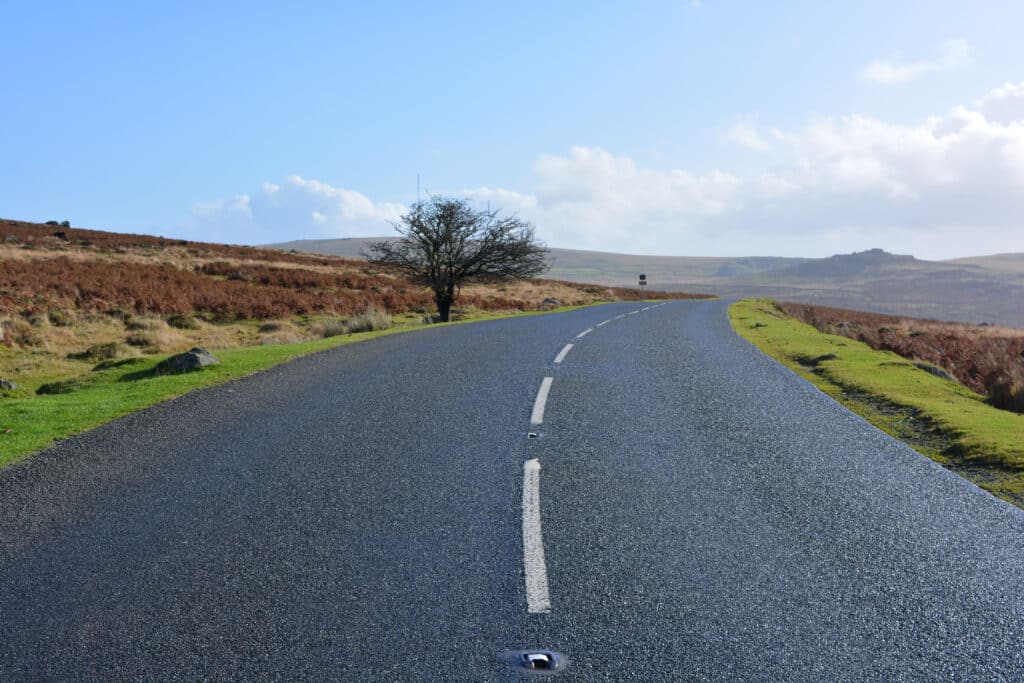
A car unlocks the best of both counties. Remote beaches become easier to reach, small villages can be combined with coastal walks, and you gain the flexibility to change plans when the weather turns. But as road-trip destinations, Devon and Cornwall have slightly different strengths.
Devon: Better for a Varied Road Trip
Devon works particularly well if you enjoy the journey between destinations as much as the destinations themselves. You can combine South Devon’s harbours and beaches, Dartmoor’s open landscapes and North Devon’s Atlantic coastline within one broader trip.
The scenery changes noticeably as you travel, which gives Devon a strong sense of variety. A well-planned route can move between countryside, moorland, estuaries, historic towns and beaches without making every stop feel like another version of the previous one.
Cornwall: Better for a Coastal Road Trip
Cornwall delivers the more iconic coastal road-trip experience. A few days can connect surf beaches, fishing villages, clifftop walks, harbour towns and dramatic headlands, with the Atlantic rarely far away.
The trade-off is speed. Many attractive places sit beyond the main roads, and the final few miles can involve narrow lanes, small villages and busy parking areas. In peak summer, trying to visit too many famous stops in one day can turn a scenic road trip into a parking tour.
Which Works Better for the Time You Have?
Road-trip reality: distances on the map can be deceptive. Rural roads, narrow lanes, summer traffic and time spent finding parking mean that a short distance does not always equal a quick journey. Build your itinerary around clusters of nearby experiences rather than calculating how many attractions you can theoretically connect in one day.
🏆 Slight edge: Devon for the overall road trip. Its combination of coast, countryside and moorland creates more variety between stops. But if your dream road trip is specifically about Atlantic cliffs, surf beaches and fishing villages, Cornwall is the better choice. The real winner in either county is a slower itinerary with fewer stops — not trying to cover everything.
Which Is Cheaper: Devon or Cornwall?
There is no huge county-wide price difference that makes one automatically cheap and the other expensive. Where you stay and when you travel matter much more. However, Devon generally gives budget-conscious travelers a little more flexibility, while Cornwall’s most famous coastal destinations can become particularly expensive during peak summer.
Devon: More Room to Adjust Your Budget
Devon has expensive holiday hotspots too, particularly fashionable coastal destinations during summer. But its wider mix of cities, inland towns, countryside bases and seaside resorts gives you more ways to move away from the highest-demand locations.
Staying slightly inland can reduce accommodation costs while still keeping beaches and coastal towns within day-trip distance. This works especially well for travelers with a car who do not need to wake up directly beside the sea.
Cornwall: Pay More for the Famous Locations
Cornwall does not have to be expensive, but accommodation in its best-known coastal destinations can command a premium — especially during school holidays and the busiest summer weeks.
Places such as St Ives and other highly desirable seaside towns combine limited space with strong visitor demand. You can often save significantly by staying in a less famous town and visiting the headline destinations as day trips instead.
What Actually Makes Your Trip Expensive?
Save on the Base — Spend on the Experience
🏆 Slight edge: Devon. Neither county is automatically cheap, and both can become expensive during peak summer. Devon wins mainly because it offers more flexibility in where you base yourself. Cornwall can still be done on a reasonable budget, but staying in its most famous coastal hotspots often comes with a premium. For both destinations, traveling outside peak season and staying slightly away from headline locations will usually save more money than choosing one county purely because you expect it to be cheaper.
Crowds: Which Feels More Touristy?
Both Devon and Cornwall are major holiday destinations, and both become busy during summer, especially during UK school holidays. But the experience is not identical. Cornwall’s most famous places can feel noticeably more touristy, while Devon generally offers more opportunities to spread out between coast, countryside and moorland.
Devon: Easier to Escape the Busiest Places
Devon certainly has busy holiday destinations. Popular beaches, South Devon resort towns and well-known places such as Salcombe can attract large numbers of visitors in peak season.
The advantage is the county’s variety. If one coastal area feels crowded, you can shift toward Dartmoor, Exmoor, quieter countryside or less famous stretches of coast. That makes it easier to design an itinerary that does not revolve entirely around tourist hotspots.
Cornwall: Busier at the Famous Hotspots
Cornwall’s popularity is concentrated around many of the same places first-time visitors naturally want to see: St Ives, Tintagel, Padstow, popular beaches and famous coastal viewpoints.
In peak summer, the effect can extend beyond the attraction itself. Roads become slower, parking fills earlier and small harbour towns can feel much busier than their size suggests. Cornwall still has quieter corners — but you often need to deliberately choose them.
Where Will You Notice the Crowds Most?
Don’t Skip the Famous Places — Change How You Visit Them
Don’t overreact to crowds: choosing only obscure places just to avoid other visitors can make you skip some of the best experiences. A smarter approach is to visit the famous places at better times and then spend the rest of the day somewhere quieter.
🏆 Winner: Devon. Both counties can be busy in summer, but Devon generally makes it easier to escape concentrated tourist crowds by switching between coast, countryside and moorland. Cornwall’s most famous places can feel considerably busier — but that should not stop you from going. Visit outside the busiest weeks, start popular sights early and explore beyond the headline locations, and Cornwall can still feel wonderfully relaxed.
Best Time to Visit Devon vs Cornwall
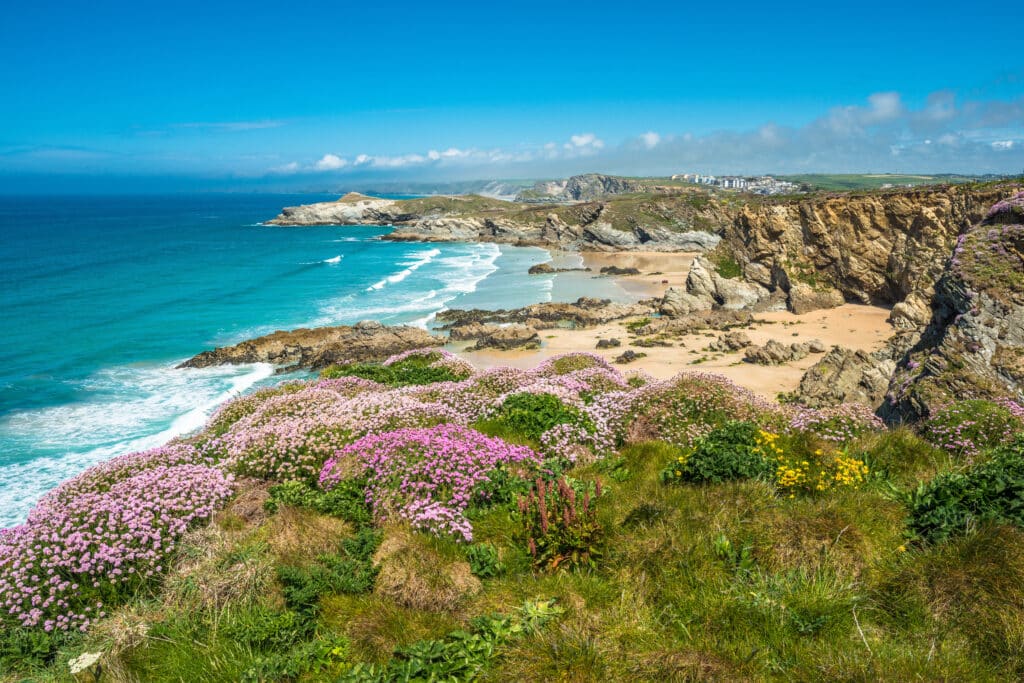
Devon and Cornwall have broadly similar seasons, so there is no month when one county suddenly becomes a much better choice than the other. For most travelers, the real question is whether you prioritize warmer weather, fewer crowds, hiking conditions or lower prices. For the best overall balance, late spring and early autumn are particularly attractive.
Spring
Spring is excellent for coastal walks, gardens and countryside. Days become longer, landscapes look fresh and the biggest summer crowds have not yet arrived.
Best for: Hiking, sightseeing, gardens, road trips and travelers who do not need hot beach weather.Summer
Summer brings the longest days and the best chance of weather suited to beaches and outdoor activities. It is also when accommodation demand, traffic and visitor numbers are highest.
Best for: Beach holidays, families, surfing, swimming and travelers who prioritize long days outdoors.Early Autumn
September can be an excellent compromise. The main summer holiday rush begins to ease, yet there is still plenty of daylight for coastal walks, sightseeing and road trips.
Best for: Couples, hiking, road trips, photography and travelers seeking a quieter coastal experience.Winter
Winter can bring dramatic coastlines and wonderfully quiet towns, but shorter days, unsettled weather and reduced seasonal opening hours make itinerary planning less predictable.
Best for: Quiet escapes, atmospheric coastal scenery and travelers comfortable building plans around the weather.May, June & September
For many travelers, these months offer the strongest overall compromise. You still get useful daylight for sightseeing and outdoor activities while avoiding at least some of the pressure associated with the busiest summer holiday weeks. June is particularly attractive if long days matter; September is excellent if reducing crowds is the bigger priority.
When Should You Go?
Does the Best Season Change Between Devon and Cornwall?
Devon’s greater mix of towns, countryside and moorland gives you more alternatives when beach weather disappoints. That makes it slightly easier to build a flexible itinerary outside midsummer.
Cornwall benefits enormously from good coastal weather, but summer also brings its largest crowds. This makes late spring and September especially appealing for travelers interested in walking, villages and scenery rather than only beach days.
Weather reality: do not build a Devon or Cornwall itinerary that requires sunshine every day — even in summer. Coastal weather can change quickly. The smartest itinerary includes a mix of beaches, walks, towns, gardens, pubs and indoor attractions so that one wet or windy day does not derail the trip.
🤝 No winner. The best time to visit is essentially the same for Devon and Cornwall. Choose July or August if beach time and the warmest conditions matter most, but accept higher prices and crowds. For the best overall trip, we prefer June or September: enough daylight for exploring, excellent conditions for walking and generally a better balance between atmosphere and visitor numbers.
Devon vs Cornwall for Families

Both Devon and Cornwall can be excellent family destinations. You get beaches, outdoor activities, easygoing seaside towns and plenty of opportunities to spend most of the day outside. The difference is flexibility: Devon offers a broader mix of experiences, while Cornwall is stronger if the family holiday is primarily about the coast.
Devon: Better for Variety
Devon makes it easy to build a family holiday where every day feels different. You can combine sandy beaches, seaside towns, boat trips, countryside, Dartmoor and family attractions without making the entire trip dependent on good beach weather.
That variety becomes particularly useful on a week-long holiday. A beach day can be followed by an easy countryside walk, a town visit or another activity inland rather than simply moving to the next stretch of coast.
Cornwall: Better for the Classic Seaside Holiday
If your children are happiest around water, Cornwall is difficult to beat. Beaches, rock pools, surfing lessons, coastal walks and harbour towns provide the ingredients for a classic British seaside holiday.
Cornwall also has major family-friendly attractions such as the Eden Project, while castles, boat trips and coastal activities give you alternatives to simply sitting on the beach. The main drawback is that popular areas can become very busy during school holidays.
Which Is Better for Your Family?
The Better Choice May Depend on Your Children
Family planning tip: resist the temptation to change accommodation every night. With children, one comfortable base for several nights usually works better than constantly packing the car. Choose an area with a beach, food options and several activities within easy reach, then make day trips from there.
🏆 Slight edge: Devon. Cornwall may be the better choice for a family that wants a beach-and-surf holiday, particularly with older children. But Devon’s broader combination of beaches, countryside, moorland, towns and family activities makes it easier to keep everyone entertained — and gives you more backup options when the weather changes.
Devon vs Cornwall for Couples

Both counties work beautifully for a couples’ getaway, but they create slightly different trips. Cornwall has the stronger romantic coastal atmosphere, with tiny harbours, dramatic sunsets and cliffside walks. Devon feels more varied and often more relaxed, particularly if you want to combine the coast with countryside, moorland and good food.
Devon: Relaxed & Varied
Devon suits couples who want their trip to feel less like a checklist of famous sights and more like a slow escape. You can combine coastal walks, country pubs, attractive harbour towns, Dartmoor drives and quiet countryside within the same holiday.
Places such as Dartmouth, Salcombe and the South Devon coast work particularly well for a polished seaside break, while Dartmoor and Exmoor offer a completely different atmosphere for walking, scenic drives and rural stays.
Cornwall: The More Romantic Coastal Escape
Cornwall delivers the stronger sense of being somewhere special from the moment you reach the coast. Think sunset walks above the Atlantic, tiny fishing harbours, seafood dinners and cottages near the sea.
St Ives, Mousehole, Fowey and the far west of Cornwall can all work particularly well for couples. The scenery itself becomes part of the experience, whether you are walking the coast, watching the sunset or simply spending an afternoon around a harbour.
Which Is Better for Your Trip?
Choose by the Kind of Escape You Want
Make the trip feel special: for a couples’ getaway, location often matters more than seeing the maximum number of attractions. Consider spending a little more on one memorable base for several nights rather than changing hotels constantly just to cover more ground.
🏆 Slight edge: Cornwall. Devon is arguably better for a relaxed and varied couples’ road trip, but Cornwall wins for atmosphere. Its combination of dramatic coastline, fishing harbours, coastal walks and memorable seaside settings gives it the stronger romantic appeal. For an anniversary, short romantic escape or first trip together to southwest England, Cornwall would be our first choice.
Devon vs Cornwall for First-Time Visitors
If you have never visited southwest England and can choose only one county, Cornwall has a slight advantage. Its combination of Atlantic cliffs, beaches, fishing villages and famous coastal landmarks delivers the more distinctive first-trip experience. But that does not automatically make Cornwall the smarter choice for everyone.
Choose Devon for the Smarter All-Round Trip
Devon is an excellent introduction to southwest England because it gives you a little of almost everything: beaches, harbour towns, countryside, coastal walks and dramatic moorland.
It is also generally quicker to reach from London and much of southern England. That matters on a short trip, because you can spend less time traveling and more time actually exploring.
Choose Cornwall for the Stronger First-Trip Wow Factor
Cornwall offers the more concentrated version of what many first-time visitors imagine when they picture southwest England: rugged cliffs, turquoise coves, surf beaches, fishing harbours and narrow coastal villages.
Add places such as St Ives, Tintagel, St Michael’s Mount and the far-west coastline, and Cornwall delivers more of the recognizable headline experiences that can make a first visit feel particularly memorable.
First Trip? Choose by Your Priority
Let Your Available Time Make the Decision
Don’t make this first-trip mistake: choosing Cornwall because it has more famous places and then trying to visit all of them. Cornwall is best when you slow down and explore one or two areas properly. A relaxed five-day Cornwall itinerary will usually be more rewarding than racing between St Ives, Tintagel, Padstow, Land’s End and the Lizard just to tick them off.
🏆 Slight edge: Cornwall. If this is your first visit and you have enough time, Cornwall delivers the more distinctive “this is southwest England” experience through its cliffs, beaches, fishing villages and Atlantic atmosphere. But the margin is small. With only a few days, or if you want a more varied trip with easier logistics, Devon may actually be the smarter first choice.
If You Have 2–3 Days: Devon or Cornwall?
With only two or three days, travel time matters almost as much as the destination itself. This is where Devon gains a meaningful advantage for many visitors arriving from London, Bristol or elsewhere in southern England. Cornwall can still work brilliantly — but only if you resist trying to see too much.
Devon: The Smarter Short-Trip Choice
Devon lets you reach the southwest sooner and concentrate your limited time within one compact area. The key is not to attempt North Devon, South Devon and Dartmoor together.
Instead, choose one region and one base. South Devon works particularly well for a first short trip because you can combine attractive towns, coastline, food and perhaps a taste of Dartmoor without spending every day driving.
Cornwall: Worth It If Cornwall Is the Point
If your dream is specifically to see Cornwall, do not choose Devon simply because it is closer. A two- or three-day Cornwall trip can still be excellent — but it needs to be extremely focused.
Pick one area such as St Ives and West Cornwall or another compact coastal base and stay there. Trying to combine St Ives, Tintagel, Padstow and the Lizard in one short visit sacrifices exactly the atmosphere you traveled farther to experience.
What Could a 3-Day Trip Actually Look Like?
South Devon + Dartmoor
St Ives + West Cornwall
Do Less Than You Think You Can
On a short trip, every hotel change and long cross-county drive has a high opportunity cost. Avoid building a route around a list of famous names. One excellent coastal walk, one memorable town and one relaxed beach afternoon will usually produce a better trip than six rushed stops and several hours looking for parking.
🏆 Winner for 2–3 days: Devon. For most travelers coming from London, Bristol or elsewhere in southern England, Devon makes better use of a very short trip because you spend less time reaching the far southwest. But if Cornwall itself is the reason you are traveling, go to Cornwall — just choose one area and forget about seeing the whole county.
If You Have 4–5 Days: Devon or Cornwall?
Four or five days is where the Devon vs Cornwall decision becomes much closer. You now have enough time to travel deeper into the southwest without losing too much of your holiday to the journey. But you still need to be selective: this is enough time to explore one part of Devon or Cornwall well — not enough to see everything.
Devon: Better for a More Varied 4–5 Days
With four or five days, Devon’s biggest strength becomes more useful. You have enough time to combine coast, countryside, towns and moorland without every day feeling rushed.
A strong itinerary might combine South Devon with Dartmoor, or North Devon with Exmoor. Either gives you noticeably different landscapes while keeping driving manageable.
Cornwall: Now the Journey Is Worth It
Four or five days gives Cornwall enough breathing room. Instead of arriving, ticking off famous sights and immediately leaving again, you can combine beaches, coastal walks, villages and one or two major attractions at a much better pace.
The smartest approach is still regional. West Cornwall around St Ives and Penzance works particularly well, while another trip could focus on the north coast or Cornwall’s south coast rather than attempting all three.
A Smarter 5-Day Trip
South Devon + Dartmoor
Day 1: Arrive → settle into South Devon → harbour town or coastal evening.
Day 2: Beach + South West Coast Path walk.
Day 3: Dartmouth, Salcombe or another South Devon highlight.
Day 4: Dartmoor scenic drive + short hike.
Day 5: Relaxed final stop → return journey.
West Cornwall
Day 1: Arrive → St Ives → harbour and beach.
Day 2: St Ives + nearby coastal walk.
Day 3: West Cornwall coast + one major sight.
Day 4: Penzance area + St Michael’s Mount or another coastal experience.
Day 5: Beach or short walk → return journey.
One Base or Two?
For four days, one base is usually enough. With five full days, two bases can work if they genuinely reduce driving — but do not change accommodation simply to make the itinerary look more ambitious. Every hotel change costs time in packing, checking out, parking and checking in again.
Still don’t combine both. Four or five days may look long enough for Devon + Cornwall on a map, but once travel, parking, walks and stops are included, you will spend too much of the trip moving. Unless you are simply passing through Devon on the way to Cornwall, choose one county and explore it properly.
🤝 Winner for 4–5 days: It depends on your priorities. Choose Devon if you want coast, countryside and moorland within the same trip. Choose Cornwall if you want to spend most of your time beside the sea and prioritize dramatic coastal scenery. At this trip length, Cornwall’s longer journey is no longer a major disadvantage — so choose by experience rather than logistics.
If You Have 7 Days: Devon, Cornwall or Both?
A full week changes the decision. Seven days is enough to explore either Devon or Cornwall properly — and it is also the point where combining the two starts to make sense. But there is a catch: trying to see the highlights of both counties can easily turn a relaxing southwest England holiday into a driving itinerary.
7 Days in Devon
A week gives Devon enough time to show its biggest advantage: variety. You can combine South Devon, Dartmoor and either North Devon or Exmoor without every day becoming a race.
7 Days in Cornwall
A week is close to ideal for Cornwall. You have enough time for beaches, coastal walks, villages and major sights while still leaving space for slower mornings and weather changes.
Devon + Cornwall
Combining both works if you are selective. The smart version is not three days racing around Devon plus four days racing around Cornwall. Choose one compact area in each county.
Depth or Variety?
A Smarter 7-Day Devon + Cornwall Trip
Keep hotel changes under control: for a seven-day combined trip, two main bases are usually enough. Adding a third or fourth hotel may look efficient on a map, but packing, checking out, parking and checking in repeatedly will eat into the time you hoped to save.
Seven days is enough for Devon + Cornwall — but one county will usually produce the more relaxed trip. Choose Devon for maximum landscape variety, Cornwall for the strongest coastal experience, or combine selected parts of both if this may be your only visit to southwest England. If you do combine them, think two bases and a handful of excellent experiences, not a race through two counties.
Devon + Cornwall: The Smart Combined Trip
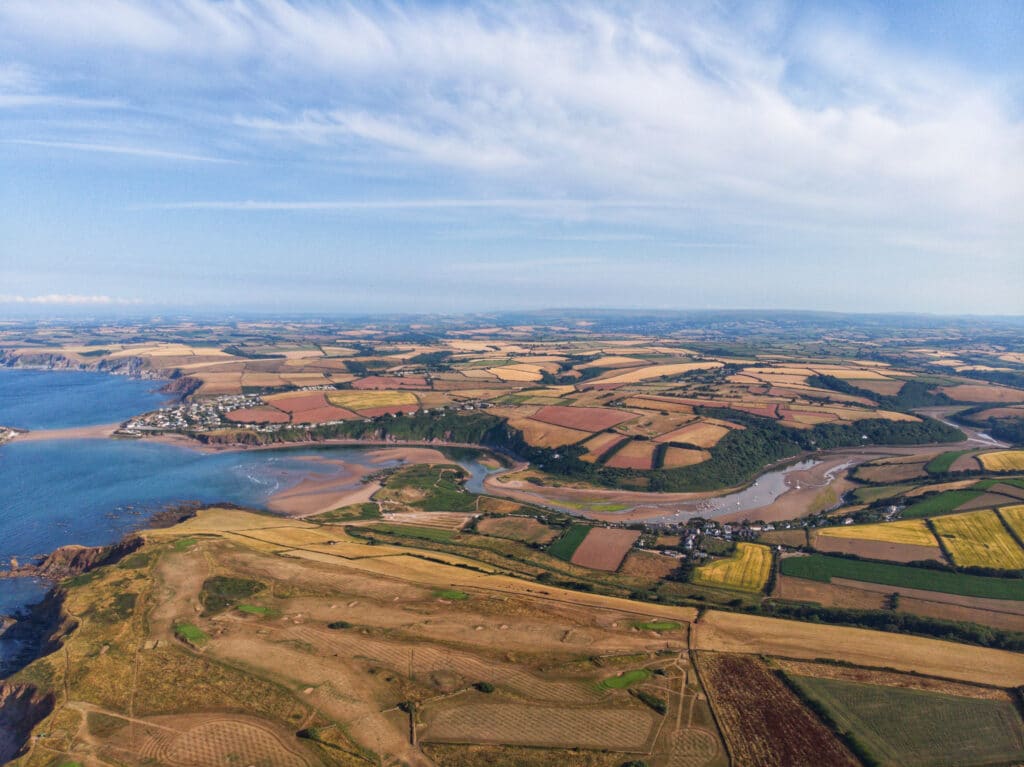
You do not necessarily have to choose between Devon and Cornwall. With enough time, combining them can produce the most varied southwest England trip of all. The key is not trying to see both counties completely. Instead, choose areas that fit naturally together and keep hotel changes and cross-county driving under control.
How Long Do You Need for Devon + Cornwall?
Seven days is the practical minimum for a selective combined trip. Around 9–10 days is much better, because you can experience both counties without turning every day into a transfer day. With two weeks, combining Devon and Cornwall becomes an easy recommendation.
The Smartest Route: Devon First, Cornwall Second
If you are arriving from London, Bristol or most of southern England, the most natural route is generally to travel west through Devon and continue into Cornwall. This reduces unnecessary backtracking and lets the scenery become progressively more coastal as the trip continues.
🌿 South Devon
Use one base for beaches, harbour towns and coastal walks. Dartmouth, Totnes or another well-positioned base can work depending on your itinerary.
⛰️ Dartmoor
Add Dartmoor as a day trip or route stop rather than automatically adding another hotel. This gives the journey a completely different landscape without creating another major transfer.
🌊 Cornwall
Continue west and choose one Cornish region as your main focus. For a first trip, West Cornwall offers an excellent concentration of beaches, coastal scenery and recognizable sights.
A Smarter 10-Day Devon + Cornwall Itinerary
What Should You Leave Out?
Travel Owl Time Optimization: think in clusters, not counties. Choose one Devon cluster and one Cornwall cluster, then explore deeply around each base. The goal is not to say you have “seen Devon and Cornwall.” The goal is to spend as little of your holiday as possible sitting in the car between places that offer similar experiences.
🏆 Around 9–10 days is the sweet spot for combining Devon and Cornwall. Spend a few days experiencing Devon’s coast-and-countryside contrast, then continue west for a longer stay in Cornwall. With only seven days, combining both is possible but selective. With five days or less, choose one county instead. The best combined trip is not the one with the most pins on the map — it is the one with the least unnecessary backtracking.
What Can You Skip in Devon & Cornwall?
The biggest itinerary mistake in Devon and Cornwall is not missing a famous place — it is spending too much time on experiences that feel similar. The smartest cuts are usually about repetition, not quality.
Too Many Fishing Villages
Places such as Mousehole, Port Isaac, Fowey, Clovelly and other coastal villages can be beautiful, but you do not need to visit all of them. After several harbours, narrow streets and stone cottages, the experience can start to feel repetitive.
Every Famous Beach
Devon and Cornwall have so many excellent beaches that trying to collect the famous ones rarely improves the trip. Driving to four beaches for quick photos is usually less rewarding than spending several hours at one you genuinely enjoy.
Famous Viewpoints Just for the Name
A famous viewpoint is not automatically worth a long detour, especially when your route already includes excellent coastal scenery. Parking, walking and traffic can turn a five-minute photo stop into a surprisingly large chunk of the day.
Don’t Skip the Experiences That Need Time
Coastal walks, a relaxed afternoon on the beach, exploring Dartmoor or Exmoor and simply spending time in a harbour town often create better memories than another quick sightseeing stop.
What Should You Cut First?
Use this simple filter: “Does this stop give me something meaningfully different from what I already have in my itinerary?” If the answer is no, it is usually safe to cut.
Skip repetition before you skip quality. Choose a few standout coastal places, protect time for walks and nature, and remove long detours for experiences you have effectively already had somewhere else.
Devon vs Cornwall — Time Optimizer
Your available time can matter more than which county looks better in photos. Use this quick guide to decide how much of Devon and Cornwall you can realistically experience without turning the trip into a driving schedule.
| Time | Best Choice | Bases | Smart Strategy |
|---|---|---|---|
| 2–3 Days | 🌿 Devon usually | 1 | Stay in one compact area and combine a coast, town and good walk. Choose Cornwall only if Cornwall itself is the reason for the trip. |
| 4–5 Days | 🤝 Either | 1–2 | Choose Devon for greater variety or Cornwall for a more focused coastal escape. Avoid trying to cover both. |
| 7 Days | ⭐ One county — or both selectively | 1–2 | A week is excellent for exploring one county properly. Combining both is realistic if you limit yourself to one compact area in each. |
| 9–10 Days | 🚗 Devon + Cornwall | 2–3 | For most travelers, this gives a comfortable balance for combining selected parts of both counties without constant hotel changes. |
| 12–14 Days | 🧘 Both — slowly | 3–4 | Combine coast, countryside and moorland with slower days, longer walks and enough flexibility for the weather. |
Three Rules That Save the Most Time
Reduce Your Bases
Every hotel change costs time. Staying longer in fewer places usually creates a better trip.
Explore in Clusters
Group beaches, villages and walks geographically instead of crossing the county for individual famous sights.
Protect Slow Time
Leave room for a coastal walk, beach afternoon or unexpected stop instead of filling every hour.
2–3 days: Devon is usually the more time-efficient choice. 4–5 days: choose by travel style. 7 days: one county makes for a more relaxed trip, although a selective combination is possible. Around 9–10 days: combining selected parts of Devon and Cornwall becomes much more comfortable.
Common Mistakes When Choosing Devon or Cornwall
Most disappointing Devon and Cornwall itineraries are not caused by choosing the wrong county. They happen because travelers try to cover too much, underestimate travel time or build a schedule that leaves no room to actually enjoy the places they came to see.
Assuming Cornwall Is Automatically Better
Cornwall may have the stronger holiday image, but that does not make it the best choice for every trip. Devon can be smarter for short stays, families and travelers who want more variety beyond the coast.
Underestimating Driving Time
Distances on the map can look short, but rural roads, narrow lanes, summer traffic and parking can make journeys slower than expected. Several individually reasonable detours can consume most of a day.
Trying to Visit Devon & Cornwall Too Quickly
Combining both counties sounds efficient, but on a short trip it often means seeing more through the windscreen and spending less time on beaches, walks and in the places themselves.
Changing Accommodation Too Often
Moving every night may look efficient on an itinerary, but packing, checking out, parking, checking in and getting oriented repeatedly can quietly consume a surprising amount of holiday time.
Building the Entire Trip Around Beaches
Devon and Cornwall have superb beaches, but southwest England is not a guaranteed-sun destination. A schedule that works only in warm, dry weather can become frustrating when conditions change.
Leaving No Unplanned Time
Weather changes, coastal walks take longer than expected and sometimes the place you planned to visit for an hour turns out to be where you want to spend the afternoon.
Optimizing for Places Visited Instead of Experiences
The memorable part of a Devon or Cornwall trip is rarely the number of pins you collect on a map. It is more likely to be a great coastal walk, a long afternoon on the beach, lunch beside a harbour or an unexpected stop you had time to enjoy.
Is Your Devon or Cornwall Itinerary Too Ambitious?
Your itinerary may be overloaded if several of these are true:
✓ Several days include three or four towns, beaches or villages.
✓ You repeatedly drive across large parts of the county.
✓ Almost every day is scheduled from morning until evening.
✓ Bad weather would make several days difficult to use.
✓ You are trying to cover both Devon and Cornwall in less than a week.
Travel Owl Verdict: The biggest planning mistake is trying to do too much. Use fewer bases, explore nearby places together and leave room for weather and spontaneous stops. If your itinerary looks slightly too relaxed before the trip, it will probably feel about right once you are there.
Devon vs Cornwall — Which Wins Each Category?
There is no universal winner between Devon and Cornwall. Cornwall is stronger for some of the experiences travelers most strongly associate with southwest England, while Devon often wins on variety, flexibility and logistics. Here is the comparison distilled into one final scorecard.
| Category | Devon | Cornwall | Winner |
|---|---|---|---|
| 🌅 Coastal Scenery | ★★★★★ | ★★★★★ | Cornwall — slight edge |
| 🏖️ Beaches | ★★★★★ | ★★★★★ | Tie |
| ⚓ Villages & Harbours | ★★★★★ | ★★★★★ | Cornwall |
| 🌿 Landscape Variety | ★★★★★ | ★★★★★ | Devon |
| 🥾 Hiking | ★★★★★ | ★★★★★ | Tie |
| 🏄 Surfing | ★★★★★ | ★★★★★ | Cornwall |
| 🎯 Variety of Things to Do | ★★★★★ | ★★★★★ | Devon |
| 🍽️ Food Identity | ★★★★★ | ★★★★★ | Cornwall — slight edge |
| 👨👩👧👦 Families | ★★★★★ | ★★★★★ | Devon — slight edge |
| ❤️ Couples | ★★★★★ | ★★★★★ | Cornwall — slight edge |
| 🚗 Road Trips | ★★★★★ | ★★★★★ | Devon — slight edge |
| 🚆 Easier Access | ★★★★★ | ★★★★★ | Devon |
| 🚌 Without a Car | ★★★★★ | ★★★★★ | Devon — slight edge |
| 💷 Budget Flexibility | ★★★★★ | ★★★★★ | Devon — slight edge |
| 👥 Escaping Crowds | ★★★★★ | ★★★★★ | Devon |
| 📸 First-Trip Wow Factor | ★★★★★ | ★★★★★ | Cornwall |
Devon Wins If You Prioritize…
✓ Coast + countryside
✓ Family flexibility
✓ Road-trip variety
✓ Easier access
✓ Escaping peak crowds
✓ Budget flexibility
Cornwall Wins If You Prioritize…
✓ Fishing villages
✓ Surfing
✓ Coastal atmosphere
✓ Romantic escapes
✓ Regional food identity
✓ First-trip wow factor
Your Most Important Category Matters More
Devon may win more practical categories, while Cornwall wins several of the emotional ones that can define a holiday. If your entire reason for traveling is to experience dramatic Atlantic coastline and Cornish fishing villages, Cornwall should win for you even if Devon scores better for logistics. Likewise, travelers who value variety, easier touring and fewer crowds should not choose Cornwall simply because it has the stronger postcard image.
The simplest decision: choose Cornwall if the coast is the reason for your trip. Choose Devon if you want the coast to be one part of a more varied trip. If neither description feels quite right and you have around 9–10 days, combine both.
Travel Owl Verdict — Devon or Cornwall?

After comparing the two across scenery, beaches, villages, hiking, food, costs, transport and different types of trips, there is no runaway winner. But if you can choose only one, the decision comes down to a surprisingly simple distinction.
Cornwall — By a Small Margin
For a first-time visitor with enough time, we would choose Cornwall. Its combination of dramatic Atlantic coastline, beaches, fishing villages and distinctive regional character creates the stronger sense of a destination you have traveled specifically to experience.
Choose Devon If…
✓ Landscape variety matters
✓ You are traveling with children
✓ You have only a few days
✓ Easier logistics matter
✓ You prefer a varied road trip
Choose Cornwall If…
✓ You want dramatic cliffs and coves
✓ You love fishing villages
✓ Surfing matters
✓ You want a romantic coastal escape
✓ First-trip wow factor matters most
Travel Owl’s final choice: Cornwall for the experience, Devon for the versatility. Choose Cornwall for the stronger classic coastal escape. Choose Devon for a more varied and flexible trip. And if you have around 9–10 days or more, you do not necessarily need to choose — combining selected parts of both can give you the best of southwest England.
Devon vs Cornwall FAQ
Is Devon or Cornwall better for a first-time visit?
Cornwall has a slight edge for most first-time visitors who have enough time. Its dramatic coastline, fishing villages, beaches and famous places such as St Ives, Tintagel and St Michael’s Mount create a particularly distinctive southwest England experience. Devon may be the better choice if you have limited time or prefer a more varied trip combining coast, countryside and moorland.
Which is more beautiful, Devon or Cornwall?
Both are among the most scenic parts of England, but they offer different landscapes. Cornwall has the edge for dramatic Atlantic cliffs, coves and postcard coastal scenery, while Devon offers greater landscape variety with two coastlines, rolling countryside, Dartmoor and Exmoor.
Does Devon or Cornwall have better beaches?
It is essentially a tie. Cornwall is particularly strong for surfing, dramatic coves and spectacular coastal settings, while Devon has excellent long sandy beaches and the advantage of two different coastlines. Choose the specific coastal area that matches the kind of beach holiday you want rather than choosing purely by county.
Is Devon or Cornwall better for families?
Devon has a slight edge for families because it is easier to combine beaches with countryside, moorland, towns and other activities. Cornwall can be the better choice for families primarily interested in beaches, surfing and coastal adventures, particularly with older children and teenagers.
Is Devon or Cornwall better for couples?
Cornwall has a slight edge for couples seeking a romantic coastal escape, thanks to its fishing harbours, cliff walks, seaside villages and Atlantic sunsets. Devon is particularly appealing for couples who prefer a quieter and more varied road trip combining the coast with countryside, walking and country pubs.
Which is easier to visit without a car, Devon or Cornwall?
Devon has a slight advantage for car-free travel because it has several useful rail-connected bases, including Exeter, Plymouth, Torquay, Paignton, Newton Abbot and Totnes. Cornwall is also possible without a car, especially from bases such as St Ives, Falmouth or Penzance, but reaching remote coves, villages and trailheads generally requires more planning.
How many days do you need for Devon or Cornwall?
With 2–3 days, Devon is usually the more time-efficient choice for travelers arriving from London, Bristol or southern England. Four or five days works well for a focused trip to either county, while a full week allows you to explore one county at a much more relaxed pace. If you want to combine Devon and Cornwall, around 9–10 days is a much better target.
Can you visit Devon and Cornwall in the same trip?
Yes. Seven days is a practical minimum for a selective combined trip, while 9–10 days gives you a much better balance. Rather than trying to see both counties completely, choose one compact area in Devon and one in Cornwall and use two or three main bases to reduce unnecessary driving and hotel changes.
What is the best time to visit Devon and Cornwall?
June and September offer an excellent overall balance of useful daylight, walking conditions and fewer peak-season pressures. July and August are best if beach time and warmer conditions are your priority, but they also bring higher visitor numbers, heavier traffic and stronger accommodation demand.
If I can visit only one, should I choose Devon or Cornwall?
For most first-time visitors with enough time, Cornwall has a slight edge because of its dramatic coastline, fishing villages, beaches and distinctive sense of place. Choose Devon instead if you want greater landscape variety, easier logistics or a trip that combines coast, countryside and moorland. With only two or three days, Devon is usually the more time-efficient choice.