
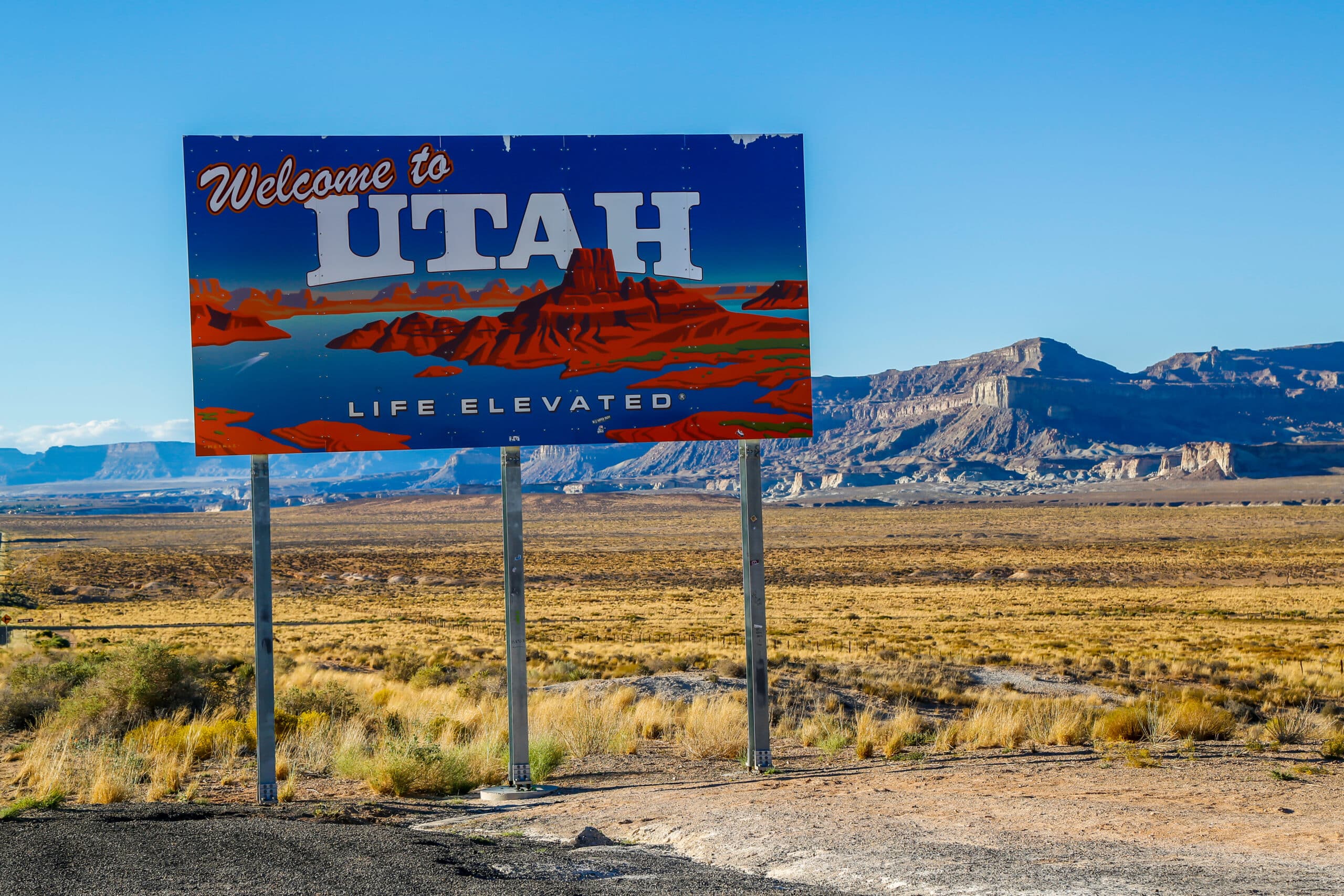
Utah is a state defined by contrast. It is a place where vast deserts meet alpine forests, where ancient geology coexists with modern cities, and where silence can be as striking as spectacle. Few places in the world offer such a concentrated variety of landscapes within a single set of borders. From sculpted stone formations to expansive valleys and high mountain towns, Utah rewards travelers who seek both wonder and depth.
What makes Utah truly exceptional is not only the beauty of its individual destinations, but the way those places feel connected by a larger story of time, erosion, and human adaptation. The land here tells its history openly. Rock layers reveal epochs of shifting climates, inland seas, and tectonic movement, while Indigenous cultures and later settlers have left lasting imprints that continue to shape the region’s identity.
Utah is often associated with grand national parks, and rightly so, but its appeal extends beyond protected lands. Mountain towns, urban centers, and open expanses play equally important roles in defining the state’s personality. Adventure is always nearby, yet reflection is just as accessible. You can stand beneath towering cliffs one day and beneath endless sky the next.
Whether you are visiting for the first time or returning with fresh eyes, Utah invites curiosity and respect. This guide serves as a companion for that journey—an introduction to places that leave lasting impressions and together form one of the most compelling landscapes in North America.
19. Zion National Park
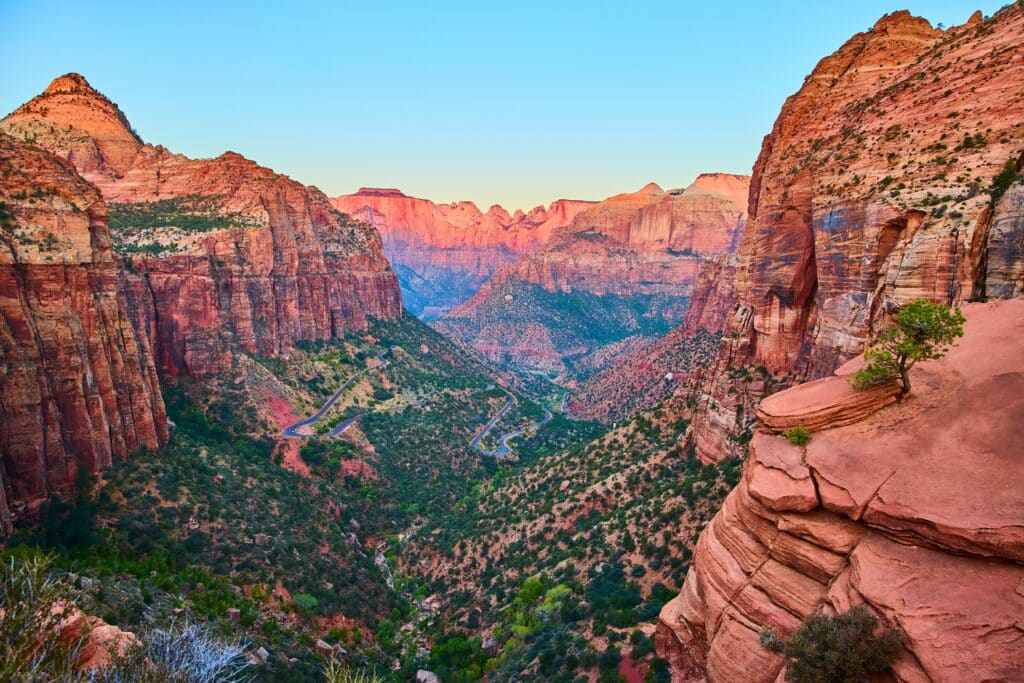
Zion National Park is a place where scale, color, and silence combine to create one of the most powerful landscapes in the American West. Towering sandstone walls rise abruptly from the canyon floor, their warm hues shifting throughout the day as sunlight moves across the cliffs. The park’s defining feature is its verticality: sheer rock faces, narrow corridors, and hanging gardens that feel both ancient and alive. Walking here is an immersive experience, as many trails follow natural corridors carved by water over millions of years.
The heart of the park lies along a river that has shaped deep, winding passages through solid stone. Hiking routes range from gentle walks beneath cottonwood trees to demanding scrambles that reward effort with unforgettable views. Water plays a constant role, whether flowing calmly at ankle depth or echoing loudly through enclosed spaces. Wildlife sightings are common for patient visitors, adding to the sense that this is a living ecosystem rather than a static monument.
What makes Zion exceptional is how accessible grandeur feels. Massive formations loom directly overhead, creating an intimate relationship between visitor and landscape. You do not simply look at scenery from a distance; you move through it, touch it, and hear it. Seasonal changes bring variety, from spring runoff and fresh greenery to autumn colors that soften the cliffs.
Zion National Park leaves a lasting impression because it balances awe with approachability. It is a place that invites exploration at every level while never losing its sense of mystery and power.
18. Bryce Canyon National Park
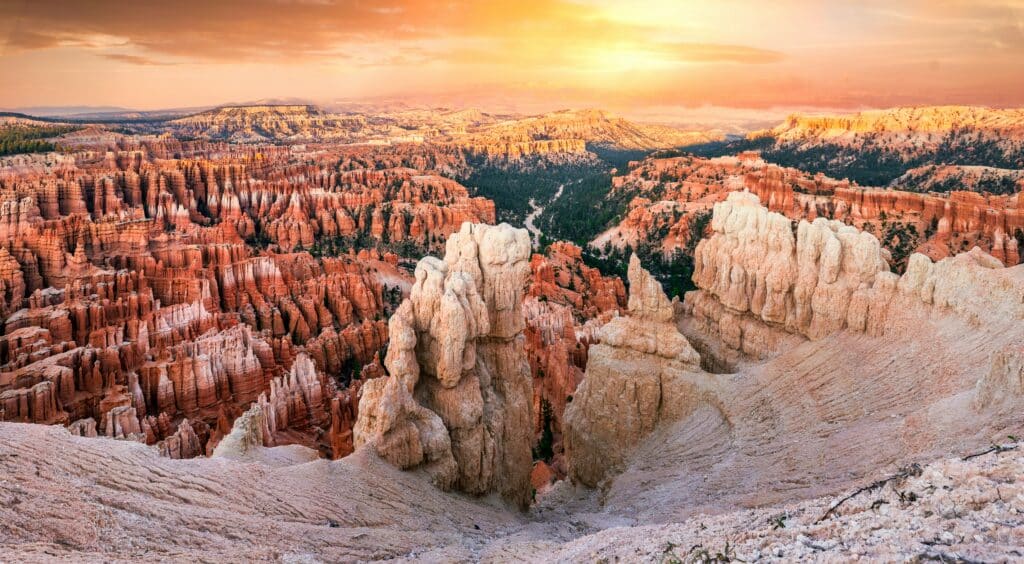
Bryce Canyon National Park is unlike any other landscape, defined by vast amphitheaters filled with thousands of stone spires known as hoodoos. These formations rise in dense clusters, creating a natural city of rock that feels both surreal and meticulously ordered. The contrast between fragile shapes and immense scale gives the park a character that is immediately recognizable.
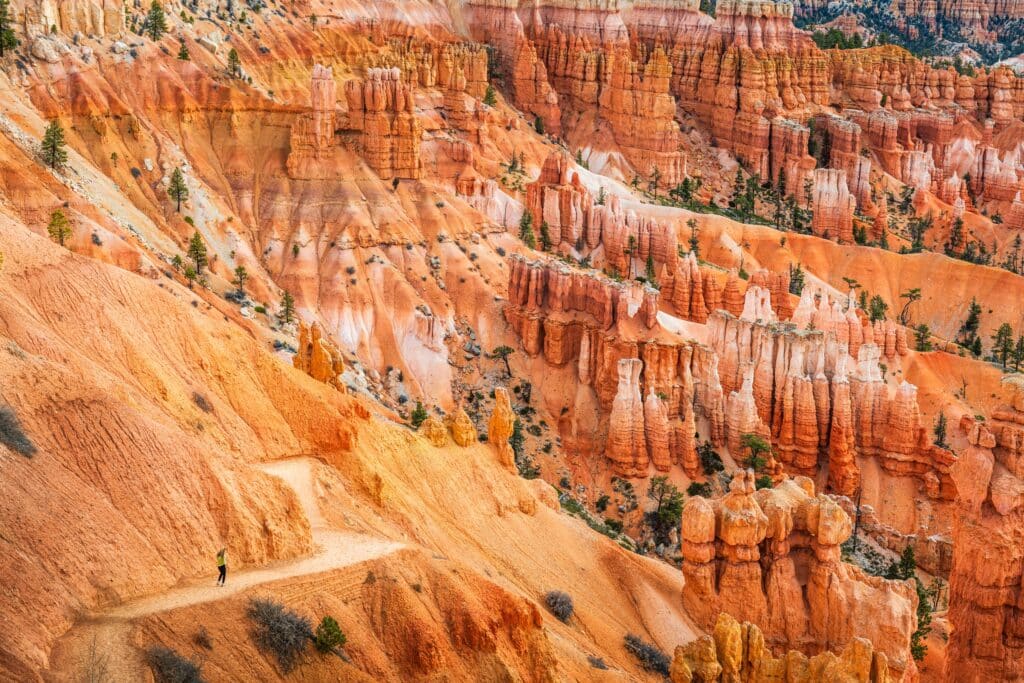
Color plays a central role here. Layers of red, orange, and pale pink stone glow at sunrise and sunset, while midday light reveals intricate textures etched by wind, ice, and time. Unlike deep canyons, this park is best appreciated both from above and within. Scenic overlooks provide sweeping views, while descending among the hoodoos reveals narrow passages and surprising moments of quiet.
The high elevation brings crisp air and dramatic seasonal variation. Snow often dusts the formations in winter, creating striking contrasts and a peaceful atmosphere. In warmer months, cool mornings and evenings make exploration comfortable, while the clear, dry air enhances visibility across long distances.
Nightfall transforms the experience entirely. With minimal light pollution, the sky becomes a dominant feature, filled with stars that seem impossibly close. This connection between earth and sky adds another layer of depth to the visit.
Bryce Canyon National Park stands out because it feels both delicate and monumental. Its beauty lies not in a single landmark, but in the overwhelming abundance of detail repeated across the landscape.
17. Arches National Park
Arches National Park is a celebration of natural architecture, showcasing over two thousand stone arches formed by erosion and time. These structures range from massive spans framing the sky to subtle curves tucked into rock walls. Each arch feels intentional, as if sculpted by design rather than chance.
The landscape is open and expansive, with broad plains broken by fins of sandstone and isolated formations. Light defines the experience, changing the appearance of stone throughout the day. Early morning brings softness and calm, while late afternoon intensifies contrast and color. Walking trails lead visitors close to many formations, allowing for a personal sense of scale and craftsmanship.
Despite the park’s seemingly harsh environment, life persists in resilient forms. Hardy plants cling to cracks in the rock, and animals adapted to heat and scarcity move quietly through the terrain. This balance between exposure and survival adds depth to the visual spectacle.
The simplicity of the environment is part of its appeal. With little visual clutter, attention naturally focuses on form, line, and negative space. The sky becomes a key element, framed repeatedly by stone in endlessly creative ways.
Arches National Park is memorable because it feels both playful and profound. Each formation tells a story of patience, pressure, and time, inviting visitors to slow down and appreciate the art created by nature itself.
16. Canyonlands National Park
Canyonlands National Park is vast, rugged, and profoundly wild. Defined by deep canyons carved by powerful rivers, the park offers a sense of scale that challenges perception. Mesas, buttes, and cliffs stretch toward the horizon, creating layered views that seem to go on forever.
This is a place where distance matters. Many viewpoints reveal immense spaces between landforms, emphasizing isolation and raw geology. Exploration often feels like a journey into untouched territory, where silence is broken only by wind and the call of distant birds. The terrain rewards patience, offering subtle details alongside dramatic panoramas.
The park’s divisions create varied experiences, from high overlooks to remote backcountry routes. Traveling here encourages self-reliance and respect for the environment. Weather, light, and time of day dramatically alter the mood, making each visit feel unique.
Geological history is written clearly into the rock layers, telling a story that spans hundreds of millions of years. Erosion, uplift, and water have collaborated to create a landscape that feels timeless and uncompromising.
Canyonlands National Park stands apart for its scale and solitude. It is a destination for those seeking perspective, where human presence feels small and the natural world dominates completely.
15. Park City
Park City is a mountain town that blends outdoor adventure with cultural sophistication. Set among forested slopes, it offers a balance between natural beauty and thoughtful development. The town’s layout encourages exploration, with walkable streets, historic architecture, and easy access to surrounding landscapes.
Originally shaped by its mining past, Park City has evolved into a year-round destination. Winter brings world-class snow sports, while warmer months open opportunities for hiking, biking, and outdoor festivals. The changing seasons give the town a dynamic rhythm, each period offering a distinct personality.
Art and culture play a significant role in daily life. Galleries, performances, and public events create an atmosphere that feels creative and engaged. Dining options range from casual comfort to refined cuisine, reflecting both local character and international influence.
What truly defines Park City is its livability. Despite its popularity, it maintains a sense of community and charm. Streets feel active but not overwhelming, and natural surroundings are always close at hand.
Park City stands out as a place where recreation, culture, and scenery intersect seamlessly, making it one of Utah’s most well-rounded and inviting destinations.
14. Capitol Reef National Park
Capitol Reef National Park is a quieter masterpiece, defined by a long wrinkle in the earth known as a monocline. This dramatic geological feature creates a landscape of cliffs, domes, and narrow canyons that feel remote and deeply personal. Unlike more crowded destinations, this park encourages unhurried exploration and close observation.
The terrain is richly varied. Smooth white rock formations contrast with red sandstone walls, while hidden corridors lead to sudden openings filled with light. Fruited orchards, remnants of early settlement, introduce an unexpected softness to the rugged environment. Seasonal changes bring blossoms in spring and harvest colors in autumn, adding a human layer to the ancient setting.
Hiking here often feels exploratory rather than guided. Trails wind through washes, climb exposed ridges, and reveal overlooks that reward effort with solitude. The absence of overwhelming crowds enhances the sense of discovery, making each viewpoint feel earned.
Capitol Reef stands out for its balance of geology, history, and stillness. It is a place that does not demand attention, yet leaves a deep impression on those who take the time to understand it.
13. Monument Valley
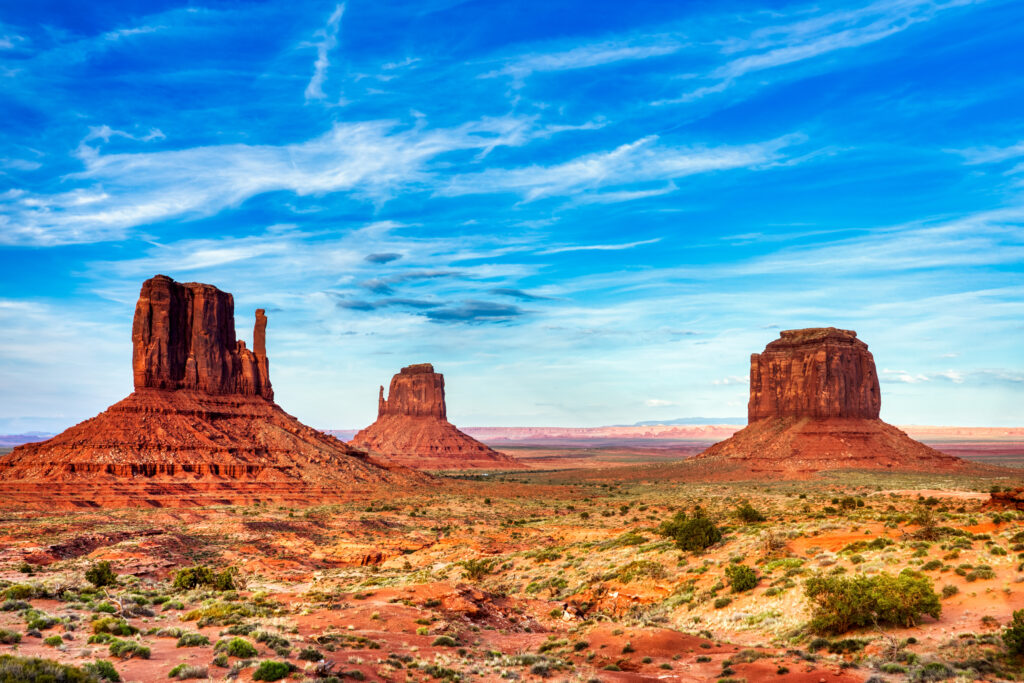
Monument Valley is one of the most iconic landscapes in the American West, defined by massive sandstone buttes rising from a broad desert floor. The formations feel monumental in every sense, standing isolated against an open horizon that stretches endlessly in all directions.
This landscape is inseparable from its cultural significance. The area is part of the Navajo Nation, and its meaning extends far beyond visual drama. The land carries stories, traditions, and spiritual importance that add depth to the experience. Moving through the valley feels like stepping into a place where time slows and perspective widens.
Light transforms the scenery constantly. Morning brings cool tones and long shadows, while sunset ignites the stone in deep reds and golds. The simplicity of the environment amplifies every shift in color and form.
Monument Valley endures in memory because of its clarity and presence. It represents the desert at its most powerful—open, grounded, and profoundly symbolic.
12. Salt Lake City
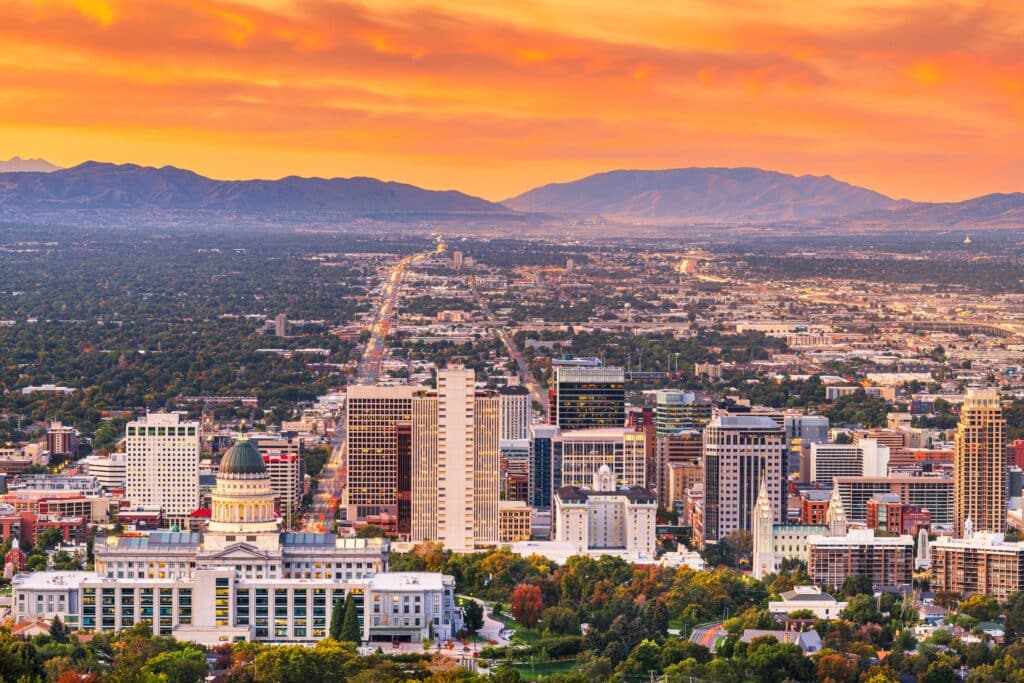
Salt Lake City is a dynamic urban center set against a dramatic natural backdrop. Framed by steep mountains, the city blends outdoor access with cultural and economic vitality. Its wide streets and thoughtful layout give it a distinctive sense of space uncommon in large metropolitan areas.
The city functions as both a gateway and a destination. Museums, music, and diverse dining reflect a growing and increasingly international population. At the same time, trails, canyons, and seasonal recreation lie just minutes away, creating a rare balance between city life and nature.
Neighborhoods each carry their own character, from historic districts to modern developments. Public spaces encourage gathering, while the surrounding landscape remains a constant visual presence.
Salt Lake City stands out for its adaptability. It is a place shaped by its environment yet continually evolving, offering a perspective on Utah that is contemporary, energetic, and grounded.
11. Bonneville Salt Flats
The Bonneville Salt Flats present one of the most surreal landscapes in Utah. Stretching across a vast plain, the surface appears almost infinite, dissolving the usual sense of distance and direction. The ground reflects light intensely, creating a visual experience that feels otherworldly.
This environment is defined by simplicity. With few landmarks, attention shifts to subtle changes in texture, sky, and atmosphere. Weather plays a dramatic role, transforming the flats from blinding white expanses to mirror-like surfaces after rainfall.
The openness invites both introspection and experimentation. Human presence feels minimal against the scale of the land, reinforcing a sense of humility and freedom.
The Bonneville Salt Flats are unforgettable because they challenge expectations. They strip the landscape down to its most elemental form, offering a rare encounter with pure space and light.
10. Grand Staircase–Escalante National Monument
Grand Staircase–Escalante National Monument is a vast and complex landscape that rewards curiosity and endurance. Defined by layered plateaus, winding slot canyons, and remote slickrock expanses, it feels less like a single destination and more like an entire world waiting to be explored. Its scale is immense, yet its most powerful moments are often hidden.
Travel here is an exercise in patience and preparation. Dirt roads lead to trailheads that open into narrow corridors, sculpted walls, and sudden waterfalls after storms. The sense of discovery is constant, as many areas reveal themselves only after sustained effort. This makes each experience feel personal and earned.
The monument’s geological story unfolds gradually through color, texture, and erosion. Fossils, ancient riverbeds, and exposed strata provide tangible connections to deep time. Despite its harsh appearance, life thrives in resilient forms adapted to isolation and extremes.
Grand Staircase–Escalante stands apart for its rawness. It is a place where solitude dominates and exploration feels limitless, offering one of Utah’s most immersive wilderness experiences.
9. Moab
Moab is a desert town defined by proximity to adventure. Surrounded by dramatic red rock landscapes, it serves as a base for exploration while maintaining a distinct personality of its own. The town’s energy reflects the steady flow of visitors drawn by the surrounding terrain.
Despite its modest size, Moab feels lively and resilient. Outdoor culture shapes daily life, from early morning departures to evenings filled with conversation and reflection. Local businesses cater to travelers while retaining a sense of authenticity rooted in the land.
The contrast between town life and the vast spaces beyond its borders is part of its appeal. One moment you are among cafes and shops, the next you are immersed in silence and scale.
Moab’s significance lies in its role as a threshold—where human comfort meets the raw intensity of Utah’s desert landscapes.
8. Snow Canyon State Park
Snow Canyon State Park offers a striking blend of volcanic features and sandstone formations. Lava flows, cinder cones, and smooth rock corridors create a landscape that feels both ancient and unexpectedly gentle. Its compact size allows for deep exploration without long travel times.
The park’s trails reveal constant variation. One moment you walk across black volcanic rock, the next through pale stone passages shaped by wind. Desert vegetation adds texture and color, softening the rugged terrain.
This park excels in accessibility. Scenic drives, short hikes, and open spaces make it welcoming while still visually compelling. Light plays a central role, bringing warmth and contrast to every surface.
Snow Canyon stands out as an example of Utah’s diversity, proving that extraordinary landscapes exist beyond the most famous destinations.
7. Logan Canyon
Logan Canyon is a transition zone between mountains and valley, offering lush scenery shaped by water and elevation. A winding road follows a river through limestone cliffs, forests, and open meadows, creating a journey as rewarding as the destination itself.
The canyon changes character with the seasons. Spring brings rushing water and fresh green growth, while autumn fills the landscape with gold and amber tones. Wildlife sightings are common, adding life and movement to the environment.
Recreation here feels balanced and grounded. Trails, picnic areas, and quiet pullouts encourage slow engagement rather than spectacle-driven exploration.
Logan Canyon’s appeal lies in its calm beauty. It is a place of renewal, offering contrast to Utah’s harsher desert regions.
6. St. George
St. George is a city shaped by sun, stone, and steady growth. Located in the state’s southwestern corner, it blends desert surroundings with suburban comfort. Warm weather and open space define daily life, drawing people who value both activity and ease.
The city functions as a hub rather than a focal point, offering services, culture, and access to surrounding landscapes. Parks, neighborhoods, and trails create a sense of openness rarely found in cities of similar size.
What distinguishes St. George is its adaptability. It continues to evolve while remaining deeply connected to its environment.
St. George represents Utah’s modern expansion, where livability and landscape coexist in a distinctly southwestern setting.
5. Bear Lake
Bear Lake is defined by its striking turquoise water and calm, expansive presence. Set along the Utah-Idaho border, the lake feels more coastal than alpine, with wide horizons and gently curving shorelines that invite long pauses and quiet appreciation.
The clarity and color of the water give the area a distinctive identity. Light reflects off the surface in constantly shifting shades, creating a sense of openness that contrasts with Utah’s more enclosed canyon landscapes. Surrounding hills and distant mountains frame the lake without overpowering it.
Recreation here feels relaxed and seasonal. Summer brings activity to the shoreline, while quieter months emphasize stillness and reflection. Even at its busiest, the lake retains a sense of balance rather than intensity.
Bear Lake stands out as a place of visual calm, offering a softer, more meditative side of Utah’s natural beauty.
4. Cedar Breaks National Monument
Cedar Breaks National Monument is a high-elevation amphitheater carved into colorful limestone and sandstone. Its vast bowl-shaped formation echoes the drama of larger parks while offering a more intimate and less crowded experience.
At this elevation, air feels crisp and light. Wildflowers flourish in summer, adding bursts of color that contrast with the deep reds and purples of exposed rock. The changing seasons dramatically reshape the landscape, from lush growth to snow-covered silence.
Viewpoints along the rim provide sweeping perspectives, while the sense of altitude adds emotional weight to every vista. The land feels closer to the sky, reinforcing a feeling of distance from daily concerns.
Cedar Breaks endures as a reminder that scale and beauty are not confined to famous destinations. Its power lies in elevation, color, and quiet grandeur.
3. The Uinta Mountains
The Uinta Mountains form a rare east-west range that introduces a distinctly alpine identity to Utah. Dense forests, high peaks, and numerous lakes define a landscape shaped by water and elevation rather than erosion alone.
This region offers a cooler, greener contrast to the state’s deserts. Trails pass through meadows and along clear streams, creating a rhythm of movement and rest. The abundance of water gives the environment a sense of softness and continuity.
Isolation plays a key role in the experience. Long distances between towns and services emphasize self-reliance and awareness of the land.
The Uinta Mountains stand as a reminder of Utah’s diversity, proving the state is as much about forests and peaks as it is about stone and sand.
2. Antelope Island State Park
Antelope Island State Park rises from a vast inland lake, creating a landscape defined by water, sky, and open grassland. The island’s isolation gives it a unique atmosphere, where the surrounding water enhances a sense of separation and scale.
Wide open spaces dominate the terrain. Rolling hills and exposed rock provide uninterrupted views in every direction, emphasizing the relationship between land and horizon. Wildlife moves freely here, reinforcing the feeling of an intact ecosystem.
The air carries a distinct clarity shaped by salt and wind. Light reflects off the water, adding brightness and contrast to the environment.
Antelope Island’s appeal lies in its simplicity. It offers an experience centered on space, movement, and perspective rather than spectacle.
1. Torrey
Torrey is a small town defined by its setting rather than its size. Positioned near dramatic desert terrain, it serves as a quiet refuge where human presence feels carefully balanced with the surrounding land.
The town’s character is shaped by stillness. Streets feel unhurried, and daily life follows the rhythm of weather and light. Open views and minimal development reinforce a sense of clarity and focus.
Torrey’s strength lies in restraint. It does not attempt to dominate its surroundings, instead existing as a respectful companion to the landscape.
As a destination, Torrey represents Utah’s quieter side—places where simplicity enhances rather than limits the experience.