
Wondering where to stay in Seoul? This guide covers the best neighborhoods in Seoul for first-time visitors, nightlife, culture, luxury stays, and family travel—plus hotel suggestions, transport tips, and a map to help you choose the right area.
Seoul is a city of contrasts. Ancient palaces sit beside glass skyscrapers, quiet hanok neighborhoods blend into busy shopping streets, and peaceful temples exist just minutes from neon-lit nightlife districts.
Where you stay in Seoul doesn’t just affect convenience—it shapes the entire experience of your trip.
Some neighborhoods offer a first introduction to the city, full of energy and easy access to everything. Others feel slower, more traditional, or more modern and polished. Choosing the right area means choosing the version of Seoul you want to wake up in each morning.
This guide will help you find exactly that—combining practical advice with a deeper look at what each neighborhood actually feels like.
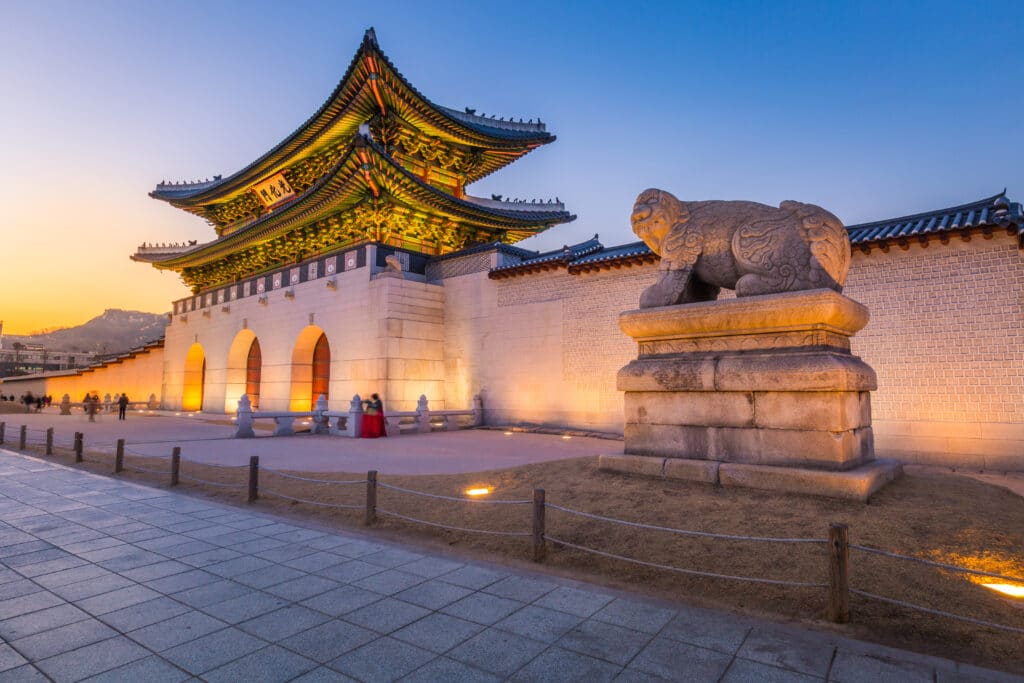
Where to Stay in Seoul at a Glance
If it’s your first time in Seoul, Myeongdong is usually the easiest and most convenient choice. For nightlife and a youthful atmosphere, Hongdae stands out. Travelers interested in culture and history will usually prefer Insadong, while Gangnam is best for modern hotels and upscale city living. If you want a more international and food-focused area, Itaewon is a strong option.
Quick Overview: Best Areas to Stay in Seoul
| Area | Best For | Atmosphere |
|---|---|---|
| Myeongdong | First-time visitors | Central, lively, convenient |
| Hongdae | Nightlife & young travelers | Creative, energetic |
| Insadong | Culture & history | Traditional, relaxed |
| Gangnam | Luxury & modern Seoul | Stylish, upscale |
| Itaewon | Food & diversity | International, vibrant |
| Dongdaemun | Budget & shopping | Practical, busy |
| Jamsil | Families & calm stays | Spacious, modern |
| Bukchon | Unique stays | Quiet, traditional |
Table of Contents
Best Areas to Stay in Seoul
Myeongdong – The Easiest Introduction to Seoul
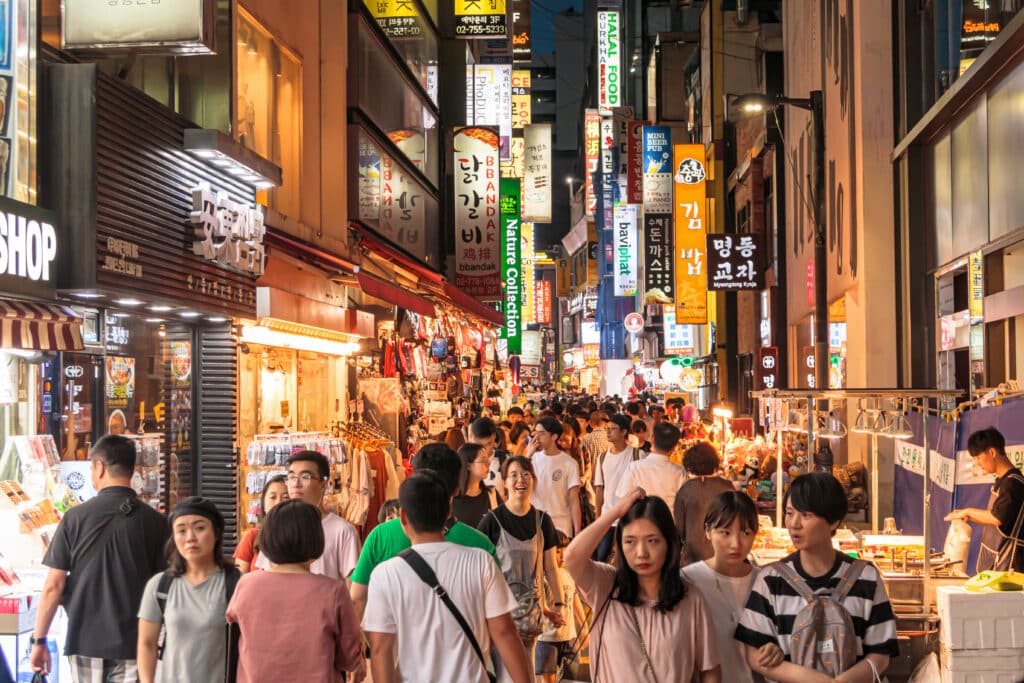
For many travelers, Seoul begins in Myeongdong.
The streets here are always alive—filled with glowing shop signs, the smell of street food, and crowds moving between cosmetic stores, cafés, and restaurants. It’s busy, sometimes chaotic, but incredibly convenient.
From here, much of the city feels within reach. Palaces, markets, and neighborhoods are just a short subway ride away, making it one of the most practical bases in Seoul.
Stay here if you want a smooth, easy first trip where everything is close and accessible.
Hotel suggestions
- Budget: Step Inn Myeongdong
- Mid-range: Nine Tree Hotel Myeongdong
- Luxury: Lotte Hotel Seoul
Typical price: €90–€250+
What to expect
| Pros | Cons |
|---|---|
| Central & well connected | Crowded |
| Great food & shopping | Tourist-heavy |
| Easy for short stays | Less local atmosphere |
Hongdae – Seoul After Dark
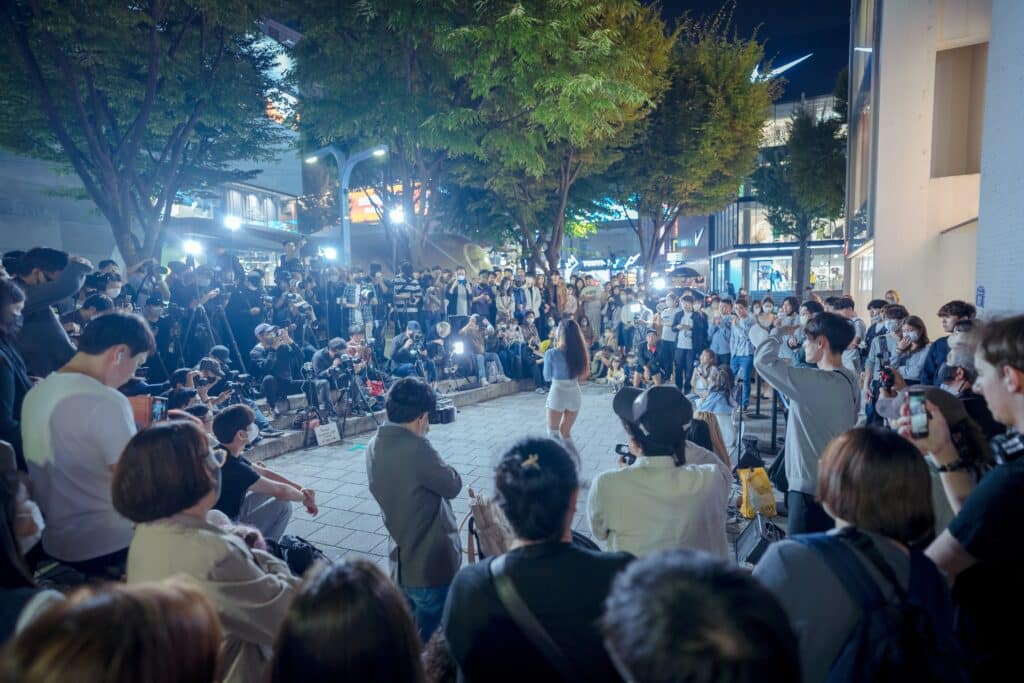
Hongdae feels completely different.
By day, it’s creative and relaxed—full of independent cafés, boutiques, and street art. But as evening approaches, the neighborhood shifts. Music fills the streets, performers gather crowds, and bars and clubs begin to open.
This is one of the most social areas in Seoul, where nights often stretch longer than planned.
Stay here if you want energy, nightlife, and a younger, creative atmosphere.
Hotel suggestions
- Budget: BB Hongdae Guesthouse
- Mid-range: Holiday Inn Express Hongdae
- Luxury: RYSE Autograph Collection
Typical price: €80–€180
What to expect
| Pros | Cons |
|---|---|
| Best nightlife | Noisy |
| Trendy & social | Less central |
| Unique atmosphere | Busy late at night |
Insadong – A More Traditional Side of Seoul
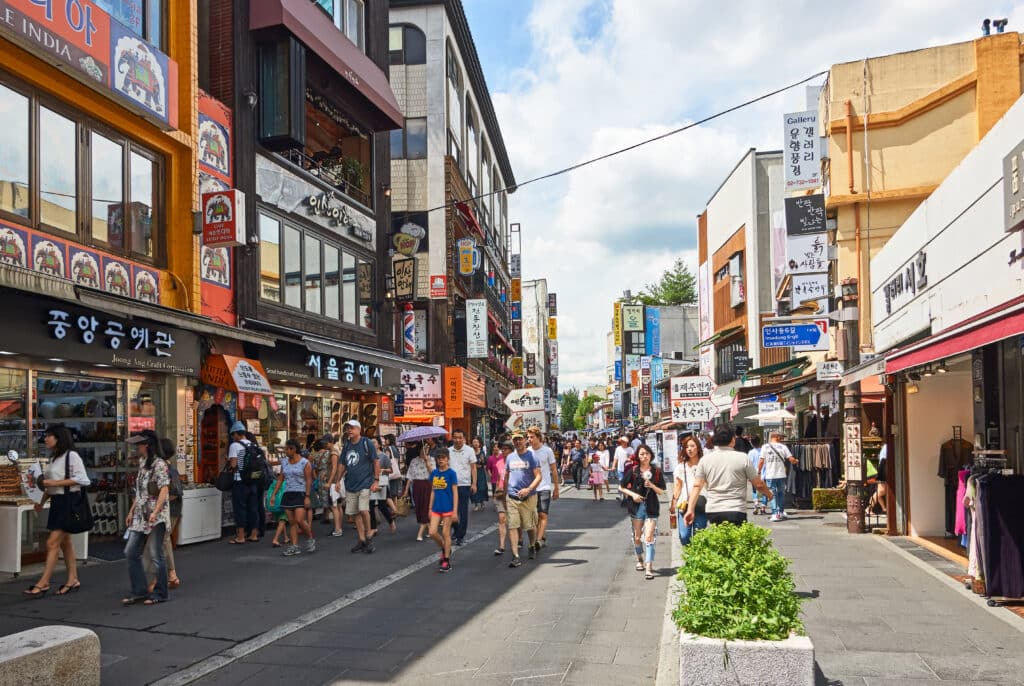
If Myeongdong shows modern Seoul, Insadong reveals its cultural roots.
The streets here are lined with tea houses, galleries, and craft shops. The pace is slower, and the atmosphere feels more reflective. From here, you can walk to some of the city’s most important historical landmarks, including palaces and hanok villages.
It’s a place where Seoul feels both old and new at the same time.
Stay here if you’re drawn to culture, history, and a quieter pace.
Hotel suggestions
- Budget: Insadong Crown Hotel
- Mid-range: Orakai Insadong Suites
- Unique: Hanok guesthouses
Typical price: €100–€200
What to expect
| Pros | Cons |
|---|---|
| Cultural atmosphere | Quiet at night |
| Walkable attractions | Fewer hotel options |
| Relaxed pace | Limited nightlife |
Gangnam – The Modern Face of Seoul
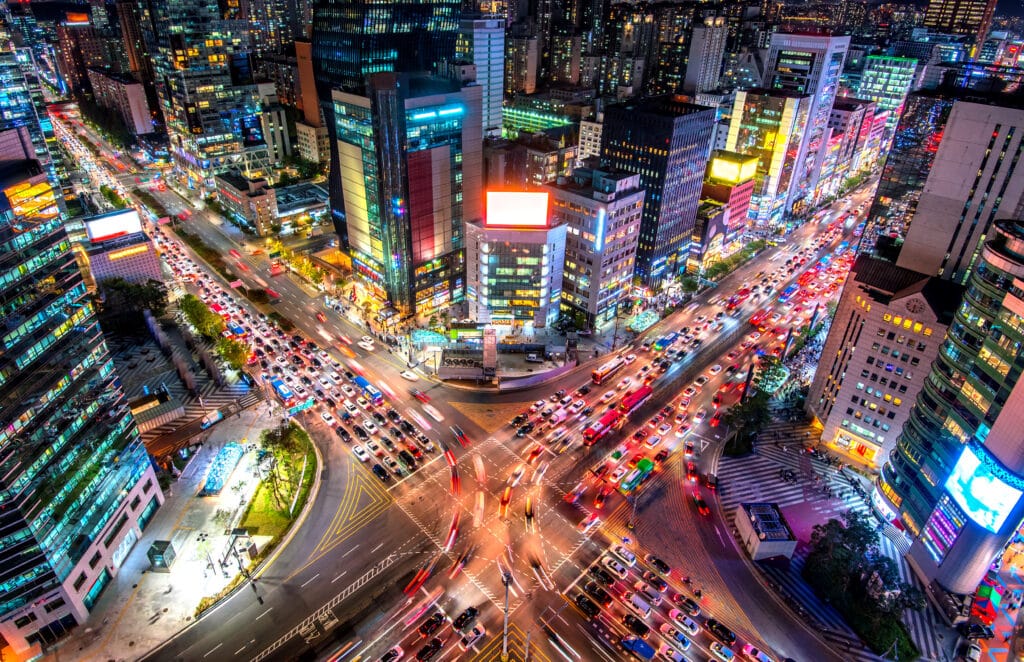
South of the Han River, Seoul changes again.
Gangnam is sleek, polished, and modern—defined by high-rise buildings, designer stores, and wide boulevards. It feels more international and business-oriented, offering a different perspective on the city.
While it’s further from historic attractions, it provides comfort, style, and a more refined urban experience.
Stay here if you prefer modern hotels, upscale dining, and a quieter, more polished environment.
Hotel suggestions
- Budget: Hotel Cappuccino
- Mid-range: GLAD Gangnam COEX
- Luxury: InterContinental Seoul COEX
Typical price: €150–€400+
What to expect
| Pros | Cons |
|---|---|
| Modern & clean | Far from historic sights |
| Luxury options | Higher prices |
| Stylish atmosphere | Less traditional character |
Itaewon – A Global Side of Seoul
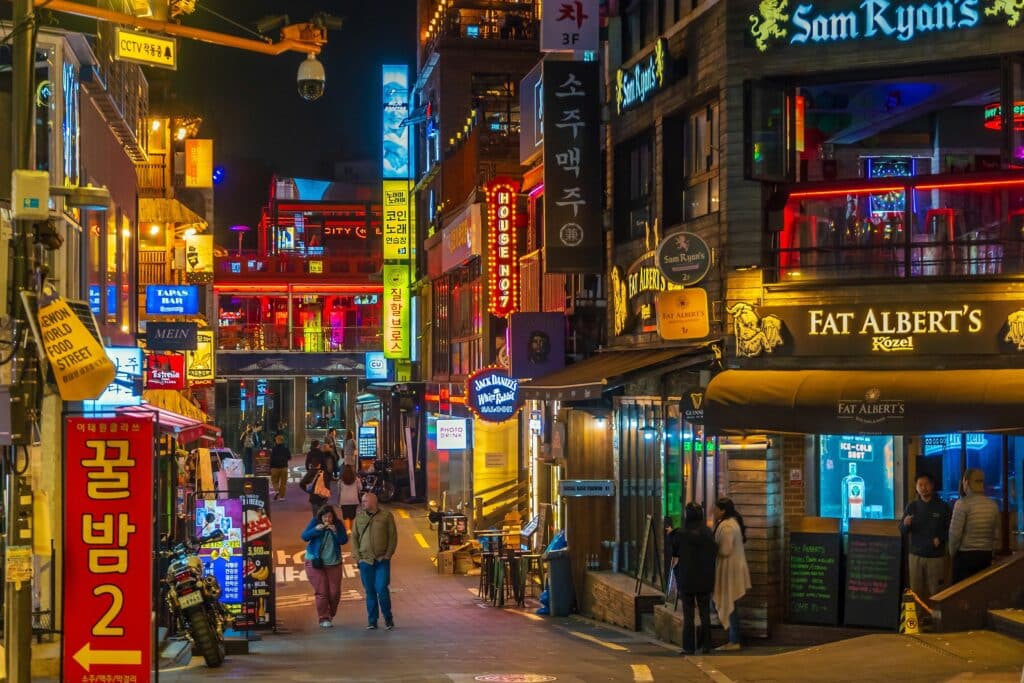
Itaewon has long been Seoul’s most international neighborhood.
Walking through its streets, you’ll hear different languages, see global restaurants, and experience a mix of cultures that feels distinct from the rest of the city. It’s lively, but in a more varied and less uniform way than Hongdae.
Food is a highlight here—from Korean barbecue to international cuisine.
Stay here if you want variety, global food, and a diverse atmosphere.
Hotel suggestions
- Budget: G Guesthouse Itaewon
- Mid-range: Hamilton Hotel
- Luxury: Grand Hyatt Seoul
Typical price: €100–€250
What to expect
| Pros | Cons |
|---|---|
| International food scene | Less traditional feel |
| Diverse atmosphere | Hilly terrain |
| Good nightlife | Mixed vibe |
Dongdaemun – Practical and Well Connected
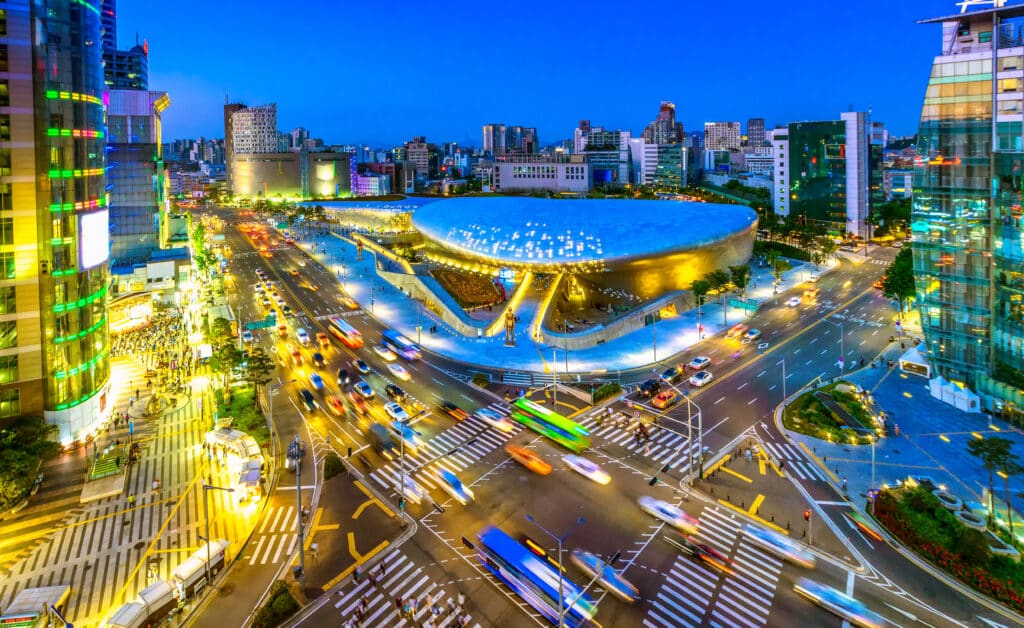
Dongdaemun may not be the most atmospheric part of Seoul, but it’s one of the most practical.
The area is known for its shopping complexes, late-night energy, and excellent transport connections. Modern landmarks like the Dongdaemun Design Plaza give it a more futuristic feel, while nearby markets keep the district busy well into the evening.
Hotels here are often more affordable, which makes it a smart choice for travelers who plan to spend most of their time exploring different parts of the city.
Stay here if you want value, convenience, and easy transport access.
Hotel suggestions
- Budget: K-Guesthouse Dongdaemun
- Mid-range: Hotel Skypark Kingstown
- Luxury: Novotel Ambassador Dongdaemun
Typical price: €70–€150
Jamsil – Space, Parks, and a Slower Pace
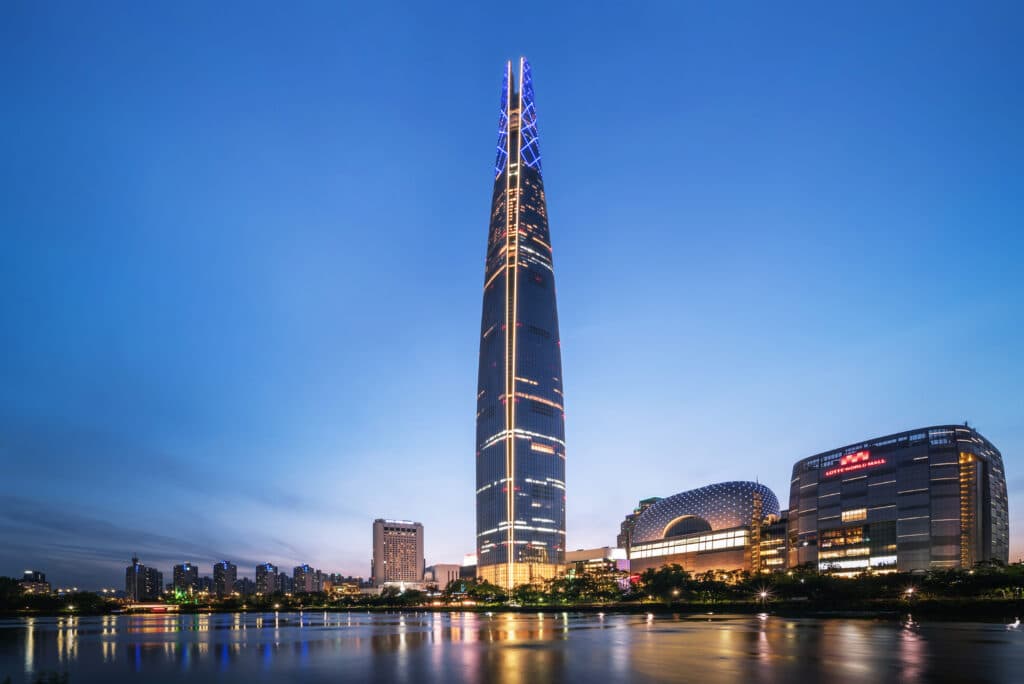
Jamsil feels more open and relaxed than central Seoul.
With wide streets, large parks, and major attractions like Lotte World Tower, the area offers a calmer and more spacious side of the city. It’s a comfortable base for travelers who prefer modern surroundings and a quieter atmosphere in the evenings.
Stay here if you’re traveling with family or prefer a quieter, more comfortable base.
Hotel suggestions
- Budget: Rosana Hotel
- Mid-range: Lotte Hotel World
- Luxury: Signiel Seoul
Typical price: €120–€300+
Bukchon & Hanok Areas – Staying in Seoul’s Past
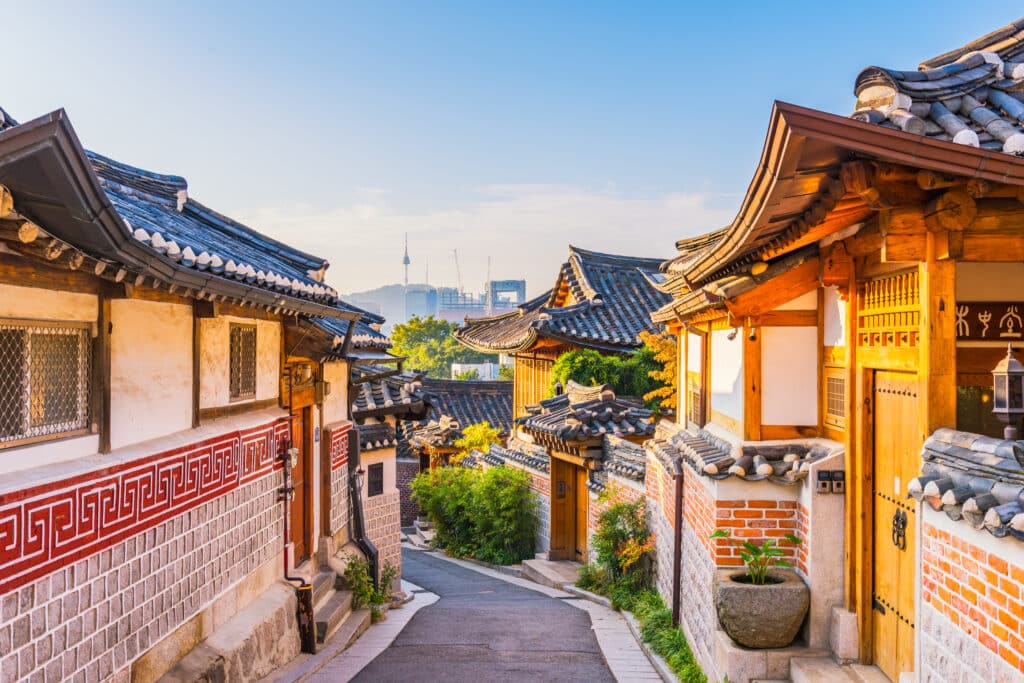
For something completely different, consider staying in a hanok.
These traditional Korean houses sit along quiet streets and small courtyards, creating an atmosphere that feels far removed from the modern city outside. Staying here is less about convenience and more about experience, offering a more intimate and culturally immersive side of Seoul.
Stay here if you want a memorable, traditional stay.
Best Areas by Travel Style
- First-time visitors: Myeongdong
- Nightlife & social travel: Hongdae
- Culture & history: Insadong
- Luxury & modern stays: Gangnam
- Food & diversity: Itaewon
- Budget travelers: Dongdaemun
- Families: Jamsil
- Unique stays: Bukchon
Getting Around Seoul
Seoul’s transport system is one of its biggest advantages.
- Subway Line 2 connects Hongdae, Gangnam, and Jamsil
- Line 4 connects Myeongdong and Dongdaemun
- AREX train links the airport with Hongdae and Seoul Station
Most major attractions are within 20–30 minutes of each other by subway, making it easy to explore the city regardless of where you stay.
Map of the Best Areas to Stay in Seoul
To help you choose the right base for your trip, this map highlights the best areas to stay in Seoul, including central sightseeing districts, lively nightlife neighborhoods, modern hotel areas, and quieter parts of the city.
Use it to compare locations, get a better feel for the city, and decide which neighborhood best fits your travel style.
Sample Itineraries
If staying in Myeongdong (3 days)
Day 1: Myeongdong + N Seoul Tower
Day 2: Palaces + Insadong
Day 3: Hongdae
If staying in Hongdae (3 days)
Day 1: Hongdae
Day 2: Historic Seoul
Day 3: Gangnam
If staying in Jamsil (family trip)
Day 1: Lotte World
Day 2: Parks
Day 3: Central Seoul
FAQ: Where to Stay in Seoul
Is Myeongdong the best area?
For first-time visitors, yes—it’s the most convenient.
Best area for nightlife?
Hongdae for energy, Itaewon for diversity.
Best area for culture?
Insadong or Bukchon.
How many days in Seoul?
3–5 days is ideal.
What is the best area to stay in Seoul for first-time visitors?
Myeongdong is usually the best choice for first-time visitors thanks to its central location, easy transport, shopping streets, and access to many of Seoul’s main attractions.
Final Thoughts
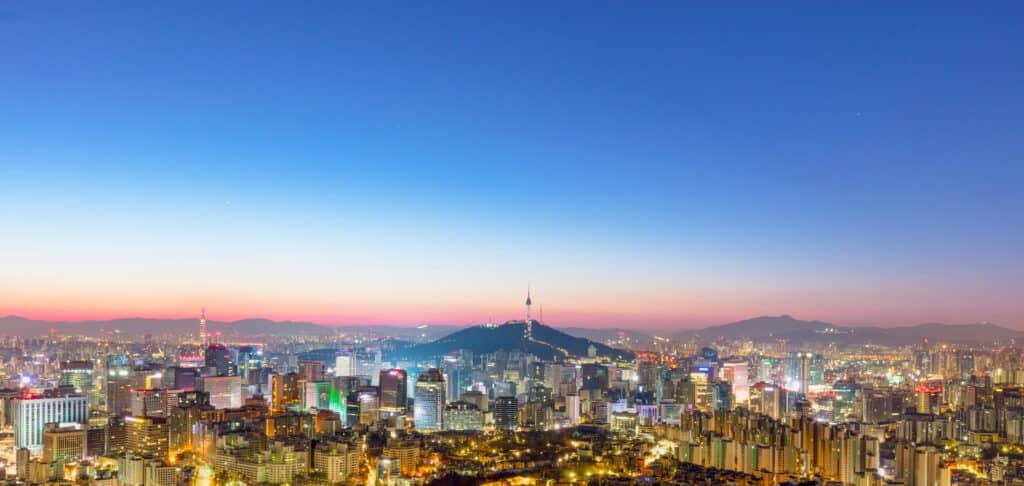
Seoul is not a city with one center—it’s a collection of different worlds.
You can wake up in a quiet hanok, spend your afternoon exploring royal palaces, and end your night in a neon-lit street filled with music and food. That contrast is part of what makes the city so memorable.
Where you stay decides which version of Seoul you experience most.
If you want convenience, Myeongdong is hard to beat. If you want nightlife, Hongdae is one of the city’s most exciting bases. If you’re drawn to history and atmosphere, Insadong or Bukchon may feel more rewarding.
Choose the neighborhood that matches your travel style—and let Seoul unfold from there.