
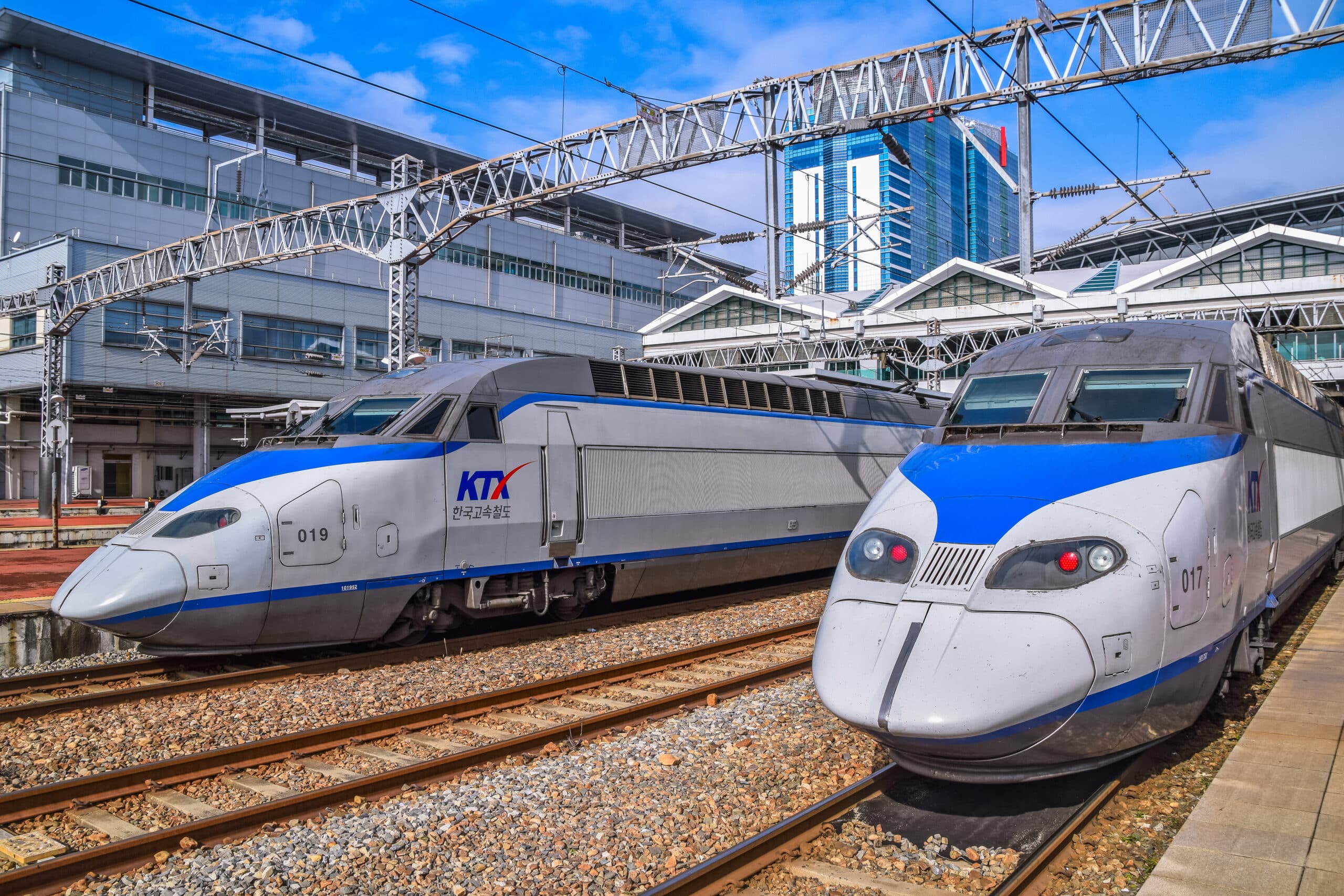
Traveling around South Korea is remarkably easy thanks to the country’s efficient transportation network. High-speed trains, modern metro systems, comfortable buses, and frequent domestic flights make it simple to move between cities and regions. Whether you are exploring the vibrant streets of Seoul, relaxing on the beaches of Busan, or visiting historic sites in Gyeongju, transportation across the country is reliable, affordable, and convenient.
South Korea has invested heavily in public transportation infrastructure over the past decades. As a result, travelers can reach most destinations quickly without the need for a car. High-speed trains connect major cities, while extensive metro systems make navigating urban areas straightforward even for first-time visitors.
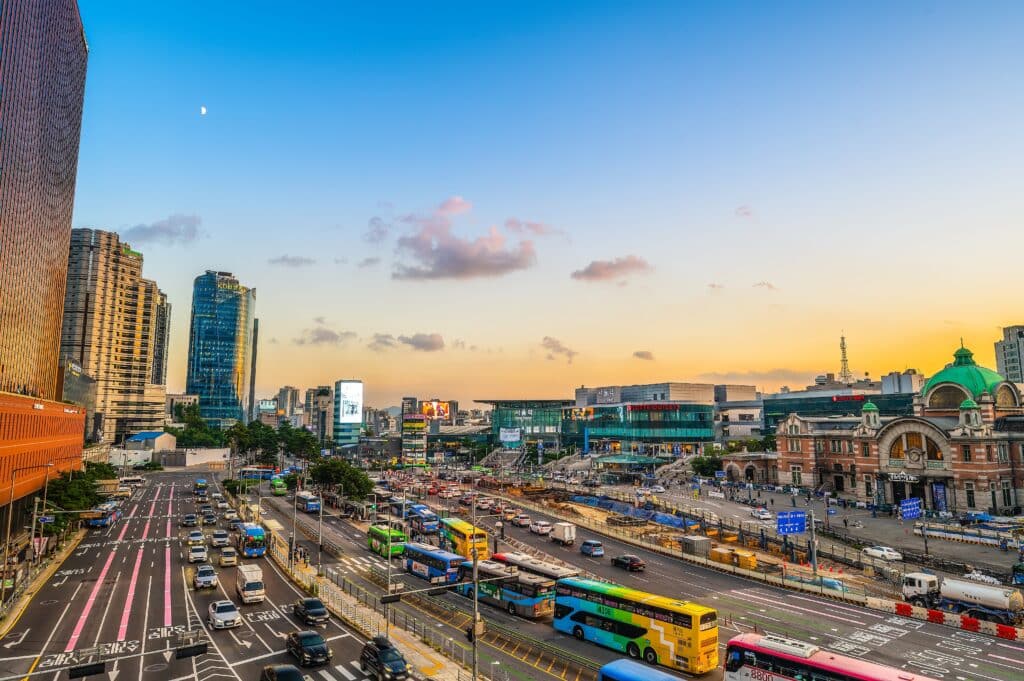
Quick Transport Guide to South Korea
- Fastest Option: KTX high-speed train
- Best for Cities: Metro systems (Seoul & Busan)
- Budget Travel: Intercity buses
- Island Travel: Domestic flights to Jeju
- Convenience: T-money transportation card
- Best for Flexibility: Rental car (Jeju & rural areas)
Map of Travel Route in South Korea
This map shows the most common travel route across South Korea, connecting major tourist destinations by train, bus, and flight.
Table of Contents
Main Transport Options
High-Speed Rail: Korea Train Express (KTX)
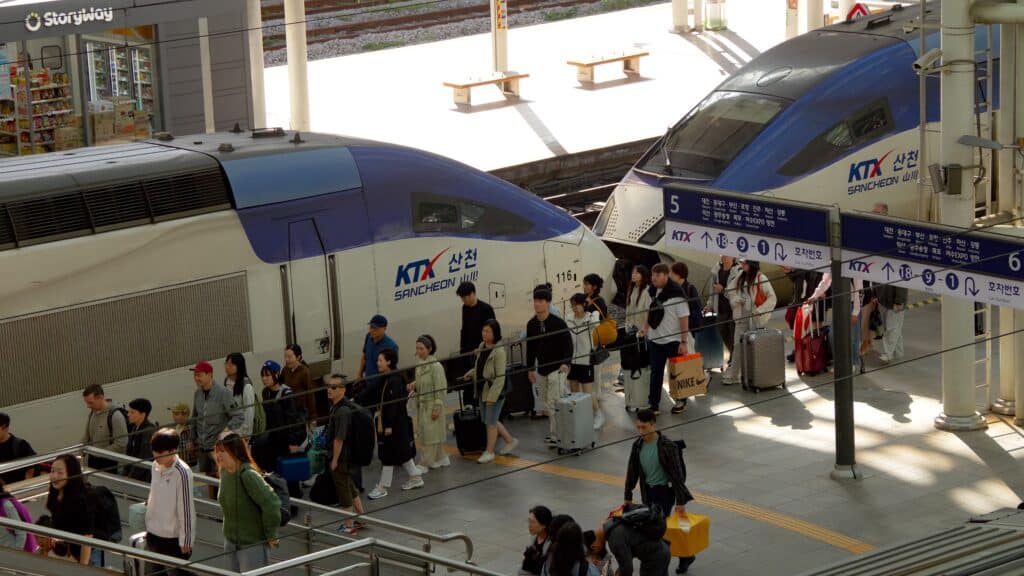
The fastest way to travel between major cities in South Korea is the Korea Train Express (KTX), the country’s high-speed rail network. Modern trains connect the largest cities and allow travelers to cover long distances in a short amount of time.
One of the most popular routes runs between Seoul and Busan, a journey that takes less than three hours. Another common route connects Seoul with Gyeongju, making it easy to visit the ancient capital of the Silla Kingdom.
KTX trains are comfortable and modern, offering spacious seating, luggage storage areas, and onboard services. Tickets can be purchased online or at train stations, and it is advisable to reserve seats in advance during busy travel periods.
Best for: Fast travel between major cities
Travel time: Seoul → Busan ~2.5–3 hours
Cost level: Medium
Metro Systems in Major Cities
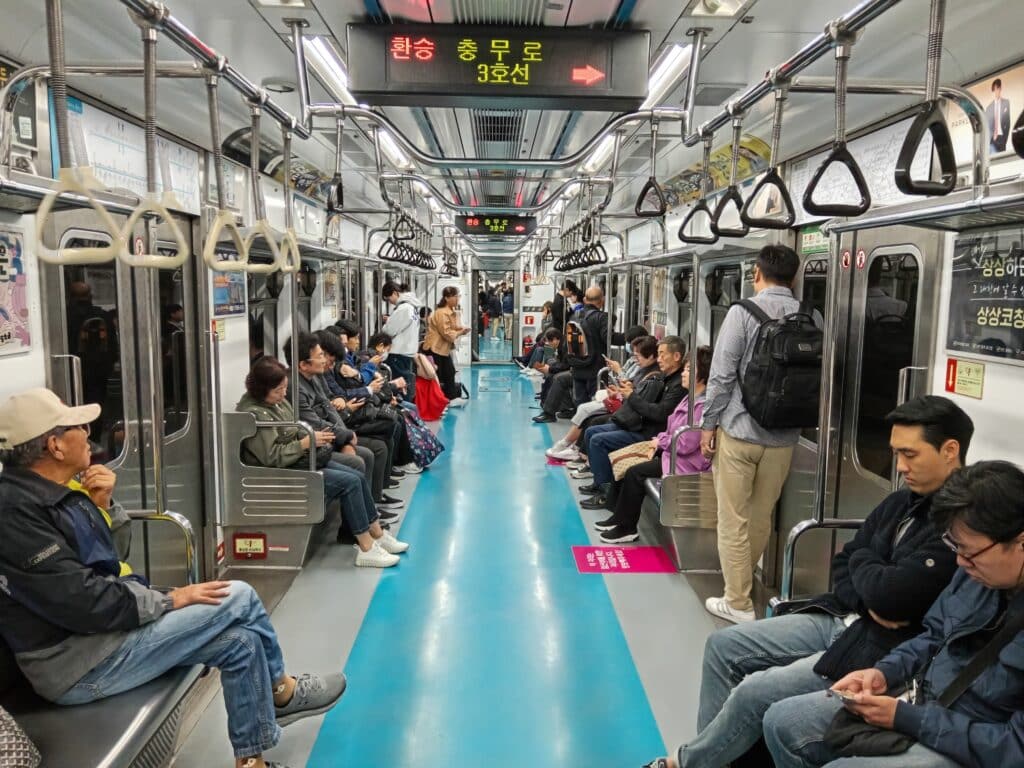
Public transportation within South Korean cities is equally impressive. Large metropolitan areas such as Seoul and Busan operate extensive subway networks that are clean, efficient, and easy to use.
The Seoul Metro is one of the largest subway systems in the world, connecting neighborhoods, landmarks, shopping districts, and major train stations. Signs and announcements are provided in both Korean and English.
In Busan, the metro system connects major districts and coastal areas near the city’s famous beaches.
Metro trains run frequently throughout the day, and ticket prices are affordable, making this the easiest way to get around cities.
Best for: Daily city travel
Cost level: Low
Intercity Buses
While high-speed trains connect major cities, intercity buses provide another reliable option across South Korea. They are especially useful for destinations not directly connected by rail.
From Seoul, travelers can easily reach cities such as Jeonju by bus in about two to three hours. South Korea’s bus network includes both express and premium buses, many with reclining seats and extra comfort.
Bus terminals are usually located near city centers, making transfers simple.
Best for: Budget travel and smaller destinations
Cost level: Low
Domestic Flights to Jeju Island
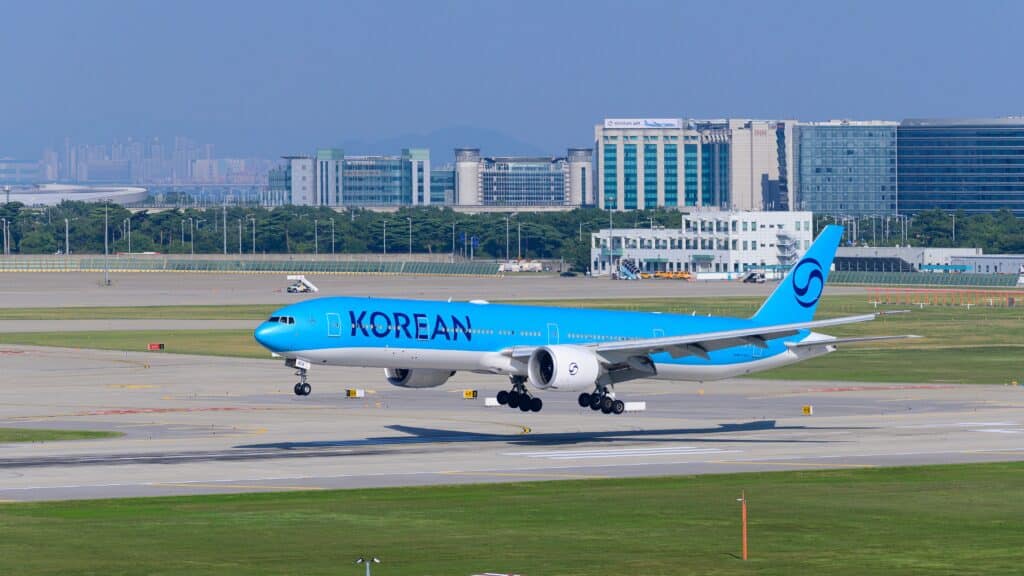
Flights are the most convenient way to reach Jeju Island, South Korea’s most famous island destination.
Flights depart frequently from Seoul, Busan, and other cities, with a flight time of about one hour. Jeju Island is known for volcanic landscapes, waterfalls, and scenic coastal cliffs.
Because of its popularity, airlines operate numerous daily flights, making it easy to include Jeju in your itinerary.
Best for: Traveling to Jeju Island
Travel time: ~1 hour
Cost level: Medium
Transport Comparison Overview
| Transport Type | Best For | Speed | Cost |
|---|---|---|---|
| KTX Train | Long-distance travel | Very fast | Medium |
| Metro | City travel | Fast | Low |
| Bus | Budget + smaller cities | Medium | Low |
| Flight | Jeju Island | Fast | Medium |
Getting Around Cities: Taxis and Ride Apps
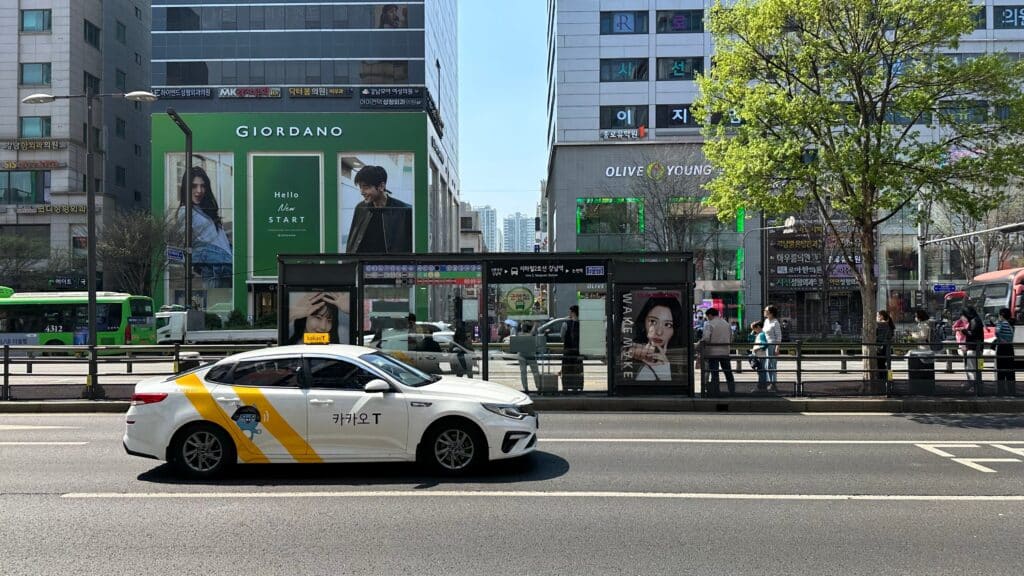
Taxis provide a convenient way to travel within South Korean cities. They are widely available in urban areas such as Seoul and Busan, and fares are generally affordable.
Standard taxis can be hailed on the street or found at designated taxi stands. Most drivers use meters, and many taxis accept credit cards or transportation cards.
Ride-hailing apps are also available, allowing travelers to request rides, track routes, and pay digitally.
Best for: Late-night travel or convenience
Transportation Cards and Ticketing
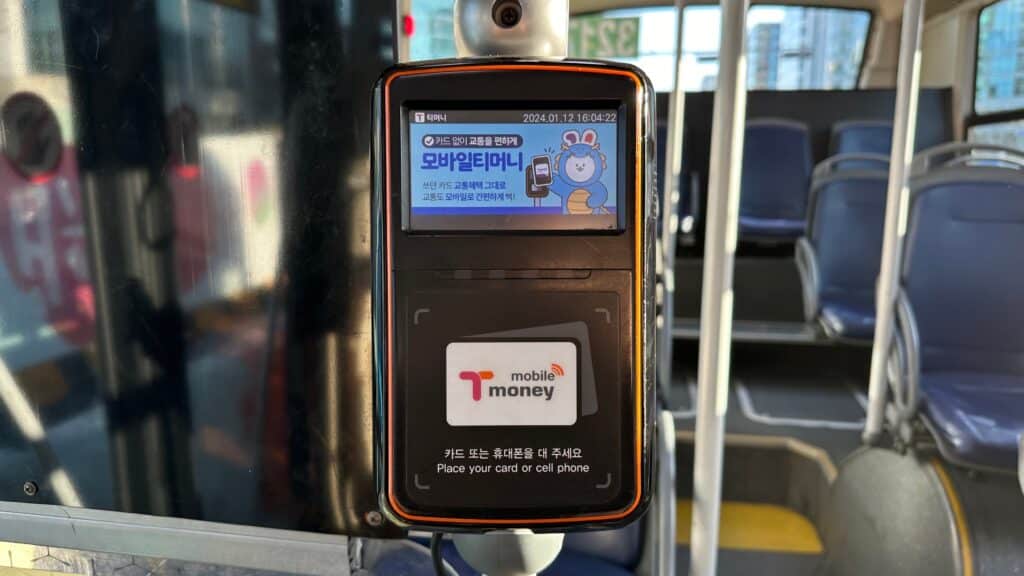
To make traveling easier, many visitors use rechargeable transportation cards such as T-money.
These cards can be used on metro systems, city buses, and some taxis. They can be purchased at convenience stores or metro stations and recharged as needed.
Using a transportation card saves time and often slightly reduces fares compared with single-use tickets.
Travel Tips for Getting Around South Korea
When traveling around South Korea, a few simple tips can make your journey smoother and more enjoyable.
First, plan your long-distance travel in advance, especially when using the KTX high-speed trains during weekends or holiday seasons. Popular routes can fill quickly, particularly between Seoul and Busan.
Second, take advantage of the country’s well-developed metro systems when exploring large cities. Subways in Seoul and Busan are often the fastest way to reach major attractions.
Finally, allow extra travel time when visiting rural areas or national parks such as Seoraksan National Park, where transportation connections may be less frequent.
With careful planning and the help of South Korea’s excellent transportation network, exploring the country is both convenient and enjoyable.
Renting a Car in South Korea
While public transportation covers most destinations, renting a car can be useful for exploring rural regions and scenic areas.
For example, travelers visiting Jeju Island often rent a car to explore waterfalls, coastal cliffs, and volcanic landscapes at their own pace.
However, in large cities such as Seoul, driving is not recommended due to heavy traffic and limited parking.
Best for: Jeju Island and rural travel
Practical Travel Tips
- Book KTX tickets in advance during weekends and holidays
- Use metro systems for fast city travel
- Carry a T-money card for convenience
- Allow extra time when traveling to rural areas
- Download navigation apps for route planning
Best Apps for Getting Around South Korea
- Naver Map – best for navigation
- KakaoMap – alternative map app
- Kakao T – taxi booking
- Korail App – train tickets
FAQ: Transportation in South Korea
Is public transport in South Korea easy to use?
Yes, it is clean, efficient, and tourist-friendly with English signage.
What is the best way to travel between cities?
The KTX high-speed train is the fastest and most convenient option.
Do I need a car in South Korea?
No, public transport is sufficient for most travelers. A car is only useful in rural areas or on Jeju Island.
Can I use one card for all transport?
Yes, T-money cards work on metro, buses, and some taxis.
Is transportation expensive?
No, it is relatively affordable compared with many other developed countries.
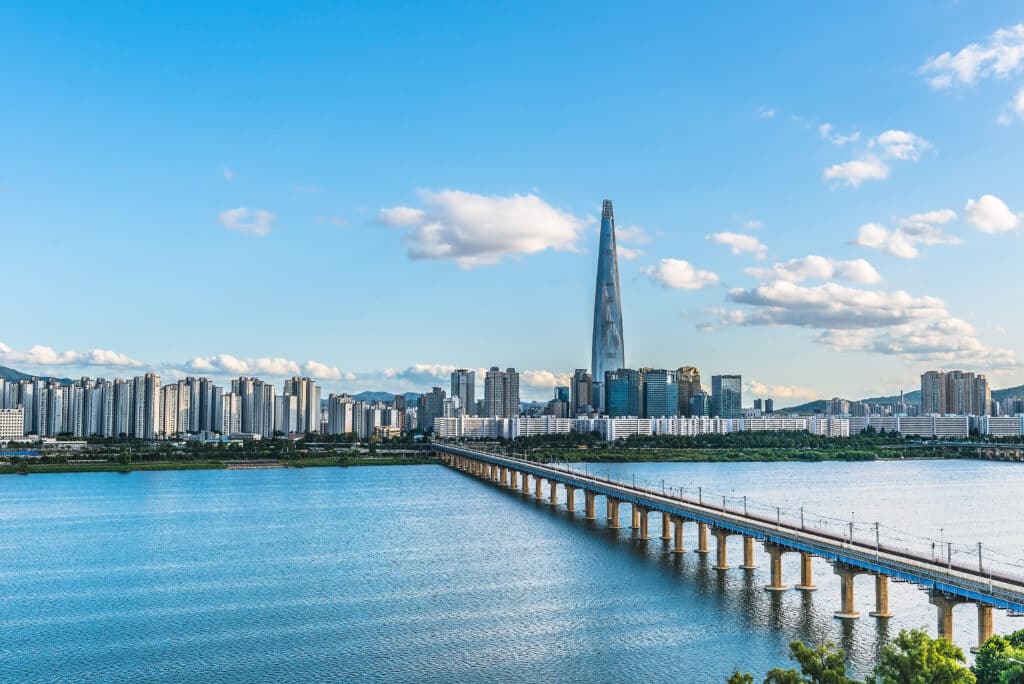
Final Thoughts on Transportation in South Korea
South Korea is one of the easiest countries in Asia to travel around. Modern trains, reliable metro systems, comfortable buses, and frequent domestic flights make it possible to explore a wide range of destinations within a short time.
Whether you are discovering the cultural landmarks of Seoul, relaxing on the beaches of Busan, visiting historic temples in Gyeongju, or exploring the volcanic scenery of Jeju Island, transportation throughout the country is designed to make travel efficient and accessible.
Thanks to this outstanding infrastructure, visitors can focus on enjoying the rich culture, landscapes, and cuisine that make South Korea such an exciting destination.