

Traveling through South Korea reveals a fascinating mix of ancient heritage, dramatic landscapes, and cutting-edge modern life. Over the past two decades, the country has transformed into one of Asia’s most exciting travel destinations. Visitors come for the vibrant culture, scenic mountains, coastal cities, and the dynamic atmosphere of places like Seoul, where historic palaces stand alongside futuristic skyscrapers.
South Korea’s history stretches back thousands of years, and traces of its royal dynasties remain visible across the country. Palaces, temples, and traditional villages still preserve the legacy of eras such as the Joseon Dynasty, which ruled for more than five centuries. Walking through historic districts often feels like stepping back in time, yet just beyond those ancient gates modern cafés, technology hubs, and stylish boutiques reflect the country’s rapid innovation.
Nature is another major highlight. Despite its dense cities, South Korea contains remarkable natural beauty within a relatively small area. Rugged mountains dominate much of the landscape, offering spectacular hiking routes in places like Seoraksan National Park. Farther south, the volcanic landscapes of Jeju Island reveal waterfalls, lava caves, and dramatic coastal cliffs that feel worlds away from the mainland.
Food also plays a central role in the travel experience. From sizzling barbecue restaurants to lively street markets, visitors can discover famous dishes such as bibimbap, spicy tteokbokki, and countless regional specialties.
Whether exploring ancient temples, relaxing on beaches, hiking mountain trails, or discovering vibrant city life, South Korea offers a wide variety of destinations that reward curious travelers. The following places highlight some of the most remarkable locations to include on any journey through this fascinating country.
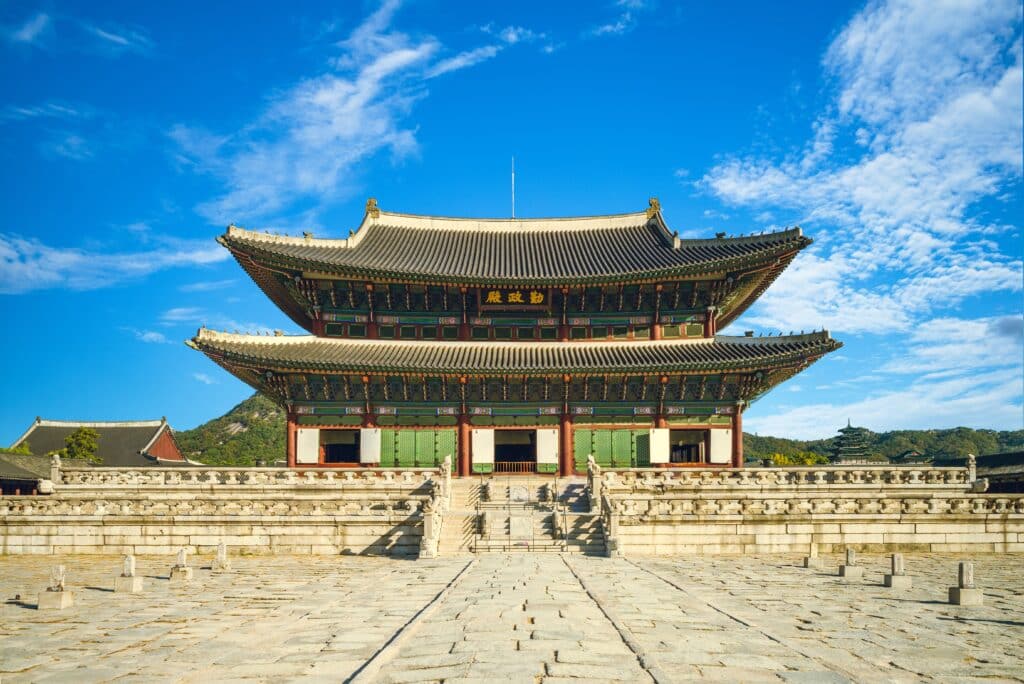
Quick Summary: Best Places to Visit in South Korea
Short on time? These are some of the best places to visit in South Korea depending on your travel style:
- Best for first-time visitors: Seoul
The best all-round destination for history, food, shopping, and city life. - Best coastal city: Busan
Perfect for beaches, seafood, colorful neighborhoods, and a more relaxed urban vibe. - Best island escape: Jeju Island
Ideal for nature lovers, scenic drives, volcanic landscapes, and outdoor adventures. - Best for history and culture: Gyeongju
One of the most important historical cities in South Korea, filled with temples, tombs, and UNESCO sites. - Best for hiking and mountain scenery: Seoraksan National Park
A top choice for dramatic peaks, scenic trails, and autumn colors. - Best for traditional Korean culture: Jeonju
Famous for hanok architecture, traditional food, and a slower travel pace. - Best easy trip from Seoul: Suwon
Great for fortress views, Korean history, and a rewarding day trip from the capital. - Best for meaningful modern history: The DMZ
One of the most unique and thought-provoking places to visit in South Korea.
Best Places to Visit in South Korea (Quick Comparison)
This quick comparison table helps you choose the best places to visit in South Korea based on your travel style, interests, and available time.
| Destination | Best For | Highlights | Ideal Stay |
|---|---|---|---|
| Seoul | First-time visitors, city life | Palaces, shopping, street food, nightlife | 3–5 days |
| Busan | Beaches, coastal vibe | Haeundae Beach, seafood, Gamcheon Village | 2–4 days |
| Jeju Island | Nature, island escape | Volcano, waterfalls, coastal drives | 3–5 days |
| Gyeongju | History & culture | Temples, royal tombs, UNESCO sites | 1–2 days |
| Seoraksan NP | Hiking, mountains | Granite peaks, trails, autumn colors | 1–2 days |
| Jeonju | Food, traditional culture | Hanok village, bibimbap, tea houses | 1–2 days |
| Andong | Heritage, slow travel | Hahoe Village, Confucian culture | 1–2 days |
| Incheon | Short stop, near Seoul | Chinatown, Songdo, easy access | 0.5–1 day |
| Suwon | Easy day trip | Fortress walls, historic city | 0.5–1 day |
| Ulsan | Coastal nature, offbeat | Cliffs, parks, ocean views | 1 day |
| Pohang | Unique landmarks | Space Walk, sunrise views | 1 day |
| Gangneung | Beaches, cafés | East coast, coffee culture | 1–2 days |
| Hallasan | Hiking, volcano | Highest mountain, crater lake | Full day |
| Mokpo | Quiet coastal city | Harbor views, island scenery | 1 day |
| DMZ | History, unique experience | Border tours, observatory | Half–full day |
This overview makes it easier to plan your route, whether you are visiting South Korea for the first time or returning to explore more regions. Most travelers combine Seoul, Busan, and Jeju Island, then add one or two cultural or nature destinations depending on their interests.
Table of Contents
Why Visit South Korea?
For many travelers, South Korea offers a rare combination of deep historical roots and striking modern innovation. Over the centuries, powerful dynasties shaped the country’s culture, architecture, and traditions. One of the most influential periods was the Joseon Dynasty, which ruled for more than five hundred years and left behind magnificent palaces, Confucian academies, and refined cultural practices that still influence Korean society today. Visitors can see this legacy firsthand while walking through historic palace complexes, wandering traditional villages, or visiting serene Buddhist temples nestled in the mountains.
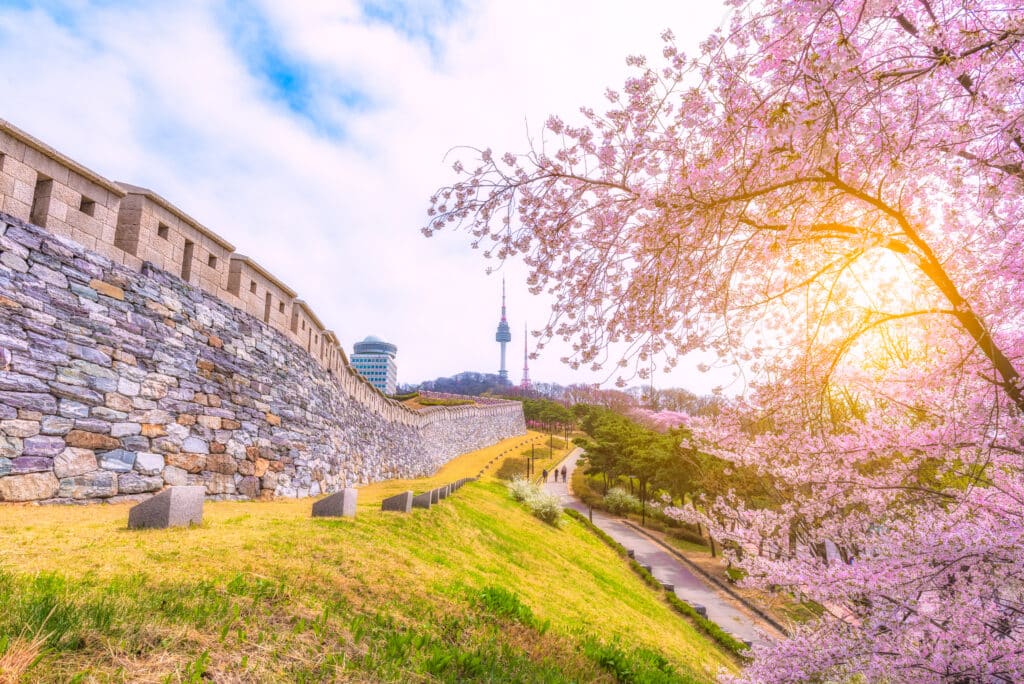
At the same time, South Korea is famous for its technological advancement and fast-paced urban life. Cities like Seoul showcase futuristic skylines, digital innovation, and a vibrant creative scene shaped by fashion, design, and globally popular Korean entertainment. In a single afternoon, travelers might explore a centuries-old palace courtyard and later find themselves in a district filled with neon lights, cutting-edge architecture, and bustling shopping streets.
Another highlight of traveling in South Korea is its lively food culture. Street markets and night stalls serve an incredible variety of affordable dishes, offering travelers the chance to taste authentic flavors on nearly every corner. Popular snacks like spicy tteokbokki, savory pancakes, and sizzling barbecue create an atmosphere that is both social and delicious. Sampling these dishes is often as memorable as visiting famous landmarks.
Nature also plays an important role in the country’s appeal. Despite its modern cities, South Korea is filled with dramatic landscapes, forested mountains, and scenic coastlines. Outdoor enthusiasts often head to Seoraksan National Park, where jagged granite peaks rise above valleys dotted with temples and hiking trails. Meanwhile, the volcanic island of Jeju Island offers waterfalls, lava formations, and windswept cliffs that feel very different from the mainland.
This remarkable variety means travelers can experience many sides of Korea in one journey—ancient palaces and quiet temples, lively street food markets, high-tech cities, and peaceful mountain landscapes. For visitors seeking culture, adventure, and unforgettable cuisine, South Korea presents a destination that is both diverse and endlessly fascinating.
Best Time to Visit South Korea
Choosing the best time to visit South Korea depends largely on what kind of experiences you hope to enjoy. The country has four distinct seasons, each offering its own landscapes, cultural events, and travel opportunities. From blooming spring parks to colorful autumn mountains and snowy winter resorts, South Korea provides memorable experiences throughout the year.
Spring, usually from late March to May, is widely considered one of the most beautiful times to travel in the country. During this season, cherry blossom trees burst into soft pink blooms across parks, riversides, and historic palace grounds. Cities such as Seoul become especially scenic as locals and visitors gather beneath flowering trees to celebrate the arrival of warmer weather. Mild temperatures and clear skies make spring ideal for sightseeing, walking tours, and outdoor festivals.
Summer, which lasts from June to August, brings warm temperatures and a lively festival atmosphere. Although the weather can be hot and humid, it is a fantastic time to explore South Korea’s coastline. Travelers often head to the vibrant seaside city of Busan, where famous beaches fill with swimmers, sunbathers, and music events. Beach festivals, fireworks displays, and night markets create an energetic summer vibe that attracts visitors from around the world.

Autumn, from September to November, is another favorite travel season. The air becomes crisp, skies are often bright and clear, and forests transform into brilliant shades of red, orange, and gold. One of the most spectacular places to experience this seasonal color is Seoraksan National Park, where hiking trails wind through valleys framed by vibrant autumn foliage. Photographers and nature lovers especially appreciate this peaceful and scenic time of year.
Winter, from December to February, reveals yet another side of the country. Snow-covered landscapes create a cozy atmosphere in cities and mountain resorts alike. Many travelers visit ski areas near Pyeongchang, a region famous for winter sports and alpine scenery. Whether enjoying snowy mountain adventures or exploring festive city streets, winter offers a unique perspective on South Korea’s diverse seasonal charm.
Because each season brings something different—from blossoms and beaches to foliage and snow—South Korea remains an appealing destination at any time of year.
How to Travel Around South Korea
Getting around South Korea is remarkably convenient thanks to the country’s modern and well-organized transportation network. Whether you plan to explore vibrant cities, scenic mountains, or coastal destinations, travelers will find that moving between locations is both efficient and comfortable.
One of the fastest and most popular ways to travel across the country is by high-speed train. The Korea Train Express (KTX) connects major cities with impressive speed and reliability. For example, the journey from Seoul to Busan takes only a few hours, allowing visitors to easily explore multiple regions during a single trip. The trains are modern, clean, and punctual, making them a favorite choice for both locals and international travelers.
Intercity buses are another excellent option for reaching destinations that may not be directly connected by train. South Korea has an extensive bus system with comfortable long-distance coaches that link cities, towns, and national parks across the country. Buses often depart frequently from large terminals, and tickets are generally affordable, making them a practical choice for budget-conscious travelers.
Within major cities, public transportation is equally efficient. The metro system in Seoul is particularly impressive, featuring an extensive network of subway lines that reach nearly every corner of the city. Stations are clearly marked, trains run frequently, and signage is typically available in English, which makes navigating the system straightforward even for first-time visitors. Other cities such as Busan also have convenient subway systems that simplify urban travel.

For destinations farther away from the mainland, domestic flights provide a quick and easy solution. Many travelers fly to Jeju Island, one of South Korea’s most popular vacation spots, in just about an hour from Seoul or other major cities.
With its combination of high-speed trains, reliable buses, modern metro systems, and short domestic flights, South Korea offers one of the most traveler-friendly transportation networks in Asia.
Travel Tips for Visiting South Korea
Traveling in South Korea is generally smooth and enjoyable, especially thanks to the country’s reputation for safety, efficient infrastructure, and welcoming atmosphere. Still, a few simple travel tips can help visitors feel more comfortable and make the most of their journey.
One of the first things travelers notice is how safe South Korea feels. Cities like Seoul remain lively even late at night, and crime rates are relatively low compared to many other major destinations. Of course, basic precautions such as keeping an eye on personal belongings and staying aware in crowded areas are always advisable.
Language can sometimes be a small barrier, particularly outside major tourist areas. While younger people and those working in tourism often speak some English, learning a few basic Korean phrases can be helpful and appreciated. Signs in subway systems and train stations are usually written in English as well, making navigation easier for international travelers.
Understanding a few cultural etiquette rules also improves the experience. When visiting temples or traditional sites, it is respectful to dress modestly and speak quietly. Removing shoes before entering certain homes or traditional accommodations is also common practice. Politeness and small gestures of respect are highly valued in Korean culture.
Food is an essential part of the travel experience. Visitors should not miss iconic dishes such as bibimbap, a colorful rice dish topped with vegetables and meat, or the famous fermented side dish kimchi. Street markets are perfect places to try snacks like spicy tteokbokki, which are popular with both locals and tourists.
When it comes to payment, credit and debit cards are widely accepted in cities, restaurants, and shops. However, carrying some cash is useful for smaller street vendors or local markets. Public transportation is another highlight of traveling in South Korea—clean, reliable, and easy to use—making it simple to explore cities and nearby attractions efficiently.
How to Choose the Best Places to Visit in South Korea
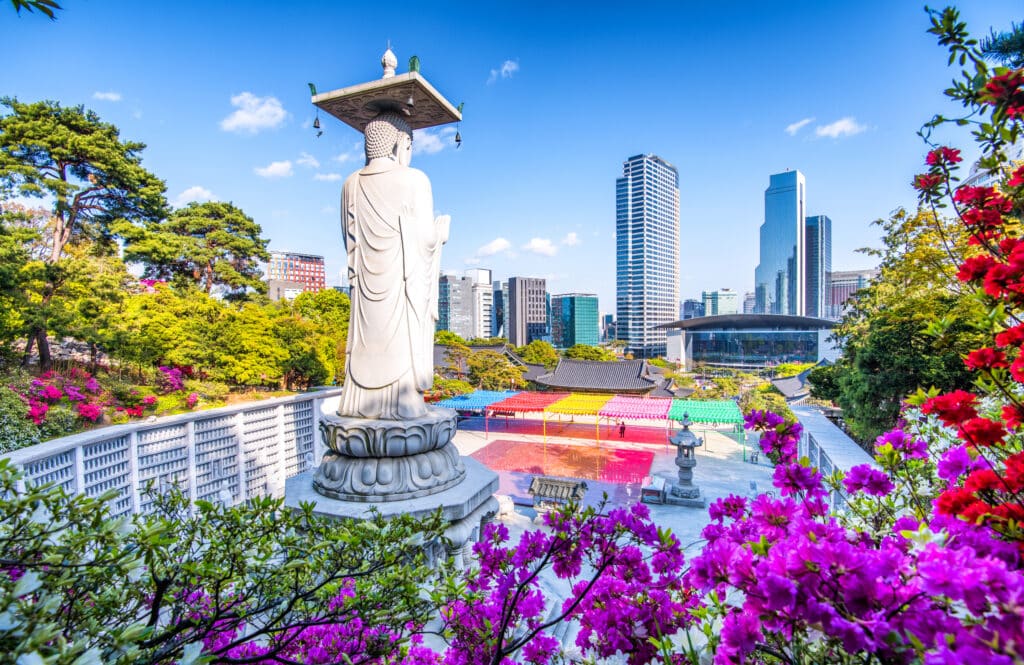
The best places to visit in South Korea depend on what kind of trip you want to have. Some destinations are ideal for first-time visitors, while others are better for travelers who want history, nature, food, or a more offbeat experience. If you are planning your route, it helps to choose places based on your interests instead of simply trying to fit in as many stops as possible.
For first-time visitors
If this is your first trip to South Korea, the easiest and most rewarding combination is usually Seoul, Busan, and Jeju Island. These three destinations give you a strong mix of city life, coastal scenery, food, culture, and nature. They are also well connected and easy to fit into a classic Korea itinerary.
For history and culture lovers
Travelers interested in Korea’s past should focus on Gyeongju, Andong, and Suwon. These destinations offer royal tombs, temples, Confucian heritage, traditional villages, and fortress architecture that reveal a deeper side of Korean history. Jeonju is also a strong choice if you want traditional culture combined with great food.
For nature and hiking
If your priority is landscapes and outdoor activities, Seoraksan National Park, Hallasan, and Jeju Island are some of the best choices. These destinations are perfect for mountain scenery, volcanic landscapes, hiking trails, and seasonal beauty, especially in spring and autumn.
For beaches and coastal scenery
If you want ocean views and a more relaxed pace, consider Busan, Gangneung, and Mokpo. Busan is the easiest coastal city to include on most itineraries, while Gangneung offers a laid-back east coast atmosphere and Mokpo works well for travelers who want something quieter and less obvious.
For food-focused travel
Food lovers should prioritize Seoul, Jeonju, and Busan. Seoul offers the biggest variety, from street food markets to modern Korean dining, Jeonju is known for traditional flavors and bibimbap, and Busan is especially good for seafood and local specialties.
For travelers looking for something unique
If you want places that feel more unusual or memorable, consider the DMZ, Andong, or Pohang. The DMZ offers one of the most powerful historical experiences in the country, Andong feels deeply traditional, and Pohang gives you a more offbeat look at South Korea’s east coast.
In the end, the best Korea itinerary is usually one that mixes one major city, one cultural or historical destination, and one nature or coastal stop. That balance gives you a much fuller picture of what makes South Korea such a rewarding destination to explore.
Map of the Best Places to Visit in South Korea
To help plan your route, this map shows where the top destinations in South Korea are located. It makes it easier to see which places can be combined into the same itinerary, whether you are exploring cities, coastal destinations, historic sites, or national parks.
Tip: Most first-time travelers combine Seoul, Busan, and Jeju Island,
then add one or two additional stops depending on their interests.
Best Places to Visit in South Korea
From major cities and volcanic islands to historic capitals and mountain national parks, these are the best places to visit in South Korea for first-time and returning travelers alike.
Seoul — The Vibrant Heart of Korea
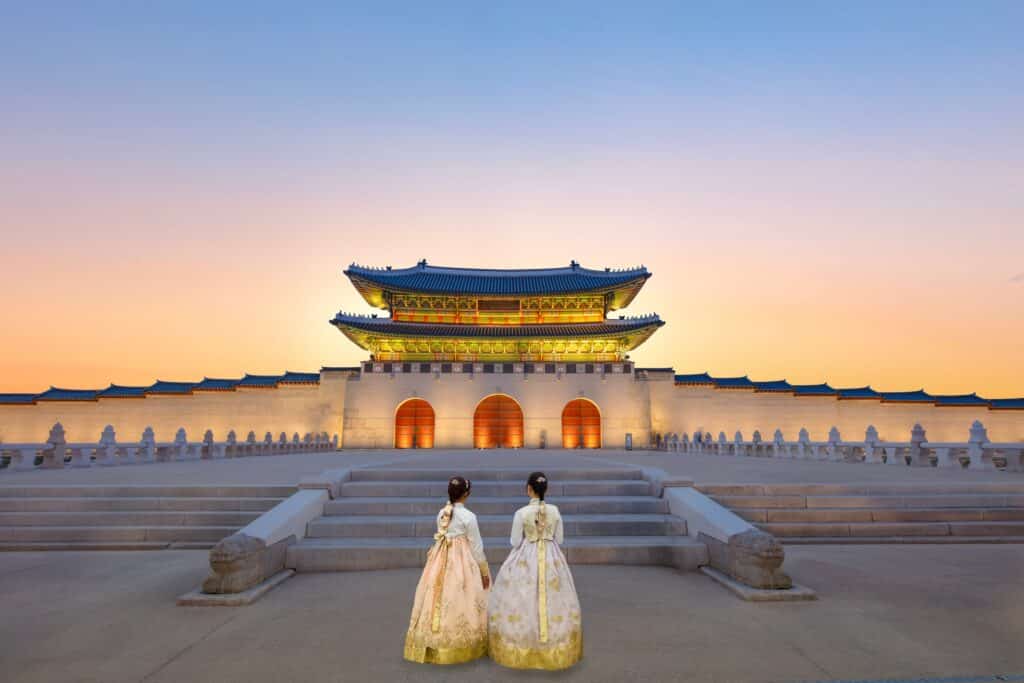
Seoul is the perfect introduction to South Korea and one of the best places to start any trip. The capital blends royal palaces, traditional hanok neighborhoods, vibrant shopping streets, and futuristic skyscrapers into one fast-moving but endlessly fascinating city. You can spend the morning exploring historic sites like Gyeongbokgung Palace and Bukchon Hanok Village, then finish the day with Korean barbecue, rooftop views, and neon-lit nightlife.
For first-time visitors, Seoul offers the widest variety of experiences in the country. It is also one of the easiest places to navigate thanks to its excellent public transportation, lively neighborhoods, and huge range of food, culture, and day trip options.
Best for: first-time visitors, food lovers, city breaks, culture, shopping
Top experiences: Gyeongbokgung Palace, Bukchon Hanok Village, Myeongdong, Hongdae, N Seoul Tower
Ideal stay: 3 to 5 days
Read more:
- 25 Best Things to Do in Seoul
- 3 Days in Seoul Itinerary: The Perfect First-Time Travel Guide
- Where to Stay in Seoul: Best Areas, Hotels & Travel Tips (2026 Guide)
- Best Day Trips from Seoul
Busan — Beaches, Markets, and Coastal Culture
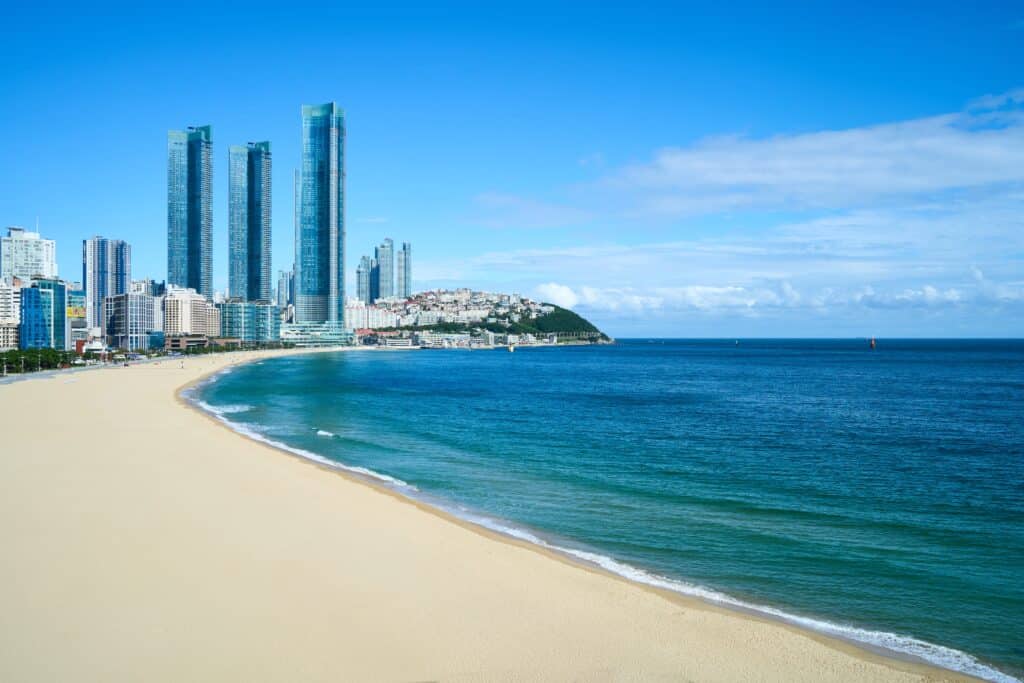
Busan offers a completely different atmosphere from Seoul and is one of the most rewarding cities to visit in South Korea. Located on the southeastern coast, it combines beaches, seafood markets, temple views, artistic neighborhoods, and laid-back seaside energy. The city is especially appealing if you want a mix of urban culture and coastal scenery in one destination.
From relaxing at Haeundae Beach to exploring colorful Gamcheon Culture Village or tasting fresh seafood at Jagalchi Market, Busan gives travelers a more relaxed and scenic side of Korea. It is a fantastic second stop after Seoul and works especially well in spring, summer, and early autumn.
Best for: beaches, seafood, coastal city breaks, photography, second-time Korea itineraries
Top experiences: Haeundae Beach, Gamcheon Culture Village, Haedong Yonggungsa Temple, Jagalchi Fish Market
Ideal stay: 2 to 4 days
Read more:
Jeju Island — South Korea’s Volcanic Paradise
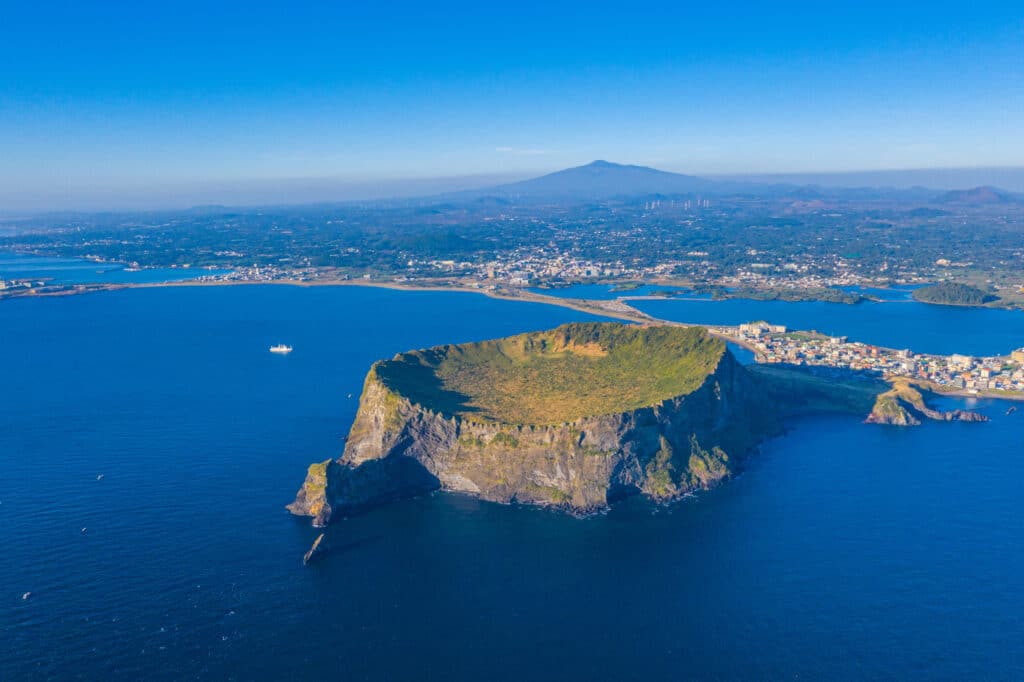
Jeju Island is one of the most unique places to visit in South Korea and feels very different from the mainland. Known for its volcanic landscapes, lava tubes, waterfalls, scenic coastlines, and slower pace of life, Jeju is ideal for travelers who want nature, fresh air, and beautiful scenery.
Whether you hike Hallasan, watch the sunrise from Seongsan Ilchulbong, or drive along the coast discovering beaches and cliffs, Jeju offers a more relaxed and outdoorsy side of Korea. It is especially popular with couples, road trippers, and travelers looking to balance city time with nature.
Best for: nature lovers, road trips, couples, hiking, island scenery
Top experiences: Hallasan, Seongsan Ilchulbong, lava tubes, waterfalls, coastal drives
Ideal stay: 3 to 5 days
Read more:
- Travel Guide to Jeju Island
- Best National Parks in South Korea
- 10-Day Itinerary for South Korea: Ultimate Travel Guide (2026)
Gyeongju — The Museum Without Walls
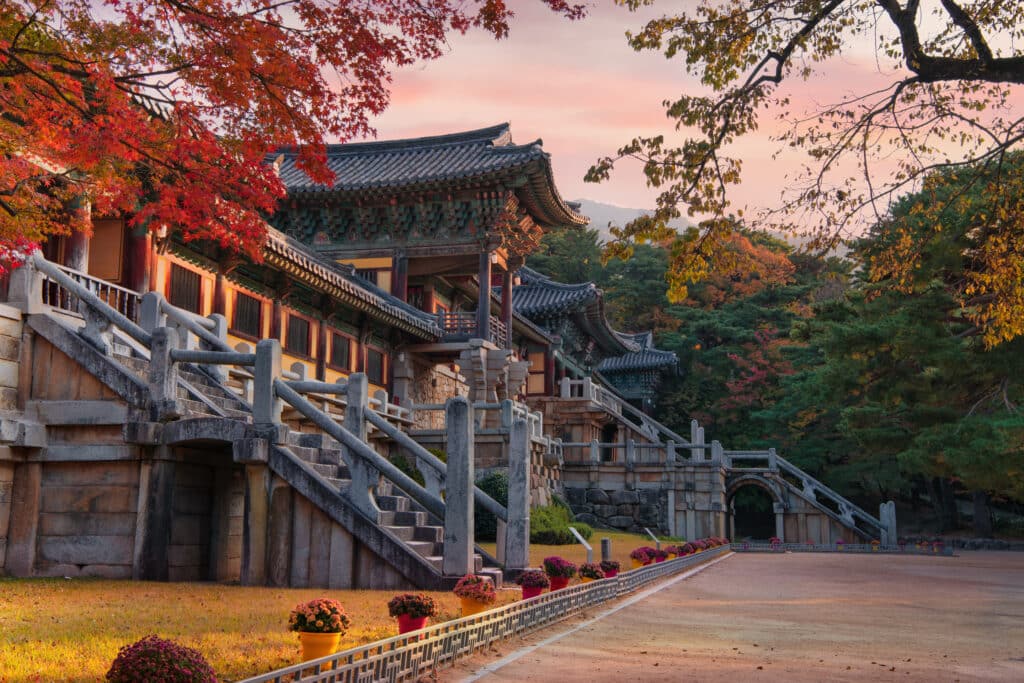
Gyeongju is one of the most historically significant destinations in South Korea and an essential stop for travelers interested in temples, royal tombs, and ancient Korean history. Once the capital of the Silla Kingdom, the city is filled with cultural treasures that make it feel like an open-air museum.
From Bulguksa Temple and Seokguram Grotto to the royal burial mounds and Wolji Pond, Gyeongju is a place where history feels present everywhere. It is especially rewarding for travelers who want a slower, more reflective experience compared to Korea’s larger cities.
Best for: history lovers, culture trips, temple visits, UNESCO sites
Top experiences: Bulguksa Temple, Seokguram Grotto, Daereungwon Tomb Complex, Wolji Pond
Ideal stay: 1 to 2 days
Read more:
Seoraksan National Park — Korea’s Most Spectacular Mountains
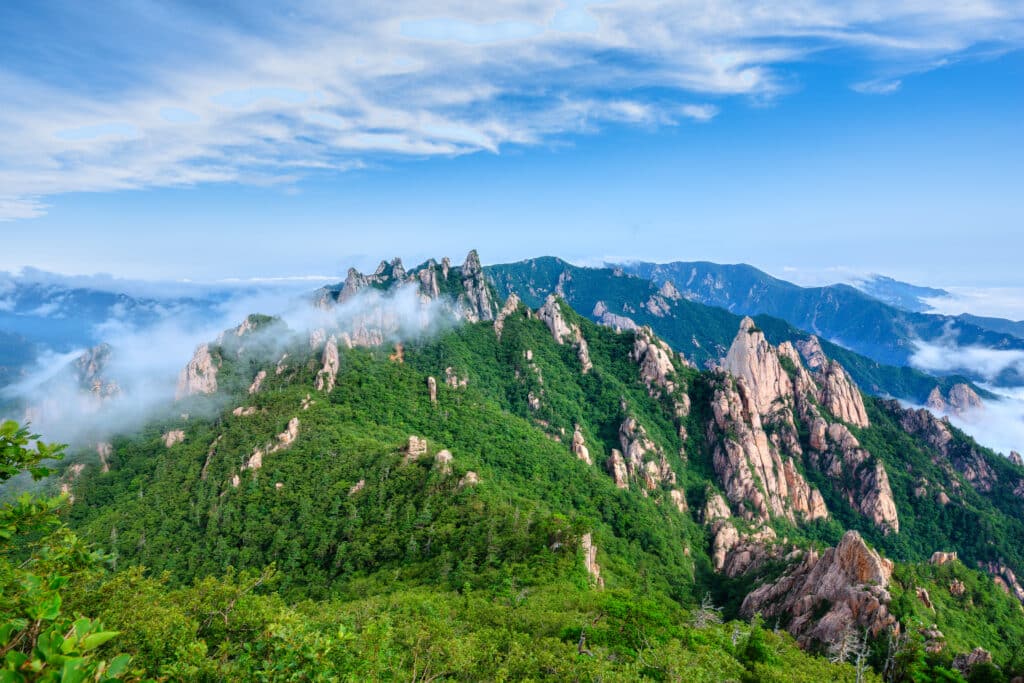
If you want to experience South Korea’s mountain scenery at its most dramatic, Seoraksan National Park is hard to beat. With its jagged granite peaks, forested valleys, waterfalls, and temple trails, it is one of the country’s best destinations for hiking and outdoor adventure.
Seoraksan is especially famous in autumn, when the mountains turn brilliant shades of red, orange, and gold. But it is rewarding in every season, whether you want a challenging summit hike or simply a scenic nature escape from the city.
Best for: hiking, autumn foliage, mountain scenery, nature lovers
Top experiences: Ulsanbawi Rock, Sinheungsa Temple, scenic hiking trails, autumn colors
Ideal stay: 1 to 2 days
Read more:
Jeonju — The Cultural and Culinary Heart of Korea

Jeonju is one of the best places in South Korea to experience traditional Korean culture and food in one destination. Known for its beautifully preserved hanok village and its deep culinary heritage, the city offers a slower and more atmospheric travel experience than Seoul or Busan.
It is particularly famous as the birthplace of bibimbap, one of Korea’s most iconic dishes, and its traditional streets are filled with tea houses, local restaurants, cultural workshops, and historic buildings. If you want a more classic and elegant side of Korea, Jeonju is a wonderful choice.
Best for: food lovers, traditional culture, hanok stays, slower travel
Top experiences: Jeonju Hanok Village, bibimbap, Gyeonggijeon Shrine, traditional tea houses
Ideal stay: 1 to 2 days
Read more:
- Travel Guide to Jeonju
- Korean Food Guide: Must-Try Dishes in South Korea
- 15 Best Korean Street Foods You Must Try
Andong — A Journey into Korea’s Traditional Heritage
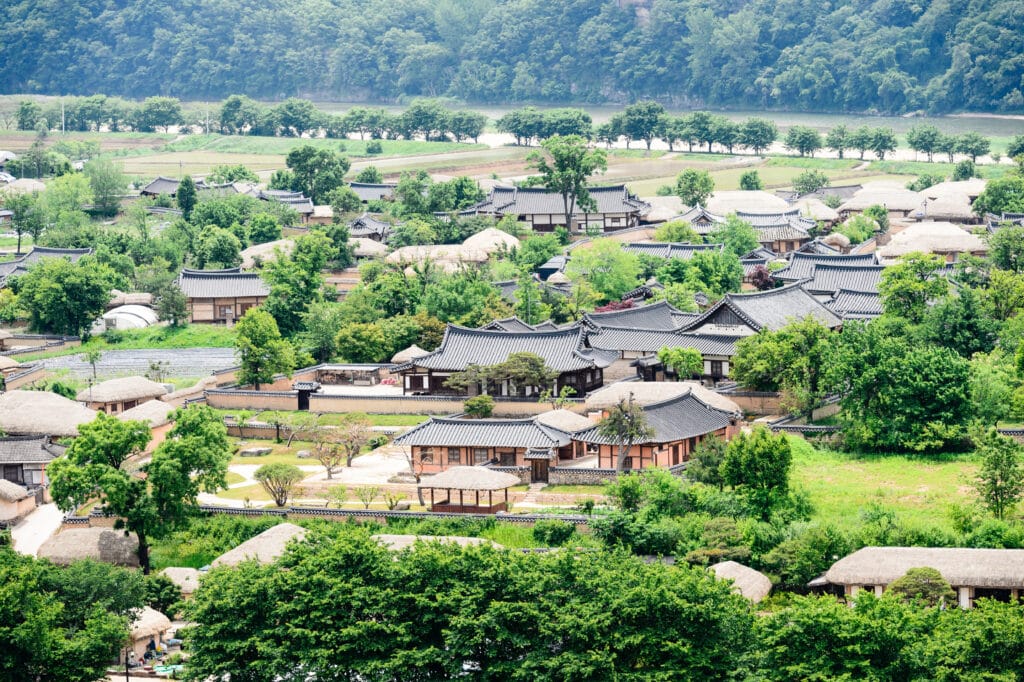
Andong is one of the best destinations in South Korea for travelers who want to experience traditional village life, Confucian heritage, and a quieter cultural atmosphere. Compared with the country’s major cities, Andong feels more rural, historic, and deeply rooted in old Korean traditions.
The highlight is Hahoe Folk Village, a UNESCO-listed settlement where traditional architecture and long-standing customs have been preserved for generations. Andong is especially rewarding for travelers interested in Korean history, local culture, and places that feel more authentic and less rushed.
Best for: traditional culture, history, UNESCO sites, slow travel
Top experiences: Hahoe Folk Village, Hahoe Mask Dance, Dosan Seowon, Confucian heritage
Ideal stay: 1 to 2 days
Related reads:
Incheon — Gateway to South Korea
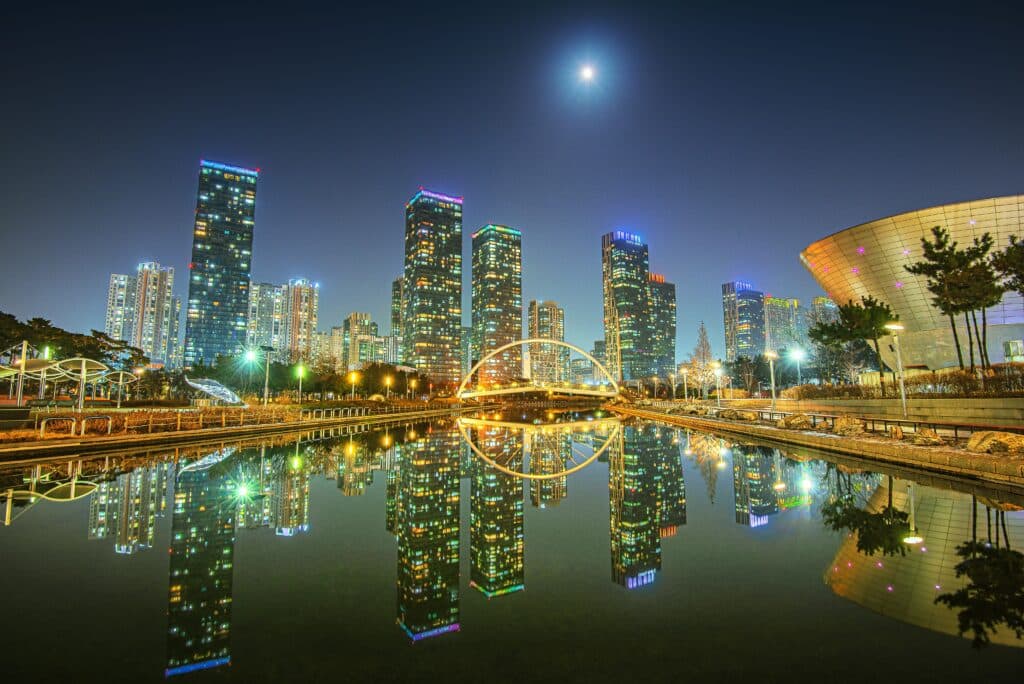
Many travelers pass through Incheon without exploring it, but the city offers more than just South Korea’s main international airport. Located west of Seoul, Incheon combines historic neighborhoods, modern urban development, and a few fun cultural attractions that make it worth considering as a short stop or easy day trip.
From the colorful streets of Chinatown to Songwol-dong Fairy Tale Village and the sleek skyline of Songdo, Incheon gives travelers a lighter and more accessible city experience just outside the capital. It can also work well if you have extra time before or after a flight.
Best for: short trips, airport stopovers, easy excursions from Seoul, urban culture
Top experiences: Chinatown, Songwol-dong Fairy Tale Village, Songdo, Incheon history sites
Ideal stay: half day to 1 day
Related reads:
Suwon — Fortress City of the Joseon Dynasty
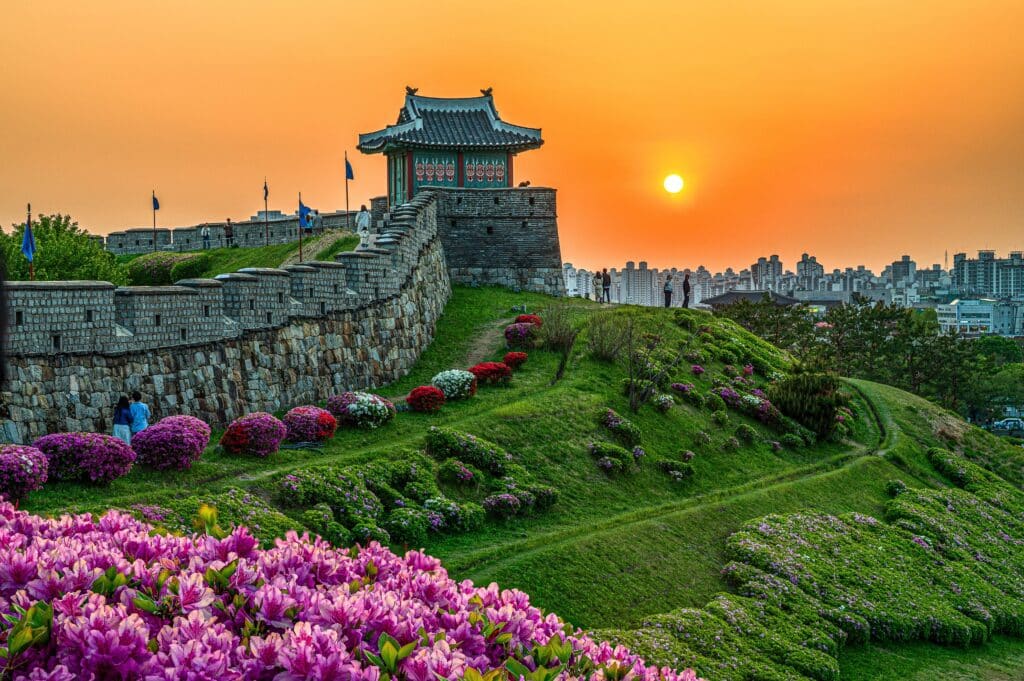
Suwon is one of the easiest and most rewarding historic day trips from Seoul. Best known for its impressive Hwaseong Fortress, the city offers a strong mix of Korean history, UNESCO-listed architecture, and local food without requiring a long journey from the capital.
Walking along the fortress walls is the highlight, especially around sunset, when the city feels both scenic and surprisingly peaceful. Suwon is ideal for travelers who want to add a meaningful cultural stop to a Seoul itinerary without needing to change hotels.
Best for: history, easy day trips, fortress walks, UNESCO sites
Top experiences: Hwaseong Fortress, fortress gates and towers, Suwon galbi, old city views
Ideal stay: half day to 1 day
Read more:
Ulsan — Industry, Nature, and Coastal Beauty
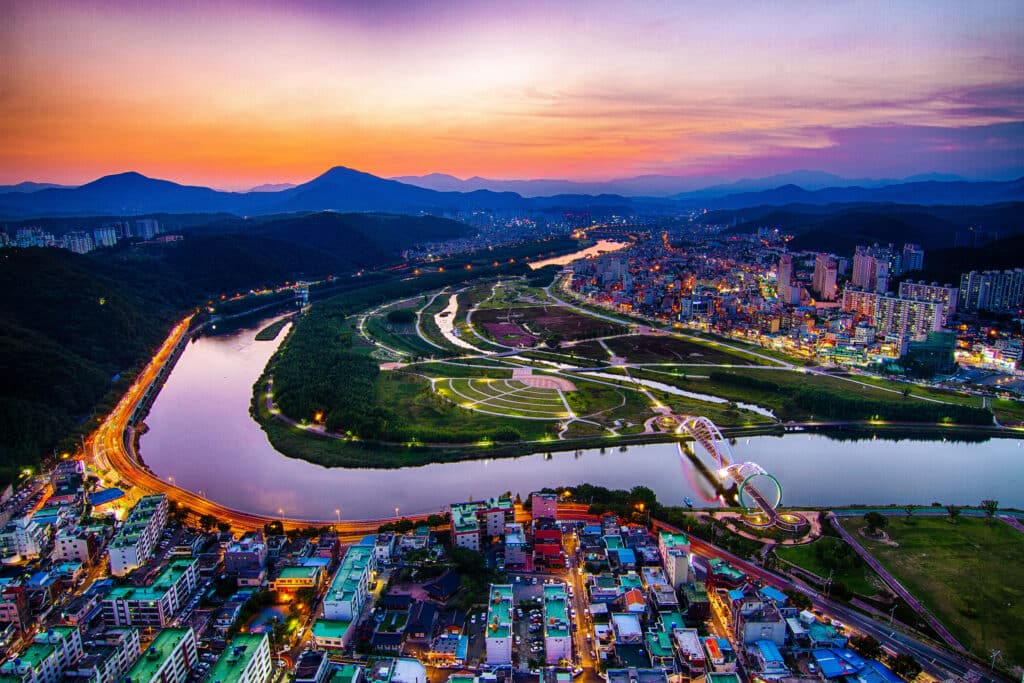
Ulsan is often overlooked by international travelers, but it offers an interesting combination of modern industry, scenic coastline, and local culture. Known as one of South Korea’s economic powerhouses, the city also surprises visitors with peaceful parks, ocean viewpoints, and dramatic coastal landscapes.
Destinations like Daewangam Park and Ganjeolgot Cape reveal a much more scenic and relaxed side of Ulsan than many people expect. If you are traveling through southeastern Korea and want to go beyond the usual Seoul–Busan route, Ulsan can be a worthwhile addition.
Best for: offbeat travel, coastal views, regional exploration, quieter city stops
Top experiences: Daewangam Park, Ganjeolgot Cape, Whale Museum, coastal walking trails
Ideal stay: 1 day
Related reads:
Pohang — Sunrise City on the East Sea
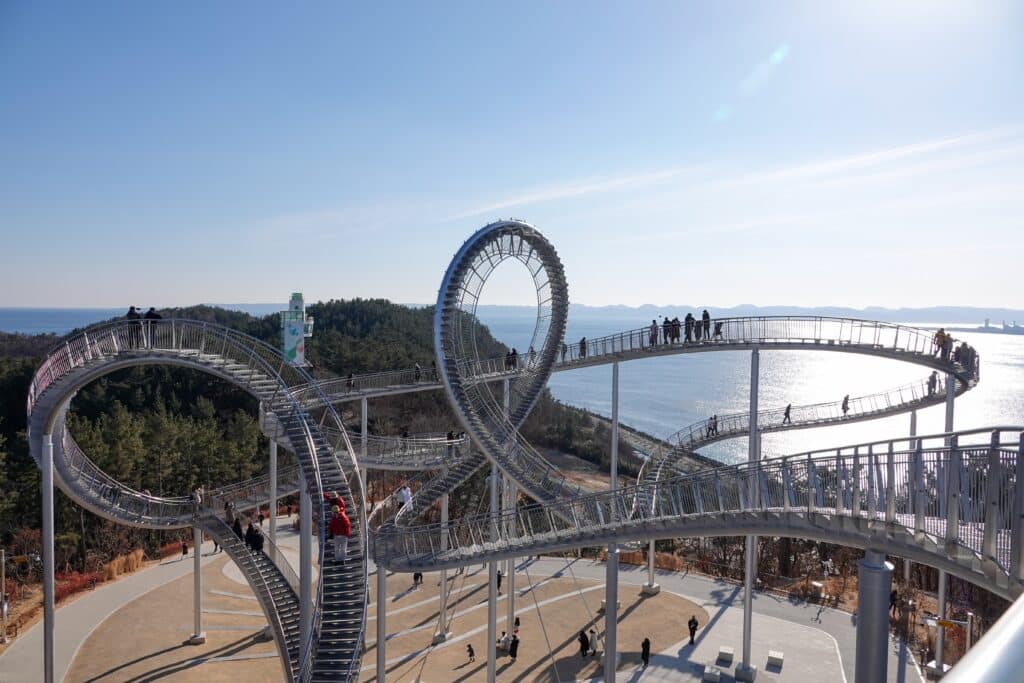
Pohang is one of South Korea’s lesser-visited coastal cities, but it offers beautiful sunrise views, seaside landmarks, and easy access to nature. While it is known for its industrial background, travelers who explore beyond that quickly find beaches, temples, and scenic viewpoints.
The city’s most famous attraction is Homigot Sunrise Square, where giant bronze hands emerge from the sea and shore. Pohang is a good fit for travelers who enjoy coastal drives, quieter destinations, and exploring beyond the country’s most obvious stops.
Best for: coastal road trips, sunrise views, quieter travel, East Coast itineraries
Top experiences: Homigot Sunrise Square, Yeongildae Beach, Bogyeongsa Temple, waterfall hikes
Ideal stay: 1 day
Related reads:
Gangneung — Culture, Coffee, and Coastal Views
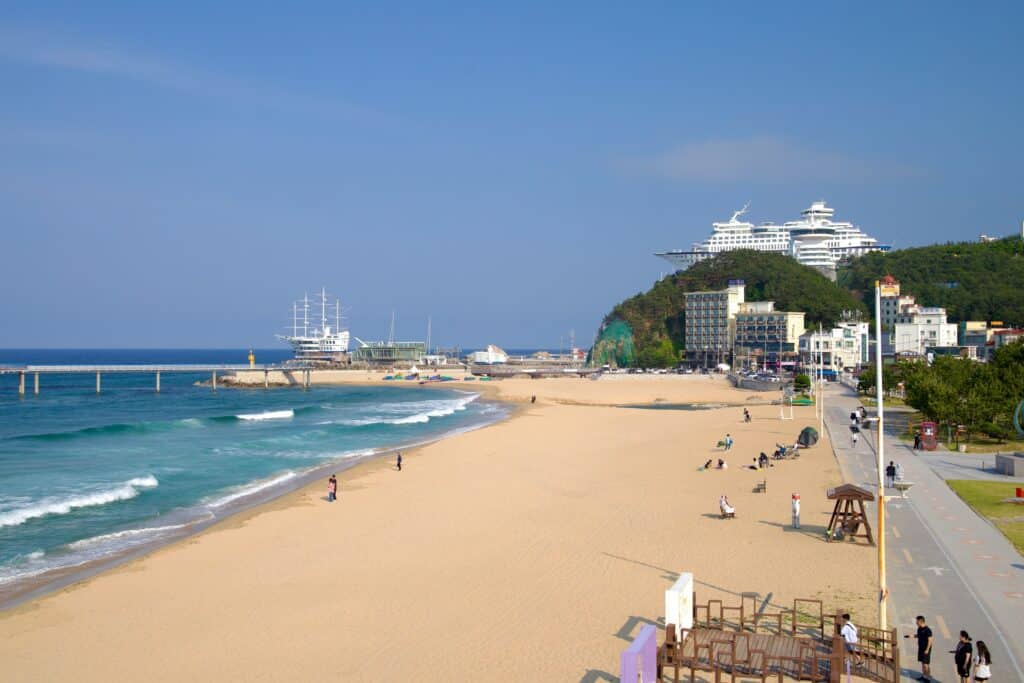
Gangneung is one of the most pleasant coastal cities in South Korea and a great destination if you want beaches, cafés, and a more relaxed atmosphere. Located on the East Sea, it combines sandy shoreline, scenic lakes, traditional heritage, and a slower pace that makes it especially appealing for couples and weekend travelers.
The city is also famous for its café culture, particularly along the coast, where ocean-view coffee spots have become a signature part of the experience. Gangneung works well as a beach escape, a summer stop, or part of a longer east coast itinerary.
Best for: beaches, café culture, coastal escapes, slower travel
Top experiences: Gyeongpo Beach, Gyeongpo Lake, Ojukheon House, Gangneung Coffee Street
Ideal stay: 1 to 2 days
Read more:
- Best Beaches in South Korea (2026 Guide)
- 10-Day Itinerary for South Korea: Ultimate Travel Guide (2026)
Hallasan — The Roof of South Korea
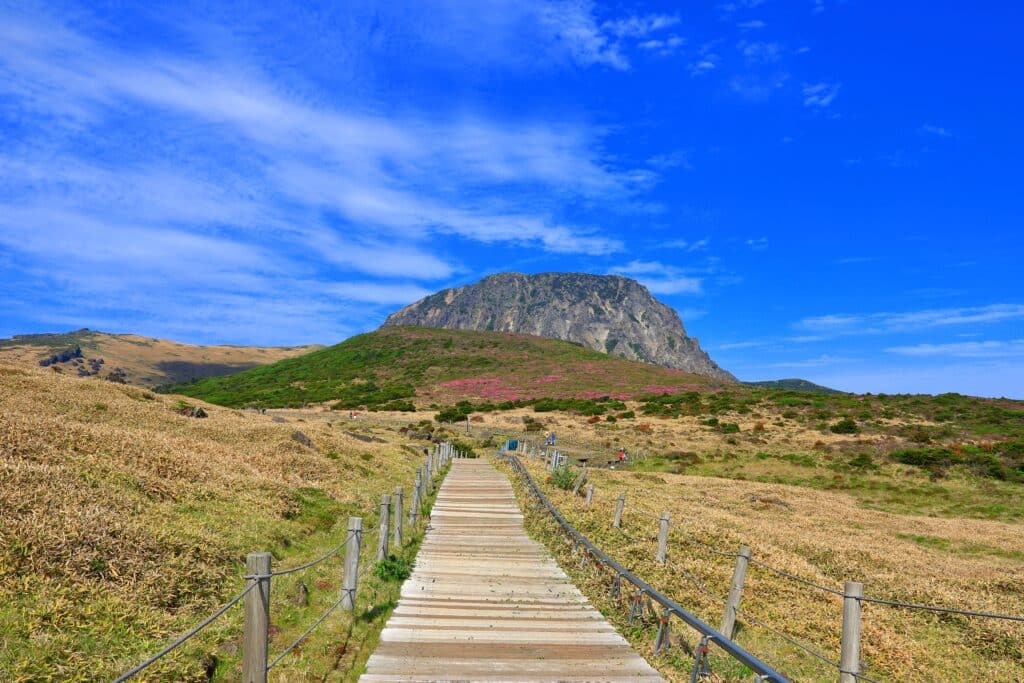
Hallasan deserves its own mention because it is not just Jeju’s most famous mountain, but also the highest peak in South Korea. For hikers and nature lovers, reaching the summit is one of the most rewarding outdoor experiences in the country.
The trails lead through changing ecosystems and eventually to Baekrokdam, the crater lake at the top. Whether you are planning a full summit hike or simply want to appreciate the volcanic scenery from lower trails, Hallasan is one of Korea’s most iconic natural landmarks.
Best for: hiking, volcano scenery, active travelers, Jeju adventures
Top experiences: summit trails, Baekrokdam crater lake, alpine views, seasonal landscapes
Ideal stay: full day
Read more:
Mokpo — Gateway to the Southern Islands
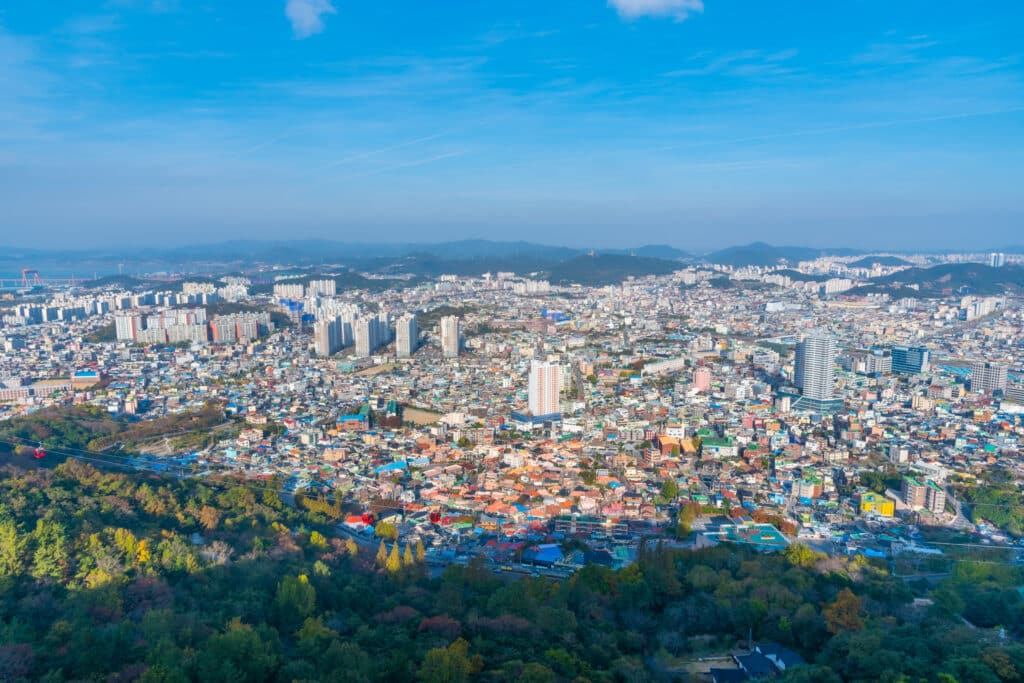
Mokpo is a scenic port city in southwestern South Korea that offers ocean views, island scenery, and a slower coastal atmosphere. While it is less visited than Busan or Jeju, it can be a rewarding stop for travelers who want to experience a more local and less touristy side of the country.
The city’s harbor, historic neighborhoods, and viewpoints over the surrounding islands give it a distinct maritime character. Mokpo is best suited to travelers who enjoy quieter destinations and want to explore beyond the standard Korea route.
Best for: coastal scenery, island views, slower travel, offbeat destinations
Top experiences: Yudalsan Mountain, Mokpo Marine Cable Car, seafood, harbor views
Ideal stay: 1 day
Related reads:
The Korean Demilitarized Zone — A Border Shaped by History
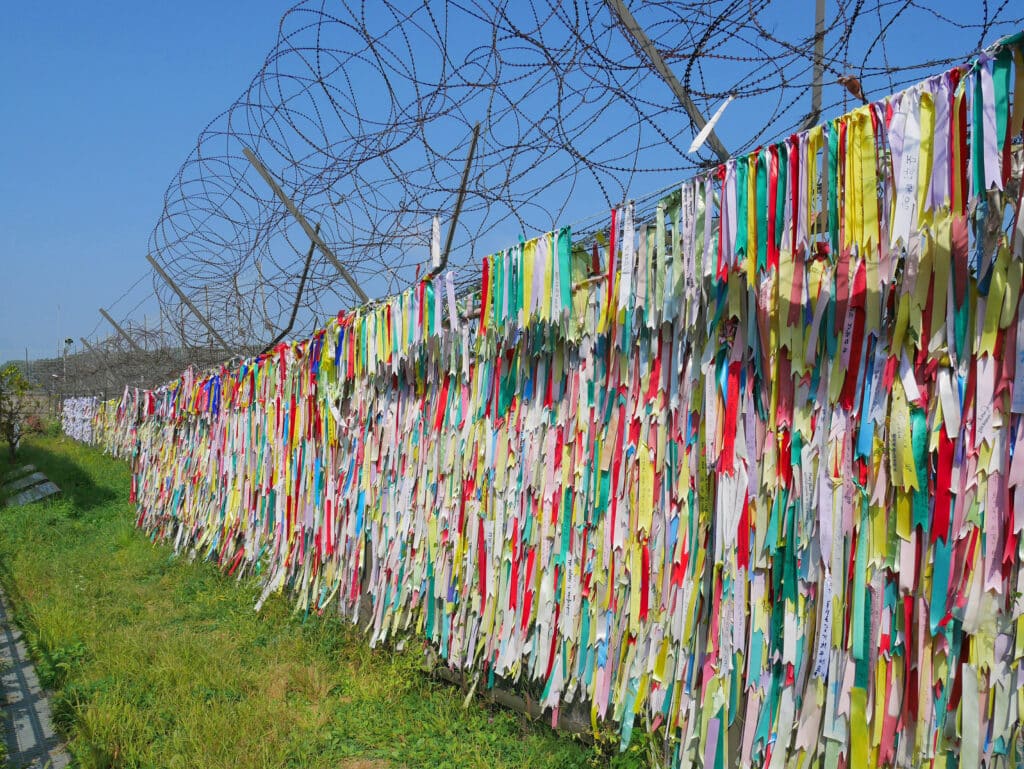
The Korean Demilitarized Zone is one of the most powerful and thought-provoking places to visit in South Korea. More than just a tourist attraction, the DMZ offers insight into the Korean War, the division of the peninsula, and the ongoing political tension between North and South Korea.
Guided visits to sites such as Dora Observatory and the Third Infiltration Tunnel help travelers better understand modern Korean history in a very direct and memorable way. For many visitors, this becomes one of the most meaningful experiences of their entire trip.
Best for: history lovers, first-time visitors, meaningful day trips, modern Korean history
Top experiences: Dora Observatory, Third Infiltration Tunnel, border viewpoints, guided tours
Ideal stay: half day to full day
Read more:
FAQ: Traveling in South Korea
Is South Korea a good destination for travelers?
Yes, South Korea is considered an excellent destination for travelers thanks to its combination of modern cities, rich history, and diverse landscapes. Visitors can explore vibrant urban centers like Seoul, where historic palaces stand alongside futuristic skyscrapers, or relax along the scenic coastlines near Busan. The country also offers beautiful natural destinations, including volcanic scenery on Jeju Island and dramatic mountain landscapes in national parks. With its safe environment, efficient transportation system, and welcoming culture, South Korea has become an increasingly popular destination for international travelers.
How many days should you spend in South Korea?
Many travelers spend about 7 to 10 days exploring South Korea. This allows enough time to experience the energy of Seoul, visit cultural landmarks, and travel to other destinations such as Busan or Jeju Island. Those with more time may also explore historic cities, national parks, or smaller coastal towns. Because the country is relatively compact and transportation is efficient, it is possible to visit several diverse regions within a single trip.
What is the best time to visit South Korea?
The best time to visit South Korea is usually during spring (April–May) or autumn (September–October). In spring, cherry blossoms bloom across parks and historic sites, especially in cities like Seoul. Autumn is equally beautiful, as mountain forests in places like Seoraksan National Park turn vibrant shades of red and gold. Both seasons offer mild temperatures and ideal conditions for sightseeing and outdoor activities.
Is South Korea expensive to visit?
Travel costs in South Korea can vary depending on travel style, but the country is generally considered moderately priced. Major cities such as Seoul offer accommodation options for different budgets, from hostels to luxury hotels. Street food and local restaurants often provide affordable meals, making it easy to enjoy traditional dishes without spending too much.
Is public transportation easy to use in South Korea?
Yes, South Korea has one of the most efficient public transportation systems in Asia. High-speed trains, intercity buses, and modern metro networks make it easy to travel between cities and within urban areas. For example, the subway system in Seoul is extensive, reliable, and well signposted in English. These convenient transportation options allow travelers to explore the country comfortably and efficiently.
Final Thoughts on Visiting South Korea
A journey through South Korea offers far more than many travelers initially expect. The country combines vibrant modern cities, centuries of cultural heritage, beautiful mountain landscapes, and a rich culinary tradition that makes every day of travel feel exciting and varied. Whether you are fascinated by history, eager to explore nature, or simply curious about Korean culture, South Korea provides an experience that is both dynamic and welcoming.
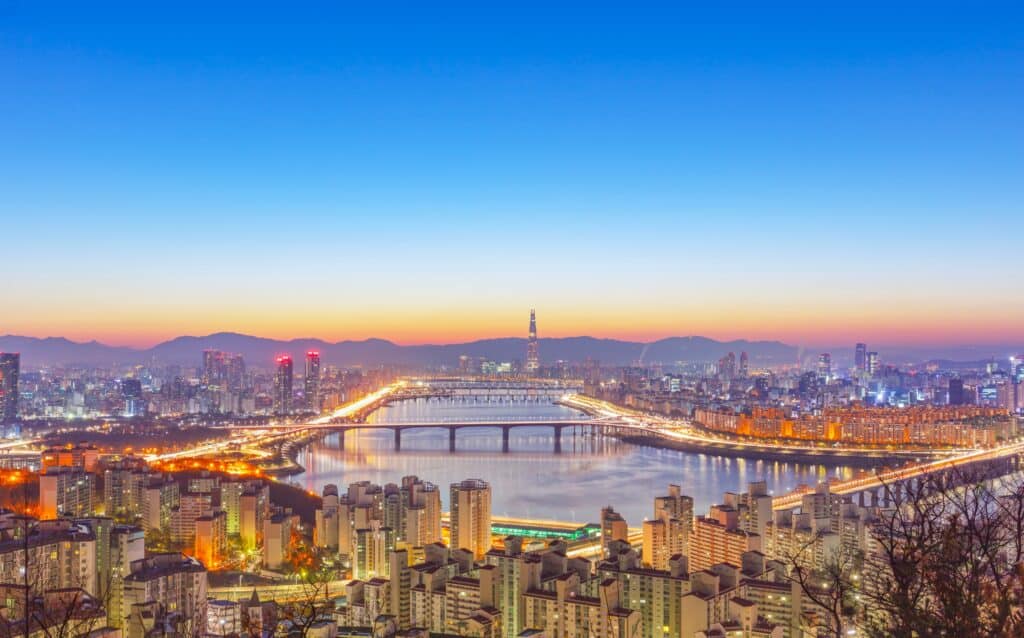
Urban explorers often begin their adventure in Seoul, where historic palaces, lively shopping districts, and cutting-edge technology create a fascinating contrast between old and new. From there, many travelers head south to the coastal city of Busan, known for its beautiful beaches, seafood markets, and relaxed seaside atmosphere. Those looking for dramatic natural scenery frequently continue their journey to Jeju Island, where volcanic landscapes, waterfalls, and scenic coastal trails reveal another side of the country.
What makes South Korea especially rewarding to explore is this remarkable diversity. Within a relatively small area, travelers can experience bustling city life, peaceful temples, mountain trails, and ocean views. By combining visits to both the energetic cities and the quieter countryside, visitors gain a deeper appreciation for the culture, landscapes, and traditions that make South Korea such a memorable destination.