
Wisconsin is a state shaped by water, wilderness, and an unmistakable sense of quiet pride. It is a place where the landscape speaks in soft cadences—waves lapping against glacial shores, wind combing through tall prairie grasses, forests whispering old stories through their leaves. It does not announce itself with grandeur or spectacle; instead, Wisconsin invites you to slow down, breathe deeply, and notice the subtle beauty that has drawn people to its lakes and fields for thousands of years.
Glaciers carved this land, leaving behind deep blue lakes, rolling hills, and fertile valleys. Today, those ancient marks form the backbone of the state’s identity: shimmering waterfront towns, sprawling dairy farms, oak savannas, and forests that blaze gold and crimson every autumn. Wisconsin is a place where wilderness feels close enough to touch, whether you are walking along the Apostle Islands’ windswept cliffs, watching loons drift across a quiet Northwoods lake, or hiking beneath hemlocks older than the nation itself.
But Wisconsin is more than its landscapes. It is a tapestry of cultures—indigenous nations, Scandinavian and German settlers, Great Lakes mariners, and Midwestern dreamers—all of whom have left their imprint on the region’s traditions, architecture, and cuisine. In small towns and cities alike, there is a sense of community that feels deeply rooted, warm, and welcoming. Friday night fish fries fill cozy taverns; outdoor festivals draw neighbors together in every season; and the state’s love of sports, supper clubs, and simple pleasures creates a rhythm all its own.
From the bluffs of the Mississippi River to the shores of Lake Michigan, from Milwaukee’s vibrant urban pulse to the serene pines of the Northwoods, Wisconsin is a state of contrasts—rustic yet cultured, understated yet unforgettable. It is a place that rewards curiosity, nurtures reflection, and invites travelers to linger long after the first encounter.
This is Wisconsin: a land shaped by ice and time, community and craft, water and wildness.
A place both quietly powerful and endlessly surprising.
19. Door County
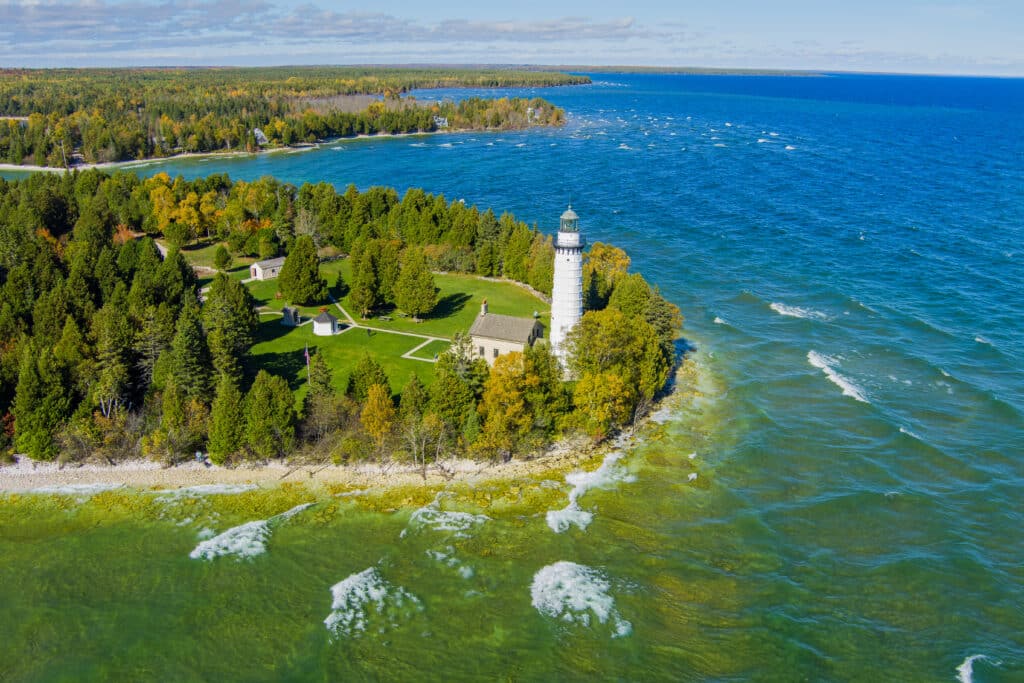
Door County is Wisconsin’s peninsula of light — a place where land reaches like an outstretched arm into the waters of Lake Michigan and Green Bay, creating a world defined by shorelines, orchards, and the gentle pace of lakeside life. Often called the “Cape Cod of the Midwest,” Door County is more than charming villages and cherry blossoms; it is a region where nature and culture intertwine with effortless grace.
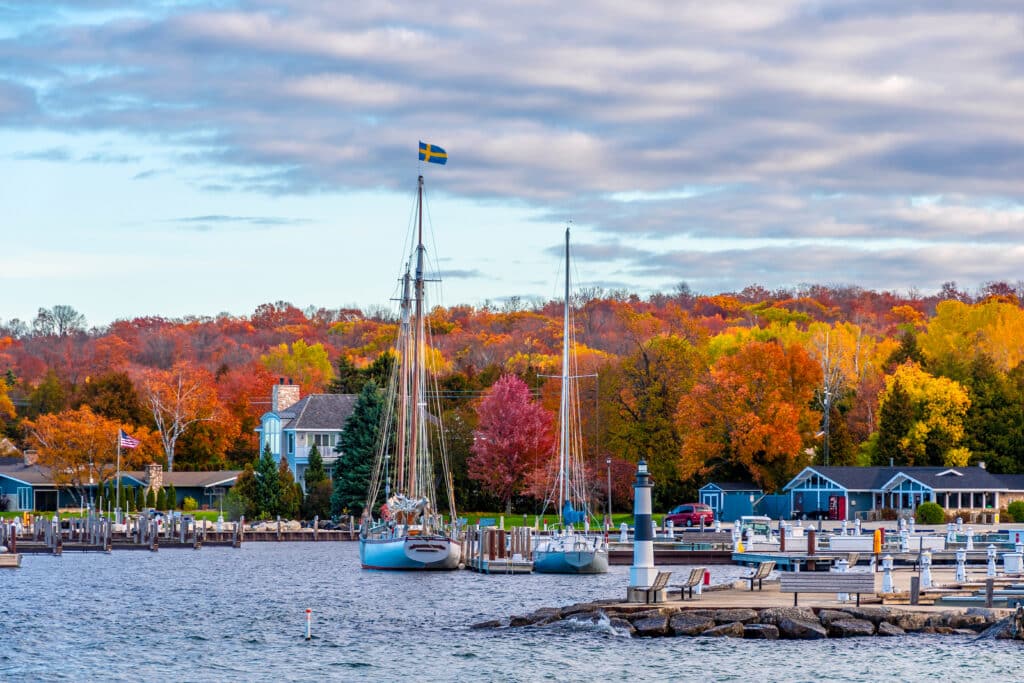
The peninsula is framed by lighthouses perched on windswept cliffs, their beams sweeping across waters that shift from serene to storm-tossed in minutes. In summer, sailboats trace white lines across the bay, while kayakers slip into quiet coves beneath limestone bluffs shaped by time and tide. Autumn sets the forests ablaze with color — fiery reds, golden maples, and the rusty warmth of oak — drawing visitors who wander roadside stands and orchards heavy with fruit.
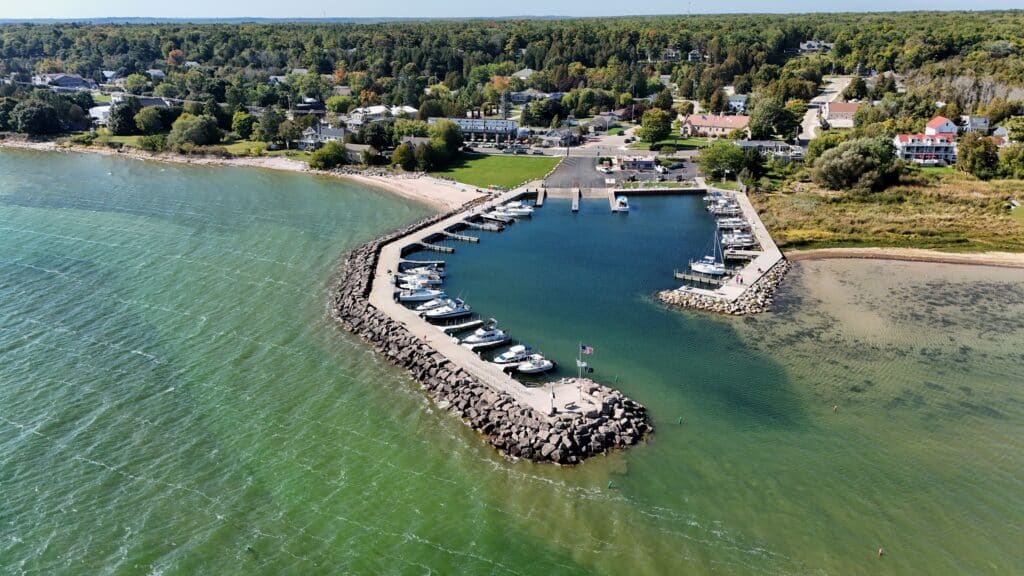
Each community here carries its own gentle rhythm: the Scandinavian heritage of Ephraim, the bustling marina culture of Fish Creek, the artistic energy of Sister Bay, the serene, wooded quiet of Baileys Harbor. Rustic supper clubs glow with soft yellow light, offering fried perch, cherry pie, and traditions passed down through generations.
At the peninsula’s tip lies the ferry to Washington Island, where lavender fields sway beneath the summer sun and Stave Church–style architecture echoes the region’s Nordic ancestry. Pebble beaches and wind-burnished pines create a feeling of being slightly removed from time.
Door County is the feeling of a long shoreline walk, the taste of fresh cherries warm from the tree, the echo of waves breaking against dolomite rock. A place where simplicity becomes beauty — and where beauty becomes memory.
18. Milwaukee
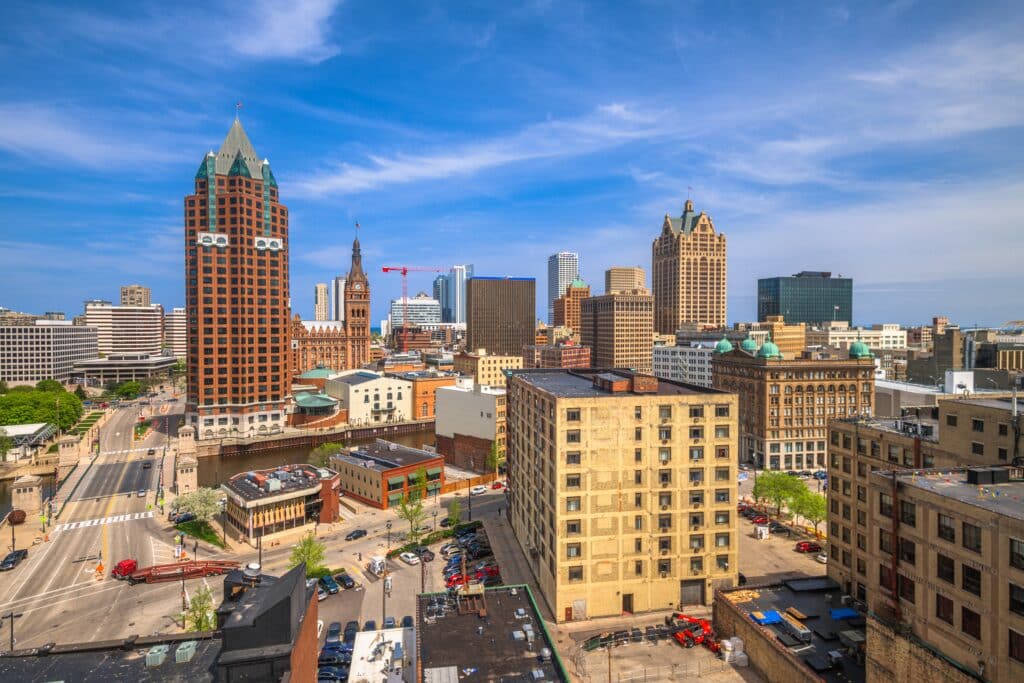
Milwaukee stands at the edge of Lake Michigan like a city shaped by water, industry, and reinvention. It is a place of brick warehouses and gleaming modern architecture, where historic breweries stand beside cutting-edge coffee roasters, and where a strong sense of local pride carries through every neighborhood, festival, and lakeside gathering.
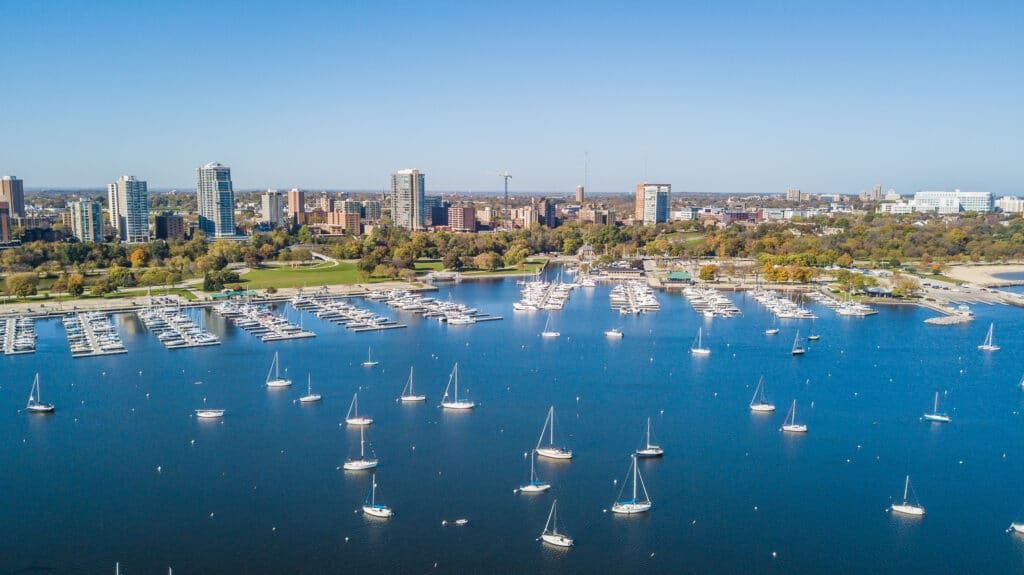
The lakefront is Milwaukee’s shining front door. Miles of paths, beaches, and green parks unfold along the shoreline, offering cyclists, walkers, and picnickers endless space to breathe. In summer, sailboats dot the horizon, and the crisp lake breeze mingles with music drifting from outdoor festivals — none larger or livelier than Summerfest, the world-famous celebration of sound and energy.
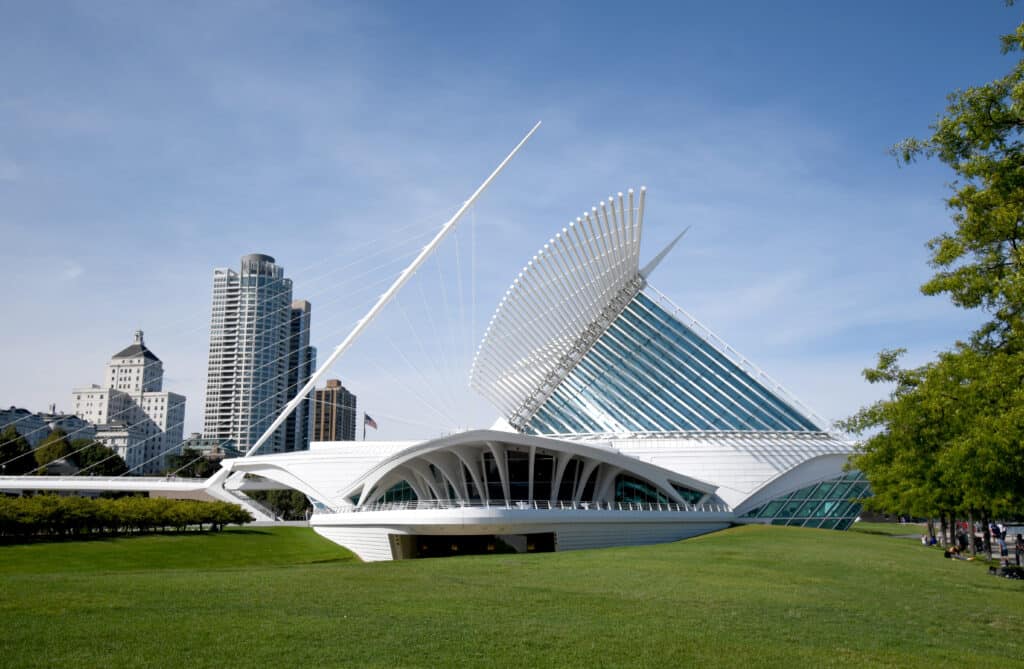
Downtown, the Milwaukee Art Museum rises like a bird taking flight, its iconic “wings” opening each morning against the sky. Nearby, the RiverWalk follows the Milwaukee River through a lively corridor of breweries, restaurants, and public art, where the reflections of old brick facades shimmer across calm waters.

Milwaukee’s neighborhoods tell the city’s story: the Bavarian influence of Old World Third Street, the creative pulse of Walker’s Point, the historic beauty of the East Side with its mansions and tree-lined avenues, and the community warmth of Bay View, where music nights, farmers markets, and local bars create a feeling of belonging.
This is a city that celebrates craft — craft beer, craft food, craft traditions. From the clink of steins at brewery halls to the smoky depth of a Friday fish fry, Milwaukee feels both deeply rooted and continuously evolving.
Milwaukee is Wisconsin’s urban soul: diverse, resilient, artistic, and always humming with life beside the lake’s endless blue.
17. Madison
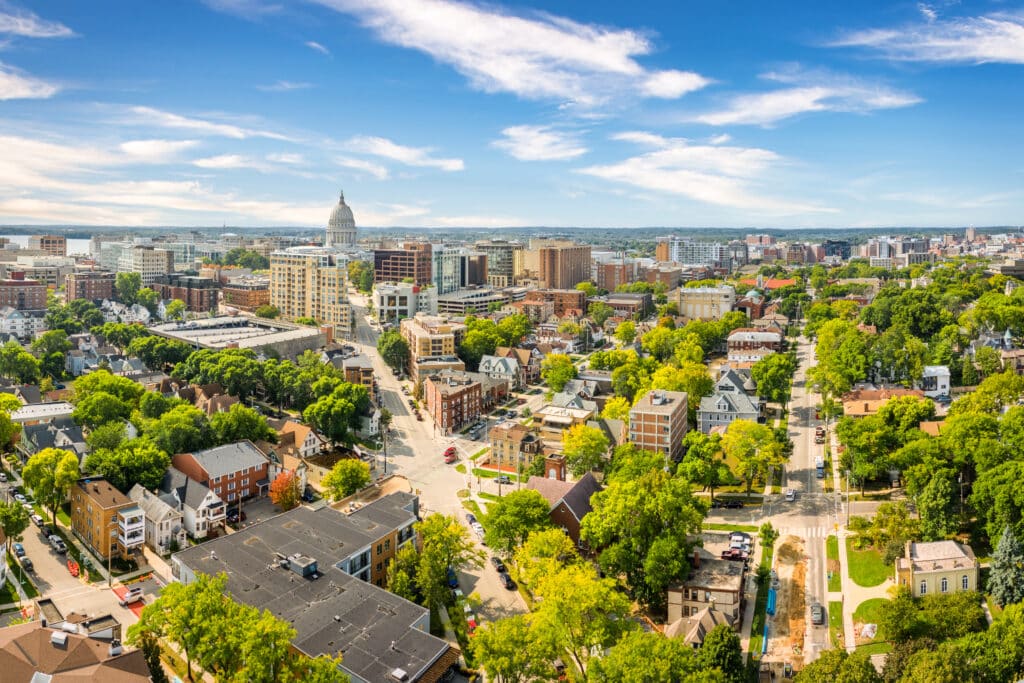
Madison, set upon a narrow isthmus between two shimmering lakes, feels like a city built from harmony — water and land, energy and calm, intellect and creativity. As Wisconsin’s capital, it carries political weight, yet Madison’s dominant mood is one of youthful vibrancy, shaped by the University of Wisconsin and its constant flow of ideas, arts, and spirited conversation.
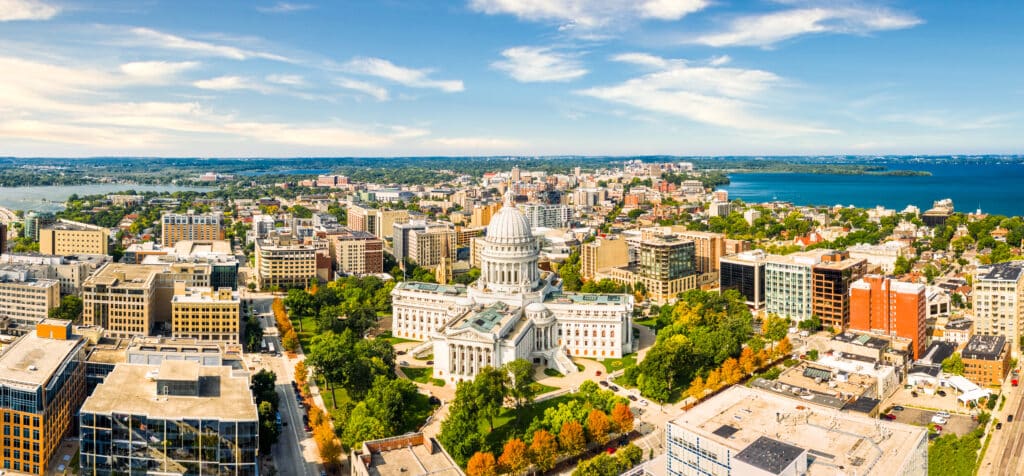
At the heart of the city stands the Wisconsin State Capitol, a striking white dome rising above the lakes like a guardian of democracy. During farmers market mornings, its steps fill with musicians and the surrounding streets with vendors offering fresh cheese curds, honey, handcrafted breads, and flowers in bursts of color.
The lakes — Mendota, Monona, Wingra, Kegonsa, and Waubesa — cradle the city in blue. In summer, kayakers paddle along mirror-smooth water while cyclists follow the lakeshore paths, looping from parks to neighborhoods to open waterfront lawns perfect for picnics. In winter, the lakes transform into frozen plains where ice-fishing shanties dot the horizon like small villages.
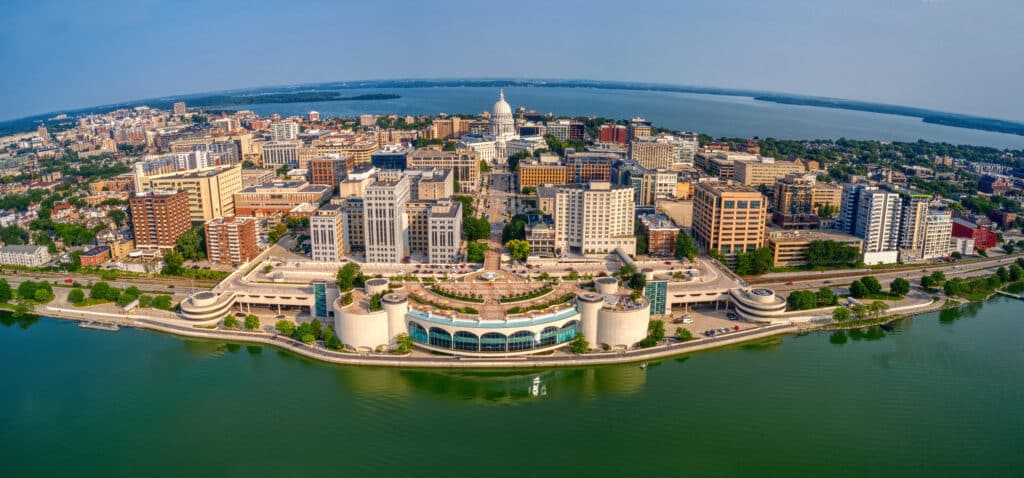
State Street, a pedestrian-friendly artery between the Capitol and UW campus, hums with bookstores, cafés, street musicians, and restaurants carrying flavors from every continent. The campus itself slopes down to the beloved Memorial Union Terrace, where bright sunburst chairs look out over Lake Mendota, and evenings dissolve into soft music and sunset’s orange glow.
Madison balances politics and play, intellect and ease, innovation and tradition. It is a city where bicycles outnumber cars in certain neighborhoods, where residents gather for lakeside festivals, and where the simple act of sitting beside the water feels like a ritual of belonging.
Madison is Wisconsin’s thoughtful heartbeat — vibrant, spirited, and beautifully connected to the land and lakes that shape it.
16. The Wisconsin Dells
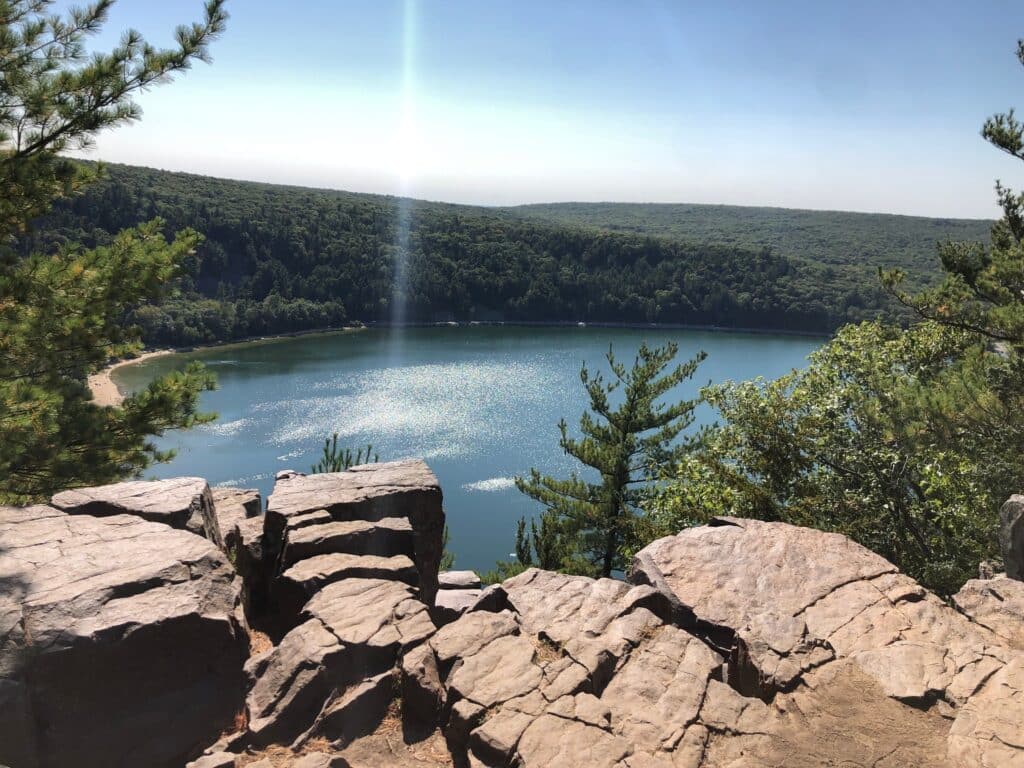
The Wisconsin Dells is a place where geology, nostalgia, and spectacle meet along a winding stretch of the Wisconsin River. Long before it became famous for waterparks and family attractions, this landscape was shaped by ancient glacial floods that carved the river’s sandstone bluffs into narrow gorges, sculpted pillars, and dramatic cliff faces. Even now, the Dells’ natural beauty gives the area a sense of hidden mystery beneath its playful surface.

Boat tours glide through the sinuous bends of the river, revealing honey-colored rock formations stacked like layers of time itself. Ferns cling to shaded crevices, while tall pines frame the cliffs like quiet sentinels. In the Upper Dells, Witches Gulch narrows into a boardwalk-lined passage of moss and shadow; in the Lower Dells, you’ll see river-carved arches and the iconic Stand Rock, where Native American guides once leapt between stone towers in demonstrations of agility and grace.

Yet the Dells is equally defined by its exuberant human energy. Waterparks — indoor, outdoor, and often colossal — create a summertime hum of laughter and splashing. Classic motels, supper clubs, arcades, and riverside resorts evoke a warm strain of Americana, the kind that belongs to family road trips and neon-lit evenings.
Strip away the amusements, and the heart of the Dells remains the river — ancient, powerful, and unchanged. Its sandstone labyrinth and forested shores offer a reminder that this place was, first and always, a natural wonder carved by water and time. The modern attractions may dazzle, but the river endures, whispering stories older than the state itself.
15. Apostle Islands National Lakeshore
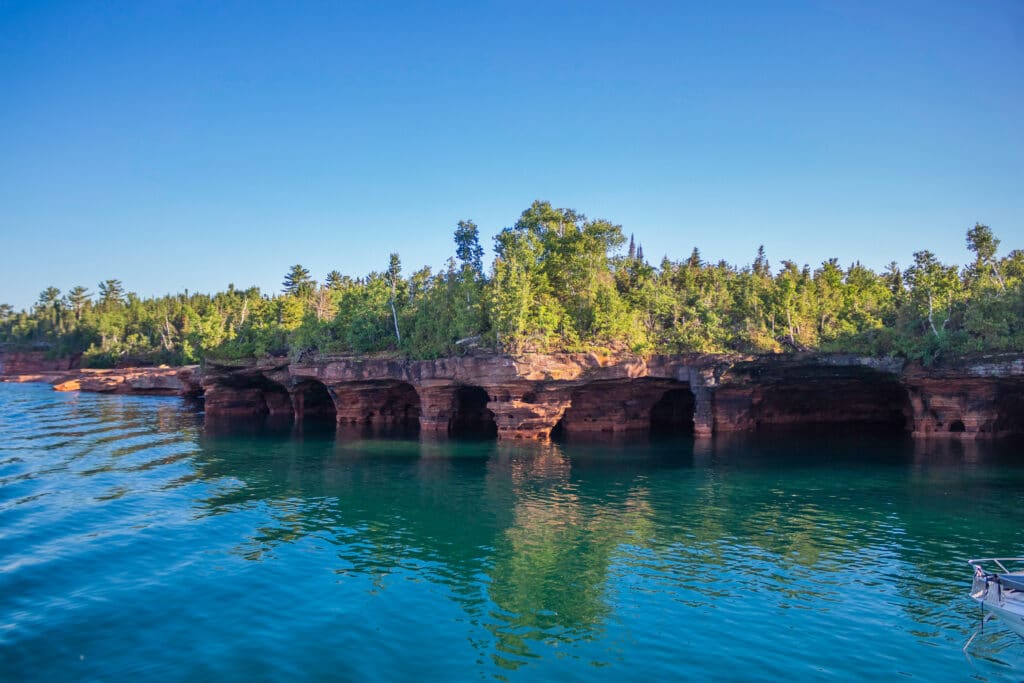
The Apostle Islands rise from the cold, deep blue of Lake Superior like a constellation of forested jewels, each shaped by wind, waves, and the patient sculpting of centuries. This remote corner of northern Wisconsin feels closer to wilderness than civilization — a place defined by its solitude, its elemental beauty, and its sense of quiet awe.
Here, the lake behaves less like a lake and more like an inland sea. Storms roll in with oceanic force, fog wraps the water in soft gray, and on calm days the surface mirrors the sky so perfectly it becomes a second horizon. The islands — twenty-two in total — host lighthouses, sea caves, rocky beaches, and old-growth forests cut through with hiking trails. Kayakers enter cathedral-like caverns carved into sandstone cliffs, their paddles echoing against vaulted stone chambers where Lake Superior’s voice is always present.
On Madeline Island, the only inhabited island and just outside the national lakeshore boundary, time slows to a generous pace. Cyclists ride quiet roads past birch forests, and the village of La Pointe welcomes visitors with art galleries, cafés, and a spirit that feels both bohemian and deeply rooted.

The lighthouses of the Apostles — Raspberry, Devils, Sand, Michigan — stand as lonely guardians on distant shores, their beams once guiding ships across unpredictable waters. Today, they evoke the romance of isolation, reminders of a maritime past when the lake was a highway of commerce and danger.
The Apostle Islands offer the soulful beauty of the Northwoods magnified by the immensity of Lake Superior. To visit is to know a colder, sharper, more hauntingly beautiful version of Wisconsin — where nature remains wild, and the lake rules all.
14. Green Bay

Green Bay is a city rooted in heritage, shaped by water, and defined — in ways both intimate and grand — by football. It is a place where the Fox River meets the waters of the bay, where industry and tradition blend, and where community pride reaches a fever pitch inside a stadium that feels almost like sacred ground.
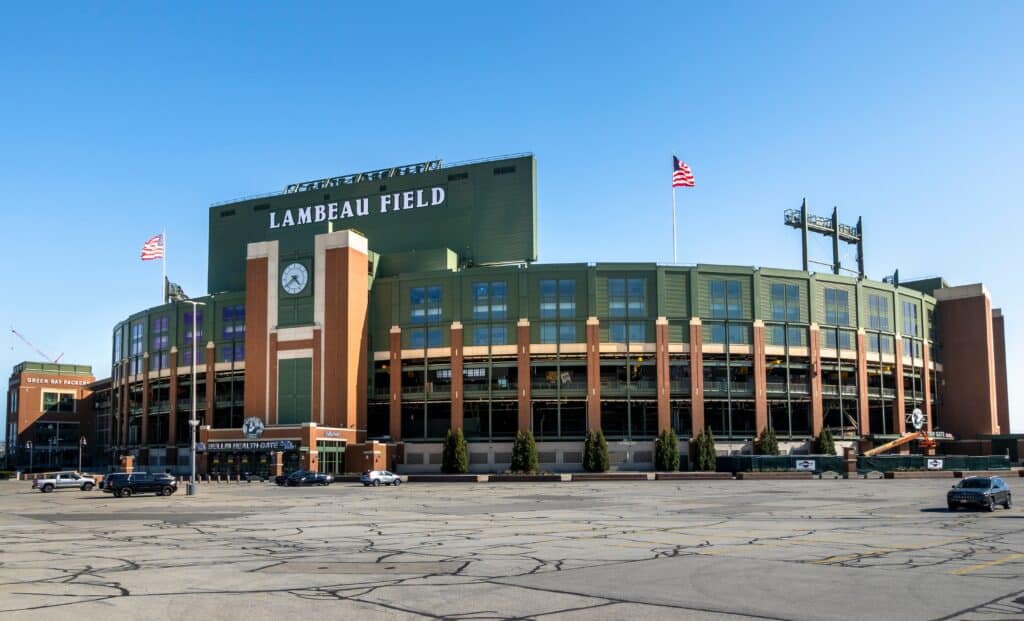
The heartbeat of Green Bay is Lambeau Field, a place where winter winds blow across the tundra and fans bundled in layers cheer with a devotion unmatched in American sports. The Packers are more than a team — they are a shared legacy, publicly owned and woven into the identity of the city itself. On game days, the neighborhoods surrounding Lambeau transform into a sea of green and gold, grills smoking, laughter rising, and families gathering in rituals passed down through generations.
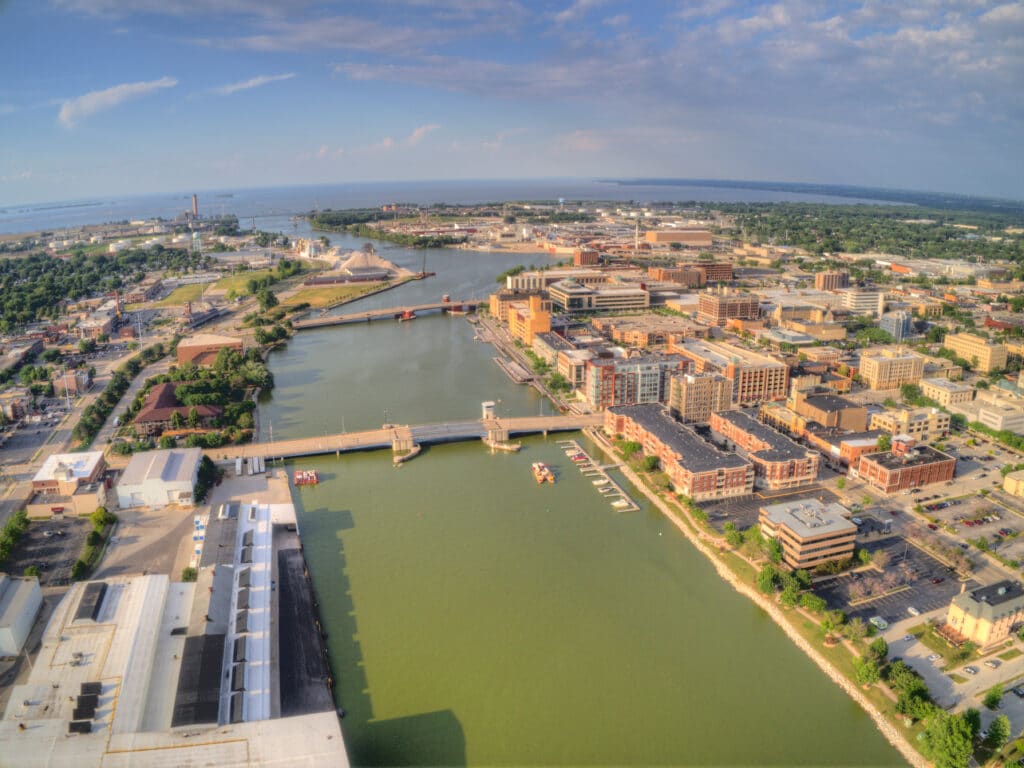
But Green Bay extends beyond its iconic stadium. The revitalized downtown hugs the Fox River, where new walkways, restaurants, and breweries bring fresh energy to the waterfront. Summer markets fill the air with the smell of produce, baked goods, and cold-brew coffee, while murals and public art trace the city’s evolving creative identity.
To the north, Heritage Hill and its historic buildings offer a glimpse into Wisconsin’s early days, with costumed interpreters and log structures framed by old-growth oaks. Wildlife sanctuaries, nature preserves, and riverfront parks create escape and quiet within minutes of the urban core.
Green Bay is modest, hardworking, and fiercely proud — a city where community is felt in every corner, where the waters of the bay shimmer at sunset, and where the roar of the crowd at Lambeau ties strangers together like family.
13. La Crosse
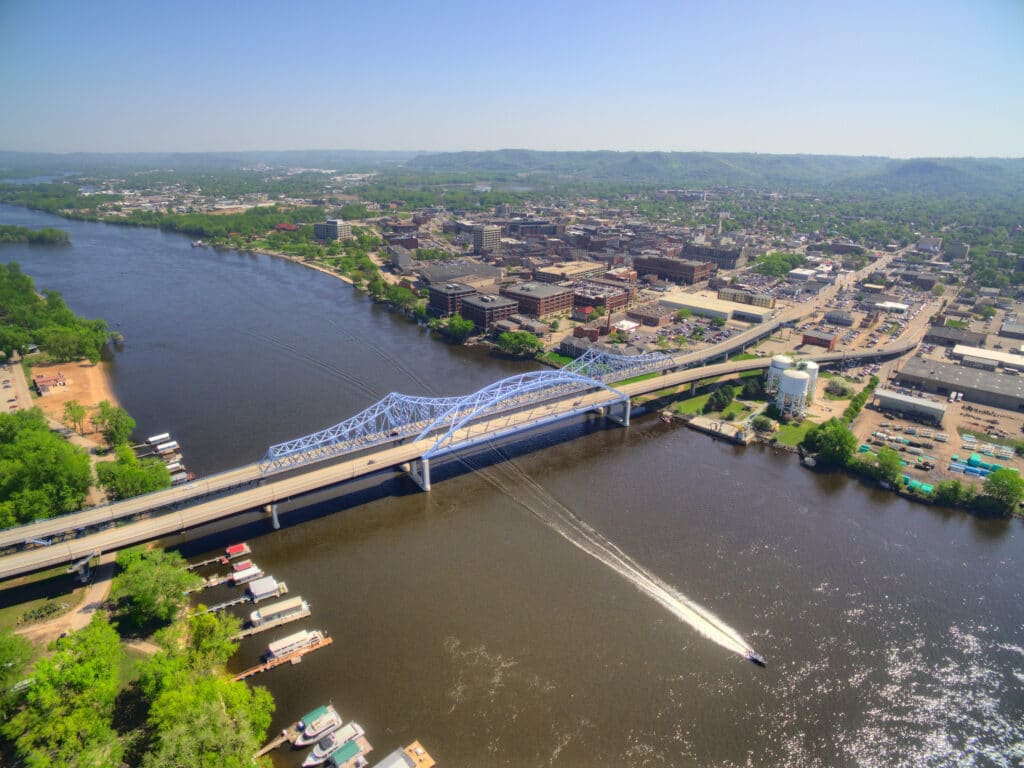
La Crosse rests along a wide, serene bend of the Mississippi River, where bluffs rise like ancient guardians above a quilt of wetlands, islands, and drifting channels. Few cities in the Midwest marry landscape and lifestyle as effortlessly as La Crosse. It is a river town in the truest sense — shaped by water, softened by nature, and animated by a lively, youthful spirit thanks to its universities.
The riverfront is the city’s soul. Riverside Park stretches along the banks, where paddlewheel boats glide past in the summer, their red wheels churning the water in nostalgic arcs. At sunset, the Mississippi becomes a ribbon of molten gold, reflecting the silhouettes of cottonwoods while herons move through the shallows like quiet shadows. People gather on benches, cyclists coast along the paved trails, and the soft hum of the river seems to slow time itself.
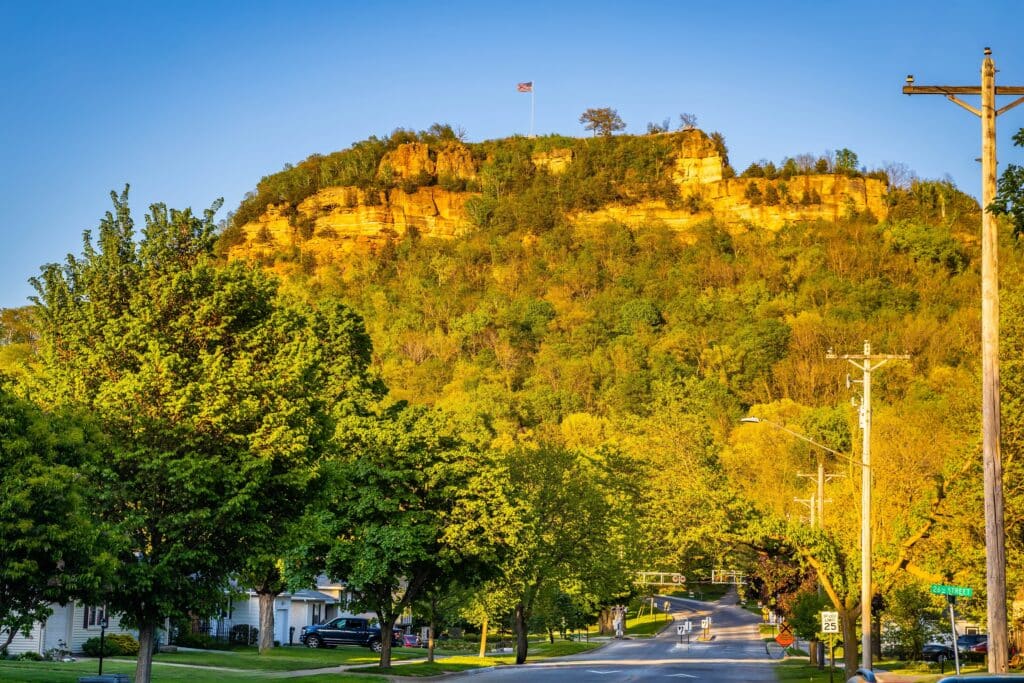
Above it all towers Grandad Bluff, one of Wisconsin’s great scenic landmarks. A short drive from downtown brings you to a cliff overlooking the entire river valley — an expansive panorama of farm fields, water channels, clustered neighborhoods, and distant ridgelines fading into blue. From here, you understand La Crosse not just as a city, but as a place held gently between ancient geological hands.
Below the bluff, downtown La Crosse is vibrant and walkable. Historic brick buildings house cafés, bookstores, breweries, and farm-to-table restaurants. Street corners come alive with live music on warm evenings, and autumn brings a blaze of color to the surrounding hillsides.
La Crosse is a place where natural grandeur meets small-city charm — a haven for hikers, paddlers, students, and anyone who finds comfort in the slow elegance of the Mississippi River. It is beautiful, grounded, and unmistakably welcoming.
12. Lake Geneva

Lake Geneva feels like an escape wrapped inside a postcard — a lakeside retreat with Victorian mansions, sailboats gliding under summer skies, and a timeless elegance that whispers of gilded-age getaways. For more than a century, this corner of southern Wisconsin has served as a retreat for Chicagoans seeking cool breezes, deep blue water, and a pace of life measured more by sunsets than schedules.

The centerpiece, of course, is Geneva Lake, a shimmering, spring-fed body of water surrounded by rolling estates and wooded shoreline. The entire lake is circled by the famous Shore Path, a 21-mile footpath that passes behind stately mansions, manicured gardens, rustic boathouses, and hidden piers. Walking it feels like stepping through a living museum of Midwestern leisure — where each estate tells its own story through architecture, landscaping, and lakeside lifestyle.
Downtown Lake Geneva adds its own charm with boutique shops, cafés, ice-cream parlors, and historic hotels. In the summer, the streets fill with families carrying beach towels, couples holding iced coffees, and visitors browsing for lake-themed art and souvenirs. Boats fan out from the harbor — sleek sailboats, slow-moving pontoon boats, and the iconic mailboats whose daring “jumpers” deliver letters to lakefront homes without stopping.
Beyond the water, the region offers vineyards, wooded hiking trails, speciality restaurants, and cozy inns perfect for cool-weather escapes. Winter transforms the lake into a quiet, frosted landscape, where fireplaces glow inside waterfront homes and the sound of cracking ice travels across the frozen surface.
Lake Geneva is the gentle side of Wisconsin — refined, tranquil, restorative. A place that invites you to breathe deeply, linger longer, and let the rhythm of the lake pull you softly into its timeless embrace.
11. The Driftless Area
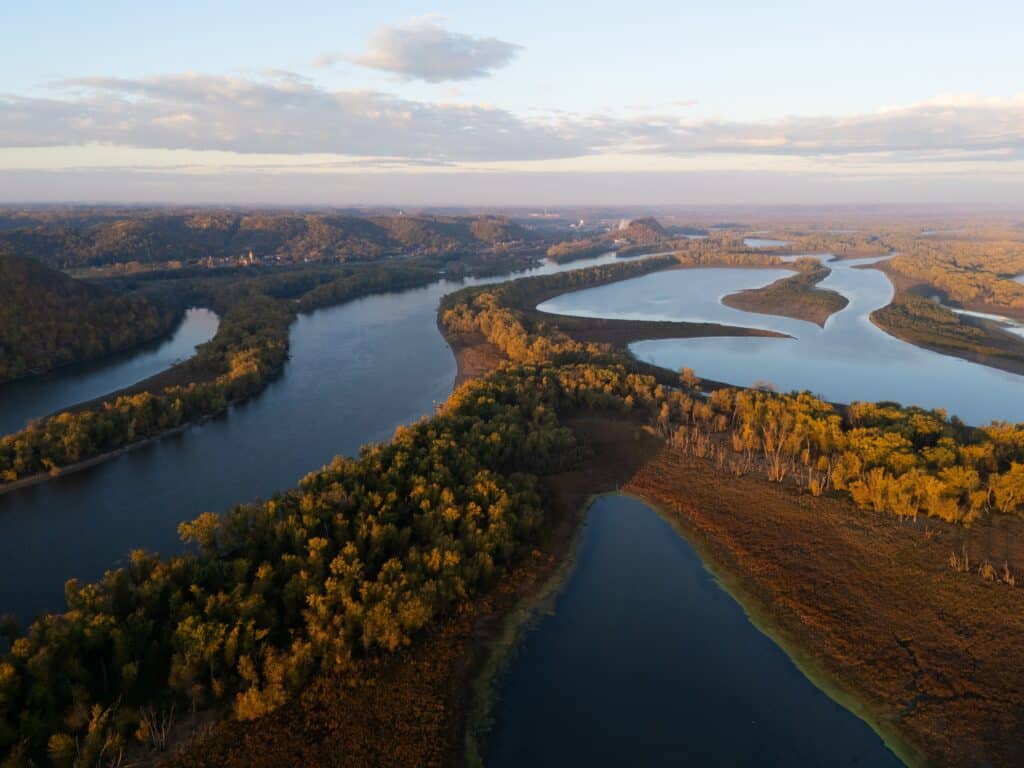
The Driftless Area is Wisconsin at its most ancient, untouched, and unexpectedly dramatic — a land the glaciers missed, leaving behind steep ridges, deep valleys, cool spring-fed streams, and rolling hills unlike anywhere else in the Midwest. It feels almost mythic, as though someone carved a small Appalachian landscape into the upper Midwest and left it to flourish in quiet isolation.
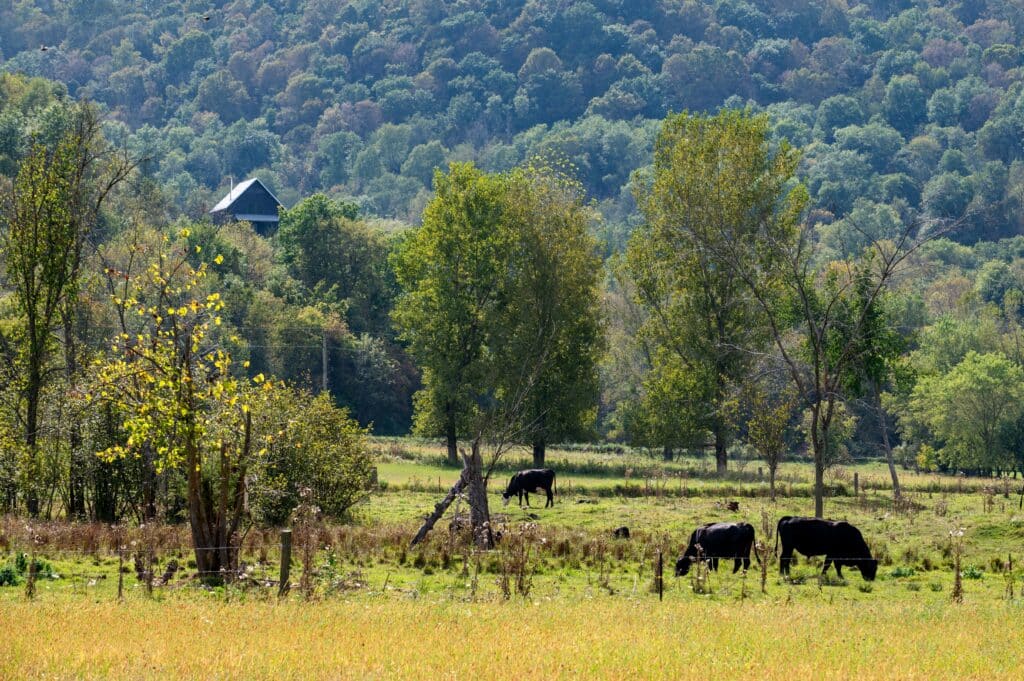
Here, roads twist through narrow hollows and climb sharp ridgelines where farms sit like islands above a sea of green. Trout streams flow cold and clear beneath canopy-shaded bridges, and limestone outcroppings rise from hillsides like remnants of forgotten fortresses. The land rolls rather than stretches, folds rather than flattens — a constant reminder that this region is geologically older than time measured by human memory.
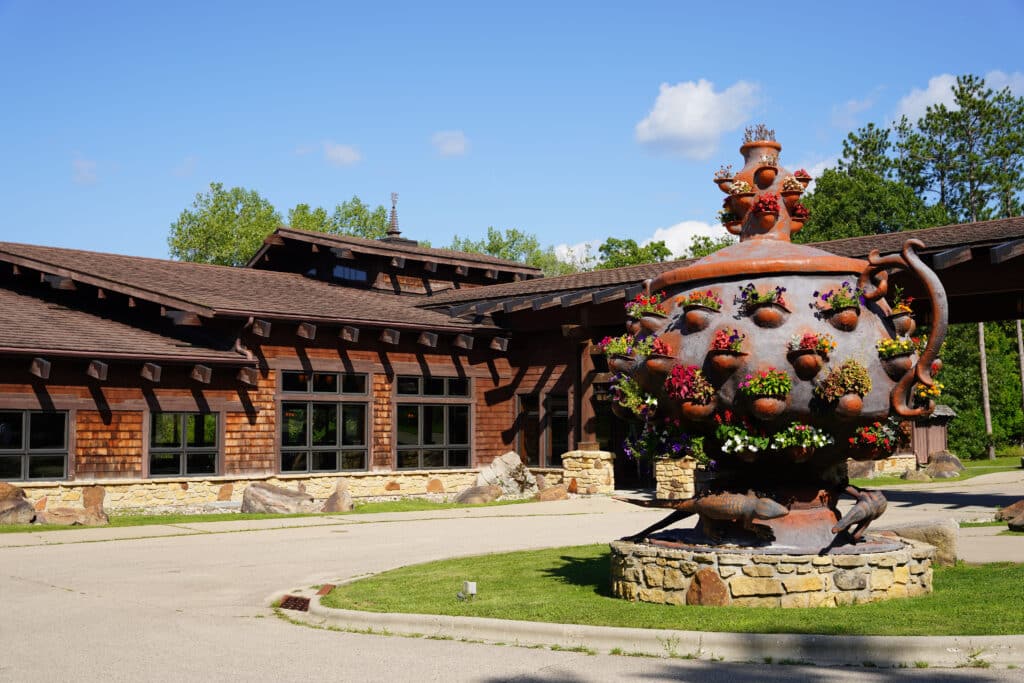
Small towns anchor the Driftless with charm and purpose. Viroqua, with its organic farms, art spaces, and unexpectedly sophisticated dining, feels like the cultural heart of the region. Westby brings Norwegian heritage to life through festivals and bakeries. Spring Green, shaped by Frank Lloyd Wright’s presence at Taliesin, blends architecture, nature, and philosophy into a single valley of creativity.
But the true essence of the Driftless is its solitude. The region offers endless opportunities for hiking, birdwatching, fly-fishing, cycling, and scenic drives through landscapes that seem crafted for contemplation. Prairie preserves light up with wildflowers in summer; in autumn, the hills ignite with fiery color; in winter, the valleys grow hushed beneath deep, drifting snow.
To wander the Driftless Area is to step into a quieter Wisconsin — older, wilder, more soulful. It is a place that reveals itself slowly, inviting you not to rush, but to notice.
10. Bayfield & the Apostle Islands

Bayfield feels like a frontier outpost softened by artistry — a quiet harbor town perched on the edge of Lake Superior, gazing out at the scattered jewels of the Apostle Islands. It is small, unhurried, and deeply atmospheric. Wooden sailboats rock gently in the marina, lilacs bloom in early summer, and the scent of the world’s largest freshwater lake travels through every street.

The Apostle Islands themselves — twenty-two forested islands shaped by time, wind, and waves — are a national treasure. They are wild in a way that feels almost northern-European: sandstone cliffs carved into arches, dark caves that echo with the lake’s heartbeat, old-growth forests whispering with pine scent, and lonely lighthouses standing as stoic guardians. In summer, kayakers slip silently into the sea caves, paddling through watery chambers where sunlight filters in like stained glass.
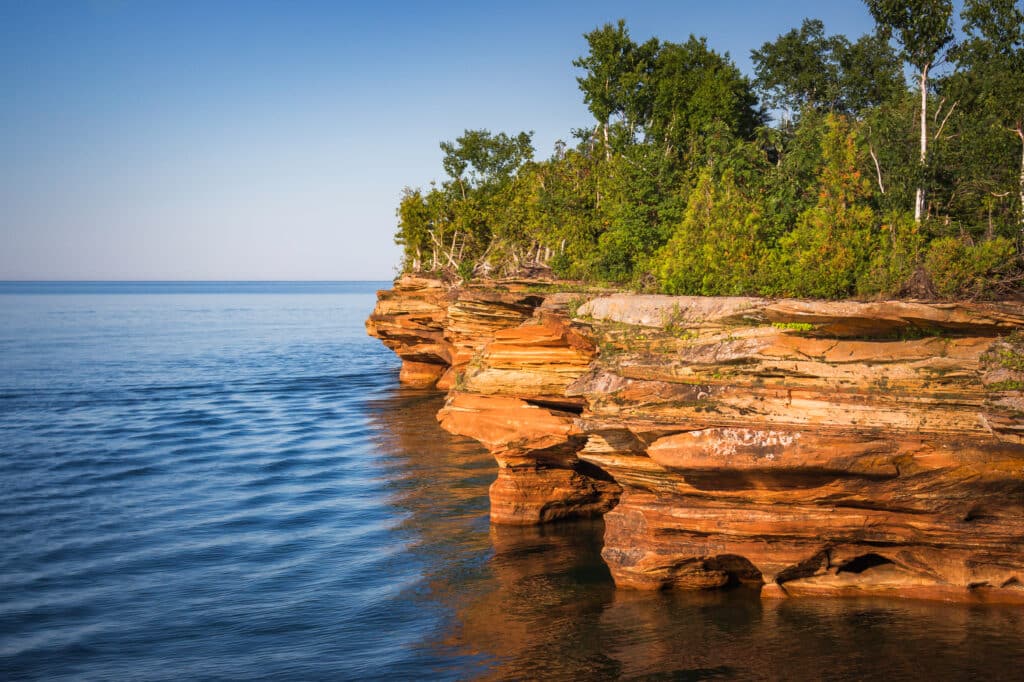
Bayfield serves as the islands’ gentle gateway. The town’s main street is lined with family-owned shops, orchards selling fresh berries, small inns with lake views, and cafés where you can sip something warm while fog moves across the water like a living spirit. In autumn, the hills behind the town catch fire in brilliant reds and golds, drawing visitors for some of the most breathtaking fall scenery in the Midwest.

Winter transforms everything. When Lake Superior freezes — a rare but spectacular event — the sea caves become shimmering cathedrals of blue ice. Snow piles on the shoreline, and the town grows hushed, as though wrapped in a deep, crystalline dream.

Bayfield and the Apostle Islands embody the mystical side of Wisconsin: wild, windswept, serene, and profoundly beautiful. Here, nature feels vast and intimate all at once.
9. Eau Claire
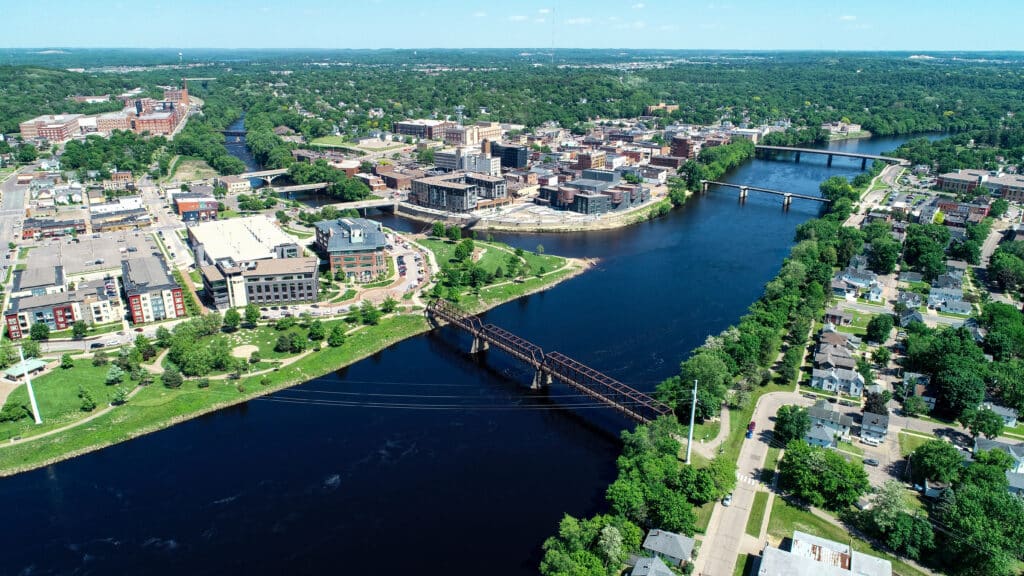
Eau Claire is a city built at the confluence of rivers and cultures — a place where Midwestern friendliness meets artistic innovation, where indie music thrives as naturally as summer wildflowers. The Chippewa and Eau Claire rivers split and weave through downtown, braiding the city with green corridors and inviting footpaths. Bridges arch over gentle water; kayakers drift downstream; cyclists follow sun-dappled trails through a canopy of trees.
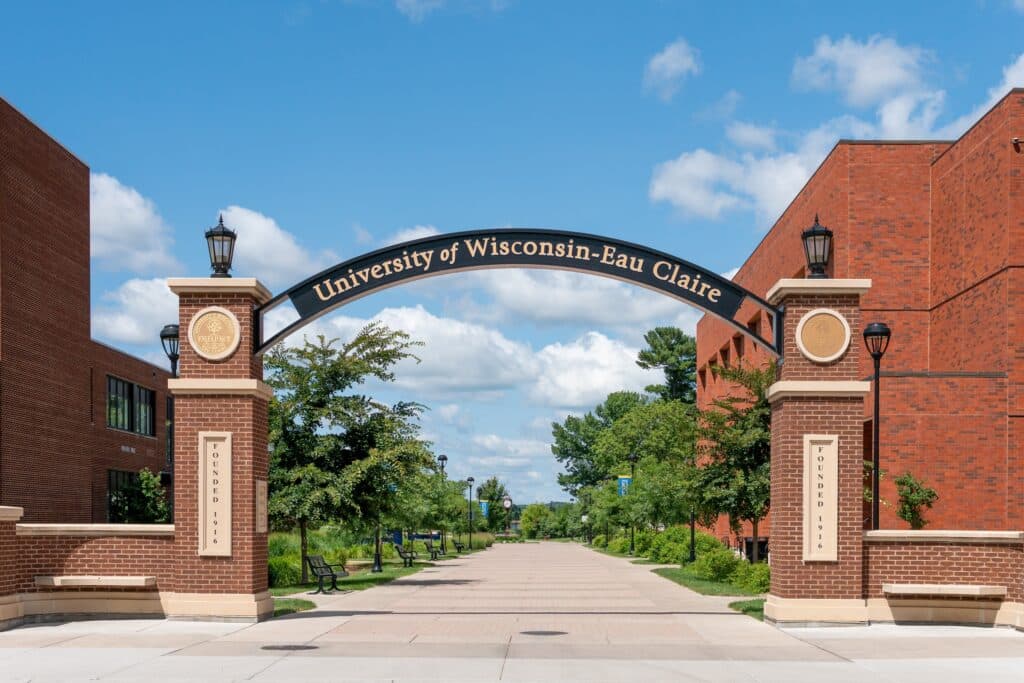
But Eau Claire’s identity is shaped as much by creativity as by nature. The city has quietly become one of the Midwest’s cultural beacons, thanks in part to its flourishing arts scene and the magnetic presence of musicians like Justin Vernon of Bon Iver. Music festivals fill the warm months, from intimate indie gatherings to large-scale events that bring global audiences to Wisconsin’s northern forests. Even on ordinary nights, live music spills out of breweries, bars, and riverside venues.
Downtown Eau Claire is vibrant yet comfortable — modern coffee shops, art galleries, boutique hotels, and craft breweries blend with historic brick buildings that hint at the city’s logging-era past. The Pablo Center at the Confluence stands as a shining cultural landmark, offering theater, concerts, exhibitions, and a striking architectural presence on the water’s edge.
Just beyond the city, rolling farmland and forested hills stretch outward, creating a soft buffer of rural calm. Autumn in Eau Claire is especially lovely, with trees along the rivers turning brilliant shades of gold and scarlet, reflecting in the slow-moving water like strokes of paint on a canvas.
Eau Claire feels like a city that creates — music, art, ideas, community. It is youthful without being hurried; modern without losing its warmth. A place where rivers flow gently and imagination runs wild.
8. Fond du Lac & the Lake Winnebago Region
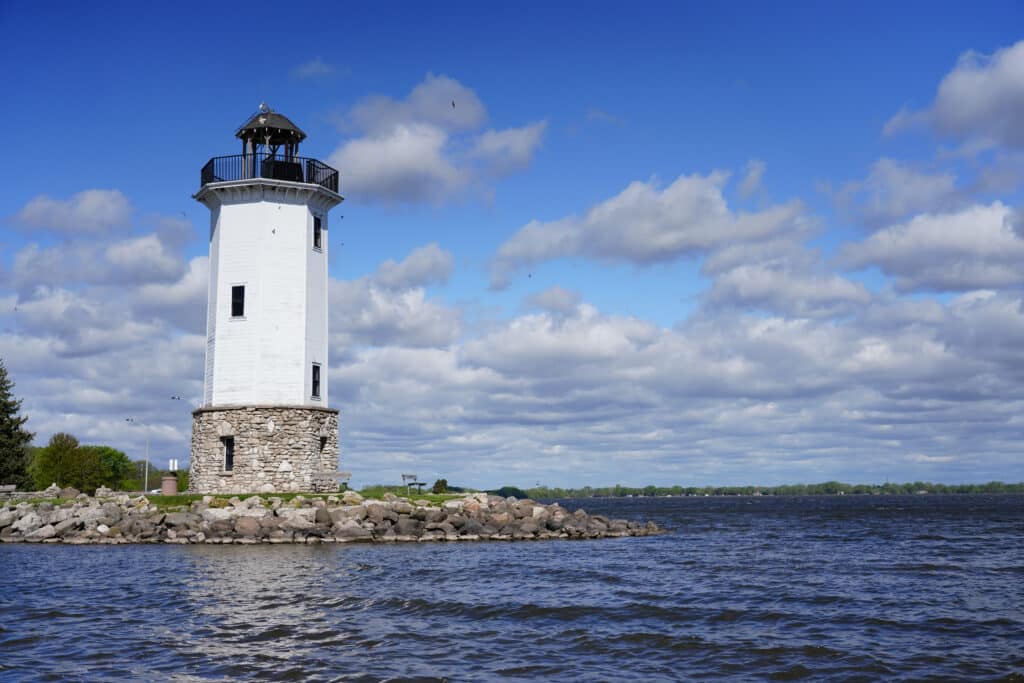
Fond du Lac rests at the southern tip of Lake Winnebago, Wisconsin’s vast inland sea — a broad, wind-stirred expanse of water that defines the rhythm of life in this region. The city’s name, French for “bottom of the lake,” captures its geographic truth but not its emotional one. Here, lake culture is not just recreation; it is identity.
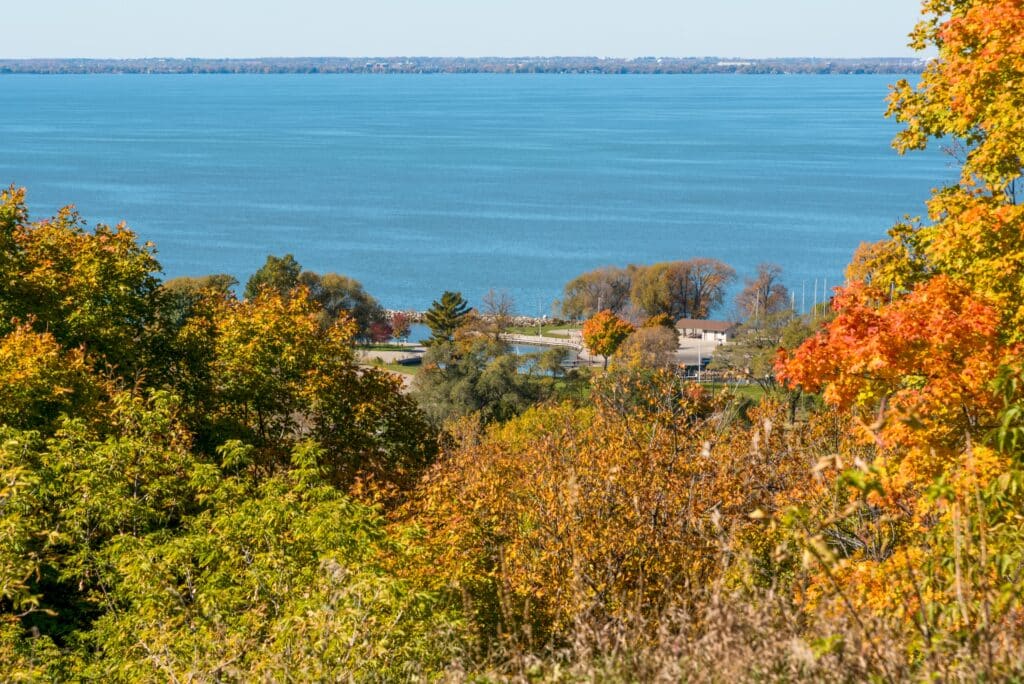
Lake Winnebago stretches to the horizon like an inland ocean. Fishermen head out at dawn in aluminum boats, carving gentle ripples across the surface. Windsurfers and sailors skim the waves on breezy summer afternoons. Winter brings its own traditions: ice shanties, frozen festivals, and the soft creak of snow underfoot as anglers settle in over drilled holes in the ice. It is Wisconsin in its pure, elemental form — community, endurance, and joy shaped by the seasons.
Fond du Lac’s downtown blends small-city comfort with contemporary energy. Cafés, bakeries, and street-corner restaurants host a steady flow of locals, while historic buildings nod quietly to the city’s past. Lakeside Park — one of the largest urban parks in the state — is a jewel, with its footbridges, lighthouse tower, flower-lined paths, and waterfront picnic spaces. It is the kind of park that becomes part of a town’s collective memory.
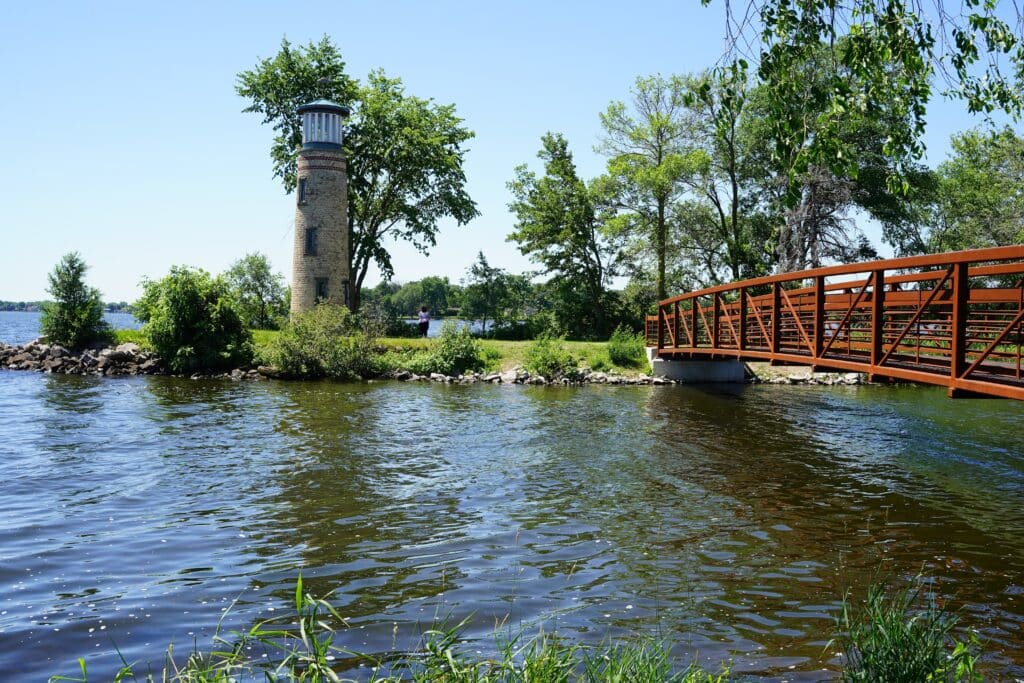
The surrounding region is dotted with dairy farms, rolling fields, and small communities where supper clubs glow warmly on winter nights. Nearby towns like Oshkosh and Neenah form a loose constellation of lakeshore destinations, each connected by the flow of water and the thread of maritime culture.
Fond du Lac and Lake Winnebago offer a blend of calm beauty and everyday, lived-in charm — a place where sunsets spill across the lake like molten copper, and life is measured by wind, water, and the shifting colors of Wisconsin’s four seasons.
7. Janesville & the Rock River Valley
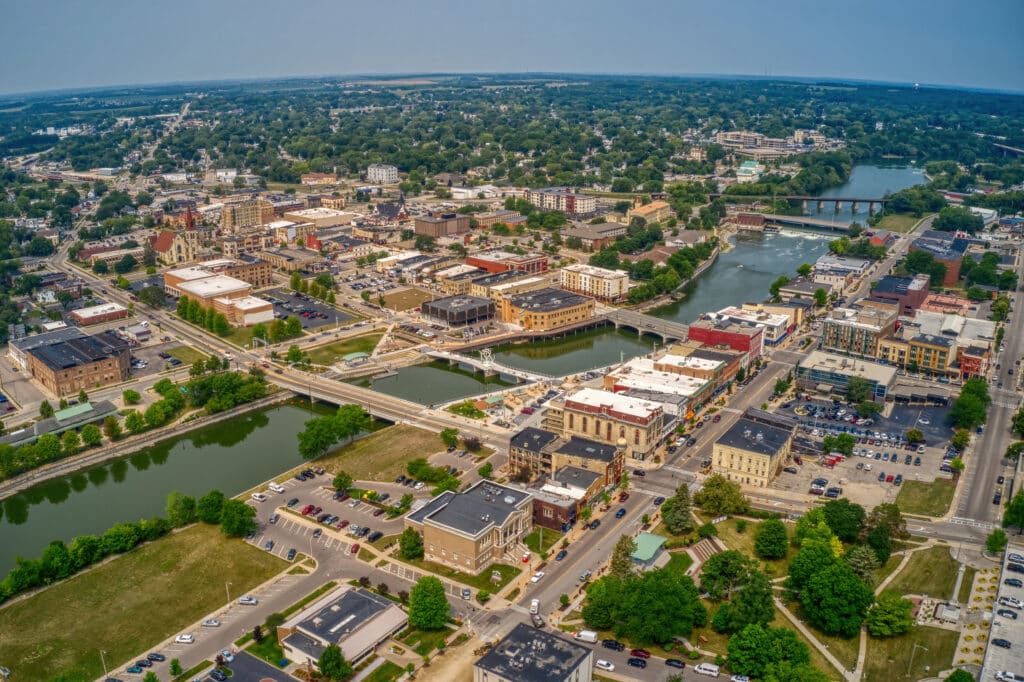
Janesville, known as Wisconsin’s “City of Parks,” is a place shaped by green spaces, riverbanks, and deep civic pride. The Rock River flows calmly through its center, curving past historic districts, quiet neighborhoods, and lush parklands that seem to appear around every bend. More than 60 parks fill the city — an impressive tapestry of gardens, wooded trails, and riverside retreats.
At the heart of this identity is Rotary Botanical Gardens, one of Wisconsin’s most serene horticultural gems. Its Japanese garden, complete with arched bridges, koi ponds, and pines brushed into elegant shapes, feels like a world apart. English cottage gardens, French formal beds, and prairie plantings reflect the diversity of the region’s landscapes, all meticulously curated and seasonally vibrant.
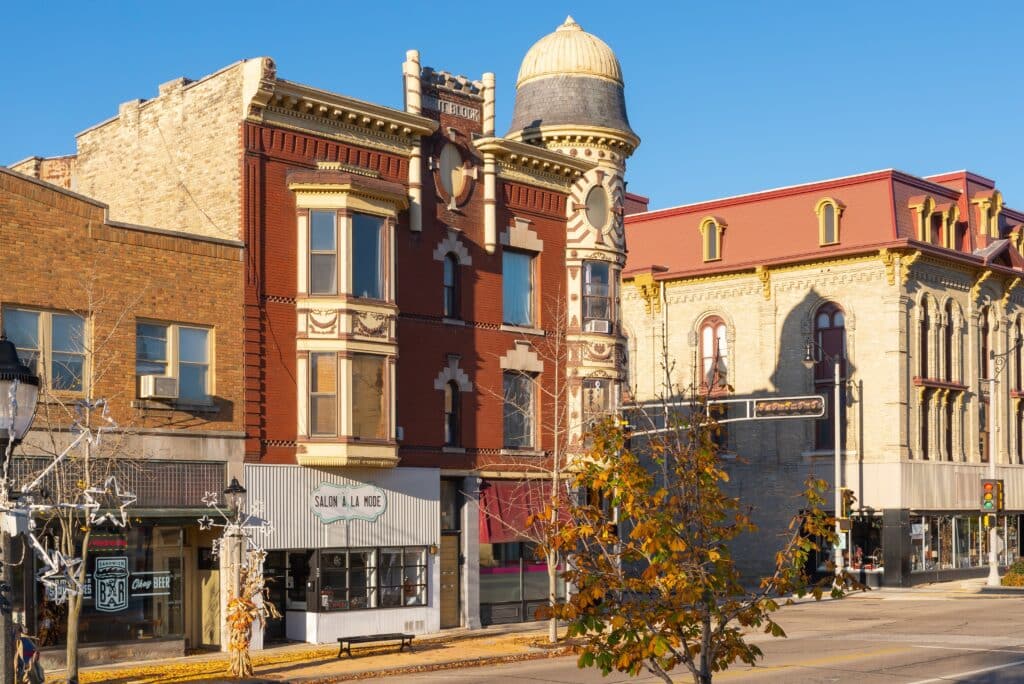
Janesville’s history runs deep. Stone houses and sturdy brick buildings tell the story of early settlement and industrial growth. The Hedberg Public Library and the Lincoln-Tallman House, where Abraham Lincoln once spent a night, lend the city an air of heritage and continuity. The downtown area is steadily revitalizing, with cafés, brewhouses, and boutique storefronts giving fresh life to old streets.

Nature extends beyond the city limits. The Ice Age National Scenic Trail winds through nearby glacial landscapes, offering hikers a glimpse of Wisconsin’s ancient geological story. Biking routes trace the river, connecting communities in the Rock River Valley.
Janesville feels balanced — not hurried, not sleepy, but steady and welcoming. Its parks invite long afternoon walks; its river invites reflection; and its gardens invite quiet wonder. It is a city that showcases Wisconsin’s softer side: pastoral, peaceful, and meticulously cared for.
6. Racine & the Root River

Racine stands on the shore of Lake Michigan, where industry, culture, and shoreline beauty weave together into a distinctive lakeside city. At dawn, the lake glows pale rose and lavender, and fishing boats glide into the harbor while gulls wheel overhead. The Racine Lighthouse guards the entrance, its red tower reflected in calm morning water.

The city is known for its architectural legacy, thanks in large part to Frank Lloyd Wright, whose designs — including the spectacular Johnson Wax Headquarters — stand as modernist masterpieces. Guided tours reveal spaces where natural light, fluid lines, and organic materials merge into architectural poetry. It is one of Wisconsin’s most significant artistic treasures.
Downtown Racine is compact and characterful, with local shops, galleries, and cafés housed in restored brick buildings. The Racine Art Museum, home to one of the nation’s finest contemporary craft collections, is a cultural anchor, while the historic harbor area attracts boaters and walkers alike.

Lake Michigan is always present. North Beach, one of Wisconsin’s best urban beaches, stretches wide with powdery sand and clear blue water. Summers buzz with volleyball games, picnics, and families splashing at the shoreline. The Root River adds another dimension, flowing gently through the heart of the city and drawing paddlers, anglers, and cyclists.
Racine’s culinary contributions are legendary — especially its Danish kringle, a flaky wreath-shaped pastry beloved statewide. Neighborhood bakeries still craft them with old-world precision, filling the city with the scent of buttery dough and almond icing.
Racine is a city with grit, grace, and waterfront soul — industrial yet scenic, modern yet historic, welcoming yet unmistakably distinct. It is Lake Michigan at its most urban and most human.
5. Kenosha & the Lakefront Corridor

Kenosha sits at the southeastern edge of Wisconsin, pressed gently against the shores of Lake Michigan. It is a lakefront city with a Midwestern soul — humble, historic, and beautifully shaped by water. The shoreline defines everything here: long promenades, sandy beaches, lighthouses standing watch, and a marina where sailboats tug softly at their lines.
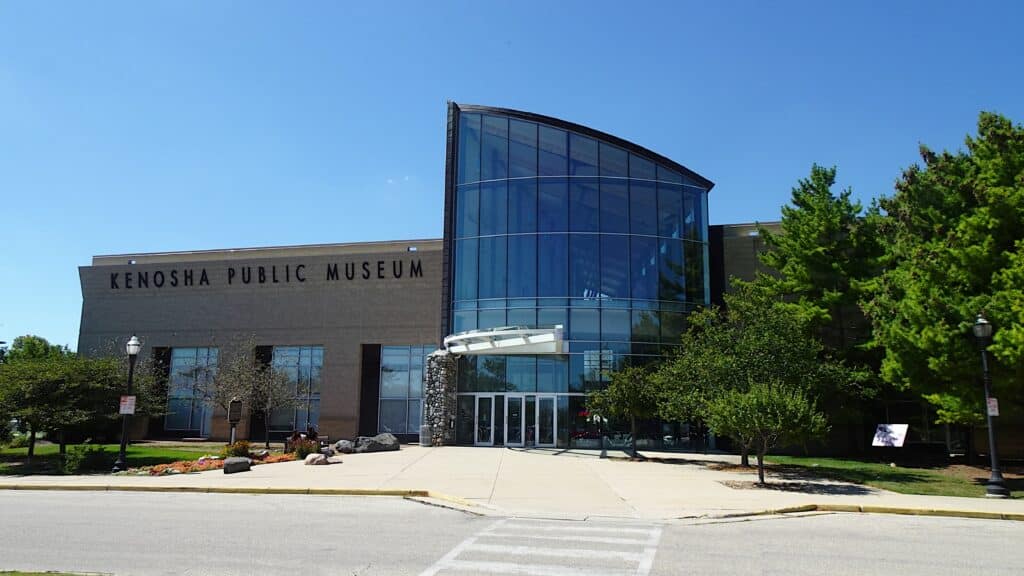
Kenosha’s cultural depth is surprising and delightful. The Civil War Museum, one of the most notable in the Midwest, offers immersive exhibits that explore the war through a regional lens, grounding national history in local experience. The Kenosha Public Museum and the Dinosaur Discovery Museum round out an incredible trio of institutions within easy walking distance.
The Kenosha Harbor is the heart of it all. Its red North Pier Lighthouse glows against the blue sweep of Lake Michigan, while families gather on the stone pier to watch waves roll in. The electric streetcars that loop through downtown — heritage trolleys in cheerful colors — add a touch of nostalgic charm, rattling past museums and waterfront parks.
Downtown feels friendly and unpretentious. Coffee shops, supper clubs, and galleries fill brick storefronts, while the harbor market in summer buzzes with fresh produce and handmade goods. The city’s Italian and Eastern European heritage runs strong, reflected in bakeries, delis, and old family restaurants where recipes haven’t changed in generations.

Kenosha’s beaches are a quiet triumph — calm, accessible, and beautifully maintained. Simmons Island Beach stretches wide and inviting, while Southport Park offers grassy overlooks perfect for picnics. Autumn brings spectacular lakefront color; winter brings iced-in harbors and snowy silence.
Kenosha is neither flashy nor hurried. It is a city built on lake breezes, heritage, and community — a place where the horizon is always blue and always full of promise.
4. Appleton & the Fox River Valley
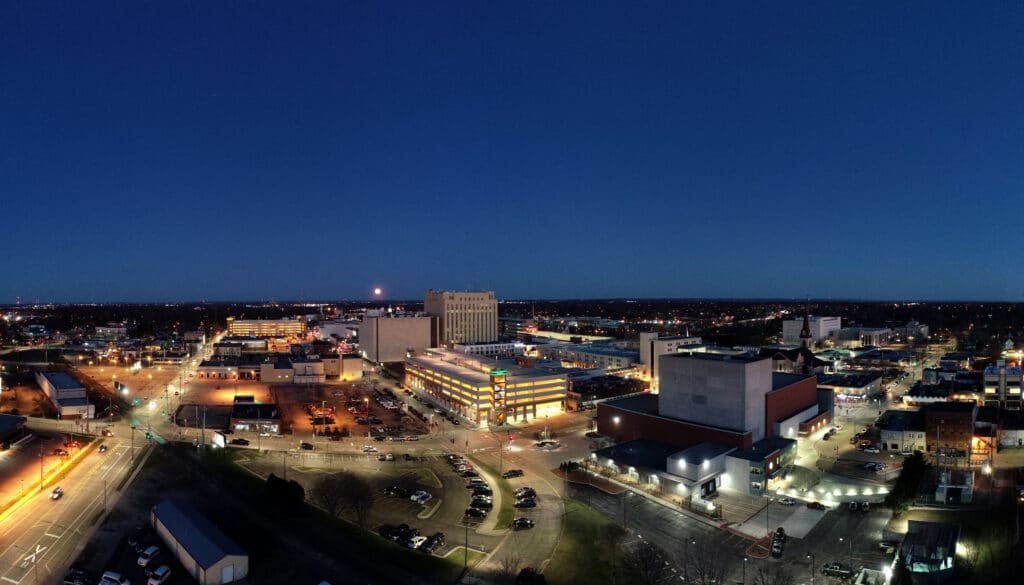
Appleton feels like a city defined by energy — not loud or frantic, but vibrant, creative, and confident. The Fox River winds through it, a powerful and historic waterway once central to Wisconsin’s paper industry and now lined with riverwalks, pedestrian bridges, and revitalized districts. The river has always been Appleton’s lifeline, and today it fuels a dynamic cultural scene.
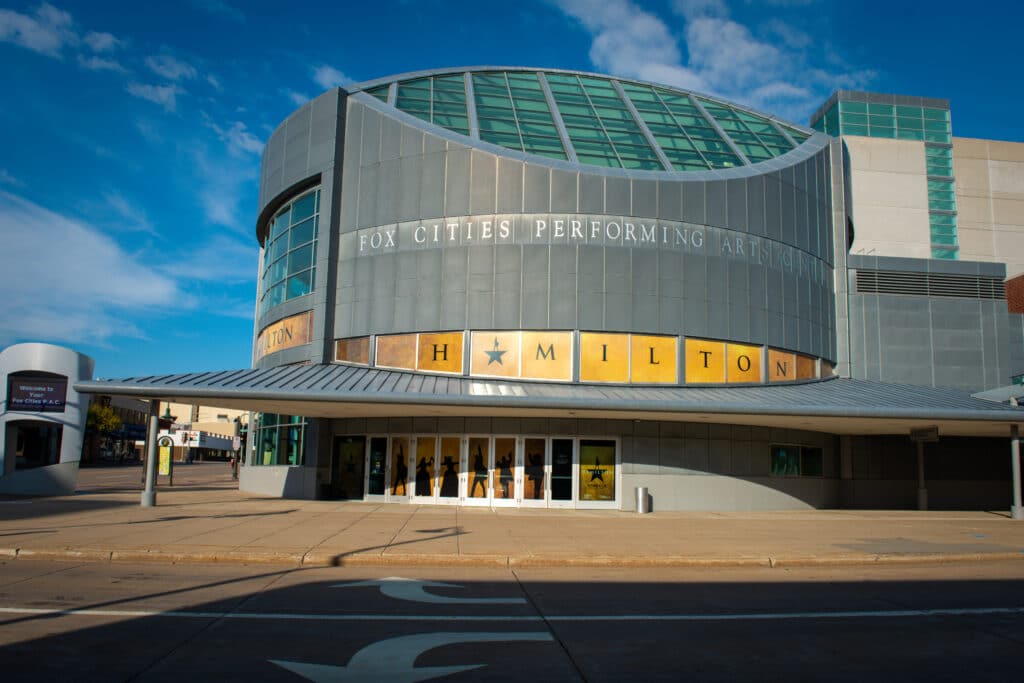
Downtown Appleton is lively and walkable. College Avenue hums with bookstores, theaters, cafés, and music venues, with glowing marquees that hint at the city’s artistic spirit. The Fox Cities Performing Arts Center draws major touring productions, while local companies and student groups from nearby Lawrence University add richness to the performance calendar. On warm evenings, street musicians fill the air with guitar notes and jazz riffs.
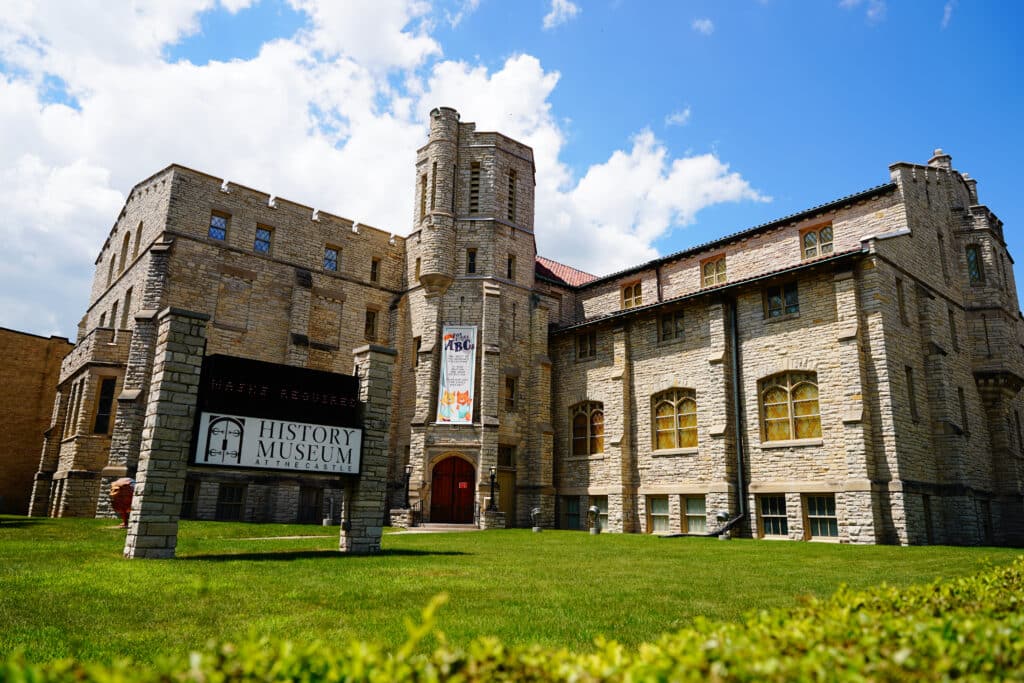
The city’s museums tell stories of innovation and ingenuity. The History Museum at the Castle explores local heritage with playful, immersive exhibits — including a delightful section on magician Harry Houdini, who grew up in Appleton. The Paper Discovery Center celebrates the region’s industrial legacy, connecting visitors with the craft that shaped the Fox Valley.

Appleton’s neighborhoods and parks create a balanced, livable charm. Tall trees line quiet residential streets, and scenic trails trace the riverbanks. Festivals fill the calendar: Octoberfest, Mile of Music, and farmers markets that spill across downtown with produce, pastries, and handmade crafts.
Beyond Appleton, the broader Fox River Valley — including Neenah, Menasha, and the surrounding communities — forms a continuous stretch of culture and commerce. Lake Winnebago lies just to the south, adding water and sky to the region’s landscape.
Appleton is a place where education, creativity, and community converge. It is youthful but grounded, industrious but spirited — a city of forward momentum wrapped in Midwestern warmth.
3. Hudson & the St. Croix River
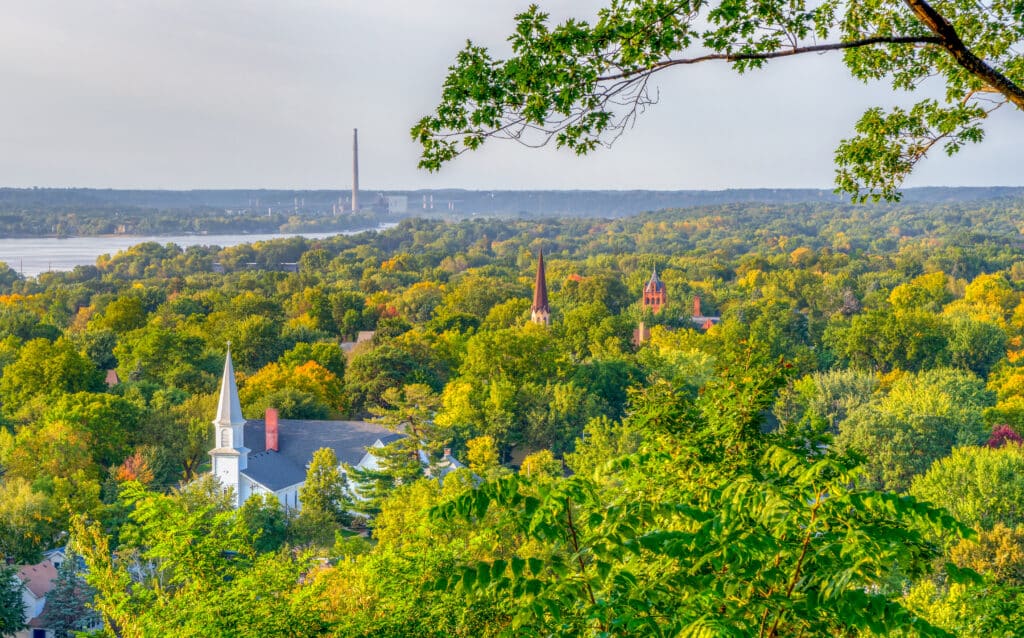
Hudson feels like a postcard come to life: a riverside town perched on the edge of the St. Croix River, where Wisconsin meets Minnesota in a landscape of rolling hills and wide, slow-moving water. It is one of the state’s most scenic small cities, shaped by the interplay of natural beauty and a thriving, art-filled downtown.
The St. Croix is the star — a federally protected riverway cherished for its clarity, quietness, and undeveloped shores. In summer, boats drift past steep, forested bluffs, and kayakers cut across glassy water under skies that feel endlessly high. The river broadens at Hudson, creating a picturesque bay where sailboats and pontoon boats cluster on sunny afternoons.
Downtown Hudson rises gently from the riverbank, its historic architecture glowing in shades of red brick and carved stone. The streets are lined with galleries, boutiques, and restaurants set in restored 19th-century buildings, each with a view or a story. Sidewalk cafés bloom in warm weather, and the local arts scene gives the city a creative buzz.

Just south of town lies Willow River State Park, home to one of Wisconsin’s most beautiful cascades: Willow Falls, a tiered, rushing waterfall framed by rugged limestone walls. The park’s trails lead through woodlands and meadows, offering glimpses of deer, songbirds, and the shifting light of the Upper Midwest seasons.
Autumn in Hudson is spectacular — the bluffs ignite with color, the river reflects amber and crimson, and the entire valley feels touched by gold. Winter brings ice fishing, snowy riverbanks, and a calm that settles over the water like a blanket.
Hudson is both getaway and home — scenic, inviting, and perfectly placed where river and culture meet.
2. The Northwoods: Lakes, Pines, and Endless Quiet

The Northwoods are Wisconsin’s great northern sanctuary — millions of acres of pine forest, thousands of glacial lakes, and a sky so wide and unbroken that it feels like part of another world. Here, the pace of life softens. Sound carries differently, softened by moss and needles; time seems to drift like mist rising off a morning lake.
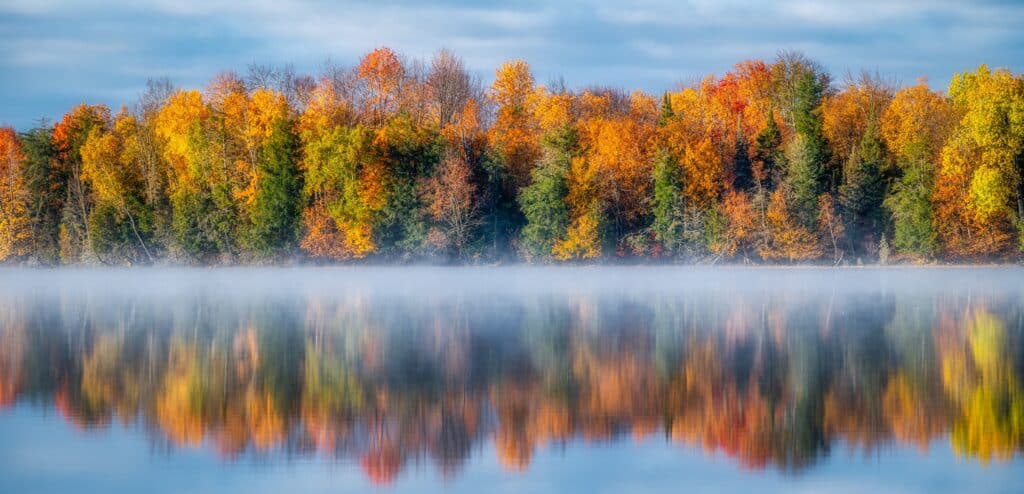
Towns like Minocqua, Eagle River, Manitowish Waters, and Rhinelander feel shaped by water. Cabins line shorelines that glow gold at sunrise. Docks creak gently. Loons call across still bays. Days revolve around simple pleasures: paddling through mirror-like lakes, casting a line for walleye, hiking spruce-scented trails, or watching storm clouds roll dramatically across the horizon.
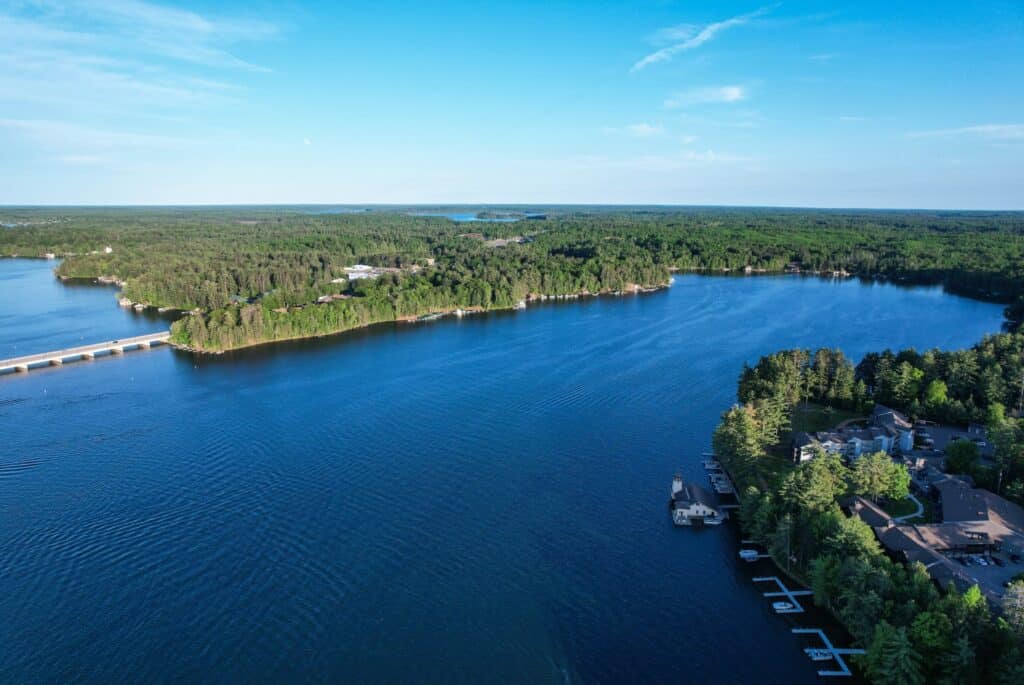
The Northwoods are rich with tradition. Families return to the same lakes year after year, often across generations, forming a tapestry of memories woven with campfires, canoe trips, and star-filled nights. In winter, the landscape transforms completely — frozen lakes become highways for snowmobiles, forests are laced with cross-country ski trails, and the world turns crisp and crystalline.
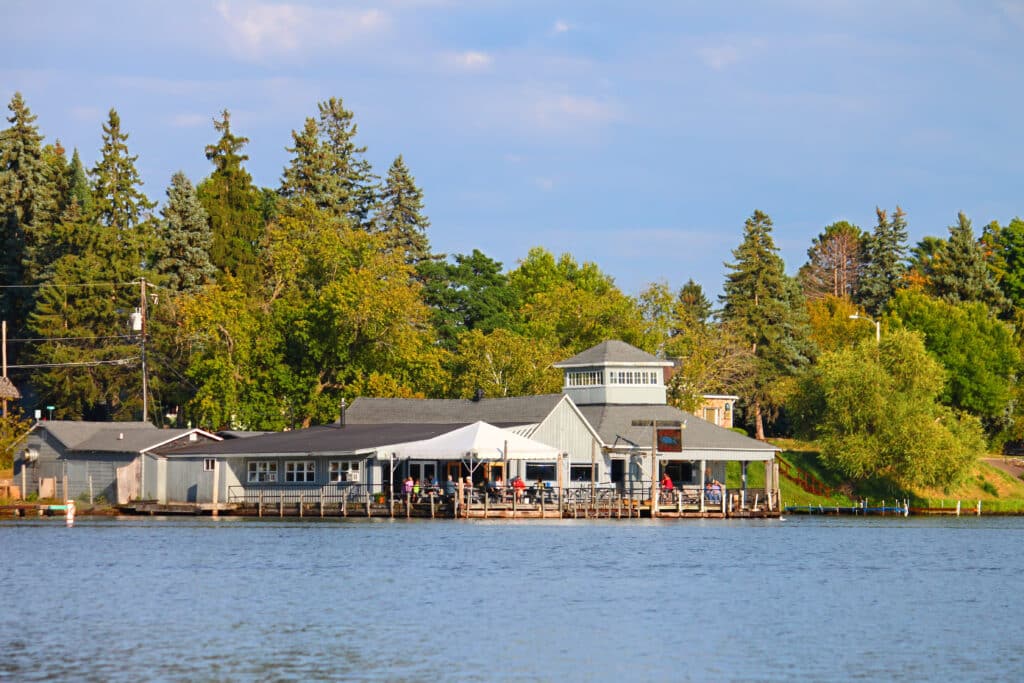
Nature rules here, yet the towns offer warmth: supper clubs glowing with amber light, lakeside taverns serving fried walleye, and ice cream stands that become community gathering points in summer. Wildlife is everywhere — eagles patrolling shorelines, deer stepping silently through birch groves, and the occasional black bear wandering across a quiet road.
The Northwoods feel both wild and welcoming — a retreat into wilderness that still carries the embrace of small-town Wisconsin. It is a place to breathe deeply, listen closely, and reconnect with the natural rhythms that define the upper Midwest.
1. Wausau & Rib Mountain: The Center Point of Wisconsin
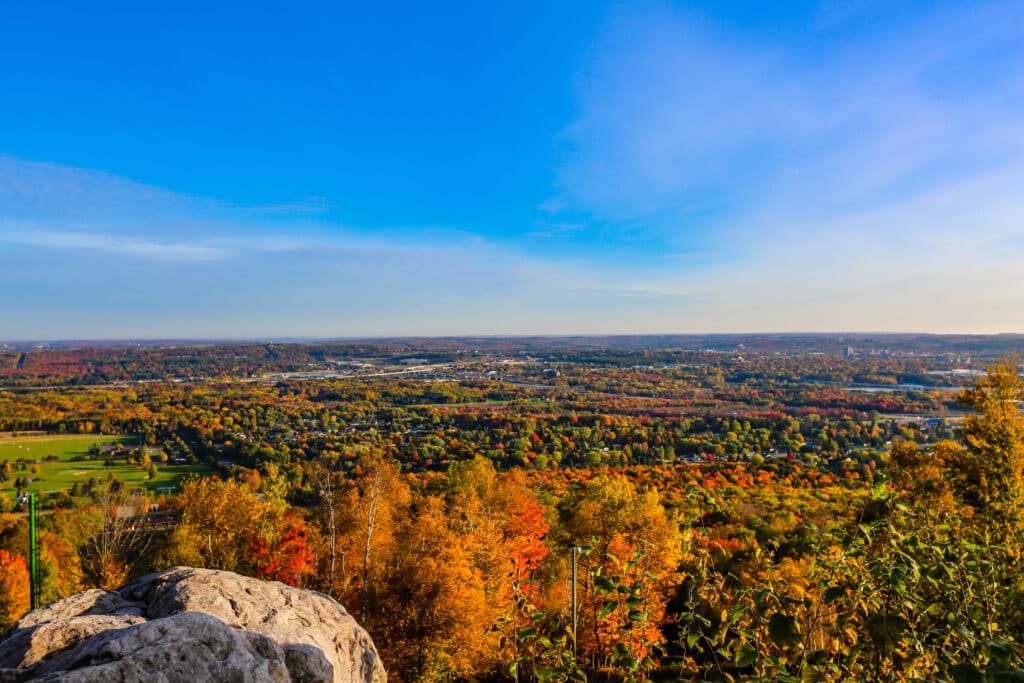
Wausau stands almost literally at the heart of Wisconsin, a city shaped by forests, granite outcrops, and the steady flow of the Wisconsin River. It is a place where the outdoors and the arts coexist seamlessly — hikers and kayakers by day, gallery-goers and concert lovers by night. Downtown is compact yet lively, anchored by the Grand Theater, whose elegant marquee glows warmly through winter snowfalls, drawing residents into a world of performance and community.
Just across the river, the Wausau Museum of Contemporary Art adds a note of sophistication and edge, bringing nationally recognized exhibitions to the heart of the Northwoods. Craft breweries, cafés, and local restaurants fill the historic storefronts, giving the city a sense of momentum and pride.
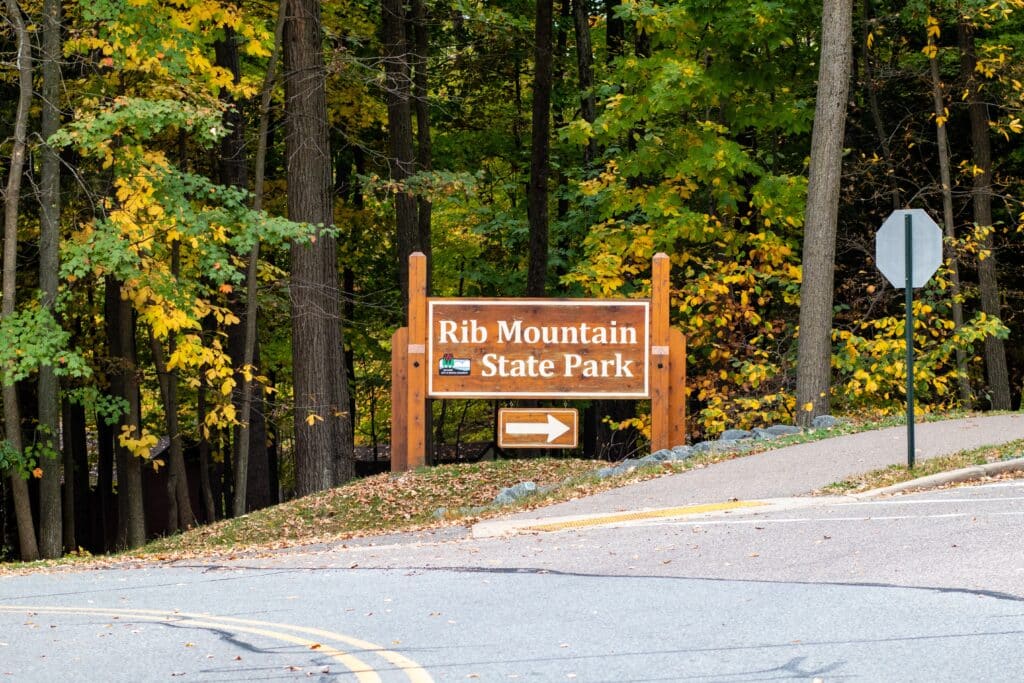
But it is Rib Mountain that defines the region’s silhouette. Rising dramatically above the surrounding landscape, it is one of the oldest geological formations in North America — a billion-year-old ridge that seems to carry the memory of ancient worlds. In summer, the trails wind upward through hardwood forest to stone outcrops offering panoramic views across the Wisconsin River valley. In autumn, the mountain becomes a mosaic of scarlet and gold.
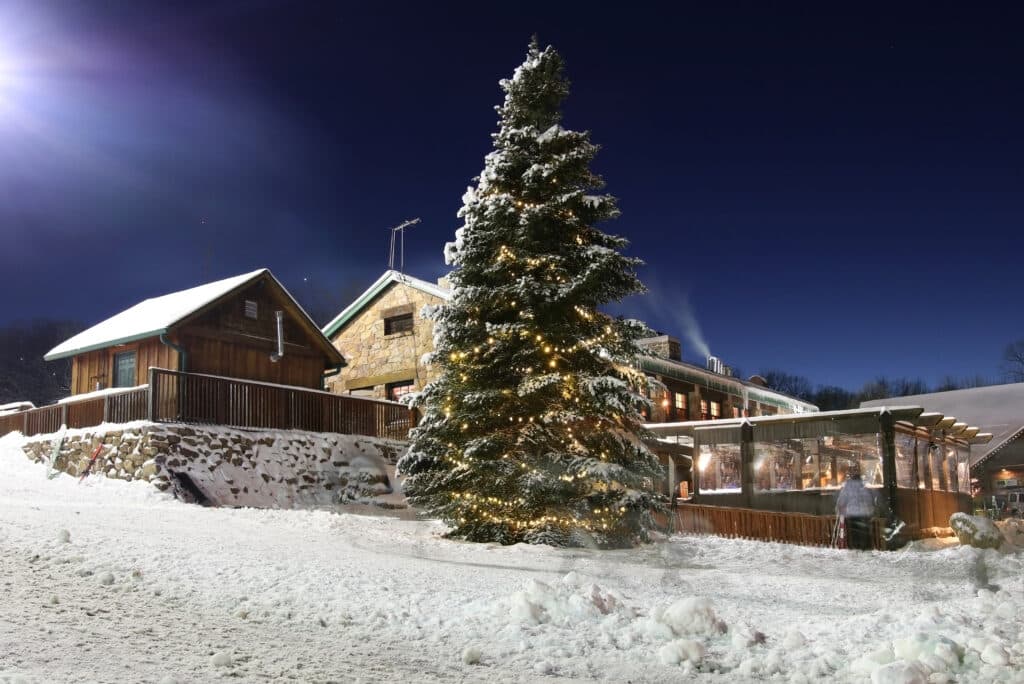
In winter, Rib Mountain transforms completely into Granite Peak Ski Area, one of the Midwest’s premier downhill destinations. Its long, sweeping runs and lively base village bring alpine energy to central Wisconsin, making Wausau a year-round outdoor hub.
Yet the region remains rooted in warmth and simplicity. Families gather for outdoor concerts, paddle through calm stretches of river, or stroll the riverwalk at sunset. Wausau and Rib Mountain remind visitors that Wisconsin’s center is not only a geographic point — it is a convergence of community, wilderness, and a quietly flourishing cultural life.