
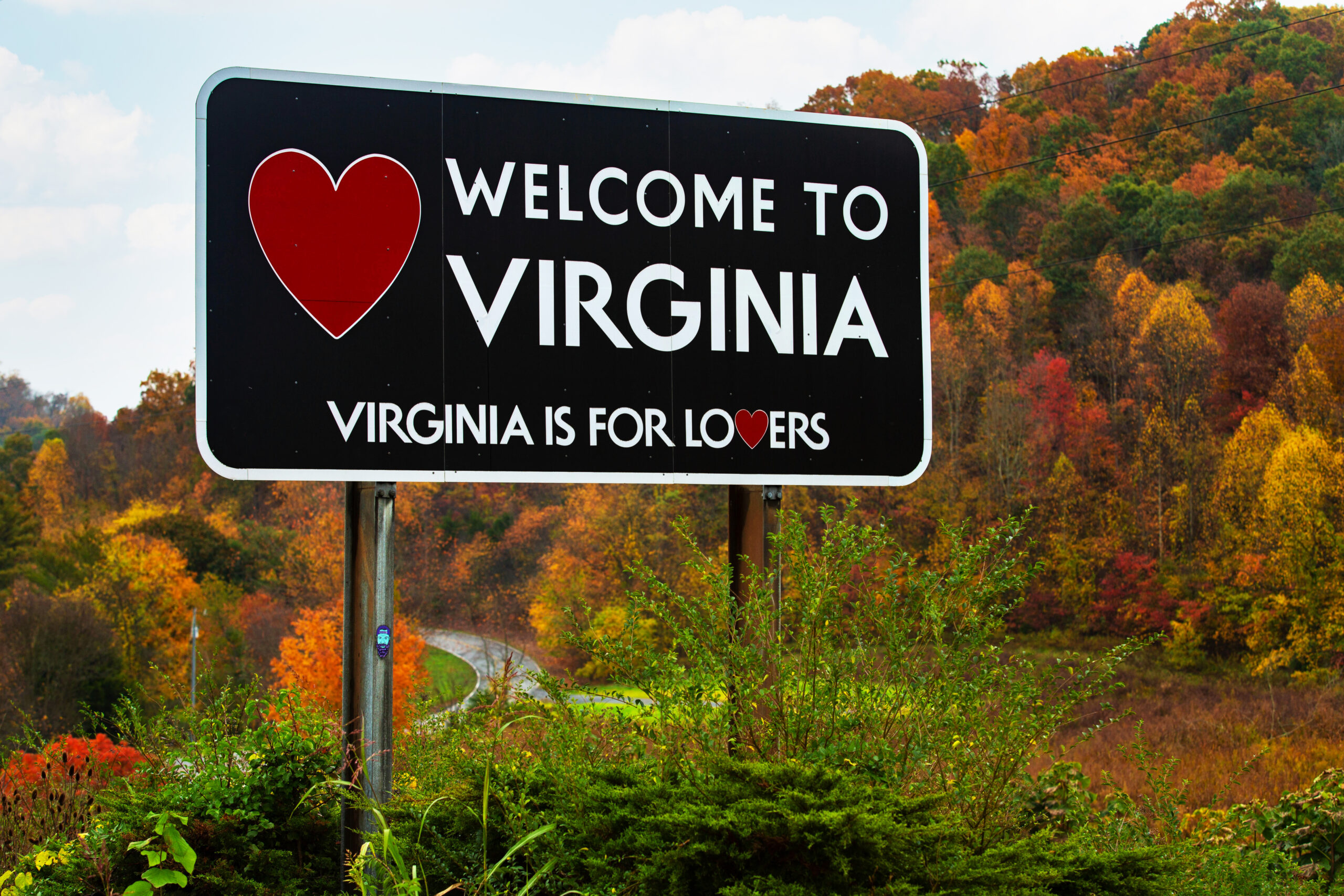
If the United States has a soul, it was first whispered into being in Virginia. Here, along the banks of the James River, English settlers stepped onto new soil in 1607 and built Jamestown, a fragile outpost that would become the seed of a nation. Across four centuries, Virginia has held fast to its paradoxes — old yet youthful, genteel yet untamed, grounded in the past but ever turning toward the future.
From the misted heights of the Blue Ridge Mountains to the salt-scented breezes of the Chesapeake Bay, Virginia is a land of balance and grace. It is both Atlantic and Appalachian — a meeting place of coasts and cultures, of revolution and reflection. Its fields nurtured presidents and poets, its rivers carried ships and dreams, and its red clay still remembers the echo of battles that decided the nation’s course.
Yet to walk through Virginia is not to visit a museum of history — it is to enter a landscape alive with rhythm and renewal. Vineyards rise on old plantations; tech corridors hum beside colonial towns; and through it all, a quiet dignity endures. Virginia is not just the birthplace of America — it is the mirror through which the country still sees its beginnings, its contradictions, and its promise.
Richmond: The River City Reborn

Virginia’s capital, Richmond, is a city of powerful juxtapositions — where cobblestone streets meet sleek breweries, and the rapids of the James River carve through centuries of change. Once the heart of the Confederacy, Richmond has redefined itself as a beacon of art, progress, and perspective.
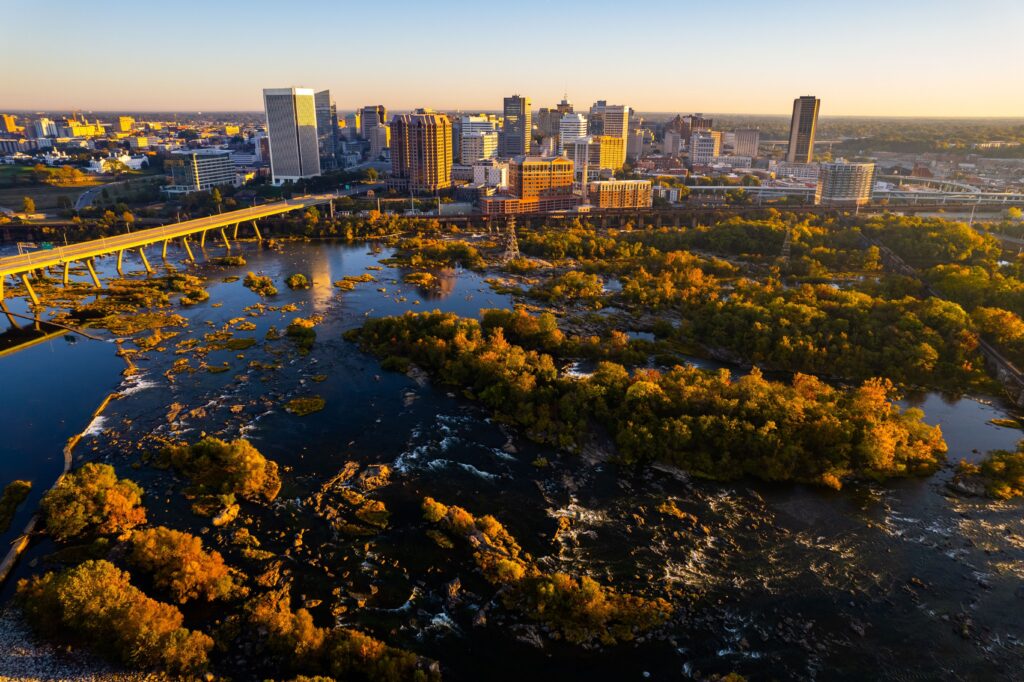
The Virginia State Capitol, designed by Thomas Jefferson, rises above graceful hills, while just below, the Canal Walk threads together the city’s industrial heritage with murals, markets, and the roar of kayakers in the James. Neighborhoods like Church Hill and Jackson Ward tell stories of resilience — the latter once known as “Black Wall Street,” a center of African American enterprise and culture.
Today, Richmond thrives on reinvention. Breweries occupy old tobacco warehouses; galleries fill historic rowhouses; and the scent of Southern cooking mingles with avant-garde cuisine. At sunset, the skyline glows gold against the river, and Richmond feels like what it has always been: not just a capital of Virginia, but a crossroads of America’s conscience.
Williamsburg: The Living Past

Few places bridge centuries as seamlessly as Williamsburg. In the heart of the Historic Triangle — along with Jamestown and Yorktown — it offers an unbroken dialogue between past and present.
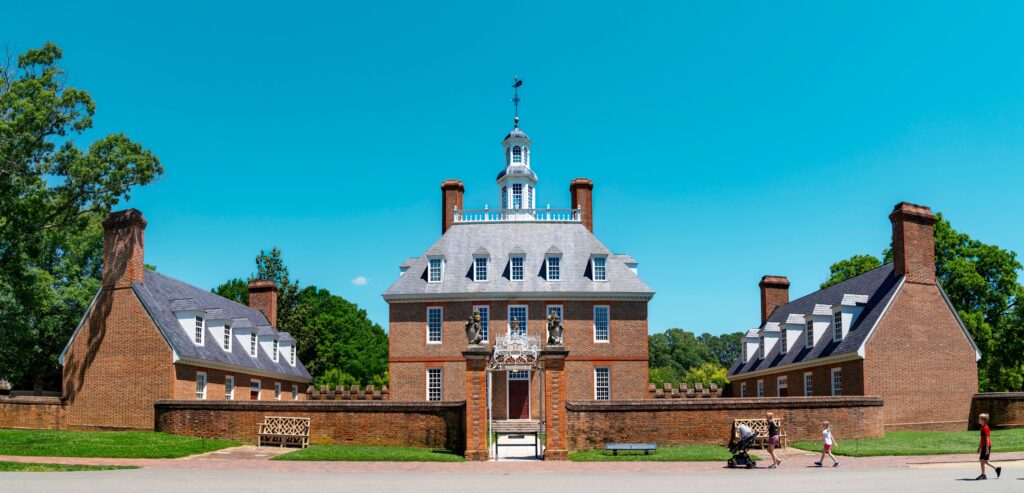
Colonial Williamsburg isn’t merely a museum; it’s a living town. Blacksmiths hammer iron at their forges, carriages roll down Duke of Gloucester Street, and interpreters speak in the cadences of another age. Yet the experience transcends reenactment — it’s an encounter with the ideals and imperfections of America’s founding.
Nearby, William & Mary, the second-oldest university in the nation, lends Williamsburg an academic vitality. The town’s taverns, gardens, and cobbled lanes invite quiet contemplation, while beyond its edges, the Jamestown Settlement and Yorktown Battlefield complete the story — where America began and where it won its freedom.
Williamsburg is more than preservation; it’s continuity — proof that history, when lived rather than displayed, can still change how we see ourselves.
Charlottesville: Jefferson’s Dream and the Blue Ridge Soul

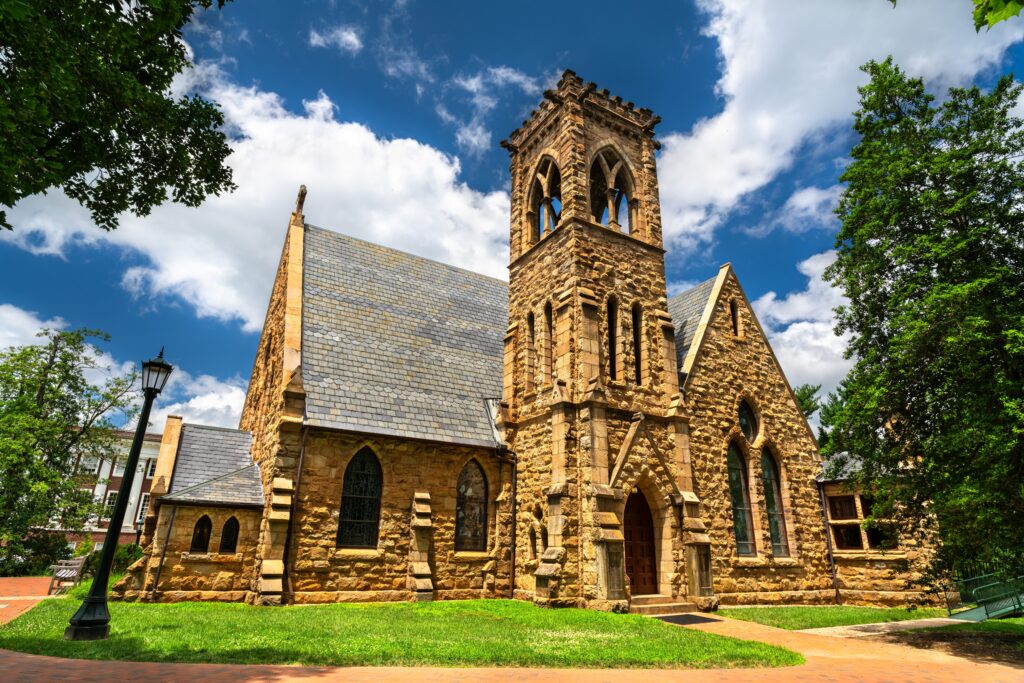
Nestled between rolling vineyards and the soft rise of the Blue Ridge Mountains, Charlottesville radiates both intellect and pastoral beauty. It was here that Thomas Jefferson built Monticello, his neoclassical masterpiece, a mountaintop vision of enlightenment and contradiction. His university, UVA, still reflects that tension — a temple of learning crowned by the Rotunda and filled with the energy of youth.
Beyond academia, Charlottesville pulses with artistry and abundance. Its pedestrian mall buzzes with live music, bookstores, and farm-to-table dining, while surrounding wineries and orchards lend the air a heady sweetness. The nearby Shenandoah National Park opens into a wilderness of ridgelines, waterfalls, and trails that seem to drift endlessly toward the horizon.
Charlottesville embodies the Virginia paradox: deeply historical yet forward-looking, refined yet restless. It is the mind of Jefferson, the beauty of the Blue Ridge, and the warmth of a town that has never lost its human scale.
Shenandoah National Park: The Endless Blue
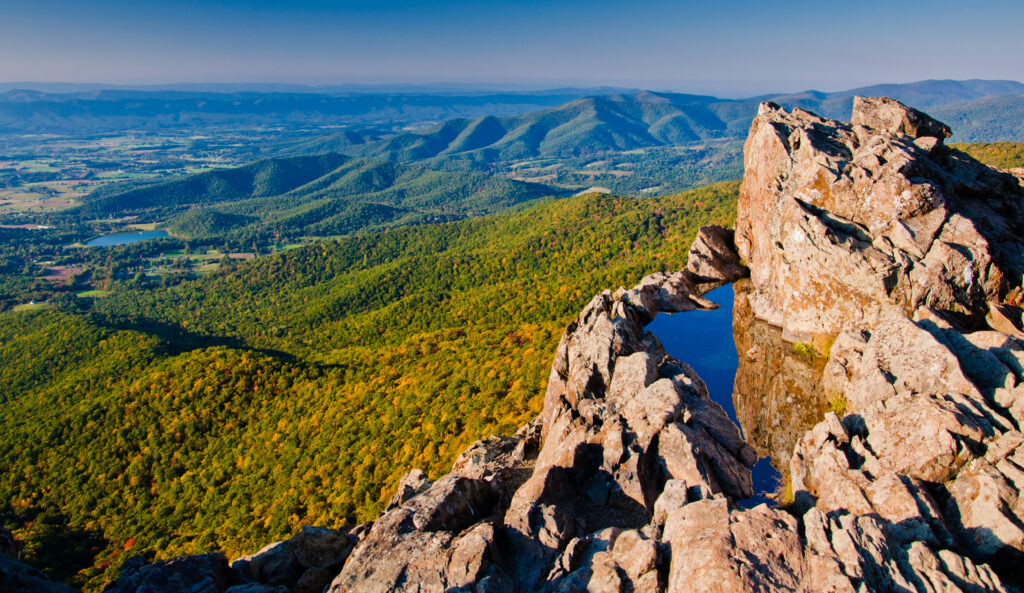
Above the Shenandoah Valley, the Blue Ridge Mountains unfold in waves of mist and music. Shenandoah National Park is not just one of America’s natural treasures — it’s Virginia’s spiritual sanctuary.
The Skyline Drive, stretching 105 miles along the ridge, offers endless vistas where ridgelines blur into haze. At sunrise, the mountains glow like embers; at dusk, they fade into indigo silence. Trails like Old Rag and Whiteoak Canyon lead through forests alive with wildflowers and deer, to waterfalls that tumble like whispered prayers.

Yet the park’s beauty is not just visual — it’s emotional. It speaks of simplicity, of slowing down, of listening. In every breeze and birdsong is the echo of John Denver’s “country roads” and the quiet conviction that nature, once entered, never quite lets you go.
Shenandoah is Virginia’s soul made visible — enduring, unhurried, and infinitely blue.
Norfolk: Where Sea and Sky Collide
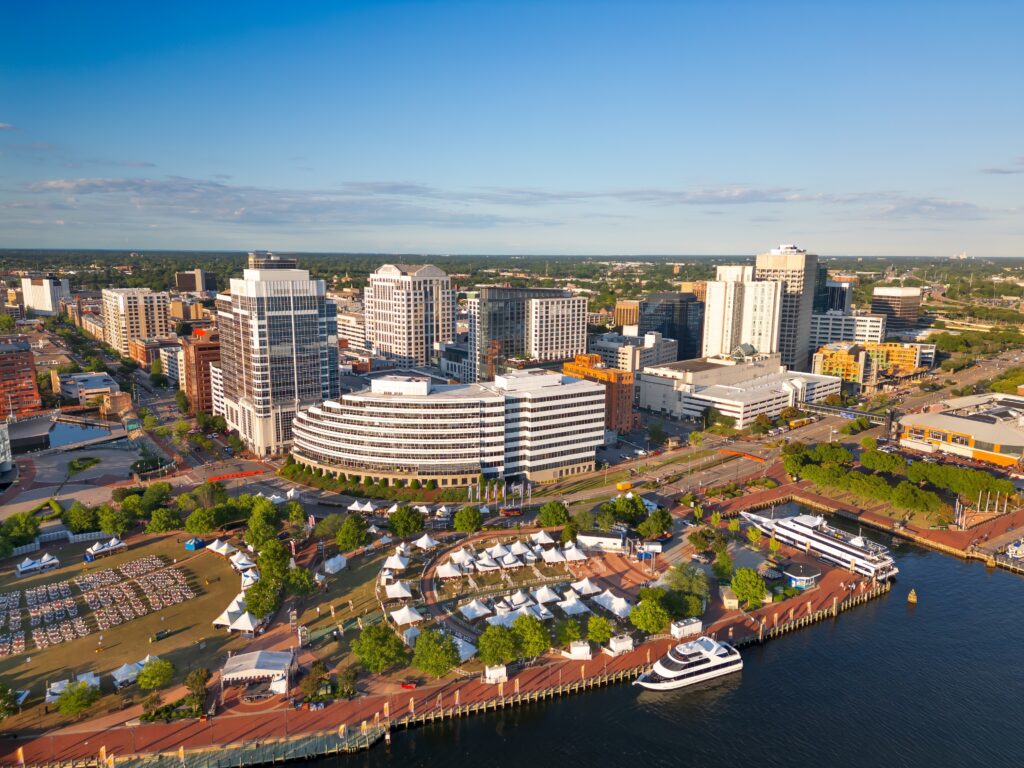
The tide defines Norfolk, a city where salt and story meet. Home to the world’s largest naval base, Norfolk lives by the rhythm of ships and seagulls, of harbors and horizons. Yet beneath its maritime might lies an artistic, vibrant heart.
The Chrysler Museum of Art and Glass Light Studio reflect a city of creativity, while the Virginia Zoo and Waterside District offer joy beside the river. Nearby, Naval Station Norfolk stands as both fortress and symbol — a reminder of Virginia’s centuries-long bond with the sea.
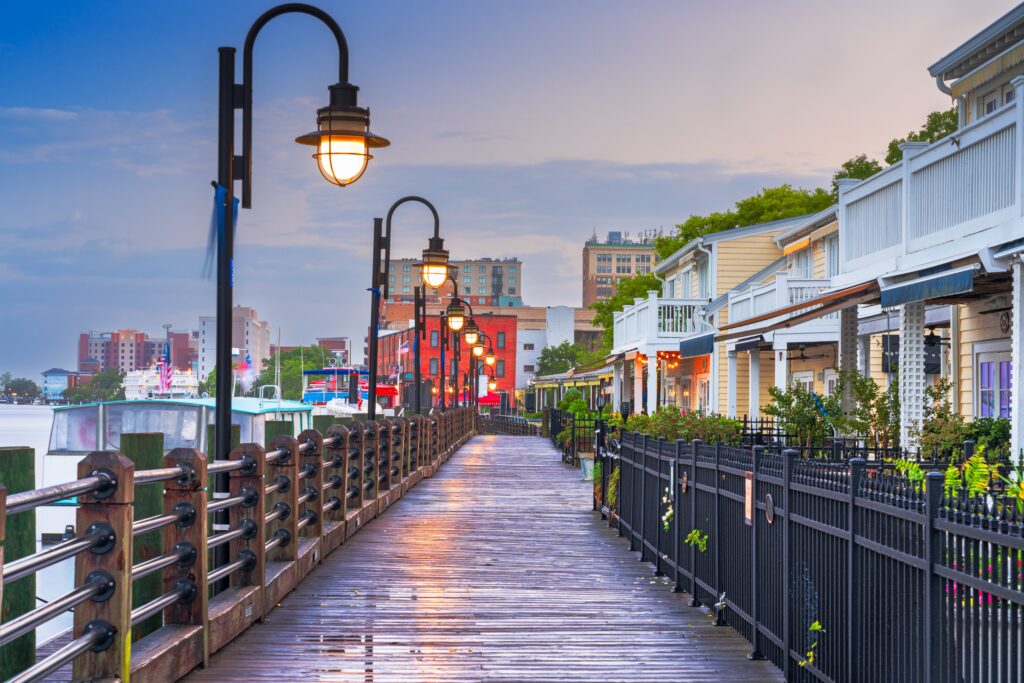
Across the Elizabeth River, ferries link Norfolk to Portsmouth, where cobbled streets and historic homes glow in the sunset. Together, these waterfront cities form a maritime symphony — strong yet graceful, practical yet poetic.
Norfolk’s beauty isn’t loud — it’s tidal. It rises and falls with the water, reminding you that every journey begins, and ends, with the sea.
Virginia Beach: Where the Atlantic Breathes

At the edge of the continent, Virginia Beach stretches like a hymn to the sea. Miles of golden sand meet the restless surf of the Atlantic, and every sunrise feels like a promise renewed. Once a sleepy coastal outpost, the city has become a shimmering balance between nature and vitality — surfboards and naval ships, conservation zones and neon boardwalks.
The Virginia Beach Boardwalk, lined with cyclists, artists, and the salt scent of the ocean, embodies the city’s heart — joyful, sunlit, and unpretentious. Yet only a few miles inland lies another world entirely: the tranquil beauty of Back Bay National Wildlife Refuge and False Cape State Park, where wild horses graze amid dunes and marshes whisper with wind.
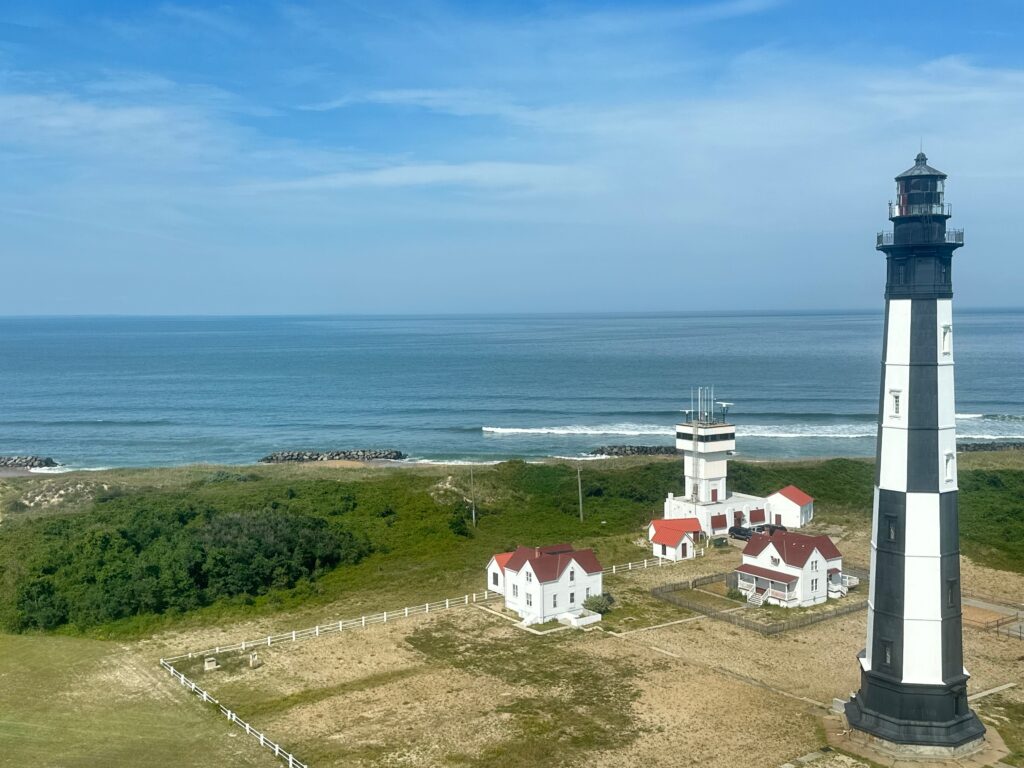
To the north, Cape Henry Lighthouse marks the spot where English settlers first landed in 1607, before sailing inland to found Jamestown. To the south, the ocean opens into infinity. Virginia Beach is both gateway and escape — where the state meets the sea, and the sea never stops reminding it to dream.
Alexandria: The Elegance of the Potomac
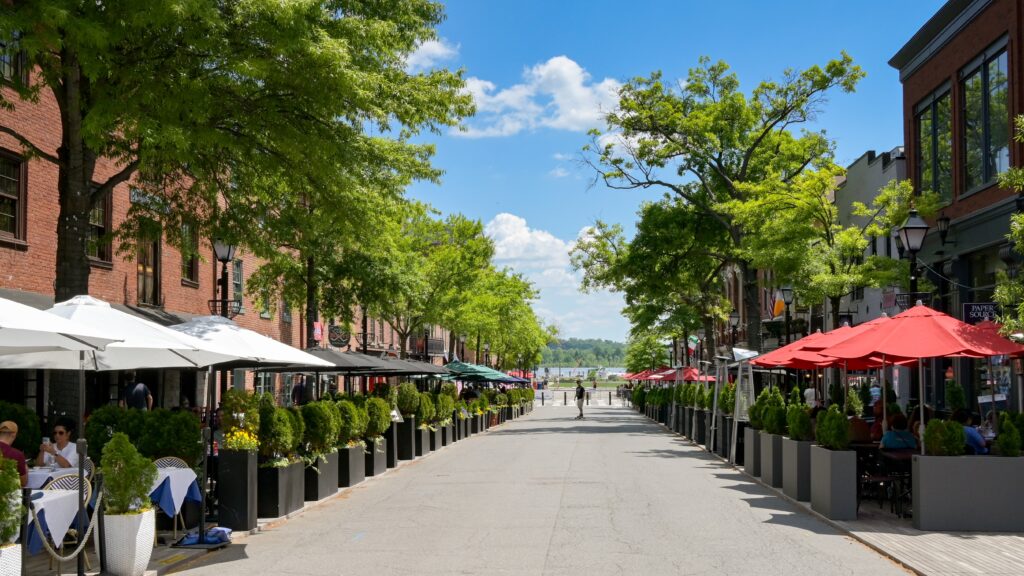
Few American cities possess the quiet dignity of Alexandria. Set along the Potomac River, just across from Washington, D.C., this historic port blends colonial charm with cosmopolitan polish. Cobblestone streets glisten after rain, gas lamps flicker over 18th-century brick, and the scent of coffee and river air mingles in every alleyway.
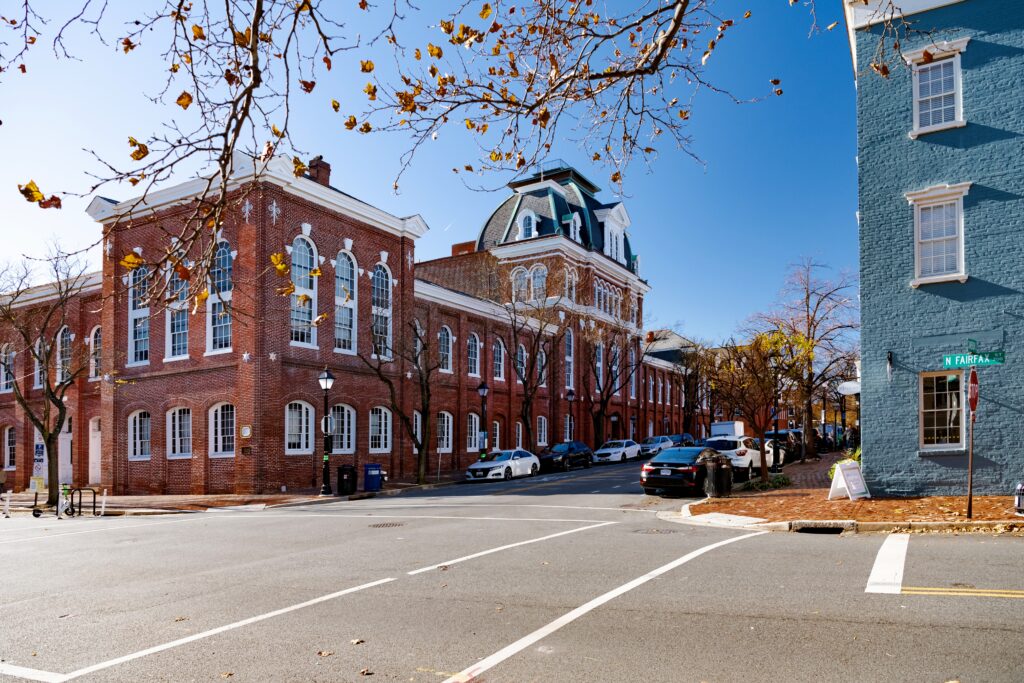
Old Town Alexandria is its heart — a living postcard of waterfront warehouses transformed into boutiques and galleries. At the Torpedo Factory Art Center, artists paint and sculpt in studios that once supplied wartime weapons; at the Alexandria Waterfront Park, locals linger with ice cream as sailboats drift by.
Yet Alexandria is more than its beauty. It was home to George Washington’s Masonic lodge, a key Union stronghold during the Civil War, and one of the South’s earliest hubs of abolitionist thought. Today, it remains a place of ideals — genteel yet progressive, timeless yet alive. Alexandria does not merely preserve history; it embodies the art of living gracefully beside it.
Arlington: Reflections of Honor and Hope
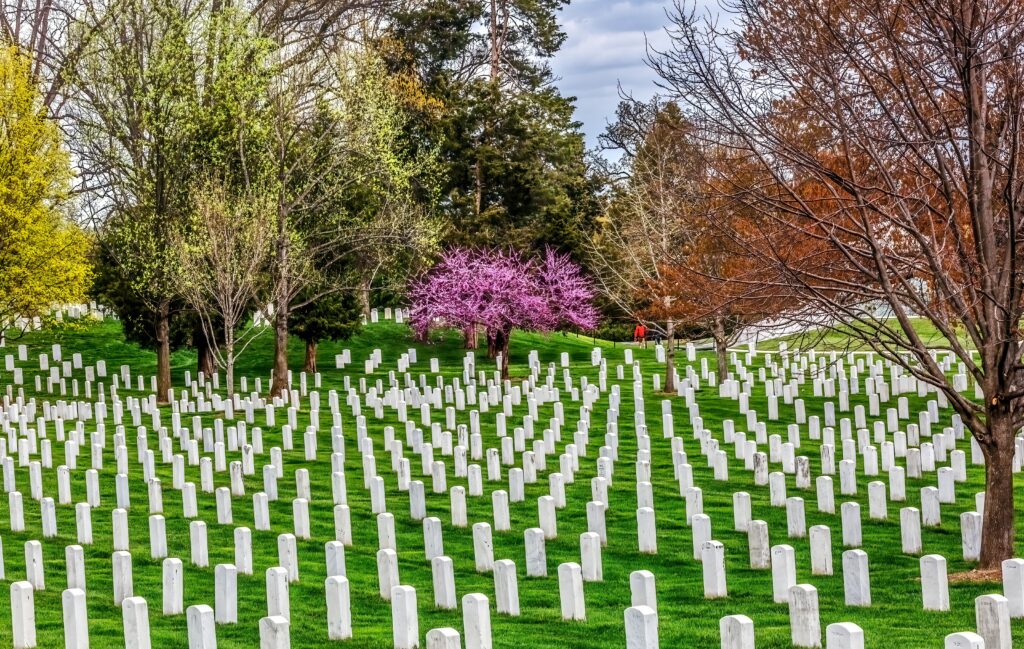
Across the Potomac from the nation’s capital lies Arlington, where the weight of history meets the stillness of remembrance. The rolling lawns of Arlington National Cemetery stretch beneath marble and maple, each white headstone a whisper of sacrifice. At the summit stands the Tomb of the Unknown Soldier, its eternal flame flickering in the breeze — a reminder that the truest monuments are made not of stone, but of silence.
Yet Arlington is no somber relic. It hums with innovation, home to startups, universities, and vibrant neighborhoods like Clarendon and Ballston. The Air Force Memorial, with its silver spires reaching skyward, mirrors the energy of a city that honors the past while reaching toward the future.
From the steps of Arlington House, once Robert E. Lee’s home, the view across the Potomac captures both the grandeur and humility of America. Arlington is the bridge between memory and motion — a place that teaches reverence without sorrow and reminds us that hope, too, has its monuments.
Mount Vernon: The First Home of the Republic
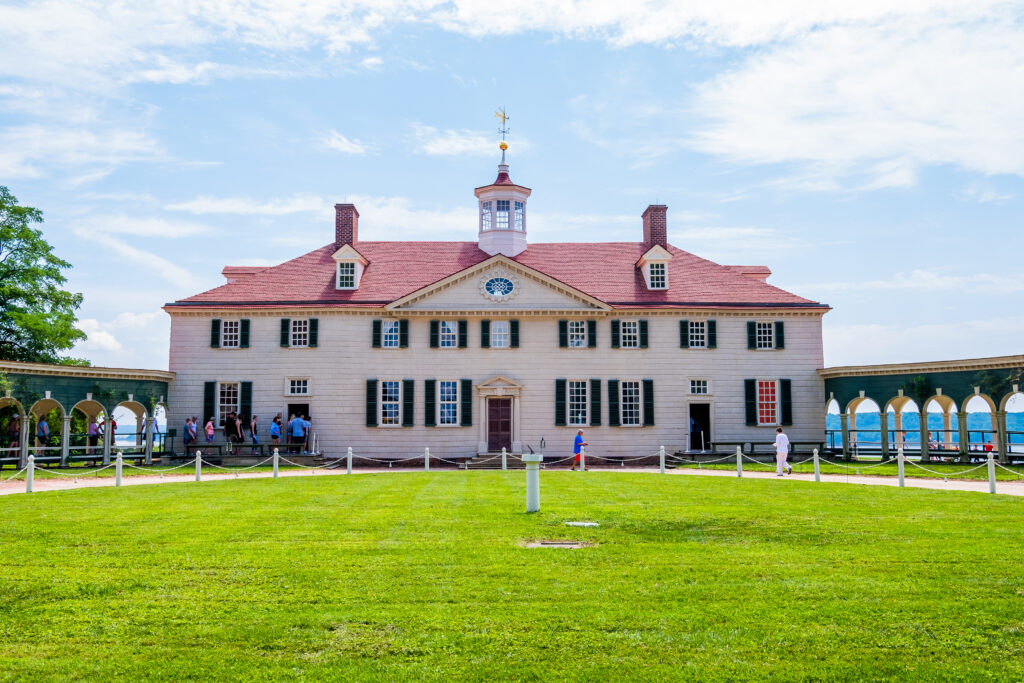
Just downriver from Alexandria, Mount Vernon rests on a hill overlooking the Potomac, serene and dignified — much like the man who once called it home. George Washington’s estate remains one of America’s most cherished landmarks, preserved with a tenderness that transcends tourism.
Visitors walk the same shaded paths that Washington once paced in contemplation. The mansion, with its Palladian symmetry and soft white façade, feels both grand and modest — a physical reflection of its owner’s restraint. Surrounding gardens bloom with colonial herbs, and the breeze carries the scent of river and boxwood.
Inside, time seems to hold its breath: polished wood floors, portraits of family and statesmen, the hum of voices soft with awe. Beyond the mansion, the Washington Family Tomb stands as a quiet benediction — a reminder that leadership, at its truest, begins and ends with humility.
Mount Vernon is not a museum of greatness; it is a meditation on legacy — the enduring question of what it means to lead with grace.
Roanoke: The Star of the Blue Ridge
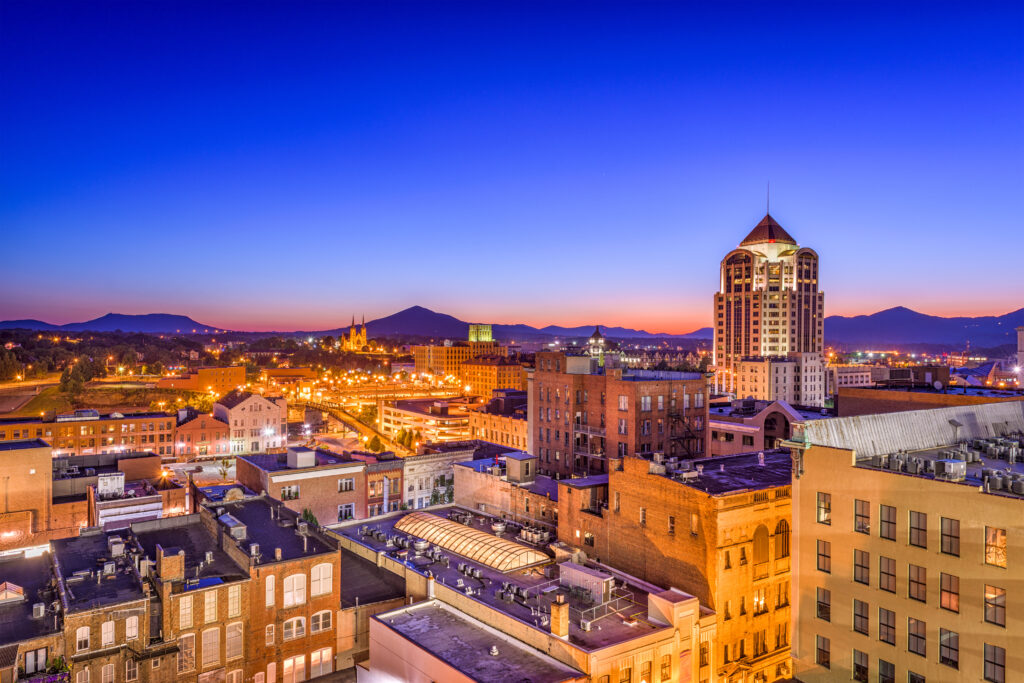
Tucked amid the Blue Ridge Mountains, Roanoke shines both literally and figuratively. Its iconic Mill Mountain Star, glowing over the valley since 1949, serves as a beacon for travelers winding through western Virginia’s peaks. But Roanoke’s light comes from more than steel and electricity — it radiates from the city’s spirit itself.
Once a railroad town, Roanoke reinvented itself as a cultural and outdoor haven. The Taubman Museum of Art, with its gleaming modernist form, contrasts beautifully with the city’s redbrick warehouses. The City Market Building, alive with food and laughter, anchors downtown in convivial charm.
Beyond the streets, trails beckon — the Appalachian Trail, Blue Ridge Parkway, and Explore Park all lie within minutes. At sunset, when the valley glows and the Star flickers on, Roanoke feels timeless — a blend of grit, grace, and glowing mountain air. It is the pulse of Virginia’s western soul, where nature and humanity share the same quiet pride.
Fredericksburg: Where the Past Still Echoes
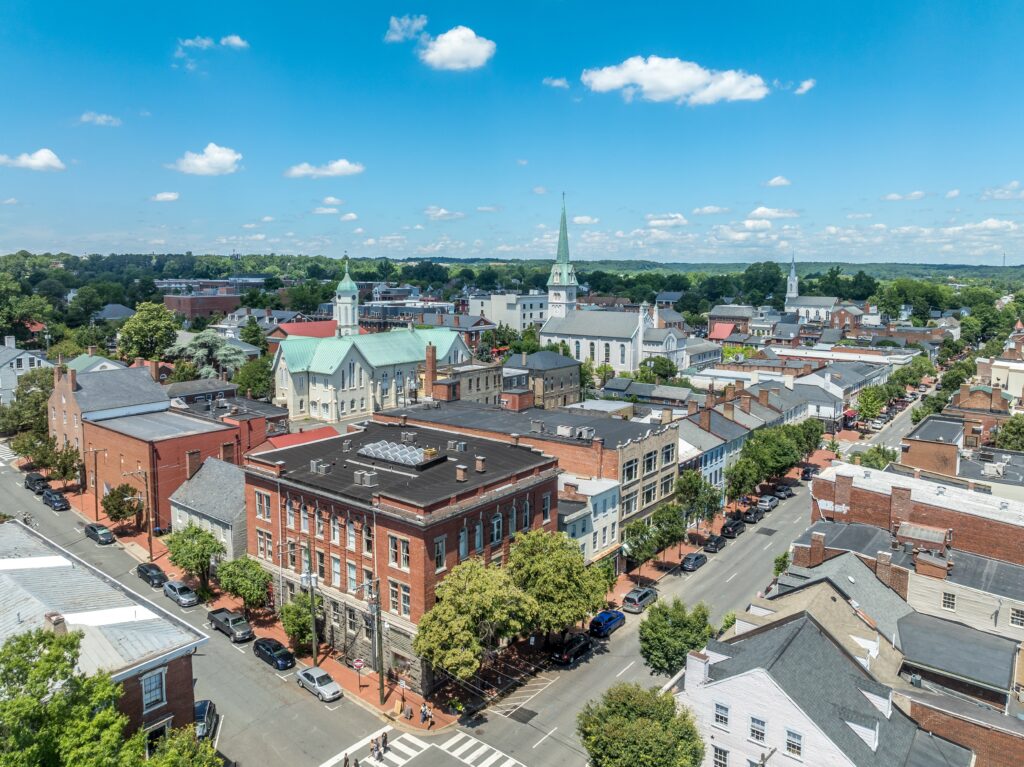
Between Washington, D.C. and Richmond lies Fredericksburg, a town forever suspended between two centuries — one of colonial charm, the other of Civil War memory. Its cobbled streets, shaded by elms and magnolias, carry the echoes of hoofbeats and gunfire, laughter and loss.
At Fredericksburg Battlefield, time folds in on itself. The rolling fields seem tranquil now, yet beneath the soil lies the memory of one of the war’s bloodiest encounters. The Sunken Road and Marye’s Heights still whisper of courage and futility, where blue and gray clashed under winter skies.
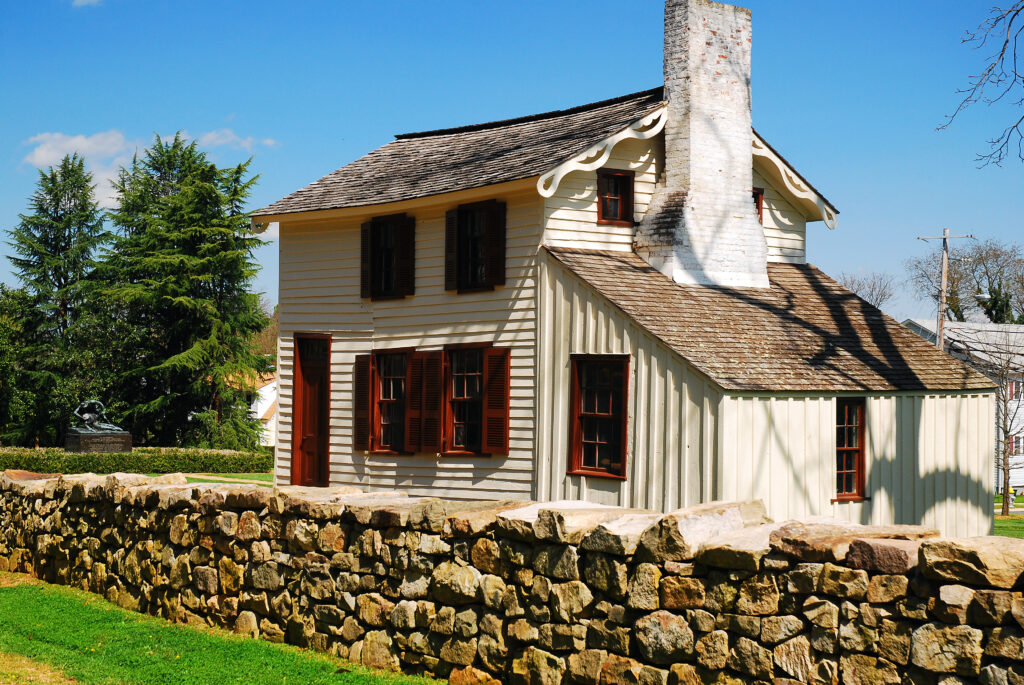
Yet Fredericksburg is not frozen in sorrow. Its Historic District hums with vitality — antique shops, bakeries, and Georgian townhouses lovingly preserved. The Rappahannock River, once a line of division, now glints with kayaks and evening light. In Fredericksburg, the past is not simply remembered; it is lived with, in quiet dignity and enduring grace.
Lynchburg: The City on Seven Hills

Rising from the banks of the James River, Lynchburg wears its history with elegance. Founded by Quaker settlers and shaped by commerce, education, and faith, it’s known as “The Hill City” — a name as literal as it is metaphorical.
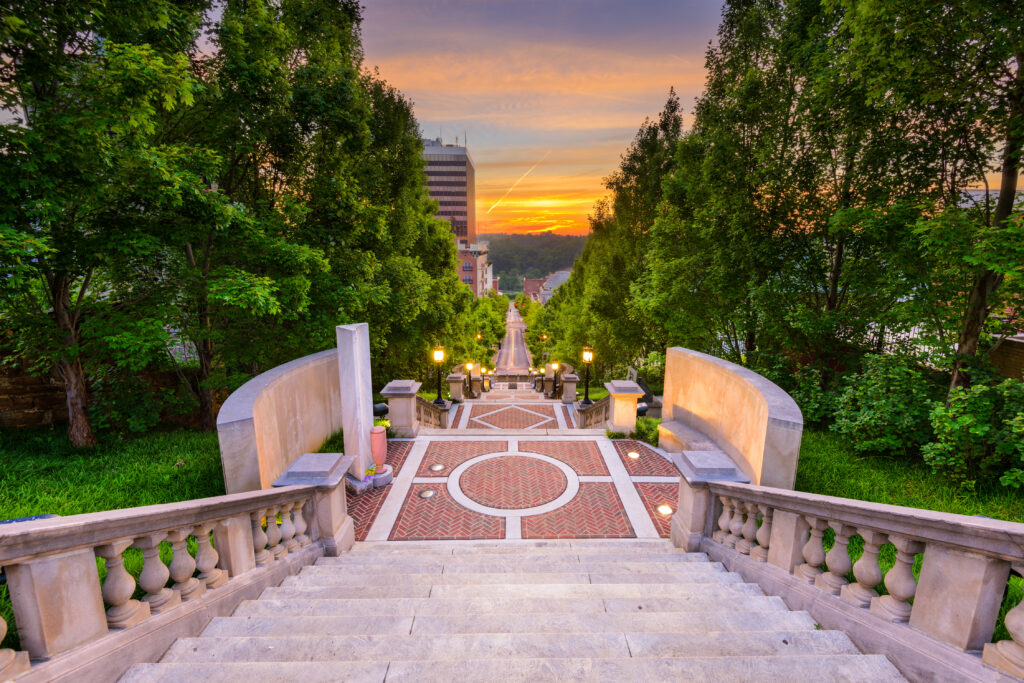
Downtown Lynchburg hums with rebirth. Once-industrial warehouses now house cafés and art galleries, while The Bluffwalk offers sweeping views of the river that once carried tobacco and textiles to the Atlantic. The Old City Cemetery, lush with magnolias and wrought iron, serves as both a resting place and a botanical garden — a Southern Gothic tableau of remembrance and renewal.
Above it all, Randolph College and Liberty University remind visitors that this is a city of learning and ideals. At sunset, the light over the James shimmers amber and rose, and Lynchburg’s seven hills glow as though holding centuries of stories in their folds. It is a city of resilience — not loud, not hurried, but deeply, quietly certain of its worth.
Winchester: Gateway to the Shenandoah
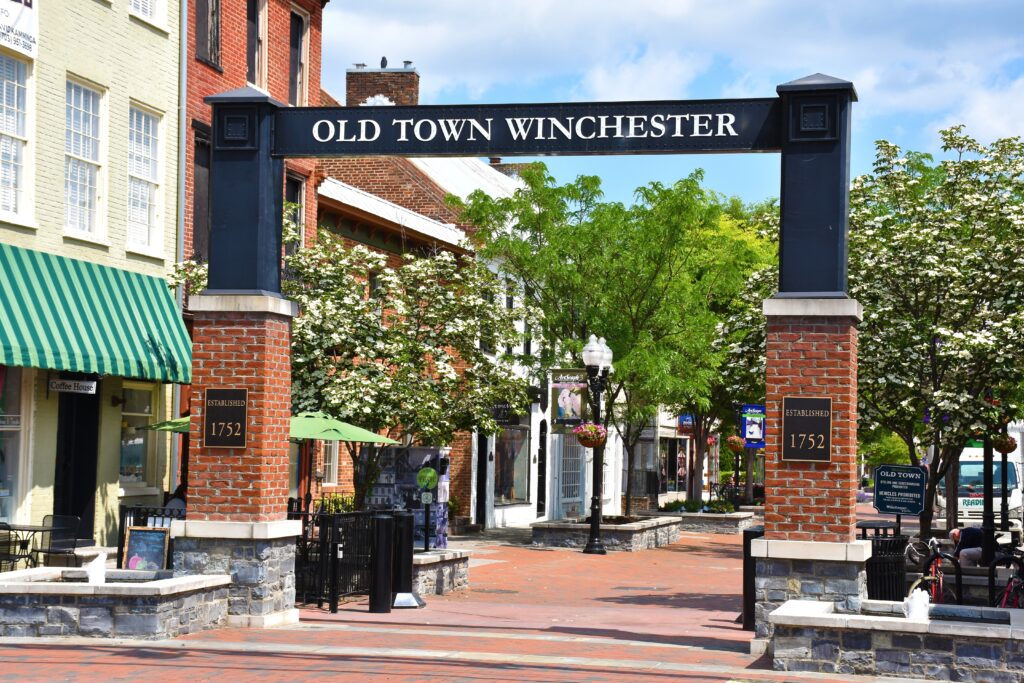
Nestled in the northern Shenandoah Valley, Winchester feels like the soft exhale at the end of a long Appalachian sentence. It’s a city of orchards, music, and endurance — where mountain rhythms and frontier pragmatism still define the days.
Each spring, the Apple Blossom Festival paints the town in pink and white, a jubilant celebration of the valley’s agricultural soul. Historic Old Town Winchester brims with brick façades, boutiques, and outdoor cafés — a picture of small-town grace framed by blue hills.
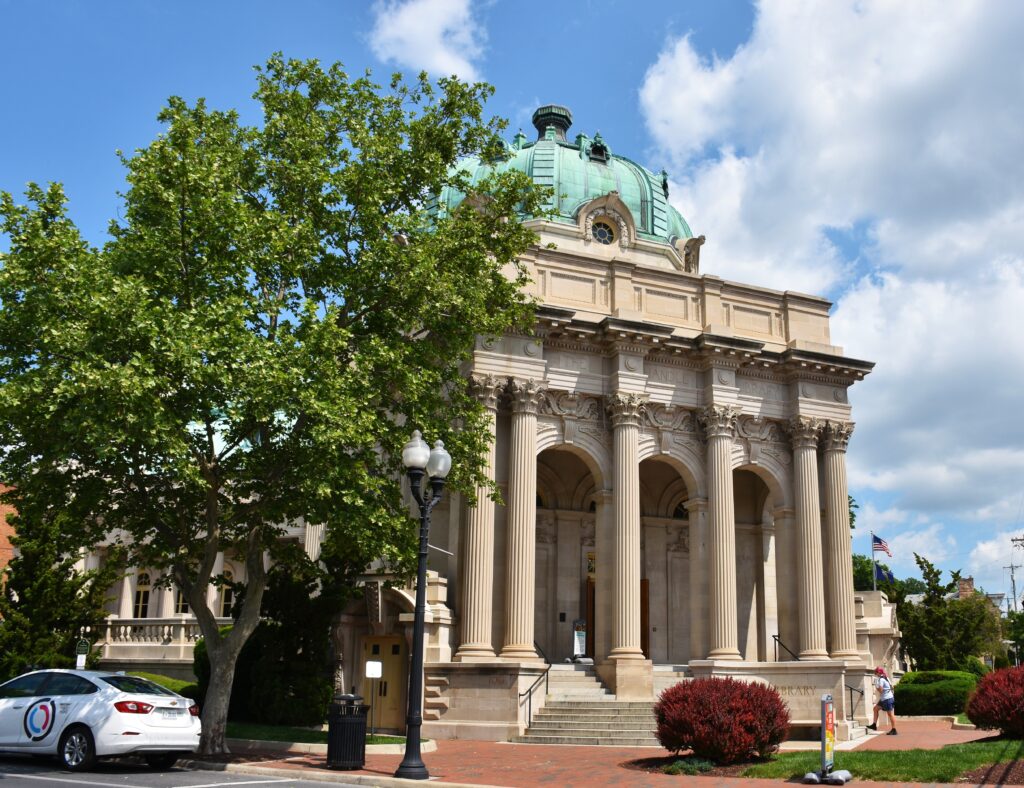
Yet Winchester’s heart beats with deeper history. During the Civil War, it changed hands more than seventy times — a testament to its strategic importance and the people’s stubborn fortitude. Today, Stonewall Jackson’s Headquarters, George Washington’s Office Museum, and the nearby Shenandoah Valley Civil War Museum keep those stories alive.
Winchester is Virginia distilled — genteel, grounded, touched by beauty and burden in equal measure. And when the valley mist rises in morning light, you can almost hear the hum of distant fiddles — the music of belonging.
Staunton: The Soul of the Valley

Staunton (pronounced “Stan-ton”) is a jewel of the Shenandoah — small enough to feel personal, cultured enough to astonish. It’s a place where Victorian architecture gleams, where every storefront and spire tells a story of care and craftsmanship.
The American Shakespeare Center brings Elizabethan drama to life within the world’s only re-creation of the Blackfriars Playhouse — proof that art thrives even far from cities of fame. Mary Baldwin University, perched on a hill, adds youthful energy to this mountain town of scholars and dreamers.
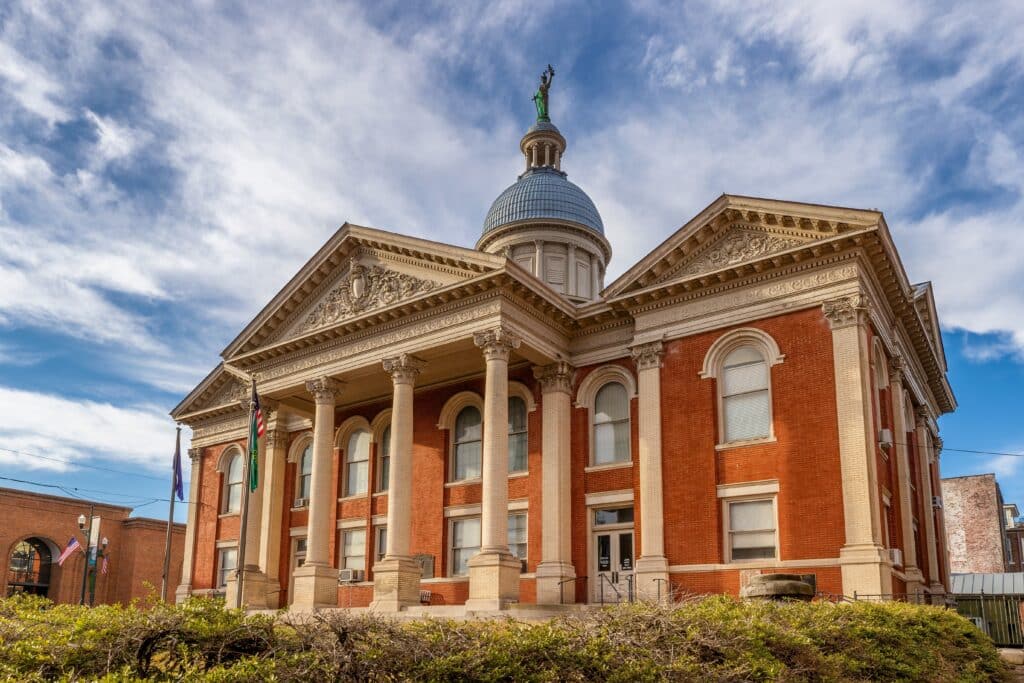
Beyond the streets, rolling farms lead to the Blue Ridge Parkway, and sunsets stain the sky with the soft hues of peach and gold. Staunton’s rhythm is contemplative — it’s not a place you pass through, but one you settle into, like a melody you recognize from somewhere deep in memory.
Here, history isn’t an artifact; it’s a living companion, greeting you with the warmth of an innkeeper and the dignity of a poet.
Abingdon: Appalachia’s Artistic Heart
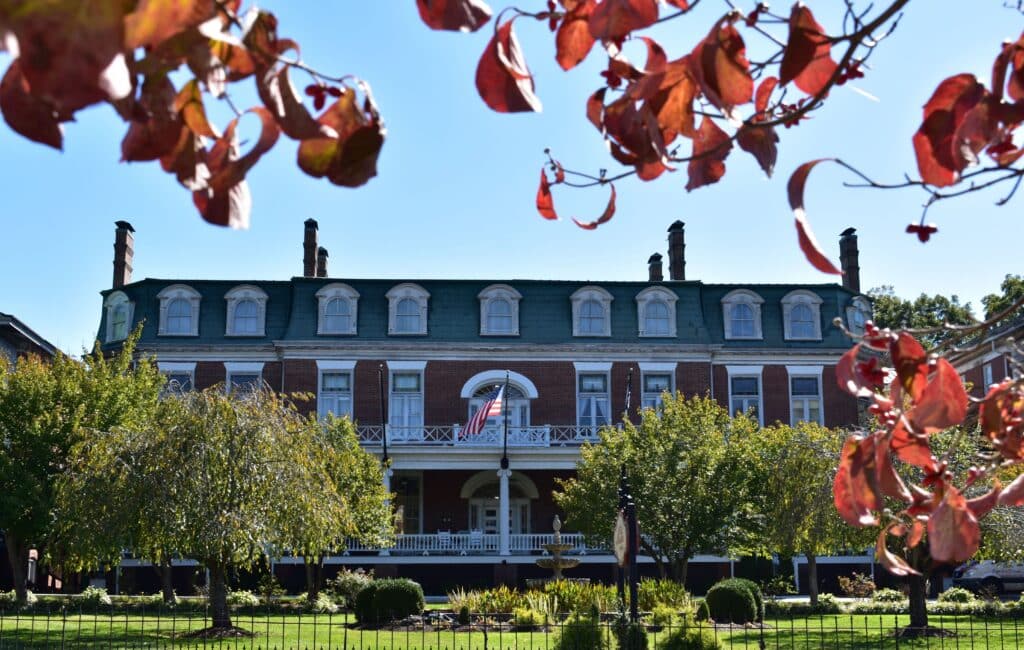
In the far southwest, where Virginia’s hills grow wilder and the air takes on a mountain sweetness, lies Abingdon — a town that proves culture can thrive even at the edge of the wilderness.
Founded in the 18th century, Abingdon’s Main Street remains a tableau of brick sidewalks, antique lampposts, and white porches blooming with geraniums. Yet it’s the Barter Theatre, opened in 1933 during the Great Depression, that defines the town’s spirit. Here, hungry actors once performed in exchange for produce — “ham for Hamlet,” as the legend goes. Today it’s one of the longest-running theatres in the nation, still glowing with creative fire.
Nearby, the Virginia Creeper Trail winds 34 miles through forests, trestles, and streams — a cyclist’s paradise and a poet’s retreat. Every turn offers another view of Appalachia’s green immensity.
Abingdon is where artistry and endurance meet, where mountain quiet yields to applause, and where the enduring heart of rural Virginia beats steady — soft-spoken, luminous, and free.
Harrisonburg: The Friendly City of the Valley
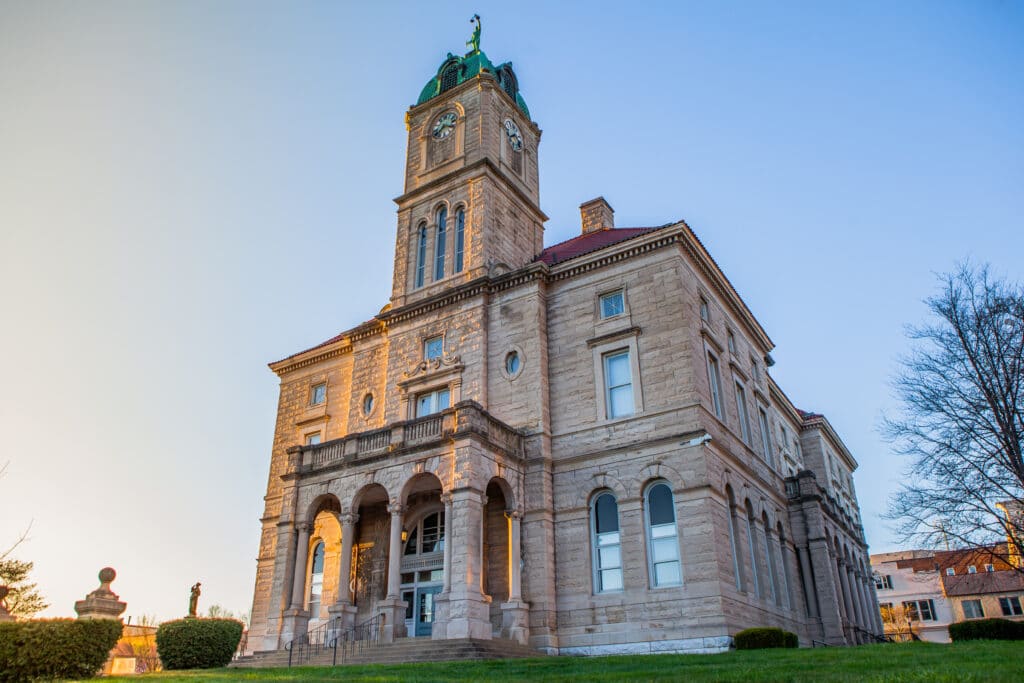
Tucked in the Shenandoah Valley, Harrisonburg blends mountain serenity with youthful vibrancy. Centered around James Madison University, the town radiates an open, unpretentious warmth — the kind that makes strangers feel immediately like neighbors.
Downtown is a mosaic of art, craft beer, and Appalachian cuisine — farm-to-table fare served in 19th-century storefronts. The Court Square Theater and Harrisonburg Farmers Market draw locals year-round, celebrating the creativity and community that define this “Friendly City.”
Beyond the streets, the Blue Ridge Mountains loom close enough to touch. Trails lead into the George Washington National Forest, where waterfalls murmur and songbirds accompany hikers into solitude.
Harrisonburg embodies Virginia’s future as much as its past — diverse, dynamic, and deeply tied to the land. It is a place that thrives not on grandeur, but on authenticity — the quiet assurance that the most beautiful stories are often the simplest ones.
Chincoteague Island: Where the Wild Ponies Roam
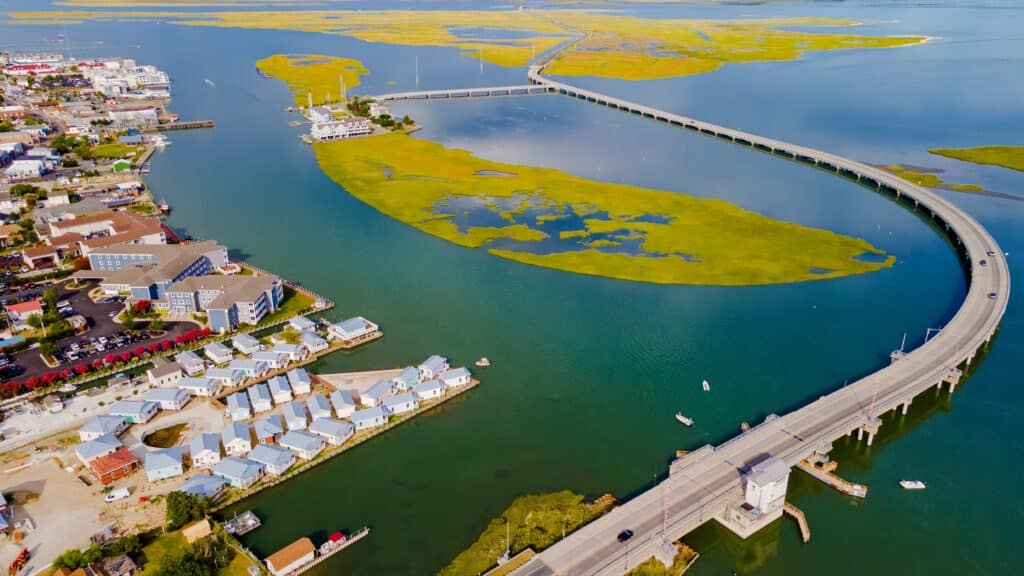
At the edge of Virginia’s Eastern Shore lies Chincoteague Island, a world apart — salt marshes, quiet streets, and skies so wide they seem to swallow the horizon. But it’s the wild ponies that make this place magical.
Each July, during the Pony Swim, the herd from Assateague Island crosses the channel in a spectacle that feels older than the calendar — a living ritual of sea and spirit. The ponies, descendants of shipwrecked horses or colonial herds (depending on which legend you favor), embody the island’s wild freedom.
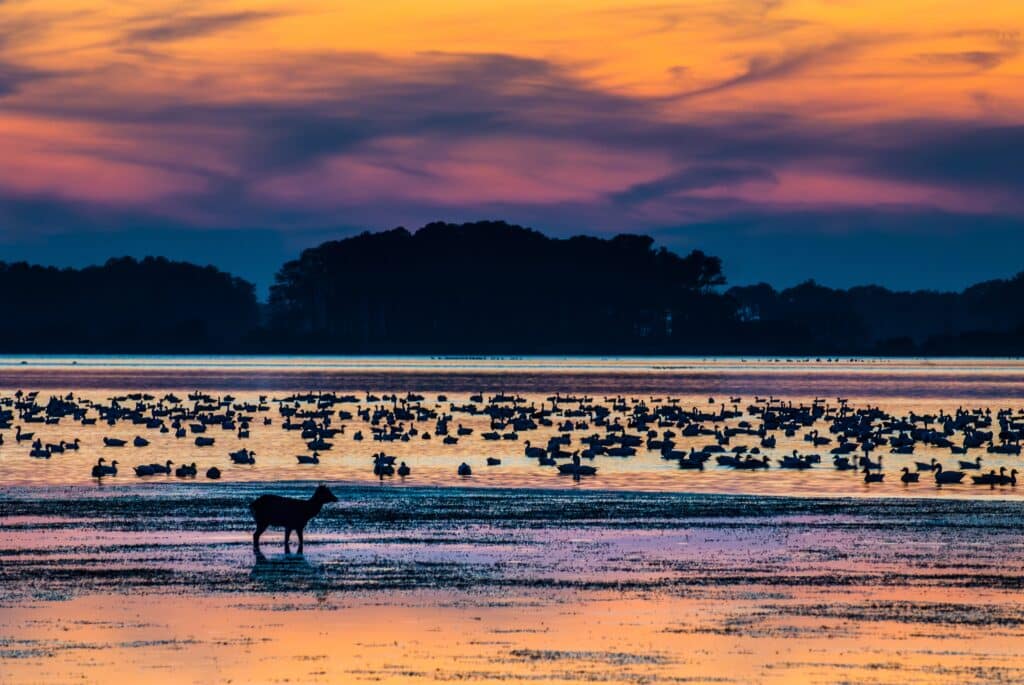
The Chincoteague National Wildlife Refuge offers trails through maritime forest and dunes alive with herons, ospreys, and deer. At dusk, the lighthouse on Assateague glows red against a violet sky, guiding boats — and perhaps dreams — home.
Chincoteague is not a place of hurry. It’s where you come to breathe slower, to hear the wind moving through cordgrass, to feel that small and sacred reminder that nature’s beauty asks for nothing but wonder.