
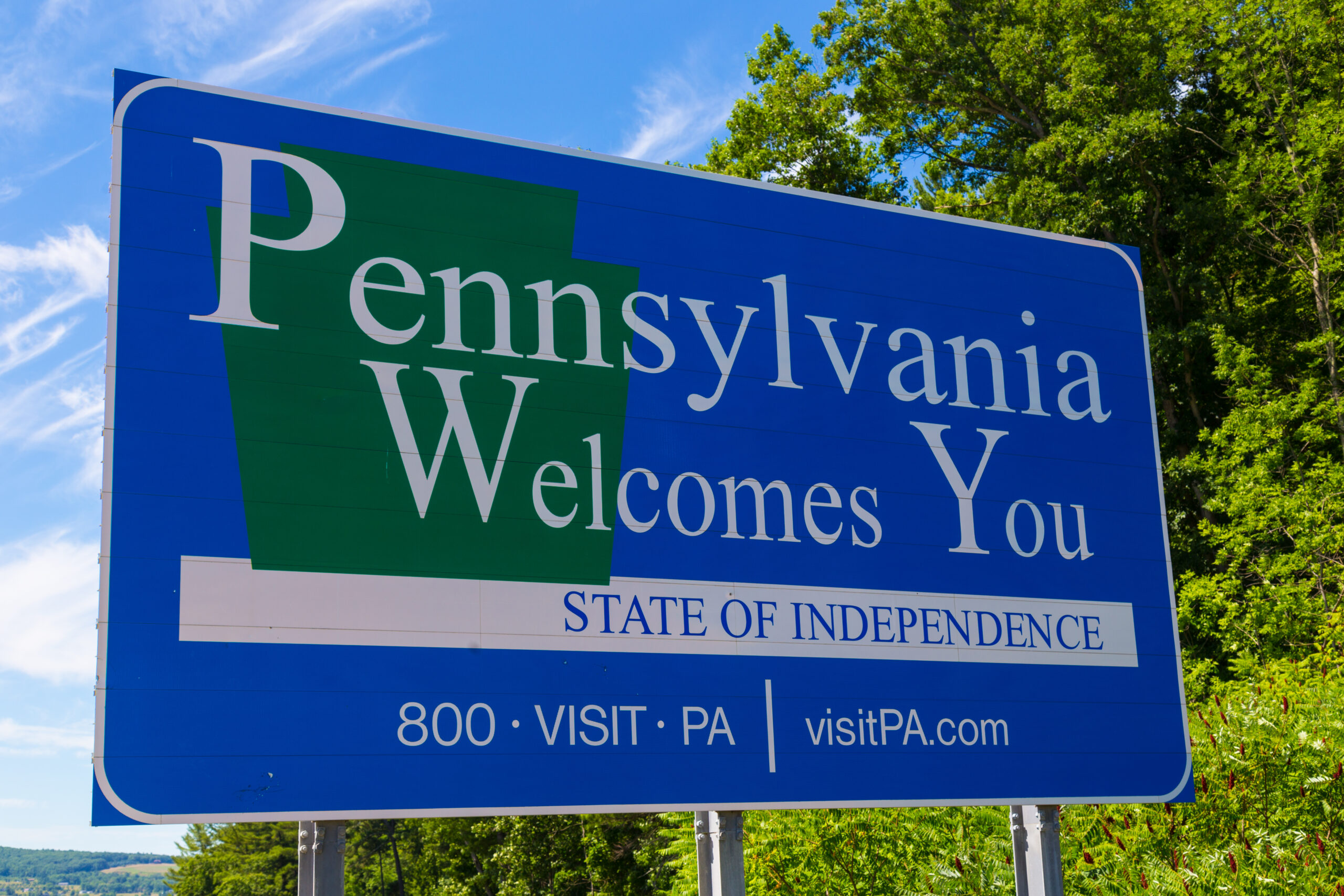
Pennsylvania is the hinge on which American history turns — a state that binds the country’s story like the keystone in an old stone arch. From the Quaker ideals of tolerance that shaped its founding, to the thunder of steel mills and the whispers of Appalachian forests, this is a place where the past never feels far away.
The name “Penn’s Woods” still fits. Nearly half the state remains forested, and these woods carry echoes — of Lenape hunters, of revolutionaries hiding dispatches, of farmers carving homesteads into shale and limestone. The land itself is a study in contrast: the industrial might of Pittsburgh and Bethlehem, the pastoral calm of Lancaster, the political gravity of Philadelphia, and the rugged solitude of the Laurel Highlands and Pocono Mountains.
But Pennsylvania is more than the sum of its histories. It’s a state of firsts — the first constitution, the first zoo, the first hospital, the first sparks of democracy. It is the site of triumph and tragedy: Gettysburg’s battlefield, Johnstown’s flood, and the quiet dignity of coal miners and steelworkers who built a nation from ore and sweat.
Today, the state’s cities hum with new energy — tech replacing tanneries, craft breweries where blast furnaces once glowed. Yet even in the modern pulse, the old virtues endure: hard work, humility, a love of community. Pennsylvania never rushes to impress; it simply endures, like the Allegheny ridges that roll to its horizon.
To travel here is to read the story of America chapter by chapter — every valley a verse, every river a refrain.
Philadelphia: The Cradle of Liberty
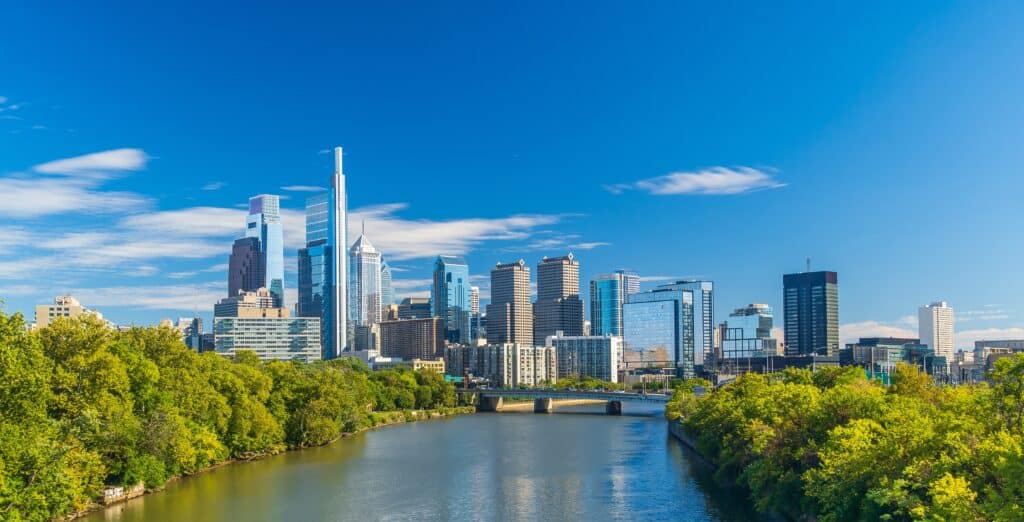
No other American city wears its history so openly as Philadelphia. Walk down Chestnut Street, and the 18th century still lingers in the brickwork and bell towers. Here, in Independence Hall, the Founding Fathers drafted the Declaration that changed the world, and in nearby Carpenters’ Hall, revolution found its first pulse.
Yet Philadelphia is far from a museum piece. It’s a living city of neighborhoods, each with its own rhythm — the cobblestones of Society Hill, the murals of Fishtown, the aromas of South Philly’s Italian Market, and the jazz and soul echoing from West Philadelphia windows.

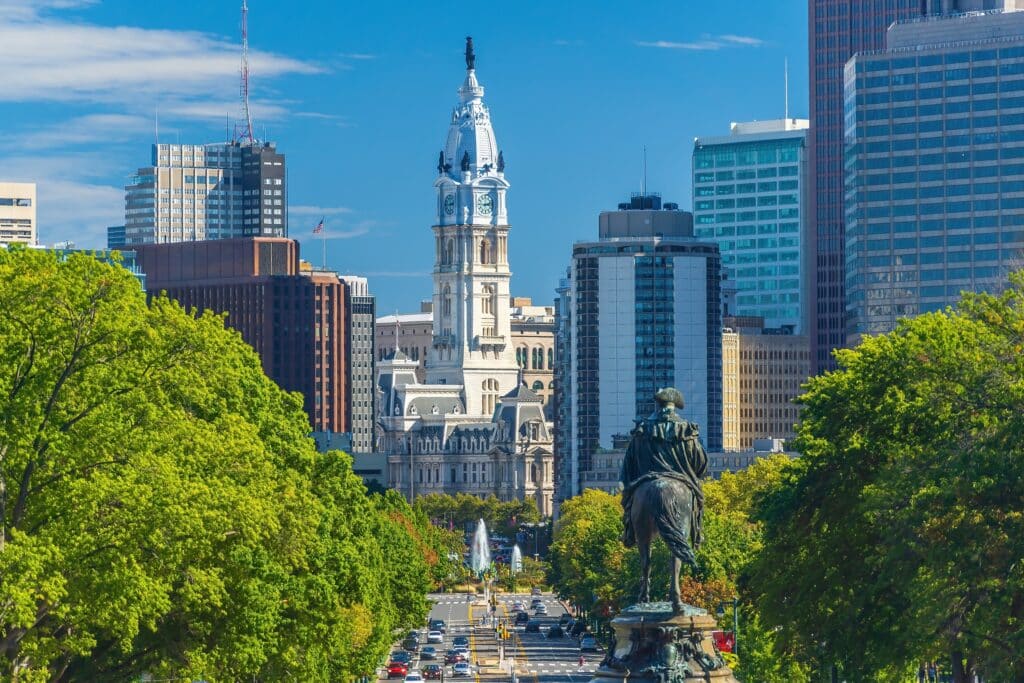
The Philadelphia Museum of Art crowns the city like a temple of culture, its steps immortalized by Rocky — a symbol not of Hollywood, but of the city’s working-class grit. Down by the Schuylkill River Trail, runners and rowers glide where ships once ferried coal and timber.
At its heart, Philly is about authenticity. It doesn’t smooth its edges; it polishes them with pride. You taste it in a cheesesteak dripping with provolone, hear it in the clang of a trolley, feel it in the roar when the Eagles score.
In Philadelphia, liberty isn’t just a monument — it’s a way of life.
Pittsburgh: The City of Steel and Transformation
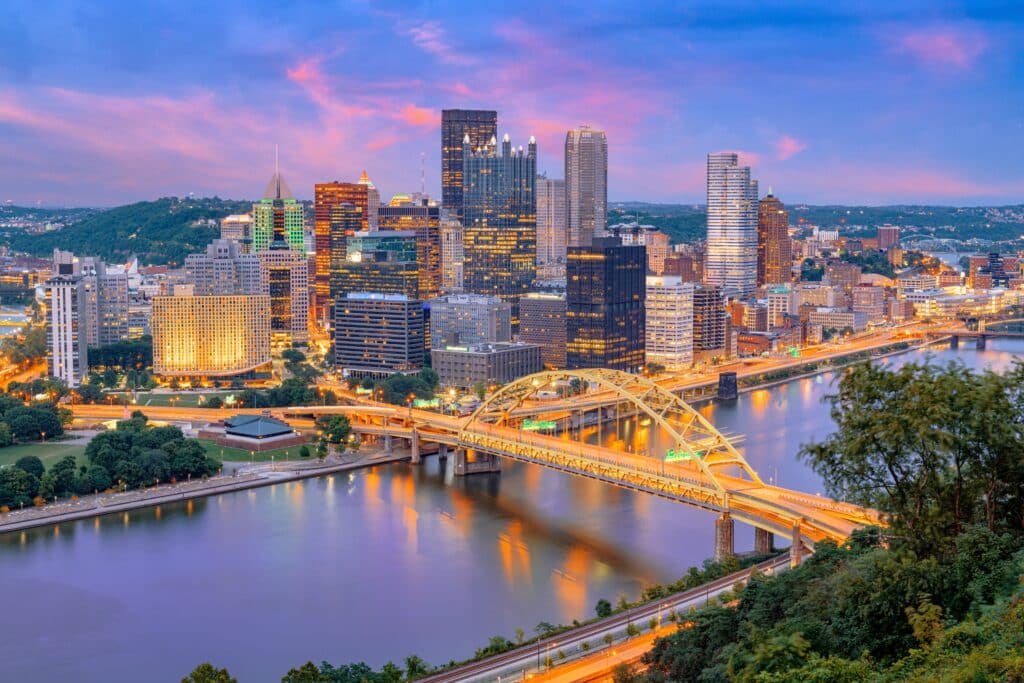
Pittsburgh rises from the meeting of three rivers — the Allegheny, Monongahela, and Ohio — like a city reborn from its own ashes. Once the smoky forge of America’s industry, it has transformed into a gleaming symbol of innovation and resilience.
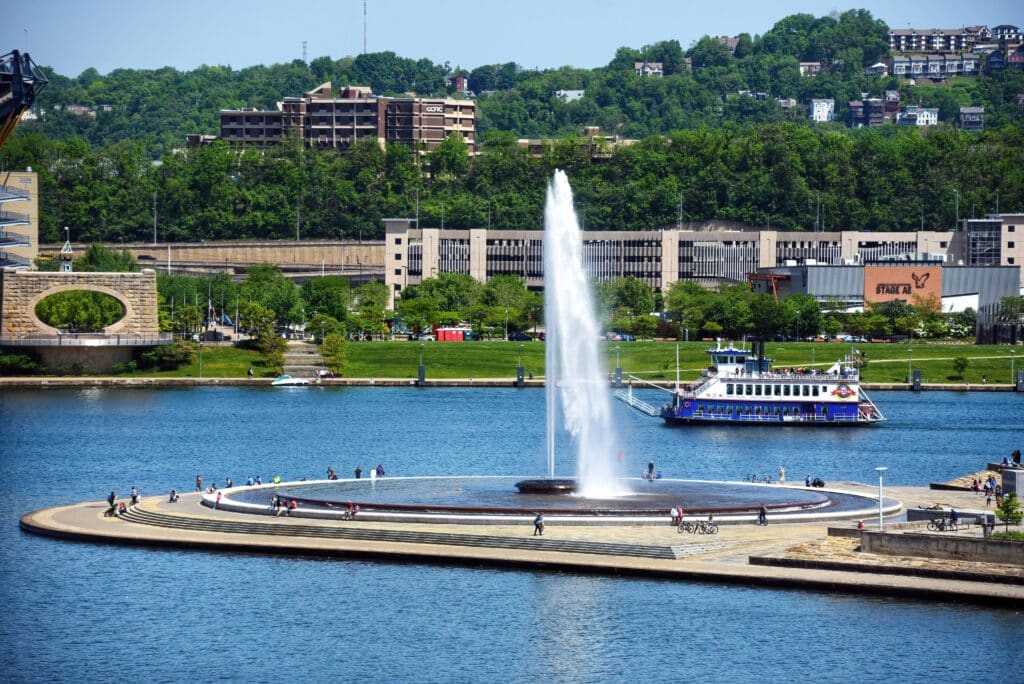
At the Point State Park, where the rivers converge, a golden fountain marks the city’s rebirth. The skyline reflects in the water — glass, steel, and green hills intertwined. The Duquesne Incline still creaks up Mount Washington, offering one of the most breathtaking urban views in the country: bridges, spires, and sunlight threading through valleys once blackened by coal dust.
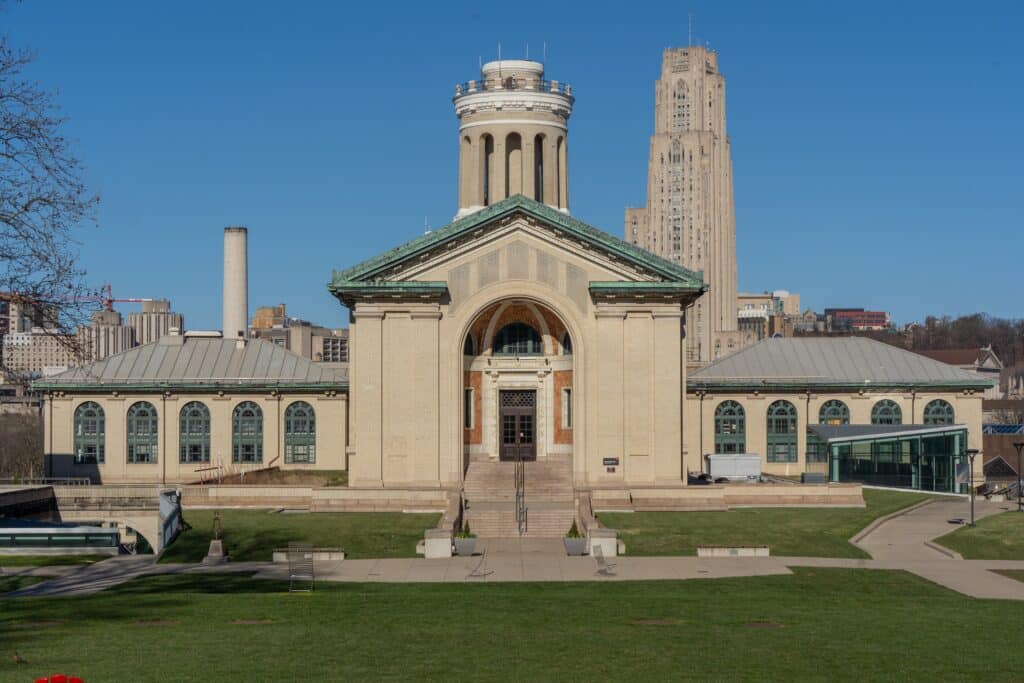
Pittsburgh’s strength has always been its people — pragmatic, proud, adaptable. When the steel mills closed, the city didn’t despair; it reimagined. Today, its universities — Carnegie Mellon and the University of Pittsburgh — fuel robotics, AI, and medicine. Old factories now house breweries and art collectives.
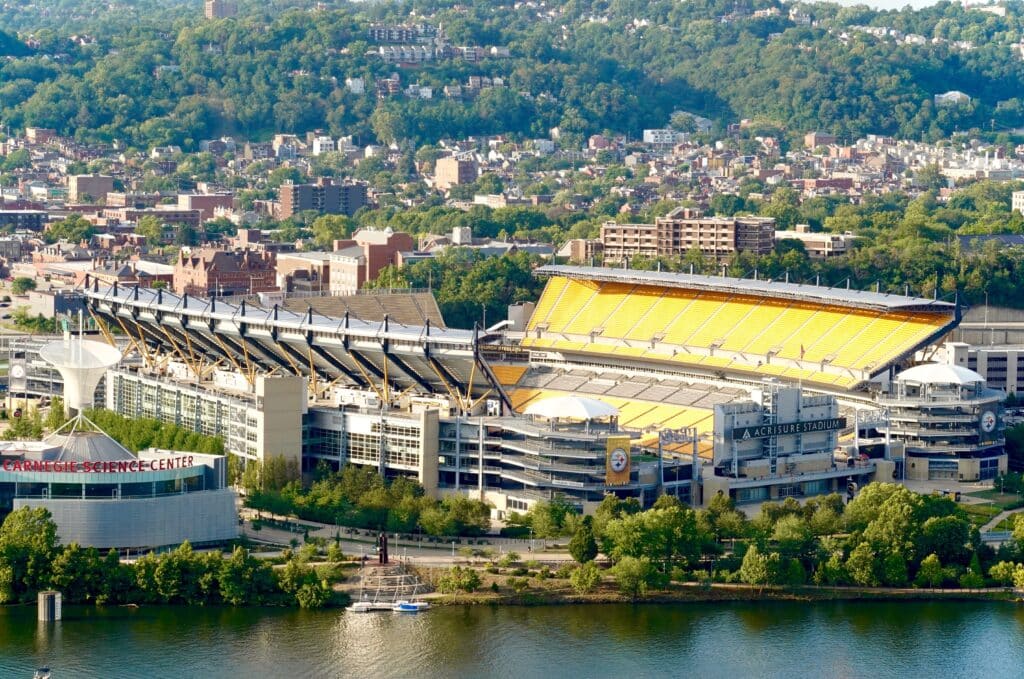
But the blue-collar heart remains. In the Strip District, you can still buy pierogis, sausages, and black-and-gold jerseys in the same breath. On Sunday mornings, church bells mix with the roar of Steelers fans.
Pittsburgh is America’s comeback story — a city that learned how to bend without breaking, how to burn bright without smoke.
Gettysburg: The Sacred Ground

Few places in America carry the weight of history like Gettysburg. It was here, in July 1863, that the Civil War reached its turning point — three days of battle that reshaped a nation. Today, the town is a quiet pastoral landscape, but beneath its calm lies the echo of cannon fire and courage.
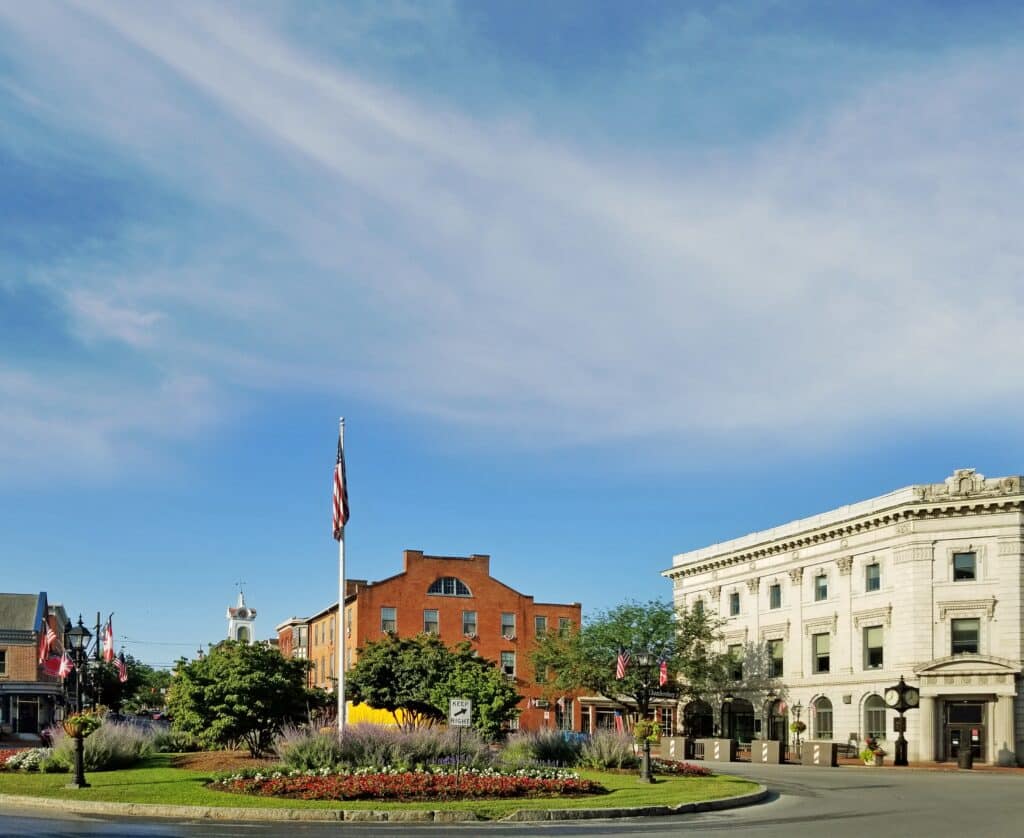
The Gettysburg National Military Park stretches over rolling fields, stone fences, and monuments — each marking sacrifice. Standing on Little Round Top, you can see how geography shaped destiny, and at Cemetery Ridge, Lincoln’s words still hang in the air: “that government of the people, by the people, for the people, shall not perish from the earth.”

Yet Gettysburg is not just about remembrance — it’s about reflection. Downtown, historic inns and brick taverns line streets filled with bookstores, cafés, and carriage rides. The Shriver House Museum tells the story not of generals, but of civilians — families who lived through the storm.

At dusk, when the sun sinks behind the ridge and fireflies begin to glow, Gettysburg feels suspended between worlds — a place both mournful and hopeful, teaching each visitor what unity costs, and why it matters.
Lancaster County: Heart of the Amish Country
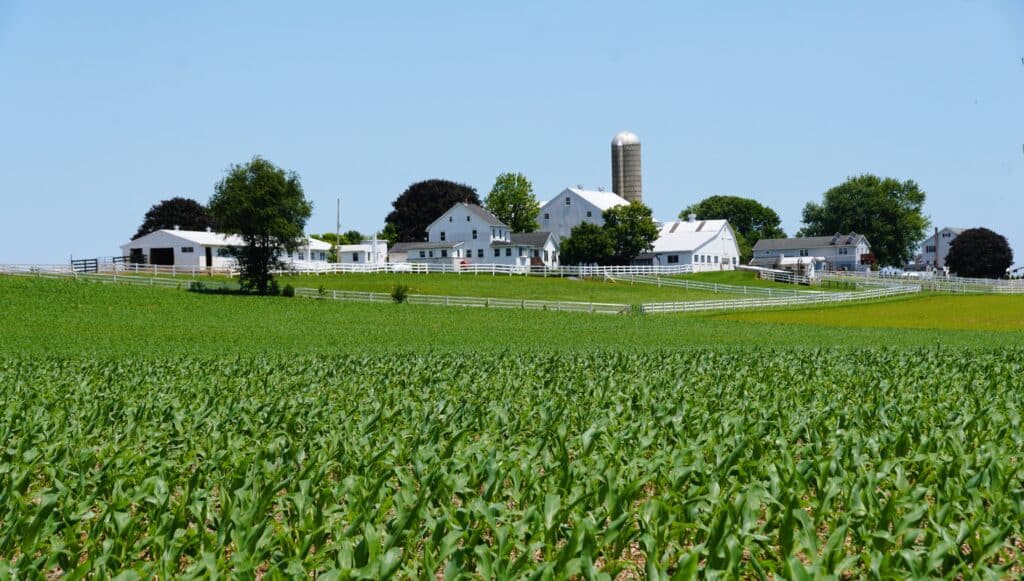
There is a slower rhythm in Lancaster County, where the clatter of horses’ hooves replaces engines, and wooden barns rise over fields of corn and clover. This is Amish Country, a living testament to simplicity in a restless world.
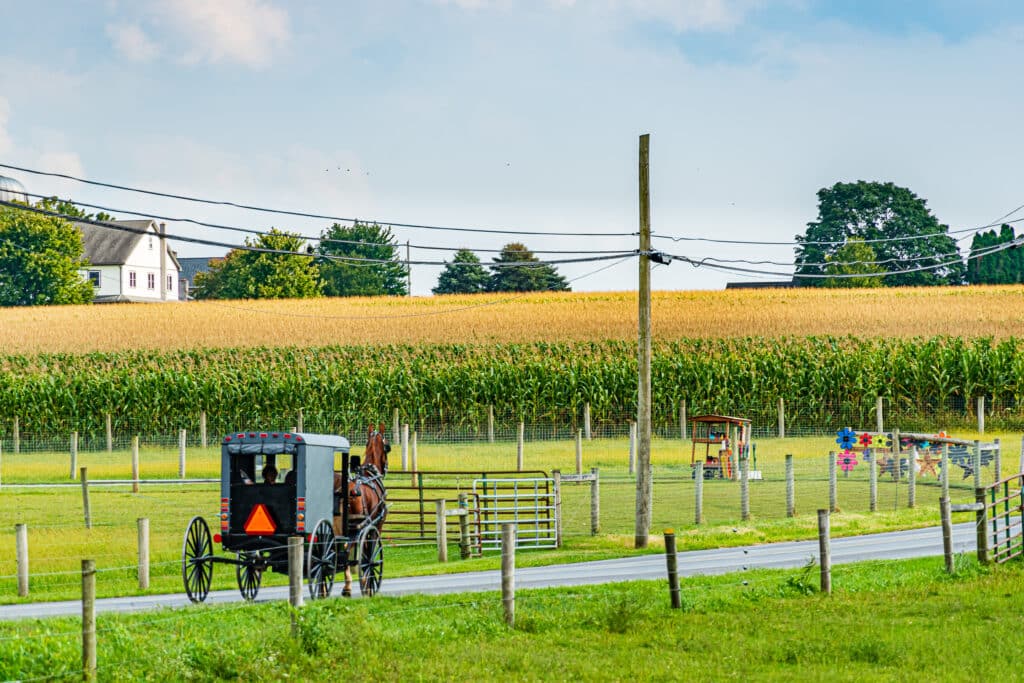
Here, life moves by the sun — farming, quilting, baking, all done by hand and heart. The town of Intercourse (with its famous sign) draws smiles, but its charm lies deeper — in the craftsmanship of its furniture makers, its farmers’ markets, and the quiet dignity of people who measure wealth in family and faith.
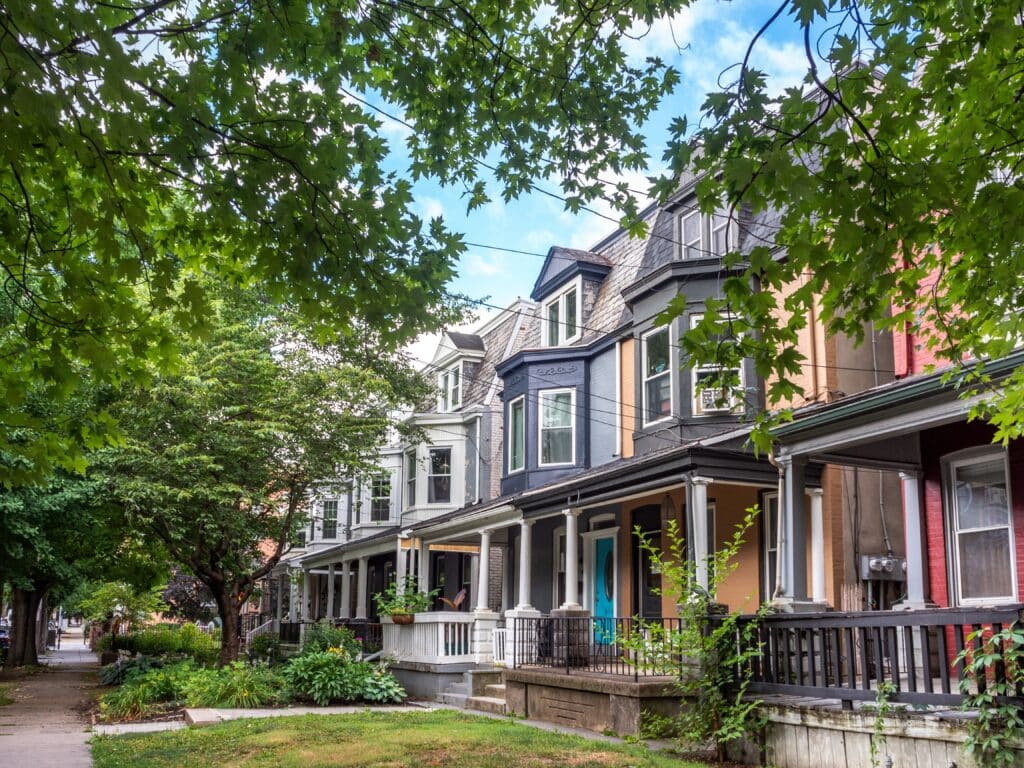
Lancaster City itself, though, is a surprise: a small urban jewel of art galleries, farm-to-table restaurants, and the Central Market, the oldest continuously operating farmers’ market in the U.S. Nearby, the Strasburg Railroad puffs through the countryside, steam engines tracing ribbons of nostalgia through golden fields.
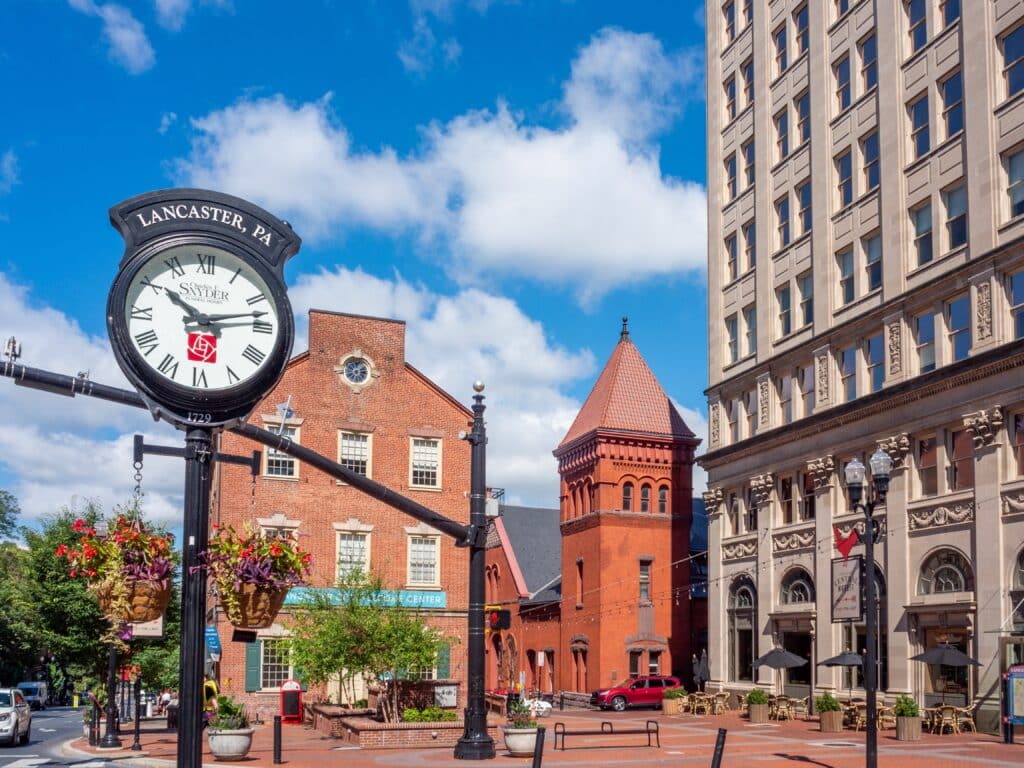
In Lancaster, modernity and tradition share the same horizon. It’s a place where you learn that progress doesn’t always mean speed, and that peace can be found in the turning of a wagon wheel.
The Poconos: Lakes, Lodges, and Endless Pines
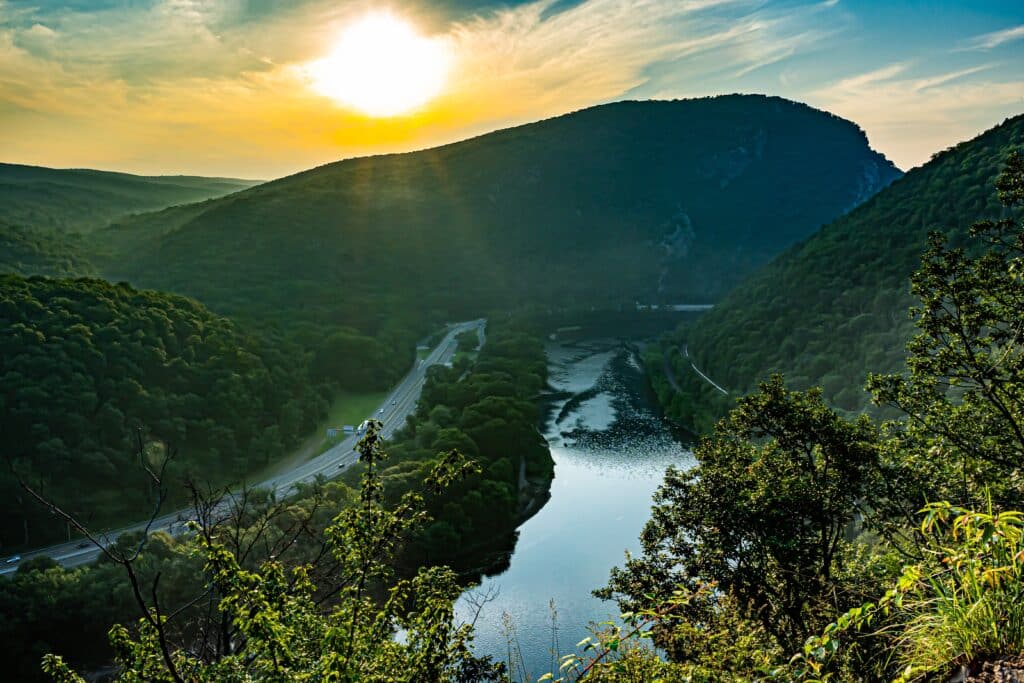
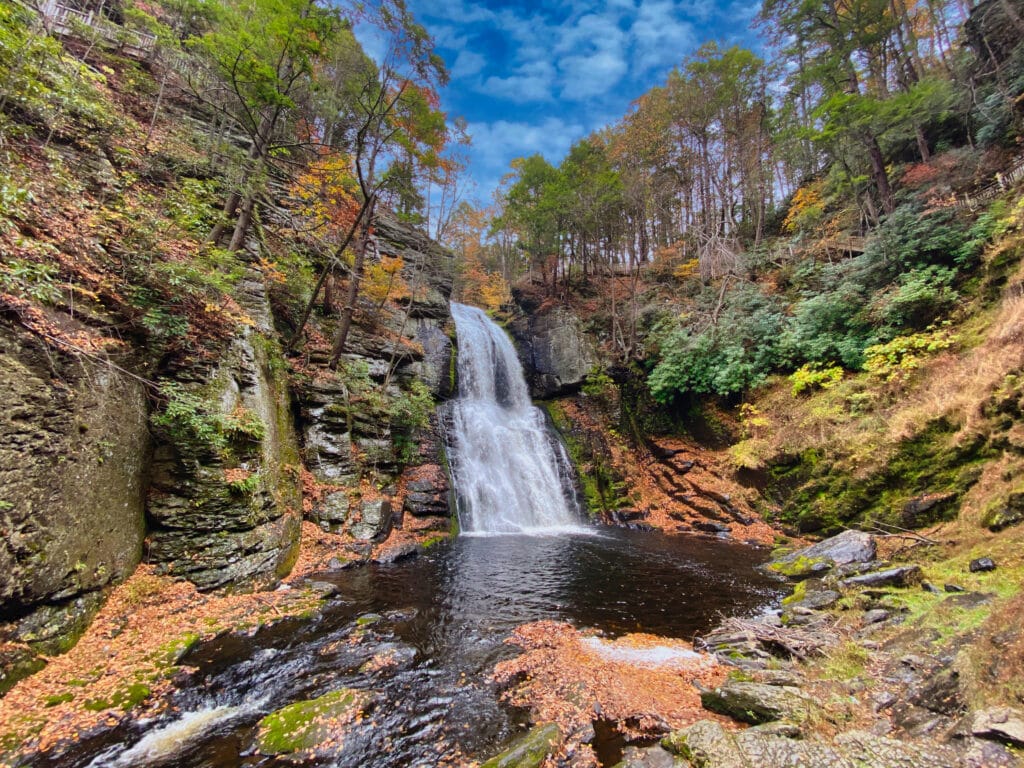
To the northeast rise the Pocono Mountains, where Pennsylvania trades its industry for quiet beauty. Mist curls off mirrored lakes at dawn; waterfalls plunge through fern-carpeted forests. For over a century, this has been the state’s summer sanctuary — a retreat of romance and renewal.

The Delaware Water Gap National Recreation Area is its crown jewel, where the river winds through sheer cliffs and wooded ridges. Bushkill Falls, called the “Niagara of Pennsylvania,” thunders through mossy stone. In winter, ski chalets flicker with firelight; in summer, kayakers glide beneath green canopies.
But the Poconos also hum with a vintage Americana — roadside diners, heart-shaped tubs from the honeymoon boom of the 1960s, and small towns like Jim Thorpe, with Victorian charm and mountain air that tastes like renewal.
It’s where Pennsylvanians go to exhale — to trade ambition for stillness, concrete for pine needles. And in a state that never stops working, that quiet is sacred.
Valley Forge: Winter of Resolve
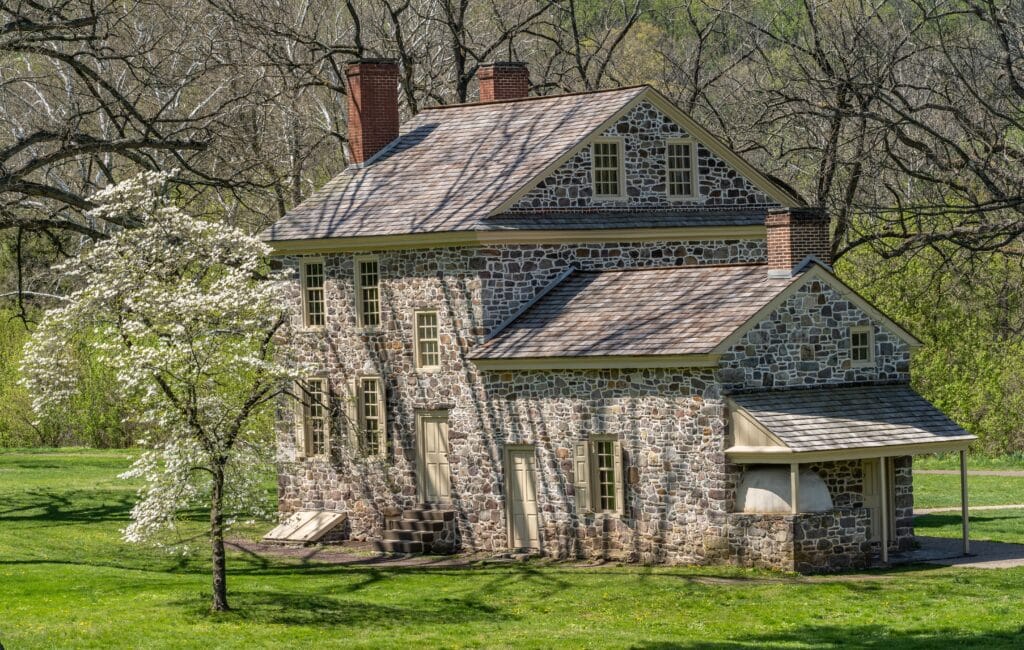
In the cold winter of 1777, the American Revolution nearly froze to stillness at Valley Forge. Here, amid snow and hunger, Washington’s troops endured — and through endurance, they transformed. What could have been defeat became rebirth.

Today, Valley Forge National Historical Park stretches across rolling meadows and forests north of Philadelphia. Wooden cabins and reconstructed redoubts stand as silent witnesses to a season of sacrifice. The Washington Memorial Chapel, built in stone and glass, glows with reverence for the ideals born here — perseverance, unity, and hope.
Walk the trails at dawn, and mist hangs low over the Schuylkill River. You can almost hear the faint drumbeat of history, steady as a heartbeat. The park’s peace belies the hardship it commemorates, reminding visitors that freedom often begins not in triumph, but in endurance.
Valley Forge is less a battlefield than a pilgrimage — a reminder that courage, like spring, returns even after the harshest winter.
Hershey: The Sweetest Town on Earth

In Hershey, the air smells faintly of chocolate — and that’s no exaggeration. This town, born from the vision of Milton S. Hershey, remains one of America’s most endearing success stories: a place where business and benevolence blended into a single dream.

Hershey built not just a factory, but a community — complete with schools, homes, and a park for his workers. Today, Hersheypark still thrills families with roller coasters and candy-colored lights, while Chocolate World lets visitors watch cocoa beans become confections.
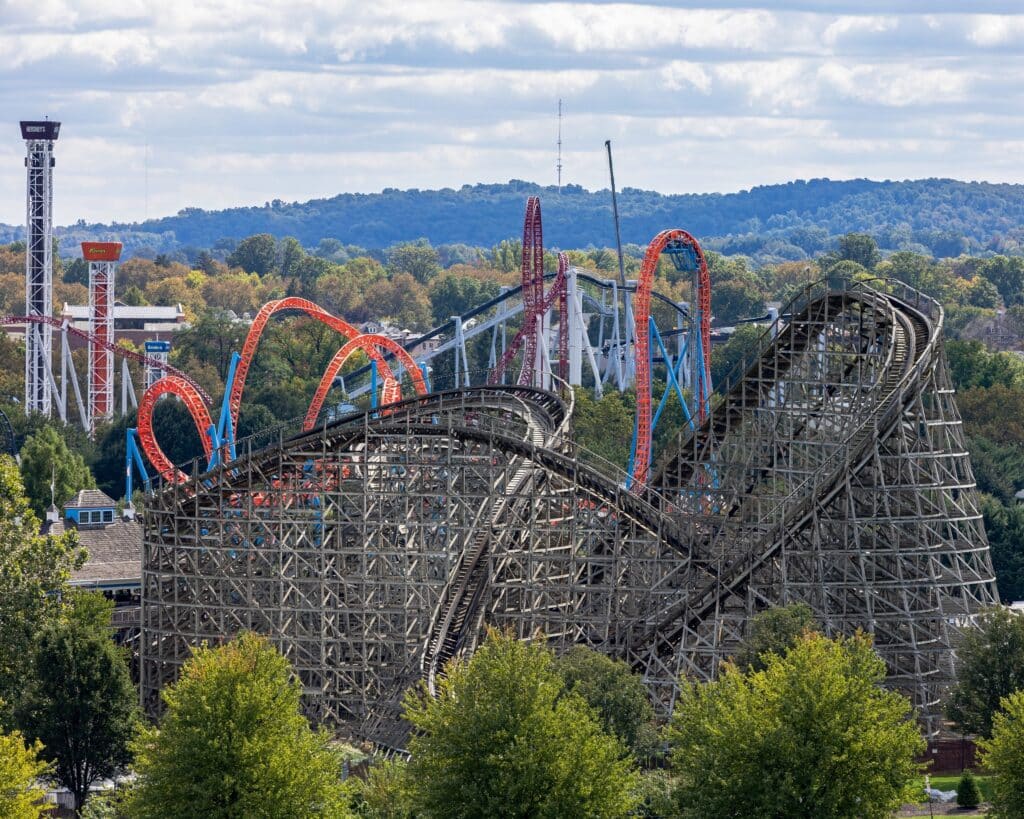
Beyond the sweetness lies substance. The Milton Hershey School, founded for orphaned boys, continues to change lives over a century later. Downtown, elegant Hershey Gardens bloom above the town, their rose gardens reflecting the founder’s belief that beauty should be shared.
At night, when the streetlights shaped like Hershey’s Kisses glow, it feels less like a town and more like a symbol — proof that kindness and enterprise can coexist, and that a dreamer from rural Pennsylvania could make joy his legacy.
Erie: The Lake’s Endless Horizon

Erie, Pennsylvania’s window to the Great Lakes, is a city defined by water and wind. On Presque Isle State Park, a crescent of sand and forest arcs into Lake Erie like an open arm. Here, sailboats tilt against sunset, gulls trace spirals overhead, and the horizon seems infinite.
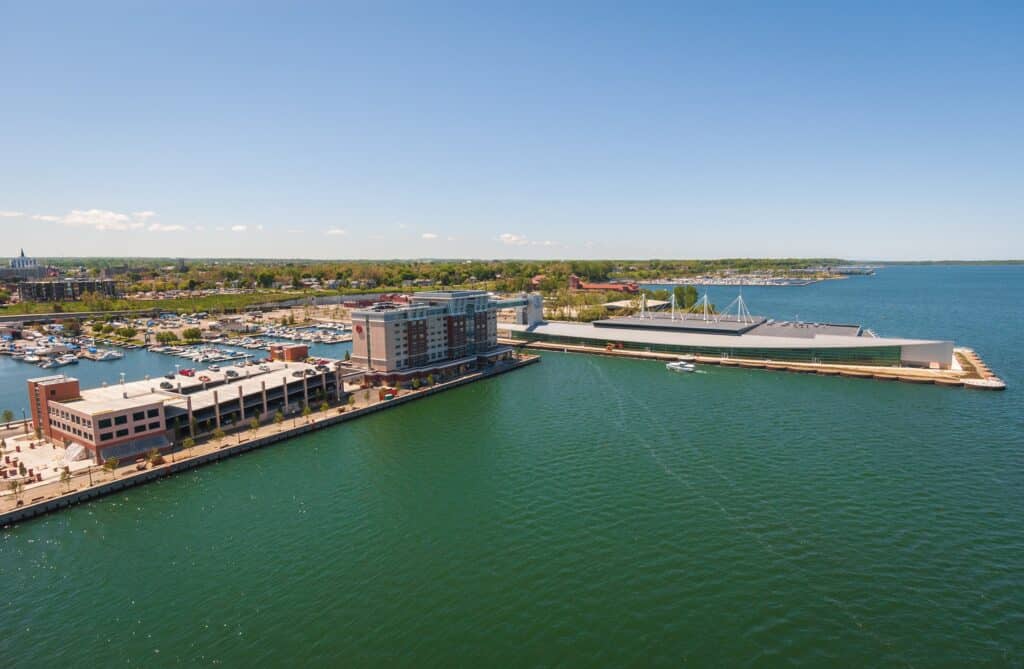
In summer, the beaches hum with life — cyclists on the trails, picnickers beneath cottonwoods. In winter, ice forms ghostly sculptures along the shore. The Tom Ridge Environmental Center celebrates the lake’s ecology, while downtown Erie pulses with new energy — craft breweries, murals, and festivals that reflect a city rediscovering itself.
History lingers too. In 1813, Commodore Oliver Hazard Perry built his fleet here during the War of 1812, and his statue still watches the harbor as though guarding it.
Erie is both frontier and refuge — a place where the inland meets the infinite. Its people live with the rhythm of waves, the patience of lake wind, and the quiet confidence of those who know beauty can endure even the hardest winters.
Scranton: The Electric City
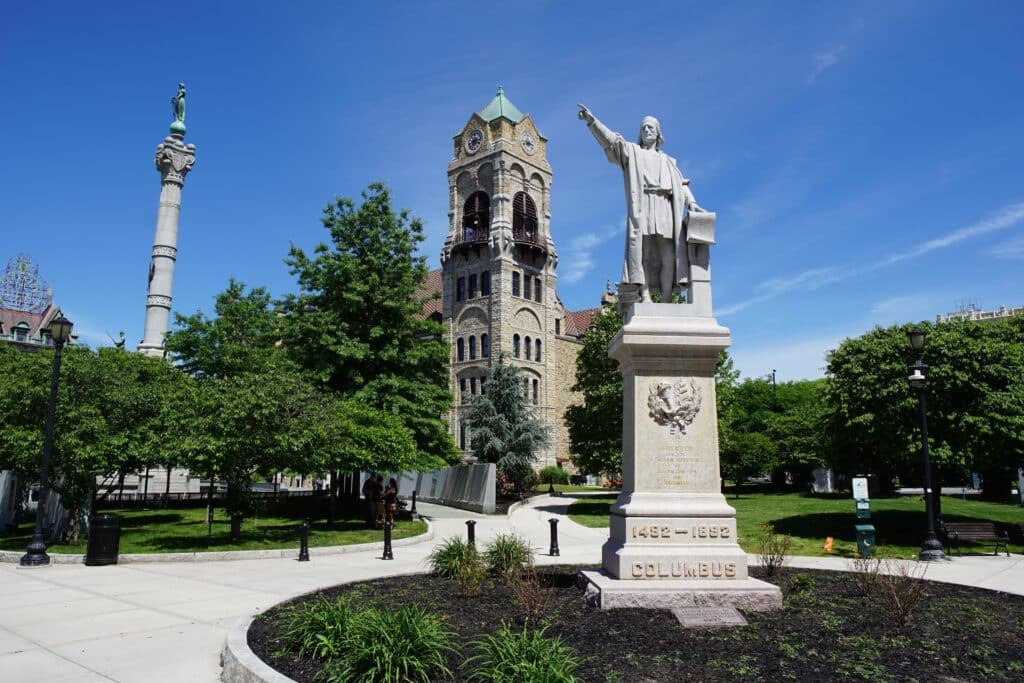
Once the beating heart of America’s coal and rail empire, Scranton wears its past in soot-streaked stone and iron bridges. Known as the Electric City — one of the first in the U.S. to adopt electric streetcars — it was built on ambition and coal dust, a city that glowed with the fire of progress.

Today, Scranton has softened but not faded. The Steamtown National Historic Site preserves the locomotives that once powered an industrial nation, their black wheels gleaming like relics of thunder. The Electric City Trolley Museum hums with nostalgia, while the Lackawanna Coal Mine Tour plunges visitors deep underground into the darkness that once defined the city’s life and labor.

Above ground, the revival continues — cafés in old depots, art galleries in warehouses, a younger generation breathing color into brick. The city’s skyline rises against the green ridges of the Poconos, a living reminder that reinvention is Pennsylvania’s oldest tradition.
Scranton doesn’t forget where it came from — it honors it, one brick at a time.
The Laurel Highlands: Wilderness and Wonder

In southwestern Pennsylvania, the Laurel Highlands unfurl like a tapestry of forested ridges, waterfalls, and hidden cabins. It’s a land of silence and strength, where nature, art, and history intertwine.
Here stands Fallingwater, Frank Lloyd Wright’s masterpiece — a home suspended above a waterfall, where architecture seems to breathe with the forest. Nearby, Ohiopyle State Park invites adventurers to raft the whitewater of the Youghiogheny River, while hikers follow trails through mountain laurel and rhododendron.
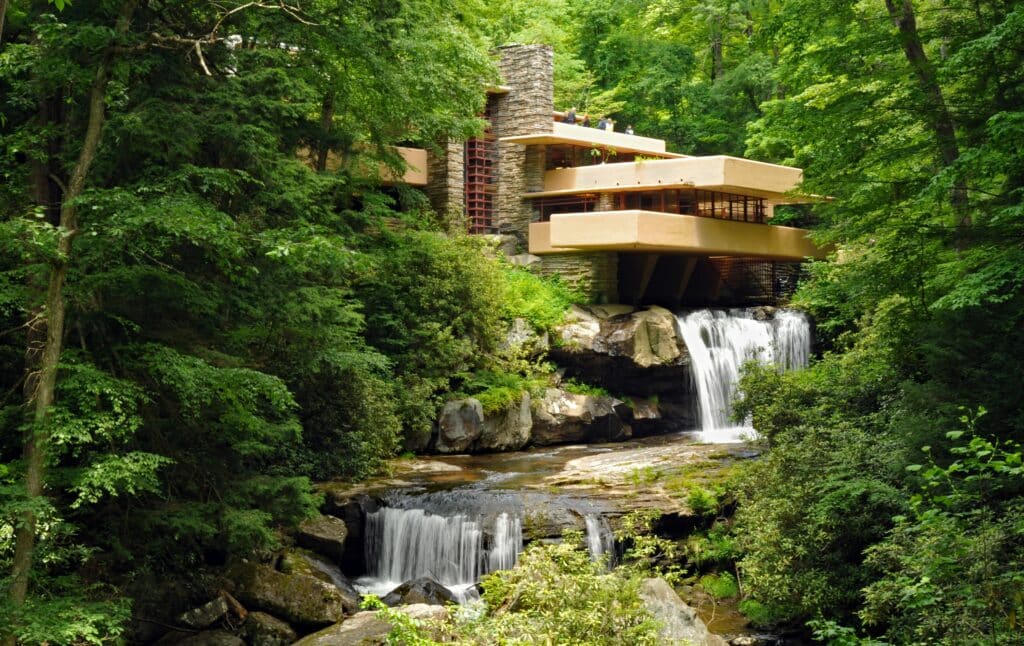
History is rooted deep here too. Fort Necessity National Battlefield marks young George Washington’s first military command, a prelude to empire and independence. In winter, Seven Springs Mountain Resort transforms the highlands into a snowy playground.
But the true gift of the Laurel Highlands lies in its quiet — the kind that restores rather than empties. At sunset, as mist drifts through the valleys and the forest hums with cicadas, the land feels eternal. Here, Pennsylvania exhales.
State College: The Heartbeat of Happy Valley

In the center of Pennsylvania, ringed by gentle ridges and endless cornfields, lies State College — a town where the hum of intellect meets the rhythm of small-town life. Home to Pennsylvania State University, it’s affectionately known as Happy Valley — and the name fits.
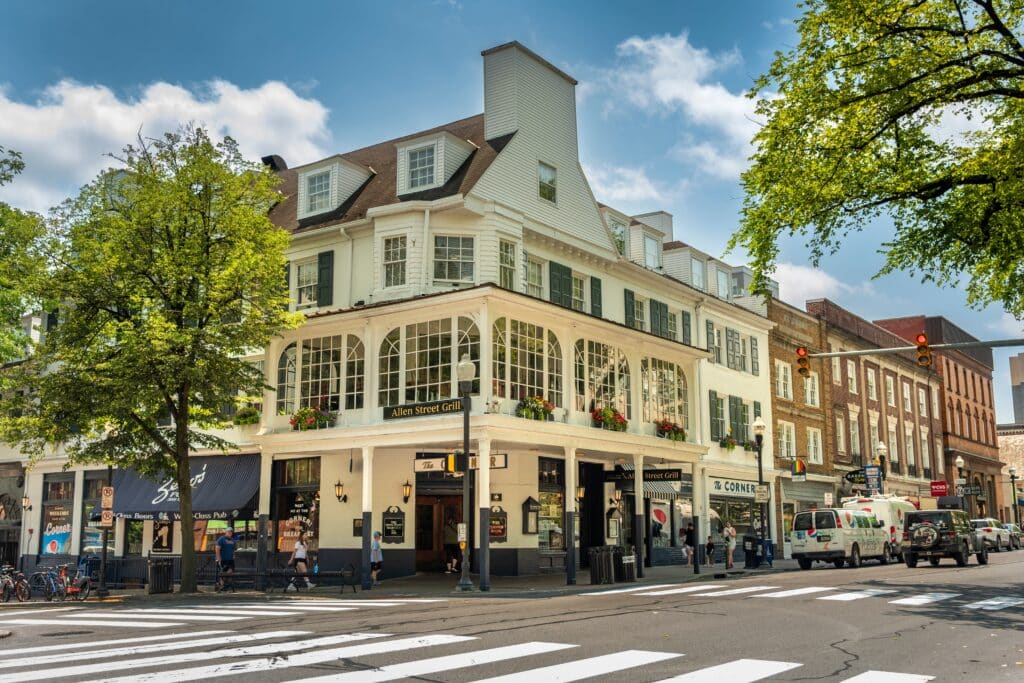
When autumn arrives, the town becomes a sea of blue and white as Beaver Stadium fills with roaring fans. Yet beyond football, there’s something deeper: a sense of unity, of community woven through generations of students and locals. The Palmer Museum of Art, the tree-lined Allen Street, the farmers’ market — all pulse with creative energy.
Venture just beyond town, and you find rolling farmland, covered bridges, and the tranquil Mount Nittany, whose trails rise to reveal a view so wide it feels like freedom itself. On quiet evenings, when the campus bells echo across the valley, it’s easy to believe this place — rooted in knowledge and surrounded by beauty — is the living heart of Pennsylvania.
Allentown: Steel and Renewal
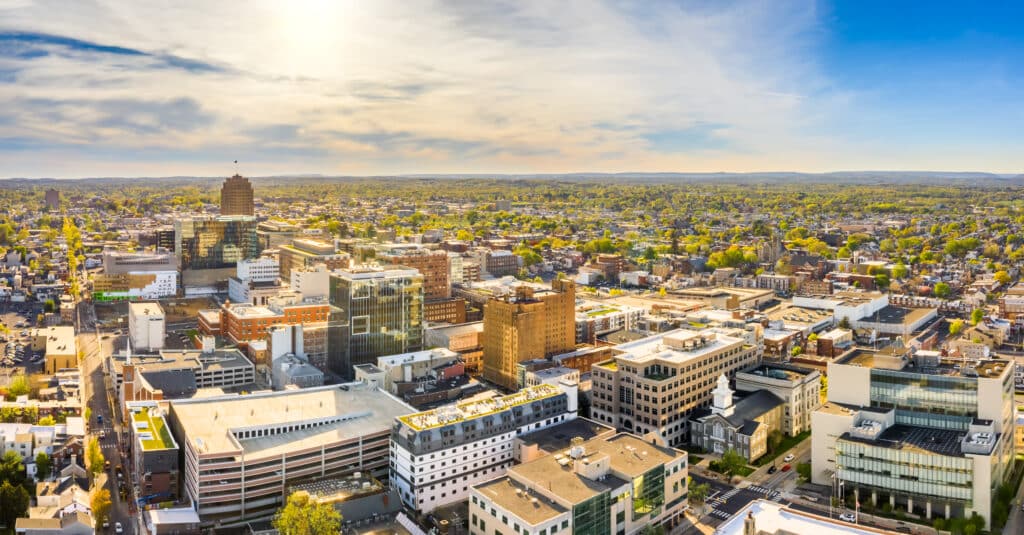
Allentown, once a titan of American industry, stands as a testament to transformation. Along the Lehigh River, the ghostly remnants of blast furnaces and foundries remind visitors of a time when molten steel and ambition lit the night. But Allentown didn’t fade — it adapted.
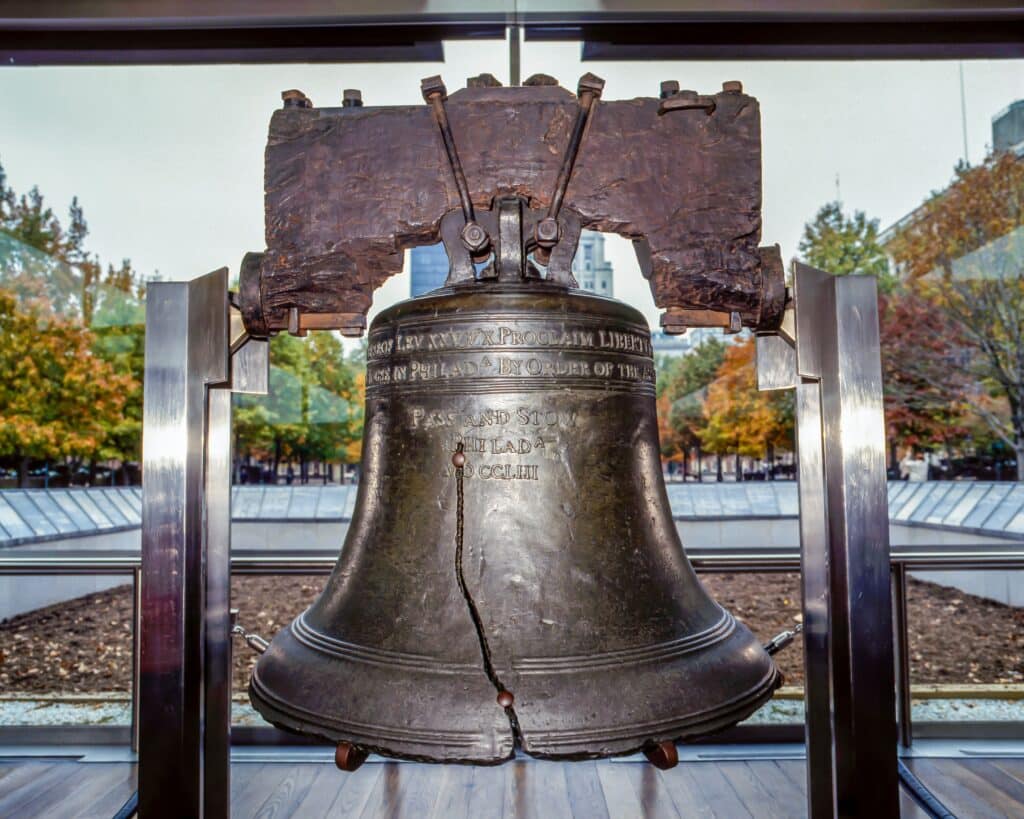
Today, downtown Allentown hums with life. The ArtsWalk connects murals, galleries, and coffee shops; the PPL Center draws crowds for concerts and hockey games; and the Allentown Art Museum brings European and American masterpieces into the city’s core. The Liberty Bell Museum, hidden beneath a church, recalls the daring moment when patriots hid the Liberty Bell here during the Revolution to save it from the British.
The city’s rebirth is tangible — new parks along the river, bustling restaurants in restored warehouses, and a spirit of creativity rising from old foundations.
Allentown is no longer the city Billy Joel sang about. It’s not a lament but a renewal — proof that resilience, like steel, can be reforged with fire.
Bethlehem: The Star of the Lehigh Valley
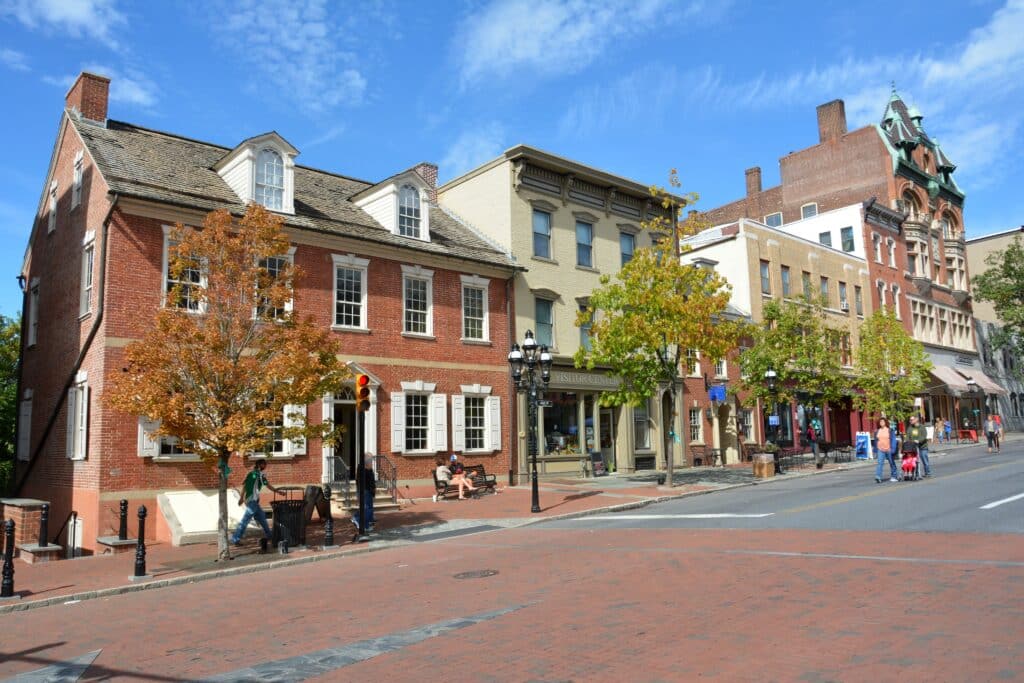
Ten miles east of Allentown, Bethlehem glows with a gentler light — one born of faith, music, and memory. Founded by Moravian settlers in 1741, it took its name from a Christmas Eve hymn, and that sense of harmony still permeates the cobbled streets.
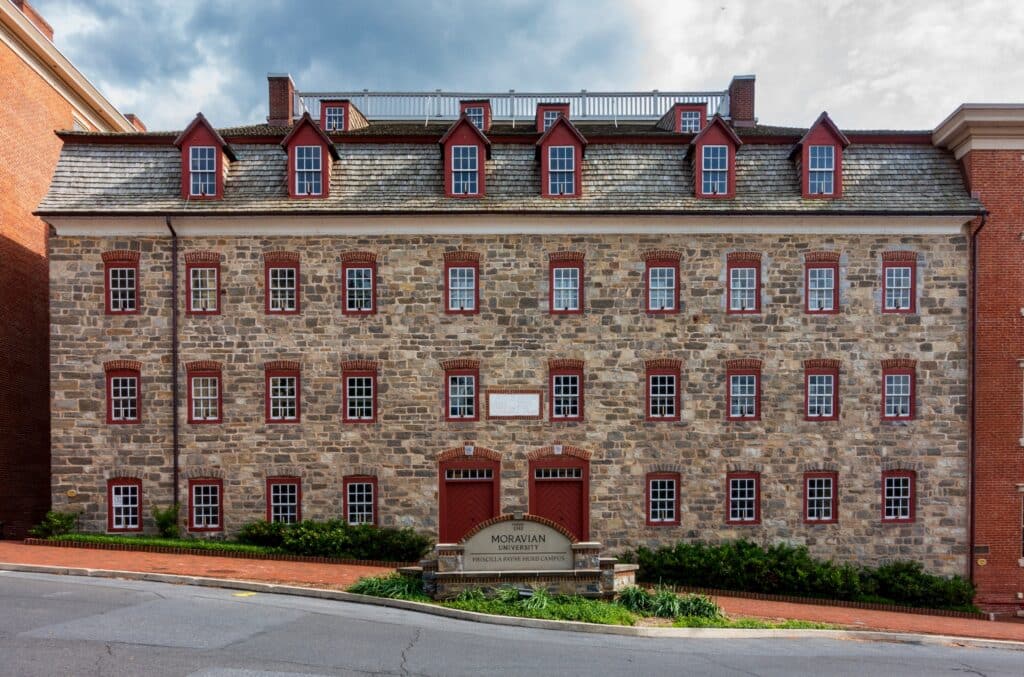
The Historic Moravian District feels like a European village — whitewashed buildings, candlelit windows, and a stone bell tower that has watched over centuries. Each December, Christkindlmarkt fills the air with cinnamon and song, turning Bethlehem into a living Advent calendar.

Yet Bethlehem’s beauty also lies in its balance between old and new. The hulking Bethlehem SteelStacks, once a cathedral of industry, now pulse with concerts and festivals under the shadow of rusted towers. It’s haunting and hopeful all at once — a monument to both labor and imagination.
Bethlehem’s light is not the glare of modernity but the steady glow of endurance — a star that has never gone out.
New Hope: A River Town of Artists and Dreamers
Perched on the Delaware River, New Hope is a village made of color, charm, and creative defiance. It began as a ferry crossing, but over time became a haven for artists, writers, and wanderers who fell under the spell of its cobblestone streets and leafy riverbanks.

The Bucks County Playhouse, once dubbed “America’s Most Famous Summer Theater,” has hosted stars and dreamers alike since the 1930s. Today, its legacy endures — as do the antique shops, art studios, and candlelit inns that line the waterfront. Across the bridge, Lambertville, New Jersey, mirrors its charm, creating a seamless current of culture and romance between states.
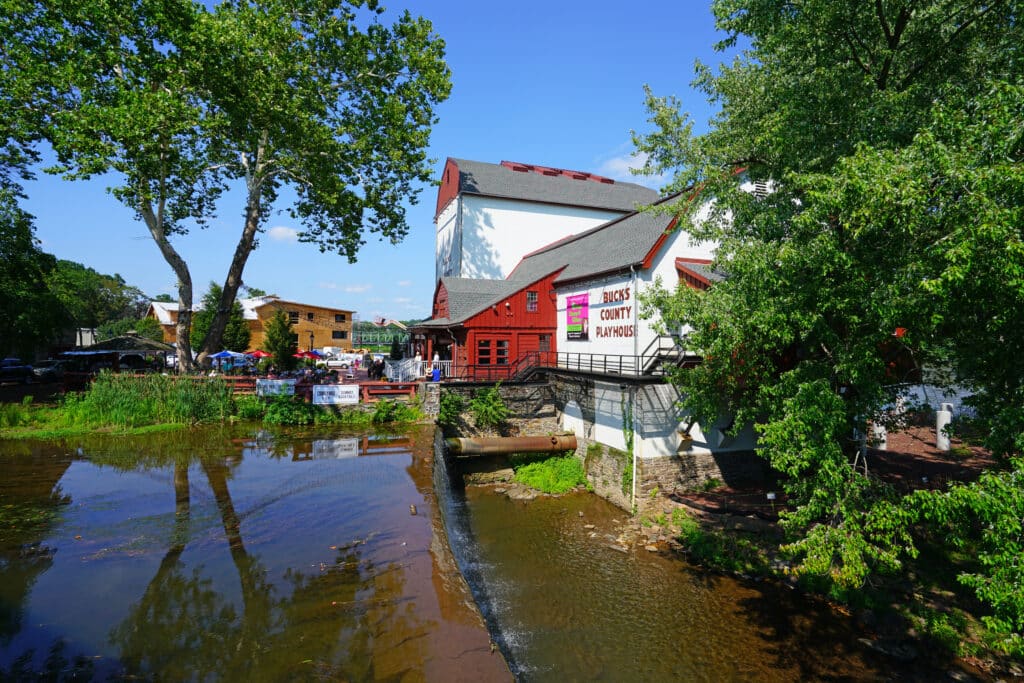
In autumn, the hills around New Hope ignite in scarlet and gold. In summer, the Delaware Canal Towpath invites cyclists and strollers to follow the quiet river bends.
New Hope has always been more than a place — it’s a spirit: artistic, inclusive, free. The kind of town where life slows to the pace of a riverboat drifting downstream.
Jim Thorpe: The Little Switzerland of America
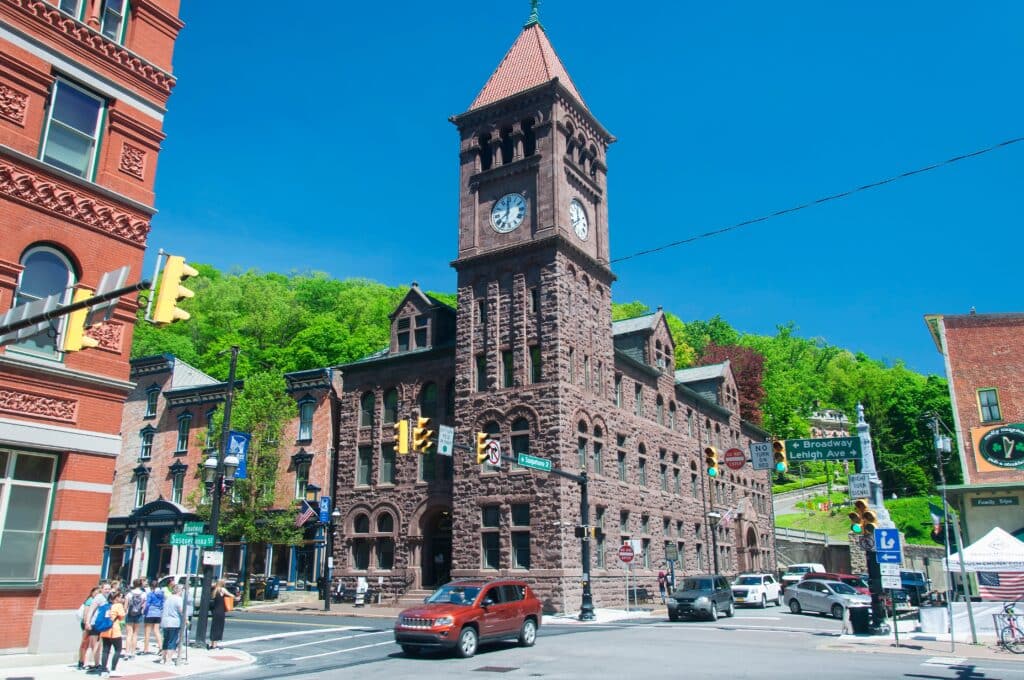
Tucked into a narrow gorge of the Lehigh River, Jim Thorpe feels like a fairytale town painted in deep greens and stone grays. Victorian houses climb the hillsides, church steeples pierce the mist, and the echo of train whistles lingers over the river.

Named after the legendary athlete Jim Thorpe, the town is both a memorial and a living museum. Its 19th-century streets, once bustling with coal barons and railway tycoons, are now lined with antique shops, art galleries, and cozy inns. The Asa Packer Mansion, preserved in all its Gilded Age splendor, overlooks the town like a proud sentinel.
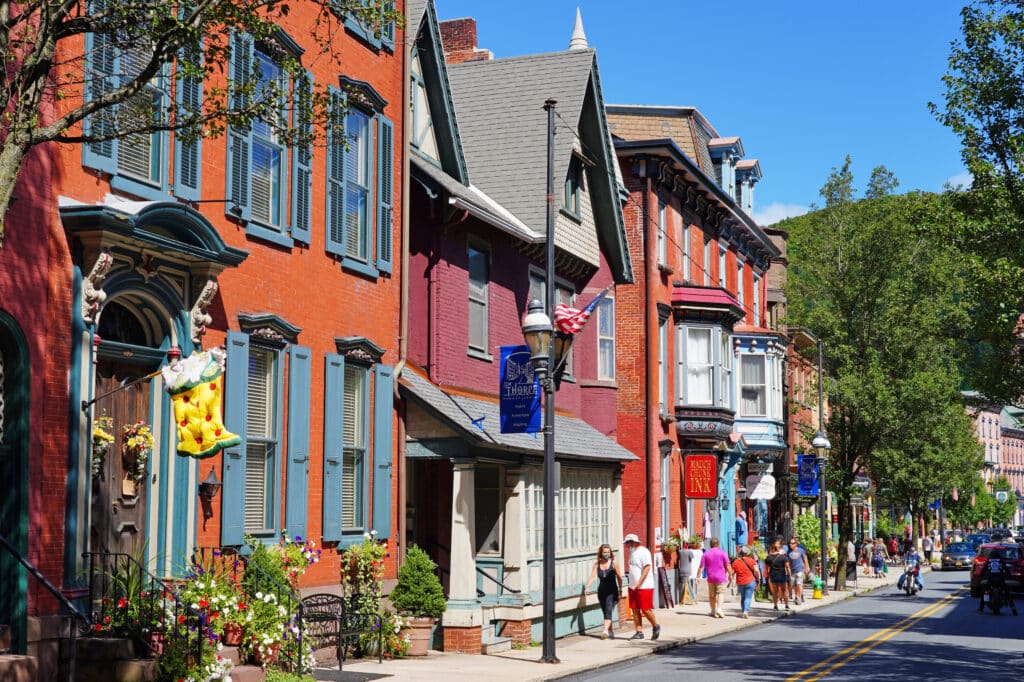
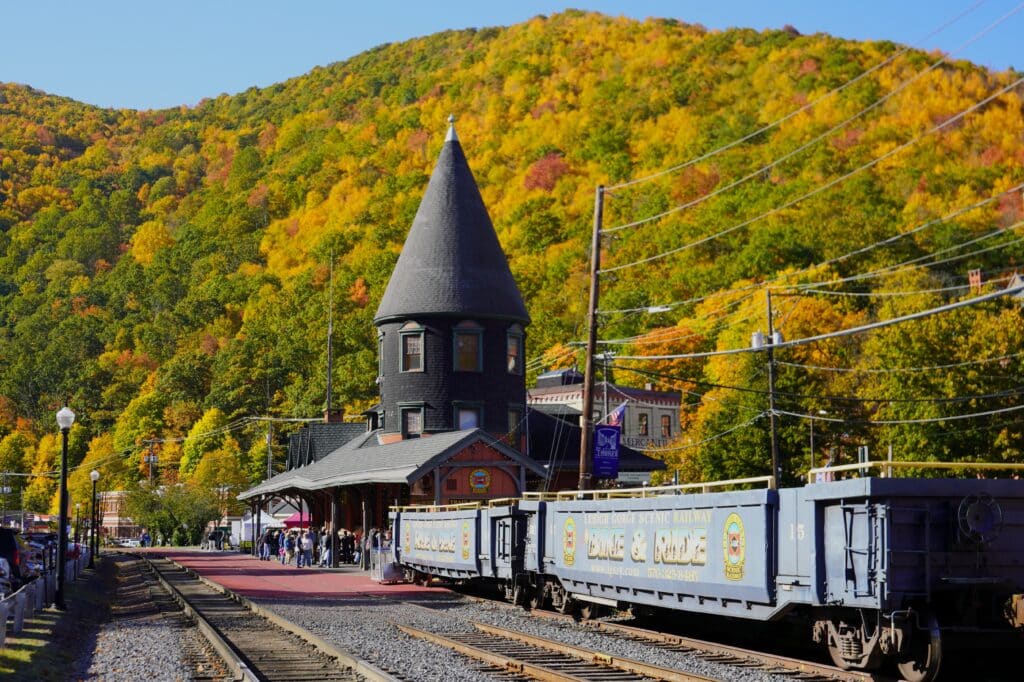
Outside its winding lanes, adventure awaits. The Lehigh Gorge Scenic Railway winds through forests that blaze with autumn color, while nearby trails invite hikers and cyclists to follow the river’s wild path. In winter, the town’s lights shimmer like frost, casting the illusion of an Alpine village reborn in Pennsylvania.
Jim Thorpe is a place where nostalgia and nature meet — where the romance of the past feels close enough to touch.
Ricketts Glen State Park: The Waterfall Kingdom
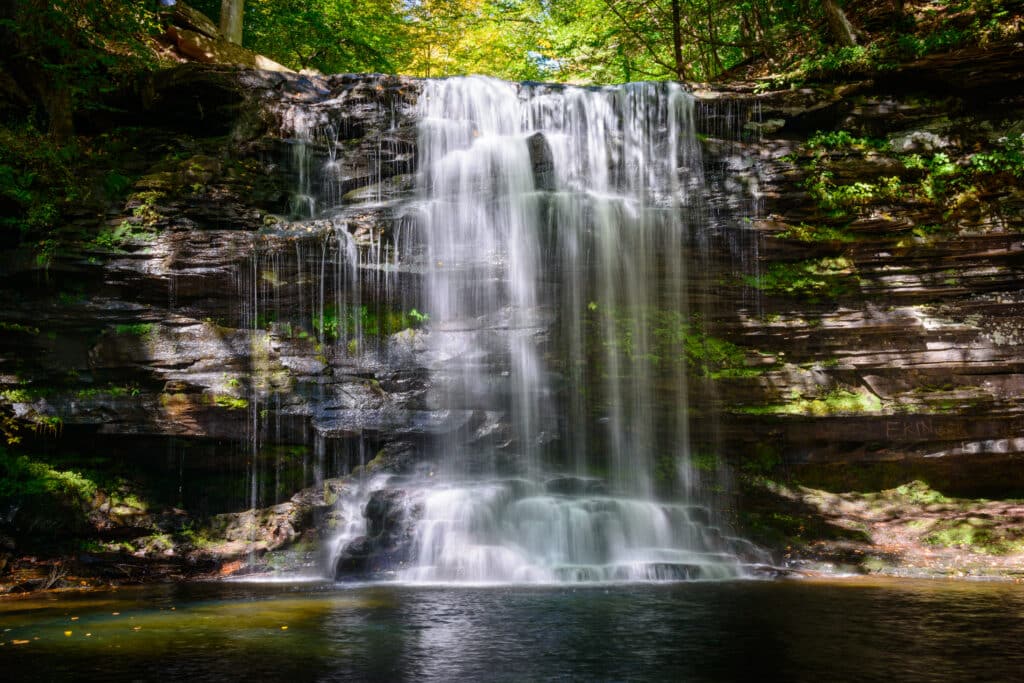
There are few places in Pennsylvania — or anywhere — more enchanting than Ricketts Glen State Park. Hidden in the northern wilds, it’s a cathedral of stone and water, where 22 named waterfalls tumble through ancient hemlock forests.
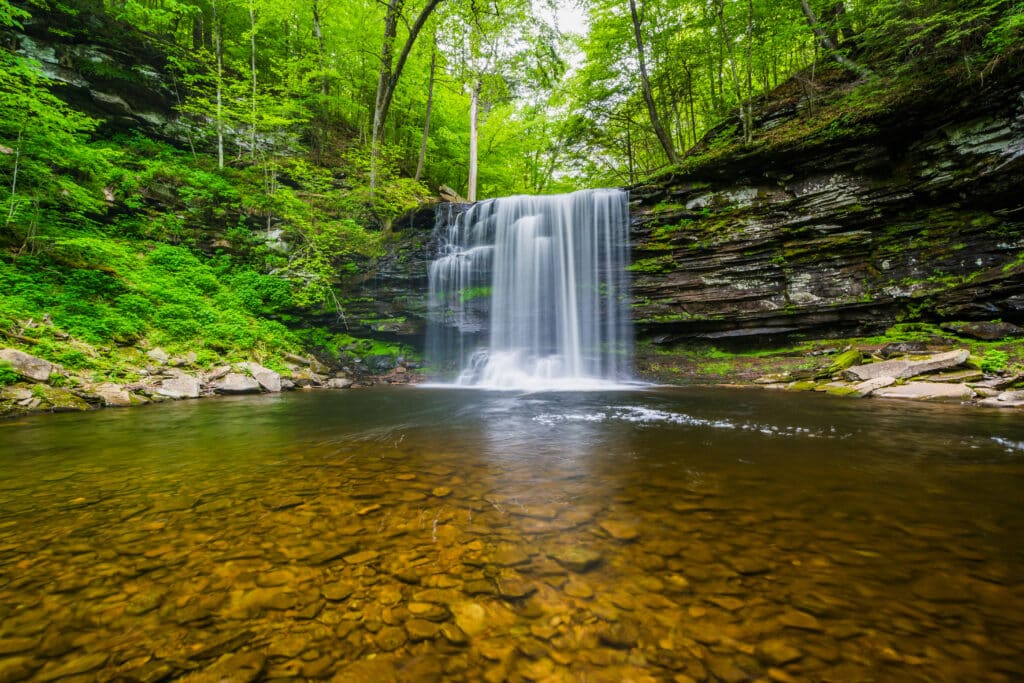
The Falls Trail, a rugged 7-mile loop, descends through a world of mist and music. Ganoga Falls, the tallest at 94 feet, cascades like a silver ribbon down mossy cliffs, while smaller falls — Onondaga, Shawnee, Tuscarora — whisper their own secrets. The scent of pine and the cool breath of spray fill the air, making each step feel like a passage into another realm.
Ricketts Glen is not a place to rush. It invites reverence — a slower, meditative pace that rewards attention. Every pool reflects the forest canopy like a mirror of eternity. In autumn, when the leaves blaze crimson and gold, it’s as if the forest itself has caught fire.
Here, nature feels ancient and kind — reminding all who wander that the world still holds wonder.
Lake Wallenpaupack: The Pocono Jewel
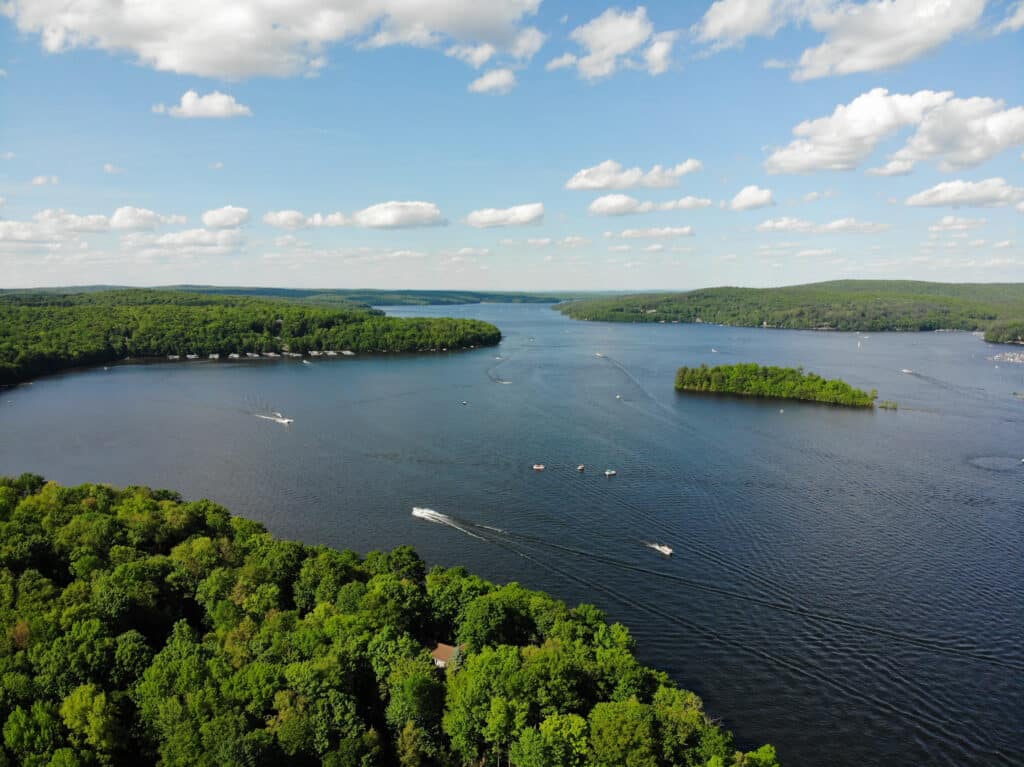
In the Pocono Mountains, where wooded ridges dip toward cool valleys, lies Lake Wallenpaupack — a vast, shimmering expanse that catches the sun like liquid glass. Created in the 1920s as a hydroelectric project, it has since become one of Pennsylvania’s most beloved retreats.
The lake’s 52 miles of shoreline are a sanctuary for anyone seeking renewal. In summer, sailboats drift lazily across the water; anglers cast for bass in hidden coves; families picnic on gentle slopes. Come winter, the lake freezes into silence, reflecting the sharp beauty of snow-laden pines.

The nearby towns — Hawley and Greentown — blend rustic charm with modern comfort, offering cozy lodges and lakeside cabins where evenings end by the fire. Trails meander through the surrounding forests, leading to quiet lookouts where the world feels wide and peaceful.
Lake Wallenpaupack isn’t merely scenic — it’s restorative. The kind of place where stress dissolves into stillness, and the mind, like the lake, becomes calm again.
Presque Isle State Park: The Curving Shoreline
Presque Isle is not just a peninsula — it’s a poem written by wind and water. Curving gracefully into Lake Erie, it forms a natural harbor and a world apart. The park’s beaches stretch for eleven miles, each with its own character: some lively with families, others quiet and windswept, ideal for contemplation.
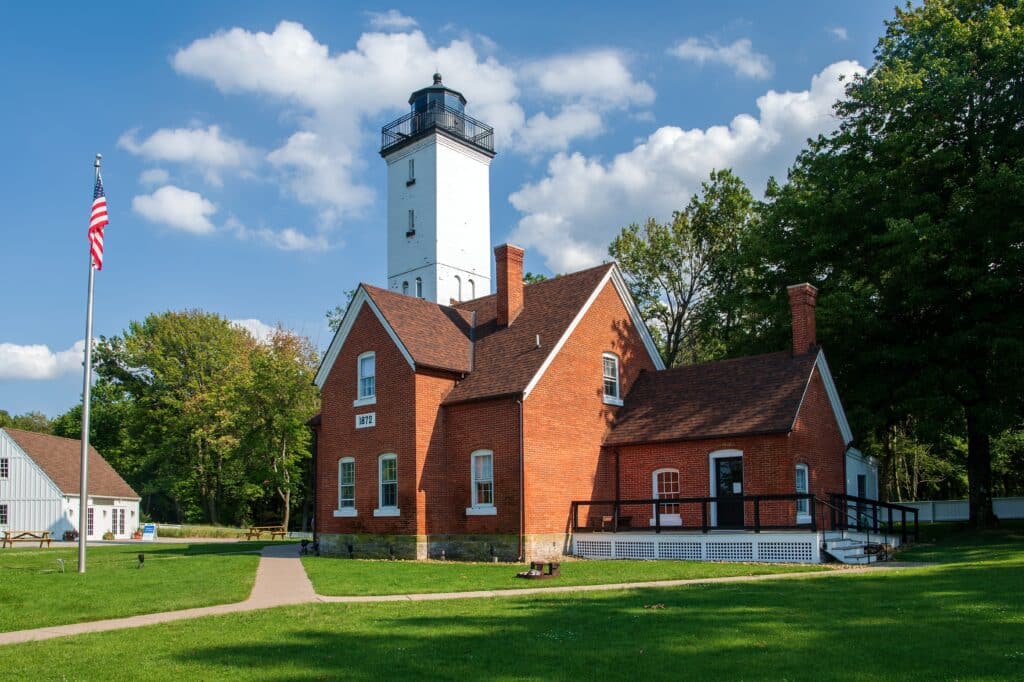
The Presque Isle Lighthouse stands sentinel among the dunes, its beacon flashing across the lake as it has since 1872. Birdwatchers flock here to witness migrations that paint the skies with life; in autumn, monarch butterflies fill the air like drifting embers.
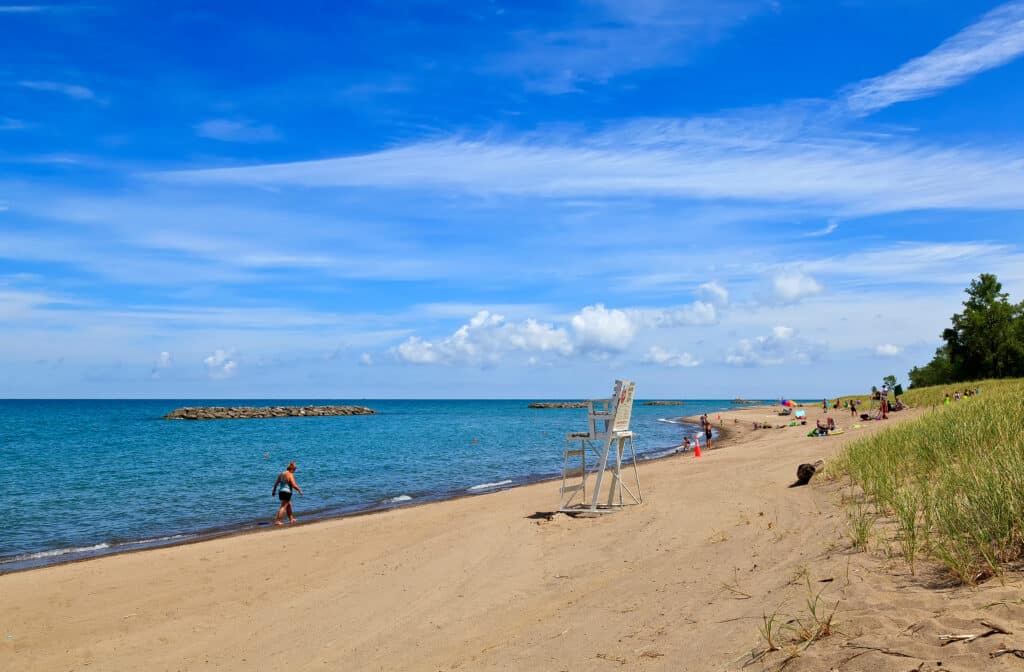
Kayakers paddle through Lagoon Road’s mirror-like waters, while hikers trace paths beneath canopies of oak and cottonwood. In winter, ice forms delicate sculptures along the shoreline — art shaped by nature’s own patient hand.
Presque Isle is where Pennsylvania softens into shoreline — a place where time stretches, and every sunset feels eternal.