
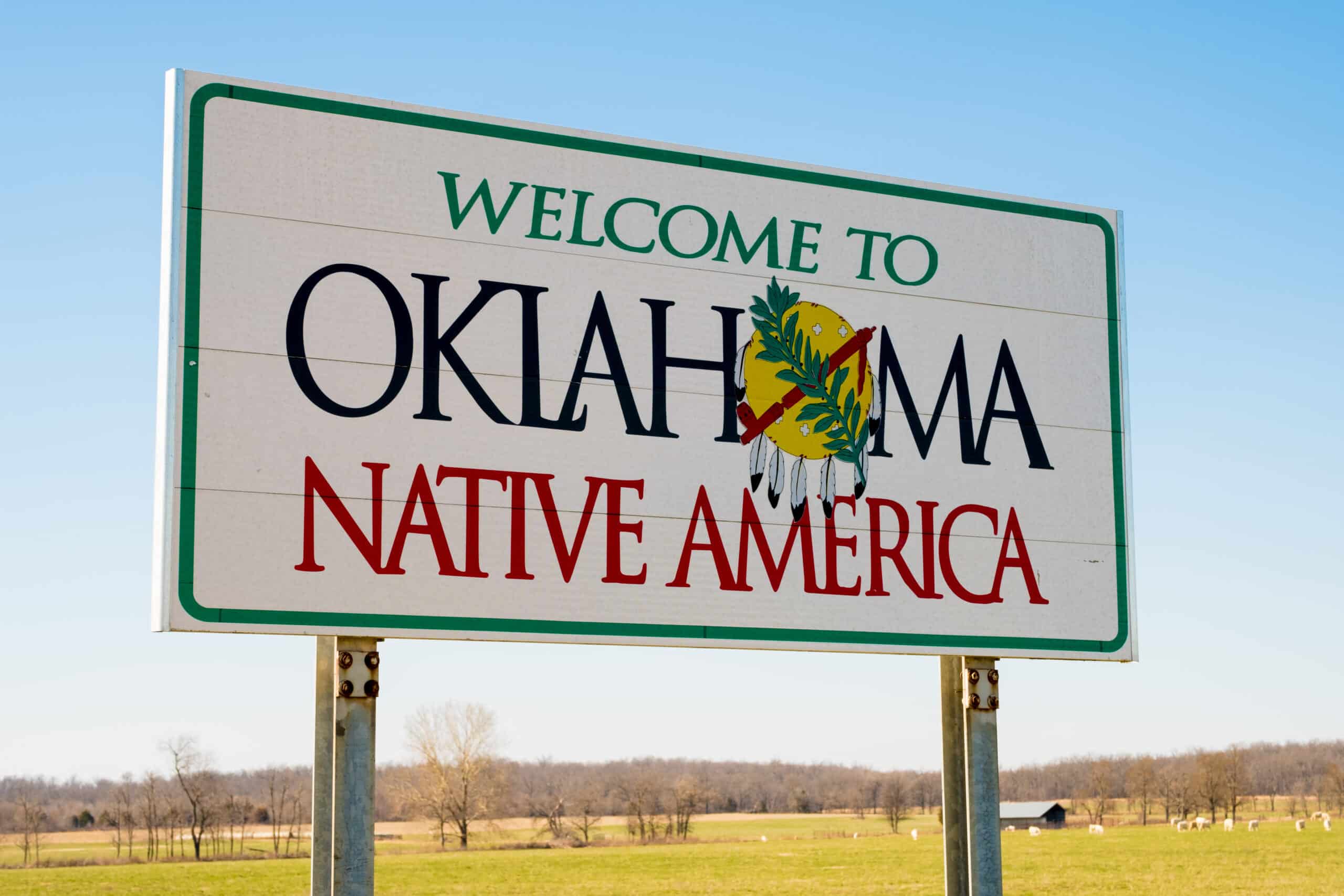
Oklahoma is a place shaped by memory—etched into red earth, wide skies, and the quiet endurance of its people. More than a crossroads, it is a convergence: of Native nations and settlers, prairie and forest, sorrow and resilience. The land itself seems to remember everything that has passed across it.
Here, history is not distant. It is present in names, boundaries, and stories carried forward. Oklahoma holds the weight of removal and survival, of promise and betrayal, yet it refuses to be defined by tragedy alone. Instead, it reveals a layered identity—complex, grounded, and profoundly human.
The terrain shifts gently but persistently. Tallgrass prairie rolls into wooded hills, red dirt roads wind through farmland, and rivers move with slow authority. Storms arrive with cinematic force, and sunsets stretch endlessly, reminding residents of the vastness overhead.
Oklahoma is neither fully Southern nor Western nor Midwestern, yet it carries elements of all three. Its culture blends Native heritage, frontier practicality, oil-boom ambition, and small-town loyalty. Music, storytelling, and faith weave quietly through daily life.
To know Oklahoma is to listen—to the land, to its peoples, and to the silences between events. It is a state that does not announce itself loudly but rewards attention with depth, honesty, and surprising beauty.
Oklahoma City — Reinvention on the Prairie
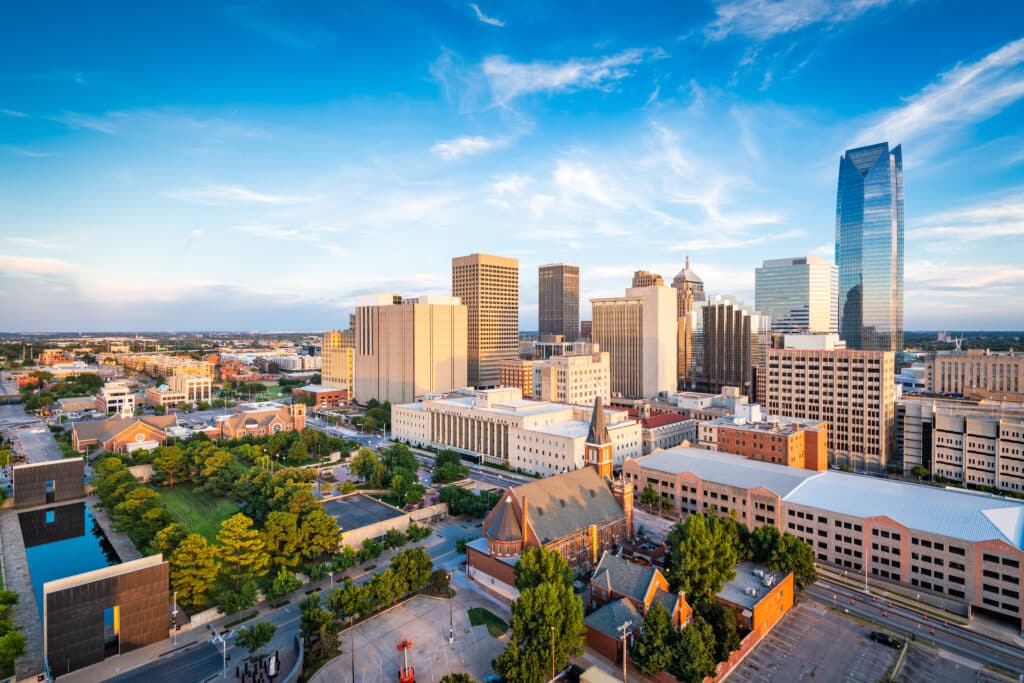
Oklahoma City stands as a testament to reinvention. Once defined by oil derricks and rail yards, it has reshaped itself into a modern, expansive capital while retaining its frontier backbone.
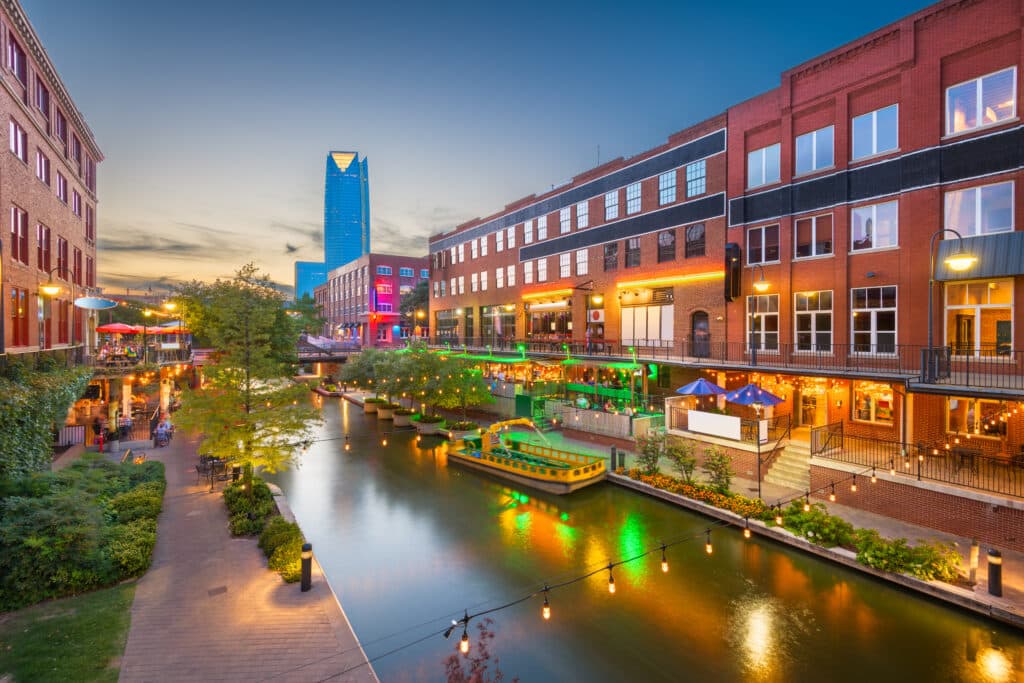
Downtown’s revitalization reflects deliberate optimism. Brick warehouses now house galleries, restaurants, and performance spaces. The Bricktown Canal, once an industrial corridor, offers a gentle counterpoint to the city’s broad avenues and big skies.
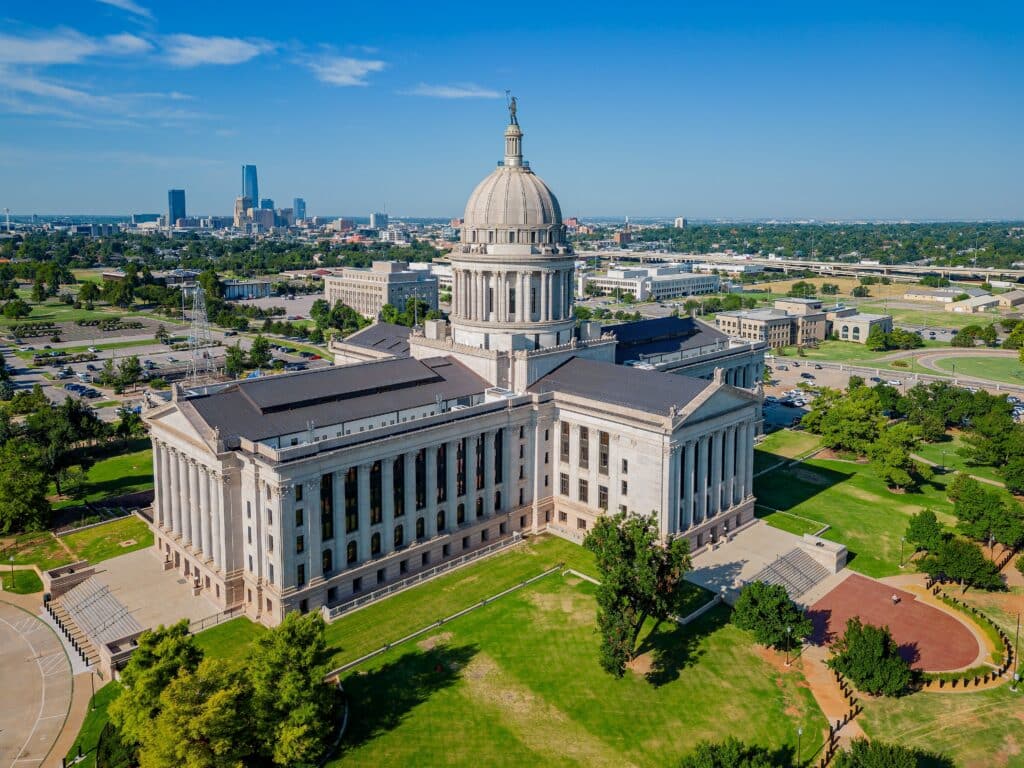
Yet Oklahoma City’s story is inseparable from the land beneath it. The National Memorial stands in solemn reflection, honoring lives lost and underscoring the city’s quiet strength. Rather than erasing grief, the city integrates remembrance into its forward motion.
Neighborhoods stretch wide, embracing space rather than density. Life unfolds at an unhurried pace, shaped by weather, work, and community. Oklahoma City does not rush to impress—it invites you to stay long enough to understand.
Tulsa — Art Deco and the Arkansas River
Tulsa rises with elegance unexpected of the plains. Once the “Oil Capital of the World,” its wealth found expression in architecture that still defines the city today. Art Deco towers stand like refined monuments, their details reflecting ambition and permanence.
The Arkansas River curves through the city, grounding Tulsa’s sophistication in natural rhythm. Riverfront parks and pedestrian bridges reconnect the city to water, movement, and leisure.
Tulsa’s cultural life is quietly rich. Museums, music venues, and local theaters reflect a city that values creativity without spectacle. Beneath this beauty lies a deeper history—one that includes pain, resilience, and the ongoing pursuit of reckoning and understanding.
Tulsa is thoughtful, artistic, and layered. It wears its elegance without excess, allowing its past and present to converse openly.
The Wichita Mountains — Stone Rising from Grass
In southwestern Oklahoma, the Wichita Mountains rise unexpectedly from the prairie, their granite forms older than the Rockies themselves. Weathered and low, these ancient hills feel less like mountains and more like memory made solid.
The Wichita Mountains Wildlife Refuge protects a landscape where bison, longhorn cattle, and prairie dogs roam freely. Wind moves through grass and stone alike, shaping a place that feels elemental and unforced. Hiking trails trace ridgelines that offer sweeping views across plains that seem endless.
There is a quiet power here. Unlike dramatic peaks, the Wichitas invite contemplation rather than conquest. Their age humbles visitors, reminding them that land does not need height to command reverence.
Broken Bow and the Ouachita Mountains — Oklahoma’s Forested South
In the far southeast, Oklahoma softens. Pine forests replace prairie, rivers curve gently, and the Ouachita Mountains introduce elevation and shade. Broken Bow sits at the heart of this transformation, surrounded by woods that feel almost Appalachian.
Beavers Bend State Park offers clear streams, dense forest, and cabins tucked beneath tall trees. The air here smells of pine and water, a contrast to the open plains elsewhere in the state.
This region moves at a slower pace. Outdoor life—fishing, hiking, canoeing—shapes daily rhythms. Broken Bow feels restorative, a reminder that Oklahoma contains multitudes beyond its familiar image.
Turner Falls Park — Oklahoma’s Most Beloved Waterfall
Hidden within the Arbuckle Mountains near Davis, Turner Falls Park reveals a side of Oklahoma that surprises even longtime residents. At the heart of the park is Turner Falls itself, a dramatic 77-foot cascade—the tallest natural waterfall in the state—pouring cool, clear water into a rocky pool below.
The falls have drawn visitors for generations. Families picnic beneath limestone cliffs, swimmers wade into the chilled waters, and hikers explore trails that wind through caves and forested slopes. In summer, the park feels almost festive, alive with laughter and movement; in quieter seasons, it becomes contemplative, echoing with birdsong and falling water.
Geologically, the Arbuckles are among the oldest mountain ranges in North America, and their ancient rock formations lend the park a timeless presence. Natural bridges, hidden grottoes, and layered stone walls invite exploration, making Turner Falls feel like a compact wilderness sanctuary.
More than a scenic attraction, Turner Falls is woven into Oklahoma’s collective memory. Many residents first learned to swim here, camped under stars here, or returned year after year as a family tradition. It embodies a sense of continuity—nature as a constant companion through changing lives.
Turner Falls Park reminds visitors that Oklahoma’s beauty often reveals itself quietly, tucked into unexpected corners, waiting to be discovered.
Tallgrass Prairie Preserve — The Last Great Sea of Grass
In northeastern Oklahoma, near the small town of Pawhuska, the Tallgrass Prairie Preserve protects one of the rarest ecosystems in North America. Once stretching from Texas to Canada, tallgrass prairie now survives in fragments—and this preserve is the largest remaining intact expanse.
Here, the land rolls gently beneath a vast sky, grasses rising taller than a person in summer. Wind moves across the prairie like water, creating a living, breathing sea. Bison roam freely, their presence restoring an ancient balance between land and animal.
Driving the preserve’s gravel roads feels like stepping back centuries. There are no fences to break the horizon, no cities in sight—only grass, sky, and the slow rhythm of nature. Seasonal changes transform the landscape, from spring wildflowers to autumn’s golden glow.
The preserve is not simply scenic; it is ecological storytelling. Fire, grazing, and weather shape the prairie just as they did before settlement. Every element has purpose, every species a role.
For visitors, the Tallgrass Prairie offers something increasingly rare: silence and scale. It encourages patience, observation, and humility. This is Oklahoma at its most elemental—vast, quiet, and profoundly alive.
Chickasaw National Recreation Area — Water, Stone, and Renewal
Located near Sulphur, Chickasaw National Recreation Area is a place where water defines the land. Springs bubble from limestone, streams wind through shaded groves, and mineral-rich waters have drawn visitors for centuries.
Once known as Platt National Park, this area was cherished for its healing waters long before it became federally protected. Today, visitors still immerse themselves in the cool clarity of Travertine Creek, walk shaded paths beside flowing springs, and pause at mineral fountains once believed to restore health.
The landscape blends prairie, forest, and stone, creating an environment that feels gentle yet enduring. Trails reveal quiet corners where deer pass silently and water murmurs over rock.
Chickasaw National Recreation Area is deeply connected to Indigenous history, particularly the Chickasaw Nation, whose presence remains integral to the region’s identity. The land carries memory, resilience, and continuity.
Unlike more dramatic parks, Chickasaw’s power lies in its calm. It is a place of rest and renewal, where nature invites reflection rather than awe.
Beavers Bend State Park — Oklahoma’s Woodland Refuge
In the far southeastern corner of Oklahoma, where the land begins to fold into hills and forests, Beavers Bend State Park offers a landscape unlike any other in the state. Nestled along the Mountain Fork River and Broken Bow Lake, the park is a sanctuary of towering pines, hardwood forests, and clear, flowing water.
Beavers Bend feels closer to the Ozarks than the plains, with winding roads, shaded trails, and cool river bends. The Mountain Fork River, famed for its trout fishing, runs cold and clear year-round, attracting anglers, kayakers, and swimmers alike. Broken Bow Lake adds a broader sense of scale, its still waters reflecting forested hills and open sky.
Hiking trails lead through dense woodland, across ridges, and down to quiet coves. In autumn, the forest ignites with color, making Beavers Bend one of Oklahoma’s most celebrated fall destinations. Cabins and lodges tucked among the trees encourage longer stays, turning visits into retreats.
The park’s appeal lies in its sense of escape. Here, Oklahoma reveals a softer, greener personality—one defined by shade, water, and silence. Beavers Bend is not dramatic in the way deserts or mountains are; instead, it is restorative, offering balance and calm.
Greenwood District — The Legacy of Black Wall Street
In Tulsa, the Greenwood District stands as one of the most important historical landscapes in the United States. Once known as “Black Wall Street,” Greenwood was a thriving center of African American entrepreneurship, culture, and prosperity in the early 20th century.
Before 1921, Greenwood was a symbol of self-determination and economic strength. Businesses, theaters, schools, and newspapers flourished, creating a vibrant urban community. This success was violently interrupted by the Tulsa Race Massacre, one of the darkest chapters in American history.
Today, Greenwood is a place of remembrance and resilience. The Greenwood Rising History Center and surrounding memorials tell the story with honesty and gravity, honoring lives lost while celebrating the community’s enduring spirit. Walking the district is both sobering and inspiring—a reminder of injustice, but also of survival.
Greenwood’s importance extends beyond Tulsa or Oklahoma. It represents the broader American struggle for equity and recognition. Its story reshapes how history is understood and taught, challenging visitors to confront uncomfortable truths.
In its quiet streets and powerful institutions, Greenwood transforms Oklahoma from a place of scenery into a place of moral reflection.
Route 66 in Oklahoma — The Mother Road’s Beating Heart
No state preserves the spirit of Route 66 quite like Oklahoma. Stretching more than 400 miles across the state, the “Mother Road” remains deeply embedded in Oklahoma’s cultural landscape.
Here, neon signs glow against open skies, roadside diners serve comfort food with pride, and vintage motels whisper of cross-country journeys. Towns like Elk City, Clinton, Arcadia, and Sapulpa have embraced Route 66 as living history rather than nostalgia.
The Route 66 Museum in Clinton offers a comprehensive journey through the road’s evolution, while landmarks like the Round Barn in Arcadia and Pops 66—a modern shrine to soda—blend past and present seamlessly.
Driving Route 66 in Oklahoma is not just travel; it is storytelling. Each mile carries echoes of Dust Bowl migrants, postwar optimism, and American wanderlust. The road’s survival here feels intentional, cherished rather than forgotten.
Route 66 captures Oklahoma’s soul: resilient, welcoming, and deeply rooted in shared memory.
Lake Eufaula — Oklahoma’s Inland Sea
Spreading across rolling hills in eastern Oklahoma, Lake Eufaula is the largest lake in the state, often referred to as Oklahoma’s inland sea. Its vast surface—stretching over 100,000 acres—creates a sense of openness more commonly associated with coastlines than the interior plains.
The lake’s shoreline unfolds in long curves of forested peninsulas and sheltered coves, offering space for both recreation and quiet reflection. Boaters, anglers, and sailors find ample room to explore, while beaches and campgrounds invite slower, grounded experiences. Sunrises here are expansive, painting water and sky in shifting hues.
Lake Eufaula is also a social landscape. Small towns along its edges—Eufaula, Checotah, and Longtown—carry a relaxed, lakeside rhythm shaped by seasonal visitors and deep-rooted local traditions. Music, fishing tournaments, and summer gatherings reinforce the lake’s role as a communal heart.
Beyond leisure, the lake represents Oklahoma’s adaptability—transforming flood control into an enduring recreational and economic asset. Its presence reshaped the region, bringing water, opportunity, and identity.
Lake Eufaula stands as a reminder that Oklahoma’s relationship with water is as defining as its plains and prairies.
Quartz Mountain Nature Park — Where Plains Meet Stone
In southwestern Oklahoma, Quartz Mountain rises unexpectedly from the surrounding plains, its granite forms contrasting sharply with the open land below. Quartz Mountain Nature Park reveals a rugged, almost sculptural landscape rarely associated with the state.
The mountain’s ancient granite domes glow warm at sunrise and sunset, their surfaces shaped by time and wind. Trails wind upward, offering panoramic views across plains that stretch seemingly without end. Nearby Lake Altus-Lugert reflects the stone slopes, adding water to an otherwise stark environment.
Quartz Mountain has long drawn artists, climbers, and seekers of solitude. Its climbing routes are among the best in the region, while the surrounding Wichita Mountains foothills provide a sense of spacious isolation.
There is a meditative quality to this place. The openness encourages stillness, the silence broken only by wind and distant bird calls. At night, the sky expands fully, revealing stars unimpeded by light pollution.
Quartz Mountain challenges assumptions about Oklahoma’s terrain. It is not gentle or pastoral—it is bold, elemental, and quietly powerful.
Roman Nose State Park — Springs, Stone, and Story
Nestled within the gypsum hills of northwestern Oklahoma, Roman Nose State Park combines natural beauty with layered history. Named after a Cheyenne chief, the park carries both geological intrigue and cultural resonance.
The landscape is defined by red rock cliffs, cedar-lined canyons, and natural springs that feed tranquil pools. Trails lead through shifting terrain, revealing sudden views and sheltered valleys. The park’s historic lodge and stone structures, built during the Civilian Conservation Corps era, add architectural character rooted in craftsmanship.
Roman Nose feels intimate rather than expansive. Its scale invites exploration on foot, encouraging visitors to slow down and observe. The springs offer moments of rest, while quiet overlooks frame the rolling countryside.
The park’s name and legacy remind visitors that Oklahoma’s landscapes are inseparable from Indigenous history. The land holds stories older than settlement, layered beneath recreational use.
Roman Nose State Park captures Oklahoma in miniature: stone and water, history and resilience, simplicity and depth.
Woolaroc Museum & Wildlife Preserve — Art, Nature, and the American West
Hidden among the rolling hills north of Tulsa, Woolaroc is one of Oklahoma’s most unexpected treasures—a place where art, history, and landscape converge. Founded in 1925 by oilman Frank Phillips, Woolaroc reflects both the ambition of the early oil era and a deep reverence for the American West.
The museum itself houses an extraordinary collection of Western art, Native American artifacts, and historical memorabilia. Paintings capture frontier life in all its romance and hardship, while sculptures and ceremonial objects speak to cultures that shaped the region long before statehood.
Surrounding the museum is a vast wildlife preserve, where bison, elk, longhorn cattle, and deer roam freely across open grasslands. The experience is immersive: art inside, living landscape outside, each reinforcing the other.
Woolaroc is not simply a museum visit; it is a dialogue between past and present. It preserves stories of exploration, industry, and Indigenous resilience, while offering a peaceful refuge from modern pace.
In its balance of culture and nature, Woolaroc encapsulates Oklahoma’s layered identity—complex, rooted, and quietly profound.
Lake Texoma — Where Oklahoma Meets the South
Straddling the border between Oklahoma and Texas, Lake Texoma occupies a unique geographic and cultural position. One of the largest reservoirs in the United States, the lake feels expansive, coastal, and social—more southern in character than its inland location suggests.
The shoreline alternates between open beaches, wooded inlets, and long, sunlit stretches ideal for sailing. Unlike many Oklahoma lakes, Texoma’s size allows for true horizon views, creating a sense of distance and escape.
Fishing defines much of the lake’s identity, particularly striped bass, which thrive here. Marinas, resorts, and small towns contribute to a laid-back rhythm shaped by water and weather.
Lake Texoma also marks a transition zone—between plains and forests, Midwest and South. This liminal quality gives the area a distinct atmosphere, one that feels neither entirely Oklahoma nor Texas, but uniquely its own.
Texoma reflects Oklahoma’s adaptability, absorbing influences while maintaining its character.
Wichita Mountains Wildlife Refuge — Oklahoma’s Ancient Core
In southwestern Oklahoma, the Wichita Mountains rise abruptly from the plains, their granite peaks among the oldest formations on the continent. The Wichita Mountains Wildlife Refuge protects this ancient terrain, preserving a landscape that feels elemental and enduring.
Here, bison and longhorn cattle roam freely, silhouettes against rocky hills and open grassland. Prairie dogs dart across fields, while elk move silently through wooded valleys. The refuge restores an ecological balance that once defined the Southern Plains.
Hiking trails climb granite domes, offering sweeping views across vast distances. From these heights, Oklahoma’s scale becomes clear—wide, open, and uncompromising.
The refuge is also deeply connected to Indigenous history. The land holds spiritual significance, its contours shaped by stories older than written record.
The Wichita Mountains are not dramatic in size, but they are monumental in presence. They form Oklahoma’s geological heart, grounding the state in deep time and resilience.
Medicine Park — Oklahoma’s Cobblestone Village
At the edge of the Wichita Mountains Wildlife Refuge lies Medicine Park, a small village with an outsized sense of character. Founded in 1908, it is often described as Oklahoma’s first resort town, created as a place of rest and renewal amid rugged natural beauty.
Medicine Park is instantly recognizable for its cobblestone architecture. Rounded granite stones, gathered from nearby creeks, form cottages, lodges, bridges, and walls, giving the town a storybook appearance that feels both rustic and intentional. These structures ground the village firmly in its landscape, as if grown rather than built.
The town’s history is layered with legend. Early visitors included outlaws, politicians, and celebrities, all drawn by mineral springs believed to possess healing qualities. Today, the pace is gentler, but the atmosphere remains distinctive—creative, relaxed, and quietly self-assured.
Medicine Park thrives as a place of gathering. Cafés, galleries, and music venues foster a sense of intimacy and community, while nearby hiking trails and swimming holes reconnect visitors with the land itself. The town acts as a gateway to the Wichitas, balancing civilization and wilderness.
Medicine Park embodies a rare Oklahoma quality: charm without pretense, history without heaviness. It is a place where time slows and landscape and culture meet in perfect proportion.
Broken Bow & Hochatown — Oklahoma’s Forested Escape
In southeastern Oklahoma, where pine forests replace open prairie, Broken Bow and the neighboring community of Hochatown form one of the state’s most popular and unexpected destinations. Anchored by Broken Bow Lake and Beavers Bend State Park, the region offers a sense of escape found nowhere else in Oklahoma.
Broken Bow Lake is the centerpiece—its clear waters surrounded by forested hills rather than flat shorelines. The setting feels almost alpine, with mist rising from the water in the morning and stars reflecting sharply at night. Activities range from boating and kayaking to quiet shoreline walks.
Hochatown, once a small crossroads, has evolved into a vibrant hub of cabins, breweries, restaurants, and outdoor outfitters. Despite its growth, it retains a rustic tone, shaped by wood, stone, and the surrounding forest.
This region has become synonymous with retreat. Families gather in lodges tucked among trees, couples seek seclusion, and travelers find renewal through immersion in nature. The appeal lies not in spectacle but in atmosphere—cool shade, pine scent, and stillness.
Broken Bow and Hochatown reveal Oklahoma’s capacity for reinvention, offering wilderness without isolation and comfort without excess.
Tahlequah & the Cherokee Heritage Center — The Heart of the Cherokee Nation
In northeastern Oklahoma, Tahlequah stands as a cultural and spiritual center of immense significance. As the capital of the Cherokee Nation, the town represents resilience, continuity, and identity forged through hardship and endurance.
The Cherokee Heritage Center anchors this legacy. Through preserved villages, museums, and interpretive trails, it tells the story of the Cherokee people—from ancient origins through forced removal along the Trail of Tears and into contemporary life. The narrative is told with dignity, clarity, and depth.
Tahlequah itself is shaped by this living culture. Language, governance, and tradition remain active rather than ceremonial. The town feels thoughtful and grounded, surrounded by rolling hills and rivers that soften its academic and cultural focus.
Nearby natural features, including the Illinois River, complement the town’s reflective atmosphere. Floating the river or walking shaded paths becomes an extension of cultural immersion—nature as context for memory and meaning.
Ending Oklahoma’s journey here feels fitting. Tahlequah reminds visitors that the state’s story does not begin with settlement or industry, but with peoples and places that continue to shape its present.